Therapeutic Management of Pre-Eclampsia and Eclampsia in Nigeria
by
Kathryn P. Salisbury
A paper presented to the faculty of The University of North Carolina at Chapel Hill in partial fulfillment of the requirements for the
degree of Master of Public Health
in the Department of Maternal and Child Health.
Chapel Hill, N.C.
April 15, 2011
Approved by:
Abstract: Pre-eclampsia/eclampsia is the fourth most common cause of maternal
mortality worldwide, affecting a disproportionate number of women in developing
countries. Nigeria has a maternal mortality ratio (MMR) of 840/100,000 live births and
an estimated 10,000 women die from pre-eclampsia/eclampsia annually. Magnesium
Sulfate (MgSO4) is proven to reduce the likelihood that pre-eclampsia will progress to
eclampsia by 58%, halt ecliptic seizures, and it is likely to reduce risk for maternal
mortality related to this disease. A review of the research of pre-eclampsia/eclampsia
conducted in Nigeria reflects the gross underuse of MgSO4 as a life-saving therapeutic.
Changes in current health policy are needed to improve antenatal care (ANC) services,
provider education, and provision of essential medicines to improve maternal-fetal
Table of Contents
Problem Statement 4
Search Strategy 10
Critical Review of the selected literature 12
Interpretation of the findings 23
Policy implications and recommendations 26
Conclusions 34
References 36
Acknowledgments 41
Appendix A: Critical Reading of the Medical Literature: 45
Format for Review of Articles
Appendix B: Articles reviewed for management of 46
Problem statement and its relevance to Maternal and Child Health (MCH)
It is well documented that ninety-nine percent of the approximately 350,000
maternal deaths occurring annually worldwide are in low-resourced, developing countries
(World Health Organization, WHO, 2011). Over half of the maternal mortality
worldwide occurs in six countries: India, Nigeria, Pakistan, Afghanistan, Ethiopia, and Democratic Republic of the Congo (Hogan, et al., 2010). The most common direct
causes are post- partum hemorrhage (25%), sepsis (13%), unsafe abortions (13%), pre-eclampsia and pre-eclampsia (12%), and obstructed labor (8%). Between 75 and 50 thousand women are thought to die annually from complications resulting from
pre-eclampsia and pre-eclampsia (Ridge, Bero & Hill, 2010; Tukur, 2009; WHO, 2011).
Conversely, 3.3 million babies are stillborn annually and approximately 4 million die
within the first 28 days of life (Hogberg, 2005). 814,000 neonatal deaths and 1.02
million of these stillbirths are a result of intrapartum complications such as chronic
oxygen deprivation (intrauterine hypoxia) and intrauterine growth restriction (IUGR) or
other consequent sequelae, such as placenta abruption and poor fetal circulation. These
pathological conditions directly result from pre-eclampsia and eclampsia (Turner, 2010;
Wall et al., 2010). Pre-eclampsia/eclampsia and uterine rupture are the two conditions
which will most often result in the death of mother and baby, often called the double
tragedy (Onwuhafua, 2002). Improving health care services related to pre-eclampsia and
eclampsia is in direct response to the United Nations Millennium Development Goals
(MDG) four and five, which aim to reduce rates of mortality for children (2/3 reduction)
Pre-eclampsia and Eclampsia
Pre-eclampsia and eclampsia are vascular, hypertensive disorders specific to
pregnancy ranging in severity from mild to fatal. There appears to be no preventive
measures for this disease and etiology is variable and determined by gestational age at
time of onset (Turner, 2010; Wall et al., 2010). Time of onset is delineated as antepartum
(after 20 weeks gestation), intrapartum (during the labor and delivery period) and
postpartum (after the delivery of the baby). The disease affects the placenta and maternal
multiple-organ systems throughout its course. It is also somewhat unpredictable in that
pre-eclampsia is not necessarily a precursor to eclampsia, since about 25% of women will
become eclamptic without first having pre-eclampsia symptoms (Duley,
Henderson-Smart, Walker, & Chou, 2010). It is likely though that a pregnant woman with a
pre-eclampsia diagnosis will progress to pre-eclampsia if left untreated.
Pre-eclampsia is described as tissue edema and high blood pressure, categorized
as a systolic blood pressure of >140 mmHg and diastolic blood pressure >90 mmHg,
proteinuria (2+ or ≥300mg/24hr), and occurring after 20 weeks gestation, which are all
likely to ultimately resolve for the mother at six weeks postpartum given the symptoms
remain mild (Turner, 2010). A recent review article published in the International
Journal of Women‟s Health states disease severity can be determined by “blood pressure,
liver dysfunction, and deteriorating neurological status” (Turner, 2010, p. 328).
However, the WHO Safe Motherhood Guidelines set forth in 2008 identify proteinuria
coupled with high blood pressure as diagnostic for pre-eclampsia after 20 weeks gestation
(WHO, 2008). For the fetus pre-eclampsia problems are evident with placental
and nutrients to the growing fetus. Disturbance of adequate blood flow to the fetus
through the placenta often leads to intrauterine growth restriction (IUGR) and a low birth
weight baby.
Severe pre-eclampsia is observed as systolic blood pressure ≥160mmhG and
diastolic blood pressure ≥110 mmHg, nephrotic-range proteinuria (>3.5g/24hr),
headache, visual disturbances, upper abdominal pain, oliguria (low urine output), hyper
reflexia, pulmonary edema, and central nervous system and liver dysfunction (Turner,
2010; WHO, 2008). Also, it can cause placental abruption, when the placenta detaches
form the uterine wall, and HELLP syndrome (hemolysis, elevated liver enzymes, and low
platelets). Placenta abruption requires careful monitoring and likely cesarean delivery if
the mother and baby do not stabilize. The characteristics of HELLP syndrome are
enlarged liver, liver bleeding and elevated blood pressure. This condition is sometimes
fatal and occurs in 10-20% of women who have severe pre-eclampsia or eclampsia
(Sabai, 2007).
Eclampsia is marked by the symptoms for severe pre-eclampsia with the addition
of convulsive seizures, hemorrhage, and coma often leading to fatal maternal and
neonatal outcomes. As stated in the 2005 WHO midwifery education module “Managing
eclampsia” the second and third stages of eclampsia are referred to as the tonic and clonic
stages. The tonic stage characteristics include violent muscle spasms, rigid limbs,
decreased breathing, bulging eyes, an arched back and clenched teeth. The clonic state
refers to severe contraction and relaxation of muscles, foaming at the mouth, labored
breathing and a swollen purplish face (WHO, 2008). Likely, with the onset of eclampsia
edema results from an influx of red blood cells and blood plasma in the perivascular
space in the brain tissue. This leads to ischemia (vascular blockage) and infarction in the
brain, leading then to the neurological trauma and seizures (Okafur & Efetie, 2008).
Delivery of the baby and the placenta is the only known effective treatment for life
threatening severe pre-eclampsia and eclampsia (Churchill & Duley, 2002; Druzin,
Charles, & Johnson, 2008). Onset and progression of the disorder are highly variable
thus consistent monitoring and therapeutic care of a patient suspected of having
pre-eclampsia or pre-eclampsia are necessary to avoid poor outcomes.
Significance of pre-eclampsia and eclampsia in Nigeria
It is estimated that pre-eclampsia and eclampsia causes 10-15% of maternal
morbidity in the developing world, and accounts for as much as 40% of maternal deaths
in some countries (Turner, 2010;WHO, 2005). Okafor and Efetie (2008) report
eclampsia as the most common cause of maternal mortality in northern regions of
Nigeria, which is known to be rural and isolated; and eclampsia contributes significantly
to maternal demise in the southern region. Nigeria has the highest population of African
countries, with 158 million people (CIA World Factbook). Nigerian women also suffer
from the highest maternal mortality ratios (MMR), reported by the WHO in 2008 as 840
maternal deaths per 100,000 live births, which is put into perspective when compared to
the U.S. MMR of 24/100,000 live births. In 2008 the neonatal mortality ratio (NMR) in
Nigeria was 49/1000 live births (World Health Statistics, WHO 2010). In the U.S. the
NMR was approximately 4.5/1000 live births according to Center for Disease Control
Management of pre-eclampia and eclampsia
The World Health Organization (WHO) has published guidelines and education
modules for nurses and midwives for the immediate management of pre-eclampsia and
eclampsia in under-resourced settings (WHO, 2005). However, without adequate
antenatal care (ANC) and early presentation at the onset of symptoms poor outcomes are
likely. Often the opportunity to provide anti-hypertension therapy is missed because of
the lack of antenatal care or what is commonly referred to as the unbooked patient
(Tukur, 2009). The unbooked patient has no formal medical home and is often seen by
contemporary health care providers for the first time in cases of emergency. ANC that
incorporates health education and proper blood pressure screening will ensure that onset
and progression of disease are either diverted or properly managed. Management at the
onset of uncontrolled hypertension using anti-hypertensive medications such as
nifedipine, hydralazine, and methyldopa will regulate blood pressure to safe levels, with
the intent of preventing disease progression to severe pre-eclampsia or eclampsia.
Therapy for preventing or halting convulsive seizures using magnesium sulfate
(MgSO4) is standard of care in the U.S. and is recognized by the WHO as the preferred
method of treatment. Other common therapies in under-resourced settings are diazepam
(valium), phenytoin (anticonvulsant), and lytic cocktail (mixture of chlorpromazine,
promethazine and pethidine), yet resolution of the disease lies in delivery of the fetus and
placenta regardless of gestational age.
Diazepam is currently most often used to treat eclampsia in all regions of Nigeria.
It began use as an anti-convulsant treatment for eclampsia in the 1960s (Lean 1968). A
years on MgSO4 compared to other therapeutics for eclampsia. They have proven it to
be the most effective and safest therapy for treating eclampsia. In regards to the
historical and continued popularity and use of diazepam they explain, “ Diazepam is a
core medicine in the World Health Organization‟s ‟Essential Drugs List‟, which is a list
of minimum medical needs for a basic healthcare system, and has been one of the most
frequently prescribed medications in the world for the past 40 years. This wide
availability probably contributed to its initial acceptance as a treatment for women with
eclampsia. Treatment with diazepam usually includes a loading dose of 40mg by
intravenous injection, followed by an infusion of 20mg diluted in 500 ml. This infusion is
titrated against the level of sedation, with the aim of keeping the woman drowsy but
rousable.” (Duley, Henderson-Smart, Walker, & Chous, 2010 p. 4).
They also explain the two common dosing regimens of MgSO4, named after Drs.
Pritchard and Zuspan. The Prichard regimen is characterized as an initial loading dose of
14 grams: intravenous loading dose of 4 grams and 10 grams by intramuscular injection.
This is followed for 24 hours by 5 grams intramuscular injection every 4 hours
(Pritchard, 1955). The Zuspan regimen is an initial intravenous loading dose of 4 grams,
and followed by maintenance intravenous infusions of 1 gram per hour for 24 hours
(Zuspan, 1978). There is some concern with toxicity of MgSO4 and so monitoring is
needed when administering this therapy. Signs of toxicity include: patellar reflex loss,
respiratory paralysis, renal failure and thus monitoring for tendon reflexivity and
respiration is sufficient as indications to reduce dosing (Duley, Henderson-Smart,
Walker, & Chous, 2010). MgSO4 is found to be safe, effective, and inexpensive as
Ideally, delivery is delayed through expectant care, i.e. treating the symptoms of
the disease to allow fetal lung maturity and viability when possible. However in
low-resource settings a host of factors often prohibit emergency cesarean delivery, provision
of effective therapeutics and conservative expectant management, and adequate
monitoring complemented by intensive nursing care (Hunyinbo, Fawole, Sotiloye &
Otolorin, 2008; Lombaard, Pattinson, Backer, & Macdonald, 2005).
The relevance of MgSO4 to maternal morbidity and mortality will be discussed
throughout this paper, with attention given to the current poor status of women‟s health in
Nigeria due to this disease. The trends in therapeutic management of pre-eclampsia and
eclampsia in Nigeria are discussed using a review of the available research data specific
to management practices in this West African country.
Search strategy including criteria for selection of articles
Articles were chosen that: (1) reported therapeutics related to pre-eclampsia and
eclampsia; (2) were published in peer-reviewed journals in English between 2000 and
2011, although the research may have been conducted prior to 2000; (3) the research was
conducted in African institutions, (4) and reported on the general African population and
specifically Nigerian populations. Nigeria was selected because the initial search revealed
more published articles for this country in the last ten years than other sub-Saharan
African countries. Also, the current status of disease management in Nigeria is
significant because it has one of the highest rates of maternal mortality due to
pre-eclampsia and pre-eclampsia worldwide, approximately 30% (Tukur, 2009; Ikechebelu &
Literature Search and Retrieval Process
PubMed, Web of Science, African Index Medicus and the WHO database were
resources used. MeSH search terms included: pre-eclampsia, eclampsia, therapy,
therapeutics, magnesium sulfate, diazepam, phenytoin, lytic cocktail, randomized control
trial, Africa, and Nigeria. These terms were joined as needed to produce desired results.
Then a hand search was done of the reference lists of research articles and reviews to
cross check the articles collected. The article review spanned 2000 to 2011. The articles
where then categorized by geographic location within sub-Saharan Africa and therapy.
The inclusion criteria for articles in this review are as follows: a description of a specific
management strategy was provided to a Nigerian geographical sub-population, and a
review of outcomes based on a management strategy.
To rate quality of individual articles, the author independently reviewed each
article. The method of review was based upon a 12 point checklist (Appendix A) for
critical reading of medical literature. A limitation of this review is that there were not
randomized controlled trials (RCTs) available within the timeframe of the review and the
geographical region chosen. It has been documented that there is a paucity of clinical
research in developing countries that uses the gold standard RCT format and is rigorous
and consistent (Daniels, Lewin, & Practice Policy Group, 2008; Lavis, Davies et al.,
2005). Identified for this review were one prospective case control study and seven
retrospective chart reviews as relevant to specific management criteria. With plans for a
meta-analysis the author adapted the approach described by West et al. (2002). That
checklist of specific elements of study design and conduct; (2) quantity of relevant
studies identified; and (3) consistency of findings.
Subsequently, papers regarding management of pre-eclampsia and eclampsia
were reviewed for 1. presence of disease, 2. administration of therapeutic for disease, 3.
effect of therapeutic treatment on maternal health, and 4. effect of therapeutic treatment
on neonatal health. Again, since no RCTs were found during the search that would
compare treatment and therapeutic management options within this population, this
literature review is a reflection of the lack of rigorous research and information
dissemination underway in Nigeria to date. It does, however, reflect outcomes based on
current practice as reported within secondary and tertiary health care facilities in the
country.
Critical review of the selected literature
Eight articles were chosen for review and discussion. All of the selected studies
were conducted in a Nigerian research setting. Seven are retrospective chart reviews and
one is a prospective case-control study. All of the articles combined cover a time span
from 1994-2007. Appendix B describes the location and type of study, therapeutics and
observations, and outcomes. This author will discuss the articles chosen for review in
chronological order, from oldest to most recently published.
The first is the only prospective case-control study identified, and the only study
focusing on antepartum, second trimester, and timing of onset of disease: Conservative
management of early-onset pre-eclampsia and fetomaternal outcome in Nigerians, Onah,
outcomes of patients with disease onset before 30 weeks gestation to the same outcomes
for patients with onset after 30 weeks gestation in the presence of conservative
management (monitoring and medication). The authors directly hypothesize that the
conservative versus aggressive management (surgery or labor induction) of disease in the
second trimester would result in more favorable maternal-fetal outcomes.
Using the criteria set forth by Schulz and Grimes (2006) for assessing scientific
rigor in case-control studies it was noted that all consecutive cases presenting at the
University of Nigeria Teaching Hospital in Enugu were included. “Hypertension was
defined as persistent sitting blood pressure of 140/90mmHg or greater using Korotkoff
phase V [sounds]” (p. 357). Pure preeclampsia was defined as hypertension combined
with proteinuria in a previously normotensive patient, and super-imposed pre-eclampsia
occurred in a patient with prior history of hypertension coupled with proteinuria.
Confounding between the two groups was not addressed.
749 pre-eclamptics were included in the study group from 1995-2000. Of those,
23% (175) were enrolled before 30 weeks gestation, becoming the case group while the
remaining 77% (574) served as the control group with onset of disease after 30 weeks
gestation. Of the cases, 91 had pure eclampsia and 84 had superimposed
pre-eclampsia. 21 (12%) cases developed eclampsia of which 7 died, and 98 (17%) controls
developed eclampsia of which 7 died. Conservative management for all participants was
listed as: bed rest, anti-hypertensive medication (methyldopa or hydrallazine) as needed,
and diazepam for seizures. The regimen for antepartum hypertensive medication was
oral alpha-methyldopa and hydrallazine infusion 40mg/L of 5% dextrose in water with
to150/100mmHg. In the antepartum case group delivery was delayed for as long was
maternal-fetal risk did not warrant intervention. For the control group the gestational age
at onset likely fell past the 34th week gestation and delivery was not delayed. The mean
gestational age for onset in the case group was 24.2 ±3.5 (SD) weeks with delivery at
average 33.0±5.0 weeks; and the mean gestational age at onset for the control group as
35.9±3.0 weeks and delivery at 36.9±3.0 weeks.
In the cases and controls, other causes of death were renal failure, HELLP
syndrome, anesthesia accidents, placental abruption and cerebro-vascular event. MMR
for cases and controls combined was 5600/100,000 (42 deaths). The control group saw
twice the maternal mortality than the early on-set, case group. Nearly half of the women
enrolled in each arm of the study delivered via cesarean section most often due to
imminent eclampsia and a failure of ripening of the cervix. Neonatal results are as
follows: mortality rate for combined study arms was 272/1000. Due to low birth weight
and preterm deliveries the case study group diagnosed with pre-eclampsia prior to 30
weeks experienced higher incidence of mortality (48.3% compared to 20.8% of controls).
This article concludes that conservative management at the early onset of
preeclampsia is related to better neonatal outcomes, but less favorable maternal
outcomes. The incidence in the early onset group was almost twice that of the late onset
group. The authors site an increase in MMR in Nigeria in the past 20 years. They say
MMR rose in their health care facility from 270/100,000 to 1406/100,000 between 1976
and 2000. This is attributable, according to this article, to the rise in prevalence of
pre-eclampsia and pre-eclampsia coupled with a lack of ANC and the continued inadequate
decision-intervention intervals contributed to the higher mortality rate. Decision time increased an
average of 1.5 hours to 6 hours because of hospital policy change and worker
dissatisfaction (Onah, 2002).
Second is Review of eclampsia at the Nnamdi Azikiwe University Teaching
Hospital, Nnewi (January 1996-December 2000), Ikechebelu, J.I. and Okoli, C.C. 2002.
MMR for this hospital during these years was listed as 330/100,000. This five-year
retrospective review of 43 cases of eclampsia compared age, parity, booking status, the
gestational age and blood pressure at onset of seizures, treatment regimen, and mode of
delivery. An eclampsia diagnosis was determined by tonic-clonic convulsions. Briefly,
the investigators found at this hospital that 32.6% were young (21-25 year-old), first time
mothers (65%), who had received no ANC (83.7%) were more likely to have eclampsia
in the antepartum period (55.8%) and delivery via cesarean (85.7%). Diazepam was the
anticonvulsant used in all cases. 9.3% (4) of the cases resulted in maternal death.
Incidence for eclampsia in this hospital accounted for 0.75% of deliveries. Neonatal
mortality was 16.3% of charts reviewed (7 deaths). Two of those babies died at the
hospital (low birth weight and asphyxia) and five died before the woman reached the
hospital for care. Within the discussion this study further compares eclampsia mortality
rates across regions of Nigeria. They compared their institution‟s 0.75% (43/5750)
eclampsia incidence as similar to Lagos and Ibadan in the southern coastal region of
Nigeria; and higher than Enugu (0.29%) and Benin City (0.46%). They also compared
age, parity, booking status, and gestational age at onset with other areas of Nigeria. All
comparisons were similar except for in Ile-Ife where the majority of eclamptic
The authors report their study period as an unstable time for the public health care
system in the Nnewi region in which residents were opting for private specialist care
resulting in fewer deliveries and referrals and therefore lowering the overall incidence for
this study. This study acknowledges that MgSO4 is not available in this hospital and that
it is a superior option to diazepam. They noted a lack of prostaglandin pessaries for aid
in cervical ripening as a cause of high mortality, morbidity and cesarean outcomes.
These authors recommend patient education, provision of management protocols for use
and routine review, and infrastructure improvement to increase access to care for women
in the region to prevent incidence of morbidity and mortality from eclampsia (Ikechebelu
& Okoli, 2002).
Third is, Pregnancy outcomes of women with eclampsia in Gombe, Nigeria,
Melah, G.S. Massa, A.A., and El-Nafaty, A.U., 2005. Gombe is in the rural northeastern
part of Nigeria where eclampsia is the number one cause of maternal death. Modern
ANC services are not widely available or accepted in the area. Researchers hypothesize
that eclampsia is preventable in women who receive ANC, and thus reviewed medical
charts of women with eclampsia from January 1997 to December 2000. This study
aimed to assess age, parity, booking status, and pregnancy outcomes of women with the
diagnosis. 67.8% of those diagnosed were teen-aged, and 79.8% were first time mothers.
The eclampsia incidence at this hospital was 3.7% (438/11,986). MMR was
2058/100,000 (47 of 228 maternal deaths due to eclampsia). Eight women died
undelivered. Vaginal deliveries were 51.0% due to presentation while in labor. Neonatal
mortality due to eclampsia was 2023/100,000 (157 infants), with the following outcomes:
was not specifically noted other than stating that MgSO4 is not available in the labor and
delivery unit, and that if it were available the incidence of maternal mortality would be
significantly reduced. The study indicates that warning signs leading up to the first
seizure were present in 91% of cases, which implies the probability for a pre-eclampsia
diagnosis and course of treatment had these patients received ANC. Maternal fatality rate
was 10.7% (Melah, Massa, & El-Nafaty, 2005).
Fourth, Eclampsia: ten-years of experience in a rural tertiary hospital in the
Niger delta, Nigeria, Igberase, G.O., and Ebeigbe, P. N., 2006. This retrospective chart
review covered cases from January1994 - December 2003. The setting was a rural
tertiary medical center serving the (south central) Nigerian Delta catchment area for more
than half a century. The authors set out to assess a pattern of clinical presentation and
maternal-fetal outcomes in a rural hospital setting, they referred to this as „highlighting
the peculiarities of the experience of eclampsia in rural areas” in order to improve care (p.
414). Specific to this hospital is that it provides specialist in-patient and out-patient
OB/GYN, pediatrics, and internal medicine services (p415). Upon intake of an eclamptic
patient, this facility utilizes pulse oximetry, oxygen facemasks, and claims to have used
MgSO4 for treating eclamptic seizures for the past fifteen years. The protocol for
diagnosing eclampsia is clearly stated as using the Pritchard method (tendon reflex, urine
output, respiratory rate, and hydalazine and nifedipine to control hypertension.
Eclampsia occurred in 2.3% (123 cases) of the 5,242 deliveries during the ten-year
period, there were 19 maternal deaths – acute renal failure was listed as the primary cause
of death. Neonatal mortality was 195/1,000 live births (24 deaths). This study reports
416). The women who presented in this study were mostly seen by a traditional birth
attendant and brought to the hospital for eclamptic seizure. Eighty-two delivered via
cesarean section, 31 vaginal delivery and 10 assisted delivery
Patterns are described as being in agreement or disagreement with other study
findings in other regions of Nigeria is as follows: authors claim a higher incidence of
disease for this review compared to urban centers in Nigeria. This is attributable to
access-to-care issues and more common use of traditional birth attendants (46% of
women use a traditional birth attendant in this region). 80% of women were unbooked
for ANC and it took over 12 hours from first seizure for 48% of the women to get to the
hospital, which accounts for 66% delivering via cesarean section. There appear to have
been prior symptoms of disease in 75% of women in this study. The lack of ANC which
would include provider supervision and patient education contributed to this lack of early
intervention. As consistent with other studies young, unbooked, primigravida women
who seized prior to laboring (antepartum) were the most commonly affected group in this
study. They reported the MgSO4 had not reduced the cesarean rate since it is the same as
other Nigerian hospitals using diazepam, and MgSO4 use did not improved neonatal
outcomes. Maternal case fatality rate was 15.4% consistent with others reported in
Nigeria between 9 and 17 %. Maternal death most often resulted from renal and
cardiopulmonary failure. Conversely, neonatal death resulted from preterm, asphyxia
and sepsis. The use of MgSO4 cannot be identified as protective in this study due to late
presentation for care. Authors‟ recommend traditional birth attendant integration into
Fifth, is Critical care management of eclamptics: challenges in an African setting,
Okafor, U.V. and Efetie, R.E., 2008. This retrospective study focuses on the
management and outcomes for eclampsia patients admitted to an intensive care unit
(ICU) unit in a referral hospital in Abuja, the capital city of Nigeria. Medical chart
abstraction on 38 (32 unbooked) ICU records was done between November 2001 and
April 2005 for eclamptic patients. Patient demographics, booking status, parity and
gestational age at delivery and at onset of seizures were documented. All patients were
admitted to the ICU unit postpartum, however 20 had onset antepartum, six intrapartum
and 12 postpartum. Average age of patients was 28 years (range 17-40). Twenty-three
patients were first time mothers. Twenty-nine delivered via cesarean section and nine
delivered vaginally. Diazepam was used to control seizures – except for one patient who
received MgSO4 due to its recent availability. Hydralazine was used to control high
blood pressure.
This facility had airway management via intubation equipment. The following
monitoring measures are documented: electrocardiograph (ECG), pulse oximeter,
blood-pressure, temperature, urine output and capnography, which measure carbon dioxide
(CO2) production. Criteria for admission were seizure frequency, arterial oxygen
saturation, and Glasgow coma scale (GCS). Atracurium or pancuronium was used for
long term neuromuscular blockage as available and dependent upon the patient‟s blood
pressure. Outcomes were as follows: there were 11 maternal deaths (case fatality rate of
29%). 45% (17) patients were put on ventilation due to the respiratory depressive action
Authors estimate MgSO4 in lieu of diazepam would decrease the instances and
need for mechanical ventilation assistance in eclamptic patients, and prevent
pre-eclampsia from progressing to pre-eclampsia. Authors attribute the death rate to use of
diazepam, late management of disease, and lack of ANC. Also blamed is a lack of direct
invasive arterial and venous blood pressure monitoring equipment in this ICU. Poverty
and a lack of ICUs and anesthetists are noted as the cause of maternal deaths in this
country (Okafor, & Efetie, 2008).
The sixth article is Anesthetic management of patients with
pre-eclampsia/eclampsia and perinatal outcome, Okafor, U.V., Efetie, E.R., Igwe, W., and
Okenzie, O. 2009. This study was done in a teaching hospital in Enugu. It is another
retrospective chart review (1998-2006). The purpose of this study was to look at risk
factors for neonatal mortality associated with anesthesia for cesarean delivery in patients
with a preeclampsia or eclampsia diagnosis. Charts were reviewed for patients diagnosed
with pre-eclampsia and eclampsia, for mode of delivery and outcomes specific for
cesarean section. Pre-eclampsia was defined as pregnancy induced hypertension with
proteinuria ≥300mg/24hour after 20 weeks gestation. Perinatal mortality in this article
refers fetal demise and neonatal death within seven days postpartum. Outcomes were
stillbirth, neonatal death, maternal mortality and anesthesia type. 285 women had
preeclampsia/eclampsia diagnoses. 196 of the pre-eclamptic and eclamptic women
delivered via cesarean. This article specifically states that a protocol for prophylactic
MgSO4 is present, but because of cost (to the patient) and availability, it is not frequently
used. However, the authors‟ claim that a recent donation from an unnamed source of
anesthesia, 24 under spinal anesthesia, and 5 under epidural anesthesia. This study did not
report on maternal morbidity, but suggested a „drastic‟ improvement at this center
attributed to improved anesthesia care. There were 19 still births and 19 perinatal deaths
(PMR 180/100,000), 30 occurring under general anesthesia. Authors attribute the PMR
to lack of ANC and underuse of MgSO4. They address the side effects of diazepam on
the neonate referring to it as „neonatal withdrawal‟. These withdrawal symptoms
include: hypertonia, hyperreflexia, restlessness, irritability, abnormal sleep patterns,
inconsolable crying, tremors or jerking of arms and legs, bradycardia, cyanosis, sucking
difficulties, apnea, aspiration of milk, diarrhea, vomiting and growth restriction. These
symptoms are known to last up to 3 weeks postpartum – and sometimes months. This
study suggests regional anesthesia, which is spinal or epidural, to produce improved
neonatal outcomes when a cesarean is needed to address pre-eclampsia and eclampsia
(Okafor, Efetie, Igwe, & Okenzie, 2009).
The seventh article in this literature review is, A 5-year review of maternal
mortality associated with eclampsia in a tertiary institution in northern Nigeria, Kullima
A.A., Kawuwa, M.B., Audu, B.M., Usman, H., Geidam, A.D., 2009. This review spans
from 2003-2007 for eclampsia related deaths in Federal Medical Centre Nguru; Nguru
State borders Niger. The purpose of this study was to see if the incidence of maternal
mortality from eclampsia is associated with the social demographics of patients.
Outcomes were for mortality, time of eclampsia, mode and place of delivery,
socio-demographics, and neonatal outcome. Fifty-two records of women who died from
eclampsia were analyzed representing 46.4% of maternal deaths over the five year period.
Maternal case fatality was 22.3%, which was higher than other parts of Nigeria: Benin
(10.7%), Gombe (11.6%), Ukpoma (15.4%), and Jos (16.9%). About half of the 52
maternal deaths occurred in antepartum cases; intrapartum was 34.6% and postpartum
was 15.4%. Of those who died there were nine cesarean sections, 15 assisted deliveries,
and 17 vaginal deliveries. Eleven women died undelivered. Of the 52 maternal deaths 51
were illiterate and 49 did not receive ANC. Excluding the 11 mothers who died
undelivered, of the 41 remaining mothers 23 babies lived and 18 were still born.
There were a total of 224 managed cases of eclampsia reported, 80.5% delivered
at the hospital. Of those 224 women 194 were illiterate and 204 did not receive ANC.
Neonatal prognosis was better at antepartum diagnosis because cesarean section was
possible at this tertiary facility. However, women with an eclampsia diagnosis in the
antepartum stage where more likely to succumb to the disease. Diazepam was the
anticonvulsant prescribed in all cases. Attributable to the high MMR in this rural
northern region of Nigeria are a lack of access to emergency obstetrical care and a
paucity of skilled birth attendants (Kullima, Kawuwa, Audu, Usman, & Geidam, 2009).
Last in the review is, Management of eclampsia at AKTH: before and after
magnesium sulphate, Tukur, J., and Muhammad, Z., 2010. This article reviews patient
records for women who delivered at Aminu Kano Teaching Hospital (AKTH) in Kano,
Nigeria from January 2002- December 2004 and December 2005-December 2007
constituting the „before‟ and „after‟ portions of this review. Kano is located in north
central Nigeria. The goal was to compare the influence of MgSO4 and diazepam on
maternal outcomes. 131 maternal medical charts were reviewed out of 163 cases of
Apgar scores at 1 and 5 minutes, toxic effects of MgSO4, time of presentation and
booking status. Thirty-eight women with an eclampsia diagnosis received diazepam, 15
(39%) of which died. 93 eclamptics received MgSO4 as treatment after it became
available, 14 (15%) of which died. This was statistically significant for use of MgSO4 to
reduce MMR. Total PMR was 312/1000 live births (41). The difference for PMR
between the two therapies was not statistically significant; PMR for diazepam: 368/1000
and for MgSO4: 297/1000 live births. For comparing Agar scores between the two
groups the authors reported Apgar scores of six or less at one minute in 80.2% of
diazepam cases and 94.7% of MgSO4 cases, and at five minutes the 6 or less in 46.2% of
diazepam cases and 57.9% of MgSO4 cases. Infants in the diazepam group were likely
affected by sedative properties of the drug and thus demonstrated more negative scores.
Toxicity of MgSO4 was not described in detail; however, toxicity was reported as seven
with renal complications and one with respiratory complications, and the outcomes were
not given. Delay of care of more than 6 hours from onset of the first seizure played a
significant role in maternal deaths. Out of a total of 29 deaths 25 delayed care and 4 did
not delay care. The authors conclude this study is in agreement with other research in
determining the MgSO4 improves maternal outcomes for eclampsia (Tukur, Muhammad,
2010).
Interpretation of findings
This review is meaningful for two reasons. First, within this review of Nigerian
generated research articles six cite the lack of MgSO4 as a cause of elevated MMR; and
diazepam. There is long standing evidence from the multi-country RCT, the Magpie
trial, released in 1995, and subsequent Cochrane Reviews establishing MgSO4 as the most effective, inexpensive treatment for ceasing eclamptic seizures and protection against the progression of pre-eclampsia to eclampsia (Woelk et al., 2009; The Eclampsia Trial Collaborative, 1995; Altman et al., 2002; Duley, Gulmezoglu,
Henderson-Smart,& Chou, 2010; Duley & Henderson-Smart, 2003a; Duley &
Henderson-Smart, 2003b; Duley, 2005). Second, is that it reflects a portion of
continuous reports and reviews over the past 15 years that have focused on the
unavailability and under use of MgSO4 therapy in Nigeria. There appears to be no
significant changes in practice happening today as reported by Langer (2008), “Although
magnesium sulfate has been the standard treatment in developed countries for 20 years,
less effective and higher-risk drugs (eg, diazepam and phenytoin) are still widely used in
most developing countries.” (Adewole, 2000; Langer, Villar, Tell, Kim, & Kennedy,
2008; Tukur, 2009).
Five of the studies gave diazepam as the anticonvulsant used to treat eclamptic
patients. One stated the absence of MgSO4 as a lifesaving therapy, but did not list the
anticonvulsant used. And one review completed in 2002 in southern central Nigeria
stated, “Diazepam has remained the most popular regimen in the management of
eclamptic fits in our hospital. It also appears to enjoy wide acceptability in other centres
in Nigeria. Other regimes such as lytic cocktail, phenytoin and magnesium sulphate are
not popular” (Ikechebelu & Okoli, 2002, p. 289). This is problematic because of the
proven superiority of MgSO4 as management of pre-eclampsia and eclampsia. Duley,
Place of births
Home
Private sector Public sector Other
Figure 1. Place of births in Nigeria NDHS, 2008
women. They found that for women with eclampsia, “using MgSO4 rather than
diazepam reduces the [risk ratio] RR of maternal death by 41% (95% CI 8% to 62%) and
of recurrence of seizures by 57% (95% CI 45% to 67%)” (p.12). Their review also
reported better neonatal outcomes with better Apgar scores for babies using MgSO4 than
with diazepam; however there were insignificant changes to admissions to a NICU, but
the MgSO4 group had a <7day length of stay, fewer than the diazepam group.
Effectiveness of MgSO4 in developing, sub-Saharan African countries was shown
with the inclusion of Mozambique, South Africa and Zimbabwe in the Magpie Trial.
MgSO4 was proven to reduce risk of eclampsia by more than half (58%) and save
maternal lives with relatively low incidence of mild side effects (headache, nausea and
vomiting), which were reported in 25% of the women who participated (Duley,
Henderson-Smart, Walker, & Chou, 2010; Altman et al., 2002). The articles chosen for
review suggest that researchers in academic settings and providers in public hospitals in
Nigeria are well aware of the superior therapeutic effects of MgSO4. There is an ongoing
need for consistent provision of the first line, effective therapeutic MgSO4 for prevention
of disease.
Five of the eight articles stress the
importance of ANC to promote identification and
proper referral and reduce the number of obstetric
emergencies related to pre-eclampsia and
eclampsia which lead to maternal-fetal morbidity
and mortality. In Nigeria, three in five births (62
Demographic Health Survey defines ANC as obstetric care “provided by a skilled health
worker [which] enables: 1) early detection of complications and prompt treatment (e.g.,
detection and treatment of sexually transmitted infections); 2) prevention of diseases
through immunization and micronutrient supplementation; 3) birth preparedness and
complication readiness; and; 4) health promotion and disease prevention through health
messages and counseling of pregnant women” (NPC & ICF Macro, 2009 p. 125).
Also, significant to this review is the understanding that no single improvement
will change the high incidence of maternal-fetal mortality in Nigeria related to
pre-eclampsia and pre-eclampsia. In the past five years MMR has dropped by nearly 150,000
cases worldwide, but has only decreased by 92/100,000 deaths in Nigeria, according to a
recent review comparing MMR in 181 countries (Hogan et al., 2010).
Policy implications/recommendations and significance for MCH
In order to make a significant improvement in Nigeria in maternal and neonatal
morbidity and mortality related to the management of pre-eclampsia and eclampsia an
assessment of the health care system and pharmaceutical market in Nigeria is needed.
Also, the involvement of stakeholders with decision-making power, such as government
health officials; those with funding, such as NGOs and bilateral and multilateral agencies;
and those with clinical responsibilities, such as clinician-researchers, medical officers and
traditional birth attendants will initiate change in current practice. Fostering alliances
between providers and policy makers within the Nigerian states requires careful
consideration and cultural competence, since there are 37 states divided into 774 local
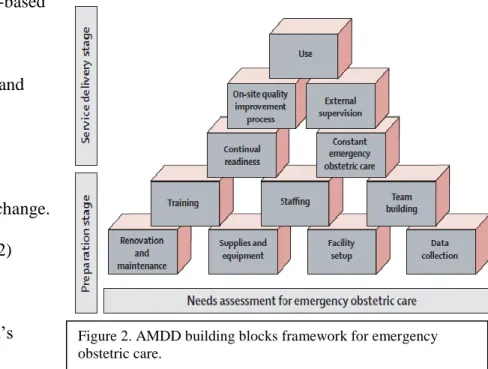
Figure 2. AMDD building blocks framework for emergency obstetric care.
practice and evidence-based
medicine with the
appropriate authority and
stake-holders requires
diplomacy, but is an
effective catalyst for change.
The pyramid (Figure 2)
demonstrates that
assessment of Nigeria‟s
health care infrastructure,
health professionals and continued monitoring is essential to make way for use of life
saving interventions like MgSO4 that are not the current standard of practice. This
framework was identified by the Adverting Maternal Death and Disability Program
(AMDD) as essential components to improving health services delivery(AMDD, 2010).
Seven strategic steps are identified as precursors to development of community capacity
to generate this change.
The first step of assessment for the implementation of new practices and policies is building alliances among stakeholders. Stakeholders need to identify the baseline of evidence-based practice culture in the health care sector in order to begin the
Basic EmOC include:
Treatment for sepsis Treatment for eclampsia
Treatment for prolonged or obstructed labor Post-abortion care (PAC)
Treatment for incomplete miscarriage Removal of the placenta
Assisted delivery using forcepsor suction
Comprehensive EmOC services include the services listed above, and also:
Surgery (specifically, Caesarean section) Anesthesia
Safe blood transfusion observing universal HIV precautions
Figure 3. Emergency Obstetric Care
the Attainment of the MDGs Related to Maternal and Newborn Health in Nigeria, 2005;
and Integrated Maternal, Newborn and Child Health Strategy, 2007 as reported by Ladipo
in a 2009 conference presentation in Nigeria. Detailed information regarding these
policies is not readily available. It may be that these recent policies address the use of
MgSO4, which would reflect progressive movement.
As a part of relationship cultivation, inquiry and discussion of these policies is
required. In the interest of increased provision and use of MgSO4, policies related to
health professional education standards, task shifting and pharmaceutical attainment and
allocation are sought. In this vein, to increase MgSO4 use stakeholders must appeal to
the Nigerian Federal Ministry of Health to re-evaluate the status of drugs on the Nigerian
formulary list. They must lobby for MgSO4 availability in tertiary health care centers
and village dispensaries.
Third is assessment of health care facilities within each state. The Adverting Maternal Death and Disability Program (AMDD) affiliated with Columbia University has
published an emergency
obstetric care (EmOC)
needs assessment field
guide and data
collection modules in
response to the need to
improve health systems
in developing countries.
Identification of Facility and Infrastructure; Human Resources; Essential Drugs,
Equipment, and Supplies; EmOC Signal Functions and Other Essential Services;
Provider Knowledge and; Cesarean Delivery Review; and a Maternal Death Review
(AMDD, 2010). These validated data collection instruments will take a current snapshot
of facilities to further demonstrate gaps in care for women with pre-eclampsia and
eclampsia and other obstetric complications in each Nigerian state (WHO, 2009). This
information can be compared and supplemented by a similar 2003 report of health
facilities in 12 Nigerian states where 4.2% of health care facilities met the Basic Essential
Obstetric Care (BEOC) and 1.2% met Comprehensive Essential Obstetric Care(CEOC)
criteria (see Figure 3) (Fatusi & Iiadunola, 2003; Raise Initiative, 2007).
Fourth is understanding the complex motivations of health care providers
and the factors that may influence use or demand for MgSO4, which seem to stem from
historical drug access, experience-based practice, cost, and fear of side effects (Sevene et
al., 2005; Laing, 2003). A paper recently presented at the 2009 Nigerian National Health
Conference by M.S.I Ohuabunwa addresses the challenges of essential drug availability
in the country. Dr. Ohuabunwa sites corruption, poverty, budgetary restrictions, and a
poorly supported pharmaceutical industry as the reasons for lack of appropriate
therapeutics such as MgSO4. He explains that once drugs reach clinics and pharmacies
they are pocketed or re-sold; also, that competition with India and China make it difficult
for national pharmaceutical companies to thrive. This is true especially in an inadequate
industrial environment as is the case in Nigeria. Ohuabunwa faults recent World Trade
Organization (WTO) policy for making Nigeria an open door for pharma trade and the
lack of use of evidence-based reproductive health interventions in neighboring Cameroon
suggests the provider related barriers are: a lack of continued medical education (CME),
inadequate formal training, insufficient access to learning resources e.g., journals,
newsletters, and data, and a culture that does not promote self-learning(Tita, 2005).
Another barrier specific to Nigeria is widespread use of other anticonvulsant therapy
(diazepam) that can be used for other health indications e.g. sedation, pain relief, anxiety,
insomnia, seizures, and muscle spasms (Duley , Henderson-Smart, Walker, Chou, 2010).
Fifth, educating the public and health sectors through health promotion efforts and continuing medical education (CME). Special attention must be paid to traditional
birth attendants on the importance of antenatal care and basic emergency obstetric care
practices (See Figure 3). Already the WHO has advocated that in resource-limited
settings only tests that are proven to impact maternal-fetal outcomes be offered at the
antenatal care visit. These tests have been determined as blood pressure, urine tests for
bacteria and protein, and blood tests for syphilis and anemia (WHO, 2001; Osungbade,
Oginni & Olumide, 2008). Consideration towards task-shifting and training traditional
birth attendants in these basic skills would likely increase antenatal care throughout the
country, but particularly in the rural areas.
Improved access and patient acceptance of antenatal care is needed in the case of
pre-eclampsia and eclampsia for early detection, birth preparedness and complication
readiness as stated in the DHS Nigeria Report for 2008. Again, integration of traditional
birth attendants into the antenatal care and referral system for these same lines of defense
is needed. Particular emphasis should be put on the higher risk young primigravida
testing cannot necessarily predict the onset of pre-eclampsia or eclampsia women have to
have awareness about where to go for basic and comprehensive emergency obstetric
management.
Educating providers to best practices is as essential as providing them with the
therapies that are known to produce the better outcomes. Sixth is the assurance of drug availability. MgSO4 has been on the WHO essential medicines list (EML) since 1996, one year after the dissemination of the Magpie trial evidence. It is categorized under
anticonvulsants/antiepileptics with the caveat: “For use in eclampsia and severe
pre‐eclampsia and not for other convulsant disorders” (WHO, 2010). It is also listed in
the latest 2003 version of the EML for Nigeria published by the Federal Ministry of
Health and WHO (Sevene et al. 2005). In the Nigerian EML the therapeutic appears
under the „List of Essential Drugs” heading, yet is not present in “The Primary Health
Care List” under the anticonvulsant category (diazepam injection, paraldehyde injection,
and phenobarbitone tablet are listed). This primary health care list is meant for drugs
which are considered essential for specialist and tertiary health care facilities. However,
it is listed for use as a purgative drug or laxative under “Products to be Stocked and Sold
by Patent Medicine Dealers/vendors.” The patent medicine vendors are much like corner
drugstores in the U.S. and not likely to sell prescription medications. Notably, there is no
anticonvulsant medication listed for Level B – Village Dispensaries (Federal MOH Abuja
Nigeria, 2003). At thirty five cents per dose (ampoule (40ml of 10% MgSO4) there is an
unnecessary breakdown in availability of this life-saving therapy as is evident in the
literature reviewed above. Simon, Gray & Duley (2006) conducted a economic
Nigeria administering MgSO4 adds $11 to hospital costs. They also report an
institutional savings of $456 for one missed case of eclampsia. This included cost
savings for all aspects of antenatal and post natal care for both mother and baby:
administrative costs, treatment costs and facility costs (high dependency, ICU, neonatal
ICU, ventilation, medications, dialysis and transfusions) (Simon, Gray & Duley, 2006).
And seventh, implementing WHO guidelines and recommendations, which use evidence-based clinical criteria, will improve pre-eclampsia/eclampsia management.
The most compelling strategy to address poor outcomes for patients presenting with
pre-eclampsia and pre-eclampsia are criteria published in a 2000 Bulletin of the World Health
Organization by Graham, W., et. al. A short and easy-to-follow set of criterion for the
optimal management of eclampsia:
Senior Medical Staff takes responsibility of formulating a management plan for the patient.
Anti-hypertensive treatment is given to patients with severe hypertension. The treatment and prophylaxis of seizures is with MgSO4
Respiratory rate and tendon reflexes are monitored when MgSO4 is used (to test for toxicity).
Antepartum/intrapartum fluid balance chart is maintained.
Hematological and renal investigations are done at least once: clotting time, platelet count, and urine albumin test.
Delivery is achieved within 12 hours of the first convulsion.
Monitoring of blood pressure and urine output continues for at least 48 hours after delivery (Graham, 2000).
More importantly, these criteria were evaluated for use in a clinical setting in
southwestern Nigeria in 2002-2003. Original research conducted in the Federal Medical
Centre in Abeokuta described results of a pre-test and post-test of implementation of the
above criteria by clinical staff. Researchers assessed quality of care before criteria were
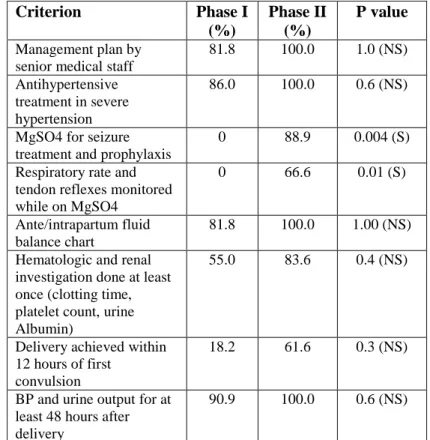
Figure 4. Details of pre- and post-intervention assessment of Quality of Care and comparison of the care score of each criterion for the two phases.
care and outcomes. They then met with nursing staff to discuss their findings and
institute the new criteria. The second phase of the study which implemented the new
criteria lasted for six months. This study is remarkable because clinic staff identified a
specific need for the provision
of MgSO4 in the feedback
session before implementation
of Phase II. Indicating
awareness of the inadequacy
prior to implementation of a
protocol which called for
MgSO4 use. Also, adherence
to the criteria was based on a
score of one per unit criteria, if
criteria were only partially
fulfilled a half point was given.
Significant to this study was the total care score prior to implementation for eclampsia of
54.3% and 90% post implementation; Figure 4
demonstrates percent change in the uptake and adherence to each criterion by clinic
staff for care for eclamptic patients (Hunyinbo, Fawole, Sotilove, Otolorin, 2008).
Other WHO generated resources for training health care providers and traditional
birth attendants can be adapted to suit urban and rural Nigerians at different literacy
levels and according to experience. These guides provide illustrations, definitions, risk
factors, didactic exercises and checklists for understanding onset of disease (WHO, 2005;
Criterion Phase I
(%)
Phase II (%)
P value
Management plan by senior medical staff
81.8 100.0 1.0 (NS)
Antihypertensive treatment in severe hypertension
86.0 100.0 0.6 (NS)
MgSO4 for seizure treatment and prophylaxis
0 88.9 0.004 (S) Respiratory rate and
tendon reflexes monitored while on MgSO4
0 66.6 0.01 (S)
Ante/intrapartum fluid balance chart
81.8 100.0 1.00 (NS) Hematologic and renal
investigation done at least once (clotting time, platelet count, urine Albumin)
55.0 83.6 0.4 (NS)
Delivery achieved within 12 hours of first
convulsion
18.2 61.6 0.3 (NS)
BP and urine output for at least 48 hours after delivery
WHO, 2008). Traditional birth attendants can be taught how to administer basic
antenatal testing as recommended by the WHO (blood pressure, urine tests for bacteria
and protein, and blood tests for syphilis and anemia) and referral routes for women who
need more specialized care. Early recognition of the characteristics related to
pre-eclampsia and pre-eclampsia is likely to hasten administration of the appropriate treatment
regime. Herein, engagement of the array of stakeholders previously mentioned is key to
gain trust and buy-in for use and to determine functionality of such resources.
Conclusions
Upwards of 10,000 women are dying from pre-eclampsia/eclampsia in Nigeria
each year and the use of MgSO4 could cut this in half. For each death it is estimated
there are 30 cases of morbidity. In the case of pre-eclampsia and eclampsia it is
somewhat likely a woman will have hypertension after her pregnancy or later in life.
Complications related to hypertension and history of pre-eclampsia/eclampsia includes
cardiomyopathy, retinopathy, renal damage, and incidence of stroke and heart attack
(Oyati, 2008). This disease puts a tremendous strain on the public health status of the
country, resulting in an array of economic consequences to the individual and society.
It has been established within this review that MgSO4 is not currently available in
teaching hospitals and medical centers in all geographic regions in Nigeria. Provision of
essential medicine was established in the 1978 Alma Ata Declaration as one of eight key
components of basic health care in article VII Primary Health Care (Laing, 2003).
Evidence-based criteria for drug inclusion on the EML is that there must be public-health
Nigerian EML it is not on “The Primary Health Care List” or properly categorized on the
“Products to be Stocked and Sold by Patent Medicine Dealers/vendors” list, nor is it
available in village dispensaries (Federal MOH Abuja Nigeria 2003). These failures to
list appropriately are likely a primary cause of drug unavailability within the country.
Health care providers of all types need access to therapeutics which offer the most
favorable outcomes for their clients. This includes traditional birth attendants who
require training in recognizing pre-eclampsia, administration of MgSO4 and patient
monitoring. Also, women need access to facilities and providers that are both nearby
their homes and adequately equipped to manage obstetric emergencies for optimal health
References
1. Adewole, I. F., Oladokun, A., Okewole, A. I., Omigbodun, A. O., Afolabi, A.,
Ekele, B., et al. (2000). Magnesium sulphate for treatment of eclampsia: The
Nigerian experience. African Journal of Medicine and Medical Sciences, 29(3-4),
239-241.
2. Altman, D., Carroli, G., Duley, L., Farrell, B., Moodley, J., Neilson, J., et al.
(2002). Do women with pre-eclampsia, and their babies, benefit from magnesium
sulphate? The Magpie Trial: A randomised placebo-controlled trial. Lancet,
359(9321), 1877-1890.
3. AMDD. (2010). Needs assessment of emergency obstetric and newborn care:
Data collection modules. Retrieved March 21, 2011, 2011, from
http://www.amddprogram.org/d/content/resources-overview
4. Churchill, D., & Duley, L. (2002). Interventionist versus expectant care for severe
pre-eclampsia before term. Cochrane Database of Systematic Reviews (Online),
(3)(3), CD003106.
5. Daniels, K., Lewin, S., & Practice Policy Group. (2008). Translating research into
maternal health care policy: A qualitative case study of the use of evidence in
policies for the treatment of eclampsia and pre-eclampsia in South Africa. Health
Research Policy and Systems / BioMed Central, 6, 12.
6. Druzin, M. L., Charles, B., & Johnson, A. L. (2008). Editorial summary of
symposium on hypertensive disorders of pregnancy. Current Opinion in
7. Duley, L. (2005). Evidence and practice: The magnesium sulphate story. Best
Practice & Research.Clinical Obstetrics & Gynaecology, 19(1), 57-74.
8. Duley, L., Gulmezoglu, A. M., & Chou, D. (2010). Magnesium sulphate versus
lytic cocktail for eclampsia. Cochrane Database of Systematic Reviews (Online),
(9)(9), CD002960.
9. Duley, L., Gulmezoglu, A. M., & Henderson-Smart, D. J. (2003). Magnesium
sulphate and other anticonvulsants for women with pre-eclampsia. Cochrane
Database of Systematic Reviews (Online), (2)(2), CD000025.
10.Duley, L., Gulmezoglu, A. M., Henderson-Smart, D. J., & Chou, D. (2010).
Magnesium sulphate and other anticonvulsants for women with pre-eclampsia.
Cochrane Database of Systematic Reviews (Online), (11)(11), CD000025.
11.A Duley, L., & Henderson-Smart, D. (2003). Magnesium sulphate versus
diazepam for eclampsia. Cochrane Database of Systematic Reviews (Online),
(4)(4), CD000127.
12.B Duley, L., & Henderson-Smart, D. (2003). Magnesium sulphate versus
phenytoin for eclampsia. Cochrane Database of Systematic Reviews (Online),
(4)(4), CD000128.
13.Duley, L., Henderson-Smart, D. J., Walker, G. J., & Chou, D. (2010). Magnesium
sulphate versus diazepam for eclampsia. Cochrane Database of Systematic
Reviews (Online), (12)(12), CD000127.
14.Duley, L., Matar, H. E., Almerie, M. Q., & Hall, D. R. (2010). Alternative
magnesium sulphate regimens for women with pre-eclampsia and eclampsia.
15.Dyer, R. A., Piercy, J. L., & Reed, A. R. (2007). The role of the anaesthetist in the
management of the pre-eclamptic patient. Current Opinion in Anaesthesiology,
20(3), 168-174.
16.Ebeigbe, P. (2010). Early onset pregnancy-induced hypertension/eclampsia in
Benin City, Nigeria. Nigerian Journal of Clinical Practice, 13(4), 388-393.
17.Fatusi, A. O., & Ijadunola, K. T. (2003). National study on essential obstetric care
facilities in Nigeria. Abuja, Federal Ministry of Health & United Nations
Population Fund (UNFPA),
18.Federal MOH Abuja Nigeria, & WHO. (2003). Essential drugs list - fourth
revision 2003 - federal republic of Nigeria
19.Graham, W., Wagaarachchi, P., Penney, G., McCaw-Binns, A., Antwi, K. Y., &
Hall, M. H. (2000). Criteria for clinical audit of the quality of hospital-based
obstetric care in developing countries. Bulletin of the World Health Organization,
78(5), 614-620.
20.Hogan, M. C., Foreman, K. J., Naghavi, M., Ahn, S. Y., Wang, M., Makela, S.
M., et al. (2010). Maternal mortality for 181 countries, 1980-2008: A systematic
analysis of progress towards millennium development goal 5. Lancet, 375(9726),
1609-1623.
21.Hogberg, U. (2005). The World Health Report 2005: "Make every mother and
child count" - including Africans. Scandinavian Journal of Public Health, 33(6),
409-411.
22.Hunyinbo, K. I., Fawole, A. O., Sotiloye, O. S., & Otolorin, E. O. (2008).
a developing country hospital. African Journal of Reproductive Health, 12(3),
59-70.
23.Igberase, G. O., & Ebeigbe, P. N. (2006). Eclampsia: Ten-years of experience in a
rural tertiary hospital in the Niger delta, Nigeria. Journal of Obstetrics and
Gynaecology : The Journal of the Institute of Obstetrics and Gynaecology, 26(5),
414-417.
24.Ikechebelu, J. I., & Okoli, C. C. (2002). Review of eclampsia at the Nnamdi
Azikiwe University Teaching Hospital, Nnewi (January 1996-December 2000).
Journal of Obstetrics and Gynaecology: The Journal of the Institute of Obstetrics
and Gynaecology, 22(3), 287-290.
25.Ladipo, O. A. (2009). Delivery of effective maternal and child health services in
Nigerian National Health Conference June 9 & 10, 2009. Nigeria. Akwa Ibom
State.
26.Laing, R., Waning, B., Gray, A., Ford, N., & Hoen, E. (2003). 25 years of the
WHO essential medicines lists: Progress and challenges. Lancet, 361(9370),
1723-1729.
27.Langer, A., Villar, J., Tell, K., Kim, T., & Kennedy S. (2008). Reducing
eclampsia-related deaths--a call to action. Lancet, 371(9614),705-6.
28.Lavis, J., Davies, H., Oxman, A., Denis, J. L., Golden-Biddle, K., & Ferlie, E.
(2005). Towards systematic reviews that inform health care management and
policy-making. Journal of Health Services Research & Policy, 10 Suppl 1, 35-48.
29.Lean, T.H., Ratnam, S.S., Sivasamboo, R. (1968). Use of benzodiazepines in the
30.Lombaard, H., Pattinson, R. C., Backer, F., & Macdonald, P. (2005). Evaluation
of a strict protocol approach in managing women with severe disease due to
hypertension in pregnancy: A before and after study. Reproductive Health, 2, 7.
31.Melah, G. G. (2006). Pregnancy outcomes of women with eclampsia in Gombe,
Nigeria. International Journal of Gynecology and Obstetrics, 92(3), 251-252.
32.National Population Commission (NPC) [Nigeria] and ICF Macro. 2009. Nigeria
Demographic and Health Survey2008. Abuja, Nigeria: National Population
Commission and ICF Macro.
33.Ohuabunwa, M. S. I. (2009). The challenges of making quality essential drugs
and supply available for PHC in Nigeria. Akwa Ibom State.
34.Okafor, U. V., & Efetie, R. E. (2008). Critical care management of eclamptics:
Challenges in an African setting. Tropical Doctor, 38(1), 11-13.
35.Okafor, U. V. U. (2009). Anaesthetic management of patients with
pre-eclampsia/eclampsia and perinatal outcome. The Journal of Maternal-Fetal &
Neonatal Medicine, 22(8), 688-692.
36.Okogbenin, S. A., Eigbefoh, J. O., Omorogbe, F., Okogbo, F., Okonta, P. I., &
Ohihoin, A. G. (2010). Eclampsia in Irrua specialist teaching hospital: A five-year
review. Nigerian Journal of Clinical Practice, 13(2), 149-153.
37.Onah, H. (2002). Conservative management of early-onset pre-eclampsia and
fetomaternal outcome in Nigerians. Journal of Obstetrics and Gynaecology,
22(4), 357-62.
38.Onwuhafua, P. (2002). Dying undelivered. Journal of Obstetrics and
39.Osungbade, K., Oginni, S., & Olumide, A. (2008). Content of antenatal care
services in secondary health care facilities in Nigeria: Implication for quality of
maternal health care. International Journal for Quality in Health Care : Journal
of the International Society for Quality in Health Care / ISQua, 20(5), 346-351.
40.Oyati, A. I., Danbauchi, S. S., Isa, M. S., Alhassan, M. A., Sani, B. G., Anyiam,
C. A., et al. (2008). Role of pre-eclamptic toxaemia or eclampsia in hypertensive
women attending cardiac clinic of Ahmadu Bello University Teaching Hospital
Zaria, Nigeria. Annals of African Medicine, 7(3), 133-137.
41.Prichard, J.A. (1955). The use of the magnesium ion in the management of
eclamptogenic toxemias. Surg Gynecol Obstet,100(2),131-40.
42.Raise Initiative. (2007). Emergency obstetric care. Retrieved April 1, 2011, 2011,
from http://www.raiseinitiative.org/library/pdf/fs_emoc.pdf
43.Ridge, A. L., Bero, L. A., & Hill, S. R. (2010). Identifying barriers to the
availability and use of magnesium sulphate injection in resource poor countries: A
case study in Zambia. BMC Health Services Research, 10, 340.
44.Sibai, B.M. (2007). Hypertension. In: Gabbe SG, Niebyl JR, Simpson JL, eds.
Obstetrics - Normal and Problem Pregnancies. 5th ed. Philadelphia, Pa: Elsevier
Churchill Livingstone; chap 33.
45.Schulz, K. F., & Grimes, D. A. (2006). Handbook of essential concepts in clinical
research. Philadelphia, PA: Elsevier Limited.
46.Sevene, E., Lewin, S., Mariano, A., Woelk, G., Oxman, A. D., Matinhure, S., et