ABSTRACT
GAGNON JR., KEITH THOMAS. Archaeal Box C/D sRNP Assembly, Structure and Function. (Under the direction of E. Stuart Maxwell.)
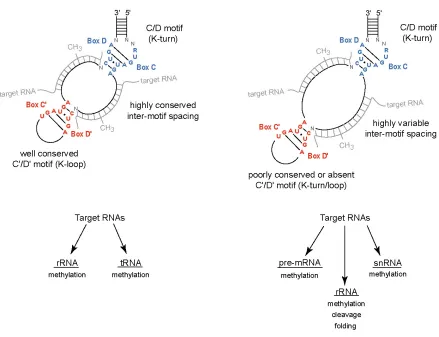
Archaeal box C/D sRNAs function by guiding the nucleotide-specific 2’-O ribose methylation of rRNA and tRNA. These small RNAs contain terminal box C/D and internal C’/D’ motifs which each bind three core sRNP proteins and fold into RNA K-turn motifs. The guide sequences of box C/D sRNAs, located upstream of both box D and D’ sequence elements, base pair with target RNAs to direct methylation. The target nucleotide five base pairs upstream of the box D or D’ is then 2’-O-methylated by bound sRNP core proteins.
Functional archaeal box C/D sRNPs can be assembled using in vitro transcribed sRNA and three recombinant core proteins, L7, Nop56/58 and fibrillarin. These complexes can then be affinity purified for use in structural or enzymatic studies. Here methods for the preparation of recombinant core proteins and in vitro transcribed sRNA are presented. In vitro sRNP assembly, 2’-O-methylation activity assays, and techniques for the affinity purification of active box C/D sRNP complexes are also described.
In vitro assemblies of box C/D sRNPs from the thermophilic archaeon Methanocaldococcus jannaschii have now been used to study core protein-mediated sRNA remodeling that occurs during the assembly of these sRNP complexes. L7 and Nop56/58 core proteins required elevated temperatures to efficiently bind the sRNA and both CD spectroscopy and thermal denaturation revealed an increase in order and stability of the sRNA after core protein binding, thus demonstrating that RNA structural changes take place during RNP assembly. Probing of sRNA structure and guide region accessibility during sRNP assembly of M. jannaschii sR8, sR6 and mutant sRNAs further revealed variations in the assembly pathways taken by different sRNA species. RNA remodeling appears to be a common and requisite feature during box C/D sRNP assembly and variations in the remodeling pathway(s) are largely dependent upon the particular guide sequences of each sRNA.
Archaeal Box C/D sRNP Assembly, Structure and Function
by
Keith Thomas Gagnon, Jr.
A dissertation submitted to the Graduate Faculty of North Carolina State University
in partial fulfillment of the requirements for the Degree of
Doctor of Philosophy
MOLECULAR AND STRUCTURAL BIOCHEMISTRY
Raleigh, North Carolina 2007
APPROVED BY:
______________________________ ______________________________ Paul F. Agris A. Clay Clark
Committee Member Committee Member
__________________________________ James W. Brown
Committee Member
______________________________ _____________________________ E. Stuart Maxwell Paul Wollenzien
DEDICATION
To my patient and loving wife Darci for her faith and sacrifice. Also to my mother and father for instilling in me the fortitude and values necessary for success. And finally, to
BIOGRAPHY
ACKNOWLEDGEMENTS
I first thank my advisor and friend, E. Stuart Maxwell, for teaching me more than just how to do good research. He has given me insight into the potential difficulties and joys of being a research professor. I also thank my committee members, as well as all the faculty, staff and graduate students of the Department of Molecular and Structural Biochemistry, for their guidance, sharing of wisdom and knowledge, and often free-spirited humor and opinions.
I thank past and present members of the Maxwell lab for helping me to grow into a better research scientist with their insightful discussions and experimental know-how. Special thanks to Xinxin Zhang, who has been exceptionally helpful in tackling experimental difficulties and contributing to several research projects.
I also thank my family and close personal friends. They have encouraged me, made me laugh, and been a comfort to me during the less-palatable moments of graduate school and life in general. Especially supportive is my best friend and loving wife Darci. She is unconditionally there when the experiments work and there when they don’t.
TABLE OF CONTENTS
LIST OF TABLES ……….. ix
LIST OF FIGURES ………. x
LITERATURE REVIEW ……… 1
I. A Brief History of the Box C/D RNAs and RNPs ……… 2
II. Diversity of Box C/D RNA Populations ………... 3
A. Box C/D RNA Nomenclature ……… 3
B. Box C/D RNA Structure ……… 4
C. Diversity of Box C/D RNA Populations ………... 6
D. Box C/D RNA Identification ………... 6
III. Box C/D RNA Functions and Target RNAs ……….. 7
A. Folding and Cleavage of Pre-rRNA ………... 7
B. 2’-O-Methylation of Diverse RNA Targets ………... 9
C. Additional Roles and Targets for Box C/D RNAs ………... 10
IV. Box C/D RNP Structure and Nucleotide Methylation Function …………... 11
A. Eukaryotic Box C/D Core Proteins and snoRNP Structure ……….. 11
B. Archaeal Box C/D Core Proteins and In Vitro sRNP Assembly ………... 12
C. Core Protein and RNP Crystal Structures ………... 13
D. Investigating Methylation Using In Vitro Assembled Archaeal Box C/D sRNPs ……… 15
V. Box C/D RNP Biogenesis ... 16
A. Genomic Organization of Eukaryotic Box C/D snoRNA Genes ……….. 16
B. Independently-Transcribed and Intronic Eukaryotic Box C/D snoRNA Genes ………... 16
C. Archaeal Box C/D sRNA Genes ………... 18
D. Transcription and Processing of Independently Transcribed Box C/D snoRNAs ………... 19
E. Transcription and Processing of Intronic Box C/D snoRNAs ………... 20
VI. Summary of Relevant Dissertation Research ………... 23
A. In Vitro Box C/D sRNP Assembly and Affinity Purification …………... 23
B. RNA Remodeling During Archaeal Box C/D sRNP Assembly ………... 24
REFERENCES ………... 26
CHAPTER I. In Vitro Reconstitution and Affinity Purification of Catalytically Active Archaeal Box C/D sRNP Complexes ………..……... 42
ABSTRACT ………... 43
INTRODUCTION ………... 44
RESULTS ……….... 46
I. Cloning, Expression, and Preparation of M. jannaschii Box C/D sRNP Core Proteins ……… 46
A. Cloning of M. jannaschii L7, Nop56/58, and Fibrillarin Genes ………... 46
B. Recombinant Core Protein Expression in Bacterial Cells ……… 47
C. Affinity Chromatographic Isolation of L7 and Fibrillarin Core Proteins ………. 48
D. Isolation of Nop56/58 Core Protein by Cation-Exchange Chromatography ………... 49
II. Cloning and In Vitro Transcription of Archaeal Box C/D sRNAs ………... 50
III. In vitro Assembly of the M. jannaschii sR8 Box C/D sRNP Complex …….... 51
IV. Assessment of In vitro Assembled M. jannaschii Box C/D sRNP Methylation ……… 52
V. Sequential Affinity Purification of In Vitro Assembled Box C/D sRNPs ……. 53
A. An Overview ………. 53
B. Affinity Chromatography Buffers ………. 55
C. Preparation of the Affinity Chromatography Resins ………. 55
D. Assembly of the sR8 sRNP Complex ………... 56
E. Tandem Affinity Purification of In Vitro Assembled Box C/D sRNP ….. 56
ACKNOWLEDGEMENTS ………... 62
REFERENCES ……….... 63
CHAPTER II. Assembly of the Archaeal Box C/D sRNP Can Occur Via Alternative Pathways and Requires Temperature-Facilitated sRNA Remodeling ………... 69
ABSTRACT ………. 70
INTRODUCTION ………... 71
RESULTS ……… 74
A. Efficient L7 Core Protein Binding is Temperature-Dependent and Requires sRNA Remodeling ……….. 74
B. L7 Binding Remodels and Stabilizes sR8 sRNA Structure …………... 75
C. Ordered Assembly of the sR8 sRNP is Temperature-Dependent and Requires sRNA Structural Changes ………... 76
D. sR8 sRNA Remodeling Modulates D and D’ Guide Sequence Accessibility for Target RNA Binding ………. 78
E. Temperature-Dependent Assembly of M. jannaschii sR6 sRNP Requires sRNA Remodeling But Uses an Alternative Assembly Pathway ……... 79
F. sR6 Guide Regions Are Exposed Throughout sRNP Assembly ……….. 81
G. sRNA Guide Sequences Can Influence the sRNP Assembly and Remodeling Pathway ……….... 82
DISCUSSION ……….. 84
MATERIALS AND METHODS ………. 89
ACKNOWLEDGEMENTS ………. 94
REFERENCES ……… 95
CONCLUDING REMARKS ………... 112
APPENDICES ……….. 116 APPENDIX A. Scientific Meeting Abstracts ……… 117 APPENDIX B. Purification of Recombinant Box C/D snoRNP Core Proteins
from Mouse and In Vitro Assembly of a Box C/D snoRNP ………... 131 APPENDIX C. Protocols for Large-Scale Production of Recombinant
LIST OF TABLES LITERATURE REVIEW
Table I. Box C/D RNA Databases and Search Engines ………. 8
CHAPTER I
Table I. In Vitro sRNP Assembly ………. 65
CHAPTER II
Table I. 2’-O-Methylation Activity of Dual Guide Box C/D sRNPs ……….. 102
APPENDIX B
LIST OF FIGURES LITERATURE REVIEW
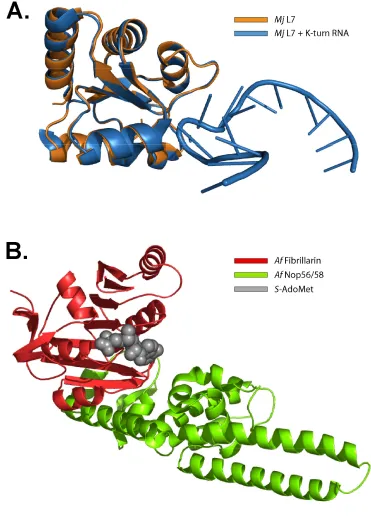
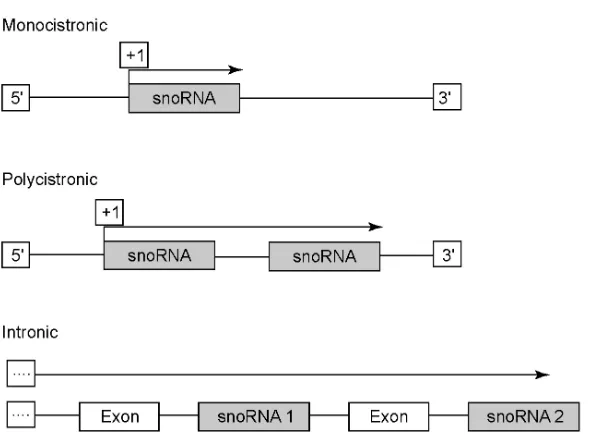
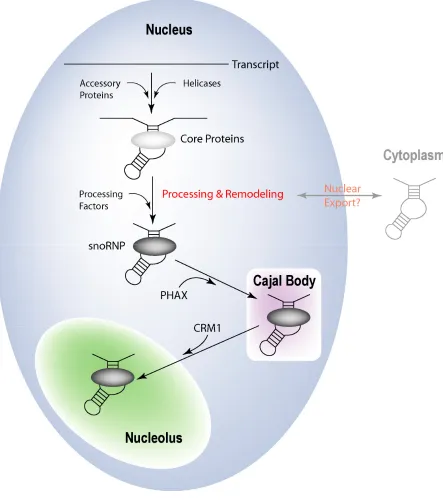
Figure 1. Archaeal and eukaryotic box C/D RNAs and their target RNAs …………... 5 Figure 2. Archaeal and eukaryotic box C/D ribonucleoprotein complexes ………….. 12 Figure 3. Crystal structures of Archaeal box C/D sRNP core proteins ………. 14 Figure 4. Genomic organization of the box C/D RNAs ……… 17
Figure 5. Schematic of eukaryotic box C/D snoRNP biogenesis and transport ……… 22
CHAPTER I
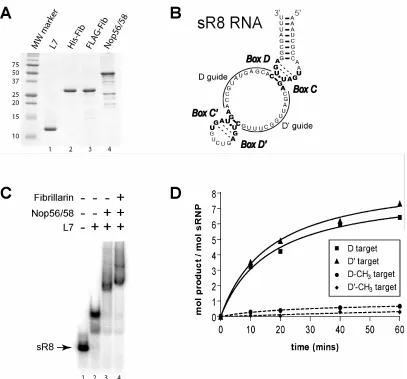
Figure 1. Archaeal box C/D recombinant core protein isolation, in vitro RNP
assembly, and sRNP-guided nucleotide 2’-O-methylation ……….……... 66 Figure 2. Sequential affinity purification of in vitro assembled Archaeal box
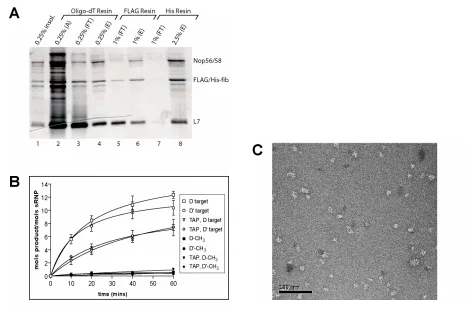
C/D sRNP ………... 67 Figure 3. SDS-polyacrylamide gel electrophoretic analysis, methyltransferase
activity, and electron microscopy of in vitro assembled M. jannaschii sR8 box
C/D sRNPs ………. 68
CHAPTER II
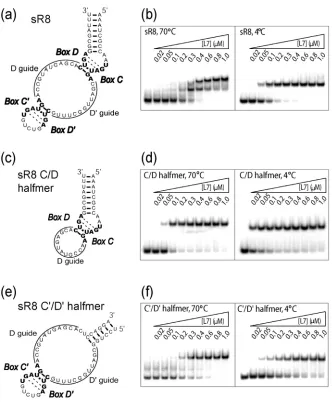
Figure 1. L7 core protein binding to both sR8 box C/D and C’/D’ motifs requires
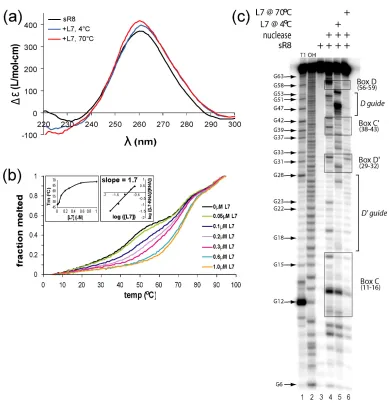
elevated assembly temperatures ……… 102 Figure 2. L7 binding to sR8 remodels and stabilizes sRNA structure ………. 103 Figure 3. Complete assembly of the sR8 sRNP complex requires elevated
assembly temperatures and sRNA remodeling ………. 104 Figure 4. sR8 D and D’ guide region accessibility to target RNA binding changes
during sRNP assembly ………. 105 Figure 5. M. jannaschii sR6 requires elevated temperature for efficient
Figure 8. sRNA guide regions affect sRNA folding and L7 binding ……….. 109 Figure 9. Altered sRNA guide regions affect sRNA structure and sRNP
assembly ……….... 110 Figure 10. Archaeal box C/D sRNPs can follow different remodeling and assembly
pathways ………... 111
APPENDIX B
Figure 1. Assembly of a eukaryotic box C/D snoRNP ……… 152
APPENDIX C
LITERATURE REVIEW
Derived From:
The Box C/D RNPs: Evolutionarily Ancient Nucleotide Modification Complexes
Keith T. Gagnon, Xinxin Zhang and E. Stuart Maxwell
Department of Molecular and Structural Biochemistry, North Carolina State University, Raleigh, North Carolina, 27695-7622
I. A Brief History of the Box C/D RNAs and RNPs
Small RNAs were first identified in eukaryotic nuclei in the 1960's when a handful of abundant species were phenol-extracted from isolated nuclei and characterized on sucrose gradients and polyacrylamide gels (reviewed in (1)). Subsequent nucleotide analysis revealed a base composition distinct from GC-rich ribosomal RNA leading to their designation as U-rich small nuclear RNAs or the U snRNAs (2,3). It quickly became apparent that the U snRNAs are partioned in the nucleoplasmic and nucleolar compartments (4-8). Eventual sequencing of the predominant snRNAs in the 1970s defined U3, the first nucleolar box C/D RNA (9-12). A few additional nucleolar RNA species were subsequently identified and this RNA population was designated the small nucleolar RNAs or snoRNAs in 1981 (13). The snoRNA population remained rather small until the early 1990's with the discovery of numerous intronic snoRNAs, encoded within pre-messenger RNA introns and excised from pre-mRNA transcripts during splicing (reviewed in (14)). Categorization of the expanding snoRNA population based upon conserved sequence elements defined the two major snoRNA families, the box C/D and the box H/ACA RNAs (15,16). Discovery of box C/D RNAs in archaeal organisms in the mid 1990s suggested an evolutionarily ancient origin for these small non-coding RNAs before the divergence of Archaea (17-20). The number of both eukaryotic and archaeal box C/D RNAs has continued to grow and now includes hundreds of species.
-methylation of rRNA (28-30). Additional roles for the box C/D snoRNAs have since been demonstrated. U3 and U8 snoRNAs function as RNA chaperones, folding the pre-rRNA transcript which is required for precursor processing (31-34). The list of target RNAs modified by the box C/D RNAs has expanded to include the eukaryotic splicing snRNAs, pre-messenger RNAs, and archaeal tRNAs (18,35-37). The identification of tissue-specific box C/D snoRNAs may well suggest additional box C/D snoRNA populations with new functions guided via the RNA’s guide sequence in specific tissues (38-40).
In the last decade, investigations have focused upon identifying box C/D RNA-binding proteins. Highly homologous eukaryotic and archaeal core proteins have been defined and the identification of eukaryotic accessory proteins suggests that snoRNP assembly may be a complex and regulated process (41-47). In vitro assembly systems for the archaeal box C/D sRNP complex have been established and used to define box C/D RNP assembly pathways as well as reveal RNP structure and examine the mechanisms of box C/D RNA-guided nucleotide methylation function (48-50). These studies, coupled with emerging crystal structures of the core proteins and RNA:protein complexes, are now leading to a more detailed understanding of the structure and function of this RNA:protein enzyme. This review discusses current knowledge and ongoing studies examining the structure and function of both eukaryotic and archaeal box C/D RNP complexes.
II. Diversity of Box C/D RNA Populations A. Box C/D RNA Nomenclature
nomenclature include the protozoa Trypanosoma brucei (TBxCsyCz, x = chromosome #, y = cluster #, z = RNA species number) and Euglena gracilis (Eg-mx, x = RNA species number) (52,53). Different naming schemes have also been employed for tissue-specific or disease related box C/D snoRNAs , such as the mouse brain-specific box C/D snoRNA II-52 (MBII-52) or the box C/D snoRNA linked to neonatal lethality in Prader-Willi syndrome (Pwcr1/MBII-85) (38,54).
B. Box C/D RNA Structure
C. Diversity of Box C/D RNA Populations
Appreciation of box C/D RNA diversity in Eukarya and Archaea has come with the characterization of RNA populations in a variety of organisms in both kingdoms. For eukaryotes, approximately two thirds of the yeast snoRNAs involved in rRNA maturation are conserved and found in plants and humans (66). The yeast box C/D snoRNA population has been well defined and currently numbers 46 species (67). Compare this with more than double that number of species in human involved in rRNA maturation, which does not include additional species modifying other cellular target RNAs (68). Thus, the box C/D snoRNA populations of metazoan organisms are characteristically more complex with many of these additional RNAs unique to specific organisms. Box C/D homologs in different organisms may possess unique guide sequences reflecting organism-specific rRNA sequences yet modify corresponding nucleotides in the respective ribosomal RNAs. However, many box C/D snoRNA species modify rRNA nucleotides or nucleotides of other target RNAs that are unique to that organism (52). Thus, different eukaryotes typically possess a unique set of snoRNAs characteristic of that organism. While the majority of box C/D snoRNAs are involved in nucleotide methylation of rRNA nucleotides, conserved box C/D snoRNAs such as U3, U8, and U14 function in animals, plants, and fungi in non-modification roles such as facilitating pre-rRNA folding or cleavage during precursor processing (14). To date, there appears to be no shared box C/D RNA homologs between Archaea and Eukarya. Furthermore, box C/D sRNA populations among Crenarchaeaota and Euryarchaeota are typically distinct with respect to the specific organism examined (18,57,69).
D. Box C/D RNA Identification
C/D RNPs recently identified 66 previously unknown box C/D snoRNAs in the protist Euglena gracilis (53). Computational approaches have utilized a variety of search engines and algorithms to analyze available databases using box C and D consensus sequences (Table 1), as well as appropriately positioned guide sequences that exhibit complementarity to cellular target RNAs (73,74). Other sequence analysis-based searches have used snoRNA or intronic sequence databases to search for homologs in particular organisms (60,75). Computational approaches can identify potential box C/D RNAs that are expressed at low levels or in a tissue-specific manner whose detection by biochemical approaches might prove difficult. The utility of computational approaches was recently demonstrated by the identification of 62 novel box C/D RNAs from the trypanosome Leishmania major and 50 novel snoRNAs in Caenorhabditis elegans (76,77). Both candidate and experimentally confirmed RNAs are found in an array of databases which report ever increasing populations of archaeal and eukaryotic box C/D RNAs (Table 1). Biochemical and computational approaches have identified “orphan” box C/D RNAs where the associated guide sequence is not complementary to any know cellular RNA sequence, thus raising the question as to their possible function.
III. Box C/D RNA Functions and Target RNAs A. Folding and Cleavage of Pre-rRNA
essential snoRNA species are depleted in oligonucleotide knockout experiments (14,21,34,84).
Some box C/D snoRNAs such as U3, U8, and U14 have been shown to be important for pre-rRNA folding and cleavage. These snoRNAs are considered to have “chaperone” function as their base pairing to target rRNAs facilitates correct pre-rRNA folding required for precursor maturation. U3 hydrogen-bonds with the 5’ ETS of the rRNA precursor and U14 base pairs with 18S rRNA (31,85,86). Both snoRNAs are essential for pre-RNA cleavage and production of mature 18S rRNA. U8 is required for proper folding of 5.8S and 28S rRNAs within the precursor transcript and is essential for 28S rRNA production (32-34). Interestingly, U14 not only guides 18S rRNA processing using its C’/D’ guide sequence, but also guides nucleotide methylation using its box C/D guide sequence (84). Recent work utilizing computer simulations has suggested that snoRNAs may play important roles in long range rRNA folding (87). To date, eukaryotic box C/D RNAs have not been implicated in chaperone folding or precursor processing functions for any RNA other than pre-ribosomal RNA.
B. 2’-O-Methylation of Diverse RNA Targets
nucleotides methylated vary from organism to organism, but these modifications tend to be clustered in conserved core and functional regions of the rRNA (90). Disruption of one or a few modifications at specific nucleotides often does not result in an obvious phenotype (90), although complete disruption of nucleotide methylation in yeast has severe effects upon rRNA maturation and ribosome function (92).
The types of RNA targeted for methylation by box C/D RNAs extends beyond the ribosomal RNAs to include archaeal tRNAs and the eukaryotic splicing snRNAs. Many of the modifications in archaeal rRNA and tRNAs are predicted by newly defined box C/D sRNAs and their associated D and D’ guide sequences (18). Also found in Archaea and Eukarya are “orphan” RNAs where the guide sequence(s) of an identified C/D RNA is not complementary to any sequence in a known cellular RNA (58,74). In eukaryotes, specific box C/D RNAs guide nucleotide methylation of U1, U2, U4, U5, U6 and U12 snRNAs (35,93,94). Specific species of box C/D RNA family are also found localized to the nuclear Cajal bodies and designated small Cajal RNAs or scaRNAs. These scaRNAs are unique in that they possess both box C/D and box H/ACA RNA motifs and direct the 2’-O-methylation and pseudouridylation of the RNA Pol II-transcribed snRNAs U1, U2, U4, and U5 within the Cajal bodies (35).
C. Additional Roles and Targets for Box C/D RNAs
to the inclusion of an exon in the final spliced serotonin receptor mRNA (37). The loss of MBII-85/HBII-85 is implicated in Prader-Willi syndrome (95). Furthermore, regulation of MBII-52 and MBII-48 snoRNA levels has been noted in the early phase of memory consolidation during learning, thus suggesting a possible role for this snoRNA in higher brain function (96).
IV. Box C/D RNP Structure and Nucleotide Methylation Function A. Eukaryotic Box C/D Core Proteins and snoRNP Structure
Box C/D snoRNAs bind a small set of core proteins to establish ribonucleoprotein (RNP) complexes (Figure 2). Terminal box C/D and internal C’/D’ snoRNA motifs serve as protein binding sites for RNP assembly and it is the bound core proteins that carry out the nucleotide 2’-O-methytransferase reaction. Four well conserved core proteins bind eukaryotic box C/D snoRNAs. They are the 15.5kD protein (Snu13p in yeast), nucleolar proteins 56 (Nop56) and 58 (Nop58), and the methyltransferase fibrillarin. The 15.5kD protein directly binds the box C/D K-turn, but not box C’/D’ motifs, initiating assembly of box C/D snoRNPs (44,97-99). The use of nucleotide analog interference mapping (NAIM) has suggested that 15.5kD’s inability to bind C’/D’ motifs may lie in slight structural differences that arise when a K-turn possesses a terminal loop instead of a stem II structure (100).
The methyltransferase fibrillarin interacts with both Nop56 and Nop58 and can be cross-linked to both box C/D and C’/D’ motifs (41,98). Evidence establishing fibrillarin as the methyltransferase enzyme includes the presence of an S-adenosylmethionine (AdoMet)-dependent methyltransferase-like domain that is required for methylation activity (102,103) and the observation that disruption of the yeast fibrillarin gene results in the loss of pre-rRNA methylation (92).
B. Archaeal Box C/D Core Proteins and In Vitro sRNP Assembly
Archaeal box C/D sRNAs bind three core proteins which are highly homologous to the eukaryotic core proteins (43,48,49). Ribosomal protein L7, homologous to eukaryotic 15.5kD, recognizes both box C/D and C’/D’ motifs to initiate box C/D and C’/D’ RNP assembly. A single Nop56/58 core protein, homologous to the Nop56 and Nop58 pair, binds both box C/D and C’/D’ motifs. The third core protein, fibrillarin, also binds both motifs to
complete box C/D sRNP assembly. Much of what is presently known about box C/D RNP structure and assembly comes from examination of in vitro assembly of the archaeal sRNP using in vitro synthesized box C/D sRNAs and recombinant sRNP core proteins. These in vitro assembly studies revealed an order of assembly, with L7 initiating RNP formation followed by Nop56/58 and then fibrillarin binding (48-50). Binding of the L7 core protein induces structural changes in both box C/D and C’/D’ motifs (104-106). These structural changes are required for subsequent Nop56/58, but not fibrillarin, binding. Nop56/58 and fibrillarin form a stable dimer in the absence of the sRNA and/or L7 and evidence suggests that it is the dimer that binds the assembling box C/D and C’/D’ RNP complexes (49,106-108). In contrast to the “asymmetric” eukaryotic snoRNP complex, the binding of all three core proteins to the box C/D and C’/D’ motifs of archaeal sRNAs assembles a “symmetric” sRNP (Figure 2).
C. Core Protein and RNP Crystal Structures
stabilize it in the binding pocket (111). A recent crystal structure of the human Nop56/58 homolog hPrp31 bound to the 15.5kD:U4 K-turn RNP has revealed that Nop56/58 and hPrp31 bind the K-turn-L7/15.5kD protein complex through their Nop domains and require interaction with both the K-turn and the L7/15.5kD protein (112). Despite crystallization of the individual components of the complex, a crystal structure of the fully assembled box C/D sRNP has thus far proved elusive.
D. Investigating Methylation Using In Vitro Assembled Archaeal Box C/D sRNPs
V. Box C/D RNP Biogenesis
A. Genomic Organization of Eukaryotic Box C/D snoRNA Genes
The genomic organization of eukaryotic box C/D RNAs falls into two major categories. Some box C/D snoRNA genes are independently transcribed from snoRNA-specific promoters with the primary transcript possessing single or multiple snoRNA species. However, the majority of box C/D snoRNAs are encoded within introns of host genes and are transcribed by RNA polymerase II as part of the host precursor transcript (Figure 4). Fungi, plants, trypanosomes and unicellular organisms possess primarily independently-transcribed snoRNA genes, although snoRNAs encoded within host gene introns are present. In metazoan organisms, snoRNA coding sequences are overwhelmingly positioned within host gene introns (reviewed in (14) and (58)). For both snoRNA categories, the primary transcripts undergo post-transcriptional processing to produce mature snoRNA species.
B. Independently-Transcribed and Intronic Eukaryotic Box C/D snoRNA Genes
Box C/D snoRNA genes that are independently-transcribed using a snoRNA-specific promoter may be found as single or clustered species. U3 is the best characterized box C/D snoRNA that is independently-transcribed as a single snoRNA. U3 genes have been identified and characterized in fungi, protists, vertebrates, insects and plants (reviewed in (14)). They are most often found in multiple copies and dispersed throughout the genome, although occurrence of pseudogenes in vertebrates can make determination of gene copy number difficult (115-117). Box C/D snoRNA genes in yeast, plants, and trypanosomes are often organized into clusters and are transcribed as a polycistronic precursor using a snoRNA-specific promoter (89,118-121). These polycistronic transcripts are subsequently processed to produce the mature individual box C/D snoRNAs.
FIGURE 4: Genomic organization of the box C/D RNAs.
the same host gene but in different introns (reviewed in (14)). Host genes often possess isomers of the same intronic snoRNA species (122-124). Host genes also encode different snoRNA species in different introns ((125,126) and reviewed in (14)). The intronic snoRNAs are characteristically found within host genes that encode proteins involved in ribosome biogenesis or protein synthesis and ribosomal protein genes very often contain intronic snoRNAs (14,58). The positioning of intronic snoRNAs within protein coding genes important for ribosome biogenesis and protein synthesis suggests a possible coordination of the snoRNA and ribosome biogenesis pathways. Of particular interest are the intronic box C/D snoRNAs encoded within pre-mRNAs that do not encode a protein, such as the UHG genes of human and Drosophila melanogaster (127-133). In these cases, the host precursor transcript simply serves as a carrier for the encoded intronic snoRNAs.
C. Archaeal Box C/D sRNA Genes
D. Transcription and Processing of Independently Transcribed Box C/D snoRNAs Independently transcribed box C/D snoRNA genes possess their own promoter and terminator regions as well as enhancer elements flanking the coding sequence. They typically possess promoters similar to protein coding genes and are typically transcribed by RNA Polymerase II (14,132,135). Transcription of U3 is driven by a Pol II promoter in vertebrates and possesses several conserved sequence elements. These include TATA-like boxes, proximal and distal sequence elements (PSE and DSE), and a “U3 box” specific for U3 at the DSE (116,136-138). Plant U3 genes also possess TATA-like boxes but are transcribed by RNA Pol III due to the shorter spacing between the TATA box and upstream sequence elements (USE) (139,140). The U3 transcripts of vertebrates are capped at the 5’ terminus with trimethylguanosine (TMG) whereas those of plants are O-methyl capped (141). Other Pol III transcribed box C/D snoRNA genes include snR52 in yeast (142) and several plant box C/D snoRNAs clustered with tRNA genes (Figure 4). The plant snoRNA genes are co-transcribed with the tRNA as a tRNA-snoRNA precursor using the tRNA gene’s RNA Pol III promoter (143). Yeast promoters of box C/D snoRNA genes that are independently transcribed by Pol II often contain A/T rich stretches and a TATA box. Upstream Rap1p or Abf1p binding sites that are typical for yeast ribosomal protein genes are also sometimes present (118). Box C/D snoRNA promoters for independent transcripts in plants are not well characterized but do contain putative TATA boxes (119). Independently-transcribed box C/D snoRNAs are often polycistronic. The nascent transcripts are capped with trimethylguanosine (TMG) but undergo 5’ end processing involving endonucleases to produce processing intermediates that are matured by trimming exonucleases. In yeast, the ortholog of bacterial endonuclease RNase III, Rnt1p, and the exonucleases Rat1p and Xrn1p are responsible for snoRNA processing and trimming (118,144-146).
polyadenylation factor (CPF) complex and the exosome (147). 3’ End formation of independently transcribed box C/D snoRNA precursors involves factors Nrd1p, Nab3p, and Sen1p which appear to be specific for non-poly(A) termination and 3’ end pre-snoRNA processing (148). Nrd1p and Nab3p recognize and bind specific sequence elements upstream of the termination signal of box C/D snoRNA transcripts, although their recognition of these sequences alone is not sufficient to prevent polyadenylation and direct proper 3’ end formation (149). Nrd1p interacts with the exosome, cap-binding complex, and Pol II and is therefore implicated in coordinating transcription and 3’ end formation with exosome processing (150). 3’ End formation is also dependent upon the co-transcriptional assembly of the box C/D snoRNP (151,152). Thus, termination and 3’ end formation may rely on a monitoring mechanism whereby Nrd1p, Nab3p, and Sen1p are involved in detecting the assembled snoRNP upstream of the termination signal and directing a bypass of transcript polyadenylation while activating exosome-mediated 3’ end processing.
E. Transcription and Processing of Intronic Box C/D snoRNAs
was found to assemble in the C1 splicing complex where IBP160 exerts its function (159). Thus, it appears that IBP160 may be a key factor linking intronic box C/D snoRNP assembly and intronic snoRNA processing with host pre-mRNA splicing events.
Upon pre-mRNA splicing, box C/D snoRNAs are excised from the intron and trimmed to a mature species using exonucleases. In yeast, an RNase III enzyme Rnt1p debranches the lariat intron. Rnt1p cleavage requires interaction with Nop1p (fibrillarin) of the assembled box C/D snoRNP (160). This cleavage provides entry sites for exonucleolytic trimming by the 5’-3’ exonucleases Rat1p and Xrn1p and the 3’-5’ trimming activities of Rrp6p and the exosome (161,162). Using a minor pathway, intron-encoded snoRNAs can be directly excised from unspliced pre-mRNA using an endonuclease followed by exonucleolytic trimming (163,164). Box C/D snoRNAs that are processed directly from unspliced pre-mRNAs appear to be released by a mechanism similar to that observed for processin of independently-transcribed snoRNAs (160).
F. Box C/D snoRNP Transport
PHAX is depleted and some intronic and uncapped box C/D snoRNAs can bind PHAX in the absence of the cap binding complex (170,172).
VI. Summary of Relevant Dissertation Research
A. In Vitro Box C/D sRNP Assembly and Affinity Purification
The ability to assemble functional archaeal box C/D sRNPs in vitro has greatly facilitated in-depth investigations of assembly, structure and function of these complexes. Importantly, it has complemented high-resolution crystal structure analyses and in vivo studies. In Chapter I of this dissertation, detailed protocols for the production of recombinant core proteins and in vitro transcribed sRNA are supplied. In vitro sRNP assembly and activity assays, as well as effective methods for purification of fully assembled box C/D sRNPs, are also described.
Cloning, overexpression in E. coli, and chromatographic isolation of recombinant core proteins L7, Nop56/58 and fibrillarin from the thermophilic organism Methanocaldococcus jannaschii is discussed in a “how-to” format. Also, the cloning and synthesis of box C/D sRNAs using in vitro T7 transcription kits is provided. Procedures for in vitro assembly of these RNP complexes from recombinant core proteins and synthesized RNAs, as well as methylation assays to test the enzymatic activity of these RNP complexes, are also described. Most importantly, a step-by-step protocol for the purification of fully assembled box C/D sRNPs is put forth.
B. RNA Remodeling During Archaeal Box C/D sRNP Assembly
The relatively recent advent of in vitro assembly systems for archaeal box C/D sRNPs has resulted in the characterization of many important features of box C/D RNAs and their core protein components. These include the order of core protein binding, protein-protein and protein-RNA interactions necessary for assembly, and requirements for a functional and minimal box C/D RNP (48,49,62,108,113,173,174). Chapter II of this dissertation contributes to these studies by offering new insight to the mechanisms of box C/D sRNP assembly. We found that efficient assembly of the archaeal box C/D sRNP required core protein-mediated RNA remodeling facilitated by elevated temperatures. Moreover, the pathway of RNA remodeling varied among different sRNAs tested and was largely dependent upon the guide region sequence of each sRNA species.
REFERENCES
1. Busch, H., Reddy, R., Rothblum, L. and Choi, Y.C. (1982) snRNAs, snRNPs, and RNA Processing. Ann. Rev. Biochem., 51, 617-654.
2. Muramatsu, M., Hodnett, J.L. and Busch, H. (1966) Base composition of fractions of nuclear and nucleolar ribonucleic acid obtained by sedimentation and chromatography. J. Biol. Chem., 241, 1544-1550.
3. Hodnett, J.L. and Busch, H. (1968) Isolation and characterization of uridylic acid-rich 7 S ribonucleic acid of rat liver nuclei. J. Biol. Chem., 243, 1368-1375.
4. Nakamura, T., Prestayko, A.W. and Busch, H. (1968) Studies on nucleolar 4 to 6 S ribonucleic acid of Novikoff hepatoma cells. J. Biol. Chem., 243, 1368-1375.
5. Wienberg, R.A. and Penman, S. (1969) Small molecular weight monodisperse nuclear RNA. J. Mol. Biol., 38, 289-304.
6. Zapisek, W.F., Saponara, A.G. and Enger, M.D. (1969) Low molecular weight methylated ribonucleic acid species from Chinese hamster ovary cells. I. Isolation and characterization. Biochemistry, 8, 1170-1181.
7. Prestayko, A.W., Tonato, M. and Busch, H. (1970) Low molecular weight RNA associated with 28 s nucleolar RNA. J. Mol. Biol., 47, 505-515.
8. Prestayko, A.W., Tonato, M., Lewis, B.C. and Busch, H. (1971) Heterogeniety of nucleolar U3 ribonucleic acid of the Novikoff hepatoma. J. Biol. Chem., 246, 182-187.
9. Reddy, R., Ro-Choi, T.S., Henning, D. and Busch, H. (1974) Primary sequence of U-1 nuclear ribonucleic acid of Novikoff hepatoma ascites cells. J. Biol. Chem., 249, 6486-6494.
10. Reddy, R., Henning, D. and Busch, H. (1979) Nucleotide sequence of nucleolar U3B RNA. J. Biol. Chem., 253, 11097-11105.
11. Shibata, H., Reddy, R., Henning, D., Ro-Choi, T.S. and Busch, H. (1974) Low molecular weight nuclear RNA. The 3’-terminal sequence of the U2 RNA. Mol. Cell. Biochem., 4, 3-19.
13. Reddy, R., Li, W., Henning, D., Choi, Y., Nohga, K. and Busch, H. (1981) Characterization and subcellular localization of 7-8S RNAs of Novikoff Hepatoma. J. Biol. Chem., 256, 8452-8457.
14. Maxwell, E.S. and Fournier, M.J. (1995) The small nucleloar RNAs. Ann. Rev. Biochem., 64, 897-934.
15. Balakin, A.G., Smith, L. and Fournier, M.J. (1996) The RNA world of the nucleolus: two major families of small RNAs defined by different box elements with related functions. Cell, 86, 823-834.
16. Smith, C.M. and Steitz, J.A. (1997) Sno storm in the nucleolus: new roles for the myriad small RNPs. Cell, 89, 669-672.
17. Omer, A.D., Lowe, T.M., Russell, A.G., Ebhardt, H., Eddy, S.R. and Dennis, P.P. (2000) Homologs of small nucleolar RNAs in Archaea. Science, 288, 517-522.
18. Dennis, P.P., Omer, A. and Lowe, T. (2001) A guided tour: small RNA function in Archaea. Mol. Microbiol., 40, 509-519.
19. Terns, M. and Terns, R. (2002) Small nucleolar RNAs: versatile trans-acting molecules of ancient evolutionary origin. Gene Expr., 10, 17-39.
20. Tran, E., Brown, J. and Maxwell, E.S. (2004) Evolutionary origins of the RNA-guided nucleotide-modification complexes: from the primitive translation apparatus? Trends Biochem. Sci., 29, 343-350.
21. Borovjagin, A.V. and Gerbi, S.A. (1999) U3 small nucleolar RNA is essential for cleavage at sites 1, 2 and 3 in pre-rRNA and determines which rRNA processing pathway is taken in Xenopus oocytes. J. Mol. Biol., 286, 1347-1363.
22. Zieve, G. and Penman, S. (1976) Small RNA species of the HeLa cell: metabolism and subcellular localization. Cell, 8, 19-31.
23. Savino, R. and Gerbi, S.A. (1990) In vivo disruption of Xenopus U3 snRNA affects ribosomal RNA processing. EMBO J., 9, 2299-2308.
24. Tollervey, D. (1987) A yeast small nuclear RNA is required for normal processing of pre-ribosomal RNA. EMBO J., 6, 4169-4175.
26. Morrissey, J.P. and Tollervey, D. (1993) Yeast snR30 is a small nucleolar RNA required for 18S rRNA synthesis. Mol. Cell. Biol., 13, 2469-2477.
27. Bachellerie, J., Michot, B., Nicoloso, M., Balakin, A., Ni, J. and Fournier, M. (1995) Antisense snoRNAs: a family of nucleolar RNAs with long complementarities to rRNA. Trends in Biochem. Sci., 20, 261-264.
28. Nicoloso, M., Qu, L.H., Michot, B. and Bachellerie, J.P. (1996) Intron-encoded, anti-sense small nucleolar RNAs: the characterization of nine novel species points to their direct role as guides for the 2’-O-ribose methylation of rRNAs. J. Mol. Biol., 260, 178-195.
29. Kiss-Laszlo, Z., Henry, Y., Bachellerie, M., Caizergues-Ferrer, M. and Kiss, T. (1996) Site-specific ribose methylation of preribosomal RNA: a novel function for small nucleolar RNAs. Cell, 85, 1077-1088.
30. Tollervey, D. (1996) Small nucleolar RNAs guide ribosomal RNA methylation. Science, 273, 1056-1057.
31. Beltrame, M. and Tollervey, D. (1995) Base pairing between U3 and the pre-ribosomal RNA is required for 18S rRNA synthesis. EMBO J., 14, 4350-4356.
32. Peculis, B.A. (1997) The sequence of the 5’ end of the U8 small nucleolar RNA is critical for 5.8S and 28S rRNA maturation. Mol. Cell. Biol., 17, 3702-3713.
33. Michot, B., Joseph, N., Mazan, S. and Bachellerie, J.P. (1999) Evolutionarily conserved structural features in the ITS2 of mammalian pre-rRNAs and potential interactions with the snoRNA U8 detected by comparative analysis of new mouse sequences. Nuc. Acids Res., 27, 2271-2282.
34. Peculis, B. and Steitz, J. (1993) Disruption of U8 nucleolar snRNA inhibits 5.8S and 28S rRNA processing in the Xenopus oocyte. Cell, 73, 1233-1245.
35. Darzacq, X., Jady, B.E., Verheggen, C., Kiss, A.M., Bertrand, E. and Kiss, T. (2002) Cajal body-specific small nuclear RNAs: a novel class of 2’-O-methylation and pseudouridylation guide RNAs. EMBO J., 21, 2746-2756.
36. Vitali, P., Basyuk, E., Le Meur, E., Bertrand, E., Muscatelli, F., Cavaille, J. and Huttenhofer, A. (2005) ADAR2-mediated editing of RNA substrates in the nucleolus is inhibited by C/D small nucleolar RNAs. J. Cell Biol., 169, 745-753.
38. Cavaille, J., Buiting, K., Keifmann, M., Lalande, M., Brannan, C.I., Horsthemke, B., Bachellerie, J.P., Brosius, J. and Huttenhofer, A. (2000) Identification of brain-specific and imprinted small nucleolar RNA genes exhibiting an unusual genomic organization. Proc. Natl. Acad. Sci. USA, 97, 14311-14316.
39. Cavaille, J., Vitali, P., Basyuk, E., Huttenhofer, A. and Bachellerie, J.P. (2001) A novel brain-specific box C/D small nucleolar RNA processed from tandemly repeated introns of a noncoding RNA gene in rats. J. Biol. Chem., 276, 26374-26383.
40. Cavaille, J., Seitz, H., Paulsen, M., Ferguson-Smith, A.C. and Bachellerie, J.P. (2002) Identification of tandemly-repeated C/D snoRNA genes at the imprinted human 14q32 domain reminiscent of those at the Prader-Willi/Angelman syndrome region. Hum. Mol. Genet., 11, 1527-1538.
41. Gautier, T., Berges, T., Tollervey, D. and Hurt, E. (1997) Nucleolar KKE/D repeat proteins Nop56p and Nop58p interact with Nop1p and are required for ribosome biogenesis. Mol. Cell. Biol., 17, 7088-7098.
42. Newman, D., Kuhn, J., Shanab, G. and Maxwell, E. (2000) Box C/D snoRNA-associated proteins: Two pairs of evolutionarily ancient proteins and possible links to replication and transcription. RNA, 6, 861-879.
43. Kuhn, J., Tran, E. and Maxwell, E.S. (2002) Archaeal ribosomal protein L7 is a functional homolog of the eukaryotic 15.5kD/Snu13p snoRNP core protein. Nuc. Acids Res., 30, 931-941.
44. Watkins, N.J., Segault, V., Charpentier, B., Nottrott, S., Fabrizio, P., Bachi, A., Wilm, M., Rosbash, M., Branlant, C. and Luhrmann, R. (2000) A common core RNP structure shared between the small nucleolar box C/D RNPs and the spliceosomal U4 snRNP. Cell, 103, 457-466.
45. Schimmang, T., Tollervey, D., Kern, H., Frank, R. and Hurt, E. (1989) A yeast nucleolar protein related to mammalian fibrillarin is associated with small nucleolar RNAs and is essential for viability. EMBO J., 8, 4015-4024.
46. Amiri, K. (1994) Firillarin-like proteins occur in the domain Archaea. J. Bacteriology, 176, 2124-2127.
48. Omer, A., Ziesche, S., Ebhardt, H. and Dennis, P.P. (2002) In vitro reconstitution and activity of a C/D box methylation guide ribonucleoprotein complex. Proc. Natl. Acad. Sci. USA, 99, 5289-5294.
49. Tran, E.J., Zhang, X. and Maxwell, E.S. (2003) Efficient RNA 2’-O-methylation requires juxtaposed and symmetrically assembled archaeal box C/D and C’/D’ RNPs. EMBO J., 22, 3930-3940.
50. Rashid, R., Aittaleb, M., Chen, Q., Spiegel, K., Demeler, B. and Li, H. (2003) Functional requirement for symmetric assembly of archaeal box C/D small ribonucleoprotein particles. J. Mol. Biol., 33, 295-306.
51. Riedel, N., Wise, J.A., Swerdlow, H., Mak, A. and Guthrie, C. (1986) Small nuclear RNAs from Saccharomyces cerevisiae: Unexpected diversity in abundance, size, and molecular complexity. Proc. Natl. Acad. Sci. USA, 83, 8097-8101.
52. Liang, X.H., Uliel, S., Hury, A., Barth, S., Doniger, T., Unger, R. and Michaeli, S. (2005) A genome-wide analysis of C/D and H/ACA-like small nucleolar RNAs in Trypanosome brucei reveals a trypanosome-specific pattern of rRNA modification. RNA, 11, 619-645.
53. Russell, A.G., Schnare, M.N. and Gray, M.W. (2006) A large collection of compact box C/D snoRNAs and their isoforms in Euglena gracilis: Structural, functional and evolutionary insights. 357, 1548-1565.
54. De los Santos, T., Schweizer, J., Rees, C.A. and Francke, U. (2000) Small evolutionarily conserved RNA, resembling C/D box small nucleolar RNA, is transcribed from PWCR1, a novel imprinted gene in Prader-Willi deletion region, which is highly expressed in brain. Am. J. Hum. Genet., 67, 1067-1082.
55. Tycowski, K.T., Shu, M.D. and Steitz, J.A. (1996) A mammalian gene with introns instead of exons generating stable RNA products. Nature, 379, 464-466.
56. Kiss-Laszlo, Z., Henry, Y. and Kiss, T. (1998) Sequence and structural elements of methylation guide snoRNAs essential for site-specific ribose methylation of pre-rRNA. EMBO J., 17, 797-807.
57. Gaspin, C., Cavaille, J., Erauso, G. and Bachellerie, J.P. (2000) Archaeal homologs of eukaryotic methylation guide small nucleolar RNAs: lessons from the Pyrococcus genomes. J. Mol. Biol., 297, 895-906.
59. Brown, J.W., Clark, G.P., Leader, D.J., Simpson, C.G. and Lowe, T. (2001) Multiple snoRNA gene clusters from Arabidopsis. RNA, 7, 1817-1832.
60. Chen, C.L., Liang, D., Zhou, H., Zhuo, M., Chen, Y.Q. and Qu, L.H. (2003) The high diversity of snoRNAs in plants: identification and comparative study of 120 snoRNA genes from Oryza sativa. Nuc. Acids Res., 31, 2601-2613.
61. Huttenhofer, A., Kiefmann, M., Meier-Ewert, S., O’Brien, J., Lehrach, H., Bachellerie, J.P. and Brosius, J. (2001) RNomics: an experimental approach that identifies 201 candidates for novel, small, non-messenger RNAs in mouse. EMBO J., 20, 2943-2953.
62. Tran, E.J., Zhang, X., Lackey, L. and Maxwell, E.S. (2005) Conserved spacing between the box C/D and C’/D’ RNPs of the archaeal box C/D sRNP complex is required for efficient 2’-O-methylation of target RNAs. RNA, 11, 285-293.
63. Klein, D.J., Schmeing, T.M., Moore, P.B. and Steitz, T.A. (2001) The kink-turn: a new RNA secondary structure motif. EMBO J., 20, 4214-4221.
64. Moore, T., Zhang, Y., Fenley, M.O. and Li, H. (2004) Molecular basis of box C/D RNA-protein interactions: cocrystal structure of archaeal L7Ae and a box C/D RNA. Structure, 12, 807-818.
65. Starostina, N.G., Marshburn, S., Johnson, L.S., Eddy, S.R., Terns, R.M. and Terns, M.P. (2004) Circular box C/D RNAs in Pyrococcus furiosus. Proc. Natl. Acad. Sci. USA, 101, 14097-14101.
66. Samarsky, D.A. and Fournier, M.J. (1999) A comprehensive database for the small nucleolar RNAs from Saccharomyces cerevisiae. Nuc. Acids Res., 27, 161-164.
67. Piekna-Przybylska, D., Decatur, W.A. and Fournier, M.J. (2007) New bioinformatic tools for analysis of nucleotide modifications in eukaryotic rRNA. RNA, 13, 305-312. 68. Lestrade, L. and Weber, M.J. (2006) snoRNA-LBME-db, a comprehensive database
of human H/ACA and C/D box snoRNAs. Nuc. Acids Res., 34, D158-D162.
69. Omer, A.D., Ziesche, S., Decatur, W.A., Fournier, M.J. and Dennis, P.P. (2003) RNA-modifying machines in archaea. Mol. Microbiol., 48, 617-629.
71. Aspegren, A., Hinas, A., Larsson, P., Larsson, A. and Soderbom, F. (2004) Novel non-coding RNAs in Dictyostelium discoideum and their expression during development. Nuc. Acids Res., 32, 4646-4656.
72. Yang, C., Zhou, H., Luo, J. and Qu, L. (2005) Identification of 20 snoRNA-like RNAs from the primitive eukaryote, Giardia lamblia. Biochem. Biophys. Res. Commun., 328, 1224-1231.
73. Schattner, P., Brooks, A.N. and Lowe, T.M. (2005) The tRNAscan-SE, snoscan and snoGPS web servers for the detection of tRNAs and snoRNAs. Nuc. Acids Res., 33, W686-W689.
74. Yang, J., Zhang, X., Huang, Z., Zhou, H., Huang, M., Zhang, S., Chen, Y. and Qu, L. (2006) snoSeeker: an advanced computational package for screening of guide and orphan snoRNA genes in the human genome. Nuc. Acids Res., 34, 5112-5123.
75. Fedorov, A., Stombaugh, J., Harr, M.W., Yu, S., Nasalean, L. and Shepelev, V. (2005) Computer identification of snoRNA genes using a Mammalian Orthologous Intron Database. Nuc. Acids Res., 33, 4578-4583.
76. Liang, X.H., Hury, A., Hoze, E., Uliel, S., Myslyuk, I., Apatoff, A., Unger, R. and Michaeli, S. (2007) Genome-wide analysis of C/D and H/ACA-like small nucleolar RNAs in Leishmania major indicates conservation among trypanosomatids in the repertoire and in their rRNA targets. Eukaryot. Cell, 6, 361-377.
77. Huang, Z.P., Chen, C.J., Zhou, H., Li, B.B. and Qu, L.H. (2007) A combined computational and experimental analysis of two families of snoRNA genes from Caenorhabditis elegans, revealing the expression and evolution pattern of snoRNAs in nematodes. Genomics, 89, 490-501.
78. Crouch, R.J., Kanaya, S. and Earl, P.L. (1983) A model for the involvement of the small nucleolar RNA (U3) in processing eukaryotic ribosomal RNA. Mol. Biol. Rep., 9, 75-78.
79. Bachellerie, J.P., Michot, B. and Raynal, F. (1983) Recognition signals for mouse pre-rRNA processing: A potential role for U3 nucleolar RNA. Mol. Biol. Rep., 9, 79-86.
81. Hughes, J.M. and Ares Jr., M. (1991) Depletion of U3 small nucleolar RNA inhibits cleavage in the 5’ external transcribed spacer of yeast pre-ribosomal RNA and impairs formation of 18S ribosomal RNA. EMBO J., 10, 4231-4239.
82. Lempicki, R.A., Jarmolowski, A., Huang, G.Y., Li, H.V. and Fournier, M.J. (1990) Mutations in conserved domains of U14 RNA impair 18S ribosomal RNA production in Saccharomyces cerevisiae. Mol. Biol. Rep., 14, 119-120.
83. Li, H.D., Zagorski, J. and Fournier, M.J. (1990) Depletion of U14 small nuclear RNA (snR128) disrupts production of 18S rRNA in Saccharomyces cerevisiae. Mol. Cell. Biol., 10, 1145-1152.
84. Dunbar, D.A. and Baserga, S.J. (1998) The U14 snoRNA is required for 2’-O -methylation of the pre-18S rRNA in Xenopus oocytes. RNA, 4, 195-204.
85. Borovjagin, A.V., and Gerbi, S.A. (2005) An evolutionary intra-molecular shift in the preferred U3 snoRNA binding site on pre-ribosomal RNA. Nuc. Acids Res., 33, 4995-5005.
86. Liang, W.Q. and Fournier, M.J. (1995) U14 base-pairs with 18S rRNA: a novel snoRNA interaction required for rRNA processing. Genes Dev., 9, 2433-2443.
87. Schoemaker, R.J. and Gultyaev, A.P. (2006) Computer simulation of chaperone effects of Archaeal C/D box sRNA binding on rRNA folding. Nuc. Acids Res., 34, 2015-2026.
88. Maden, B.E. (1990) The numerous modified nucleotides in eukaryotic ribosomal RNA. Prog. Nucleic Acid Res. Mol. Biol., 39, 241-303.
89. Brown, J.W., Echeverria, M., Qu, L.H., Lowe, T.M., Bachellerie, J.P., Huttenhofer, A., Kastenmayer, J.P., Green, P.J., Shaw, P. and Marshall, D.F. (2003) Plant snoRNA database. Nuc. Acids Res., 31, 432-435.
90. Decatur, W.A. and Fournier, M.J. (2002) rRNA modifications and ribosome function. Trends Biochem. Sci., 27, 344-351.
91. Noon, K.R., Bruenger, E. and McCloskey, J.A. (1998) Posttranscriptional modifications in 16S and 23S rRNAs of the archaeal hyperthermophile Sulfolobus solfataricus. J. Bacteriol., 180, 2883-2888.
93. Tycowski, K.T., Aab, A. and Steitz, J.A. (2004) Guide RNAs with 5’ caps and novel box C/D snoRNA-like domains for modification of snRNAs in metazoan. Curr. Biol., 14, 1985-1995.
94. Tycowski, K., You, Z., Graham, P. and Steitz, J. (1998) Modification of U6 spliceosomal RNA is guided by other small RNAs. Mol. Cell, 2, 629-638.
95. Ding, F., Prints, Y., Dhar, M.S., Johnson, D.K., Garnacho-Montero, C., Nicholls, R.D. and Francke, U. (2005) Lack of Pwcr1/MBII-85 snoRNA is critical for neonatal lethality in Prader-Willi syndrome mouse models. Mamm. Genome, 16, 424-431. 96. Rogelj, B., Hartmann, C.E., Yeo, C.H., Hunt, S.P. and Giese, K.P. (2003) Contextual
fear conditioning regulates the expression of brain-specific small nucleolar RNAs in hippocampus. Eur. J. Neurosci., 18, 3089-3096.
97. Szewczak, L.B., DeGregorio, S.J., Strobel, S.A. and Steitz, J.A. (2002) Exclusive interaction of the 15.5 kD protein with the terminal box C/D motif of a methylation guide snoRNP. Chem. Biol., 9, 1095-1107.
98. Cahill, N., Friend, K., Speckman, W., Li, Z., Terns, R., Terns, M. and Steitz, J.A. (2002) Site-specific cross-linking analyses reveal an asymmetric distribution for a box C/D snoRNP. EMBO J., 21, 3816-3828.
99. Charron, C., Manival, X., Clery, A., Senty-Segault, V., Charpentier, B., Marmier-Gourrier, N., Branlant, C. and Aubry, A. (2004) The archaeal sRNA binding protein L7Ae has a 3D structure very similar to that of its eukaryal counterpart while having a broader RNA-binding specificity. J. Mol. Biol., 342, 757-773.
100. Szewczak, L.B., Gabrielsen, J.S., DeGregorio, S.J., Strobel, S.A. and Steitz, J.A. (2005) Molecular basis for RNA kink-turn recognition by the h15.5K small RNP protein. RNA, 11, 1407-1419.
101. Watkins, N.J., Dickmanns, A. and Luhrmann, R. (2002) Conserved stem II of the box C/D motif is essential for nucleolar localization and is required, along with the 15.5K protein, for the hierarchical assembly of the box C/D snoRNP. Mol. Cell. Biol., 22, 8342-8352.
102. Wang, H., Boisvert, D., Kim, K., Kim, R. and Kim, S.H. (2000) Crystal structure of a fibrillarin homologue from Methanococcus jannaschii, a hyperthermophile, at 1.6Å resolution. EMBO J., 19, 317-323.
104. Suryadi, J., Tran, E.J., Maxwell, E.S. and Brown II, B.A. (2005) The crystal structure of Methanocaldococcus jannaschii multifunctional L7Ae RNA-binding protein reveals an induced-fit interaction with the box C/D RNAs. Biochemistry, 44, 9657-9672.
105. Turner, B., Melcher, S.A., Wilson, T.J., Norman, D.G. and Lilley, D.M.J. (2005) Induced fit of RNA on binding the L7Ae protein to the kink-turn motif. RNA, 11, 1192-1200.
106. Gagnon, K.T., Zhang, X., Agris, P.F. and Maxwell, E.S. (2006) Assembly of the archaeal box C/D sRNP can occur via alternative pathways and requires temperature-facilitated sRNA remodeling. J. Mol. Biol., 362, 1025-1042.
107. Aittaleb, M., Rashid, R., Chen, Q., Palmer, J., Daniels, C. and Li, H. (2003) Structure and function of Archaeal box C/D sRNP core proteins. Nat. Struct. Biol., 10, 256-263. 108. Zhang, X., Champion, E.A., Tran, E., Brown II, B.A., Baserga, S.J. and Maxwell,
E.S. (2006) The coiled-coil domain of the Nop56/58 core protein is dispensable for sRNP assembly but is critical for archaeal box C/D sRNP-guided nucleotide methylation. RNA, 12, 1092-1103.
109. Hama, T. and Ferre-D’Amare, A.R. (2004) Structure of protein L7Ae bound to a k-turn derived from an archaeal box H/ACA sRNA at 1.8Å resolution. Structure, 12, 893-903.
110. Vidovic, I., Nottrot, S., Hartmuth, K., Luhrmann, R. and Ficner, R. (2000) Crystal structure of the spliceosomal 15.5kD protein bound to a U4 snRNA fragment. Mol. Cell, 6, 1331-1342.
111. Aittaleb, M., Visone, T., Fenley, M.O. and Li, H. (2004) Structural and thermodynamic evidence for a stabilizing role of Nop5p in S-adenosyl-L-methionine binding to fibrillarin. J. Biol. Chem., 279, 41822-41829.
112. Liu, S., Li, P., Dybkov, O., Nottrott, S., Hartmuth, K., Luhrmann, R., Carlomagno, T. and Wahl, M.C. (2007) Binding of the human Prp31 Nop domain to a composite RNA-protein platform in U4 snRNP. Science, 316, 115-120.
113. Appel, C.D. and Maxwell, E.S. (2007) Structural features of the guide:target RNA duplex required for archaeal box C/D sRNA-guided nucleotide 2’-O-methylation. RNA, 13, 899-911.
115. Dahlberg, J.E. and Lund, E. (1988) In Birnstiel, M. (ed.), Structure and Function of the Major and Minor snRNAs. Springer-Verlag, Berlin.
116. Stroke, I.L. and Weiner, A.M. (1985) Genes and pseudogenes for rat U3A and U3B small nuclear RNA. J. Mol. Biol., 184, 183-193.
117. Mazan, S., Michot, B. and Bachellerie, J.P. (1989) Mouse U3-RNA-processed pseudogenes are nonrandomly integrated into genomic DNA. Implications for the process of retrogene formation. Eur. J. Biochem., 181, 599-605.
118. Qu, L.H., Henras, A., Lu, Y.J., Zhou, H., Zhou, W.X., Zhu, Y.Q., Zhao, J., Henry, Y., Caizergues-Ferrer, M. and Bachellerie, J.P. (1999) Seven novel methylation guide small nucleolar RNAs are processed from a common polycistronic transcript by Rat1p and RNase III in yeast. Mol. Cell Biol., 19, 1144-1158.
119. Leader, D.J., Clark, G.P., Watters, J., Beven, A.F., Shaw, P.J. and Brown, J.W. (1997) Clusters of multiple different small nucleolar RNA genes in plants are expressed as and processed from polycistronic pre-snoRNAs. EMBO J., 16, 5742-5751.
120. Dunbar, D.A., Chen, A.A., Wormsley, S., and Baserga, S.J. (2000) The genes for small nucleolar RNAs in Trypanosoma brucei are organized in clusters and are transcribed as a polycistronic RNA. Nuc. Acids Res., 28, 2855-2861.
121. Uliel, S., Liang, X.H., Unger, R. and Michaeli, S. (2004) Small nucleolar RNAs that guide modification in trypanosomatids: repertoire, targets, genome organization, and unique features. Int. J. Parasitol., 34, 445-454.
122. Cecconi, F., Mariottini, P., Loreni, F., Pierandrei-Amaldi, P., Campioni, N. and Amaldi, F. (1994) U17XS8, a small nucleolar RNA with a 12 nt complementarity to 18S rRNA and coded by a sequence repeated in the six introns of Xenopus Laevis ribosomal protein S8 gene. Nuc. Acids Res., 22, 732-741.
123. Liu, J. and Maxwell, E.S. (1990) Mouse U14 snRNA is encoded in an intron of the mouse cognate hsc70 heat shock gene. Nuc. Acids Res., 18, 6565-6571.
124. Pellizzoni, L., Crosio, C., Campioni, N., Loreni, F. and Pierandrei-Amaldi, P. (1994) Different forms of U15 snoRNA are encoded in the introns of the ribosomal protein S1 gene of Xenopus laevis. Nuc. Acids Res., 22, 4607-4613.
126. Xia, L., Lui, J., Sage, C., Trexler, B., Andrews, M. and Maxwell, E. (1995) Intronic U14 snoRNAs of Xenopus laevis are located in two different parent genes and can be processed from their introns during early oogenesis. Nuc. Acids Res., 23, 4844-4849. 127. Tycowski, K.T. and Steitz, J.A. (2001) Non-coding snoRNA host genes in
Drosophila: expression strategies for modification guide snoRNAs. Eur. J. Cell Biol., 80, 119-125.
128. Huang, Z., Zhou, H., He, H., Chen, C., Liang, D. and Qu, L. (2005) Genome-wide analyses of two families of snoRNA genes from Drosophila melanogaster, demonstrating the extensive utilization of introns for coding of snoRNAs. RNA, 11, 1303-1316.
129. Tycowski, K., Shu, M. and Steitz, J. (1996) A mammalian gene with introns instead of exons generating stable RNA products. Nature, 379, 464-466.
130. Bortolin, M. and Kiss, T. (1998) Human U19 intron-encoded snoRNA is processed from a long primary transcript that possesses little potential for protein coding. RNA, 4, 445-454.
131. Pelczar, P. and Filipowicz, W. (1998) The host gene for intronic U17 small nucleolar RNAs in mammals has no protein-coding potential and is a member of the 5'-terminal oligopyrimidine gene family. Mol. Cell. Biol., 18, 4509-4518.
132. Singh, S.K., Gurha, P., Tran, E.J., Maxwell, E.S. and Gupta, R. (2004) Sequential 2’-O-methylation of Archaeal pre-tRNATrp nucleotides is guided by the intron-encoded but trans-acting box C/D ribonucleoprotein of pre-tRNA. J. Biol. Chem., 279, 47661-47671.
133. Bortolin, M., Bachellerie, J. and Clouet-d'Orval, B. (2003) In vitro RNP assembly and methylation guide activity of an unusual box C/D RNA, cis-acting archaeal pre-tRNATrp. Nuc. Acids Res., 31, 6524-6535.
134. Clouet-d'Orval, B., Bortolin, M., Gaspin, C. and Bachellerie, J. (2001) Box C/D RNA guides for the ribose methylation of archaeal tRNAs. The tRNATrp intron guides the formation of two ribose-methylated nucleosides in the mature tRNATrp. Nuc. Acids Res., 29, 4518-4529.
136. Suh, D., Busch, H. and Reddy, R. (1983) Isolation and characterization of a human U3 small nucleolar RNA gene. Biochem. Biophys. Res. Commun., 137, 1133-1140. 137. Ach, R.A. and Weiner, A.M. (1991) Cooperation between CCAAT and octamer
motifs in the distal sequence element of the rat U3 small nucleolar RNA promoter. Nuc. Acids Res., 19, 4209-4218.
138. Savino, R., Hitti, Y. and Gerbi, S.A. (1992) Genes for Xenopus laevis U3 small nuclear RNA. Nuc. Acids Res., 20, 5435-5442.
139. Kiss, T. and Solymosy, F. (1990) Molecular analysis of a U3 RNA gene locus in tomato: transcription signals, the coding region, expression in transgenic tobacco plants and tandemly repeated pseudogenes. Nuc. Acids Res., 18, 1941-1949.
140. Connelly, S., Marshallsay, C., Leader, D., Brown, J.W. and Filipowicz, W. (1994) Small nucleolar RNA genes transcribed by either RNA polymerase II or RNA polymerase III in monocot plants share three promoter elements and use a strategy to regulate gene expression different from that used by their dicot plant counterparts. Mol. Cell Biol., 14, 5910-5919.
141. Shimba, S., Buckley, B., Reddy, R., Kiss, T. and Filipowicz, W. (1992) Cap structure of U3 small nucleolar RNA in animal and plant cells is different. Gamma-monomethyl phosphate cap structure in plant RNA. J. Biol. Chem., 267, 13772-13777.
142. Roberts, D.N., Stewart, A.J., Huff, J.T. and Cairns, B.R. (2003) The RNA polymerase III transcriptome revealed by genome-wide localization and activity-occupancy relationships. Proc. Natl. Acad. Sci. USA, 100, 14695-14700.
143. Kruszka, K., Barneche, F., Guyot, R., Ailhas, J., Meneau, I., Schiffer, S., Marchfelder, A. and Echeverria, M. (2003) Plant dicistronic tRNA-snoRNA genes: a new mode of expression of the small nucleolar RNAs processed by RNase Z. EMBO J., 22, 621-632.
144. Petfalski, E., Dandekar, T., Henry, Y. and Tollervey, D. (1998) Processing of the precursors to small nucleolar RNAs and rRNAs requires common components. Mol. Cell Biol., 18, 1181-1189.
145. Chanfreau, G., Rotondo, G., Legrain, P. and Jacquier, A. (1998) Processing of a dicistronic small nucleolar RNA precursor by the RNA endonuclease Rnt1. EMBO J., 17, 3726-3737.
147. Kim, M., Vasiljeva, L., Rando, O.J., Zhelkovsky, A., Moore, C. and Buratowski, S. (2006) Distinct pathways for snoRNA and mRNA termination. Mol. Cell, 24, 723-734.
148. Steinmetz, E.J., Conrad, N.K., Brow, D.A. and Corden, J.L. (2001) RNA-binding protein Nrd1 directs poly(A)-independent 3’-end formation of RNA polymerase II transcripts. Nature, 413, 327-331.
149. Carroll, K.L., Pradhan, D.A., Granek, J.A., Clarke, N.D. and Corden, J.L. (2004) Identification of cis elements directing termination of yeast nonpolyadenylated snoRNA transcripts. Mol. Cell. Biol., 24, 6241-6252.
150. Vasiljeva, L. and Buratowski, S. (2006) Nrd1 interacts with the nuclear exosome for 3’ processing of RNA polymerase II transcripts. Mol. Cell, 21, 239-248.
151. Morlando, M., Greco, P., Dichtl, B., Fatica, A., Keller, W. and Bozzoni, I. (2002) Functional analysis of yeast snoRNA and snRNA 3’-end formation mediated by uncoupling of cleavage and polyadenylation. Mol. Cell Biol., 22, 1379-1389.
152. Morlando, M., Ballarino, M., Greco, P., Caffarelli, E., Dichtl, B. and Bozzoni, I. (2004) Coupling between snoRNP assembly and 3’ processing controls box C/D snoRNA biosynthesis in yeast. EMBO J., 23, 2392-2401.
153. Smith, C.M. and Steitz, J.A. (1998) Classification of gas5 as a multi-small-nucleolar-RNA (snomulti-small-nucleolar-RNA) host gene and a member of the 5'-terminal oligopyrimidine gene family reveals common features of snoRNA host genes. Mol. Cell Biol., 18, 6897-6909.
154. Levy, S., Avni, D., Hariharan, N., Perry, R.P. and Meyuhas, O. (1991) Oligopyrimidine tract at the 5' end of mammalian ribosomal protein mRNAs is required for their translational control. Proc. Natl. Acad. Sci. USA, 88, 3319-3323. 155. Amaldi, F. and Pierandrea-Amaldi, P. (1997) In Jeanteur, P. (ed.), Progress in
Molecular and Subcellular Biology. Springer-Verlag, Berlin, Vol. 18, pp. 1-17.
156. Hirose, T. and Steitz, J.A. (2001) Position within the host intron is critical for efficient processing of box C/D snoRNAs in mammalian cells. Proc. Natl. Acad. Sci. USA, 98, 12914-12919.
158. Hirose, T., Ideue, T., Nagai, M., Hagiwara, M., Shu, M.D. and Steitz, J.A. (2006) A spliceosomal intron binding protein, IBP160, links position-dependent assembly of intron-encoded box C/D snoRNP to pre-mRNA splicing. Mol. Cell, 23, 673-684. 159. Hirose, T., Shu, M.D. and Steitz, J.A. (2003) Splicing-dependent and -independent
modes of assembly for intron-encoded box C/D snoRNPs in mammalian cells. Mol. Cell, 12, 113-123.
160. Giorgi, C., Fatica, A., Nagel, R. and Bozzoni, I. (2001) Release of U18 snoRNA from its host intron requires interaction of Nop1p with the Rnt1p endonuclease. EMBO J., 20, 6856-6865.
161. Kiss, T. and Filipowicz, W. (1995) Exonucleolytic processing of small nucleolar RNAs from pre-mRNA introns. Genes Dev., 9, 1411-1424.
162. Allmang, C., Kufel, J., Chanfreau, G., Mitchell, P., Petfalski, E. and Tollervey, D. (1999) Functions of the exosome in rRNA, snoRNA and snRNA synthesis. EMBO J., 18, 5399-5410.
163. Caffarelli, E., Fatica, A., Prislei, S., De Gregorio, E., Fragapane, P. and Bozzoni, I. (1996) Processing of the intron-encoded U16 and U18 snoRNAs: the conserved C and D boxes control both the processing reaction and the stability of the mature snoRNA. EMBO J., 15, 1121-1131.
164. Villa, T., Ceradini, F., Presutti, C. and Bozzoni, I. (1998) Processing of the intron-encoded U18 small nucleolar RNA in the yeast Saccharomyces cerevisiae relies on both exo- and endo-nucleolytic activities. Mol. Cell Biol., 18, 3376-3383.
165. Samarsky, D., Fournier, M., Singer, R. and Bertrand, E. (1998) The snoRNA box C/D motif directs nucleolar targeting and also couples snoRNA synthesis and localization. EMBO J., 17, 3747-3757.
166. Lange, T.S., Borovjagin, A., Maxwell, E. and Gerbi, S. (1998) Conserved boxes C and D are essential nucleolar localization elements of U14 and U8 snoRNAs. EMBO J., 17, 3176-3187.
167. Lange, T.S., Ezrokhi, M., Borovjagin, A.V., Rivera-Leon, R., North, M.T. and Gerbi, S.A. (1998) Nucleolar localization elements of Xenopus laevis, U3 small nucleolar RNA. Mol. Cell Biol., 9, 2973-2985.
169. Verheggen, C., Mouaikel, J., Thiry, M., Blanchard, J.M., Tollervey, D., Bordonne, R., Lafontaine, D.L. and Bertrand, E. (2001) Box C/D small nucleolar RNA trafficking involves small nucleolar RNP proteins, nucleolar factors and a novel nuclear domain. EMBO J., 20, 5480-5490.
170. Watkins, N.J., Lemm, I., Ingelfinger, D., Schneider, C., Hobbach, M., Urlaub, H. and Luhrmann, R. (2004) Assembly and maturation of the U3 snoRNP in the nucleoplasm in a large dynamic multiprotein complex. Mol. Cell, 16, 789-798.
171. Verheggen, C., Lafontaine, D., Samarsky, D., Mouaikel, J., Blanchard, J.M., Bordonne, R. and Bertrand, E. (2002) Mammalian and yeast U3 snoRNPs are matured in specific and related nuclear compartments. EMBO J., 21, 2736-2745. 172. Boulon, S., Verheggen, C., Jady, B.E., Girard, C., Pescia, C., Paul, C., Ospina, J.K.,
Kiss, T., Matera, A.G., Bordonne, R. et al. (2004) PHAX and CRM1 are required sequentially to transport U3 snoRNA to nucleoli. Mol. Cell, 16, 777-787.
173. Hardin, J.W., and Batey, R.T. (2006) The bipartite architecture of the sRNA in an archaeal box C/D complex is a primary determinant of specificity. Nucl. Acids Res., 34, 5039-5051.
174. Omer, A.D., Zago, M., Chang, A., and Dennis, P.P. (2006) Probing the structure and function of an archaeal C/D-box methylatioin guide sRNA. RNA, 12, 1708-1720. 175. Liang, W., Clark, J. and Fournier, M.J. (1997) The rRNA-processing function of the
CHAPTER I
In Vitro Reconstitution and Affinity Purification of Catalytically Active Archaeal Box
C/D sRNP Complexes
Keith T. Gagnon, Xinxin Zhang and E. Stuart Maxwell
Department of Molecular and Structural Biochemistry, North Carolina State University, Raleigh, North Carolina, 27695-7622
ABSTRACT
INTRODUCTION
The box C/D RNAs constitute large populations of small non-coding RNAs found in both eukaryotic and archaeal organisms where their primary function is to guide the site-specific 2’-O-methylation of nucleotides located in various target RNAs. Guide sequences within each box C/D RNA base pair to complementary sequences in the target RNA, thereby designating specific nucleotides for post-transcriptional modification. (1-4). Archaeal box C/D sRNAs are defined by highly conserved boxes C and D located near their 5’ and 3’ termini and internally located C’ and D’ boxes (5,6). Both the external boxes C and D and the internal C’ and D’ boxes fold to establish kink-turn or K-turn motifs. These highly structured K-turn (box C/D) and K-loop (C’/D’) motifs serve as binding platforms for the box C/D RNP core proteins (7-11). The archaeal core proteins ribosomal protein L7, Nop56/58, and fibrillarin bind both box C/D and C’/D’ motifs to establish individual RNP complexes. It is the core proteins, working in concert with the guide regions located immediately upstream of the D and D’ boxes, that direct the 2’-O-methylation of targeted nucleotides (7,8).