Western University Western University
Scholarship@Western
Scholarship@Western
Electronic Thesis and Dissertation Repository
1-27-2017 12:00 AM
The Responses of VO2, VCO2, Substrate Utilization and Maximal
The Responses of VO2, VCO2, Substrate Utilization and Maximal
Performance to Long Duration Exercise
Performance to Long Duration Exercise
Michael Bitel
The University of Western Ontario Supervisor
Glen Belfry
The University of Western Ontario
Graduate Program in Kinesiology
A thesis submitted in partial fulfillment of the requirements for the degree in Master of Science © Michael Bitel 2017
Follow this and additional works at: https://ir.lib.uwo.ca/etd Part of the Sports Sciences Commons
Recommended Citation Recommended Citation
Bitel, Michael, "The Responses of VO2, VCO2, Substrate Utilization and Maximal Performance to Long Duration Exercise" (2017). Electronic Thesis and Dissertation Repository. 4395.
https://ir.lib.uwo.ca/etd/4395
This Dissertation/Thesis is brought to you for free and open access by Scholarship@Western. It has been accepted for inclusion in Electronic Thesis and Dissertation Repository by an authorized administrator of
i
Abstract
Purpose: The purpose of this study was to compare and contrast the effects of a long
duration exercise cycle (~3 h) by trained cyclists (RIDE) to a 3 h inactive period (SED) in
recreationally active individuals (CONT) on VO2, VCO2, peak aerobic power, fat oxidation,
anaerobic capacity (Wʹ), arterialised-capillary lactate concentration and maximal sustainable
power (CP). Methods: Male cyclists (n=12) and male recreationally active individuals (n=7)
performed both an incremental test to volitional fatigue (RAMP) and 3 min all-out tests on a
cycle ergometer, pre- and post-RIDE/SED respectively. Results: Increased fat oxidation rates,
and reductions in VO2peak, peak aerobic power anaerobic capacity (Wʹ) and no changes in CP
pre- to post-RIDE. No changes in CONT pre- to post-SED were observed. Summary: The
decreased Wʹ, and arterialised-capillary lactate concentrations post-RIDE, after both RAMP
and 3 min all-out tests suggests diminished substrate level phosphorylation associated with the
depleted glycogen stores. Critical power was unaffected by this RIDE.
Key words: long duration exercise, substrate utilization, critical power, peak aerobic power,
ii
Co-Authorship Statement
This Study was designed by G. R. Belfry, M. Bitel, and M. Barnes with input from the advisory
committee (J. M. Kowalchuk and C. W. J. Melling). The majority of the data was collected and
analyzed by M. Bitel with the assistance of G. R. Belfry, M. Barnes and M. McCrudden. M.
iii
Acknowledgements
I would like to start off by thanking my advisor, Glen R. Belfry for giving me the
opportunity to learn and experience integrative exercise physiology at the research level.
You’ve guided me through a project that was both enjoyable and challenging. I would also like
to thank you for being understanding and a positive influence when things were getting really
difficult in my life. Thank you once again for your patience and this opportunity.
I would also like to thank my lab colleagues, Mike McCrudden, Sylvie Richer, Taylor
Robertson, Bashar Balakirishan, Lorenzo Love, Jae Joon Kim, Kaitlin McLay, Mike Hodgson
and Dan Keir for always being open to lend a helping hand and provide useful advice. It was
always reassuring to have help on using the lab equipment. But more importantly, you guys
made the experience of graduate school more fun and enjoyable all the way through. I would
also like to thank Lorenzo Love, Taylor Robertson, Mike Hodgson and Dan Keir for providing
me opportunities to get good exercise, while participating in their studies. It was fun.
Lastly, I would like to thank my family for being supportive, encouraging and teaching
me the value of hard work. I also appreciated all the times everyone understood when it was
necessary for me to take a break and relax, as I can’t help but struggle to know when I needed
one. I would like to thank my parents specifically for their own hard work and sacrifice in order
for myself to have an opportunity for an education as many are not so fortunate to have. This is
iv
Table of Contents
Abstract ... i
Co-Authorship Statement ... ii
Acknowledgements ... iii
Table of Contents ... iv
List of Tables ... vi
List of Figures ... vii
List of Appendices ... viii
List of Terms and Abbreviations ... ix
Chapter 1 ... 1
1.0 Review of Literature ... 1
1.1 Introduction ... 1
1.2 Incremental Ramp Test ... 2
1.3 Critical Power (CP) ... 3
1.4 Energy Systems Associated with VO2max and Critical Power Testing ... 4
1.5 Blood Lactate ... 6
1.6 Substrates for Aerobic and Anaerobic Work ... 7
1.7 Fat Oxidation ... 9
1.8 Fat and Carbohydrate Oxidation Rates derived from VCO2 and VO2 ... 10
1.9 Muscle Fibre Types ... 11
1.10 Fatigue ... 13
1.11 Rationale ... 15
1.12 References ... 16
Chapter 2 ... 32
2.0 The Responses of VO2, VCO2, Substrate Utilization and Maximal Performance to Long Duration Exercise ... 32
2.1 Introduction ... 32
2.2 Methods ... 35
v
2.4 Discussion ... 50
2.5 References ... 57
Chapter 3 ... 66
3.0 Limitations and Future Directions ... 66
3.1 References ... 68
Appendices ... 71
vi
List of Tables
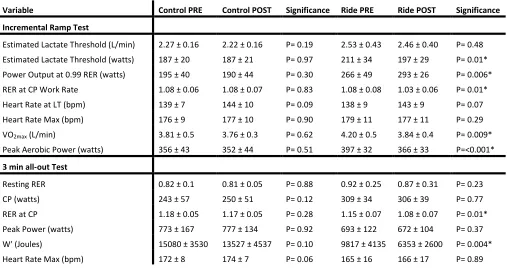
Table 1. Control and Experimental group, RAMP (incremental test) and 3 min all-out tests results, before and after (PRE to POST) sedentary period (SED) and long duration exercise cycle (RIDE). All values are presented as the group means with standard deviation (±). ... 45
vii
List of Figures
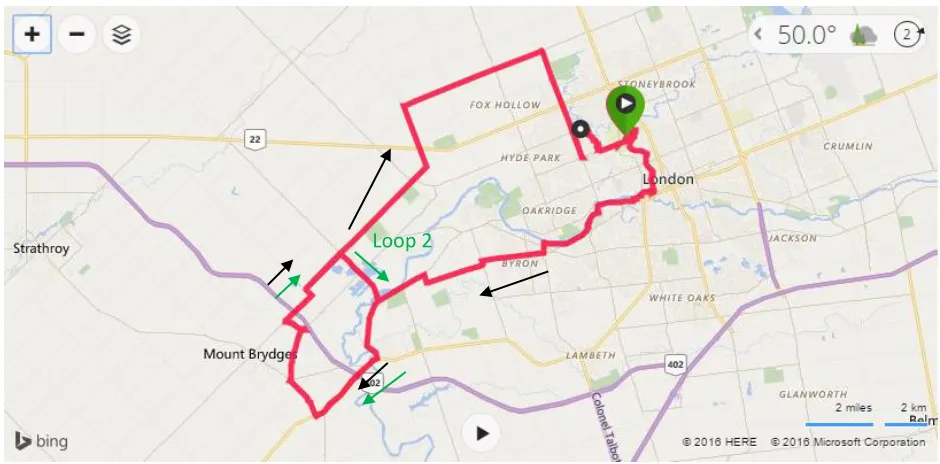
Figure 1. Long duration exercise cycle route ... 42
Figure 2. Mean fat oxidation (g*min-1) during incremental testing.. ... 46
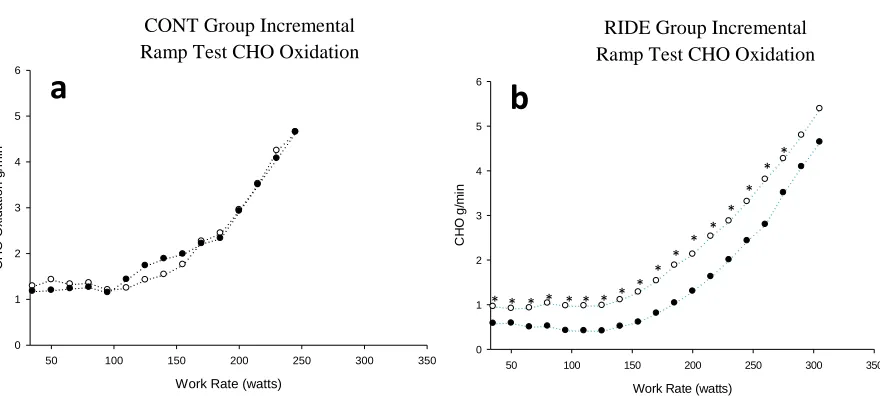
Figure 3. Mean carbohydrate (CHO) oxidation (g*min-1) during incremental testing.. ... 46
Figure 4. Mean ± SD arterialised-capillary lactate concentrations (mM).. ... 47
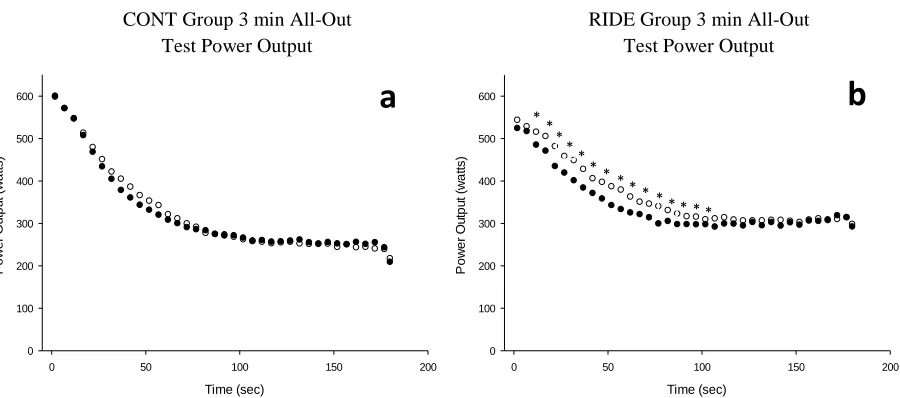
Figure 5. Mean power output during 3 min all-out testing.. ... 47
Figure 6. Mean Oxygen consumption (VO2) L*min-1 during 3 min all-out testing ... 48
viii
List of Appendices
Appendix A: Ethics Approval Notice ... 71
Appendix B: Letter of Information and Consent Forms ... 72
ix
List of Terms and Abbreviations
ATP - Adenosine Triphosphate
bpm - beats per minute
Ca2+ - Calcium ion
CHO - Carbohydrate
CoA - Coenzyme A
CO2 - Carbon Dioxide
CONT - Control Group
CP - Critical Power
CPT - Carnitine Palmitoyltransferase
ETC - Electron Transport Chain
FABP - Fatty Acid Binding Protein
FAT/CD36 - Fatty Acid Translocase
FFA - Free Fatty Acid
LT – Lactate threshold/Gas Exchange Threshold
h - Hour
H+ - Hydrogen ion
HSL - Hormone Sensitive Lipase
IMTG - Intramuscular Triglyceride
J - Joules
km - kilometre
K+ - Potassium ion
kcal - Kilocalories
x
min - minute
MVC - Maximal Voluntary Contractions
N2 - Nitrogen
Na+ - Sodium ion
O2 - Oxygen
PCr - Phosphocreatine
Pi - Inorganic Phosphate
RAMP - Incremental Ramp Test
RER - Respiratory Exchange Ratio
RIDE - Experimental Group
RPE - Rate of Perceived Exertion
RPM - Revolutions per Minute
s - Second
SD - Standard Deviation
SDH - Succinate Dehydrogenase
SE - Standard Error
SED - Sedentary
SNS - Sympathetic Nervous System
SR - Sarcoplasmic Reticulum
VCO2 - Carbon Dioxide Production
VO2 - Oxygen Consumption
VO2max - Maximal Oxygen Consumption
VO2peak - Peak Oxygen Consumption
W - Watts
1
Chapter 1
1.0 Review of Literature
1.1 Introduction
The purpose of this study was to observe the pre- and post-responses of a long duration
exercise cycle (RIDE) on VO2peak, VO2, VCO2, peak aerobic power, fat oxidation, anaerobic
capacity (Wʹ), arterialised-capillary lactate concentration and the maximal sustainable power
output (critical power (CP)) during an incremental ramp test to volitional fatigue (RAMP) and a
3 min all-out test.
The testing and intervention protocols in the present study were designed to mimic a
cycling road race (stage) similar to the 21 stages performed in Le Tour de France. Typically, at
the onset of each stage there is a 30-45 min period in which cyclists will attempt to break away
from the main group of cyclists (peloton). This requires high intensity power outputs equivalent
to CP and/or maximal oxygen consumption (VO2max) (Ebert et al. 2006; Vogt et al. 2006). This
initial high intensity segment of the race is typically followed by a moderate intensity cycle
(below the estimated lactate threshold) that is maintained for ~3 h. With 10-20 km remaining,
this previous moderate intensity segment is commonly followed by greater power outputs by
the cyclists in the peloton as they endeavor to catch the cyclists that had escaped earlier. This
latter phase of the race requires sustained efforts in proximity to CP, VO2max, as well as
supramaximal intensity efforts, culminating in a sprint to the finish line.
In the present study, the efforts of the cyclists (RIDE) during the initial phase of a stage
were replicated through a RAMP and a 3 min all-out test performed on a cycle ergometer in the
lab. This was followed by a moderate intensity cycle, approximately 3 h in duration, performed
2
performing the same RAMP and the 3 min all-out tests. These results were contrasted with a
group of recreationally active individuals who performed these same tests before and after a 3 h
sedentary period (CONT).
It was hypothesized that the fat oxidation profile during the RAMP test in both the
RIDE and CONT group will not be dissimilar to the inverted U shape profiles observed in
constant load exercise. Moreover, the rate of energy production from oxidative phosphorylation
of fats up to and including CP intensities, would increase during the RAMP test post-long
duration exercise. Lastly, the anaerobic capacity (Wʹ) will be reduced post-long duration
exercise as a result of glycogen depletion, with no changes in CP during the 3 min all-out test.
This chapter will review the relevant literature associated with the rationale, and the
data collection equipment linked to this study.
1.2 Incremental Ramp Test
An incremental ramp test to limit of tolerance (RAMP) was utilized in the present study
to simulate the intensities performed during the beginning and final phases of a race, where
cyclists are working to break away from the peloton or working to catch up and/or outpace
opposing cyclists respectively. The RAMP test protocol demands a progressive increase in
exercise intensity until volitional exhaustion is reached. The RAMP test is used to delineate
peak oxygen consumption (VO2peak), estimated lactate threshold (LT) and associated power
outputs (Carey et al. 2001, Martin et al. 1993, Coggan et al. 1993, Horton et al. 1998). VO2peak
was determined to be the VO2 recorded over the last 15 seconds on the RAMP test, whereas
estimated LT was determined to be the point at which VCO2 begins to increase out of
proportion to VO2 (Beaver et al. 1986). In addition, progressive changes in VO2, and VCO2
3
Ferreira et al. 2007). Moreover, the RAMP test can be utilized to assess performance and the
associated effects of different exercise interventions, and/or utilized to observe different
populations (i.e. trained versus untrained), as demonstrated in previous studies (Clark et al.
2014; Boone et al. 2009).
1.3 Critical Power (CP)
The 3 min all-out critical power test (Vanhatalo et al. 2007) was performed 15 min after
the RAMP test and prior to the RIDE in the present study. The 3 min all-out test, along with the
RAMP test, simulates both the initial and final efforts made by the cyclists within a racing
stage. The 3 min all-out test can also be used to evaluate an individual’s maximal sustainable
power output (CP), anaerobic capacity and peak power (Vanhatalo et al. 2007). These are key
factors in determining a cyclist’s performance abilities. Critical power has been established as
the boundary between heavy to very heavy exercise intensities (~80% VO2max) and is the
maximum power output during which a steady-state in cellular H+ , blood lactate, and inorganic
phosphate concentrations, as well as VO2 can be sustained (Jones et al. 2010, Coats et al. 2003).
Moreover, the quantification of the finite capacity of the anaerobic energy systems (Wʹ) during
the initial two thirds of the 3 min all-out test, is possible, as all work performed above CP
during this test constitutes Wʹ (Vanhatalo et al. 2007; Jones et al. 2010). Any increase in power
output performed above CP, elicits an increased anaerobic contribution which results in the
accumulation of H+, lactate and inorganic phosphate. This increase in metabolites is imminently
followed by fatigue. The Wʹ represents ATP-PCr and substrate level phosphorylation or
4
The endurance (aerobically) trained individual, such as the cyclists (RIDE) in the
present study, will manifest a greater CP compared to the untrained or to those that are sprint
trained (Jones et al. 2010).
1.4 Energy Systems Associated with VO2max and Critical Power Testing
Utilizing both the RAMP test, 3 min all-out test as well as the long duration exercise
cycle to mimic a competitive cycling race requires different energy contributions at different
phases of the event.
Mammalian cells generate energy through the aerobic (with O2) and anaerobic (without
O2) energy systems. There are two systems within anaerobic metabolism, known as the alactic
(no lactate production) and lactic (producing lactate) energy systems (Hill 1999; Duffield et al.
2004; Duffield et al. 2005a; Duffield et al. 2005b).
The alactic energy system, also known as the ATP-PCr system, is the major energy
contributor during the most rapid demands of energy utilisation (maximal intensity exercise)
and during the initial or transitioning from a lower to higher power output, as PCr breakdown
facilitates ATP synthesis (Gastin 2001; Forbes 2005). Furthermore, the ATP-PCr system
contributes an increasing amount of energy as exercise intensity increases from moderate to
heavy to very heavy exercise (Forbes 2005). Finally, during maximal sprint exercise
comparable to the 3 min all-out test, the ATP-PCr energy system contribution will predominate
over the first 10 s of the exercise bout (Hill 1999; Duffield et al. 2004; Gastin 2001; Karlsson
and Saltin 1970). As such this 3 min all-out test initially utilises the greatest rate of ATP
demand, supporting measurement of the peak phosphorylation rates (ATP re-synthesis)
5
The lactic anaerobic system produces energy (ATP) from glycogen and glucose stores
through anaerobic glycolysis by anaerobic reactions also known as substrate level
phosphorylation, resulting in lactate and hydrogen ion formation (Gastin 2001). Blood lactate
can be used as an estimate of the anaerobic glycolytic contribution during and post-exercise
testing (Hermansen and Stensvold 1972; Gollnick et al. 1986; Brooks 1985). Moreover,
anaerobic glycolysis contribution increases when the energy supply by aerobic metabolism does
not meet the demand of the energy required to perform a physical task or exercise intensity
(Hill 1999; Duffield et al. 2005a; Duffield et al. 2005b; Gastin 2001; Spencer and Gastin 2001;
Bangsbo et al. 1992; Brooks 1985). The same changes in energy contribution occur during the
initial and final phases of a competitive cycling race when power outputs exceed LT and up to
all-out efforts.
The 3 min all-out test has been utilized to quantify peak power and the capacity of this
anaerobic system (ATP-PCr and anaerobic glycolysis) as well as CP (Vanhatalo et al. 2016).
The aerobic energy system predominately uses carbohydrates (CHO) and fats to
phosphorylate ADP through chemical reactions in the mitochondria associated with
beta-oxidation, Kreb’s cycle and the electron transport chain (ETC). These processes that ultimately
utilise O2 to form H2O in the electron transport chain are collectively known as oxidative
phosphorylation, (Rakus et al. 2015; Gastin 2001; Chance and Williams 1955; Senior 1988).
For the continual re-synthesis of ATP, the aerobic energy system is dependent on the
availability of the reducing agents NAD+ and FAD+, as well as oxygen within the mitochondria
for oxidative phosphorylation to proceed (Chance and Williams 1955; Senior 1988). The
oxidation of CHO occurs when the end product of glycolysis, pyruvate, enters the Kreb’s cycle
resulting in electrons being transported to the ETC. Its maximal rate of ATP formation is much
6
being cleaved into fragments in beta-oxidation and used in the Kreb’s cycle and ETC to
produce ATP. This fat oxidation results in the slowest rate of oxidative phosphorylation
compared to CHO oxidation (Senior 1988; Chance and Williams 1955). It is the result of these
additional reactions within the Kreb’s cycle and ETC in the mitochondria that make oxidative
phosphorylation slower to reach maximal activation than both the alactic and lactic energy
systems (Senior 1988; Chance and Williams 1955).
Finally oxidative phosphorylation is the major energy contributor during maximal
efforts of two min and longer (Hill 1999; Gastin 2001; Spencer and Gastin 2001; Jones et al.
2010; Vanhatalo et al. 2007).
1.5 Blood Lactate
During the high intensity performances during the initial and final stages of a cycling
race, replicated by both the RAMP and 3 min all-out tests, cyclists will utilize heavy intensity
power outputs (>65% VO2max) to break away from the peloton or to catch and outpace opposing
cyclists (Ebert et al. 2006; Vogt et al. 2006). This change in power output results in blood
lactate accumulation that reflects anaerobic use of CHO at intensities greater than the lactate
threshold (Hermansen and Stensvold 1972; Gollnick et al. 1986; Brooks 1985). The production
of lactate is the result of the breakdown of glucose and glycogen molecules by glycogenolysis
and/or glycolysis, and the catalytic enzyme activity of lactate dehydrogenase (LDH) to form
lactate (Brooks 1985; Sjodin et al. 1982). Blood lactate accumulation during exercise occurs
when lactate production exceeds the rate of lactate removal (Hermansen and Stensvold 1972;
Bang 1936; Gollnick et al. 1986). This accumulation of lactate occurs during maximal efforts
similar to that elicited by the RAMP and 3 min all-out tests (Hermansen and Stensvold 1972;
7
lactate uptake and oxidation by oxidative skeletal, respiratory and cardiac muscle fibers. This
oxidation of lactate is possible as monocarboxylate tranporters (MCT) transport lactate
produced from the cell into the mitochondria of adjacent or neighbouring oxidative muscle
fibres, where it is oxidized (McCullagh et al. 1997). This oxidizing process results in lower
blood lactate levels. Moreover, during steady-state exercise the accumulation of blood lactate
may reach an elevated but unchanging concentration (Hermansen and Stensvold 1972; Brooks
1985). This remains true during exercise intensities up to and including critical power (CP)
(Vanhatalo et al. 2007; Jones et al. 2010; Keir et al. 2015). However, as exercise intensities
increase above CP, a greater contribution from substrate level phosphorylation disrupts the
steady-state condition, resulting in an increase in cellular H+, inorganic phosphate and lactate
concentrations (Vanhatalo et al. 2007; Jones et al. 2010).
1.6 Substrates for Aerobic and Anaerobic Work
The energy released in the body is obtained from carbohydrates, proteins and fats. Of
these macronutrients, CHO and fats are the most readily used endogenous substrates during
exercise (Ranallo and Rhodes 1998; Essen et al. 1977; Brooks and Mercier 1994; Torrens et al.
2016).
CHO are stored in the body in the form of glycogen, yielding 4 kcal per gram of CHO
(glucose) derived energy (Ranallo and Rhodes 1998; Brooks and Mercier 1994; Essen et al.
1977). Muscle and liver glycogen, as well as blood glucose are the preferred energy sources
during high intensity exercise (>65% VO2max), where ATP is supplied either by anaerobic or
oxidative (aerobic) glycolytic systems (Torrens et al. 2016; Bergman et al. 1999; Romijn et al.
8
of the 3 min all-out test, CHO are expected to be the most important substrate for ATP
production.
Free fatty acids (FFA) are stored in the body as triglycerides, and are broken down
through hydrolysis by a cascade of lipolytic reactions through lipases (triglyceride lipase and/or
hormone sensitive lipase (HSL)) and regulatory proteins at rest and during low to moderate
intensities of exercise (<65%VO2max) (Aon et al. 2014). The end products are three long chain
fatty acids (LCFA) and a glycerol. These end products are then released into the vasculature, as
they bind with an albumin protein carrier that carries the LCFA through the circulating blood
plasma (Aon et al. 2014). The LCFAs can then be utilized in beta-oxidation to produce
substrate for the ETC through oxidative phosphorylation in mitochondrial respiration
(Kienesberger et al. 2013). However, in order to get the LCFAs to the mitochondria to take part
in beta-oxidation, the non-esterified LCFAs have to be transported through various cellular
structures and membranes to reach the ETC (Aon et al. 2014; Hagberg et al. 2013).
Once LCFA reach the area of energy demand (i.e. active muscles during exercise),
LCFA are transported across the endothelium and cell membrane by fatty acid translocase
proteins (FAT/CD36) and fatty acid binding proteins (FABP) (Elmasri et al. 2009; Glatz et al.
2010; Hagberg et al. 2013). After the LCFAs have been transported from the blood plasma into
the cell, they must be transported across the mitochondrial membrane in order to take part in
beta-oxidation to produce ATP. LCFAs are esterfied to form LCFA-CoA (coenzyme A)
(Ramsay and Tubbs 1975; Zammit et al. 2009), and are transported through a shuttle system of
carnitine palmitoyltransferase 1 (CPT1) and 2 (CPT2) into the mitochondrial matrix (Zammit
1999a; Zammit 1999b; Zammit et al. 2009). In the mitochondrial matrix, fatty acids are cleaved
into 2 carbon-acyl fragments that enter the Kreb’s cycle as acetyl-CoA to eventually form ATP
9
results in greater beta-oxidation and whole body fat oxidation (Watt et al. 2002; Watt et al.
2003). During endurance exercise (<65% VO2max), whole body fat oxidation has been observed
to increase its contribution to the total energy requirement as the duration of the exercise bout is
lengthened (>15 min) (Bradley et al. 2012; Carey et al. 2001; Watt et al. 2003). The same
response during the long duration exercise cycle in the present study is expected.
1.7 Fat Oxidation
During cycling stage racing, much of the race requires moderate to heavy intensity
work. These intensities elicit an increasing contribution from fats, with a concurrent reduction
in CHO use as exercise duration increases (Bradley et al. 2012; Carey et al. 2001; Watt et al.
2003; Ranallo and Rhodes 1998). The ability to transport, uptake and oxidise free fatty acids in
the active muscle cells, is essential for meeting metabolic demands as CHO stores alone cannot
supply the total energy required during prolonged periods of exercise (>60 min) (Ranallo and
Rhodes 1998). Although fatty acids cannot provide energy as rapidly as carbohydrates (CHO),
and are energetically less efficient per unit of oxygen (23 moles of O2 per moles of fatty acid
vs. 6 moles of O2 per mole of glucose), fat provides much more energy per gram (4 kcal vs 9
kcal), making it an invaluable source of energy for low to moderate intensity (<65%VO2max)
exercise during prolonged exercise durations (>60 min). The ~3 h long duration exercise cycle
(below LT) in the present study would utilise fat as the major substrate (Holloway et al. 2008;
Romijn et al. 2000).
Moreover, with endurance training greater fat utilization at sub-maximal intensities of
exercise (<LT) compared to the pre-training state is observed (Martin et al. 1993; Hurley et al.
1986; Mole et al. 1971; Henriksson 1977; Phillips et al. 1996; Coggan et al. 1993). This
10
delay fatigue and reserve substrate availability for relatively greater intensities of exercise
where the metabolic demand is greater and substrate level phosphorylation is necessary to meet
the increased energy demand as expected in the final stages of a competitive cycling race
(Phillips et al. 1996; Coggan et al. 1990, Coggan et al. 1993; Coggan et al. 1995; Holloszy and
Coyle 1984; Romijin et al. 1993; Brooks and Mercier 1994).
1.8 Fat and Carbohydrate Oxidation Rates derived from VCO2 and VO2
During the RAMP tests, pre- and post-long duration exercise in the present study,
pulmonary oxygen consumption (VO2) and carbon dioxide output (VCO2) were used to
compare changes in fat and CHO oxidation as a consequence of the long duration exercise
cycle, utilized in competitive cycling. It is from the collection of VO2 and VCO2 data that it is
possible to derive estimations of the energy provided from CHO versus fat oxidation (Peronnet
and Massicotte 1991). It assumes that other metabolic processes involved in the production and
utilization of CO2 and O2, respectively, such as gluconeogenesis from proteins and ketone body
formation, are quantitatively negligible compared to glucose and fatty acid oxidation (Peronnet
and Massicotte 1991; Ferrannini 1988; Frayn 1983). Assuming that these other metabolic
processes are quantitatively negligible, greater or stable VO2 and lower VCO2 (relatively
compared to VO2) is associated with an increased contribution in fat oxidation (Peronnet and
Massicotte 1991), whereas a reduction in CHO derived substrate utilization in trained versus
untrained individuals during low-moderate intensity exercise is observed (<65% VO2max)
(Coggan et al. 1990; Coggan et al. 1993; Hurley et al. 1986). Furthermore, lower or stable VO2
and greater VCO2 (relatively compared to VO2) is linked with an increased contribution in
11
1.9 Muscle Fibre Types
During the RAMP test, 3 min all-out test, and the long duration exercise cycle, the use
of fat and CHO will depend on the recruitment of different skeletal muscle fibre types during
various exercise intensities and durations. Skeletal muscle fibres come in two distinct types,
Type I and Type II fibres (Schiaffino and Reggiani 1994; Thomson et al. 1979; Sant’Ana
Pereira et al. 1996; Picard et al. 2011; Davie et al. 1999; Essen et al. 1975; Guegeun et al. 2005;
Vanhatalo et al. 2016). Type I or slow twitch, fatigue resistant, oxidative fibres increasingly
contribute with increasing exercise intensity during low to maximal O2 consumption intensities
(≤ VO2max) (Thomson et al. 1979; Davie et al. 1999) and are expected to be the predominately
active fibers during the long duration exercise cycle and up to CP intensities (~80% VO2max)
elicited during the RAMP and 3 min all-out test (Thomson et al. 1979; Vanhatalo et al. 2016).
Type I fibers generally have two to three fold greater mitochondrial density and lower
non-oxidative ATP synthesis compared to Type II fibres, relying mainly on non-oxidative
phosphorylation of fat and glycogen for ATP supply (Picard et al. 2011; Guegeun et al. 2005;
Essen et al. 1975). The high levels of oxidative phosphorylation in Type I fibres are expressed
by greater succinate dehydrogenase (SDH) activity, an enzyme involved in the Kreb’s cycle
and ETC (oxidizing succinate to fumerate in the Kreb’s cycle and reducing ubiquinone to
ubiquinol in the ETC), compared to Type II fibres (Essen et al. 1975; Vanhatalo et al. 2016;
Sant’Ana Pereira et al. 1996). Moreover, Type I fibres have greater oxidative metabolic
machinery than Type II fibres due to larger mitochondrial size and better developed cristae
12
phosphorylation (Vanhatalo et al. 2016; Kugelberg 1973; Schiaffino et al. 1970). Type I fibres
mainly derive their energy from fat oxidation during long moderate intensity exercise (below
LT) and express greater levels of sarcolemmal fatty acid transport proteins and intracellular
fatty acid binding proteins compared to Type II fibres (Picard et al. 2011; Glatz et al. 2003).
Type II fibres become increasingly involved as exercise intensities increase above LT
and will have a predominate contribution during intensities above CP (~80% VO2max), and a
considerable effect on peak power outputs during the RAMP and 3 min all-out tests in the
present study (Thomson et al. 1979; Picard et al. 2011; Davies et al. 1999). These fibres display
greater glycerol-3-phosphate and phosphofructokinase (PFK) activity, the regulatory enzyme of
glycolysis, with only 3 ADP phosphorylated per mole of glycogen resulting in greater use of
these limited glycogen stores, making them more fatigable than Type I fibres (Picard et al.
2011; Jackman and Willis 1996; Vanhatalo et al. 2016; Schiaffino and Reggiani 2011). Type II
fibres have subgroups which are separated into Type IIa and Type IIx fibres (Schiaffino and
Reggiani 1994; Thomson et al. 1979; Sant’Ana Pereira et al. 1996; Picard et al. 2011; Davie et
al. 1999; Essen et al. 1975; Guegeun et al. 2005; Vanhatalo et al. 2016). Type IIa fibres are fast
twitch, fatigue resistant, oxidative fibres and typically have a greater capacity for oxidative
metabolism, but lower glycolytic metabolism and contractile force capability compared to Type
IIx fibres (Thomson et al. 1979). As mentioned previously, there is greater reliance on
glycolysis in Type II fibres resulting in a faster onset of fatigue than Type I fibres, but greater
force producing capabilities (Vanhatalo et al. 2016; Schiaffino and Reggiani 2011).
Type IIx fibres are fast twitch glycolytic fibres and are predominately active during
maximal to supra-maximal (≥VO2max) intensities of exercise (Thomson et al. 1979). These
fibres rely on non-oxidative phosphorylation for ATP supply, and contain the greatest capacity
13
types (Sant’Ana Pereira et al. 1996; Thomson et al. 1979; Vanhatalo et al. 2016; Gueguen et al.
2005). Since Type IIx fibres are limited to PCr and glycolytic energy supply, and have lower
Krebs cycle enzyme activity compared to Type IIa fibres, fatigue occurs much quicker than
Type IIa and Type I fibres (Vanhatalo et al. 2016; Sant’Ana Pereira et al. 1996; Essen et al.
1975).
1.10 Fatigue
In competitive cycling, usually the cyclists that wins the race, is the cyclists that fatigues
the least (Vanhatalo et al. 2011). After cycling the prolonged light-moderate intensity part of
the race, cyclists will increase their speed or power output in order to catch up or outpace the
opposing cyclists. The responses of substrate utilization or other fatigue mechanisms could pose
as limiting factors in maximal sustainable performance and maximal performance during the
RAMP test and 3 min all-out test post-long duration exercise cycle. Fatigue has been defined as
the sensations of tiredness and reductions in muscular performance and function (Abbiss and
Laursen 2005; Kay et al. 2001; Green 1997; Kay and Marino 2000; Millet et al. 2000; Millet et
al. 2002; Pinniger et al. 2000; St Clair Gibson et al. 2001). Numerous models have been
proposed to explain the causes of fatigue during prolonged moderate intensity exercise (≤65%
VO2max) which include, but not limited to, substrate supply and neuromuscular mechanisms.
The substrate supply model links glycogen levels with fatigue. There is a strong relationship
between pre-exercise glycogen levels and cycling time to exhaustion (Abbiss and Laursen
2005; Kay and Marino 2000; Shulman and Rothman 2001; Coyle and Montain 1992; Dennis et
al. 1997). The association between low glycogen levels and impaired contractile function
demonstrates that the depletion of glycogen results in a reduction in the rate of ATP
14
Rothman (2001), states that as glycogen concentration is reduced, muscle glycogen fails to
provide the rapid burst of glucogenolysis (glycogen break down), needed to compensate for the
energy demands of muscle fibres during high-intensity exercise (Chin et al. 1997; Kabbara et
al. 2000; Helander et al. 2002; Duhamel et al. 2006a; Duhamel et al. 2006b; Ortenbald et al.
2011; Ortenbald et al. 2013). In addition, it is possible that the connection between glycogen
and sarcoplasmic reticulum (SR) Ca2+ release is not related to glycogen as an energy source, but
to the action of enzymes associated with the glycogen particles, which themselves might
modulate the function of the SR Ca2+ release channels in their proximity, e.g. by
phosphorylation or de-phosphorylation of proteins involved in E-C coupling during repeated
contractions (Hamilton and Serysheva 2009; Sharma et al. 2012; Ortenblad et al. 2013).
Following a prolonged moderate intensity exercise session (>60 min; ≤65% VO2max), glycogen
depletion has been observed in both Type I and II fibers (Thomson et al. 1979), and performing
a similar long duration exercise cycle in the present study and competitive road race cycling
could possibly result in glycogen depletion and associated fatigue.
Moreover, the neuromuscular and muscle contractile model has also been associated
with fatigue. It has been suggested that fatigue can be related to the central nervous system
activation failure, where it has been shown that as fatigue develops during prolonged exercise
(>60 min), there is an increase in intracortical inhibition resulting in lower power outputs,
reflected by decreased skeletal muscle recruitment (Abbiss and Laursen 2005; Millet et al.
2003; Paasuke et al. 1999). Fatigue has also been observed at the level of the muscle, where a
decline in the action potential conduction velocity within the muscle fibre is thought to be
reflective of transformations within the muscle (i.e. the accumulation of metabolic by products)
resulting in decreased contractile tension of the actin-myosin cross bridges (Schillings et al.
15
for 5 h at 55% VO2max and observed decrements in force as a result of the decreased action
potential and excitability of the exercising muscle. These alterations in the muscle action
potential may reflect a decrease in membrane excitability caused by imbalances in
transmembrane gradients (Na+ and K+) resulting in reduced EMG activity during prolonged
cycling exercise (Abbiss and Laursen 2005; Allman and Rice 2002; St Clair Gibson et al. 2001;
Jammes et al. 2000; Nielson and Clausen 2000; Fowles et al. 2002; Hamada et al. 2003).
Muscle contractile properties have also been reported to become affected after
prolonged exercise (2-5 h) (Lepers et al. 2000; Lepers et al. 2002). There may also be a
reduction in Ca2+ release and uptake from contractile proteins to the SR, which may be
responsible for an increase in the muscle relaxation time (actin-myosin cross-bridge detachment
rate), resulting in lower power outputs compared to pre-exercise state (Abbiss and Laursen
2005; Hill et al. 2001; McKenna et al. 1996). This fatigue mechanism has been observed by
Lepers et al. (2002), after a 5 h cycle at 55% VO2max which resulted in decrements in peak
twitch torque, and an increase in the contraction time of the quadriceps muscle (Lepers et al.
2000; Lepers et al. 2002; Duchateau and Hainault 1985).
1.11 Rationale
Competitive endurance sports that require physical activity for 2-4 h, such as cycling
and long distance running, require long periods of sustained power outputs (Schumacher and
Mueller 2002; Billat et al.2003). Improving these sustainable power outputs, allows athletes to
complete a distance of a race course within a shorter period of time. These changes in
sustainable power output may increase up to and including CP intensities (Joyner and Coyle
2008). In the present study, the initial period (~30 min) of a typical competitive cycling race
16
light-moderate intensity cycling period (≤65% VO2max). Utilizing this simulated cycling race,
insight in substrate and performance changes that moderate intensity prolonged physical
activity may have on the athlete can be attained. These observations could provide coaches and
athletes with information on limitations to performance, and key elements in pacing strategies
and tactics during a competitive racing event, especially near the end of race, where an increase
in speed or work rate to outpace competing cyclists is required (Joyner and Coyle 2008).
Despite there being an abundance of literature associated with the reduction in glycogen stores
and increase in fat oxidation during prolonged exercise, as well as the effects glycogen
depletion has on performance and fatigue (Carey et al. 2001; Bradley et al. 2012; Lepers et al.
2000; Thomson et al. 1979; Vollestad et al. 1984; Vollestad et al. 1985), little is known about
what changes in maximal sustainable power outputs (CP) occur after performing at moderate
intensity for a prolonged period. Knowing the limitations to maximal sustainable power outputs
observed during the present study, pacing strategies and tactics could be developed by coaches
and athletes to maximize the speed at which the distance of the race is completed and focusing
on the goal of outpacing opposing cyclists.
1.12 References
Abbiss, C. R., & Laursen, P. B. (2005). Models to explain fatigue during prolonged endurance
cycling. Sports Medicine, 35(10), 865–898.
http://doi.org/10.2165/00007256-200535100-00004.
Allman, B. L., & Rice, C. L. (2002). Neuromuscular fatigue and aging: central and peripheral
17
Aon, M. A., Bhatt, N., & Cortassa, S. C. (2014). Mitochondrial and cellular mechanisms for
managing lipid excess. Frontiers in Physiology, 5, 1–13.
http://doi.org/10.3389/fphys.2014.00282.
Bang, O. (1936). The lactate content of the blood during and after muscular exercise in man.
Acta Physiologica Scandinavica, 74, 51-82.
Bangsbo, J., Graham, T. E., Kiens, B., & Saltin, B. (1992). Elevated muscle glycogen and
anaerobic energy production during exhaustive exercise in man. The Journal of Physiology,
451, 205–227.
Beaver, W. L., Wasserman, K., & Whipp, B. J. (1986). A New Method for Detecting Anaerobic
Threshold by Gas Exchange. Journal of Applied Physiology, 60(6), 2020-2027.
Bergman, B. C., Butterfield, G. E., Wolfel, E. E., Cassazza, G. A., Lopaschuk, G.D., & Brooks,
G. A. (1999). Evaluation of exercise and training on muscle lipid metabolism. American
Journal of Physiology, 276, 106-117.
Billat, V., Lepretre, P., Heugas, A., Laurence, M., Salim, D., & Koralsztein, J. P. (2003).
Training and Bioenergetic Characteristics in Elite Male and Female Kenyan Runners. Medicine
& Science in Sports and Exercise, 35(2), 297–304.
http://doi.org/10.1249/01.MSS.0000053556.59992.A9.
Boone, J., Koppo, Æ. K., & Barstow, Æ. T. J. (2009). Pattern of deoxy [Hb + Mb] during ramp
cycle exercise: influence of aerobic fitness status. European Journal of Applied Physiology,
105, 851–859. http://doi.org/10.1007/s00421-008-0969-2.
Bradley, N. S., Snook, L. a., Jain, S. S., Heigenhauser, G. J. F., Bonen, a., & Spriet, L. L.
(2012). Acute endurance exercise increases plasma membrane fatty acid transport proteins in
rat and human skeletal muscle. American Journal of Physiology: Endocrinology and
18
Brooks, G. A. (1985). Anaerobic threshold: review of the concept and directions for future
research. Medicine & Science in Sports & Exercise, 17(1), 22-31.
Brooks, G. A., & Mercier, J. (1994). Balance of carbohydrate and lipid utilization during
exercise: the “crossover” concept. Journal of Applied Physiology, 76(6), 2253–2261.
Carey, A. L., Staudacher, H. M., Cummings, N. K., Stepto, N. K., Nikolopoulos, V., Burke, L.
M., & Hawley, J. A. (2001). Effects of fat adaptation and carbohydrate restoration on prolonged
endurance exercise. Journal of Applied Physiology, 91(1), 115–122.
Chance, B., & Williams, G. R. (1955). Respiratory Enzymes in Oxidative Phosphorylatio: III
The Steady State. The Journal of Biological Chemistry, 217, 409-428.
Chin, E. R., Balnave, C. D., Allen, D. G. (1997). Role of intracellular calcium and metabolites
in low-frequency fatigue of mouse skeletal muscle. American Journal of Physiology, 272,
C550-C559.
Clark, B., Costa, V. P., O’Brien, B. J., Guglielmo, L. G., & Paton, C. D. (2014). Effects of a
seven day overload-period of high-intensity training on performance and physiology of
competitive cyclists. PLOS ONE, 9(12), e115308. http://doi.org/10.1371/journal.pone.0115308.
Coats, E. M., Rossiter, H. B., Day, J. R., Miura, A., Fukuba, Y., & Whipp, B. J. (2003).
Intensity-dependent tolerance to exercise after attaining VO2max in humans. Journal of
Applied Physiology, 95, 483–490. http://doi.org/10.1152/japplphysiol.01142.2002.
Coggan, A. R., Kohrt, W. M., Spina, R. J., Bier, D. M., Holloszy, J. O. (1990). Endurance
training decreases plasma glucose turnover and oxidation during moderate-intensity exercise in
men. Journal of Applied Physiology, 68(3), 990-996.
Coggan, A. R., Spina, R. J., Kohrt, W. M., & Holloszy, J. O. (1993). Effect of prolonged
exercise on muscle citrate concentration before and after endurance training in men. The
19
Coggan, A. R., Swanson, S. C., Mendenhall, L. A., Swanson, S. C., Habash, D. L., & C. L.
Kien (1995). Effect of endurance and gluconeogenesis training during on hepatic
glycogenolysis prolonged exercise in men. American Journal of Physiology, 268, 375-383.
Copper, C. B., Beaver, W. L., Cooper, D. M., & Wasserman, K. (1973). Factors Affecting the
Components of the Alveolar CO2 Output-O2 Uptake Relationship During Incremental Exercise
in Man. Experimental Physiology, 77, 51-64.
Coyle, E. F., & Montain, S. J. (1992). Carbohydrate and fluid ingestion during exercise: are
there trade-offs?. Medicine & Science in Sports & Exercise, 24(6), 671-678.
Davie, A. J., Evans, D. L., Hodgson, D. R., & Rose, R. J. (1999). Effects of muscle glycogen
depletion on some metabolic and physiological responses to submaximal treadmill exercise.
Canadian Journal of Veterinary Research, 63, 241–247.
Dennis, S.C., Noakes, T. D., & Hawley, J. A. (1997). Nutritional strategies to minimize fatigue
during prolonged exercise: fluid, electrolyte and energy replacement. Journal of Sports
Sciences, 15(3), 305–313.
Duchateau, J., & Hainaut, K. (1985). Electrical and mechanical failures during sustained and
intermittent contractions in human. Journal of Applied Physiology, 58(3), 942-947.
Duffield, R., Dawson, B., & Goodman, C. (2004). Energy system contribution to 100-m and
200-m track running events. Journal of Science and Medicine in Sport, 7(3), 302–313.
Duffield, R. O. B., Dawson, B., & Goodman, C. (2005a). Energy system contribution to 1500-
and 3000-metre track running. Journal of Sports Sciences, 23(10), 993–1002.
http://doi.org/10.1080/02640410400021963.
Duffield, R. O. B., Dawson, B., & Goodman, C. (2005b). Energy system contribution to
400-metre and 800-400-metre track running. Journal of Sport Sciences, 23(3), 299–307.
20
Duhamel, T. A., Green, H. J., Perco, J. G., & Ouyang, J. (2006a). Effects of prior exercise and a
low-carbohydrate diet on muscle sarcoplasmic reticulum function during cycling in women.
Journal of Applied Physiology, 101, 695–706. http://doi.org/10.1152/japplphysiol.00052.2006.
Duhamel, T. A., Perco, J. G., Green, H. J., Duhamel, T. A., Perco, J. G., & Green, H. J.
(2006b). Manipulation of dietary carbohydrates after prolonged effort modifies muscle
sarcoplasmic reticulum responses in exercising males. American Journal of Physiology
Regulatory, Integrative and Comprehensive Physiology, 291, 1100-1110.
http://doi.org/10.1152/ajpregu.00858.2005.
Ebert, T. R., Martin, D. T., Stephens, B., & Withers, R. T. (2006). Power Output During a
Professional Men’s Road-Cycling Tour. International Journal of Sports Physiology and
Performance, 1, 324-335. http://dx.doi.org/10.1123/ijspp.1.4.324.
Elmasri, H., Karaaslan, C., Teper, Y., Ghelfi, E., Weng, M., Ince, T. A., Kozakewich, H.,
Bischoff, J., & Cataltepe, S. (2009). Fatty acid binding protein 4 is a target of VEGF and a
regulator of cell proliferation in endothelial cells. The FASEB Journal, 23, 3865–3873.
http://doi.org/10.1096/fj.09-134882.
Essen, B., Hagenfeldt, L., & Kaijser, L. (1977). Utilization of blood-borne and intramuscular
substrates during continuous and intermittent exercise in man. The Journal of Physiology,
265(2), 489–506.
Essen, B., Jansson, E., Henriksson, J., Taylor, A. W., & Saltin, B. (1975). Metabolic
characteristics of fibre types in human skeletal muscle. Acta Physiologica Scandinavica, 95,
153–165.
Ferrannini, E. (1988). The theoretical bases of indirect calorimetry: a review. Metabolism,
21
Ferreira, L. F., Koga, S., & Barstow, T. J. (2007). Dynamics of noninvasively estimated
microvascular O 2 extraction during ramp exercise. Journal of Applied Physiology, 103, 1999–
2004. http://doi.org/10.1152/japplphysiol.01414.2006.
Forbes, S. C., Raymer, G. H., Kowalchuk, J. M., & Marsh, G. D. (2005). NaHCO3-induced
alkalosis reduces phosphocreatine slow component during heavy-intensity forearm exercise.
Journal of Applied Physiology, 99, 1668-1675. doi:10.1152/japplphysiol.01200.2004.
Fowles, J. R., Green, H. J., Tupling, R., O’Brien, S., & Roy, B. D. (2002). Human
neuromuscular fatigue is associated with altered Na+ -K+ -ATPase activity following isometric
exercise. Journal of Applied Physiology, 92, 1585–1593.
Frayn, K. N. (1983). Calculation of substrate oxidation from gaseous exchange rates in vivo.
Journal of Applied Physiology: Respiratory, Environmental & Exercise Physiology, 55(2),
628-634.
Gastin, P. B. (2001). Energy system interaction and relative contribution during maximal
exercise. Sports Medicine, 31(10), 725–741.
Glatz, J. F. C., Luiken, J. J. F. P., & Bonen, A. (2010). Membrane fatty acid transporters as
regulators of lipid metabolism: implications for metabolic disease. Physiological Reviews, 90,
367–417. http://doi.org/10.1152/physrev.00003.2009.
Glatz, J. F. C., Schaap, F. G., Binas, B., Bonen, A., van der Vusse, G. J., & Luiken, J. J. F. P.
(2003). Cytoplasmic fatty acid-binding protein facilitates fatty acid utilization by skeletal
muscle. Acta Physiologica Scandinavica, 178, 367–371.
Gollnick, P. D., Bayly, W. M., & Hodgson, D. R. (1986). Exercise intensity, training, diet, and
lactate concentration in muscle and blood. Medicine & Science in Sports & Exercise, 18(3),
22
Gore, C. J., & Withers, R. T. (1990). The effect of exercise intensity and duration on the
oxygen deficit and excess post-exercise oxygen consumption. European Journal of Applied
Physiology, 60, 169-174.
Green, H. J. (1997). Mechanisms of muscle fatigue in intense exercise. Journal of Sports
Sciences, 15, 247–256.
Gueguen, N., Lefaucheur, L., Fillaut, M., & Herpin, P. (2005). Muscle fiber contractile type
influences the regulation of mitochondrial function. Molecular & Cellular Biochemistry, 276,
15–20.
Hagberg, C., Mehlem, A., Falkevall, A., Muhl, L., & Eriksson, U. (2013). Endothelial fatty acid
transport: role of vascular endothelial growth factor B. Physiology, 28(2), 125–34.
http://doi.org/10.1152/physiol.00042.2012.
Hamada, T., Sale, D. G., Macdougall, J. D., & Tarnopolsky, M. A. (2003). Interaction of fibre
type, potentiation and fatigue in human knee extensor muscles. Acta Physiologica
Scandinavica, 178, 165–173.
Hamilton, S. L., & Serysheva I. I. (2009). Ryanodine receptor structure: progress and
challenges. The Journal of Biological Chemistry, 284(7), 4047–4051.
http://doi.org/10.1074/jbc.R800054200.
Helander, I., Westerblad, H., & Katz, A. (2002). Effects of glucose on contractile function,
[Ca2+]i, and glycogen in isolated mouse skeletal muscle. American Journal of Physiology: Cell
Physiology, 282, C1306-C1312. http://doi.org/10.1152/ajpcell.00490.2001.
Henriksson, J. (1977). Training induced adaptation of skeletal muscle and metabolism during
submaximal exercise, The Journal of Physiology, 270, 661–675.
Hermansen, L., & Stensvold, I. (1972). Production and removal of lactate during exercise in
23
Hill, D. W. (1999). Energy system contributions in middle-distance running events. Journal of
Sport Sciences, 17, 477-483.
Hill, C. A., Thompson, M. W., Ruell, P. A., Thom, J. M., & White, M. J. (2001). Sarcoplasmic
reticulum function and muscle contractile character following fatiguing exercise in humans.
Journal of Physiology, 531(3), 871-878.
Holloszy, J. O., & Coyle, E. F. (1984). Adaptations of skeletal muscle to endurance exercise
and their metabolic consequences. Journal of Applied Physiology: Respiratory, Environmental
& Exercise Physiology, 56(4), 831–838.
Holloway, G. P., Luiken, J. J. F. P., Glatz, J. F. C., Spriet, L. L., & Bonen, A. (2008).
Contribution of FAT/CD36 to the regulation of skeletal muscle fatty acid oxidation: an
overview. Acta Physiologica Scandinavica, 194(4), 293–309.
http://doi.org/10.1111/j.1748-1716.2008.01878.x.
Horton, T. J., Pagliassotti, M. J., Hobbs, K., & Hill, J. O. (1998). Fuel metabolism in men and
women during and after long-duration exercise. Journal of Applied Physiology, 85(5), 1823–
1832.
Houten, S. M., Violante, S., Ventura, F. V, & Wanders, R. J. A. (2016). The biochemistry and
physiology of mitochondrial fatty acid β-oxidation and its genetic disorders. Annual Review of
Physiology, 78, 23-44. http://doi.org/10.1146/annurev-physiol-021115-105045.
Hurley, B. F., Nemeth, P. M., Martin III, W. H., Hagberg, J.M., Dalsky, G.P., & Holloszy, J. O.
(1986). Muscle triglyceride effect of training utilization during exercise. Journal of Applied
Physiology, 60(2), 562-567.
Jackman, M. R., & Willis, W. T. (1996). Characteristics of mitochondria isolated from type I
24
Jammes, Y., Arbogast, S., Faucher, M., Montmayeur, A., Tagliarini, F., & Robinet, C. (2001).
Interindividual variability of surface EMG changes during cycling exercise in healthy humans.
Clinical Physiology, 21(5), 556–560.
Jones, A. M., Vanhatalo, A., Burnley, M., Morton, R. H., & Poole, D. C. (2010). Critical
power: implications for determination of VO2max and exercise tolerance. Medicine & Science
in Sports & Exercise, 42(10), 1876–1890. http://doi.org/10.1249/MSS.0b013e3181d9cf7f.
Joyner, M. J., & Coyle, E. F. (2008). Endurance Exercise Performance: The Physiology of
Champions. Journal of Physiology, 586, 35-44.
Kabbara, A. A., Nguyen, L. T., Stephenson, G. M. M., & Allen, D. G. (2000). Intracellular
calcium during fatigue of cane toad skeletal muscle in the absence of glucose. Journal of
Muscle Research & Cell Motility, 21, 481–489.
Karlsson, J., & Saltin, B. (1970). Lactate, ATP, and CP in working muscles during exhaustive
exercise in man. Journal of Applied Physiology, 29(5), 598-602.
Kay, D., & Marino, F. E. (2000). Fluid ingestion and exercise hyperthermia: implications for
performance, thermoregulation, metabolism and the development of fatigue. Journal of Sports
Sciences, 18, 71-82.
Kay, D., Marino, F. E., Cannon, J., St Clair Gibson, A., Lambert, M. I., & Noakes, T. D.
(2001). Evidence for neuromuscular fatigue during high-intensity cycling in warm, humid
conditions. European Journal of Applied Physiology, 84, 115–121.
Keir, D. A., Fontana, F. Y., Robertson, T. C., Murias, J. M., Paterson, D. H., Kowalchuk, J. M.,
& Pogliaghi, S. (2015). Exercise intensity thresholds: identifying the boundaries of sustainable
25
Kienesberger, P. C., Pulinilkunnil, T., Nagendran, J., & Dyck, J. R. B. (2013). Myocardial
triacylglycerol metabolism. Journal of Molecular & Cellular Cardiology, 55, 101–110.
http://doi.org/10.1016/j.yjmcc.2012.06.018.
Kugelberg, E. (1973). Histochemical composition, contraction speed and fatiguability of rat
soleus motor units. Journal of the Neurological Sciences, 20, 177–198.
Lepers, R., Hausswirth, C. Maffiuletti, N. Brisswalter, J., & Van Hoecke J. (2000). Evidence of
neuromuscular fatigue after prolonged exercise, Medicine & Science in Sports and Exercise,
32(11), 1880-6. http://doi.org/10.1097/00005768-200011000-00010.
Lepers, R., Maffiuletti, N. A., Rochette, L., Brugniaux, J., Millet, G. Y. (2002). Neuromuscular
fatigue during a long-duration cycling exercise. Journal of Applied Physiology, 92, 1487–1493.
MacDonald, M. J., Shoemaker, J. K., Tschakovsky, M. E., Hughson, R. L. (1998). Alveolar
oxygen uptake and femoral artery blood flow dynamics in upright and supine leg exercise in
humans. Journal of Applied Physiology, 85(5), 1622–1628.
Martin, W. H., Dalsky, G. P., Hurley, B. F., Matthews, D. E., Bier, D. M., Haeberg, J. M.,
Rogers, M. A., King, D.S., & Holloszy, J. O. (1993). Effect of endurance training acid turnover
and oxidation on plasma free fatty during exercise triglycerides. American Journal of
Physiology, 265, 708–714.
McCullagh, K. J. A., Poole, R. C., Halestrap, A. P., Tipton, K. F., O’Brien, M., & Bonen, A.
(1997). Chronic Electrical Stimulation Increases MCT1 and Lactate Uptake in Red and White
Skeletal Muscle. American Journal of Physiology, 273, E239-E246.
McKenna, M. J., Harmer, A. R., Fraser, S. F., & Li, J. L. (1996). Effects of training on
potassium, calcium and hydrogen ion regulation in skeletal muscle and blood. Acta
26
Millet, G., Lepers, R., Lattier, G., Martin, V., Babault, N., Maffiuletti, N. (2000). Influence of
ultra-long-term fatigue on the oxygen cost of two types of locomotion. European Journal of
Physiology, 83, 376–380.
Millet, G. Y., Lepers, R., Maffiuletti, N. A., Babault, N., Martin, V., Lattier, G. (2002).
Alterations of neuromuscular function after an ultramarathon. Journal of Applied Physiology,
92, 486–492.
Millet, G. Y., Millet, G. P., Lattier, G., Maffiuletti, N. A., & Candau, R. (2003). Alteration of
neuromuscular function after a prolonged road cycling race. International Journal of Sports
Medicine, 24, 190-194.
Mole, P. A., Oscm, L. B., Holloszy J. O. (1971). Increase in levels of palmityl CoA synthetase,
carnitine palmityltransferase, and palmityl CoA dehydrogenase, and in the capacity to oxidize
fatty acids. The Journal of Clinical Investigation, 50, 2323–2330.
http://dx.doi.org/10.1172/JCI106730.
Nielson, O. B., & Clausen, T. (2000). The Na+K+-pump protects muscle excitability and
contractility during exercise. Exercise & Sport Sciences Reviews, 28(4), 159-164.
Ortenblad, N., Nielsen, J., Saltin, B., & Holmberg, H. (2011). Role of glycogen availability in
sarcoplasmic reticulum Ca2 + kinetics in human skeletal muscle. TheJournal of Physiology,
589(3), 711–725. http://doi.org/10.1113/jphysiol.2010.195982.
Ortenblad, N., Westerblad, H., & Nielsen, J. (2013). Muscle glycogen stores and fatigue. The
Journal of Physiology, 591(18), 4405–4413. http://doi.org/10.1113/jphysiol.2013.251629.
Paasuke, M., Ereline, J., & Gapeyeva, H. (1999). Neuromuscular fatigue during repeated
exhaustive submaximal static contractions of knee extensor muscles in endurance-trained,
27
Peronnet, F., & Massicotte, D. (1991).Table of nonprotein respiratory quotient: an update.
Canadian Journal of Sport Sciences, 16(1), 23-29.
Phillips, S. M., Green, H. J., Tarnopolsky, M. A., Heigenhauser, G. J. F., Hill, R. E., & Grant,
S. M. (1996). Effects of training duration on substrate turnover and oxidation during exercise.
Journal of Applied Physiology, 81(5), 2182–2191.
Picard, M., Hepple, R. T., & Burelle, Y. (2012). Mitochondrial functional specialization in
glycolytic and oxidative muscle fibers: tailoring the organelle for optimal function. American
Journal of Physiology: Cell Physiology, 302, 629-641.
http://doi.org/10.1152/ajpcell.00368.2011.
Pinniger, G. J., Steele, J. R., & Groeller, H. (2000). Does fatigue induced by repeated dynamic
efforts affect hamstring muscle function?. Medicine & Science in Sports & Exercise, 32(3),
647–653.
Rakus, D., Gizak, A., Deshmukh, A., & Wisniewski J. R. (2015). Absolute quantitative
profiling of the key metabolic pathways in slow and fast skeletal muscle. Journal of Proteome
Research, 14, 1400-1411. http://doi.org/10.1021/pr5010357.
Ramsay, R. R., & Tubbs, P. K. (1975). The mechanism of fatty acid uptake by heart
mitochondria: an acylcarnitine-carnitine exchange. FEB Letters, 54(1), 21–25.
Ranallo, R. F., & Rhodes, E. C. (1998). Lipid metabolism during exercise. Sports Medicine,
26(1), 29–42.
Romijn, J. A., Coyle, E. F., Sidossis, L. S., Rosenblatt, J., & Wolfe, R. R. (2000). Substrate
metabolism during different exercise intensities in endurance-trained women. Journal of
28
Romijn, J. A., Coyle, E. F., Sidossis, L. S., Gastaldelli, A., Horowitz, J. F., Endert, E., & Wolfe,
R. R. (1993). Regulation in relation of endogenous fat and carbohydrate to exercise intensity
and duration metabolism. American Journal of Physiology, 265, 380–391.
Sant’Ana Pereira, J. A. A., Sargeant, A. J., Rademaker, A. C. H. J., de Haan, A., & van
Mechelen, W. (1996). Myosin heavy chain isoform expression and high energy phosphate
content in human muscle fibres at rest and post-exercise. The Journal of Physiology, 496(2),
583–588.
Schiaffino, S., Hanzlikova, V., & Pierobon, S. (1970). Relations between structure and function
in rat skeletal muscle fibers. The Journal of Cell Biology, 47, 107-119.
Schiaffino, S., & Reggiani, C. (1994). Myosin isoforms in mammalian skeletal muscle. Journal
of Applied Physiology, 77(2), 493–501.
Schiaffino, S., & Reggiani, C. (2011). Fiber types in mammalian skeletal muscles.
Physiological Reviews, 91, 1447–1531. http://doi.org/10.1152/physrev.00031.2010.
Schillings, M. L., Hoefsloot, W., Stegeman, D. F., & Zwarts, M. J. (2003). Relative
contributions of central and peripheral factors to fatigue during a maximal sustained effort.
European Journal of Applied Physiology, 90, 562–568.
http://doi.org/10.1007/s00421-003-0913-4.
Schumacher, Y. O., & Mueller, P. (2002). The 4000-m team pursuit cycling world record:
Theoretical and practical aspects. Medicine & Science in Sports & Exercise, 34(6), 1029–1036.
Senior, A. E. (1988). ATP Synthesis by Oxidative Phosphorylation. Physiological Reviews,
68(1), 177-231.
Sharma, P., Ishiyama, N., Nair, U., Li, W., Dong, A., Miyake, T., Wilson, A., Ryan, T.,
29
Structural determination of the phosphorylation domain of the ryanodine receptor. The FEBS
Journal, 279, 3952–3964. http://doi.org/10.1111/j.1742-4658.2012.08755.x.
Shulman, R. G., & Rothman, D. L. (2001). The “glycogen shunt” in exercising muscle : a role
for glycogen in muscle energetic and fatigue. Proceedings of the National Academy of Sciences,
98(2), 457-41.
Sjodin, B., Jacobs, I., & Svendenhag, J. (1982). Changes in onset of blood lactate accumulation
(OBLA) and muscle enzymes after training at OBLA. European Journal of Applied Physiology
& Occupational Physiology, 49(1), 45-57.
Smith, D., Spanel, P., Herbig, J., & Beauchamp, J. (2014). Mass spectrometry for real-time
quantitative breath analysis. Journal of Breath Research, 8(2), 1-23.
doi:10.1088/1752-7155/8/2/027101.
Spencer, M. R., & Gastin, P. B. (2001). Energy system contribution during 200- to 1500-m
running in highly trained athletes. Medicine & Science in Sports and Exercise, 33(1), 157–162.
St Clair Gibson, A., Schabort, E. J., & Noakes, T. D. (2001). Reduced neuromuscular activity
and force generation during prolonged cycling. American Journal of Physiology: Regulatory,
Integrative & Comprehensive Physiology, 281, 187–196.
Thomson, J. A., Green, H. J., & Houston, M. E. (1979). Muscle glycogen depletion patterns in
fast twitch fibre subgroups of man during submaximal and supramaximal exercise. Pflugers
Archiv: European Journal of Physiology, 379 (1), 105–108.
Torrens, S. L., Areta, J. L., Parr, E. B., & Hawley, J. A. (2016). Carbohydrate dependence
during prolonged simulated cycling time trials. European Journal of Applied Physiology,
30
Vance, J. W., & Fowler, W. S. (1960). Adjustment of Stores of Carbon Dioxide During
Voluntary Hyperventilation. Disease of the Chest, 37(3),
304-313.http://dx.doi.org/10.1378/chest.37.3.304
Vanhatalo, A., Black, M. I., Dimenna, F. J., Blackwell, J. R., Schmidt, J. F., Thompson, C.,
Wylie, L. J., Bangsbo, J., Krustrup, P., & Jones, A. M. (2016). The mechanistic bases of the
power-time relationship: muscle metabolic responses and relationships to muscle fibre type.
The Journal of Physiology. http://doi.org/10.1113/JP271879.This.
Vanhatalo, A., Doust, J. H., & Burnley, M. (2007). Determination of critical power using a
3-min all-out cycling test. Medicine & Science in Sports & Exercise, 39(3), 548–555.
http://doi.org/10.1249/mss.0b013e31802dd3e6.
Vanhatalo, A., Jones, A. M., & Burnley, M. (2011). Application of Critical Power in Sport.
International Journal of Sports Physiology & Performance, 6, 128–136.
Vogt, S., Heinrich, L., Schumacher, Y. O., Blum, A., Roecker, K., Dickhuth, H., & Schmid, A.
(2006). Power Output During Stage Racing in Professional Road Cycling. Medicine & Science
in Sports & Exercise, 38(1), 147-151.
Vollestad, N. K., & Blom, P. C. S. (1985). Effect of varying exercise intensity on glycogen
depletion in human muscle fibres. Acta Physiologica Scandinavica, 125, 395-405.
Vollestad, N. K., Vaage, O., Hermansen, L. (1984). Muscle glycogen depletion patterns in type
I and Type II fibres during prolonged severe exercise in man. Acta Physiologica Scandinavica,
122, 433-441.
Wasserman, K., Whipp, B. J., Koyal, S. N., & Beaver, W. L. (1973). Anaerobic Threshold and
31
Watt, M. J., Heigenhauser, G. J. F., Dyck, D. J., & Spriet, L. L. (2002). Intramuscular
triacylglycerol, glycogen and acetyl group metabolism during 4 h of moderate exercise in man.
Journal of Physiology, 541(3), 969–978. http://doi.org/10.1113/jphysiol.2002.018820.
Watt, M. J., Heigenhauser, G. J. F., O’Neill, M., & Spriet, L. L. (2003). Hormone-sensitive
lipase activity and fatty acyl-CoA content in human skeletal muscle during prolonged exercise.
Journal of Applied Physiology, 95(1), 314–321.
http://doi.org/10.1152/japplphysiol.01181.2002.
Zammit, V. A. (1999a). The malonyl-CoA-long-chain acyl-CoA axis in the maintenance of
mammalian cell function. Biochemical Journal, 343, 505–515.
Zammit, V. A. (1999b). Carnitine acyltransferases: functional significance of subcellular
distribution and membrane topology. Progress in Lipid Research, 38, 199-224.
Zammit, V. A., Ramsay, R. R., Bonomini, M., & Arduini, A. (2009). Carnitine, mitochondrial
function and therapy. Advanced Drug Delivery Reviews, 61(14), 1353–1362.
32
Chapter 2
2.0 The Responses of VO2, VCO2, Substrate Utilization and Maximal Performance to
Long Duration Exercise
2.1 Introduction
The Grand Tours of cycling, such as Le Tour de France, demand some 21 days of
racing (stages) by as many as 180 participants. The mean duration and distance of these stages
is ~four hours and ~170 km (Le Tour, 2016). It is not unusual for these stages to begin with
several high intensity efforts by the riders in the vicinity of their maximum oxygen uptake
(VO2max) and/or at their highest sustainable work rate (critical power (CP) (Moritani et al.
1981)), as cyclists attempt to escape from the main group of cyclists or peloton. These
“escapees” may be chased down by cyclists in the peloton, and subsequently other cyclists may
attempt to get away. It is not unusual for a smaller group of riders to eventually break away
from the main group and gain several min advantage on the peloton. After these initial efforts
the peloton may settle into two to four hours of below lactate threshold (LT) (moderate
intensity) cycling, with no intention of trying to catch the cyclists in the breakaway. The
peloton may now wait until the final 10-20 km to work together, taking turns breaking the wind
at the front of the peloton, to catch the escapees. These efforts also require power outputs at or
above CP. If the escapees are caught, the race will culminate in a mass sprint to the finish
requiring maximal efforts from the cyclists.
The experimental protocol of this present study attempted to replicate the power output
profile of a Grand Tour stage in cycling by performing maximal effort tests in the lab, including
33
and after a moderate intensity, long duration solo cycle ride (~ 3 h) on the open road. The
experimental group in the present study was composed of trained cyclists.
The effects of this long duration cycle ride (RIDE) on VO2, VCO2 (carbon dioxide
production), fat oxidation, anaerobic capacity (Wʹ), arterialised-capillary lactate concentration
and CP, during the RAMP and 3 min all-out tests, before and after this RIDE, were assessed.
Moreover, these results from the RIDE group were compared and contrasted with a control
group consisting of recreationally active individuals (CONT) who performed the identical
testing regime as the RIDE group, but substituted three hours of inactivity (SED) for the long
duration cycling intervention.
Earlier work has observed increased fat oxidation rates at rest and during light,
moderate and heavy intensity constant load exercise pre- and post-training, although none have
observed fat oxidation rates continuously over a range of power outputs up to and including CP
(Martin et al. 1993; Hurley et al. 1986; Mole et al. 1971, Carey et al. 2001; Bradley et al. 2012;
Lepers et al. 2000, van Loon et al. 2001). It is suggested that increased fat oxidation, will be
observed in the cyclists before the RIDE, compared to CONT during incremental exercise as
observed in previous studies (Hurley et al. 1986; Carey et al. 2001), with a further increase
observed after completion of this long duration ride. Since CP is performed predominately with
Type 1 fibres (Vanhatalo et al. 2016), which rely on fats as substrate for oxidative
phosphorylation (Essen et al. 1975), it is expected that the contribution of fats to oxidative
phosphorylation will approach CP post-RIDE. Pilot data from our lab has suggested that the
profile of the VO2 and VCO2 derived fat oxidation rates (Peronnet and Massicotte 1991) as
intensity increases during RAMP exercise will not be dissimilar than those calculated from
various constant load exercise bouts in the literature (van Loon et al. 2001; Achten and