ABSTRACT
AUTTAWONG, SATID. Impact of Ground Corn Particle Size and Distribution on Pellet Quality, Live Performance of Broilers, and Proventriculus and Gizzard Weights. (Under the direction of Dr. John T. Brake).
Three experiments were conducted to evaluate the effects of partial replacement of
various coarsely ground corn (CC) particle size and distribution on pellet quality, broiler live
performance, carcass composition, and intestinal organ weights. Chapter II evaluated the effect
of CC and post-pellet liquid fat application. Standard and modified pellet durability index
(PDI) decreased (P≤ 0.01) as inclusion of CC and mixer fat increased. The CC improved feed
conversion ratio (FCR) (P≤ 0.05) while 3.00% mixer fat addition produced poorer FCR (P≤
0.05) at 28 d only.
Chapter III evaluated the effect of various CC particle sizes (522, 848, 1,223, 1,721,
and 2,378 µm). Improved modified PDI was observed (P≤ 0.05) in the presence of the largest
CC. The FCR was poorest (P≤ 0.05) in the CC1600 treatment at 21 d only.
Chapter IV evaluated the effect of various CC particle sizes (349, 798, 1,276, and 1,602
µm) and distributions in the presence of fine and coarse expeller soybean meal (ESBM; 314
versus 1,413 µm). Standard PDI but not modified PDI was best in the CC400 treatment (P≤
0.05). Standard and modified PDI were decreased (P ≤ 0.01) by diets with coarse ESBM
(CESBM). Improved BW at 43 d of age was observed with CC800 treatment as compared to
CC1200 with CC400 and CC1600 treatments intermediate (P ≤ 0.05). Further, FCR was
improved at 43 d with CC800 and CC1200 treatments being better than the CC400 diet with
CC1600 treatment intermediate (P≤ 0.05). Improved BW was evident at 43 d of age (P≤ 0.05)
and improved FCR at 22 d was observed in broilers fed CESBM (P≤ 0.05). Relative gizzard
The data from Chapter II suggested that partial replacement of fine corn with
approximately 800 µm CC was probably appropriate for broilers under 28 d of age but larger
CC particle size was required at older ages. Further, data from Chapter III implied that corn
particle size may not be the only factor that influenced GIT development and subsequent live
performance. Particle size of solvent extracted SBM observed in Chapters II (1,079 µm) and
III (1,164 µm) was larger than expected (expected approximately 600-800 µm) and masked
the effect of 20% CC. Chapter IV demonstrated that inclusion of CC particles over 1,190 µm
at approximately 20% of the diet exhibited an important role in gizzard development and
benefited feed efficiency. Coarse ESBM particles had no effect on relative gizzard weight and
overall feed efficiency in this study, probably because it was too soft.
Standard PDI data demonstrated and confirmed that greater surface area was associated
with improved pellet quality. However, data implied that pellet quality was not necessarily
negatively influenced by larger corn particles if feed was appropriately formulated by
including a pellet binder and an ingredient such as wheat that has pellet binding characteristics.
Nevertheless, decreased pellet quality of less than 5% had no effect on broiler live
performance.
Collectively, these studies confirmed that diets containing large feed ingredients
decreased PDI. However, this was not meaningful due to the improved feed efficiency, which
would be critical for a cost competitive operation. Therefore, both corn particle size and SBM
particle size that varied due to processing type, tempering method, and grinder screen size used
© Copyright 2015 by Satid Auttawong
Impact of Ground Corn Particle Size and Distribution on Pellet Quality, Live Performance of Broilers, and Proventriculus and Gizzard Weights
by
Satid Auttawong
A dissertation submitted to the Graduate Faculty of North Carolina State University
in partial fulfillment of the requirements for the Degree of
Doctor of Philosophy
Animal Science and Poultry Science
Raleigh, North Carolina 2015
APPROVED BY:
Dr. John T. Brake Dr. C. Michael Williams
Committee Chair
ii DEDICATION
This dissertation is dedicated to my family, who supports with an abundance of love that
iii BIOGRAPHY
Satid Auttawong, son of Duangjan Auttawong and Fongnual Khuankaew, was born
August 11, 1974 and grew up in Chiang Rai, Thailand. He completed his elementary education
at Phanpasoksawad School, Chiang Rai, Thailand in 1986 and completed his high school
education at Phanphisetphitthaya School, Chiang Rai, Thailand in 1992. In June 1992, he
entered Khon Kaen University and received his Doctor of Veterinary Medicine degree in
March 1998. He began his career with Laemthong Group as a poultry veterinarian from 1998
to 2000. He then joined Charoen Pokphand Group in 2000 in their Animal Health and
Technical Service Office. In 2007, he joined the Feed Technology Office of Charoen Pokphand
Group. In 2010, he received a scholarship from the company to pursue his graduate studies.
After completing his master’s degree in 2012, he then continued his doctoral research under
the guidance of Dr. John T. Brake in the Prestage Department of Poultry Science at North
iv ACKNOWLEDGEMENTS
I would like to express my gratitude to the important people who have cared and
supported me in this magical world.
First of all, I would like to thank my grandparents and parents for giving me life,
unconditional love, and a hard work ethic to sustain their future generations. I also would like
to thank all my family members for their care and support. I am also thankful to my beloved
wife Jintana, for her love, support, and help throughout the entire effort. They have taught me
to look at life from different perspectives. I am very fortunate to be the part of our family. They
are my main support in whatever I have become.
I would like to take this opportunity to extend my appreciation to my advisor, Dr. John
T. Brake, who always provides me with a chance to prove myself, and for his mentorship,
understanding, patience, guidance, and friendship throughout my academic career. We have
learned together with expected and unexpected results, which will always be in my memory.
Appreciation is also expressed to Dr. Charles R. Stark, Dr. William L. Flowers, Dr. Adam C.
Fahrenholz, and Dr. C. Michael Williams for serving as my graduate committee members, and
Dr. Van Den Truong for his support as my graduate school representative.
I am particularly thankful to the company for giving me the opportunity to study abroad
which has enriched my academic experience. Appreciation is extended to my undergraduate
and graduate colleagues for all the help and friendship. Special thanks are also given to the
staff members at the North Carolina State University Feed Mill Educational Unit and Chicken
v TABLE OF CONTENTS
LIST OF TABLES……….……...viii
LIST OF FIGURES………...xii
LIST OF ABBREVIATIONS………..…xiii
CHAPTER I: LITERATURE REVIEW………....1
1.1. INTRODUCTION ……….………..……….…2
1.2. AVIAN DIGESTIVE SYSTEM STRUCTURES AND FUNCTIONS………..5
1.3.GASTROINTESTINAL MOTILITY AND ITS REGULATION…………...12
1.4.EFFECTS OF FEED FORM ON CHICKENS………...…..16
1.5.EFFECTS OF PELLETING AND PELLET QUALITYON CHICKENS....18
1.6.EFFECTS OF FEED INGREDIENT PARTICLE SIZE ON CHICKENS…21 1.7.RESEARCH JUSTIFICATION AND OBJECTIVES………...…..26
1.8.REFERENCES ………..……….29
CHAPTER II: EFFECT OF DIETARY COARSE CORN AND LIQUID FAT APPLICATION ON PELLET QUALITY, BROILER LIVE PERFORMANCE, AND CARCASS COMPOSITION……….36
2.1.ABSTRACT………...………..37
2.2.INTRODUCTION………..…………38
vi
2.4.RESULTS AND DISCUSSION………..………...44
2.5.REFERENCES...……….49
CHAPTER III: EVALUATION OF GROUND CORN PARTICLE SIZES IN GROWER DIETS ON PELLET QUALITY, BROILER LIVE PERFORMANCE, AND PROVENTRICULUS AND GIZZARD WEIGHTS………...67
3.1.ABSTRACT…...………..68
3.2.INTRODUCTION………..………69
3.3.MATERIALS AND METHODS………..………..71
3.4.RESULTS AND DISCUSSION………..………...74
3.5.REFERENCES………..……….80
CHAPTER IV: EVALUATION OF GROUND CORN PARTICLE SIZES, CORN PARTICLE DISTRIBUTIONS, AND EXPELLER-EXTRACTED SOYBEAN MEAL PARTICLE SIZES IN GROWER DIETS ON PELLET QUALITY, BROILER LIVE PERFORMANCE, AND PROVENTRICULUS AND GIZZARD WEIGHTS…………98
4.1.ABSTRACT………...………..99
4.2.INTRODUCTION………..………..100
4.3.MATERIALS AND METHODS……….………102
4.4.RESULTS AND DISCUSSION………..……….105
vii
CHAPTER V: CONCLUSION AND DISCUSSION………...……….129
5.1.OVERALL CONCLUSION AND DISCUSSION……….……….130
viii LIST OF TABLES
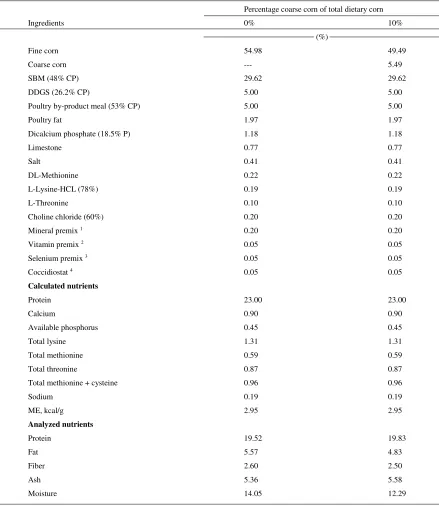
Table II-1. The composition of broiler starter diets using two percentage coarse corn (CC) of total dietary corn………...51
Table II-2. The composition of broiler grower diets using two percentage coarse corn (CC) of total dietary corn and four percentage mixer fat addition…………...52
Table II-3. The composition of broiler finisher diets using two percentage coarse corn (CC) of total dietary corn and four percentage mixer fat addition………..53
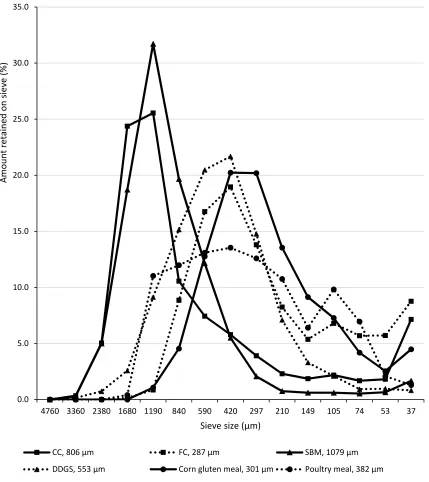
Table II-4. Mean diameter particle size of ingredients………...54
Table II-5. Pellet durability index (PDI) of pelleted grower diets as affected by main and interaction effects of percentage coarse corn of total dietary corn and percentage mixer liquid fat application………...56 Table II-6. Pellet durability index (PDI) of pelleted finisher diets as affected by main and interaction effects of percentage coarse corn of total dietary corn and percentage mixer liquid fat application………...57 Table II-7. Cumulative feed intake (FI) of broiler chickens as affected by main and interaction effects of percentage coarse corn of total dietary corn and percentage mixer liquid fat application………...58 Table II-8. Period feed intake (FI) of broiler chickens as affected by main and interaction effects of percentage coarse corn of total dietary corn and percentage mixer liquid fat application……….59 Table II-9. Cumulative BW of broiler chickens as affected by main and interaction effects of percentage coarse corn of total dietary corn and percentage mixer liquid fat application………60
Table II-10. Period BW gain of broiler chickens as affected by main and interaction effects of percentage coarse corn of total dietary corn and percentage mixer liquid fat application………61
Table II-11. Cumulative adjusted feed conversion ratio (AdjFCR) of broiler chickens as affected by main and interaction effects of percentage coarse corn of total dietary corn and percentage mixer liquid fat application……….62
ix Table II-13. Cumulative depletion of broiler chickens as affected by main and interaction effects of percentage coarse corn of total dietary corn and percentage mixer liquid fat application………64
Table II-14. Carcass parts weight of broiler chickens as affected by main and interaction effects of percentage coarse corn of total dietary corn and percentage mixer liquid fat application………65
Table II-15. Percentage carcass parts of broiler chickens as affected by main and interaction effects of percentage coarse corn of total dietary corn and percentage mixer liquid fat application………66 Table III-1. The composition of broiler starter diet and grower diets with 20 percent coarse
corn (CC) of total dietary corn………..82
Table III-2. Mean diameter particle size of ingredients………...83
Table III-3. Percentage particle size distribution and mean diameter particle size of corn ingredients after grinding……….85
Table III-4. Mean diameter particle size of mash grower diets………86
Table III-5. Percentage particle size distribution and mean diameter particle size of mash grower diets with coarsely ground corn (CC) inclusion………88
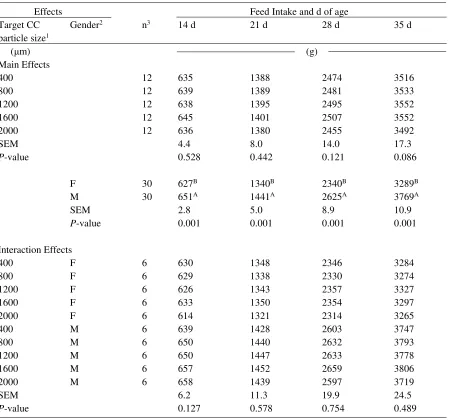
Table III-6. Pellet durability index (PDI) of pelleted grower diets as affected by 20 percent coarsely ground corn (CC) by roller mill of total dietary corn………89 Table III-7. Cumulative feed intake (FI) of broiler chickens as affected by main and
interaction effects of different coarsely ground corn (CC) particle size and gender………...90 Table III-8. Period feed intake (FI) of broiler chickens as affected by main and interaction effects of different coarsely ground corn (CC) particle size and gender………91
Table III-9. Cumulative BW of broiler chickens as affected by main and interaction effects of different coarsely ground corn (CC) particle size and gender……92
x Table III-12. Period adjusted feed conversion ratio (AdjFCR) of broiler chickens as affected by main and interaction effects of different coarsely ground corn (CC) particle size and gender……….95
Table III-13. Cumulative depletion of broiler chickens as affected by main and interaction effects of different coarsely ground corn (CC) particle size and gender………96 Table III-14. Absolute and relative weights of the proventriculus and gizzard of broiler chickens at 36 d of age as affected by main and interaction effects of different coarsely ground corn (CC) particle size and gender………97 Table IV-1. The composition of broiler starter diet and grower diets with fine expeller soybean meal (FESBM) or coarse expeller soybean meal (CESBM) and 50 percent of different coarsely ground corn (CC) particle size of total dietary corn………113
Table IV-2. Mean diameter particle size of ingredients……….114
Table IV-3. Percentage particle size distribution and mean diameter particle size of coarsely ground corn (CC) and expeller soybean meal (ESBM)………...116
Table IV-4. Mean diameter particle size of mash grower diets………..117
xi Table IV-10. Period BW gain of broiler chickens as affected by main and interaction effects of 50 percent of different coarsely ground corn (CC) particle size of total dietary corn, and fine and coarse expeller soybean meal (ESBM)………124
Table IV-11. Cumulative adjusted feed conversion ratio (AdjFCR) of broiler chickens as affected by main and interaction effects of 50 percent of different coarsely ground corn (CC) particle size of total dietary corn, and fine and coarse expeller soybean meal (ESBM)………125
Table IV-12. Period adjusted feed conversion ratio (AdjFCR) of broiler chickens as affected by main and interaction effects of 50 percent of different coarsely ground corn (CC) particle size of total dietary corn, and fine and coarse expeller soybean meal (ESBM)……….126 Table IV-13. Cumulative depletion of broiler chickens as affected by main and interaction
effects of 50 percent of different coarsely ground corn (CC) particle size of total dietary corn, and fine and coarse expeller soybean meal (ESBM)…………127
xii LIST OF FIGURES
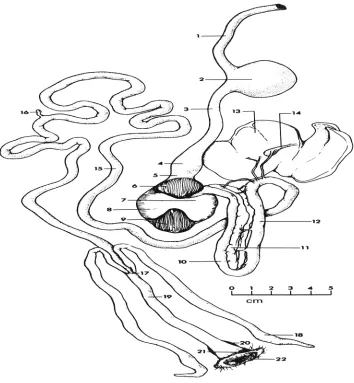
Figure 1. Digestive tract of a 12-wk-old turkey…….…..…..………6
Figure 2. Anatomical features of stomach of domestic turkeys………...10
Figure 3A and 3B. Gizzard components………..………..…….15
Figure II-1. Particle size distribution of ingredients. FC = fine corn, CC = coarse corn, SBM = soybean meal, DDGS = Distiller's dried grains with solubles. Actual particle size shown……….55
Figure III-1. Particle size distribution of ingredients. FC = fine corn, CC = coarsely ground corn, SBM = soybean meal. Actual particle size shown……...84 Figure III-2. Particle size distribution of mash grower diets. CC = coarsely ground corn. Actual particle size shown………...87
Figure IV-1. Particle size distribution of ingredients. CC = coarsely ground corn, FESBM = fine expeller soybean meal, CESBM = coarse expeller soybean meal. Actual particle size shown………...115
xiii LIST OF ABBREVIATIONS
AdjFCR Adjusted feed conversion ratio, corrected for weight of mortality
BW Body weight
C Celsius
cm Centimeter
d Day
E Embryonation day
FCR Feed conversion ratio
g Gram
h hour
kg Kilogram
m Meter
RH Relative humidity
1 CHAPTER I
2 1.1. INTRODUCTION
Recently, increased feed costs have been associated with an increased demand for corn
and soybeans for production of biofuels as commercial poultry feed has been largely composed
of corn and soybean meal and feed has been the greatest portion of the total cost of production
of meat and egg production. This has dramatically increased interest in improving feed
efficiency in the commercial poultry industry. Donohue and Cunningham (2009) estimated
that increased feed ingredient costs for broiler production on a percentage of live production
cost increased from 51.8% in 2001 to 68.7% in 2008. Further, live production costs for broilers
increased by 180% from 2006 to 2008. They also reported that for approximately 98% of the
US poultry industry an improvement of 1% in feed efficiency approximately reduced the use
of corn by 132.5 million kilograms and use of soybean meal by 61.3 million kilograms
annually. Therefore, feed efficiency has become even more critically important for the poultry
industry as a means to remain cost competitive.
Feed has been the substance that has maintained constant contact with the
gastrointestinal tract (GIT) throughout the life of the chicken. In addition, the GIT has been
exposed to a variety of substances due to it being the most extensive exposed surface of the
body. Therefore, a wide range of factors associated with feed components and feed
characteristics have been found to either negatively or positively affect health status and live
performance in commercial poultry production (Yegani and Korver, 2008). For instance,
several feed ingredients have been reported to have high levels of anti-nutritional factors,
3
decreased enzymatic activities, and decreased availability of nutrients. Those effects have
resulted in poorer feed efficiency and decreased growth performance of chickens (Bedford and
Schulze, 1998).
Achieving optimal poultry feed efficiency has been generally approached through
nutritional specifications. However, nutritional factors may not be the only strategy required
to achieve feed efficiency. Many alternative programs had become available for enhancing the
performance of poultry and some of these were discussed below. Numerous non-nutritional
factors, such as feed processing (Jia and Slominski, 2010), and excellent animal husbandry
practices have positively impacted bird live performance (Zhao et al., 2012). There has been
an increased interest in improved digestive efficiency through new technology such as feed
enzymes (Jia and Slominski, 2010; Kaczmarek et al., 2014), feed additives (Amad et al., 2011),
genetically modified grains, and new processing techniques in feed manufacturing (Hott et al.,
2008; Loar II et al., 2014; Hafeez et al., 2015).
Nutritional specifications have been developed that meet minimum animal
requirements for maintenance, growth, and production but feed characteristics may have the
ability to alter GIT organ development and motility, and finally improve the efficiency of
digestion and absorption that could modify nutritional strategies. The GIT motility and
peristalsis have been recognized for their ability to extend digesta retention time caused by the
presence of a relatively short GIT in birds (Moran, 1982).
One prominent approach has involved the manipulation of feed form and feed
4
Therefore, in the modern feed industry, feed form, pellet quality, and feed ingredient particle
size have become major concerns likely to improve feed characteristics and animal live
performance. In addition, the interaction between feed characteristics and GIT functions has
been recently considered with respect to animal live performance (Favero et al., 2009; Rohe et
al., 2014). In general, fine ingredient particles have a benefit in terms of absorption through
increased surface area and pellet quality but coarse particles affect GIT morphology and
function.
It was therefore necessary to assume that an appropriate increased particle size of feed
ingredients would be advantageous in terms of broiler live performance. Thus, more attention
was needed to find a balance between particle size, pellet quality, and GIT function. This was
why it was so important to consider how feed was prepared, mixed, and manufactured as these
factors impacted ultimate nutritional quality and cost of production. The objective was to
develop an economical feed manufacturing strategy that enhanced GIT function and reduced
cost of production. It was clear that the feed millwill need to become more integral to the feed
formulation and GIT function processes.
The following review focused primarily on the poultry GIT and improving broiler live
performance through non-nutritional factors such as pelleting and ingredient particle size. This
general review was also necessary to further the understanding of how those non-nutritional
feed manufacturing factors affected each other, poultry live performance, and GIT
5 1.2. AVIAN DIGESTIVE SYSTEM STRUCTURES AND FUNCTIONS
Understanding the unique anatomical and physiological features of the chicken GIT
(Figure 1) has become necessary in order to develop a more effective strategy to insure greater
efficiency and sustainability of poultry production systems. The avian digestive system acts as
a selective barrier between the tissues of the bird and its luminal environment. This barrier has
been shown to comprise physical, chemical, immunological, and microbiological components.
Duke (1986) suggested that the avian digestive system had been adapted for flight and was
relatively light in weight and quite short. The chicken digestive tract begins at the mouth and
ends at the cloaca. The GIT has been defined as a continuous tube that consisted of beak,
esophagus, crop, proventriculus, gizzard, duodenum, jejunum, ileum, ceca, rectum, and cloaca
(Sturkie, 1986). The GIT of avian species was notably different from other animal species due
toa distinctive mouth area, the presence of a storage crop in the esophagus, the presence of a
two-compartment stomach that included a glandular proventriculus and a muscular ventriculus
or gizzard, and ceca.
The primary purpose of the GIT was to break down and digest food into nutrient
components, and absorb those nutrients required for growth, maintenance, and production.
Digestion consisted of physical and chemical processes. Food was consumed, broken down,
mixed with digestive enzymes, and moved along through the GIT by the muscular peristaltic
activities of the GIT. Salivary and intestinal secretions provided protection and lubrication.
Digestive enzymes catalyzed hydrolysis of numerous compounds into a smaller compounds
6 Figure 1. Digestive tract of a 12-wk-old turkey.
1, precrop esophagus; 2, crop; 3, postcrop esophagus; 4, proventriculus; 5, isthmus; 6,
thin craniodorsal muscle; 7, thick cranioventral muscle; 8, thick caudodorsal muscle; 9, thin
caudoventral muscle; 10, proximal duodenum; 11, pancreas; 12, distal duodenum; 13, liver;
14, gall bladder; 15, ileum; 16, Meckel’s diverticulum; 17, ileocecocolic junction; 18, ceca;
7
Gastrointestinal Anatomy and Physiology. Pages 299-325 in Sturkie’s Avian Physiology.
Whittow, G. C., ed. Academic Press, San Diego).
The oral cavity contained salivary glands that secreted saliva to lubricate the food and
ease swallowing. The soft palate and teeth were absent in the avian oral cavity. Therefore, the
function of the teeth was achieved primarily by the beak. Birds have been reported to select
feed particles according to the size of their oral cavity (Moran, 1982). Pecking was mainly
controlled according to the physical characteristics of feed form and feed particle size as
perceived by the sensory organs. Pecking behavior has involved an observation period of the
feed between exploratory and effective pecks. Visual and tactile cues based on the physical
characteristics of feed particles relevant to feed manufacturing has influenced feed
identification and prehension (Picard et al., 1999). Sensory organs function through anatomic
adaptations for selecting coarse particles for grasping by the beak and propelling the food into
the esophagus.
The esophagus was a flexible tube that passed food from the mouth to the crop. The
crop has evidently evolved for consuming relatively large amounts of food. The crop has
evolved to be a unique feature of avian species located outside the body cavity but as an
extended part of the esophagus that functioned as a food storage organ regulating and softening
the supply of food to the lower digestive tract. This physiological adaptation of this unique
anatomical feature was important in regulating the transit time of digesta during periods
8
The poultry stomach consisted of two main parts that were termed the proventriculus
or glandular stomach and the ventriculus (gizzard) or muscular stomach (Moran, 1982). The
proventriculus has functioned primarily in production and release of gastric secretions (pepsin,
hydrochloric acid, and mucus) while the gizzard has served as the site for mechanical grinding.
Secreting cells and alveoli of the proventricular glands were reported to secrete both
hydrochloric acid and pepsinogen (McLelland, 1990). Hydrochloric acid and digestive
enzymes such as pepsin were mixed with feed to begin digestion in the proventriculus. The
proventriculus has been recognized for its importance in protein digestion due to it being
relatively small in granivorous and relatively larger in carnivorous and piscivorous species
(King, 1984). However, the food had not been ground as it entered the crop so further
processing was necessary. The gizzard has become highly specialized to mechanically grind
and achieve particle size reduction and surface area increment that provided greater access for
enzymes in the small intestine.
The gizzard consisted of two pairs of smooth muscles arranged in distinct perpendicular
bands that originated and terminated on a circular tendon (Figure 2). The arrangement of
smooth muscles provided mixing and grinding actions during successive contraction. A
complex neural network has been found to involve the entire GIT and to facilitate recurring
cycles of forward and reverse peristalsis of digesta that provided a longer GIT residence period.
Three distinct phases of reverse peristalsis have been found to be important to optimal
digestive function (Duke, 1994). Chickens have utilized reverse peristalsis in combination with
9
Peristalsic rushes have been found to be common in chickens. Rushes have been described as
a contraction of the intestine occurring as a wave moving throughout the entire length of the
intestines in a bi-directional manner, which enhanced optimal absorption of absorbable
material from the GIT (Moran, 1982).
The small intestine has been described as having a duodenum, jejunum, and ileum. The
duodenum extended from the gizzard to the pancreatic and biliary ducts, and has an attached
pancreas within the duodenal loop. The jejunum extended from the pancreatic ducts to
Meckel’s diverticulum where the ileum continued to the ileo-caecal junction. The intestinal
wall was composed of multilayers containing mucosa, submucosa, muscular tunics, and serosa.
As incubation progressed, embryonic small intestinal weight has been found to increase at a
much greater rate than BW. During the last 3 d of incubation, the small intestinal weight
including the external muscular layers and the villi were found to be growing rapidly as their
size relative to BW increased from approximately 1% at 17 d of incubation to 3.5% at hatching
(Uni et al., 2003).
The small intestine of the newly hatch chicks was reported to be immature and
subsequently underwent major morphological and biochemical changes during the first 2 wk
post-hatching. At hatching, enterocytes were small, round shaped, and lacked a well-defined
brush border. The ontogeny of chick enterocytes has been divided into two periods. In the first
24 h post-hatching, enterocytes acquired polarity and a distinct brush-border membrane, which
may not be overcome at later stages in life. The second period involved hypertrophy, which
10 Figure 2. Anatomical features of stomach of domestic turkeys.
The cranial thin muscle of gizzard has been described as continuous with the lateral
thick muscle and separated from caudal thin muscle at the caudal septum. Similarly, the caudal
thin muscle has been described as continuous with the medial thick muscle and separated from
cranial thin muscle by the cranial septum. (Adapted from Denbow, D. M. 2000.
Gastrointestinal Anatomy and Physiology. Pages 299-325 in Sturkie’s Avian Physiology.
Whittow, G. C., ed. Academic Press, San Diego).
11
In the post-hatching period, the small intestine continued to increase in weight more
rapidly than the remainder of the body. However, increased intestinal weight and length were
not identical in the duodenum, jejunum, and ileum. The jejunum weight increased more rapidly
than duodenum and ileum, whereas length of jejunum and ileum increased twofold over that
of the duodenum to 12 d of age. Intestinal development after hatching was also found to
achieve its maximal proportion relative to BW between 6-7 d of age and decreased thereafter.
The GIT developed rapidly with respect to enzymatic and absorptive activities during this
period (Uni et al., 1999).
In addition, it has been shown that during the initial 48 h post-hatching, the yolk sac
contributed to small intestinal maintenance and development. During this period, the chick
made the transition from utilizing energy in the form of lipids supplied by the yolk sac to
utilization of exogenous carbohydrates and protein-rich substrates, which were low in quantity
immediately post-hatching and then digestion of nonlipid materials increased rapidly and
reached 80% or greater by 4 d of age (Noy and Sklan, 1999). This was confirmed by Sklan
(2001) who stated that yolk had been thought to provide nutrients to hatched chicks for the
first few days of life but chicks were also found to be ready for exogenous feed that facilitated
the transition from the use of lipid-rich yolk to exogenous carbohydrates and proteins. Early
access to exogenous feed has been shown to stimulate growth and development of the GIT and
also enhance post-hatching utilization of yolk by the small intestine. Birds exhibited rapid
intestinal changes in terms of crypt formation, enterocyte morphology, and villus length, width,
12
Most digestion and absorption has been found to occur in the intestines with the aid of
digestive enzymes and bile secreted by the pancreas and liver. Absorption primarily has
occurred through the mucosa of the small intestine. The interior mucous membrane was
comprised of villi with a folded appearance and well-defined network of blood capillaries
involved in absorption of nutrients. Between the villi were the crypts of Lieberkuhn where
crypt cells proliferated and then migrated to a villi tip. Inner circular and outer longitudinal
intestinal muscle layers were responsible for mixing and propelling the digesta through the
entire intestine. Nutrients were absorbed and distributed to the body through the portal blood
vessels that carried blood from the intestines to the liver.
The liver, gall bladder, and pancreas have been described as the accessory organs of
the digestive system. The pancreas was attached within the duodenal loop. The digestive
enzymes were produced in the tubular glands of the pancreas and contained enzymes such as
amylase, lipases, trypsin, and chymotrypsin. The pancreas also produced insulin that regulated
blood glucose and bicarbonate that buffered the GIT. The liver was primarily responsible for
the production of bile acids and bile salts, which were secreted into the bile ducts and stored
in the gall bladder or secreted directly into the duodenum as the bird has the unique presence
of two bile ducts. This has emphasized the point that bile was utilized continually during
digestion in a chicken rather than being secreted in response to a specific meal.
1.3. GASTROINTESTINAL MOTILITY AND ITS REGULATION
Physiological appetite has been described as being controlled by hypothalamic centers.
13
such as environmental temperature and dietary content. Signals arrived at the cerebral cortex
or hypothalamus and stimulated nerves that passed through the hypothalamus. Many of these
signals came directly from feed itself; color, shape, and smell. Gleaves et al. (1968) found that
dietary energy, protein, weight, and volume directly affected feed consumption. Food was
swallowed into the esophagus by peristalsis and subsequently moved into the crop. Extension
of the neck and head apparently have played a secondary role in swallowing. The movement
of digesta from crop to two-compartment stomach was thereafter controlled by the distention
of the stomach and intestines.
As mentioned above, the structure of the gizzard consisted of two pairs of muscles (thin
muscles; craniodorsal and caudoventral muscle, and thick muscles; cranioventral and
caudodorsal muscle) (Figures 3A and 3B). To compensate for the relatively short digestive
tract, avian species have developed a complex neural network that has facilitated recurring
cycles of peristalsis of digesta to prolong the period of access by digestive enzymes. The avian
GIT has carried out distinct peristaltic movements that have been found to be important to
optimal digestive functions. The gizzard, proventriculus, and duodenum were described as
coordinated in a gastroduodenal sequence (Duke, 1982) comprising: 1) contraction of the pair
of thin muscles, 2) duodenal contraction as one to three peristaltic waves passed through the
duodenum, 3) contraction of the pair of thick muscles, and 4) contraction of proventriculus as
a peristaltic wave passed through the glandular stomach. During the contraction sequences the
pair of thin muscles of the gizzard contracted first. Secondly, two to three peristaltic waves
have been found to pass through the duodenum. Next, the pair of thick muscles contracted, and
14
muscles, a wave of contraction proceeded in a counterclockwise direction across each muscle.
During each gastroduodenal contraction sequence digesta flowed from the gizzard into the
duodenum at the end of the contraction of the thin muscles and into the proventriculus during
contraction of the thick muscles. During the contraction of the proventriculus, the digesta
contents were refluxed to the gizzard (Duke, 1977). The movement of digesta mainly occurred
in 4 intestinal regions: 1) proventriculus and gizzard, 2) gizzard and small intestine, 3) small
intestine and rectum, and 4) rectum and cloaca (Duke, 1994). The movement of digesta
between the proventriculus and gizzard was considered to necessarily optimize the action of
enzymatic and mechanical digestion (Duke, 1982). The gastric reflux allowed material in the
gizzard to re-enter the proventriculus for additional mixing with acid and pepsin. This was
necessary for optimum activity of trypsin and chymotrypsin produced by the pancreas and
secreted into the duodenum. The second reflux moved from the duodenum and jejunum back
to the gastric area and exposed digesta to a second or third cycle of digestive activity and
15 Figures 3A and 3B. Gizzard components.
(1) caudodorsal thick muscle (2) cranioventral thick muscle (3) craniodorsal thin
muscle (4) caudoventral thin muscle (5) tendinous centre. (Adapted from McLelland, L. J.
1990. Digestive system. Pages 47-65 in A Color Atlas of Avian Anatomy. McLelland, J., ed.
Wolfe Publishing, Ltd. Aylesbury, England).
Gastrointestinal contractions have become recognized as a part of an important strategy
to compensate for morphological disadvantages due to birds having a significantly shorter and
smaller GIT than most animal species. Peristalsis rushes have been described as a contraction
of the intestine that occurs as a wave moving throughout the entire intestines bi-directionally.
This system promoted optimal absorption in the GIT (Moran, 1982). The rate of passage
through the entire GIT was influenced by several factors such as the consistency, hardness,
bird age, and water content of the food as well as amount of feed consumed. The passage rate
in young chicks was faster than adults (Duke, 1977). Therefore, avian have developed the
16
intestinal secretions and feed components to enhance digestion and also slow the passage rate
of the digesta to provide more time for absorption by the intestinal cells.
1.4. EFFECTS OF FEED FORM ON CHICKENS
For commercial poultry production, broilers have been genetically selected to consume
feed rapidly so they grow rapidly. Rapid growth has the added benefit of improved feed
efficiency due to less body maintenance expenditure over the shorter growing period.
Furthermore, Choct (2009) stated that commercial broiler growth rate and feed efficiency have
continuously improved due to genetic selection, intensive animal husbandry, and nutritional
knowledge so that the growth period has been progressively shortened. Nevertheless, optimum
growth rate and live performance will be achieved only if chickens consumed properly
formulated feed and efficiently digest that feed. However, maximum feed consumption has
depended upon several factors such as feed characteristics, environmental temperature,
husbandry, and health status. The physical characteristics of the feed have recently become a
subject of increased importance in commercial broiler production. Feed intake can be
significantly influenced by feed form. A poor physical feed form has negatively affected feed
intake and had a subsequently negative effect on growth rate and performance (Dozier III et
al., 2010). Therefore, it was important that feed form was optimal in order to maximize feed
intake. Non-nutritive factors, such as pelleting with heat, moisture, and pressure to form finely
ground particles into a larger particle has been generally recognized as providing positive
benefits. Behnke (1998) outlined the benefits of pelleting as including decreased ingredient
17
modification of starch and protein, and increased palatability. Pelleting has been considered to
have played an important role in feed efficiency and reduced live production costs.
Commercial broilers have been generally provided a diet that has been through the
pelleting process. Feeding broiler chickens in crumble or pellet form has been practiced
worldwide as this increase the rate of growth due to an increased rate of feed consumption.
The effects of feeding crumbles or pellets on growth performance have been studied by several
authors. Jensen et al. (1962) found that chicks fed pelleted diets spent four-fold less time eating
than chicks fed mash diets and Runnels (1976) reported that pelleting increased BW and
improved feed efficiency at 4 wk of age. In general, pelleted feed has improved broiler growth
rate due to a greater feed intake (Choi et al., 1986; Amerah et al., 2007; Dozier et al., 2010;
Chewning et al., 2012; Serrano et al., 2012; Xu et al., 2015) as well as improved feed efficiency
(Amerah et al., 2007; Chewning et al., 2012; Serrano et al., 2012; Xu et al., 2015). These
improvements have been attributed to increased nutritional density, improved starch
digestibility resulting from chemical changes during pelleting, reduced feed spillage, and
decreased energy expenditure for prehension and consumption (Amerah et al., 2007).
Therefore, it has become generally known that pelleted diets improved broiler growth rate due
to increased feed consumption and that rapid growth rate was probably related to rapid feed
consumption. This was also in agreement with Bennett et al. (2002) who reported that feeding
mash slowed broiler growth at all ages and clearly demonstrated the widely known principle
that growth was proportional to feed consumption. Brickett et al. (2007) reported that growth
rate was significantly influenced by feed form as growth rate decreased when diets were fed
18
of birds to consume bulkier and possibly less palatable feed. In addition, broilers fed pelleted
diets exhibited greater villus height and crypt depth when compared with broilers fed mash
diets, which indicated a general increase in the digestive and absorptive capacity of the small
intestine in response to the greater flow of nutrients (Amerah et al., 2007).
1.5. EFFECTS OF PELLETING AND PELLET QUALITYON CHICKENS
Pelleted feed has been utilized extensively in the commercial broiler industry. The
objectives of pelleting have been basically to take various finely ground feed ingredients
through moisture, heat, and pressure and form them into larger particles that facilitated rapid
feed consumption. Heat was generated in the conditioner where steam was added. It has been
understood that mechanical shearing in the pellet die caused additional frictional heating,
where gelatinization occurred and allowed the animals to better utilize the nutrients in
ingredients. Behnke (1998) demonstrated that the pelleting process has benefits in terms of
decreased ingredient segregation, increased digestibility, and increased palatability. In general,
studies have supported the principle that pelleted diets positively affected growth performance
due to improved feed uniformity and balanced composition of intake. The improvement in live
performance of broilers fed pelleted diets was partly due to increased feed intake and partly
due to less energy being used for prehension. Therefore, the energy available for growth was
increased. However, feeding pelleted diets was not always sufficient to effectively optimize
performance of poultry. A frequent problem has been poor pellet quality as a result of
19
Although pelleting has been a costly process, the benefits of a good pellet quality have
been discussed and recognized. Therefore, alternative ways were needed to reduce pelleted
feed manufacturing costs without compromising the live performance of broiler chickens.
Optimizing feed efficiency and live production performance at low costs have become
increasingly important in the competitive poultry industry. Good pellet quality has always
increased feed consumption and therefore poultry growth rate. Thus, the effects of pellet
quality on broiler live performance have remained an important subject of scientific
investigation and practical management. In general, broiler chickens fed high quality pelleted
diets exhibited advantages in feed consumption and growth rate when compared to chickens
fed poor quality pelleted diets. Many studies have shown that the non-nutritive factor of
excellent pellet quality significantly enhanced BW gain, conversely feed consumption
decreased as pellet quality decreased. Greenwood et al. (2004) investigated the effects of
percentage fines and found that increased fines was associated with a gradual depression on
BW gain and feed consumption. Dozier et al. (2010) also found that broilers fed pelleted diets
of high quality with approximately 88-90% PDI grew faster and consumed more feed than
broilers fed pellet diets of low quality with approximately 66-68% PDI. This improvement
could potentially decrease the number of rearing days to market. McKinney and Teeter (2004)
observed the effects of quality of pelleted diets on broiler growth performance. It was clear
that feed consumption increased numerically in birds fed pelleted diets when compared with
birds fed mash diets but neither pelleting nor pellet quality significantly impacted feed
consumption in that study. However, pellet quality has influenced BW gain and feed efficiency
20
feed consumption. Some improvements were associated with the effective caloric value (ECV)
concept, which expressed the energy required by a broiler relative to determined growth and
FCR under specific conditions. As pellet quality increased, the effective caloric value (ECV)
of diet became greater, which represented decreased energy expenditure for obtaining feed.
Therefore, chickens spent less time eating and rested more frequently when pellet quality was
improved. Maximum energy savings due to pelleting was 187 kcal MEn/kg of feed consumed
when pellet quality was 100% and minimum energy sparing attributable to pelleting still
appeared to be 76 kcal MEn/kg of feed consumed when pellet quality was 20%. These data
also suggested that responses to pellet quality appeared to be biphasic with an intermediate
plateau in the 40-60% PDI range. This finding suggested that 40% pellet quality was the
minimum pellet quality required to elicit positive effects from the pelleting process. Thus, there
was little need to improve pellet quality above 40%, unless pellet quality exceeded 60%.
There were numerous factors that have affected pellet quality that included feed
formulation, particle size, conditioning, die specifications, cooling, and drying (Turner, 1995).
Feed ingredients have often strongly affected pellet quality with increased protein content
(16.3% versus 21.0%) associated with increased PDI and increased oil content associated with
decreased PDI when the dietary oil content exceeded 7.5% (Briggs et al., 1999). These data
illustrated the negative effect of high dietary fat on pellet quality. Moisture addition prior to
the pelleting process improved starch gelatinization, which ultimately increased pellet quality
(Moritz et al., 2002). Furthermore, increased residence time inside the steam conditioner
allowed the mash to be more adequately conditioned prior to pelleting, which produced better
21
generally thought that smaller particle size has contributed to improved pellet quality. Wondra
et al. (1995) reported that PDI improved from 78.8 to 86.4 as corn particle size decreased from
1,000 µm to 400 µm. Fine particles were found to accept more moisture during conditioning
due to a greater surface area (Turner, 1995). Thus, major feed ingredients in modern broiler
feed mills have been generally ground to smaller particle sizes, which have been typically
recommended to improve pellet quality.
However, the grinding and pelleting processes have been generally considered to be
the most costly parts of feed manufacturing and the benefits of pellet quality have been a
subject of debate as discussed above. Therefore, it was desirable for companies to be able to
produce optimal pellet quality and minimize feed manufacturing costs while still supporting
enhanced growth performance. There was potential for feed manufacturing to be a cost saving
unit that reduced overall live production costs from both feed manufacturing and animal
production perspectives.
1.6. EFFECTS OF FEED INGREDIENT PARTICLE SIZE ON CHICKENS
Broiler diets in the USA have generally been based primarily on corn and soybean meal
so the recently increased price of these ingredients have continued to put pressure on poultry
companies as they seek to maintain profitability. The combination of increased feed mill
associated costs and expensive feed ingredients have created a demand for new strategies to
control live production costs while still optimizing the efficiency of broiler production. Feed
ingredients have been traditionally ground in the USA before mixing. The system of grinding
22
as it was thought that this practice improved pellet quality. Particle size reduction has been a
process that involved the disruption of the outer seed coat and the exposure of endosperm
resulting in increased surface area, thus allowing for greater interaction with digestive
enzymes. Other benefits have included improved ease of handling and mixing characteristics
(Goodband et al., 2002). Hammermills and roller mills have been commonly used to reduce
the particle size of feed ingredients. Hammermills have accomplished size reduction by
impacting a grain with a moving hammer. Particles produced using a hammermill generally
have been spherical in shape and the distribution of particle sizes varied around the geometric
mean diameter. Roller mills have accomplished size reduction by the combined forces of
shearing and compression. The particles produced were somewhat uniform in size but with
irregular particles, more cubic or rectangular than spherical (Koch, 1996).
In modern USA feed mill operations most of the major ingredients have to be ground
before mixing to particles of various sizes depending on the feed type and feed manufacturing
process. The purpose of grinding feed ingredients has been to improve digestibility, improve
binding ability between particles during pelleting, improve the mixing efficiency of
ingredients, increase particle homogeneity, and prevent ingredient separation. Grinding an
ingredient of any size has required significant energy and has added cost to feed production. It
has been believed that larger particle size would decrease hammermill energy consumption
and production cost. A reduced energy requirement was observed as a result of the increased
grinding rate facilitated by increasing the screen size from 4.76 to 6.35 mm that resulted in 114
23
was necessary to determine an optimum particle size to ensure adequate utilization at which
broiler performance was maximized and production cost was minimized.
Many studies have been conducted regarding the optimum particle size for efficient
poultry feed production and feed utilization by the bird. The physical form of feed components
may have affected the morphological and physiological aspects of the GIT (Engberg et al.,
2004). Apparently, the benefits of feeding larger particle sizes and whole grains to poultry has
received considerable attention in recent years. It has been hypothesized that feeding whole
grains or larger particle sizes of ingredients improved the health of chickens as well as strongly
influenced GIT development, gut motility, and gut functions (Nir et al., 1995; Amerah et al.,
2007). Studies that have been conducted on the effects of particle size clearly suggested that
grain particle size was quite critical in mash diets. However, there has been controversy
concerning the effects that fine particles versus larger particles in pelleted diets have on broiler
live performance. Research has linked length of growing period to these effects as older birds
that consume more feed appeared to benefit more from larger particles. Further, nutrient
utilization was reported to be suboptimal in newly hatched chicks but improved as the broilers
aged. Beneficial effects on GIT development has resulted from early feeding (Noy and Sklan,
1999) so it may be beneficial to have exposed chicks to diets containing some large particle
size ingredients as early as possible if these birds were to be grown to a larger BW at a later
age.
Reece et al. (1985) found that chicks fed mash diets based on corn ground by roller mill
24
grinding corn by 14.5% when compared to chicks fed corn ground by hammermill (814 µm).
In addition, improved feed efficiency was observed with 3-6 wk broilers fed a corn particles
range of 781-1042 µm, however, feed efficiency was decreased when corn particles exceeded
1,042 µm (Parson et al., 2006). Jacobs et al. (2010) reported that chicks fed a corn particle size
range that varied from 557, 858, 1,210, and 1,387 µm resulted in increased relative gizzard
weight as particle size increased up to the largest corn particle size of 1,387 micron without
compromising growth performance. Furthermore, the effects of particle size of other grain
ingredients have been conducted. Nir et al. (1990) conducted the effect of sorghum particles
that were ground either by hammermill or roller mill to different particle size; fine (536-574
µm), medium (671-733 µm), and coarse (871-905 µm). Feed consumption, BW gain, and feed
efficiency were not affected by the method of grinding but feed consumption and BW gain
were increased in the diets containing the coarser particle size. This confirmed the concept that
chicks preferred coarse particles, which may be related to beak dimensions. As chicks became
older, their preference for larger particles increased. Nir et al. (1995) studied the effect of wheat
and sorghum particles that were ground by hammermill (681, 628 µm) and roller mill (1,413,
2,174). Broilers fed coarser particles exhibited an improvement in live performance and
relative proventriculus, gizzard, jejunum and ileum, and all GIT component weights. In
contrast, Douglas et al. (1990) suggested that the improvement in BW gain and feed efficiency
of young broilers fed mash diets with either corn or sorghum containing different finely
particles (833-947 µm) compared with chicks fed mash diets with different coarsely particles
(1470-1800 µm) might have been due to defeating the normal tendency of birds to selectively
25
to be properly disrupted to ensure water and substrate access for enzymatic digestion. This
concept was in agreement with Nir (1994) who demonstrated that decreased corn particle size
from 2010 to 897 µm resulted in improved BW gain and feed efficiency in young chicks that
could be influenced by the effects of particle size on the GIT.
Studies examining the effect of grain particles in pelleted diet have been inconsistent.
Reece et al. (1986) reported that broiler performance was not affected by finely versus coarsely
ground corn (679 and 1289 µm) but BW and feed efficiency were improved compared to chicks
fed intermediate ground corn (987 µm). Lott et al. (1992) reported the adverse effect of very
coarse corn particles in young birds fed a crumbled diet. Smaller particles (716 µm) improved
BW gain and feed efficiency compared to larger particles (1,196 µm), which was apparently
too large for young chicks to efficiently utilize to support maximum growth. Amerah et al.
(2007) reported that with chicks fed wheat-based diets in mash form that coarse grinding
exhibited improved BW, feed intake, and feed efficiency but the effects were not observed in
chicks fed in pelleted form. This may be explained because the pelleting process further
reduced the size of larger particles and minimized the differences in the initial particle sizes.
Amerah et al. (2008) also investigated the interaction between cereal grain type (wheat and
corn) and particle size (284-297 and 528-890 µ m). Overall, the effects of feed particle size
varied depending on grain type. The study found evidence that coarser grinding had beneficial
effects on BW gain and produced heavier gizzard weight in chicks fed corn-based diets,
whereas these were not observed in chicks fed wheat-based diets. However, coarse particles
were advantageous in terms of broiler performance due to decreased feed intake and improved
26
large particles being retained in the GIT for an increased period of digestion and absorption.
In addition, coarse feed ingredients may contribute to improved performance in broilers
through improved intestinal development, especially that of the gizzard. A poorly developed
gizzard has been associated with an increased feed passage rate that led to more nutrients being
present in the lower GIT where they promoted microbial proliferation. Branton et al. (1987)
found that the 28.9% mortality associated with a combination of necrotic enteritis and
coccidiosis when diet contained wheat ground with a hammermill decreased to 18.1% when
wheat was ground with a roller mill.
Thus, the hypothesis that feeding whole grains or larger particle sizes of ingredients
improved live performance probably varied with several factors that were influenced by age
of birds (Lott et al., 1992), feed form (Amerah et al., 2007), grain type (Amerah et al., 2008),
and distribution of particle sizes in the diet, in addition to particle size per se (Reece et al.,
1986). Based on available data, the optimum particle size for broiler diets based on corn or
sorghum should be between 600 and 900 µm and that grain particle size was more critical in
mash diets than pelleted or crumbled diets (Amerah et al., 2007).
1.7. RESEARCH JUSTIFICATION AND OBJECTIVES
Commercial broiler diets have historically contained a large portion of corn that must
be efficiently digested if wastes were to be minimized and the full benefits of the nutritional
value of the feed were to be realized. To efficiently manage the rapidly growing modern
broiler, it has become necessary to understand how to better manage the complex physiological
27
improve broiler feed intake, BW gain, feed efficiency, and optimize the development and
function of the GIT. In most cases, the implementation of these strategies considered the use
of feed enzymes (Jia and Slominski, 2010; Kaczmarek et al., 2014), feed additives (Amad et
al., 2011),and highly digestible ingredients. Gonza´lez-Alvarado et al. (2007) suggested that
rice was a highly digestible alternative ingredient for post-hatching chicks because rice was
high in starch content and low in nonstarch polysaccharide content and other anti-nutritional
factors. However, young chicks might require a minimal amount of fiber in the diet to
maximize performance, gizzard activity, and GIT functions (Jimenez-Morenzo et al., 2009;
Jimenez-Morenzo et al., 2010).
The benefits of pelleting in the animal feed industry have been recognized because
improved performance in broilers fed pelleted diets was partly due to increased feed intake and
partly due to less energy being used for prehension. However, feeding pelleted diets was not
always sufficient to effectively optimize performance of broilers. In general, broilers fed high
quality pelleted diets exhibited advantages in growth rate and feed consumption compared to
those fed poor quality pelleted diets. There were numerous factors that affected pellet quality.
A frequent problem has been poor pellet quality as a result of production issues, transportation,
handling, and mechanical feeding.
It was quite clear that a beneficial effect of coarse particles has been established in
mash feed but the effects were not consistently observed in pelleted diets. Nevertheless, it has
been suggested that although pelleted feed dissolved in the crop almost immediately after
28
retention time as a result of enhanced peristalsis and improved feed utilization (Nir et al., 1995).
However, larger grain particle size may have a negative effect on pellet quality and therefore
poultry feed consumption and live performance. It was necessary to find a balance between the
beneficial effects of coarse feed particles and pellet quality. Further, the two major grinding
machines, roller mill and hammermill, were known to produce different particle size
distributions so determination of the optimal size was required in order to manage these two
methods of particle size reduction.
The objectives of the present experiments were to provide the information and
understand the effects of major ingredient particle size produced during feed manufacturing
that affected pellet quality, broiler live performance, and GIT development. The effects of
these factors were determined in terms of PDI, broiler live performance, and proventriculus
29 1.8. REFERENCES
Amad, A. A., K. Manner, K. R. Wendler, K. Neumann, and J. Zentek. 2011. Effects of a phytogenic feed additive on growth performance and ileal nutrient digestibility in broiler chickens. Poult. Sci. 90:2811-2816.
Amerah, A. M., V. Ravindran, R. G. Lentle, and D. G. Thomas. 2007. Feed particle size: Implications on the digestion and performance of poultry. World’s Poult. Sci. J. 63:439-451.
Amerah, A. M., V. Ravindran, R. G. Lentle, and D. G. Thomas. 2007. Influence of feed particle size and feed form on the performance, energy utilization, digestive tract development, and digesta parameters of broiler starters. Poult. Sci. 86:2615-2623.
Amerah, A. M., V. Ravindran, R. G. Lentle, and D. G. Thomas. 2008. Influence of feed particle size on the performance, energy utilization, digestive tract development, and digesta parameters of broiler starters fed wheat and corn based diets. Poult. Sci. 87:2320-2328.
Bedford, M. R., and H. Schulze. 1998. Exogenous enzymes for pigs and poultry. Nutr. Res. Rev. 11:91-114.
Behnke, K. C. 1998. Why pellet? in Proc. of Kansas State University. American Feed Industry Association Pellet Conference, Manhattan, Kansas, USA.
Bennett, C. D., H. L. Classen, and C. Riddell. 2002. Feeding broiler chickens wheat and barley diets containing whole, ground and pelleted grain. Poult. Sci. 81:995-1003.
Branton, S. L., F. N. Reece, and W. M. Hagler Jr. 1987. Influence of a wheat diet on mortality of broiler chickens associated with necrotic enteritis. Poult. Sci. 66:1326-1330.
30
Briggs, J. L., D. E. Maier, B. A. Watkins, and K. C. Behnke. 1999. Effect of ingredients and processing parameters on pellet quality. Poult. Sci. 78:1464-1471.
Buyse, J., D. S. Adelsohn, and E. Decuypere. 1993. Diurnal nocturnal changes in food intake, gut storage of ingesta, food transit time and metabolism in growing broiler chickens: A model for temporal control of energy balance. Br. Poult. Sci. 34:699-709.
Chewning, C. G., C. R. Stark, and J. Brake. 2012. Effects of particle size and feed form on broiler performance. J. Appl. Poult. Res. 21:830-837.
Choct, M. 2009. Managing gut health through nutrition. Br. Poult. Sci. 50:9-15.
Choi, J. H., B. S. So, K. S. Ryu, and S. L. Kang. 1986. Effects of pelleted or crumbled diets on the performance and the development of the digestive organs of broilers. Poult. Sci. 65:594-597.
Denbow, D. M. 2000. Gastrointestinal anatomy and physiology. Pages 299-325 in Sturkie’s Avian Physiology. Whittow, G. C., ed. Academic Press, San Diego.
Donohue, M., and D. L. Cunningham. 2009. Effects of grain and oilseed prices on the costs of US poultry production. J. Appl. Poult. Res. 18:325-337.
Douglas, J. H., T. W. Sullivan, P. L. Bond, F. J. Struwe, J. G. Baier, and L. G. Robeson. 1990. Influence of grinding, rolling, and pelleting on the nutritional value of grain sorghums and yellow corn for broilers. Poult. Sci. 69:2150-2156.
Dozier III, W. A., K. C. Behnke, C. K. Gehring, and S. L. Branton. 2010. Effects of feed form on growth performance and processing yields of broiler chickens during a 42-day production period. J. Appl. Poult. Res. 19:219-226.
31
Duke, G. E. 1982. Gastrointestinal motility and its regulation. Poult. Sci. 61:1245-1256.
Duke, G. E. 1986. Alimentary Canal: Anatomy, Regulation of Feeding, and Motility. Pages 269-288 in Avian Physiology. Sturkie, P. D., ed. Springer-Verlag, New York.
Duke, G. E. 1994. Anatomy and physiology of the digestive system in fowl. Pages 46-49 in Proc. 21st Annual Carolina Poult. Nutr. Conf. Dec. 7-8, Charlotte, N.C.
Engberg, R. M., M. S. Hedemann, S. Steenfeldt, and B. B. Jensen. 2004. Influence of whole wheat and xylanase on broiler performance and microbial composition and activity in the digestive tract. Poult. Sci. 83:925-938.
Favero, A., A, Maiorka, F. Dahlke, R. F. P. Meurer, R. S. Oliveira, and R. F. Sens. 2009. Influence of feed form and corn particle size on the liver performance and digestive tract development of turkeys. J. Appl. Poult. Res. 18:772-779.
Geyra, A., Z. Uni, and D. Sklan. 2001. Enterocyte dynamics and mucosal development in the posthatch chick. Poult. Sci. 80:776-782.
Gleaves, E. W., L. V. Tonkinson, J. D. Wolf, C. K. Harman, R. H. Thayer, and R. D. Morrison. 1968. The action and interaction of physiological food intake regulators in the laying hen: 1. Effects of dietary factors upon feed consumption and production response. Poult. Sci. 47:38-67.
Gonzalez-Alvarado, J. M., E. Jimenez-Moreno, R. Lazaro, and G. G. Mateos. 2007. Effect of type of cereal, heat processing of the cereal, and inclusion of fiber in the diet on productive performance and digestive traits of broilers. Poult. Sci. 86:1705-1715.
Goodband, R. D., M. D. Tokach, and J. L. Nelssen. 2002. The effect of diet particle size on animal performance. MF-2050 Feed manufacturing, Department of Grain Science and Industry, Kansas State University.