PENDLETON, MELISSA JOY WRENN. Text-Based Discussions: Lessons Learned from One Fifth Grade Classroom. (Under the direction of Dr. Angela M. Wiseman).
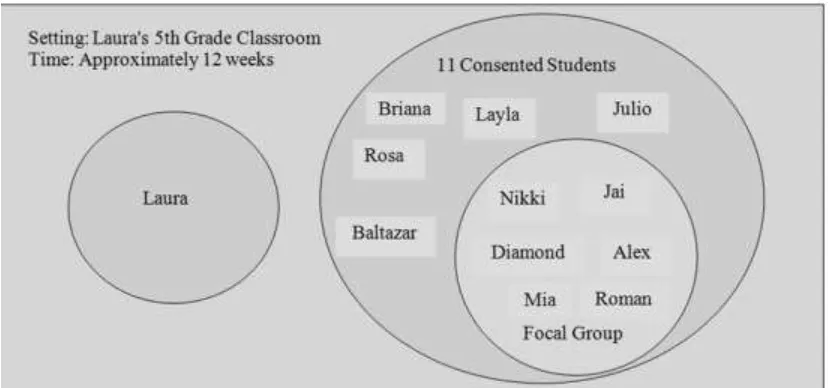
The purpose of the present study was to investigate text-based discussions in a fifth grade classroom. Laura, a purposefully selected fifth grade teacher, and 11 of her students participated in this three-month study at Greenwood Elementary School, a rural, Title I school with approximately 82% of students receiving free or reduced priced lunch. Data sources were consistent with qualitative research (i.e., classroom observations with field notes, audio recordings, interviews, artifacts). Data were analyzed and collapsed into four themes using constant comparative analysis (Corbin & Strauss, 2008). The first theme focuses on how the teacher's choices influenced students' discussions. The remaining three themes explain how students co-constructed meaning, engaged in unsanctioned talk, and explored their identities related to race, gender, and socio-economic status. The findings from this study validate existing research on dialogic talk and highlight the importance of identity and classroom talk, as well as the problems of unsanctioned talk. The themes have
by
Melissa Joy Wrenn Pendleton
A dissertation submitted to the Graduate Faculty of North Carolina State University
in partial fulfillment of the requirements for the degree of
Doctor of Philosophy
Curriculum and Instruction
Raleigh, North Carolina 2015
APPROVED BY:
_______________________________ ______________________________
Angela M. Wiseman Hiller A. Spires, Ph.D.
Committee Chair
________________________________ ________________________________
DEDICATION
BIOGRAPHY
ACKOWLEDGEMETS
My favorite quote from adolescence was a line from Orpheus Descending by Tennessee Williams—"We're all of us sentenced to solitary confinement inside our own skins." In many ways writing my dissertation has been a solitary journey. I worked hour after hour in silence. I spent months revising while sitting in a little chair staring at two screens and surrounded by perfectly scattered stacks of books and papers. But unlike Val in Williams' play, I recognize that I am not alone. Along this journey I had a network of supporters who helped me progress, and without them I never would have completed this goal.
First, I would like to thank God for all of His answered and unanswered prayers along the way. He was always a place for me to turn and a source of constant strength. My favorite Bible verse has always been 1 Peter 5:7—Cast your anxiety upon Him for He cares for you. That has been my mantra through this process.
Next, I would like to express my sincere gratitude to my husband, Robert Dale Pendleton, who encouraged me to choose this path. He was as committed to this journey as I was. When I struggled, he pushed me to see the big picture. When I cried, he pushed the tears off my cheeks. When I was exhausted, he pushed my laptop lid down and sent me to bed. In the meantime, he took on more than his share of household responsibilities without
complaint. Together, we found a new kind of balance where the most important thing was time together not the to-do list on the refrigerator.
yet I came to appreciate the stolen hour or two they would allow me to concentrate. Even more so, I appreciated the times I would steal away to play with them. We played countless games of corn hole and watched reruns on Netflix to assuage writer's block. More than anything, they kept me grounded and helped me keep the mountain in perspective. And when Lucas said, "I ban you from your chair today!" I knew where my attention was most needed. Finally, I would like to acknowledge those from NCSU who helped me navigate this process. While many of my classmates offered their support, Christine Christianson was a constant source of encouragement who was always willing to engage in conversations about my study from a researcher's perspective or as a friend. Her support was invaluable. Also, I would like to acknowledge Dr. Kristin Conradi for her investments in my learning,
particularly my writing, which helped me to have a vision for the quality of work that I wanted to produce. Dr. Hiller Spires was readily available with a kind word or practical suggestions that improved the quality of my work. I also appreciate Dr. Carol Pope's salient advice. My final word of thanks is reserved for my dissertation advisor, Dr. Angela
Wiseman. She wholeheartedly believed in this study and me, yet she was willing to make tough calls and push me further than I ever thought I could go. The mark of an excellent teacher is not the ability to see potential in a student, but the ability to tap into that potential and help the student excel. For me, Dr. Wiseman was everything that I needed—
compassionate, resolute, and responsive. I will always be grateful for her guidance and high expectations.
TABLE OF CONTENTS
LIST OF TABLES ...viii
LIST OF FIGURES ...ix
CHAPTER 1: INTRODUCTION ...1
Background ...1
Statement of the Problem ...2
Purpose and Research Questions ...6
Significance of the Study ...7
Definition of Terms...7
CHAPTER 2: REVIEW OF THE LITERATURE ...10
Introduction to the Chapter ...10
Theoretical Framework ...10
The Sociocultural Nature of Discussion ...12
Communities of Practice ...15
Historical Context of Discussion Research...20
Recitation Foundations ...20
Moving Toward Dialogic Instruction ...21
Political Influences on Discussion Research ...25
Effective Discussions ...28
Major Influences in Discussion ...30
Influences of Teachers ...32
Influences of Students ...36
Influences of Texts ...41
Chapter Summary ...42
CHATPER 3: METHODOLOGY ...43
Introduction to the Chapter ...43
Methodological Foundations ...43
Case Studies ...44
Site Selection and Access ...45
The School ...45
The Classroom ...47
Instruction ...49
Discussions ...51
The Classroom Teacher ...52
The Students...53
Focal Group ...53
Data Collection Methods ...54
Participant-Observations ...54
Field Notes ...57
Artifacts...58
Interviews ...60
Data Analysis ...61
Application of Constant Comparative Analysis ...63
Secondary Analysis ...64
Validity and Reliability of the Study ...65
Internal Validity ...66
Triangulation ...66
Member checking...67
Peer debriefing ...67
Prolonged engagement and persistent observations ...67
External Validity ...68
Rich, thick description ...68
Clarifying researcher bias ...69
Research Reliability ...69
Limitations of the Study...70
Subjectivity Statement ...71
CHAPTER 4: FINDINGS ...73
Introduction to the Chapter ...73
In a Racially Diverse, Lower-Tracked, Fifth Grade Classroom, What Happens When a Teacher and Her Students Participate in Dialogic Text-Based Discussions? ...74
Theme 1: The Classroom Teacher's Intentional Pedagogical Decisions Increased Dialogic Talk ...74
Texts about social issues ...74
Increasing dialogic opportunities through scaffolding ...80
Theme 2: Students Created their own Opportunities to Co-Construct Meaning in Discussions ...87
Assuming an assertive stance...88
Incorporating media references into their talk ...94
Engaging in pressing discourse ...101
Theme 3: During Peer-Only Text-Based Discussions in this Classroom, Unsanctioned Talk Interrupted Students' Learning ...108
Difficulty with texts and unsanctioned talk ...109
Silencing others through unsanctioned talk ...113
How Do Students Exhibit Identity through Discussions in the Fifth-Grade Language Arts Classroom? ...122
Theme 4: Students Explored their Personal Identities in Text-Based Discussions ...122
Gender ...123
Race...126
Socio-economic status ...130
Chapter Summary ...135
CHAPTER 5: CONCLUSION ...136
Introduction to the Chapter ...136
Summary of Methodology ...137
Theme 1: The Classroom Teacher's Intentional Pedagogical Decisions
Increased Dialogic Talk ...138
Theme 2: Students Created their own Opportunities to Co-Construct Meaning in Discussions ...138
Theme 3: During Peer-Only Text-Based Discussions in this Classroom, Unsanctioned Talk Interrupted Students' Learning ...139
Theme 4: Students Explored their Personal Identities in Text-Based Discussions ...139
Discussion ...139
Connecting Findings to Previous Research ...141
Influences of Teachers ...141
Influences of Students ...143
Influences of Texts ...145
Identity and Talk ...147
Implications for Policy ...148
Implications for Practice ...149
Implications for Research ...150
Concluding Thoughts ...151
REFERENCES ...153
APPENDICES ...166
Appedix A: IRB Approval Letter ...167
Appendix B: Book Club Selections ...168
Appendix C: Teacher Interview Protocol ...169
Appendix D: Student Interview Protocol ...170
Appendix E: Transcript Samples ...171
LIST OF TABLES
Table 2.1 Summary of The Dialogic Inquiry Tool (Reznitskaya, 2012) ...25
Table 2.2 Summary of Discussion Strategies ...30
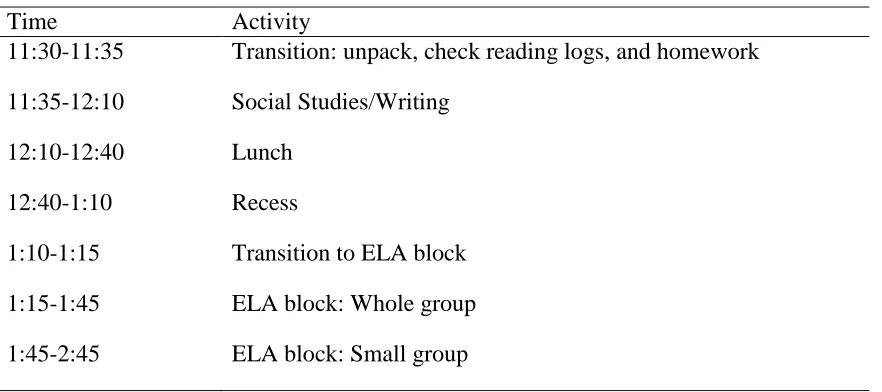
Table 3.1 Laura's Quarter 3 Schedule for Observed Students ...48
Table 3.2 Summary of Characteristics of the Consented Students ...54
Table 3.3 Summary of Data Sources Collected during the Study and Included in Analysis...55
Table 3.4 Number and Length of Classroom Observations ...57
Table 3.5 Qualities of Validity in Case Study Research (Creswell, 2013; Merriam, 2009; Yin, 2009) ...66
Table 4.1 DIT Indicators from Scaffolding Learning with a Personal Story on March 19, 2014...82
Table 4.2 Dialogic Qualities in Runaway Twin (Kehret, 2009) Discussion on March 24, 2014...84
Table 4.3 Dialogic Qualities in Runaway Twin (Kehret, 2009) on February 11, 2014 ...85
Table 4.4 Coordinating Nikki's Questions and Diamond's Responses ...104
Table 4.5 Pressing and Corresponding Comments in Talk about Character Motivation ...106
Table 4.6 Summary of Traits in Representative Unsanctioned Talk Events ...113
LIST OF FIGURES
Figure 2.1 Conceptualization of Communities of Practices (Lave & Wenger, 1991) ...18
Figure 2.2 RAND Comprehension Model (RAND Reading Study Group, 2002) ...31
Figure 2.3 Discussion Influences Model (adapted from RAND, 2002) ...31
Figure 3.1 Model demonstrating how the case was bound ...45
Figure 3.2 Sample images used as texts...50
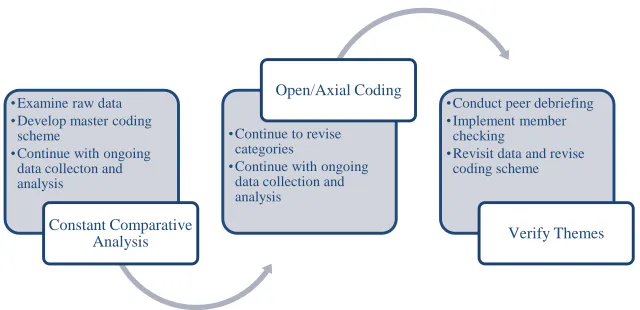
Figure 3.3 Data analysis procedure summary ...63
Figure 4.1 Image students used to discuss animal captivity ...102
Figure 4.2 Areas for personal identity exploration ...123
CHAPTER 1 INTRODUCTION
"Reading, writing, and number may be the acknowledged curriculum 'basics,' but talk is arguably the true foundation of learning" (Alexander, 2008, p. 9).
Background
A large number of students in America are silenced by formalized curricula, school structure, or even classroom relationships. While calculating the exact number of students whose school experiences are shrouded in silence is impossible, evidence repeatedly suggests that students in poverty, who identify as racial minorities, and who are lower-tracked have access to an inequitable curriculum often resulting in silenced voices and ideologies. All students are at risk of becoming participants in culture of silence (Rubin, 1990); however, underrepresented groups may also experience these inequities in the form of subtractive schooling (Valenzuela, 2005).Marginalized young people are often separated from their dialogic, personal experiences and subjected to practices more closely aligned with White, middle-class primary discourse (Delpit, 1995/2006; Heath, 1983; McCollum, 1989).
Researchers recognize that dialogic experiences help students with aspects of literacy, including writing (Dyson, 1990, 1993), comprehension (Goatley, Brock, & Raphael, 1995; Juzwik, Nystrand, Kelly, & Sherry, 2008; Nystrand & Gamoran, 1991; Palincsar & Brown, 1984), vocabulary (Greene Brabham & Lynch-Brown, 2002), and oral expression (Mol, Bus, & de Jong, 2009). Dialogic talk demonstrates qualities of real-world conversations in which participants share the responsibility of communication (Gambrell, 1996) and have
teaching is collective, reciprocal, supportive, cumulative, and purposeful (Alexander, 2006, p. 28). When children experience highly dialogic classrooms with engaging conversations about text and related concepts, meaningful school experiences are likely to ensue. Yet, the students who may benefit most from such instruction often receive the least of it, leaving many unanswered questions about how a teacher might maintain highly dialogic discussions that reflect students' literacy learning and identities. Additional research is needed to
understand how students' individual characteristics influence classroom discussions (Reznitskaya & Glina, 2013), as well as how teachers encourage dialogic conversations (Aukerman, Belfatti, & Santori, 2008). Upon consideration of how students in a racially diverse, lower-tracked classroom navigate classroom discourse, specifically during text-based discussions, the need in literacy research becomes even more prominent. Therefore, further research is needed to understand how students and teachers find ways to assert power and identities through multiple ways of knowing during text-based discussions.
Statement of the Problem
teachers received models to use as questioning guides during reading comprehension instruction. However, the sample questions required students to respond with short answers using little prior knowledge and few meaningful interactions with the text. Moreover, the sample transcript given in the summary mimicked the limited interactions literacy
researchers have cautioned against (e.g., Cazden, 1988; Duffy & Roehler, 1987; Reninger & Rehark, 2009; Reznitskaya, 2012).
In contrast, the expectations of the Common Core State Standards (CCSS; National Governors Association [NGA] & Council of Chief State School Officers [CCSSO], 2010) are students will, beginning in kindergarten, participate in conversations that involve several verbal exchanges (i.e., CCSS.ELA-Literacy.SL.K.1.B). By the time students are in the fifth grade, they will regularly contribute to discussions, elaborate upon their classmates'
comments, and analyze comments for accuracy and effectiveness (i.e.,
CCSS.ELA-Literacy.SL.5.1). Despite claims from U.S. Secretary of Education, Arne Duncan, the CCSS are not a federal policy (Duncan, 2010), the federal government required states receiving "Race to the Top" funding to adopt the CCSS (Ravitch, 2013), which resulted in shared English language arts (ELA) and mathematics standards in K-12 classrooms in 45 states. As a result of this policy shift, now is an opportune time to investigate elementary classroom discussion practices.
passive in terms of being acted upon, passive in terms of their own relationships to each other, to academic knowledge, and so forth" (Bloome & Willis, 2013, p. 65). Passivity cannot co-exist with dialogic talk, nor does it reflect the field's understanding of discussions as focused, purposeful conversations (Bridges, 1988; Brilhart & Galanes, 1995; Slavin, 1990) in which all group participants contribute to conversations as "partners in the development of understanding" (Applebee, Langer, Nystrand, & Gamoran, 2003, p. 707). When teachers control turn-taking, students make fewer contributions to discussions and exhibit less complexity in their responses (Almasi, 1995; Cazden, 1988); moreover, students have less agency in the classroom power structure during teacher-controlled interactions (Almasi, 1996). Often teacher-controlled discussions involve low-level questioning practices (Durkin, 1978/79), which do little to help move students toward reading comprehension (Langer, 1985) and may prevent discussions from developing (Raphael & McMahon, 1994). Although students may express contrary views with the potential to begin a classroom discussion, teachers often silence them (Hollingworth, 2009). Rubin (1990) observed that "sometimes students learn more about silence than about talk" in teacher-controlled discussions (p. 3), which is problematic for students of all ages.
is responsive and interactive (Almasi, McKeown, & Beck, 1996; Gambrell, Hughes, Calvert, Malloy, & Igo, 2011; Nystrand & Gamoran, 1991). Additionally, participation in dialogic talk about texts may allow students to make cultural connections (e.g., Broughton, 2002; Chi, 2012; Egan-Robertson, 1998), which are important because students' and teachers'
ideological and cultural values influence classroom discourse (Heath, 1983; Medina, 2010) and form their individual identities (Gee, 2001).
Although researchers and practitioners understand the importance of classroom discussions, teachers find implementing dialogic talk difficult (Alvermann, O'Brien, & Dillon, 1990), even when intentionally trying to do so (Christoph & Nystrand, 2001; Kucan, Hapgood, & Palincsar, 2011). Some researchers encourage teachers to facilitate talk and lead conversations as necessary (McIntyre, Kyle & Moore, 2006) and to be deliberate in their talk moves by opting for accountable talk (Michaels, O'Connor, & Resnick, 2008) or exploratory talk (Mercer, 1995) practices. Unfortunately, the research on discussion has not transferred into frequent practice in westernized classrooms, and students continue to experience limited dialogic opportunities (Alexander, 2006; Nystrand, 2006). Even researchers may find
less time at the monologic end of the continuum. However, many questions remain about how to increase the frequency and quality of dialogic opportunities for students, particularly lower-tracked students who spend approximately 75% less time than their higher-tracked peers in classroom discussion (Applebee et al., 2003). Additionally, scholars widely recognize that students benefit from hearing their own voices and seeing their personal beliefs become part of classroom discourse, yet more research is needed to explore how students connect to their home and social communities during talk (Medina, 2010; Snell, 2013). The present study addresses both needs in research by investigating classroom discussion practices and how students exhibit identity through dialogic talk in a racially diverse, lower-tracked fifth grade classroom.
Purpose and Research Questions
The purpose of this qualitative study is to inform the literacy community about text-based discussion practices in a fifth grade classroom. The student participants for this study belonged to a racially diverse and lower-tracked classroom in a school with approximately 82% of children receiving free or reduced priced lunch. Students in lower-tracked classrooms often experience limited opportunities for discussion (Applebee et al., 2003; Gritter, 2012), yet in the participants in this study engaged in dialogic talk as part of a curriculum designed to incorporate text-based discussions. Specifically, the present study explains how students participate in talk during conversations about texts by answering the following research questions:
2) How do students exhibit identity through discussion in their fifth grade language arts classroom?
Significance of the Study
The present study contributes to the field of literacy by demonstrating how
traditionally marginalized students participate in dialogic conversations about texts. Using case study methodology and applying a sociocultural theoretical lens, I explain how the members of a purposefully selected classroom experience talk, with and without the teacher's presence, and exhibit identity during their conversations. Literacy researchers and
practitioners who seek to change the landscape of talk in classrooms will find this study relevant as it provides a unique portrait of students—racially diverse, lower-tracked fifth grade students, in a high poverty school—engaging in dialogic text-based discussions in year two of the CCSS. The findings highlight how one teacher and her students make decisions that support dialogic talk, yet they also suggest some of the pitfalls students may encounter in text-based discussions. Moreover, this study extends existing research on the roles of
teachers, students, and texts in classroom discussions and contributes to the growing body of research on discussion and identity in literacy classrooms.
Definition of Terms
Select terms used in this study are defined below for clarity.
Dialogic: Classroom talk in which participants share ideas and the responsibility for the conversation (Gambrell, 1996) and generate meaning together (Bakhtin, 1981).
Discussion: A focused, purposeful conversation (Bridges, 1988; Brilhart & Galanes, 1995; Slavin, 1990).
Discourse: Literacy practices infused with "ways of knowing, definitions of knowledge, rationality, social identity, social hierarchy, power relations, ways of using spoken and written language, and ways of being" (Bloome et al., 2008, p. 57).
High spectrum discussion: Term used in this study to describe talk that is highly dialogic through which participants exchange ideas and co-construct meaning (e.g., Reznitskaya, 2012).
Lower-tracked: Classroom identified as including more students who struggle with school-based literacy practices compared to other classrooms (Cazden, 2000).
Low spectrum discussion: Term used in this study to describe teacher-centered talk in which students respond to given questions or prompts and experience little interaction among themselves (e.g., Reznitskaya, 2012); also describes talk that involves limited meaning making in peer-only conversations.
Mid-range discussion: Term used in this study to describe talk that is between the
monologic and dialogic ends of the continuum. Reznitskaya (2012) refers to this type of talk as transitioning.
Substantive engagement: Refers to the practice of students being immersed in an activity and demonstrating a desire to participate (Nystrand & Gamoran, 1991).
Text-based discussions: Conversations that are based on texts students have read or
produced. These discussions may involve whole or small group conversations and may be led by students, teachers, or a combination.
Uptake: Incorporating comments made by another conversant into one's own talk (Nystrand & Gamoran, 1991).
Unsanctioned talk: Term used in this study to describe talk not aligned with the classroom teacher's expectations for discussion.
CHAPTER 2
REVIEW OF THE LITERATURE
"Language mediates between ourselves and the two components of our environment, the natural environment and the social environment; and it does so in such a way that each
becomes a metaphor for the other” (Halliday, 1978, p. 162).
Introduction to the Chapter
Chapter 2 presents sociocultural theory as the framework for this study and analyzes existing research on classroom discussion. Many major works in sociocultural theory and more than 140 books, chapters, and peer-reviewed articles about discussion were examined for this literature review. First, I discuss how sociocultural theory, including understandings of communities of practice, inform this study. Second, I present the historical context of discussion research beginning with the 1920s and continuing to the present. Then, I explain what researchers have concluded about effective discussions and follow this section with the major influences on classroom talk as represented in the research—teachers, students, and texts. Research studies related to discussion and identity are analyzed and included in this review, and I conclude with a chapter summary.
Theoretical Framework
Bakhtin (1981) described this relationship between language and experience as a "living discourse" (p. 259) that changes over time depending upon one's social and dialogic interactions. Understanding the context in which these interactions occur is critical (Fish, 1980) because the social and cultural factors influencing learning change throughout a person's lifetime (Halliday, 1977, 1978; Vygotsky, 1978, 1986). Children begin to understand the world through their initial language experiences (Halliday, 1977, 1978; Vygotsky, 1978) and actively interpret the world around them as they interact with others and develop an awareness of language, community, and ideology. Fish (1980) maintained, "interpretation is not the art of construing but the art of constructing" (p. 327). The acts of constructing knowledge and meaning give sociocultural theory malleable qualities because personal experiences vary greatly. Despite the flexible nature of human interactions
regarding experiences, perceptions, and language, histories are firmly situated within an individual's or community's past and present experiences.
The Sociocultural Nature of Discussion
Sociocultural theorists believe exposure to different types of language (e.g., expressive, receptive) and social behaviors through everyday living shapes linguistic experiences (Halliday, 1977, 1978; Heath, 1983; Vygotsky, 1978). Halliday (1977)
explained, “Meaning takes place in an environment, not in solitude” (p. 65). In other words,
individuals make discourse decisions based upon their interpretations of previous experiences in light of present conditions. Each dialogic utterance is the product of a lifetime of social encounters (Bakhtin, 1981). These utterances become particularly important in literacy research as students construct meaning with their peers and teachers in school settings. In their classroom conversations, students build upon one another's understandings of texts to create new interpretations, which inform their future literacy encounters.
Children may benefit when their classroom talk experiences resemble real-life communication and include complex social interactions and opportunities for meaning making (Eeds & Wells, 1989; Heath, 1983; Tharp & Gallimore, 1988). In order for meaningful discussion to occur, students need substantive engagement (Nystrand &
Gamoran, 1991) and opportunities to incorporate their knowledge of community and cultural experiences into the formalized curriculum (Dyson, 1993; Heath, 1983; Medina, 2010). Heath (1983) observed fifth grade students identified as struggling readers and writers during an interactive science unit. As part of their unit requirements, students interviewed
sociocultural learning experiences and appeared to grow in their literacy skills and content knowledge through their participation in authentic discourse. Similarly, Eeds and Wells (1989) noted teachers and students developed new ideas and interpretations of texts after their participation in literature discussion groups. The ability to make group contributions based upon personal and social connections to texts also influences how students
co-construct meaning (Tharp & Gallimore, 1988). Students' abilities to participate in classroom discourse that allows them to share their personal experiences and relate these experiences to one another and text may be beneficial to their overall literacy development.
examples from their lived experiences or change the direction of conversations about texts as they act as decision makers within lessons and contexts structured by the classroom teacher, resulting in meaningful learning experiences. The ways in which teachers approach students' participation in text-based discussions influence how students engage in classroom talk.
Another strand of sociocultural theory aims to explore how individuals interact and build meaning together within multiple social and cultural contexts. Street (2007) explained approaching sociocultural theory with a heavier emphasis on broader social contexts affords researchers the opportunity to promote social justice and "social transformation" (ix) for traditionally marginalized groups. Critical sociocultural theorists seek to understand how issues of identity, agency, and power influence students' learning (Moje & Lewis, 2007). They consider how teachers position themselves during classroom learning and question how the interactions between teachers and students may influence students' identities and abilities to make decisions about their own learning. Ballenger (1999), during a three year study of Haitian and Haitian-American pre-school children, explored how her students negotiated meaning from texts. Her attention to detail and inclusivity of participants and their families in the classroom context demonstrates how responsive teaching that considers students' power and identities can influence their learning and represents the basic components of
sociocultural theory. More recently, Aukerman (2007) adopted a critical stance by
As mentioned previously, sociocultural theory was a dominant theory in literature reviewed for this study. By applying a lens which opens classroom talk to an interpretivist theory (i.e., adaptable based upon the researcher's assumptions and observations; Merriam, 2008), researchers acknowledge ways students' personal lives, lived experiences,
interactions, and community histories influence their classroom talk. In order to observe students' lived experiences from a sociocultural perspective, I investigated text-based discussions in a racially diverse, lower-tracked fifth grade classroom and focused on
interactions during discussions and ways students exhibited their identities in classroom talk. Also, this study incorporates some elements of revised sociocultural theory (Moje & Lewis, 2007) by questioning how students exhibit identity. My understanding of sociocultural theory as way to explore human interactions establishes my perception of discussion as constructive and malleable based upon participants' previous and current discourse experiences,
particularly as they participate in communities of practice. Communities of Practice
can provide communities with a focus (i.e., discuss a specific text, complete a given task); however, the teacher does not maintain an authoritative position (Lave & Wenger, 1991). Communities of practice are "a set of relations among persons, activity, and world over time and in relation with other tangential and overlapping communities of practice" (Lave & Wenger, 1991, p. 98) through which members exhibit a "mix of power and
dependence" (Wenger, 1988, p. 77). Within groups, members connect with one another for established purposes and complete shared work in social environments (e.g., classroom, carpentry guild). Additionally, members will have various positions (e.g., novice/newcomer, expert/oldtimer) and levels of participation (e.g., legitimate peripheral participation, full participation) (Lave & Wenger, 1991; Wenger, 1988). People may belong to multiple communities of practice and have different positions in each (Lave & Wenger, 1991; Wenger, 1988). For example, an expert flutist may mentor others in her musical ensemble, but she may be a novice in her writing club, thereby exhibiting different positions across settings.
In terms of discussion research, students' social communities and classrooms
(micro-communities); however, Broughton also examined the girls' family units and their larger social contexts (i.e., macro-communities). Each community influenced the girls' identities and interactions with texts and each other differently, yet all of the girls' talk about texts was related to how they acted out their identities, or as Broughton described, performed their subjectivities. To illustrate, in one discussion, Buffy, a participant, described her experiences as a Hispanic female. As a result, the other members of the group could potentially
incorporate Buffy's expression of her identity into their own value-systems.
Some researchers have investigated both whole group and small group interactions and found that each community supports student talk differently, especially in terms of how students are positioned as authorities or recipients of knowledge. A teacher may choose to allow students to bring cultural conflicts into classroom discussions (e.g., Medina, 2010) or restrict students' conversations to teacher-centered formats (e.g., Duffy, 1983; Durkin 1978/1979). Also, teachers can act as experts and support students as they become experts themselves. Lave and Wenger (1991) refer to the act of a teacher/master relinquishing
authority in a community of practice as decentering. The act of decentering is fundamental to the function of a community of practice, and "to take a decentered view of master-apprentice relations leads to an understanding that mastery resides not in the master but in the
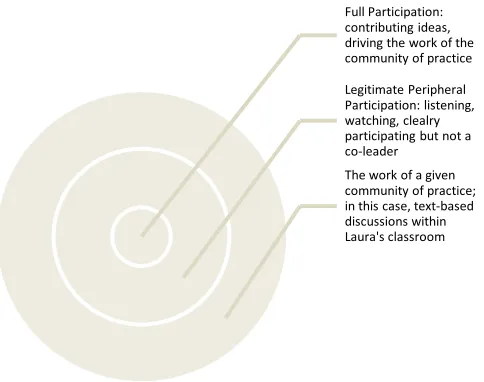
this study, I use the term novice to refer to apprentices or members of a given community of practice who participate and contribute to the work, but who still need support. Full
participants are capable of creating new communities of practice following the same principles (see Figure 2.1; Lave & Wenger, 1991). In this study, the term expert refers to community members (i.e., the teacher, other students) who exhibit leadership qualities and demonstrate full participation. Regardless of the level of participation, both novices and experts can be active members of a given community.
Figure 2.1. Conceptualization of communities of practice (Lave & Wenger, 1991).
Positioning in discussions is complicated because by assuming one’s own position in a conversation, one is automatically assigning someone else to his or her position (Harre & Van Langenhove, 1991). Positions such as novice and expert influence students' participation within a community system. If a teacher assumes an authoritative position and students remain passive, they may never transition to expert status in the community. On the other
Full Participation: contributing ideas, driving the work of the community of practice Legitimate Peripheral Participation: listening, watching, clealry participating but not a co-leader
hand, making active contributions to shared work helps students become experts (Lave & Wenger, 1991), and teachers help students transition to full participation in group talk by sharing authority (Aukerman, 2007).
Children's participation in community talk often depends on how the teacher and other students position themselves. Positions are negotiable and change in conversations (Harre & Van Langenhove, 1991). Alvermann (1996), using a sociocultural theoretical framework, found that gendered positioning (i.e., expectations for boys and girls) influenced eighth grade students' participation. Black (2004) adopted a similar approach in a fifth grade classroom and concluded that classroom talk reflects values of social positioning (i.e., high ability pupil). More recently, positioning in discussion research has focused on how identity influences students' participation (e.g., Aukerman, 2007; Collins, 2011; Fairbanks & Ariail, 2006; Handsfield & Crumpler, 2013).
The methodological design was based upon the primary assumption that members of a classroom form a macro-community, and within this construct micro-communities exist. Current researchers are actively investigating how classroom members interact and how these interactions reflect and influence students' identities (e.g., Handsfield & Crumpler, 2013; Rogers & Elias, 2012). For these reasons, I adopted a sociocultural theoretical
Historical Context of Discussion Research
In many ways, the main structures of classroom talk in America have remained largely unchanged over the past 200 years despite developments in discussion formats and discussion strategies. The stagnation of classroom talk remains a challenge for those aiming to reform classroom discussions. Attending to the historical context of discussion research provides insight into current discussion practices. In this section, I explain the recitation foundations of discussion, the movement toward dialogic instruction, and the current state of discussion research.
Recitation Foundations
Approximately 85 years ago Thayer (1928) expounded upon the importance of changing recitation practices in classrooms to dialogic patterns. Prior to the 1800s, students had limited engagement with their teachers due to large class sizes (sometimes up to 284 students per teacher) and the structure of school learning (Thayer, 1928). Students typically spent two 20 minutes periods per day directly in front of their teacher engaging in recitation-style talk and the remainder of the day at their seats. Thayer lamented the presence of outdated recitation practices and teachers' habitual use of prefabricated questioning during classroom instruction.
classrooms continue to be dominated by the I-R-E pattern (Alexander, 2006; Nystrand, 2006), the same recitation pattern Thayer (1928) identified as ineffective. In I-R-E, a
classroom teacher initiates a discussion by asking a question with a known response (Cazden, 1988). A student provides the response, and the teacher evaluates the response for
correctness.
The I-R-E pattern presents problems for students in literacy classrooms in several ways. First, students develop ideas about texts and the world through meaningful
conversations (Eeds & Wells, 1989; Tharp & Gallimore, 1988), yet I-R-E does not foster opportunities to co-construct meaning (Cazden, 1988), particularly in small group settings (Nussbaum, 2002). Secondly, White students perform better in a recitation-style talk
structure than students of different racial and ethnic backgrounds, possibly because of home discourse practices (McCollum, 1989). These findings suggest recitation does not promote learning and may be particularly detrimental for students not identified as White.
Moving Toward Dialogic Instruction
The movement toward considering dialogic instruction began in the late 1970s, with classroom-based research rapidly following theoretical developments. From 1978-1982, theorists in the fields of linguistics, psychology, and literature produced influential works that continue to challenge scholars to consider how individuals make meaning of texts. Halliday's (1978) work on meaning making pushed the field further by suggesting each person’s ability
to construct meaning is based on a series of unique reactions to language events. During this same time, Rosenblatt’s (1978) transactional reader response theory explored the relationship
transaction between the reader and the text, and readers move along an efferent/aesthetic continuum as they engage with a text. Pressley and his colleagues (1992) explained transactional instruction occurs in reading groups and proposed comprehension involves interactions among teachers, students, and texts. They argued, “Transactional instruction
encourages students to develop comprehension strategies that are much more sophisticated than many students would discover on their own in the richest of literary environments” (p. 530). In addition to transactional reader response, Bakhtin’s (1981) notion of discourse and Fish’s (1980) interpretive communities contributed to scholars’ understanding of how
students interact in meaningful conversations about texts by exploring how students' previous and current experiences inform their talk. Discourse is a living concept that simultaneously evolves and is constructed; its form takes shape based on the discussion members' prior knowledge, previous experiences, and current interactions (Bakhtin, 1981). The common theme among these theorists is the interpretative nature of language experiences. A person approaches a text through the lens of his or her perceptions of the world and experiences change based upon dialogic encounters (e.g., reading, writing, listening, or speaking). Perhaps changes may include an increased understanding of a text or the world because, as Halliday (1977) observed, social experiences mediate interactions with texts.
group activities, students have opportunities to discuss reading and writing together.
Research on group interactions sparked a paradigm shift in the field, and reading and writing, while still maintaining separate qualities, began to be viewed as literacy (Pearson, 2009).
Research in discussion grew during the decade following the cooperative learning movement. Throughout the 1990s, researchers actively investigated discussion strategies (Alvermann & Hayes, 1989; Beck, McKeown, Sandora, Kucan, & Worthy, 1996; Eeds & Wells, 1989; Goatley et al., 1995; Goldenberg, 1992/1993; Rosenshine & Meister, 1994; Short,1990), effective talk qualities (Almasi, 1995; Almasi et al., 1996; Anderson, Chinn, Chang, Waggoner, & Yi, 1997), and the purposes of classroom talk (Alvermann, 1996; Barrentine, 1996; Dyson, 1990, 1993; Morrow & Smith, 1990; Nystrand & Gamoran, 1991; Tharp & Gallimore, 1988). Overall, findings from this period touted the importance of classroom talk and noted numerous positive effects on students' learning and suggested several options for implementing text-based discussions (e.g., Reciprocal Teaching, Questioning the Author, Book Clubs, Grand Conversations, Instructional Conversations).
Despite the well-documented and widely accepted notion that dialogic instruction is effective, discussions continue to be inconsistently implemented in American classrooms. Beginning with Durkin (1978/1979) and continuing to today (e.g., Alexander, 2006; Certo, Moxley, Reffitt, & Miller, 2010; Elizabeth, Anderson, Snow, & Selman, 2012; Lawrence & Snow, 2011), researchers acknowledge teachers have difficulty maintaining dialogic
successful for developing classroom talk. For example, Gambrell and her colleagues (2011) conducted a seven month long, mixed methods study with students in grades 3 through 5 and found that teachers learned how to promote small group discussions in their classrooms through professional development modules involving the exchange of pen pal letters between students and adults. The authors discovered students had positive feelings about participating in the pen pal project and contributed responsive and critical comments to the small group discussions. Similarly, Juzwik and her colleagues (2008) observed Ms. Gomez, a seventh-grade teacher, create opportunities for students to discuss texts by elaborating upon one another's responses. In contrast, McElhone (2012) found approximately 20% of teacher talk in 21 classrooms in grades 4 and 5 demonstrated high conceptual press patterns that involved asking students to provide more information or to engage more deeply and critically with their thoughts. The pressing strategy allows students to continue to engage with a text instead of ending talk before the full potential of the discussion has been reached (Wolf et al., 2005). Research emphasizes the importance of dialogic teaching, but teachers do not appear to be able to maintain high levels of dialogic talk in their classrooms. Researchers acknowledge discussion spans a continuum (Alvermann et al., 1990; McIntyre, 2006; Reznitskaya, 2012), and even experts may have difficulty with sustaining dialogic instruction over time
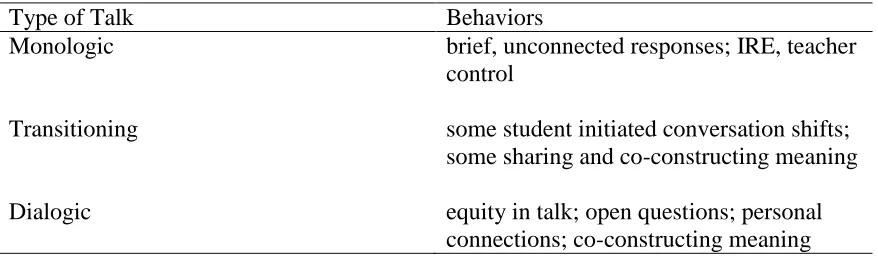
Table 2.1
Summary of the Dialogic Inquiry Tool (Reznitskaya, 2012)
Type of Talk Behaviors
Monologic brief, unconnected responses; IRE, teacher
control
Transitioning some student initiated conversation shifts; some sharing and co-constructing meaning
Dialogic equity in talk; open questions; personal
connections; co-constructing meaning
Given existing research that establishes the importance of discussions and difficulties within classrooms maintaining open dialogue, I argue a different approach is warranted. The current study draws attention back to classroom talk and examines how discussions unfold in a natural environment free from researcher intervention and with the students most likely to be marginalized and separated from meaningful talk—racially diverse, lower-tracked
students. Given the broad scope of discussion research in recent years, a return to those initial research questions of the 1980s, which investigated the fundamentals of classroom talk, offers valuable insight into students' current dialogic experiences.
Political Influences on Discussion Research
individual experiences on the related areas of writing and talking. She explained engaging in writing and related conversations helps students participate in learning communities. Talking about texts, including their own, helps children develop their social view of the world, and this type of interaction may help students feel like they belong to the classroom community. Gambrell (1996) rationalized, “Discussion brings together listening, speaking, and thinking skills as participants engage in exchanging ideas, responding, and reacting to text as well as to the ideas of others” (p. 27). Researchers proposed that discussion was a valuable
component of literacy education.
However, the political climate of education in the early 2000s suggested a different perspective. The highly influential Report of the National Reading Panel (NRP) (NIHD, 2000a) explained, "[Comprehension] improvement occurs when teachers demonstrate, explain, model, and implement instruction with students in teaching them how to
In 2001, American legislation known as the No Child Left Behind Act (NCLB) was enacted and required standardized testing for all schools receiving federal funding (Darling-Hammond, 2010). NCLB legislation, along with the Reading First Program, a highly structured government funded reading initiative, emphasized testing and basic skills. About this same time, researchers desiring funding from the U.S. Department of Education's
Institute of Education Sciences (IES) grants were required to follow experimental procedures in response to the trend emphasizing "evidence-based pedagogy" (Nystrand, 2006, p. 393). The legislation did not encourage the growth of discussion research and practice, yet some researchers persisted during the NCLB era and continued to expand the field's
understandings of how students engage in talk in literacy classrooms (e.g., Applebee et al., 2003; Chinn, Anderson, & Waggoner, 2001).
Despite an extant body of research, further studies in discussion are needed (Lawrence & Snow, 2011; Murphy, Wilkinson, Soter, Hennessey, & Alexander, 2009; Wilkinson & Son, 2011), particularly at the primary level (Lawrence & Snow, 2011) and especially in light of recent curriculum changes in states adopting the CCSS. At the time the study began, 45 states shared common discussion standards in all elementary grades (NGA & CCSSO, 2010). New discussion research should continue to address affordances and
emphasis in the CCSS on speaking and listening, make now an opportune time to investigate discussions in elementary classrooms.
Effective Discussions
Effective discussions operate at the high end of the dialogic continuum and tend to be open-ended. Moreover, they are focused conversations in which all group members should feel valued (Brilhart & Galanes, 1995) and participate "in a free and open exchange of ideas" (Gambrell, 1996, p. 26). Researchers have documented multiple ways for students and teachers to interact in authentic, effective discussions and recorded the effects on
achievement for vocabulary (Greene-Brabham & Lynch-Brown, 2002; Reznitskaya et al., 2001; Whitehurst et al., 1988), comprehension (Greene-Brabham & Lynch-Brown, 2002; Juzwik et al., 2008; McElhone, 2012; McKeown, Beck, & Blake, 2009; Morrow & Smith, 1990; Palincsar & Brown, 1984; Rosenshine & Meister, 1994; Sandora, Beck, & McKeown, 1999), and engagement (Almasi et al., 1996; Applebee et al., 2003; Chinn et al., 2001; McElhone, 2012). Furthermore, in a meta-analysis of early education discussion research, Mol and her colleagues (2009) found that 64% of young children who participated in talk about texts demonstrated improved oral language development. In a separate meta-analysis, Murphy and her colleagues (2009) argued that simply increasing talk through a specific discussion protocol does not necessarily mean students' achievement will increase. Rather, the qualities of the talk itself are also important.
In the present study, as in many classrooms, students engaged in both microgenetic and ontogenetic discussions. Dialogic qualities (e.g., engaging in higher order thinking, co-constructing meaning, and assuming personal stances; Reznitskaya, 2012) may occur in discussions extending over time or critical incidents of talk.
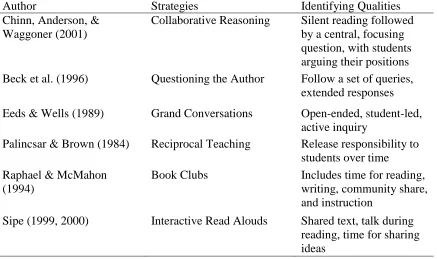
Despite several widely known strategies (see Table 2.2), maintaining dialogic instruction often eludes teachers, as discussed previously in this chapter. Furthermore, students in diverse classrooms experience more recitation-style discussions than their same grade level peers who are White or have a higher SES. In a study of 974 middle and high school students in 19 schools, Applebee and his colleagues (2003) found lower-tracked students engaged in 3.7 minutes of discussion per class compared to higher-tracked students who participated in 14.5 minutes per class. Even when the teacher was the same, lower-tracked students in sixth grade received more threats about their performance, spent more time determining one correct answer, and engaged in fewer controversial conversations than their higher-tracked peers (Gritter, 2012). Tracking engenders unequal access to the
curriculum across SES and racial groups (Darling-Hammond, 2004). The complexities surrounding the creation of dialogic opportunities and the challenges facing lower-tracked students make discussion inquiry a necessary step in the field of literacy research. Moreover, the studies of lower-tracked students have been focused on middle and high school students, yet elementary students, such as those selected for this study, may also be tracked and are not well-represented in existing literature. Cazden (2000) argues tracking occurs within
classrooms (e.g., Applebee et al., 2003; Gritter, 2012) because the highest achieving students were placed in a separate classroom.
Table 2.2
Summary of Discussion Strategies
Author Strategies Identifying Qualities
Chinn, Anderson, & Waggoner (2001)
Collaborative Reasoning Silent reading followed by a central, focusing question, with students arguing their positions Beck et al. (1996) Questioning the Author Follow a set of queries,
extended responses Eeds & Wells (1989) Grand Conversations Open-ended, student-led,
active inquiry
Palincsar & Brown (1984) Reciprocal Teaching Release responsibility to students over time Raphael & McMahon
(1994)
Book Clubs Includes time for reading, writing, community share, and instruction
Sipe (1999, 2000) Interactive Read Alouds Shared text, talk during reading, time for sharing ideas
Major Influences in Discussion
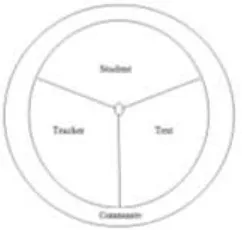
of text-based discussion (see Figure 2.3). In accordance with the RAND model, the influences of the teacher, student, and text prove central. The middle circle in the redesign represents meaningful discussion; whereas, the center represents comprehension in the original RAND model.
Figure 2.2. RAND Comprehension Model (RAND Reading Study Group, 2002).
Overall, literacy research attends to the influences teachers, students, and texts have on classroom discussions and acknowledges the influences of students' school and home communities. The redesigned RAND model illustrates each of the three components
necessary for dialogic discussions. Dialogic talk occurs when the teacher, student(s), and text interact within the context of their community. This model captures the essence of how text-based discussions are represented in the literature. In the following sections, I analyze how extant research suggests that teachers, students, and texts influence classroom talk.
Influences of Teachers. Teachers influence classroom discussion practices at the curricular and interpersonal levels. From the curricular perspective, teachers who emphasize discussion include more authentic literacy tasks and natural conversation elements in their literacy instruction (e.g., Nystrand & Gamoran, 1991). When teachers assume an active role in facilitating discussions, students have more opportunities to engage deeply with texts (Goldenberg, 1992/1993) and develop their critical thinking (Beck et al., 1996). As
On the other hand, when teachers ask students to think deeply and meaningfully about texts, students’ responses increase in complexity (Beck et al., 1996). Students who
participated in Collaborative Reading generated longer and more complex arguments with an increased reliance on textual support with words spoken increasing from 66 per minute to 111 per minute on average for the fourth grade participants (Chinn et al., 2001). Also, when teachers used Questioning the Author to help students focus on the author’s position, student talk doubled (Beck et al., 1996). Considering the amount of talk is important because the number of student talk moves predict academic rigor (Wolf et al., 2005). Teachers may facilitate extended conversations by directly adding to the conversation or scaffolding students so they can extend their own talk, often by pressing them for a deeper response (McElhone, 2012; Wolf et al., 2005) or practicing uptake (Nystrand & Gamoran, 1991).
analyzed teacher and student-led discussions in a low SES, urban third grade classroom. She found students spent more time engaged in complex talk when the teacher did not participate in the discussion. The results do not suggest that teachers should avoid participating in discussions; rather, they highlight the importance of student-led discussions and the
willingness of students to wrestle with a text when the teacher, as an authority, is not readily available with the "right" answer. Similarly, some scholars adopt the position that teachers should empower students in discussions by yielding the authority of the deciding the direction of talk to the students (Aukerman, 2007, 2012; Bignell, 2012). In some ways, completely relinquishing authority is not practical and is akin to trying to maintain purely dialogic classrooms because neither has been documented in naturalistic environments and sustained over time.
Some studies suggest teachers should balance the talk interactions in classrooms. For instance, through accountable talk procedures, teachers establish expectations, model, and provide time for students to practice engaging in discussion (Michaels et al., 2008). Another way to promote balanced talk is to create opportunities for contingent discourse, in which the discourse experiences are unique to the students, text, and discussion (Kucan et al., 2011). Essentially, teachers facilitating contingent discourse are highly responsive to students and adapt discussion depending on the text and group dynamics. Kucan and her colleagues did not fully address how a teacher might adopt contingent discourse, but they did compare these practices to instructional conversations (Goldenberg & Patthey-Chavez, 1995) and
discussion suggests students benefit when given opportunities to critically examine their own language use and actively participate in classroom discussions. Moreover, teachers can encourage students without pressuring (Almasi et al., 1996; Aukerman, 2007) or silencing (Hollingworth, 2009) them. Building a classroom culture with established classroom norms (McIntyre et al., 2006; Sipe, 1999) and ample time to practice engaging in discussion (Almasi, O'Flahavan, & Arya, 2001; Palincsar & Brown, 1984) are other ways teachers can create environments conducive to text-based discussions. Almasi and her colleagues (2001) suggested students benefit when teachers balanced approach to scaffolding, yet facilitating talk in a way that has the right amount of scaffolding and student freedom remains difficult for teachers.
As explained above, when teachers increase opportunities for students to talk, the outcomes of the discussions contribute to curricular learning and community interactions. While research does demonstrate how a teacher can positively or negatively influence literacy discussions, little data exists explaining how an upper elementary teacher of lower-tracked students might travel the dialogic continuum in talk about texts and lead students into more complex discussions. More research is needed to identify how students who are most likely to receive decontextualized instruction participate in talk reflecting contingent discourse and other qualities of effective discussions. The present study contributes to research by conducting an instrumental case study in a classroom where the teacher intentionally tries to relinquish authority to her students and engages them in open
on discussions, examining the teacher's actions within the context of whole and small group interactions that span the continuum can provide valuable information about the discussion qualities that move students toward dialogic participation.
Influences of Students. Students' abilities to co-construct meaning with their peers influences the nature of classroom talk (e.g., Ballenger, 1999; Barrentine, 1996; Beck et al., 1996; Eeds and Wells, 1989; Heath, 1983; Wiseman, 2011) and their positions in the class (e.g., Aukerman, 2007; Alvermann, 1996; Black, 2004; Maybin, 2013). Literacy research that explored how students co-construct meaning through talk in the 1980s (e.g., Eeds and Wells, 1989; Heath, 1983) revolutionized the field's perceptions of discussions. Heath's (1983) work in the southeastern United States with Black and White families established that talk helps students achieve in classroom learning, but she also explored how students'
dialogic experiences at home may be reflected in the context of formal school learning. In addition to their individual significance, the works in these three categories also highlight the importance of identity in discussion. In the following sections, I will discuss the influences of co-constructing meaning, peer relationships, positions on classroom discussions, and the importance of identity across the three topics.
Co-constructing meaning. Meaning construction separates discussion from
recitation. Students and teachers mediate each other’s responses resulting in elaboration of everyone’s ideas (Duffy & Roehler, 1987). Almasi and her colleagues (1996) aptly described
overall shared meaning. When students discuss texts together in a respectful environment, meaning construction is more likely to occur.
Despite well-documented findings demonstrating that students co-construct meaning in text-based discussions, recent works continue to reveal new understandings about how students negotiate meaning. Wiseman (2011) observed kindergarten students transfer knowledge about a text to partner discussions during interactive read-alouds. Then, through talk, some students began to realize racial differences among the students (i.e., skin tone), illustrating how students use text-based discussions to consider identity constructs such as race. In a case study of fifth grade ELL students, Medina (2010) observed students may contribute to discussion by accessing their personal, cultural experiences when responding to texts and peers. Additionally, students may share traumatic experiences with their classmates through discussions (Dutro, 2009) and writing about texts (Dutro, 2010). These discussions may challenge students’ beliefs as they encounter material conflicting with their sociocultural
experiences and explore their ideological differences with the text and one another. Medina (2010) suggested more research is needed that investigates students' connections to their everyday lived experiences (i.e., cultural traditions, media use) and ways they create
meaning. While much is known about co-constructing meaning, questions remain regarding how identity influences meaning construction and text-based discussions in general, and the present study attends to these gaps in research.
Peer relationships. Across the grade levels, peer relationships have been found to
(2001) concluded peer relationships influenced talk; Moller (2004) drew a similar conclusion in a case study of fourth grade students when students engaged in peer scaffolding to help a classmate actively participate in discussions about texts. Almasi (1995) conducted a mixed methods study with 97 students in grade 4 and found, in peer-led groups, student talk
accounted for 94% of all dialogue and resulted in students being more likely to resolve inter- and intrapersonal conflicts with text. In another article, Almasi, O'Flahavan, and Arya (2001) concluded peer discussions are more proficient when students sustain their own talk without interruption and when they rely on interpretive tools (e.g., intertextual connections,
experiences).
Despite the benefits of peer-only groups, researchers have documented several concerns. First, children may not fully express conclusions in their arguments when working in peer-only groups (Anderson et al., 1997). The lack of expression may be problematic because students are not fully articulating their ideas and moving the conversation toward its original foci. Even more alarming is that students may engage in unsanctioned talk during peer-only interactions, yet few of the studies reviewed for this chapter addressed problems with unsanctioned talk. Maybin (2013) observed 10 and 11 year old, racially diverse students used profanity outside of class, suggesting peer-only interactions may significantly differ from teacher-student interactions. Elizabeth and her colleagues (2012) found that students in third through sixth grades engaged in disputational talk characterized by "chaotic bickering" and disrespect among peers (p. 1229). In addition to the troubling peer interactions, the talk itself was not exploratory in nature and remained at the lower end of the discourse
text-based discussions, including those times when the teacher is not present. Lensmire (1994, 2000) also concluded peer interactions may have negative, unanticipated consequences on students' learning. While Lensmire's work did focus on writers workshop, his findings inform the present study because of his exploration of how students engaged in talk. He concluded students may exclude one another based on gender and race (1994), and they may form friendship groups (i.e., micro-communities within the classroom community; Lensmire, 2000). Exclusivity in classrooms may result in unintentional and intentional bullying of students. While the current study did not specifically investigate bullying in classroom talk, it is important to note that these instances have been documented in the literature with
elementary children during peer discussions. Moreover, data related to unsanctioned talk during text-based discussions is limited, but clearly a connection between unsanctioned talk and identity (i.e., excluding based on race and gender) exists. By approaching classroom talk broadly and investigating what happens during text-based discussions in a racially diverse, lower-tracked classroom, the present study provides insight into how students engage in unsanctioned talk.
Positions. The ways students exhibit positions of status reveal power dynamics in
consensus remains that gender influences power dynamics in peer positioning. Students who demonstrate behaviors most aligned with gendered norms experience the greatest rewards through symbolic capital (Fairbanks & Ariail, 2006). Similarly, race has been found to influence students' positioning, especially when considering how students' cultural awareness becomes part of classroom discourse (e.g., Christianakis, 2010; Egan-Robertson, 1998; Dutro, Kazemi, Balf, & Lin, 2008), and the present study extends this specific research by investigating how students exhibit identity during text-based discussions.
Social positions impact children in peer groups (Christianakis, 2010), and children are more sensitive to social influences when participating in open discussions with their peers (Anderson et al., 2001). Furthermore, social positioning may take the form of deficit
gap in the literature through its focus on marginalized students and their participation in text-based discussions.
Identity and participation. Students' participation in classroom discourse can
influence how they perceive themselves and portray their identities to others. While students may find exploring race and gender (e.g., Broughton, 2002; Henry, 1998) or sexuality
(Blackburn & Clark, 2011) empowering, feelings of isolation from the curricula may result in limited participation in classroom discourse (Ma'ayan, 2010). One way educators consider young children's identities during literacy-based discussions is to explore their ways of being, ways of interacting, and ways of representing (Rogers & Elias, 2012). These categories reflect how students' identities may depend upon circumstances, text selection, or perceptions of interactions with their peers and teachers. Similarly, Hall (2012) found that middle school students might be perceived as a poor reader in one set of circumstances, but they may self-identity as strong readers depending upon the situation. In summary, the ways students exhibit identity in classroom discussions are based upon many complex factors.
preschool students treated the text as a member of the group and not an authority (Ballenger, 1999). These students assumed the text did not present the only valid perspective. Ironically, challenging the authority in a text is considered an indicator that students are positioned as knowers (Aukerman, 2007), so arguably, lack of exposure to texts may not be as problematic for discussion as other literacy concepts.
The types of texts used in discussions are also important. Raphael and McMahon (1994) suggested mixing text types influenced the quality of students' book club discussions. Similarly, Alvermann and her colleagues (1990) observed that open-forum talk in middle school classrooms was more likely to include multimedia texts than recitation-style
discussions; also, students may incorporate talk about popular media during discussions as a way to make sense of texts (Chi, 2012; Wiseman, 2012). Despite the traditionally narrow definition of text in discussion research, this study adopts a broad understanding of text and includes discussions about visual and linguistic texts in a fifth grade classroom.
Chapter Summary
CHAPTER 3 METHODOLOGY
"No aspects of knowledge are purely of the external world, devoid of human construction" (Stake, 1995, p. 100).
Introduction to the Chapter
This naturalistic, qualitative study investigated text-based discussions in a racially diverse, lower-tracked fifth grade classroom. Qualitative data collection methods allowed me to capture the participants' experiences with minimal interference in the classroom
environment. Over a three-month period, I examined text-based discussions to investigate how students participated in dialogic talk and exhibited identities in their fifth grade classroom. The following research questions guided this study:
1. In a racially diverse, lower-tracked fifth grade classroom, what happens when a teacher and her students participate in text-based discussions?
2. How do students exhibit identity through discussion in their fifth grade language arts classroom?
Chapter 3 begins with the methodological foundations of this study and an overview of the research site and participants. Next, I describe data collection and data analysis procedures. Then the validity and reliability of the study are addressed, and the final section includes limitations of the study and my subjectivity statement.
Methodological Foundations
their teacher in a public school classroom. This instrumental case study informs researchers and practitioners about text-based discussion practices and follows rigorous methodological standards. In the following sections, I discuss case study methodology and explain this study's research design.
Case Studies
Case study methodologists explore authentic, real life situations (Creswell, 2013; Stake, 1995), and readers may generalize the findings to similar circumstances (Dyson & Genishi, 2005; Stake, 1995). Cases may be intrinsic (i.e., unique to a specific case) or
instrumental (i.e., used to understand a general issue) (Stake, 1995). Instrumental case studies analyze a situation, person, or group of people; readers may then apply the findings to similar circumstances (Stake, 1995). The present study informs the research community about the complex interactions between one teacher and her students as participate in text-based discussions in hope that readers can generalize the findings to comparable settings.
Case study methodology requires cases to be bound to a limited number of
participants and a finite amount of time (Creswell, 2013; Dyson & Genishi, 2005; Merriam, 2009). By including a bounded system in case study research a scholar acknowledges “the