Duquesne University
Duquesne Scholarship Collection
Electronic Theses and DissertationsSummer 2014
The Impact of Structured Debriefing, Following
Simulation, on BSN Student Development of
Clinical Reasoning and Clinical Judgment Skills
Robin WeaverFollow this and additional works at:https://dsc.duq.edu/etd
This Immediate Access is brought to you for free and open access by Duquesne Scholarship Collection. It has been accepted for inclusion in Electronic Theses and Dissertations by an authorized administrator of Duquesne Scholarship Collection. For more information, please contact
Recommended Citation
Weaver, R. (2014). The Impact of Structured Debriefing, Following Simulation, on BSN Student Development of Clinical Reasoning and Clinical Judgment Skills (Doctoral dissertation, Duquesne University). Retrieved fromhttps://dsc.duq.edu/etd/1343
THE IMPACT OF STRUCTURED DEBREIFING, FOLLOWING SIMULATION, ON BSN STUDENT DEVELOPMENT OF CLINICAL REASONING AND CLINICAL
JUDGMENT SKILLS
A Dissertation
Submitted to the School of Nursing
Duquesne University
In partial fulfillment of the requirements for the degree of Doctor of Philosophy
By
Robin R. Weaver
Copyright by
Robin R. Weaver, MSN, RN, CNE, PhDc
iii
THE IMPACT OF STRUCTURED DEBRIEFING, FOLLOWING SIMULATION, ON BSN STUDENT DEVELOPMENT OF CLINICAL REASONING AND CLINICAL
JUDGMENT SKILLS
By
Robin R. Weaver, RN, MSN, CNE, PhDc Approved June, 30, 2014
__________________________________ __________________________________
Lynn Simko, PhD, RN Bonnie Dean, PhD, RN
Clinical Associate Professor Associate Professor Emeritus
(Committee Chair) (Committee Member)
__________________________________ Bette Mariani, PhD, RN
Assistant Professor, Villanova School of Nursing (Committee Member)
_________________________________ __________________________________ Mary Ellen Glasgow, PhD, RN, FAAN Alison Colbert, PhD, APRN
Dean, School of Nursing Chair, Graduate Nursing Programs Assistant Professor, Graduate Nursing Program
iv
ABSTRACT
THE IMPACT OF STRUCTURED DEBRIEFING, FOLLOWING SIMULATION, ON BSN STUDENT DEVELOPMENT OF CLINICAL REASONING AND CLINICAL
JUDGMENT SKILLS
By
Robin R. Weaver, MSN, RN, CNE, PhDc August 2014
Dissertation supervised by Lynn Simko, PhD, RN
The necessity of appropriate clinical reasoning and clinical judgment skills is recognized as essential for the development of a competent practitioner. In response to the Institute of Medicine (IOM) report which called for a re-evaluation of the educational processes used to prepare practitioners, nursing educators have embraced the use of simulation technology as an innovative approach to enhance student learning. Simulation has been recognized as a vehicle to support student development of knowledge, skills, and attitudes necessary to become a competent practitioner. Recognized in the literature as the most essential element of simulation, debriefing practices vary throughout nursing education. Recently an increasing presence, yet still minimal amount of evidenced-based literature, is available to guide debriefing practice. This quasi-experimental pretest,
post-v
test design study with subsequent open-ended follow-up questions analyzed the impact a specific structured debriefing approach had on student development of clinical reasoning and clinical judgment skills. The theoretical underpinnings of this study include Kolb’s Experiential Learning Theory, as well as, Gibb’s reflective cycle. The structured debriefing method utilized for this study was Dreifuerst’s (2009) Debriefing for Meaningful Learning© (DML). The study was conducted with (N=93) participants enrolled in a medical-surgical nursing course within their junior year in a northeastern Pennsylvania Baccalaureate nursing program. Changes in clinical reasoning and clinical judgment were measured based upon scores achieve on the Health Sciences Reasoning Test© (HSRT) and the California Critical Thinking Disposition Inventory © (CCTDI) test. In addition, four supplemental questions were posed to students within the
experimental group to obtain feedback regarding their perception of the DML© method. The intent of the study was to determine if an improvement in critical thinking, clinical reasoning, and clinical judgment skills would result if students were exposed to the DML© method for debriefing. The data did not reveal statistically significant
findings when comparing the mean overall scores of the experimental and control groups as indicated by the HSRT ©and CCTDI© mean scores. However, responses to the open-ended follow-up questions indicated a perceived improved quality of learning experience resultant from the utilization of the DML© method.
vi
DEDICATION
This work is dedicated to my loving family for all of their patience and support during my doctoral journey. To my husband, Bob, daughter, Nicole, and son, Derek, I would like to thank you for your willingness to allow me to sacrifice family time to complete this work. Through this journey, I hope I have instilled the value of education, perseverance, and the importance of striving to achieve personal goals.
Also, I would like to thank my parents, Melvin and Eva Ringer, for instilling the importance of hard work and higher education.
In addition, I would like to dedicate this work to members of my doctoral cohort, your stories and advice have motivated me to maintain a steady course toward the realization of completing this work. I would be remiss if I did not thank Dr. Kristine Dreifuerst for her doctoral research which inspired me to pursue conducting this research. Her guiding instruction and expertise was invaluable.
Finally, I would like to dedicate this work to the many students I have met al.ong my journey who inspired me to explore teaching/learning strategies to best facilitate meaningful learning.
vii
ACKNOWLEDGEMENTS
I wish to thank my committee members who were more than generous with their expertise and precious time. A special thanks to Dr. Lynn Simko, my committee chair for her guidance and support throughout this process. Thank you to Dr. Bette Mariani for allowing my observation of the DML method as conducted at Villanova University and for agreeing to serve on my committee. A special thanks to Dr. Bonnie Dean for her words of wisdom and agreeing to serve on my committee. Also, I would like to express a heartfelt thanks to Rosanna Henry and Dr. Karen Jacub for their words encouragement and support during the completion of this study and data collection. Additionally, I would like to thank Dr. Frank D’Amico for his statistical knowledge and thoughtful dialogue. Finally, I wish to thank the Administration and Dean of the School of Nursing from the host institution for allowing me to conduct my research within their facility.
viii TABLE OF CONTENTS Abstract………iv-v Acknowledgments ……….vi List of Tables………...…x Chapter 1………...1
Introduction of the problem……..……….1
Purpose………..…4 Research Questions……….…..6 Operational Definitions………..6-9 Assumptions……….9-11 Limitations………..………11-12 Significance of Study……….12-13 Chapter 2……….14 Theoretical Framework……….………..15-17 Components of Debriefing for Meaningful Learning...…….……….17-20 Purpose of Debriefing……….……….20-21 Literature Review………21-35 Summary of Research Gaps………….………..………..35-37 Chapter Summary……….………37-39 Chapter 3 ………..….………..40
Study Design………40 Sample……….……….40-42 Data Collection Instruments……….………42-44
ix
DML method ……….………..44-48 Data Collection……….48-52 Protection of Human Subjects………...……52 Procedure for Data Analysis………52-53 Chapter Summary……….54 Chapter 4 Data Analysis ..……….55
Sample ………56-57 Sample Demographics……….57-60 Research Question 1 Analysis………..61-67 Research Question 1I Analysis……….67-69 Research Question 1II Analysis……...………69-72 Research Question 1V Analysis………...………72-76 Chapter 5………..77
Summary of Findings………..…77-84 Discussion……….………..………..84 Implications………..84-86 Limitations………...….86-87 Recommendation for Future Research………...………..89-90 Reference………..…………..91-101 Appendix………102-111
x
LIST OF TABLES
Page
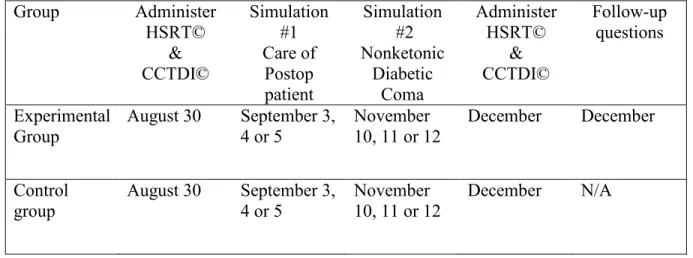
Table 1: Schedule of Events and Testing of Study Participants………. 51
Table 2: Sample Size Required for a Statistically Significant Difference……….. 53
Table 3: Sample Size and Attrition……… 58
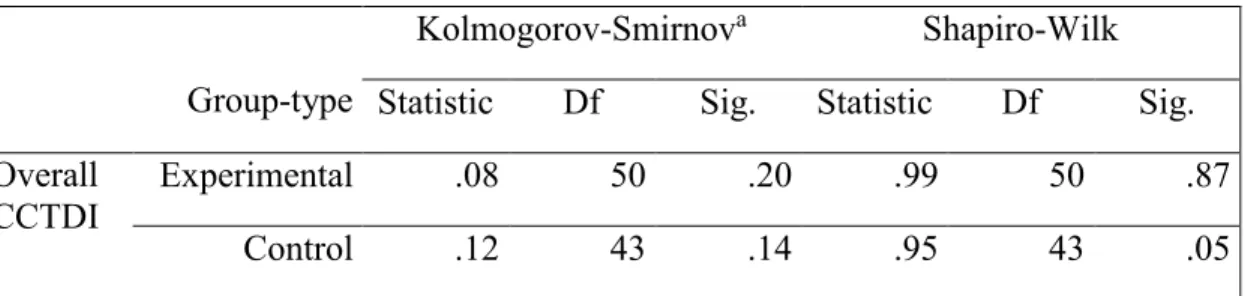
Table 4: Demographics Total Sample………59-60 Table 5: CCTDI normalcy……….. 62
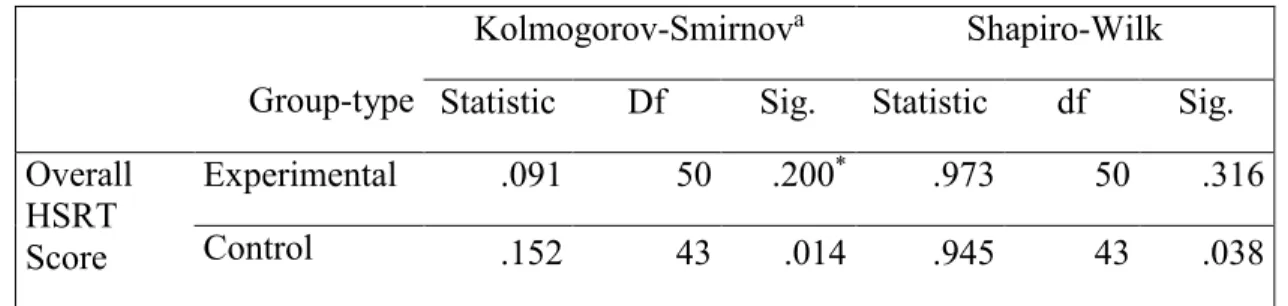
Table 6: HSRT normalcy……… 63
Table 7: Levene’s Homogeneity for HSRT & CCTDI……….. 63
Table 8: Comparison of CCTDI and HSRT Means……… 65
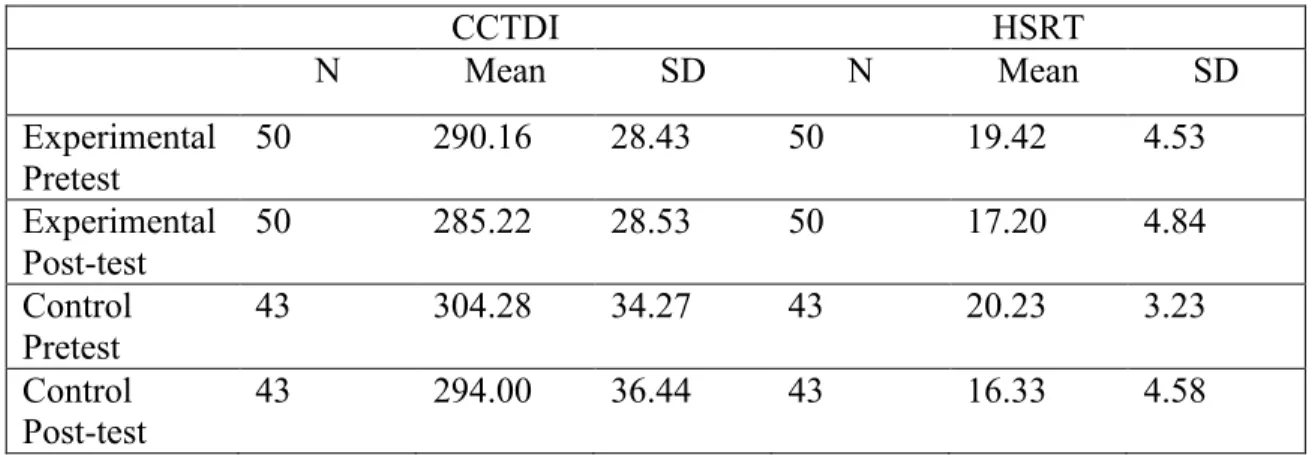
Table 9: Comparison of Pre and Post Means for CCTDI and HSRT………. 65
Table 10: HSRT time interaction result………. 66
Table 11: CCTDI time interaction result……… 66
Table 12: Complete HSRT Category Results for Combined Control & Experimental.. 69
Table 13: Complete HSRT Category results for control………. 69
Table 14: Subcategory of CCTDI Total Sample………. 71
Table 15: Subcategory of CCTDI for Experimental and Control Groups……….. 71 Table 16: Themes of students’ perceived quality of DML method…….………73-76
1
Chapter 1: Introduction Background
Achieving a consistent reliable method for improving student nurses’
competencies has been a long-standing challenge for nurse educators. Further, schools of nursing are expected to utilize teaching methodologies which will enhance the
development of knowledge, skills, and attitudes that have been defined as essential for practitioners (Cronenwett et al.., 2007). Improved competency of practitioners facilitates improved patient safety. A renewed focus on fostering a culture of safety resultant of competent care has become an initiative of health care and nursing education since the Institute of Medicine (IOM) released its report, To Err is Human: Building a Safer Health System (Institute of Medicine, 1999; Mariani, e.al., 2012). The Institute of Medicine (IOM) has supported the use of innovative teaching strategies such as simulation technology as this technology is perceived to support the development of skills which lead to improved patient safety (Institute of Medicine, 1999). Nurse
educators recognize that competency in nursing is more than just mastering skills; rather, students must understand concepts and rationales that support the skills learned. Thus, nurse educators are challenged to develop methodologies that will capture thought processes used to make clinical judgments. Nurse educators have begun to rely on the use of simulation as a teaching/learning methodology to foster the recognition and growth of clinical reasoning skills (Gantt & Webb-Corbett, 2010). Traditional clinical
experiences are typically task-oriented, whereas, simulation experiences can be manipulated to incorporate development of problem solving and clinical reasoning in addition to completion of skills. A well-organized simulation scenario including
2
subsequent debriefing can provide a focused learning experience not overshadowed by the need to complete tasks (Bakalis & Watson, 2005; Baxter & Rideout, 2006; Dillard et al., 2009). Further, the use of simulation provides the ability to “standardize particular patient interactions, design goal oriented clinical experiences, create a learner-focused safe environment, and ensure learning is not hindered by service responsibilities” (Neill & Wotton, 2011, p. e161) . Additionally, use of simulation provides a risk-free
environment in which students can provide care independently without fearing harm of a “real patient.” Students become more aware and invested in their performance via this hands-on experience (Neill & Wotton, 2011). Components of simulation include preparatory gathering of patient data, participation in the simulation scenario, and subsequent [simulation] debriefing. However, it has been suggested that the debriefing portion of the simulation experience is the most essential factor for facilitating the
development of clinical reasoning and judgment skills (Parker & Myrick, 2010; Shinnick, Woo, Horwich, & Steadman, 2011; Zigmont, Kappus, & Sudikoff, 2011). Zigmont, Kappus, and Sudikoff (2011) suggested that debriefing immediately following simulation facilitates optimal learning from the experience. It is during this phase that educator guided reflection allows learners to evaluate their performance and form revised mental models of performance that guides future learner behaviors. This process of having a concrete experience, reflecting on the experience, and developing mental models (hypotheses) to apply to future experiences follows the process of experiential learning described by Kolb (Zigmont, Kappus, & Sudikoff, 2011).
Notably, debriefing sessions within nursing programs are typically conducted in a group setting rather than on an individual basis. Further, students are encouraged to
3
assume specific roles during a simulation scenario and to work collaboratively with their peers during the simulation experience. Allowing students to participate in simulation as a group encourages teamwork and allows students to consider the unfolding events from a different perspective related to the specific role assigned. Although one-on-one debriefing sessions may ensure students feeling as though they are receiving
individualized instruction, the elements of teamwork, collaboration, and group think may be lost. Additionally, the literature is beginning to explore if participants benefit more from directly participating or just observing simulations. Results of a study by Kaplan, Abraham, and Gary (2012) indicated that there was no difference in testing outcomes between the active participant and the observer group, suggesting simulation provides a valuable learning activity regardless of whether the students actively participated in the experience or not (Kaplan, Abraham, & Gary, 2012). A group setting for debriefing allows for more collaboration and the potential for students to learn from each other’s unique interpretation of unfolding events. Thus, for purposes of this study, all simulation and debriefing experiences will occur in a group setting.
The reflective nature of the debriefing situation facilitates student ownership of the learning experience (Parker & Myrick, 2010; Shinnick et al., 2011; Zigmont et al., 2011). The debriefing experience provides time for the students and faculty to reflect on the simulation scenario in order to re-examine the decisions and actions that occurred during the scenario. Thus, it is proposed that the reflective thinking which occurs during
debriefing assists participants in attaining a grasp of clinical reasoning and clinical judgment necessary to determine clinical decisions. However, additional research is needed to provide empirical evidence to support this claim. Furthermore, findings of
4
research can be used to guide the development of best practices for simulation debriefing (Dreifuerst, 2009; Neill & Wotton, 2011).
Dreifuerst (2010) developed the Debriefing for Meaningful Learning© (DML) method of debriefing in order to provide an organized and structured debriefing
methodology to foster student clinical reasoning and clinical judgment skills. The DML method was evaluated by Dreifuerst to measure a change in clinical reasoning skills as indicated by scores on the Health Sciences Reasoning Test (HSRT). Based on the results of this study, the researcher indicated that the DML method demonstrated promise in positively influencing the development of clinical reasoning skills of students (Dreifuerst, 2012). However, limitations of the study included concerns that the HSRT tool alone was not adequate to measure clinical reasoning in a clinical context, problem-based experiential situation. Another limitation cited was the fact that the researcher was not able to randomize the control and experimental groups due to restrictions within the study site. For these reasons, concerns were raised regarding the ability to generalize the results of the study to other school of nursing populations (Dreifuerst, 2012). Thus, the
conclusion included that additional testing of the DML method would be beneficial to further the body of science related to simulation debriefing in the context of impacting student clinical reasoning and clinical judgment skills.
Purpose of study
Although literature exists to suggest that debriefing is essential to complete learning activities associated with simulation, there is minimal evidenced-based information to support or refute this stance. Further, although recently more research has been competed to explore how best to facilitate a debriefing experience, the studies are still
5
minimal in number. The purpose of the study was to determine the impact a structured debriefing method, Debriefing for Meaningful Learning© (DML), could have on student clinical reasoning and clinical judgment skills in a pre-licensure baccalaureate nursing program.
Research Questions
The control and experimental group utilized within this study were established as follows. The control group utilized for this research study consisted of groups of
students, randomly assigned to clinical groups by the hosting facility, who underwent debriefing sessions traditional to the hosting facility. Traditional debriefing sessions were facilitated by faculty of the hosting facility. These traditional debriefing sessions were guided by pre-established objectives and suggested general questions such as, what went well? And, what could you have been differently? The students assigned to the experimental group were students randomly assigned to specific clinical group by the hosting facility. Students within the experimental group underwent the Debriefing for Meaningful Learning© (DML) method of debriefing for all sessions. All debriefing sessions using the DML© method were facilitated by the primary investigator of this study. DML sessions recognized the same objectives for the simulation learning experience as were established by the hosting facility; however, the questions and discussions were allowed to unfold during the debriefing session as driven by the
students. As suggested by Dreifuerst (2010), the DML sessions were 2-3 times the length of the simulation scenario provided.
6
Research Questions
1. What impact does the use of Debriefing for Meaningful learning© (DML) following simulation have on the development of clinical reasoning and clinical judgment skills of pre-licensure RN students?
2. Do the scores of students in the control group differ significantly on the Health Sciences Reasoning Test (HSRT) when compared to the experimental group? 3. Do the scores of students in the control group differ significantly on the California
Critical Thinking Disposition Inventory (CCTDI) when compared to the experimental group?
4. What impact does the use of the DML method have on the perceived quality of the simulation and debriefing experience as described by pre-licensure RN students?
Operational Definitions
Within the literature, terms such as critical thinking, clinical reasoning, and clinical judgment are frequently used interchangeably. In order to achieve clarity in this study, specific definitions are provided. In addition, the terms reflective thinking, simulated clinical experience, simulation debriefing, and Debriefing for Meaningful Learning© are defined as indicated below. Note that the International Nursing
Association for Clinical Simulation and Learning (INACSL) has become a driving force in the development of the use of simulation within nursing and nursing education. As an organization representing nurse educators’ efforts to develop simulation, INACSL has attempted to offer a standardized language which includes recognized definitions for many terms associated with the use of simulation. Therefore, for purposes of this study
7
those definitions recognized by INACSL were used when the definitions meet the needs of the study.
Critical Thinking
Critical thinking is “a disciplined process that requires validation of data, including any assumptions that may influence thoughts and actions; and then careful reflection on the entire process while evaluating the effectiveness of what has been determined as the necessary action(s) to take. This process entails purposeful, goal-directed thinking and is based on scientific principles and methods (evidence) rather than assumptions and/or conjecture” (The INASCL Board of Directors, 2011, p. S4; see also Alfaro-Fever, 1995; Benner, 2004; Jackson & Ignatavicius, 2004).
Clinical Reasoning
Clinical reasoning is defined as “the ability to gather and comprehend data while recalling knowledge, skills (technical and nontechnical), and attitudes about a situation as it unfolds. After analysis, information is put together into a meaningful whole when applying the information to new situations” (The INASCL Board of Directors, 2011, p. S4; Alfaro-Fever, 1995; Benner, & Sutphen, 2007).
Clinical Judgment
Clinical judgment is defined as “the art of making a series of decisions in situations, based on various types of knowledge, in a way that allows the individual to recognize salient aspects of or changes in a clinical situation, interpret their meaning, respond appropriately, and reflect on the effectiveness of the intervention” (The INASCL Board of Director, 2011, p. S3-S4; see also del Bueno, 1994; Dillard et al., 2009;
8
Reflective Thinking
Reflective thinking is defined as “the engagement of self-monitoring that occurs during or after a simulation experience. Considered an essential component of
experiential learning, it promotes the discovery of new knowledge with the intent of applying this knowledge to future situations. Reflective thinking is necessary for
metacognitive skill acquisition and clinical judgment and has the potential to decrease the gap between theory and practice. Reflection requires the creativity and conscious self-evaluation to deal with unique patient situations” (The INASCL Board of Directors, 2011, p. S6; Kolb, 1984; Kuiper & Pesut, 2004; Ruth-Sahd, 2003).
Simulated Clinical Experience
The simulated clinical experience is described as a clinical experience which “includes pre-briefing, the clinical scenario, and debriefing. It is the engagement part of a clinical scenario” (The IASCL Board of Directors, 2011, p. S6).
Debriefing (or traditional debriefing)
Debriefing has been described in varying manners throughout the literature. Dependent on the facilitator conducting the debriefing session, debriefing may be brief or specific, structured or unstructured, formal or informal. For purposes of this research, debriefing will be defined as “an activity that follows a simulation experience and is led by a facilitator. Participants’ reflective thinking is encouraged, and feedback is provided regarding the participants’ performance while various aspects of the completed
simulation are discussed. Participants are encouraged to explore emotions and question, reflect, and provide feedback to one another. The purpose of debriefing is to move
9
toward assimilation and accommodation to future simulations” (The INASCL Board of Director, 2011).
Simulation Debriefing
This researcher has defined simulation debriefing as the reflective activity following a simulation experience. A facilitator leads this activity for the purposes of evaluating actions and outcomes within the simulation experience; exploring emotions resulting from the simulation experience; answering participant questions; and
identifying concepts of reasoning processes which can be applied to future patient care scenarios.
Debriefing for Meaningful Learning©
Debriefing for Meaningful Learning© was described by Dreifuerst as “a specific and consistent method of debriefing. It begins with a systematic process to release emotions from the simulation experience and moves into a critical analysis of the events” (Dreifuerst, 2012, p. 327). For this research, DML is defined as further described by Dreifuerst as “a systematic process for debriefing in which teachers and students explicate different aspects of reflection and generate new meanings from simulated experiences” (Dreifuerst, 2012, p. 326).
Assumptions
For the purposes of this study, the primary researcher has expressed the following assumptions:
Experiential learning and reflective learning provide a more effective learning strategy.
10
Although traditional clinical experiences provide the optimal learning opportunities for student nurses, use of simulation technology within an educational program is a reasonable alternative.
The use of simulated clinical experiences is not intended to replace the traditional clinical experience, rather, to provide an alternative clinical experience, which can be manipulated, and to capture desired learning experiences.
Simulation clinical experiences and subsequent debriefing sessions supplement traditional clinical experiences for students.
Simulated clinical experiences provide a practical opportunity for students to apply concepts learned within the classroom to a clinical situation.
Currently, there is a study being conducted, sponsored by the National State Board of Nursing, which is examining the efficacy of replacing clinical hours with simulated clinical experiences. Results of this study are not yet available. Students learn from the ability to make independent clinical decisions in a
simulated clinical setting.
Simulation debriefing allows students to assimilate concepts learned within a simulation clinical environment.
Nurse educators and students will benefit from the development of a framework for debriefing which will enhance learning outcomes.
Traditional methods of measuring critical thinking, clinical reasoning, and clinical judgment have not been proven successful.
The Health Science Reasoning Test (HSRT) and the California Critical Thinking Disposition Inventory (CCTDI) provide a reliable measure of critical thinking and
11
clinical reasoning skills of nursing students based on methods utilized to develop these tools (Appendix A).
For an educational experience to be comprehensively evaluated, student perspectives of the teaching strategy must be evaluated.
More research is needed to evaluate the learning outcomes and student perspectives related to simulation debriefing.
Limitations
A convenience sample from one school of nursing was utilized for this study. The sample size may be limited due to the availability of subjects, thereby
limiting generalizability of the results.
It is noted that it is anticipated that there were 110 students total but this number is split into two sections (55 students in each section), further, each section was taught by a different didactic instructor. Even though the content covered in both sections was the same, the teaching style between the two instructors may vary. Due to curricular constraints, it may be difficult to control the confounding
variables: would be age, GPA, previous academic experience prior to enrolling in the nursing program, English as a second language, student exposure to varying clinical instructors, and the fact that didactic is taught by a different instructor for each section. Statistical analysis was completed to control for the confounding variables.
Although results of the HSRT and CCTDI tests will not affect student progression within their nursing program, some students may experience test anxiety related to taking these examinations.
12
The impact of previous clinical experiences is difficult to control within this study.
Also, it was difficult to control the impact of having more than one faculty member facilitating the simulation debriefing sessions within the control groups. Thus, it may be difficult to link change in performance on the HSRT and CCTDI due to the intervention alone.
Additionally, it was difficult to control the impact of having the investigator conducting all DML sessions in the experimental groups. Thus, it may be difficult to link change in performance on the HRST and CCTDI due to the intervention alone.
Significance of the study
The ultimate goal of nurse educators is to prepare nursing students to function as safe, competent practitioners. The importance of this goal has been reinforced by a focus on improved quality and safety of care provided within today’s complex healthcare system. The Quality and Safety Education for Nurses (QSEN) initiative stresses the importance of facilitating the acquisition of Knowledge, Skills and Attitudes (KSAs) necessary to promote the development of a safe practitioner (Anonymous, 2011).
Further, this initiative has called for the development of innovative strategies to facilitate student mastery of KSAs in order to improve competency and preparedness of new practitioners (Jarzemsky, McCarthy, & Ellis, 2010). Clinical reasoning and clinical judgment skills are essential to the preparation of a safe and effective practitioner. Barriers to education such as limited clinical sites, unstable patient census, inability to control learning opportunities, as well as difficulty supervising large numbers of students
13
exist in a traditional clinical site. Given these challenges, many nurse educators have embraced the usage of innovative strategies such as simulation to assist in meeting the goal of developing clinical reasoning and clinical judgment in their students.
Complications arising from the rapid adoption of simulation and debriefing
methodologies are the inconsistencies of terminology and recommended usage of such technology within nursing education. Additionally, limited literature is available which addresses how best to effectively integrate simulation and debriefing within a curriculum. Debriefing is a component of simulation that has been identified as the pivotal, if not the most critical component involved in facilitating the development of clinical reasoning and clinical judgment skills. The literature has identified the importance of the role of debriefing within simulation; however, empirical studies regarding how to effectively conduct simulation debriefing, though increasing recently, remains limited in number at best. The intent of this study was to add to the body of knowledge in nursing by investigating the impact of using structured debriefing as a methodology to facilitate student clinical reasoning and clinical judgment skills. Further, the goal of this study was to contribute to the establishment of best practice guidelines relative to the use of the DML method for simulation debriefing to facilitate the development of student clinical reasoning and clinical judgment skills.
14
Chapter 2
Introduction
Clinical reasoning and clinical judgment skills have been identified as essential skills necessary for a practitioner to derive appropriate clinical decisions. Practitioners and students must utilize these skills in order to become safe practitioners (Parker & Myrick, 2010; Shinnick et al., 2011; Zigmont et al., 2011). As simulation technology has been adopted in many nursing programs, it has been suggested that the debriefing portion of the simulation experience is the most essential component for facilitating the
development of necessary clinical reasoning and clinical judgment skills (Parker & Myrick, 2010; Shinnick et al., 2011; Zigmont et al., 2011). This chapter will explore the cognitive, metacognitive, problem-solving and reflective thinking required to support the development of clinical reasoning and clinical judgment skills. Additionally, this chapter will describe the application of Kolb’s Experiential Learning theory (1984) and Gibb’s Reflective Cycle (1988) as a guiding framework for which to investigate the practice of simulation debriefing. Also, this chapter will discuss the concepts of meaningful
learning, debriefing for meaningful learning, and structured debriefing as the underlying premises being explored. Finally, this chapter will explore the research completed to date related to simulation debriefing and the need for this research as identified by the gaps in the literature addressing this practice.
Cognitive, Metacognitive, and Problem-solving Thinking
The development of nursing knowledge requires cognitive, metacognitive, and problem solving skills. Benner’s (1984) from Novice to Expert theory established the groundwork to describe how a nurse becomes “expert” in nursing. The use of intuition in
15
relation to problem-solving that Benner identified may have related to the metacognitive processes utilized when making clinical reasoning and clinical judgment decisions (Benner, 1984). The intuitive grasp of the situation is not based on “wild hunches”; rather, it is based on the clinician’s grasp of the clinical situation. Recognition of clinical situations “moves from abstract textbook accounts of general features to an experience-based response to the situation” improving the clinician’s grasp of a clinical situation (Benner, 2004, p. 190). A sense of salience allows the practitioner to determine more plausible solutions to a given clinical situation. According to Benner (2004) “The proficient practitioner develops a richer sense of the ends and possibilities of practice based on shared notions of good practice within the profession” (Benner, 2004, p. 190). Metacognitive processes build upon prior knowledge, the individual’s ability to organize new information, interpret clinical presentations, and make judgments based on the information presented. Cognitive psychology explains that teaching and learning requires processing of information. It has been found that an instructor processes information within the context of a discipline, utilizing affective and cognitive components of learning; whereas students process the cognitive, metacognitive and affective information (Chartier, 2001).
Theoretical Framework Reflection
The simulation experience and subsequent debriefing or “post-experience analysis” represent the key component of simulation-based learning (Zigmont et al., 2011, p. 52). Promoting the use of reflection within the simulation and debriefing process enhances the participant’s learning. The use of reflection allows participants to
16
identify mental models that led to cognitive processes utilized during the simulation experience. Based upon this reflection, participants can identify cognitive processes which led to the behavior exhibited. Upon skillful facilitated discussion of the simulation experience, learners can assimilate the information gained and apply this new knowledge to future practice situations (Zigmont et al., 2011). In 1988, Gibbs developed the
Reflective Cycle which describes how an individual systematically breaks down phases of an activity such as a simulation experience. According to Gibbs (1988), the reflective cycle phases include: description, feelings, evaluation, analysis, conclusion, and action plan. When reflecting upon a simulation activity, an individual recalls what happened as well as the emotions experienced during the activity. Thus, during a debriefing session, it is beneficial to first ask the participants to identify emotions experienced during the simulation. This facilitates the participant moving beyond the emotions to concentrate on the various activities which guided the unfolding of the simulated clinical experience. After evaluating the good and bad, an individual calls upon their basis of knowledge to analyze the situation. Based upon this analysis, an individual is able to conclude whether the actions taken were the most appropriate or if some other action would have been better suited for the situation. Finally, the individual reflecting on the experience can propose a course of action in the event that they are faced with a similar situation in the future (Gibbs, 1988). The reflective cycle provides a theory upon which the debriefing process can be conducted following a simulation experience.
Experiential Learning
Kolb’s Experiential Learning cycle (1984) provides a holistic theory upon which to base the potential for learning associated with the use of simulation and debriefing.
17
Kolb’s theory (1984) suggests that active participation provides a more effective learning experience. The Experiential Learning Theory (ELT) defines learning as “the process whereby knowledge is created through the transformation of experience. Knowledge results from the combination of grasping and transforming experience” (Kolb, 1984, p. 41). The ELT describes the learning that results from Reflective Observation (RO) and Active Experimentation (AE) drawn from exposure to a Concrete Experience (CE) and Abstract Conceptualization (AC). Kolb (1984) continued his work as he developed a learning style inventory which described core characteristics that learners exhibit as a preferred learning style. The inventory includes assimilating, converging, and
accommodating. Because of the flexibility associated with Kolb’s description of how individuals learn, Kolb’s theory can be readily applied to many disciplines. Additionally, Kolb’s theory incorporates the importance of experiencing, reflecting, thinking and acting. These are applicable experiential and cognitive processes that explain the learning process which occurs during simulation and simulation debriefing experiences.
Components of Debriefing for Meaningful Learning Guided Reflection
Instructor led guided reflection during debriefing allows students to explore events which occurred during the simulation to enhance the thinking-on-action activity. Additionally, reflective thinking facilitated during simulation debriefing allows students the opportunity to problem-solve after the fact without fear of harming a patient which builds upon the thinking-on-action activity (Shinnick et al., 2011). Reflective thinking facilitated during debriefing assists learners to develop and integrate insights from a current situation and apply them later to subsequent situations (Rudolph, Simon, Raemer,
18
& Eppich, 2008). Structured reflection during debriefing allows students to analyze their actions, to self-correct, and to assimilate new experiences with prior ones. Facilitation of this guided reflection assists students to achieve an understanding of concepts learned during the simulation and debriefing experience which will add to thinking-beyond-action (Dreifuerst, 2009; Rudolph et al., 2008)
Meaningful learning
Constructivism theory focuses on an active-learner-centered experience which emphasizes the construction of new knowledge by the learner. Constructivist theory proposes that learners gain new meaning by incorporating new knowledge with past experiences or knowledge. “Ausubel’s Assimilation Theory of Cognitive Learning (1963) guides research and instructional design to facilitate meaningful learning” (Novak, 2002, p. 548). Ausubel’s distinguished between rote learning and memorization of knowledge arbitrarily and meaningful learning for which the learner consciously integrates new knowledge to knowledge that the learner already possessed (Ausubel, 1963; Novak, 2002).
Debriefing for meaningful learning
The Debriefing for Meaningful Learning© (DML) method utilizes active learning to facilitate the students’ application of prior knowledge and experience to the simulation thus facilitating clinical reasoning skill development. Students are encouraged to think-in-action, think-on-action, and think-beyond-action during the debriefing session. This guided reflection breaks down the invisible barriers by revealing frames of reference on which students base their reasoning processes. DML is grounded in educational theory that incorporates experiential learning, reflective learning, and problem-based learning in
19
a constructivist framework that uses narrative pedagogy. A simple worksheet is used to guide student reflection through the debriefing process to enhance consistency of the debriefing sessions. Further, the worksheet guides the E6 framework (engage, evaluate, explore, explain, elaborate, and extend) by using a concept mapping approach
(Dreifuerst, 2010). Meaningful learning involves incorporation of concepts and propositions into a cognitive structure.
Concept Mapping
Concept maps serve as metacognitive tools which improve learning over time. Further, concept mapping assists learners in achieving more meaningful learning by modifying student knowledge structures (Novak, 2002). Concept maps provide a visual representation of the simulation scenario and frames the decision-making processed utilized. The use of concept maps assist faculty in gaining a greater understanding of the students’ reasoning processes in order to discern faulty reasoning. Further, the use of concept maps assists the learning through the process of understanding the clinical situation and contextual circumstances influencing the decision-making process (Dreifuerst, 2010).
Structured Debriefing
Structure of a debriefing session is enhanced by the use of a worksheet and concept mapping methodology. Upon initiation of the debriefing session, students are encouraged to remove the emotions associated with the simulation experience by asking, “What went right?” “What went wrong?” and “Given the opportunity, what would you do differently?” Upon eliminating the emotion, the facilitator returns to the start of the worksheet and focuses on recalling details of the patient’s story. This naming of the
20
patient and patient story provides a mental model reference on which to base future application of knowledge learned. Next, concept maps are used to frame decisions and the DML worksheet explores options and explains alternatives. Subsequent discussion focuses on identifying the key problem within the scenario. The visual representation of the patient’s clinical situation which unfolded during the simulation provides a tool which allows students to interpret relationships between key concepts. Using concept mapping, students can explore what went right and what went wrong. Additionally, student
development of concept maps can identify correct and incorrect student clinical reasoning and judgments (Dreifuerst, 2010).
The DML method for debriefing provides a structure and process by which
faculty can consistently facilitate student learning during debriefing. The DML worksheet (Appendix B) provides a written structure for faculty to follow throughout the guided reflection process utilized by the students during debriefing. The guided reflection and use of concept mapping facilitates the metacognitive processes used by students to allow the development of clinical reasoning and clinical judgment skills.
Purpose of Debriefing
The purpose of debriefing is to provide time for the students and faculty to reflect on the simulation scenario, and re-examine the decisions and actions that occurred during the simulation scenario. Debriefing promotes reflective thinking to assist participants in attaining a grasp of clinical reasoning/clinical judgment utilized to determine the most appropriate clinical action. Further the purpose of debriefing is to “move toward
assimilation and accommodation [of the knowledge gained during simulation] in order to transfer learning to future situations” (The IASCL Board of Directors, 2011, p. 55).
21
Although literature exists to suggest that debriefing is essential to complete the learning activities associated with simulation, there is minimal evidenced-based
information to support this stance. Minimal empirical research is available to guide the development of best practices for simulation debriefing (Dreifuerst, 2009; Neill & Wotton, 2011). The hierarchy of evidence provides a structure regarding levels of
research which support the establishment of evidenced-based practices within the field of nursing (Dinsdale, 2008; Higgs, & Jones, 2000; Ho, Peterson, & Masoudi, 2008). The purpose of this research is to add to the hierarchy of evidence related to simulation debriefing by investigating the impact the use of structured debriefing has on the development of clinical reasoning and clinical judgment skills.
Research Completed Related to Simulation Debriefing
A literature review was conducted via the Cumulative Index of Nursing and Allied Health Literature (CINAHL) database using keywords debrief and simulation. Additionally, the search was limited to articles from 1998- 2013 written in English. The search revealed eighty-eight articles; however, only seventy-five were research based. After eliminating duplication seventy-four articles remained. Upon analysis, it was found that a large number of articles focused on the use of simulation with limited reference to the debriefing process. After eliminating studies which focused on simulation and
retaining only those which focused on debriefing, seventeen articles remained to meet the search criteria. However, four non-research articles reflecting discussion of debriefing and/or a literature review were retained along with the seventeen research articles, totaling twenty-one articles for consideration.
22
There were eight qualitative, six quantitative, three mixed method studies, and three other articles examined for this study. The eight qualitative articles utilized sample sizes that ranged from 9-100 participants. Participants were nurse educators, nursing students, medical residents, midwives, and obstetricians; however, nursing students made up the majority of the sample. Qualitative studies investigated issues such as: whether debriefing was important; impact of faculty demeanor; whether usage of checklists aided in rating skill performance; if simulation and debriefing could be effective to promote team training; if student learning differed based on participation versus observation; and whether oral discussion, journaling or blogging were viewed as favorable for debriefing. Within all of the studies, debriefing was noted as being an integral component facilitating learning.
Qualitative Research
Brackenreg (2004) completed a qualitative descriptive study of faculty whose purpose of this study was to examine faculty’s perceived effectiveness of debriefing as related to the structured or unstructured environment of the debriefing session. Sampling for the study was derived from 48 nurse-educator respondents who self-reported about experiential learning activities. Of the 48 initial respondents, nine faculty (n=9) who mentioned action and/or reflective stage within experiential learning were chosen to participate in the study. The nine participants were interviewed via telephone. Researchers concluded that experiential learning coupled with reflective learning was perceived by faculty as being a more effective teaching strategy. Four out of nine participants recounted the importance of structure during the debriefing stage, whereas,
23
five of nine participants reported that they utilized a more laissez faire approach to debriefing (Brackenreg, 2004).
Clay, Que, Petrusa, Sebasitan, and Govert (2007) conducted a qualitative descriptive study to assess if a checklist would improve resident performance and consistency of practice with respect to published standards of care within an intensive care unit (ICU) environment. Eighteen (n=18) medical residents participated in the study. Checklists incorporating best practices as determined within the literature were developed to explicitly define expectations of residents during their ICU rotation. Five “best practice” checklists were developed and used to evaluate resident performance to determine consistency of practice. The study concluded that debriefing sessions using checklists were effective for assessing resident performance and consistency of practice as determined by standards of practice (Clay et al., 2007).
Lasater (2007) completed a qualitative exploratory study involving an analysis of focus group data. The purpose of this study was to describe the participant’s experience during the high-fidelity simulation as it related to students’ development of clinical judgment skills. Forty-eight (n=48) students participated within the study. All students were invited to participate in a focus group; however, only nontraditional students volunteered for this activity. Lasater served as facilitator for the focus group utilizing a list of predetermined questions as prompts. The focus group identified reflection on learning as a key component to the success of the simulation debriefing process. Additionally, it was suggested by the focus group that clear standards for evaluation are important for the success of the experience. Lasater noted that the younger students may have experienced the simulation differently than the nontraditional students. Students
24
identified simulation as a vehicle to facilitate the connection of clinical to theory and offered an opportunity to practice psychomotor skills. Additionally, students were impressed with the “realism” simulation offered. Finally, students were pleased with the “breadth of experience gained in the simulation laboratory” (Lasater, 2007, p. 273). Limitations identified included lack of perceived realism as the pre-recorded voice for the manikin did not match gender to the scenario, the simulator offered no visual or
nonverbal communications, and certain neurological symptoms could not be accomplished i.e. reflexes and pupillary responses to stimuli (Lasater, 2007).
Cantrell (2008) used a qualitative descriptive design to evaluate the perceived benefit of debriefing by providing an immediate verbal debriefing session as well as a more structured debriefing session two weeks later during which participants reviewed a video-taped recording of the simulation experience. Eleven (n=11) senior level BSN students participated in the study. Two qualitative focus group interviews were
conducted by the study’s investigator to assess differences in debriefing methodology. The study revealed that students’ stress level during simulation was directly related to the demeanor of the faculty member providing cuing. The authors of the study concluded that debriefing following simulation is an effective teaching and learning strategy; adequate preparatory work on the part of students is essential prior to the simulation experience; and faculty demeanor as related to the type of feedback provided was essential to the learning experience (Cantrell 2008).
Kuiper, Heinrich, Matthias, Graham, and Bell-Kotwall (2008) conducted a descriptive study which explored the impact that simulation technology had on situated cognition of undergraduate nursing students. The study proposed that debriefing with a
25
clinical reasoning model, the Outcome Present State-Test (OPT) model, can enhance reflection and support the growth of clinical reasoning and judgment following
simulation experiences. The sample included (n=44) medical-surgical nursing students enrolled in a BSN program. During the study students were expected to complete an OPT worksheet to evaluate several traditional clinical situations as well as a four one-hour simulated clinical scenario, debriefing, and completion of an OPT worksheet. Students were expected to complete the OPT worksheet which contained five areas: reasoning web, patient story, outcome-present state, judgment, and frame. The OPT worksheet was turned into faculty to be evaluated. OPT worksheets from the traditional clinical experiences were compared to OPT worksheets from the simulated experiences. No significant differences in mean scores were noted between the two OPT worksheet situations. No significant results were found when completing a paired t-test between the two groups. However, overall scores were higher for simulation OPT worksheets in the following areas: listing interventions, recording lab data, making judgments regarding tests, and connecting present-outcome states and NANDA diagnosis. Additionally, students were asked to provide narrative responses to open-ended questions. The researchers concluded higher-order cognitive skills and reflection were used during simulation experiences (Kuiper et al., 2008).
Freeth et al.. (2009) conducted a qualitative study of 55 participants (n=55) consisting of senior midwives, obstetricians, and obstetric anesthetists. The purpose of the study was to describe a simulation-based, interprofessional continuing education scenario designed to promote team training. Participants described the simulation as effective in clarifying role expectations, the importance of communication, and
26
leadership in a crisis situation. Upon analysis of video recordings of the simulations during debriefing, simulation was found to provide effective team training (Freeth et al., 2009).
Reed, Ravert, Andres, and Hudakl (2010) conducted a descriptive qualitative study to assess student preference of debriefing methods (discussion, journaling, or blogging). One hundred (n=100) participants completed a Debriefing Experience Scale tool, to determine student preference of debriefing methods. The researcher concluded that in order to promote optimal student learning it is important to gain an improved understanding of student’s preferred debriefing method (Reed, Ravert, Andrew, & Hudak, 2010).
Kaplan, Abraham, and Gary (2012) conducted a qualitative study to assess students’ (n=92) perceived satisfaction with simulation, comparing experiences of those who participated with those who observed the simulation. Both groups of students participated in a debriefing session following the simulation experience. A Problem-Based Learning (PBL) strategy was used to guide students through the simulation experience. Results of the study indicated that there was no difference in testing outcomes between the active participant and the observer group, suggesting simulation provides a valuable learning activity regardless of whether the students actively
participated in the experience or not (Kaplan, et al., 2012). Quantitative Research
The six quantitative studies identified utilized samples of 37-162 participants which included nursing students, anesthesiologists, and members of an interdisciplinary team. Boet (2011) utilized a pretest, post-test design to evaluate effectiveness of
self-27
debriefing as opposed to instructor facilitated debriefing for anesthesiologist residents. Participants were oriented to the Anesthetist’s Non-Technical Skills (ANTS) system for self-assessment. The self-assessing group evaluated their performance based on review of a video-taped recording of the simulation experience. The instructor-guided group also reviewed a taped recording of the simulation experience. The instructor leading the debriefing session was described as an “expert instructor;” however, a more detailed description of the debriefing method utilized was not provided. Both groups
participated in a 20-minute debriefing session. Following the debriefing sessions, all subjects participated in a second similar simulation experience. Two evaluators with expertise in simulation and crisis resource management principles evaluated all subjects using the ANTS scoring system. A two way, mixed design ANOVA used to analyze findings detected a significant difference in test scores overall F (1, 48) = 13.28, p ˂ .01; however, no difference was noted between the debriefing modalities F (1, 48) = 0.31, p =.58. Furthermore, no significant difference was noted between the debriefing groups in the four subcategories of task management, team working, situation awareness, and decision making (Boet et al., 2011).
Chronister and Brown (2012) investigated whether verbal feedback or video-assisted verbal discussion promoted more reflection during debriefing. A comparative crossover design was used to evaluate whether knowledge retention, quality and
efficiency of skills differed between the two debriefing styles. A convenience sample of 37 BSN students enrolled in their senior-level critical care course were randomly
assigned to the two groups. The quality of students’ skills was measured in accordance with the Emergency Response Performance Tool (ERPT). Knowledge retention was
28
measured via a 10-point multiple choice exam. The ERPT scores improved significantly between the first and second simulation experience. The ERPT scores for group 1, video-assisted verbal (VA+ V), improved more from baseline but were not statistically
significant (p = .71), indicating quality of skills was not significantly affected by debriefing method. The pretest knowledge score from week six was compared to the post-test score of week seven. The pretest mean of 6.3 in group 1 (VA+ V) decreased to 4.95; whereas, the mean score for group 2, verbal (V) increased slightly from 5.14 to 5.57. The change in scores between the two groups was found to be statistically significant (p = .008). The researcher concluded although VA + V improved response time for initiating care interventions within a given situation, greater knowledge retention occurred specifically related to verbal debriefing as opposed to the video-assisted verbal debriefing. The researched suggested that the unanticipated results, knowledge change scores, may have been related to the timing of the administration of the post-test. Also, the results may have been related to the fact that the time needed to preview the video may have detracted from the time allowed for verbal discussion. The researcher recommended that more research is needed to compare differences in debriefing methodologies (Chronister & Brown, 2012).
Chung (2011) investigated the cardiopulmonary resuscitation (CPR) team dynamics and performance between a conventional simulation training group and a script-based training group. Seventy participants were divided into 14 groups of 5 members. The control group received traditional didactic lecture, simulation, and debriefing; whereas, the script group received training using a script. All simulations were video-taped and events were compared in terms of team dynamics and performance.
29
Both groups showed a significant improvement in leadership scores after training as indicated by the following results C: 58.2 +/- 9.2 versus 67.2 +/- 9.5, p = 0.007; S: 57.9 +/- 8.1 versus 65.4 +/- 12.1, p = 0.034. However, no significant improvements in performance scores were noted between the groups. There was no improvement in team dynamics between the two groups results as follows, C: 9.1 +/- 12.6 versus S: 7.4 +/- 13.7, p = 0.715. Also, no improvement in performance between groups was identified, C: 5.5 +/- 11.4 versus S: 4.7 +/- 9.6, p = 0.838. Finally, no significant difference existed in total scores, C: 14.6+/- 20.1 versus S: 12.2 +/- 19.5, p = 0.726. The researcher
concluded that script-based CPR team training resulted in similar result outcome as obtained with traditional simulation training (Chung et al., 2011).
Gordon and Buckley (2009) conducted a study with 55 medical-surgical graduate students to evaluate students’ recognition of symptoms in patients demonstrating acutely deteriorating conditions and student initiation of early intervention of necessary patient care. The study focused on the results of the use of simulation. However, it was during the debriefing sessions that individual roles of the team leader and group members were identified. After participation in the simulation and debriefing training, participants reported increased confidence in their ability to recognize an unstable patient and identify priorities of care (p = .02 and ˂ .001). Additionally, students were asked to rate how they found the simulation experiences aided their ability to respond to clinical emergencies. Discussing case management after the simulation experience was identified as the most beneficial component of the exercise. The researcher concluded that debriefing following simulation reinforced participants’ actions and behaviors (Gordon & Buckley, 2009).
30
Wotton, Davis, Button, and Kelton (2010) utilized a quantitative tool to explore student perceptions regarding the use of high-fidelity simulation (HFS), followed by the use of three open-ended questions to clarify the quantitative responses. A large
convenience sample (n=300) of third year nursing students participated in this study. Three HFS scenarios were presented to the students in order to determine student perceptions of the experience. The total number of participants for each of the three scenarios ranged from 250 for scenario three to 297 for scenario one. Participants were asked to complete an eleven-item instructor-developed test, which utilized a 5-point Likert-type scale to evaluate the simulation experience. Additionally, participants were asked three open-ended questions. The researcher reported that students expressed that the debriefing session aided in clarifying elements of the simulation that they had previously not fully understood. Also, the debriefing session helped them to develop a rationale for actions and gain a greater understanding of medication management that occurred during the simulation. Additionally, the researched concluded that HFS and debriefing can serve as an effective adjunct within the curriculum to bridge the gap between theory and practice. Strengths and limitations of this study were not identified (Wotton et al., 2010).
Shinnick et al.. (2011) conducted a study with 162 nursing students to determine where in a simulation experience the greater knowledge gain occurred. A two-group, repeated measure, experimental design was used to examine knowledge gained between two groups of students. One group of students participated in a hands-on simulation while a second group of students participated in a hands-on simulation followed by a debriefing session. Knowledge scores decreased from pretest to post-test for the hands-on
31
only group M = -5.63, SD = 3.89, p ˂ 0.001; whereas, they dramatically improved with the hands-on and debriefing group M = 6.75, SD = 4.32, p ˂ 0.001. The researcher recommended additional studies to measure the impact of debriefing (Shinnick et al., 2011).
Mixed Method Research
Three mixed design studies utilized sample sizes ranging from 55-238
participants. All three studies included nursing students as the sample demographic. Childs and Sepples (2006) utilized the Education Practice Scale for Simulation (EPSS), a 16-item instrument which used a 5-point rating scale to determine what educational practices, i.e. active learning, collaboration, diverse ways of learning, and high
expectations, were present during simulation. Also, participants were asked to complete the Simulation Design Scale (SDS) which was a 20-item scale to evaluate simulation: objectives, support, problem-solving, feedback and fidelity. Finally, participants were asked to complete an instrument developed by the University of Southern Maine to rate confidence gained, usefulness of the simulation, and feelings about the teaching method used. Researchers indicated that establishing clear objectives for the simulation
experience was of vital importance. Additionally, participants referred to the level of complexity and fidelity as being important. Participants rated receiving feedback as the most important component of the experience. Qualitatively, results indicated that the debriefing period following the simulations needed to be of an adequate length to discuss the simulation experience and to facilitate learning. As a result of this study, researchers stated that the following elements will be addressed in future simulation endeavors: Careful planning and attention to detail is essential; voice-recordings used during
32
simulation should match the gender of the simulator; it is important to allow adequate time for the simulations to unfold; it is essential to allow adequate time for debriefing; group sizes should be small; each station should have its own room; and an adequate number of faculty need to be available to assist with instruction during the sessions (Childs & Sepples, 2006).
Dreifuerst (2012) conducted a quasi-experimental, pre-test, post-test study utilizing 238 nursing students to investigate if using a structured debriefing rather than unstructured debriefing methodology resulted in improved student development of clinical reasoning and clinical judgment skills. Additionally, students’ perception of the quality of the debriefing process was compared between the two groups. The pre-test, post-test results of the HSRT indicated a statistically significant difference between scores of the structured and unstructured debriefing groups. The difference in mean scores from pre-test to post-test were analyzed to be significant, F (1.237) = 28.55, p ≤ 0.05, and the covariate was significant related to the debriefing method, F (1.237) = 623.91, p≤ 0.05, with a large effect size of 0.84. Nonparametrical tests were used to analyze results of the Debriefing Assessment for Simulation in Healthcare-Student Version (DASH-SV) and Debriefing for Meaningful Learning Supplemental Questions (DMLSQ) scores. The Z-values for both instruments were significant with p ˂ 0.05. Also, the mean aggregate DASH-SV scores were significant (Z = -11.99, p ≤ 0.001). This result indicated that students perceived a difference in quality between the structured debriefing group and the control group. Finally, analysis of the HSRT, DASH-SV and DMLSQ scores was done to determine if an association existed between perceived debriefing quality and changes in student clinical reasoning skills. A simple regression
33
analysis demonstrated a statistical significance in 9 of 11 item scores. The two items which did not demonstrate statistical significance were the DMLSQ scores and DASH-SV element one. As a result of this study, the researcher concluded that a structured debriefing method, specifically, Debriefing for Meaningful Learning© (DML), provided an improved learning experience to support the development of clinical reasoning skills. The researcher recommended additional studies to support generalizability of the findings (Dreifuerst, 2010, 2012).
Mariani, et al. (2012) utilized the Lasater Clinical Judgment Rubric instrument (LCJR), to determine if a structured debriefing session (specifically DML) improved the development of clinical judgments skills as opposed to the control group who were provided an unstructured debriefing experience. Results of the study concluded that there was no statistically significant difference in LCJR scores of students exposed to the DML as compared to those students exposed to a less structured debriefing session. A RM-ANOVA did not demonstrate a statistical significance between the scored of the experimental (DML) and control group (traditional debriefing) with F (1, 84) = 0.009, p= .92, time main effect, F (1, 84) = .33, p = .562 group x time interaction effect, F (1, 84) – 0.213, p = .64. Additionally, a 2 X 2 RM-MANOVA was calculated to determine if a statistical significance in results could be found on existing subscales; however, no statistical significance was found. Additionally, focus group interviews were conducted to assess student perception of debriefing methods. Qualitative findings indicated that a structured debriefing experience fostered reflection and meaningful learning among students. Mariani suggested that the lack of statistical significance may have been related to an inadequate statistical power or other limitations. Qualitative results supported the
34
notion that a structured debriefing was perceived to have provided more beneficial overall learning and synthesis of clinical knowledge. Finally, the researcher
recommended additional studies should be conducted with a rigorous design to provide further empirical evidence of the quantifiable and perceptual effectiveness of structured debriefing (Mariani et al., 2012).
Descriptive Articles
The remaining four articles found within the literature provided literature reviews and discussions regarding theoretical foundations for simulation. Zigmont et al. (2011) proposed the 3D Model for simulation and debriefing. Factors within this model addressed individual learning needs, the learning experience, and the environment in which learning occurred. As per the authors of the article, adult learning theory explains that adult learners decide what and when they need to learn; they are intrinsically
motivated; they bring prior knowledge and experiences to the learning environment; and they use analogical reasoning within the learning process. The 3D Model incorporated Kolb’s Experiential Learning Cycle, which stated that active participation or having a “concrete experience” facilitates the learning process (Zigmont et al., 2011, p. 50). The 3D authors concluded that clear, useful objectives relevant to practice are needed in order for a debriefing experience to be effective. In addition, the learning experience needs to provide enough challenge to the participants to keep them engaged. Finally, the 3D Model emphasized the need to offer an environment that is perceived as a safe place to practice. The 3D Model of Debriefing identified three components to the debriefing process: defusing, discovering, and deepening. A pre-briefing session was suggested as necessary in order to establish ground rules for the debriefing session. The defusing