UNDERSTANDING INTERPROFESSIONAL EDUCATION:
A MULTIPLE-CASE STUDY OF
STUDENTS, FACULTY, AND ADMINISTRATORS
Katherine Henkin
Submitted to the faculty of the University Graduate School in partial fulfillment of the requirements
for the degree Doctor of Philosophy
in the Department of Anatomy and Cell Biology, Indiana University
Accepted by the Faculty of Indiana University, in partial
fulfillment of the requirements for the degree of Doctor of Philosophy.
_______________________________ Robert J. Helfenbein, Ph.D., Chair
_______________________________ Patricia R. Ebright, Ph.D., RN, FAAN
_______________________________ Doctoral Committee Ronald L. Shew, Ph.D.
_______________________________ May 28, 2013 Laura J. Torbeck, Ph.D.
_______________________________ Lee G. Wilbur, M.D.
ACKNOWLEDGEMENTS
Many have guided me, professionally and personally, throughout this dissertation journey. My deepest gratitude goes to my dissertation committee, the research
participants, and my family.
My dissertation chair, Dr. Robert Helfenbein, continuously challenged me and remained my steadfast advocate. His expertise and encouragement, even during times of self-doubt, made this process manageable. I extend my sincere thanks to Rob for his professionalism and for believing in this research and, importantly, believing in me. I also thank Dr. Pat Ebright, Dr. Ron Shew, Dr. Laura Torbeck, and Dr. Lee Wilbur. They encouraged and challenged me to think more deeply and offered a fresh perspective. Their contributions were important to this research and its completion.
This study would not have been possible without the research participants from the Indiana University School of Medicine and the Indiana University School of Nursing. Their openness, honesty, experiences, and willingness to participate made this research meaningful and enjoyable.
Finally, I give sincere and deep thanks to my family. My parents, Ann and Joe; brother, Joe; sister, Helen; brother-in-law, Jeff; and my fiancé, Noah, believed in me and this research. Despite our distances from each other, their undying support was exactly what I needed to persevere and complete this chapter of my life. Their words of cheer and encouragement kept me grounded, recalibrated me during the toughest moments, and reminded me that I could and would achieve this goal. Thank you so much.
ABSTRACT Katherine Henkin
UNDERSTANDING INTERPROFESSIONAL EDUCATION: A MULTIPLE-CASE STUDY OF
STUDENTS, FACULTY, AND ADMINISTRATORS
Although interprofessional education (IPE) opportunities can help prepare
students for future practice and patient-centered care, many health professions students in the country are not educated in an environment with opportunities to learn with, from, or about students from other health professions. With upcoming curricular changes at the Indiana University School of Medicine (IUSM) and the Indiana University School of Nursing (IUSN), IPE remains at the forefront of these changes in both schools. To date, few studies have explored student, faculty, and administrators’ conceptualizations of IPE prior to formal implementation. Additionally, previous studies have not compared IPE conceptualizations across these groups. This multiple-case study explores and compares how groups of stakeholders from the IUSM (Indianapolis) and the IUSN (Indianapolis) conceptualize IPE. Data collection included the examination of discipline-specific public documents and one-on-one interviews (N=25) with pre-licensure students, clinical faculty, and administrators from each school. Coding and extraction of themes transpired through within-case and cross-case analysis and data supported the following findings: the ‘business of medicine’ may prevent IPE from becoming a priority in education; stakeholders’ conceptualizations of IPE are shaped through powerful experiences in
stakeholders at the IUSN have a long-standing investment in IPE; and the institution requires a ‘culture shift’ in order to sustain IPE efforts. The findings suggest that IPE belongs in all education sectors and IPE efforts deserve reward and reimbursement. The findings also insinuate that leadership, roles, and team training education belong in IPE and IPE culture requires all individuals’ (e.g., student, faculty, administrators, patients) commitment. Importantly, the institution must continue IPE development, research, and dissemination. These findings can help shape curricula as time progresses, increase the likelihood of developing a successful new curriculum, and prompt ongoing reflection about IPE. This information can influence how institutions approach IPE and may lead to a more successful and informed IPE curriculum in the first years of implementation. And, hopefully what is learned through IPE will be translated into healthcare practice
environments.
TABLE OF CONTENTS
List of Figures ... x
List of Abbreviations ... xi
Chapter 1: Introduction ... 1
Background and Problem Statement ... 1
Study Purpose and Central Questions ... 6
Study Significance ... 7
Definitions and Key Terms ... 8
Organization of Dissertation ... 9
Chapter 2: Literature Review ... 10
Theoretical Framework and Learning Theory ... 10
History, Development, and Trends in IPE ... 13
Understanding of IPE in the Health Fields ... 20
Faculty and administrators’ understanding of IPE ... 20
Students’ understanding of IPE ... 24
Summary of the Literature Review ... 28
Chapter 3: Method ... 30
Study Design ... 30
Positionality and Researcher Stance ... 31
Recruitment and Sampling ... 33
Participants ... 35
Students ... 35
Setting ... 37
Indiana University School of Medicine ... 37
Indiana University School of Nursing ... 38
Data Collection ... 39
Document analysis ... 40
Interviews ... 40
Data Organization and Analysis ... 41
Ethics ... 43
Trustworthiness ... 43
Limitations ... 46
Chapter 4: Findings ... 47
General Contextual Background at IU ... 47
Indiana University School of Medicine ... 47
Indiana University School of Nursing ... 48
Current state of IPE at IU ... 48
Themes ... 49
Theme one: The business of medicine ... 49
A double-edged sword ... 50
That is how it has always been ... 52
Theme summary ... 57
Theme two: The power of experience ... 58
Two heads are better than one ... 59
Light bulb moments ... 68
Experience is the best teacher ... 72
Theme summary ... 79
Theme three: Desire for IPE ... 79
Theme summary ... 84
Theme four: Enthusiasm, hope, and investment in IPE ... 84
Nursing ‘champions’ ... 84
IPE as the norm ... 87
Legitimate partners ... 88
Theme summary ... 90
Theme five: Culture shift ... 90
Let our sacred cows die ... 90
Leaping forward ... 92
Theme summary ... 95
Chapter Summary ... 96
Chapter 5: Discussion ... 97
Revisiting the Framework ... 97
Revisiting the Themes ... 98
The business of medicine ... 98
The power of experience ... 105
Desire for IPE ... 108
Enthusiasm, hope, and investment in IPE ... 112
Suggestions for Future Research ... 117
Conclusion ... 119
Figures ... 121
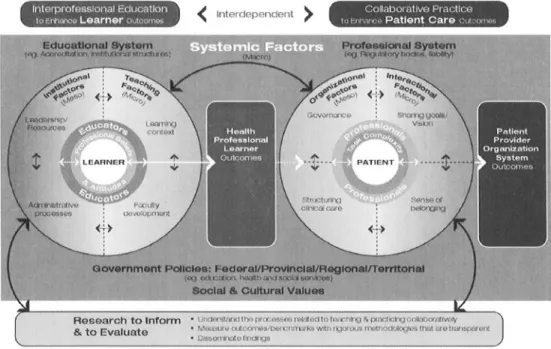
Figure 1. Interprofessional education for collaborative patient-centred practice: An evolving framework. ... 121
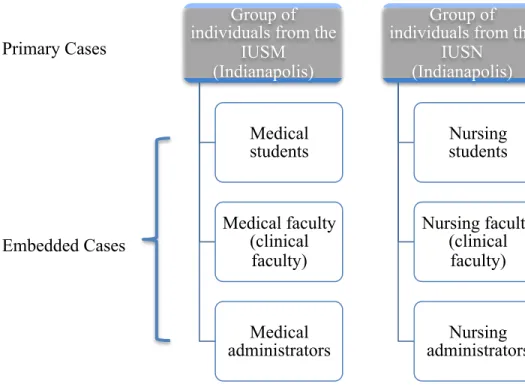
Figure 2. Primary and embedded cases. ... 122
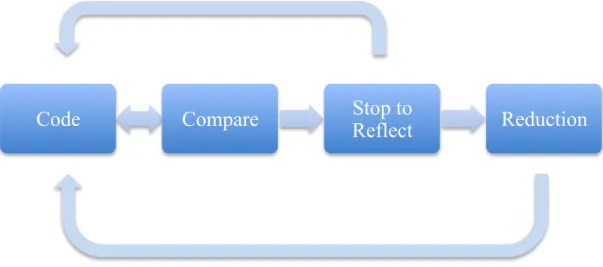
Figure 3. Steps in data analysis. ... 123
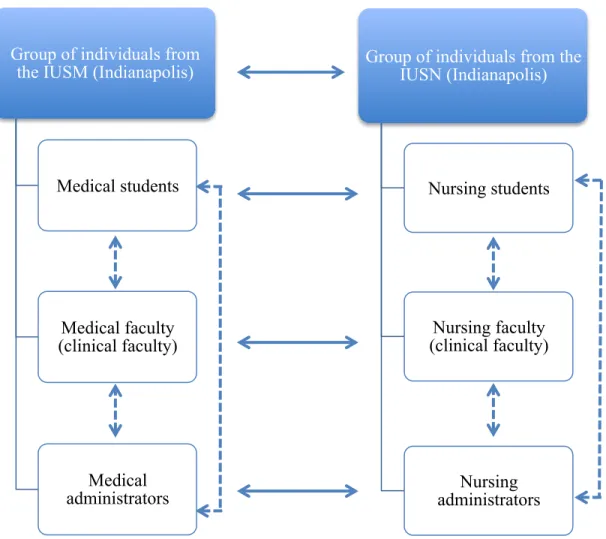
Figure 4. Phases of data analysis. ... 124
Appendices ... 125
Appendix A: Study Information Sheet ... 125
Appendix B: IPE Recruitment Email ... 127
Appendix C: Research Matrix ... 128
Appendix D: IPE Interview Protocol ... 129
Appendix E: Composite Graphic for Themes ... 131
References ... 134 Curriculum Vitae
LIST OF FIGURES
Figure 1. Interprofessional education for collaborative patient-centred
practice: An evolving framework. ... 121
Figure 2. Primary and embedded cases. ... 122
Figure 3. Steps in data analysis. ... 123
LIST OF ABBREVIATIONS IOM: Institute of Medicine
IPE: Interprofessional Education IPP: Interprofessional Practice IU: Indiana University
IUSM: Indiana University School of Medicine IUSN: Indiana University School of Nursing WHO: World Health Organization
Chapter 1: Introduction Background and Problem Statement
With the growing complexity of the healthcare system and patient care, it is essential that professionals from all types of healthcare fields join forces and work interprofessionally (Josiah Macy Jr. Foundation, 2010). Working interprofessionally involves working alongside others from different professions and collaborating with individuals of different skill sets to make shared, informed decisions. This can pose challenges for health professionals because interprofessional collaboration may not be taught in educational institutions (IOM, 2003) and the way health professionals practice tends to be a direct reflection of how they were educated (Wakefield, Cooke, & Boggis, 2003).
Unfortunately, discrepancy exists between health professions education and professional practice; education in the health professions has not paralleled changes that have transpired in practice (Interprofessional Education Collaborative Expert Panel, 2011; Josiah Macy Jr. Foundation, 2010). Beyond the educational arena, it is often assumed and expected that professionals know how to effectively communicate and collaborate in healthcare teams. However, in the United States, most undergraduate health professions schools do not provide opportunities in their curriculum for students to communicate with students from other professions, let alone collaborate or make
decisions with students from other professions. Although debate exists about when to introduce interprofessional education (IPE) into curriculum, many scholars maintain that health professions students (e.g., students in medicine, nursing, physical therapy,
undergraduate health professions education in order to better prepare them for future practice and interprofessional decision-making (Leaviss, 2000; McPherson, Headrick & Moss, 2001; Tunstall-Pedoe, Rink, & Hilton, 2003; Wakefield et al., 2003). The lack of interprofessional opportunities in health professions education can be problematic and may make the transition from health professions student to healthcare professional one that is amass with struggles.
Although most health professions students are not educated interprofessionally, one of the most reassuring aspects of this reality is that healthcare education is, indeed, attempting to accommodate for changes seen in practice (Interprofessional Education Collaborative Expert Panel, 2011). With proactive efforts in curricular reform, IPE has been placed on the curricular map and a widely recognized definition has been
established. The World Health Organization (WHO) offers the following:
“Interprofessional education occurs when students from two or more professions learn about, from and with each other to enable effective collaboration and improve health outcomes” (2010, p. 7). Interprofessional education prepares students in the health
professions for a more effective future interprofessional practice (Le, Spencer, & Whelan, 2008). The goal of IPE is threefold: for students to learn skills, knowledge, and attitudes; for students to carry these attributes into practice to promote more effective collaboration; and to improve the safety and quality of patient care (Reeves, 2009).
An inaugural objective of IPE was to decrease strained relationships of healthcare professionals that ultimately impair patient care and outcomes (Anderson, Thorpe, & Hammick, 2011; Ryan & McKenna, 1994). Although IPE can span all healthcare
Physicians and nurses remain two of the chief components of the healthcare team, and collaboration among these professionals is necessary (Nadolski et al., 2006). Not only do nurses and physicians work very closely with one another and have a unique relationship (Stein, 1968; Sweet & Norman, 1995), they also make up the largest proportion of healthcare providers (as cited in Manojlovich & DeCicco, 2007). Despite the inevitable interactions of nurses and physicians in the workplace, traditional medical and nursing school educational curricula do not provide opportunities to develop or nurture this unique and close relationship. Larson (1999) argued that a malfunctioning
interprofessional relationship between a nurse and physician can be harmful to patients and is not only unfavorable, but also unethical.
A functioning interprofessional relationship can stem from IPE. Interprofessional education can reduce hierarchies, break down misperceptions, construct professional identities, and highlight what others can offer to the team (Olenick, Ryan Allen, & Smego, 2010). What is learned through IPE can translate to practice, and it is largely recognized that the landscape of nurse-physician collaboration is one that can affect the outcomes for, not only nurses and physicians, but also for patients and healthcare organizations (Larson, 1999; Patronis Jones, 1994). Interprofessional collaboration is linked to improved patient outcomes (Baggs et al., 1999; Boyle & Kochinda, 2004; Henneman, Dracup, Ganz, Molayeme, & Cooper, 2001; Schmalenberg et al., 2005), decreased healthcare costs, decreased patient length of stay, decreased patient mortality, increased nurse autonomy, nurse job satisfaction (Rosenstein, 2002), and increased nurse perceptions of high-quality care (Schmalenberg et al., 2005). While the advantages of an IPE curriculum are clear, challenges exist. The literature notes that the major issues in
IPE relate to scheduling (Blue, Zoller, Stratton, Elam, & Gilbert, 2010) and “rigid curriculum, turf battles and lack of perceived value” (Curran, Deacon, & Fleet, 2005, p. 76), but perhaps the most significant challenges of implementing an IPE curriculum are attitudinal (Anderson et al., 2011; Gilbert, 2005). Nurses and physicians have a long history of occasional discord in their professional environments; therefore educating nursing and medical students, faculty, and administrators about the underpinnings of IPE and assuring them of its value may be the biggest challenge to overcome (Gilbert, 2005). In addition, several factors play a critical role in successful IPE implementation. These factors include administrator and faculty support, collaboration with other health professions programs, an IPE curriculum team, faculty compensation and
acknowledgement for participating in IPE, and assessment tools for IPE evaluation (Buring et al., 2009). Another key challenge relates to the time and effort required to establish evaluation and measurement tools for IPE (Illingworth & Chelvanayagam, 2007). Despite these challenges, many argue IPE should no longer be considered the ideal in health professions education, but rather a realistic, practical, and achievable way to establish trust and collaboration among professionals (Gilbert, 2005; McPherson et al., 2001; WHO, 2010).
Along with the growing recognition of the benefits and challenges of IPE and shifts in curricula, some organizations and accrediting bodies encourage or require health professions schools to include interprofessional opportunities in their curricula. Both national and international organizations such as the Institute of Medicine (IOM) and the WHO have championed efforts to include IPE in healthcare education (IOM, 2001; IOM, 2003; WHO, 1988; WHO, 2010). In addition, organizations from individual health
professions, such as the Association for American Medical Colleges (AAMC, 2011) and the American Association of Colleges of Nursing (AACN, 2008) stand behind IPE.
Despite IPE’s position at the forefront of national and international healthcare education dialogue, health professions students are still predominantly educated separately (e.g., nursing students are taught in isolation from medical students)
(Barnsteiner et al., 2007; Buring et al., 2009; Fagin, 1992; Heuer, Geisler, Kamienski, Langevin, O’Sullivan Maillet, 2010; Margalit et al., 2009; Oandasan & Reeves, 2005b; Rafter et al., 2006; Sargeant, 2009; Walrath et al., 2006) and little is taught about how health professionals can and should work together effectively (Josiah Macy Jr.
Foundation, 2010). Over the last 30 years, IPE has gained momentum, but
implementation has been slow and few schools have a formal IPE curriculum (Thompson & Tilden, 2009; Blue, Zoller, Stratton, Elam, & Gilbert, 2010) or a commitment to IPE (Bennett, 2011).
Although an IPE curriculum may help prepare undergraduate health professions students for patient-centered collaborative practice (WHO, 2010), implementation
remains complex and takes careful and strategic planning (Davenport, Spath, & Blauvelt, 2009; Oandasan & Reeves, 2005b). Implementation of IPE requires “joint responsibility across a number of jurisdictions…” (Gilbert, 2005, p. 32) and students, faculty, and administrators can be major powerhouses or stakeholders during curricular development and reform (Bland et al., 2000). Students,’ faculty, and administrators’ understanding of the concept of IPE can influence not only the way students are educated but also the development and improvement of curriculum and the way healthcare is practiced. Their input in the curricular process is essential.
The Indiana University School of Medicine (IUSM) and the Indiana University School of Nursing (IUSN) are actively engaged in curricular reform and continue to collaborate on the implementation of IPE curricula. However, at this stage, IPE is not fully integrated across the educational culture at these schools and little formal IPE curriculum exists that includes collaboration between students at the IUSM (Indianapolis) and the IUSN (Indianapolis). At this pre-IPE implementation phase of curricular reform, students,’ faculty, and administrators’ understanding of IPE are important to guide Indiana University’s (IU) IPE curricular efforts. Whether these stakeholders’ perceptions are shared or not can influence the organization (Malloy et al., 2009) and the
implementation of IPE at IU. One way to measure the impact of IPE is to look at changes in attitudes and perceptions (Oandasan & Reeves, 2005b); however, these changes cannot be detected without first knowing stakeholders’ baseline understanding of IPE. In the future, stakeholders’ baseline understanding of IPE can help measure ongoing, and perhaps evolving changes in perceptions and, ultimately, the impact of IPE curricula. Study Purpose and Central Questions
The purpose of this multiple-case study is twofold. First, the researcher explored and described how groups of students, faculty, and administrators at the IUSM
(Indianapolis) and the IUSN (Indianapolis) understand the concept of IPE. This research occurs at a crossroads in health professions education—curricular reform is transpiring, but little formal IPE curriculum involving both schools exists; hence the participants’ understanding of IPE was elicited prior to implementation of a formal IPE curriculum involving both schools. Second, the researcher compared participants’ understanding of IPE within and across the groups. For this research, IPE is defined as “when students
from two or more professions learn about, from and with each other to enable effective collaboration and improve health outcomes” (WHO, 2010, p. 7).
The following research question guides this study:
How do students, faculty, and administrators at the IUSM (Indianapolis) and IUSN (Indianapolis) conceptualize and understand IPE?
In addition, the following sub-questions help direct this study: a. How do these individuals define and describe IPE? b. How are these groups’ understandings of IPE shaped? c. How do the groups’ perspectives of IPE differ or align? Study Significance
This research is significant, especially at IU, because the nursing and medical schools are in the midst of curricular reform. Stakeholders (students, faculty, and
administrators) hold a place of power in curricular reform and their perceptions can help drive and guide curricular changes. Discovering how stakeholders understand IPE can mold and craft curricula as time progresses, increase the likelihood of developing a successful new curriculum, and prompt ongoing conversations, thought, and reflection about IPE. If stakeholders’ background knowledge and perceptions of IPE are known, a premise for IPE can be established and educational institutions such as IU can build upon this foundation. This information can influence how institutions approach health
professions education and can apply to IPE initiatives at other IU campuses. In turn, this may lead to a more successful and informed IPE curriculum in the first years of
implementation. And, hopefully what is learned through IPE will be translated into healthcare practice environments.
Definitions and Key Terms
Many different definitions and interpretations of IPE exist in the literature (Olenick et al., 2010). This research employs the WHO’s nationally and internationally accepted definition of IPE: “Interprofessional education occurs when students from two or more professions learn about, from and with each other to enable effective
collaboration and improve health outcomes” (WHO, 2010, p. 7). Beyond the definition, Olenick et al. (2010) indicated that IPE includes certain attributes such as interactional learning experiences that are experiential, sharing of knowledge and principles, a patient-centered philosophy, and a “nonhierarchical” attitude (p. 77).
In addition to defining and describing IPE, it is also important to elucidate what IPE is not. Interprofessional education is not a passive pedagogy. It does not involve students seated in a lecture hall together without interacting, nor is it a faculty member from another profession talking to a group of learners without incorporating an
interactive piece (Buring et al., 2009). Moreover, interprofessional does not equal
‘multidisciplinary’ or ‘interdisciplinary’ because these terms do not highlight the sharing process between and across disciplines that must be present with IPE. MacIntosh and McCormack (2001) clarified the difference between the prefixes multi- and
inter-; ‘multi-’ refers to partners working individually toward a goal whereas ‘inter-’ infers that partners from different disciplines work together towards a shared goal. One can think of the concept as an orchestra. Interprofessional education is not the sum of each individual’s contribution to the process, but rather each member of the orchestra (or team) is an integral part of the whole, and everyone must work together to produce a masterful overture (as cited in Olenick et al., 2009).
Organization of Dissertation
Chapter 2 describes the theoretical framework used to guide this research, a more in-depth history of IPE, and literature that focuses on IPE perceptions, attitudes, and experiences. Following the literature review, Chapter 3 outlines the methods for this study. Chapter 4 presents the findings from interviews with students, clinical faculty, and administrators. Finally, Chapter 5 analyzes the findings, offers implications of the study, and presents suggestions for future research.
Chapter 2: Literature Review
This research explores and compares how students, faculty, and administrators from the IUSM (Indianapolis) and the IUSN (Indianapolis) understand IPE. In this review, the researcher outlines the theories and literature guiding this study. First, this chapter provides the theoretical framework that serves as a sound backdrop for the research. Second, the researcher revisits the history, development, and trends in IPE to give a background perspective of IPE and its progression through the years. Finally, this review recapitulates and critiques the pertinent literature on faculty, administrators,’ and students’ attitudes, experiences, and perceptions of IPE because these studies help inform the research questions and provide the groundwork for this study.
Theoretical Framework and Learning Theory
Early publications within the field of IPE are largely atheoretical (Clark, 2006); however, within the last decade, theories and frameworks have surfaced in IPE literature (Hean et al., 2009). When developing IPE curricula and theories that relate to curriculum development, the individual, the organization and institution, and the socio-cultural and political levels are important considerations (Oandasan & Reeves, 2005b). D’Amour and Oandasan (2005) developed a framework that not only captures these elements, but also stresses the relationships between each one of them. This theoretical framework focuses on the recently developed concept of interprofessionality and serves as the theoretical framework for this study. In addition to the aforementioned theoretical framework, this study uses social constructivism and socio-cultural learning to guide the understanding of how participants learn and build knowledge from their surrounding environment.
As a result of research completed for Health Canada (Oandasan et al., 2004), D’Amour and Oandasan (2004; 2005) developed an emerging framework in the field of IPE called “Interprofessional Education for Collaborative Patient-centred Practice: An Evolving Framework” that highlights the concept of interprofessionality. Not only is interprofessionality a new concept in the field of IPE, it is also the first term and notion that explicitly emphasizes the interconnectedness of IPE and interprofessional practice (IPP) and the factors that influence them. For the purposes of this study, the researcher embraces D’Amour and Oandasan’s definition of interprofessionality that states, “Interprofessionality concerns the processes and determinants that influence
interprofessional education initiatives as well as determinants and processes inherent to interprofessional collaboration. Interprofessionality also involves analysis of the linkages between these two spheres of activity” (2005, p. 8).
In this framework there are two interrelated concepts represented by circles, one for IPE, which this research focuses on, and the other for interprofessional collaborative practice (see Figure 1). In the IPE circle, the learner and educators reside at the center and are reciprocally connected via bi-directional arrows. The key element to the IPE circle is that the bi-directional arrows portray that learners’ and educators’ understanding of IPE and IPP is shared, formulated, and refined through learner-educator interactions
(D’Amour & Oandasan, 2005). The learners and educators are also connected to micro, meso, and macro factors that impact the learner’s capability to provide collaborative patient-centered practice. The micro (teaching) factor focuses on the context of the learning environment, how collaboration is taught, faculty development in IPE, and faculty perceptions about collaboration. The meso (institutional) factor includes
leadership and administrative processes influential in accelerating IPE efforts. The macro (systemic) factor includes the larger bodies that influence the meso and micro factors such as accreditation and regulatory bodies, the institution, and federal and state government legislature and policy (D’Amour & Oandasan, 2005). Research and evaluation are positioned at the foundation of this framework. Arrows connecting research to the IPE and interprofessional collaborative practice circles illustrate the feedback nature of the framework and that not only does research guide IPE and interprofessional collaborative practice, but IPE and interprofessional collaborative practice inform research. In summary, this framework is important for this research because it specifies that learners, educators, and administration are critical elements of interprofessionality and are strongly interconnected and influential in the development and implementation of IPE (D’Amour & Oandasan, 2005). These specifics are the impetus behind including students, faculty, and administrators in this research.
In addition to the framework on interprofessionality, social constructivism is often a theory linked to curriculum development and IPE (Hean et al., 2009). This theory serves as a guide for understanding the process of learning through an individual’s interactions with the environment (Hean et al., 2012). Although social constructivism remains relevant and applicable to IPE, some argue that it only focuses on the individual (micro) level rather than focusing on the system and socio-cultural (macro) level (Hean et al., 2009). However, socio-cultural learning, a branch of social constructivism, transcends the individual and emphasizes the social and organizational aspects of IPE (Hean et al., 2009). In socio-cultural learning, Vygotsky (1978) introduced the following concept of the zone of proximal development (ZPD): “The ZPD is the difference between what a
student can learn alone and what they can learn with the assistance of an external other” such as the organization or community, a student from another profession, or an IPE facilitator (Hean et al., 2009, p. 256). This notion closely relates to the idea of
scaffolding, where students build on previous knowledge and complete more complex tasks with the help of others in the environment (D’Eon, 2005). Once knowledge and skills are acquired, the ‘scaffolding’ can be removed and the learner becomes more independent (Lewis, 2011). Social constructivism and socio-cultural learning is reflected in the definition of IPE. The idea that IPE requires students to learn about, from, and with each other (WHO, 2010) necessitates that the learner interact with other learners and the environment (Hean et al., 2009). This theory asserts that participants’ understanding of IPE is important to describe because it provides the initial ‘scaffolding’ of which learners can build upon as they progress through an IPE curriculum. In addition, social
constructivism stresses that interactions with the environment and surrounding people help construct reality; these interactions are the basis of IPE.
History, Development, and Trends in IPE
Much of the current IPE literature is descriptive and narrative, however it contributes to the understanding of the origins and development of IPE. With the progression of time, IPE has grown, and the literature is a testament to how IPE began, how it has evolved, and what the future holds.
Although IPE remains a trendy topic in today’s healthcare education, it is not a new initiative (Bennett, 2011). Several countries, including Canada, Australia, Nordic countries, and the United Kingdom (UK), have been trailblazers in IPE (Wilhelmsson, Ponzer, Dahlgren, Timpka, & Faresjo, 2011). Interprofessional education stemmed from
concerns about care quality, patient safety (Olenick et al., 2010), and strained
relationships between healthcare providers (Anderson et al., 2011; Ryan & McKenna, 1994). One of the earliest references of collaboration in the health fields can be traced to the 1940’s when the U.S. was in the midst of war (Baldwin, 1996). At that time,
collaboration was based on a need, the urgency to work together to deliver care at home and on the warfront. This period marked the beginning of a broader delivery of care and education. Other early accounts of IPE occurred during the 1960’s in the UK (Barr, 2010; Le et al., 2008), where greater emphasis was placed on primary care practice and
teamwork among health professionals.
Throughout the 1960’s, the nurse-physician relationship was at the forefront of healthcare dialogue. In a historical narrative piece, Stein (1967) described how the nurse-physician relationship could be equated to a game. Stein described this ‘game’ as
equilibrium between nurses and physicians. The nurse gave care suggestions to the physician without sounding like she was making a recommendation, and the physician asked for care suggestions from the nurse without blatantly stating this. If the rules of the game were not abided by, unsatisfactory care ensued. During this time, the hierarchy in healthcare was palpable (Patronis Jones, 1994) and in an effort to reduce the tensions associated with the nurse-physician relationship, two organizations, the American Nurses Association and the American Medical Association, formed the National Joint Practice Commission (Fagin, 1992). However, after 10 years of working together to improve the nurse/physician dynamic, an increase in the nurses’ roles and compensation caused the American Medical Association to back out of the National Joint Practice Commission (Fagin, 1992).
Shortly after the creation of the National Joint Practice Commission, the Institute of Medicine (IOM) organized its first national conference that emphasized education of students in healthcare fields (IOM, 1972). At this conference, leaders in healthcare professions discussed the need for team-based and interdisciplinary education. Although the term IPE was not used at this time, these health professions leaders were ultimately discussing the fundamentals of IPE.
As time progressed, more national and international organizations began advocating for IPE. Following the IOM, committee members at a WHO international conference on primary healthcare recommended that training of healthcare professionals, specifically nurses and physicians, should center on more community and primary care-based education (WHO, 1978). This recommendation echoes the aforementioned attention to primary care practice in the UK during the 1960’s (Barr, 2010). Ten years after the WHO international conference, a publication on multiprofessional education underlined how multiprofessional education should be a chief component of health professions education because it prepares health professions students to meet needs of the healthcare community (WHO, 1988). Throughout the 1980’s, IPE became more
nationally and internationally recognized. At this time, scholarly research on IPE
surfaced and the Journal of Interprofessional Care published its inaugural issue (Buring et al., 2009). The establishment of the Center for the Advancement of Interprofessional Education (CAIPE) in 1987 also encouraged the advancement of IPE efforts in the UK and elsewhere (CAIPE, 2012).
In the 1990’s, Blickensderfer (1996) wrote that tensions across professions persisted and stemmed from conflicts in roles, communication, and goals, as well as
differences in education and pay. The nurse-physician relationship remained a ‘game’ despite the improvements in health professions education and the advancements in collaborative practice. Twenty years after Stein’s initial paper, Stein, Watts, and Howell (1990) reevaluated the nurse-physician game and noted that it was still alive, but
consisted of different dynamics. The authors stated that the nurse no longer willingly participated in the game, but rather advocated for more equal nurse-physician
relationships (Stein, Watts, & Howell, 1990).
At this point in history, IPE had been considered, explored, and developed; the health professions were catching on. Barr (2010) discussed these changes:
The turn of the century was a watershed. Interprofessional education was no longer marginal; it was entering the mainstream of professional education. No longer confined to post-experience studies; it was being embedded in pre-registration programmes. No longer dealing in penny numbers; it was catering for student intakes counted in thousands. No longer bottom-up; it was top-down…. No longer passing fashion; it was here to stay. (p. 297)
In a landmark report by IOM, Crossing the Quality Chasm: A New Health System for the 21st Century, one of the suggestions for revamping the health system was to improve health professions education by providing more opportunities for interprofessional interactions (IOM, 2001). To revisit the recommendations from this report, the IOM held a summit dedicated to discussions about IPE. In 2003, individuals at the Health
Professions Education: A Bridge to Equality summit developed five core competencies for health professions. These competencies underlined the importance of quality of care, communication, team-based care, patient-centered care, and evidence-based practice (IOM, 2003). Eight years later, six of the Interprofessional Education Collaborative (IPEC) organizations—the American Association of Colleges of Nursing, the American
Association of Colleges of Osteopathic Medicine, the Association of American Medical Colleges, the American Association of Colleges of Pharmacy, the American Dental Education Association, and the Association of Schools of Public Health—joined together to form an expert panel to discuss IPE and collaborative practice (Interprofessional Education Collaborative Expert Panel, 2011). Leaders from this expert panel created the Core Competencies for Interprofessional Collaborative Practice. This landmark
document outlines four competency domains, each with several sub-competencies that transform into specific learning objectives and incorporate into a curriculum. The four competency domains, Values/Ethics for Interprofessional Practice,
Roles/Responsibilities, Interprofessional Communication, and Teams and Teamwork are meant to stimulate conversations on IPE, synchronize IPE efforts around the country, and guide the establishment and dissemination of IPE curricula (Interprofessional Education Collaborative Expert Panel, 2011). These competency domains serve as a catalyst for health professions and organizations to take action with IPE.
Today, accreditation and professional organizations remain active about including IPE into guidelines and standards. Accreditation and professional organizations for pharmacy, nursing, dentistry, medicine, physical therapy, and allied health mention collaboration and teamwork within their standards. Furthermore, both the Accreditation Council for Pharmacy Education (ACPE) and the American Association of Colleges of Nurses (AACN) specifically state guidelines and essentials for IPE (ACPE, 2011; AACN, 2008). One of the AACN’s nine essentials for baccalaureate education, the “Interprofessional Communication and Collaboration for Improving Patient Health Outcomes” is dedicated to IPE and states that baccalaureate programs must prepare
students for communicating, collaborating, negotiating, working as a team member, understanding roles of nurses and other professions, and advocating for patients in the care setting (AACN, 2008). Although medicine does specify guidelines for IPE, the Liaison Committee on Medical Education (LCME) suggests that students communicate and interact with students from other professions during medical education, but faculty are responsible for setting standards regarding IPE (LCME, 2012).
Although IPE is more commonly found in Canada and the UK (Olenick et al., 2010), accreditation standards and recommendations from professional organizations in the U.S. have led to the emergence of more IPE curricula. Schools such as the University of Minnesota, University of Colorado, Johns Hopkins University, and others actively integrated IPE into curricula via formal and informal programming, courses, projects, and activities (Josiah Macy Jr. Foundation, 2010).
The University of Minnesota has more than a 35-year history of IPE and is a model institution for IPE. Interprofessional education programming emphasizing teamwork and collaboration has been a constituent of the school since 1970. In 1970, students founded the Center for Health Interprofessional Programs (CHIP) in order to promote student and faculty interactions and collaboration (CHIP, 2012). In 2006, the Center for Interprofessional Education (CIPE) was created and currently upholds an IPE curriculum for health professions students (CIPE, 2012) that orients them to IPE and provides opportunities for students to take courses on IPE and practice with individuals from other fields in authentic settings (1Health, 2012).
The University of Colorado’s Realizing Educational Advancement for
(REACH, 2012). Modeled after Thomas Jefferson University’s program, students from different disciplines pair with a Health Mentor (i.e., a person who has a chronic illness or disability). Using a patient-centered approach, the student team and the Health Mentor work together on patient goals while also learning about teamwork, roles, and
communication.
In the early 2000’s, 12 U.S. teaching hospitals, such as Johns Hopkins University Hospital and the University of Minnesota Health System, participated in a large quality improvement program, Achieving Competence Today (ACT), designed to encourage learners from nursing, medicine, pharmacy, healthcare administration, and physical therapy to consider ways to improve the hospital and healthcare system (Barnsteiner et al., 2007; Ladden et al., 2006). Two follow up programs, Achieving Competency Today II (ACT II) and ACT III, were designed as interprofessional quality improvement programs. Within these programs, students learned about the healthcare system, financing, and the organization of the hospital, and then applied their knowledge by completing a quality improvement project at the end of four weeks. Yedidia and Gillespie (2007) published a final report on the ACT program that states that interprofessional collaboration was essential for quality improvement in hospitals. Learners also voiced that through the ACT program, they established trust among other professionals and recognized the limitations of patient care under one discipline.
More than 70 years since the first discussions regarding interprofessional work and collaboration, IPE remains a distinctive topic in healthcare literature. The
on IPE programs, curricula, and experiences. The following section reviews the relevant literature related to attitudes, perceptions, and experiences with IPE.
Understanding of IPE in the Health Fields
Although much of the literature on IPE is editorial, few research-based studies exist that provide specifics regarding perceptions, attitudes, and experiences related to IPE. This body of literature can be grouped into two sections. The first section
encompasses Faculty and Administrators’ Understanding of IPE, and the second segment entails Students’ Understanding of IPE. These studies link to this research; however, with the exception of a few studies (Bennett et al., 2011; Horsburgh, Lamdin & Williamson, 2001; Rafter et al., 2006), most do not capture the faculty, administrator, or student perceptions prior to IPE implementation. Most of these studies assess attitudes, perceptions or experiences related to an IPE intervention (such as Dillon, Noble, & Kaplan, 2009) or to a pre-existing IPE curriculum woven through academic years (such as Curran, Sharpe, Flynn, & Button, 2010).
Faculty and administrators’ understanding of IPE. While much of the literature on non-student perceptions of IPE relates to faculty, there are few articles on administrators’ understanding of IPE. Some of the studies on faculty may include
administrators, but the articles remain unclear. The literature on faculty understanding of IPE can be grouped into two categories, perceived challenges associated with IPE and benefits and possibilities accompanying IPE. This section reveals faculty and
administrators’ views on the challenges and potential benefits of IPE. Faculty and administrators’ perceived challenges with IPE center on
IPE implementation is logistics. Through a survey distributed to administrators, Curran and colleagues discovered that of those who responded, nearly one-half strongly agreed that scheduling was a barrier to IPE implementation and one-third strongly agreed that classroom sizes created a potential obstacle (Curran, Deacon, & Fleet, 2005). Through interviews with administrators from dentistry, medicine, nursing, pharmacy, public health, and social work, Rafter et al. (2006), like Curran et al. (2005), found that the biggest challenge to implementing IPE related to timing and scheduling. The
administrators also mentioned that different schools resided in different locations, which makes it difficult to assemble interprofessional groups of students together.
Interprofessional education can create financial strains as well, especially with lack of support from administrators and faculty (Rafter et al., 2006). Logistics related to accreditation can also complicate IPE implementation. In another qualitative study that collected data via interviews and post-interview workshops, Bennett et al. (2011) discovered that faculty considered accreditation challenges as a pertinent issue because each profession requires different standards that need to be adhered to.
Along with logistical challenges, attitudinal and personal barriers may impede successful implementation of IPE programs or curricula. Some faculty may feel reluctant or unsure about facilitating IPE because of its unique challenges. Bennett et al. (2011) learned that because of unwilling or hesitant faculty, executive leadership was necessary to get schools to participate in IPE. Other studies echo this issue regarding reluctant faculty. Margalit et al. (2009) researched faculty and student perceptions of an ‘IPE day.’ One faculty member from this cohort voiced initial hesitance about facilitating IPE because s/he felt unprepared. Forte and Fowler (2009) discovered through focus groups
that staff had difficulty creating educational cases that involved multiple professions. They found they had to adjust his/her teaching because they were no longer teaching a uni-professional group, but rather an interprofessional group of students. In a case study, Lindqvist and Reeves (2007) explored facilitators’ IPE perceptions through a focus group interview (n=13) and/or a follow-up interview (n=6). These focus groups revealed that most faculty members felt uncertain about facilitating in the interprofessional learning program because they were unaware of how to perform facilitator duties. They found it difficult to recognize whether they should intervene in the students’ conversations or let them continue (Lindqvist & Reeves, 2007). In addition to faculty hesitance, faculty felt that students were unconvinced about the need for interprofessional learning (Lindqvist & Reeves, 2007).
Despite the barriers and challenges associated with IPE, faculty and
administrators have reported benefits with regard to IPE’s potential for the future. Faculty and administrators reported that IPE affords them the opportunity to communicate with other professionals, expands topics of learning, and engages students. To combat the initial hesitance and uncertainty that can parallel IPE, faculty felt it was necessary to have an orientation prior to an IPE intervention (Lindqvist & Reeves, 2007; Margalit et al., 2009). Lindqvist and Reeves discovered that facilitators for interprofessional cases also felt it was important to organize debriefing sessions for facilitators to gain foundational knowledge about interprofessional learning, talk about IPE experiences, and develop relationships with other facilitators. Like the facilitators in the Lindqvist and Reeves (2007) study, the faculty from Bennett et al.’s (2001) study mentioned that IPE affords them opportunities to openly communicate with other colleagues. Faculty from Forte and
Fowler’s (2009) research spoke of the IPE experience in a similar way. Faculty
mentioned that they felt more aware of other professional groups and more comfortable talking with others from different professions (Forte & Fowler, 2009). Along with networking and learning about other professionals, IPE presents the opportunity to engage in new or revised learning topics and modalities. Interprofessional education offers an opportunity to integrate new technology into teaching, merge healthcare teaching topics, and generate additional clinical sites and assignments (Bennett et al., 2011). Administrators stated that specific healthcare teaching topics such as
communication, professionalism, and ethics may be best suited for IPE (Rafter et al., 2006).
Lastly, IPE can change the learning environment to one that is more student-centered and team-focused. Facilitators from Lindqvist & Reeves’ (2007) research noticed how students practiced more as a team as the IPE case evolved. Similarly, after the ‘IPE day,’ faculty from Margalit et al.’s (2009) study agreed that students appeared more engaged and interactive with one another and worked well as a team.
Although the literature on faculty and administrators’ understanding of IPE gives an overview of their experiences, views, and perceptions, this body of literature is missing a few key components. Some of the literature lumps the perceptions of faculty from different professions into one and is not explicit about which fields the faculty or administrators come from, or if by including faculty, they are also including
administrators. The researcher found no research that differentiates faculty and administrators’ understanding of IPE based on profession. In addition, most of the
literature explores experiences with a currently existing IPE unit or curricula rather than faculty and administrators’ understanding of IPE prior to IPE implementation.
Students’ understanding of IPE. Most of the research on IPE in the health professions relates to students. The literature can be grouped into student perspectives of shared learning and collaboration and differences and similarities in these views. With few exceptions (see Coster et al., 2008; Pollard, Miers, Gilchrist, & Sayers, 2006), student perceptions and experiences with IPE tend to be positive, and their attitudes toward shared learning increase over time. The research on student perceptions of IPE includes studies where data collection occurred before an IPE intervention (Horsburgh et al., 2001) or after (Wilhelmsson et al., 2011). Additionally, two of these studies utilize a pre/post test model (Dillon et al., 2009; Margalit et al., 2009), while a few are
longitudinal in nature (Coster et al., 2008; Curran et al., 2010; Earland, Gilchrist, McFarland, & Harrison, 2011; Pollard et al., 2006). Most of the research on students’ attitudes and perceptions of IPE utilize quantitative methods (Coster et al., 2008; Curran, Sharpe, Forristall, & Flynn, 2008; Curran, Sharpe, Flynn, & Button, 2010; Dillon et al., 2009; Horsburgh et al., 2001; Pollard et al., 2006; Wilhelmsson et al., 2011).
When assessing attitudes, perceptions, experiences, or readiness for
interprofessional education, many quantitative tools have been utilized. However, in a comprehensive literature review on quantitative evaluations of IPE, Thannhauser, Russell-Mayhew, and Scott (2010) noted that most quantitative evaluation tools for IPE lack information needed for future studies and are not rooted in theory. The Readiness for Interprofessional Learning Scale (RIPLS) (Parsell & Bligh, 1999) is a 19-question
research. The RIPLS questionnaire developed by Parsell and Bligh (1999) assesses a student’s readiness for shared learning. Each RIPLS question falls into one of three categories: Collaboration and Teamwork, Professional Identity, and Roles and Responsibilities. Since the inception of the RIPLS questionnaire, several scholars modified the tool to make it more appropriate for the participants sampled (for example, Curran et al., 2008; Margalit et al., 2009), and it has been administered to many health professions students.
Similar to the literature on faculty, most of the literature on students reports positive perceptions and experiences with IPE and shared learning. In a longitudinal study assessing shared learning and attitudes about teamwork, Curran et al. (2010)
administered a 15-question modified version of the RIPLS tool to nursing, medical, social work, and pharmacy students throughout an IPE curriculum. Although the RIPLS scores did not increase significantly over time, with the exception of social work students, each profession’s mean RIPLS score was higher at the end of a three-year period, indicating students’ positive attitudes towards IPE over the duration of the study. These findings support Curran et al.’s (2008) findings from a preceding study in that students generally reported positive perceptions of IPE. Students from pharmacy, medicine, nursing,
dentistry, allied health, and public health who participated took a modified version of the RIPLS tool (McFayden et al., 2005) prior to and after an ‘IPE day’ and had similar reactions to the curriculum (Margalit et al., 2009). With the exception of a couple of items on the RIPLS survey, most students reported positive attitudes about IPE prior to the IPE day, and most students conveyed increased positive attitudes following the IPE day. Horsburgh and colleagues (2001) administered the RIPLS tool to medical, nursing,
and pharmacy students (N=180) prior to their exposure to IPE. Similar to Curran et al. (2008), Curran et al. (2010), Horsburgh et al. (2001), and Margalit et al.’s (2009) findings, the students reported positive attitudes about teamwork and collaboration and shared learning.
Branching away from the RIPLS questionnaire, Earland et al. (2011) took a quantitative and qualitative approach to studying dietetics students’ experiences and perceptions of three IPE modules. Students from dietetics, physiotherapy, occupational therapy, nursing, and midwifery participated in the IPE modules over their four-year academic careers. A questionnaire designed to assess students’ thoughts of the IPE module revealed that students generally felt more satisfied with the IPE module as time progressed. Although this questionnaire was not the RIPLS tool, the findings in Earland et al.’s study parallel other studies in that the students had positive views of IPE (Curran et al., 2008; Horsburgh et al., 2001) and their views were more positive as they
progressed through an IPE activity or module (Margalit et al., 2009). In addition to the questionnaire, a focus group with six dietetics students revealed that the IPE modules allowed students to consider their roles and the role of other health professionals and enabled students to feel more comfortable talking with other professionals.
Despite most studies reporting positive views of IPE over time, Coster et al. (2008) and Pollard et al. (2006) found the opposite. In Coster et al.’s (2008) study, nursing, midwifery, dentistry, medical, physiotherapy, pharmacy, dietetics, and
occupational therapy students were administered the RIPLS tool over a four-year period. Although the RIPLS scores for the last year were relatively high (range: 66.71–78.16 on a 95 point scale), all mean RIPLS scores were lower at the end of the fourth year.
Additionally, with the exception of nursing, dietetics, and pharmacy, the overall change in students RIPLS scores were significantly lower at the end of the four-year period than the initial scores in year one (Coster et al., 2008). Like Coster et al., Pollard et al. (2006) conducted a longitudinal study with health professions students who participated in an IPE curriculum. Students completed questionnaires at four points in their academic careers. Pollard and colleagues learned that the students’ perceptions of IPE and interprofessional interactions became more negative over time. The authors from these studies stated that the findings might be attributed to the longitudinal nature of the study (Coster et al., 2008) or the high amount of enthusiasm students have for IPE upon entry into their academic careers (Pollard et al., 2006).
In addition to the research on student perceptions and experiences with IPE, some of the literature notes differences and similarities among professions in regards to IPE. Overall, medical students had lower average RIPLS scores (Coster et al., 2008; Curran et al., 2008) and lower scores on collaboration (Dillon et al., 2009). Although Coster et al. (2008) were not looking at specific differences in RIPLS scores between professions, nursing students reported higher average RIPLS scores than medical students at year one and year four (year two and three data not shown). Similar to Coster et al., Curran et al. (2008) found that the mean RIPLS score for medical students was significantly lower than for nursing students. In addition, the medical students’ average scores were significantly lower than pharmacy and social work students’ scores. In the follow up study, Curran et al. (2010), discovered that medical students had significantly lower attitudes about IPE than students in the other professions. This finding echoes the previous study’s outcomes. Curran and colleagues (2008) also administered a tool to
assess attitudes towards interprofessional healthcare teams. Despite significant
differences among professions in regard to shared learning, nursing and medical students did not report significant differences in their attitudes towards interprofessional teamwork (Curran et al., 2008). When asked about roles and responsibilities, significant differences among medical, nursing, and pharmacy students existed (Horsburgh et al., 2001).
Medical students, more than nursing and pharmacy students, reported that the role of the nurse and pharmacist was to be an assistant to the doctor. Additionally, more medical students than nursing and pharmacy students were unsure of their future role as a professional and believed that they had to learn more than other health professional students (Horsburgh et al., 2001).
Nursing students tend to have more positive attitudes of shared learning than medical students, but overall, it is safe to say that most students in the health professions fields studied report positive attitudes about IPE. Although widely used and validated, the RIPLS tool may not be able to capture factors such as a student’s personality, attitudes, or willingness to work in a team (Wilhelmsson et al., 2011) or values and ethics that may be more suitable for qualitative methods. There is no doubt that the tool can guide
approaches to IPE implementation and improvement, however, a need for more qualitative input from students regarding their understanding of IPE exists. Although some studies administered the RIPLS prior to implementation of an IPE curriculum, few studies focus on students’ understanding of IPE prior to implementation.
Summary of the Literature Review
To conclude, while the studies described in this literature review have connections with the current study, after reviewing and critiquing these articles, clearly, a critical gap
exists in the research that suggests routes for more extensive exploration. It is important to revisit some of these gaps in the literature, as they helped steer the current research and mold the research questions and method in this study.
In sum, most studies in this review had varying definitions or no guiding definition of IPE, which is a common problem in the field (Thannhauser et al., 2010). Many of these studies included stakeholders from various schools in the health professions; however, perceptions of faculty from different professions were grouped together, very few authors explicitly stated they were researching administrators’ views of IPE, and administrators may or may not have been grouped with faculty. In addition, few of the studies in this literature review directly compared IPE perceptions, views, or experiences of groups of people in the health professions. The researcher did not find any studies that compared IPE perspectives for faculty from different professions.
Additionally, the researcher did not find any studies that compared faculty experiences to student experiences. In particular, no studies employ a qualitative cross-case analysis of groups of people from different healthcare professions. Importantly, most of the studies gathered perceptions and experiences after an IPE implementation rather than researching how students, faculty, and administrators understand and conceptualize IPE prior to implementation. Although the IPE literature contains gaps, these gaps guided the chosen method for this research.
This study fills the gaps in the current literature by exploring and comparing how students, faculty, and administrators at the IUSM (Indianapolis) and the IUSN
(Indianapolis) understand IPE at the pre-implementation phase. The following chapter presents the method for this study.
Chapter 3: Method Study Design
A qualitative study design, with its emphasis on capturing the complex dimensions of phenomena, allows the researcher to fully explore how stakeholders (students, clinical faculty, and administrators) understand IPE. In order to capture and describe the diverse ways in which stakeholders at the IUSM and the IUSN conceptualize IPE, the researcher collected data through interviews and document analysis; reflected continuously on the data; focused on the participants’ meaning-making in order to develop a comprehensive picture of their understanding of IPE; and analyzed and
expanded upon the findings to illuminate their importance. This research did not explore how students, faculty, and administrators like or dislike IPE using scaled ratings; instead, it focused on what IPE “means” to these groups and how these groups come to
understand or not understand it (Patton, 2002, p. 13).
This research utilized an embedded multiple-case study design (Yin, 2009). Embedded case studies employ “cases within a case” (Stake, 2008, p. 130) and increase the complexity of new understandings of the case or cases, highlight the intricacies within each case, and enrich analyses and conclusions (Yin, 2009). Case studies are appropriate when the research goal is to understand, expand experiences, and assure what is known (Stake, 1978). They are often used when researchers seek to answer “how” and “why” questions, when there is little control over the studied event, and when the focus is on a current issue (Yin, 2009). Case studies have been employed in a variety of disciplinary settings (Creswell, 2007), including medicine and nursing. A multiple-case study, often called a comparative case study, is a variation of the case study design that uses two or
more cases comprised of individuals, groups, programs, events, processes, or
organizations (Yin, 2009). The major advantage of multiple-case studies is the increased likelihood of garnering diverse viewpoints and, therefore, more powerful inferences about the phenomenon (Merriam, 1998).
The researcher explored two primary cases bounded by time (3 months of data collection) and location (IU-Indianapolis campus) (Creswell, 2007) (see Figure 2). A group of individuals from the IUSM (Indianapolis) constituted the first primary case. The second primary case consisted of a group of individuals from the IUSN (Indianapolis). Each primary case included multiple embedded cases consisting of students, clinical faculty, and administrators that served as subunits of analysis (Yin, 2009).
Positionality and Researcher Stance
My interest in IPE stems from personal experiences. I worked as an intensive care nurse after my undergraduate studies and recognize the importance of teamwork, shared decision-making, and collaboration among health professionals. Reflecting on my own experiences as a nurse made me realize that I needed more opportunities in my education to better prepare me for the complex and sometimes complicated relationships that exist among healthcare professionals in the patient care setting.
In addition to my personal experiences, I participated in two interprofessional working committees at IU that were instrumental in promoting IPE and driving forces behind planning IPE implementation. One of these committees was spearheaded by the IUSM and the other was directed by the IUSN. I also participated in a planning
committee for a University of Toronto workshop on faculty development in IPE and attended their IPE workshop. The workshop centered on the IPEC Core Competencies for
Interprofessional Collaborative Practice and focused on faculty development in IPE, implementation strategies, and IPE evaluation (ehpic, 2012).
In addition to my personal experiences that influenced this research, the
foundation of the study design is based on my beliefs. I viewed this research through a social constructivist lens and worldview. This lens guided the methodological choices I made when approaching this study. First, social constructivism conveys that individuals construct meaning through experiences and interactions with the surrounding
environment (Creswell, 2009; Patton, 2002; Stake, 1995). Hence, “multiple realities” exist and individuals may view a phenomenon in various ways (Denzin & Lincoln, 2008, p. 32). For this reason, I chose to elicit conceptualizations of IPE from a variety of individuals with different roles (i.e., students, clinical faculty, and administrators), and in different schools and departments because I believe individuals in each case and/or embedded case possess unique and equally important conceptualizations of IPE. This is one of the primary reasons I conducted a multiple-case study—to describe and compare the multiple ways IPE is understood and conceptualized for the groups in the two primary cases and embedded cases. Second, when conducting research through a social
constructivist lens, the researcher tries to understand how views are shaped, asks open-ended questions, and seeks out the historical and cultural context of the situation (Creswell, 2007; 2009). This lens directed the choices I made in regard to the research questions, specifically the question concerning how participants’ understanding of IPE is shaped. It also supports the use of the open-ended questions I posed during the
interviews. In addition, in order to better understand the cultural and historical background of individuals, I asked questions about participants’ experiences and the
context in which they have either heard about IPE or experienced IPE. Third, the social constructivist understands that personal experiences influence research (Creswell, 2009). For this reason, I am transparent about my experiences and personal interests that relate to this study and recognize that my background influences the interpretation and analysis of the data.
Recruitment and Sampling
The researcher deliberately selected the site, schools, and participants. As previously mentioned, both the IUSM and the IUSN are undergoing curricular changes, and IPE remains at the forefront of these changes in both schools. Only data from
students, clinical faculty, and administrators from the Indianapolis campus were collected because this site is unique in that it houses both a nursing and medical school. The
researcher excluded individuals from satellite IU campuses because this would warrant an additional case, some of the outlying campuses do not house a nursing and medical school, and other campuses utilize different curricula.
The researcher began the selection process by pinpointing potential administrator participants after consulting with the dissertation committee and searching each school’s websites to find individuals in executive leadership positions (e.g., deans and directors). In addition, the researcher held one-on-one conversations with a couple of administrators to explain the purpose of the study and ask about their interest in participation. The researcher also discussed potential faculty member participants with individuals from the dissertation committee. Members of the researcher’s writing group also suggested faculty who could provide a unique perspective about IPE. In addition to administrators and clinical faculty, the researcher discussed the study’s purpose with several medical and
nursing students in one-on-one conversations. To gain access to additional students, some of the already recruited administrators and faculty members served as “gatekeepers” for students (Creswell, 2007, p. 120), informing groups of students about this study and offering names of potential student participants.
Once the researcher identified several individuals, she chose to invite students at different levels (i.e., years 1-4 in the IUSM and semesters 3-8 in the IUSN), clinical faculty from a variety of departments and disciplines (i.e., IUSM: surgery, emergency medicine, internal medicine, surgery, and pediatrics; IUSN: adult health, environments for health, and family health), and administrators with assorted titles (titles withheld for anonymity of administrators). This type of purposeful sampling strategy, maximum variation sampling, necessitates that the researcher recruit individuals from different backgrounds and viewpoints (Creswell, 2007). Creswell (2007) states that maximum variation sampling is a preferred sampling strategy for case studies because it allows the researcher to obtain multiple perspectives.
The researcher invited 52 individuals to participate in this research through email or a one-on-one conversation. A recruitment email was sent to several IUSM and IUSN students, clinical faculty members, and administrators (see Appendix B). The recruitment email also served as a script for in-person recruitment conversations. If the researcher received no response from individuals after approximately two weeks, she resent the recruitment email. Thirty two individuals agreed to participate; however, four never responded to the researcher’s emails about scheduling an interview, two responded about scheduling after saturation was reached and interviews were completed, and one could not find time to schedule an interview.
Upon completion of each interview, the researcher asked all participants for names of additional individuals who might provide further insights regarding IPE. This type of purposeful sampling strategy, snowball sampling, helped the researcher locate individuals with rich information about IPE and also reach those she may have not accessed before. In keeping with the maximum variation sampling technique, the researcher also asked participants for names of individuals with different views and understandings of IPE than their own.
Because of snowball and maximum variation sampling, student, clinical faculty, and administrator recruitment and interviews occurred concurrently and continuously. This phase continued until data saturation was achieved. At this point, the researcher determined that interview information became sufficiently redundant and lacked
conflicting data, indicating that no additional interviews were needed (Creswell, 2007). Participants
Students. The researcher included pre-licensure medical and nursing students (i.e., those without a license to practice independently) for this study because they are major stakeholders in the curriculum reform and development process (Bland et al., 2000), participate in IPE curricula, and are crucial to the overall success and
sustainability of IPE. Students at both the pre-clinical and clinical phases of education participated. Students at different phases of education provide a more diverse view of IPE because they hold a broad spectrum of perspectives and, therefore, varying
understandings of IPE. The four IUSM students consisted of individuals in their second (n=1), third (n=2), and fourth years (n=1). The five IUSN students consisted of