1
Performance-based contracting in business markets
1
Essig, M.;
2Glas, A.H.;
3;*Selviaridis, K. and
4Roehrich, J.K.
1
Michael Essig, Tel.: +49 (0) 89 6004 4221; fax +49 (0) 89 6004 4222; e-mail:
[email protected]; Bundeswehr University Munich, W. Heisenberg-Weg 39, 85577 Munich, Germany.
2
Andreas H. Glas, Tel.: +49 (0) 89 6004 2297; fax +49 (0) 89 6004 4222; e-mail:
[email protected]; Bundeswehr University Munich, W. Heisenberg-Weg 39, 85577 Munich, Germany.
3;*
Corresponding author, Kostas Selviaridis, Tel.: +44 (0) 1524 594602; fax +44 1524 (0)
592060, e-mail: [email protected], Department of Management Science, Lancaster University Management School, LA1 4YX, Lancaster, UK.
4
Jens K. Roehrich: Tel.: +44 (0) 1225 385 060; fax +44 (0) 1225 386 473; e-mail:
[email protected]; University of Bath, School of Management, Claverton Down, Bath BA2 7AY, UK
ACCEPTED MANUSCRIPT
2
Performance-based contracting in business markets
Abstract
The aim of this Special Issue is to advance the understanding of performance-based contracting (PBC) in business markets. PBC has the potential for aligning incentives among buyers and sellers and fostering innovation. This paper critically reflects on extant research developments in order to develop a systematic knowledge map of PBC research. On that basis four major research gaps are identified and addressed, drawing out specific avenues for further PBC research. The knowledge map is also used to illustrate the focus and main arguments of the articles featuring in this Special Issue.
Keywords
Performance-based contracting; contracts; servitization; relationships; integrated solutions;
procuring complex performance
Funding
3
Acknowledgements
4
1. Introduction
Existing literature reviews on performance-based contracting (PBC) have shown a dramatic increase of scientific contributions being published in that area over the last decade (e.g. Selviaridis and Wynstra, 2015; Hypko et al., 2010). Recent studies published in Industrial Marketing Management (IMM) have highlighted the increasing importance of ‘servitization’, an adjacent topic to PBC, with particular emphasis on the academic discourse of service offerings, service pricing, and contracting for services (e.g. Brax and Visintin, 2016; Kowalkowski, et al., 2015; Ulaga and Loveland, 2014; Roehrich and Caldwell, 2012). This Special Issue (SI) builds on these contributions and addresses explicitly the contractual aspects of servitization and the role of PBC more specifically. The purpose of this article is not only to provide an overview of the SI papers, but also to frame the topic and to suggest directions for future research on PBC on the basis of remaining knowledge gaps.
A focus on PBC is needed due to the increasing stream of research on service business development (servitization) across many industries and the use of numerous synonymous terms to describe the PBC phenomenon such as ‘performance (-based) contracting’, ‘performance-based logistics’, ‘outcome-based contracting’, ‘availability contracting’, ‘pay for performance’, and ‘performance-based service acquisition’. Thus, it is not surprising that multiple definitions of PBC exist in the literature stressing aspects such as definition of performance in terms of outputs and outcomes, the design of incentive payment systems, financial risks and risk transfer to suppliers, and asset ownership issues (e.g. Brucker and Stewart, 2011; Hypko et al., 2010; Kim et al., 2010).
5
strategies. Thus, PBC can be seen as an approach that represents a supply chain application of the service-dominant-logic theory (Randall et al. 2010). PBC is also of high relevance to practice, as (complex) service offerings are increasingly important to the world-wide economy. This can be illustrated with recent service offerings of space freight transport (e.g. Space X company), pay per use of aero engines (e.g. the often cited Rolls Royce aero engine support-case), full service offerings for machinery and equipment (cp. the discussion of outsourced manufacturing), or full service fleet and mobility management (helicopter to forklift trucks) (a.o. Randall et al., 2014; Kleemann, 2013;, Seedhouse, 2013). These examples compare with the B2C market and examples such as Uber (mobility), AirBnB (lodging), Dim Dom (toys), GirlMeetsDress (clothes), movies (Netflix), parking spaces (parkatmyhouse), land (Shared Earth) and many other companies and offerings using a ´use/access rather than own´ strategy (Earley, 2016). It seems necessary to have a closer look at relevant contractual arrangements to analyze the impact of that strategy in the industrial and manufacturing context (Malhotra and Van Alstyne, 2014).
6
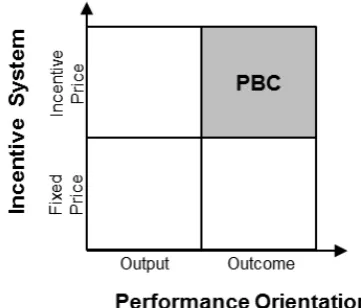
[image:6.595.202.383.133.287.2]made to the business results of the service buyer and pricing depends (at least to a certain extend) on the service performance level that is actually rendered (Figure 1).
Fig. 1. Dimensions of PBC
The remainder of the paper is structured as follows. The upcoming Section 2 discuss extant literature on adjacent areas of system selling, integrated solutions, and procuring complex performance, before positioning PBC research in IM and OSM. The section cumulates in proposing a PBC framework. Next, the papers of the SI and the existing PBC literature are mapped according to the framework, which also leads to the identification of remaining research gaps. These findings are briefly discussed and specific suggestions for future research avenues are provided in the subsequent conclusion section.
2. Performance-based contracting research: State of the art
7
across disciplines and propose an overarching framework of PBC research to further drive systematic research efforts to inform academics and practitioners alike.
2.1. PBC relevance to industrial marketing and purchasing
‘System selling’ or ‘systems marketing’ as pioneered by the industrial marketing literature and dating back to the 1960s (Mattson, 1973) form the roots of solutions provision. System selling is defined as the provision of products and services as integrated systems that provide solutions to client’s operational needs (Page and Siemplenski, 1983). Later, industrial marketing management research heralded the move from ‘system selling’ to ‘solution selling’. Solution selling encompasses the complete activity chain for a client, creating a new role for the seller to become a ‘strategic consultant’ able to foster the client’s value creation processes (Cova and Salle, 2007). Whereas systems selling strategies focus on answering the client’s operational needs (Azimont et al., 1998), solution selling strategies develop the client’s core business. The industrial marketing literature identifies two contrasting pure forms of solutions providers: systems sellers and systems integrators. Systems sellers are vertically integrated organizations producing all (or most) components in-house or in collaboration with a group of firms. Systems integrators are responsible for integrating goods and services supplied by multiple vendors and service providers (Davies, 2004; Prencipe et al., 2003).
8
products and services – and the related tasks - in a solution must be integrated to work together. These labels characterize the ‘service-dominant logic’ (Vargo and Lusch, 2004) and the move towards ‘servitization’ (Vandermerwe and Rada, 1988) for organizations from different sectors. Beyond contract-oriented theories, the service dominant logic (SDL) of Marketing is a key perspective employed to study PBC. It mainly stresses the role of relational governance mechanisms such as trust, collaboration, open communications and information sharing to manage the co-production of service outcomes between the buyer, supplier and other supply chain partners (e.g. Ng et al., 2009). As y mentioned earlier, PBC can be seen as the approach that represents a supply chain application of service-dominant-logic theory (Randall et al., 2010).
The shift towards integrated solutions mainly started with manufacturing firms seeking to expand their revenue income and then it appeared in sectors focused on delivering complex products and systems, so called CoPS (Hobday, 2000). For instance, the aero-engine manufacturer Rolls Royce offers not only aircraft engines to its customers, but also earns revenues from providing ‘total care’ solutions through ’power by the hour’, offering services throughout an engine’s lifecycle to ensure that customers pay for a product in use. Extant research regarding solution provision has investigated this concept from the perspective of either the supplier (Galbraith, 2002), the buyer (Kapletia and Probert, 2009), or the evolving inter-organizational relationship between supplier and buyer. Studies adopting the latter perspective have tended to focus on value co-creation from a consumer goods (Prahalad and Ramaswamy, 2004) and manufacturing industries perspectives (Payne et al., 2008). Value for both, provider and customer, is created by enhancing operating efficiency, enabling market expansion, and mitigating risks throughout the asset’s lifecycle (Cornet et al., 2000).
9
focuses on challenges faced by the provider. Hence, fewer studies focused on challenges associated with this transition from the buyer’s side to explore issues around ‘procuring complex performance’ (PCP) (Caldwell and Howard, 2010). In other words, PCP studies explore the challenges customers of bespoke product-service solutions face (Caldwell et al., 2009). PCP is defined as “inter-organizational arrangements that are characterized by significant levels of performance complexity (i.e. must include numerous knowledge intensive activities) and infrastructural complexity (i.e. must include substantial bespoke or highly customized hardware and software elements)” (Lewis and Roehrich, 2009, p.128). PCP investigates the inherent challenges and complexities of managing operations in environments that have complex infrastructural and performance requirements (Caldwell and Howard, 2014). At the heart of PCP is the notion of adapting to the dynamics of emergent customer requirements particularly across capital intensive sectors such as construction, healthcare, aerospace and defense (Hartmann et al., 2014; Roehrich and Lewis, 2014). Complex performance implies the bundling of product and infrastructure with long-term, often multi decade service support requirements, a combination which produces a number of significant decisions, for instance, through-life asset management, product upgrade strategies, cost and risk modelling, new forms of contractual control and adoption of new business models.
10
(KPIs) is tied to the payment mechanism so as to align supplier incentives to those of the buyer, and various approaches to incentive systems design have been examined in the literature (e.g. Glas et al., 2013). Incentive alignment appears to be more problematic at the supply chain level and extant literature specifically reports on challenges of deploying PBCs in the service provider’s supplier relationships, focusing on issues such as information asymmetries, lack of information sharing, and inability to transfer risk to sub-suppliers (e.g. Selviaridis and Norrman, 2014; Kleeman and Essig, 2013).
2.2.A snapshot of PBC research across disciplines
On the basis of the discussion of the relationship between PBC and the IM and OSM literatures that address relevant concepts (e.g. solutions and PCP), this section outlines PBC research in a broader context. Specifically, it discusses PBC research in contexts beyond the narrow scope of business studies (e.g. health, public administration, transportation, energy and environmental studies) and develops an overarching framework of PBC research.
11
examine information asymmetries in relation to the adoption of PBC in successive buyer-supplier dyads in supply chains (e.g. Kleemann and Essig, 2013).
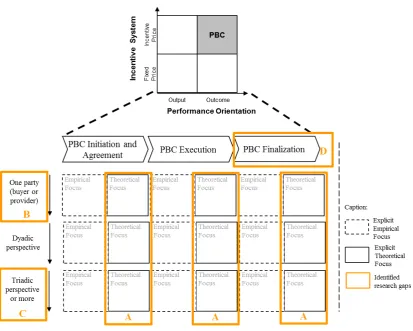
It should be noted, however, that a large body of cross-disciplinary PBC research remains under-theorized as many studies in domains such as health and transportation engineering appear to focus on practical implementation aspects and overall a striking lack of theories exist in PBC research (142 out of 241 analyzed contributions, or approximately 60%, do not mention a theory at all) (Selviaridis and Wynstra, 2015). This reflects a more generic gap in existing PBC research, which appears to lack a sound theoretical or conceptual grounding (referred to as Gap A). As an example, the extant literature has yet to establish a strong theory-based explanation of how performance-based incentives instigate innovation in service design and delivery. Future studies may want to adopt theories that go beyond often used theoretical perspectives and explore, for instance, the behavioral aspects of individual contract managers using PBC.
12
2015) and hence the limited use of certain research methods (e.g. experiments) cannot qualify as a research gap in a broad sense.
Next, existing research refers to various analytical levels. Overall, the cross-disciplinary PBC literature can be classified in terms of the three main levels of analysis: the firm (which also includes the level of individual managers within organizations), the (buyer-supplier) dyad, and the supply chain/network level. The latter also includes studies of outcome-based contract design and management in service triads of buyers, suppliers and end customers (Wynstra et al., 2015). However, PBC research concerning healthcare and social welfare services appears to have only implicitly considered the perspective of the end customer/patient in relation to incentive mechanism design (e.g. Lu and Donaldson, 2000). Research at the firm level can either take a buyer or a service provider perspective although it seems that the majority of studies refer to the buyer-supplier dyad as its primary unit of analysis (Selviaridis, 2011). This is why firm-level (buyer or supplier) research on PBC (Gap B) as well as triadic and network analyses of the phenomenon (Gap C) bear a high potential for future research. For instance, the extant PBC literature has yet to examine whether there are any links between extrinsic financial incentives that are included in the contract, and those offered to employees within the supplier firm. In a similar vein, existing research has underplayed the interactions between extrinsic ‘pay for performance’ incentives and intrinsic ones of supplier employees (e.g. identification with a common purpose and autonomy of action), and their effects on performance improvement and customer satisfaction.
13
relationships (e.g. Selviaridis and Norrman, 2015; Behn and Kant, 1999). Admittedly, such a PBC process perspective differs very little from more generic contract design and management activities emphasized in the broader contracting literature (e.g. Lumineau et al., 2011; Argyres and Mayer, 2007; Eisenhardt, 1989). Overall, the PBC literature appears to have focused mainly on the design and implementation of PBC e.g. factors influencing the design of contracts, barriers of implementation, and the process steps to implement a PBC. Existing research appears to have put less emphasis on how PBCs are actually managed and re-designed or adapted over time to allow for changing requirements and environmental circumstances, and how termination of PBCs is managed to facilitate the dissolution of buyer-supplier relationships or facilitate the transition to another service provider. The above issues in relation to the execution and finalization phases of PBC are identified as another major area for future research (Gap D).
Taken together, the four research gaps could be structured according to the contracting process stages, namely initiation, execution and finalization. Although these phases might be named differently in the literature (see van Weele, 2005; van der Valk and Rozemeijer, 2009), relationship and contractual phases can be subsumed in these main three phases (e.g. Zheng et al., 2008; Essig and Batran, 2005).
14
Fig. 2. Broad knowledge gaps in PBC research
3. Focus of the special issue articles
15
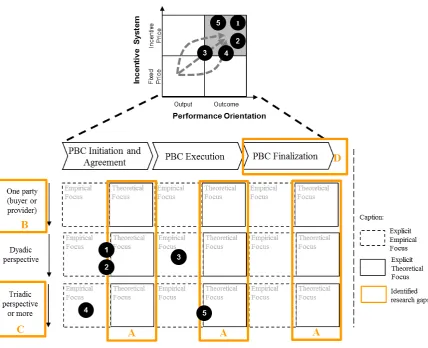
Fig. 3. Systematization of the SI articles according to the PBC research framework
16
implications for PBC agreement (contract design, contract philosophy) and how business partners in a PBC relationship should collaborate.
Another paper which analyzes the roles of the buying firm in PBC is entitled “Outcome Attributability in Performance-based Contracting: Roles and Activities of the Buying Organization” and is authored by Fabian Nullmeier, Finn Wynstra, and Erik van Raaij (Paper No. 2). The paper suggests that buying firms have an important part to play in co-producing service outcomes. Outcome uncertainty is introduced insofar as outcomes are only partly a function of supplier effort and inputs. This paper explores the construct of “outcome attributability” by investigating two case studies (a train operator and a university hospital) and interviewing personnel at both the buying and supplying organizations. Roles and contractual activities are assessed in both cases and lead to a conceptual model which contributes to the understanding of which external factors, buyer roles, and buyer engagement in monitoring and coordination, impacts on outcome attributability.
17
procedure (e.g. including Memorandum of Understandings) which could be used to overcome implementation barriers in the collaboration process in the PBC relationship.
While the previous papers adopt a dyadic perspective, Stefanos Mouzas’s paper entitled “Performance-based contracting in long-term supply relationships” investigates how firms and their supply chains agree upon performance targets and the incentive and compensation mechanisms (Paper No. 4). For this purpose, the research applied a qualitative approach analyzing six cases with interviews of 83 key individuals, from board members to logistics specialists. Together the cases form a supply relationship network between two service providers, two manufacturers, and two retailer companies, which is used to analyze how “genuine consent” about performance targets and incentives is emerging in a PBC.
Finally, the paper by Mickey Howard, Zhaohui Wu, Nigel Caldwell, Fu Jia, and Christian König offers in-depth insights into the dynamics of PBC in the defense industry in
their paper entitled “Performance-based Contracting in the Defense Industry: Exploring
18
4. Discussion: Remaining PBC research gaps and future research avenues
Overall, the five contributions of this SI clearly address incentive price mechanisms and outcome performance. Two papers address strategies and consent building to overcome implementation barriers to PBC. Stefanos Mouzas’s paper places a stronger focus on consent about performance targets, while the paper by Johanna Liinamaa and colleagues provides a comprehensive analysis of value-based outcomes and pricing (incentive) mechanisms. The above suggest that all papers fit into the PBC quadrant of our performance-incentive matrix (Figure 1).
Considering the use of theories and the empirical methods, all papers in the SI are based on case study research. Although the five contributions analyze a large amount of interviews and other primary and secondary data sources, some of which stretch over a long time period, the papers’ core is qualitative in nature. This is partly in line with the findings from a recent literature review on PBC, which found that case studies are one of the most prominent research methods in PBC research besides mathematical modelling (Selviaridis and Wynstra, 2015). Quantitative empirical research including surveys and field experiments are less frequently used in PBC studies. This is a bit surprising given the potential of experimental designs to address behavioral aspects (e.g. information processing capacity and risk attitude of individual managers) relevant to inter-firm contracting (e.g. see Weber and Mayer, 2011). Regarding theoretical perspectives, the papers are grounded on key theories such as agency theory and management control theory. That means that these papers contribute towards closing the identified research Gap A. However, there is still a need for further quantitative, theory-testing work on the PBC phenomenon.
19
PBC is often analyzed considering both sides of the dyad the buyer and the provider (Selviaridis, 2011). The majority of research on service supply chain relationships is based on a dyadic perspective (Selviaridis and Norrman, 2014). Therefore, it would come as no surprise to recommend that future research puts more emphasis on firm-level studies (Gap B). On the other hand, two papers adopted a triadic or network perspective clearly addressing Gap C, even if it is agreed that several questions still remain open. Prospective fields of interest remain e.g. in improving the understanding of how PBC links to the buying firm’s supply strategy. One could argue that there is not actually “one” (functional) purchasing strategy, instead strategies are formulated on the category level (Hesping and Schiele, 2015). Nevertheless, PBC can serve both as a means of buying a solution as discussed in section 2.1, or as a preferred buying strategy – in any case, the design and implementation of PBC needs to be aligned with a company’s strategic sourcing drivers.
From a supplier’s perspective, future research should empirically examine how the extrinsic financial incentives offered at the supplier firm translate into financial or non-financial incentives for employees within the firm to motivate them to contribute to customer performance improvement. Such research should also study the interplay of pay for performance incentives with any intrinsic motivations of employees (e.g. Fehr and Falk, 2002) in order to develop a more nuanced understanding of the potential of PBC to motivate supplier-led performance improvements and innovation.
20
longitudinal approach which contributes to an analysis of the PBC phenomenon across the stages of the contracting process. Nonetheless, the question whether a PBC contract should be prolonged, adapted (or even changed to another contract type) has been largely underplayed in the literature. PBC is not a new topic, but a scientific interest has re-surfaced during the last decade and empirical research in this area is still growing. That might be a reason why the literature focuses on the implementation and execution problems, rather than thinking holistically and addressing the PBC finalization phase (see Gap D). Future research should empirically examine how the termination of PBC is managed in practice, and whether the threat of termination can be used as a means to incentivize changes in behaviors for both provider and buyer. In addition, further empirical research is needed to examine how the design of performance-based contracts and associated incentive systems evolves in the context of long-term relationships to reflect exchange- and partner-specific learning (e.g. Mayer and Argyres, 2004). A longitudinal approach would be most appropriate to research such dynamics.
5. Conclusion
21
Nevertheless, the implementation of PBC in business markets together with the wider economic trend towards “use not own” are interesting future research areas. In the introduction we highlighted that business markets develop from “buying” to “using”, resulting in a transition from “one time payments” to “subscription” payments – e.g. monthly payments for car sharing / mobility service provision instead of buying a car. As a result, a fixed cost approach is becoming less viable for OEMs – and they have to find ways of how to share their employment risk with their suppliers. The PBC approach is one solution to transfer the “pay per use” business model adopted in B2C markets to B2B markets. This potentially results in the formation of a performance-based inter-organizational network or a PBC-oriented supply chain.
22
References
Argyres, N., & Mayer, K. (2007). Contract design as a firm capability: An integration of learning and transaction cost perspectives. Academy of Management Review, 32 (4), 1060-1077.
Axelsson, B. & Wynstra, F. (2002). Buying Business Services. Chichester: Wiley.
Azimont, F., Cova, B., & Salle, R. (1998). Solution selling and project marketing: a convergence towards customer intimacy for joint construction of offer and demand.
Communication at the 14th IMP Annual Conference, Turku, Finland September 1998, Proceedings, Vol. 1, 113-132.
Behn, R. & Kant, P. (1999). Strategies for avoiding the pitfalls of performance contracting."
Public Productivity and Management Review, 22 (4), 470-489.
Bertone, M. P. & Meessen, B. (2013). Studying the link between institutions and health system performance: a framework and an illustration with the analysis of two performance-based financing schemes in Burundi." Health Policy and Planning, 28 (8), 847-857.
Brucker, D. L. & Stewart, M. (2011). Performance-based contracting within a state substance abuse treatment system: A preliminary exploration of differences in client access and client outcomes. Journal of Behavioral Health Services and Research, 38 (3), 1-15.
Brax, S.A. & Visintin, F. (2016). Meta-model of servitization: The integrative profiling approach, Industrial Marketing Management, In press.
Caldwell, N.D. & Howard, M. (2010). Procuring Complex Performance: Studies of Innovation in Product Service Management, Routledge: New York, NY.
Caldwell, N. & Howard, M. (2014). Contracting for complex performance in markets of few buyers and sellers", International Journal of Operations & Production Management, Vol. 34 Iss 2 pp. 270 – 294.
Caldwell, N.D., Roehrich, J.K. & Davies, A.C. (2009). Procuring complex performance in construction: London Heathrow Terminal 5 and a Private Finance Initiative hospital.
Journal of Purchasing & Supply Management, 15, 178-186.
Cornet, E., Katz, R., Molloy, R., Schaedler, J., Sharma, D., & Tipping, A. (2000). Customer solutions: from pilots to profits. Booz, Allen & Hamilton Viewpoint, 1-16.
23
Datta, P.P. & Roy, R. (2011). Operations strategy for the effective delivery of integrated industrial product-service offerings: Two exploratory defense industry case studies.
International Journal of Operations & Production Management, 31 (5), 579-603.
Davies, A. (2004). Moving base into high-value integrated solutions: a value stream approach. Industrial and Corporate Change, 13 (5), 727-756.
Davies, A., Brady, T., & Hobday, M. (2006). Charting a path toward integrated solutions.
Sloan Management Review, 47, 39-48.
Earley, K. (2016). Access over ownership is the future of consumption. Retrieved from www.theguardian.com/sustainable-business/access-over-ownership-future-consumption. Eisenhardt, K. (1989). Agency theory: An assessment and review. Academy of Management
Review, 14 (1), 57-74.
Essig, M., & Batran, A. (2005). Public–private partnership—Development of long-term relationships in public procurement in Germany. Journal of Purchasing & Supply Management, 11 (5-6), 221-231.
Fehr, E. & Falk, A. (2002). Psychological foundations of incentives. European Economic Review, 46, 687-724.
Galbraith, J.R. (2002). Organizing to deliver solutions. Organizational Dynamics, 31 (2), 194-207.
Glas, A., E. Hofmann & Essig, M. (2013). Performance-based logistics: A portfolio for contracting military supply. International Journal of Physical Distribution & Logistics Management, 43 (2), 97-115.
Gransberg, D. D. (2010). Framework for performance-based contractor prequalification.
Transportation Research Record, 2151, 46-54.
Guo, L. & Ng, I. (2011). The co-production of equipment-based services: An interpersonal approach. European Management Journal, 29 (1), 43-50.
Hartmann, A.; Roehrich, J.K.; Frederiksen, L. & Davies, A. (2014). Procuring complex performance: the transition process in public infrastructure. International Journal of Operations & Production Management, 32 (2), 174-194.
Hensher, D. A. & Stanley, J. (2008). Transacting under a performance-based contract: The role of negotiation and competitive tendering. Transportation Research Part A: Policy and Practice, 42 (9), 1143-1151.
Hesping, F. H., & Schiele, H. (2015). Purchasing strategy development: A multi-level review.
24
Hobday, M. (2000). The project-based organization: an ideal form for managing complex product systems. Research Policy, 29 (7), 871–893.
Holmbom, M., Bergquist, B., & Vanhatalo, E. (2014). Performance-based logistics – an illusive panacea or a concept for the future? Journal of Manufacturing Technology Management, 25(7), 958–979.
Hooper, L. (2008). Paying for performance: Uncertainty, asymmetric information and the payment model. Research in Transport Economics, 22 (1), 157-163.
Hypko, P., Tilebein, M. & Gleich, R. (2010). Clarifying the concept of performance-based contracting in manufacturing industries: A research synthesis." Journal of Service Management, 21 (5), 625-655.
Kapletia, D., & Probert, D. (2009). Migrating from products to solutions: an exploration of system support in the UK defense industry. Industrial Marketing Management, 39 (4), 582-592.
Kim, S. H., Cohen, M. A. & Netessine, S. (2007). Performance contracting in after-sales service supply chains. Management Science, 53 (12), 1843-1858.
Kim, S. H., Cohen, M. A., Netessine, S. & Veeraraghavan, S. (2010). Contracting for infrequent restoration and recovery of mission-critical systems. Management Science, 56 (9), 1551-1567.
Kleemann, F. C. & Essig, M. (2013). A providers' perspective on supplier relationships in performance-based contracting. Journal of Purchasing and Supply Management, 19 (3), 185-198.
Kreye, M.; Roehrich, J. K. & Lewis, M.A. (2015). Servitizing manufacturers: The importance of service complexity and contractual and relational capabilities. Production Planning & Control, 26 (14-15), 1233-1246.
Levin, J. (2003). Relational incentive contracts. The American Economic Review, 93 (3), 835–857.
Lewis, M.A., & Roehrich, J.K. (2009). Contracts, relationships and integration: towards a model of the procurement of complex performance. International Journal of Procurement Management, 2 (2), 125-142.
Lumineau, F., Frechet, M. & Puthod, D. (2011). An organizational learning perspective on the contracting process. Strategic Organization, 9 (1), 8-32.
25
Maille, P. & Collins, A. R. (2012). An index approach to performance-based payments for water quality. Journal of Environmental Management, 99, 27-35.
Martin, L. L. (2007). Performance-based contracting for human services: A proposed model.
Public Administration Quarterly, 31 (2), 130-151.
Mattson, L-G. (1973). Systems selling as a strategy on industrial markets. Industrial Marketing Management, 3, 107-120.
Mayer, K., & Argyres. N. (2004). Learning to contract: Evidence from the personal computer industry. Organization Science, 15 (4), 394-410.
Meezan, W. & McBeath, B. (2008). Market-based disparities in foster care outcomes.
Children and Youth Services Review, 30 (4), 388-406.
Ng., I.C.L., Maull, R., & Yip, N. (2009). Outcome-based contracts as a driver for systems thinking and service-dominant logic in service science: Evidence from the defence industry, European Management Journal, 27 (6), 377-387.
Page, A.L., & Siemplenski, M. (1983). Product systems marketing. Industrial Marketing Management, (12), 89-99.
Pawar. K.S., Beltagui, A., & Riedel, J. C.K.H. (2009). The PSO triangle: designing product, service and organisation to create value. International Journal of Operations & Production Management, 29 (5), 468-493.
Payne, A.F., Storbacka, K., & Frow, P. (2008). Managing the co-creation of value. Journal of the Academy of Marketing Science, 36, 83-96.
Prahalad, C.K., & Ramaswamy, V. (2004). Co-creating unique value with customers.
Strategy & Leadership, 32(3), 4-9.
Prencipe, A., Davies, A., & Hobday, M. (2003). The business of systems integration. Oxford: Oxford University Press.
Randall, W. S., Pohlen, T. L., & Hanna, J. B. (2010). Evolving a theory of performance based contracting using insights from servcie dominant logic. Journal of Business Logistics 31 (2), 35–62.
Randall, W. S., Wittmann, C. M., Nowicki, D. R., & Pohlen, T. L. (2014). Service-dominant logic and supply chain management: Are we there yet? International Journal of Physical Distribution & Logistics Management, 44 (1/2), 113–131.
26
Sawhney, M., Balasubramanian, S., & Krishnan, V.V. (2004). Creating growth with services.
MIT Sloan Management Review, 45 (2), 34-43.
Seedhouse, E. (2013). SpaceX: Making commercial spaceflight a reality, New York, Springer Science & Business Media.
Selviaridis, K. (2011). Performance based contracting: State of the art and future directions. In Rozemeijer, F., Wetzels, M. and Quintens, L. (Eds.) Proceedings of the 20th Annual IPSERA Conference: 20/20 Vision: Preparing Today for Tomorrow’s Challenges, 10-13 April 2011, Maastricht, Netherlands, 514-534.
Selviaridis, K., & Norrman, A. (2015). Performance-based contracting for advanced logistics services: Challenges in its adoption, design and management. International Journal of Physical Distribution & Logistics Management, 45 (6), 592 – 617.
Selviaridis, K., & Norrman, A. (2014). Performance-based contracting in service supply chains: a service provider risk perspective. Supply Chain Management: An International Journal, 19 (2), 153–172.
Selviaridis, K., & Wynstra, F. (2015). Performance-based contracting: a literature review and future research directions. International Journal of Production Research, 53 (12), 3505– 3540.
Spring, M. & Araujo, L. (2014). Indirect capabilities and complex performance. International Journal of Operations & Production Management, 34 (2), 150 – 173.
Tuli, K.R., Kohli, A.K., & Bharadwaj, S.G. (2007). Rethinking customer solutions: from product bundles to relational processes. Journal of Marketing, 71, 1–17.
van der Valk, W. & Rozemeijer, F. (2009). Buying business services: towards a structured service purchasing process. Journal of Services Marketing, 23 (1) 3–10
Vandermerwe, S., & Rada, J. (1988). Servitization of business: adding value by adding services. European Management Journal, 6 (4), 314-324.
van Weele, A. J. (2014). Purchasing and Supply Chain Management - Analysis, Strategy, Planning and Practice, 6th Ed., Andover, Cengage Learning.
Vargo, S., & Lusch, R. (2004). Evolving to a new dominant logic for marketing. Journal of Marketing, 68, 1–17.
Weber, L. & Mayer, K. J. (2011). Designing effective contracts: Exploring the influence of framing and expectations. Academy of Management Review, 36 (1), pp. 53-75.
27