2018 International Conference on Applied Mechanics, Mathematics, Modeling and Simulation (AMMMS 2018) ISBN: 978-1-60595-589-6
Full Time Domain Storage Method for Power Grid Data
Zhong-hua GUO
1,*, Yong-ji WANG
2, Yan-zhe GUO
2and Wei-xi WANG
31
China Electric Power Research Institute, Haidian District, Beijing 100192, China
2
China Energy Construction Group Liaoning Electric Power Survey and Design Institute Co., Ltd.
3
School of electrical engineering, Southeast University *Corresponding author
Keywords: Power object, Holographic full time domain storage, Power grid data view, Holographic full time domain management method.
Abstract. In this paper, a storage definition and management method of information and data holographic complete survival process management for power system operation and management is proposed, including information structure definition and storage and storage management methods. Specifically, it provides a definition and storage of power system data full-time management and storage service management method. It implements information and data management in power system, and realizes power system hologram or defines area and scope by a definition and storage management mechanism suitable for information full-change process storage. The management of the whole time and changing process of information. It can provide data view of time section for different applications of power system.
Introduction
Holographic full time domain management, complex and huge management and operation information in power system, and data process record management for management purpose activity time in the whole life cycle.
Electrical objects, basic power system management and operation, such as equipment, information and other unit objects. Generally, the frequency of data change of managed objects is low, while the frequency of data change of running objects varies from low to very high, depending on the type of data information.
Holographic holed time domain data management method. It is the foundation of power system management and operation control. By defining reasonable power system objects and supporting holographic and full time-domain management methods, the software implementation of basic data requirements such as establishment, query, analysis and preservation for power system operation and management applications is realized.
The formation of the national large power grid makes the scale and scope of power grid data become very large and extensive; the operation characteristics of power grid and the application and management of dispatch control are also extremely complex, especially for the requirements of data and the experience acquisition of data knowledge, it is necessary to provide holographic data and process management from time, region and type. It is the core task of power system data management and service that the management and service requirements of such huge, complex and extremely time-related data information meet the management and operation of power grid.
How to effectively define and store full-time management and service methods with such complex dimension data is the difficulty and focus of power grid data management.
Technical and definition methods
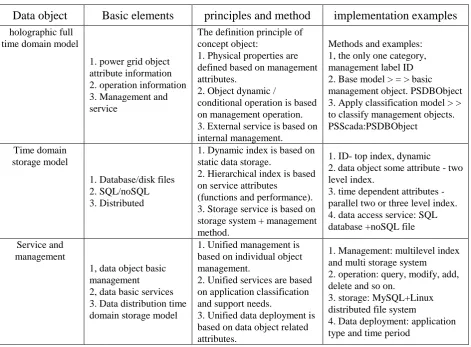
[image:2.595.65.537.140.487.2]This paper provides a definition and storage method of holographic full time-domain data of power system, and a definition suitable for software implementation.
Table 1. A definition and storage method of holographic full time-domain data.
Data object Basic elements principles and method implementation examples
holographic full time domain model
1. power grid object attribute information 2. operation information 3. Management and service
The definition principle of concept object:
1. Physical properties are defined based on management attributes.
2. Object dynamic /
conditional operation is based on management operation. 3. External service is based on internal management.
Methods and examples: 1, the only one category, management label ID 2. Base model > = > basic management object. PSDBObject 3. Apply classification model > > to classify management objects. PSScada:PSDBObject
Time domain storage model
1. Database/disk files 2. SQL/noSQL 3. Distributed
1. Dynamic index is based on static data storage.
2. Hierarchical index is based on service attributes
(functions and performance). 3. Storage service is based on storage system + management method.
1. ID- top index, dynamic 2. data object some attribute - two level index.
3. time dependent attributes - parallel two or three level index. 4. data access service: SQL database +noSQL file
Service and management
1, data object basic management
2, data basic services 3. Data distribution time domain storage model
1. Unified management is based on individual object management.
2. Unified services are based on application classification and support needs.
3. Unified data deployment is based on data object related attributes.
1. Management: multilevel index and multi storage system 2. operation: query, modify, add, delete and so on.
3. storage: MySQL+Linux distributed file system
4. Data deployment: application type and time period
This storage definition method of power system data holographic full time domain management is based on the following steps, and software system considerations based on software and related technology applications.
1) Based on data sources and uses, we plan and establish a hologram full time domain model for power grid data objects.
2) The storage method and storage mechanism are determined by the hologram full time domain model of power grid data objects.
3) Design a power grid data object management method based on the effective storage method. 4) Determine the quality attributes (capacity and performance) guarantee mechanism according to the determined model, storage and management requirements.
Definition Method of Full Time Domain Data Management Framework
The basic requirements of holographic complete time-domain data management include the establishment and management of full-time process information of power system by providing data management services convenient for deployment at different data sources. By means of data service method, a time-related data view is provided for power system management and operation, which defines the time-related data view that meets the definable requirements.
Holographic Full Time Domain Data Management Software Implementation Method
The basic idea of holographic complete time-domain data management is to define the storage and management of power data objects, support the whole process of data holography and time, and implement software management methods.
The definable object type and the rule of uniquely naming power object can configure the object attribute information arbitrarily, and realize the data definition and management of different management in power system.
Data generation source implements holographic data construction through remote method of data management service; application system of power grid management and operation control can also obtain data view information with specified purpose and scope by means of data service method. For large-scale data, real-time version, data event sequence management and incremental version management are adopted to track changes and manage the whole process.
Holographic Full Time Domain Data Representation and Storage Model Semantics
The basis and key of holographic full time domain data management is to define an effective data representation and storage mechanism.
A basic power system object is defined to represent the information description of objects with unique number and type assignment and related physical attributes in the power system, including physical behavior related to physical attributes, object association behavior, etc.
The time change management of power object based on attribute data dictionary change management is defined to record the change of power object with minimum information.
Define a storage structure model with high matching degree with electric power object, and use storage system and data management system to efficiently realize data management and service in the whole process of holographic power system.
Idea and Method of Data Storage Design
The main storage design ideas include:
1) Hierarchical index, by analyzing the characteristics of management objects, design
Object type, object and object attribute are three levels of index mechanism to manage power data objects. Object types can be defined according to the purpose of management requirements, such as data objects related to operation in operation management, which can be classified according to region, voltage level, etc. They can also be classified according to the physical attributes of devices and components. Objects are the only named management objects belonging to a certain type, such as CB2000 of switch type. Objects; Object attributes are defined as static or dynamic attributes that a specific management object participates in.
2) Static index and dynamic record. This is the main design to support large scale data storage and by identifying the object.
Static information is used as index to record dynamic and changeable attribute information.
Data Storage Software Implementation Methods and Performance Assurance Methods
1) Requirements for software implementation of storage mechanism.
Memory mechanism completely defines the memory mechanism of hierarchical index, static index and dynamic record information.
Data containers, which are implemented by software compiler systems, define the storage concepts of the basic design.
The database stores and establishes management by using relevant design concepts by using database tables.
2) Software Performance Assurance For Storage Design And Storage Mechanism
Service time: Storage, retrieval, modification and deletion of basic management objects, through storage design and flexible operation of storage mechanism, ensure the maximum capacity of time performance requirements.
Data Management Framework Definition and Technology Implementation Method
By conceptualization and software, the storage definition method of holographic complete time domain management of power system data is realized.
Definition for the Power grid Data Holography Full Time Domain Storage Model
By defining the computer representation model of power grid data objects within the scope of management requirements, the power grid data that will need to be managed will be modeled, and it is conducive to the software implementation of storage and data services.
Storage Method and Mechanism Definition
1) computer representation definition of power grid data objects
2) database storage and representation definition of power grid data objects 3) definition of storage management method for power grid data objects
Power Grid Data Object Management Method
This mainly defines the operation and management methods of single object time-interval and batch object time-varying zone, such as the establishment, deletion and information query of data object storage management.
1) establishment and management of power grid data objects 2) power grid data object data manipulation
3) data retrieval of power grid data objects
Quality Attribute (Capacity and Performance) Guarantee Mechanism Method
1) Sub index mechanism: it can be based on type, object and attribute. More hierarchical indexes design ensures the direct positioning of management objects, and supports the modification of dynamic types and attributes, as well as the management of variable object attributes.
2) Dynamic and static combination: static storage index information; index information to invariant information is preferred; changeable information is stored dynamically and defined with minimum information unit (object).
3) Memory/disk integration: according to the memory and the memory of the computer system. The status of disk storage resources, and according to the characteristics of the generation and use of managed data objects, automatically establish data storage with suitable specifications and standards combined with internal and external memory; general index information maintains memory management, while recording information, especially producing low frequency of change, or low frequency of use of types of objects, timing and quantitative adoption. Internal and external storage management technology can be adjusted proportions.
4) Data quality checking: power system objects besides basic attributes, also designs behavioral operation management that conforms to its basic physical characteristics, including attribute value quality management in type objects, object relationship management operations, etc.
Realization for Software of Technical Scheme
Definition of Full Time Domain Storage Model for Power Flow Hologram
Object types: parameters, components, calculation data, operation data, generators, transformers, calculation configuration and control data, calculation results data, etc.
Object: each information record (unique ID);
Object properties: same as the record fields defined in the actual system. The object type is: default.
Storage Mechanism (Software Structure Design)
1) Design of memory (C++) represents:
typedef std::map<std::string, long, std::less<std::string> > NAME2ID;
//定义一种NAME-ID的对应类型,用于内部存储实现时快速索引
typedef std::map<Date,std::string,std::less<Date> > TIMESTRVALUE;
//定义一种时刻的字符数值
对象类管理:
class EDType {}
//电力对象类型定义
NAME2ID g__EDTypes;
//系统中管理了的对象类型;定义一种类型命名的INT-ID对应
int g__maxEDType;
//定义系统中已经管理的对象的类型量
对象管理:
class EDObject {}
//电力对象定义
NAME2ID g__EDObjects;
//系统中管理了的对象;定义一种类型命名的INT-ID对应
int g__maxEDObjects;
//定义系统中已经管理的对象数
对象性质定义:
[可单独定义类或者作为EDObject的语言对象属性] NAME2ID m_AttrMap;
//属性对应表
int m_maxAttrs; //已经建立管理的属性
std::vector< std::string> m_AttrValues;
//属性按照ID排序的字符型表示的最新值 TIMESTRVALUE *m_AttrVerValues;
//属性的版本值;ID对应关系与m_AttrMap系统
2) Design of database table representation:
Index table of storage system:
EDType_Index system managed power object type index
EDObject_EDTypeXXXX_Index some kind of power object index
EDObjectAttrs_EDTypeXXXX_Index some kind of power object attribute index List of objects:
EDObject_EDTypeXXXX manages some kind of list of power objects.
EDOIDXXXX_AttrIDXX manages some kind of power object property [time value].
3) Management method
The required functions can be achieved by defining management classes and designing management methods, or by defining standard APIs.
boolAddEDObect(Date , EDObject);
bool AddEDAccount(EDObject& P_DBObject, Date& P_Date);
bool RemoveEDAccount(EDObject &P_DBObject);
EDOAccount &SearchEDAccount(EDObject &P_DBObject);
EDObject* SearchEDObject(EDObject &P_DBObject, Date &P_Date);
bool PurgeEDOState(Date& P_Date);
The Basic Algorithm, Including New, Deleted, Single Query Information.
And batch object management.
1) New / added object management (basic) algorithm:
1-1 check the type information of power object EDObject EDType 1-2 index management list established in index management system.
If 1-2-1 has already set up the object, it gets its management from the type index management. EDTypeID used in the system.
If 1-2-2 does not have this object, it will be added to the type index management table and set up phase.
The management information should be provided; at the same time, the new distribution type EDTypeID should be obtained. 1-3 use EDTypeID to join directly on the list of object management classes.
1-3-1 inspecting the naming information EDOName of electric objects (unique, at least in classification) and in
The object index list of this type object management list checks whether the management of the object has been established. 1-3-2 if it has established the management of the object, get its EDOID from its object index list.
If 1-3-3 does not establish the management of the object, it establishes management in the object index list and returns it. Allocated EDOID
1-4 locate the object location directly in the object management list by using the EDOID obtained, and implement the new location. The addition of the building and the new version of the existing objects.
1-4-1 adds new management objects, localizing object location, recording power object information, and generating correlation. The initial creation management attribute index list and so on;
1-4-2 has an object that records the current time from the location of the location object by using the power object information written. And previous attribute change information; modify attribute index list information and so on.
2) Object management delete / erase algorithm
2-1 power object deletion, can specify a single object or batch of objects to carry out; according to the specified power. Object to manipulate the location of the index list of objects, set deletion markup and concatenate its list of managed objects. The state of the object is deleted.
The 2-2 type of object deletion, setting the delete state in the type index list and managing the column in the object index list. The "delete" management state is set in the table.
The 2-3 object property also sets "delete" information on its index list and management list.
2-4 delete information to provide logical processing information for query, index, add / update object management. 2-5 cleaning operation, entity deletion, unable to query the object information being cleared.
3) Retrieval / query object management algorithm
3-1 check the type information of power object EDObject EDType 3-2 type index list established in index management system.
3-2-1 If the object management has been established and its management status is "normal", it is managed from the type index. The EDTypeID used in its management system is obtained.
3-2-2 otherwise, set up query empty result information directly.
3-3 use EDTypeID to search on the index and management list of its object management class.
3-3-1 checks the naming information EDOName of electric objects (unique, at least in classification) and in that type. The object index list of the object management list checks whether the management of the object has been established. If 3-3-2 has been established to manage and state "normal", get its EDOID from its object index list.
To determine the matching time between normal time and query time, if object is met, execute object query; otherwise, do not enter. Follow up query work and set up query empty result information directly.
If 3-3-3 has been established to manage, but the state is "deleted", the query empty result information should be set up directly. 3-4 locate the location of the object directly in the object management list by using the EDOID obtained, according to the time. Object information in the time version of information architecture.
3-4-1 current information returns directly to the attribute value;
When 3-4-2 specifies the time, it is necessary to obtain the time-matching attribute values from the time series values of each attribute. The power object information with complete attribute time value is returned.
Conclusion
The storage definition method of holographic and full time domain management of power data defined in this paper can support the effective realization of the whole process and all-round information management software system of power data of any type and management purpose. Manage the management of type, object and attribute completely; management time and process can be chosen arbitrarily.
The designed storage management algorithm also meets the huge data management performance requirements, such as system management capacity, service time performance and so on.
The method designed in this paper mainly defines information and storage structure for the whole process management of large-scale and high-frequency changing data and so to simplify and efficiently implement the software system for its management requirements.
The data range that can be managed includes any data that need time domain process management, such as power grid equipment information, operation information, power grid simulation and application analysis data.
References
[1]soapversion 1.2 Http://www.w3.org/TR/2007/REC-soap12-part1-20070427/
[2]Robert van Engelen. gSOAP 2.8.13 User Guide [J]. GENIVIA INC, GENIVIA
[3]Guo Zhonghua. Design of power grid data management plan [R]. Beijing: China Electric Power Research
Institute, 2012.
[4]IEC 61970 standard series
[6]Li Jianhua, Cao Lu, Zhuangkanqin. Research on East China Power Grid Computing Unified Data Management Platform [J]. East China Power, 2013, 41 (1): 69-72.
[7]Li Mao, Jia Hong, Li Yanming and others. New data model for cloud data management [J]. Computer
Engineering and Design, 2012, 33 (10):: 3870-3876.
[8]Li Fang, Chen Yong, Zhang Songshu, et al. [J]. Research on related technology of large power grid unified
database construction [J]. Power grid technology, 2013, 37 (2): 417-424.
[9]Bai Hongwei, Ma Zhiwei, Song Yaqi. Processing of Smart Grid Status Monitoring Data Based on Cloud
Computing [J]. East China Power, 2011, 39 (9): 1485-1488.
[10]Song Baoyan, Zhang Hongmei, Wang Yan and others. Data storage methods supporting large-scale smart grid
[J]. Computer applications, 2012, 32 (9): 2496-2499, 2537.
[11]Wang Dewen. Power Data Center Infrastructure and Key Technologies Based on Cloud Computing [J]. Power
System Automation, 2012, 36 (11): 67-71, 107.
[12]Ding Jie, Xi Houwei, Han Haiyun, etc. Data-intensive cloud storage strategy for smart grid [J]. Power system
automation, 2012, 36 (12): 66-70, 100.
[13]Chen Hongyin, Bo Subin, Li Weidong, et al. Research and application of global grid resource aggregation
architecture [J]. Power grid technology, 2012, 36 (2): 35-42.
[14]Chen Yan, Song Ruochen. Design and implementation of data-level disaster recovery system for power grid
enterprises [J]. East China Power, 2011, 39(10): 1694-1696.
[15]Tang Yuezhong, Ruan Qianfu, Cao Jinzhang, etc. Development of Integrated Data Platform for Power Grid