Theses & Dissertations Boston University Theses & Dissertations
2017
Best practice model for a
community-based level II fieldwork
program
https://hdl.handle.net/2144/27064 Boston University
SARGENT COLLEGE OF HEALTH AND REHABILITATION SCIENCES
Doctoral Project
BEST PRACTICE MODEL FOR A COMMUNITY-BASED LEVEL II FIELDWORK PROGRAM
by
GEORGINA K. PHELPS B.S., University of Nevada, 1974 M.A., University of Southern California, 2002
Submitted in partial fulfillment of the requirements for the degree of Doctor of Occupational Therapy
© 2017 by
GEORGINA K. PHELPS All rights reserved
Academic Mentor
Julie Ann Nastasi, Sc.D., OTD, OTR/L, SCLV, CLA, FAOTA Lecturer of Occupational Therapy
Academic Advisor
Karen Jacobs, Ed.D., OT, OTR, CPE, FAOTA Clinical Professor of Occupational Therapy
iv
DEDICATION
I would like to dedicate this work to my mom and dad, George and Rita Phelps,
who always encouraged me to work hard and pursue my love of learning; to my son, Jesse, whom I love dearly;
v
ACKNOWLEDGMENTS
Many people supported me during this two-year long process of earning my doctoral degree. I would like to thank them for their support and dedication. Julie Nastasi, my academic mentor, provided countless hours reviewing my work in a timely manner, offering support and advice and keeping me on track to finish on time. Her work ethic and dedication to the profession are truly inspiring. Lorie Brinkman, my peer mentor, was always available and read through my work several times, finding even the smallest of mistakes. She made me laugh. Karen Jacobs was incredibly patient and supportive, especially the last two weeks when it seemed that there were so many obstacles to overcome. She is an incredible role model and such a pleasure to know. I would also like to thank all of my instructors who each offered a special contribution. Wendy Coster encouraged an appreciation for theory that has enhanced by professional identity and made me a better teacher. Nancy Doyle’s class was near and dear to my heart and provided a new perspective on wellness and program development that will benefit my work in the community. Karen Duddy was always insightful and supportive, with great advice and a good story to tell. Linda Niemeyer’s courses were invaluable in providing me with an understanding of research that enabled me to work through all of the articles and studies with a keen eye. She also contributed to improving my writing. Diane Mayfield was one of my Circle of Advisors who read my work and provided a realistic perspective. She has always been supportive of me and my love for community-based work. I would like to thank Terry Peralta-Catipon, my program director from California State University Dominguez Hills, for inviting me to join the faculty fieldwork team at
vi
CSUDH and for supporting me as I venture out to implement my program at a
community-based fieldwork site. Thanks to Steve Colman, executive director at Century Villages at Cabrillo, for agreeing to an OT pilot program on the CVC campus. And lastly, I would like to thank my mother for financing my education, and all of my family and friends who understood and supported my decision to take the leap and pursue a life-fulfilling goal.
vii
BEST PRACTICE MODEL FOR A COMMUNITY-BASED LEVEL II FIELDWORK PROGRAM
GEORGINA K. PHELPS
Boston University, Sargent College of Health and Rehabilitation Sciences, 2017 Major Professor: Julie Ann Nastasi, Sc.D., OTD, OTR/L, SCLV, CLA, FAOTA,
Lecturer of Occupational Therapy
ABSTRACT
Social and political movements over the past few decades have contributed to the need for more occupational therapy (OT) services in the community for mental health, wellness, recovery from substance use disorder, and homelessness. There has been a sharp increase in the number of OT educational programs since the 1970s, as well as a paradigm shift from a medical model to a socio-political or community service model that is more in keeping with the original principles of OT. Yet only 2% of occupational therapists currently work in the community. All of these factors have contributed to a severe shortage of fieldwork (FW) sites, especially in the community.
To address the need for more FW sites to train students for practice in the community, a best practice model for community-based Level II FW was created. The goals of the Level II FW program are to support the development of a student’s unique professional identity and to prepare students for entry-level practice. Because there will be limited supervision by a fieldwork educator (FWEd) on-site, the model is based on the principles of Adult Learning Theory including self-directed learning (SDL), collaborative learning, and experiential learning with self-reflection. The components of the program
viii
include an online, interactive wiki-based website that will be accessible to the FWEd and students both on- and off-site. The website will include manuals for both the students and FWEd as well as training modules, site-specific objectives, and student self-assessments. Reflective sessions and journals will also be included in the FW experience.
A student’s readiness for SDL will be determined prior to the beginning of FW by using the Self-Directed Learning Readiness Scale for Nursing Education. Goal
Attainment Scaling will be used to encourage SDL and to provide a structured
progression of goal competency attainment for entry-level practice. Students will also complete a pre- and post-fieldwork survey.
Dissemination of this model to administrators of potential FW sites will hopefully increase the number of FW programs that can offer students an experience focused not only on the health and well-being of individuals, but of communities and populations.
ix TABLE OF CONTENTS DEDICATION ... iv ACKNOWLEDGMENTS ... v ABSTRACT ... vii TABLE OF CONTENTS ... ix
LIST OF TABLES ... xiv
LIST OF FIGURES ... xv
CHAPTER ONE: Overview of the Problem ... 1
CHAPTER TWO: Theoretical Base to Support a Community-Based Fieldwork Model .. 6
The Theories: Model of Human Occupation and Adult Learning Theory ... 6
Adult Learning Theory Principles ... 10
Summary of Evidence to Support a Community-Based Fieldwork Program ... 14
Development of Professional Identity ... 14
Skill Acquisition for Entry-Level Practice at a Community-Based Site ... 16
Establishing a Learning Community: The Partners ... 21
Establishing a Learning Community: Incorporating Adult Learning Theory ... 25
Establishing a Learning Community: The Online Component ... 36
Implications for Program Design ... 38
CHAPTER THREE: Proposed Program Design ... 41
x
The Site ... 42
Educational Institution ... 43
Academic Fieldwork Coordinator ... 44
Occupational Therapy Students ... 44
Fieldwork Educator ... 45
Establishing a Learning Community: Incorporating Adult Learning Theory ... 47
Site Specific Objectives ... 47
Competency Checklist ... 47
Detailed Orientation ... 48
Self-Directed Learning and Self-Assessment ... 48
Collaborative Learning ... 50
Experiential Learning and Self-Reflection ... 51
Establishing a Learning Community: The Online Component ... 54
Web 2.0 Website and Wiki-Based Learning ... 54
Online Fieldwork Student Manual ... 55
Online Fieldwork Educator Manual ... 55
Student Learning Modules: PowerPoint Tutorials ... 56
Potential Barriers and Challenges for the Implementation of the Proposed Program .. 57
CHAPTER FOUR: Program Evaluation and Single Subject Study ... 59
Practice Scenario and Participants ... 59
Program Evaluation ... 60
xi
Data Analysis ... 73
Data Management Plan ... 75
Reporting ... 76
CHAPTER FIVE: Funding Plan ... 77
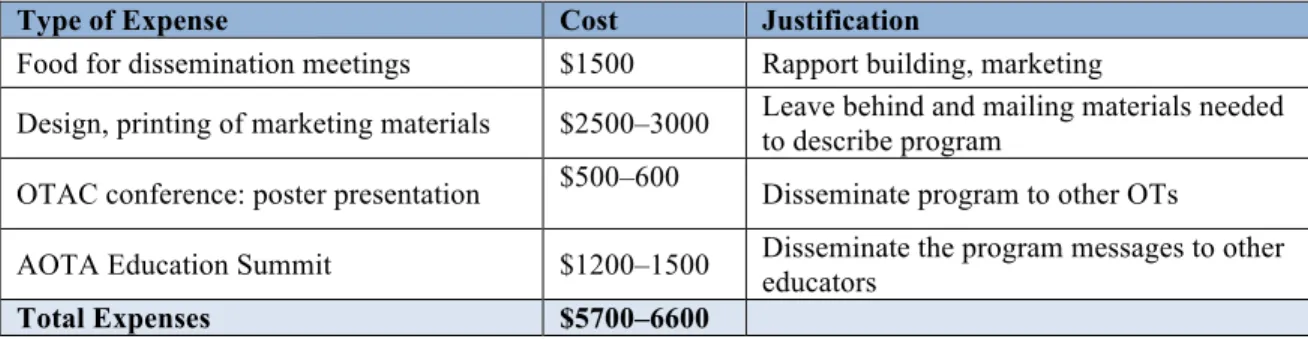
CHAPTER SIX: Dissemination Plan ... 87
Dissemination Goals ... 88
Target Audiences ... 89
Key Messages ... 89
Sources/Messengers ... 91
Dissemination Activities, Tools/Techniques, Timing and Responsibilities ... 93
Budget ... 94
CHAPTER SEVEN: Conclusion ... 96
APPENDIX A: Orientation Including Adult Learning Theory ... 99
APPENDIX B: Site-Specific Objectives ... 103
APPENDIX C: Pre- and Post-Fieldwork Survey ... 104
APPENDIX D: Goal Attainment Scaling ... 107
APPENDIX E: Example of Goal Using Goal Attainment Scaling Levels ... 110
APPENDIX F: Scoring for Goal Attainment Scaling ... 111
APPENDIX G: Google Drive Folders ... 112
xii
APPENDIX I: Content of Fieldwork Educator Manual ... 114
APPENDIX J: Content of Student Training Manual ... 115
APPENDIX K: Storytelling ... 116
APPENDIX L: Service Learning ... 117
APPENDIX M: Therapeutic Use of Self / Motivational Interviewing ... 119
APPENDIX N: Mental Health Poster ... 122
APPENDIX O: Literacy and Health Literacy ... 123
APPENDIX P: Brochure Design for Marketing ... 127
APPENDIX Q: Marketing Materials ... 129
Referral Form ... 129
Client Flyer ... 130
Client Postcard Front ... 131
Client Postcard Back ... 132
Case Manager Flyer ... 133
Buttons for Printing ... 134
APPENDIX R: Logic Model for Community-Based Level II FW Experience ... 135
APPENDIX S: Criterion Design ... 136
APPENDIX T: Fact Sheet ... 137
xiii
CUMULATIVE REFERENCES ... 150
xiv
LIST OF TABLES
Table 5.1 Personnel Salaries ... 79
Table 5.2 Local Resources ... 79
Table 5.3 Spaces, Office Supplies and Equipment Expenses ... 79
Table 5.4 Payments for Assessments/Manuals ... 80
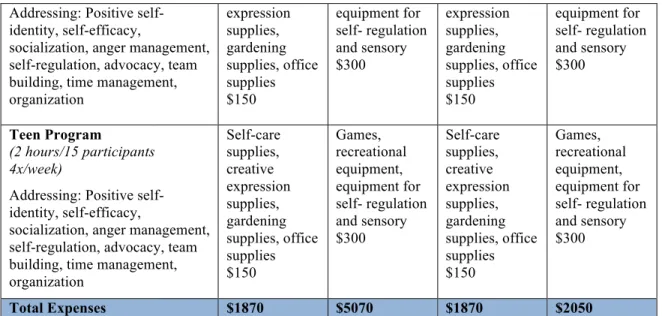
Table 5.5 Expenses for Occupational Therapy Groups ... 82
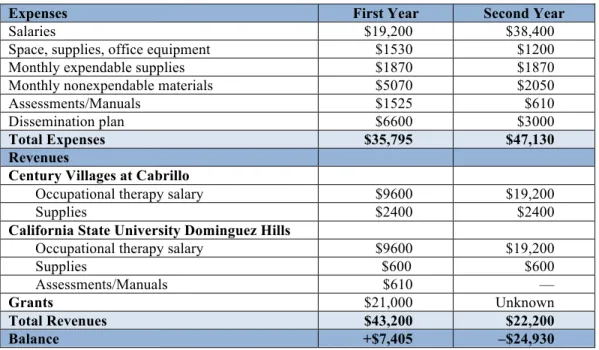
Table 5.6 Total Expenses and Revenues ... 83
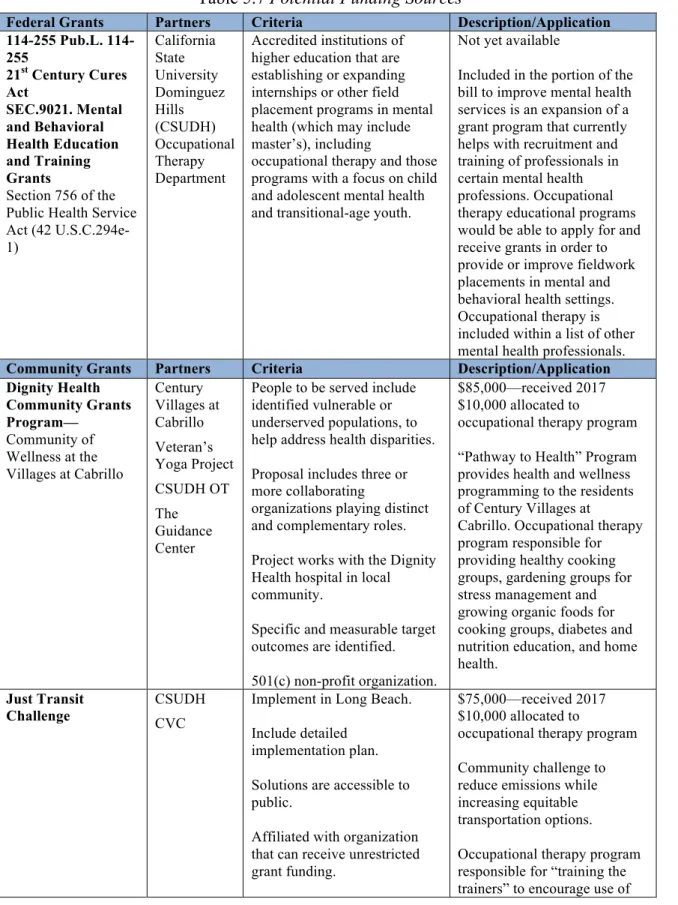
Table 5.7 Potential Funding Sources ... 84
xv
LIST OF FIGURES
Figur e 1.1. The Need to Cr eate a Best Pr actice Model for Level II Fieldwor k in Community-Based Pr actice Settings . ... 5 Figure 2.2. Adult Learning Theory Principles ... 9 Figure 2.2. Application of Adult Learning Theory to Community-Based Level II OT Fieldwork Program ... 13
CHAPTER ONE: Overview of the Problem
Eleanor Clarke Slagle and George Barton, two of the founders of occupational therapy (OT), were responsible for designing and developing community-based
programming in the early 1900s at Hull House in Chicago and Consolation House in New York, thereby establishing the roots of a profession with a holistic perspective focused not only on the health and well-being of individuals, but of communities and populations. Yet according to the 2015 AOTA Salary & Workforce Survey: Executive Summary
(American Occupational Therapy Association [AOTA], 2015a), only 2% of occupational therapists (OTs) are currently working in community settings.
Social and political movements over the past few decades have contributed to the need for more OT services in the community for mental health, wellness, recovery from substance use disorder, and homelessness. The current need for services, a paradigm shift in how OT services are delivered (Baum, 2002; Rodger et al., 2009), the lack of OTs working in the community (AOTA, 2015a), and a sharp increase in the number of OT and occupational therapy assistant (OTA) programs since the 1970s (Casares, Bradley, Jaffe, & Lee 2003; AOTA, 2015b; Evenson, Roberts, Kaldenberg, Barnes, & Ozelie, 2015) have all contributed to a severe shortage of fieldwork (FW) sites, especially in the community.
The World Health Organization (WHO) revised the International Classification of Impairments, Disabilities and Handicaps (ICIDH) in 2001 to create the International Classification of Function, Disability, and Health (ICF) (Baum, 2002). The ICF
health and participation in a social environment (WHO, 2002). This shift puts more emphasis on communities and the health and wellness of the people who make up these communities. With a paradigm shift to community services, there is a greater need for OTs to provide services for, not only individuals, but for families, communities and populations.
In addition, Accreditation Council for Occupational Therapy Education (ACOTE) standards require that OT students be prepared for “practice as a generalist with a broad exposure to current practice settings (e.g. community) and emerging practice areas” (ACOTE, 2015, p. 16) and that they be able to “describe [the] role of occupational therapist in care coordination, case management, and transitions services in traditional and emerging practice environments” (ACOTE, 2015, p. 27). The standards also require that students consider the context of service delivery by analyzing current trends in social, political and community systems to identify opportunities for emerging practice areas. In the last 20 years, there has been a slow but steady paradigm shift from the medical model to a socio-political or community service model that is more in keeping with the original principles of OT. These core principles promote occupation-based, client-centered service with a focus, not only on the individual, but also on the group, community and population (AOTA, 2014a; Baum, 2002).
AOTA’s Strategic Goals and Objectives for 2014–2017 (2013) calls for a diverse workforce that not only supports traditional OT roles, but develops new roles in emerging practice areas to address the needs of communities. OTs will need to be able to provide services to an aging population and to address societal issues such as substance use
disorder, obesity, stress-related depression, and anxiety. AOTA has listed several emerging niches in mental health including depression, sensory approaches to mental health, recovery and peer support model, and veterans and Wounded Warriors’ mental health (AOTA, 2015c).
In order to prepare our students for these changes in OT service delivery in the 21st century, we must provide opportunities for a variety of different FW placements. At a joint meeting of the Academic Leadership Councils and Academic Fieldwork
Coordinators Forum (AOTA, 2014b), education leaders addressed the need for FW to expand into “nontraditional” emerging practice fields such as community-based and population health. According to The Reference Manual of the Official Documents of AOTA: Specialized Knowledge and Skills of the Occupational Therapy Educators of the Future, “Occupational therapy education is critical to the achievement of this
[Centennial] vision in 2017 and beyond...and embodies the aspirations for the kind of society we wish to see” (AOTA, 2009, p. 281).
Without the proper training, students will be unprepared for entry-level practice in community-based settings. Therefore, it is imperative that educational institutions
develop more innovative and flexible models of OT FW education that will prepare students for professional practice in the community (Farrow, Gaiptman, & Rudman, 2000). The design of a best practice model for Level II FW could meet the needs of the community as well as provide FW opportunities for Level II students to develop the characteristics and roles identified as optimal for success in this practice environment and ensure that students develop a professional identity for entry-level practice.
The outcome of this project would be a viable Level II FW program designed for community-based settings that could be implemented by a part-time occupational
therapist in the role of fieldwork educator (FWEd). The program components would include: manuals for both the FWEd and student, interactive online PowerPoint tutorials, site-specific objectives, a pre- and post-survey to assess student progress, a competency checklist based on the AOTA Fieldwork Performance Evaluation (FWPE) (AOTA, 2002), and self-assessment tools. The hope would be that by offering this program to community-based practitioners and educational institutions, there would be more interest in providing FW placements for Level II students and a possible increase in the number of entry-level OTs developing community-based programs.
5
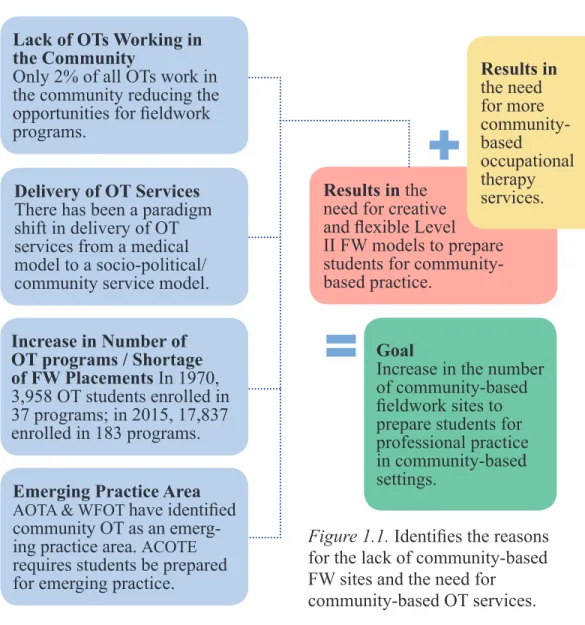
Results in the
need for creative
and flexible Level II FW models to prepare students for community-based practice.
Goal
Increase in the number of community-based fieldwork sites to prepare students for professional practice in community-based settings.
Summary
Several factors have contributed to the need for more innovative and flexible FW models to train students for community-based practice including an increase in the number of OT programs in the last 40 years, a paradigm shift in OT service delivery from medical model to socio-political service model, and a lack of OTs working in community-based sites. There is also an increased need for OT services due to elders aging in place, an epidemic of homelessness and the deinstitutionalization of persons with mental illness. A best practice model for Level II FW would prepare students for community-based practice.
+
=
Figure 1.1. Identifies the reasons for the lack of community-based FW sites and the need for
community-based OT services.
Lack of OTs Working in the Community
Only 2% of all OTs work in the community reducing the opportunities for fieldwork programs.
Delivery of OT Services
There has been a paradigm shift in delivery of OT services from a medical model to a socio-political/ community service model.
Increase in Number of OT programs / Shortage of FW Placements In 1970, 3,958 OT students enrolled in 37 programs; in 2015, 17,837 enrolled in 183 programs.
Emerging Practice Area
AOTA & WFOThave identified
community OT as an
emerg-ing practice area. ACOTE
requires students be prepared for emerging practice.
Need for Community OT Mental Health Services
Due to deinstitutionalization of persons labeled with mental illness.
Need for OT Services for
the Homeless Due to the
increase in homelessness, related to substance use disorder and mental illness.
Need for OT Health and Wellness Programs
Due to the increase in the number of elderly who are aging in place. Results in the need for more community-based occupational therapy services.
CHAPTER TWO:
Theoretical Base to Support a Community-Based Fieldwork Model
Occupational therapy’s roots were based in the community with a holistic perspective focused not only on the health and needs of individuals but of communities
and societies. Yet according to the 2015 AOTA Salary & Workforce Survey: Executive
Summary (2015a), only 2% of occupational therapists (OTs) are currently working in
community settings. Social and political movements have also contributed to the need for more occupational therapy (OT) services including services in mental health, wellness and for the homeless. The current need for services and the lack of OT practitioners working in the community has created a severe shortage of fieldwork (FW) sites, especially in the community. Consequently, it is imperative that educational institutions develop more innovative and flexible models of FW education that will prepare students for professional practice in community-based settings (Farrow et al., 2000).
The design of a best practice model that could meet the needs of the community as well as provide FW opportunities for Level II students would include the development of an interactive, online manual for part-time fieldwork educators (FWEd) and on-site supervisors as well as the development of an interactive, online student manual and web-based learning community that would support a collaborative model of peer mentoring.
The Theories: Model of Human Occupation and Adult Learning Theory
The Model of Human Occupation (MOHO) is a broad theory that is appropriate for use in examining the characteristics and roles of the community-based FWEd and the environment that supports or hinders those roles. Community-based OTs fill many roles
including clinician, case manager, consultant, advocate and educator (Ramsey, 2011). According to the MOHO (Kielhofner, 2009), a person’s inner characteristics include volition or motivation, personal causation or level of self-efficacy, and values and interests. For OTs working in community-based settings, these inner characteristics are expressed as independence, creativity, persistence, motivation, flexibility, and
adaptability (Ramsey, 2011). According to Banduras (as cited in Ramsey, 2011), these characteristics are also indicative of persons exhibiting high self-efficacy. Another factor to consider is the environment—in this case, the community—and how the “physical, social, cultural, economic, and political features” (Kielhofner, 2009, p. 169) affect the roles of an OT at a community-based setting. OTs working in the community are often isolated from other OTs and feel underappreciated (Ramsey, 2011). By providing a FW model for community-based settings, OT students can learn to develop the characteristics and roles identified as optimal for success in this environment.
The Adult Learning Theory (ALT) (Merriam & Bierema, 2014) principles closely align with the MOHO and can be used to develop the core components of the program. Andragogy or ALT was first proposed in 1968 by Malcolm Knowles, an American educator. Knowles identified the key characteristics of adult learners based on studies of how children and adults differ in their learning. For Knowles, it was imperative that the assumptions regarding adult learners were differentiated from those regarding child
learners. However, in 1980 Knowles revised his thinking to address thecriticism
surrounding the assumption that children were not able to participate in “self-directed
proposed instead that there is a continuum of learning with teacher-directed pedagogy at one end and student-directed andragogy at the other end. He also suggested that the learning situation was a better indicator of where a person is on the continuum than the individual learner (Merriam, 2001, p. 6). Knowles used these assumptions to develop the core principles of the “andragogy in practice” model (Curran, 2014, p. 235) that can be used to develop testable components for the FW program.
9
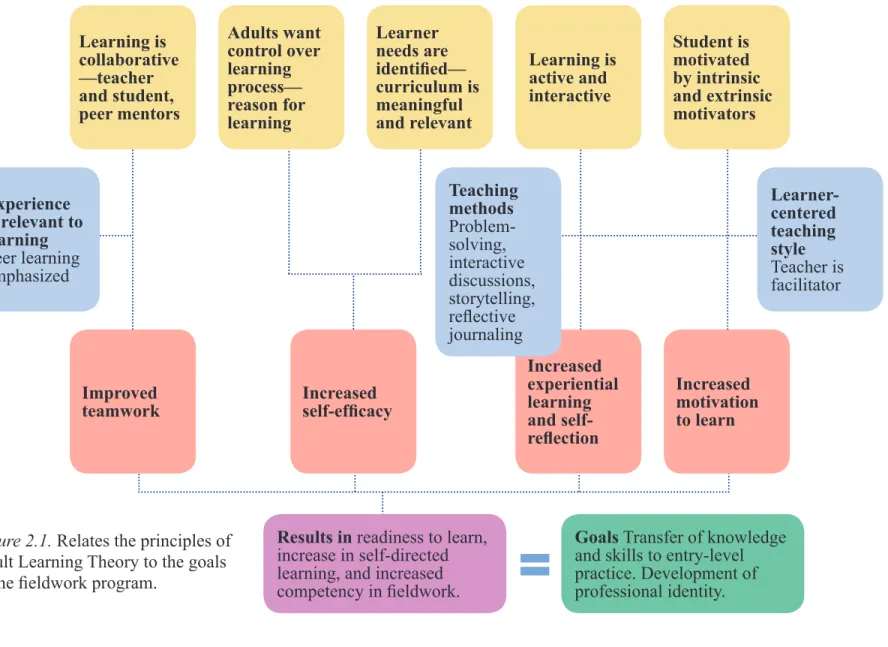
Goals Transfer of knowledge and skills to entry-level practice. Development of professional identity.
=
Learning is collaborative —teacher and student, peer mentors Adults want control over learning process— reason for learning Learner needs are identified— curriculum is meaningful and relevant Learning is active and interactive Student is motivated by intrinsic and extrinsic motivators Increased motivation to learn Increased self-efficacy Improved teamwork Increased experiential learning and self-reflectionFigure 2.1. Relates the principles of Adult Learning Theory to the goals
of the fieldwork program.
Teaching methods Problem-solving, interactive discussions, storytelling, reflective journaling Learner-centered teaching style Teacher is facilitator
Results in readiness to learn, increase in self-directed learning, and increased
competency in fieldwork. Experience is relevant to learning Peer learning emphasized
Adult Learning Theory Principles
When Knowles first introduced ALT, he proposed four assumptions, added two more later and then used those six assumptions to develop the core principles of the “andragogy in practice” model (Curran, 2014, p. 235). These principles are appropriate for developing testable components for the program.
• Learning is collaborative.
The collaborative experience can include several different types of collaboration. In ALT, the FWEd is considered to be a facilitator and collaborator rather than an expert. The ideal characteristics of mentors/collaborators include: confidence, generosity, openness, accountability, positive interdependence, and the ability to provide objective feedback (Costa, 2007; Sims-Giddens, Helton, & Hope, 2010; Thew, Hargreaves, & Cronin-Davis, 2008).
• Adults want control over the learning process and need to know the reason
for learning.
According to ALT (Merriam & Bierema, 2014), if students have control over the learning process and understand why they need to learn, they will become confident, self-directed learners. In a study by Boyer, Edmonson, Artis, and Fleming (2014), the authors found that the four constructs of internal locus of control, motivation, support, and self-efficacy were valuable as antecedents for a student’s willingness to participate in SDL. SDL was also found to encourage improved performance with the application of theories and skills to practice, increased autonomy and self-efficacy, increased motivation and meaning, and
improved time management skills (Boniface, Seymour, Polglase, Lawrie, & Clarke, 2012; Boyer, Edmondson, Artis, & Fleming, 2014; Rodger et al., 2009). These themes seem to indicate that students participating in SDL develop the characteristics identified as typical of community-based OTs. Adults want control over the learning process; therefore, Boniface et al. (2012) and Knightbridge (2014) cautioned against providing too much preparation in designing the FW program as it could inhibit personal growth related to SDL.
• Learner needs are identified. Curriculum is meaningful and relevant.
A student’s readiness for SDL should be determined prior to the beginning of FW by using the Self-Directed Learning Readiness Scale for Nursing Education (Fisher, King, & Tague, 2001). Individualized goals that are developed by the student with input from the FWEd will provide a structured progression of goal competency attainment for entry-level practice (Koski & Richards, 2009). Students select the programs and populations that are of interest to them and design and develop programming that is meaningful and relevant for the clients and the site.
• Learning is active and interactive. Adult roles contribute to the learning
experience.
Given that the OT students involved in the program will be Master’s level
graduate students, many will already have had life experiences that can contribute to their ability to understand the experiences of the community members and incorporate therapeutic use of self (TUS) into their practice. Studies have shown
that experiential learning programs that included reflective sessions contributed to the development of clinical reasoning and critical thinking skills of OT students (Chan, 2013; Coker, 2010; Dreifuerst, 2015; Hanson, Larsen, & Nielsen, 2011; Langley & Brown, 2010; Lasater & Nielsen, 2009; Laverdure, 2017; Miller & Maellaro, 2016; Scanlan & Hancock, 2010; Tannenbaum & Cerasoli, 2013; Zori, 2016).
• Learners are motivated by both intrinsic and extrinsic motivators.
Intrinsic motivators e.g. service learning concepts, empathy, compassion and extrinsic motivators e.g. passing the Fieldwork Performance Evaluation (FWPE)
(AOTA, 2002) and meeting the Accreditation Council for Occupational Therapy Education (ACOTE) standards (2015) can be used to develop individual student goals and site-specific objectives. If students are motivated by extrinsic
motivators, then they will work towards obtaining a Master’s degree, National Board for Certification in Occupational Therapy (NBCOT) certification, and employment. Students that are motivated by intrinsic motivators will demonstrate the motivation to learn, become more culturally sensitive, build rapport, and improve TUS and clinical reasoning skills (Coker, 2010; Reid, 2013). If the students demonstrate positive outcomes for these principles, they will develop a professional identity as an OT and achieve completion of entry-level goal competency and the transfer of knowledge and skills to entry-level practice for community-based sites.
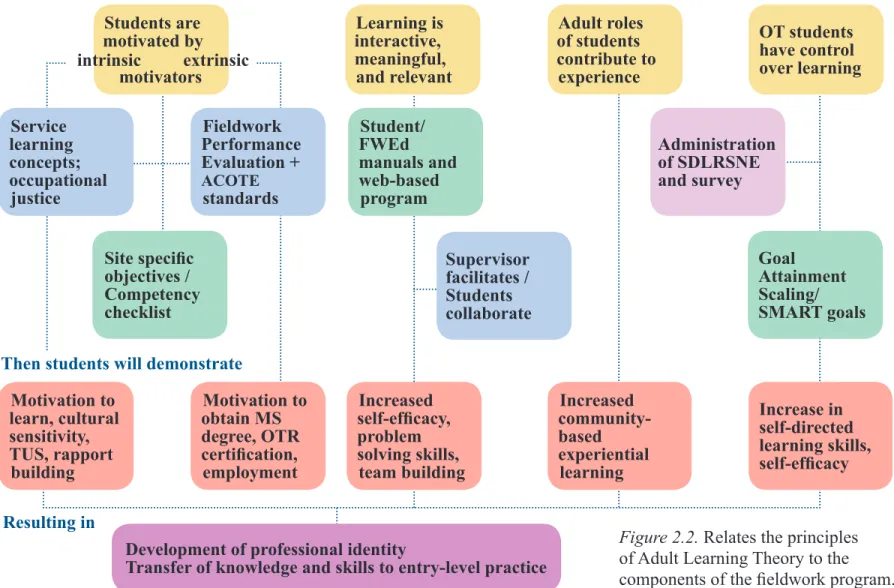
13 Increased self-efficacy, problem solving skills, team building Site specific objectives / Competency checklist Increased community-based experiential learning Student/ FWEd manuals and web-based program Students are motivated by motivators Learning is interactive, meaningful, and relevant Adult roles of students contribute to experience OT students have control over learning
Then students will demonstrate
Goal Attainment Scaling/ SMART goals
Resulting in
If these propositions are incorporated into the fieldwork program
Motivation to learn, cultural sensitivity, TUS, rapport building intrinsic extrinsic Service learning concepts; occupational justice Fieldwork Performance Evaluation + ACOTE standards Supervisor facilitates / Students collaborate Increase in self-directed learning skills, self-efficacy
Development of professional identity
Transfer of knowledge and skills to entry-level practice Motivation to obtain MS degree, OTR certification, employment Administration of SDLRSNE and survey
Figure 2.2. Relates the principles
of Adult Learning Theory to the
components of the fieldwork program.
Summary of Evidence to Support a Community-Based Fieldwork Program Development of Professional Identity
The two main goals of the Level II FW experience are to support the development of a professional identity and to prepare students for entry-level practice. Professional identity is defined as, “the recognition of beliefs, attitudes, values, knowledge, skills and understanding of one’s role, within the context of the professional group to which you belong” (Ashby, Adler, & Herbert, 2016, p. 233). Students reported that socializing professionally, belonging to a community of practice, and participating in FW were the most influential factors for developing professional identity, self-awareness and a deeper understanding of the values and roles of the profession (Ashby et al., 2016; Clarke, Martin, Sadlo, & Visser, 2014; Clarke, Martin, Visser, & Sadlo, 2015; Davidson, 2011). The development of a professional identity can be incorporated into the site-specific objectives and can inform the FW interventions (Ashby et al., 2016; Clarke et al., 2014; Clarke et al., 2015). Students also indicated that role-emerging placements offered opportunities for them to develop a creative, individual professional identity with a unique, “authentic” perspective that did not necessarily emerge at a traditional site where the student often takes on the identity of the FWEd and passively conforms to the
constraints of everyday practice (Ashby et al., 2016; Boniface, et al., 2012; Clarke et al., 2014; Clarke et al., 2015; Knightbridge, 2014). The perceived advantages of
role-emerging placements were the attainment of skills needed for working autonomously and collaboratively, problem-solving, advocacy, communication, and marketing of
empowered, participated in SDL, experienced increased tolerance, were able to transition from student to therapist, and demonstrated increased self-confidence (Ashby et al., 2016; Boniface, et al., 2012; Clarke et al., 2014; Clarke et al., 2015; Dancza et al., 2013; Gat & Ratzon, 2014; Hammarlund, Nordmark, & Gummesson, 2013; Holmes & Scaffa, 2009; Knightbridge, 2014; Ramsey, 2011; Rodger et al., 2009).
Students also reported the ability to confidently represent themselves during the interview process and to secure employment (Clarke et al., 2015). However, those
students employed at traditional sites after developing a sense of professional identity in a role-emerging setting, experienced disappointment and frustration at the lack of
opportunities to incorporate their unique professional identity into their practice. Students reported a loss of self-confidence and a return to the student role. This supports Wenger’s view that “roles are intrinsically linked to identity and influenced by communities of practice” (as cited in Clarke et al., 2015). Therefore, it is imperative that educators provide students with a variety of challenging and autonomous practice experiences to better prepare them for the incongruity that exists between what they learn regarding occupation-based practice and what they experience and observe in “real life” practice situations (Ashby et al., 2016; Clarke et al., 2014; Clarke et al., 2015).
The articles by Clarke et al. (2014) and Clarke et al. (2015) referred to different aspects of the same study. The study was rigorous and followed Interpretive
Phenomenological Analysis(IPA) guidelines so that the methodology was congruent and data analysis was systematic. However, the interviews used to collect data were
used an appropriate sample size but included only females which limits generalizability (Ashby et al., 2016; Clarke et al., 2014; Clarke et al., 2015). Overall, the studies found that many stakeholders—educational programs, FWEds, a community of practice— contribute to a student developing a professional identity and transitioning from the student role to the role of practitioner.
Skill Acquisition for Entry-Level Practice at a Community-Based Site
Although there are many interpersonal skills and individual characteristics that are associated with therapists in both traditional and nontraditional settings, role-emerging settings require that OTs be creative, persistent, culturally sensitive, self-directed, motivated, flexible as well as comfortable working outside of the medical model. They must think holistically, be client-centered, and possess good clinical reasoning, critical thinking, critical reflection, and decision-making skills (Holmes & Scaffa, 2009).
Difficult situations may arise at role-emerging sites that are not present at traditional FW sites such as social and occupational justice issues that require ethical reasoning skills (Gat & Ratzon, 2014; Holmes & Scaffa, 2009; Ramsey, 2011).
Professional roles in community-based settings may include practitioner, advocate, consultant, program developer, case manager, and entrepreneur. Many of the requisite characteristics of OTs working in these settings are associated with the behaviors of entrepreneurs and leaders. Entrepreneurial skills required for developing innovative programs include business skills, networking and negotiating skills, personal reflection, SDL skills, and professional development skills (Boudreau & Donnelly, 2013; Holmes & Scaffa, 2009).
Role-emerging sites present different challenges for FWEds and students and require that OT educational programs prepare students for these challenges including: staying focused on occupational therapy, working as a team, managing complex
interactions and services, dealing with the emotional highs and lows, maintaining focus even when the pace is inconsistent, adapting to doing less, thinking and planning more, and understanding and using the OT perspective (Dancza et al., 2013; Rodger et al., 2009).
Therapeutic use of self. According to Davidson (2011), the operational definition for TUS is “a set of behaviors that result from a dynamic interaction of intrapersonal and interpersonal abilities employed by therapists to facilitate clients’ success in meeting agreed-upon goals. These abilities include cognitive-affective awareness of self and others, and behaviors that are informed by this awareness” (p. 89). However, according to Taylor, Lee, Kielhofner, and Ketkar (2009), there is no true way of operationalizing TUS or the therapeutic relationship. TUS is codified in the ACOTE standards as “Demonstrate therapeutic use of self, including one’s personality, insights, perceptions, and judgments, as part of the therapeutic process in both individual and group interaction” (2015, p. 24) and is also included in the Occupational Therapy Practice Framework (OTPF) (Taylor et al., 2009, p. S12).
Although over 80% of OTs reported that TUS was the “single most important skill set in practice” (Taylor et al., 2009, p. 202) and that the therapeutic relationship has a tremendous effect on the outcome of therapeutic interventions, training appears to be inadequate, and there is limited research related to the development and practice of TUS
(Davidson, 2011; Taylor et al., 2009). Instruction for TUS is important for developing a professional identity and learning the core values of OT (Bonsaksen, 2013; Davidson, 2011; Taylor et al. 2009). However, as noted earlier, reliance on passive methods or “implicit” instruction was not found to be effective, and it was recommended that TUS be taught by all faculty in order to promote its value (Davidson, 2011). Some of the
variables identified as inherent in TUS are clinical reasoning, communication, mutuality, rapport building, and empathy (Taylor et al., 2009). Taylor et al. (2009) also reported that younger OTs, and one would assume students, experienced concern for their clients that carried over into their personal lives. Extra training may be required for dealing with interpersonal difficulties that arise during interactions with clients.
Many different instructional methods have been used to teach TUS including discussions, lectures, modeling, role-playing, readings, interactions with clients and written assignments and video. It was determined that lecturing is not an appropriate method for teaching TUS, and, although reflective journaling is beneficial, the best teaching methods are role play and interactions with clients (Davidson, 2011). The skills that were included in TUS trainings and identified in the study by Davidson (2011) included “collaborative goal setting, empathy, establishing rapport, self-awareness, interpreting nonverbal communication, active listening, giving praise or encouragement, expressive nonverbal communication, and giving corrective feedback” (p. 93). However, several concepts are infrequently addressed in discussions and trainings for TUS
including setting limits, emotional dependence, conflict negotiation, dealing with client manipulation or coercion, attention-seeking/demanding behaviors, potential aggression,
and sharing bad news—all issues that students often face in community-based, mental health settings and that pose a potential risk for clients and students (Davidson, 2011; Taylor, 2008).
Taylor (2008) has developed a model and program for training students and practitioners in TUS. The Intentional Relationship Model (Taylor et al., 2009) purports that there are six modes used by occupational therapy practitioners to establish TUS: advocating, collaborating, empathizing, encouraging, instructing, and problem-solving. Once the therapist has determined the client’s interpersonal characteristics and has attended to the interpersonal events of therapy, the therapist can then select a mode or modes that appropriately address the needs of the client. The studies conducted by Taylor, Lee, and Kielhofner (2011) and Bonsaksen (2013) both examined which modes are used most often and if students and therapists vary the mode depending on the characteristics of the client. The results of the two studies differed. The students in the study by Bonsaksen (2013) preferred the problem-solving mode most often and the advocating mode the least, whereas, the experienced practitioners in the study by Taylor et al. (2011) preferred the following modes in order: 1. encouraging, 2. collaborating, 3. problem-solving, 4. instructing, and 5. empathizing. (Advocating mode was not used in this study.) The authors of the Bonsaksen study (2013) surmised that the problem-solving mode was associated with the medical model philosophy of “fixing” someone and with procedural reasoning, which is indicative of where the students are in their learning experience. It is important that students become aware of their preference for certain
modes and carefully consider the mode that is most appropriate for the individual client (Bonsaksen, 2013; Taylor et al., 2011).
Taylor et al. (2009) conducted a relevant study with a large, random sample and a rigorous analysis of the data with findings that were significant. However, the sample was not representative of all OTs as the participants were all members of American Occupational Therapy Association (AOTA) with a possible bias for an interest in TUS. More psychometric studies are needed to establish validity and reliability of the scale. The other studies conducted by Bonsaksen (2013) and Davidson (2011) contributed to the knowledge base regarding TUS but were limited in sampling and methodology.
Interviewing skills. Motivational interviewing is a “counseling/ communication approach that has evidenced positive outcomes regarding behavior change” (Nesbitt, Murray, & Mensink, 2014, p. 131) with roots in the substance use disorder field. It has been found to be more effective than “advice-giving” for facilitating change (Nesbitt et al., 2014). Mindfulness skills were found to increase student awareness, to promote students’ presence with their clients, and to increase compassion and acceptance of themselves and others (Reid, 2013). The results of the studies conducted by Reid (2013) and Nesbitt et al. (2014) indicate that significant changes occurred from pre- to post-test in the students’ ability to incorporate motivational interviewing strategies and
mindfulness skills after a brief educational module. The skills and strategies can be used to foster collaboration between the students and their clients and facilitate the students’ ability to appreciate and recognize the client’s perspective (Nesbitt et al., 2014; Reid, 2013).
The studies by Dancza et al. (2006), Nesbitt et al. (2014), and Reid (2013) were conducted using appropriate research methodologies and measures and included clear and thorough descriptions of the interventions. Nesbitt et al. (2014) established good inter-rater reliability. Reliability and validity were strengthened by extensive training in motivational interviewing.
Establishing a Learning Community: The Partners
In order to establish a collaborative learning community, several partners must be considered. These include the site, the educational institution, the academic fieldwork coordinator (AFWC), the FWEd, and the FW students.
Site. Role-emerging, community-based sites present different challenges for FWEds and students and require that OT educational programs prepare students for these challenges. These include: staying focused on occupational therapy, working as a team, managing complex interactions and services, dealing with the emotional highs and lows, and maintaining focus even when the pace is inconsistent. Other challenges that were identified include: the adjustment to an unfamiliar placement, lack of access to resources at the same time, limited one-on-one with the FWEd, inconsistent availability of suitable clients, concern regarding weaker students that are not contributing, and difficulty working with other team members (Dancza et al., 2013; Rodger et al., 2009).
Educational institution. In order to support students and FWEds at role-emerging, community-based sites, professional education programs should provide a broad theoretical foundation and the practice skills and knowledge required, including training in TUS, for students to be able to implement client-centered, occupation-based
interventions and ensure that the content is relevant to emerging roles and services (Davidson, 2011; Evenson, Roberts, Kaldenberg, Barnes, & Ozelie, 2015; Holmes & Scaffa, 2009). Instruction regarding TUS should be offered by educational programs early in the curriculum and continue throughout the student’s training. It is important to note that reliance on passive methods or “implicit” instruction (not taught or graded or taught by only one instructor) regarding TUS is a concern as TUS could be undervalued by both faculty and students (Davidson, 2011). In addition, the educational program should offer curriculum that facilitates a student’s understanding of occupational
therapy’s role, especially in role-emerging settings, and provide opportunities for students to learn how to advocate for and market OT services (Ashby et al., 2016).
Academic fieldwork coordinator. It was recommended that the AFWC be available to offer extra support to FWEds by providing assistance in resolving
professional behavioral issues and conflicts, education on professional behavior, training of potential FWEds, face-to-face meetings with the student and FWEd, and a sustainable administrative infrastructure (Evenson et al., 2015).
Fieldwork educator. ACOTE standards (ACOTE, 2015) require that the OT responsible for supervising students at a role-emerging site have at least three years full-time or its equivalent of professional experience before supervising students and that supervision must include a “minimum of 8 hours of direct supervision each week of the fieldwork experience” (ACOTE, 2015, p. 36). Direct supervision is defined as, “Two-way communication that occurs in real time and offers both audio and visual capabilities to ensure opportunities for timely feedback” (ACOTE, 2015, p. 44). In addition, the
FWEd must be available by phone, email, or text during working hours, and, when the FWEd is not on-site, another professional must be designated as the on-site supervisor (ACOTE, 2015). It is acceptable for the FWEd to be employed by the site or an
educational program (ACOTE, 2015). A review of the proposed revisions to the ACOTE standards (ACOTE, 2016) did not identify any changes that might affect the
implementation of the program as outlined.
Students involved in FW at role-emerging sites reported a more contemporary view of the FWEd as facilitator, rather than expert, who encourages autonomy and independence by pushing students “out of their comfort zone” but still providing a “just right challenge” with support as needed. Students appreciated FWEds that valued lifelong learning and feedback from students, had a commitment to student learning, collaborated with students, and were approachable, open, non-judgmental, dedicated, patient and trusting. The FWEd was seen as facilitating learning by recognizing learning styles; grading the experience; providing learning opportunities; promoting independent problem solving, learning and reflection; and providing positive, constructive, balanced,
encouraging and timely feedback (Boniface et al., 2012; Gat & Ratzon, 2014; Rodger et al., 2009; Rodger et al., 2014; Whitcombe, 2001).
A review of the studies conducted by Davidson (2011), Evenson et al. (2015), Holmes and Scaffa (2009), and Rodger et al. (2014) provided meaningful data regarding the development of a professional identity including the characteristics of practitioners in both traditional and role-emerging settings. The methodology used in the studies
contributed to the reliability and validity of the studies through the use of multiple methods of gathering data, use of the Delphi process for procedural rigor (Holmes & Scaffa, 2009), and clear descriptions of the methodology for replicability. None of the studies were randomized controlled trials (RCT), and the sampling methods—snowball, purposive and convenience sampling—may have contributed to possible bias. The small sample size of the Holmes and Scaffa (2009) study limited the generalizability of the findings. Despite the limitations of the studies, they all contributed to the knowledge base for future research, practice and educational program development.
Occupational therapy students. Students often express negative attitudes or feelings of discomfort or even fear regarding the homeless or people labeled with mental illness (Precin, 2009). When students are accustomed to a structured environment such as in a clinic or hospital, a community-based site may seem to be disorganized,
communication may be difficult and frustrating, and there may be conflicts among the peer mentors (Sims-Giddens, Helton, & Hope, 2010). Students also expressed concerns that community-based FW might limit the development of clinical skills (Hoppes & Hellman, 2007).
Even so, Gat and Ratzon (2014) found that students participating in a community-based FW experience did not rate personal or professional skills any higher than those students in traditional FW settings. They also found that students in community-based settings where there was no OT on-site rated personal responsibility, cultural competence and personal skills higher than students at sites with an OT, and personal and professional development was rated highest at the community-based FW site without an OT. This is in
contrast to a study by Cleak and Smith (2012) involving a large sample of social work (SW) students in Australia. The results indicated that three times as many SW students said that they preferred the one-to-one FW supervision model over a collaborative model. If the placement was their second one or if it was full-time, the students were better able to understand the role of SW.
Establishing a Learning Community: Incorporating Adult Learning Theory The learning community is informed by the principles of ALT and the site-specific objectives. A detailed orientation that reviews both of these concepts as well as the challenges and benefits of the site should be provided at the beginning of each semester.
Site-specific objectives. Site specific objectives should be developed that align with the AOTA Fieldwork Performance Evaluation (AOTA, 2002), the Occupational Therapy Practice Framework (AOTA, 2014a), service learning concepts regarding social and occupational justice, and the needs of the community. The objectives should be reviewed at orientation and signed by the students.
Detailed orientation. A detailed, structured orientation should be provided for the students that discusses the population, site, expectations of the FW experience, and program structure including the application of the FW models as related to the site. Potential learning experiences that could be encountered at a community-based site should be discussed during orientation and throughout the semester. Information should also be presented regarding challenges and appropriate interventions for at-risk
2010; Thew et al., 2008). Students should be encouraged to frequently review the PowerPoint presentations introduced during orientation and available on the Google Drive.
Self-directed learning and self-assessment. Supervision by an OT is often limited at role-emerging, community-based FW sites; therefore, it is important that the students be able to engage in SDL. SDL is defined as a “process of deciding what to learn to what depth and breadth…occurs in a social context and includes decision making and metacognitive thinking” and is a “broader process that encompasses autonomy and self-actualization” (Hendry & Ginns, 2009, p. 918). In order to determine each student’s readiness for SDL, an appropriate measure needed to be identified that is valid, reliable, generalizable, and easy to use and analyze. Two different measures were named in the literature: The Self-Directed Learning Readiness Scale (SDLRS) by Guglielmino & Associates (Fisher et al., 2001; Williams & Brown, 2013) and the Self-Directed Learning Readiness Scale for Nursing Education (SDLRSNE) by Fisher et al. (2001). Both
measures are self-administered, self-report questionnaires, and there is no training required to administer. The SDLRS is scored online while the SDLRSNE requires some training to score. Both are easily accessible either online or in paper form and are easy to use. However, the SDLRS must be purchased whereas the SDLRSNE is available for free. Extensive research has been conducted on the SDLRS that showed poor reliability and construct validity and claimed that it was not replicable across different racial groups (Fisher et al., 2001; Hendry & Ginns, 2009). Studies have shown that the SDLRSNE is
more valid and reliable than the SDLRS, but additional studies were recommended (Fisher et al., 2001; Hendry & Ginns, 2009).
Learning contracts have been shown to be a valuable tool for encouraging SDL and self-assessment (Boniface et al., 2012; Boudreau & Donnelly, 2013). They are flexible, provide a framework for learning, promote individual learning, and encourage communication between the student and FWEd, but were also found to be time
consuming and confusing (Whitcombe, 2001). Goal Attainment Scaling (GAS) is an alternative for evaluating student progress and encouraging SDL. GAS has been used as a quantitative outcome measure to determine student learning in studies with both Level I and Level II OT students and has been used in a variety of settings. Whether using a learning contract or GAS, the students in the studies worked collaboratively with the FWEd to write the goals and scales and to assess progress (Chapleau & Harrison, 2015; Koski & Richards, 2015; Whitcombe, 2001).
The studies conducted by Fisher et al. (2001), Hendry and Ginns (2009), and Koski and Richards (2009) all utilized a rigorous analysis of the data. Fisher et al. (2001) used the Delphi technique to develop the SDLRSNE and conducted a pilot study with a large sample. None of the studies were RCTs and all except Fisher et al. (2001) utilized a small sample identified through self-selection or convenience sampling. Further studies would be beneficial for supporting the use of these measures.
Collaborative learning. The traditional, pedagogical model of one FWEd to one student supports a FW experience that tends to limit autonomy and may encourage the student to take on the characteristics of the FWEd rather than develop her/his own
professional identity (Ashby et al., 2016; Clarke et al., 2014; Clarke et al., 2015; Costa, 2007). On the other hand, an andragogical model that includes more than one student relates closely to the ALT principle that learning is an active, collaborative process (Curran, 2014). The collaborative experience can include several types of collaboration: peer collaboration; collaboration between the students and the FWEd; and an
interdisciplinary collaboration that includes OT students as well as students from other disciplines, the FWEd, and staff, program directors, and case managers from the site.
Although the supervisor has content expertise, in this model he/she is considered to be a facilitator and collaborator that uses various methods to contribute to experiential learning including problem-solving techniques, interactive discussions, storytelling, case studies and reflective journaling (Merriam & Bierema, 2014; Sims-Giddens et al., 2010). Peer mentoring has proven to be successful when the mentors possess the characteristics needed for a positive relationship—confidence, generosity, openness, accountability, positive interdependence, and skills in objective feedback (Costa, 2007; Sims-Giddens et al., 2010; Thew et al., 2008), and the roles and responsibilities are clearly described and discussed prior to and during the FW experience, especially if Level I and II students are collaborating (Boniface et al., 2012). Working collaboratively was found to be a valuable component, with students introducing new, creative ideas, relying less on supervisors, developing a professional identity and leadership skills, and showing greater autonomy and self-efficacy (Boniface et al., 2012; Dancza et al., 2013; Hammarlund et al., 2013; Precin, 2009; Rodger et al., 2009; Sims-Giddens et al., 2010).
It was found that students that were encouraged to begin interacting with the clients within a week, developed self-efficacy more quickly and were able to make decisions in a more timely manner (Precin, 2009). Boniface et al. (2012) suggested that although stronger students can benefit from collaborative learning, students with less experience can also benefit from the collaborative model. Thew et al. (2008) suggested incorporating collaborative projects into the FW experience that would benefit the community site and incorporate the principles of service learning.
Experiential learning and self-reflection. As discussed previously, one of the principles of Knowles’ ALT is that the roles of adult learners contribute to the learning experience (Curran, 2014). Knowles (as cited in Guthrie & Jones, 2012, p. 54) defined experiential learning as “the process whereby knowledge is created through the
transformation of experience. Knowledge results from the combination of grasping and transforming experience.” FW students as adult learners are able to use their roles and personal experiences to engage in experiential learning and reflect upon the experience in order to learn for future application.
Incorporating a reflective component into the learning experience facilitates a higher level of thinking; encourages active self-learning, self-discovery and life-long learning; links theory to practice; and promotes the development of clinical reasoning and critical thinking skills required for entry-level practice (Chan, 2013; Coker, 2010;
Dreifuerst, 2015; Hanson et al., 2011; Langley & Brown, 2010; Lasater & Nielsen, 2009; Laverdure, 2017; Miller & Maellaro, 2016; Neill & Wotton, 2011; Scanlan & Hancock, 2010; Tannenbaum & Cerasoli, 2013; Zori, 2016). It also supports professional
engagement and promotes professional development and growth (Boniface et al., 2012; Langley & Brown, 2010; Laverdure, 2017).
Reflective thinking was first defined by Dewey as “the active, persistent, and careful consideration of any belief or supposed form of knowledge in the light of the grounds that support it and the further conclusion to which it tends” (as cited in Costa, 2015, p. 251). Miller and Maellaro (2016) describe reflection as a method used to examine suppositions in order to determine possible alternatives. Reflective practice is defined as, “Thoughtful consideration of one’s experiences and knowledge when applying such knowledge to practice” in the ACOTE standards (2015, p. 43).
Furthermore, the ACOTE standards state that a Level II FW program will “Ensure that the fieldwork experience is designed to promote clinical reasoning and reflective practice, to transmit the values and beliefs that enable ethical practice, and to develop
professionalism and competence in career responsibilities” (2015, p. 35).
Critical thinking (CT) has been described as a process that leads to decision making and an examination of possible actions. It is a basic tenet of clinical reasoning and is essential for higher thought processes (Zori, 2016). In her study of the six skills— “interpretation, analysis, evaluation, inference, explanation, and self-regulation” and seven dispositions—“systematicity, analyticity, inquisitiveness, truth seeking, critical thinking confidence, open-mindedness, and critical thinking maturity” of CT, Zori (2016, p. 322) determined that the dispositions worked together to improve critical thinking skills and learning and that CT was a process that developed over time. In her systematic review of 17 studies related to the development of CT, Chan (2013) identified four
components of CT: gathering and seeking information; questioning and investigating; analysis, evaluation and inference and problem solving; and application of theory (p. 237). Another theme examined the factors affecting the development of CT: Students, their cultural backgrounds and possible lack of awareness and self-efficacy; the educator’s knowledge and willingness to be flexible, open, and approachable; the education system that supports or hinders CT growth; and the safety and freedom of a non-threatening learning environment. All of the factors tie in with Knowles’ principles regarding the roles of adult learners. Possible interventions to promote CT included case studies, reflective writing, case-based studies, simulation and questioning.
Reflection through debriefing. Debriefs are a relatively quick and inexpensive tool that can be used to facilitate improvement in clinical reasoning by 1. asking a series of questions in order to reflect on an experience, 2. formulating a personal meaning regarding the experience, and then 3. learning from the reflection for future application. However, there is little research to guide the structure, timeframe, and dynamics of a debriefing session (Neill & Wotton, 2011). Tannenbaum and Cerasoli (2013) conducted a quantitative meta-analysis of 46 studies with a total sample size of 2,136 regarding team and individual debriefs in order to ascertain their effectiveness in enhancing participant performance. To determine whether or not an intervention could be considered a debrief, the authors identified four essential elements that must be present: 1. active
self-discovery and self-learning, 2. used for developing the skills of the participant, not for evaluating, 3. a focus on specific experiences, and, most critically, 4. input from multiple sources. After determining the criteria, the authors did an extensive literature search of
multiple electronic databases in order to identify 218 published and 12 unpublished articles for review. One author then coded the effect sizes and key characteristics, and then a subset was coded by another author to yield an agreement rate >90%. The data was analyzed to determine the results.
The results indicated that debriefs improved performance by about 25% and worked well for both teams and for individuals. However, it is best to address “team” improvement in a team debrief, and individual improvement was more effective if the debrief was only with the individual. The results were similar for medical and
nonmedical and for simulated and real situations. There were no significant results
regarding facilitation and structure of the debrief, although it appears that facilitation may be more effective and that structure may help with effectiveness. The use of multimedia aids (videotaping) did not show a marked improvement. The authors admitted to possible limitations due to the quality of the studies analyzed, but did ultimately recommend that debriefs include guidance and have a clear structure that includes the four identified elements of an effective debrief.
In a review of nine articles regarding nursing education simulation debriefings, Neill and Wotton (2011) identified six themes for debriefing: structured vs unstructured debriefing, faculty demeanor, a safe and trusting environment, type of questioning, the best time to debrief, and the amount of time needed. However, there were no significant findings for most of the themes leaving room for continued debate and the need for more research. There were no clear results regarding the structure, timing (during, immediately after or later) or the length of time for a debriefing. A supportive and engaged facilitator
who provided clear, direct feedback enhanced the learning experience, and an
environment that felt safe and secure helped to alleviate student anxiety and encouraged student engagement. In general, the facilitators reported that they began with open-ended or Socratic questions. Other facilitators used probing or cuing questions to elicit
responses. However, there were no clear findings to support either.
Even though reflection has been identified as a precursor for meaningful learning, students are not necessarily able to thoughtfully reflect on their experiences in an
effective manner without some training and an identified process (Dreifuerst, 2015). Many debriefing methods have been developed for reflecting upon the learning experience including Kolb’s Cycle of Learning (Guthrie & Jones, 2012), Dreifuerst’s (2015) Debriefing for Meaningful Learning (DML), Driscoll’s Reflective Cycle (Driscoll & Teh, 2001), Bulman and Schultz’s (2013) Learning by Doing Model, and the 5 Whys Root Cause Problem Solving (RCPS) tool (Miller & Maellaro, 2016).
Kolb’s Cycle of Learning (Guthrie & Jones, 2012) describes the four phases of learning including 1. Concrete Experience, learning by encounter; 2. Abstract
Conceptualization, learning by thinking; 3. Reflective Observation, learning by
reflecting; and 4. Active Experimentation, learning by doing. The process is iterative and students can begin the process at any phase. His model is especially applicable to a community-based site where students are required to be leaders and to learn about social and occupational justice issues.
Driscoll’s Reflective Cycle (Driscoll & Teh, 2001) asks the participants to answer the questions: “What? So What? Now What?” Bulman and Schultz’s (2013) Learning by
Doing Model is a six-step reflective cycle that expands upon those questions and adds an additional query regarding possible research that would support knowledge and
professional development.
Dreifuerst’s (2015) Debriefing for Meaningful Learning (DML) incorporates Socratic questioning, a method whereby the educator does not give a direct response to a situation but instead challenges the student’s assumptions and facilitates the student’s reflective thinking by asking a series of questions including “who, what, where, when, how, and why” (p. 268). The process is iterative and includes six phases: engage, explore, explain, elaborate, evaluate, and extend. DML incorporates Schön’s reflection-in-action and reflection-on-action principles as well as Dreifuerst’s reflection-beyond-action. The model is grounded in constructivist theory, active learning, and problem-based learning (PBL). Studies regarding DML indicated a positive change in clinical reasoning skills and a better quality of debriefing when DML was incorporated (Dreifuerst, 2012; Forneris et al., 2015; Mariani et al., 2013).
The 5 Whys Root Cause Problem Solving (RCPS) tool is often used in industry and can be combined with a “collective reflection” (p. 174) to enhance the learning experience (Miller & Maellaro, 2016). The 5 Whys RCPS tool is used to get to the root cause of a problem by asking “Why?” approximately five times. The tool is easy to implement and encourages the student to “dig deeper” in order to ascertain the real problem behind a client’s behavior. Miller and Maellaro (2016) cited several studies in support of a team reflection, rooted in social constructivist theory, that examines the assumptions of all of the participants in a social context in order to determine a course of
action. The root cause analysis and team reflection are then added to Kolb’s Cycle of Learning at the reflective observation phase.
Aronson (2011) offered Twelve Tips for Teaching Reflection in Medical Education: define reflection; determine the learning goals for the reflection; choose an appropriate method i.e. written, oral, audio recording, digital storytelling; structured or unstructured approach; plan for ethical/ emotional issues; follow up with the learner; create a safe and free learning environment; teach reflection before implementing;
provide feedback; assess the process; include reflection as part of the broader curriculum; and reflect on the process of teaching reflection.
Reflection through journaling. Reflective journaling is used extensively in nursing education and is considered to be an appropriate method for encouraging critical thinking; improving observational skills; facilitating experiential, transformative learning; solidifying professional roles; improving patient outcomes; integrating new ideas;
increasing self-efficacy; and bridging the gap between theory and practice (Chimera, 2007; Hanson, Larsen, & Nielsen, 2011; Harris, 2008; Langley & Brown, 2010). However, most of the literature regarding the effectiveness of reflective journaling provides recommendations for interventions from educational experts rather than actual research studies (Langley & Brown, 2010; Zori, 2016). Whether structured or
unstructured, reflective journaling may not be an appropriate tool for everyone. Some students have difficulty assessing themselves and accepting ownership of their ideas and reflections. Students also expressed concerns regarding the time commitment, trust issues, disclosing personal information, and the appropriateness of the goals for
journaling. Others had difficulty with CT and reflective thinking without the help of structure and scaffolding (Chimera, 2007; Harris, 2008; Langley & Brown, 2010; Zori, 2016). Grading of the journals was another subject of debate as some instructors believe that grading challenges the purpose of the journal. However, students often will not make the time commitment if no grade is involved, and some consider journaling to be “busy work” (Chimera, 2007; Langley & Brown, 2010).
Chimera (2007) performed a rigorous study involving 42 reflective journals and 17 interviews to determine if the students were non-reflectors, reflectors, or critical reflectors based on the criteria developed by Boud et al. (1985) and modified by Mezirow (1990, 1991). One third of the students were identified as unable to demonstrate
reflection. The study results determined that for reflective journals to be effective, more effort needs to be put towards establishing criteria to assess a student’s ability to self-reflect.
Establishing a Learning Community: The Online Component
The online component of the learning community will include a Web 2.0 website and a wiki-based learning community as well as online manuals for both the FWEd and the FW students.
Web 2.0 website and wiki-based learning community. A Web 2.0 website is a “second generation in the development of the World Wide Web, conceived as a
combination of concepts, trends, and technologies that focus on user collaboration, sharing of user-generated content, and social networking (dictionary.com, 2017). A Wiki is a “website that allows visitors to make changes, contributions, or corrections”
(merriam-webster.com, 2017). Both of these formats are very familiar to students and are used extensively for team projects and assignments.
An interactive wiki-based learning community and website such as Google Drive will be developed for use by students, on-site supervisors and the FWEd to support SDL and peer collaboration (Thomas & Storr, 2005). An online manual and tutorials for the students as well as the FWEd and on-site supervisors