Tripathi, Nandita (2012) Two-Level Text Classification Using Hybrid Machine Learning Techniques. Doctoral thesis, University of Sunderland.
Downloaded from: http://sure.sunderland.ac.uk/3305/
Usage guidelines
Please refer to the usage guidelines at http://sure.sunderland.ac.uk/policies.html or alternatively contact [email protected].
Two-Level Text Classification
Using
Hybrid Machine Learning Techniques
Nandita Tripathi
A thesis submitted in partial fulfilment of the requirements of the University of Sunderland
for the degree of Doctor of Philosophy
July 2012
School of Computing, Engineering and Technology University of Sunderland
Sunderland United Kingdom
ii
Abstract
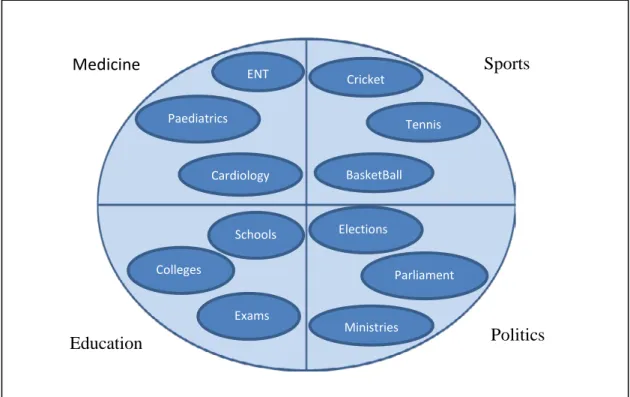
Nowadays, documents are increasingly being associated with multi-level category hierarchies rather than a flat category scheme. To access these documents in real time, we need fast automatic methods to navigate these hierarchies. Today’s vast data repositories such as the web also contain many broad domains of data which are quite distinct from each other e.g. medicine, education, sports and politics. Each domain constitutes a subspace of the data within which the documents are similar to each other but quite distinct from the documents in another subspace. The data within these domains is frequently further divided into many subcategories.
Subspace Learning is a technique popular with non-text domains such as image recognition to increase speed and accuracy. Subspace analysis lends itself naturally to the idea of hybrid classifiers. Each subspace can be processed by a classifier best suited to the characteristics of that particular subspace. Instead of using the complete set of full space feature dimensions, classifier performances can be boosted by using only a subset of the dimensions.
This thesis presents a novel hybrid parallel architecture using separate classifiers trained on separate subspaces to improve two-level text classification. The classifier to be used on a particular input and the relevant feature subset to be extracted is determined dynamically by using a novel method based on the maximum significance value. A novel vector representation which enhances the distinction between classes within the subspace is also developed. This novel system, the Hybrid Parallel Classifier, was compared against the baselines of several single classifiers such as the Multilayer Perceptron and was found to be faster and have higher two-level classification accuracies. The improvement in performance achieved was even higher when dealing with more complex category hierarchies.
iii
Acknowledgement
I would like to thank Dr. Michael Oakes, my Director of Studies without whose encouragement, critical review and constant support, this research would not have reached its completion. His expertise in the field of text classification helped to position this work in the right context.
I would also like to thank Professor Stefan Wermter, my initial Director of Studies and subsequently external co-supervisor for his continued interest and guidance throughout the period of my research.
Thanks also go to Dr. Albert Bokma and Professor Fawaz Al-Anzi for all the help and encouragement extended to me during the course of my work.
I would also like to extend my thanks to Professor Eric Gaussier of Université Joseph Fourier (Grenoble I), France for permitting the use of their compiled LSHTC corpus and to the Weka mailing list administrator, Dr. Mark Hall, for promptly replying to all my queries on Weka.
Finally, I would like thank my husband for his constant moral support and my two kids for letting me take away time that was rightfully theirs.
iv
This work is dedicated to the memory of my father without whose unconditional support and belief in my abilities,
v
Contents
1. Introduction 1
1.1. Background and Motivation 1
1.2. Research Aims and Objectives 3
1.3. Research Questions and Hypothesis 3
1.4. Novelty/Original Contributions of the Thesis 4
1.5. Structure of the Thesis 6
2. Multi-Level Text Classification 8
2.1. Machine Learning in Multi-Level Text Classification 8
2.1.1. Text Classification with Single Level Data 9
2.1.2. Multilevel Data in Today’s World 14
2.1.3. Hierarchical Text Classification 15
2.1.4. Conclusion 22
2.2. Subspace Learning in Multi-Level Text Classification 24
2.2.1. Feature Subspace Learning 24
2.2.2. Data Subspace Learning 28
2.2.3. Subspace Learning in the Text Domain 31
2.2.4. Conclusion 33
2.3. Classifier Combinations in Multi-Level Text Classification 35
2.3.1. Classifier Ensembles 35
2.3.2. Parallel Classifiers 38
2.3.3. Classifier Combinations in the Text Domain 40
2.3.4. Conclusion 42
2.4. Chapter Summary 44
3. Architecture & Methodology 46
3.1. Phase I: Semantic Subspace Learning 47
3.1.1 Semantic Subspaces 47
3.1.2 Significance Vectors 48
vi
3.1.4 Semantic Subspace Learning Architecture 56
3.1.5 Test Data Corpora 57
3.1.6 The Experimental Environment 63
3.1.7 Experimental Methodology 67
3.2. Phase II: Hybrid Parallel Classifiers 71
3.2.1 Hybrid Classifiers and Dimensionality Reduction 72
3.2.2 Hybrid Parallel Classifier Architecture 73
3.2.3 Experimental Methodology 74
3.3 Performance Evaluation Metrics and Hypothesis Testing 78
3.4 Chapter Summary 79
4. Conditional Significance Vectors: Experiments & Results 81
4.1. Upper Limit on Subspace Classification Accuracy 82
4.2. Experimental Setup for Initial Semantic Subspace Learning Architecture 82
4.3. Reuters Corpus – Experiments & Results 83
4.3.1. Case I: 10,000 Reuters News Headlines 83
4.3.2. Case II: 100,000 Reuters News Headlines 90
4.3.3. Case III: 10,000 Reuters Full Text News Items 92
4.4. LSHTC Corpus – Experiments & Results 94
4.5. Conclusion 97
5. Hybrid Parallel Classifiers: Experiments & Results 101
5.1. Experiment Set A 102
(Hybrid Classifiers combining MLP with other types of basic classifiers) 5.1.1. Upper Limit on Hybrid Classifier Accuracy 106
5.1.2. Hybrid Parallel Classifier Results for Experiment Set A 109
5.2. Experiment Set B 118
(Hybrid Classifiers combining a variety of basic classifiers) 5.2.1. Reuters Results for Experiment Set B 120
5.2.2. LSHTC Results for Experiment Set B 122
vii
6. Parallel Classifiers – A Special Case: Experiments & Results 130
6.1. Parallel Classifier Experiments 131
6.2. Reuters Corpus Results 134
6.2.1. Reuters Headlines Performance Metrics 134
6.2.2. Comparison of Different Vector Formats for Reuters Headlines 137
6.2.3. Comparison of Reuters Headlines with Reuters Full Text 139
6.3. LSHTC Corpus Results 140
6.3.1. LSHTC Performance Metrics 140
6.3.2. Comparison of Different Vector Formats for LSHTC 144
6.4. Conclusion 144
7. Conclusion 146
7.1. Introduction 146
7.2. Achievement of Objectives 147
7.3. Review of Hypothesis and Research Questions 149
7.4. Summary of Contributions 152
7.5. Applicability to Other Domains 154
7.6. Personal Concluding Remarks 154
7.7. Suggestions for Further Work 156
Bibliography 158
Appendix 1: List of Publications 169
viii
List of Figures
Figure 3.1: Semantic Subspaces in a Large Data Space 48
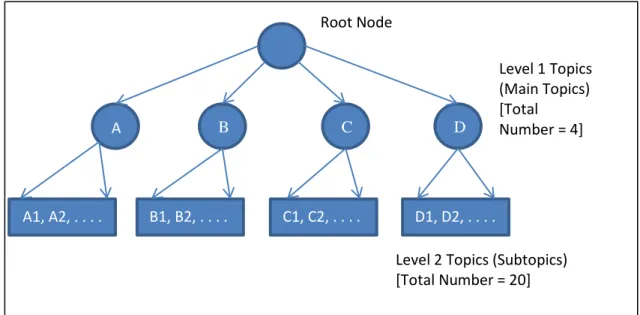
Figure 3.2: An Example Two-Level Category Hierarchy 50
Figure 3.3: Subspace Detection with Maximum Significance Value 50
Figure 3.4: The Concept of Full & Conditional Significance 52
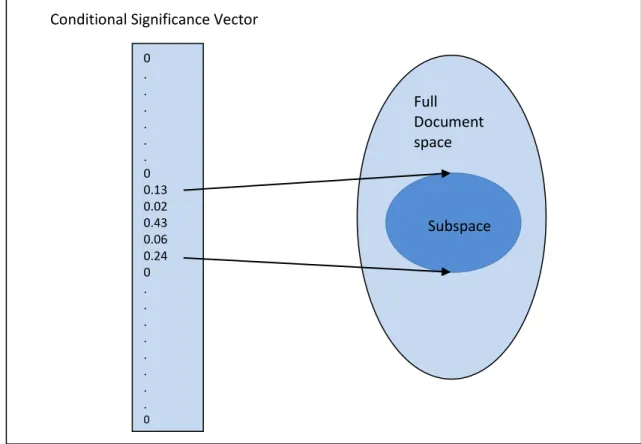
Figure 3.5: Mapping of Conditional Significance Vector to relevant subspace 53
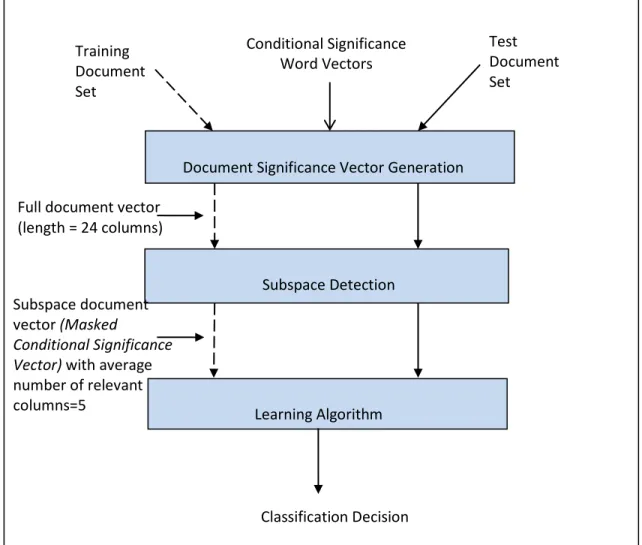
Figure 3.6: Semantic Subspace Learning Architecture 56
Figure 3.7: Conditional Significance and Full Significance (Mask 3) Vectors 70 for Two Different Reuters Headlines
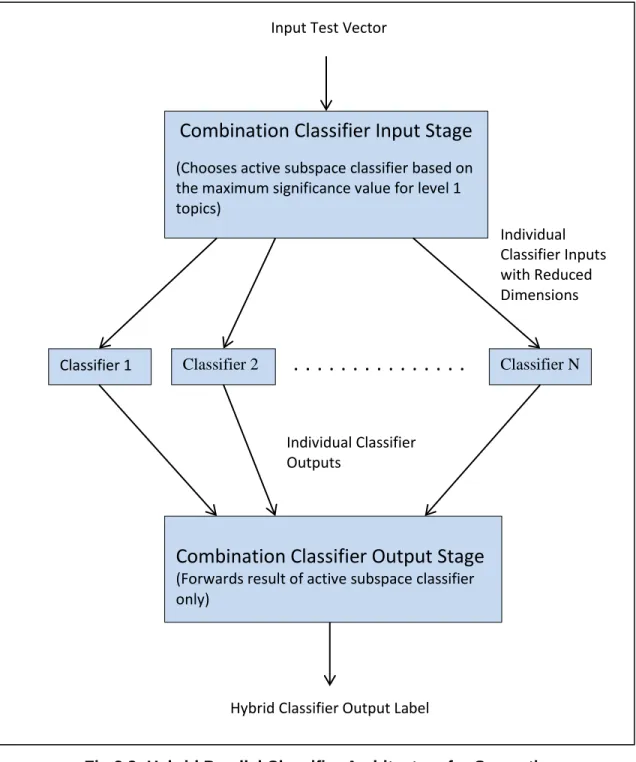
Figure 3.8: Hybrid Parallel Classifier Architecture for Semantic Subspace 73 Learning
Figure 4.1: Reuters Corpus Document Vectors with different levels of masking 84 Figure 5.1: Classification Decisions by a Hybrid Parallel Classifier for some 107 Reuters Headlines Input Vectors
Figure 5.2: Classification Decisions by a Hybrid Parallel Classifier for some 108 LSHTC Input Vectors
Figure 5.3: Hybrid Parallel Classifiers Performance Metrics with MLP Baselines 113 Figure 5.4: Performance Metrics – Hybrid Parallel Classifiers Only 114 Figure 5.5: Comparison of Hybrid Classifier Performance with Basic 115 Classifiers on Full Data Space
Figure 5.6: Comparison of Hybrid Classifier (HC4) Performance with 116 Different Vector Formats
Figure 5.7: An Example of Reuters Full Text 120 Figure 5.8: Subtopic Classification Accuracy for Hybrid Two-Classifier 123 Combinations for the REUTERS Corpus
Figure 5.9: Subtopic Classification Accuracy for Hybrid Four-Classifier 124 Combinations for the REUTERS Corpus
ix
Figure 5.10: Subtopic Classification Accuracy for Hybrid Two-Classifier 125
Combinations for the LSHTC Corpus Figure 5.11: Subtopic Classification Accuracy for Hybrid Four-Classifier 126
Combinations for the LSHTC Corpus Figure 6.1: Parallel Classifier Performance Metrics with Baselines 136
(Reuters Headlines) Figure 6.2: Parallel Classifier Speed-up for Reuters Headlines 137
Figure 6.3: Parallel Classifier Metrics with Different Vector Formats 138
(Reuters Headlines) Figure 6.4: Comparison of Reuters Headlines and Reuters Full Text 139
Figure 6.5: Parallel Classifier Performance Metrics with Baselines (LSHTC) 141
Figure 6.6: Parallel Classifier Speed-up for LSHTC 142
x
List of Tables
Table 3.1: Reuters Level 1 (Main) Topics 59
Table 3.2: Some Reuters Level 2 Subtopics 60
Table 3.3: LSHTC Level 1 (Main) Topics 62
Table 3.4: Some LSHTC Level 2 Subtopics 63
Table 3.5: Classification Algorithms and their default parameters in Weka 65 Table 3.6: Variation in seed value used for different experiment runs 66 Table 3.7: Other Parameter variations used in Chapter 5 and Chapter 6 66 Table 4.1: Main Topic Average Classification Accuracy for Test Vectors 86 (Reuters 10,000 Headlines)
Table 4.2: Subtopic Average Classification Accuracy for Test Vectors 87 (Reuters 10,000 Headlines)
Table 4.3: Main Topic Classification Accuracy Variance for ten runs 88 (Reuters 10,000 Headlines)
Table 4.4: Subtopic Classification Accuracy Variance for ten runs 88 (Reuters 10,000 Headlines)
Table 4.5: Classification Accuracy with TFIDF/PCA and TFIDF 89
(Reuters 10,000 Headlines)
Table 4.6: Main Topic Classification Accuracy for Test Vectors 91
(Reuters 100,000 Headlines)
Table 4.7: Subtopic Classification Accuracy for Test Vectors 91
(Reuters 100,000 Headlines)
Table 4.8: Main Topic Classification accuracy for 10,000 Reuters Full Text 93 News Items
Table 4.9: Subtopic Classification accuracy for 10,000 Reuters Full Text 93 News Items
Table 4.10: Main Topic Classification Accuracy for Test Vectors (LSHTC) 95
1
Chapter 1
Introduction
1.1 Background & Motivation
Documents today are often maintained in category hierarchies rather than a flat classification system. As the volume and diversity of documents grow, so do the size and complexity of the corresponding category hierarchies. Documents collected for a specific purpose such as collections of medical documents (MEDLINE), patent documents (WIPO) and news articles (RCV1) are all structured in a hierarchy. The Reuters Corpus (RCV1) has news articles classified in a hierarchy of up to five levels. For example, a Reuters news item has tags MCAT(Markets)/ M14(Commodity Markets)/ M141(Soft Commodities) to denote the three levels of categories associated with it. On the web, Yahoo! and DMOZ are two examples of systems which follow a structured document
2
catalogue. An exhaustive study conducted in 2004 found the Yahoo! directory at that time to contain 292,216 categories in a 16-level hierarchy. Traditional classifiers cannot take advantage of this hierarchical information. The hierarchy has to be flattened to a single level, either manually or through a program, for the application of these classifiers. Flattening results in a huge number of categories which have to be differentiated by a single classifier. This greatly degrades the performance of many classifiers. Furthermore, the information inherent in the hierarchy is lost during flattening and a single classifier is not able to focus on differences between categories at the lower levels of a hierarchy. To be able to access hierarchically-classified documents in real time, we need fast automatic methods to navigate these hierarchies. As data gets progressively sparser at deeper levels of a hierarchy, it is more appropriate to concentrate on two or three topic levels for classification. Instead of using a classification algorithm at the first level, methods which can directly point to a relevant main topic should be explored. Such methods will help in increasing the search/classification speeds.
Subspace learning is an area popular with non-text domains such as image recognition to increase speed and accuracy. The vast data space in today’s world is divided into many subspaces which are quite different from each other, e.g. medicine and politics. Since each subspace can be viewed as an independent dataset, separate classifiers can be used to process separate subspaces. Instead of using the complete set of full space feature dimensions, classifier performances can be boosted by using only a subset of the dimensions. In this work we explore hybrid classifiers based on semantic data subspaces as a means to improve two-level classification of text documents.
3
1.2 Research Aims and Objectives
1.2.1 The Aim
The aim of our research is to improve the speed and accuracy of automatic document classification in the presence of category hierarchies. This will be done by developing novel hybrid machine learning techniques and novel vector representations based on the semantic content of news and text documents.
1.2.2 The Objectives
The objectives include the following research and experimental tasks:
1. Conduct a literature review on the current state of multilevel text classification systems using machine learning methods with emphasis on hierarchical classification and subspace learning.
2. Propose a new vector representation suitable for two-level learning.
3. Conduct a literature review on the currently available methods of classifier combination.
4. Research various classifier combination methods to improve two-level text classification.
5. Propose a new hybrid architecture for improved two-level learning using the new proposed vector representation.
6. Evaluate the performance of the new proposed hybrid architecture using various performance methods.
1.3
Research Questions and Hypothesis
1.3.1 Research Hypothesis
• The use of separate classifiers for separate subspaces will improve overall subspace classification accuracy and learning time and lead to improved two-level classification of text documents.
4 1.3.2 Research Questions
Research Question 1) Is it possible to devise a method to quickly direct the document search to a relevant document subspace by examining only a single input query vector?
Research Question 2) Can we develop a classification method which directs the classification from all possible classes to a relevant subspace of classes?
Research Question 3) Is it possible to have a vector representation that focuses on the relative importance of keywords within a data subspace?
1.4 Novelty / Original Contributions of the Thesis
• Subspace Detection using Maximum Significance Value: We developed a method of detecting the subspace (level 1 category) of a document from the document vector itself. The document was represented using significance vectors. The components of a significance vector are the categories present in the data. Since we considered a two level classification system, categories from both level 1 and level 2 were represented in the significance vector. Each entry in a document significance vector gives the significance of the document to that particular category. We proposed that the maximum numerical value entry among the level 1 categories indicated the level 1 category or the subspace that the document was most likely to belong to. We called this the Maximum Significance Value. The relevant subspace of a new test document is thus detected from the document vector itself using the maximum significance value. This value can be calculated in O(k) time where k is the number of level 1 topics. Hence this is a very fast method of subspace detection.
5
• Conditional Significance Vector Representation: We developed this new vector representation which is based on term frequencies within a given subspace. This enhances the distinction between subcategories within a subspace when compared to a normal significance vector which uses term frequencies across the full data space.
• Hybrid Parallel Classifier Architecture: We developed and testedthis new architecture which takes advantage of the semantic subspaces present in the data and improves classification at subcategory level
• Parallel Classifier Architecture: We also tested this special case of our hybrid parallel classifier architecture using the same type of classifier for all subspaces. This significantly reduces classifier training and test timings along with improving classification at subcategory level.
• Subspace Based Dimensionality Reduction: We use only the vector components relevant to a document’s subspace in the hybrid classifiers and show that such dimensionality reduction improves subspace learning.
We used the Reuters Headlines as well as Reuters Full Text (Headlines + Body Text) for our experiments showing that Reuters Headlines are better at classifying news items than Reuters Full Text. We also used a corpus (LSHTC) drawn from real web data showing that our methods are equally applicable to the web. Two different baselines, significance vectors and tf-idf, were used to provide a comparative evaluation of our proposed system. The performance metrics used for the comparisons were classification accuracy and training/test timings. We also ran statistical significance tests on these values. The results were shown to be statistically significant in all cases. We have applied our novel method to the field of text classification. Our thesis also discusses how these techniques can be applied to other domains.
6
1.5 Structure of the Thesis
This thesis is divided into seven chapters including the current introduction chapter.
Chapter 2 looks at the current state of text classification where the data is arranged in the form of multilevel hierarchies. It also presents subspace learning, a concept popular in pattern recognition to deal with high dimensions and discusses its application to text classification. Classifier combinations are also explored as a means to improve classification accuracies.
Chapter 3 introduces the novel techniques of Maximum Significance Value, Conditional Significance Vectors and Hybrid Parallel Classifiers along with the experimental methodology. The explanation is divided into two phases representing the sequence of development of the novel techniques. The two test corpora, the Reuters Corpus (RCV1) and the Large Scale Hierarchical Text Classification (LSHTC) dataset are also discussed in detail in this chapter.
Chapter 4 presents the results of Conditional Significance Vectors (Phase I). These results are compared with two different baselines vector formats – the tf-idf vector and the standard Significance Vector. Experiments are conducted on two datasets, Reuters Headlines and Reuters Full Text, extracted from the Reuters Corpus and also on the LSHTC dataset using two levels of topic hierarchy.
Chapter 5 presents the results of Phase II of the experiments conducted on the final novel architecture – the Hybrid Parallel Classifier. Here again, the results are compared with two different baselines, full data classification using tf-idf and significance vectors. Two sets of experiments are presented here. Experiment Set A presents the hybrid combination of the Multilayer Perceptron (MLP) with a
7
number of other classifiers while the Experiment Set B presents the hybrid combination of a wide variety of classifiers.
Chapter 6 presents the results of a special case of the Hybrid Parallel Classifier – the Parallel Classifier which combines different classifiers of the same type in a parallel combination. These results are again compared with the baselines using tf-idf and significance vectors. This chapter presents the effect on classifier timings (both training and test) as well as classification accuracy.
Chapter 7 concludes the thesis with a summary of the work undertaken. It discusses the outcomes of this research and its implication for the fields of text classification and classifier theory. It also discusses the applicability of this work to other domains and suggests the scope for future work in this area.
8
Chapter 2
Multi-Level Text Classification
2.1 Machine Learning in Multi-Level Text Classification
Traditional methods of automatic text classification deal with a number of categories on a single level i.e. they implement a flat classification scheme. Category hierarchies, however, are a convenient way of arranging huge amounts of data in a manageable form. A large number of organisations are nowadays associating their data with multilevel category schemes. In this chapter we look at the traditional methods of text classification, the presence of multi-level data in today’s world, and various methods of extending traditional classifiers to deal with multi-level data.
9
2.1.1 Text classification with single level data
Machine Learning techniques for text classification have been applied to document classification (Li & Jain, 1998), news classification (Bacan, Pandzic, & Gulija, 2005), spam filtering (Androutsopoulos, Koutsias, Chandrinos, Paliouras, & Spyropoulos, 2000), automatic essay grading (Larkey L. , 1998) and sentiment analysis (Pang & Lee, 2008) to name a few.
Comparative studies of text classifiers have been carried out by various researchers.
Sebastiani (2002) compared 42 results on text classification published by various researchers and concluded that the best text classifiers were Support Vector Machines (SVM), regression based classifiers, example based classifiers and boosting methods. These were closely followed by Neural Networks and on-line classifiers. The worst performing classifiers were found to be the Naïve Bayes and Rocchio classifiers. He stated that it was difficult to draw any conclusions about decision trees though one of the results (Dumais et al) showed the performance of a decision tree to be very near that of the SVM.
Yang (1999) compared some previously published results along with her new results on five different versions of the Reuters Corpus. She concluded that kNN was one of the best performing classifiers followed by tree-based and rule-based classifiers. Naïve Bayes and Rocchio were determined to have poor performances. Joachims (Joachims, 1998) compared the performance of several SVMs based on polynomial and RBF kernels against that of four traditional baselines – Naïve Bayes, kNN, Rocchio and the C4.5 decision tree. He reported that all SVMs performed better than all the baselines with kNN being the best performer among the baselines. A subsequent paper by Yang & Liu (1999) disputed this finding of Joachims and compared five learning methods – Support Vector Machines (SVM), Neural Networks (NNet), LLSF (a
10
method developed by Yang), Naïve Bayes (NB) and their own version of k-nearest neighbours (kNN). They concluded that SVM and kNN were the best text classifiers while NB was the worst.
Dumais et al. (1998) compared five methods - Naïve Bayes, BayesNet, Decision trees, SVM and a variation of Rocchio’s algorithm on Reuters 21578. They concluded that SVM was the best text classifier with trees coming in second and Bayesian classifiers last. Among Bayesian classifiers, BayesNet performed better than Naïve Bayes. Basu et al. (2003) compared SVM with Neural Networks on the Reuters 21578 collection and concluded that the performance of SVM was significantly better than that of Neural Networks. Lewis et al. (2004) compared SVM, weighted kNN and Rocchio on the new Reuters RCV1 corpus using both micro and macro averaged effectiveness measures. They found that SVM performed the best followed by weighted kNN. Rocchio’s performance was below both SVM and kNN.
Hence the general consensus in research seems to be that SVM is the best text classifier while Naïve Bayes is among the worst. However, Giorgetti & Sebastiani (2003) compared SVM and Naïve Bayes (the best and the worst text performers) with a dictionary based approach in a multiclass setting for automated survey coding. They reported that although both the methods outperformed the dictionary method, Naïve Bayes outperformed SVM by a small margin. This calls into question the capabilities of SVM in a multiclass setting. SVMs have originally been developed for binary classification and their applications to multiclass classification needs to be explored further. Meanwhile, interest in Naïve Bayes still continues unabated. Kim et al. (2006) suggested a Poisson Naive Bayes implementation with weight-enhancing method and tested it on the Reuters 21578 and 20 Newsgroups text corpora. They reported a performance approaching that of the SVM on the same corpora.
11
Text classification is intuitively a multiclass problem. However a lot of earlier work using SVMs has been done on binary text classification. SVMs are the best performers in binary classification but their logic of a separating hyperplane cannot be directly applied to a multiclass setting (Li, Zhu, & Ogihara, 2003). Multiclass problems are usually solved by decomposing them into a set of binary problems. Two approaches used for this are one-vs-rest and one-vs-one. The one-vs-rest approach has n binary classifiers to decide the classification for each of the n categories while the one-vs-one approach had nC2 or n(n-1)/2 binary classifiers. The one-vs-one is the most exhaustive approach comparing each category with every other category. The outcomes of these classifiers are then combined to give the final result. Both these approaches have a significant bearing on the classifier training times. The training time for a binary SVM is O(nk) where 1.7<=k<=2.1 (Li, Zhu, & Ogihara, 2003) where n is the number of training instances. Multiclass classification using SVM would require training many SVMs resulting in a high overall classifier training time.
To bypass multiple binary classifications, Li et al. (2003) propose an algorithm called GDA based on Generalised Singular Value Decomposition (GSVD) for direct multiclass classification. They compare their GDA algorithm with Naïve Bayes, kNN and one-vs-rest SVM on a number of datasets including Reuters top10 which is a subset of Reuters 21578 consisting of the ten most frequently occurring categories. Naïve Bayes and kNN can directly handle multiclass classification and do not need multiple binary classifiers for this task. They report that Naïve Bayes was the best performing classifier on Reuters top10.
A recent report by Henderson (2009) compares four algorithms, Naïve Bayes, SVM, kNN and multiclass Rocchio (also called Centroid) for multiclass classification on a subset of data from the open directory project (ODP/DMOZ). The SVM implemented uses the comprehensive one-vs-one approach in a fast implementation called sequential minimal optimization (SMO). He reports that SVM and NB were the best performers on classification accuracy with SVM
12
performing slightly better with larger training sets. However, his study on training times with respect to training set size showed that Naïve Bayes showed a relatively constant training time whereas SVM initially shows an exponential increase which levels off at a training time which is 100 times that of the Naïve Bayes training time. The classification time (testing time) of SVM also increases greatly with the training set size whereas Naïve Bayes shows small variations. The kNN classifier also has a very high classification time. Thus SVM and kNN do not scale well with increasing training set sizes whereas NB and Rocchio perform well on this metric.
Several researchers have compared various classifiers without specifically targeting the text domain.
Kiang (2003) studied the effects of data characteristics on classifier performances. She performed controlled experiments with synthetic data to observe the effects of various data imperfections. The classifiers used for comparisons were neural networks (multilayer perceptron), C4.5 decision tree, logistic regression, linear discriminant analysis (LDA) with Bayes classification, and the k-nearest neighbor (kNN). The different data characteristics studied were base case, nonnormality, nonlinearity, dynamic scenario, high correlation, multimodal distribution, unequal sample proportion, unequal covariance and sample size. In all cases the neural network method performed the best except for large sample size in which case kNN performed the best. The performance of logistic regression followed that of neural networks with C4.5 and LDA_Bayes being far behind. Sample size had a large influence on kNN and C4.5 which showed significant improvement with increasing sample sizes.
Kotsiantis (2007) presented a review of classification techniques for supervised learning. He compared several techniques on many relevant criteria such as training times, storage requirements, robustness and transparency. According to this paper, kNN requires zero training time while Naive Bayes and decision
13
trees train quickly. The training times of neural networks and SVMs are larger than these by several orders of magnitude. kNN has the maximum storage requirement for both training and testing as it stores all training instances for comparison during testing. For other classifiers memory required during testing is much less than that required during the training phase. Naïve Bayes requires very little memory for both training and testing. Naïve Bayes can handle missing values and along with rule-based and tree-based classifiers is resistant to noise. kNN is most susceptible to noise as noise can easily distort its similarity measures leading to wrong classifications. Transparency is defined as the ease of being understood by human beings. On this index, Naïve Bayes, decision trees, rule-based classifiers are the best followed by kNN which is quite good. SVM and Neural networks are deemed to be the least transparent.
The analysis by Kotsiantis shows that Naïve Bayes has some very desirable qualities i.e. very small training and test timings, low memory storage requirements, transparency, resistance to noise and the capacity to handle missing values. Furthermore, Naïve Bayes can also work as an incremental classifier. Thus we can expect that the application of Naïve Bayes will continue to be explored for text classification despite the earlier negative reports.
Kiang’s analysis shows that neural networks are the best classifiers and that increasing the training sample size significantly increases the performance of both kNN and C4.5 decision tree. Since in the text domain, large training sample sizes are easily available, these two classifiers cannot be removed entirely from consideration. One major concern with kNN is the large classification/test time which increases with increasing training data and thus it may not be a suitable classifier especially for web-based applications where speed is an essential characteristic. kNN is also very susceptible to noise. Hence even though kNN has been found to be a very good text classifier in the past, its further application in the web domain may be limited due to the requirement for fast classification and the presence of large training data sets.
14
Decision trees, on the other hand, require less time for training as well as classification. Therefore we can expect to continue seeing their application in text classification.
2.1.2 Multilevel Data in Today’s World
The advent of internet and its increasing popularity has resulted in an overwhelming amount of documents presently available along with a very wide variation in their content. To structure this content for easier accessibility, these documents are often arranged at multiple levels along a concept hierarchy. Hierarchies are not unique to the web. Documents collected for a specific purpose e.g. collection of medical documents (MEDLINE), patent documents (WIPO) and news articles (RCV1) are all structured along a hierarchy. Similarly on the web, Yahoo! and DMOZ are two examples of systems which follow a structured document catalogue. The size and depth of data taxonomies is increasing with the current explosion of data. Taxonomies now consist of thousands of categories. An exhaustive study in 2004 found the Yahoo! directory to contain 292,216 categories in a 16-level hierarchy. Single classifiers discussed in the earlier section do not take advantage of this hierarchical information. The hierarchy has to be flattened to a single level for the application of these classifiers. Flattening results in a huge number of categories which have to be differentiated by a single classifier. Single classifiers are not able to handle such a large number of categories. For example, the time complexity if an SVM is directly proportional to the number of categories. This training time soon reaches unacceptable levels with the amount of categories available in current systems. Furthermore, the information inherent in the hierarchy is lost during flattening and a single classifier is not able to focus on differences between categories at the lower level of a hierarchy. Therefore text classifiers which use this hierarchical information present with the data are needed for further improvement in classification performance.
15 2.1.3 Hierarchical Text Classification
Koller & Sahami (1997) presented one of the earliest works on hierarchical classification of documents using Naïve Bayes and KDB which is a more complex Bayesian classifier. They used the Reuters 22173 dataset and extracted three hierarchical data sets from it. These datasets consisted of three levels each with different number of features and documents. Text documents were successively applied to classifiers at the first and second levels for a final decision to be made. Errors made at the first level could not be corrected at the second level thus propagating them down the hierarchy. The baselines were the corresponding flat representations of these three sets. They initially applied aggressive feature selection which significantly improved the performance of both the flat as well as the hierarchical classifier. The comparison between flat and hierarchical classifiers was inconclusive with Naïve Bayes. For two hierarchies, the hierarchical Naïve Bayes classifier performed better whereas for the third hierarchy, flat Naïve Bayes performed better. However, hierarchical classifier using the more complex KDB showed considerable improvement over the corresponding flat KDB classifier. With an optimized number of features, the hierarchical KDB showed an 80% reduction in error over the flat KDB for one of the hierarchical datasets. They conclude that the use of a structured topic hierarchy along with the use of aggressive feature selection and more complex classifiers would lead to significantly better classification of text documents.
McCallum et al. (1998) attempted to improve the accuracy of a Naïve Bayes classifier by using class hierarchies of the UseNet and Yahoo datasets along with a set of corporate web pages. They asserted that large hierarchies often have sparse training data per class especially at leaf nodes. They applied a method called “shrinkage” which improves the maximum likelihood (ML) estimate of a leaf node by taking a weighted sum of the ML estimates of all the nodes on the path from the root to that leaf node. They reported a 29% reduction in classification error using this method. They used mutual information
16
to select relevant words for feature selection at each internal node of the tree but their experiments showed that maximum accuracy was achieved with no feature selection. To increase computational efficiency, the tree was pruned dynamically during classification. They showed that pruning improved efficiency with only a slight reduction in classification accuracy. Their experiments also showed that using even a partial hierarchy had a better performance than that of a flat classifier.
Weigend et al. (1999) experimented with a two-level hierarchy on the Reuters-22173 corpus using neural networks. Using cluster analysis, they manually grouped the topics into several meta-topics. They claimed that a large number of wrong assignments in a flat classification model are made on topics which are semantically close to the actual topic and thus fine grained distinctions are necessary to improve classification. In their model, a test document was given to each of the topic classifiers as well as to the meta-topic classifier. The final result was obtained by multiplying the individual topic classifier and meta-classifier outputs. They used two techniques for dimensionality reduction. The first one used Latent Semantic Indexing (LSI). For input to the meta-topic classifier, LSI was done on the entire corpus documents whereas for input to the classifiers on the second level, LSI was done on documents belonging only to a particular meta-topic. The second technique used chi-squared term selection to choose a small subset of important terms for vector dimensions. They reported that the performance of the two-level system was better than that of a flat system especially on lower frequency topics. They experimented with both global and local LSI representations as well as global and local term selection methods and reported that while local LSI outperformed global LSI, global term selection gave the best performance. They achieved a 5% improvement for averaged precision with the maximum improvement on rare topics.
17
Fukumoto & Suzuki (2002) built a hierarchical classifier using a combination of Naïve Bayes (NB) and SVM on the 1996 Reuters Corpus which has 126 categories in a four-level hierarchy. The one-vs-rest model of SVMs was used for multiway classification. A separate classifier was learned for each internal node of the hierarchy tree. Each classifier thus selected the path to be followed until a leaf node was reached. NB classifiers were trained using 10-fold cross validation. SVMs were trained on the held out test data (or evaluation data) which could not be classified correctly by the NB classifiers. This process was repeated for classifiers at all nodes. During the test phase, first the NB classifier was applied using a threshold determined during the training phase. If the test instance could not be classified by NB, it was given to the corresponding SVM for classification. They compared their NB/SVM combination hierarchy results with those obtained by a hierarchy of only NB and hierarchy of only SVM along with that of flat NB and SVM classifiers. Their results showed that hierarchical NB and hierarchical NB/SVM performed better than the flat classifiers. However, the hierarchical SVM performed worse than the flat SVM with its F1 measure value dropping to half of the flat SVM’s F-measure.
Yang et al. (2003) experimented with hierarchical organisations using SVM as well as kNN on the OHSUMED corpus with 14,321 categories on 10 levels. They found that the training time of flat SVM was 102 hours whereas the corresponding time for hierarchical SVM was only 26.3 minutes. In kNN however, the main time complexity is in the classification (testing) phase. This is almost same for each level in the hierarchy and hence this multiplies with the number of levels used. kNN is therefore not suitable for a hierarchical organization. These experiments did not compare the classification performance (accuracy/F-measure) of flat and hierarchical organisations and only show that the time complexity of SVM is improved by using a hierarchy.
In a subsequent paper, Liu et al. (2005) reported an evaluation of a hierarchy of SVMs on the complete Yahoo! taxonomy along with an analysis of the Yahoo!
18
taxonomy itself. They collected their data in 2004 and at that time the Yahoo! directory had 292,216 categories organized in a 16-level hierarchy. They reported that the category distribution was skewed and that 76% of the categories had less than 5 labeled documents. These categories were called rare categories and their incidence increased at deeper hierarchy levels. The performance of the hierarchical SVM organization was compared with that of a flat SVM on both time complexity and effectiveness (using both micro- and macro-averaged F-measures). Flat SVM was found to be very unsuitable as it took 13 days with a parallel combination of 10 powerful machines for training while the average classification (test) time per document was 0.69 seconds. The best hierarchical combination, on the other hand, took only 2.1 hours for training and an average of 0.0016 seconds for classification. The study of classification performance with respect to the depth of the hierarchy however showed that increasing the number of levels actually decreased the effectiveness. Using categories at the deepest (16th level) for both flat and hierarchical SVMs showed a very low performance though the hierarchical SVM performed better than flat SVM. Even with the best settings, Hierarchical SVM showed a Micro-F1 of 0.24 and a Macro-F1 of 0.12. Liu et al attribute this to data sparseness in the lower level rare categories and suggest that increasing the number of training examples for these categories would improve classification. They compared the performance of the hierarchical SVM with the number of training examples per category and found that increasing the number of training samples per category beyond 100 significantly increased classification performance levels.
Wetzker et al. (2008) studied the effects of taxonomy size on the classification performance of a Naïve Bayes classifier. They used the RCV1 corpus with the
topics hierarchy which had 104 categories. They applied a greedy algorithm to find an optimal subset of the full category set using four utility measures – utilities by Occurrence, Graph Entropy, SVD and expected F-Measure. They reported that the expected F-measure gave the best performance and that only
19
about 20% of the categories were required to achieve near to optimal classification performance. They concluded that reduction in the number of categories was very important in the face of continuously expanding datasets in current times.
Ghazi et al. (2010) compared a flat SVM with two-level and three-level hierarchy of SVMs for classification of emotions in text. They used two different corpora – blog sentences and children’s stories both annotated with emotion labels. They reported the hierarchical approach improved the classification results and was also better at handling data imbalances.
All the above approaches use a divide and conquer strategy with successive refinements and the use of many classifiers at different levels. One major drawback of this method is error-propagation. An error made at any level of a hierarchy cannot be rectified at lower levels. Some researchers have explored alternate methods to bypass this problem.
Cai & Hoffman (2004) presented a method of modifying a multi-class SVM for classification using hierarchy information. A single classifier is learnt instead of multiple classifiers at different levels of the hierarchy. Their experiments were conducted on the WIPO – alpha collection. This is a collection of patent documents structured in a four-level hierarchy and is published by the World Intellectual Property Organization (WIPO). A class attribute representation was used which encoded the relationship between classes in the data hierarchy. A discriminant function was developed which took the contribution of all nodes on the path leading to the leaf node. They reasoned that predicting a class near to the original class was less costly than predicting a class which was far away from it. They defined a loss function based on this idea and the classification process worked on minimizing this loss. They also evaluated their system on the parent accuracy measure and argued that a higher parent accuracy would confine misclassifications into the original category’s siblings rather than into far
20
away nodes. This would be useful in automatic systems which are designed to assist human experts. They reported that their hierarchical SVM outperforms the flat SVM on the loss function and in most cases performed better on the evaluation measures of accuracy, precision and parent accuracy. The performance gains were higher in cases with fewer training documents.
Qiu et al. (2009) also built only one SVM classifier for the entire hierarchy. They used the global margin maximization method which attempted to separate all nodes in a hierarchy from their sibling nodes. They tested their model on the WIPO-alpha collection which consists of 1372 training and 358 test instances with 188 categories divided into 3 levels. Again, the classifier used was a multi-class SVM. They compared their implementation with two other hierarchical models based on a single SVM and showed that in their system the hierarchical losses were reduced.
Gao et al. (2009) proposed a classifier independent framework to deal with the problems of data skew and error propagation in earlier hierarchical classification methods. This framework consisted of two stages – one to limit errors at the current level and the other to correct errors made by a previous level. The dataset used was the top 10 levels of the ODP web pages dataset. They developed a path semantic vector which incorporated the semantic information from a category hierarchy. They introduced category probability and subtree probability as means to reduce classification errors at higher levels. Correction of classification errors was done using co-occurrence probability which was the probability of any two given categories being assigned to a document. The prior information was generated offline. They tested their architecture using the SVM and Bayesian classifiers and showed performance improvement over the corresponding classifiers. They compared the classification performance across different levels of the hierarchy and show that more improvement occurred at lower levels. The evaluation metric used was the micro F-measure.
21
Chuang et al. (2000) focused on the speed of hierarchical classification and conducted their experiments on a collection of web pages consisting of 200 news items on professional baseball and basketball. They used a concept hierarchy where each node was represented by a TFIDF feature vector. These TFIDF feature vectors were derived from the collection of all documents belonging to that node. The documents set of a parent node was taken as the union of the document sets of its child nodes. During the training period, a threshold distance was calculated for each node within which a document was considered to belong to the node’s category. During the testing phase, a node’s TFIDF vector and threshold together acted as a classifier. A new test document started its comparison with the root node using the cosine measure. If the cosine distance was less than the threshold, the new document was considered to belong to that node’s category and was filtered down to the child nodes for further comparison. A document was assigned all categories whose node TFIDFs fell within the corresponding threshold values. The number of filtered documents reduced with the depth of the hierarchy. Accuracy was calculated as the fraction of the correctly classified documents out of the total number of documents filtered to that node. The results showed an accuracy around 90% at the top two levels and a progressive drop in accuracy from level 3 (75%) to level 5 (45%). They further experimented with reducing words in the feature vector by retaining the top TFIDF feature values and reported that a 40-50% reduction in features hardly affected classification accuracy. They also experimented with a method of introducing background knowledge and showed that it improved classification accuracy. They further applied this method to TV closed caption data along with 15% web pages and showed promising results. TV captions can thus be used in video and multimedia classification. Their timing analysis showed a low training time of O(n log n) where n was the total number of documents.
22 2.1.4 Conclusion
A study of traditional text classifiers shows that kNN is a very good classifier and that SVM is the best text classifier in a binary setting. However document classification often involves many classes or categories. This led to the development of the multi-class SVM whose time complexity was proportional to the number of classes present. This caused the training time of SVMs to rise rapidly. kNN is a lazy classifier which stores all training instances for comparison during the testing phase. This causes a high test time complexity which soon becomes impractical with large training sets. The Naïve Bayes classifier which was earlier reported not to be suitable for text classification is seeing a renewed interest due to its very low training/test timings and other beneficial characteristics. Decision trees also have low training and testing times and continue to be used in classification systems. Neural networks are scalable and have low classification (test) times. In the present day, classification speed is an important aspect of document classification along with classification accuracy. Thus, there is no clear winner on both counts in a multi-class multi-classification setup.
In the present day, the web has resulted in a huge amount of data along with taxonomies consisting of thousands of categories. Traditional single level classifiers are now unable to handle the extent and complexity of this data. Classifiers are which utilize this hierarchical information are thus required to further improve classification performances. Literature shows that the use of existing topic hierarchies can drastically improve the timing efficiency of a classifier and also improve classification accuracies especially of rare classes. In a hierarchical classifier, individual classifiers deal with smaller datasets, less categories and a lower number of features. This improves the efficiency of the concerned classifier and also improves fine grained distinction between closely related topics. However using many levels of hierarchy actually degrades performance. The main reason for this is error propagation where errors made
23
at higher levels of the hierarchy cause further errors at lower levels. Another reason is the sparse number of training documents at lower levels. Hierarchical representations with the SVM classifier have been studied extensively but have not shown any major advantages over hierarchical representations with other classifiers such as Naïve Bayes and Neural Networks. On the other hand, the kNN classifier has been shown to be totally unsuitable for a hierarchical setting.
A few researchers have proposed implementations of a single SVM multiclass classifier to deal with hierarchical information. However these studies were conducted on a very small dataset with few levels of hierarchy. This method seems inappropriate for scaling to very large datasets with large number of categories and many hierarchy levels. A method for error reduction and correction has also been proposed for a hierarchical arrangement of classifiers. This method involves a lot of prior information and computations at each node which would affect training times adversely.
This suggests that the popular divide and conquer strategy of text classification with the use of successive classifiers at different levels along with feature reduction is best suited for scaling to a large number of documents as well as to a large number of categories. Training time is also significantly reduced in this method. To reduce the effect of error propagation, a small number of levels (two or three levels) should be used. These levels need not be the top two/three levels. The given hierarchy structure can be optimized by removing some intermediate levels between the root and the leaf nodes to create a two/three level category hierarchy. Unlike the case of SVM for binary text classification, the current research on hierarchical text classification does not throw up any specific classifier as a clear winner. As such, an extensive experimental study involving classifiers of different kinds is needed to assess whether any particular type of classifier is more appropriate for exploiting the concept hierarchies inherent in today’s datasets and which classifiers, if any, benefit more from a hierarchical organisation.
24
2.2 Subspace Learning in Multi-Level Text Classification
As the volume and diversity of data increases, the number of dimensions required to represent the data also increases drastically. Such high dimensions adversely affect classifier performances. Subspace Learning is a technique used in many fields to bring down the number of dimensions. Application areas of subspace learning include image processing, pattern recognition, computer vision, robotic vision, human gait analysis, object classification, document classification and multimedia classification to name a few. Research in subspace learning is broadly divided into two main areas – Feature subspace learning which focuses on finding a reduced set of dimensions to represent the entire dataset and Data subspace learning which tries to find an optimal data subspace along with features corresponding to that subspace to improve overall classification performance.
2.2.1 Feature Subspace Learning
Linear Discriminant Analysis (LDA) (Fukunaga, 1990) and Principal Component Analysis (PCA) (Joliffe, 1986) are two traditional methods of feature reduction. LDA is a statistical method of transforming a high dimensional space to lower dimensions. It uses the class information present in the data and is thus a supervised method. PCA, on the other hand, is an unsupervised method which is very popular in the field of pattern recognition and computer vision.
Szepannek and Luebke (2004) introduced the concept of characteristic regions
and presented their Different Subspace Classification (DiSCo) method to simultaneously visualize as well as classify multiple categories in presence of high dimensions. They used the IRIS dataset and compared their method with CART decision trees and LDA showing it to outperform CART and approaching the performance of LDA.
25
Li (2004) proposed an incremental version of PCA to deal with large datasets. He claimed that it was better suited to real-time applications than the computationally expensive standard PCA. He applied it successfully to dynamic background modeling and multi-view face modeling showing its superiority to standard PCA.
Cao et al. (2007) presented a method using a subset of the kernel space to extract the most informative features for classification. They used the IDA Benchmark repository (medical diseases data) with the SVM and kNN classifiers. They showed that their method had lower computational complexity compared to the baselines (Generalized Discriminant Analysis(GDA) and Kernel Fisher Discriminant Analysis(KFD)) and that the classifier performance of SVM was better than that of kNN.
Chen et al. (2008) constructed an optimal subspace kernel with an eigenvalue solution. They proposed a method to simultaneously learn the kernel subspace as well as the kernel classifier and showed that it was effective. The SVM classifier was used with the seven datasets. Five datasets were from the UCI Machine Learning Repository (satimage, waveform, segment, wine, and USPS) while two were gene expression data sets.
Cohen and Paliwal (2008) constructed a subspace for each class using class dependent PCA. They implemented the nearest subspace classifier and compared it with the nearest neighbor and the nearest centroid algorithms on microarray cancer data showing that it performed better than the baselines.
He and Cai (2009) proposed an active subspace learning algorithm for relevance feedback driven image retrieval. Each iteration of the algorithm presented the user with five images for labeling. The user provided labels were then used for tuning the system. Four iterations were used for each query. They used 7900 images from the COREL dataset and compared their algorithm with
26
two other active learning algorithms, a semi-supervised algorithm and the SVM which is a passive learning algorithm and showed their algorithm performed the best.
Yang et al. (2009) proposed a ubiquitously supervised subspace learning prototype to deal with image misalignments in computer vision. They claimed that most of the existing supervised as well as unsupervised subspace learning algorithms could be considered as special cases of their prototype. This prototype was then used to generate misalignment-robust versions of PCA and LDA along with two other feature reduction techniques (MFA and NPET). They used the CMU PIE (Pose, Illumination and Expression) database and the FRGC image database with the nearest neighbor classifier for their experiments. Their results showed that all the misalignment-robust versions perform better than their original counterparts for face recognition.
Kwak and Lee (2010) proposed their own versions of PCA and LDA called WPCA and LDAr to extract features for regression problems. They compared the performance of these with some other feature extraction methods on the Housing dataset from the UCI machine learning repository and the Orange juice dataset from the UCL machine learning database using the weighted kNN regressor with k=5. They reported that while WPCA performed slightly better than PCA, LDAr outperformed all other methods.
Yaslan and Cataltepe (2010) used the mutual information between class labels and features to produce relevant random subspaces for semi-supervised ensemble learning. They compared their method with random subspaces on five datasets (three datasets from the UCI machine learning repository along with a text dataset and an audio genre dataset). The classifiers used were kNN, Linear Bayes and J48 (C4.5). Their experiments showed that their method performed significantly better in the presence of many irrelevant features, a smaller ensemble and a smaller number of features.
27
Hu et al. (2010) suggested a spatiotemporal subspace learning algorithm for gait recognition. Unlike the two-dimensional image data, gait data has third time dimension. They proposed a gait feature vector (GFV) using PCA and Discriminative Locality Alignment (DLA) and used the USF HumanID gait database for their experiments. They reported that their vector showed good discriminative power for recognition of individuals.
Chatpatanasiri and Kijsirikul (2010) presented a general feature reduction framework for semi-supervised learning using the nearest neighbor classifier and apply it to three subspace learning algorithms. Their experiments were conducted on the Ionosphere (radar pulses), Balance (psychological), BCI (EEG graphs), USPS (handwritten digits) and M-Eyale (face recognition) datasets. They asserted that their algorithms achieve very good performances for the semi-supervised setting.
Calabuig et al. (2010) proposed a Fast Hopfield Neural Network (F-HNN) using subspace projections. It confined the direction of movement of the neural network to a subspace of constraints. They compared their F-HNN with two other HNNs on the N-queens problem with N=16 and showed that their F-HNN was 20 times faster than the two baselines.
Xu et al. (2011) proposed a fast kernel subspace learning method (TAKES) and conducted their experiments on medical data using the kNN classifier. They showed that their method was faster than the other kernel methods.
Other application areas of feature subspace learning include Multispectral Remote Sensing Image Classification (Bagan & Yamagata, 2010), Robot Vision (Nayar, Nene, & Murase, 1996), Tensor Data Learning (Lu, Plataniotis, & Venetsanopoulos, 2011), Face Recognition (Liu, Chen, Zhou, & Tan, 2007), Image Segmentation (Law, Lee, & Yip, 2010), Multiple Feature Fusion (Fu,
28
Cao, Guo, & Huang, 2008) and Music Genre Classification (Panagakis, Benetos, & Kotropoulos, 2008), (Chen, Gao, Zhu, & Sun, 2006)
2.2.2 Data Subspace Learning
A lot of research in this area concentrates on subspace clustering (also called projected clustering). Subspace clustering tries to find clusters present in different subspaces of a dataset. It is therefore a combination of a search method (to find the subspace) and a learning method (to find the clusters within the located subspace).
Parsons et al. (2004) categorised subspace methods into two groups – top down and bottom up based on search methods. The top down approach starts with the complete feature space where all dimensions have equal weights. An approximation of the clusters is made at this stage and each dimension is weighted for different clusters. At each subsequent iteration, clusters are regenerated using the updated weights. Top down approaches generate disjoint partitions of similar sizes. Bottom up algorithms, on the other hand, start by creating histograms for each dimension and then selecting only those dimensions with densities above a threshold. Clusters are then formed by combining dense units. Bottom up approaches can generate overlapping clusters. They compared the performance of a top-down algorithm (FINDIT) with a bottom-up algorithm (MAFIA) on synthetic datasets. They show that while MAFIA outperformed FINDIT on smaller datasets, the top-down FINDIT eventually outperformed the bottom-up MAFIA on huge datasets.
Wang et al. (2004) presented a grid density based subspace clustering algorithm. They used Region quadtrees which are spatial data structures that use binary subspace division. Two dimensional clustering was implemented using quadtrees. They asserted that high density units represent cluster centers. Their algorithm repeatedly divided the non-empty data spaces. Empty
29
data spaces were not processed resulting in higher speeds. They compared their algorithm with the K-Means algorithm on a synthetic dataset as well as the KDD CUP’99 dataset and showed it to give better results.
Yiu and Mamaulis (2005) proposed the branch and bound method to find projected clusters by mining frequent itemsets. They used synthetic as well as real world data (Image Segmentation Data from the UCI Machine Learning Repository and the BioID Face Database). They compared their methods with some existing projected clustering methods and show that their method was faster and produced clusters of high quality.
Moise et al. (2006) proposed an algorithm called P3C – Projected Clustering via Cluster Cores. They started by defining cluster cores which were areas containing a very high number of data points. These cores were then repeatedly refined to produce the final subspace clusters. They used the EM algorithm to calculate membership for each data point. Their experiments were run on synthetic data as well as real world cancer data and housing data sets. They compared their results with those some other subspace clustering algorithms and showed them to be better. A further comparison with the full space clustering produced by the k-means algorithm showed that full space clustering did not produce the same clusters.
Zaki et al. (2007) presented an algorithm called CLICKS which produced subspace clusters for discrete valued data. They claimed that most of the earlier subspace clustering techniques worked only with numeric data. They represented the discrete valued dataset as a k-partite graph and used the strongly connected property of graphs to find the set of all k-partite cliques. Subspace clusters were taken as all cliques where k < n (total number of data dimensions). They used synthetic datasets to compare their algorithm with a few other subspace clustering methods which work on discrete-valued data and showed their algorithm to be superior. They then applied their algorithm on two
30
real world datasets – the Mushroom dataset and the Congressional votes dataset from the UCI machine learning repository and showed that their subspace clustering results were better than full dimensional clustering results
Zhou et al. (2008) explored the use of a Bayesian Network for projected clustering. They proposed that adjacent cells identified by a Bayesian network could be merged together to form a projected cluster. They performed their experiments on the Chest-Clinic dataset of 1000 records and showed that their method was feasible because it gave the same number of subspaces as detected by a traditional density-based clustering algorithm.
Boutemedjet et al. (2010) presented a subspace clustering method for non-Gaussian (non-normally distributed) data. They applied minimum message length, which is a data compression technique, to model selection. They defined a message length objective function to select both the subspace as well as the subspace features. They evaluated their method on a dataset containing images from eight categories. They compared their method with a clustering method on non-Gaussian data without subspace clusters and showed it to be superior.
Hotho et al. (2001) claimed that clusters which are deemed to be of good quality based on statistical measures are often not suitable for real world applications such as document search in a large dataset. They further claimed that the usefulness of document clustering depends on the user’s view i.e. different documents may fall in different categories depending on the task for which they are required. They proposed the incorporation of background knowledge or ontology in the preprocessing step to produce useful clusters and showed that preprocessing based on different ontologies produced different clustering outputs. Their method of preprocessing was based on concept selection and aggregation (COSA). They claimed that k-means clustering based
31
on COSA produced better clusters than a baseline k-means clustering which used tf-idf with the top d terms.
The incorporation of domain knowledge in subspace clustering has also been explored. Liu et al. (2004) developed a framework to generate clusters involving ontology information. They proposed an ontology relevant cluster tree using ontology based pruning. They used the Gene Ontology (GO) to cluster biologically related genes. They claimed that their ontology based clustering outperformed normal clustering and ontology based pruning reduced the search space of the clustering algorithm.
2.2.3 Subspace Learning in the Text Domain
An early paper by Schutze and Silverstein (1997) stated that standard clustering algorithms were too slow for real-time applications. They proposed projection via truncation of the feature vector as a method of speeding up the clustering process. Using a subset of the TREC-4 text collection, they compared the performance of a centroid based clustering algorithm with and without projection using both LSI and Term Frequency and reported that truncating upto 50 terms had no effect on cluster quality. They also reported that clustering after projection was much faster than full data clustering.
Torkkola (2001) reported the first application of Linear Discriminant Analysis (LDA) to document classification using the Reuters-21578 dataset and the SVM classifier. He argued that LDA was better suited to document classification than PCA, another dimensionality reduction method which ignores class labels. His results showed that reducing the number of feature dimensions from 5718 (complete set) to just 12 actually reduced the error rate from 11.2% to 8.9% while also reducing the computation time to one-fifth of the full feature computation time.
32
Yan et al. (2005) presented an incremental supervised subspace learning algorithm called IIS to optimize the inter-class scatter. They used the SVM classifier to show that their algorithm performed better than the baselines (Incremental PCA and Information Gain). The experimental dataset was the Reuters RCV1 Corpus using the four highest topic codes.
Jing et al. (2005) presented their own feature weighting K-Means algorithm for subspace clustering. They assigned large weights to features that formed the subspaces and used the 20-Newsgroups text data to evaluate their algorithm. They compared their algorithm with standard K-Means and bisection K-Means and showed it to be superior.
Yan et al. (2006) proposed a scalable algorithm called Supervised Kampong Measure (SKM) which assigned each data point close to its class mean while maintaining the maximum distance from other class means. Their experiments were performed on the complete Reuters RCV1 dataset using the four highest topic codes with the SVM classifier. They evaluated performance using the F1 measure and showed that their SKM performed much better than the incremental PCA and Information Gain (IG) methods. They asserted that it is very hard to compute LDA on the complete Reuters dataset and thus it was not used in the comparison. For comparison of SKM with LDA and PCA, they used six subsets of the UCI machine learning repository using the kNN classifier and showed that SKM was better than both LDA and PCA.
Salakhutdinov and Hinton (2009) presented Semantic Hashing as a way to speed up document retrieval using the 20-Newsgroups and the Reuters RCV II datasets. They used 128-bit codes to map similar documents to nearby memory addresses. Semantic Hashing mapped documents directly to the hardware, making retrieval very fast and independent of the size of the document set. They also used semantic hashing to extract a relevant subset of documents for TF-IDF calculation. They reported that applying TF-IDF to a subset of
33
documents gave higher accuracy than applying TF-IDF to the full dataset. They used the Restricted Boltzmann Machine (RBM) for their experiments.
Gangeh et al.