Andrews University Andrews University
Digital Commons @ Andrews University
Digital Commons @ Andrews University
Dissertation Projects DMin Graduate Research
2017
A Process For Implementing Devotional Patterns For Members Of
A Process For Implementing Devotional Patterns For Members Of
The San Diego Central Seventh-Day Adventist Church
The San Diego Central Seventh-Day Adventist Church
Limuel M. LiwanagAndrews University
Follow this and additional works at: https://digitalcommons.andrews.edu/dmin Part of the Practical Theology Commons
Recommended Citation Recommended Citation
Liwanag, Limuel M., "A Process For Implementing Devotional Patterns For Members Of The San Diego Central Seventh-Day Adventist Church" (2017). Dissertation Projects DMin. 341.
https://digitalcommons.andrews.edu/dmin/341
This Project Report is brought to you for free and open access by the Graduate Research at Digital Commons @ Andrews University. It has been accepted for inclusion in Dissertation Projects DMin by an authorized administrator of Digital Commons @ Andrews University. For more information, please contact [email protected].
ABSTRACT
A PROCESS FOR IMPLEMENTING DEVOTIONAL PATTERNS FOR MEMBERS OF THE SAN DIEGO
CENTRAL SEVENTH-DAY ADVENTIST CHURCH
by
Limuel M. Liwanag
ABSTRACT OF GRADUATE STUDENT RESEARCH Project Document
Andrews University
Seventh-day Adventist Theological Seminary
Title: A PROCESS FOR IMPLEMENTING DEVOTIONAL PATTERNS FOR MEMBERS OF THE SAN DIEGO CENTRAL SEVENTH-DAY ADVENTIST CHURCH
Name of researcher: Limuel M. Liwanag
Name and degree of adviser: Ferdinand O. Regalado, PhD Date Completed: August 2017
Problem
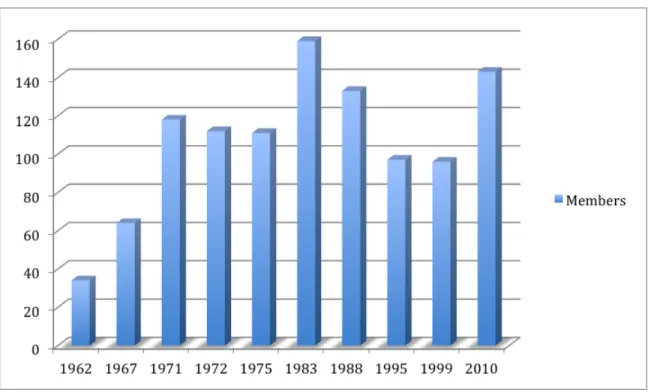
A church with declining membership for over 20 years and almost devoid of additional new member through baptism is a pastoral concern. Such is the situation with San Diego Central Seventh-day Adventist church. This scenario appears contrary to the biblical formula for individual as well as congregational health that Jesus emphatically stated in John 15. Connectedness to Jesus, the Vine, naturally results in fruitfulness. When a person does not bear fruit, it may indicate a lack of or no connection to the Vine at all. Connection to Jesus is nurtured and sustained by a devotional pattern. A process that assists church members to implement meaningful and consistent devotional patterns that enhances their
personal relationship with Jesus. It will concur with the biblical notion that doing for Jesus comes after being with Him.
Method
A process for implementing devotional patterns was formulated and conducted for volunteer participants on February to April 2013. It consists of a 10-week, once-a-week closed group session designed to encourage, deepen, and personally assist participants in their desire to form and/or enhance their devotional practice. This was followed by a once-a-month meeting for the subsequent three months. A Journey curriculum was utilized for this period along with an interactive group setting. To measure the effectiveness of this process, a survey questionnaire was obtained from the entire congregation and the volunteer participants before the sessions and from the volunteer participants again after the sessions. The data collected were analyzed and interpreted using the Statistical Package for the Social Sciences (SPSS) software and with the aid of a qualified statistician. It should be noted that research tools used in formal qualitative and quantitative research were applied to the research related to this intervention project but this does not constitute formal qualitative, quantitative or mixed methods research since the Doctor of Ministry program does not provide a research methodologist to oversee the process.
Results
The volunteer participants perceived that their church is welcoming and conducive for learning and growth more than their perception before the Journey
divinity of God who is worthy of their affection and on-going relationship. The Extrinsic motivation suggests that they move farther away from regarding their relationship to God as a means to get what they wanted. After the six-month period of this study, the
participants registered a decline on Practicing their Faith which means praying and meditating a little less, reading the Bible on their own less, and telling someone about God and helping others a little less than before the Journey session. This can mean that the period of time allotted to assess the overall impact of the Journey regarding Practicing of Faith may have been too short. It can also mean that the effect of the Journey process on Practicing of Faith is less reliable if the volunteer sample is too small, or maybe the participants were more honest in responding to the questionnaire after the Journey experience.
Conclusions
The intentional carving of time to learn and share personal experiences relating to God for at least 10 consecutive journey weeks enhances a person's view and relationship with God. It appears that it would require more than six months to adequately assess this process' effect on the Practice of Faith such as time alone with God, personal reading of the Bible, telling someone of God, and helping other people. A biblical view of God importantly prepares a person for a meaningful and consistent devotional pattern which correspondingly ensures fruitfulness in life.
Andrews University
Seventh-day Adventist Theological Seminary
A PROCESS FOR IMPLEMENTING DEVOTIONAL PATTERNS FOR MEMBERS OF THE SAN DIEGO
CENTRAL SEVENTH-DAY ADVENTIST CHURCH
A Project Document Presented in Partial Fulfillment of the Requirements for the Degree
Doctor of Ministry
by
Limuel M. Liwanag August 2017
Copyright by Limuel M. Liwanag 2017 All Rights Reserved
A PROCESS FOR IMPLEMENTING DEVOTIONAL PATTERNS FOR MEMBERS OF THE SAN DIEGO
CENTRAL SEVENTH-DAY ADVENTIST CHURCH
A project document presented in partial fulfillment of the requirements for the degree
Doctor of Ministry
by
Limuel M. Liwanag
APPROVAL BY THE COMMITTEE
________________________________ _____________________________
Adviser, Director, DMin Program
Ferdinand O. Regalado Kleber D. Gonçalves
________________________________ _____________________________ Tara J. VinCross Dean, Seventh-day Adventist
Theological Seminary Jiří Moskala
________________________________ ____________________________ Sabine Vatel Date approved
iii
TABLE OF CONTENTS
LIST OF ILLUSTRATIONS ... vi
LIST OF TABLES ... vii
ACKNOWLEDGMENT ... viii
Chapter 1. INTRODUCTION ...1
Personal History ... 1
Purpose ...3
Statement of the Problem.... ...3
Justification for the Project ...4
Expectations for the Project ...5
Delimitations of the Project ...5
Limitations of the Project ...6
Definition of Terms ...6
Description of the Project Process ...8
2. TOWARD AN UNDERSTANDING OF THE BIBLICAL IMPORTANCE OF A DEVOTIONAL PATTERN ...10
Introduction ...10
Communion: God's Initiative of Being With Man ...11
A Covenantal God ...12
A Loving God ...16
A Personal God ...19
Summary ...20
Devotional Pattern: Man's Initiative of Being With God ...21
A Heart for God ...23
An Appraisal of God ...26
Devotional Pattern ...27
Summary ...32
iv
3. REVIEW OF LITERATURE RELATED TO THE IMPORTANCE
OF DEVOTIONAL PATTERN ...35
Introduction ...35
Impact of Devotional Pattern ...36
Spiritual Growth ...36
Sharing of Faith ...38
Summary ...40
Factors That Inhibit Devotional Patterns ...40
Absence of Priority ...41
Emotional Disturbance ...42
Summary ...44
Apprehension of Biblical Patterns of Devotion ...44
Rationale for Devotional Time...45
1. An Ongoing Communion With God ...45
2. Advantage of God’s Availability ...47
3. Achieve Godliness ...47
4. Know God and be Known by Him ...48
5. Access Divine Grace ...48
6. Cooperate and Interact With God ...49
Summary ...49
Practices Leading to a Devotional Time ...50
Summary ...53
Core Biblical Patterns of Devotion ...53
1.Reflecting on the Word ...53
2. Prayer and Fasting ...54
3. Confession and Repentance ...55
4. Worship ...56
5. Solitude and Sabbath Rest ...57
Summary ...58
Learnings...58
4. A DEVELOPMENT PROCESS FOR DEVOTIONAL PATTERNS ...60 Introduction ...60 Context of Ministry ...62 Selection of Participants ...66 Description of Participants ...66 Recruitment Process ...67
Privacy of Research Participants ...68
Development of Devotional Patterns ...69
Devotional Patterns Connect to God ...70
Devotional Patterns Fosters Relationship ...71
Devotional Patterns Sets Out to Prosper ...71
v
The Journey to Reach the Next Generation ...73
Project Implementation Narrative ...74
A Journey: A Covenant to Take an Intimate Walk With Jesus ...76
Learnings ...79
5. OUTCOMES, EVALUATION, CONCLUSION, AND RECOMMENDATIONS ...80
Introduction ...80
Research Methodology ...80
Outcomes and Evaluation ...82
Membership Profile ...82
Church Climate ...83
Religious Motivation ...84
Practicing Faith ...85
Participants’ Pre- and Post-Session Survey ...86
The Impact of the Project on the Researcher ...91
Recommendations for Further Study ...95
Conclusions ...96
Appendix A. LETTERS ...100
B. FORMS AND QUESTIONNAIRES ...106
C. A JOURNEY CURRICULUM ...113
REFERENCE LIST ...153
vi
LIST OF ILLUSTRATIONS
1. Membership Trend ...61
2. A Process for Devotional Patterns ...69
3. Membership Composition ...83
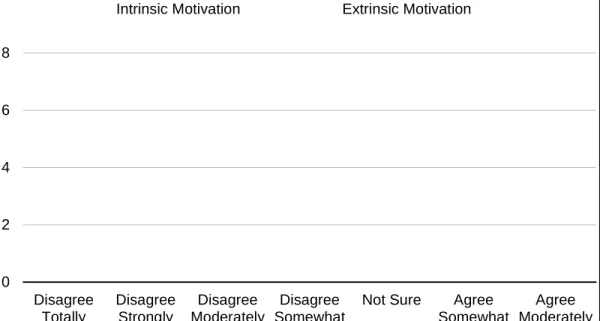
4. Religious Motivation ...84
vii
LIST OF TABLES
1. Time and Date of the Journey ...75
2. Session Format ...77
3. Gender and Age Range ...82
4. Congregation and Volunteers Comparative Mean Score ...87
viii viii
ACKNOWLEDGMENT
I am a crusader of the biblical connotation that nothing happens outside of God’s providence. Indeed, “a man’s heart plans his way, but the Lord directs his steps” (Prov 16:9). I praise and honor God for the way He orchestrated circumstances and godly people at the right time and in spite of my own frailties to accomplish this task that I almost abandoned.
I praise and thank the Lord for Dr. Paul Jensen who tremendously guided me in my journey from the conception of this study through the acceptance of the project proposal and the implementation of this project. His invaluable expertise in this area provided me great insights that would have taken me many man-hours to discover on my own.
I praise and thank the Lord for Dr. Ferdinand Regalado, my adviser, for really going out of his way from his current responsibilities to guide and interact with me during the writing of this project manuscript. I truly find in him a great friend on top of his expert contribution.
I praise and thank the Lord for Dr. Tara Vincross, my second reader, who
encouraged me greatly especially during the times when it was very convenient to throw in the towel, as it were, for varied reasons.
I thank and praise the Lord for people whose work and/or words in one way or another help sharpen and shape my understanding and thinking process which eventually enriched my faith expression and practice.
ix ix
I praise and thank the Lord for the Southeastern California Conference officers, Dr. Sandra Roberts, Pastor Jonathan Park, Verlon Strauss, and Pastor Elizer Sacay for facilitating a month’s time off from work with pay during an extended manuscript writing I desperately needed to stay in the program.
I praise and thank the Lord for Pastor Hwi Kim and the members of San Diego Central Seventh-day Adventist church who consented to conduct my study in this beloved congregation. I especially thank and appreciate deeply the 18 volunteers who participated in a 10-week Journey session and three monthly post-Journey session meetings.
I thank and praise the Lord for my brothers and sisters and their families for their great encouragement and prayer.
I thank and praise the Lord for my three daughters, Kym, Bea, and Andrea for their kind understanding, encouragement and support during all the years I needed to particularly go away from home to attend class and other seminary activities.
I thank and praise the Lord for Kimberly, my Majal, my best friend, my
roommate of 25 years, and number one fan. Her love, support, and inspiration gave me an extra ounce of strength and determination to proceed in spite of almost insurmountable challenges that actively diminished my goal to reach the finish line.
1 1 CHAPTER 1
INTRODUCTION
Personal History
I have come to acknowledge that God’s calling is dynamic. Allowing God’s leading in my life has made me aware of responsibilities I have not thought of before. When I perceived that God was calling me to pastoral ministry, I did not have the slightest idea that He was also preparing me to be a Bible instructor at the College of Theology at the Adventist University of the Philippines. My only intention for coming to the States was to attend Andrews University to finish a doctorate degree to further my involvement in the academic community. Yet God had something different in mind from what I had envisioned. His plan is always best, and yielding to it will ensure a fruitful result. He knows me better than anyone else in this world, even better than I know myself. In my quest for professional advancement, God knew that I needed more than academic preparation. Most importantly, I needed a heart-shaping experience. So what I initially perceived as delays in my plan happened to be enrollment into God’s leadership curriculum, which included ensuring that my entire family maintained a saving
relationship with Jesus.
A former colleague in the Philippines who was then serving as a missionary in Mexico brought to my attention certain possibilities for starting my upgrading desire.
2 2
After discovering that Andrews University offered a new program that aligned with my interest, I began negotiating with them, even though the registration deadline had already past. I prayed for God’s leading, pleading that if this was the time for me to start
upgrading that He would open the way for me. It was a long shot. The enrollment requirements seemed too much for me to accomplish given the time left before the start of the intensive class. But God helped me in this process and I was accepted at the last possible moment.
Even before attending my first intensive class, I knew that something did not line-up in regard to my relationship with God. I yearned for something I did not have.
Engaging in a deep study of the Word of God, and a somewhat inconsistent devotional time with Him proved insufficient. I still believed in the 28 fundamental beliefs of my beloved church and found nothing amiss in my knowledge of God and His ways. My sense of emptiness was not about doctrine or any biblical issue. Yet deep inside me was a longing for authentic evidence of being with God.
Based on my pastoral observation, I was not surprised to discover that my personal longing to be in God’s presence in a meaningful and consistent way was the same experience of other members of the church I was serving. This was later confirmed after I conducted a ministry assessment of the church in conjunction with a requirement for another course I was taking. Even a cursory observation can reveal a problem in a church that has been experiencing a membership decline for the past 25 years. I was impressed with the need to be genuinely connected to Jesus and that being with Jesus comes before doing for Him. I could not dismiss this nagging impression that
3 3
manifested in baptism of souls that are added to church membership. This could result from a collective effort of the church family as a whole as they joyfully exercise their individual giftedness. And all along, Jesus taught this model of spiritual growth in John 15 that many of us appear to ignore.
Purpose
The purpose of this project was to develop and implement a process that will facilitate the development of a devotional pattern by members of the San Diego Central Seventh-day Adventist Church. Volunteers were invited to commit to the 10-week, once-a-week closed group session that allowed them to discover devotional patterns that fit their life context. A monthly follow up meeting ensued over the next three months to further enhance their devotional practice and spiritual growth in experiencing God. To assess the effectiveness of the process, a statistical evaluation was used to quantify the change in the devotional practice of the 18 volunteers who participated in the
aforementioned sessions and follow-up meetings. The statistical measurement provided descriptive data based on the pre- and post-session surveys conducted with the 18 volunteer participants. The entire process is evaluated and narrated in Chapter 5, along with the recommendations and conclusions derived from this project.
Statement of the Problem
The spiritual growth paradigm that Jesus taught in John 15 claims that fruitfulness in Christian living is achieved by a genuine connection with the Vine, the Lord Himself. A tangible manifestation of this healthy relationship is the church’s intentional
4 4
increase through baptism. When baptism is almost nil and membership continues to decline for a period of over 20 years, it appears that church members and their leaders are not connected to the Vine at all.
Some members of the San Diego Central Seventh-day Adventist Church indicated that a consistent and meaningful devotional practice was rare among the members.
Attending weekly worship services alone cannot remedy this disconnection from God. Real craving for the divine is replaced by preferences that feed self, which result in a dichotomy of spiritual and temporal life that turns Christianity into a profession that eventually neglects the gospel commission. Because doing for God comes after being with Him, there is a need to experience God on a daily basis.
Justification for the Project
Human beings were created for relationship and by design naturally yearn for the presence of God. Sin estranged them from the Creator and consequently hid God’s face. The grace of God maintains an initiative to reach down to humans, yet it takes an
intentional and consistent practice of being with God to nurture a meaningful relationship with Him.The Bible is clear that fruitfulness in the spiritual arena requires a conscious choice to abide in God. Fruit bearing does not exist outside of a divine connection. Being connected with God heals brokenness in people and empowers the Christian life for effective ministry. God longs for man as much as man longs for God. Life per se
combined with the influence of society makes it harder for anyone, even with a sincere desire, to seek God’s face.
5
Expectations for the Project
This project will help members of the San Diego Central Seventh-day Adventist Church discover a devotional pattern that will allow them to establish a regular time with God. This project will also assist them in understanding that doing for God comes after spending time with Him. This project will serve as a catalyst for them to develop a life committed to God, resulting in a natural involvement in witnessing, as well as other programs and activities of the church. This project will challenge me to strengthen my devotional pattern so that I may serve as a resource to those who are still struggling to establish their own pattern. This process may also serve as a model for other local churches that might want to embark on this particular journey.
Delimitations of the Project
This project was designed with the church history, ministry, and spiritual context of the San Diego Central Church family in mind. The process to facilitate the
development of devotional patterns implemented in this research was tailored to fit the life situation of the volunteer participants from this particular church. The goal is for the volunteer participants to develop their own pattern of devotions that will satisfy their inherent craving for God, and in the process naturally bear fruit that will result in people being baptized into the kingdom of God. When this project is deemed successful, the remaining members of this church can then utilize the same process. My hope is that this particular process will be beneficial to other local congregations, not only in the local conference where the church is affiliated, but also in a wider circle of churches in the local division.
6
Limitations of the Project
The participants of this project are volunteers who responded to the invitation I diligently and carefully advertised through the church bulletin, email roster, and mailing addresses of the members and adherents of the aforementioned church. Whereas I also conducted a pre-session survey for the entire congregation, the effect of the process for implementing devotional patterns was limited to the perception of the volunteers who participated in the process and the pre- and post-session survey. Hopefully, this particular process can be utilized with the rest of the church members to achieve the expected outcome.
Definition of Terms
Although certain words used in this study carry inherent meaning, they are distinctly used to express the intention of the researcher and what is typically understood in this particular pastoral and Christian-spirituality arena. The following is a brief
explanation of their intended meaning.
Devotional pattern is essentially synonymous to spiritual discipline, which is basically man’s attempt to commune or connect with God. It refers to any method of reaching out to God such as prayer, reading of the Scriptures, repentance, worship, etc.
Process is an experiential and personal engagement in a method or vehicle that is helpful for achieving a desired outcome or result. In this study, process refers to the sessions designed to cultivate a consistent and meaningful devotional practice. It is a means rather than an end. It is dynamic and accommodates legitimate, unexpected turn-of-events that contribute to overall achievement of the set goals.
7
Covenant in its simplest form is equivalent to a promise. It is an agreement between two parties, regardless of whether both are of similar status, or one is of greater or superior status to the other.
Relational Covenant refers to God’s self-initiated and divinely binding contract between Himself as Creator and man as His creature. God pronounced this relationship bond to particular persons such as Noah, Abraham, and David who recognized and accepted His superintendence. In Genesis 17:7 for instance, God promised to be God to them and to their descendants after them.
In this study, the image of God in humans pertains to the comprehensive likeness of the Creator they received, particularly in their capacity to respond and relate in
concrete ways to the communicative and relational initiative of God.
Communion with God means spending time with Him, sharing and exchanging intimate thoughts and feelings expressed in devotional patterns such as reading the Bible, praying, meditating from the Word, worship, etc.
The Journey is the shorter form of The Journey to Reach the Next Generation, a program designed to foster spiritual transformation of church, mission, education, and market leaders through a six-retreat commitment for a period of six years. The
Leadership Institute facilitates this program.
A Journey or simply Journey, on the other hand, refers to the six-month closed group session I conducted to implement meaningful and consistent devotional patterns for the volunteer members and adherents of the San Diego Central Church. It consists of a 10-week, once-a-week session that is followed by a three-month, once-a-month
8
Adherents are those who regularly attend church services and participate or support the mission and activities of the church, even though they are not baptized members of the Seventh-day Adventist Church.
Description of the Project Process
This project was prompted with a desire to see the Great Commission flourish through the intentional involvement of members of the San Diego Central Church. The realization that this was not happening at the time I was on the pastoral staff of the church, and knowing that over the past 20 years the church was not only decreasing in membership, but was unable to add significant new members through baptism was cause for pastoral alarm. My pastoral observation led me to assess the connectedness of the members to the Lord Jesus, who taught that abiding with Him results in fruit bearing.
The pursuit of the theological foundation for this research affirmed God’s
unfathomable desire to relate with man not only corporately, but also on a personal level. In response to divine prodding, human beings relate to God through devotional patterns designed to continually nourish a fruit-bearing connection with Him.
In the literature review I conducted, it was evident that doing for God comes after being with Him. The research confirmed that intentional and meaningful devotional patterns consequently prompt people to share their faith. The Holy Spirit then convicts the people these searchers preach to or share with to accept God’s loving invitation to be saved into His kingdom.
Based on these insights, a process to implement devotional patterns was pursued. Informed by the theological foundation, a review of literature, and an understanding of the ministry context of the church, I prepared materials for a 10-week, once-a-week
9
closed group session designed to encourage, deepen, and personally assist participants in their desire to form and/or enhance their devotional practice. This was followed by a once-a-month meeting for the subsequent three months. Having obtained the approval of the church board to conduct this particular study with church members and adherents, an invitation to participate to this Journey was sent through the church’s Sabbath bulletin, email pool, and mailing addresses with a self-stamped return envelope. The letter also included a response form to determine ahead of time how many volunteers would participate. Eventually, 18 signed up for these Journey sessions.
Inspired by the study of Jensen (2009), a survey questionnaire was used to establish the spiritual climate of the congregation and the volunteers before the Journey was conducted. A post-session survey was also taken from the volunteer participants to determine the effect of the Journey in their overall devotional experience. The
congregation’s pre-session survey also assisted in understanding the spiritual temperature of the church and in gathering information necessary for future reference.
A narrative report from the survey questionnaire is discussed in Chapter 5, as well as the outcomes, recommendations, and conclusion related to the process. A personal reflection of the researcher from this entire process is also presented in the same chapter.
10 CHAPTER 2
TOWARD AN UNDERSTANDING OF THE BIBLICAL IMPORTANCE OF A DEVOTIONAL PATTERN
Introduction
The prohibition of God for the first couple to eat of the fruit from the tree of the knowledge of good and evil lest they die (Gen 2:16, 17) attests that He made them “as mortal creatures subject to death” (Peth, 2002). However, should Adam and Eve choose to remain obedient to God’s covenantal instruction, they could live forever (Gen 3:22-24). That being the case, Knight (2003) deduces that eternal life was promised on condition of obedience, and if they were to disobey, death would ensue.
Inherent in the divine blueprint to live forever is the privilege of harmonious communion with God, being created in His own image (Gen 1:26, 27). In a nutshell, Shea (2000) emphasizes that “to be created in the image of God means to have received a comprehensive likeness of the Creator” in the physical, rational, moral, and emotional realm. Human beings were endowed with the highest form of intelligent communication of all creatures, except the angels (Ps 8:5; Heb 2:5-9). Their emotional capacity allows them to express and receive love as God does, and therefore, to naturally pursue an ongoing, consistent, and meaningful communion. But by eating of the forbidden fruit, our first parents “disabled themselves for communion with God” (Cairus, 2000, p. 223) in unhindered face-to-face conversation (Gen 3:8-10). Isaiah laments that iniquities and
11
sins hid God’s face “so that He will not hear” (Isa 59:2).
After the fall, it became natural for human beings to avoid their Maker. The innate prodding of God on the human mind has all but vanished with the passing of time, and without divine intervention, people will continue to chase the wind for meaning in life. There is a need to recover a meaningful relationship and time with God.
This chapter will explore the biblical importance of intentionally creating a space to commune with God, which is what “devotional pattern” or the popularly known spiritualdisciplinesessentially means. Two major points are presented: first, that communion is basically God’s initiative of being with man and secondly, that a
devotionalpattern is actually man’s initiative of being with God. A devotional pattern is contingent upon communion, that is, fellowship between God and man occurs when man appropriately responds to God’s wooing.
In my discussion of “Communion: God’s Initiative of Being with Man,” I will show that God embeds His holy desire to commune with man in His (a) covenantal relationship validated through His attributes of (b) love and (c) personhood. In
“Devotional Pattern: Man’s Initiative of Being with God,” I will demonstrate that man’s efforts to connect with God arise out of (a) a heart for God, (b) an appraisal of God, and a development of (c) a devotional pattern that is exemplified in the life of David. A
theological reflection follows that becomes the foundational process for implementing a devotional pattern pursued in this project.
Communion: God’s Initiative of Being With Man
There are several reasons that hinder spending an intentional and meaningful time with God. The first is a valid question, “Why would an infinite, omnipotent, omniscient,
12
omnipresent, Creator-God be interested in meeting and talking to a mortal being like me?” Another reason would be an awkward sense of talking to a spirit, someone who cannot be seen or touched. Still another has to do with an inability or lack of knowledge about what to talk about. Then there’s the “What’s in it for me?” mentality. Regardless of the reason(s) one has for avoiding relating to God on a personal level, a common
denominator is a lack of understanding the need to commune with God and a process to pursue it.
Arthur (1999) describes this dilemma in the context of the covenant between David and Jonathan (1 Sam 20:14-16). David agreed to show kindness to Jonathan and his posterity when he became king, even after Jonathan was gone. When David assumed the reign, Jonathan’s son, Mephibosheth, was living a tough life. Apparently, he did not have any knowledge concerning the covenant of the new king and that of his father. Little did he expect that his appearance before the king would suddenly catapult his life to a place of prominence, security, provision, and unaccustomed privilege “to eat bread at the king’s table continually” (2 Sam 9). Arthur insists that understanding covenant opens access to rich, unfailing, and sufficient promises of God for His children that are typically hidden under a veil of ignorance. This understanding also allows one to experience the intimacy of God’s love as a Father who longs for His children to enter His presence.
In the discussion that follows, I explore three biblical foundations and expound on the reality that God indeed initiates communion with man.
A Covenantal God
A theological structure that has attracted considerable attention among
13
Num 25:10-13; 2 Sam 7:5-16; Jer 31:31-34; Green, 2008). Extensive scholarly work has been written in an attempt to understand its origin, meaning, and purpose (Walton, 1994). Simply put, a covenant is equivalent to a promise. It is an agreement or contract entered into by two parties, in which either both are of similar status or one is superior in status to the other.
The first usage of the word covenant, translated from the Hebrew word berit,
which occurs 290 times in the Old Testament (OT), is in Genesis 6:17-18 and reads: And behold, I Myself am bringing floodwaters on the earth, to destroy from under heaven all flesh in which is the breath of life; everything that is on the earth shall die. But I will establish My covenant [emphasis added] with you; and you shall go into the ark—you, your sons, your wife, and your sons’ wives with you.
Dumbrell (1984) explains that the context surrounding this usage suggests a perpetuation of an already existing covenant rather than an establishment of one. He further
emphasizes that God is “determined to maintain it” (e.g., Lev 26:44, 45; Deut 4:31) despite human failures and the human sinful condition. He did not wait or require any human concurrence, as evidenced by the phrase “my covenant.” This phrase “my covenant,” underscores a significant revelation of God to His people found in Genesis 17:7 that says, “And I will establish My covenant [emphasis added] between Me and you and your descendants after you in their generations, for an everlasting covenant, to be God to you and your descendants after you [emphasis added].” Here we find an exclusive promise of God summarized in the statement “I will be your God, and you shall be my people,” which is reiterated throughout the Scriptures (Exod 6:7; Lev 26:12; Deut 26:19; 2 Chr 30:9; Jer 7:23; Ezek 36:28; 2 Cor 6:16-18; Rev 21:2, 3). This particular promise, which is “the essence of God’s covenant” (Ferguson & Wright, 1988), also reveals the relational aspect of the covenant God established from the beginning.
14
Whereas biblical covenant was particularly authenticated by God with Noah (Gen 9:8-17), Abraham (Gen 15:9-21), Moses (Exod 19-24), David (2 Sam 7:5-16), Israel (Jer 31:31-34), with believers throughout Christian history, and until its final consummation at the Second Coming of Jesus Christ, God appears to have unilaterally executed it at some point before the fall of man. McKay (2001) alludes to Hosea 6:7 as a significant passage that places Adam in a relational covenant with God. This text reads, “But like men they transgressed the covenant; there they dealt treacherously with Me.” The word “men” can also be translated “Adam” based on the original text. Here, we see God rebuke Israel and Judah for their insincere attempt to repent. God compares their lip-service repentance to when Adam transgressed the relational covenant He established with him at creation. God expects mercy or covenant fidelity from them and a knowledge of Him more than any sacrifice or burnt offerings (Dybdahl, 2010).
There are three instances in the Genesis narrative where God appears to talk face-to-face with the first human beings before they fall into sin, namely: (a) the dominion mandate and food provision instructions (Gen 1:28, 29); (b) prohibition to eat of the tree of knowledge of good and evil (Gen 2:16, 17); and (c) the wedding ceremony (Gen 2:22). Given the instructive nature of these encounters, some form of a covenant is underway. God unveils His eternal purposes for them and the human family, which includes how they are going to utilize their time and how their sustenance is provided in God’s perfect creation. Henceforth, the succeeding encounter of Adam and Eve with God is tainted with the heavy consequence of sin that hid God’s face from them (Isa 59:2).
The first occasion we find in the Genesis account that suggests God’s intentional and regular visit with the first couple (Anderson, 1997) is incidentally connected with
15
their disobedience regarding His expressed prohibition (Gen 2:16, 17). Genesis 3:8, 9 states:
And they heard the sound of the Lord God walking in the garden in the cool of the day, and Adam and his wife hid themselves from the presence of the Lord God among the trees of the garden. Then the Lord God called to Adam and said to him, “Where are you?”
The ensuing narrative suggests that God, Adam, and Eve were not conversing face-to-face anymore because the couple “hid themselves from the presence of the Lord God” as soon as they knew of God’s literal and physical visit with them. As God
pronounces the consequences of Adam and Eve’s disobedience, they are in close
proximity to one another, although separated by the trees between them. Disobedience or unfaithfulness to the relational covenant that existed between God and Adam and Eve estranged their habitual, affectionate, and uninterrupted communion with each other.
What then is the importance of the covenant as it relates to God’s initiative of communing with man? The answer is revealed in the purpose of the covenant as described by Walton (1994):
God has a plan in history that he is sovereignly executing. The goal of that plan is for him to be in relationship with the people whom he has created. It would be difficult for people to enter into a relationship with a God whom they do not know. If his nature were concealed, obscured, or distorted, an honest relationship would be impossible. In order to clear the way for this relationship, then, God has undertaken as a primary objective a program of self-revelation. He wants people to know him. The mechanism that drives this program is the covenant, and the instrument is Israel. The purpose of the covenant is to reveal God.” (p. 24)
As a covenantal God, He encapsulates His desire and longing to pursue a meaningful and consistent relationship with human beings through the relational covenant He Himself has established. Walton clarifies that relationship with human beings is God’s ultimate goal, which is achieved when they know Him through His
self-16
revelation. The relational covenant facilitates this process, informs them to stay on course, and warns them of the consequences of a deliberate invalidation of divine initiatives (e.g., Deut 6 and 7). In the relational covenant, human beings are accountable to God regarding how they live their lives (e.g.,2 Chr 15:1-15). Their relationship with God is enriched when they choose to abide in the covenant connection (e.g.,1 Kgs 9:4-9). When they realize and accept this divine primordial connection, they, in a sense, bind themselves to a journey of communion with their Creator-God in this life and eventually in the life to come, a foreseeable attentive time of being with God.
A Loving God
The apostle John declares that God loves us first (1 John 4:19) and that we can know and believe His love for us (1 John 4:16). He emphatically states, “everyone who loves is born of God and knowsGod. He who does not love does not knowGod, for God is love” (1 John 4:7, 8). Jamieson, Fausset, and Brown (1997) define knowing God “spiritually, experimentally, and habitually.” The biblical context of knowing God indicates an ongoing relationship that describes an intimate union between husband and wife (Gen 4:1). On this note, Wiersbe (1996) attests, “to know God means to be in a deep relationship to Him—to share His life and enjoy His love.” Canale (2000, p. 111) rightly claims that indeed “love is a relational reality.”
The Bible is replete with assuring expressions of God’s love. Understandably, one may relate better to the biblical declaration, “God is love,” (1 John 4:8); “For God so lovedthe world that He gave His only begotten Son” (John 3:16); “The Lord, the Lord, a God merciful and gracious, slow to anger, and abounding in steadfast loveand
17
steadfast love endures forever! (Ps 118:1, NRSV); “But God demonstrates His own love toward us, in that while we were still sinners, Christ died for us” (Rom 5:8).
However, God’s love for us is never out of necessity. God did not create man to satisfy His own need to have an object to love. Paul refutes this notion when he addressed the men of Athens in the midst of the Areopagus and emphasized that God does not need anything “since He gives to all life, breath, and all things” (Acts 17:24, 25). God’s love transcends the worst relationship status men and women can have with Him and still lavishes it upon them for their benefit (Elwell, 2001). Such self-sacrificing love is deeply rooted in His very nature and ultimately manifested by the death of His Son on Calvary’s cross.
Being the author of love, God demonstrates how love operates in a relationship in a way that is understandable to us. In His perfect plan, God created male and female social beings (Gen 2:18) and early on established that both of them constitute the
completeness He designed them to become. God further accented their relationship with the oneness principle that they need to pursue by leaving their previous family ties (Gen 2:21-25).
The woman was created out of a rib from the man, signifying the most intimate relationship they could possibly have. Man was never created higher than the woman to rule over her, nor vice versa. Both possess equal worth and virtues in the sight of their Creator-God, though with significant differences as male and female. They were endowed with the potential to live a fulfilled and complete life in the context of a harmonious cultivation of knowing each other, which they were designed to enjoy. The moment they were “joined” to each other, they formed a “new unit of human existence”
18
(Dybdhal, 2010), which has roots in the covenant setting. The communion that exists between them is bound by sanctity and grows deeper only with mutual respect and fulfillment of the role each of them plays (Eph 5:25, 22; Col 3:18). Anything short of this divine arrangement ends in relational breakdown.
God’s love is also evident in the context of family relationships. As Israel entertains the thought that God has forgotten them (Isa 49:14), God assures them of His compassion and love and shows that in an extreme and abnormal situation a mother may forget her suckling child but states, “I will not forget you” (Isa 49:15). “As a hen gathers her brood under her wings,” God wants to gather His children together (Luke 13:34). “As a father pities his children, so the Lord pities those who fear Him” (Ps 103:13). The profound relationship of a father to his children speaks deeply of God’s love for His children. Jesus introduces His Father, who is also their “Father” (Matt 5: 16, 45, 48; 6:1, 4, 6, 8, 9) and wants His followers to establish that endearing relationship with Him.
While the world’s destiny hinges upon the unfathomable love of God, “it is a personal, intimate thing, too” in as much as God loves people, not just populations (Tozer, 1961, p. 109). It is this intimacy, inherent in a love relationship that dictates God’s longing for man’s company, not only in general, but with a one-on-one aspect as well. God desires to cultivate a love relationship with each individual person He created, as evidenced by His meticulous interest in the number of hairs on everyone’s head (Matt 10:29-31). One way of expressing love is to spend time with the loved one. The deeper the love, the more intense is the longing to be with the beloved. Reciprocating mutual love and knowing God in a biblical sense is what He expects of His children (1 John 2:4, 5). Throughout the Scriptures we find God’s command to love God with all your heart,
19
mind, and soul (Deut 6:5; Josh 22:5; Matt 22:37). Understanding and accepting God’s unconditional love awakens a longing desire in people to know Him and to cultivate and maintain a meaningful love relationship with their Creator, which is apparent in
intentional moments to be with Him.
A Personal God
There is sufficient evidence in the Bible that the Creator-God of heaven and earth and everything in it (Gen 1:1, 31) is also a personal God. The tri-unity of God and His self-revelation are among the reasons McKay (2001, pp. 29-47) finds to reveal the personality of God. However, Kiš (2000, p. 678) claims that the oneness in God’s thought, will, character, and activity manifest His personhood, which is evident in Numbers 23:19. Attached to these personal qualities of God is His longing desire to intimately connect with man.
David poetically expresses God’s beautiful thought toward him in a psalm he wrote that says, “How precious are Your thoughts to me, O God! How great is the sum of them! If I should count them, they would be more in number than the sand; when I awake, I am still with You,” (Ps 139:17, 18). Jeremiah echoes God’s definitive plan (Job 42:2; Prov 19:21; Jer 1:5) as he writes to the exiles in Babylon saying, “For I know the plans I have for you, declares the Lord, plans for welfare and not for evil, to give you a future and a hope” (Jer 29:11).
The Scriptures show God as a person in His act of creating man. The biblical narrative informs us that “God formed man of the dust of the ground” (Gen 2:7). Matthews (1996) explains that the word “formed,” from Hebrew yasar, indicates an activity such as a potter working on a particular project (Isa 29:16; Jer 18:4-6) or
20
someone making wooden images (Isa 44:9-10, 12; Hab 2:18). In this divine proceeding, “we are allowed to peer, as it were, into the workshop of God and to watch His hand performing the mysterious act of creation” (Nichols, 1978). As the crowning act of Creation, man being created in the image of God (Gen 1:26, 27), was placed on an elevated position above all other creatures. The “image of God” in man primarily points to the function of man as a representative of the Creator over the rest of the creatures (Gen 1:26, 27; Ps 8:6-8). It also necessarily points to the representational functions of human beings, including but not limited to physical, intellectual, social, and spiritual endowments and their ability to commune with God (Cairus, 2000, p. 208).
Hasel and Hasej (2002) refer to man as a new order of being:
God created man and woman in His image and likeness, a most profound communion and a most meaningful relationship could exist between Him and human beings. This God-man relationship is God’s fantastic gift to humanity. God made people so that this relationship would exist and could grow throughout the ages. Human beings are the crown of creation because they have been made especially to enjoy fellowship and communion with their Creator. (pp. 9, 10)
Contrary to the typical manner in which man appraises God, we should bear in mind that God is a person and that we can cultivate a relationship with Him in a manner similar to how we would cultivate a relationship with any person (Tozer, 1996).
Summary
The initiative of God to commune with man is evident in the Scriptures,
particularly in the relational covenant He established at creation. It is also highlighted in His attributes of being a loving God, and yet a personal being capable of a genuine relationship with man. It was God’s plan to enjoy meaningful interaction with man corporately and with each person individually. Disobedience and unfaithfulness to a
21
divinely initiated communion separated man from God as a consequence of sin. Yet we find God in consistent pursuit of men and women in His longing to be with them.
We now turn our attention to man’s part in this relationship.
Devotional Pattern: Man’s Initiative of Being With God
Paschal (2002) appropriately raised the inquiry, “If man is not made for God, why is he only happy in God? If man is made for God, why is he so opposed to God (p. 71)? Created in God’s image, human beings have been given a unique capacity to respond to their Creator’s relationship initiative using their own free will. They are equipped to utilize their God-endowed moral choice inherent in a genuine relationship founded on love. God clarified this when He instructed Adam and Eve to stay away from the fruit of the tree of the knowledge of good and evil (Gen 2:16, 17).
Adam deliberately chose the consequence of Satan’s deception of Eve (1 Tim 2:14). God had to banish them from the Garden of Eden to avoid the possibility of suffering the consequences of their sin “and live forever” (Gen 3:22). God ensured that this unfortunate eventuality did not occur by placing “cherubim at the east of the garden of Eden, and a flaming sword which turned every way, to guard the way to the tree of life” (Gen 3:24). Henceforth, Adam and Eve would forfeit the sublime privilege of conversing with God face-to-face, not because God abandoned His relational covenant with them, but because they sinned. Isaiah expresses the universal predicament of man after the fall by underscoring the reason behind the voided favor to speak with God without hiding in fear (Gen 3:8-10). “But your iniquities have separated you from your God; and your sins have hidden His face from you, so that He will not hear” (Isa 59:2). In response to Moses’ bold entreaty to see His glory (Exod 33:18) hundreds of years before,
22
God showed His goodness, proclaimed His name, and declared His graciousness and compassion to whomever He wishes (Exod 33:19). But He said, “You cannot see my face; for no man shall see me and live” (Gen 33:20; see also John 1:18).
Shame, alienation, mistrust, and a communication gap are among the results of man’s separation from God because of sin. Although the “image of God” in man is not completely obliterated by sin, humans naturally find themselves in a controversy against God. Without divine aid, their attempt to connect with God falls short (Rom 3:10-11, 23), and yet their inherent longing to commune with God remains an uncharted, difficult, frustrating, futile pursuit of happiness.
Humans are also efficient and masterful in evading ways to seek God, an atrophic spirituality that eats away His great purpose for their lives even in the midst of being occupied doing His work. Fadling (2011) accurately identifies this tension between doing for God and being with Him when he observed that many are “pursuing the work of God to escape the face of God.” Doing is perceived more important and appeases God for willful or ignorant resistance being with Him. Such fallacious belief jettisons God’s original initiative of being with man.
Despite these tragedies and the inevitable results of man’s rebellion against God, scores of people throughout history have deeply recognized, understood, and actively pursued entering into a meaningful communion with God (Foster, 2001), not from a sense of duty or obligation, but by an inward prodding initiated by the prompting of the Holy Spirit. The psalmist expressed this universal longing of man for God, “As the deer pants for the water brooks, so pants my soul for You, O God. My soul thirsts for God, for the living God” (Ps 42:1, 2). This deep longing and thirst for God demands intentional
23
and meaningful time with God, facilitated through a devotional pattern. As God utilized a relational covenant to commune with human beings, a devotional pattern is their means of in turn communing with Him.
The following section focuses on the life of David, one of the heralded Bible heroes. As a prominent figure in both testaments, David’s dramatic life has captured the attention of scholars and laypeople alike. In addition to the Psalms, the Holy Writ includes 54 chapters on his life and mentions his name 1,127 times (Kaynor, 1989). As we shall see, David’s remarkable character deserves special attention, not only because of his great achievements, heroism, and leadership, but because of the devotional pattern he demonstrated, resulting in a consistent, maturing, and loving journey of communing with God. The human drama in David’s life was real. His successes, struggles, pain, failures, and submission to God’s correction approximate the different contours of our spiritual journey and “there is no part of our lives that does not find some point of illumination or encouragement or rebuke in this life” (Peterson, 1989). Understandably, the story of David speaks to millions of believers throughout time (Pippert, 1996). We shall discover what prompted him to avail of such a meaningful relationship and the devotional pattern he practiced, which exemplifies all other Bible characters who sustained a pattern of communion with God.
A Heart for God
The passionate love of David for God, his earthy spirituality, his uncompromising humanity (Pippert, p. ix), and his strength and resolve to follow his Lord even under divine discipline, earned him the reputation in the words of the apostle Paul as “a man after God’s own heart” (Acts 13:22).
24
David was the youngest son of Jesse of Bethlehem (1 Sam 16:10, 11). Based on
Yalkut HaMachiri, as well as Sefer HaTodaah (section on Sivan and Shavuot), Weisberg (2016) interestingly reveals the drama surrounding the upbringing of David and the great influence his mother had during the 28 years he was despised and ignored, not only by the people in his community, but by his own flesh and blood. According to Weisberg, the name of David’s mother is Nitzevet bat Adael. Weisberg underlines that Nitzevet chose a vow of silence following her ancestress Tamar, who was prepared to suffer the
consequence of her plan rather than putting Judah in jeopardy. She said, “Torn and anguished by David’s unwarranted degradation, yet powerless to stop it, Nitzevet stood by the sidelines, in solidarity with him, shunned herself, as she too cried rivers of tears, awaiting the time when justice would be served.”
David describes this difficult, painful, and almost endless ordeal of his life in Psalm 69:8, 12, 21:
I have become a stranger to my brothers, and an alien to my mother’s children. Those who sit in the gate speak against me, and I am the song of the drunkards. They also gave me gall for my food, and for my thirst they gave me vinegar to drink. These humiliations came to a close when Samuel the Prophet anointed David as the new king of Israel (1 Sam 16:13), though the act was unclear to the rest of his family.
However, the final confirmation of David’s lineage legitimacy and being the appointed king of God in all Israel materialized when all the elders of Israel came to him at Hebron and anointed him king over them (2 Sam 5:3).
With the apparent chaotic upbringing of David, how did he develop a notable view and deep understanding of God? The fifth commandment of the moral law (Exod 20:12) indicates the value and significance of the family relationship in Jewish life. Rock
25
(2000, p. 742 ) points out that the “home was the center of religious practice.” When Moses reminded Israel of the great proclamation “Hear, O Israel: The Lord our God, the Lord is one! You shall love the Lord your God with all your heart, with all your soul, and with all your strength” (Deut 6:4, 5), both father and mother were commanded by God to instruct their children. Moses further specifies the essential yet practical process with which this shema can be inculcated to the young. In Deuteronomy 6:6-9 he said:
And these words which I command you today shall be in your heart. You shall teach them diligently to your children, and shall talk of them when you sit in your house, when you walk by the way, when you lie down, and when you rise up. You shall bind them as a sign on your hand, and they shall be as frontlets between your eyes. You shall write them on the doorposts of your house and on your gates.
No matter how challenging the family context of David while growing up, he must have been taught about the covenant relationship of God with His people Israel. He grew up reciting the shema, and with the diligent care, comfort, and instruction of his mother who “is seen as the central focus of the family and its religio-ethical purpose” (Rosen, 2001), David receptively embraced the unconditional love and faithful promises of the Lord (2 Sam 7:22) who was able to deliver him from the paw of the lion and the bear (1 Sam 17:37). MacLaren (1955) states that David may have received instruction from one of the schools of the prophets that Samuel managed (p. 17). Kaynor (1989) points out David’s interest in spiritual matters (p. 24) was similar to his ancestor Jacob who displayed interest in God early in his life (Gen 25:27; 29-34). This affinity for spiritual things gradually prepared David to possess a heart for God that evidently clamored for substantive time for communion with Him throughout his life (e.g., Ps. 63:1, 2)
26
An Appraisal of God
The thoughts of David toward God reveal a constant communion with God and a musing of His Word. The manner in which he expresses them are calculated to extol the Almighty God in His rightful lofty place. For instance, David exclaims “Give unto the Lord the glory due His name; worship the Lord in the beauty of holiness” (Ps 29: 2); “The Lord sat enthroned at the Flood, and the Lord sits as King forever” (Ps 29:10; see also Ps 100). For David, God was not some distant and impersonal deity incapable of relating to His creatures. While God is worthy of praise and adoration, this same God is also able to stoop down and be present in the various landscapes of man’s experience. David asserts:
The Lord is my rock and my fortress and my deliverer; the God of my strength, in whom I will trust; my shield and the horn of my salvation, my stronghold and my refuge; my Savior, You save me from violence. I will call upon the Lord, who is worthy to be praised; So shall I be saved from my enemies (2 Sam 22:2-4).
The pronoun “my” shows David’s personal relationship with his God. God is involved in his daily affairs. The presence of God gives him security and assurance of victory regarding every kind of foe determined to take him out. David also expresses a deep longing for God that nothing else can satisfy. This is vividly demonstrated in Ps. 63:1, 2 where he admits, “O God, You are my God; early will I seek You; my soul thirsts for You; my flesh longs for You in a dry and thirsty land where there is no water. So I have looked for You in the sanctuary, to see Your power and Your glory.”
David's complete and wholehearted trust and dependence upon God’s
superintendence over his life is profoundly depicted in the 23rd Psalm. When David says, “The Lord is my shepherd; I shall not want,” he proclaims the sufficiency of God in all
27
aspects of human existence and recognizes His unfailing providence. David supremely values his God.
Devotional Pattern
David’s family context provides a meager insinuation regarding his devotional practices while growing up. Aside from providence, David’s entrance into prominence as the chosen king of God occurred after Saul became marginalized (1 Sam.16:11). While hidden from his father and brothers, David’s anointing by Samuel marked the beginning of a rich, on-going trust relationship with his God because “the Spirit of the Lord came upon David from that day forward” (1 Sam 16:13).
Of the 150 Psalms in the Bible, 75 are attributed to David’s authorship. The range of expression of David’s psalms is wide and varied indeed. It “corresponds with the circumstances of his life…the early shepherd days, the manifold sorrows, the hunted wanderings, the royal authority, the wars, the triumphs, the sin, the remorse” (McLaren, 1955), which show the making of a man hand-picked by God for his spirituality,
humility, and integrity (Swindoll, 1997). The chapters that allude to his experience on the field while watching the sheep of his father (e.g., Ps 23) indicate the development of a lifetime of trustful confidence in the superintendence of God over his life.
When David was summoned by King Saul for the purpose of fighting the Philistine champion Goliath, the king was unsure of David’s competency to fight the giant (1 Sam 17:31-33). David recounts to the king his aggressive experience of protecting the sheep, of killing a lion and a bear, to back up his courage of facing the Philistine who does not stop defying the armies of the living God (1 Sam 17:34-36). More than anything, the bold claim of David who said, “The Lord, who delivered me
28
from the paw of the lion and from the paw of the bear, He will deliver me from the hand of this Philistine” (1 Sam 17:37) gave Saul the confidence that the Lord God of Israel would give victory to them, thus permitting David to accept the historic duel.
David’s confidence in accessing divine power to help him fight his battle for the Lord is reminiscent of a life wholly surrendered to God, which was brought about by spiritual training and discipline in the solitary, lonely, obscure, monotonous, and yet real (Swindoll, 1997) journey in life as a shepherd. Being a shepherd prepared David in many ways to become a great ruler of his nation. This served as a strong foundation for his eventual practices of maintaining a strong relationship with his Lord. David’s availability for divine tutoring while a shepherd prepared him to enter into God’s presence in the most difficult, life-threatening, embarrassing, and even the most joyous, worshipful, and festive occasions of his life.
The following instances from the Psalms show the patterns of his devotions. 1. Prayer—Dake (2000) attributes 50 actual prayers of David in the Psalms (Pss 3-7; 9;
12:1-13:6; 16:1-17:15; 19:1-20:9; 22; 25:1-31:24; 35:1-36:12; 38:1-41:13; 51; 54:1-61:8; 64; 69:1-70:5; 86; 108:1-109:31; 119; 124; 132; 139:1-144:15) and seven more from First and Second Samuel. This does not include several prayers of an unknown psalmist, which are also attributed to him (Pss 10; 33; 43:1-44:26; 71; 85; 88; 102; 106; 118; 120; 123; 125; 129; 137). Peterson (1989) claims that David was “the most prominent of all who wrote prayers in Israel.” Undoubtedly, David’s life was literally bathed in prayer, which speaks of its importance to him.
2. Meditation—Vine (2014) identifies eight “meditation words” in the book of Psalms, of which five are written by David (Pss 5:1; 19:14; 63:5, 6; 104:33, 34; 119). The
29
most familiar meditation passage here is that of Psalm 19:4, which states, “Let the words of my mouth and the meditation of my heart be acceptable in Your sight, O Lord my strength and my Redeemer.” As a shepherd, David would have had
considerable time to meditate. He learned to apply this process in his daily interaction and decisions, which on one occasion spared him from taking the life of God’s
anointed. At the insinuation of his men, David cut off a corner of Saul’s robe in lieu of killing him when Saul went into a cave to attend to his needs, which incidentally was utilized by David and his men for hiding. However, “David’s heart troubled him because he cut Saul’s robe” (1 Sam 24:5). Here, David apparently engages in hagah
(Hebrew for meditate), which “involves murmuring and mumbling words” (Peterson, 1989) and calculated his action and its implication. Since meditation “engages both heart and mind [and] involves a life that is careful to avoid sin in order to engage with God” (Vine, 2014 p. 14), applying it in the situation at hand allowed David to revisit his motives and permitted an unction of spiritual discernment to govern his action, which eventually proved him to be a true leader (Nichols, 1978).
3. Worship— David knew how to worship, which is essentially ascribing to God the worth due Him. It is a response to and an encounter with God in a way that our heart touches His heart and conversely, we also feel His touch (Kidder, 2009). David’s worship intention was deliberate and not out of necessity. After hearing from Nathan the covenant God entered into with David and his posterity (2 Sam 7:12-16), David sat before the Lord (v. 18). Kaynor (1989) explains, “this was no ordinary sitting, not relaxation. David's desire was to meet purposefully with the Lord, to be conscious of His presence and toworship Him.” As David underwent an inventory of himself, his
30
family, and God’s providence over his entire house (2 Sam 7:19-21), he could contain himself no longer and voiced his sublime adulation, “Therefore You are great, O Lord God. For there is none like You, nor is there any God besides You, according to all that we have heard with our ears” (2 Sam 7:22). David’s view of God as the Creator of heaven and earth was the very foundation of his belief. In Psalm 8, he exalts God for the wonder of His creation and praises Him for man’s elevation above all other earthly creatures. This classic foreword of entering to worship God is captivating:
O Lord, our Lord, how excellent is Your name in all the earth, who have set Your glory above the heavens! When I consider Your heavens, the work of Your fingers, the moon and the stars, which You have ordained, what is man that You are mindful of him, and the son of man that You visit him? For You have made him a little lower than the angels, and You have crowned him with glory and honor. (vv. 1, 3-5)
Steussy (1999) classifies two types of psalms that relate to worship, liturgy and praise. For liturgy, she identifies Psalms 56 and 65 among the psalms written by
David that fall into this category. For praise, she includes Psalms 8, 29, 68, 103, and 145. Over time, David intensified his vision of God, despite his human failures. 4. Confession—Jesus’ words are applicable to everyone, even to those called to high
positions of authority. He said, “For everyone to whom much is given, from him much will be required” (Luke 12:48). This particular biblical injunction also
encompasses the celebrated case of adultery and murder committed by King David (2 Sam 11). No amount of achievement could dismiss the transgression David tried to cover up. In due time, his gracious, long-suffering, just, and loving Lord initiated his recovery. David would learn and choose to submit to divine tutelage. Upon Nathan’s confrontation regarding his serious crime with the phrase “you are the man,” David
31
succumbed to the Spirit’s wooing and exclaimed, “I have sinned against the Lord.” Psalm 32 provides an elaborate confession of David during this incident. His penitent words reverberate the ineluctable consequences of prolonging a humble admittance of sin (Swindoll, 1997, p. 197). David describes his experience:
When I kept silent, my bones grew old through my groaning all the day long. For day and night Your hand was heavy upon me; my vitality was turned into a drought of summer. I acknowledged my sin to you and my iniquity I have not hidden. I said, “I will confess my transgressions to the Lord,” and you forgave the iniquity of my sin. (Ps 32:3-5)
David preceded this humble confession with the blessing of forgiveness (Ps 32:1-2). Confession appears to be a necessary pattern of devotion that not only restores David to a right relationship with God, but endears him to the God whose compassion does not fail, whose faithfulness is great and His mercy is new every morning (Lam 3:22, 23).
5. Repentance—Many are the sins David committed (e.g.,1 Sam 21:2, 13) and yet none is comparable with the murder and adulterous blunder he endeavored to conceal. In fact, Henry (1994) calls it “the greatest blemish upon his character,” as implied in 1 Kings 15:5: “David did what was right in the eyes of the Lord, and had not turned aside from anything that He commanded him all the days of his life, except in the matter of Uriah the Hittite.” The appropriate and accurate words David used to describe the painful process he went through only approximate the real experience he underwent. Nonetheless, his prayer of repentance (Ps 51) became a beneficial
expression of his genuine longing to be forgiven, cleansed, restored, and admitted into the presence of God. The joy and blessing of forgiveness David realized upon repentance echoes down the corridor of time and assured people that “God is there to
32
offer it” (Lardinais, 2017). David’s repentance exemplifies his desire for a total loving communion with God (Ps 51:2, 7, 10, 11, 12).
6. The Scriptures—The place of the Scriptures in David’s life was obviously central to his relationship, not only with God, but with his fellow man. Notice his high and noble regard of the Scriptures:
The law of the Lord isperfect, converting the soul; the testimony of the Lord is sure, making wise the simple; the statutes of the Lord are right, rejoicing the heart; the commandment of the Lord is pure, enlightening the eyes; the fear of the Lord is clean, enduring forever; the judgments of the Lord are true and righteous altogether. More to be desired are they than gold, yea, than much fine gold; sweeter also than honey and the honeycomb. (Ps 19:7-10)
David’s familiarity with the Torah was sprinkled in his psalms (e.g., Pss 8, 33, 119). He hid God’s Word in his heart to avoid sin (Ps 119:11) and considered it a lamp to his feet and a light to his path (Ps 119:105). David was solidly grounded in the Word of God, meditated upon it, and obeyed it.
Summary
God created human beings with the ability and capacity to respond to divine communion initiatives without any trace of coercion. However, sin hid God’s face from them and naturally hinders them from meaningful fellowship with Him. However, all is not lost. As men and women realize their need of God, connect with Him through
devotional patterns, and open their heart to receive His love, He honors their efforts much like what is evident in the life of David. This leads to sublime thoughts expressed in an exalted and truthful appraisal of God. We noticed that David’s lofty thinking about God caused him submit to His providential leading no matter the consequence. God was so much a part of David’s life that he was not inhibited in expressing his thoughts, emotions,