ValpoScholar
Evidence-Based Practice Project Reports
College of Nursing and Health Professions
5-6-2015
Using Education and a Prevention Protocol Tool to
Decrease the Incidence of Pressure Ulcers in a
Nursing Home
Kristina L. Scalzitti
Valparaiso University
Follow this and additional works at:
http://scholar.valpo.edu/ebpr
This Evidence-Based Project Report is brought to you for free and open access by the College of Nursing and Health Professions at ValpoScholar. It has been accepted for inclusion in Evidence-Based Practice Project Reports by an authorized administrator of ValpoScholar. For more information, please contact a ValpoScholar staff member [email protected].
Recommended Citation
Scalzitti, Kristina L., "Using Education and a Prevention Protocol Tool to Decrease the Incidence of Pressure Ulcers in a Nursing Home" (2015).Evidence-Based Practice Project Reports.Paper 69.
© COPYRIGHT
KRISTINA L. SCALZITTI
2015
ii
When I look back to where I have come from and where I am today, I have grown immensely as a Nurse Practitioner, within my career and my education, as well as a person. I am thankful for such a wonderful, supporting family as I finish the highest degree in the nursing profession. Thank you to my husband Joe for being supportive when I decided to go back to school just three months after having our son. Since I started LPN school 15 years ago, he has been encouraging me to continue on and do my best. A big thank you to my parents for always encouraging me and supporting me in my decisions. Thanks to my loving dad, who I strive to make proud. When my nursing career started as an LPN he was the one who pinned me and now will see me walk to accept my Doctorate. A plaque given to me by mom stating “she believed she could and she did” has been next to my bed motivating me throughout the last few years. Well mom, I believed I could and I did! Also, I appreciate all the help my mom did with proof reading all my papers since LPN school. I have grown as a writer and you as an editor. Finally, a special thank you to my daughter Sophia for understanding when I had to do homework and could not play. I hope I have been a good role model as a mom and career woman with showing that you can do anything you put your heart and mind to. To baby Michael who was three months old when I started this program and now 22 months old, we did well with our midnight feedings and late night writing together in the baby Bjorn or bouncy seat next to me. I love you all very much. This has been worth all the sacrifice with late night writing and long hour weekends doing homework. I love the nursing profession with the diversity in degrees and fields, the history, the passionate caring, and how nurses make a difference in patients’ lives, the medical field, and community as a whole. I am proud to say I am a nurse and part of an elite group of professionals with my Doctorate.
iii
Thank you to Dr. Kristen Mauk, my faculty advisor, for helping me through this process of obtaining my Doctorate. You have provided me support, encouragement, and guidance through my EBP project over the last year. Also, you have helped me to improve my writing skills and literature critiquing. I appreciate all your help, thank you. Also, a big thank you to the project facilitators, Mary Lou Ranegar, RN, and Diana Parker, LPN, for helping me throughout my project. You both were a huge help with making this EBP project a success and are a great addition to the nursing profession. I appreciate your friendship and support.
iv
Chapter Page
DEDICATION………iii
ACKNOWLEDGMENTS………..……….. iv
TABLE OF CONTENTS ……….……v
LIST OF TABLES………...vii
LIST OF FIGURES ………..….……viii
ABSTRACT…….……….………..…..ix
CHAPTERS
CHAPTER 1 – Introduction ……….1
CHAPTER 2 – Theoretical Framework and Review of Literature …………9
CHAPTER 3 – Implementation of Practice Change ………39
CHAPTER 4 – Findings……….44
CHAPTER 5 – Discussion………...………...………..54
REFERENCES………..………..…...………64
AUTOBIOGRAPHICAL STATEMENT………..…………..………68
ACRONYM LIST………..………..………70
APPENDICES
APPENDIX A – Figure 1.A PowerPoint Slides.…….………71
APPENDIX B – Figure 1.B PUPPI Tool ..………..85
APPENDIX C – Figure 1.C PUPPI Survey……….86
APPENDIX D – Figure 1.D PUPPI Flyer 1……….………87
vi
Table Page
Table 2.1 Summary of Search ………..………..19
Table 2.2 Rating System for the Hierarchy of Evidence.……..………...20
Table 2.3 Summary of Evidence………..21
vii
Figure Page
Figure 2.1 Florence Nightingale’s Environmental Model ………..11
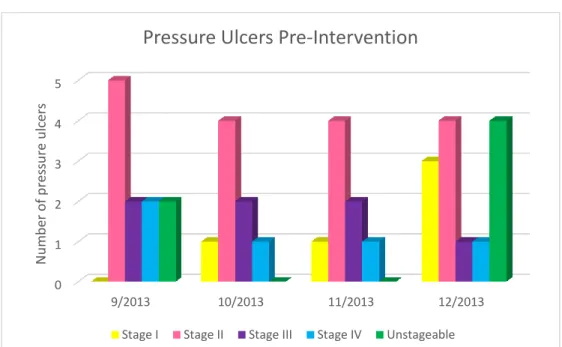
Figure 4.1 Pressure Ulcer Data Pre-Intervention………..….46
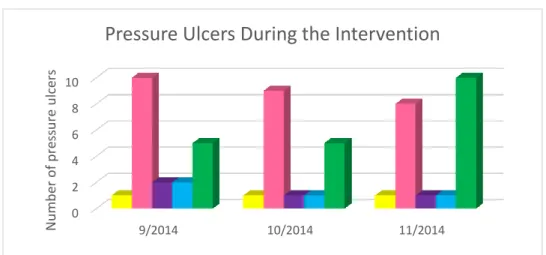
Figure 4.2 Pressure Ulcer Data During the Intervention………47
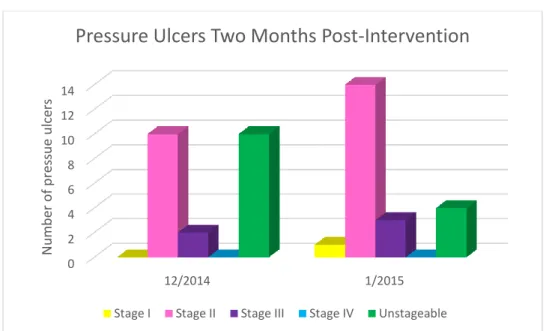
Figure 4.3 Pressure Ulcer Data Post-Intervention………..48
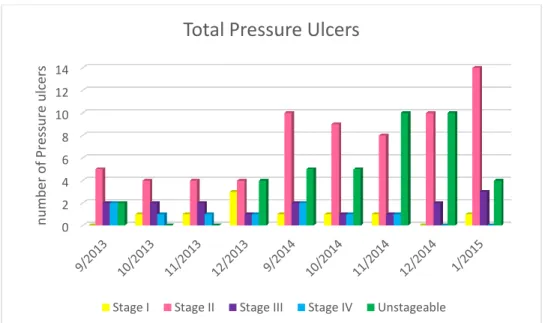
Figure 4.4 Total Pressure Ulcer Data………49
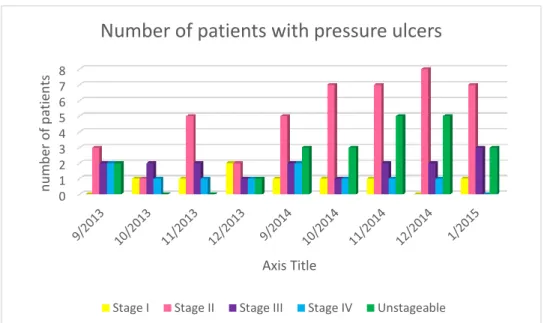
Figure 4.5 Number of Patients with Pressure Ulcers………..50
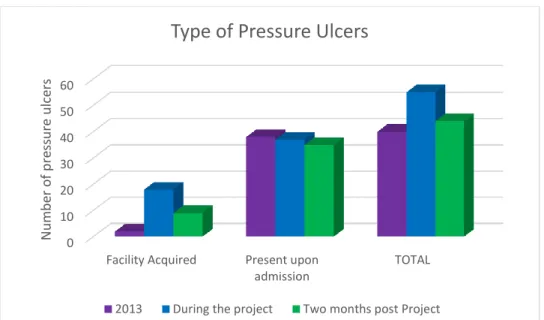
Figure 4.6 Comparison of Different Types of Pressure Ulcers………..51
viii
Over 1.3 million persons are residents in nursing homes (NHs); one in ten have pressure ulcers. The purpose of this evidence based practice project was to determine if
implementation of a pressure ulcer prevention tool, along with staff education, decreases the incidence of pressure ulcers within the NH. Florence Nightingale’s Environmental Model and the Stetler Model were used to guide this project. The setting was a NH in northwest Indiana. Eleven nurses attended a 15 minute educational session on pressure ulcer prevention and implementation of the Pressure Ulcer Prevention Protocol
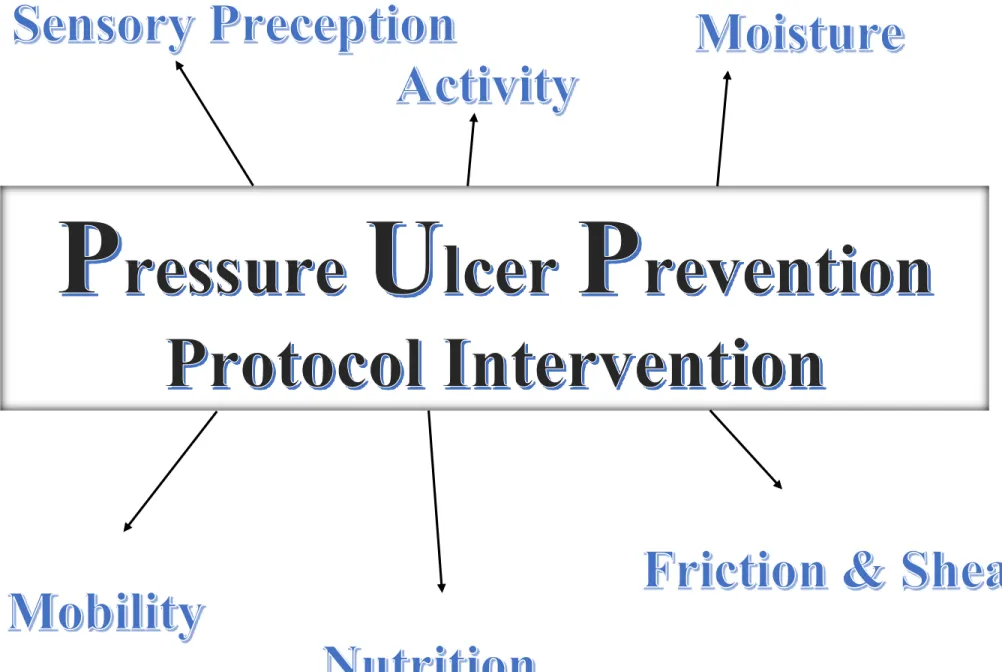
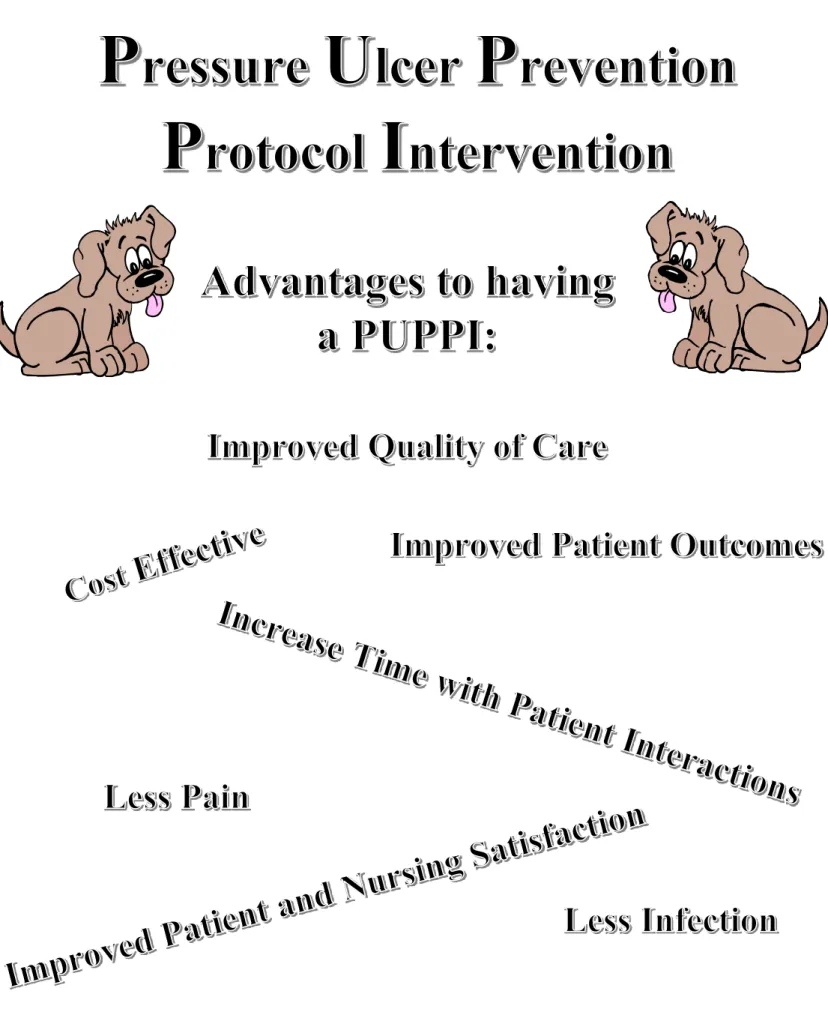
Intervention (PUPPI) tool. PowerPoint slides were distributed and flyers about the PUPPI tool were posted. The PUPPI tool consists of several areas: sensory perception,
moisture, activity, mobility, nutrition, and friction and shear. The tool was utilized three times a week for 12 weeks, in addition to current practice, for patients with a Braden score of 18 or below. Pressure ulcer rates were collected four month retrospectively, during the intervention, and two months post intervention. Analysis of data was done using descriptive statistics with SPSS and Microsoft Excel. Two months
post-intervention, total pressure ulcers rates (n=40) were considerably different from 2014
(n=58) showing a positive outcome with a downward trend in rates of wounds. Stage IV
pressure ulcers from 2014 showed a significant decrease two months post-intervention (t(4)=3.333, p<0.05). There was a statistically significant decrease by 50% in facility acquired pressure ulcers from to 2014 (n=18) to two months post-intervention (n=9) (t(3)=2.306, p<0.05). Also, the total number of patients with facility acquired pressure
ulcers were statistically significant decreased from 2014 (n=16) by over 50% two months
post-intervention (n=7) (t(3)=3.220, p<0.05). The relationship between 2014 (r(39)=.296,
p>.05) Braden scores and albumin levels and two months post (r(39)=.282, p>.05) showed a weak correlation with no significance. All participants who completed the post intervention survey (n=8) felt the educational session and the PUPPI tool were beneficial
ix
practice. Prevention of pressure ulcers with protocols, education, and assessment tools, improves patient outcomes with a decrease in the incidence of pressures ulcers.
Keywords: nursing home, pressure ulcer, wounds, ECF, education, protocols,
prevention, nurse .
CHAPTER 1
Introduction
Background
Within the United States, 12.7% of the population is over the age of 65, with an estimated population in 2013 of 316,128,839 people (United States Census Bureau, 2013). The older population in 2030 is projected to be twice as large as their
counterparts in 2000, growing from 35 million to 72 million, and representing nearly 20 percent of the total U.S. population (Federal Interagency Forum on Aging Related Statistics, 2012). The estimated population for Indiana is 6,570,902, and 13.6% of those are 65 years or older (United States Census Bureau, 2013). The number of Indiana residents age 85 and older is expected to grow by 48% by 2030 (American Association of Retired Persons [AARP], 2009).
According to the National Center for Health Statistics (NCHS) 2013, there are 15,700 nursing homes (NH) in the United States which represent a total of 1,669,100 million beds. Currently, there is an 86% occupancy rate with 1,383,700 million residents residing in NHs (Centers for Disease Prevention and Control [CDC], 2013). There is an average length of stay of 835 days since admission (CDC, 2013). The Midwest has the largest supply of NH beds (National Center for Health Statistics [NCHS], 2013). There are approximately 952,100 full time equivalent (FTE) nursing staff employees, including nurses and aides, working in NHs (NCHS, 2013). The NCHS (2013) stated that of those 952,100 FTEs, 65.4% are aides, 22.9% are Licensed Practice Nurses, and 11.7% are Registered Nurses.
According to Centers for Medicare and Medicaid Services (CMS) (2012),
pressure ulcers of Stage II or greater were present in 5.9% of NH residents in the United States. There was a 5.3 % occurrence of such ulcers in Indiana. More than one in 10
NH residents in the United States have a pressure ulcer (NCHS, 2009). In 2011, 21% of NHs in Indiana failed to prevent and treat pressures ulcers Stage II or greater (CMS, 2012). Residents of NHs for a year or less were more likely to have pressure ulcers than those with longer stays (NCHS, 2009). In Northwest Indiana, there are 10 nursing homes in Porter County and 20 in Lake County. With such important issues and statistics, there needs to be a change with the current standard of care regarding prevention of pressure ulcers in long-term care.
Defining Pressure Ulcers
As part of the physiological aging process, older adults have dry, fragile skin with a loss of turgor and elasticity, which predisposes them to skin irritation or breakdown (Hunter, Anderson, Hanson, Thompson, Langemo, & Klug, 2003). In fact, the epidermal layer, composed primarily of keratinocytes and stratum corneum, decreases by half by age 80 years (Hunter et al., 2003). Pressure ulcers are localized injury to the skin, underlying tissue, or both usually over a bony prominence, as a result of pressure or pressure in combination with shear (National Pressure Ulcer Advisory Panel, [NPUAP], 2007). There are five main factors for prevention of pressure ulcers: hydration, nutrition, support surfaces, skin care, and risk assessment. Also, there are four stages of pressure ulcers. Stage I is intact skin with non-blanchable erythema of a localized area usually over a bony prominence (NPUAP, 2007). Stage II is a partial thickness wound with loss of dermis presenting as a shallow open ulcer with a red, pink wound bed, and without slough, but may also present as an intact or open/ruptured serum-filled or
serosanguinous filled blister (NPUAP, 2007). Stage III are full thickness skin loss with subcutaneous fat visible, but bone, tendon, or muscle are not exposed, and slough may be present but does not obscure the depth of tissue loss (NPUAP, 2007). Stage IV are wounds with full thickness tissue loss with exposed bone, tendon, or muscle with possible slough or eschar present (NPUAP, 2007). There is often undermining and
tunneling, and can extend into muscle and/or supporting structures such as fascia, tendon, bone, or joint capsule making osteomyelitis likely to occur (NPUAP, 2007). Finally, Unstageable wounds include wounds with bruising that indicate deep tissue injury and wounds with eschar or gangrene.
Evolution of Nursing Homes
During the Industrial Revolution, there was a growing number of elderly, single, and widowed people. Prior to this time, elderly were taken care of by families. As cities grew, families became more spread out, resulting in elderly residing in almshouses (USLegal, Inc, 2014). In 1880, one third of the residents of almshouses in the United States were elderly, and by 1923, two thirds were elderly (USLegal, Inc, 2014). During the 1930s, the Social Security Act of 1935 was initiated and things began to change for the elderly. Those on Social Security were mandated where to live: private versus public homes. During that time, private facilities were not regulated by the government, which meant that they were poorly run, dirty, overcrowded, and not specific to patients’ needs. Public facilities were government regulated and only the truly indigent could stay in
public homes(USLegal, Inc, 2014).
Furthermore, by the 1950s, Congress realized that the situation needed to change, and the Social Security Act was amended so that recipients could be eligible for residence in public facilities (USLegal, Inc, 2014). In 1965, the development of Medicare and Medicaid services provided regulation on NHs with the first set of standards of care established in 1967. Congress has revised the standards of care numerous times to help ensure the best care is provided to the residents. Today, there are strict guidelines and regulations that need to be followed to maintain certification with insurances and the government. The treatment of pressure ulcers is included in these guidelines. With the increasing number of elderly individuals, nursing homes will be the way of life for many.
This will lead to higher risk for development of pressure ulcers; therefore protocols for prevention need to be current.
Statement of the Problem
Evidenced based practice (EBP) describes a model of care whereby Advanced Practice Nurses, using current evidence or research knowledge, make decisions using clinical expertise and patient preferences to guide patient care. The highest quality of health care is delivered with the best outcomes. The problem this EBP project will
address is the prevalence of pressure ulcers within nursing homes,and the best
evidenced based practice for prevention.
Purpose of project. The purpose of this EBP project was to determine if
implementation of a pressure ulcer prevention tool along with staff education decreases the incidence of pressure ulcers within the NH. The overall goal of this EBP project was to decrease pressure ulcers by using preventative measures. To achieve this goal, a prevention tool for pressure ulcers was introduced. In EBP, clinical questions are asked in a certain format called a PICOT question, which pertains to the population,
intervention, comparison, outcome, and time to yield the most relevant and best evidence (Melnyk & Fineout-Overholt, 2011). The PICOT question addressed for this EBP project was:In older adults living in a nursing home, what is the effect of a pressure ulcer prevention tool and staff education, compared to usual care, on the incidence of pressure ulcers over a three month period?
Clinical significance. One in 10 NH residents in the United States have pressure ulcers (NCHS, 2009). With such a high prevalence of wounds in NHs, there needs to be a change in education and training to reduce the incidence of pressure ulcers and prevent them (Bangova, 2013; NCHS, 2009). Treating wounds is 2.5 times more costly than preventing them (Catania, Huang, James, Madison, Moran, & Ohr, 2007; JBI, 2008; Vap & Dunaye, 2000). Implementation of a protocol, along with staff
education, reduces the incidence of skin breakdown, including pressure ulcers
(Bangova, 2013; Buss et al., 2004; Catania et al., 2007; EPUAP & NPUAP, 2009; Hunter et al., 2003; Slade, 2013; Tippet, 2009).
Data from the literature supporting the need for the project. Historically, pressure ulcers have been documented for thousands of years, with early descriptions in autopsies of Egyptian mummies (Tippet, 2006). Development of a pressure ulcer can result in serious outcomes including pain, infectious complications, prolonged and expensive hospitalizations, persistent open ulcers, psychological harm, and increased risk for mortality (Tippet, 2006). When patients are in bed and immobile, the source of external pressure can be a bed surface, tight bedcovers, or pressure and friction
generated when the legs become restless (Bangova, 2013).Prevalence of pressure
ulcers in NHs within the past two decades has nearly doubled, increasing overall from 9.2% in 1989 to 15.5% in 2003-2004, and nosocomial prevalence increasing from 5.6% to 10% (Tippet, 2009). Globally, as of 2010, pressure ulcers resulted in about 42,600 deaths, which is a 32.5% increase from 1990 (Lozano et al., 2012).
Data from the clinical agency supporting the need for the project. The nursing home where this project took place is located in northwest Indiana, Duneland community. The facility being used has been serving the Duneland communities, including the towns of Chesterton, Burns Harbor, Porter, and Beverly Shores, as well as the Indiana Dunes, since 1985. They take pride in their mission to be committed to creating an environment that makes its residents feel they are part of a caring family. Residents and families can have peace of mind knowing they are safe and well cared for by a dedicated and compassionate team. According to CMS (2013), the overall rating for this NH is 1/5 stars. (One is the lowest rating and five is the highest). The rating for staffing is 1/5 stars, health inspection is 2/5, stars and quality measures is 3/5 stars.
According to Gabel (2001), it ultimately is the leader’s responsibility to develop the organization’s ability to anticipate, create, and/or react to change possibilities or requirements in a manner that will enhance the function of the organization and further the development of its mission. Positive attitudes, longevity of the staff, and the directors of nursing’s willingness for implementing evidenced based practice change is important. Good leadership is essential in any organization, and leaders should establish a culture that accepts and embraces the need for change. The culture of this facility is one that welcomes change and creates an enlightened approach to providing healthcare, and is highly regarded and widely known for providing comprehensive, individualized care within the healthcare community. However with strict state requirements still score low on the star rating systems and have room for improvement. Employed are Registered Nurses, Licensed Practical Nurses, Certified Nursing Assistants, Physical, Occupational, and Speech Therapists, Social Workers, and Nutritionists, all of whom share a common goal of providing quality health care.
Furthermore, customized care plans are created for each resident which address the needs and wishes of the resident and his/her family, and include everything from medical requirements to personal dietary preferences, while also ensuring residents receive the specific care that they require. These care plans are designed to utilize all of the resources and services that they have to offer, are reviewed on a regular basis, and are modified to meet each individual's specific goals.
Additionally, the NH is a limited liability corporation and a for-profit corporation. It is a non-multiple nursing home ownership (UCompareHealthCare.com, 2014), and it participates in Medicare and Medicaid insurance programs. The population served consists of mainly elderly individuals, but the NH can provide care for the adult population for short or long term care. Residents with intellectual disabilities, rehab patients of different ages who are working toward the goal of returning home
post-discharge, and the elderly who need assistance with activities of daily living may also reside at a NH for long term care. It is a one-floor facility, with the capacity of 100 residents. There is easy access to all areas with a centralized nurses’ station available to all residents for assistance.
Importantly, an internal force that impacts the nursing care is the nurse to patient ratio, which, according to CMS (2013) is 1 hour and 6 minutes per resident, per day, which is below average. In comparison, the average for Indiana is 1 hour 50 minutes, and the national average is 1 hour and 38 minutes (CMS, 2013). Also, the Registered Nurse hours per resident per day is 32 minutes at the facility, 50 minutes for Indiana, and 48 minutes for the national average (CMS, 2013). This is valuable time missed for pressure ulcer prevention. In addition, the percentage of short stay residents with
pressure ulcers is 1.3%, which is comparable to the nation. It is lower than Indiana’s rate of 1.6% (CMS, 2013). However, long term residents’ percentage of pressure ulcers is 6.7%, compared to Indiana at 6.8%, and a national average of 6.2% (CMS, 2013). There is still room for improvement in pressure ulcer prevention based on these statistics. Even a tenth of a percentage improvement means fewer wounds, less chance for infection, less pain associated with wounds, fewer financial concerns with wound care, less deficiencies with health inspections, less staff time spent on wound care, and increased productivity and improved quality of care and patient interactions.
In addition to internal forces, there are external forces such as health inspections that impact the facility. The last health inspection was performed in May of 2013. They had a total of 16 deficiencies in their last inspection, compared to the Indiana average of 7.7 and national rate of 6.8 (CMS, 2013). They have not received any penalties or payment denials in the last three years according to CMS (2013).
Overall, the prevention of pressure ulcers will increase the quality of care which will lead to improved quality of life and health. The impact would be great on the
population of the residents in NHs with less wounds, pain, distress, and risk for infection. Also, there would be a monetary benefit due to less money being used for wound care, and fewer deficiencies with health inspections as well.
CHAPTER 2
Theoretical Framework and Review of Literature
For this EBP project, a Pressure Ulcer Prevention Protocol Intervention (PUPPI) tool was utilized, along with education to the NH nurses about pressure ulcer prevention. The PUPPI tool was used daily with assessments, during a three month time period. The PUPPI tool used was derived from a preexisting tool developed for another research project in 2007. This case-control study took place in the James Cancer Hospital at Ohio State University Hospital, showing good results with a decrease in pressure ulcers by over 50%, within three months. They were able to maintain percentages well below the national benchmark on hospital acquired ulcers at 2.9% and below after the initiation of this tool. Prior to implementation, the all pressure ulcer rate was at 11.1%, with hospital acquired at 6.6%, and after implementation all pressure ulcer rate at 4.1%, with hospital acquired at 2.0%. The author contacted the creator and researcher who granted permission to use the tool and make any changes deemed fit. Since it was initially used in a hospital setting, this author made some adjustments to work within the nursing home (NH) atmosphere.
Furthermore, this tool had several areas addressing sensory perception,
moisture, activity, mobility, nutrition, and friction and shear. The education was directed toward the importance of utilizing of this tool for pressure ulcer prevention. The
Advanced Practice Nurse (APN) implemented the tool and educational material while applying a nursing model and the conceptual framework to guide this EBP project. The nursing model that was utilized is Florence Nightingale’s, Environmental Model, with the Stetler Model as the EBP model.
Nursing Theory
Florence Nightingale’s Environmental Model. Florence Nightingale was born in Florence, Italy in 1820 to a wealthy aristocratic family. She came of age during the Industrial Revolution in Victorian England, with factories, towns that were overcrowded with slums and filth, leading to an increase in infectious diseases. Wealthy Victorian women, with a desire to pursue a career, was not common, especially a career in nursing, as it was considered a lowly occupation. While traveling, she went through several months of nurses’ training and secured a job as a superintendent of a hospital for women in 1853 (Salotti, 2003). During the Crimean War, she and a team of nurses improved the unsanitary conditions at a British base hospital, reducing the death count by two-thirds and decreasing the incidence of infected wounds sustained in battle (Biography, 2014). Most infections arise spontaneously from poor environmental
conditions (Nightingale, 1859/2003). When she returned from war, she placed emphasis on preventative health as she taught nursing students to focus on their observational skills. Furthermore, Nightingale changed the public’s image of nursing and made it a respectable career.
Moreover, Nightingale viewed the manipulation of the physical environment as a major component to nursing care (George, 2003). The development of the
Environmental Model came about from her work, Notes on Nursing. Environment is
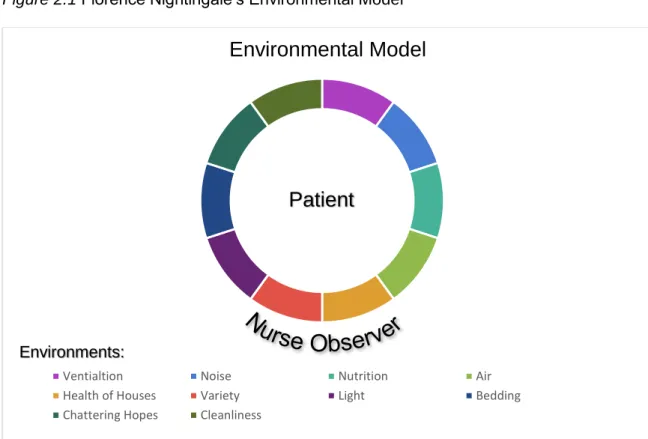
defined as the surrounding matters that influence or modify a course development. (Weber, 1991, as cited in George, 2003). Nightingale identified 13 areas to be addressed for prevention of illness and for health-oriented care (Fitzpatrick & Whall, 2005). Those areas included health of houses, ventilation and warming, light, noise, variety, bed and bedding, cleanliness of rooms and walls, personal cleanliness, nutrition, taking food, chattering hopes and advices, observation of the sick, and social
the nurse, as an observer, around the environments. When an area is in stress or out-of-balance, it will affect the patient, which will impact the environment, further effecting the patient.
Figure 2.1 Florence Nightingale’s Environmental Model
Application to the project. Implementation of a pressure ulcer prevention tool entails several areas of assessment which are all included within Nightingale’s
Environmental Model. Environment is stressed as an important concept within this Model. Environmental aspects of care have several application to this project. An important concept within her theory includes bedding and clean sheets. With prevention of pressure ulcers, having clean bedding is important to prevent debris in wounds,
especially pressure ulcers within the sacral, pelvic, ischium, trochanter, and coccyx area. When a patient has soiled linen, it is important to change the linen to keep the areas free and clear of any foreign material in order to prevent it from entering the wound and
Environmental Model
Ventialtion Noise Nutrition Air
Health of Houses Variety Light Bedding
Chattering Hopes Cleanliness
Environments:
GEORGE, JULIA B., NURSING THEORIES: THE BASE FOR PROFESSIONAL NURSING PRACTICE, 5th Edition, © 2002. Reprinted by permission of Pearson Education, Inc., Upper Saddle River, NJ
contaminating it. Another factor is the bed as a whole. Providing the proper and necessary support surface is a vital factor for wound prevention. Utilizing a waffle mattress or a low air loss mattress helps prevent pressure ulcers in high risk patients.
In addition to clean linen, the concept of personal cleanliness is observed through bathing. Within the nursing home, there are scheduled bath days which are essential for good hygiene. Also, when needed, patients within nursing homes, are provided proper care associated with bowel movements and incontinence. Providing this care quickly and efficiently prevents pressure ulcer formation with skin breakdown. Applying skin barrier cream after care is given will aid in prevention of skin irritation as well as for cleanliness.
Another key concept is nutrition. Adequate nutrition, an albumin level of 3.5 g/dl or greater, is important for optimal pressure ulcer prevention (Catania et. al., 2007; Serpa & Santos, 2014). An albumin level less than 3.5 g/dl is a clinically significant predictor for pressure ulcers (Serpa & Santos, 2014) Looking at patients’ albumin levels and initiating supplements, encouraging eating, and stimulating appetite if needed, is essential in pressure ulcer prevention (Catania et al., 2007; JBI, 2008; EPUAP & NPUAP, 2009; Serpa & Santos, 2014). Involving the dietitian is another component to adequate nutrition. Hydration is also important to maintain good skin integrity and to prevent breakdown.
Several more concepts include cleanliness of the environment as a whole,
ventilation, lighting, and noise. Providing a clean environment that is well ventilated, and has adequate lighting is conducive to the healing process. Proper ventilation and
temperature are important for wound prevention. Monitoring the temperature within a patient’s room will prevent sweating as in warmer rooms. Hunter et al. (2003) found that drier skin may be present during winter months when humidity is low, and higher skin breakdown in warmer months with higher humidity. This can be especially true within
the elderly population, as they tend to prefer a warmer climate, which could lead to moisture and subsequent skin breakdown. Adequate lighting is essential in order to accurately examine the skin for identification of skin breakdown. With improper lighting, a Stage I pressure ulcer could be missed which could result in further breakdown. Noise reduction is important for adequate sleep, because patients need rest to heal and gain their strength. This improves their activity level, which ultimately decreases their risk for pressure ulcers.
Another concept within the Environmental Model is entitled chattering hopes and advices. This concept refers to providing good information in order to assist with healing and to avoid false hope. The nurse should provide encouragement to move, reposition, and eat, which helps prevent pressure ulcers.
Furthermore, the concept of observation of the sick is essential for the nurse caring for the patient. As stated by Nightingale (1859/2003), ”the most important practical lessons that can be given to nurses is to teach them what to observe, how to observe, what symptoms indicate improvement, what the reverse, which are of
importance, which are of none, what are the evidence of neglect, and what kind of neglect” (p. 88). With education on pressure ulcer prevention and assessment, the nurse will utilize his/her observational skills and implement proper tools for prevention.
Finally, the concept of social considerations is addressed, with influence on pressure ulcer prevention. Looking at the patient’s home environment is vital upon discharge. If the patient is at high risk for pressure ulcers and there are plans for
discharge to home, the environment needs to incorporate the same concepts followed at the nursing home and promoted by Nightingale’s Environment model. Home health and visiting nurses are an important extension of this concept.
Conceptual Framework
Stetler Model. Originally developed in 1976 as the Stetler/Marram Model, the Stetler Model’s focus is on individual practitioners putting evidence based research into practice. It has undergone three revisions, and in 2001, it became related to the concept of EBP nursing. In 2009, it was modified to better clarify the role of supplemental
evidence and implementation tools and is known as the practitioner-oriented model (Melynyk & Fineout-Overholt, 2011; Schmidt & Brown, 2012). The Stetler Model gives step-by-step instructions for integrating research into practice. It provides an excellent framework for implementing evidence into practice (Romp & Kiehl, 2009). This model serves as a foundation for this EBP project.
To explain, there are five phases associated with the Stetler Model; preparation, validation, comparative evaluation with decision making, translation and application, and evaluation. Phase I consists of defining and affirming a need for EBP, reviewing content, organizing work load, and initiating a search for evidence. During phase II, assessment of the body of evidence is done by critiquing research found, then choosing and
summarizing evidence as it relates to need. Phase III is applying a set of utilization criteria to evidence, labeling, condensing, organizing, and attributing meaning to all evidence collected. In addition, making decisions related to fitting within a setting, feasibility, substantiating evidence, and current practice is also performed. Phase IV is translating or applying the research to a practice setting, converting findings into the type of change to be made or recommendations to be given, and adopting the
implementation of evidence based findings. Finally phase V is evaluating the plan after implementation by using a tool that measures outcomes of change, goal achievement, and cost.
Furthermore, for this EBP project, a plan has been devised according to the Stetler Model and following the five phases. First, a need was identified for ways to
prevent pressure ulcers in NHs by the above national average statistics. The workload was done by an APN. Also, a search was done on the research question about pressure ulcer prevention and the effectiveness of staff education and implementation of a
prevention tool. Implementing a change consisted of reviewing current practices for pressure ulcer prevention and current evidence. Secondly, the APN critiqued and summarized the research to apply the most credible, valid research available. Thirdly, organization of the literature was done and decisions were made on which articles to best be utilized within the project.
Fourthly, developing an educational session to be conducted to the nursing staff and implementing the PUPPI tool was carried out. Educating the nurses on the PUPPI tool and prevention of pressure ulcers is important for compliance and prevention. Lastly, evaluating the effectiveness, cost savings, patient safety, ease of use with staff, and most importantly the reduction in the rate of pressure ulcers was performed. Around three months after the implementation, the rate of pressure ulcers were evaluated after using the prevention tool and provided education. Evaluation was done by reviewing charts, assessing the rate of pressure ulcers the same four months the previous year before the change, and the three month period after during the change, and two months after the change. In addition to educating the nursing staff, a survey tool was utilized upon completion of the three month period to assess the ease, effectiveness, and overall opinion of the tool. There are monthly meetings for the nursing staff where the PUPPI tool was suggested to be discussed, education regarding the implementation, and questions could be answered.
Finally, these types of interventions would work well within any NH. Quality of care and patient safety are important factors to consider as well as pressure ulcer prevention. By implementing a change, the quality of care is enhanced, due to the increased time attention spent on several key factors for prevention. These factors include skin care,
nutrition, hydration, risk assessment, and support surfaces. By ensuring these areas are met to the fullest, there is an improvement in patient safety by preventing infection and pain, and increasing quality of life, mentally, emotionally, and physically. Not only nursing compliance is important, but also patient compliance. There may be barriers to prevention if patients are non-compliant with treatment, nutrition, hydration, or position change. Therefore, education at the patient level is vital and may need to be
implemented as well in further projects.
Methodology
There was an extensive search using databases which include Joanna Briggs Institute (JBI), Cochrane, MEDLINE, Proquest, Cumulative Index to Nursing and Allied Literature (CINAHL), National Guideline Clearinghouse (NGC), and Ostomy Wound Management Journal archives. Various combination of key search terms were used and included extended care facilities or ECF, nursing homes, long term care, elderly, older people, geriatric, wounds, pressure ulcer, decubitus, prevention tools, protocols, risk assessment, prevent, and prevention. After the initial search was completed, abstracts and full texts were reviewed. With such a common topic for research, there were
numerous articles produced with each search. The final search with each database was more conclusive by using MeSH terms. Finally, a hand search was performed from available literature with hard copies and reviewed for relevance and inclusion criteria.
Inclusion. For this literature search, inclusion criteria involved English language articles published within the last 15 years, regarding extended care residents, the elderly, and geriatric population. However, hospital settings were included since they are similar in care and environments with protocols and regulations to NHs but, the main focus was on NH care. Also, the key terms pressure ulcer, wounds, decubitus were all used in searching, as well as prevention, protocols and tools. Literature included
qualitative and quantitative studies as well as systematic reviews, meta-analysis, Joanna Briggs Institute Best Practice Sheet, and clinical guidelines.
Exclusion. In contrast, the exclusion criteria eliminated articles found on
pressure ulcer prevention in home care or outpatient settings. Also, treatment guidelines were excluded. Non pressure ulcers were also bypassed. Finally, any literature older than 15 years was eliminated from the search.
Summary of Evidence
This topic has been rather extensively researched (see Table 2.1).Thus, the use
of Boolean operators,truncation symbols such as the asterisks, and quotes were found
helpful during the literature search. The APN started the literature search looking for systematic reviews and guidelines. JBI yielded 59 results using terms “ecf and pressure ulcer” initially. MeSH terms of “pressure ulcer and prevent*” presented with 5 relevant articles, of which two of those were synthesized for this EBP project. NGC had 39 results using the terms “pressure ulcer and prevent* and “‘nursing home’ or ecf” with six relevant. Out of those six, only one matched the criteria relating to prevention in long term care, where others were hospital based. Cochrane’s database provided four hits using search terms “risk assessment tools and prevent* ulcer”. Of those included, only one was relevant encompassing prevention and not treatment, but was a duplicate from another search. There were many guidelines in the NGC, JBI, and Cochrane that include treatment, which was an exclusion for the EBP project.
In addition, the use of MeSH terms were useful to reduce the number of results, to find relevant information in large databases. Also, the assistance of Valparaiso University’s research librarian was utilized in this process. For example, when using MEDLINE, the MeSH terms “mm Pressure ulcer/pc and ‘nursing home’ or ECF”
produced 116 results. From the 116, there were 22 relevant, however multiple articles were duplicate and were already being reviewed. Therefore, only one article was
reviewed for this project. Without the use of MeSH terms, Boolean operators, and quotes, a search on MEDLINE yielded over 10,000 results. CINAHL, produced 21 articles with the search terms “MH Pressure Ulcer/PC and long term care or nursing home or extended care facility and protocol”. Six relevant articles, but one article was used meeting the full inclusion criteria, excluded articles included older than 15 years, dissertations, chronically ill children, management, and interventions not relevant to this project.
Throughout the literature search, there were duplicates within Proquest, Medline, and CINAHL. With such large numbers of articles, different search terms were used to narrow down the search. However, multiple articles did not meet the inclusion criteria. There were many articles mostly preformed in the hospital which were not always relevant to the topic. The initial search with Proquest yielded over 11,000 hits. By narrowing the search using the terms “ecf or ‘nursing home’ and pressure ulcer prevention” produced 116 results. Upon using subject headings “su (pressure ulcer prevention) and nursing home” the results produced 72 hits, of which several were excluded, due to being dissertations. There were 30 hits relevant to the project with four articles. Also, the remaining articles were excluded for being treatment of pressure ulcers or from different settings, such as hospice and home care.
Finally, a hand search through specific periodicals was done with The Ostomy
Wound Management Journal and Wound, Ostomy, and Continence Journal using the
terms “nursing home and pressure ulcer prevent*”. There were numerous articles generated by the search, with 347 results found. Specific types of wounds and treatment was again included in the results and also different settings other than NHs. After reviewing the relevant articles, the results were decreased to 20, of which two were utilized.
Table 2.1
Summary of Search
Search Database Articles
found Relevant to project Included in Analysis JBI 59 5 2 Cochrane 4 1 0 National Guideline Clearinghouse 39 6 1 Proquest 72 30 4 CINAHL 21 6 1 Medline 116 22 1
Hand search through specific wound journals
347 20 2
TOTAL 658 90 11
Levels of evidence. To determine the level of evidence for each article, the guidelines from Melnyk & Fineout-Overholt (2011) was utilized. See Table 2.2 for the rating system for the hierarchy of evidence from Melnyk & Fineout-Overholt (2011) for an explanation of each level and number of articles used per level. Level I is the strongest evidence, and level VII is the weakest.
Table 2.2
Rating System for the Hierarchy of Evidence (Melnyk & Fineout-Overholt, 2011) Rating System for the Hierarchy of Evidence
Level Description Articles used
Level I Systematic review, meta-analysis of all relevant RCTs 4
Level II Well-designed RCTs 0
Level III Well-designed controlled trails without randomization 1
Level IV Well-designed case-control and cohort studies 2
Level V Systematic reviews of descriptive and qualitative studies 1
Level VI Single descriptive or qualitative studies 1
Level VII Opinion of authorities and/or reports of expert committees 2
Multiple articles were reviewed and critiqued to find the best available evidence.
Table 2.3 summarizes the literature examined and utilized.During the literature search,
there were 11 articles that fit the inclusion criteria and were graded as good or higher level of evidence.
Table 2.3
Summary of Evidence
Citation Level of Evidence
Purpose Population Design/Method Outcomes
AMDA, 2013 I To improve quality care given to
patients and offer a systematic approach to recognizing, assessing, treatment, and monitoring patients at risk and those with pressure ulcers.
ECF residents Clinical guideline with
external and internal peer review of published meta-analysis literature.
Recommendation included the use of a pressure ulcer prevention
algorithm with the clinical guidelines for decreased incidence of pressure ulcers in ECFs.
Bangova, 2013 VII Review of the effect of education
and knowledge on the prevention
ECF residents Literature review on
pressure ulcer
Education and training are vital in
of pressure ulcers and heel ulcers in NH residents prevention in ECF patients especially on heel ulcer. prevention of pressure ulcer in the ECF. Buss et al., 2004
VI To examine beliefs of nurses and
doctors in ECFs on pressure ulcer prevention.
ECF Nurses and doctors
Qualitative study interviews with nurses and doctors in ECFs.
Implementation of knowledge, education,
protocols, and team approach are important for nurses attitudes and beliefs for pressure ulcer prevention. Catania et al.,
2007
IV Development of a pressure ulcer
prevention tool and intervention protocol (PUPPI) to decrease
At risk patients defined as malnourished,
Case-Control Study involving hospital patients at risk for
Pressure ulcers were decreased by 50% after the
prevalence in pressure ulcers and to be adapted into practice at facilities.
immobile, acutely ill, skin alterations, elderly
pressure ulcers and health care providers involved in their care.
PUPPI tool was utilized.
EPUAP & NPUAP, 2009
I Prevention recommendation to
guide evidence based care to prevent development of pressure ulcers. At risk patients defined as immobile, acutely ill, alteration in skin, malnourished, and elderly. Meta-analysis of published literature Recommendations include education, repositioning, good high protein
nutrition, and good support surfaces show reduction in pressure ulcers. Hunter et al.,
2003
III The effectiveness of skin care to
prevention of skin breakdown or pressures ulcers in ECFs.
ECF residents Quasi-experimental
design study, data collected for 3 months,
Good skin care, protocols, education
then a week long education program. decrease in skin breakdown 31.6% to 21.3% and Stage I, II ulcers from 19.9% to 8.1%.
JBI, 2008 I To provide health care
professionals recommendation how to prevent pressure ulcers
At high risk patients defined as mobility impaired, elderly, acute ill, and spinal cord injuries.
Best practice review of four systematic reviews
Risk assessment tools should be done on admission and daily, repositioning, foam mattresses nutritional supplements for pressure ulcer prevention and decrease incidence.
Moore, 2001 VII To examine issues involved in promoting more effective pressure ulcer management.
Studies involving nurses at different levels of education and pressure ulcer prevention. Literature review of studies conducted on pressure ulcer prevention and education. It is evident effective pressure ulcer prevention education and knowledge is essential to promote best practice. Niederhauser et al., 2012
V To examine the evidence
supporting the combined use of interventions to prevent pressure ulcers.
Patients in Acute and long term care facilities Systematic Review describing multifaceted pressure ulcer prevention. Pressure ulcer prevention programs with education to nursing staff,
protocols with using risk assessment tools shown successful in
pressure ulcer prevention.
Slade, 2013 I Best evidence regarding
prevention of pressure ulcers through coordinating use of pressure area care.
At high risk patients defined as immobile, malnourished, elderly, and acutely ill. Systematic review of published literature Recommendations include a risk assessment tool upon admission, protocols development and implementation, staff education allocated to annual agenda for pressure ulcer prevention and decrease incidence.
Tippet, 2009 IV The observed effects quality improvement efforts and results of prospectively collected pressure ulcer incidence data.
ECF residents Prospective cohort
study. Data collected 2 years pre
implementation team approach educational program, and protocols and 4 years post.
Decrease in wounds after implementation by 99% by the fourth year post implementation and decrease in cost of $124,000/year.
In addition to levels of evidence, each article was critiqued and assigned a grade of evidence. Grade A is the best, highest quality evidence, which mean it demonstrates consistent results, sufficient sample size, adequate control, and definitive conclusions (American Nurses Association [ANA], 2014). Also, grade A has consistent
recommendations based on extensive literature review that includes thoughtful reference to scientific evidence (ANA, 2014). Grade B is good quality evidence with reasonably consistent results, sufficient sample size, some control, and fairly definitive conclusions (ANA, 2014). Also, grade B has reasonably consistent recommendations based on a fairly comprehensive literature review, which includes some reference to scientific evidence (ANA, 2014). Finally, grade C is characterized by low quality or major flaws, has little evidence, inconsistent results, insufficient sample size, and conclusions that cannot be drawn (ANA, 2014).
Using the John Hopkins Nursing Evidence Based Practice (JHNEBP) research and non-research appraisal tool, multiple articles were reviewed and appraised. This tool was developed by nurses and faculty at The Johns Hopkins Hospital and The Johns Hopkins University School of Nursing, for evidence-based practice and includes a scale for evaluating the level of evidence and criteria for evaluating the quality of evidence (ANA, 2014). This tool was chosen due to the ability of the tool to evaluate the quality of the evidence and use with all levels of evidence. This tool was used for all level II-VII evidence.
Evidence Appraisal
Level I evidence. Two clinical guidelines were reviewed and appraised using the AGREE II tool, which is used for appraisal of guidelines for research & evaluation. This is a tool designed for clinical guidelines and consist of 23 questions, which cover six domains. It is a thorough evaluation of guidelines that help the reader have a better
understanding of reliability and validity. According to the Agree Research Trust (2013), the purpose of the AGREE II, is to provide a framework to assess the quality of
guidelines, provide a methodological strategy for the development of guidelines, and determine how information ought to be reported in those guidelines.
Furthermore, using the Agree II tool, the American Medical Directors Association (AMDA) guidelines yielded an 86% reliability and validity as a Level I evidence, grade A quality (2013). It was great in development, clarity, and presentation. Editorial
independence was maintained. However, it failed to state any potential organizational barriers when applying the guidelines or any possible costs for the facilities were not mentioned. AMDA’s approach was to offer providers a systematic, four phase, algorithm to recognizing, assessing, treating, and monitoring patients with pressures ulcers in NHs with detailed steps in each phase.
Additionally, the European Pressure Ulcer Advisory Panel (EPUAP) and the National Pressure Ulcer Advisory Panel (NPUAP) came up with a clinical practice guideline for pressure ulcer prevention (2009). Reviewed for this project was the quick reference guide of these guidelines. Using the AGREE II tool, it scored an 85.6% reliability and validity as level I, grade A evidence. The reference is very detailed in the explanation of each component to pressure ulcer prevention. It excelled in the areas of development, clarity, and presentation, with editorial independence maintained. The guide is thorough with each level of assessment with risk, skin, nutrition, repositioning, and support surfaces represented. It describes several levels of the strength of the evidence with A as the strongest, B as good evidence, and C as the lowest strength. A common theme noted in many of the different areas is education among health care professionals being a level B: good evidence (EPUAP & NPUAP, 2009). Inspecting often, not using massage as a prevention, and using skin emollients to hydrate dry skin to reduce risk of skin damage, were also at a level B, good evidence (EPUAP & NPUAP,
2009). There is strong evidence (level A) for high protein and oral nutritional
supplements in addition to the usual diet, for those at risk for nutritional deficiencies and skin damage, showing a significant reduction in pressures ulcers (EPUAP & NPUAP, 2009).
Another strong level of evidence (level A) is repositioning often to reduce the duration of pressure over vulnerable bony prominences in a bed as well as a chair to reduce pressure ulcer prevalence (EPUAP & NPUAP, 2009). For support surfaces, there shows a reduction in pressure ulcers with strong, level A evidence by using a higher specification foam mattress, rather than standard mattress, for all individuals at risk (EPUAP & NPUAP, 2009). Also, the same recommendations is for alternating pressure active support mattresses (EPUAP & NPUAP, 2009). Finally, placing a pillow under the calves to elevate heels, providing pressure redistributing seat cushions while in a chair, and using natural sheep skin pads are a good level B evidence in pressure ulcer prevention (EPUAP & NPUAP, 2009).
The Joanna Briggs Institute (JBI) best practice review sheet, is level I, grade B evidence. The JHNEBP tool was utilized. The research question was clearly stated and search strategies were listed with details of the types of studies used. Exclusion and inclusions were discussed as well as limitations. JBI performed four systematic reviews on pressure ulcer prevention. The goal for this review was to offer health care
professional’s recommendation on methods for preventing pressure ulcers.
Recommendations made included risk assessment tools performed on admission and daily thereafter, repositioning, foam mattresses, use of the Braden Scale, and nutritional supplements for pressure ulcer prevention.
Another systematic review done by Slade (2013) looked at the best evidence regarding prevention of pressure ulcers through coordinating use of pressure area care. This is a level I, high grade A evidence using the JHNEBP tool. The research question
was easily identified and search strategies were clearly stated with details of the types of studies used including randomized control trials. Exclusions and inclusions were not stated, but limitations were disclosed. Slade (2013) looked at high risk patients defined as immobile, malnourished, elderly, and acutely ill. Recommendations included using risk assessment tools upon admission performing, daily skin assessments, developing and implementing protocols, and educating staff for pressure ulcer prevention all show consistent results with pressure ulcer prevention. Daily personal care with application of a skin barrier, rehabilitation if a mobility issue is present, and use of Braden Scale were also recommended.
Level III evidence. Furthermore, Hunter, Anderson, Hanson, Thompson, Langemo, & Klug performed a quasi-experimental, pre and post-test study design
(2003). The goal of the study was to show the effectiveness of skin care to prevention of skin breakdown or pressures ulcers in NHs. The participants included 136 adult nursing home residents within two nursing home facilities. Baseline data was collected weekly for three months regarding skin condition using assessment, Braden scores and current facility usual care and protocols. After the three month data collection was completed, the project managers provided a week long educational program encompassing definitions, assessments, and documentations of types of skin conditions and breakdown. Incorporated into these educational sessions was the experimental
intervention with the prophylactic use of the study’s skin care barrier products. Following the week long educational sessions, the three month clinical trial commenced with current skin care protocol with the addition of skin protectant and body wash. Results showed that good skin care, protocols, and education programs illustrated a decrease in skin breakdown from 31.6% to 21.3% with a statistically significant reduction in Stage I and II ulcers from 19.9% to 8.1%. This was a Level III, grade B, good study. There was
a good sample size without randomization and clearly stated data collection and method. Hunter et al. discussed results and analysis in detail and identified limitations as well.
Level VI evidence. A study conducted by Tippet (2009) looked at the observed effects of quality improvement efforts and results of prospectively collected pressure ulcer incidence data. The author performed a prospective cohort study, with data
collection two years pre-implementation, a team approach, an educational program, and protocols. Data was again collected at four years post intervention. The study was conducted at a 151 bed NH with an average monthly census of 137. Person-months in the pre-initiative period totaled 3,234 with post-initiative total 6,446 (Tippet, 2009). There was a decrease in wounds after implementation by 99% and decrease in cost of
$124,000/year. These results confirmed that pressure ulcers can be significantly reduced in NHs when well established guidelines are followed and protocols with education are implemented. This was a Level IV, grade B good study. There was a good sample size without randomization and clearly stated data collection and method. Tippet also discussed results and analysis in detail and identified limitations as well.
Catania, Huang, James, Madison, Moran, & Ohr (2007) conducted a case-control study involving hospital patients at risk for pressure ulcers and health care providers involved in their care. The authors developed a pressure ulcer prevention tool and intervention protocol to decrease prevalence of pressure ulcers and to be adapted into practice at facilities. A pressure ulcer prevention tool was developed encompassing the Braden Scale‘s six risk areas comprised of sensory perceptions, moisture, activity, mobility, nutrition, and friction/shear. Albumin levels for nutrition and skin barrier creams were also included. The study was done on a five inpatient unit facility. The nursing staff was given packets of in depth educational material for pressure ulcer prevention with an educational session provided. In the first quarter, more than 700 patients were
size of 146 showed a drop in the rate of pressures ulcers from 11.1% to 4.11%. The results showed pressure ulcers were decreased by 50% after the protocol and
interventions were utilized. These results have been maintained well under the national average for more than two years since the article was written (Catania et al., 2007). For hospital acquired ulcers since implementation of the project, the rate of pressure ulcers has remained under 2.94% with 2.12% being the average rate.
To conclude, this was a level IV, grade A high quality study. There was a strong sample size without randomization and clearly stated data collection and method. Literature search and background were evident to the research topic. The development of the intervention of the pressure ulcer prevention tool was discussed in great detail. Results were displayed and shown for 1 ½ years post implementation. Catania et al. also discussed results and analysis in detail and identified limitations as well.
Level V evidence. Another systematic review without randomization was a study conducted by Niederhause, Van Deusen Lukas, Parker, Ayello, Zulkowski, & Berlowitz (2012). This study is a level V, high grade A evidence. The research purpose was to examine the evidence supporting the combined use of interventions to prevent pressure ulcers. The population reviewed included patients in acute and long term care facilities and nursing staff. The authors performed a systematic review describing multifaceted pressure ulcer prevention. There were several areas reviewed which included pressure ulcer prevention best practice with assessment tools and protocols, staff education, clinical monitoring and feedback, and skin care champions. The results showed that pressure ulcer prevention programs, with education of nursing staff, and protocols using risk assessment tools were successful in pressure ulcer prevention. The research question was easily identified and search strategies were clearly stated with details of the types of studies. Exclusions and inclusions were stated, and limitations were
Level VI evidence. A study conducted by Buss, Halfens, Abu-Saad, & Kok (2004) looked at a qualitative approach to pressure ulcer prevention in nursing homes in the Netherlands. As a level VI, good grade B evidence, the authors examined the beliefs of nurses and doctors in NHs on pressure ulcer prevention. The study population was NH nurses and doctors in five different Dutch NHs. The sample size of 18 was comprised of 14 nurses and four doctors. After those 18 interviews were completed, interviewing was stopped because of data saturation (Buss et al., 2004). Data
discussed in the interviews included pressure ulcer prevention information from available protocols from facilities and EBP. It was found that protocols were outdated and staff was following old information for prevention and were not as familiar with the current, up-to-date recommendations for pressure ulcer prevention. Poor attitudes toward pressure ulcer prevention and lack of involvement was shown to hinder diffusion and integration of knowledge into practice (Buss et al., 2004).
Finally, results showed that implementation of knowledge, educational programs, protocols, and positive team approach was important for prevention in pressure ulcers. There was a small sample size, but for qualitative research, this was a good size to obtain saturation. The authors clearly stated data collection, method, and analysis. Literature search and background were evident to the research topic. The research questions were evident.
Level VII evidence. Bangova (2013) reviewed the effect of education and knowledge on the prevention of pressure ulcers and heel ulcers in NH patients. This is a level VII, grade B article. The author is from the health care field and used scientific evidence to formulate her conclusions. Bangova performed a comprehensive literature review on pressure ulcer, including heel ulcer, prevention in NH patients. It was found that throughout several articles, education and training were basic requirements. Also, having visual educational flyers helped to raise awareness for pressure ulcer prevention.
It can be concluded from this literature review that education and training are vital in preventing heel pressure ulcers in nursing home residents.
Another literature review done by Moore (2001) examined issues involved in promoting more effective pressure ulcer management. The author looked at studies involving EBP, education content, educational level, ritualistic practice, and attitude. Important findings were evident throughout the literature reinforcing the importance of education. Knowledge assists nurses in making appropriate clinical decisions and developing preventive strategies to target risk areas (Moore, 2001). Formal education was essential in promoting EBP. Advanced practice nurses made more accurate decisions for patient care and prevention. Strong knowledge basis was essential to deliver safer care, proving education is important to pressure ulcer prevention (Moore, 2001). Effective pressure ulcer prevention requires nurses to have an in-depth
understanding of the process that predisposes patients to pressure ulcer development (Moore, 2001). The author found that encouragement, support, and positive attitude were important factors along with research and the availability of nurses to access research.
Overall, this is a level VII, grade B article. The author is an expert in the field of wound prevention and is highly educated. Moore used scientific evidence and relevant literature to formulate her conclusion, but did not state her method of research. The opinion of the author was stated within the conclusion as well as findings from the literature.
Construct Evidence Based Practice
Synthesis of literature.During the review of literature, a consensus was demonstrated that pressure ulcers are preventable with adequate hydration, nutrition, support surfaces, risk assessment, and skin care (American Medical Directors
Ohr, 2007; European Pressure Ulcer Advisory Panel [EPUAP] & National Pressure Ulcer Advisory Panel [NPUAP], 2009; Moore & Cowman, 2014; NPUAP, 2007). Identifying those at risk is an important first step with prevention of pressure ulcers (EPUAP & NPUAP, 2009; Joanna Briggs Institute [JBI], 2008; Slade, 2013). Involvement of the physician with the multidisciplinary NH team is essential for prevention and treatment (Buss, Halfens, Abu-Saad, & Kok, 2004; Moore, 2001; Tippet, 2009).
By implementing a new or revised pressure ulcer protocol, there will be
involvement and enhanced education with physicians and nurses. Educational programs could be used to inform nurses about evidence-based knowledge, the benefits of
protocols, and to motivate them to use the available protocols (Bangova, 2013; Buss et al., 2004; EPUAP & NPUAP, 2009; Hunter, Anderson, Hanson, Thompson, Langemo, & Klug, 2003; Slade, 2013; Tippet, 2009). Implementing protocols and prevention tools while educating the nurses, is a proven benefit and shows direct results of lowering the prevalence of pressure ulcers (Bangova, 2013; Catania et al., 2007; Hunter et al., 2003; Slade, 2013; Tippet, 2009).
As indicated by multiple articles reviewed, pressure ulcers are largely preventable, and education and training are essential to reduce the incidence of pressure ulcers in the hospital and NH settings (Bangova, 2013; Buss et al., 2004; Hunter et al., 2003; Tippet, 2009). Implementation of protocols and tools for prevention of pressure ulcers is necessary and important within ECFs (Bangova, 2013; Buss et al., 2004; Catania et al., 2007; Hunter et al., 2003; Tippet, 2009).
Additionally, the rising cost of health care is affected by the increasing cost for wound care and inadequate reimbursement, especially in the NH setting. According to
O’Connor (2012) with McKnight’s Long Term Health Care News and Assisted Living, the
global wound care market will surpass $20 billion in the next two years, and treatment costs will increase with the severity of ulceration and associated complications
(Bangova, 2013; Vap & Dunaye, 2000). In 2005, the average cost for healing a Stage IV ulcer was $37,000 (Derby-Bemis, 2008). Expenses to treat pressure ulcers include nursing staff, practitioners, supplies, longer stays, and antibiotics and/or surgical
procedures, all of which increase the health care costs. Approximately 90% of daily care costs are associated with nurses’ and nursing assistants’ time (Bangova, 2013).
Prevention will also decrease risk for infection or surgical interventions, which are also costly. According to JBI (2008), pressure ulcers, are in many cases, preventable, and a targeted preventive approach will be less costly than one that is focused on treating already established ulcers.
With such a high prevalence of wounds in NHs (one in 10 NH residents had a pressure ulcer within the United States), there needs to be a change with education and training to reduce the incidence of pressure ulcers and to prevent them (Bangova, 2013; NCHS, 2009). Also, prevalence in the past two decades has nearly doubled nationally, increasing overall from 9.2% in 1989 to 15.5% in 2003-2004, and nosocomial prevalence has increased from 5.6% to 10% (Tippet, 2009). Treating wounds is 2.5 times more costly than preventing them (Catania et al., 2007; JBI, 2008; Vap & Dunaye, 2000). Implementation of a protocol for skin care, along with a prevention tool with staff education, reduces the incidence of skin breakdown, including pressure ulcers
(Bangova, 2013; Buss et al., 2004; Catania et al., 2007; EPUAP & NPUAP, 2009; Hunter et al., 2003; Slade, 2013; Tippet, 2009).
In summary, based on the best evidence in the literature, there is a need for pressure ulcer prevention within healthcare, especially in the NH. There is proven cost effectiveness with prevention over treatment of pressure ulcers. Importantly,
involvement of staff with educational training is crucial to better outcomes. However, a perceived barrier may be staff compliance and/or patient compliance. Those barriers may hinder prevention of pressure ulcers if non-compliant with treatment, nutrition,
hydration, or position changes. The evidence clearly states that with education, protocols, and risk assessment tools, there is a decrease in prevalence in pressure ulcers (Bangova, 2013; Buss et al., 2004; Catania et al., 2007; Hunter et al., 2003; Tippet, 2009). Also, the prevalence of pressure ulcers in the past two decades has nearly doubled, and proves the need for implementation of an intervention for a decrease in incidence.
To conclude, there is room for change in the NH setting, and even small
improvements make a difference. The incidence of pressure ulcers can be significantly reduced and reductions sustained by changing the culture of an organization and adopting evidence-based prevention strategies (Tippet, 2009). Education will be
essential to a change within any NH. Providing better care, with prevention of pressure ulcers at the center with protocols, education, and assessment tools (such as the PUPPI tool), will improve quality of care, patient safety, and cost. All factors improve nursing care and decrease deficiencies with health inspections. Pressure ulcer prevention is a multifaceted topic with continuing education and change needed within NHs for better quality of care overall.
CHAPTER 3
Implementation of Practice Change
The primary outcome and overall goal for this EBP project was to decrease the incidence of pressure ulcers within the nursing home and increase staff awareness of prevention education. The intervention was to educate the nursing staff on pressure ulcer prevention and the PUPPI tool. This was accomplished with an educational presentation with a group and one-on-one sessions, implementation of the PUPPI tool, and handouts regarding both the PUPPI tool and pressure ulcer prevention.
Setting
The setting for this EBP project was a nursing home (NH), established in 1985, in the Duneland Community, which is located in Northwest Indiana. This 100 certified bed facility averages 95 residents and participates in Medicare and Medicaid. The Director of Nursing and staff were receptive to the project and proposed interventions, and in the planning phase were willing to adapt to their usual routine, but due to management changes, no decision has been made at this time.
Intervention and Planning
For this EBP project, the intervention was to educate the nursing staff on
pressure ulcer prevention using the PUPPI tool. This was done prior to implementation of the tool and again midway through project. The APN provided a 15-20 minute
educational session to discuss the use of the tool, purpose, and goals of the project. Six smaller one-on-one sessions were also conducted for