Getting the Point: Tracing Worked
Examples Enhances Learning
Fang-Tzu Hu
Thesis submitted in fulfilment of the requirements for the degree of Doctor of Philosophy
Faculty of Education and Social Work The University of Sydney
iii
Acknowledgements
Writing a thesis is, like life, a journey that one does not take alone. Thinking of the people who have contributed to this research project, I am full of gratitude.
This journey has been full of ups and downs, and I am blessed to have had both of my supervisors walking alongside me on the bumpy road; encouraging me to stay positive in every difficult situation. My leading supervisor, Dr. Paul Ginns, has been enormously supportive. He has trained me to be serious and thorough towards every piece of the academic work and taught me that diligence is the key factor in every achievement. My associate supervisor, Associate Professor Janette Bobis, has been kind and generous with her knowledge and time for my study and presentations. Today, my abilities as a researcher are because I have had these two brilliant role models.
Recruiting participants for the series of experiments was a huge obstacle. I
sincerely thank all the students and parents who took part, and all the teachers who assisted, in the experiments. A special thank goes to Mr. Mark Woodbury. When I could not find any schools to participate in the first experiment and felt desperate, his email came one morning and welcomed me to conduct the experiment in his school. I was jumping in my room after reading his email. During the time I was working in his school, he was always friendly and patient, helping me to recruit new participants and making arrangements for me to work there. His school continued to support the subsequent experiments; I really enjoyed working with Mark, the students and staff at the school.
Conducting PhD research can be very isolating and lonely, but I am lucky to have great friends at the university to offer me human contact. I would like to express my
iv
gratitude to Bradford Barnhardt, for always being interested in listening to me, no matter whether what I said made sense or not; to Rose Amazan, for keeping me sane and offering me a shoulder to cry on; to David Ashe, for his proofreading and technical support, as well as the friendship from his family—Rose, Edward and Ben; to Shaista Bibi, for the
delicious meals she made and all the stories and jokes we shared; and to Maria Pirrello, for being nonjudgmental to all my problems and showing me how to interpret those problems from a different perspective.
I am very fortunate to have my parents and brother as my rock, enabling me to fly this far to pursue my study. Although we are many miles apart, I always keep them in my heart. I owe a great deal to my parents, for I know they never stop thinking of me and worrying about me. I am very grateful to my brother for always making me laugh from the bottom of my heart and showing me light whenever I am stuck in the dark. I love him dearly. Lastly, I especially thank my grandparents for their unwavering love and faith in me. I would like to dedicate this thesis to them.
v
Table of Contents
Author’s Declaration ... ii
Acknowledgements ... iii
Table of Contents ... v
Table of Figures ... viii
Table of Tables ... ix
Table of Appendices ... x
Abstract ... xi
Chapter One: Introduction... 1
Chapter Two: Embodied Cognition ... 3
2.1 Introduction ... 3
2.2 An Embodied View of Cognition ... 5
2.2.1 Evolution of human ability. ... 5
2.2.2 Varieties of embodiment. ... 6
2.2.3 Main streams of embodied cognition research. ... 7
2.3 Sensorimotor Experiences and Learning ... 10
2.3.1 Earlier advocacy of individual sensorimotor experiences. ... 10
2.3.2 Multimodal information coding. ... 11
2.3.3 Utilization of sensorimotor experiences. ... 13
2.4 The Role of Human Hands in Cognition and Learning ... 29
2.4.1 Haptic perception. ... 30
2.4.2 Hand position. ... 32
2.4.3 Hand movement. ... 36
2.5 Embodied Cognition and Mathematics ... 57
2.5.1 Mathematics and hand movements. ... 58
2.5.2 Mathematics and bodily experiences. ... 59
vi
2.5.4 Mathematics and gestures. ... 61
2.6 Summary ... 62
Chapter Three: Cognitive Load Theory ... 63
3.1 Introduction ... 63
3.2 Categories of Knowledge ... 64
3.2.1 Biologically primary knowledge. ... 64
3.2.2 Biologically secondary knowledge. ... 65
3.3 Human Cognitive Architecture... 69
3.3.1 Working memory. ... 70
3.3.2 Long-term memory. ... 77
3.4 Cognitive Load ... 82
3.4.1 Intrinsic cognitive load. ... 82
3.4.2 Extraneous cognitive load. ... 85
3.4.3 Germane cognitive load. ... 86
3.4.4 Cognitive load measurement. ... 88
3.5 Cognitive Architecture Principles ... 94
3.5.1 The information store principle. ... 94
3.5.2 The borrowing and reorganizing principle. ... 95
3.5.3 The randomness as genesis principle. ... 98
3.5.4 The narrow limits of change principle. ... 100
3.5.5 The environmental organizing and linking principle. ... 105
3.6 Using Biologically Primary Knowledge to Acquire Biologically Secondary Knowledge ... 108
3.6.1 Communication. ... 108
3.6.2 Observation and imitation of human movement... 110
3.6.3 Hand movement. ... 111
3.7 Summary ... 114
Chapter Four: Experiment 1 ... 119
Chapter Five: Experiment 2 ... 132
Chapter Six: Experiment 3 ... 139
vii
Chapter Eight: General Discussion ... 156
8.1 Summary of Key Findings ... 156
8.2 Theoretical and Methodological Implications ... 160
8.3 Educational Implications ... 163
8.4 Limitations of the Present Study and Suggestions for Future Research ... 165
8.5 Conclusions ... 171
References ... 172
Appendices ... 209
Appendix 1: Experimental Materials for Experiment 1 ... 209
Appendix 2: Experimental Materials for Experiment 2 ... 228
Appendix 3: Experimental Materials for Experiment 3 ... 248
viii
Table of Figures
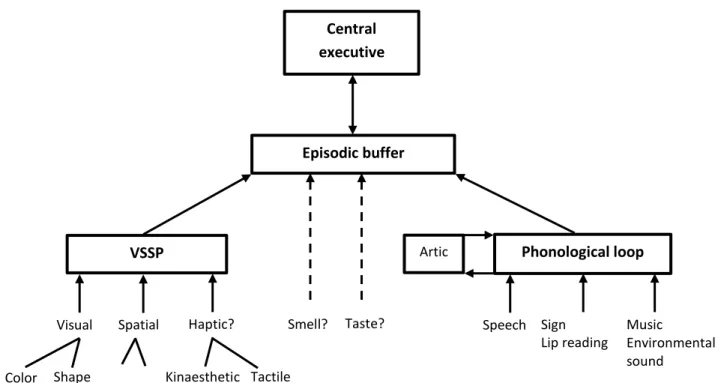
Figure 3.1 A Speculative View of the Flow of Information from Perception to
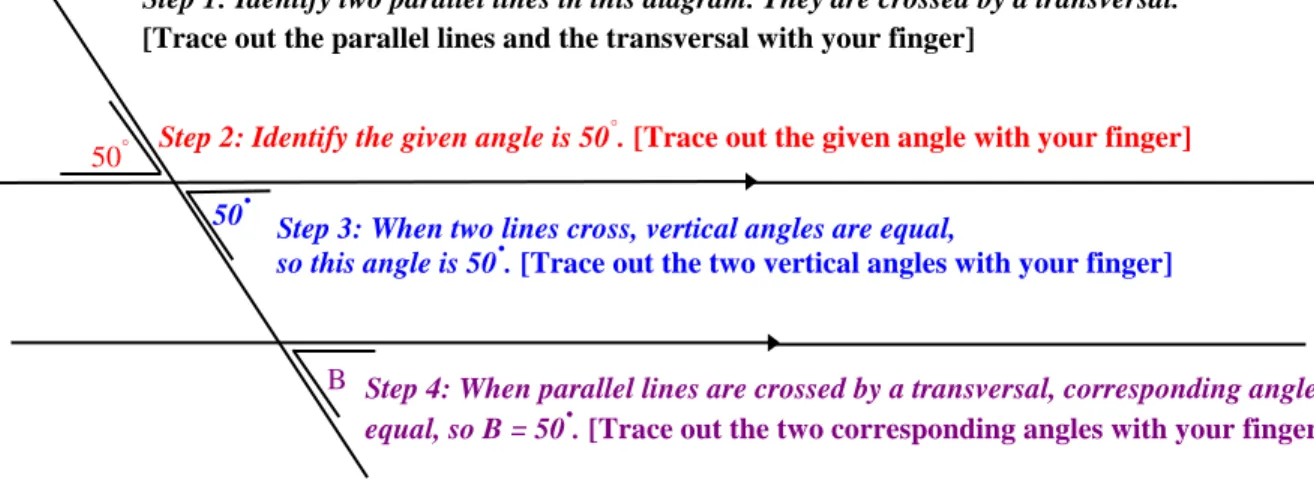
Working Memory ... 76 Figure 4.1 One of the worked examples used in Experiment 1 for the tracing
ix
Table of Tables
Table 4.1 Means and (Standard Deviations in Parentheses) for Acquisition Phase Number of Correct Answers, Number of Errors, Time for Solution (Seconds), and Test Phase Number of Correct Answers, Number of Errors, Time for Solution (Seconds) and Ratings of Test Difficulty ... 128
Table 5.1 Means and (Standard Deviations in Parentheses) for Acquisition Phase Number of Correct Answers, Number of Errors, Time for Solution (Seconds), and Test Phase Number of Correct Answers, Number of Errors, Time for Solution (Seconds) and Ratings of Test Difficulty ... 136
Table 6.1 Means and (Standard Deviations in Parentheses) for Acquisition Phase Number of Correct Answers, Number of Errors, Time for Solution (Seconds), and Test Phase Number of Correct Answers, Number of Errors, Time for Solution (Seconds) and Ratings of Test Difficulty ... 143
Table 7.1 Means and (Standard Deviations in Parentheses) for Acquisition Phase Number of Correct Answers, Number of Errors, Time for Solution (Seconds), and Test Phase Number of Correct Answers, Number of Errors, Time for Solution (Seconds) and Ratings of Test Difficulty ... 152
x
Table of Appendices
Appendix 1: Experimental Materials for Experiment 1 ... 209
Appendix 2: Experimental Materials for Experiment 2 ... 228
Appendix 3: Experimental Materials for Experiment 3 ... 248
xi
Abstract
Embodied cognition perspectives suggest that pointing and tracing with the index finger may support learning, with basic laboratory research indicating such gestures have considerable effects on information processing in working memory. The present series of experiments examined whether tracing out elements of geometry worked examples could enhance learning through decreased intrinsic cognitive load.
In Experiment 1, 56 Year 6 school students (mean age = 11.20, SD = .44) were presented with either tracing or no-tracing instructions on parallel lines relationships. The tracing group solved more acquisition phase practice questions and made fewer errors at the test phase than the non-tracing group, but otherwise test results were limited by ceiling effects. The same materials on parallel lines relationships were used in Experiment 2, but 42 less experienced Year 5 students (mean age = 10.50, SD = .51)were recruited to better align the instructional materials with students’ knowledge levels. The tracing group outperformed the non-tracing group on a subsequent test and reported lower levels of test difficulty, interpreted as lower levels of intrinsic cognitive load. Experiment 3 recruited 52 Year 6 and Year 7 students (mean age = 12.04, SD = .59) presented with materials on angle relationships of a triangle; the tracing effect was replicated on test scores and test errors, but not test difficulty self-reports. Experiment 4 used materials on parallel lines relationships to test hypothesized gradients across experimental conditions with 72 Year 5 students (mean age = 9.94, SD = .33), predicting that students who traced on the surface of instructional materials (i.e., affecting visual, kinesthetic and tactile sensory modes) would outperform those who traced in the air above the materials (i.e., affecting visual and
xii
kinesthetic sensory modes), who in turn would outperform those who simply studied worked examples (i.e., affecting visual sensory mode only). The hypothesized gradient was established across practice questions correctly answered, practice question errors, test questions correctly answered, test question time to solution, and test difficulty self-reports.
Taken together, the results of the four experiments establish that incorporating input from the haptic modality into the design of worked example-based instruction enhances the worked example effect generated by cognitive load theory. The results are theoretically and educationally significant in establishing tracing of worked examples as a natural, simple yet effective way to enhance novices’ learning of mathematics.
1
Chapter One: Introduction
There is a long history in educational practice of the use of tracing with fingers to learn. For instance, learning to recognize letters of the alphabet by tracing Sandpaper Letters has been used in Montessori education for over a century (e.g., Montessori, 1914). Inspired by Montessori, the tracing method has been applied to learning other than
alphabet letters and its positive effects on learning have been demonstrated across a number of recent experimental studies on letter learning and phoneme identification (e.g., Bara, Gentaz, & Colé, 2007; Bara, Gentaz, Colé, & Sprenger-Charolles, 2004; Hulme, Monk, & Ives, 1987) as well as recognition of geometrical shapes in kindergarten children (e.g., Kalenine, Pinet, & Gentaz, 2011). While the existing studies have repeatedly
demonstrated that finger tracing can enhance recognition of visual stimuli, whether such benefits extend to more complex cognitive tasks that require higher levels of abstract thinking and problem solving skills remains to be established.
The present research draws on notions of evolutionary educational psychology (Geary, 2008), embodied cognition perspectives (Glenberg, 2010) and seminal theorizing by educationalists such as Montessori (1912, 1914), to expand the scope of the working memory systems considered by cognitive load theory to those involving haptic information. The fundamental argument underlying the research is that using a pointing finger to trace is a form of biologically primary knowledge that might support the construction of
biologically secondary knowledge such as mathematical rules. A series of experiments was conducted to investigate whether explicit instructions to trace out elements of geometry worked examples with the index finger would enhance learning processes and outcomes.
2
The next chapter of this thesis reviews embodied cognition perspectives, followed by a discussion of utilizing sensorimotor experiences for improving cognition and learning. Studies on the impact of the hands on cognitive processing through their perception,
presence and movements are then discussed. The last section of Chapter Two outlines the implications of theories of embodied cognition for mathematics education. Chapter Three reviews cognitive load theory, beginning with a distinction between biologically primary and biologically secondary knowledge (Geary, 2008) followed by a general overview of human cognitive architecture. The three types of cognitive load and the measures to assess cognitive load are then discussed. The following section outlines the five basic principles underlying human cognition and biological evolution by natural selection. Lastly, the final section of Chapter Three discusses the potential use of biologically primary knowledge for the construction of biologically secondary knowledge, and argues on the basis of the literature review that tracing with a finger is a primary skill that can be used during explicit instruction to generate more cognitive resources for secondary knowledge learning. The four experiments conducted to test the tracing hypothesis are presented across Chapter Four to Seven. The results of each experiment provide varying degrees of support for the facilitation of the tracing method during learning processes. Chapter Eight summarizes the major findings of these experiments and then considers the limitations of the present research, concluding with directions for future research.
3
Chapter Two: Embodied Cognition
2.1 Introduction
Berliner (2006) characterises educational psychology as an enterprise using psychological concepts and methods to understand four “commonplaces of education” (Schwab, 1973): someone teaches something to someone else in some setting. Prior to the 1960s, educational psychology was dominated by behaviorism, which focuses on the relationship between instructional manipulation and outcome performance, namely stimulus-response connections (Mayer, 1999). According to this framework, learning is mainly governed by stimulus events and observable responses made in the presence of those events; from a behaviorist perspective, there is no need to speculate about learners’ mental mechanisms that might mediate relationships between stimuli and responses (Royer, 2005). Under this paradigm, the main focus of educational psychologists was to determine how instructional manipulations affect behavioral changes (Mayer, 1999).
Inspired in part by the rapid development of electronic information processing and computer technology in the past five decades, a major shift from behaviorist to cognitive perspectives occurred within educational psychology. Unlike the behaviorist approach, the approach of cognitive science is concerned not only with external factors (e.g.,
instructional manipulations and outcome performance) but also internal factors including cognitive structures and cognitive processing (Mayer, 2005). Since this “cognitive revolution” in the 1960s, educational psychologists have considered how instructional manipulations affect internal cognitive processes and structures (Mayer, 1999).
4
One of the important contributions of the cognitive revolution is an enhanced understanding of the cognitive architecture underlying learning processes, including the manner in which cognitive structures such as working memory and long-term memory are organized to process information (Mayer, 1999; Sweller, 2012). According to the
information processing approach to human cognition, the human mind, like a computer, is a unique information-processing system, divided into three major units―the sensory register, the working memory store, and the long-term memory store (Atkinson & Shiffrin, 1968, 1971). In the middle part of the 20th century, the earlier information-processing view held that learning involves the process of placing new information into long-term memory (Mayer, 2005). Subsequently, in the late 20th century, combining information-processing and constructivist approaches, the cognitive constructivist viewpoint held that learning should involve extracting meaning from the new information and then integrating it with prior knowledge (Phillips, 2000); that is to say, learning is the process of actively constructing knowledge. This view of learners as active processors of information thus changed the focus of instructional design from how to present a stimulus to how to
manipulate instructional materials so as to guide and facilitate internal cognitive processes (Driscoll & Burner, 2005).
By the end of 1980s, while the view that the human mind operates as an
information processor with relatively little consideration of its connection to the external world still dominated cognitive science, an alternative approach to cognition and learning emerged (Wilson, 2002). Unlike the dominant viewpoint, the new perspective stressed the formative role the environment plays in the development of cognitive capacity and the importance of the human body for interactions with the environment during cognitive
5
processes. Since then, this “embodied” perspective on cognition has rapidly grown and has inspired research theories across a range of disciplines within the behavioral and cognitive sciences.
This current chapter is divided into four parts. The first part discusses the
fundamental arguments of the various embodied cognition perspectives. The second part reviews the discussion of sensorimotor experiences by theorists such as Piaget and various ways in which it has been argued sensorimotor experiences might impact upon cognition and education. The third part is focused on the significant role of the hands in gathering sensorimotor experiences, and in promoting cognition and learning. The final part of this chapter discusses how embodied cognition perspectives have informed mathematics education.
2.2 An Embodied View of Cognition
2.2.1 Evolution of human ability. The embodied perspectives on cognition started with the notion of the evolution of human ability. The human brain, for the purpose of enhancing survival and reproduction, required a body for successful interactions with the outside world. A nervous system hence evolved from the need to receive and process input from the environment, as well as to act within and upon the environment (Chiel & Beer, 1997). In this view, the brain is considered as a support system to ensure that the body properly moves around and interacts with the environment, and the body is granted an essential role in constructing the mind. Therefore, the ways people move their bodies influence how they perceive, how they think, and how they remember what they encounter in the environment (Glenberg, 2010; Wilson, 2002). In other words, human cognition is affected by the functions, states, and movements of the body.
6
2.2.2 Varieties of embodiment. Emerging from the late 1980s, to date,
embodiment has become an important principle within cognitive science. Although the basic notion that cognition should be considered as a product of interactions between a body and its surroundings has been generally shared, the concept of embodiment has been formulated in diverse ways (Núñez, Edwards, & Matos, 1999). For instance, approaching from the psycholinguistics perspective, Lakoff and his colleagues (see Lakoff, 1993; Lakoff & Johnson, 1999) found that people often use metaphors derived from bodily experiences to represent or construct abstract conceptual knowledge. One of the examples is that people use the image schema built from physically interacting experiences with containers (i.e., something can be in or out of a container, but not both) to understand the abstract logical concept “either a or b, but not both.” The embodiment concept also has been approached from the perspective of language comprehension, which suggests that language understanding often involves bodily action. For example, Glenberg and Kaschak (2002) reported the action-sentence compatibility effect to demonstrate how body
movements might interfere with the judgment of sentence meanings. When the direction of the action implied in a sentence (e.g., “Give him a pen”, implying action away from the body) matches the direction of the real body movement, sentence comprehension is faster. The phenomenon clearly provides evidence against the traditional view that meaning is derived solely from abstract symbol processing.
Since the general stance that cognition is embodied has been increasingly supported and applied extensively across disciplines within cognitive science, a variety of terms related to the notion of embodiment have been used in the literature, such as embodied mind (Lakoff & Johnson, 1999), embodied intelligence (Brooks, 1991) and embodied
7
cognitive science (Clark, 1999). Some researchers (e.g., Semin & Smith, 2002) adopt the term situated and embodied cognition, using situated and embodied interchangeably as if they are equivalent. Some researchers (e.g., Anderson, 2003) argue that the two terms, which stand for two complementary and closely related lines of research, should be separated. The terms that researchers choose, to some extent, reflect their different approaches to embodiment, but the variety of terms and the notions they represent in the literature have the potential to raise a certain degree of confusion about what embodied cognition really means (Wilson, 2002; Ziemke, 2002, 2003).
The diverse terms and notions probably result from the difficulty in treating
embodiment as a single viewpoint. To date, there is still no agreement on the fundamentals of embodied cognition, nor a unified theory (Barsalou, 2008). The different approaches to embodiment may share the central stance that human cognition has its roots in interactions between the body and the environment through the perceptual and motor functions of the body (Barsalou, 2008; Wilson, 2002). However, under the banner of embodied cognition, this notion of embodiment has taken different forms. So far, the various claims associated with embodied cognition may be generally divided into three streams.
2.2.3 Main streams of embodied cognition research. The first stream of embodied cognition research stresses that cognition is a sensory-motor activity, so
sensorimotor simulation plays an important role in cognition, especially off-line cognition (e.g., Barsalou, 1999; Decety & Grèzes, 2006). It is believed that many cognitive tasks are accomplished by making use of sensorimotor resources, indicating that cognitive processes are body-based. According to this view, the perceptual and motor systems of the human cognitive system apparently have evolved for running off-line cognition—namely, using
8
sensorimotor resources to mentally represent the currently absent information which is needed for a cognitive task (Wilson, 2002). When an interacting experience with an object occurs, the brain will capture the neural activity across modalities underlying the
experience as perceptual symbols and integrates them into coherent multimodal
representations for the experience. Later, if knowledge related to that previous experience is needed, the multimodal representations will be activated to run a simulation of that experience. The idea of sensorimotor simulations stands in marked contrast to the traditional cognitive science view that treats cognition as the computation on amodal symbols (Barsalou, 1999, 2008).
The second stream stresses that cognition is a situated activity, which occurs from immediate interactions between the body, the environment, and other agents (e.g., Chiel & Beer, 1997; Smith & Semin, 2004, 2007). From this point of view, cognitive processes are continuingly affected by incoming information from the environment and simultaneously keep sending messages to the motor system to execute action in response to the
environment. On this account, the cognitive system’s core purpose is to support online cognitive tasks in a real-world situation. Such online situated cognition often involves making fast plans to act on the environment under time pressure, so humans have learned to off-load information to the environment and access it when needed in order to manage mental load (Kirsh & Maglio, 1994). Accordingly, rather than mentally storing and manipulating all the available information, the cognitive system uses external resources to support the internal cognitive processing. Wilson (2002) noted that the off-loading strategy does not necessarily need to be deliberate and formalized; instead, it may happen
9
The third stream of research considers grounding as the center of cognition
(Barsalou, 2008, 2010). The idea of grounding holds that internal cognitive processes need to be connected to concrete referents in the physical world, which has been convincingly demonstrated in language comprehension (e.g., Glenberg & Kaschak, 2002). While most of the previous studies in grounding focused on representations of concrete words, objects and action, recent studies have begun to provide evidence to demonstrate the grounding of abstract concepts, for example, grounding time in the representation of space (Flusberg, Thibodeau, Sternberg, & Glick, 2010). Borghi, Flumini, Cimatti, Marocco, and Scorolli (2011) suggested that even though abstract concepts are not grounded on a single concrete object, they can be grounded on relationships between different objects. It should be noted that the grounded view of cognition particularly emphasizes that cognitive processes can be grounded in many ways such as simulations, situated action and bodily states, and the involvement of the body is not always necessary, which seems to differ from the general idea of “embodied” cognition (Barsalou, 2008, 2010). Some researchers (e.g., Borghi, Scorolli, Caligiore, Baldassarre, & Tummolini, 2013; Pezzulo, Barsalou, Cangelosi, Fischer, McRae, & Spivey, 2011) have recently advocated that notions of embodied cognition and grounded cognition should be explicitly distinguished.
Since the embodied approach to cognition is relatively new, a unified paradigm apparently has not yet been established. However, although the three streams of research within embodied cognition have different foci, they share a common ground that
representations of knowledge are connected to sensorimotor interactions with the external world (Holt & Beilock, 2006). Given the increasing evidence that cognitive processes are based in sensorimotor experiences, it can be argued that instructional designers should
10
broaden their focus from a purely cognitive focus to develop a learning environment in which students are allowed to physically manipulate and interact with objects and events. For instance, in the series of experiments of the present research, explicit instructions are added to the paper-based materials, instructing students to use their finger to trace out the information while they are studying the materials. In the next section, the importance of sensorimotor experiences and the benefits of using multimodal input for learning informed by embodied cognition will be discussed.
2.3 Sensorimotor Experiences and Learning
2.3.1 Earlier advocacy of individual sensorimotor experiences. As discussed above, body-environment interactions and sensorimotor experiences as a basis for cognition have been emphasized since the late 1980s, but arguments for the potential of individual experiences to support learning substantially predate the emergence of
embodied cognition perspectives. Across the late 19th century and through the early part of the 20th century, John Dewey (1859-1952) developed arguments about the connection between education and personal experiences that education should develop within and for experiences. In Experience and Education (1938/1963), he argued that a new form of education should encourage students to gain actual educative experiences and learn through these experiences. Based on these arguments, the challenge for educators is to provide quality experiences, as an educationally worthwhile experience will result in growth, leading students to subsequent experiences. Moreover, educators also need to evaluate the value of an experience based on the interactions that occur between the objective of an experience and students’ internal conditions such as personal needs and capacity.
11
Another example of an “embodied learning” perspective from this period can be found in Jean Piaget’s (1896-1980) influential theory of developmental psychology. Piaget (1964) argued that there are four stages for the development of human cognitive abilities, and the first stage, which is from birth to about 2 years old, is termed the “sensorimotor” stage. At this stage, the key ability that babies develop is to build up knowledge about the objects in the surroundings and know how they can be manipulated. Babies will start to use the sensory and motoric functions of their bodies to intentionally try different actions upon and receive responses from the environment. In doing so, “schemes” (using Piaget’s terminology) about themselves and the world will gradually develop.
Around the time when embodied cognition perspectives emerged, Paivio (1971, 1986) proposed a dual coding approach to mental representations and highlighted the importance of sensorimotor experiences for facilitating learning in his dual-coding theory. One of the basic premises in the theory holds that mental representations of knowledge keep some concrete qualities of the previous verbal or nonverbal experiences in the real world. Core human cognitive capacity such as language is founded on the nonverbal sensorimotor experiences at a young age, increasingly combined with verbal experiences for the development of a complete dual-coding mind. In other words, the growth of the verbal system depends on a rich nonverbal base. The assumption about the connection between cognition and previous real world experiences is clearly consistent with the viewpoint of embodied cognition (Wilson, 2002).
2.3.2 Multimodal information coding. Taking one step further, Paivio’s (1971, 1986) dual-coding theory emphasizes the development of cognition benefits from multiple memory coding. The principle of dual-coding contends that having two independent
12
memory codes to represent a to-be-remembered item will lead to better recall than one single code. Dual codes produce an additive effect, which allows people to create
multisensory memory traces to retrieve memory (Paivio, 1986). This notion seems to echo with Barsalou’s (1999) theory of perceptual symbols, which are constructed from previous activities involving different sensory systems and are used for running a simulation of action and perception for a later cognitive task.
Based on the dual-coding assumption, research has shown the benefits of
multimodal processing for human cognition, though primarily focused on the auditory and the visual modalities. It has been demonstrated that learning in an environment with input from multiple sensory modalities and with interactions between multisensory memories lead to better encoding and retrieving of information (e.g., Lehmann & Murray, 2005; Nyberg, Habib, McIntosh, & Tulving, 2000). Shams and Seitz (2008) argued that the human brain has evolved to learn in a multisensory environment. Therefore, utilizing input integrated across multiple modalities is natural and optimal for learning.
It is undoubted that multimodality is a major aspect of embodied cognition, since cognitive processes based on sensorimotor experiences inevitably involve multiple sensory modalities such as vision, hearing, touch, motor action and so on (Gallese & Lakoff, 2005). In the field of multimodality research, there has been substantial progress in understanding the processing mechanisms of input from the auditory and the visual modalities. So far, relatively less is known about the processing of input from other modalities. Paivio (1986) maintained that information is encoded in two ways—verbal and nonverbal (or
imaginal)—and so suggested kinesthetic and tactile inputs may be encoded as a form of image. On the other hand, the recent view of multimodal information processing has
13
argued that there are neural mechanisms within the brain enabling interaction and
integration among different sensory systems in concert with task demands (Stein, Meredith, & Wallace, 1994; see also Gallace & Spence, 2009).
Taken together, although it remains unclear if additional memory codings beyond verbal and nonverbal are available, the effectiveness of learning with multiple sensory input has been demonstrated, which is in support of the propositions of embodied cognition. Sensorimotor experiences from concrete interactions with the external world could improve individuals’ ability to construct mental models of knowledge. That implies information from multiple sensory modalities would integrate and interact with each other to form a richer multimodal mental representation. Accordingly, in a learning setting, students should be allowed and encouraged to actively and physically interact with the environment. In the following section, gathering sensorimotor experiences from tracing with fingers, object manipulation, body movements, and hand gestures as potential means for enhancing learning and cognition will be discussed.
2.3.3 Utilization of sensorimotor experiences.
Montessori education and the tracing method. Incorporating sensorimotor experiences into learning programs has been a central design principle in Montessori education since the early 20th century. Maria Montessori (1870-1952) believed that body movements and cognition are closely entwined; cognition is embedded in action.
Therefore, most of the learning in Montessori classrooms is through physical activities. Students are allowed to freely move around a classroom to acquire physical learning experiences to construct knowledge. For instance, while learning nouns for objects, students are instructed to take the cards with new nouns to find out the corresponding
14
objects and then place the cards beside the objects. While learning new verbs, students are instructed to read verbal commands on Command Cards and then carry out the action. The logic of these activities is that when students have to make a motor response for what they read, they will need to pay more attention to know what a word exactly means. In other words, students’ attention will be more effectively directed to the written words and their precise meanings (Lillard, 2005).
Montessori argued for the potentially profound impact of hand movements on human cognition and human society: “The skill of the hands is bound up with the
development of mind, and in the light of history we see it connected with the development of civilization…all the changes in environment are brought about by hands” (Montessori, trans. 1967, p. 150-151). Advances in young children’s hand movements, such as grasping or pointing, are related to their interest in the physical world, which leads to advances in their cognition (see Fogel, Dedo, & McEwen, 1992; Needham, 2000; Woodward & Guajardo, 2002). Montessori’s view on the interdependencies between the development of hand skills and cognition is supported by empirical evidence. For instance, in a study by Needham, Barrett, and Peterman (2002), a group of infants engaged in short play sessions which were designed to enrich their skills of exploring objects by wearing sticky mittens (i.e., mittens with palms that stuck to objects) to pick up toys. It was found that the infants who had this enrichment experience started to pay more visual attention to new objects and used more strategies to explore objects, compared with those infants without such
experience.
With Montessori materials, students’ hands are constantly in motion. Learning to recognize letters of the alphabet by Sandpaper Letters is one of the classical Montessori
15
methods. Students are encouraged to trace sandpaper letters with their fingers in the manner of writing. Besides, while tracing a letter, students simultaneously listen to the sound of the letter pronounced by their teacher (Lillard, 2005; Montessori, 1914). This teaching technique works through a multisensory approach, involving input from several modalities at the same time; students listen to the sound, look at its representation in the form of a letter, and feel the way it is written as they touch and trace the sandpaper letter.
Inspired by Montessori’s (1912) idea on tracing letters as an exercise of learning to write before learning to read, educators have used such tracing method in the teaching of children with reading difficulties for a long period. Fernald (1943) demonstrated that asking children with severe reading difficulties to trace around words as if they were writing the words, and say each syllable as it was traced, substantially improved children’s reading. It was suggested that tracing could improve memory of retarded readers having difficulty in memorizing spelling patterns and verbal labels, as the tracing movement might produce an additional motor memory trace to link the spoken and written forms of a word (Fernald, 1943; Orton, 1928). However, earlier studies in tracing did not find a positive effect on memory among participants with average or good reading ability (Forster, 1941; Hulme, 1981a; Jensen & King, 1970; Roberts & Coleman, 1958). Hulme and his
colleagues have since provided experimental evidence that young normal children could also benefit from the tracing method. Hulme (1979) reported that 8- and 9-year-old children who traced around abstract graphic forms had better visual recognition of the forms in a short-term memory task. Similar results were obtained with alphabet letters and abstract forms in children with reading difficulties and with normal reading capacity. The beneficial effect of tracing on visual recognition of forms was also true of adults (Hulme,
16
1981b). Later, Hulme et al. (1987) demonstrated that very young children at the age of 3 and 4 also performed better on recalling the names of letters after tracing the letter
contours during learning. Furthermore, based on the previous hypothesis that tracing serves as a link between visual and verbal stimuli (e.g., Fernald, 1943; Orton, 1928), Hulme et al. (1987) tested whether tracing could have an effect on verbal retrieval, but this hypothesis was not supported by the results. Accordingly, they maintained that tracing could improve traditional visual-verbal paired-associate learning mainly through its effects on memory for visual recognition.
Hulme (1979, 1981b) speculated that the positive effect of tracing on visual recognition may result from the operation of a separate motor memory system. The motor information encoded while tracing a to-be-remembered form combines with the encoded visual information to improve memory about the form, as presumably visual information and motor information share a common representation in an integrated schema. Perhaps, it could be the spatial information provided by and shared between the visual and the haptic modalities contributes to the improvement of visual recognition (Fredembach, de
Boisferon, & Gentaz, 2009).
In summary, although initial arguments about the potential benefits of tracing for learning were relatively vague, this practice seems to be supported by more recent empirical findings. A number of cognitive processes may account for these results. First, such results could be due to multimodal information coding; memorization of words would be increased by multisensory traces. Second, perceptual symbols extracted from a physical activity serve as multimodal traces to facilitate the future knowledge retrieval; thus, when students recall a specific word, their brain will use the perceptual symbols to simulate their
17
previous experience interacting with that word during the tracing activity, such as its visual form, its verbal sound and the sequence of hand movements to write the word. Third, the functional differences of each sensory modality may support a “haptic bond effect” (Fredembach et al., 2009). Due to the fact that visual input is simultaneous and spatial while auditory input is sequential and temporal in nature, young students sometimes encounter difficulties in associating visual forms of words and their corresponding sounds. As the way the hands receive input is both simultaneous and sequential, a haptic bond between visual and auditory inputs may occur. The sequential nature of haptic perception could lead students to explore and process visual forms of words in a thorough and analytical way and so facilitates the association with their sounds (Hatwell, Streri, & Gentaz, 2003; Kalenine et al., 2011). Taken together, it seems reasonable to assume that tracing could serve a bonding function to simultaneously enhance visual and verbal learning.
The benefits of tracing have been established across a number of recent empirical studies on letter learning and phoneme identification (e.g., Bara et al., 2004, 2007) as well as recognition of geometrical shapes in kindergarten children (e.g., Kalenine et al., 2011). Fredembach et al. (2009) extended the positive effect from preschoolers to adults,
demonstrating that adding the haptic modality to explore visual stimuli could also help adults to associate signs and their corresponding sounds than simply visual exploration. While the existing studies have repeatedly demonstrated that tracing can enhance
recognition of visual stimuli, whether the benefits can extend to more complex cognitive tasks that require higher levels of abstract thinking and problem solving skills has not yet been tested. The series of experiments in this thesis are designed to explore this possibility.
18
Action-based learning strategy. From an embodiment perspective, language and bodily action are closely related. Indeed, evidence is accumulating that language
understanding is based on the automatic and unconscious use of perceptual and motor systems of the body. As mentioned before, the action-sentence compatibility effect
reported by Glenberg and Kaschak (2002) showed that sentence understanding involved a simulation of action. Participants in their study judged a sentence as sensible more quickly when the direction implied in that sentence matched the direction of their actual body movement (toward or away from their body). Glenberg and Kaschak (2002) suggested that understanding a “move toward the body” action requires a mental simulation of a “move toward the body” action, and the mental simulation requires activating the same neural systems as planning to make an actual action. Therefore, when the directions of the mentally simulated action and the actual bodily action are different, participants’ sentence comprehension will be hampered. Their argument has been supported by other behavioral studies (e.g., Glenberg, Sato, Cattaneo, Riggio, Palumbo, & Buccino, 2008; Scorolli, Borghi, & Glenberg, 2009; Zwaan & Taylor, 2006) and work in the neurosciences (for a review, see Pulvermüller, 2005).
Based on the embodied view of the close relation between language and action, sensorimotor resources obviously play an essential part in enhancing the comprehension of verbal materials. The embodied approach to language comprehension holds that words and syntax should be grounded in bodily experiences (Glenberg, Goldberg, & Zhu, 2011). According to Bruner (1964), people gradually develop their ability to mentally represent the environment through the course of using enactive, iconic and symbolic modalities. Therefore, for young children, who have fewer experiences to draw on and so often have
19
difficulty creating mental representations using written symbols, providing enactive
representations for the target information may bring substantial cognitive benefits (Marley, Levin, & Glenberg, 2010). Likewise, in Piaget’s (1964) model of cognitive development, concrete operational experiences have also been highlighted for children aged 7-11 to facilitate their logical thinking. It is believed that action activity brings benefits to
children’s perception and imagery production (see also Wolff & Levin, 1972). Supported by the previous developmental theories and the recently emerging embodied cognition approach, an activity-based reading intervention, Moved by Reading, on the basis of the indexical hypothesis (Glenberg, 1997; Glenberg & Kaschak, 2002; Glenberg & Robertson, 1999, 2000) was designed to help children decode written symbols using action-based experiences in memory.
The indexical hypothesis provides an action-based account of reading
comprehension. Basically, to understand the meaning of a sentence, three processes are used: (a) indexing (mapping) words to objects in the environment or perceptual symbols (Barsalou, 1999); (b) deriving affordances (i.e., possible interactions between an individual and an object or the environment, Gibson, 1979) from the indexed objects; and (c) using syntax to mesh (integrate) the affordances. Through the three processes, abstract language symbols (i.e., words) are converted into a coherent simulation of action, which is the way the meaning of a sentence will be understood.
According to the indexical hypothesis, reading comprehension requires mapping words and phrases onto concrete experiences or representations of those experiences. During the Moved by Reading intervention (Glenberg et al., 2011; Glenberg, Gutierrez, Levin, Japuntich, & Kaschak, 2004), students are provided with appropriate experiences
20
while reading and are then instructed to relate the written symbols to the experiences. The intervention consists of two stages of activities. At the first physical manipulation stage, students are presented sentences describing activities in a particular scenario (e.g., a farm) and a set of toys representing aspects of the scenario (e.g., a barn, animals, farmers). After reading each sentence, students are required to act out the sentence using the toys. The aim of this procedure is to help students map the written words to the corresponding objects and map syntax to action. At the following imagined manipulation stage, after reading a sentence, students are instructed to imagine how they can manipulate the toys to act out the sentence. This procedure is to enable students to create mental images by making use of the physically manipulating experiences from the previous stage.
The efficacy of Moved by Reading has been supported by empirical studies in which the instructions of physical and imagined manipulation are applied with variation. Glenberg et al. (2004) demonstrated that young students who received the physical manipulation intervention had a noticeable improvement in comprehension and recall of the text, compared with those in the re-read condition. It was also found that after receiving the training of physical manipulation for a short period, students were able to implement the imagined manipulation strategy while the physical manipulation instruction gradually faded away. The physical external support intervention seems to be a particularly effective method to improve young students’ ability to generate mental models while performing text processing tasks. Even when the physical manipulation was executed by other people, young students who simply watched the manipulation had improved reading
comprehension (Glenberg, Brown, & Levin, 2007; Marley et al., 2010). Moreover, in the circumstances when real objects are absent, mapping words to the representations of real
21
objects are also sufficient for improving comprehension. Glenberg et al. (2011) found that students who manipulated images on a computer screen performed equally well, or even better, than those who manipulated real objects. This finding may explain why students’ comprehension could benefit from the representational gestures that teachers use during instruction.
Although most support for Moved by Reading has come from studies in early reading comprehension, it is possible that the benefits of manipulating text-relevant images can extend to older students and adults reading in an unfamiliar domain (Glenberg, 2008, 2010). Ultimately, the Moved by Reading intervention is designed to facilitate learning from text, not learning to read (Glenberg et al., 2011). Indeed, it has been demonstrated that the general skill learned from this reading intervention—using experiences to create mental models for text—can be easily transferred to other areas such as story problem solving in mathematics (Glenberg, Jaworski, Rischal, & Levin, 2007) and science
exposition of an abstract principle in experimentation (Glenberg, 2008; Richmond, 2008). Glenberg (2008) argued that the embodied cognition approach to reading
comprehension, theoretically speaking, may work more effectively for concrete concepts. As the dual-coding theory suggests, concrete words can be encoded dually, so they are easier to comprehend, compared with abstract words (Sadoski & Paivio, 2004). If so, to enhance comprehension, people need to concretize abstract concepts through encoding them in multiple ways. In doing so, more pathways (e.g., based on both visual and motoric access) to activate mental images of the abstract concepts would be created, resulting in better comprehension. Marley et al. (2010) argued that the benefits of activity-based learning strategies may be explained in two ways. First, an additional motoric code is
22
provided for encoding and retrieving information. The motoric code may further enhance the referential connections, which are used to unite nonverbal and verbal codes, as the dual-coding theory suggests (Paivio, 1971). Second, a self-performed learning activity is labeled and stored as a personal event within episodic memory (Tulving, 1983), which will result in more distinct memory of the target information, compared with a
non-self-performed learning task.
In fact, such an action-based learning strategy for verbal materials has been examined by studies on subject-performed tasks, although instead of the embodied aspect of cognition, they put focus on memory for events involving action (Cohen, 1981, 1989; Engelkamp & Zimmer, 1984; Kormi-Nouri, Nyberg, & Nilsson, 1994). The most
important finding of studies in this area is that instructing participants to act out, or observe others acting out, the to-be-remembered information during the encoding phase improves later recall (for a review, see Cohen, 1989). Engelkamp and Zimmer (1984, 1985)
suggested that the action in subject-performed tasks would be encoded through the motor modality, which then would create an additional motor memory code to improve the original visual and verbal codes. Accordingly, better recall performance should be found in self-performed action than observed action, but their argument was not supported by Cohen (1981, 1983), who found no difference in later recall between self-performed and observed enactment, or Saltz and Donnenwerth-Nolan (1981), who found no difference between self-performed and imagined enactment. However, in subsequent studies, the recall advantage of self-performed over observed action was obtained by Engelkamp and Zimmer (1997) and Hornstein and Mulligan (2001). They argued that the inconsistency between the empirical findings was caused by the study design; the effects of
self-23
performed tasks often occur in within-subject designs, rather than between-subject designs used by Cohen (1981, 1983) and Saltz and Donnenwerth-Nolan (1981).
On the other hand, after failing to obtain an increased effect of dual enactment (i.e., motor encoding and motor retrieval) and only obtaining a limited effect of enactment at retrieval, Kormi-Nouri et al. (1994) suggested that motor processing at encoding and at retrieval may be fundamentally different; otherwise, motor cues should have been effective at recall. They argued that enacted verbal information would be stored as a verbal code, rather than a motoric code, which apparently is at odds with the view of a motor system for storing encoded motor information (e.g., Engelkamp & Zimmer, 1984, 1985). The idea of a distinct motor memory system which could aid visual memory dates back as early as James (1890), who discussed findings of patients who had lost the ability to read because of brain damage beginning to read again by tracing around letters with their fingers (for more reports, see Albert, 1979; Wilson, 1994). These neurological cases were attributed to the existence of a motor memory system. However, although the idea of a motor memory system is long-standing, there is still lack of solid empirical evidence to support its existence. If the system does exist, many questions, such as in what form motor information is encoded and stored or how the motor system collaborates with other memory systems, are still unanswered.
One notable aspect of the research reviewed above is that most of the participants in the studies of subject-performed tasks were university students or mature adults. This may imply that both children and adults could benefit from such action-based learning strategies, just as the Moved by Reading intervention suggests (Glenberg, 2008, 2010). Earlier physical experiences with the environment have been recognized as essential
24
sensorimotor foundations for young children to develop language and cognition (Piaget, 1962). However, as children grow up and enter adulthood, their interactions with the environment may become more verbal, but the importance of physical activity does not fade away. While most formal learning mainly relies on verbal language skills, the benefits of physical activity in the acquisition of cognitive skills should not be underestimated, whether for children or adults.
Mindful body movement. Although the importance of bodily action to learning and cognition has been raised, it should be noted that not all kinds of body movements directly lead to changes to knowledge states. Freely moving around may support gathering
information from the environment; however, to maximize the chances that learning specifically will be enhanced, physical movements must be carefully designed and guided by teachers. This specific type of body movement, designed to assist learning, is called mindful movement (Ben-Ari, 2002; Shoval, 2011). It is differentiated from the body movement which is intended to improve physical capacity and skills, or which occurs in a learning context but does not directly contribute to the learning itself (e.g., forming a circle in order to interact with each other more easily).
To date, there is relatively little research in the role of bodily experiences in the arts, but the advantages of learning and knowing through body movements have been applied to music education. For example, Emile Jaques-Dalcroze (1865-1950) proposed
incorporating movements such as rhythmic movements and improvised expression of the heard music through body movements into the musical learning processes. Since then, the Dalcroze approach to music education, known as Dalcroze Eurhythmics, has been used to support musical studies, including music theory, rhythm, instrumental technique,
25
conducting, and performance studies in music, primary and secondary schools (Juntunen & Hyvönen, 2004).
Mindful body movements also have been investigated in the area of cooperative learning. Shoval (2011) found that using mindful movements to assist Year 2 and Year 3 students in geometry class improved their understanding of angles. In addition, she identified three key factors underlying successful mindful movements during the
cooperative learning process. The first factor is physical interactions with the environment; it is not only for students to gather information, but also for them to test the correctness of their acquired knowledge through the feedback from the environment (for examples, see Jirsa, 2004; Radford, Demers, Guzman, & Cerulli, 2004). The second factor is
demonstration of what students have learned; body movements allow teachers and students to communicate a verbal idea in a physical form, so that teachers can further assess
students’ internal understanding through their external body movements. Students can also learn from observing others’ movements (Deese, Ramsey, Walczyk, & Eddy, 2000). The third factor is sustained active movement activity. Performing physical activities helps students stay active and alert, which also allows teachers to monitor if students are
concentrating on learning tasks. Importantly, in order to motivate students to keep on doing and sustain the benefits from movement activity, teachers need to evaluate the learning goals achieved by every activity and make sure of the close connection between activities.
In addition to the three factors, social interaction—a component of successful cooperative learning—is also a key factor contributing to the success of using mindful movements for learning. Most of the studies in cooperative learning have focused on the benefits of verbal communication (see Slavin, Hurley, & Chamberlain, 2003). However, in
26
a cooperative learning group with mindful movement activity, students are allowed to interact through verbal expression as well as body movements. Shoval (2011) found that physical contact with the environment, the use of visual and movement modeling, and socio-kinesthetic interaction were all significant predictors of academic improvement, but the best predictor was sustained movement-aided learning activity. It is worth noting that Shoval (2011) divided social interaction into socio-kinesthetic interaction and socio-verbal interaction, with only socio-kinesthetic interaction being a significant predictor of
academic improvement, whereas socio-verbal interaction was not. This finding supports using non-verbal activities for young students who are not capable of engaging in a complex verbal interaction in a cooperative environment (Souvignier & Kronenberger, 2007). Shoval (2011) speculated that in cooperative learning, some subjects such as geometry and physics could be perceived visually and kinesthetically, making verbal interaction of secondary importance. It may be further argued that, with well-designed learning activities, body movements could be sufficient to support learning, with little or no verbal interaction.
Hand gesture. While mindful movement research indicates whole body
movements can enhance learning, enhanced learning may also be achieved through hand movements specifically. According to Nathan (2008), one of the ways to see cognition as embodied is through the close relation of gestures to thinking and communication. Indeed, cumulative evidence from a body of research in gesturing has shown that hand gestures, as a small-scale bodily movement, could function as an effective learning tool to facilitate the promotion of cognitive capacity.
27
cognition is a key proposition in the embodied cognition framework. That is, people activate the same perception and action mechanisms responsible for their previous sensorimotor experiences to create mental images for thinking and speaking (Barsalou, 1999). While doing so, people often gesture. Clearly, gesturing is a common occurrence in human daily life. So far, several researchers (e.g., Goldin-Meadow, 2003; Kita, 2000; McNeill, 1992, 2005) have theorized why people gesture so frequently. From the view of embodied cognition, Hostetter and Alibali (2008, 2010) proposed the
gesture-as-simulated-action framework to argue that gestures are natural outward expressions of mental simulation, which means gestures emerge from perceptual and motor simulation. According to their arguments, most of the time, sensorimotor simulation occurs covertly; however, when the level of simulating action and perception surpasses the gesture
threshold, the simulation will be realized overtly, in the form of gestures. On this account, when people speak or think, gestures are frequently evoked to simulate a previous action or to help imagine an action that can be taken on an object (e.g., imagine the way in which a chair can be moved). Gestures are also evoked to help people mentally manipulate visual images to extract information for constructing thought or speech.
Based on the gesture-as-simulated-action framework, Beilock and Goldin-Meadow (2010; see also Goldin-Meadow & Beilock, 2010) suggested that gestures serve a function to connect action and thought, helping people to ground and express their thinking. Taking this hypothesis one step further, Beilock and Goldin-Meadow (2010) argued that gestures might even have the potential to add information back into the gesturer’s mind. They demonstrated that gestures brought action information into gesturers’ mental
28
participants were required to solve the Tower of Hanoi task twice. After the first solving task, they were asked to explain their solution with gestures. Then, in the second solving task, half of the participants used the original disks, but the disks were switched for the other half (i.e., the smallest disk weighed the most; the largest disk weighted the least). The hypothesis of the study was if the action information added by the gestures during
participants’ verbal explanation was compatible with the subsequent action they took in the second task, their performance would be improved. If not, their performance would be hampered. It turned out that the switch group spent more time in the second task than the first one, and conversely, the no-switch group spent less time in the second task than the first one. The results suggest that gesturing is not just a natural by-product of people’s thinking and speaking; it can bring new information back to change people’s thinking.
However, since gestures are representations of action, it might be questioned whether they have more or less effect than action on how people think. To explore the unique influence of gestures on thinking, Goldin-Meadow and Beilock (2010) conducted another study involving solving the Tower of Hanoi problem to investigate the role of gestures versus direct action in the task. This time, after solving the first task, in contrast to the participants in the action group, the gesture group could only use gestures but could not act on the disks while explaining how they solved the problem. It was hypothesized that, during the explanation phase, the gesture group had to generate and hold in mind a detailed internal representation of the disks and the action they took, whereas the action group could off-load some of the information to the environment. Later, when participants were asked to solve the Tower of Hanoi problem for the second round, in which the weights of the disks were adjusted to be at variance with their sizes, participants in the gesture group
29
required more time and more moves to solve the problem. Goldin-Meadow and Beilock (2010) interpreted the results as an indication that gestures linked up action and thinking more directly than actual action on an object, and hence incorporated information into mental representations more strongly than action. This may explain why switching weights of disks hampered the performance of the gesture group more. In short, gestures could more effectively influence people’s thinking than action itself.
The findings of gesturing research not only support the theories of embodied
cognition but also provide an extended domain in which to investigate the embodied nature of cognitive activity. They also support the idea that gestures could gather advantageous sensorimotor experiences for cognition and learning. More importantly, for some cognitive tasks, gestures may even have a more powerful impact than action sensorimotor
experiences. The following sections review scholarship linking gesturing through the hands, information processing, and learning, beginning with a focus on haptic perception, which lays the foundation for the present research to investigate the impacts on learning of incorporating the haptic modality, including and excluding the touch sense, into learning processes.
2.4 The Role of Human Hands in Cognition and Learning
Parallel with the emergence of embodied cognition and the development of information and communication technologies with manual input devices (e.g., touch screens), interest in the role of human hands in cognition and learning has grown rapidly. As knowledge about how the perception, posture and movement of human hands affect information processing has accumulated, people have begun to realize that the hands, with
30
their highly sensitive sense of touch and flexible motor capacity, play a major role in the cognitive activity of daily life (Lederman & Klatzky, 1987).
2.4.1 Haptic perception. Haptics refers a perceptual system supported by body movements to extend its perceptual capacity. It enables people to perceive the
surroundings through active touch (Klatzky & Lederman, 2003; Lederman & Klatzky, 1987; Loomis & Lederman, 1986). Haptic perception can thus be considered as an active exploration of the environment (Gibson, 1962). The haptic modality has been recognized as the first, the most used and the most reliable modality for people to gather information from interacting with the outside world (Bussell, 2001; Streri, 2003).
As Taylor, Lederman, and Gibson (1973) argued, things that can be touched are more real than things just seen. Haptic feedback from the environment, alongside visual and/or auditory feedback, enhances people’s understanding of objects and events in the external world (Klatzky, Lederman, & Reed, 1987). Alibali and DiRusso (1999) found that when children could touch counted items, they had more accurate performance than
pointing to the items or simply looking at them. A touch makes the indication of individual item clearer, so it is easier for children to implement the one-to-one correspondence
principle to accomplish a counting task.
The haptic perceptual system is assumed to consist of two subsystems, cutaneous and kinesthetic (Lederman & Klatzky, 2009). According to the terminology of Loomis and Lederman (1986), the cutaneous (tactile) system receives sensory input from receptors embedded in the skin; the kinesthetic system receives sensory input from receptors located within muscles, tendons, and joints; and the haptic system combines all the perception mediated by the cutaneous and kinesthetic systems. According to this account, haptic
31
perception is actually distributed over the whole human body. However, the sensation and the movements of human hands are mostly relied on to feel, to grasp and to manipulate the environment (Sinclair, Kuo, & Burton, 2000). Therefore, research in haptics normally put the focus on the hands and the arms.
Human hands have a highly sensitive sense of touch; the limits of haptic perception, namely discrimination threshold, are normally low. Therefore, human hands can gather a wide range of information about the properties of objects and even can judge a small number of items without counting (Kappers & Tiest, 2013). While visual perception provides global and surface information, the highly functional perception of the hands allows people to obtain detailed information about objects or events. Minogue and Jones (2006) argued that haptic perception has considerable teaching and learning potential, since this system can gather the most direct sensorimotor information to form the foundation for conceptual construction. For example, concrete manipulatives are commonly used by elementary school teachers to teach mathematics, so students can build up their
understanding of intangible concepts through direct touch and manipulation (Ross & Kurtz, 1993).
Most of the multimodality research has focused on the auditory and the visual modalities; relatively less research discusses the haptic modality. However, the interest in the haptic modality has begun to be shown in studies of multimodal perception. Recently, based on a theoretical framework drawing on constructivism, working memory research and cognitive load theory (CLT), Chan and Black (2006) proposed a model of multimedia learning enlisting a haptic processor into the cognitive architecture. This model draws on Baddeley’s (1992) working memory model and Meyer and Kieras’ (1997)
executive-32
process interactive control (EPIC) architecture, suggesting that people receive information for learning via three channels: auditory, visual and haptic. The three types of information enter the brain via ears, eyes, and the sense of touch through hands. Relevant information is then selected and transferred to associated processors—the verbal articulatory loop, the visuo-spatial sketchpad, and the kinematics/tactile display—within working memory for further processing. In an ideal condition, all the three different types of inputs will be integrated to form a stronger mental representation than any one or two. This model may provide a starting point to further examine the effectiveness of incorporating the haptic modality into learning processes.
The increasing interest in the haptic modality has also been shown in research into the interactions between visual perception and haptic perception. Indeed, when using the hands to interact with the environment, both haptic and visual information can be received and transferred to working memory for further processing if the hands are operating within the focus of attention of the visual field. Empirical understanding of how the two types of information and the two modalities influence and interact with each other has progressed rapidly over the past two decades. Research findings in this area have been generating substantial insights into human brain mechanisms and cognitive processes, and will be discussed in the next section.
2.4.2 Hand position. What people see is influenced by where their hands are and what their hands intend to act. A growing body of research suggests that placing the hands around visual stimuli results in profound changes in visual processing of the stimuli in terms of perception, attention and memory. The mechanism underlying this special process is assumed to support specific action intentions (e.g., Bekkering & Neggers, 2002; Fagioli,