One Size Does Not Fit All: A Qualitative Study Exploring Unlicensed Weight
Loss Drug Use In Women
Jennifer Sarah Germain
A thesis submitted in partial fulfilment of the requirements of Liverpool John Moores University for the degree of Doctor of Philosophy
i
Abstract
The pervasive demand and desire for an ideal body evident in today’s society has led to the normalisation of beautification and enhancement treatments. Unlicensed weight loss (UWL) drugs which comprise of 2,4 dinitrophenol (DNP), sibutramine and rimonabant are just one method used in enhancing and improving the body in line with social expectations. However, previous research exploring the use of these drugs has been confined to male dominated bodybuilding communities, despite women experiencing increasing pressures to look a certain way. This doctoral research explores the use of UWL drugs by women, focusing specifically on attitudes and perceptions of UWL drug use, motivations for use, experiences of use and self-reported adverse effects.
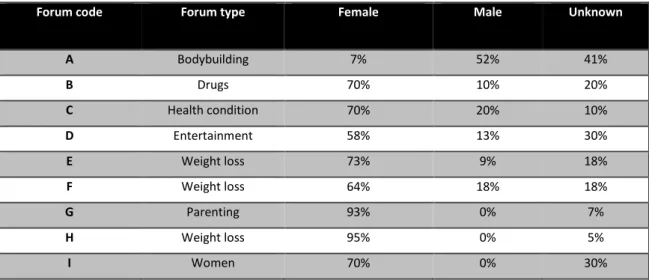
This qualitative research involved an online forum analysis. Online discussion forms (n=10) were selected based on their levels of popularity, the proportion of female users accessing them and because they contained relevant UWL drug discussion. All threads (470) relating to UWL drug discussion were downloaded and analysed using thematic analysis conducted through the software package NVivo version 10. Four forum moderators and three female UWL drug users were also recruited, with their interviews presented as case studies. Online communities can provide a raft of knowledge concerning hidden or hard to reach populations. This research however advocates for greater consideration to be given to the methodological and ethical implications of online research and reflects on what is public information, the protection of anonymity and protecting online users from harm. This research also identified that removal of a license from a drug does not prevent use, but once outside regulatory control or medical supervision, UWL drugs are often purchased online with risks to the user of potential drug interactions, adulteration and contamination. UWL drug user engagement needs to be reclaimed as part of a wider health agenda, something that has been lacking due to the unlicensed status of the drugs. However, the findings highlighted the diverse motivations for why women use UWL drugs as well as differences in experiences, drugs used, willingness to take risks and adverse effects and argues against there being a typical female UWL drug user. Given this heterogeneity, a one size fit all model for harm reduction may be ineffective. Additionally the rapid changes in online communities as well as the diffusion of these drugs into
ii
different populations creates another challenge for public health in identifying and targeting specific groups.
Online discussion of these drugs focuses on user experience and anecdotal evidence. Education on the different types of drugs as well as the risks and harms of using them is therefore warranted for all online communities as well as a focus on specific harm reduction strategies including harm minimisation, engagement with health care practitioners and peer to peer education. However, further consideration is needed concerning how this information should be disseminated, identifying those who have authority within the community, but also have the appropriate credentials, knowledge, skills and desire to offer advice.
iii
Dissemination
Presentations and Publications Conference presentations
Jennifer Germain. An exploration of the female use of unlicensed weight loss (UWL) drugs. Public Health Institute internal seminar. January 2015. (oral presentation).
Charlotte McLean and Jennifer Germain. Human Enhancement Drugs (HEDs) and the changing marketplace: From the Daily Mirror to online markets. ESRC: New Drugs: Supply and demand: drug markets in transition. March 2015 (oral presentation).
Jennifer Germain. ‘Nobody loves a fat girl’ – advertising of weight loss drugs from the 1900s to present day. Liverpool John Moores University PhD symposium. April 2015. (poster presentation)
Jennifer Germain. Exploring the female use of unlicensed weight loss drugs. Liverpool John Moores University, Education Health and Community Faculty Conference. June 2015. (poster presentation)
Jennifer Germain. The female use of unlicensed weight loss drugs: conducting an online forum analysis. SSA Substance misuse symposium. July 2015 (Plenary oral presentation) Jennifer Germain. The female use of unlicensed weight loss drugs: conducting an online forum analysis. 4th Annual Conference of The Welsh Branch of The British Psychological Society. September 2015 (oral presentation)
Jennifer Germain. Drug yourself skinny. Three minute thesis presentation. Liverpool John Moores University. April 2016 (oral presentation)
Jennifer Germain. Exploring weight loss drug discussion in online environments.Liverpool John Moores University, Education Health and Community Faculty Conference. June 2016 (poster presentation)
Jennifer Germain. The use of 2,4-Dinitrophenol (DNP) in Females. Anabolic Steroids: Evidence and Engagement Conference. June 2016 (oral presentation)
Jennifer Germain. The use of unlicensed weight loss drugs in females; an analysis of online forums. International festival of Public Health. June 2016 (oral presentation – Awarded first place in Early Career Investigation).
Jennifer Germain. The female use of unlicensed weight loss drugs: conducting an online forum analysis. Liverpool John Moores University PhD symposium. Liverpool John Moores University PhD symposium. June 2016 (poster presentation)
Jennifer Germain. The use of unlicensed weight loss drugs in females. Liverpool John Moores University Research Café. July 2016 (oral presentation)
iv
Jennifer Germain. The female use of unlicensed weight loss drugs: conducting an online forum analysis. Women in research. Liverpool John Moores University Women in research conference. March 2017 (poster presentation)
Jane Harris, Clare Maxwell, Jennifer Germain and Sean Mackay. Why should we use online research research? Liverpool John Moores University, Education Health and Community Faculty Conference. June 2017 (oral presentation)
Jennifer Germain. Online research methods: The world at our fingertips. Doctoral training academy. November 2017 (invited oral presentation)
Publications from PhD
Germain, J., Harris, J., Mackay, S., Maxwell, C. (2017). Why should we use online research methods? Four doctoral health students perspectives. Qualitative Health Research (online first).
Harris, J., Germain, J., Maxwell., C., Mackay, S. (2018). “Send Nudes”: Barriers to research recruitment online (In progress)
Germain, J., Van Hout, M.C., Leavey, C., McVeigh, J. (2018). How to identify appropriate online communities for use in online health research. (In progress)
Germain, J., McLean, C., Leavey, C. (2018). One size does not fit all: Tackling the issue of weight loss drug use. In K, van de Ven, K, Mulrooney & J, McVeigh, ed(s). Human Enhancement Drugs: Routledge (submitted).
Other relevant publications
Zahnow, R., McVeigh, J., Germain, J., McLean, C., Winstock, A., Barratt, M.J., Maier, L., Ferris, J. (2017). Patterns of anabolic androgenic steroid use among a sample of men who also use psychoactive drugs. Addiction Research and Theory (Under review).
McVeigh, Germain, J, van Hout, M.C. (2016). 2,4-Dinitrophenol, the inferno drug: a netnographic study of user experiences in the quest for leanness. Journal of Substance Use. 22(2).
v
Acknowledgements
I never really thought I would want to write much of an acknowledgements page. I am not particularly good at this sort of stuff and find that when I express gratitude, even when it is 100% heartfelt and genuine, it often comes across as sounding sarcastic and insincere. However, so many people have helped me so much throughout my PhD journey that I could not forgive myself for not thanking them. Without them, I do not think I would have ever got to this point. They have been inspirational, patient, kind and utterly wonderful and I am grateful to each and every one of them so please forgive me my five minutes of soppiness.
Firstly, thank you to my supervisors Jim McVeigh, Conan Leavey and Marie Claire Van Hout. You have been there through every self-doubt, meltdown and breakthrough. I know I have been a nightmare at times so thank you for not giving up on me and for your constant support, expertise and knowledge. Thank you as well for always making me laugh, making time for me and always treating me as an equal. It has certainly made the PhD far more enjoyable and I have been very lucky in having you as supervisors.
Thank you to all of the students in the PhD room(s), the Online Methods Group and PHI staff. I have been so lucky in having such a great group of students and staff members around me who have always been honest and open in sharing their experiences. We are all going through stresses but having you all being so generous with your time to offer support has been so valuable. A particular thanks to Charlie McLean, Lucy Wallis, Suzy Hargreaves, Lisa Schölin, Jane Evely, Vicky McIntyre, Geoff Bates, Ann Lincoln, Beccy Harrison, Petra Collins, Julie Connolly, Claire Maxwell, Sean Mackay, Sapana Bista and Nikki Gambles.
Thank you to the monitoring team for welcoming me back (and for giving me a job) whilst I was finishing writing up. You have made the transition back into working so much easier and it has meant a lot that you have all taken an interest in my PhD. Thank you especially to my manager Mark Whitfield for your patience and understanding.
A massive super special thank you to Jane Harris. Quite possibly the most generous, kind and wonderful friend who has ever existed. You have been there through it all, giving me
vi
confidence in myself when I had none left and always, always, always lifting my spirits and making me laugh. Thank you for everything; you are truly the most exceptional of friends. Thank you to my family. In particular thank you to my parents, Jan and Bill for your unwavering support, love, generosity and for all the proofreading (sorry about that!). Thank you to my grandparents Gerry, Bill and Doris for your constant love and thank you to my in-laws Irene and Dave for always showing an interest in what I am doing. I am extremely lucky to have you all.
Finally, thank you to my incredible husband John. Your love, care, commitment and absolute confidence in me has kept me going more than you will ever know. You are my inspiration, support and strength and I love you with all my heart. This thesis (whether you want it or not) is dedicated to you.
vii
Contents
Abstract ... i
Dissemination ... iii
Acknowledgements ... v
List of tables ... xiii
List of figures ... xiii
Abbreviations/terms used ... xiv
Abbreviations ... xiv
Terms ... xiv
Chapter 1. Introduction ... 1
1.1 Introduction ... 1
1.2 Rationale for the research ... 1
1.3 Rationale for the methods ... 6
1.4 Researcher reflections ... 7
1.5 Aims of the research ... 8
1.6 Overview of thesis ... 9
1.7 Overview of the research ... 10
Chapter 2. Literature Review ... 11
2.1 Introduction ... 11
2.2 Social and cultural context ... 12
2.2.1 Pressures on women to have an ‘ideal body’ ... 12
2.2.2 Impact of body image pressures on women ... 14
2.2.3 The role of the media ... 15
2.2.4 The impact of social media ... 16
2.2.5 The normalisation of enhancement ... 18
2.3 Human enhancement drugs ... 19
2.4 Weight loss drugs today ... 20
2.4.1 Prescription weight loss drugs ... 21
2.4.2 Herbal weight loss products ... 22
2.4.3 Prescription drugs with a different purpose ... 22
2.5 Unlicensed weight loss drugs ... 23
2.5.1 2,4-dinitrophenol (DNP) ... 23
2.5.2 Rimonabant ... 25
2.5.3 Sibutramine ... 26
2.5.4 Why these drugs? ... 28
viii
2.5.6 Online drugs market and associated risks ... 30
2.6 Online communities ... 33
2.7 Conceptual framework ... 36
2.8 Chapter summary... 37
Chapter 3. Methodology and Research Design ... 38
3.1 Aims and objectives ... 38
3.2 Theoretical framework ... 39
3.3 Study 1. Online forum analysis ... 40
3.3.1 Netnographic approach ... 40
3.3.2 Entrée – Forming the research questions ... 41
3.3.3 Data collection ... 54
3.3.4 Interpretation... 55
3.4 Study 1b. Analysis of other online communities ... 56
3.5 Study 2. Forum moderator interviews ... 57
3.5.1 Recruitment and procedure ... 57
3.5.2 Interview schedule ... 59
3.5.3 Data analysis ... 60
3.6 Study 3. UWL drug user interviews ... 60
3.6.1 Recruitment and procedure ... 60
3.6.2 Interview schedule ... 61
3.6.3 Data analysis ... 62
3.7 Ethical considerations ... 62
3.7.1 Study 1. Online forum analysis ... 62
3.7.2 Study 2 and 3 Interviews with moderators and forum users ... 63
3.8 Limitations ... 64
3.8.1 Online forum analysis ... 64
3.8.2 Interviewing ... 65
3.9 Chapter summary... 65
Chapter 4. The group dynamics of online forums ... 66
4.1 Introduction ... 66
4.2 Forum A: The in-group bodybuilder... 67
4.2.1 Attitudes towards UWL drugs ... 67
4.2.2 Sharing of experiences ... 68
4.2.3 Supportive community ... 69
4.2.4 Impact of forum on members attitudes or behaviour ... 70
ix
4.3.1 Attitudes towards UWL drugs ... 71
4.3.2 Sharing of experiences ... 72
4.3.3 Supportive community ... 72
4.3.4 Impact of forum on members attitudes or behaviour ... 73
4.4 Forum C: Overweight and frustrated ... 73
4.4.1 Attitudes towards UWL drugs ... 74
4.4.2 Sharing of experiences ... 74
4.4.3 Supportive community ... 75
4.4.4 Impact of forum on members attitudes or behaviour ... 75
4.5 Forum D: Advice seekers ... 75
4.5.1 Attitudes towards UWL drugs ... 76
4.5.2 Sharing of experiences ... 76
4.5.3 Supportive community ... 77
4.5.4 Impact of forum on members attitudes or behaviour ... 77
4.6 Forum E: Non-judgemental novices ... 78
4.6.1 Attitudes towards UWL drugs ... 78
4.6.2 Sharing of experiences ... 78
4.6.3 Supportive community ... 79
4.6.4 Impact of forums on members attitudes or behaviours... 80
4.7 Forum F: The hardliners ... 80
4.7.1 Attitudes towards UWL drugs ... 80
4.7.2 Sharing of experiences ... 81
4.7.3 Supportive community ... 81
4.7.4 Impact of forum on members attitudes or behaviour ... 82
4.8 Forum G: The weight loss journey mums ... 83
4.8.1 Attitudes towards UWL drugs ... 83
4.8.2 Sharing of experiences ... 83
4.8.3 Supportive community ... 84
4.8.4 Impact of forum on members attitudes or behaviour ... 85
4.9 Forum H: The caregivers ... 85
4.9.1 Attitudes towards UWL drugs ... 85
4.9.2 Sharing of experiences ... 86
4.9.3 Supportive community ... 87
4.9.4 Impact of forum on members attitudes or behaviour ... 87
4.10 Forum I: The weight loss drug promoters ... 88
x
4.10.2 Sharing of experiences ... 89
4.10.3 Supportive community ... 89
4.10.4 Impact of forum on members attitudes or behaviour ... 90
4.11 Forum J: The self-righteous experts ... 90
4.11.1 Attitudes towards UWL drugs ... 90
4.11.2 Sharing of experiences ... 91
4.11.3 Supportive community ... 92
4.11.4 Impact of forum on members attitudes or behaviour ... 92
4.12 Forum comparison ... 94
4.13 Harm reduction ... 95
4.14 Chapter summary... 98
Chapter 5. A thematic analysis of UWL drug discussion on online forums ... 99
5.1 Introduction ... 99
5.2 Perceptions around the use of weight loss drugs ... 99
5.2.1 Quick fix: Why is everyone always focused on body in a bottle? ... 100
5.2.2 Scepticism: If diet pills worked, there would be no fat people ... 101
5.2.3 Dangerous: A very dangerous, expensive and unhealthy scam ... 102
5.2.4 Effective: Diet pills aren’t the devil ... 103
5.3 Motivations for the use of UWL drugs ... 104
5.3.1 Weight loss: I’m literally working my ass off! ... 104
5.3.2 Appetite reduction: My hunger meter doesn’t seem to work very well ... 107
5.3.3 Desperation: It’s gonna be a last resort thing for me ... 108
5.3.4 As part of a weight loss strategy: Fat burners are just the icing on the cake ... 109
5.3.5 Influence from others: Everyone that is cut nowadays uses some sort of diet pill ... 111
5.4 UWL drug avoidance ... 113
5.4.1 Legality: They have been banned for a reason, and a good one at that! ... 113
5.4.2 Fearful of the risks: I'd rather be fat and alive, than a skinny corpse ... 114
5.4.3 Risk of side effects: It does not sound pleasant says the angel on my left shoulder but losing half pound a day would be tempting says the devil on my right shoulder ... 115
5.4.4 Other people: I don't want my daughter to learn from me that it is okay to pop pills . 117 5.5 Experiences of using UWL drugs ... 117
5.5.1 Effective: YES IT'S WORKING!!! ... 117
5.5.2 Negative experiences: When you go back to "normal" you'll gain it back ... 120
5.5.3 Side effects: I felt freaked out on them ... 122
5.5.4 Judgement: So I figure that I will get a lot of flack for this ... 124
xi
5.5.6 Purchasing: Do you mind pm'ing me where you got yours from at all? ... 126
5.6 The UWL drug user... 129
5.6.1 The Informed User: Research and Respect DNP, and it is a powerful tool ... 129
5.6.2 The uninformed user: If I took a Ferrari and crashed it at 100 mph would you stop buying cars? ... 130
5.6.3 Males only: “You sound like a young inexperienced woman” ... 131
5.7 Chapter summary... 132
Chapter 6. Interviews with forum moderators and weight loss drug users ... 133
6.1 Introduction ... 133
6.2 Forum moderator interviews ... 133
6.2.1 Josh: “If you’re a guy and you’re known as a bodybuilder they’re going to hit you up before they hit up any researcher who looks flabbier”. ... 134
6.2.2 Mark: “We aim to facilitate a substantial long-term harm reduction (by losing weight, getting healthy, feeling positive)”. ... 140
6.2.3 Troy: “Giving advice on harm reduction is like banging your head upon a wall” ... 145
6.2.4 Nick: ““If you have a community of people that understand the dangers of such products and methods then it makes upholding this view a lot easier” ... 147
6.3 UWL drug user interviews ... 151
6.3.1 Nicola: “I needed to do something a bit radical to speed the process up” ... 151
6.3.2 Sarah: “I was gutted but not because I was taking a banned substance but because I had lost the only thing that has really worked for me”. ... 156
6.3.3 Jane “Here is my story if anyone was curious on how it went for a small female” ... 158
6.4 Other users ... 160
6.5 Chapter summary... 161
Chapter 7. Synthesis of findings and discussion ... 162
7.1 Introduction ... 162
7.2 Ethics in online research ... 165
7.2.1 Covert netnography ... 166
7.2.2 Member feedback and member checks ... 167
7.2.3 Private and public spaces ... 168
7.2.4 Consent ... 171
7.2.5 Verbatim quotations ... 173
7.3 Body image pressure and the use of UWL drugs ... 176
7.4 UWL drug user types ... 178
7.5 Profiling the forums – Attitudes and perception of UWL drug use ... 182
7.6 Dynamics of online forums – Sharing advice ... 185
xii
7.8 Engaging with online communities - harm reduction online ... 190
7.9 Moving the research forward ... 193
7.10 Limitations of the study ... 193
7.11 Implications for policy, practice and future research ... 196
7.12 Conclusion ... 202
References ... 203
Appendix A – Global Drug Survey syntax ... 219
Appendix B – Forum selection ... 221
Appendix C– Forum moderator participant information sheet ... 229
Appendix D– Forum moderator consent form ... 231
Appendix E – Forum moderator recruitment messages ... 232
Original message ... 232
Reminder message ... 232
Appendix F – Forum moderator interview schedule ... 234
Appendix G – UWL drug user recruitment messages ... 235
Appendix H – UWL drug user recruitment messages via social media ... 237
Appendix I– UWL drug user participant information sheet ... 238
Appendix J– UWL drug user consent form ... 240
Appendix K – UWL drug user interview schedule ... 241
Appendix L – Confirmation of ethical approval ... 243
Study 2. Online forum analysis ... 243
Study 3. Forum moderator interviews ... 244
xiii
List of tables
Table 1. Weight loss drugs available on the market ... 2
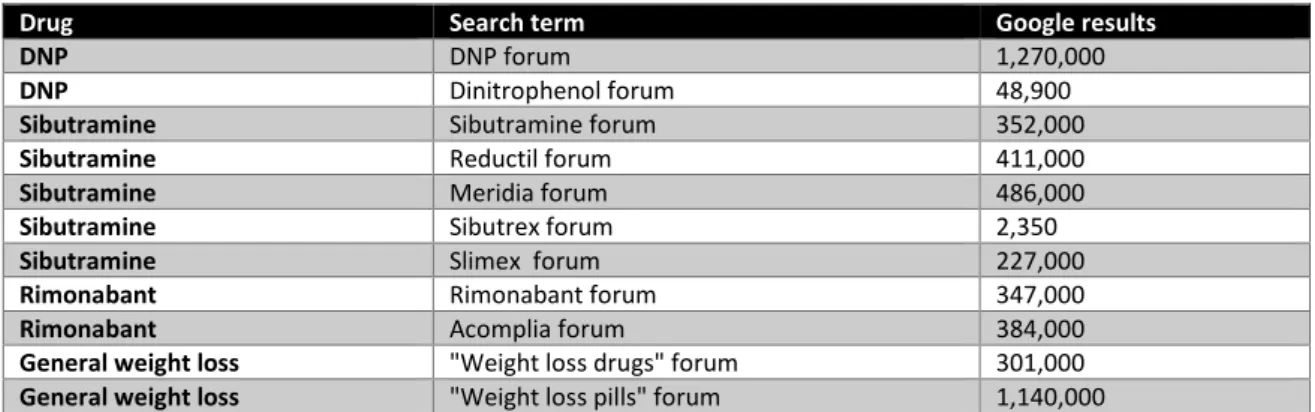
Table 2. Google search terms ... 42
Table 3. Reasons for stage 1 inclusion ... 42
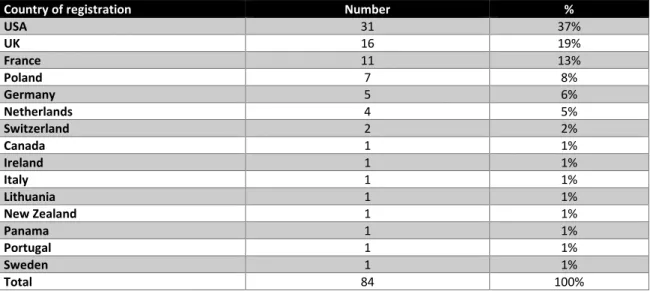
Table 4. Country of registration ... 43
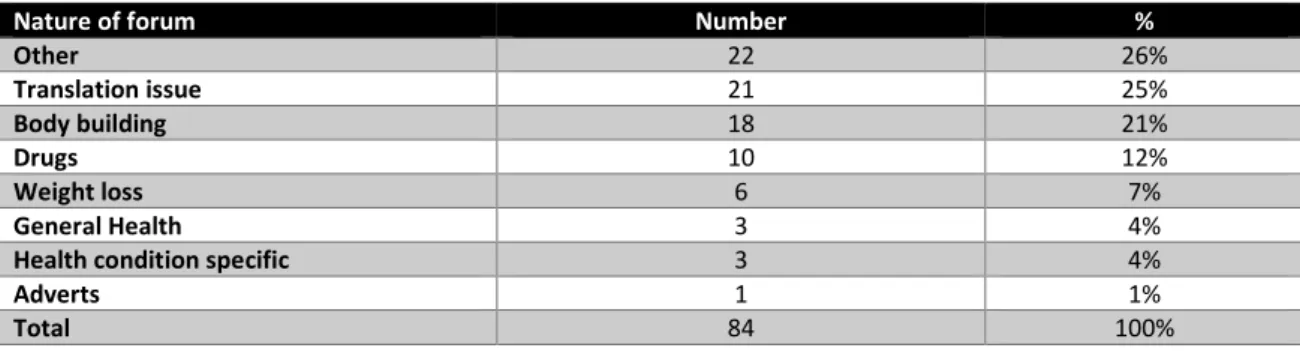
Table 5. Nature of forum ... 44
Table 6. Gender/location identification on forums ... 44
Table 7. Search terms and types of forum ... 46
Table 8. Final forum selection ... 52
Table 9. Number of threads ... 54
Table 10. Forum gender check ... 55
Table 11. Overview of forums ... 96
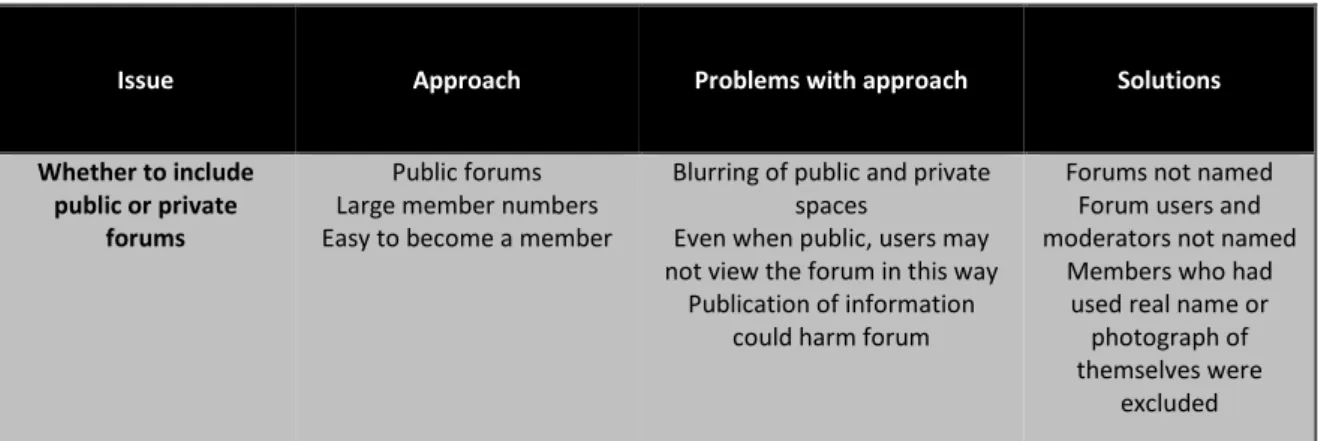
Table 12. Public and private forums ... 170
Table 13. Consent ... 173
Table 14. Quotations ... 176
List of figures
Figure 1. Overview of research stages ... 10Figure 2. Framework of UWL drug use ... 37
Figure 3. Order of research studies ... 38
Figure 4. Order of research studies ... 66
Figure 5. Order of research studies ... 99
Figure 6. Order of research studies ... 133
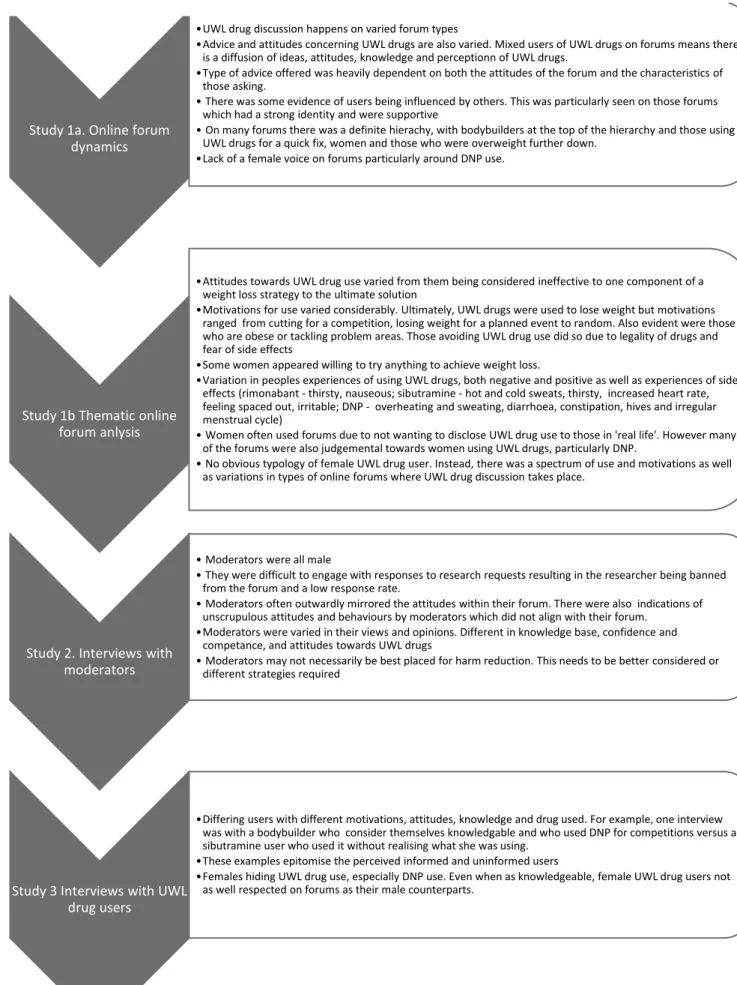
Figure 8. Overarching findings from each study ... 164
Figure 9. Types of UWL drug users on online forums ... 188
xiv
Abbreviations/terms used
Abbreviations
BMI – Body Mass Index DNP – 2,4 Dinitriphenol GDS – Global Drug Survey
FDA – Food and Drug Administration HED – Human Enhancement Drugs
IPED – Image and Performance Enhancing Drugs NHS – National Health Service
OP – Original poster (Person who starts a thread within a forum) PED – Performance Enhancing Drugs
PIED – Performance and Image Enhancing Drug
PM – Personal Message (Usually sent from one forum member to another) T3 - Liothyronine
T4 - Levothyroxine sodium UK – United Kingdom UV - Ultraviolet
UWL – Unlicensed Weight Loss WHO – World Health Organisation
Terms
Forum – Online discussion board
Post – User submitted message posted on a forum within a thread Thread – Topic or conversations within a forum
1
Chapter 1. Introduction
1.1 Introduction
This doctoral research offers a detailed understanding of the female use of unlicensed weight loss (UWL) drugs. Specifically, this study provides insight into the differing female users of UWL drugs, their motivations for use, which drugs are discussed and being used by women and where they are being accessed. Furthermore, this study explores attitudes and perceptions around UWL drug use and the self-reported risks of using UWL drugs. Finally, this research considers what the appropriate response to UWL drug use in women should be as well as discussing the role of online forums in online harm reduction. This chapter will provide an overview of the background to the research, as well as how it was conducted, researcher reflections and aims and justification for the research. An outline of the thesis is also provided.
1.2 Rationale for the research
There are a number of weight loss drugs available on the market which fall into three main groups
1) Licensed weight loss drugs. These are drugs that are currently licensed for weight loss and can be accessed through the NHS. At present in the UK only orlistat is licensed for weight loss.
2) Licensed drugs but not for weight loss. These are drugs which are licensed for other conditions but are also used as weight loss drugs. These include T3 and T4 which are used to treat thyroid disorders and ephedrine which is used to treat asthma. Clenbuterol is used to treat asthma and is a controlled drug.
3) Unlicensed weight loss drugs. This includes weight loss drugs which have previously been licensed for weight loss use but subsequently banned such as sibutramine and rimonabant and those which are untested such as 2,4 Dinitrophenol (DNP). Table 1 outlines the different type of weight loss drugs currently available on the market and their licensed status in the UK (Evans-Brown et al. 2012).
2 Table 1. Weight loss drugs available on the market
Status Name How it works
Licensed for weight loss (Prescription only) Orlistat Reduces dietary fat being absorbed
Licensed but not for weight loss (Prescription only) Ephedrine Increases metabolic rate
Controlled drug (Prescription only) Clenbuterol Increases metabolic rate
Licensed but not for weight loss (Prescription only) T3 / T4 Increases metabolic rate
Unlicensed weight loss drug (Banned) Sibutramine Appetite suppressant
Unlicensed weight loss drug (Banned) Rimonabant Appetite suppressant
Unlicensed weight loss drug (Untested) 2,4 dinitrophenol Increases metabolic rate
This research has focused upon the three main UWL drugs; DNP, sibutramine and rimonabant. Despite these drugs being unlicensed they are readily available to purchase online. The sale of drugs online can be either via the surface web or the dark web. Whilst traditional drug are more usually purchased via dark web, an online black market, involving anonymous communication via encrypted and hidden parts of the internet, lifestyle drugs such as UWL drugs are generally purchased via the publically accessible surface web (Koenraadt and van de Ven 2017). Whilst little information exists regarding how many people are purchasing these drugs and which drugs are being purchased the demand for such drugs online does appear to be high. For example a Google.co.uk online search of DNP - “buy DNP online” produces over 30,000 results. Research exploring marketing strategies used by unregulated online pharmacies found that they focused upon customer convenience, such as the websites being secure, quick or free delivery, discreet packaging whilst downplaying the potential risks of the products themselves (Orizio et al. 2010). Often websites which are selling weight loss drugs do not appear to be UK based but do post to the UK and are usually relatively inexpensive to purchase ranging from as little as 80pence per tablet. For sibutramine and rimonabant, which were previously licensed, information pertaining to these drugs is often taken from outdated NHS pages whilst failing to highlight that these drugs have since been withdrawn from the market. DNP is legally allowed to be sold as a chemical although not legally allowed to be sold as a weight loss product. Websites and sellers seemingly circumnavigate this by stating in small print that the drug is not for human consumption and is only being sold as a research chemical. However, the adverts and promotion remains heavily focused on the drug and its weight loss properties. Additionally these products are often advertised alongside legal herbal or
3
natural weight loss products, making it difficult for potential consumers to identify the differences between them.
Being unlicensed, these drugs are unregulated and particularly for DNP, where there have been no clinical trials testing its efficacy, the evidence concerning impact and risks of use are unknown. Consumers of these drugs are doing so without any input or support from health care professionals. This means there is far less protection from effects caused by drug interactions or drug related adverse effects. Furthermore, access to these drugs from potentially illicit markets provide no guarantees for accuracy of information given, the quality of drugs supplied, potential for online scamming or contaminated drugs (Koenraadt and van de Ven, 2017). This presents a risk of harm due to a lack of regulation and safeguarding in those using them. However, little research has explored the use of these drugs.
Research which does exist focuses mainly upon male dominated bodybuilding communities or single case studies in the case of DNP (Petróczi et al. 2015, McFee et al. 2004, McVeigh et al. 2016, Han Chih Hencher Lee et al. 2014) or the efficacy of the drugs prior to regulatory controls in the case of rimonabant and sibutramine (Arterburn et al. 2004, James et al. 2010, Sam et al. 2011, Scheen 2011). Furthermore, little is known specifically about the use of these drugs in women, despite women being under increasing contemporary pressures to conform to an ideal body shape (All Party Parliamentary Group 2012, Orbach 2009, Yamamiya et al. 2005).
Within Western society, the ‘thin ideal’ is pervasive, with women taught from an early age to be accepting and admiring of thin images, viewing those who do not conform to those ideal bodies as undesirable and unacceptable (Orbach 2009). Furthermore, there is an acceptance that women who are thin are considered more likely to be successful (Evans 2003) with women equating thinness to happiness. These pressures have been linked to the media where the focus is often on women who are thin and appearance focused (Dakanalis and Riva 2013, Fouts and Burggraf 1999, Grabe et al. 2008, Halliwell 2013, Harper and Tiggemann 2008, Harrison and Cantor 1997, Hawkins et al. 2004, Stice et al. 1994). Also discussed are pressures linked to social media, via a surge of photo shopped and edited images setting unattainable goals for women and contributing to lower levels of body confidence and body satisfaction (Fardouly et al. 2015, McLean et al. 2015, Royal
4
Society for Public Health 2017, Tiggemann and Slater 2013, Tiggemann and Zaccardo 2015).
Coupled with the drive for the perfect body is the increase in physical and cosmetic enhancement in order to reshape, hone and perfect bodies (Orbach 2009). Whilst cosmetic surgery figures have declined in recent years (British Association of Aesthetic Plastic Surgeons 2017), adverts for procedures such as Botox, lip fillers, and contoured makeup are commonplace in today’s society and are often driven by celebrity and societal trends. Body reshaping and improvement dominates and is indicative of the appearance and image obsessed society where we currently find ourselves.
Beyond non-surgical and surgical cosmetic procedures, in recent years, there has also been a surge of interest in image and performance enhancing drugs (IPEDs)1. This group of drugs are designed to improve the body and mind and can be split into six broad categories (McVeigh et al. 2012). These are 1) muscle building drugs, 2) weight loss drugs, 3) drugs to change the appearance of skin and hair, 4) drugs to improve sexual function, 5) drugs to improve cognitive function and 6) drugs to improve mood. Whilst the focus of this research is on weight loss drugs, the rise and interest of other human enhancement drugs demonstrates the desire for perfect bodies and minds as well as the lengths in which people will go to achieve their goals.
The three UWL drugs of focus within this doctoral research are; DNP, sibutramine and rimonabant. DNP is a fat burner, first used during World War 1 in the munitions industry (Grundlingh et al. 2011, Phillips and Singer 2013, Petroczi et al. 2015, McVeigh et al. 2016) in making explosives. It was later found to act as a weight loss agent resulting in DNP being marketed and readily available to the general public during the 1930s (Margo and Harman 2014). However, DNP has a narrow therapeutic range meaning that there are little differences between toxic and therapeutic doses. Side effects associated with using DNP include hyperthermia, tachycardia, cardiac arrest and coma amongst others (Petroczi et al. 2015). The combination of these side effects can result in death (Yen and Ewald 2012). Due to linked harms and a number of deaths identified following DNP use, it was withdrawn from the market in 1938 (Yen and Ewald 2012). Sibutramine and rimonabant are both
1 Please note, IPEDs can also be referred to as Performance and Image Enhancing Drugs (PIEDs), Human
5
appetite suppressants, previously available as anti-obesity drugs on the NHS in the UK. However, after sibutramine was linked to increased risk of tachycardia, hypertension and arrhythmias (Arterburn et al. 2004, Caterson et al. 2012, James et al. 2010, Padwal and Majumdar 2007, Scheen 2011) and rimonabant linked to an increased risk of psychiatric adverse effects (Astrup et al. , Burch et al. 2009, Caterson et al. 2012, Padwal and Majumdar 2007, Sam et al. 2011, Wathion 2009), they were both withdrawn from the market. Despite this, today, all three drugs are readily available to purchase online, sold with no regulations or safety measures put in place.
It is important to note that whilst the focus of the research here is based within the UK and focused predominately on Western women, body image concerns are not unique to Western women. Additionally, what each culture considers to be beautiful will differ and is influenced by the ideals of each particular culture. However the ‘thin ideal’ is now more pervasive than ever, both in Western and non-Western cultures and intrinsically linked to levels of Westernisation, modernisation and socio-economic status within each culture and community (Swami 2015). With body image concerns not being unique to the UK or Western cultures, the use of enhancement drugs to improve and hone one’s body is also not restricted to the UK or Western society. The globalised nature of the internet and the speed in which online drug markets change, update and adapt poses problems for public health and enforcement and also means that the accessibility and availability of enhancement drugs is now more far reaching than ever before. Enhancement drug use is now a significant public global health challenge with their use being displaced from bodybuilding and athletic subgroups into mainstream populations (Van Hout and Kean 2015). For example, anabolic androgenic steroids have a global lifetime prevalence rate of 3.3%, 6.4% for men and 1.6% for women (Sagoe et al. 2014) and their use is now being seen increasingly amongst the general population (Zahnow et al. 2017). For weight loss drug use, data take from the Global Drug Survey (GDS) 20152 shows that 4,048 respondents had ever taken a weight loss drug3. Respondents who had used a weight loss drug resided across 63 countries with the highest proportions coming from Germany
2 Public Health Institute has access to data generated from the GDS. Data presented here is from
unpublished analysis conducted by the researcher. Syntax for creation of variables can be found in Appendix A
6
(38%), Brazil (16%), United States (7%), United Kingdom (5%) and Australia (4%). It should be noted that whilst there is limited evidence exploring weight loss drug use globally, the data within the GDS does suggest that use of weight loss drugs is not limited to the UK. Whilst the scale of the problem of weight loss drug use does appear to the global, the remit and focus of the research presented here is national.
1.3 Rationale for the methods
This research employs a qualitative design that compromises of a comprehensive online forum analysis of UWL drug discussion and interviews with online forum moderators and UWL drug users to explore motivations, experiences and attitudes surrounding UWL drug use. The largest component of this research was an online forum analysis. Online research methods are particularly useful when researching illicit or sensitive behaviour, which may be judged in the offline world or where populations may be undefined, not obvious or hard to reach (Germain et al. 2017, Barratt and Lenton 2010).
Harm reduction aims to reduce negative consequences associated with engaging in potential harmful behaviour such as the use of drugs (Stimson 2016). Successful harm reduction strategies include early adoption of needle exchange programmes which contributed to the avoidance of a major drug related HIV infection epidemic in the UK (Ball 2007, Stimson 2016). Harm reduction strategies for drugs can include safer ways of using, spaces which facilitate safer uses of substances and the dissemination of harm reduction information. Whilst there is little research exploring harm reduction in UWL drug users, research with users of other enhancement drugs such as AAS has found that interventions employing scare tactics are ineffective as well as users being reluctant to seek or take advice from health care professionals (Pope et al. 2004, Ainsworth et al. 2018, Petróczi et al. 2014). Online communities have been identified as ideal places for the dissemination of harm reduction strategies (Davey et al. 2012) and are often used in sharing advice around drug practices, including the safety of drugs, side effects and user experiences (Soussan and Kjellgren 2014). Furthermore, online forums may be ideally placed for the sharing of this information (Davey et al. 2012), particularly in those communities which have a strong identity and sense of community. For UWL drug use, little is known about the users and due to the illicit status of the drugs, it is likely be a hidden and covert behaviour amongst users who additionally may not view themselves as drug users and may
7
not traditionally be in contact with health professionals about their drug use. However, UWL drug discussion online is plentiful, with online forums presenting a natural opportunity to find out about UWL drug use and those who use them. Furthermore, this research can explore the types of information being shared online as well as what methods in disseminating advice is effective.
The predominately online nature of this research was a pragmatic decision made due to a lack of knowledge about the users of UWL drugs. However, the methodological and ethical considerations given in researching online forums in this doctoral research became as important as the content and findings from the online forums. Although procedures for conducting online research exist, for example in Kozinet’s netnography (Kozinets 2002, Kozinets 2010, Kozinets 2015), researchers often differ in how much information they provide about how they selected their online communities. Furthermore, the amount of consideration given to the ethical implications of conducting online research, such as consent, private versus public online spaces and the use of verbatim quotes also varies. This issue is exacerbated by the lack of clarity in ethical guidelines (Trevisan and Reilly 2014) as well as inconsistencies in how ethics committees view online research (Sharkey et al. 2011). The detailed consideration within this doctoral research, given to both methods employed in selecting appropriate and relevant online communities, as well as the ethical implications associated in conducting research of this nature is a significant feature of this work and has contributed to the debate around the use of online methods in research.
1.4 Researcher reflections
Throughout this thesis, I have presented a number of reflections that occurred at various points during the research process. My personal and broader interest in the topic of body dissatisfaction in women however, originated when studying for my BSc degree in Psychology. Here, I learnt about how sociocultural pressures as well as early childhood influencers and biological factors could influence eating behaviours and practices. Furthermore, I became interested in how pressures on women could influence levels of body satisfaction as well as the methods used in order to achieve an ideal body. This interest was exacerbated through my own experiences as a woman living in an image conscious society and my own personal issues with body dissatisfaction and excessive
8
dieting. Throughout my time working as a researcher within the Public Health Institute, I became aware of the area of image and performance enhancement drugs. Whilst, this was not a research area I was particularly involved in at that point, I became fascinated by this group of drugs and the use of these drugs in order to achieve the ‘perfect body and mind’. When beginning to plan for this research, I quickly realised the extent to which these drugs are discussed online. I equally became fascinated by the seemingly real connections and relationships people fostered online; people brought together by a shared interest and who may feel embarrassed or judged discussing these matter in ‘real life’. In some ways, the online nature of this research became equally if not more important than the research topic and drove my interest of online methods and the use of online communities to share experiences and advice. It became apparent to me that the level of UWL drug use discussion online firstly indicated a growing interest in this group of drugs but also meant that users of these drugs were gaining information from often anecdotal and wildly differing experiences. This, coupled with the limited research conducted which explored the use of UWL drugs presented an appropriate, growing and under-researched public health issue.
1.5 Aims of the research
This research provides an overview of the female use of UWL drugs and the types of UWL drug related discussion that occurs within online communities. A systematic process for conducting online research has been presented as well as an exploration of the characteristics of UWL drug users and online forums where this discussion resides. A particular focus is given to the influencers, structure, content and perceptions of risks of UWL drug use on those forums. The motivations for both UWL drug use and online engagement have also been explored. This research has identified the ways in which women engage on online forums as well as exploring the ways in which information is shared and how the environment of the forums plays a role in this. Additionally, this research has contributed to the current knowledge base of the users of UWL drugs as well as considering the need for UWL drug user engagement to be reclaimed as part of wider health agenda.
9
1) Identify attitudes and perceptions of UWL drug use; 2) Identify the self-reported risks of using UWL drugs;
3) Identify the reasons and motivations behind why UWL drug users begin to use UWL drugs and the associated trigger points;
4) Assess the role of online forums in health promotion and sharing of harm reduction information.
1.6 Overview of thesis
This doctoral thesis is based on work from three studies. The first part of this thesis (Chapter 2), the literature review places the research in the context of the literature. In particular, focus is given to the increasing pressures on women to have an ‘ideal body’ and the ways in which women are attempting to achieve their ideal physique. Discussion around the rise of human enhancement drugs is also presented with a focus on how these drugs are being used to shape and perfect the body. The different groups of weight loss drugs and a rationale for focusing upon UWL drugs is provided. Finally, the role of online communities in sharing experiences and advice are also discussed within the context of UWL drugs and weight loss in the pursuit of the ideal female body.
Chapter 3 describes the methods employed within this research. Particular focus is given to methodologies and protocols in how to select online communities for use in research and a systematic process for online research is described. An overview of the methods used in each of the studies is also provided. Chapter 4 provides an in-depth analysis of each of the online communities included with the research focusing upon the types of discussion occurring, the advice given and the dynamics within the communities. Chapter 5 presents the findings from the thematic analysis of online communities. Five themes are discussed which are; 1) Perceptions around the use of weight loss drugs, 2) Motivations for the use of UWL drugs, 3) UWL drug avoidance, 4) Experiences of using UWL drugs and 5) The UWL drug user. Chapter 6 presents interviews from both online community moderators and UWL drug users which are presented as case studies. The final chapter (Chapter 7) presents the integrated findings from all studies. The chapter discusses the different types of UWL drug user, the different types of online communities as well as offering advice for the role of online forums in harm reduction. Ethical considerations in conducting online research are also discussed. The thesis is concluded by discussing the
10
strengths and limitations of the studies as well as offering implications for future research, practice and policy.
1.7 Overview of the research
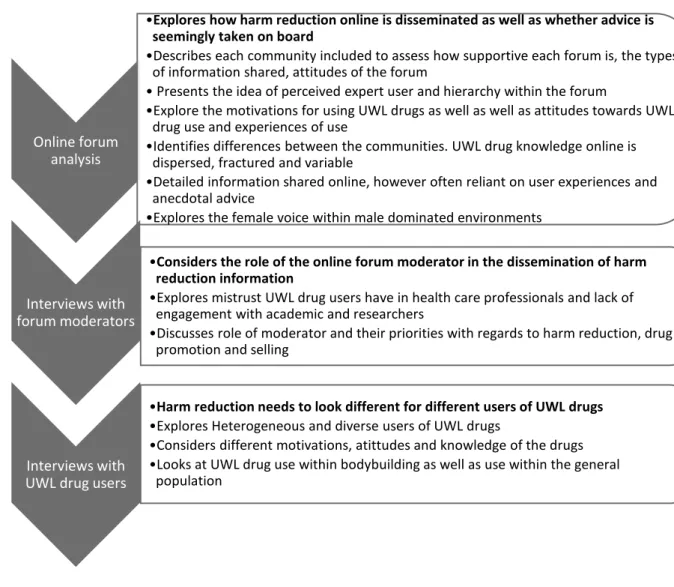
Figure 1 provides an overview of the specific studies within this PhD and how they will each contribute to UWL drug use knowledge, online communities and harm reduction. In particular each stage adds to knowledge around the heterogeneity of online drug communities, forum moderators and UWL drug users.
Figure 1. Overview of research stages
Online forum analysis
•Explores how harm reduction online is disseminated as well as whether advice is seemingly taken on board
•Describes each community included to assess how supportive each forum is, the types of information shared, attitudes of the forum
• Presents the idea of perceived expert user and hierarchy within the forum
•Explore the motivations for using UWL drugs as well as well as attitudes towards UWL drug use and experiences of use
•Identifies differences between the communities. UWL drug knowledge online is dispersed, fractured and variable
•Detailed information shared online, however often reliant on user experiences and anecdotal advice
•Explores the female voice within male dominated environments
Interviews with forum moderators
•Considers the role of the online forum moderator in the dissemination of harm reduction information
•Explores mistrust UWL drug users have in health care professionals and lack of engagement with academic and researchers
•Discusses role of moderator and their priorities with regards to harm reduction, drug promotion and selling
Interviews with UWL drug users
•Harm reduction needs to look different for different users of UWL drugs
•Explores Heterogeneous and diverse users of UWL drugs
•Considers different motivations, atittudes and knowledge of the drugs •Looks at UWL drug use within bodybuilding as well as use within the general
11
Chapter 2. Literature Review
2.1 Introduction
This chapter provides a review of literature examining the use of unlicensed weight loss (UWL) drugs taking into account the complex interplay of societal, cultural and technological influencers for why women may use enhancement drugs, in particular UWL drugs. The growing use of all human enhancement drugs and their harms will be discussed as well as issues around body image and the pressures on women to have an ‘ideal body’. As this research is focusing on online discussion of UWL drug use, consideration will also be given to the role of online communities, the dynamics of these communities and the impact they have on drug use.
Literature searches were conducted to identify women’s issues around body image, to identify publications exploring the use of enhancement drugs as well as those that had made use of online communities in their research. Attention was also given to the online group dynamics of these spaces as well as their role in harm reduction. Searches of PubMed, PsychInfo, Medline and Science Direct databases as well as Google Scholar were carried out using the key phrases: weight loss drugs, 2,4-dinitrophenol, DNP, sibutramine, rimonabant, human enhancement drugs, performance and image enhancing drugs, online forums, online communities, and harm reduction. Additionally, manual searches of found papers reference lists, Government websites and the World Health Organisation (WHO) were conducted. Each identified record was considered against the specific aims and research questions (see 4.1) as well as the relevance of the methods used, particularly when searching for studies making use of online methods.
Whilst the literature around the use of weight loss drugs is limited, a suitable starting point for this research was to explore why women may use weight loss drugs. In order to do this, it is important to consider the contemporary wider social and cultural context in which women find themselves, in particular the beautification, sexualisation and objectification of women and the normalisation of enhancement and beautification treatments in order to achieve their perceived ideal body.
12 2.2 Social and cultural context
“What is beautiful is good” (Dion et al. 1972 p.285) 2.2.1 Pressures on women to have an ‘ideal body’
There are contemporary pressures placed upon women to be slim, tanned, toned and beautiful. Idealized, sexualised and normalized media images of the ‘perfect woman’ are abundant in Western modern society and this coupled with wider societal and cultural pressures on women has led to growing body image concerns (Yamamiya et al. 2005). It has been argued that the pressures to conform to a thin ideal is greater for women than men within Western society (Grogan 1999). Whilst thinness is now idealised, previously the ideal female body was fuller figured, rounder and softer up until the late 19th century. This shift towards thinness seemingly coincided with a sense of women’s perceived competencies moving away from maternity and instead towards superficial aspects associated with beauty and appearance (Swami 2015). This shift towards the thin ideal is epitomized by the growing use of the corset during the 19th century. Whilst in Western society, body ideals have changed over the years, e.g. from flat chested athletic flapper dancers to the slim but curvy Marilyn Monroe type figure, slimness has stayed consistent throughout (Swami 2015).
It is important to note that whilst the focus of the research here is on Western women primarily those based in the United Kingdom (UK), body image concerns are not unique to Western women. Furthermore, what is considered beautiful within each culture is influenced by the ideals of each particular culture and previous research has identified that a move from one culture to another may lead to a change in the perceived idealised body (Grogan 1999). Historically, in more deprived cultures, thinness was equated with malnutrition, poor health and poverty with increased weight seen as a sign of wealth (Grogan 1999) and research conducted in the 1980’s and 1990’s found that some ethno-cultural groups associated a larger female body with marriageability, attractiveness and fertility (Townsend et al. 2014). From this, in the 20th century a distinction was made between the thin ideal in Western society and plumper and curvier figures in Non-Western society (Swami 2015). Whilst body image concerns are often considered to be ‘culture bound syndromes’ that only impact upon Western women, it is less clear whether these cultural differences still exist (Swami 2015). Research has shown that many women in
Non-13
Western cultures are equally determined to achieve a thin ideal (Jung and Lee 2006). For example, findings have shown high levels of body dissatisfaction in young girls and women in Korea and this was linked to higher levels of awareness and internalisation of Western appearance ideals (Hye-Ryeon Lee et al. 2014). Similarly, studies asking participants to rate images found that both Western and non-Western communities rated the thinner figures as the most attractive (Swami 2015). The ‘thin ideal’ is now more pervasive than ever, both in Western and non-Western cultures and intrinsically linked to levels of Westernisation, modernisation and socio-economic status within each culture and community (Swami 2015).
Specifically within Western cultures, Orbach (2009) explores the inescapable obsession with the acquisition of physical perfection. In particular, Orbach discusses how pressures relating to body image are placed upon women from an extremely early age and illustrates this point with Miss Bimbo, an online game, aimed at young girls with the main aim of the game to keep the doll thin and attractive through the use of diet pills, breast augmentation and facelifts. Orbach argues that young girls are being primed to be teenagers and later accepting of fashion models with skeletal figures shown in magazines, as well as the means required to achieve that body. Beyond this, the use of diet pills in an online game normalises this behaviour and contributes towards body preoccupation becoming second nature. Orbach argues that bodies are increasingly becoming viewed as objects which can be honed and improved and that women feel better and in control when finding fault with their bodies and improving them without realising that these feelings are the result of outside pressures.
Orbach also suggests that whilst fashions change, the one constant is being thin and thus women become prey for both fashion and diet industries which establish these body ideals and exhort women to meet them (Orbach 1986). The advent of social media means that pressures upon women are further intensified through the constant stream of filtered, edited and photo shopped images, with those uploading these images found to have higher levels of body dissatisfaction (McLean et al. 2015) as well as those viewing the images (Tiggemann and Slater 2013). Furthermore, evidence indicates that peer comparisons can have an even more devastating impact on self-esteem than comparisons made to celebrities or models (Fardouly et al. 2015). Women who make these
14
comparisons, whether through the media, social media or peer comparison and buy into the idea of a thin ideal may simply be equating thinness with happiness (Evans 2003). This is something which Orbach argues is drilled into women from an early age, with being overweight seen as deviant. Language such as the ‘obesity crisis’ epitomises this, suggesting that bodies which are obese are out of control, require discipline and are therefore ultimately nonstandard and undesired (Orbach 2009).
2.2.2 Impact of body image pressures on women
“Most women are able to describe what is wrong with their body with no difficulty, but find it hard to identify any part that is satisfactory” (Grogan 1999 p.33)
Idealised thinness is linked with being happy, successful, youthful and accepted. Being overweight is equated with laziness and having no will power, with slimness in women considered the ultimate desirable attribute (Grogan 1999). These contemporary and increasingly significant pressures to conform to an idealised body manifest in how women feel about themselves. Findings from the British Social Attitudes survey found that only 63% of women are satisfied with how they look and around three quarters of those surveyed felt there was too much pressure on women to have a sexualised appearance (Government Equalities Office 2014). Furthermore, a large proportion (87%) of girls and young women aged between 11 and 21 years of age felt that women were judged more on their appearance than ability (Swinson 2013).
Dissatisfaction with the body is often centred on an individual’s weight and many women attempt different strategies in order to try to lose weight. Estimates indicate that 95% of women have at some point in their lives been on a diet and information from a survey published in 2004 found that 15% of adults in the UK were at that point trying to lose weight (McMurray 2004). A study carried out in America found that 75 million dieters had spent close to $61 billion on weight loss products during 2010 (Yen and Ewald 2012). Diet culture is pervasive in our society, global weight loss and weight management markets have been estimated at approximately $158.2 billion in 2015, a figure that is expected to reach $259.8 billion by 2022 (Industry Today 2017, Yen and Ewald 2012). In the UK specifically, it was estimated that on average a woman spends approximately £25,000 on diets throughout her lifetime (One Family 2010).
15
During 2011 and 2012, an inquiry was established by the All Party Parliamentary Group on Body Image, using evidence from online consultation with the general public, as well as expert witnesses giving evidence relating to body image at the House of Commons. The subsequent report (All Party Parliamentary Group 2012), found that 42% of women felt that one of the most negative elements of being women was the pressure to look attractive. The inquiry also found that pressures to conform to an ideal body were evident in those of a young age, with between one third and half of young girls being scared of becoming fat and one in four seven year old girls having attempted a weight loss strategy at least once. Finally, this report underscored that high levels of body dissatisfaction manifest in a number of negative consequences including higher prevalence of disordered or unhealthy behaviours, such as depression, eating disorders, low self-confidence, reduced participation in sport and social activities and wider societal issues such as higher levels of drug and alcohol use and unemployment.
2.2.3 The role of the media
“Even though virtually all women are exposed to idealized media images, it is clear that not everybody is ashamed of their body appearance.” (Dakanalis and Riva 2013 p. 217)
Body image concerns have been documented in girls as young as seven and these concerns are evident amongst girls and women of different body sizes and ethnicities (Grabe et al. 2008, All Party Parliamentary Group 2012). The role of the media in contributing towards body image concerns in women has been well documented and is apparent in many aspects of the media. When we consider the presence of women and girls in television and film, those who are considered overweight are far less likely to be seen on screen than those who are underweight. Furthermore, women who are below an average weight are far more likely to receive positive comments on their appearance than those above an average weight (Fouts and Burggraf 1999). Overall, there is a difference between women portrayed in the media (who are becoming thinner) and those in the real world where size and weight is generally increasing (Evans 2003). However, this depiction can also reflect real life with overweight people being treated in a different manner to their peers and judged as being less popular, attractive and successful (Grogan 1999).
16
Previous literature has focused upon the role of press media (Myers and Biocca 1992) in causing or at least increasing the risk of body dissatisfaction and eating disorders (Harrison and Cantor 1997, Stice et al. 1994). Women themselves feel that the media has a strong influence on their body image, with 70% of women (compared to only 40% of men) citing the media, including television and magazines as a major contributory cause of body dissatisfaction (All Party Parliamentary Group 2012). Additionally, women often do not like how other women are represented in the media, with 90% arguing that television and magazines focus too much on the appearance of women, as opposed to their achievements.
Despite women feeling that the media is impacting on their body image and much literature claiming the strong link between negative body image and the media (Harper and Tiggemann 2008, Hawkins et al. 2004, Anschutz et al. 2008, Harrison et al. 2006), this argument has been challenged. Instead, it has been argued that whilst the media’s presentation of thin ideals can have an effect on body image, this is limited to a subgroup of women who already have body dissatisfaction (Ferguson 2013). This argument is further supported by literature which claims that women who have a positive body image are ‘protected’ from thin ideals in the media (Halliwell 2013). Halliwell (2013) suggests that we should focus on promoting positive body image as an effective intervention strategy for protecting women against the negative impact of thin ideals.
2.2.4 The impact of social media
“Women evaluate their own appearance by comparing themselves with the cultural ideals of beauty and thinness presented in the media. Almost invariably this will be an upward comparison by which women fall short, resulting in dissatisfaction with their own
appearance and body.” (Tiggemann and Zaccardo 2015 p.62)
Media comparisons (Dakanalis and Riva 2013, Halliwell 2013, Harper and Tiggemann 2008, Harrison and Cantor 1997, Hawkins et al. 2004) and pressures on women to conform to an idealised body (Evans 2003, Grogan 1999, O'Dea and Cinelli 2006, Orbach 1986, Orbach 2009) have well been documented. The advent of social media and the impact these platforms can have on women’s body image are in recent years becoming better researched (Holland and Tiggemann 2016, McLean et al. 2015, Meier 2013, Royal Society for Public Health 2017, Tiggemann and Slater 2013, Tiggemann and Zaccardo 2015). Social
17
media sites allow users to create online profiles where they can interact with other members of the same sites (Holland and Tiggemann 2016). Previous research has found that young women are more likely to engage with social media than their male counterparts (Kimbrough et al. 2013) and this group are one of the most at risk for higher levels of body dissatisfaction (Fardouly et al. 2015). A survey published by the Royal Society for Public Health alongside the Young Health Movement (Royal Society for Public Health 2017) found that among 14-24 year olds, social media negatively impacted on this groups body image, as well as increasing levels of anxiety and depression. The social media platforms with the greatest negative impact were Instagram and Snapchat, both platforms with a focus on heavily filtered photograph sharing. The authors of this report argued that edited and photo shopped photographs are becoming the norm and contributing to low levels of body satisfaction and body confidence. Other studies have found lower levels of body confidence in Facebook users as opposed to non-Facebook users (Tiggemann and Slater 2013) as well as positive relationships between social media use, body image concerns and disordered eating (Holland and Tiggemann 2016). Even in social media considered to have a positive message, such as fitspiration posts4, there appears to be negative consequences on body image. Tiggemann and Zaccardo (2015) found that women who were exposed to fitspiration images had increased body dissatisfaction and negative mood when compared to those who viewed neutral images. Other research has found that appearance exposure on Facebook, i.e. the proportion of photo related features used on Facebook relative to participants overall Facebook use positively correlated with body dissatisfaction and a drive for thinness (Meier 2013). The authors concluded that their findings did not simply show that social media exposure causes body dissatisfaction. Instead, they argued a more complex relationship whereby those who already have a high level of body dissatisfaction sought out and engaged with social media, which further exacerbated or reinforced negative body image.
One major theory which has been linked to both the media and social media effect on body image is social comparison theory which argues that individual’s drive for self-evaluations encourages them to compare themselves to others (Festinger 1954) with peer
4 Amalgamation of fitness and inspiration, meant to empower body image and presented as a heathier
alternative to another Internet trend, thinspiration (thin and inspiration) which consists of images of thin and emaciated women.
18
comparisons thought to be the most importance and impactful appearance comparisons (Tiggemann and Zaccardo 2015). These comparisons are driven by and contributing to the wide levels of body dissatisfaction seen in women and has been linked to the use of drugs in order to alter appearances and enhance bodies (O'Dea and Cinelli 2006).
2.2.5 The normalisation of enhancement
“A relentless desire to reshape the body is evident everywhere.” (Orbach 2009 p.5)
Orbach (2009) discusses the rise of physical enhancement and reshaping of bodies citing an increase in the numbers of gym and health bars, as well as advertisements for cosmetic surgical procedures. Orbach goes on to say that we are now moving away from the body being the means of production to the production itself, exacerbated by celebrity culture and branding, with our bodies becoming a form of work. This desire to reshape the body is heightened by the fact that the ability to enhance it is now so pervasive in our society. Adverts for such procedures as botox, lip fillers, false tan, eyelash extensions, hair extensions and contoured make up are everywhere and completely commonplace in today’s society.
As to be expected the use of beautifying agents in general are on the increase. An example of this is sunless tanning, where estimates indicate that 11% of American adults had used sunless tanning products in the previous year such as tanning booths and false tan (Stryker et al. 2007). A more recent review of what the authors classed as indoor tanning (using an UV emission device) found a lifetime prevalence of 37% for adults, 55% for university students and 19% for adolescents (Wehner et al. 2014). Furthermore, Wehner et al. (2014) found that 14% of adults, 43% for university students and 18% for adolescents had used sunless tanning in the previous 12 months.
Up until 2016, cosmetic surgery in the UK was on the increase, reaching an all-time high in 2015 of 51,140 procedures, with 46,526 of these undertaken in women. During this time for women the most popular procedures were for breast augmentation, eyelid surgery, face and neck lift as well as liposuction and fat transfer (British Association of Aesthetic Plastic Surgeons 2016). In 2016, however, the number of cosmetic surgeries dropped by
19
approximately 40% (British Association of Aesthetic Plastic Surgeons 2017). The reasons for this are unclear, and could be due to an uncertain economy, people considering the risks of cosmetic surgery more carefully or due to people travelling abroad for cheaper operations (Hanefeld et al. 2015). Alternatively, the availability of non-surgical procedures such as Botox, chemical peels, lip fillers, tanning, make up contouring and teeth whitening could also play a part. Whilst at first glance this decrease in cosmetic surgery procedures suggests that women are becoming less body focused, it in fact appear that that methods in how the ideal body and look are being achieved has just shifted and this is often celebrity and trend driven. This drive is epitomised by the surge of interest in lip fillers following their use by the high profile celebrity, Kylie Jenner, (Ward et al. 2017).
Another method which can be used to improve the body is through the use of image and performance enhancing drugs (IPEDs). IPEDs5 includes drugs to improve muscle such as anabolic steroids and growth hormones, drugs to improve the skin such as melanoton II and bremelanotide, drugs to improve cognitive function and sexual functions as well as a group of drugs used for weight loss purposes. Whilst data on the numbers using these drugs is scarce, a recent review indicated a global lifetime prevalence of 3.3% for anabolic steroid use (Sagoe et al. 2014). There is very little information available on the prevalence of UWL drug use however prescriptions for licensed weight loss drugs, have until recently been on the increase (Health and Social Care Information Centre 2014). The next section will discuss the rise of IPEDs, with a particular focus upon weight loss drugs.
2.3 Human enhancement drugs
The desire to look a certain way and the use of enhancement drugs to improve the body or mind is not a new phenomenon. Historically, people have frequently used ‘quick fixes’ in order to make both their body and mind look and work better. However, it was during the 1880s that this market really begin to grow, in part due to a lack of regulation concerning the marketing of products as well as developments in drug manufacturing. By the mid-1930s ‘secret remedies’ in the United Kingdom and ‘patent medicines’ in the United States were big business, with DNP, used for weight loss, at the forefront of popularity (McVeigh et al. 2016). Drugs at this time were widely and publically available
5 Please note, IPEDs can also be referred to as Performance and Image Enhancing Drugs (PIEDs), Human
20
and targeted towards people’s insecurities, most commonly at ‘male weakness’ (often erectile dysfunction and premature ejaculation), baldness and those who were overweight (McVeigh et al. 2012). Between the late 1930s and early 1960s, as a response to drug disasters such as thalidomide (treatment for morning sickness during pregnancy which caused birth defects in thousands of children (Kim and Scialli 2011), increased legal and regulatory systems were put in place including requirements for medication testing, and restrictions on which drugs could be sold and who they could be sold to (Evans-Brown et al. 2012). Despite this, availability of off label, diverted and counterfeit drugs on the illicit market continues, although enhancement drugs were until recently predominately used by elite athletes or bodybuilders (McVeigh et al. 2012). However, in part due to the globalised and networked world we now live in, market demand as well as increased pressures to look a certain way means drugs designed to improve, hone and perfect are once again becoming prominent.
Enhancement drugs which are currently being used fall into six broad categories which are:
• Those to increase the structure and function of muscle, e.g. anabolic steroids, growth hormones
• Those to enhance weight loss, e.g. appetite suppressants, fat burners
• Those to change the appearance of skin and hair, e.g. mercury creams, melanotan II
• Those to improve sexual function and behaviour, e.g. sildenafil
• Those to improve cognitive function, e.g. modafinal
• Those to improve mood and social behaviour, e.g. fluoxetine
Whilst this research focuses upon UWL drugs it is interesting to consider these other groups of enhancement drugs, which cater for and signify the demand for perfect bodies and minds and the desire to be ‘better than well’ (McVeigh et al. 2012).
2.4 Weight loss drugs today
The weight loss industry is an expanding business; estimates indicate that health problems associated with being overweight or obese cost the NHS over £5 billion per year (Department of Health and Social Care 2015). Around two thirds of adults are now obese or overweight (NHS Digital 2017b) with the prevalence of obesity increasing by 11%