Department of Social Policy and Social Work
ESRC EVIDENCE NETWORK: SYSTEMATIC REVIEWS IN SOCIAL POLICY AND SOCIAL CARE
Karen Croucher, Deborah Quilgars, Alison Wallace,
Sally Baldwin and Lisa Mather
Paying the Mortgage?
A Systematic Literature Review of
Paying the Mortgage?
A Systematic Literature Review of
Safety Nets for Homeowners
Karen Croucher, Deborah Quilgars, Alison Wallace,
Sally Baldwin and Lisa Mather
University of York
2003
All rights reserved. No part of this publication may be reproduced, stored in any retrieval system or transmitted in any form or by any means, electronic, mechanical, photocopying, recording or otherwise, without the prior permission of the owner.
Published by:
Department of Social Policy and Social Work University of York
YORK YO10 5DD Website: http://www.york.ac.uk/spsw
Acknowledgements
We wish to acknowledge the support of the ESRC who funded the University of York to conduct the project Systematic Reviews in Social Policy and Social Care in order to
empirically test and develop the methodology.
Thanks are due to Sue Edwards, Professor Janet Ford, Alan Holmans, Paul Howarth, Dr Amanda Sowden, Peter Williams, and Sarah Wilson for their expert advise, to the staff of the CML/BSA library and publications section and Ruth Dowling of the Social Policy Research Unit who were of enormous help in tracing some of the literature. We are also grateful to Lynne Lonsdale and Jane Allen who prepared the report, and to Roger Burrows for assistance with interpreting some of the economic papers.
Contents
Acknowledgements iii Tables and Figures vi Executive Summary vii Review methodology vii Income Support for Mortgage Interest: key findings viii
Mortgage Payment Protection Insurance: key findings x
Other insurances: key findings xii Flexible mortgages: key findings xiii
Conclusions xiv
Chapter 1 Introduction 1
Introducing the study: why a systematic review? 1
Why are mortgagor safety nets an important policy issue? 2
Nature of the research evidence 7
The report structure 8
Chapter 2 Methods 9
Introduction 9
Stage 1: The review question 10 Stage 2: Development of the review protocol 12 Stage 3: Document identification and retrieval 19 The retrieval process 21 Stage 4: Applying the study selection criteria 22
Study design 22
Quality appraisal 23 Stage 5: Data extraction and synthesis 23
Conclusion 25
Chapter 3 Substantive findings of the review 27 Introducing the review 27 1 INCOME SUPPORT FOR MORTGAGE INTEREST 29
Introduction 29
Overview of relevant studies 29
Structure 30
Accessibility and acceptability 31
Delivery 33
Outcomes 35
Conclusions 37
2 MORTGAGE PAYMENT PROTECTION INSURANCE 38
Introduction 38
Overview of relevant studies 38
Structure 40
Accessibility and acceptability 42 Attitudes towards MPPI 45
Delivery 47
Outcomes 48
Conclusions 50
3 OTHER PRIVATE INSURANCES 50 Overview of relevant studies 51
Structure 51
Accessibility and acceptability 52
Delivery 54
Outcomes 54
4 FLEXIBLE MORTGAGES 55
Introduction 55
Relevant studies 55
Structure 56
Accessibility and acceptability 57
Delivery 58 Outcomes 59 Conclusions 59 Chapter 4 Conclusions 61 Introduction 61 Methods 61 Evidence base 64 Value of systematic reviewing 68
References 71
Appendix A: What is the scope of the interventions included in this review? 75 Appendix B: The final search strategy 77 Appendix C: Electronic databases 79 Appendix D: Websites searched 81 Appendix E: Consultation with key players 83 Appendix F: Data extraction form 85 Appendix G: Studies not retrievable for consideration in review 87 Appendix H: Summary of studies included in the review 89 Appendix I : Studies that met the inclusion criteria but did not meet the quality threshold for the purposes of this systematic review 95
Tables and Figures
Table 1.1: Mortgage arrears and repossessions: number of months analysis 3 Table 2.1: Systematic review progress 11 Table 2.2: Study Selection criteria 13 Table 2.3: Final quality appraisal criteria 16 Table 2.4: Questions addressing effectiveness 19 Table 2.5: Source of references per each stage of systematic review 20 Table 2.6: Reasons for non retrieved relevant items 21 Table 2.7: Research methods used in study designs of included studies 22 Table 2.8: Included studies 24 Table 4.1: Classification of Ford and England’s studies in this systematic review 66
Figure 1.1: Contextual map for safety net research 5
Executive Summary
In response to the increasing requirement for public policy to be evidence-based, the Economic and Social Research Council (ESRC) has funded a programme of research projects to examine how evidence based policy can be generated in a number of social policy areas including public health, housing, education, and the criminal justice system. Beyond developing the evidence base in policy areas, a key aim of the programme is to develop and refine the methodologies required for the identification, appraisal and synthesis of evidence.
Systematic reviews, developed in the education field, have been commonly used for assessing the benefits of health interventions. However the method is at a developmental stage within social and public policy. This systematic review is intended to demonstrate how the method of systematic reviewing can be applied to a complex policy area. The review has sought to collate and synthesise current evidence relating to interventions that are intended to support mortgagors in financial difficulties, and to determine ‘what works’.
Sustainable homeownership is a key housing policy goal. Owner occupation is a diverse tenure, and mortgagors are exposed to a range of risks that may result in a loss of income, including unemployment, relationship breakdown, sickness or an accident. Current safety net provision relies on both public and private provision to assist homeowners who are unable to work. There is some concern that the present public-private partnership does not cover the range of risks that mortgagors may face in meeting mortgage commitments. The review considered four ‘safety nets’ for mortgagors in unforeseen financial difficulties: Income Support for Mortgage Interest (ISMI), Mortgage Payment Protection Insurance (MPPI), other types of private insurance and flexible mortgages.
Review methodology
A systematic review aims to provide a comprehensive and unbiased summary of available evidence on a given topic. This is achieved by the use of a clearly defined search strategy to ensure that an extensive range of potential sources of evidence is explored. In addition the use of explicit criteria to appraise the quality of the evidence ensures that only robust evidence is synthesised in the production of the final review.
A review protocol was drawn up at the outset of the research detailing a priori decisions
about the selection and appraisal of studies, the search strategy, and data synthesis methods. The review process was also guided by an Expert Panel with members from regulatory bodies, government agencies, consumer organisations, and academics
specialising in safety net research and review methodologies. Chapter Two and supporting appendices present a detailed account of the review process.
The question addressed by the review was:
How effective are public and private safety nets in assisting mortgagors in unforeseen financial difficulties to avoid arrears and repossessions?
Public and private safety nets were defined as formal interventions that offered financial assistance and came into play when income was lost. A set of study selection inclusion and exclusion criteria specified the geographical scope of the review (UK), as well as the date of studies (1988 onwards), the type of study design to be sought, and quality appraisal
methods.
A detailed search strategy was devised. Eighteen electronic databases and internet sites (trade associations, regulatory authorities, government departments, academic institutions and the trade press) were searched. Thirty one experts were consulted by letter. Key journals were hand-searched. The reviewers also used the extensive resources of the Council of Mortgage Lenders/ Building Society Association library.
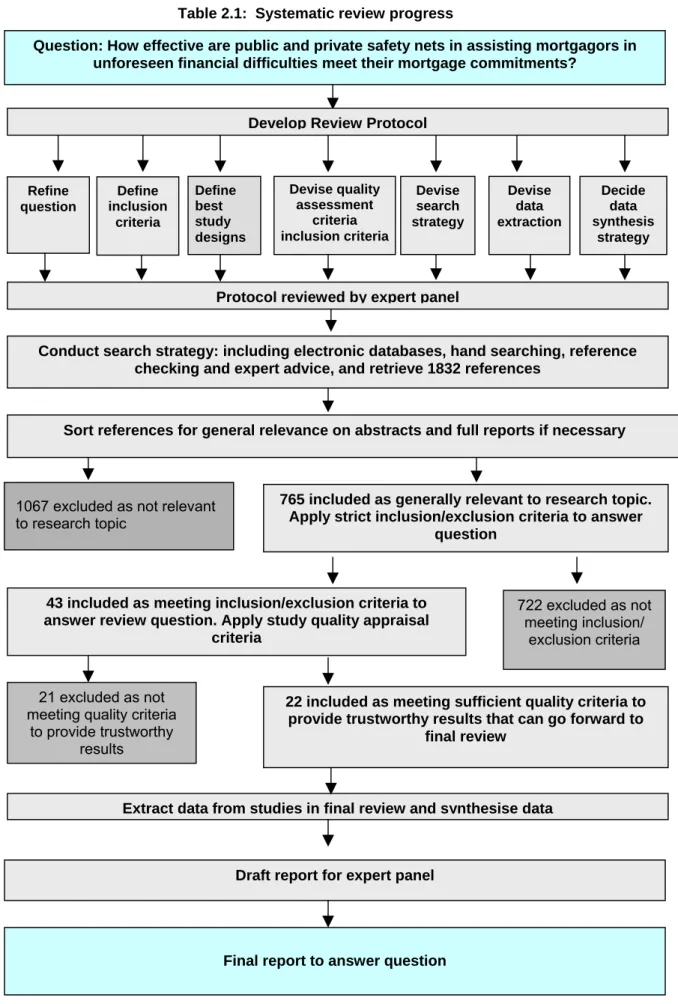
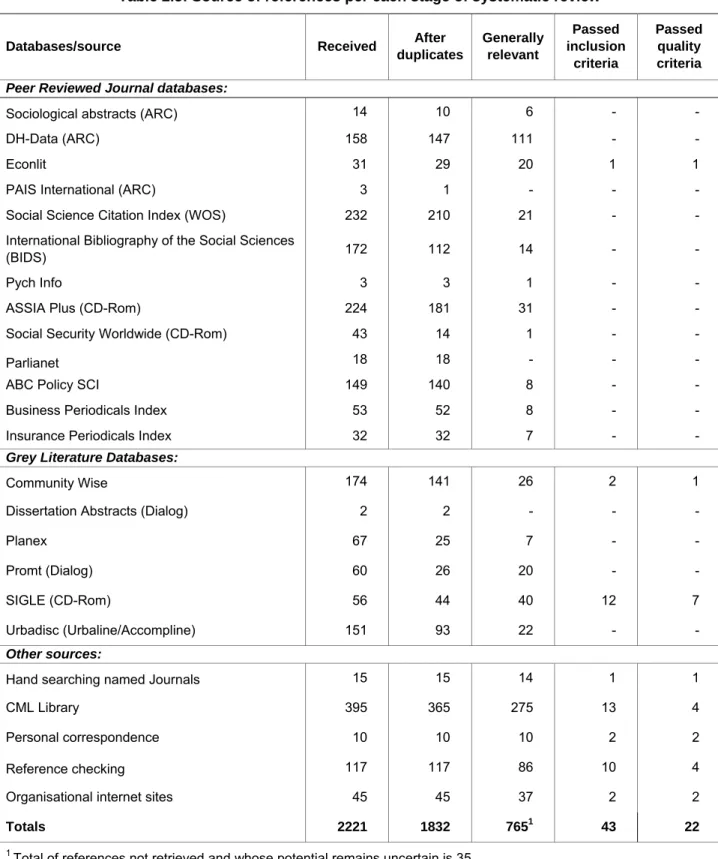
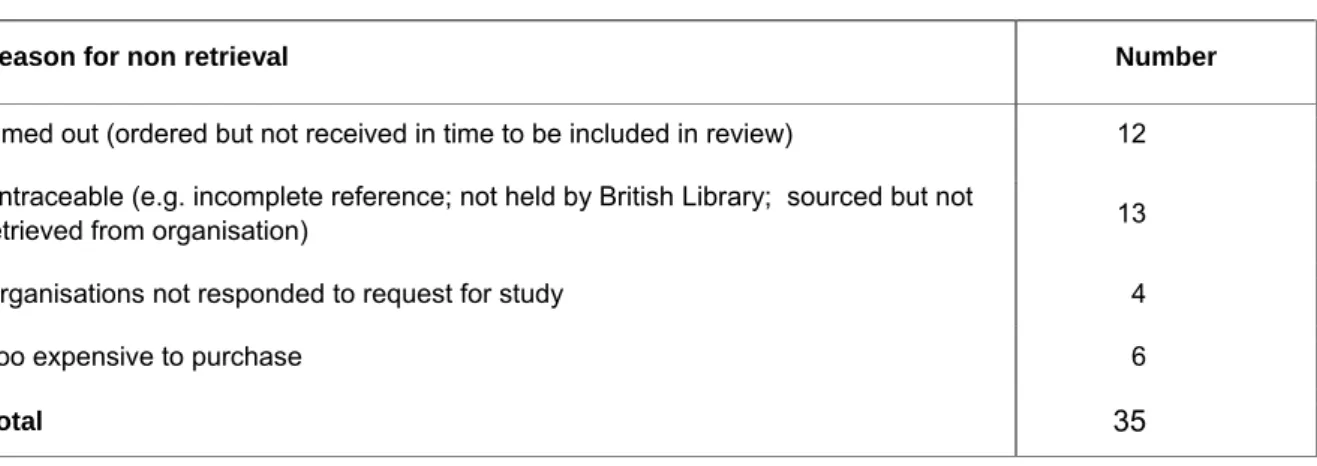
The search process produced 2221 references. Once duplicate references were removed, 1832 studies remained. Of these, 765 were generally relevant to the review. Once the specified inclusion criteria were applied, 43 studies remained. Of these, 22 studies met the quality criteria and finally entered the review. Information was extracted from each study in a uniform manner, using a series of questions related to the structure, process (access and delivery issues) and outcomes of the interventions. The data were synthesised according to this format, to provide a narrative account of the findings.
Income Support for Mortgage Interest: key findings
Twelve of the twenty-two studies included in the review examined the effectiveness of the ISMI safety net, either exclusively or, in the case of five studies, alongside MPPI. Only four of the studies were conducted following the introduction of the ISMI 1995 restrictions.
Structure of safety net
• Only a third of mortgagors would qualify for ISMI due to the means-tested nature of the benefit; however ISMI covers a wider range of eventualities than private insurance (e.g. relationship breakdown).
• The vast majority of ISMI claimants (and a higher proportion in the late 1990s
compared to pre-1995) experience shortfalls in their ISMI payments; the single largest reason for this is the Standard Rate of Interest being lower than the interest due to the lender.
Accessibility and acceptability of ISMI
• Studies show that mortgagors were generally unaware or had poor knowledge about the ISMI system.
• Overall, qualitative studies indicated some support for a state system, though some felt that the state should not help homeowners purchase a capital asset, whilst others felt the same assistance should be available to renters as owners.
• Early qualitative work indicated that some people were resistant to making a claim due to the stigma involved in receiving benefits.
• Whilst there was broad support that ISMI should be subject to some restrictions, there was also a belief that provision should be flexible to circumstances where possible. There was little or no support for the nine-month waiting period for ISMI.
Delivery of ISMI
• Those receiving ISMI typically had a poor understanding of the nature of the support that they were receiving.
• Overall studies revealed that the system of Mortgage Interest Direct (MID) was supported by both mortgagors and lenders. Despite some administrative teething problems, a number of benefits of MID were identified including easier money management for mortgagors.
• In 1998, only a small proportion of IS/ JSA claimants (and a smaller number of ISMI recipients) had been able to use an insurance policy to manage the ISMI waiting period.
• The interface between claiming ISMI and MPPI was reported as being complicated and difficult by claimants.
• There was evidence that although claiming ISMI was relatively straightforward, there were some administrative and communication problems especially where claims were complex. However, the claiming process appeared to be smoother in later studies than earlier ones, suggesting an overall improvement in administrative procedures over time.
Outcomes
• The introduction of Mortgage Interest Direct was generally considered to have had a beneficial impact on arrears management and possessions (due both the higher levels of payments and lender forbearance), however this was based on lender and claimant assessments rather than robust data collected over time.
• Overall, lenders and insurers felt that the 1995 ISMI changes were likely to have had a negative, if not major, effect on levels of arrears and possessions. It was felt that the real impact would be observed in a recession.
• Modelling of court action data suggested that possessions were slightly higher by 2000 than they would have been under pre-1995 rules, but that changes in court policy had mitigated the negative impact of the reforms.
• Survey data (from non-identical surveys of borrowers) indicate that the proportion of ISMI claimants experiencing arrears has increased, from approximately a fifth in the early 1990s to about a half of all claimants in the late 1990s. In 1998, a higher
proportion of post-October 1995 ISMI claimants, than pre-October 1995 claimants, had arrears due to the ISMI gap. However, overall, pre-October 1995 claimants were slightly more likely to be in arrears.
• Receipt of ISMI generally acts as a constraint on moving home; however mobility is obviously high amongst those households experiencing repossession.
• The evidence of ISMI as a work disincentive was mixed; whereas some people felt financially safer while on benefits, others pursued work opportunities due to a desire to work and other non-financial related reasons.
• Qualitative studies identified the emotional and personal impact on households of difficulties in paying the mortgage.
Mortgage Payment Protection Insurance: key findings
Eleven studies addressing the effectiveness or some aspects of the effectiveness of MPPI in preventing arrears and repossessions were entered into the review. All of the studies were undertaken in 1995 or later.
Structure
• The predominant form of MPPI is ASU (combined accident, sickness and unemployment), although some insurers allow these elements to be unbundled.
• Stand-alone policies tailored to individuals are relatively unusual.
• Many circumstances that can lead to arrears (income loss or reduction due to
relationship breakdown, giving up work to become a carer) are not covered by MPPI.
• Average costs of MPPI cover appear to be falling slightly. • Similar MPPI products are being offered at very different prices. • MPPI premiums are rarely adjusted for individual risk.
• MPPI is an expensive product for consumers and government; a large proportion of the premium does not go towards paying claims and a chain of organisations take a share of the profit.
• Cost of premiums is a disincentive to some, particularly low income mortgagors; however the decision to take out MPPI is mediated by a range of factors of which cost is only one.
Accessibility and acceptability
• Large numbers of borrowers with MPPI have taken insurance because prompted to do so by lenders or financial intermediaries rather than because they have actively sought insurance cover.
• Financial intermediaries give customers varying introductions and explanations of MPPI, which affect take-up levels.
• There are a number of groups of borrowers who are either excluded from MPPI cover, or eligible only under certain terms and conditions, notably the self employed, those on temporary work contracts, those with pre-existing health conditions, and those with poor work histories.
• The choice of MPPI products offered to consumers is severely limited.
• Evidence suggests that there is not a linear relationship between perceived or real insecurity and take-up of insurance cover.
• Consumers with negative attitudes towards insurance generally are unlikely to take out MPPI whatever their perceived risk of being unable to meet mortgage commitments.
• Among those who have MPPI, positive attitudes towards the product are related to whether any claims made have been successful or not.
• Consensus from a sample of financial intermediaries indicates that MPPI is not seen by intermediaries as providing value for money.
• Public attitudes consider private insurance to be expensive and restrictive. • Consumer understanding of MPPI is not sophisticated.
• It has been estimated that between 40% and 50% of mortgagors would benefit little from MPPI, as they have sufficient savings or other household income to cover mortgage payments.
• MPPI take-up has seen a modest growth since the 1995 ISMI changes. One study estimated that 1 in 5 of all mortgagors but 1 in 3 of mortgagors taking out in new mortgage in 1995/96, had MPPI.
• Take-up is higher among certain groups, and seems likely to be related to MPPI marketing strategies (which target new mortgagors for example), although there is no evidence of adverse selection.
Delivery of MPPI
• On average less than 4% of MPPI policyholders submit claims
• Approximately 40% of claims made relate to unemployment and 60% to accident and sickness.
• Lenders report that 80% of claims are successful. Reasons for claims being unsuccessful include: pre-existing medical conditions, claims being made too early (which are subsequently successful); borrowers not meeting the criteria for the policy (suggesting some policies have been missold).
• Claiming processes can be problematic. Outcomes
• Only two studies directly addressed the impact of MPPI on arrears and repossessions. • A survey of mortgagors in arrears reported that 13% of those in arrears had MPPI, but
only 1% had made a claim on their policy.
• Four out of five households making successful claims avoid arrears. Arrears usually occurred during the wait period, and when the time-limited cover came to an end.
• Almost one third of people in arrears, and one third of people experiencing possession would have been eligible for MPPI, as they had experienced circumstances that might have led to a claim.
Other insurances: key findings
Only three articles on the effectiveness of other private insurances were included in the final review, two on Critical Illness (CI) insurance and one on Permanent Health Insurance(PHI).
Structure
• The majority of Critical Illness insurance is written as ‘accelerated’ life cover, and is often sold alongside mortgages.
• Qualitative interviews revealed that policyholders were happy with a ‘one size fits all’ Critical Illness policy, but were concerned about time limits contained within policies (re: qualifying periods and time allowed to claim).
• Permanent Health Insurance was a complex product with a range of eligibility requirements and different options for cover.
Accessibility and acceptability
• There were a number of ‘triggers’ to taking out cover. The role of a financial advisor was key to influencing CI take-up and often the only source of information for potential consumers. Some consumers were active in the process of seeking specific cover; others were more passive ─ taking the cover as part of a wider package often involving the mortgage.
• Customers made some calculations about when to take out cover and what cover would be most appropriate; existing customers considered that potential policyholders might be put off by the cost of policies, by lack of awareness of cover and little or no perception of risk.
• An insurance, rather than a tax based, system of income protection was regressive, especially for younger people, women and disabled people.
• Overall, there was little evidence on consumer attitudes, but one qualitative study revealed a wide variation in views on private protection generally, and CI in particular.
• Qualitative interviews revealed a very poor level of knowledge amongst CI policyholders of the detail of their cover.
Delivery process
• The proportion of successful to rejected claims for some types of critical illnesses was much higher than for others (for example, only 7% of cancer claims were rejected compared to 23% of multiple sclerosis claims and 57% of total and permanent disability claims).
• Qualitative information suggested that policyholders found it difficult to distinguish between different types of protection policies (e.g. MPPI, CI, PHI).
Outcomes
• There were no data available on the impact of other private insurances on arrears or repossessions.
Flexible mortgages: key findings
Only two studies concerned solely with flexible mortgages were entered into the review; both were undertaken very recently.
Structure
• Flexible mortgages products are still under development; different products offer varying levels of flexibility. Where underpayment facilities or payment holidays are on offer, these usually require previous overpayment.
Accessibility and acceptability
• Although there are no obvious exclusions, it appears that flexible mortgages are targeted at the more affluent, and more financially literate borrowers.
• Lenders consider that flexible mortgages are only useful for higher paid contract workers. Most borrowers are not considered sufficiently financially sophisticated to be able to make best use of the various ‘flexible’ facilities offered.
• Those who currently hold flexible mortgages are slightly older and more clustered in social classes A and B compared to other new borrowers, however they might not be representative of mortgagors opting for this type of product in the future.
• Those with flexible mortgages believe that flexible mortgages are a useful insurance policy against reduction in income.
Delivery
• Currently the most commonly used features of flexible mortgages are those that allow borrowers to get ahead with their mortgage.
• These products have yet to be tested through an economic downturn.
• There are several interesting ‘unknowns’ around flexible mortgages and their interaction with other safety nets, particularly ISMI.
Outcomes
• The potential effectiveness of flexible mortgages in assisting mortgagors avoid arrears and repossession has yet to be tested.
• Evidence suggests that those currently holding flexible mortgages who would be eligible for ISMI are not building up sufficient surpluses to cover the ISMI gap.
Conclusions
The systematic review of safety nets aimed to both test this new methodology within a social policy setting, as well as provide a robust assessment of existing research evidence in the area. Key conclusions included:
Methods
• A wide conceptualisation of effectiveness in the review meant that studies were included that presented evidence of significant policy interest on the process of delivering complex safety net interventions.
• Grey literature was of particular relevance to the review, more so than academic books and refereed journal articles. However some trade research was problematic to
retrieve.
• The absence of subject indexing terms and structured abstracts in many electronic databases meant that the search and retrieval process was more lengthy than it would have been with more developed systems in place.
• Studies included in the review tended to have utilised a similar range of methods; they were mainly cross-sectional in nature and there was little use of comparison or control groups.
• The quality appraisal of evidence was a key aspect of the review approach. However, this was sometimes difficult to operationalise and further methodological developments are required in this area, as well as a requirement on authors to provide better quality information on methods used in studies.
• Synthesising evidence was also a challenge due to the complexity and heterogeneity of the interventions and research. A time-line was provided to aid the reader in
interpreting the value of evidence over different time periods, and hence different policy and economic contexts.
Evidence base
• Studies included in the review were more likely to have been undertaken by some types of organisations, than others. Whilst some organisations will have more research resources available, generally there appeared to be a need for scarce resources to be better directed to high quality, larger studies. There was also an over-representation of small-scale literature reviews and summaries.
• Few studies provided evidence on the outcomes from the interventions, with studies mostly focussing on process factors. Few studies compared the experience of those who had received an intervention with those that had not. Consideration should be given to how future research can redress this balance.
• Most of the studies were concerned with ISMI and/or MPPI. There was little evidence related to the use of insurance products intended to replace income lost through ill-health, as this relates to helping borrowers pay their mortgages. There was also a lack of information on how lender forbearance and recovery practices mediate the
effectiveness of other interventions in preventing arrears and repossessions. The value of flexible mortgages as a safety net remains largely untested.
• Studies rarely addressed issues of diversity within the population of mortgagors. Similarly, studies tended to focus on England or the UK and took little account of the impact of local and regional house markets.
Chapter 1 Introduction
This introductory chapter describes the background to the development of the ESRC systematic review on public-private safety nets for mortgagors facing unforeseen financial difficulties. The chapter seeks to explain why a systematic review of this area of public policy is important. Firstly, the reasons for undertaking a systematic review are explained, followed by a detailed exploration of the policy context relevant to the area of interest. The known nature of the research evidence at the outset of the review is also briefly discussed and the structure of the report outlined.
Introducing the study: why a systematic review?
There is a developing requirement for public policy to be evidence-based. This is seen to be due to a number of factors including: the drive to improve the quality of policy making (as set out in the White Paper Modernising Government); the need for greater accountability in
government; the IT revolution and the consequent improvements in access to information and data; and a general public that is better informed, and increasingly sceptical about the roles and abilities of professionals.
Systematic reviews, that seek to provide a comprehensive assessment of existing
knowledge in an area, are increasingly recognised as a key tool in evidence-based policy formulation. Systematic reviews, first developed in the education field, have been commonly used for assessing the benefits of health interventions over the last decade. However, the method is at a developmental stage within the social and public policy field. Reflecting the growing interest in this method and its application to all aspects of policy development, the ESRC has funded a programme of research projects to examine how evidence based policy can be generated in a number of social policy areas including public health, housing,
education, and the criminal justice system. The UK Centre for Evidence-Based Policy and Practice at Queen Mary College, University of London is coordinating this programme.
As part of the ESRC programme, researchers at the Centre for Housing Policy and Social Policy Research Unit at the University of York have undertaken this systematic review of the current private and public safety nets available to mortgagors. The review has sought to collate and synthesise current evidence relating to interventions that are intended to support mortgagors in financial difficulties, and determine ‘what works’. The review included Income Support for Mortgage Interest (ISMI), Mortgage Payment Protection Insurance (MPPI), other types of private insurance and flexible mortgages (see later). The topic was chosen as it reflects a key policy objective of the government - the sustainability of homeownership. This objective is important to a range of players, including the Government, mortgage lenders, insurers, as well as consumers. Further, whilst there are concerns over whether the existing safety nets adequately address the needs and circumstances of (potentially) defaulting mortgagors, there is a genuine interest by all parties to ensure that an effective system is put into place. It is hoped that the systematic review will assist in this process.
Beyond developing an evidence base, a key aim of the ESRC programme, and of this review, is also to develop and refine the methodologies required for identification, appraisal and synthesis of evidence within the social policy field. A systematic review involves a number of key stages including seeking out existing knowledge of the subject, critically appraising the quality of those studies and evaluating the strength of the evidence that is
found, before any conclusions are presented. The approach should be transparent, rigorous and less open to bias than traditional literature reviews, and provide a quality-controlled overview of existing research on which to inform policy debates.
A systematic review may be viewed as a short cut to accessing and integrating findings from primary research, which is often voluminous or difficult to find. Rather than offer an author’s view on existing research, or a review of a restricted selection of the available literature, a systematic review offers a comprehensive summary of what is, and is not, known about different interventions, as the methods used are all aimed at limiting bias (Oliver and Peersman 2001). Bias may enter a traditional review, by reporting findings from poorly conducted studies, from the reviewers’ own position in relation to the issue at hand and from failing to assess the complete range of published and unpublished work on the subject. A review conducted systematically seeks to minimize these sources of bias and be explicit about decisions made throughout the review, regarding the source of the studies, how they are included in the review, how quality is assessed and on what basis the findings are combined.
This project has attempted to build upon a respected body of work already conducted into the process of systematic reviewing both nationally and at the University of York. The approach taken to this review was informed by the NHS Centre for Reviews and Dissemination’s guidance (2001) on producing systematic reviews in health services research, and from the work conducted at the Evidence for Policy and Practice Information (EPPI) Centre at the Institute of Education. The systematic reviewing methods used are reported in detail in Chapter Two.
Why are mortgagor safety nets an important policy issue?
The Green Paper Quality and Choice: A Decent Home for All (DETR, 2000) restated the
importance of sustainable owner occupation as a key housing policy goal. Homeownership is the most common tenure in Britain, with over three quarters of households now owner occupiers, a growth from a base of less than two thirds in the 1970s. Safety net provision for the sector is recognised as an important issue given the risks that homeowners may face in being able to keep up with mortgage payments. These are briefly outlined below, followed by a consideration of the adequacy of the present safety net in addressing these risks.
Risks to homeownership
Table 1.1 shows the pattern of mortgage arrears and repossessions1 over the last decade
using Council of Mortgage Lenders (CML) figures collected from lenders. Whilst figures for the number of households in arrears on their mortgage in the first half of 2002 are at their lowest level for more than a decade, they are also occurring at a time of economic stability, low interest rates and low levels of unemployment. Table 1 also shows the very high levels of repossessions and arrears that occurred in the early 1990s during a period of recession, and particularly high levels of interest rates. Upward pressure on house prices, along with
1 ‘Repossession’ is the most commonly used term to describe the situation where lenders ‘possess’ a borrower’s
house. Technically, ‘possession’ might be a more correct term but ‘repossession’ is common parlance and this convention has been adopted throughout the report.
Table 1.1: Mortgage arrears and repossessions: number of months analysis Period Number of mortgages at end of period Properties taken into repossession in period % all loans Mortgages 3-6 months in arrear end-period % all loans Mortgages 6-12 months in arrear end-period % all loans Mortgages more than 12 months in arrear end-period % all loans
No. No. No. No.
1991 9,815,000 75,540 0.77 - 183,610 1.87 91,740 0.93 1992 9,922,000 68,540 0.69 - 205,010 2.07 147,040 1.48 1993 10,137,000 58,540 0.58 193,660 1.91 164,620 1.62 151,810 1.50 1994 10,410,000 49,210 0.47 169,080 1.62 133,700 1.28 117,100 1.12 1995 10,521,000 49,410 0.47 177,910 1.69 126,670 1.20 85,200 0.81 1996 10,637,000 42,560 0.40 139,250 1.31 100,960 0.95 67,020 0.63 1997 10,738,000 32,770 0.31 117,840 1.10 73,840 0.69 45,200 0.42 1998 10,821,000 33,820 0.31 129,090 1.19 74,040 0.68 34,880 0.32 1999 10,981,000 30,030 0.27 96,680 0.88 57,110 0.52 29,520 0.27 2000 11,169,000 22,960 0.21 95,260 0.85 47,820 0.43 20,820 0.19 2001 11,243,000 18,280 0.16 81,340 0.72 43,130 0.38 19,710 0.18 2002(1st half) 11,257,000 6,850 0.06 73,660 0.65 41,210 0.37 17,880 0.16
the inevitability of a recession at some point in the future, dictate that adequate safety nets for homeowners, along with responsible lending and borrowing, remain a priority for housing policy. Further, other data show that a much higher proportion of households experience difficulty in meeting mortgage payments than experience arrears. In 2000/2001, Survey of English Housing figures (ODPM, 2002), reporting households’ own appraisal of their situation, suggest that 10% of households are either in arrears or experiencing payment difficulties (1% in arrears; 9% experiencing difficulties); whilst this compares well to a 20% figure in 1993/4, it still means that one in ten mortgagor households are struggling with mortgage commitments despite a benign economic context.
A series of risks exist for mortgagors in terms of their being able to meet their mortgage commitments over time, many of which have increased over the last decade or so. The increase in homeownership means that owner occupation is now a more diverse tenure, and in particular a higher proportion of owners are now on low incomes (Burrows and Wilcox, 2000). Low income mortgagors find it more difficult to meet any rise in mortgage repayments and/or manage a fall in income. In the Survey of English Housing (DETR, 2001), just over a fifth of all mortgagors cited an increase in expenditure as a reason for mortgage arrears in 1999/2000, despite low and falling interest rates. Changes to the structure of the labour market that have occurred over the last ten to fifteen years also represent a major risk to the majority of mortgagors, including the risk of unemployment, failure of self-employment and reductions in wages. In addition, loss of income may also occur through a household earner experiencing ill-health or an accident and having to stop working. Approximately two thirds of those in arrears in 1999/2000 cited loss of income as a major factor in explaining arrears. Household change, particularly relationship breakdown, again prominent in the 1990s, can also represent a risk to sustainable homeownership. Just over a third of mortgagors in arrears in the Survey of English Housing mentioned household change as key explanatory factor in their arrears in 1999/2000.
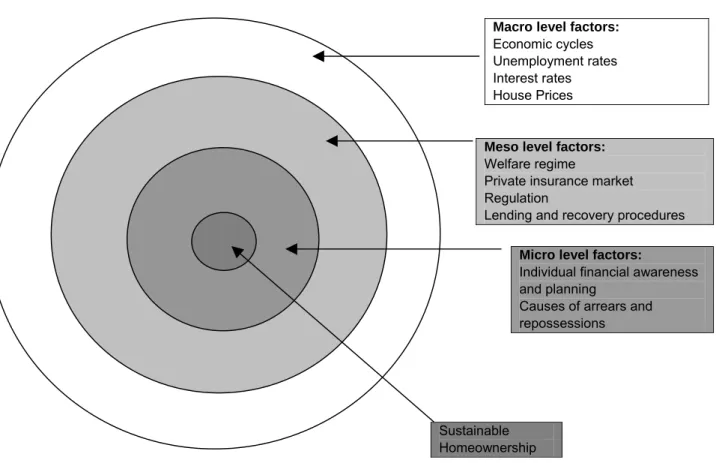
Figure 1.1 shows how a complex interaction of factors all inter-relate to affect sustainable homeownership. Micro level situations such as household change and employment situation are affected by macro factors such as economic cycles, impacting on the individual risks faced by mortgagors (Ford et al, 2001). Meso level factors also affect the ability of
households to meet mortgage payments, for example lending and recovery procedures. At this level, the availability of adequate welfare regimes and the operation of safety nets themselves will also have an impact on households’ ability to meet their mortgage commitments.
Mortgagor safety nets
Current safety net provision relies on both public and private provision to assist homeowners who are unable to work.
Historically, households eligible for National Assistance (and later Supplementary Benefit) had access to assistance with their mortgage interest payments through State provision from the point that they were unable to work. Restrictions to this support were first introduced in 1987 when 50% of interest payments were paid for the first sixteen weeks of all claims with the exception of claims by those over the age of 60. A rule was also introduced to restrict benefit if the cost of housing was deemed to be ‘unreasonably high’ compared to other suitable local accommodation. However, more fundamental restrictions were introuduced
Figure 1.1: Contextual map for safety net research
Macro level factors:
Economic cycles Unemployment rates Interest rates House Prices
Meso level factors:
Welfare regime
Private insurance market Regulation
Lending and recovery procedures
Micro level factors:
Individual financial awareness and planning
Causes of arrears and repossessions
Sustainable Homeownership
in October 1995, further limiting the help available to existing mortgagors but substantially changing assistance for new mortgagors from this time. From this point, borrowers claiming Income Support or income-based Jobseeker’s Allowance, with mortgages taken out before October 1995 received no assistance for 8 weeks; up to 50% of eligible interest for the next 18 weeks; and then full eligible interest after 26 weeks. Borrowers with mortgages taken out before October 1995 received no assistance for the first 39 weeks of the claim; and then assistance with full eligible interest. Those mortgagors over the age of 60 remained exempt from these restrictions, whilst single parents and carers were exempt from the longer waiting period.
A number of other important restrictions were also introduced in 1995, including eligible interest being restricted to loans up to £100,000 (1993 had seen, for the first time, the introduction of a ceiling of £150,000, reduced to £125,000 in 1994) and a ‘standardised’ rate of interest being introduced. The Standard Rate of Interest (SRI) involves the calculation of interest by the average rate charged by the largest twenty building societies. Prior to this, claimants received interest based on their actual mortgage interest payments.
One of the main reasons for restricting ISMI was the escalating costs associated with providing the assistance. Total mortgage interest per annum had grown from £335 million in 1987 (334,000 claimants) to a height of £1,210 million in 1993 (555,000 claimants) (see Wilcox, 2002). The restrictions resulted in reduced expenditure in this area, also coinciding with a more stable economic context whereby costs per annum were £484 million in 2001 (260,000 claimants). Escalating costs in the recession of the late 1980s and early 1990s, also led to an important administrative change to ISMI in 1992. Prior to this, ISMI was normally paid direct to the claimant who was then expected to pass the payment on to the
lender. From 1992, Mortgage Income Direct (MID) was introduced whereby ISMI was paid directly to lenders signing up to the scheme. At the same time, the Council of Mortgage Lenders agreed that its members would not take repossession action against borrowers receiving full mortgage interest.
A second key reason for restricting ISMI advanced by the Government (DSS, 1995) (an argument later questioned by research [Pryce and Keoghan, 1999]), was that the system constrained the development of private mortgage insurance markets. From 1995,
Government has promoted a public-private partnership in this area, with an expectation that mortgagors will insure their mortgage payments by taking Mortgage Payment Protection Insurance (MPPI) or some equivalent. MPPI provides cover for mortgage payments in the event of the loss of all income due to one or more of accident, sickness and unemployment. Typically, mortgage costs are met for 12 months and are paid, on average, after a two month deferral period. A ‘baseline’ MPPI product was launched in 1999, following an initiative by the CML and the Association of British Insurers (ABI), which has attempted to reduce a number of the exclusions that historically have been associated with MPPI products. All existing policies sold before this date were due to comply with the standards from July 2001. However, there is widespread agreement that MPPI remains a specific insurance product that is better at covering some risks than others, for example, an insurance product cannot be expected to cover the risks associated with loss of income following relationship
breakdown.
Despite industry commitment to encouraging the MPPI market, take-up of MPPI remains the relatively low. Government and industry agree that a necessary take-up level is 55% of all mortgagors by 2004 - a figure that will be reviewed in the light of market conditions and take-up figures for other insurances. In the last six months of 2001, take-take-up stood at 22.5% of all mortgagors, and 36% of new mortgages (CML, 2002). Whilst a recent survey by MORI forCouncil of Mortgage Lenders found that 31% of mortgagors stated that they had an MPPI, this is likely to over-estimate real take-up levels. Take-up is inevitably also influenced by the availability of adequate and suitable advice on mortgages and related products, which has been known to be problematic in the past (e.g. LACOTS/ ITSA, 1999), as well as levels of financial literacy, also known to be poor in Britain (NACAB, 2002). At present, the sale of MPPI is partially regulated through a number of voluntary codes and bodies, including the Mortgage Code; however this is set to change with the recent announcement that mortgage advice will be regulated through the Financial Services Authority from mid 2004. From this date, mortgage lending, administration and arranging and advising on a mortgage contract will be regulated. Both lenders and mortgage intermediaries will need authorisation in this area, potentially leading to improvements in advice and selling practices in the industry.
Other private and public products and initiatives may also offer safety net protection for homeowners who face unforeseen financial difficulties in meeting their mortgage
commitments. Other insurance products, not specifically tied to the mortgage, but providing income or a lump sum on becoming ill or unemployed may also provide some assistance with meeting housing costs. Examples include income protection insurance, such as Permanent Health Insurance, and Critical Illness cover. The recent MORI survey indicated that 19% of borrowers might have Critical Illness insurance and 7% Permanent Health Insurance (CML, 2002).
In addition, the Housing Green Paper (DETR, 2000) suggested that the recent growth of flexible mortgages might offer some potential protection to mortgagors. Flexible mortgages
were first properly marketed in the UK in the mid 1990s, with six providers offering products in 1995/6 rising to over 50 by summer 2000 (Smith et al, 2002). In 2002, most lenders
offered a flexible mortgage defined as offering five core facilities: regular overpayments; lump sum deposits; payment holidays; regular underpayments; and lump sum withdrawals. The last three features might potentially assist mortgagors in times of reduction or loss of income.
Nature of the research evidence
The review team were aided in the examination of the nature of the evidence within the field of safety net research for homeowners, by a scoping exercise of the literature for the then Department of Social Security (now Department of Work and Pensions) conducted by Ford & England (2000). The scoping exercise examined sources of data that could aid primary research, the range of literature and identified areas of methodology that remain problematic in this field.
Ford and England (2000) document the considerable use that is made of large-scale data sets such as the Survey of English Housing (SEH), Family Resources Survey (FRS), British Social Attitudes Survey (BSAS) and the British Household Panel Survey (BHPS) within this field. These provide sources of data on the socio-economic characteristics of those with mortgages and those with arrears, and on people’s attitudes and beliefs towards
homeownership, and state and private welfare support. Some qualitative research and cross sectional surveys have explored the operation of safety nets, how financial products are sold, or the interface between the public and private schemes, and people’s understanding of the current safety nets. Industry and governmental sources of data about Income Support claimants who are mortgagors and received Income Support for Mortgage Interest are the Department of Work and Pensions and the CML, which provides survey data on insurance take-up and mortgage arrears.
However, there are a number of methodological areas that remain problematic. For example, it remains difficult to know the extent of the take-up of Mortgage Payment Protection
Insurance (MPPI) as data from lenders and borrowers conflict. Participants are asked whether they have MPPI in the SEH and BHPS, but it has been shown that people have a low understanding of this product and over- report its take-up, confusing it with other products such as the life insurance cover attached to endowment policies. Measurement of mortgage arrears is also problematic, as the SEH provides extensive information about the source of arrears, characteristics of those mortgagors in arrears, and on repossessions, but this is based upon the borrowers’ own recall and estimation. Ford and England (2000) suggest that these data be treated with some caution. Data from the CML only measure those mortgagors with 3 months or more arrears; these data cannot be linked to socio-economic characteristics of the mortgagors.
At the outset of the review, it was anticipated that the overall research base on the subject of the effectiveness of safety nets for mortgagors was likely to be relatively small; this, as the report describes, was confirmed by the review.
The report structure
The report is presented in four main chapters. Chapter Two provides a detailed commentary on the methods employed in the review, including a summary of the review protocol, the references retrieved and a discussion of this process. Chapter Three presents the
substantive findings of the review, describing the research evidence base for ISMI, MPPI, other insurances and flexible mortgages. Chapter Four provides the conclusions to the study. Substantial appendices are attached for reference, providing more detail on the research protocol and studies included and excluded from the review.
Chapter 2 Methods
IntroductionA systematic review aims to provide a comprehensive and unbiased summary of available evidence on a given topic. This is achieved by the use of a clearly defined search strategy to ensure that an extensive range of potential sources of evidence is explored. In addition, the use of explicit criteria to appraise the quality of the evidence reviewed ensures only robust evidence is synthesised in the production of the final review.
A systematic review can be invaluable for policy makers and practitioners, who may not have the resources or critical appraisal skills to make sense of large volumes of evidence from a variety of sources. The identification of what is confidently known, and what is poorly understood or under-researched can, in addition, be used to direct future research
resources.
There are six key stages to a systematic review:
1. Formulation of review question 2. Development of the review protocol
• Define study selection criteria • Define appropriate study designs • Define quality assessment criteria • Devise search strategy
• Devise data abstraction method • Decide data synthesis method 3. Document identification and retrieval 4. Application of study selection criteria
5. Extraction and synthesis of data from studies entered into the review 6. Presentation of findings
The review process was guided by an Expert Panel which had seven members representing a broad spectrum of stakeholders in the field, including regulatory bodies, government agencies, consumer organisations, academics specialising in safety net research and systematic reviewing methodologies. The organisations they were drawn from were:
• Council of Mortgage Lenders • Department of Work and Pensions • Financial Services Authority
• National Association of Citizens Advice Bureau • NHS Centre for Reviews and Dissemination
• University of Cambridge, Department of Land Economy
The expert panel had a number of roles. Firstly the panel was intended to gauge the level of interest among policy makers in the methodology of systematic reviewing and its usefulness in developing evidence based policy and practice. Secondly panel members assisted the review team in various practical ways. They assisted with the refinement of the review protocol, with sourcing studies that might be potentially useful to the review, provided
contacts in the area of interest, and commented on the first draft of the review. Thirdly it was hoped that the review would reach a wider audience through the involvement of key
stakeholders, and thus be more influential.
Table 2.1 charts the process of the review, including information retrieved at each key stage of the process, as outlined below.
Stage 1: The review question
The formulation of the question to be addressed by a systematic review is critical. The question provides the focus and boundaries of the review, and shapes all aspects of the review process: the inclusion and exclusion criteria, the search strategy, the amount of literature retrieved, the quality appraisal, and the final synthesis of the evidence.
The question addressed by this review was:
How effective are public and private safety nets in assisting mortgagors in unforeseen financial difficulties to avoid arrears and repossessions?
Considerable thought was given to the formulation of this question. It defined the population of interest (mortgagors), the condition of interest (unforeseen financial difficulties), the interventions of interest (public and private safety nets), and the intended outcomes of interest (avoidance of arrears and repossessions). Further consideration was given to which safety nets would be included in the review and after discussion it was decided that only those that were formal interventions, offered financial assistance and came into play when income was lost would be included. This meant that the interventions included were:
• Income Support for Mortgage Interest (ISMI); • Mortgage Payment Protection Insurance (MPPI);
• Other types of insurance, such as Critical Illness insurance, Permanent Health
Insurance, and other types of income replacement insurances; and flexible mortgages.
Appendix A outlines the rationale behind this selection. It was acknowledged that the boundaries could have been drawn in several ways resulting in other interventions being included. In particular, the following types of interventions and/or support, whilst relevant to the broader area, fell outwith the boundaries of the review:
• Lender forbearance • Employer benefits • Independent advice
• Informal help from friends and family • Household savings
Table 2.1: Systematic review progress
Question: How effective are public and private safety nets in assisting mortgagors in unforeseen financial difficulties meet their mortgage commitments?
Refine question Define inclusion criteria Devise quality assessment criteria inclusion criteria Devise search strategy Devise data extraction Decide data synthesis strategy
Conduct search strategy: including electronic databases, hand searching, reference checking and expert advice, and retrieve 1832 references
Sort references for general relevance on abstracts and full reports if necessary
765 included as generally relevant to research topic. Apply strict inclusion/exclusion criteria to answer
question
43 included as meeting inclusion/exclusion criteria to answer review question. Apply study quality appraisal
criteria
722 excluded as not meeting inclusion/
exclusion criteria
21 excluded as not meeting quality criteria
to provide trustworthy results
22 included as meeting sufficient quality criteria to provide trustworthy results that can go forward to
final review
Extract data from studies in final review and synthesise data
Draft report for expert panel Develop Review Protocol
Protocol reviewed by expert panel
1067 excluded as not relevant to research topic
Define best study designs
Effectiveness can be understood from a variety of potentially different perspectives, such as the mortgage lenders, financial regulators, consumers and policy makers. The review question primarily focused on outcomes – arrears and repossessions. However it was recognised that although this outcome focus was central, it was also crucial to look at the interventions as a whole and the context in which they were operating. Wagner and Guild’s (1989) study on effectiveness in health promotion offered a framework on which the
dimensions of effectiveness could be placed, looking at the formulation of the intervention (the structure), and the contextual, attitudinal and implementation issues surrounding the intervention (the process), in addition to the outcomes. This interpretation of effectiveness was much broader than the common usage of the term within systematic reviews of effectiveness in health services research (such as those conducted by Cochrane Review Groups: see http://www2.york.ac.uk/inst/crd/), which are more closely aligned to outcomes. This review sought to expand the concept of effectiveness to include some consideration of the range of factors that might influence and impact on the primary outcomes of arrears and repossessions.
The review boundaries however meant that literature was not included that might have highlighted factors that indirectly mediated the effectiveness of the interventions under consideration (for example, lender practices, the epidemiology of arrears and
repossessions). A less focused question might have allowed the inclusion of more contextual literature, but would have expanded the boundaries of the study considerably, and may have resulted in a review that was more diffuse, and less useful. This contextual information however did inform the background to the review.
Stage 2: Development of the review protocol
A systematic review is guided by a review protocol drawn up at the beginning of the review process. The protocol sets out how decisions at each stage of the review will be made. It makes explicit: what types of studies will be included or excluded and how their quality will be appraised; the search strategy; the information to be drawn from each study included in the review; and data synthesis methods. Making a priori decisions about how studies will be
selected, identified and appraised for quality during the course of the review minimises the potential bias to which traditional literature reviews are open, and increases the transparency of decisions for the potential reader.
The original protocol for this review remains available on the Centre for Housing Policy website at www.york.ac.uk/inst/chp/ESRC1881.pdf.
The protocol is outlined below, and any changes to the initial decisions are documented.
(i) Study selection criteria
The first task in devising the review protocol was to draw up a set of study selection criteria. The development of these criteria prior to the commencement of the review effectively marks the boundaries of the review and helps focus the search strategy, clarifying intentions for readers and ensuring consistency amongst the review team.
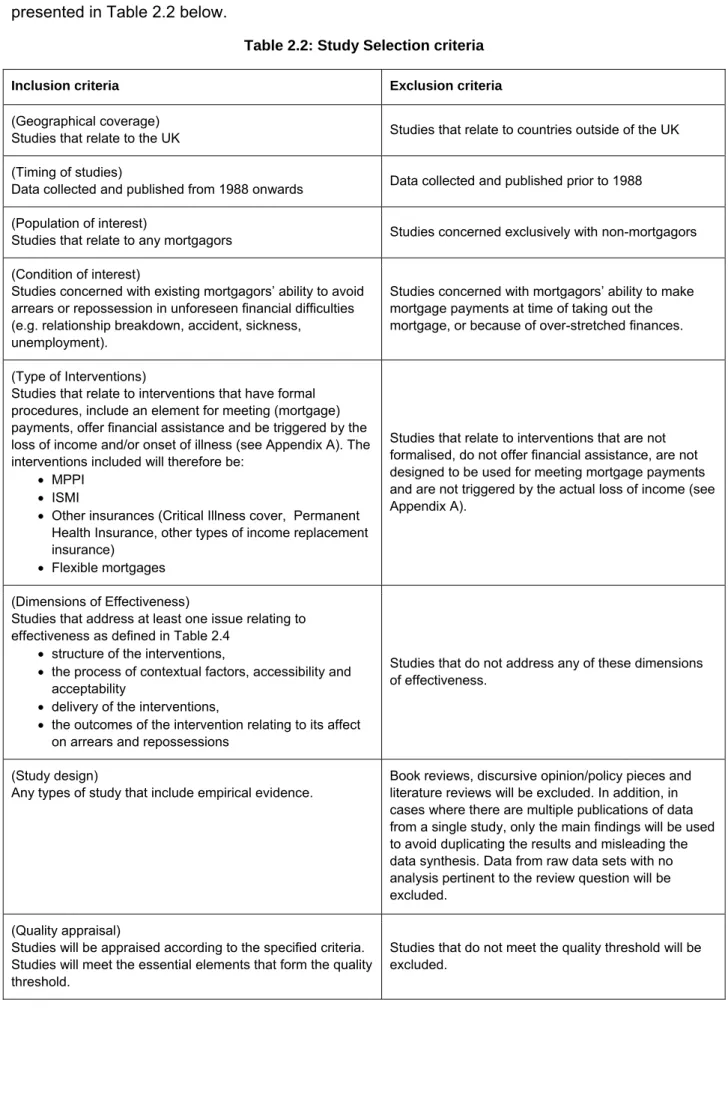
The study selection inclusion and exclusion criteria for the review were derived from the review question and sought to identify only studies that addressed the question either
directly, or as part of a broader investigation. The inclusion and exclusion criteria are presented in Table 2.2 below.
Table 2.2: Study Selection criteria
Inclusion criteria Exclusion criteria
(Geographical coverage)
Studies that relate to the UK Studies that relate to countries outside of the UK
(Timing of studies)
Data collected and published from 1988 onwards Data collected and published prior to 1988
(Population of interest)
Studies that relate to any mortgagors Studies concerned exclusively with non-mortgagors
(Condition of interest)
Studies concerned with existing mortgagors’ ability to avoid arrears or repossession in unforeseen financial difficulties (e.g. relationship breakdown, accident, sickness,
unemployment).
Studies concerned with mortgagors’ ability to make mortgage payments at time of taking out the mortgage, or because of over-stretched finances.
(Type of Interventions)
Studies that relate to interventions that have formal procedures, include an element for meeting (mortgage) payments, offer financial assistance and be triggered by the loss of income and/or onset of illness (see Appendix A). The interventions included will therefore be:
• MPPI
• ISMI
• Other insurances (Critical Illness cover, Permanent Health Insurance, other types of income replacement insurance)
• Flexible mortgages
Studies that relate to interventions that are not formalised, do not offer financial assistance, are not designed to be used for meeting mortgage payments and are not triggered by the actual loss of income (see Appendix A).
(Dimensions of Effectiveness)
Studies that address at least one issue relating to effectiveness as defined in Table 2.4
• structure of the interventions,
• the process of contextual factors, accessibility and acceptability
• delivery of the interventions,
• the outcomes of the intervention relating to its affect on arrears and repossessions
Studies that do not address any of these dimensions of effectiveness.
(Study design)
Any types of study that include empirical evidence.
Book reviews, discursive opinion/policy pieces and literature reviews will be excluded. In addition, in cases where there are multiple publications of data from a single study, only the main findings will be used to avoid duplicating the results and misleading the data synthesis. Data from raw data sets with no analysis pertinent to the review question will be excluded.
(Quality appraisal)
Studies will be appraised according to the specified criteria. Studies will meet the essential elements that form the quality threshold.
Studies that do not meet the quality threshold will be excluded.
International literature on mortgage safety nets was not included because of the problems in interpreting findings set against different housing markets, financial regulation, credit
arrangements, mortgage provision, and labour markets etc.
Initially it had been decided to search for literature published since 1985 in order to capture any evidence that may have informed the policy thinking prior to the first amendment to the state safety net in 1987. However, as the review progressed it was felt that data collected under the Supplementary Benefit social security regime would be less applicable to the current policy agenda under Income Support, for more reasons than merely the passage of time. For example, access to Supplementary Benefit was less restrictive in terms of hours of work. The study selection criteria in the original protocol were therefore amended to exclude studies where data had been collected prior to 1988.2
Only studies that considered the population of interest, the condition of interest, the interventions of interest, and the different dimensions of effectiveness, as defined by the question, were considered for entry into the review (see Stage 1).
Study design and quality appraisal were also crucial elements of the study selection criteria and are considered separately below.
(ii) Study design
Study design refers to the methods by which research is conceived and conducted. In this review, it was anticipated that no experimental research would be available and that a multitude of study designs would be found. In considering the type of study design that would be considered for inclusion in the review, the review team examined the various debates surrounding what constitutes good or ‘good enough’ evidence in the context of the promotion of evidence based, or evidence informed, policy and practice. Research evidence is only one type of information that policy makers may draw upon: a question remains as to what types of research studies are the most convincing to answer different questions.
Many systematic reviews in the health care field use only data from experimental research (usually randomised controlled trials) as the best evidence to answer questions of
effectiveness. This is contested in areas of health and other social policy fields characterised by more complex interventions (see for example Gowman and Coote, 2000). The debate is often polarised between different research paradigms of quantitative and qualitative research methods. The review team decided to take a liberal approach to the study designs that would be considered sufficiently robust to provide evidence for the review, and thought it important to value research from different disciplines and methods or paradigms. The review included only empirical research and not findings based on expert opinion, policy documents or unsystematic literature reviews.
(iii) Quality appraisal
Perhaps the most distinctive feature of a systematic review is the quality appraisal of the evidence retrieved. The intention of quality appraisal is to aid the interpretation of results, explain any variance between studies, and - importantly - to identify and exclude from the
2This decision only affected one study that would otherwise have been included in the final review, J. Ford
(1988) The Indebted Society. London, Routledge. This study collected data regarding the payment of mortgage
final review studies that may have serious methodological flaws, thus rendering their findings less trustworthy. The intention is to present a summary of only the most robust research. However the quality appraisal process has generated a number of concerns, particularly in areas such as public health, or health promotion, where evidence is likely to be based on non-experimental studies where there is no apparent consensus on the best means of appraising quality (see for example, Green and Tones, 1999; White, 2001; Edwards et al,
1998).
This review required evidence to be drawn from empirical research but with no stipulations on the type of study design that had been employed (see section (ii) above). In preparing the protocol the review team therefore had to devise a set of quality appraisal criteria that could be transparently applied to a range of study designs. Oliver and Peersman (2001:83) have emphasised that critical appraisal should not result in “destructive nihilism” which concludes that nothing can be learnt from “imperfect research”. It was important to ensure that the quality appraisal criteria could provide a minimum quality threshold to ensure that studies that were ‘good enough’, where one could be reasonably confident of the research findings, entered the review. The review did not only seek to include ideal, ‘gold standard’ research.
The review team considered existing quality appraisal tools adopted by other reviewers. Various quality appraisal tools designed to be applied to a range of quantitative methods are widely available, but were not useful for the types of research we anticipated finding in this review. It was also felt that the application of a variety of quality appraisal tools would complicate the review process unnecessarily. The development of the quality appraisal criteria for this review was therefore based on the premise that quantitative and qualitative research could be judged against the same sort of criteria.
The review quality criteria drew on a framework (Godfrey et al, 2000) which highlighted the
background of the author/s, the worth or relevance of the study, the research question, the appropriateness of the study design, the context, sampling, data collection and analysis, reflexivity, generalisability, and ethical standards as being areas in which the validity, and utility of the research projects could be considered and judged. Other studies that addressed the quality appraisal process were also consulted (Popay, Rogers & Williams, 1998; Mays and Pope, 2000; Denscombe, 1998; Gomm et al, 2000; Dale, Arber and Procter, 1988).
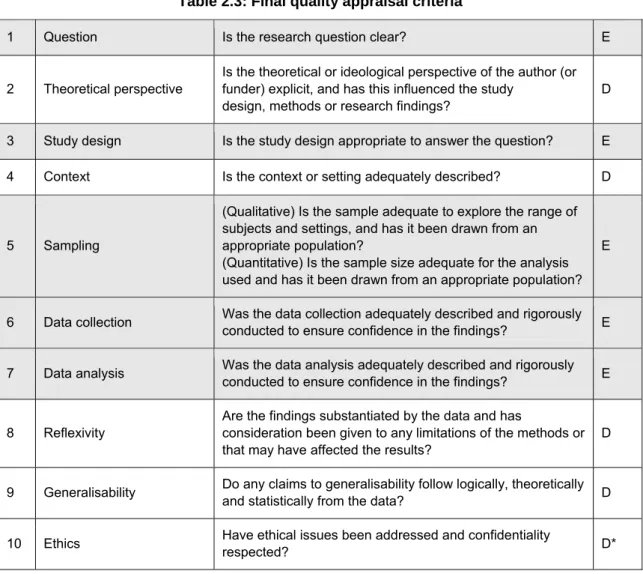
Following comments from the Expert Panel at the draft report stage, the quality appraisal criteria were further refined. There was a shared degree of uncertainty about how the review team’s decisions had been made. In response, the original quality criteria were re-examined to see: how the decision making process could be made more transparent; which were the questions that a study had to address satisfactorily in order to be considered sound; which questions were worth asking to explain differences or understanding of the findings, but were not considered crucial; and which questions, if any, were not worth asking at all. The revised set of criteria is presented in Table 2.3.
Table 2.3: Final quality appraisal criteria
1 Question Is the research question clear? E
2 Theoretical perspective
Is the theoretical or ideological perspective of the author (or funder) explicit, and has this influenced the study
design, methods or research findings?
D
3 Study design Is the study design appropriate to answer the question? E
4 Context Is the context or setting adequately described? D
5 Sampling
(Qualitative) Is the sample adequate to explore the range of subjects and settings, and has it been drawn from an appropriate population?
(Quantitative) Is the sample size adequate for the analysis used and has it been drawn from an appropriate population?
E
6 Data collection Was the data collection adequately described and rigorously conducted to ensure confidence in the findings? E
7 Data analysis Was the data analysis adequately described and rigorously conducted to ensure confidence in the findings? E
8 Reflexivity
Are the findings substantiated by the data and has
consideration been given to any limitations of the methods or that may have affected the results?
D
9 Generalisability Do any claims to generalisability follow logically, theoretically and statistically from the data? D
10 Ethics Have ethical issues been addressed and confidentiality
respected? D*
E = essential, D = desirable, * Ethics may be essential in other sensitive fields
These criteria were reapplied to each study that met the initial inclusion criteria. The questions marked as essential (E) were identified as those with the potential to alter the findings of the research, and therefore all had to be addressed satisfactorily in order to secure the internal validity of the study. The questions marked as desirable (D) were those additional questions that would help interpret the results and, in addition to the essential questions, may help explain variance in the findings. It was recognised that there may be many sensitive fields, researching children’s experiences, for example, where explicit addressing ethical issues surrounding the research may be essential for the study to be considered sound, but this was not felt to be the case in this review.
(iv) Devising the search strategy
It is essential for a systematic review to search extensively for potentially relevant evidence to minimise the possibility of the review being biased by studies being sourced from a single point, and for the search to be well documented to aid transparency for readers. Traditional literature reviews may introduce elements of bias by reviewing only studies that are easily obtained, are already known to the author, or perhaps present findings that the author finds palatable. The systematic review process overcomes this source of bias.