GRM International Pty Ltd ACN 108 992 721
Financial Management Training Program (FMTP)
Request for Tender
April 2015
Part 1 – Activity Specific Tender Conditions
1
Financial Management Training Program (FMTP)– Request for Tender
13 April 2015
Financial Management Training Program (FMTP)
Request for Tender
Introduction
Thank you for your interest in the Financial Management Training Program (FMTP), an
initiative of the Government of Papua New Guinea (PNG) through the Department of
Education (DoE) supported by the Government of Australia through The Department of
Foreign Affairs and Trade (DFAT).
This initiative is being commissioned by the Australian Government through the Education
Capacity Development Facility (ECDF).
As managing contractor for the ECDF, GRM International Pty Ltd (GRM) invites you to
Tender for this activity. As this is a DFAT funded Program, all Tenderers are required to follow
Australian Government Commonwealth Procurement Rules, details of which can be accessed via
the website:
http://www.finance.gov.au/procurement/procurement-policy-and-guidance/commonwealth-procurement-rules/index.html
.
This Request for Tender (RFT) is separated into four parts:
Part 1 - Activity Specific Tender Conditions, including the Tender Cover Sheet
Part 2 - Standard Tender Conditions
Part 3 – Terms of Reference
Part 4 – Subcontractor Agreement
If your organisation chooses to lodge a Tender it must be submitted under the terms of this
document and the attached Parts, together referred to as the
Request for Tender
(‘
RFT’
).
Applications close at
5pm
Australian Eastern Standard Time (AEST time) on
Monday the 4
thof May 2015.
Organisations submitting Tenders are encouraged to fully inform themselves of the Tender
conditions (both Activity and Standard) when preparing their Tenders.
Please register interest and direct any enquiries to
[email protected]
no later than
ten days
before the Tender closing date (above). Responses to queries will be grouped and will be
provided
in written form only
as Communiques to
all
organisations that have registered
interest in the tender process.
Tenders that do not include both the Technical and Financial Schedules (as separate documents)
will be assessed as non-compliant and may not be provided to the Technical Assessment Panel
(TAP) for evaluation.
Part 1 – Activity Specific Tender Conditions
2
Financial Management Training Program (FMTP)– Request for Tender
PART 1A – ACTIVITY SPECIFIC TENDER CONDITIONS
A. TENDER PARTICULARS
1.
Endorsement:
Financial Management Training Program (FMTP)
2.
Closing Time:
5pm (AEST time), Monday 4
thof May 2015
3.
Delivery Address:
[email protected]
4.
Contact:
[email protected]
(All correspondence with ECDF must be through this email
address. Contact with any ECDF officers in relation to this
tender process will not be permitted).
5.
Page Limits:
Technical Schedule: maximum of
ten (10)
A4 pages including;
Previous organisation experience (maximum 1 page);
Methodology and approach to Terms of Reference (TOR);
Administrative and logistical support arrangements
(maximum 1 page); and
If in association with another organisation, description of
roles of each organisation (maximum 1 page).
Annexes: Maximum of
seventeen (17)
A4 pages including:
Annex 1 -
Curriculum Vitae (CV)
for each nominated team
member up to a maximum of
five (5)
CVs of no more
than
two (2)
A4 pages per CV;
Annex 2
– Up to
four (4)
Previous Experience Project Sheets
of
one (1)
page each; and
Annex 3
-
Letters of Association
of organisations in
association of no more than
one (1)
page each.
Part 1 – Activity Specific Tender Conditions
3
Financial Management Training Program (FMTP)– Request for Tender
B. ELIGIBILITY TO SUBMIT A TECHNICAL SCHEDULE
This Tender is open to applicants that fulfil the selection criteria.
Tenderers are expected to demonstrate current and relevant experience in delivering such activity
in PNG. Team members are expected to have relevant PNG experience.
Please note that:
Participation of PNG organisations in this Tender process is encouraged; and
Association of International and PNG organisations is encouraged.
SCORE WEIGHTINGS
Tenderers will be assessed on the basis of a cost-effectiveness index. This will be implemented
by allocating 100% weighting to the Technical Schedule, with a score against each of the
weighted criteria being awarded by the TAP in their assessment of the Technical Schedule.
Only Tenderers with Technical Schedules that receive a score of 70% or higher will have their
Financial Schedule considered and the value for money index applied, as below. All other
Financial Schedules will be excluded from further consideration. No weighted score will be
applied to the Financial Schedule.
The total price in the Financial Schedule will be divided by the total points scored for the
Technical Schedule. From this calculation the Tender with the lowest resultant value for money
index represents the best value for money and will be ranked first, subject to any due diligence or
consideration of risk with the Tenderer.
Example:
Price from Financial Schedule
---
= Value for money index
Total technical score of Technical Schedule
A ranked list of Tenders will be provided to DFAT for consideration. The successful Tender will
be required to enter into a Subcontractor Agreement with GRM, details of which are at Part 4.
No other form of contract or agreement will be considered.
Part 1 – Activity Specific Tender Conditions
4
Financial Management Training Program (FMTP)– Request for Tender
C. TENDER SCHEDULE A – TECHNICAL SCHEDULE
The Tender is comprised of two Schedules:
Technical Schedule –
Tender Schedule A
; and
Financial Schedule –
Tender Schedule B
.
The response to
Tender Schedule A
must directly address the selection criteria, including
annexes, with reference to the TOR.
1.
Selection Criteria
Response to selection criteria must be no more than
ten (10) A4 pages
,
plus maximum of
seventeen (17) A4 pages of Annexes
as per Clause 5 above. Tenderers that do not address the
selection criteria will not be assessed.
Tenderers should note that as part of its technical deliberations in respect of all the criteria
below, the TAP will confer at the end of May 2015. There is no requirement for Tenderers to
attend an interview process.
Given the scope of the FMTP and the time available to complete the work, the Tenderers will
need to demonstrate the ability to provide technically efficient and cost-effective outputs in a
limited timeframe and within the indicated schedule
(to end of June 2016).
Tenderers are expected to demonstrate:
Current and relevant experience in delivering such activity in the Pacific and PNG;
Team members relevant Pacific and PNG experience; and
Focus on facilitating the transfer of knowledge of financial training to National
Department of Education (NDoE), and provincial personnel where possible.
Tenders will be assessed against the following criteria:
a.
Tenderer Experience (weighting 20%)
With reference to organisation(s) ‘Previous Experience Project Sheets’ for similar
activity; and
With reference to the information in the Technical Proposal for ‘Previous
Experience of Organisation(s) in implementing similar TOR.
b.
Methodology and Approach (weighting 30%)
With reference to the methodology and approach that will be adopted by the
Tenderer to deliver the training and analysis of results and operation of the ‘hotline’
etc.;
With reference to delivery timelines presented for outputs (referred to in the TOR
in Section 5: Duration, Planning and Outputs); and
With reference to response to all selection criteria in the TOR.
c.
Composition of Team (weighting 30%)
With reference to Technical Proposal (i) ‘Previous Experience’ and Annex 1
(Curricula Vitae), nominate individuals to be involved in the development of the
Study and Plan with specific reference to their role and contribution to the activity.
d.
Administrative, Financial and Logistical Support (weighting 20%)
Part 1 – Activity Specific Tender Conditions
5
Financial Management Training Program (FMTP)– Request for Tender
With reference to the administrative, financial and logistical support that will be put
in place by the Tenderer, including the Project Coordination Unit (PCU) and
‘Hotline function and direct management support for the activity. Please note that
only the personnel directly engaged in performing the functions and the time
allowance for that direct engagement of these personnel is to be presented in the
Financial Proposal. However, in the Technical Proposal, the Tenderer may describe
capacity beyond those direct specified positions that the Tenderer will use to
perform the TOR.
Part 1 – Activity Specific Tender Conditions
6
Financial Management Training Program (FMTP)– Request for Tender
2.
Annexes
Annex 1: Curriculum Vitae for the Team Members
CVs for each nominated team member, up to a
maximum of five CVs
of the key personnel of
no more than
two (2)
A4 pages per CV. Submitted CVs must conform to the requirements
outlined below:
CVs for team members must include the following information:
Name and personal contact details (this can be an email address or phone number);
Nationality and if relevant permanent resident status;
Professional qualifications, including institution and date of award; and
Details of recent
relevant
professional and development work experience, including the
duration and extent of inputs,
with all PNG experience bolded.
CVs must be signed and dated by the nominated team member and must include the following
certification:
“I,
[insert name]
, declare that:
(a)
The information provided in this CV is accurate and hereby authorize GRM to make
whatsoever inquiries it may consider reasonable and necessary to undertake in the
course of the Tender assessment in relation to the information I have provided in
this CV or any other matter which may relate to my suitability for the position for
which I have been nominated; and
(b) I am available to participate in the Project in the role in which I have been
nominated in the Tender for the period or periods indicated in the Tender”.
Tenderers are reminded of their duty to ensure that all personnel nominated are available to
commence duties as required in the Tender documents. Should any personnel be found to not
be available as specified in the Tender, the Tenderer will be found to have submitted a
non-conforming tender and may be disqualified on this basis.
Tenderers must nominate at least two referees who can provide an objective assessment of
the quality of relevant and recent work performed by the nominated team member.
Referees who can supply character references only are not sufficient.
Tenderers must ensure that nominated referees do not have an actual or potential conflict
of interest when acting as a referee. In particular, Tenderers must ensure that referees:
(a)
are not an employee of, or the holder of a current executive office (or similar
position) within the organisation of, or do not have a business in association with,
the Tenderer or a subsidiary organisation of the Tenderer;
(b) are not included in the Tender as nominated team members; and
(c)
are not GRM or DFAT employees currently involved in the delivery of the ECDF.
Tenderers must ensure that nominated referees:
(a)
are available to be contacted from 4
thMay to 18
thMay 2015; and
(b) are able to provide comments in English.
GRM reserves the right to check with nominated referees and with other persons as GRM
chooses, the accuracy of the information and quality of work performed.
In making its final assessment, the TAP or GRM may have regard to other factors relevant to the
suitability, capacity and qualifications of a Tenderer including but not limited to:
Part 1 – Activity Specific Tender Conditions
7
Financial Management Training Program (FMTP)– Request for Tender
Tenderer's ability to comply with the Contract Conditions;
Tenderer's past performance on any non-DFAT project or activity;
Past performance of the Personnel nominated by the Tenderer on any previous DFAT or
non-DFAT project or activity;
Information obtained from any source which is relevant to the capacity of the Tenderer to
perform the Contract and achieve the Project goals and objectives. Such information may
be the result of inquiries made by GRM; and
Tenderer’s demonstrated understanding of the cultural environment of the Project.
Factors relevant to the final assessment are not allocated any specific weighting.
Annex 2: Letters of Association and other details of other nominated subcontractors
The Tenderer is to provide assurance of the Associate’s corporate commitment and involvement
in the ECDF - PNG in the form of a single A4 page Letter of Association. Details should also
be provided for other work to be subcontracted and nominated subcontractors, where these are
reasonably known at the time of Tender and who have made known their willingness to be
involved with the activity, limited to a single A4 page per organisation.
Tender Schedule A must be submitted as a PDF document and must be clearly identified
with: “TENDERER NAME – Technical Schedule”.
Part 1 – Activity Specific Tender Conditions
8
Financial Management Training Program (FMTP)– Request for Tender
D. TENDER SCHDULE B – FINANCIAL SCHEDULE
Tender Schedule B must be a fully costed fixed price based on the outputs / inputs as specified in
the TOR, included in Part 3, including:
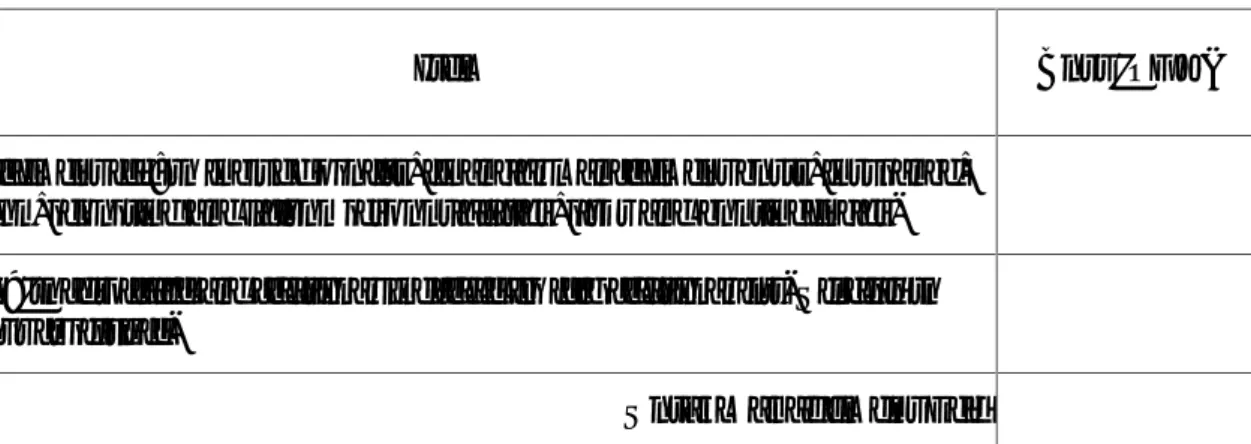
Management Fee (Table 1);
Personnel Costs (Table 2);
Travel and Other Costs (Table 3); and
Summary for ‘like-for-like’
The Financial Schedule must contain the information required and adhere to the format detailed
in this Clause.
The Financial Schedule will have three purposes:
1)
to provide information that will enable GRM to assess the value for money of the Tender;
2)
to provide information that will enable provision to be made in the Subcontractor
Agreement with the successful Tenderer for variation to the Agreement in the event that
the Project inputs are subsequently varied by DFAT either within the term of the
Agreement or to facilitate possible extension to the Agreement term; and
3)
to provide information that will facilitate subsequent negotiation of the progressive flow of
payments to the Subcontractor over the life of the Agreement.
NOTE: The Financial Schedule presented here is confined to:
Tenderer’s direct costs to provide the PCU team personnel, other costs (operation of the
PCU and hotline etc. (refer ToR). It should not present costs not directly involved in the
activity head office support staff/costs; and
This must not include the costs for the Reimbursable Costs, for example (Master Trainer
costs, Stipends, MT travel costs, training material costs, NDoE personnel travel and
associated with the performance of the FMTP TOR – see note and table below).
The Financial Schedule must include the following costs in the three tables provided below.
Management Fee
The fixed costs for delivering the services as outlined in the TOR are to be detailed in Table 1.
This consists of the items listed including relevant insurances but not limited to; professional
indemnity and workers insurance. The fixed costs are not to incorporate personnel costs or any
costs outlined in the travel and other costs table. Additional items may be added under ‘other’
with an additional line item added clearly detailing what ‘other’ includes.
Table 1 - Management Fee
Item
Cost (PGK)
Management fee; to include profits, financial management costs, insurance,
taxation, reporting and liaison responsibilities, risks and contingencies.
Other:
(to be specified and additional line added for each additional cost. Tenderer to
add rows as required.
Part 1 – Activity Specific Tender Conditions
9
Financial Management Training Program (FMTP)– Request for Tender
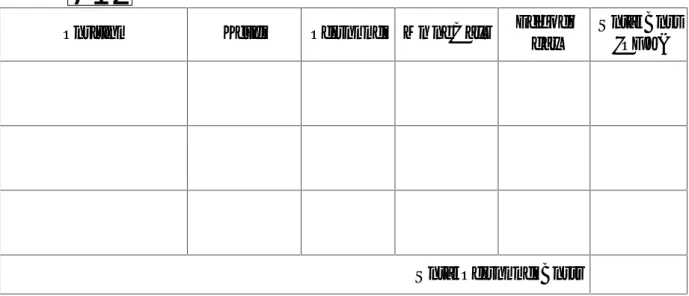
Personnel Costs
The Tenderer is to identify technical and management positions required to deliver the FMTP,
with consideration of the
proposed team structure
in the TOR. There is no limit to the
number of positions that a Tenderer may nominate in order to perform the TOR. All positions
must be costed on the number of days estimated to be required to fulfill the TOR. However,
only
five (5)
CVs are to be presented in the Technical Proposal. Positions may be either
part-time or full-part-time and may be filled by more than one person (determined by the Tenderer’s
approach/response to TOR).
Table 2 – Personnel Costs
Position
Level
Personnel No of Days
Fee per
day
Total Cost
(PGK)
Total Personnel Costs
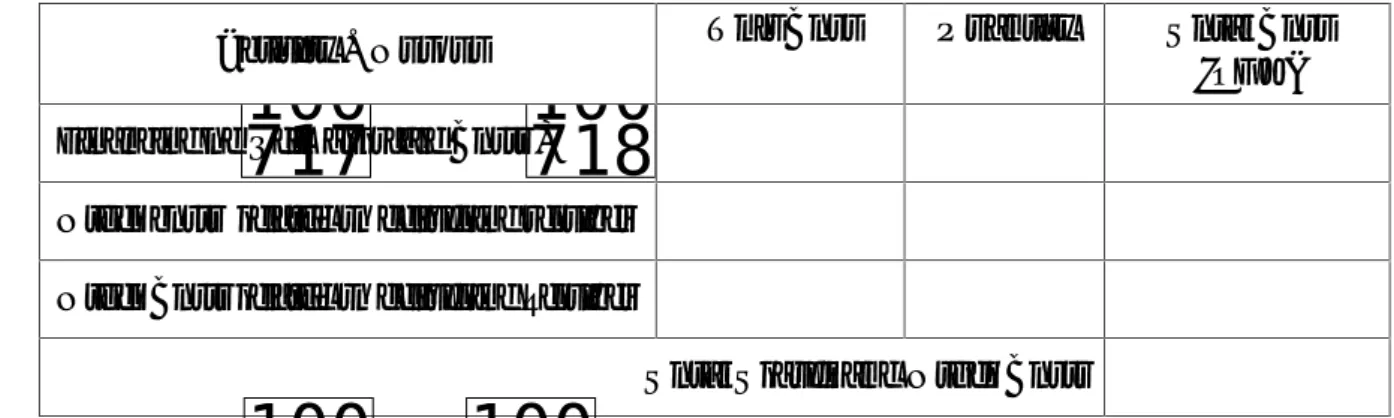
Travel and Other Costs
Tenders should estimate the travel costs associated with the Organisation’s Personnel profile
(including
conducting the services
required in the TOR). This table will also include all costs
relating to the operation of the PCU (refer TOR), ‘Hotline’ support services (Refer TOR) any
other personnel proposed by the Organisation, and other costs directly associated with
performing the TOR services. A more detailed table may be provided to support the calculations
and figures in Table 3. All items must be directly related to the Services.
Table 3 – Travel and Other Costs
Activity / Output
Unit Cost
Quantity
Total Cost
(PGK)
Airfares
Per diems (in PNG only)
Accommodation (in PNG only)
Local Travel (Car Hire)
‘PCU’ Operation Costs
‘Hotline’ Support Services (12 months)
Logistical Support Costs
Part 1 – Activity Specific Tender Conditions
10
Financial Management Training Program (FMTP)– Request for Tender
Activity / Output
Unit Cost
Quantity
Total Cost
(PGK)
Financing of ‘Reimbursable Costs’*
Other costs related to delivering services
Other Costs related to delivering Services
Total Travel and Other Costs
Summary for ‘Like-for- Like’ Assessment
The total cost from all three tables will be used in the financial assessment in determining the
value for money index.
Table 4 – Summary for ‘Like-for-Like’ Assessment
Item
Maximum Amount Payable
(PGK)
Management Fee
Insert Total Cost from Table 1
Personnel Costs
Insert Total Costs from Table 2
Travel and Other Costs
Insert Total Costs from Table 3
Total Tender Price (excluding GST)
Summary of Table 1,2 and 3
Management Fee, Personnel Costs and Travel and Other Costs will be the Fixed
IMPORTANT NOTE:
The Budget for the training activity costs is PGK7.77 million PNG
Kina (Please refer
SCHEDULE 9: INDICATIVE BUDGET OF TRAINING ACTIVITY
COSTS). This represents the budget for travel, accommodation, Master Trainer fees, and
participant costs (refer cost categories of Schedule 9).
These costs must NOT be presented in
Tables 1, 2, 3 and 4 as part of this Financial Proposal.
It is an indicative estimate of costing
for the purposes of Tenderer understanding of the scope of the training exercise. It will be the
responsibility of the Tenderer to finance, administer the Reimbursable costs in the Activity
budget and present monthly invoices for reimbursement of these costs to ECDF. The Technical
and Financial Proposal should present the capacity to administer these funds.
Required Reports and Deliverables (‘Outputs’)
Output 1: Signing of Contract
Output 2: Final, print-ready set of FMTP materials for secondary and large primary
schools signed off by the NDoE Printing contract with selected company
Output 3: Delivery note of printed FMTP materials
Output 4: Minimum requirements for Provincial Master-Trainers (PMTs) and a list of
selected PMTs (including their provincial locations and assigned districts (including
justification for the allocations)) and no. of schools/PMT
Part 1 – Activity Specific Tender Conditions
11
Financial Management Training Program (FMTP)– Request for Tender
Output 6: Standardised reporting template for reporting by PMTs
Output 7: Report on the Provincial Education Advisers (PEA) FMTP Briefing meeting
Output 8: Report on the training course for PMTs
Output 9: Report on the distribution of materials to PMTs
Output 10: Monthly reports and the calls logged on the FMTP hotline service
Output 11: Monthly FMTP monitoring reports
Output 12: Eight FMTP provincial monitoring reports
Output 13: FMTP Training Completion Report
Output 14: Report on district-based meetings to assess and score 2014 Acquittal Reports
and check Combined Cash Books and Tuition Fee Free (TFF) files
Output 15: Database of scores given to school and Technical and Vocational Education
and Training (TVET) Centres
Management Fee Payment Milestones
The Management Fee is to be paid as per the following Payment Milestones:
10% - On Contract Signing
10% - Submission and acceptance of printed FMTP materials (Output 3)
20% - Submission and Acceptance of FMTP National Training Plan (Output 5)
10% - Submission and Acceptance of Report on training course for PMTs (Output 8)
10% - Submission and Acceptance of Report on distribution of materials to PMTs (Output
9)
20% - Submission and acceptance of FMTP Training Completion Report (
Output 13
) to the
satisfaction of GRM (approved by DFAT)
10% - Submission and acceptance of Report on District-based meetings (Output 14)
10% - Submission and acceptance of Database of Scores (Output 15)
Tender Schedule B must be submitted as a separate document in PDF format and must
be clearly identified with “TENDERER’s NAME - Financial Schedule”.
Part 1 – Activity Specific Tender Conditions
12
Financial Management Training Program (FMTP)– Request for Tender
PART 1B – TENDER COVER SHEET
DETAILS OF ADVERTISED ACTIVITY
Financial Management Training Program (NDoE): Request for Tender
DETAILS OF TENDERER
NAME OF ORGANISATION:
Address for correspondence:
Email address:
Contact phone numbers: (including country
code)
Home:
Work:
Mobile:
Details of two professional referees:
Name:
Position:
Phone number:
Email address:
Name:
Position:
Phone number:
Email address:
COMPETITIVE NEUTRALITY DECLARATION
The Tenderer has complied with the principles of competitive neutrality in preparing its bid
(publicly owned Tenderers only).
And I make this solemn declaration by virtue of the
Statutory Declarations Act 1959
, and subject to
the penalties provided by that Act for the making of false statements in statutory declarations,
conscientiously believing the statements contained in this declaration to be true in every
particular.
(Signature of person making declaration)
Declared at ( ) on the ( ) day of ( 2015)
Before me, (
Title of person before whom the declaration is made
)
DECLARATION
I,
declare that the information contained in this application
is true and correct, and understand that giving false or misleading information is a serious offence.
I declare that if selected for this activity, (
insert name of organisation
) will be available to commence
work (from February 2015) for the duration of the assignment (until July 2015) as stated in the
Subcontractor Agreement and its Scope of Services / Terms of Reference.
I,
understand that the financial submission of this Tender is
an unconditional offer and fixed for the duration of the Subcontractor Agreement. Any potential
Subcontractor Agreement extension will be negotiated using the rates nominated in the financial
submission of this Tender.
Part 2 – Standard Tender Conditions
13
Financial Management Training Program (FMTP)– Request for Tender
PART 2 – STANDARD TENDER CONDITIONS
1.
If the Tenderer finds any discrepancy, error or omission in this RFT or wishes to make any
enquiry concerning this RFT, it is to notify GRM International Pty Ltd (GRM) in writing
to
[email protected]
at least ten days prior to the RFT closing date. Where appropriate,
answers to any such notices or questions will be given by GRM in the form of Addenda
and will be issued to all tenderers up until five days prior to the RFT closing date.
2.
GRM may amend the RFT at any time prior to the closing date and time, including
(without limitation) the Contract Conditions. The Tenderer may rely on no explanation or
interpretation of the RFT unless given in the form of Addenda. Such addenda will become
part of the Invitation.
3.
The information contained in this RFT is not guaranteed with respect to accuracy and
completeness and GRM accepts no responsibility for interpretations placed on the
information by Tenderers. Tenderers should submit their Tender based on their own
investigations and determinations.
4.
The Tenderer is responsible for examining the RFT and any other information relevant to
the risk, contingencies and other circumstances having an effect on its Tender which it is
responsible to obtain.
5.
GRM reserves the right before closing date and time to extend the deadline for submission
of Tenders. In the event that GRM extends the deadline for submission, it will do so in the
form of written Addenda.
6.
GRM may, in its absolute discretion, terminate or abandon the RFT process, or reject
Tenders by giving notice in writing to the Tenderers. If GRM does terminate or abandon
the process, it will not be liable for any costs, losses, expenses or damage incurred by the
Tenderer as a result of such termination or abandonment.
7.
The Tenderer is responsible for all costs incidental to the preparation and delivery of the
Tender, or any subsequent stage(s) of the procurement process, including answering any
queries and providing any further information sought by GRM.
8.
Tenderers financial schedule will be evaluated in AUD. Tenderers can submit a financial
proposal in either AUD or PGK. For tenderers submitting a financial proposal in PGK
the exchange rate of
2.1718
will be used. No other currencies will be considered.
9.
GRM reserves the right to:
a.
seek Tenders from any organisation;
b.
request clarification in relation to the Tender, or request for additional information,
to enable it to make an assessment as to the Tenderer’s technical capacity to
undertake the Activity. If the Tenderer fails to submit any information required by
GRM by the date and time stipulated, the Tender may be treated as invalid; and
c.
publish the name of any short listed bidders on the basis of the documentation
received
10. No legal obligations or agreement whatsoever is intended to be or is created between
GRM and the Tenderer by virtue of this RFT (including but not limited to statements
contained in this RFT or its Addenda) unless and until contract negotiations are completed
Part 2 – Standard Tender Conditions
14
Financial Management Training Program (FMTP)– Request for Tender
and a formal written agreement acceptable to GRM is entered into and executed by an
authorised officer of the successful Tenderers.
11. The Tenderer acknowledges and agrees that GRM, its employees, agents and advisers are
not, and will not be responsible, or liable for the accuracy or completeness of any
information contained in the RFT or any Addenda.
12. The Tenderer must warrant that it has not engaged in collusive or anti-competitive
practices with any other tenderers in the preparation of the Tender.
ELIGIBILITY CRITERIA
13. This Tender is open to applicants that fulfil the selection criteria.
14. Tenderers are expected to demonstrate current and relevant experience in delivering such
activity in PNG. Specified Team members to have in-PNG roles in the Study and Plan
development are expected to have relevant PNG experience.
LODGEMENT OF TENDERS
15. It is the responsibility of the Tenderer to ensure that the documentation is received at
GRM electronically by the closing date and time prescribed in this RFT. A Tender lodged
after the closing date and time is a late submission.
16. A late submission will normally not be considered unless it can be demonstrated by the
Tenderer that the documentation would have arrived at the tender point by the required
date and time as prescribed in this RFT. GRM may allow a late Tender to be assessed at its
absolute discretion.
17. GRM will not consider or entertain any queries about a decision to assess or reject a late
Tender.
18. Tenders are to be in English.
CONFORMING TENDER
19. The Tenderer must submit as part of the RFT process a Technical Schedule and Financial
Schedule that meets the criteria as outlined in Part 1A.
20. The Tender is to be endorsed in the form of a Tender Form as outlined in Part 1B, with
confirmation that the Tenderer has allowed in its Tender for the requirements contained in
all Addenda issued to Tenderers. Each Addendum to be identified by its number and date
of issue in the Tender Form.
21. If the Tenderer is a firm, it is to provide:
a.
the name and address of the Authorised Executive Representative;
b.
the name of the company or corporation, the address of the registered office and the
ABN / CAN; and
c.
If the Tenderer is a consortium or Joint Venture, provide the details of the
agreements with consortium partnership or joint venture.
Part 2 – Standard Tender Conditions
15
Financial Management Training Program (FMTP)– Request for Tender
ASSESSMENT
22. Tenders must comply with the requirements in this RFT. Failure to include all required
information may result in rejection of the Tender by GRM, on the basis of
non-compliance.
23. The Technical Schedule must:
indicate the Tenderer’s nominated contact person on the front page;
be in a type font of no less than 12 points;
be in a single column format; and
be ten A4 pages or less in length plus Annexes.
24. GRM’s selection process is conducted on a commercial-in-confidence basis in accordance
with Commonwealth Government and DFAT Procurement Rules. It will assess through a
TAP the merit of the Technical Schedule submitted to ensure that it meets its
requirements as set out in this RFT. The TAP will also assess the Tender having regards to
the Selection Criteria as contained in Part 1A.
25. It is GRM policy not to reveal the names of TAP members in view of confidentiality of
the TAP’s proceedings and TAP members participate on that basis. TAP members are
required not to make contact with or to discuss deliberations of the TAP with third parties.
26. GRM shall not be bound by any oral advice given or information furnished, but shall be
bound only by written advice or information.
27. GRM reserves the right, in its sole and absolute discretion, to:
require any nominated members of personnel to be available to be interviewed by
the TAP or GRM authorised personnel in order to assess their capability,
commitment and understanding of the activity;
reject any nominated team members in any Tender;
require the Tenderer to propose another team member of appropriate experience
and expertise in the team member’s place if any nominated team members are
rejected;
take into account in assessing Tenders, past performance of the Tenderer and
nominated personnel members:
a)
as a contractor, consultant or subcontractor on previous projects;
b)
as an associate of a contractor, consultant or subcontractor or as a joint
venture partner on previous projects; and
seek reference from third parties in respect of the Tenderer’s previous projects or
contracts and to take these references into account in the Tender assessment.
ACCEPTANCE
28. GRM is not bound or required to accept any Tender.
29. Tenderers may be required to provide certification to GRM that it has satisfactory financial
management and control systems with the capability to administer any claim for payment,
reimbursement or expenditure acquittal.
30. GRM may reject a Tenderer and consider others, in circumstances where, upon accepting a
Tender and during the contract negotiation / finalisation period:
Part 2 – Standard Tender Conditions
16
Financial Management Training Program (FMTP)– Request for Tender
key members of the nominated team are withdrawn or substituted; or
the preferred Tenderer and GRM fail to agree on modifications or later alterations to
the scope of the Tender to meet GRM specific requirements.
FURTHER REQUIREMENTS
31. If intending to lodge a Tender on the basis of a joint venture, the Tenderer must include
detailed information on the joint venture and the manner in which it will meet the selection
criteria.
COMPETITIVE NEUTRALITY
32. Competitive neutrality requires that government business activities do not have net
competitive advantages over their private sector competitors simply as a result if their public
ownership. Publicly owned bidders are required to formally declare that their bid complies
with competitive neutrality principles. These principles include:
the activity’s full costs like depreciation and costs of capital;
any in-house activity does not enjoy regulatory advantages;
actual, or equivalent, taxation arrangements are put in place; and
there is an appropriate rate of return.
Tenderers are responsible to ensure they meet the Competitive Neutrality principles if they
apply to the Tenderer. More information on the application of competitive neutrality can be
found at the following internet web site at
http://www.dofa.gov.au
and
http://treasury.gov.au
.
ENQUIRIES
33. All enquiries must be directed to the following email address in writing:
[email protected].
Thank you for your interest in this Tender. We look forward to a rewarding and successful
working relationship with the successful tender.
PART 3 – TERMS OF REFERENCE
PART 3 – TERMS OF REFERENCE
Terms of Reference
Financial Management Training Program (FMTP) for schools
Part A: Financial management training for elementary, primary and secondary schools
and TVET Centres; and
Part B: Collection, review, analysis and reporting of 2014 Acquittal Reports
1.
BACKGROUND AND DESCRIPTION OF FMTP SERVICES
1.1 Background
In January 2012, the Government of Papua New Guinea’s (GoPNG) launched the Tuition Fee
Free (TFF) Subsidy Policy to improve access to quality education for children across the country.
To support the successful implementation of the TFF policy the National Department of
Education (NDoE) developed, printed and distributed a practical TFF Management Manual
explaining important information about the TFF policy, and how TFF money should be
managed and accounted for.
To ensure that schools understood the information listed in the TFF Management Manual the
NDoE established a partnership with Church Education Agencies to train Head-teachers,
Teachers in Charge (TIC) and Board of Management Chairs from all elementary and primary
schools (both Church and government) in PNG. The overall aim of this national training
program was to train Head-teachers, TICs and BOM Chairs in the content of the manual and on
how to manage and account for TFF money (see the TFF Management Manual, NDoE 2012).
To better understand how schools were managing TFF funds the NDoE sent out teams of
officers in 2012 to 10 provinces across the country. The NDoE monitoring team visited 687
elementary and primary schools across the 10 target provinces. Analysis of the findings from this
exercise found a number of serious problems in the management of TFF funds in elementary
schools, such as:
a large number of schools – 39 per cent – were found to have very poor TFF document
management, with no dedicated file in use. In many schools the relevant documents were
scattered about in different folders and locations making tracking how TFF funds had
been spent very difficult;
13 per cent of primary schools did not have a school budget, compared to 28 per cent for
elementary schools;
a large number of schools – 44 per cent – had weak financial management as they were not
using a school budget to guide decisions on the use of TFF funds;
schools performed poorly when it came to recording TFF expenditure transactions in a
Combined Cash Book (CCB) or similar document – only 52 per cent of schools visited
had listed the transaction correctly in a CCB; and
more than one-third of schools visited – 36 per cent – were given a Fail mark in correctly
managing and accounting for TFF funds.
PART 3 – TERMS OF REFERENCE
Based on these findings the report recommended implementation of a national training program
to train the following target groups in basic financial management:
all HTs and BOM Treasurers from all elementary and primary schools;
all Principals and Deputies from TVET Centres; and
all Principals and Bursars from secondary schools.
The report also listed a series of Results Targets to be achieved following the financial management
training. These are listed below:
85% of schools have a bank statements showing 2013 TFF payments (Baseline (BL) = 59%);
100% of schools visited have a dedicated file with TFF documents (BL = 61%);
100% of schools visited have held meetings with P&C embers to discuss TFF funds (BL =
80%);
80% of schools visited have a SLIP (BL = 69%);
90% of schools visited have a school budget (BL = 60%);
80% of schools visited have followed their school budget (BL = 56%);
100% of schools visited have quotations for the two largest expenditure items (BL = 86%);
100% of schools visited have receipts for the two largest expenditure items (BL = 89%);
90% of schools visited have recorded the two largest expenditure items correctly in their
Combined Cash Book (BL = 52%); and
80% of schools visited are awarded a Pass Mark through a Rapid Audit of TFF funds (BL
= 64%).
The following Scope of Work outlines how the national Financial Management Training Program
(FMTP) for the above target groups will be implemented.
1.2 Description of FMTP services
The FMTP for schools will comprise three main parts:
1)
Training on financial management for schools;
2)
Collection review and analysis of 2014 School Acquittal Reports; and,
3)
Establishment and management of an information and advisory support telephone hotline
for 12 months (to end June 2016).
1)
Training on financial management for all schools and TVET Centers
This part will involve training 2 people from each school and TVET Centre in PNG for
three full training days (i.e. 8am to 4pm) in the FMTP materials.
2)
Collection, review, analysis of 2014 School Acquittal Reports
This part will involve district-based collection, analysis and feedback to schools on their
2014 Acquittal Reports from all schools and TVET Centres following their training in
financial management. The main findings from this review will be collected and then listed
in a national Performance Measurement Database.
3)
Information and advisory support telephone hotline
This part will involve the establishment of a simple telephone hotline that is staffed by one
or two operators in Port Moresby. The assigned staff will provide advice and support to
those who have been trained with any questions they have about the financial management
training or the completion of their 2014 Acquittal Report.
PART 3 – TERMS OF REFERENCE
2.0 OBJECTIVES OF THE FMTP SERVICES REQUIRED
Below are the three main objectives for the FMTP.
1)
To implement the national FMTP (using the NDoE package of training materials) for all
HTs and BOM Treasurers from all elementary and primary schools; all Principals and
Deputies from TVET Centres; and, all Principals and Bursars from secondary schools;
2)
To collect, review and analyse 2014 School Acquittal Reports from all elementary and
primary schools, TVET Centres,and secondary schools; and
3)
To establish and successfully manage an information and advisory support telephone
hotline for 12 months for the national FMTP.
3.
SCOPE OF FMTP SERVICES
The ECDF (NDoE) would like to contract an Organisation to provide the following FMTP
Coordination services:
Part A: Training on financial management for all schools and TVET Centres
1)
Establish a FMTP Project Coordination Unit (PCU) within the NDoE
The contracted organisation will be required to establish a dedicated team (technical and
management) based in Port Moresby who can closely liaise with NDoE officers to successfully
implement the FMTP. (Note: other locations may be considered if appropriate communication
and meeting protocols are established).
Note:
Attention should be paid to establishing a lean, efficient and cost-effective team for the
PCU.
Note:
The Tendering Organisation must provide the costing (In Table 2) of the Financial
proposal for the personnel proposed to perform this service and all other personnel the
Organisation is proposing to support the operation of this Unit.
2)
Print the FMTP materials
Meet with NDoE officers to agree on the specifications for printing the FMTP materials. Secure
3 quotations from reputable printing companies in POM to print the materials. With NDoE
officers, assess the quotations and choose a company to print the FMTP materials. Contract the
selected printing company to print the materials. (Note: the print-ready set of materials has
already been prepared. Any additional pre-printing design elements should be minimal).
Note:
K200,000 is estimated for the printing of the FMTP materials (Reimbursable costs not to
be included in Financial Proposal).
Output 1: Final, print-ready set of FMTP materials for secondary and large primary
schools signed off by the NDoE (already completed)
Output 2: Printing contract with selected company
Output 3: Delivery note of printed FMTP materials
3)
Identify Provincial Master-trainers (PMTs)
Meet with NDoE officers to get a list of all schools and TVET Centres in PNG. Based on the
number of schools in each district, as well as other factors, such as remoteness, identify
65
Provincial Master-trainers (PMTs
) and assign them to the 89 districts. PMTs must be based in
PART 3 – TERMS OF REFERENCE
provincial towns in order to reduce costs. PMTs can also be from towns based at the
sub-provincial level, e.g. district towns/centres.
PMTs must have the skills and experience to be effective Master-trainers. PMTs assigned to
remote districts must be physically able to undertake training in these locations. PMTs should
know the main local language where they currently reside.
Draft and submit the minimum requirements for PMTs to NDoE officers for their agreement.
Output 4: Minimum requirements for PMTs and a list of selected PMTs (including their
provincial locations and assigned districts, including justification for the allocations) and
no. of schools/PMT
4)
Develop a detailed FMTP National Training Plan for undertaking 3-day sub-district
training courses in all districts to reach all schools/centres
The FMTP will be rolled out at two levels:
a)
Level 1 = Provincial town-based training courses for secondary school Principals and
bursars and Head-teachers and BOM Treasures from
top-performing/large/urban/peri-urban primary schools (i.e. using computers for financial management); and,
b)
Level 2 = Sub-district training courses for Head-teachers and BOM Treasures from
elementary and primary schools, and Principals and Deputies from TVET Centres.
Level 1 training
The FMTP for Level 1 will be implemented for all 212 secondary schools and for an estimated
110 top-performing primary schools (5 per province). This training will be for two days.
Level 2 training
The FMTP will be rolled out nationally using a cluster approach. Each district will be divided into
training clusters. Schools will be clustered by physical proximity. The maximum cluster size will be
20 schools/Centres which will mean there will be 40 participants attending the course (two from
each school/TVET Centre).
From each school 2 people will be trained for 3 full training days (i.e. 8 to 4pm).
From each school/centre the HT or Principal will be trained plus the BOM Treasurer or school
bursar or a delegated staff member responsible for managing school finances. To ensure quality
training there can be no more than 40 people attending one 3-day FMTP training course.
Based on the above information draft a detailed FMTP National Training Plan covering Levels 1
and 2. Consult with NDoE officers to get their input and approval on the plan.
Note:
One Provincial Division of Education officer will accompany the PMT to each cluster
Level 1 FMTP course. This will build the capacity of district officers in the content of the
training course.
One district officer (either a District Education Adviser, District Standards and Guidance officer
or Elementary Trainer) will accompany the PMT to each cluster Level 2 FMTP course. This will
build the capacity of district officers in coordinating training events of this nature, as well as the
content of the training course.
PART 3 – TERMS OF REFERENCE
5)
Develop a standardised reporting template for PMTs to report results and
acquittals relating to FMTP training course costs
Develop a standardised reporting template for PMTs to report results and acquittals relating to
the FMTP training courses held in each district. This document can be based on the existing
reporting template developed by the NDoE. Meet with NDoE officers to get feedback on the
standardised reporting template for PMTs.
Output 6: Standardised reporting template for reporting by PMTs
6)
Organise and Conduct a two-day meeting in POM with all PEAs to brief them on
all aspects of the FMTP – Parts A, B and C
Meet with NDoE officials to get the latest list of PEA names for all provinces. Draft invitation
letters, and get the NDoE required signatures, then inform all PEAs. Undertake the full logistics
for holding the two-day briefing meeting with PEAs in POM, including all flights,
accommodation, lunches and teas (two days), conference hire and the Travel Allowances (TA).
Budget the TA at a rate of K200/day for each PEA/day of the meeting, plus K100/day for
travel in and out. List TA for 5 NDoE officers at K86/day for two days. Draft a report on the
PEAs FMTP Briefing meeting. (Note: 4 regional standards officers to also be included as above).
(Reimbursable Costs – Refer Schedule 9).
Output 7: Report on the PEAs FMTP Briefing meeting
7)
Conduct a 5-day training course for PMTs in the FMTP materials
Identify the most cost-effective method to train PMTs in a 5-day course on the FMTP materials,
for example in POM or through regional training courses – one in each region. Hold a training
course or courses and train PMTs. Draft a report on the training course for PMTs.
Note:
The training course for PMTs must include at least one training day focused on adult
training methods and skills. Four full days must be focused on the FMTP materials, reporting and
implementation of sub-district training courses.
Output 8: Report on the training course for PMTs
8)
Distribute the FMTP materials to PMTs through PNG Post
Organise and pack sets of FMTP materials for each PMT. The NDoE has determined that the
most cost-effective way to deliver training materials to PMTs is through PNG Post.
Each participant of the FMTP course will be given a set of materials to hand out to each participant
attending the 3-day training courses at sub-district levels, such as: (i) TFF Policy; (ii) Financial
Management Manual; and, (iii) Financial Management Workbook. So these materials will need to
be sent in advance of the training courses to PMTs. Then PMTs will issue them at each training
course they hold. Draft a report on the distribution of materials to PMTs.
Note:
Estimated cost of K200,000 for shipping FMTP materials to PMTs (Reimbursable Costs).
Note:
Travel budgets developed for PMTs to districts and training venues will need to include
costs of transporting the sets of documents for each participant that they will train. Beyond the
K200,000 for PNG Post. (Reimbursable Costs refer Schedule 9).
Note:
At each training course at the sub-district level PMTs will give the electronic versions of
all FMTP documents to those participants who have access to a computer. These documents will
PART 3 – TERMS OF REFERENCE
also be given to all district officials, regardless of whether or not they attend the sub-national
training courses.
Note:
The training materials for the Level 1 FMTP courses will be given out in hard and soft
copies. In the training participants will be expected to bring a laptop to use during the training.
In addition, the NDoE will be able to provide some additional laptops.
Output 9: Report on the distribution of materials to PMTs
9)
Establish and operationalize a telephone-based hotline to receive and address
questions from participants who attended 3-day FMTP courses
Establish a small two-person team to staff a simple, but effective telephone hotline/call centre to
receive and respond to questions that schools have on any issue relating to the FMTP training
course or submission of their 2014 Acquittal Reports.
Output 10: Monthly reports and the calls logged on the FMTP hotline service
10) Hold cluster-level (sub-district) three-day training FMTP courses for schools and
TVET Centres in all districts
Implement the training FMTP National Training Plan to ensure that all schools attend quality
3-day training courses on financial management.
Provide monthly reports to the NDoE on progress, including summaries of feedback/results from
participants who attended the training as listed in their completed Training Course Evaluation
Reports. Actively supervise the work of PMTs. Ensure that all the required documentation is
collected from each training course such as signed attendance registers with correct contact details,
signatures for TA given to each participant, and receipts for all expenditures etc.
Note:
In your financial proposal include costs for one district officer or standards officer to go
with each PMT to undertake each FMTP course.
Note:
In your financial proposal accommodation for PMTs will be for free in the schools where
FMTP course are held.
Output 11: Monthly FMTP monitoring reports
11) Undertake monitoring of cluster-level (sub-district) three-day training FMTP
courses for schools and TVET Centres in 20 districts
Draft a monitoring plan and monitoring tools and basic guidelines for 8 teams of NDoE officers
and PEAs to undertake monitoring trips to 3 districts in each province. Each monitoring trip will
be for 6 days – travel on Sunday – 5 days visiting training courses, and returning on Saturday or
Sunday.
Liaise with selected NDoE FMTP monitoring officers to collect quality monitoring reports.
Output 12: Eight FMTP provincial monitoring reports
Note:
In your financial proposal include all costs for one PEA and one NDoE officer to travel to
each of the 8 provinces to undertake monitoring of the 3-day training courses. Make assumptions
for travel and accommodation costs. TA costs are set at K200/day for NDoE officers and
K86/day for PEAs (Reimbursable Costs – Refer Schedule 9).
PART 3 – TERMS OF REFERENCE
12) Analysis of PMTs Training reports and submission of a final completion report
Undertake analysis of all of the data submitted by PMTs in their standardised reporting templates
and then list in a detailed and comprehensive FMTP Training Completion Report.
Output 13: FMTP Training Completion Report
Part B: Collection, review, analysis and reporting of 2014 Acquittal Reports
(1) Hold meetings in each district to assess and score 2014 Acquittal Reports and check
Combined Cash Books and TFF files
One or more months after completion of the FMTP training program for schools and centres
PMTs will work with district education officers (DEA, Elem. Trainer, S&G officer) to hold
district-based meetings with HTs from elementary and primary schools and TVET Centre
Principals to review, assess and score submitted 2014 Acquittal Reports and check updated
Combined Cash Books (CCB) and TFF files. In addition, at these meetings PMTs and district
education officials will give immediate feedback to HTs and Principals regarding their 2014
Acquittal Report, CCB and TFF file.
The overall aim of these meetings are to: (i) give feedback to HTs and Principals on how well
they have done in completing their 2014 Acquittal Report and updating their CCB, and
managing their TFF file; (ii) collect feedback on the extent to which HTs and Principals have
applied what they learnt in the FMTP courses; and, (iii) document the performance scores
awarded to schools.
Note:
Prior to the holding of cluster-level (sub-district) three-day training courses for schools
and TVET Centres a Workplan must be submitted to the NDoE listing the dates and locations
for the district-based meetings to meet HTs and Principals. Once this Workplan is approved
then the dates and meeting locations in each district can be communicated to HTs and Principals
at each FMTP course.
The PMTs and district officials will follow a standardised guideline and checklist for assessing
and scoring the documents submitted by each school/TVET Centre.
Following the district-based meetings the scores given to schools/centres will be entered onto a
simple database and then written-up in a report.
Output 14: Report on district-based meetings to assess and score 2014 Acquittal Reports
and check Combined Cash Books and TFF files
Output 15: Database of scores given to school and TVET Centres
4.
REPORTS AND TIME SCHEDULES
The aim of the FMTP contract is to complete the FMTP training courses for schools and TVET
Centres within the shortest, most reasonable time possible. However, the NDoE does not want
to rush the training and undermine quality training.
Assume in your proposal that there are 10,000 elementary, primary and TVET Centres in PNG.
Companies will not be given a list of schools prior to submitting their tender documents.
Therefore, each company must list a unit cost in their financial proposal for a training course to
be undertaken in accessible districts, remote districts and very remote districts.
PART 3 – TERMS OF REFERENCE
For accessible and remote districts assume 20 schools in one course = 40 participants. For very
remote district assume 10 schools in one course = 20 participants.
Then using your unit cost calculations you can make an estimate of number of categories of
training courses to be held in the 89 districts.
e.g. District X assumed to have 125 schools – 20 very remote schools, 60 remote schools and 45
accessible schools. From these assumptions the budget for holding the training course can be
determined.
If Tenderers are making assumptions in their budget then list them in a key or a notes section in
the budget so it is clear.
Contract PMTs for the time needed to successfully implement the FMTP for schools and TVET
Centres.
4.1 Required reports and deliverables
Output 1: Final, print-ready set of FMTP materials for secondary and large primary schools
signed off by the NDoE;
Output 2: Printing contract with selected company;
Output 3: Delivery note of printed FMTP materials;
Output 4: Minimum requirements for PMTs and a list of selected PMTs (including their
provincial locations and assigned districts (including justification for the allocations)) and
no. of schools/PMT;
Output 5: FMTP National Training Plan;
Output 6: Standardised reporting template for reporting by PMTs;
Output 7: Report on the PEAs FMTP Briefing meeting;
Output 8: Report on the training course for PMTs;
Output 9: Report on the distribution of materials to PMTs;
Output 10: Monthly reports and the calls logged on the FMTP hotline service;
Output 11: Monthly FMTP monitoring reports;
Output 12: Eight FMTP provincial monitoring reports;
Output 13: FMTP Training Completion Report;
Output 14: Report on district-based meetings to assess and score 2014 Acquittal Reports
and check Combined Cash Books and TFF files; and
Output 15: Database of scores given to school and TVET Centres.
5.
CONTRACT STRUCTURE
The Contractor selected to undertake this study will be paid and per the RFT conditions as
specified by GRM International.
6.
MATERIALS COPYRIGHTS
The Contractor will not have the right to publish or use any of the materials developed under
this contract for their own future use. The Australian Government will own and have the full
copyrights of all materials developed under this contract.
PART 3 – TERMS OF REFERENCE
7.
INDICATIVE WORK PROGRAM AND LOCATIONS
The Contractor will be required to list a detailed work program outlining the achievement of the
above-listed reports and deliverables.
PART 4 – SUBCONTRACTOR AGREEMENT
SUBCONTRACTOR AGREEMENT
Between
<<GRM INTERNATIONAL PTY LTD ABN 23 010 020 201 OR ENTITY ON HEAD CONTRACT, IF
DIFFERENT>>
And
<<INSERT SUBCONTRACTOR NAME>>
Project Name/Number:
Subcontractor Company Name:
ABN/Company No./Registration No.
Subcontractor’s Address:
Name of Subcontractor’s Representative:
Phone:
Mobile Phone:
Email Address:
Term/period of Agreement:
Commencement Date:
Completion Date:
Client:
Project Location:
Team Leader
Project Manager:
Project Director/Senior Manager in
Charge:
PART 4 – SUBCONTRACTOR AGREEMENT
SUBCONTRACTOR AGREEMENT
This Subcontractor Agreement (“Agreement”) is entered into on <<insert date here when both parties have signed>> by and between:
<<GRM INTERNATIONAL PTY LIMITED ABN 23 010 020 201 or entity on Head Contract, if different >>having its office at Level 6, 444 Queen Street, Brisbane QLD 4000 (“Company”).
And
<<Name of subcontractor company in bold>><<insert ABN if Australian Company/Company No./Registration No.>> having its office at <<insert address>> (“the Subcontractor”).
The Company and the Subcontractor will be referred to in this Agreement individually as “party” and collectively as the “parties”
BACKGROUND
1. The Company is an international project management and consultancy company that provides technical systems and project management.
2. The Company has entered into a head contract (“Head Contract”) with the Client (as described in Schedule A and the Cover Sheet to this Agreement) for the implementation of the project described in Schedule A and the Cover Sheet to this Agreement (“Project”). 3. The Company has decided to engage the Subcontractor to carry out certain services as part
of the Project.
4. The Subcontractor has represented that it has the necessary expertise and skills to assist the Company.
5. The Company has agreed to engage the Subcontractor to provide the services required by it, and the Subcontractor has agreed to provide the services as defined in this Agreement and on the terms and conditions of this Agreement as follows:
1. Schedules and Definitions
1.1 Attached to and forming part of this Agreement are the following: (a) Schedule A - Project Specific Provisions;
(b) Schedule B - Basis of Payment; and
(c) Schedule C - Documents, Policies and Procedures.
(d) Schedule D - Extract from Head Contract between GRM International and the Department of Foreign Affairs and Trade (DFAT) on Project specific contract conditions to be abided by.