Original Research Article.
Awareness of Dental Interns in Managing Cases of Pregnant Women at
DUHS, Karachi
Fatima Mushtaq
1*, Besalat Hussain
1, Asma Sehar Ansari
2, Naima Javed
11Dental Intern, 2MDS BDS Oral Biology Department,
Dr Ishrat ul Ebad Institute of Oral Health Sciences, Dow University of Health Sciences, Karachi, Pakistan. ABSTRACT
Introduction: Dental interns need to be trained in managing cases of every aspect. Pregnant patients are commonly seen in dental OPD and therefore it is imperative for interns to have sufficient knowledge and understanding in treating these cases. The aim of this study was to objectify dental interns’
knowledge in managing pregnant women cases in dental OPD.
Methods: A survey, using 14 items containing questionnaire was conducted in all dental institutes of Dow University of Health Sciences which includes Dr. Ishrat ul Ebad Khan Institute of Oral Health Sciences (DIKIOHS), Dow Dental College (DDC) and Dow International Dental College (DIDC), Karachi. Dental interns were the study population included in this survey.
Results: 250 interns responded to the survey among which 81(32.4%) were male and 169(67.6%) were female. Results show that 68% of interns are of the view that they do not have sufficient knowledge to treat a pregnant women patient. 83.2% suggest that only dental emergencies should be treated delaying all other treatments till after delivery. Information regarding safety of medications, anesthesia, and x rays were also gathered through this survey.
Conclusion: These findings accentuate the need to improve the knowledge and practice of dental management of pregnant women.
Key Words: Pregnancy, Oral Health, Awareness, Management.
*Correspondence to:
Fatima Mushtaq,
Dental Intern,
Dr Ishrat ul Ebad Institute of Oral Health Sciences, Dow University of Health Sciences (DUHS), Karachi, Pakistan.
Email: [email protected]
Article History:
Received: 18-10-2017, Revised: 11-11-2017, Accepted: 15-01-2018
Access this article online Website:
www.ijmrp.com
Quick Response code
DOI:
10.21276/ijmrp.2018.4.1.042
INTRODUCTION
Gestational period is associated with physiologic changes in respiratory, cardiovascular, hematologic, gastrointestinal and oro-facial system.1 Oral cavity is also subject to a number of local
physical changes. These changes are due to increased hormonal secretion and growth of fetus. It is found that during pregnancy the risk of dental caries rises up to 1.97 times compared to non-pregnant women.2
Risk of Periodontal disease increases, among which more commonly gingival hyperplasia, gingivitis, periodontitis, pyogenic granuloma and various salivary alterations are seen.3 High level of
estrogen hormone during pregnancy has strong association with increased risk of gingivitis and gingival hyperplasia whereas progesterone is linked with melasma, bilateral brown patches or pigmentation in mid face region.4 Changes due to hormonal
disturbances abates with good health hygiene and dental care or regress after postpartum period.
Periodontitis on the other hand, have adverse pregnancy outcomes such as low birth weight, pre term birth, preeclampsia, and even miscarriages. Recent studies reported that maternal
periodontal disease may be a sole contributor to abnormal pregnancy outcomes.5
Thus, the dental management of pregnant patient requires special
care according to patients’ needs and requirement. Dentist may
have to delay certain elective procedures or need to alter their normal pharmacological armamentarium to reach the patients’ needs versus the fetal demands. Patients’ education is a very
important tool to help them treat their condition therefore dentists should recommend seeking oral health counseling and examination as soon as they learn that they are pregnant. Researches show that over 50% of the pregnant patients suffer from gingival diseases.5 Incompetency in timely management of
patients further aggravates the risk of unhealthy oral findings during pregnancy phase.6
in dental clinic. Therefor the said research was carried out with following objectives to assess the knowledge of dental interns on the subject of management of pregnant patients at DUHS, Karachi and to evaluate the awareness of dental interns in managing cases of a pregnant patient.
METHODS
This research is a Cross sectional Survey envisioned weighing the awareness and knowledge of dental interns in terms of providing treatment to pregnant patients in attainment of ideal treatment results. The study sample encompassed 250 male and female Dental interns and students at DUHS which includes 100 Under-
Graduates, 100 Graduates and 50 Post Graduates. Sampling method was a Research based printed Questionnaire filled by interns with due consent.
Inclusion Criteria was all dental students of DUHS falling under the qualification category of under graduate, graduate and post graduate including both males and females. Out of 250 students, 81 (32.4%) were males while 169 (67.6%) were females who participated in the research survey. The results obtained were assessed using SPSS version 16.0 and data is presented in the form of graphs and tables. The results were presented in term of frequencies. The chi square was used to find the association among the level of qualification, gender and knowledge.
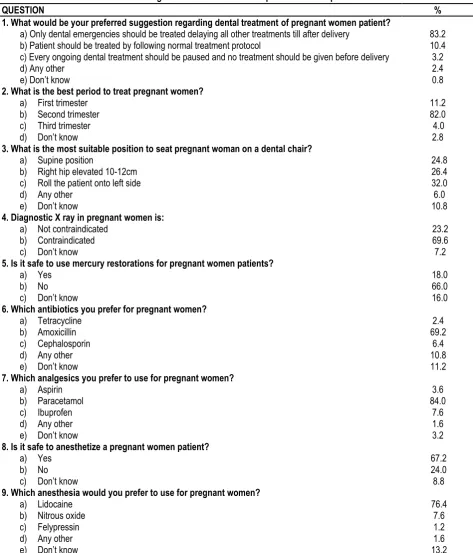
Table 1: Percentage distribution of selected options from the questionnaire
QUESTION %
1. What would be your preferred suggestion regarding dental treatment of pregnant women patient?
a) Only dental emergencies should be treated delaying all other treatments till after delivery 83.2
b) Patient should be treated by following normal treatment protocol 10.4
c) Every ongoing dental treatment should be paused and no treatment should be given before delivery 3.2
d) Any other 2.4
e) Don’t know 0.8
2. What is the best period to treat pregnant women?
a) First trimester 11.2
b) Second trimester 82.0
c) Third trimester 4.0
d) Don’t know 2.8
3. What is the most suitable position to seat pregnant woman on a dental chair?
a) Supine position 24.8
b) Right hip elevated 10-12cm 26.4
c) Roll the patient onto left side 32.0
d) Any other 6.0
e) Don’t know 10.8
4. Diagnostic X ray in pregnant women is:
a) Not contraindicated 23.2
b) Contraindicated 69.6
c) Don’t know 7.2
5. Is it safe to use mercury restorations for pregnant women patients?
a) Yes 18.0
b) No 66.0
c) Don’t know 16.0
6. Which antibiotics you prefer for pregnant women?
a) Tetracycline 2.4
b) Amoxicillin 69.2
c) Cephalosporin 6.4
d) Any other 10.8
e) Don’t know 11.2
7. Which analgesics you prefer to use for pregnant women?
a) Aspirin 3.6
b) Paracetamol 84.0
c) Ibuprofen 7.6
d) Any other 1.6
e) Don’t know 3.2
8. Is it safe to anesthetize a pregnant women patient?
a) Yes 67.2
b) No 24.0
c) Don’t know 8.8
9. Which anesthesia would you prefer to use for pregnant women?
a) Lidocaine 76.4
b) Nitrous oxide 7.6
c) Felypressin 1.2
d) Any other 1.6
10. For pregnant women patients, is it safe to use topical agents like fluoride, xylitol?
a) Yes 72.0
b) No 18.0
c) Don’t know 10.0
11. What is the most common oral complication found in pregnant women patient?
a) Erosion 2.8
b) Dental caries 3.6
c) Gingival diseases 93.6
d) Any other -
e) Don’t know -
12. Pregnancy gingivitis can most commonly be treated by
a) Increased hygiene and cleaning 80.8
b) Antibiotics 3.6
c) Self-limiting 13.2
d) Any other 0.8
e) Don’t know 1.6
13. Periodontal disease during pregnancy may lead to
a) Excessive oral swelling 52.4
b) Preterm low weight baby 32.0
c) Teratogenic defects 5.2
d) Any other 3.6
e) Don’t know 6.8
14. Do you think you have enough knowledge to treat a pregnant women patient?
a) Yes, it is sufficient 24.8
b) No, it is not sufficient 68.0
c) I don’t know 7.2
RESULTS
Dental interns and postgraduates were asked about suggestion they are inclined to regarding dental treatment of pregnant women
patient. (83.2%) of them said “only dental emergencies should be
treated delaying all other treatments till after delivery” while (10.4%) were of the opinion that “patient should be treated by following normal treatment protocol” whereas only (3.2%) of them said “every ongoing dental treatment should be paused and no treatment should be given before delivery”. (Table 1)
One of the key objectives of this study was to assess the dental
interns’ knowledge and we specifically asked about the best
period to treat pregnant women. Most of them answered that the second trimester is the best period to treat pregnant women (82.0%) while only (11.2%) of them said first trimester as preferred period for treatment. (Table 1)
Regarding the most suitable position for pregnant women in dental
clinic, (24.8%) of them said ‘‘flat on her back (supine position)’’, (26.4%) of them said ‘‘placing a small pillow under the woman’s right hip’’, (32.0%) of them said “roll the patient onto left side”
while (10.8%) of them did not know the most suitable position for pregnant women. When asked about diagnostic x ray in pregnant
women, (23.2%) of them said ‘‘not contraindicated’’, (69.6%) said ‘‘contraindicated’’, while (7.2%) simply did not know. (Table 1)
Regarding the safety of using mercury restorations, (18%) of them
said ‘‘it is safe to use it’’, (66%) of them said ‘‘it is not safe’’, while
(16%) of them simply did not know.
As an antibiotic of choice for pregnant women, most dental interns chose amoxicillin (69.2%) and paracetamol (84%) as an analgesic of choice. (Table 1)
Regarding the safety to use anesthesia, (67.2%) of them said “yes it is safe to use” and Lidocaine is a preferred anesthesia said by
(76.4%) of the dental interns. (Table 1)
Dental hygiene being the primary concern, it was asked about the use of topical agents like fluoride, xylitol where (72.0%) of them
said “yes” it is safe to use as it helps maintain proper oral health.
(Table 1)
Most of them answered that the most common oral manifestation in pregnant women is gingival inflammation (93.6%) and proper maintenance of hygiene is the most common treatment (80.8) to regress the pregnancy gingivitis. (Table 1)
Periodontal disease during pregnancy was found to produce excessive inflammation (52.4%) whereas (32.0%) of them said it
leads to “preterm low weight baby” and (6.8%) of them did not
know. (Table 1)
A question was asked in order to assess knowledge of dental interns at DUHS, (68.0%) of them said they do not have sufficient knowledge and only (24.8%) of them said they have sufficient knowledge.
DISCUSSION
The prime responsibility of a dentist is to provide care and
treatment according to patients’ physiologic state. Same way,
pregnant patients require special treatment plan. Mostly observed in dental clinics is that patients and dentist are often avoiding treatment for oral health problems during pregnancy. This presents 10 fold greater risks of perinatal mortality rates in Pakistan than in developed countries due to periodontal disease. It is lack of clinical awareness among practitioners for the prevention and management of common oral conditions found during pregnancy
According to survey at Dow University, dentist (82%) suggest second trimester as the safest time for dental treatment and 11.2% suggest first trimester to be safe, 2.8% had no idea about it (figure1). Researches show that the second and third trimesters are ideal because of greater stability, due to the small risk of miscarriage or premature delivery.13 Drugs and radiographs
first trimester of pregnancy.14 Morning appointments should be
avoided as chances of nausea aggravates.
In the survey conducted, 32% suggested rolling the patient onto left side and 26.4% dental interns suggested elevating right hip 10-12cm (figure 7). In a similar study, it was found that 61.8%
dental interns said ‘placing a pillow under a women’s right hip’ is
the correct position to treat a pregnant patient (9). This is the safest
position so as to reduce chances of emergencies in dental chair like supine hypotensive syndrome, reducing pressure on vena cava.
While taking radiograph of a pregnant patient adequate shielding and protection must be given all the time. The exposure of any radiographic films required for management of the pregnant patient in should not place the fetus at risk.11
Regarding diagnostic X ray, 23.2% dental interns were of
the opinion that it is ‘not contraindicated’ for pregnant patients while 69.6% (figure 2) said that it is ‘contraindicated’ compared to
another study9, results found were total opposite. 63.8% of them
said “no problem with that”, 27% said “it can causea problem”.9 In
view of current evidence, dental radiograph is not harmful for child bearing women. Safety lies in the amount of radiation patient is being exposed to.10 The use of dental amalgam is controversial
because it releases mercury which may lead to congenital malformations.12
Recent data confirms that amount of mercury release is well below the toxic level and no evidence linking mercury use and birth defects found, but precaution is recommended while using amalgam restorations. In the survey conducted, interns were asked whether is it safe to use mercury restorations for pregnant
women where 66% said ‘No’ while only 18% said ‘Yes’ it is safe to use and 16% of dental interns were not sure about the use of mercury restorations (figure 3). In contrast to a study9, where
most of the students said that ‘it is safe to use it’ and only a
few said ‘it is not safe’.
Figure 1: Best period to treat pregnant women Figure 2: Diagnostic X ray in pregnant women
Figure 3: Is it safe to use mercury restorations Figure 4 Is it safe to anesthetize a pregnant patient
0% 10% 20% 30% 40% 50% 60% 70% 80% 90%
Good Average Poor
Male Female
0% 10% 20% 30% 40% 50% 60% 70% 80%
Good Average Poor
Male Female
0% 10% 20% 30% 40% 50% 60% 70% 80%
Good Average Poor
Male Female
0.00% 10.00% 20.00% 30.00% 40.00% 50.00% 60.00% 70.00% 80.00% 90.00%
Good Average Poor
Figure 5: Most common oral complication found in
pregnant patient? Figure 6 Periodontal disease during pregnancy may cause?
Figure 7: Most suitable position to seat pregnant patient on dental chair
Figure 8: Preferable antibiotic for pregnant patient
Figure 9: Preferable analgesic for pregnant patient Figure 10: Preferable anesthesia for pregnant patient
0.00% 10.00% 20.00% 30.00% 40.00% 50.00% 60.00% 70.00% 80.00% 90.00% 100.00%
Good Average Poor
Male Female
0.00% 10.00% 20.00% 30.00% 40.00% 50.00% 60.00%
Good Average Poor
Male Female
0.00% 5.00% 10.00% 15.00% 20.00% 25.00% 30.00% 35.00% 40.00%
Good Average Poor
Male Female
0.00% 10.00% 20.00% 30.00% 40.00% 50.00% 60.00% 70.00% 80.00%
Good Average Poor
Male Female
0.00% 10.00% 20.00% 30.00% 40.00% 50.00% 60.00% 70.00% 80.00% 90.00%
Good Average Poor
Male Female
0.00% 10.00% 20.00% 30.00% 40.00% 50.00% 60.00% 70.00% 80.00% 90.00%
Good Average Poor
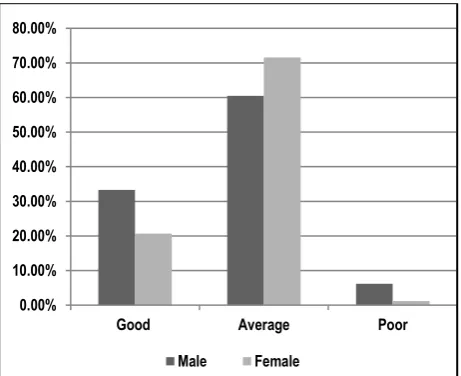
Figure 11: Assessment of knowledge of dental intern
Medications, a treatment source are not always found safe depending on the trimester as well as the class of drug to be used. 69.2% (figure 8) dental interns regarded amoxicillin as the safest antibiotic, similar results were found in Saudi journal dental research.9 Same way, analgesics play a pivotal role in dental
treatment and 84% (figure 9) interns said Paracetamol is the safest analgesic that could be used in a pregnant patient in order to proceed with dental treatment. This drug belongs to therapeutic class of acetaminophen, lies in category B classified by FDA. It is regarded as the safest and most common used analgesic.10
To reduce the intensity of pain, localized anesthesia is found safe when used in minimum possible dose. In this survey conducted, 67.2% said it is safe to anesthetize a pregnant patient whereas 24% said it is not safe (figure 4). It was also found that 76.4% dental interns depicted lidocaine as the safest anesthesia which can be used. 7.6% suggested that we could use nitrous oxide (figure 13). Research and evidence say that nitrous oxide can cause birth defects so it should be avoided.
Increase in hormone level i.e. estrogen and progesterone aggravates gingivitis. Another factor that favors progress is
reduced immune response, thus reducing body’s ability to protect
and repair gingival tissues.7 There is a significantly increase in
findings of gingivitis throughout pregnancy.8 Data showed, 93.6%
agreed that gingival disease is the most common oral complication (figure 6) found in pregnant women. When asked about the findings of periodontal disease during pregnancy 52.4% said that it may lead to excessive swelling whereas 32% dental interns marked its association with preterm low weight babies and 5.2% said it causes teratogenic defects (figure 6).
CONCLUSION
To conclude, comprehensive and proper oral examination of pregnant patient is recommended to diagnose disease.
Reviewing their knowledge about clinical management of pregnant women, they show an acceptable understanding in some areas but they still need to have more training and continuing education during their under and post graduate life to improve their knowledge of how to handle pregnant dental patients. Improvement is needed to increase the awareness of future dentists toward this kind of treatment through continuous medical education and media services.
REFERENCES
1. Kurien S, Kattimani V S et al. Management of Pregnant Patient in Dentistry. J Int Oral Health 2013; 5(1):88-97.
2. Christensen LB et al. Self-reported gingival conditions and self-care in the oral health of Danish women during pregnancy. Journal of Clinical Periodontol. 2003;30:949–53.
3. B.F. Tarsitano, R.E. Rollings, The pregnant dental patient: evaluation and management Gen Dent, 41 (1993), pp. 226–234 [quiz 233–4]
4. V. Hemalatha, T. Manigandan, T. Sarumathi, V. Aarthi Nisha, A. Amudhan. Dental considerations in pregnancy – a critical review on the oral care, J Clin Diagn Res, 7 (2013), p. 948.
5. Heather Jared, BSDH, MS, and Kim A Boggess, MD, Periodontal Diseases and Adverse Pregnancy Outcomes: A Review of the Evidence and Implications for Clinical Practice, Journal of Dental Hygiene, 82(3), July 2008.
6. Villa A, Abati S et al. Oral health and oral diseases in pregnancy: a multicentre survey of Italian postpartum women. Aust Dent J. 2013 Jun;58(2):224-9..
7. Ponnuswamy Mani Kandan, Venkatachalam Menaga, Oral health in pregnancy (Guidelines to gynaecologists, general physicians & oral health care providers), 61(10), October 2011. 8. E. Figuero, A et al. Effect of pregnancy on gingival inflammation in systemically healthy women: A systematic review Journal of Clinical Periodontology, 40 (5) (2013), pp. 457–473.
9. Ibrahim Aljulayfi et al. Awareness of dental interns in managing cases of pregnant women in Saudi Arabia, Saudi journal for dental research, January 2015; 6(1): Pages 26–29.
10. Mustafa Naseem, Zohaib Khurshid et al. Oral health challenges in pregnant women: Recommendations for dental care professionals, The Saudi Journal for Dental Research, July 2016; 7(2): Pages 138–146.
11. Turner M, Aziz SR, Management of the pregnant oral and maxillofacial surgery patient; J Oral Maxillofac Surg. 2002 Dec; 60(12):1479-88.
12. Vimy MJ, Takahashi Y, Lorscheider FL. Maternal-fetal distribution of mercury released from dental amalgam fillings. Am J Physiol 1990;258:939-945.
13. Chiodo, GT, Rosenstein DI. Dental treatment during
pregnancy: a preventive approach. J Am Dent
Assoc.1985;110(3):365-8.
14.Miller MC.The pregnant dental patient.CDAJ.1995;23(8):63-70.
[
Source of Support: Nil. Conflict of Interest: None Declared.
Copyright: © the author(s) and publisher. IJMRP is an official publication of Ibn Sina Academy of Medieval Medicine & Sciences, registered in 2001 under Indian Trusts Act, 1882. This is an open access article distributed under the terms of the Creative Commons Attribution Non-commercial License, which permits unrestricted non-commercial use, distribution, and reproduction in any medium, provided the original work is properly cited.
Cite this article as: Fatima Mushtaq, Besalat Hussain, Asma Sehar Ansari, Naima Javed. Awareness of Dental Interns in Managing Cases of Pregnant Women at DUHS, Karachi. Int J Med Res Prof. 2018 Jan; 4(1):218-23.
DOI:10.21276/ijmrp.2018.4.1.042
0.00% 10.00% 20.00% 30.00% 40.00% 50.00% 60.00% 70.00% 80.00%
Good Average Poor