Geschke Center
Doctoral Dissertations Theses, Dissertations, Capstones and Projects
Summer 8-31-2018
Parental Coping in Filipino American Caregivers of
Children with Intellectual and/or Developmental
Disabilities
Kathrynn Mabalot [email protected]
Follow this and additional works at:https://repository.usfca.edu/diss
Part of theSocial and Behavioral Sciences Commons
This Dissertation is brought to you for free and open access by the Theses, Dissertations, Capstones and Projects at USF Scholarship: a digital repository @ Gleeson Library | Geschke Center. It has been accepted for inclusion in Doctoral Dissertations by an authorized administrator of USF Scholarship: a digital repository @ Gleeson Library | Geschke Center. For more information, please [email protected].
Recommended Citation
Mabalot, Kathrynn, "Parental Coping in Filipino American Caregivers of Children with Intellectual and/or Developmental
Disabilities" (2018).Doctoral Dissertations. 437.
PARENTAL COPING IN FILIPINO AMERICAN CAREGIVERS OF CHILDREN WITH
INTELLECTUAL AND/OR DEVELOPMENTAL DISABILITIES
A Clinical Dissertation Presented to
The University of San Francisco
School of Nursing and Health Professions
Department of Integrated Healthcare
PsyD Program in Clinical Psychology
In Partial Fulfillment of the Requirements for the Degree
Doctor of Psychology
By:
Kathrynn M. Mabalot, M.S.
PsyD Program Signature Page
Table of Contents
Abstract………1
Statement of the Problem……….2
Literature Review……….2
Review of the Resilience Literature……….2
Review of the Literature on Family Resilience………8
Review of the Literature on Parenting Stress and Coping………....12
Filipino Americans………....20
Filipino American Demographics……….20
Experience of Mental Health in Filipino Americans………21
Filipino American Psychology……….24
Acculturation, Assimilation, Biculturalism, and Enculturation in Filipino Americans...26
The Purpose of the Study……….30
Research Question and Hypothesis………..31
Clinical and Theoretical Relevance………..31
Methods………30
Procedures………33
Sampling………...33
Selection Criteria………..33
Recruitment………..33
Informed Consent………...33
Protection of Confidential Materials………34
Interview Procedure………..36
Qualitative Analysis………..36
The Researchers………38
Measures………...38
Results………..41
Participants………...41
Questionnaires………..43
Domains………...46
Themes……….46
Discussion………58
Review of Purpose………...58
Domains………...59
Themes……….60
Questionnaires………..68
Clinical Implications………....70
Strengths………..72
Limitations and Recommendations for Future Research………...72
Summary of Discussion………...79
References………82
List of Tables
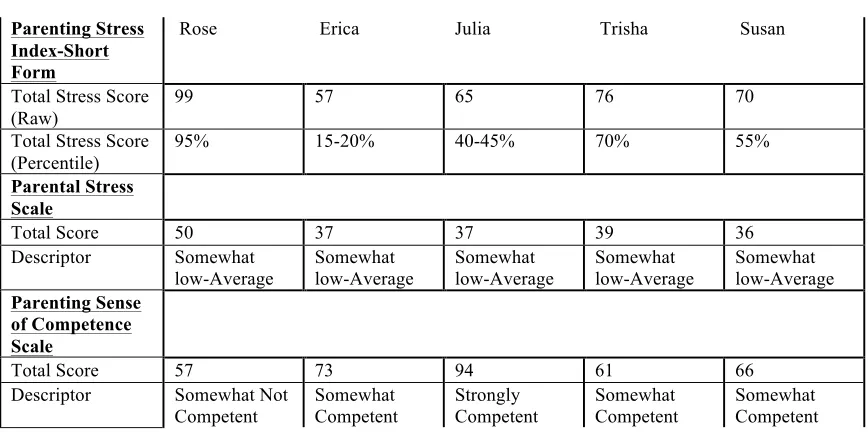
Table 1: Description of First Data Set……….44
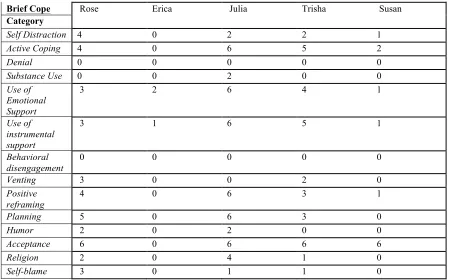
Table 2: Coping Skills Endorsed by Participants………45
Table 3: Family Support………..45
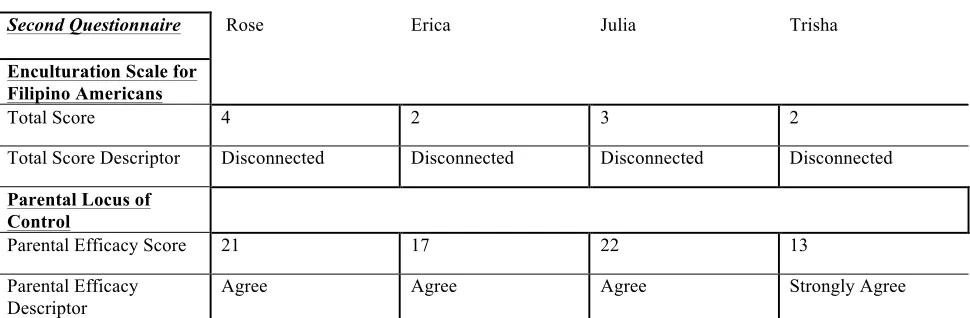
Table 4: Description of Second Data Set……….46
Dedication
This endeavor is dedicated to my beloved parents, Ramon and Marlene, who sacrificed to
provide my sister and me the opportunity to pursue our American dreams and inspired me to go
Acknowledgements
This clinical dissertation would not have been possible if it were not for the following
people who dedicated their time, expertise, and support to this project. Firstly, I want to thank
my dissertation chair, Dr. Brent Richard Ferm, for his guidance and mentorship throughout
this arduous process. Thank you to my committee members, Dr. Lou Felipe and Dr. Al Meza, for
their interest, advice, and support. Shannon Dillon, my dissertation buddy, I am grateful for our
many conversations regarding dissertation work and anything that had to do with academia.
Thank you for contributing your time and wealth of knowledge in helping me understand my
data. Dr. Brac Selph, thank you for lending your expertise and guiding me through the IPA
method. I also want to thank the various organizations that supported this project in helping me
recruit participants for this study. Thank you to Eugene Canotal from the Filipino American
Mental Health Initiative for believing in this endeavor. I give many thanks to the Regional
Center of the East Bay and Sacramento Autistic Spectrum & Special Needs Alliance for
spreading the word about my study. Thank you to all the participants who volunteered to share
their experiences and allowed me to hear their stories. To all my close friends and family who
have asked me countless times when would graduation happen; my accomplishments would be
nearly impossible without all your encouragement. Lastly and most importantly, I want
acknowledge my partner, Jonathan DuBos, for his unwavering support in all my ventures. Thank
you, Jon, for being by my side in this journey.
Abstract
The coping mechanisms of Filipino American caregivers of children with intellectual
and/or developmental disabilities are explored using an interpretative phenomenological analysis
(IPA). This study aimed to comprehend the subjective experience of caregivers and how they
operationalize the established constructs of resilience. Particular focus is paid to the subjective
experience of coping in Filipino American caregivers of children with special needs. The
participants’ parenting experience and how they manage parenting stress are documented and
analyzed using an interpretative phenomenological framework. Seminal studies on resilience,
family resilience, and Filipino American psychology are discussed. The results yielded five
broad domains (clarity of parenting roles, extended family as a support system, acceptance of
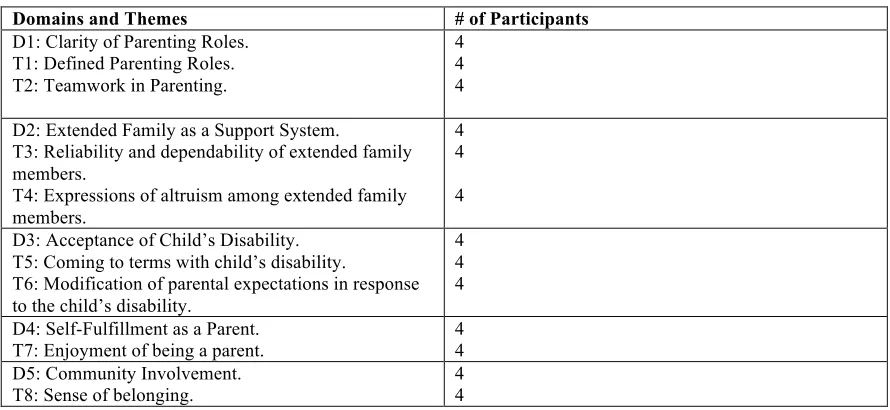
child’s disability, self-fulfillment as a parent, and community involvement). Eight themes were
found, which included: defined parenting roles, teamwork in parenting, reliability and
dependability of extended family members, expressions of altruism among extended family
members, coming to terms with child’s disability, modification of parental expectations in
response to the child’s disability, enjoyment of being a parent, and sense of belonging. The
results of this study provided meaningful information in understanding the caregiving experience
of Filipino American caregivers. It is a foundation for future studies in understanding the coping
mechanisms of Filipino American caregivers to better serve this population, as well as provide
Statement of the Problem
The purpose of this study is to understand the parental coping factors of Filipino
American caregivers of children with intellectual and/or developmental disabilities. There is
limited research on positive parental coping strategies in the Filipino American population and
no research has been performed, to this writer’s knowledge, on resilience in Filipino American
caregivers of children with special needs. This clinical dissertation aimed to comprehend the
subjective experience of caregivers and how they operationalize the established constructs of
resilience.
Literature Review
Review of the Resilience Literature
Resilience has been defined as a dynamic developmental process in which an individual
achieves positive adaptation within the context of adverse experience(s) (Cicchetti, 2010).
Cicchetti (2010) conceptualized resilience as the exposure to trauma or a significant threat and
the achievement of positive adaptation despite the presence of adversity affecting the
developmental process. Various studies have examined the behavioral and psychological
correlates of resilience. Cicchetti (2010) stated that an individual’s path to psychopathology or
resilience is determined by interrelated factors involving one’s biological and psychological
organization, experiences, active choices, the social context, the timing of adverse events, and
one’s developmental history. Examples of common factors found in individuals exhibiting
resilient behaviors are: positive social relationships, regulation abilities, esteem,
self-efficacy, and social services. The following is a review of the early and contemporary studies of
Early research on resilience focused on studies with individuals diagnosed with
schizophrenia, exposure to parental mental illness, extreme stress, and extreme poverty.
Longitudinal studies have investigated how these adverse experiences affected functioning.
Previous research discovered that individuals with schizophrenia with the least severe course of
illness were characterized by a premorbid history of relative competence at the work
environment, had good social relationships, had the ability to maintain marriages, and had the
capacity to fulfill responsibility (Cicchetti, 2010). With regard to behavioral and psychological
correlates, Cicchetti stated that individuals who are resilient to adverse events exhibit an array of
resilient functioning, which include: close relationships with caring adults in the family and
community, self-regulation abilities, positive views of self, self-efficacy, self-determination,
healthy relationships, healthy attachments, problem-solving skills, foresight in planning, active
coping strategies, and perceiving stressful events in less threatening ways.
In the early studies of resilience, researchers from the University of Minnesota, pioneered
by Norman Garmezy, examined 150 psychiatrically “normal” individuals with 178 individuals
with schizophrenia to test the hypothesis that normal individuals would reveal little to no trauma,
deprivations, frustrations, and conflict. The study found that normal individuals and individuals
with schizophrenia reported that relationships between themselves and their parents were
predominantly affectionate and healthy (Hanson & Gottesman, 2012). In recognition that both
groups experienced affectionate and healthy relationships with parents, Garmezy began to
explore the reasons for this disparity. Garmezy’s seminal work on resilience focused on children
with a higher risk of developing schizophrenia. According to Hanson and Gottesman (2012),
resilience encompasses different systems in that if a child is maltreated, the negative outcome is
due to a failure of systems in supporting the child ranging from: stress in the family, a lack of
nutritional supplies, unjust or inconsistent law enforcement, a lack of social services,
disadvantaged schools, challenges with religious groups, and all other systems that safeguard an
individual from extreme or chronic stress. Thus, systems of resilience have the ability to
anticipate, to perceive, and to respond to changing circumstances across the lifespan.
Additionally, strong social support may serve as a buffer to adverse experiences. (Hanson &
Gottesman, 2012).
In a seminal study conducted by Garmezy, Masten, and Tellegen (1984), the researchers
presented a 3-model approach to stress resistance in a multivariate regression framework that
included: compensatory, challenge, and protective factors against the risk for psychopathology in
children due to adversity. This study was part of the Project Competence longitudinal research
program that examined the risk for psychopathology in children based on their maternal
diagnosis of schizophrenia. The researchers also examined the effects of stressful life events on
the functional competence of children, as well as the protective factors in stress resistance. The
researchers found that the competence level of children to cope with adversity served as a
protective factor against the expression of a behavior disorder (Garmezy, Masten, & Tellegen,
1984). They found that some children did not show any signs of developing psychopathology
despite their adverse developmental experiences (Garmezy, Masten, & Tellegen, 1984).
Furthermore, Garmezy, Masten, and Tellegen (1984) examined 200 children from an
urban school setting. The researchers conducted parent interviews, interviews with the children,
and administered measurements of stress and competence. They collected data on life events,
socioeconomic status, academic achievement, classroom behavioral competence, and social
oriented, psychologically minded, have a broad range of interests, and have healthy close
relationships. The second factor described the “disruptive” children. These children were
described as children who frequently got into trouble in school or at home, tend to be
irresponsible, aggressive, selfish, and not very conscientious. Garmezy and colleagues (1984)
stated that positive personal qualities could affect or impact “immunity” against stress. In their
study, the authors found that there is a strong relationship among variables with engaged
classroom behavior, achievement, and intellectual ability. Overall, this study suggested that
individuals with positive personal qualities are better able to manage stressful situations and one
can assume that caregivers or families with these similar qualities are better able to cope with
adversity.
The literature on resilience states that an individual’s capacity to cope during situations of
adversity is related to the individual’s biological and social context. Research has shown that
familial support, nutritional availability, and supportive social systems safeguard individuals
from the negative psychological effects of an adverse situation. Additionally, the literature on
resilience states that children who possess a more positive outlook are more resilient to stressful
situations. The seminal studies by Garmezy found that resilience factors (i.e., self-regulation
abilities, positive views of self, self-efficacy, self-determination, healthy relationships, healthy
attachments, problem-solving skills, foresight in planning, and active coping strategies)
safeguard at-risk children from developing future psychopathology. For instance, children with
mothers who have schizophrenia are more able to utilize positive coping when supportive social
systems are in place. The literature suggests that individuals who are resilient to adversity hold a
more positive attitude regarding the adverse situation, hold an optimistic mentality, are able to
Resilience is a dynamic concept in which there is heterogeneity in individual’s responses
to environmental adversity (Rutter, 2012). Rutter’s work on resilience is based on studies
conducted by Norman Garmezy. Resilience, according to Rutter, is a process and not a fixed
attribute found in a person (2012). For example, the steeling effect, according to Rutter, happens
when an individual who has experienced a brief period of stress prepares the individual to
overcome future adversity. A medical example of the steeling effect can be seen in the role of
vaccinations in building immunity to disease. When an individual is exposed to a mild version of
a pathogen, the person’s immune system will recognize the pathogen to protect the individual
from future insults from that particular pathogen. Various studies have shown that certain
animals as well as humans were strengthened by their experiences of adversity. Rutter stated that
resilience involves personal agency, self-reflection, and self-efficacy in that resilience is not a
trait; rather it is an individual’s biological pathway along with certain environmental
circumstances that determines resilient behaviors.
Similarly, Ann Masten (2001), from the University of Minnesota, described two models
of resilience: variable-focused and person-focused. The variable-focused approach tests for a link
among the degree of risk, outcome, and qualities of the individual or environment that
compensate for or protect the person from adversity (Masten, 2001). Alternatively, the
person-focused approach identifies groups of individuals with patterns of “good” versus “poor” adaptive
functioning. The researchers found that children with competent parents were exposed less
adversity. Additionally, parenting qualities, intellectual functioning, socioeconomic status, and
positive perceptions were positively correlated with multiple domains of adaptive behaviors
(Masten, 2001). Conversely, under conditions of adversity, poor cognitive skills and parenting
research on resilience has found resilient individuals had better parenting resources, had better
cognitive test scores, positive self-perceptions, and greater conscientiousness in comparison to
their maladaptive peers (Masten, 2001).
Overall, the research conducted by Rutter (2012) and Masten (2001) suggest that
personal agency, self-efficacy, supportive systems, socioeconomic status, and intellectual
functioning contribute to adaptive behaviors during adverse situations. Rutter’s study suggests
that individuals who have experience with stressful situations learn to cope and are better
equipped to manage subsequent adverse experiences. Rutter stated that personal-agency,
self-efficacy, and self-reflections are factors of resilience. Similarly, Masten’s models of resilience
showed that parental qualities, intellectual functioning, socioeconomic status, and a view of the
self as positive are key factors that determine the quality of resilience.
With regard to the biological bases of resilience, individuals who experience social
rejection or do not have a supportive social network in times of adversity, show deleterious
changes to the hypothalamic-pituitary-adrenal axis or HPA axis. Chronic stress provokes
inflammatory factors that disrupt central nervous system signal transduction cascades that
normally allow for neuronal plasticity. In other words, chronic stress disrupts the plasticity that
supports the body in adapting to certain stressors. Studies have also found that children exposed
to adversity manifest neurobehavioral problems, such as depression, and also have high rates of
age-related physical maladies, such as diabetes or cardiovascular disease (Hanson & Gottesman,
2012).
Research on the biological bases on resilience suggests that individuals who face
adversity in their daily lives experience changes in their biological regulatory systems, in that
suggests that individuals who are found to have positive ego strength are better able to manage
the biological aspects of stress, such as the increase of cortisol and other biological chemicals
that are related to stress. Further, the study by Cicchetti (2010) suggests that certain biological
defenses, such as an increase of cortisol along with ego strength, contribute to resilience in
children who experience chronic stressful situations.
Overall, resilience is a dynamic process in which individuals adapt positively to adverse
situations. The literature on resilience suggests multifactor variables in the mechanisms of
coping. For instance, the belief in one’s ability to succeed in or to accomplish a task
(self-efficacy) along with good problem solving skills, are factors of resilience that would aid
individuals in managing adverse events. Individuals who have healthy interpersonal relationships
and good social support are also better able to manage adversity due to help from external
support systems. The studies also suggest that socioeconomic status and the level of intellectual
functioning are resilient factors in that individuals are better able to manage a difficult situation
when they have the resources to cope with the situation and are able to prepare for and to predict
adversity. Further, the literature on resilience also suggests that resilient behaviors are not innate
traits, but a process based on the individual’s style of coping and support systems. Generally, the
studies indicate multiple biological, psychological, and environmental factors contribute to
resilient behaviors. Individuals who hold these factors of resilience are better able to manage or
to prepare for stressful situations when proper circumstances are in place.
Review of the Literature on Family Resilience
Family resilience focuses on diverse factors that contribute to a family’s wellbeing and
family functioning in times of adversity. Parents or caregivers of children with an intellectual
caregivers may consistently change daily routines or make changes to their lifestyle to
adequately care for their child. In caring for a child with a disability, parents may experience or
perceive a lack of control over the situation. Not only do caregivers experience stress, but also
many caregivers have experienced other challenges that are affected by caring for a special needs
child. For instance, intimate relationships or marriages and finances may be negatively affected.
Also, many families have sacrificed social activities, such as family vacations, due to difficulties
with caring for a child with special needs.
However, a number of families have built the capacity to manage the various challenges
that come with caring for a child with a developmental disability. Various studies indicate that
caregivers who make positive meaning of their child’s disability, have knowledge of mobilizing
or acquiring resources, acceptance of having a child with special needs, parental wellbeing,
quality external supports, healthy social relationships, self-efficacy, family sense of coherence,
and family problem solving skills are factors in family resilience. This review of the literature
surveys research on family resilience, in particular, parents of children with intellectual and/or
developmental disabilities.
Ylven and colleagues (2006) examined the resilience model of family stress, adjustment,
and adaptation in the family. They identified intervention methods based on problem solving,
family sense of coherence (FSOC), positive coping, and positive adaption in families. According
to the Ylven and colleagues, the process of problem solving consists of problem orientation and
problem solving abilities. In other words, an individual’s motivation to solve a problem and an
individual’s response to a problem are factors in successful problem solving abilities. Important
problem-solving skills involve: understanding the source of the problem, the ability to seek
and flexibility with revising a plan. Lastly, the authors argued that promoting a positive attitude
about the problem is an imperative factor (Ylven, Bjorck-Akesson, & Granlund, 2006).
According to Ylven and colleagues a sense of coherence incorporates three primary dimensions,
which are comprehensibility, manageability, and meaningfulness. These concepts contribute to
understanding the stressors, learning to manage the stressors, and finding motivation to engage in
these challenging processes. A strong sense of FSOC predicts the family quality of life and it
acts as an intermediary in reducing stress in the family (Ylven, Bjorck-Akesson, & Granlund,
2006). Additionally, a problem-focused coping style is effective in situations perceived as likely
to change. The authors stated that positive adaptation (reciprocal affection between child and
family members), emotional development of the child, and “social climate” (the attitude, beliefs,
and emotional functioning) of the family, improves family wellbeing (Ylven, Bjorck-Akesson, &
Granlund, 2006). A family’s sense of cohesion in terms of positive adaptation to stress,
reciprocal affection between child and caregivers, the emotional development of the child, and
the family’s social environment contribute to the family’s response to adversity. Families are
also better equipped in situations of adversity when they have a positive attitude towards difficult
situations, solving skills, preparedness for future adversity, and flexibility for
problem-solving (Ylven, Bjorck-Akesson, & Granlund, 2006).
Additionally, strong marital and parent-child relationships have been found to buffer the
impacts of parental stress among families of children with intellectual disabilities. Gerstein and
colleagues (2009) conducted a study that examined 115 families of 3-year-old children with
intellectual disability (ID). This project was a longitudinal study of families of both typically
developing children and children with ID. The aim of this research was to study the stability and
mothers and fathers of children with ID across the ages of 36-60 months. Gerstein and colleagues
examined familial risk and resilience factors, psychological wellbeing of caregivers, marital
relationship, and positive caregiver-child relationships. The study found that daily parenting
stress increased over time; however, father’s parenting stress remained more stable over time.
The researchers concluded that a decrease in the mothers’ daily parenting stress was associated
with both mother and father’s psychological wellbeing and their perceived marital relationship or
adjustment. Positive father-child relationship was also found to be an important factor in
resilience. Moreover, the researchers found that a decrease in a father’s daily parenting stress
was affected by the mother’s wellbeing and both partner’s perceived marital relationship. This
study found that parents’ psychological wellbeing, perceived marital adjustment, and the
parent-child relationship are important factors of overcoming adversity in families raising a parent-child with
ID (Gerstein, Crnic, Blacher, & Baker, 2009).
Similarly, Bayat (2007) conducted a study on the resilience in families raising a child
with Autism Spectrum Disorder (ASD). Previous research on family resilience indicated three
core factors: making meaning of adversity, affirming strength and keeping a positive outlook,
and spirituality or belief system. This study surveyed 175 parents and other primary caregivers of
children with ASD, ages 2-18, to examine family resilience. The results identified specific
resilience processes: making positive meaning of disability, mobilization of resources, and
becoming united and closer as a family, finding greater appreciation of life and other people, and
gaining spiritual strength (Bayat, 2007). Bayat stated that in families dealing with adversity,
“resiliency in these families possess certain organizational qualities such as flexibility,
connectedness, and communication and being able to utilize resources” (pg. 2). These parents are
parents perceived the child’s disability as a “growing experience in learning humility, patience,
compassion, acceptance of and respect of others.”
Gerstein and colleagues (2009) and Bayat (2007) stated that psychological wellbeing is
an important factor in family resilience. In particular, Gerstein and colleagues stated that the
parents’ psychological wellbeing, perceived marital adjustment, and the parent-child relationship
influence resilience. Similarly, Bayat stated that a positive outlook, mobilization of resources,
family wellbeing, an appreciation of life and others, and spiritual strength are core factors in
family resilience. Both Gerstein and Bayat argued that families of children with special needs are
more resilient when common factors, such as parental wellbeing, emotional flexibility and
adjustment, and optimism are in place.
The literature on family resilience suggests that external and internal factors contribute to
family resilience. External factors may include family and community support. Internal factors to
resilience include positive outlook over the stressful situation and positive self-regulating skills,
as well as healthy family conditions. The combination of external and internal factors creates a
mechanism of resilience in families facing stress.
Review of the Literature on Parenting Stress and Coping
Various studies have shown that parents of children with special needs face greater stress
than parents of typically developing children. Parents of children with a disability may feel guilt
or blame themselves, and experience sorrow of having a child with special needs. In addition,
there is added stress in caring for a special needs child. For example, caring for a child with an
intellectual disability requires more demanding parenting and attention, which may affect the
family climate, relationship with partner, psychological wellbeing of the caregiver(s), and family
parents in comparison to parents of children with special needs without behavioral challenges.
Research suggests that certain coping styles and the availability of positive support systems
alleviate stress in caregiving. For instance, the literature suggests that cognitive reframing,
quality social support, socioeconomic status, parent educational level, sense of coherence, and
parenting self-efficacy contribute to lower levels of parenting stress. The following is a review of
various studies examining parental stress and coping of parents of children with
intellectual/developmental disability.
The nature of Autism Spectrum Disorder (ASD) and its associated behaviors, as well as
emotional challenges contribute to long-term parenting stress. Research on the different
strategies of coping in parents of children with ASD has shown that there are various coping
styles that fit under two categories: adaptive and maladaptive coping strategies. Adaptive coping
consists of cognitive reframing and seeking social support; whereas, maladaptive coping
strategies include avoidance and disengagement. Specifically, research among parents of
children with ASD has found that the use of adaptive coping strategies is connected to positive
mental health outcomes (Lai, Goh, Oei, & Sung, 2015). Generally, emotion-focused coping (the
emotional reaction to a stressful situation) is thought to be psychologically maladaptive and
problem-focused coping is connected to more adaptive adjustment. In terms of parenting coping
strategies in the Asian population, the Asian ideology of “saving face,” may influence Asian
parents to internalize stressful events, and do not seek external support to avoid the social stigma
of having a child with ASD or developmental disability, thus saving face may interfere with
parents’ capability to appropriately engage in problem-focused coping.
A study by Lai and colleagues (2015) examined the psychological wellbeing and coping
children. Seventy-three parents of children with ASD and 63 parents of typically developing
children in Singapore participated in this research. The study found that parents of children with
ASD more often engaged in more Active Avoidance Coping or maladaptive-emotion-focused
coping than parents of typically developing children (Lai, Goh, Oei, & Sung, 2015).
Furthermore, parents of children with ASD experience higher overall parenting stress, more
negative views of themselves as parents, and less satisfaction in the parent-child bond, in
comparison to their counterparts (Lai, Goh, Oei, & Sung, 2015). Overall, the authors found that
parents of children with ASD reported significantly more parenting stress symptoms, more
depression symptoms, and more frequent use of Active Avoidance coping.
Moreover, in a study examining stress among Malaysian mothers of children with Down
Syndrome found that behavioral problems in children impacts parental stress. A study conducted
by Norizan and Shamsuddin (2010) examined the level of parenting stress experienced by
Malaysian mothers of children with Down Syndrome. The participants consisted of 147 mothers
with children with Down Syndrome between the ages of 2- to 12-years-old. The study found that
parenting stress was significantly higher among mothers who reported having children with
behavioral problems; however, they found that positive coping styles and levels of maternal
psychological wellbeing were moderators for parental stress (Norizan & Shamsuddin, 2010).
Additionally, lower levels of parenting stress are correlated with frequent use of acceptance of
having a child with the disability, religious and optimist coping styles. On the other hand, higher
levels of parenting stress are associated with maternal depressive, anxiety, and stress symptoms.
Furthermore, research has shown that parental stress is associated with the severity of
deficits of a child with an Intellectual Disability (ID). Studies indicate that individuals with more
have positive interpersonal relationships among family members. In the realm of parenting stress
and coping strategies, the cognitive model of stress and coping by Lazarus and Folkman (1984)
is often used as the foundation of research on parental stress and coping in families of children
with disabilities. The cognitive model of stress and coping highlights the importance in the
individual’s appraisals of stressors that are affecting his or her adaptation to a stressful event.
Mash and Johnston’s (1990) model of parental stress and coping conceptualizes child
characteristics, parent characteristics, and environment characteristics. These three variables
interact in multiple ways to influence the parent-child interactive stress. Mash and Johnston
suggests that the parent-child interactive stress may manifest from a combination of difficult
child characteristic and parental cognitions. In relation, parental self-esteem or efficacy
represents the levels to which parents view themselves as effective in their parenting roles.
Additionally, self-efficacy mediated the effects of child behavior problems on anxiety and
depression in mothers of children with ASD (Hastings et al., 2005).
Research on stress and coping in parents of children with intellectual disability has shown
the importance of cognitive appraisals in impacting parents’ levels of stress and adaptations to
stressful situations. Participants of a study, conduced by Hassall, Rose, and McDonald (2005),
were mothers of children with ID and recruited through special education schools in a rural
middle-class region in England. A total of 46 mothers participated in the study along with 25
boys and 21 girls ranging from ages six to sixteen. The researchers found that mothers of
children with ID had higher levels of behavioral difficulties and experienced higher levels of
parenting stress in comparison to mothers of children with ID with fewer behavioral difficulties
(Hassall, Rose, & McDonald, 2005). Furthermore, Mothers who reported higher levels of social
inversely related to their sense of parenting effectiveness satisfaction in that higher levels of
perceived effectiveness and satisfaction were associated with lower stress level. Lastly, the study
found that mothers with an external locus of control for parenting showed higher levels of
parenting stress (Hassall, Rose, & McDonald, 2005).
Parents of children with a developmental disability experience more stress than parents of
typically developing children. For instance, Asian parents of children with Autism Spectrum
Disorder (ASD) experience higher overall parenting stress, more negative views of themselves as
parents, and less satisfaction in the parent-child bond (Lai, Goh, Oei, & Sung, 2015). As a result,
these parents experience more depression and utilize active avoidance coping. Similarly, Norizan
and Shamsuddin (2010) found that parenting stress was significantly higher among mothers who
reported having children with behavioral problems. However, both studies indicate that active
coping, acceptance, and optimism are important factors to parental coping. Similarly, the
subjective levels of parenting effectiveness and satisfaction were related to lower self-reported
parenting stress (Hassall, Rose, & McDonald, 2005). Overall, the literature suggests that an
external locus of control among caregivers have higher levels of parenting stress in comparison
to caregivers with an internal locus of control. This suggests that caregivers who have a
subjective sense of control over an adverse situation are more resilient than caregivers who
perceive situations as out of their control.
Furthermore, various studies have shown that parenting stress is strongly correlated with
aggressive behavior in the child and that parenting stress is related to poor treatment response in
parenting interventions. The literature on parental stress states that parent and child
psychological stress are related, which suggests that parent and child coping methods in response
Parents who have a high internal locus of control (LOC) believe that their parenting behaviors
have a significant effect on their child’s development. On the other hand, parents with a low
internal LOC believe that external forces are out of their control in terms of their child’s
development. The likelihood that a parent will engage in more positive parenting practice is
believed to be influenced by the belief that one can positively affect the child’s behavior rather
than external factors and child variables (Moreland, Felton, Hanson, Jackson, & Dumas & 2016).
Furthermore, research has found that the older the age of the child and higher externalizing
behavior predicts lower levels of LOC. Moreover, parents with less internal LOC are more likely
to report behavioral problems in their child in comparison to those with a higher internal LOC.
The literature suggests that parental self-blame or lower levels of LOC may be associated with
problems with acceptance and positive coping strategies. In other words, when parents attribute
their child’s externalizing behaviors to themselves, these parents tend to have a lower level locus
of control and are likely to have difficulties coping with stressors.
A study was conducted to examine the experiences of parenting-related stress and the
perception of parenting locus of control. Researchers examined the association between latent
changes in parenting stress and LOC in an 8-week parenting intervention that was created to
improve parenting skills, child coping competence, and to improve disruptive behavior in
children (Moreland, Felton, Hanson, Jackson, & Dumas & 2016). A total of 610 subjects were
recruited from the Parenting Our Children to Excellence (PACE) program. More specifically a
total of 566 mother and 44 fathers participated in this study. The intervention through the PACE
program consisted of parent groups that met for 2 hours a week working on eight topic areas:
increasing child self-esteem, developing children thinking skills, effective praise, setting limits,
support. The study found that a decrease in parenting stress decreases the child’s disruptive
behavior and it also increased child competence (Moreland, Felton, Hanson, Jackson, & Dumas
& 2016). The study found that higher levels of internal locus of control in parents are correlated
with decrease behavior problems in children and an increase in parental coping skills. This study
suggests that a reduction in parental self-blame or an increase in LOC affects parenting stress.
Similarly, various studies have shown that behavioral problems associated with
Attention/Deficit Hyperactivity Disorder (ADHD) and other developmental disorders in children
are related with higher levels of parenting stress (Solem, Christophersen, & Martinussen, 2010).
Parenting stress influences the emergence or exacerbation of behavioral problems in children.
Previous studies have linked parenting stress to negative outcomes, such as a decrease in marital
quality, which in turn may influence child outcomes. Studies have shown that in demanding
parenting situations, parents make cognitive appraisals about their situational control. For
example, parents make cognitive appraisals in which they can influence a specific stressful
encounter with their child. There are differences between coping resources and coping strategy.
Parent resources in coping are used to buffer against stress. Parent coping strategies are defined
as the adaptive ways parents manage their stress. Further, studies have found that socioeconomic
status (SES) plays a factor in determining parental stress. A study found that disease severity and
family income are one of the variable pairs with the greatest predictor of parental stress (Solem,
Christophersen, & Martinussen, 2010). Additionally, the level of maternal education was found
to be the strongest of the SES indicators in predicting how mothers interacted with their children
in such that more highly educated parents better organize their resources and pursue goals.
Research studies have shown that seeking social support is a coping strategy that may reduce the
predictable and structured (comprehensibility), enhance confidence that the resources available
are adequate (manageability), increase motivation to engage with challenges (meaningfulness),
and a sense of optimism and control (Sense of Coherence (SOC)) (Solem, Christophersen, &
Martinussen, 2010).
Overall, studies indicate that behavioral difficulties in children with
intellectual/developmental disability increase parental stress (Moreland, Felton, Hanson,
Jackson, & Dumas & 2016; Solem, Christophersen, & Martinussen, 2010). In particular,
Moreland and colleagues (2016) found that decreasing parenting stress decreases disruptive
behaviors in children. Moreover, higher levels of parental internal locus of control are correlated
with a decrease in the child’s externalizing problems and an increase in parental coping skills.
Likewise, Solem and colleagues (2010) found that comprehensibility, manageability,
meaningfulness, and sense of coherence impact the way parents manage their stress. Martial
happiness, family social climate, healthy interpersonal relationships, educational level,
socioeconomic status contributes to parents’ perception of parenting stress. In addition, in terms
of locus of control, it is important to consider the cultural and/or spiritual values of the parents.
Depending on the parents’ cultural values, external locus of control, such as spiritual beliefs,
may affect parenting sense of stress in that believing in external forces, such as spirituality, may
reduce the sense of stress that is associated with caring for a child with special needs. Overall,
both studies indicate that factors such as parental perception of locus of control, an ability to
manage the difficult situation, and finding meaning of the situation positively impacts perceived
Filipino Americans
In order to understand the coping styles of Filipino American caregivers of children with
intellectual and/or developmental disabilities, it important to understand Filipino American
culture and values. Filipino American mental health and psychology are influenced by their
immigration history and cultural values. In addition, levels of acculturation, assimilation,
biculturalism, enculturation affect Filipino American psyche and personality. There are various
factors that contribute to the development of coping strategies within the Filipino American
community and this section aims to examine the different factors that may contribute to Filipino
American coping behaviors.
Filipino American Demographics
According to the 2010 United States Census, there are 3.4 million Filipino Americans
currently living in the United States. Filipino Americans are the second largest population of
Asian Americans and the largest population of Overseas Filipinos. The Filipino American
population has increased threefold between 1980 and 2000 (U.S. Census Bureau, 2010). More
than half of Filipinos are located on the West Coast and Hawaii. Over 25% of Filipino
Americans live in Southern California, about 13% of Filipino Americans live in the San
Francisco Bay Area, and roughly 23% of Hawaii’s population is Filipino American. Filipino
American statuses are similar to those of the general Asian American population: 32.3% are
native born Americans, 41.6% are foreign-born citizens, and 26.1% are foreign born non-citizens
(U.S. Census Bureau, 2010).
In terms of Filipino American households, Filipino American Families are likely to have
two parents who are the heads of households. Around 61.7% of families are two-parent
American population have two-parent households (Nadal, 2011). The lower divorce rates among
Filipino American families may not necessarily imply successful marriages; rather many Filipino
American couples may feel unable to divorce due to religious or cultural stigmas (Nadal, 2011).
In terms of English proficiency among Filipino Americans, Filipino Americans have a
rate of 75.9% of English proficiency, compared to the general Asian population, which is likely
due to the prevalence of the English language taught in the Philippine school systems (Nadal,
2011).
Experiences of Mental Health in Filipino Americans
There is limited research on Filipino American mental health and there is an
underutilization of mental health care services by Filipino Americans and other Asian American
groups. Various literature have reported that Filipino Americans have lower rates of treatment of
mental illness than the general population, but those who sought mental health services had more
severe psychological disorders, which supports the idea that Asian Americans in general have
lower utilization rates of mental health services and higher rates of more severe mental illness
when they do seek treatment (Nadal, 2011). In terms of Filipino mental health help seeking
behaviors, “saving face” (an individual’s sense of dignity or prestige in a social context) is
negatively associated with help seeking behaviors for mental health professionals or general
medical professionals and it is positively associated with help-seeking behaviors in lay or folk
systems (Gong, Gage, and Tacata, 2003). Additionally, individuals with more English
proficiency are more likely to seek care from professional for emotional problems than
monolingual Filipinos. On the surface, it may seem that Filipino Americans have fewer mental
health issues, but the literature suggests that Filipino Americans are more likely to seek treatment
health services due to various stigmas, such as cultural or religious stigmas; therefore, the
underutilization of mental health care services among Asian Americans, in general, does not
indicate better mental health in this population (Nadal, 2011; Gong, Gage, and Tacata, 2003).
Further, there are a limited number of Filipino American psychologists or academics interested
in Filipino American issues (Nadal, 2011). Most research on Asian Americans tends to
homogenize Asian American groups or mainly focus on East Asian groups and because few
Filipino Americans are in academia, there may be few individuals who advocate for Filipino
American mental health (Nadal, 2011).
There are very few studies on Filipino American psychology and most studies on Filipino
mental health involve Filipinos in the Philippines. According to a study that investigated the
prevalence of depression in Filipino Americans, 27% of the sample had a major depressive
episode or clinical depression of varying severity, which is significantly higher than that of the
general United States population (Nadal, 2011). In addition, a study found that Filipino
Americans who experienced racial/ethnic discrimination over a lifetime is associated with
increased levels of depressive symptoms. Ethnic identity alleviates the stresses of racial/ethnic
discrimination, which suggest that individuals with high levels of ethnic identity are better able
to manage their stress and overcome depressive symptoms (Nadal, 2011).
In a study on Filipino American mental health help seeking behaviors in San Francisco,
Filipino Americans in San Francisco had low utilization rates of health services, which was
likely a result of limited health care access (Ziguras, Klimidis, Lewis, & Stuart, 2003). The same
study also found that the lack of Filipino American staff members or culturally and linguistically
competent providers may have been a barrier to services for Filipino Americans (Ziguras,
of culturally and linguistically competent providers may be reasons why Filipino Americans do
not utilize mental health treatment (Nadal, 2011). The literature cites that cultural stigma is the
main reason why Filipino Americans underutilize mental health services. Filipinos and Filipino
Americans avoid shame or hiya to themselves or to their families. Seeking mental health
treatment may be seen as disgraceful and therefore may prevent many Filipino Americans from
seeking mental health treatment (Nadal, 2011). Many Filipino Americans may be afraid to seek
help for their psychological problems out of fear that others in their community or extended
family may discover their struggles. As a result of this shame, many Filipino Americans may not
seek mental health treatment but find alternative resources, such as general practitioners,
religious leaders, or other folk healers (Nadal, 2011). In addition, it is common for Filipino
Americans to present their primary care physicians with physical complaints or psychosomatic
symptoms, such as headaches and muscle pains. Further, due to the strong presence of Catholic
and Christian values, Filipino Americans may believe that it is less shameful to utilize prayer or
the church for their problems, rather than going to a therapist (Nadal, 2011).
Overall, several factors play into the difficulties of families of children with intellectual
and/or developmental disabilities in finding or utilizing support. As the literature states, there is
an underutilization of mental health services in the Filipino American population. There is a high
rate of individuals with symptoms of depression in this population; however, individuals in this
population are underutilizing mental health services due to cultural and/or religious stigmas, as
well as racism or discrimination. Many Filipinos and Filipino Americans may be hesitant to seek
help for psychological problems out of fear of being stigmatized or shamed (hiya) and to save
face; therefore, there may be lower instances of help-seeking behaviors in Filipino American
Filipino American Psychology
In Filipino psychology, there are four main values that are fundamental to many
Filipinos. These values include: Kapwa (fellow being), utang ng loob (debt of reciprocity), hiya
(shame), pakikasama (social acceptance) (Nadal, 2011; Gong Gage and Tacata, 2003; Enriquez,
1992). Kapwa is the core construct of Filipino psychology in which all individuals feel a sense of
togetherness or connectedness to each other and it implies a personal as well as emotional bond.
Kapwa is similar to the American notion of collectivism, which emphasizes the interdependence
and the importance of community (Nadal, 2011; Enriquez, 1992). Utang ng loob translates to
debt of reciprocity, which means that individuals are generous with each other and are expected
to return favors or compensate others in some way whether it was asked or needed. This value
illustrates that many Filipinos expect to rely on one another in any situation and hope that by
being charitable, others will help them in time of need and it is expected that family members
will put other family members before themselves (Nadal, 2011; Enriquez, 1992). Hiya is
translated as shame or loss of propriety. It is the notion that the goal of the individual is to
represent oneself or one’s family in the most honorable way. Through this value, individuals may
avoid shame by acting respectably in the community and avoiding anything that would bring the
family shame. However, hiya can often lead to stigma and an inability to recognize and deal with
problems in one’s life or family (Nadal, 2011; Enriquez, 1992). For instance, someone who is
experiencing negative mental health symptoms may avoid seeking mental health care services
due to the fear of brining hiya (shame) to the family (Nadal, 2011; Enriquez, 1992). Lastly,
pakikasama is translated to social acceptance or conformity. Through this value, Filipinos strive
for harmony and avoid conflict and are most likely to choose what is best for the collective than
There are other Filipino values that are important to consider in terms of Filipino
psychology and personality development. Bahala na (fatalistic passiveness) is translated to
“Leave it up to God.” Individuals who live by this value tend to live without worry, have a low
locus of control, and accept things as they are (Nadal, 2011; Enriquez, 1992). This value is
similar to the concept of “external locus of control” in that individuals who subscribe to this
value believe that their circumstances are controlled by external forces or by environmental
factors. As stated previously, depending on the individual’s cultural beliefs or values, an external
locus of control may contribute to either positive or negative coping strategies. For instance,
individuals who have strong spiritual or religious beliefs, external locus of control may
contribute to lower perception of stress in comparison to individuals who may not utilize
spirituality as a coping mechanism. Lakas ng loob (inner strength) is translated as being
courageous in the midst of adversity. Individuals, who subscribe to this value, may have a higher
locus of control in which they believe that by being resilient they can overcome struggle (Nadal,
2011; Enriquez, 1992). Due to the value of kapwa (fellow being) and utang ng loob (debt of
reciprocity), it is expected that Filipinos place their families first before anything else. In the
Filipino culture, immediate families consist of parents, siblings, grandparents, uncles, aunts, and
cousins. It is often that family members will be consulted for major decisions, regardless of the
closeness of their blood relation and therefore many Filipino Americans may consult with other
family members before considering professional help (Nadal, 2011). It is important to note that
many Filipinos adhere to the collectivistic values. Bayanihan (community) is a term that is often
used to describe the ability for Filipinos and Filipino Americans to work together for a common
Filipino values such as debt of reciprocity (utang ng loob), or the expectation that family
is placed first before anything else, fellow being (kapwa), or the emphasis of interdependence
and the importance of community, and inner strength (lakas ng loob), or being courageous in the
midst of adversity are themes that can contribute to overall positive parenting functioning. These
traditional Filipino values may also be factors of resilience in Filipino American families in
coping with adverse situations.
Acculturation, Assimilation, Biculturalism, and Enculturation in Filipino Americans
The first wave of Filipino immigrants to the United States was in the 16th century and
was credited to be the first Asian Americans in the United States. These immigrants were slaves
or indentured servants, many of whom jumped shipped in Moro Bay, California, brought by the
Spanish galleon trading ships (Nadal, 2011). The Immigration Act of 1965 abolished the Asian
Exclusion Act of 1924 and the Walter-McCarran Immigration and Naturalization Act of 1952.
The Immigration Act of 1965 led to the final wave of Filipino American immigrants, which
consisted mainly of Filipino professionals (Nadal, 2011).
Filipino American beliefs and values are influenced by many factors, such as
immigration and generation status, English language proficiency, income level, educational
level, age, gender, political beliefs, geography, and socioeconomic status (Berry, 1997). These
factors influence the process in which an individual experiences culture. According to the
literature, the concept of acculturation is a bilinear approach. The bilinear model of acculturation
is conceptualized as a two dimensional process: acculturation and enculturation (Berry, 1997;
Kim, 2006; Du & Wei, 2015). Acculturation is defined as the cultural socialization to the
mainstream culture or the systematic process where one’s cultural group comes into contact with
values of the dominant culture (Nadal, 2011; Du & Wei, 2015). Enculturation is defined as the
cultural socialization or retention of cultural norms, values, behaviors, attitudes, or worldviews
of one’s indigenous culture (Berry, 1997; Kim, 2006; Du & Wei, 2015; Alamilla, Kim, Walker, a
& Sisson, 2017). According to the literature, acculturation and enculturation are two independent
processes that may happen simultaneously (Kang, 2006; Du & Wei, 2015). Assessment of the
concepts of acculturation and enculturation focus on several dimensions including: values,
adherence to cultural traditions, and social relationships. Based on a combination of either high
or low levels of acculturation and enculturation, individuals can be characterized as having one
of the following attitudes: integration or bicultural (individuals who are able to effectively
function in both the dominant and heritage cultures (i.e., high acculturation and high
enculturation)), assimilation (individuals who effectively function within the adopted dominant
culture, but have difficulty with their heritage culture (i.e., high acculturation, low
enculturation)), separation (individuals who have difficulty navigating the norms outside their
heritage culture (i.e., low acculturation, high enculturation)), and marginalization (individuals
who have little affinity to both the dominant and heritage cultures (i.e., low acculturation, low
enculturation)) (Berry, 1989; Park, Kim, Chiang, & Ju, 2010; Kim, 2008).
Furthermore, there are two dimensions between acculturation and enculturation:
behavioral and values. The behavioral dimension may include language use, choice of food,
music, and participation in cultural activities. The values dimension reflects important beliefs or
world views, relational style, and beliefs about human nature (Kim & Abreu, 2001; Alamilla,
Kim, Walker, & Sisson, 2017). Furthermore, research indicates that enculturation may benefit
individuals with indigenous social and familial support systems. These individuals have access to
(Alamilla, Kim, Walker, & Sisson, 2017). These protective traditional Asian cultural values
consist of collectivism, adherence to cultural norms, emotional self-control, respect for authority,
humility, and maintenance of interpersonal harmony (Kim, Atkinson, &Yang, 1999; Alamilla,
Kim, Walker, a & Sisson, 2017). Studies suggest that enculturation (behavioral and values
dimensions) is beneficial to mental health and may buffer against the effects of discrimination
for Asian Americans through increased access to effective coping resources, increased social
support, collective self-esteem, and inoculation against a negative self-concept (Alamilla, Kim,
Walker, a & Sisson, 2017). According to the literature, knowing the enculturation level of
Filipino Americans is important for mental health providers because it is a necessary step for
providing effective psychological services (del Prado, & Church, 2010). The literature suggests
that understanding the process and degree of enculturation in Filipino Americans could inform
clinicians about culturally sensitive interventions, as well as understanding acculturative stress
and how the level of one’s process of enculturation impacts adapting to another culture, and
psychopathology (del Prado & Church, 2010). Studies also indicate that acculturation can be
beneficial to mental health in some contexts. For instance, higher acculturation is associated with
English language proficiency, which is found to be further associated with reduces stress and
symptoms of depression among Asian Americas. However, studies have also found acculturation
to cause stress in individuals adapting to the mainstream culture (Berry, 2006; Koneru et al.,
2007; Nguyen, 2006; Alamilla, Kim, Walker, & Sisson, 2017).
There are other processes in which individuals experience culture. As mentioned
previously, assimilation refers to a process in which members of one’s cultural group abandons
their beliefs, values, and behaviors to fully adapt to the dominant culture. For Filipino
status and experiences (Nadal, 2011). Filipino Americans who immigrated to the United States,
or first generation Filipino Americans, experience a change in cultural values, beliefs, and
language. Filipino immigrants may adjust to the dominant cultural norms and standards or they
may reject their heritage and accept the norms of the dominant group (assimilate) (Nadal, 2011).
Second generation Filipino Americans may experience these processes differently. For instance,
when Filipino American children attend school for the first time, they can adjust to the dominant
American cultural norms while still participating in Filipino customs and traditions at home
(acculturation) or they can choose to accept dominant cultural norms and make an effort to reject
any Filipino cultural practices at home (assimilation) (Nadal, 2011). Due to the conflicting
processes of negotiating between acculturation and assimilation, many Filipino Americans
experience “acculturative stress,” or the psychological impact/stressors of adaptation to a new
culture. To balance the two conflicting cultural value sets, many Filipino Americans may learn to
be bicultural, which is the ability for an individual to maintain beliefs, values, and behaviors of
both cultural groups (Nadal, 2011).
Values are important and lasting principals or ideals shared by the members of a cultural
group about certain beliefs, ideologies, or practices. Values have major influence on a person’s
behavior and attitude. They are learned and are transmitted and inculcated through social agents,
as well as interactions (Frey, 1994). Furthermore, since values are a set of ideals or attitudes that
individuals strive for, people are more likely to incorporate their own values or beliefs into their
everyday lives without consciously naming those values. In terms of Filipino American
caregivers, successful coping caregivers may implement coping styles that are culturally
may have a network of social support and a good sense of parental self-efficacy that aid in their
coping and these coping mechanisms are culturally informed based on their indigenous heritage.
As mentioned previously, despite the prevalence of mental health issues within the
Filipino American population, Filipino Americans underutilize mental health care services due to
various barriers to health care. It is to no surprise that there are very limited studies on the coping
styles of Filipino Americans, in particular, Filipino Americans of children with intellectual
and/or developmental disabilities. Certain cultural values prevent many Filipino Americans from
seeking professional help for their problems. According to the literature, the level of
acculturation, assimilation, or biculturalism may affect an individual’s willingness to seek mental
health care services. In other words, depending of the individual’s level of adherence to more
traditional cultural beliefs and attitudes, the more or less likely the individual will utilize mental
health care services. Further, collectivistic values or kapwa may be a mediator in Filipino coping
styles in that a sense of community and belonging may deter the stresses in caregiving. In
addition, certain Filipino ideologies, such as bahala na (fatalistic passiveness) or utang loob
(debt of reciprocity) may affect the way Filipino Americans view adversity and ways of coping.
The Purpose of the Study
As stated previously, the purpose of this study is to understand the parental coping factors
in Filipino American caregivers of children with intellectual and/or developmental disabilities.
There is limited research on positive parental coping strategies in the Filipino American
population and no research has been performed, to this writer’s knowledge, on resilience in
Filipino American caregivers of children with special needs. This clinical dissertation aimed to
comprehend the subjective experience of caregivers and how they operationalize the established
In exploring the coping strategies that are commonly found in Filipino American
caregivers of children with intellectual and/or developmental disabilities, a qualitative approach
was utilized. More specifically, interpretative phenomenological analysis was conducted to
determine themes of coping in a sample of Filipino American caregivers. This approach provided
an in-depth analysis of how Filipino American caregivers of children with intellectual and/or
developmental disabilities perceive and manage adversity. This study was qualitative in nature in
that the subjective narrative in parenting behaviors was determined by how Filipino American
caregivers uniquely operationalize existing factors of resilience. The findings of this study may
be useful as a psychoeducational intervention to help caregivers with less successful coping
styles to better manage parenting stress or to provide them access to coping supports by
incorporating the subjective experiences of successful coping caregivers.
Research Question and Hypothesis
This study is aimed at examining the successful coping strategies found in Filipino
American caregivers of children with intellectual and/or developmental disabilities. Through the
use of an interpretive phenomenological analysis, this study aims to comprehend the subjective
experience of caregivers and how they operationalize the established constructs of resilience. In
other words, the research question for this study is as follows: How do Filipino American
caregivers of children with intellectual and/or developmental disabilities successfully cope with
parenting stress? Based on the aforementioned studies, one can assume that social support,
healthy family relationships, problem solving abilities, and meaning making of the challenging
situation allow parents to better cope for and manage stressful situations.
The results from this study could have implications for psychologists or other health
service providers working with Filipino American caregivers of children with intellectual and/or
developmental disabilities. The data from this study could be used in assessing parenting stress
and helping caregivers to better manage or to cope with the challenges of raising a child with
special needs. This study could also provide a foundation to learning more about the coping
mechanisms and resilience of Filipino American caregivers of children with intellectual and/or
developmental disabilities.
Methods
The purpose of this study was to examine successful coping strategies found in Filipino
American caregivers of children with intellectual and/or developmental disabilities by using
interpretive phenomenological analysis (IPA). According to the literature, successful coping
strategies are defined as coping mechanisms that successfully alleviate perceived parental stress.
This study was aimed at identifying common successful coping mechanisms used by caregivers
with low parental stress. The study intended to differentiate “successful” and “less successful”
coping caregivers. Successful coping caregivers are defined as caregivers who have established
and consistent methods of coping and a lower self-reported stress level. Whereas, the less
successful coping caregivers are caregivers who have limited positive coping strategies in
dealing with adversity and are predicted to have a higher self-reported level of stress.
Participants completed online questionnaires that included measures assessing parental
stress, coping mechanisms, parenting sense of competence, and support system. The second
phase of the study involved a semi-structured interview with parents who met criteria for
“successful” coping caregivers. The interviews were approximately 50-90 minutes long and were