R E S E A R C H A R T I C L E
Open Access
The impact of EHR and HIE on reducing
avoidable admissions: controlling main
differential diagnoses
Ofir Ben-Assuli
1,3*†, Itamar Shabtai
2†and Moshe Leshno
3,4†Abstract
Background:Many medical organizations have invested heavily in electronic health record (EHR) and health information exchange (HIE) information systems (IS) to improve medical decision-making and increase efficiency. Despite the potential interoperability advantages of such IS, physicians do not always immediately consult electronic health information, and this decision may result in decreased level of quality of care as well as unnecessary costs. This study sought to reveal the effect of EHR IS use on the physicians' admission decisions. It was hypothesizing the using EHR IS will result in more accurate and informed admission decisions, which will manifest through reduction in single-day admissions and in readmissions within seven days.
Methods:This study used a track log-file analysis of a database containing 281,750 emergency department (ED) referrals in seven main hospitals in Israel. Log-files were generated by the system and provide an objective and unbiased measure of system usage, Thus allowing us to evaluate the contribution of an EHR IS, as well as an HIE network, to decision-makers (physicians). This is done by investigating whether EHR IS lead to improved medical outcomes in the EDs, which are known for their tight time constraints and overcrowding. The impact of EHR IS and HIE network was evaluated by comparing decisions on patients classified by five main differential diagnoses (DDs), made with or without viewing the patients' medical history via the EHR IS.
Results:The results indicate a negative relationship between viewing medical history via EHR systems and the number of possibly redundant admissions. Among the DDs, we found information viewed most impactful for gastroenteritis, abdominal pain, and urinary tract infection in reducing readmissions within seven days, and for gastroenteritis, abdominal pain, and chest pain in reducing the single-day admissions' rate. Both indices are key quality measures in the health system. In addition, we found that interoperability (using external information provided online by health suppliers) contributed more to this reduction than local files, which are available only in the specific hospital. Thus, reducing the rate of redundant admissions by using external information produced larger odds ratios (of theβcoefficients; e.g. viewing external information on patients resulted in negative associations of 27.2% regarding readmissions within seven days, and 13% for single-day admissions as compared with viewing local information on patients respectively).
(Continued on next page)
* Correspondence:[email protected] †Equal contributors
1Faculty of Business Administration, Ono Academic College, Zahal Street,
Kiryat Ono, IL, Israel
3Faculty of Management, Tel-Aviv University, Ramat-Aviv, IL, Israel
Full list of author information is available at the end of the article
(Continued from previous page)
Conclusions:Viewing medical history via an EHR IS and using HIE network led to a reduction in the number of seven day readmissions and single-day admissions for all patients. Using external medical history may imply a more thorough patient examination that can help eliminate unnecessary admissions. Nevertheless, in most instances physicians did not view medical history at all, probably due to the limited resources available, combined with the stress of rapid turnover in ED units.
Keywords:Medical decision analysis, Electronic health record, Health information exchange, Medical informatics, Interoperability, Health maintenance organization, IS efficiency
Background
The healthcare sector world-wide has been investing heav-ily in integrative and interoperable medical information systems, with the aim of improving the medical decision-making process and increasing its efficiency. However, the overall contribution of information technologies to the field is not always immediately apparent [1]. But clearly, lack of information may result in a decreased level of qual-ity of care and unnecessary costs [2].
Health information technology (HIT) and health infor-mation exchange (HIE) are increasingly viewed as key steps in overcoming the quality, safety and efficiency prob-lems that plague U.S. health care delivery [3]. Electronic health records (EHR) and HIE networks coordinate the storage and retrieval of patient records from multiple health sources such as laboratories, other hospitals, spe-cialized clinics, etc., thus providing vital historical medical information that is required for critical decision-making. These systems may collect two types of information- local and external - both of which can contribute to medical decisions. Local information is locally created data and reflects the integration between various units within a spe-cific hospital, whereas external information refers to data created at different hospitals and other points of care, thus reflecting interoperability. Vest [4] found that system ac-cess was not random, and that specific patient factors in-creased the odds of information access. Vest’s findings show that the more a person’s data were examined, the more likely that person was to have more emergency room visits and in-patient hospitalizations.
HIE often generate log-files [5]. Log-files are actually a docu-mentation of events occurring in the context of a software or a technological system [6]. Log-files provide an objective and unbiased measure of system usage and are recommended for evaluating health information systems (IS) [7]. See [8] for a re-view on health IT usability study methodologies. The log-files in the present study were based on data collected from 2004 to 2007 from seven main hospitals owned by the main health maintenance organization (HMO) in Israel.
Log files have become a standard and essential part of large applications. Log files are commonly used for the purpose of software monitoring. It is not uncommon for log-files to be continuously generated, while occupying
valuable storage space, but they provide little or no value if they are never utilized to create value.
In the framework of this research, we aimed to understand the role that EHR and HIE networks can play in reducing the number of hospital readmissions and single day admis-sions. We examined the impact of medical information that is provided to a decision-maker in the highly stressful envi-ronment of an ED, with its complex conditions. Esquivel et al. [9], for instance, related unsatisfactory referral commu-nication between primary care providers and specialists to the lack of attention on how the communication technology should fits with the social environment in which it is implemented. Moreover, the use of EHR has been suggested to be even more crucial during medical emergencies [10].
Second, we explored the circumstances under which this information is most important with regard to main differential diagnoses (DDs) and information from exter-nal sources (interoperability).
The main objective of this research is to assess the impact of EHR IS and HIE network on physicians' decision-making process in an ED environment by comparing the outcomes of five main DDs. We examined whether EHR and HIE net-work could lead to decreases in redundant readmissions within a short period since a previous discharge. This is a widely used measure [11-13], as well as stated goal that is frequently expressed by care givers, hospital administrators, and policy makers [14]. Studies have indicated that more than half of all readmission incidents could be avoided by implementing more efficient procedures [15,16].
Hence we examined (in addition to the readmissions measurement) whether the proportion of single-day ad-missions fluctuates when patients' medical history is inspected via EHR IS. We assumed that there are some single-day admissions that are uncalled for, and might be prevented if a proper medical history was available. Such scales and assumptions have been used in previous studies in the field [6,18-21]. The method of using subsets of sev-eral main differential diagnoses enabled us to compare more similar groups of patients. Sox et al. [22] emphasized the importance of medical history to medical decisions. Walker et al. [23] argued that there is a relationship be-tween viewing medical history and improved medical care performance including admission decisions.
Additionally, a limited time period of the patients, in maintain observation wards, is also possible in the physi-cians' decisions in an EDs. However, in our research, this period of observation was not included in the calculated admissions.
Research question and research hypotheses
We examined the actual effect of the use of information provided by the system, locally and externally, at the point of care on the physicians' admission decisions. Our goal was to assess the way in which this information affected the process of decision-making, as well as to monitor the outcomes of decisions when EHR IS was viewed versus when it was not viewed. For this purpose we first studied the likelihood of (a) readmissions within a short period of time since an earlier discharge and (b) single day admis-sions, when physicians used the EHR IS compared to when physicians did not use the EHR IS. Then we com-pared the reduction in readmissions within seven days and single-day admissions when local information was viewed, versus when external medical information was re-trieved (interoperability). Arendts et al. [24] showed that even small changes in admission rates can result in mean-ingful reductions in hospital occupancy and improve sys-tem capacity.
Research hypotheses
In this section, we define the research hypotheses deriving from the research question. We aimed to discover the re-lationship between the use of EHR IS and the quality of medical decision- making.
We used the seven day readmission. This measure was used as an indication of the accuracy of the initial admis-sion deciadmis-sion as explained in the 'Background'. The first hypothesis is therefore:
Hypothesis 1: There is a negative relationship between viewing EHR IS and readmissions within seven days. This hypothesis was divided into two sub-hypotheses to capture the locality of information (external vs. local information):
Hypothesis 1a: There is a negative relationship between viewing external informationviaEHR IS and readmissions within seven days.
Hypothesis 1b: There is a negative relationship between viewing local information via EHR IS and readmissions within seven days.
In order to control for other time period of readmissions, we tested these hypotheses with readmissions within thirty days as well.
Similar to Hypothesis 1, we used single-day admissions to assess the appropriateness of the decisions made in the ED:
Hypothesis 2: There is a negative relationship between viewing EHR IS (including local or external information) and single-day admissions.This hypothesis was divided into two sub-hypotheses to capture the locality of information:
Hypothesis 2a: There is a negative relationship between viewing external information via EHR IS and single-day admissions.
Hypothesis 2b: There is a negative relationship between viewing local information via EHR IS and single-day admissionsnn.
The logic behind hypothesis 3 was that viewing external medical history could be evidence of a more detailed examination, hence a better understanding of the patient’s condition, thus helping to avoid unnecessary admissions. Moreover, we expected medical staff to gain additional confidence after going through a patient’s medical record, thus allowing doctors to make a dismissal decision with a lower level of uncertainty.
Hypothesis 3: The effect of viewing external medical his-tory on avoidable admissions (both readmissions and single-day admissions) will transcend that of viewing local information.
The hypotheses (above) were tested for selected fre-quent diagnoses: chest pain (CP), abdominal pain (AP), gastroenteritis (GE), urinary tract infection (UTI), pneu-monia organism (PO). These frequent diagnoses were chosen–prior to the data-analysis–by a panel of senior physicians in cooperation with the main HMO.
Method
Research field and the target population
seven general hospitals (all surveyed in this research), and many community clinics.
In 2004, the HMO deployed an EHR IS (analyzed here) and established a HIE network. The EHR IS and HIE net-work retrieves data from many medical systems – clinical systems such as electronic medical record and administrative systems. This unique data retrieval architecture furnished a comprehensive, integrated and real time virtual patient rec-ord available at all points of care of the HMO. The system gathers historical patient clinical and administrative data
from the other healthcare information systems at the HMO’s fourteen hospitals, fifteen community clinics and thousands other points of care such as labs, imaging institutions, etc. The data included patients’demographics, chronic medica-tion, adverse reactions, sensitivities, detailed lab and imaging results, past diagnoses, healthcare procedures etc. Although the system aimed to serve all kind of potential users - clinical and administrative staff, the physicians are the main users of the system. The log-file used for this study analysis con-tains documentation of the activities of physicians. The interoperable systems enable the physician at the point care to retrieve within seconds a patient’s medical histo-rical data available from all points care of healthcare pro-viders that connected to the HIE network.
In terms of current policies, external data are available only to the HMO insured patients. Other HMO insured patients that visit one of the main HMO hospitals will only have local files; these include all the information that relates to previous encounters and hospitalizations at this hospital.
In addition, the database for this study covered 2004 to 2007 (after the EHR IS had been integrated into all hospitals).
The research method and statistical tools
The research method selected for this study was track log-file analysis, which incorporates various statistical tools.
Table 1 Types of patient medical histories available to physicians via the EHR
Specificsa Type of medical history
Previous encounters and hospitalizations Encounters
Information regarding the patient's previous diagnoses
Diagnoses
A list of the permanent medications taken by the patient
Medications
Previous lab tests including blood tests, pathology history
Labs
A list of the patient's known allergies Allergy Problems
The patient's medical record, generated by family physicians
Community Clinics
Information regarding the demography of the patient
Demography Details
A list of previous surgeries Surgical History
Note.aData are fully available for HMO patients, while for non-HMO patients the information was limited to the specific hospital where they were seen last.
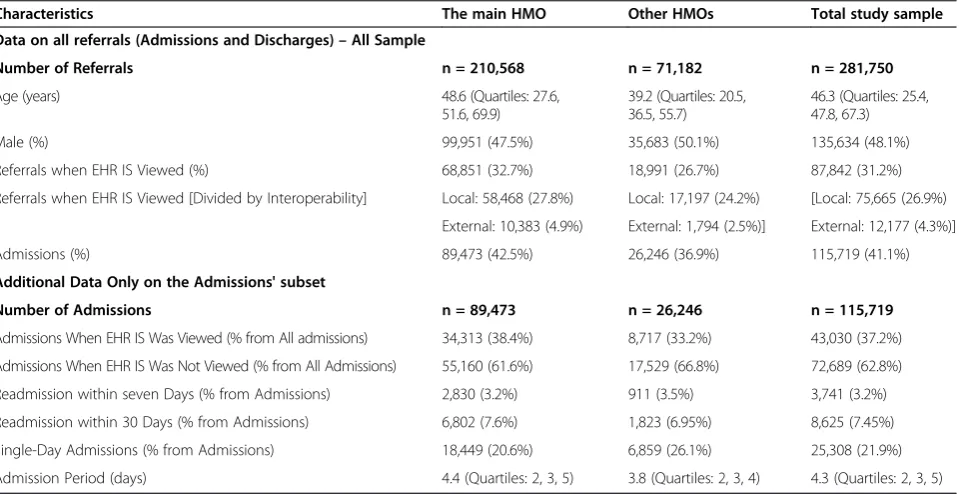
Table 2 Patient characteristics: Comparison of HMO insured patients vs. other HMO insured patients (All sample and the admission subset)
Characteristics The main HMO Other HMOs Total study sample
Data on all referrals (Admissions and Discharges)–All Sample
Number of Referrals n = 210,568 n = 71,182 n = 281,750
Age (years) 48.6 (Quartiles: 27.6,
51.6, 69.9)
39.2 (Quartiles: 20.5, 36.5, 55.7)
46.3 (Quartiles: 25.4, 47.8, 67.3)
Male (%) 99,951 (47.5%) 35,683 (50.1%) 135,634 (48.1%)
Referrals when EHR IS Viewed (%) 68,851 (32.7%) 18,991 (26.7%) 87,842 (31.2%)
Referrals when EHR IS Viewed [Divided by Interoperability] Local: 58,468 (27.8%) Local: 17,197 (24.2%) [Local: 75,665 (26.9%)
External: 10,383 (4.9%) External: 1,794 (2.5%)] External: 12,177 (4.3%)]
Admissions (%) 89,473 (42.5%) 26,246 (36.9%) 115,719 (41.1%)
Additional Data Only on the Admissions' subset
Number of Admissions n = 89,473 n = 26,246 n = 115,719
Admissions When EHR IS Was Viewed (% from All admissions) 34,313 (38.4%) 8,717 (33.2%) 43,030 (37.2%)
Admissions When EHR IS Was Not Viewed (% from All Admissions) 55,160 (61.6%) 17,529 (66.8%) 72,689 (62.8%)
Readmission within seven Days (% from Admissions) 2,830 (3.2%) 911 (3.5%) 3,741 (3.2%)
Readmission within 30 Days (% from Admissions) 6,802 (7.6%) 1,823 (6.95%) 8,625 (7.45%)
Single-Day Admissions (% from Admissions) 18,449 (20.6%) 6,859 (26.1%) 25,308 (21.9%)
Admission Period (days) 4.4 (Quartiles: 2, 3, 5) 3.8 (Quartiles: 2, 3, 4) 4.3 (Quartiles: 2, 3, 5)
The log-files in this study were restricted to the main DDs presented above (CP, AP, GE, UTI and PO).
The statistical analyses were performed using SPSS ver-sion 20 (SPSS Inc., Chicago, Illinois, USA) software. Con-tinuous variables are presented as means ± SD. To test differences in the continuous variables between the two groups, the independent samples t-test was performed. Associations between the dichotomous variables were tested with the Pearson Chi-square test. A multivariate lo-gistic regression analyses was performed to test the ad-justed association between the main independent variable (Viewing medical history) and the dependent variables (Readmissions and Single-Day admissions). In addition, other relevant potential cofounding variables were en-tered into the multivariate analysis, including age, gender, HMO, type of department, hospital and etc. The analysis considered the results in the p<0.05 level as significant.
The dependent variables Readmission within seven days
Quantified whether a patient was readmitted to a hospital within seven days from the previous discharge for a closely related condition, or otherwise. A closely related condition is defined as a condition that clinically resembles the com-plaint or the diagnosis which led to the previous admission.
Single-day admission
Quantified whether a patient, as a result of the decision to admit, was admitted for a single day or for a longer period of time. The measurement scale for single day admissions filtered out patients who intentionally sought and received treatment involving single day admission. Only admissions from an ED to a specific hospital department were re-corded and included. In addition, similar to many EDs around the world, hospitals in Israel maintain observa-tion wards in which patients are supervised for a period of 12–24 h. This period of observation was not included in the calculations.
The independent variables Viewed medical history
The patients in our study were divided into two groups: pa-tients whose medical history was viewed via the EHR IS and patients whose medical history was not viewed via the EHR IS. The EHR IS provided full integrative information only on patients belonging to the main HMO, as specified in Table 1.
The term 'viewed medical history' refers to access to at least one of several medical history components in the EHR IS (see Table 1). This was measured as a dichotomous variable.
Table 3 The impact of viewing medical history on various DDs (readmissions within seven days)
Differential diagnosis
Total admissions when medical history was not viewed
Readmissions when medical history was not viewed
Total admissions when medical history was viewed
Readmissions when medical history was viewed
Decrease in readmissions within seven days
P-Value
All DDs 72,689 (100%) 2,956 (4.1%) 43,030 (100%) 785 (1.8%) 56.10% <0.001
GE 5,265 (100%) 338 (6.4%) 1,900 (100%) 25 (1.3%) 79.69 <0.001
AP 14,068 (100%) 1,412 (10%) 7,511 (100%) 181 (2.4%) 76% <0.001
CP 41,624 (100%) 865 (2.1%) 26,026 (100%) 508 (2.0%) 4.76% p=0.257
PO 7,691 (100%) 200 (2.6%) 4,684 (100%) 50 (1.1%) 57.69% <0.001
UTI 4,041 (100%) 141 (3.5%) 2,909 (100%) 21 (0.7%) 80% <0.001
The percentages in the Table were calculated out of the total number of admissions. For instance, the percentage of readmissions when medical history was viewed for all DDs: 4.1% is gained as consequence of dividing the number of Readmissions when medical history was viewed (2956) with the total number of admissions in which medical history was viewed (72,689), See at Table2. All similar percentages were calculated similarly.
*** p<0.001, ** p<0.01, *p<0.05, + p<0.1; n/a not applicable (all similar tables below use the same conventions).
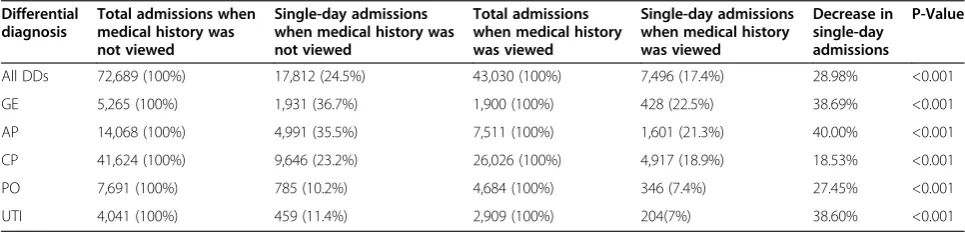
Table 4 The impact of viewing medical history on various DDs (single-day admissions)
Differential diagnosis
Total admissions when medical history was not viewed
Single-day admissions when medical history was not viewed
Total admissions when medical history was viewed
Single-day admissions when medical history was viewed
Decrease in single-day admissions
P-Value
All DDs 72,689 (100%) 17,812 (24.5%) 43,030 (100%) 7,496 (17.4%) 28.98% <0.001
GE 5,265 (100%) 1,931 (36.7%) 1,900 (100%) 428 (22.5%) 38.69% <0.001
AP 14,068 (100%) 4,991 (35.5%) 7,511 (100%) 1,601 (21.3%) 40.00% <0.001
CP 41,624 (100%) 9,646 (23.2%) 26,026 (100%) 4,917 (18.9%) 18.53% <0.001
PO 7,691 (100%) 785 (10.2%) 4,684 (100%) 346 (7.4%) 27.45% <0.001
UTI 4,041 (100%) 459 (11.4%) 2,909 (100%) 204(7%) 38.60% <0.001
Viewed local information
Indicates examination of medical information available within the framework of local files available in a specific hospital.
Viewed external information (interoperability)
Indicates the viewing of external integrative medical history, which was provided online by certain health suppliers. External information concerned only HMO patients for whom both local and external types of information were available.
Health maintenance organization
To control for major discrepancies in the quality and the amount of medical information between the main HMO patients and other HMO patients, a dichotomous variable was created.
Differential diagnosis
The DDs of ED referred patients were entered into the database using the WHO International Classification of Diseases (ICD/10) code. It should be noted that there could have been more than one DD per patient on a single referral. In this case we selected the main DD that was assigned by the physicians.
ED department
This variable represented the specific type of unit where the patient was evaluated in the ED such as internal medi-cine or surgical.
Hospital
This variable represented the specific hospital where the patient was evaluated.
Patient age
Continuous variable representing the age of the patient.
Patient gender
Male/Female.
The ethical approval and confidence
The study was approved by the institutional review board at Tel Aviv University for meeting the requirements of the Ethics Committee. As for the data anonymity, the log files that we used for this study didn't contain any personal de-tails on the patients including the patient id. This field was hushed before we received the file so it was anonymized.
Results
We first present descriptive statistics regarding the distri-bution of ED referrals during the period of research. We then present statistical tests performed to measure the relationship between the research variables. Finally, we present the main findings regarding the track log-file ana-lysis using multivariate regression analyses. The presented statistical analyses were consistently made on the admit-ted patients.
Descriptive statistics
We present the data on referrals (consisting of admissions and discharges) from the seven hospitals chosen for the
Table 5 Logistic regression on readmission within seven days for all DDs when viewing external medical history (Hypothesis 1a)
Theory variables in the equation All DDs (N=115,719) GE (N=7,165) AP (N=21,579) UTI (N=6,950) CP (N=67,650) PO (N=12,375)
External history vieweda 0.520 (<0.001) 0.318 (0.051) 0.256 (<0.001) 0.308 (0.021) 0.807 (0.176) 0.867 (0.714)
Age 0.976 (<0.001) 0.998 (<0.001) 0.981 (<0.001) 0.982 (<0.001) 0.981 (<0.001) 0.971 (<0.001)
Genderc 0.792 (<0.001) 1.102 (0.376) 0.638 (<0.001) 0.803 (0.222) 1.264 (<0.001) 1.138 (<0.001)
HMOβ 1.089 (0.031) 0.704 (0.003) 1.160 (0.012) 1.196 (0.363) 1.276 (<0.001) 1.149 (0.380)
Constant 0.123 (<0.001) 0.091 (<0.001) 0.181 (<0.001) 0.066 (<0.001) 0.047 (<0.001) 0.063 (<0.001)
The table reports a series of multiple regression analyses. Block 2 (control for type of department) and Block 3 (control for type of hospital) are not shown here, but were also included in the regression. Table entries represent the odd ratio, with p-values in parentheses.CP= chest pain;AP= abdominal pain;GE= gastroenteritis;UTI= urinary tract infection;PO= pneumonia organism;a
Coded 0= Medical history not viewed,1=Medical history viewed.βCoded 0= other HMO,
1= main HMO.c
Coded 0= female,1= male. (all similar tables below use the same abbreviations).
Table 6 Logistic regression on single-day admissions for all DDs for external medical history (Hypothesis 2a)
Theory variables in the equation All DDs (N=115,719) GE (N=7,165) AP (N=21,579) UTI (N=6,950) CP (N=67,650) PO (N=12,375)
External history viewed 0.760 (<0.001) 0.648 (0.014) 0.649 (<0.001) 0.917 (0.590) 0.844 (<0.001) 0.876 (0.445)
Age 0.979 (<0.001) 0.982 (<0.001) 0.977 (<0.001) 0.985 (<0.001) 0.968 (<0.001) 0.982 (<0.001)
Gender 0.960 (0.005) 1.004 (0.933) 0.967 (0.285) 0.904 (0.263) 0.822 (<0.001) 1.047 (0.478)
HMO 0.859 (<0.001) 0.786 (<0.001) 0.936 (0.052) 0.864 (0.132) 0.891 (<0.001) 0.962 (0.609)
research. The log-file consisted of 281,750 samples of re-ferrals. The names of the hospitals are not disclosed for reasons of confidentiality and privacy.
Table 2 highlights a number of key variables that are implemented in the regression analyses, by HMO. The comparison of HMOs was done for reasons of information gathering in pursuing a better under-standing of the study population and not for casual conclusions.
It is clear that viewing external history did not take place very often. In terms of the entire referral population, external information was viewed in only 4.3% of the ca-ses, compared to roughly 26.9% for viewing of local information.
It is important to note that, patients’medical history was viewed in only 31.2% of all hospital referrals. Hence, 68.8% of all referrals did not include any use of electronic medical history.
There was greater use of medical history for patients who were members of the main HMO, for whom more extensive data had been collected (data were examined in 32.7% of the main HMO cases compared to 26.7% for the remaining patients). Yet, even among members of the main HMO, the extent of use of medical history was not exceptionally high.
Statistical relationships between using EHR IS and the dependent variables
Tables 3 and 4 show that for most DDs, there was a sub-stantial decrease in the rates of both readmissions and single-day admissions when EHR IS was viewed.
The strongest decreases were observed for UTI, GE and AP. An exception was CP DD in which vie-wing of medical history had no effect on seven day readmissions.
Results for the multiple regression analysis
The main findings regarding the track log-file analysis are summarized below. The results of each Table were ana-lyzed separately, showing the odds ratios (OR) (of theβ co-efficients). Additionally, the results are adjusted to age, gender, HMO, control variables for type of ED and control variables for type of hospital. Finally, we tested all the readmissions' hypotheses also in thirty days timeframe (in addition to the seven days) and we gained similar results.
Table 5 shows that viewing external medical history via the EHR IS was consistently associated with a reduced number of seven day readmissions. When external med-ical history was viewed, the likelihood of seven day readmissions decreased by 74% for AP and by 69% for UTI (OR = 0.256 and 0.308 respectively). For all DDs taken together, there was a significant reduction of 48% (OR = 0.520) in seven day readmissions.
In addition, being a main HMO patient was positively correlated with higher odds for seven day readmission. This is not surprising, since the HMO owns all these hos-pitals, and it is likely that HMO patients will seek medical care at these hospitals more than patients belonging to other HMOs.
The results of Table 6 mirror those in Table 5. In general external medical history viewed via the EHR IS was posi-tively and significantly correlated with reduced odds for single-day admissions. Viewing external medical history was associated with a substantial reduction of up to 35% in single-day admissions. Being a member of the main HMO was positively correlated with lower odds of single-day admission.
Tables 7 and 8 report these same analyses but for view-ing local medical history via the EHR IS (rather than ex-ternal medical history).
Table 7 Logistic regression on readmission within seven days for all DDs when viewing local medical history (Hypothesis 1b)
Theory variables in the equation All DDs (N=115,719) GE (N=7,165) AP (N=21,579) UTI (N=6,950) CP (N=67,650) PO (N=12,375)
Local history viewed 0.563 (<0.001) 0.249 (<0.001) 0.276 (<0.001) 0.246 (<0.001) 1.016 (0.789) 0.567 (0.001)
Age 0.977 (<0.001) 0.991 (<0.001) 0.983 (<0.001) 0.983 (<0.001) 0.981 (<0.001) 0.972 (<0.001)
Gender 0.795 (<0.001) 1.114 (0.325) 0.642 (<0.001) 0.798 (0.211) 1.265 (<0.001) 1.149 (0.292)
HMO 1.081 (0.048) 0.697 (0.003) 1.147 (0.021) 1.172 (0.421) 1.270 (<0.001) 1.155 (0.364)
Constant 0.132 (<0.001) 0.10 (<0.001) 0.276 (<0.001) 0.079 (<0.001) 0.047 (<0.001) 0.067 (<0.001)
Table 8 Logistic regression on single-day admissions for all DDs explained when local medical history (Hypothesis 2b)
Theory variables in the equation All DDs (N=115,719) GE (N=7,165) AP (N=21,579) UTI (N=6,950) CP (N=67,650) PO (N=12,375)
Local history viewed 0.785 (<0.001) 0.776 (<0.001) 0.617 (<0.001) 0.633 (<0.001) 0.846 (<0.001) 0.887 (0.094)
Age 0.979 (<0.001) 0.983 (<0.001) 0.978 (<0.001) 0.985 (<0.001) 0.968 (<0.001) 0.982 (<0.001)
Gender 0.961 (0.007) 1.008 (0.885) 0.972 (0.364) 0.903 (0.256) 0.821 (<0.001) 1.050 (0.451)
HMO 0.855 (<0.001) 0.782 (<0.001) 0.929 (0.031) 0.865 (0.133) 0.888 (<0.001) .962 (0.611)
Similar to the external medical history findings, local history was associated with a significant reduction in readmissions across the board, ranging from 43% for PO (OR = 0.567) to 75% for both GE and UTI (OR = 0.249 and 0.246 respectively), and 72% for AP.
Table 7 also shows that HMO correlates with read-missions rates. Moreover, being an HMO member was positively correlated readmission. These correlations were not consistent across the DDs.
Table 8 shows that viewed local history was associated with a reduced number of single-day admissions. The largest reduction was again for GE, AP, and UTI with re-duction of 22% (OR = 0.776), 38% (OR = 0.617), and 37% (OR = 0.633) respectively.
Additionally, it shows a consistent association of re-duced single-day admissions for patients belonging to the main HMO.
Tables 5–8 examined external and local medical information independently. Tables 9 and 10 compare the two cases. These two regressions include a much smaller sample size (N= 40,030) because only cases in which in-formation was viewed were included in the regression.
When contrasted with external medical information, viewed local medical history had a marginally significant association with an increased number of readmissions (OR = 1.272). We were not able to demonstrate this dif-ference for the various DDs separately. We assessed that no significance was found for each DD due to small sam-ple size. However, the direction of OR was kept solidly positive (OR range 1.149 to 1.393), except for PO DD (OR = 0.763), after controlling for all variables.
In Table 10, after contrasted with an external informa-tion, local medical history viewed had a significant asso-ciation with increased number of single-day admissions (OR = 1.130) in comparison to external medical infor-mation. Again, this effect could not be found for the various DDs separately, probably due to the small sam-ple size. Nevertheless, the direction of the association remained positive (OR range 1.024 to 1.149), except for UTI DD (OR = 0.883).
Main findings and results
Patient medical history was only viewed in 31.2% of all referrals to the ED via the EHR. Hence, 68.8% of all refer-rals did not involve any use of EHR IS. There was in-creased use of EHR IS for patients who were members of the main HMO, for whom more extensive data were col-lected and available for review.
Second, viewing local and external medical history via the EHR IS was positively associated with a reduced number of readmissions within seven days (hypothesis 1 supported) and single-day admissions (hypothesis 2 supported).
Third, GE, AP, and UTI DDs were found to have the highest association between EHR IS viewed and reduced number of seven day readmissions. GE, AP, and CP DDs had the highest association between EHR IS viewed and reduced single-day admission rates.
Finally viewing external medical history was more highly correlated with lower single-day admissions and seven day readmissions than local medical history (hy-pothesis 3 supported).
Table 9 Logistic regression on readmission within seven days for all DDs comparing local and external medical history (Hypothesis 3)
Theory variables in the equation All DDs (N=43,030) GE (N=1,900) AP (N=7,511) UTI (N=2,909) CP (N=26,026) PO (N=4,684)
Local history viewed 1.272 (0.050) 1.149 (0.482) 1.393 0(.203) 1.082 (0.894) 1.301 (0.114) 0.763 (0.526)
Age 0.989 (<0.001) 0.986 (<0.001) 0.991 (0.026) 1.003 (0.783) 0.988 (<0.001) 0.980 (0.009)
Gender 1.435 (<0.001) 1.117 (0.343) 1.092 (0.576) 1.137 (0.777) 1.587 (<0.001) 1.019 (0.947)
HMO 1.334 (0.002) 0.716 (0.016) 1.466 (0.050) 0.915 (0.877) 1.438 (0.002) 0.931 (0.884)
Constant 0.000 (0.998) 0.000 (1.000) 0.000 (0.998) 0.000 (0.999) 0.000 (0.999) 0.000 (0.999)
Note.a
Coded 0= external history viewed,1= local history viewed. (all similar tables below use the same abbreviations).
Table 10 Logistic regression on single-day admissions for all DDs comparing local and external medical history (Hypothesis 3)
Theory variables in the equation All DDs (N=43,030) GE (N=1,900) AP (N=7,511) UTI (N=2,909) CP (N=26,026) PO (N=4,684)
Local history viewed 1.130 (0.005) 1.149 (0.482) 1.024 (0.802) 0.883 (0.507) 1.109 (0.069) 1.028 (0.879)
Age 0.978 (<0.001) 0.986 (<0.001) 0.978 (<0.001) 0.989 (0.002) 0.971 (<0.001) 0.997 (0.423)
Gender 1.052 (0.066) 1.117 (0.343) 1.070 (0.266) .856 (0.318) 0.921 (0.016) 1.183 (0.147)
HMO 0.898 (<0.001) 0.716 (0.016) 0.833 (0.006) 1.104 (0.616) 0.948 (0.177) 0.971 (0.846)
Discussion
Viewing medical historical information via an EHR IS and interoperable HIE networks can improve health care de-livery and individual patient care in various ways. First, EHR and HIE can provide the care giver with complete, accurate, and searchable health information, available at the point of diagnosis and care, allowing for more in-formed decision making to enhance the quality and reli-ability of health care delivery. Second, they have the potential to enable more efficient and convenient delivery of care, without having to wait for the exchange of records or paperwork and without requiring unnecessary or re-petitive tests or procedures and/or avoidable redundant admissions and readmissions. And third, they enhance earlier diagnosis and characterization of disease, with the potential to thereby improve outcomes and reduce costs.
This study results show that the use of EHR and HIE relates to admission decisions and constituent for the re-duction in the number of seven days readmissions and single-day admissions for all patients. The results suggest that short redundant admissions and readmissions, some of which may be caused by lack of viewing or accessing med-ical information or by using incomplete information, can be avoided in significant percentages, by using local and ex-ternal interoperable medical history from EHR IS and HIE networks during the course of assessment in the ED.
Findings also demonstrate the higher effect of using ex-ternal medical history, as compared with local medical history. External medical history examination implies a more thorough patient examination that can help avoid redundant admissions. Esquivel et al. [9] proposed that flexibility in the referral process is necessary for effective system use by staff. These findings, regarding interoper-ability, provide insight on the benefits of adopting, implementing and using EHR IS and HIE networks in order to improve healthcare delivery by allowing more interaction with and transfer of information about patients to caregivers, and clinical care coordinators, and therefore, increasing efficiencies related to clinical and administra-tive tasks. We think that this study results will help deci-sion makers in the health sector to better understand the managerial and organizational benefits and outcomes of sharing data among health care institutions.
We noted that in most instances medical history is not viewed at all, probably due to lack of complete informa-tion and the limited resources available to public medical facilities, combined with an especially emergent nature of the ED units. Therefore, in instances where medical his-tory is available and viewed, clinical staff may gain certain confidence, thus allowing medical staff to make more ef-fective decisions with lower uncertainty-related biases.
Therefore, we suggest that health care organizations, seeking to gain clinical, managerial and administrative benefits, may invest additional costs and efforts in health
information technology in general and in EHR and HIE networks in particular. These investments will provide additional engagement of doctors with more complete, comprehensive, accurate and updated patient medical historical information, and than should produce better de-cision making, and in parallel eliminate unnecessary ad-mission costs for the HMO, and therefore for its patients.
Contribution
In the field of healthcare, physicians need information to help them provide better medical treatment, improve pa-tients safety and more efficient medical services. One of the major issues in this context is how information on patients, supplied by EHR IS and HIE networks, under the serious time constraints and overcrowding of an ED, can improve decision-making and its outcomes. This study attempted to inform researchers, policy makers, physicians and patients by providing further insights into the field of medical informatics.
First of all, the main conclusions of this study shed light on the importance of medical history available to physicians at the point of care. Physicians take advantage of medical history, and are aware of its importance. This study specif-ically selected types of diagnoses where information is more important in certain cases and less so in others. Guidelines thus can be readily implemented and updated.
In addition, we illustrated the specific value of external medical information versus local data. We found a reduc-tion in the volume of short-term admissions and single-day admissions (as compared to [6,19,20]). This reduction was substantial for both local and external medical history, with the latter making a greater contribution. This finding con-firms the potential benefits of using HIE interoperable net-works and thus encourages decision makers to invest more effort in improving connectivity between various healthcare entities. Third, we extend previous research by integrating DD, interoperability and patient attributes in the variables.
Research limitations and future research
This study has some limitations. First, in this analysis we were not able to differentiate justified from unjustified admissions. We believe that many of the single-day admis-sions and short-term readmisadmis-sions could have been avoided and more sophisticated methods of segregating avoidable and unavoidable admissions would have been helpful.
Second, the actual medical conditions of the patient were not considered in this study. These data could have helped confirm or disconfirm our claim that viewing med-ical history improves medmed-ical care, which in turn may re-duce future costs in terms of fewer readmissions. We partially controlled this by using the subsets of main DDs.
particularly relevant to analyzing external data. The results will help better understand interoperability between vari-ous points of care as well as providing greater insights into ways to display shared data.
Finally, different physicians maintain different philoso-phies regarding the use of the system. Actual usage of the system at each of the seven hospitals was idiosyncratic be-cause of differences in management policy relating to the system, electronic order entry in general, and the influence of other technologies on cooperation among physicians within each hospital. We suggest that future work should concentrate on adding the physicians’attributes to the log file. Such identification was missing from this study log-file. In this context, network externalities and diffusion theory can be used to study the causes for system as well as spe-cific information type usage. In addition, the assessment of the medical value of information could be expanded to other points of care and other departments as well.
Abbreviations
EHR:Electronic health record; HIE: Health information exchange; HMO: Health maintenance organization; IS: Information systems; IT: Information
technology; ED: Emergency department; DD: Differential diagnosis.
Competing interests
The authors declare that they have no competing interests.
Authors’contributions
All contributors co-participated in an equal manner. All authors read and approved the final manuscript.
Author details
1
Faculty of Business Administration, Ono Academic College, Zahal Street, Kiryat Ono, IL, Israel.2School of Economics and Management, The college of Management Academic Studies, Rishon LeZion, IL, Israel.3Faculty of Management, Tel-Aviv University, Ramat-Aviv, IL, Israel.4Faculty of Medicine, Tel-Aviv University, Ramat-Aviv, IL, Israel.
Received: 26 October 2012 Accepted: 5 February 2013 Published: 17 April 2013
References
1. Brynjolfsson E, Hitt L:Paradox lost? firm-level evidence on the returns to information systems spending.Manag Sci1996,42:541–558.
2. Lawson AE, Daniel ES:Inferences of clinical diagnostic reasoning and diagnostic error.J Biomed Inform2011,44:402–412.
3. Tripathi M, Delano D, Lund B, Rudolph L:Engaging patients for health information exchange.Health Aff2009,28:435–443.
4. Vest JR:Health information exchange and healthcare utilization.J Med Syst2009,33:223–231.
5. Andrews JH:Testing using log file analysis: tools, methods and issues. 13th International Conference on Automated Software Engineering Proceeding 13-16 October 1998. London, Ontario, Canada: IEEE; 1998:157–166. 6. Shabtai I, Leshno M, Blondheimc O, Kornbluth J:The value of information
for decision-making in the healthcare environment.Med Care Compunetics2007,4:91–97.
7. Vest JR, Zhao H, Jasperson J, Gamm LD, Ohsfeldt RL:Factors motivating and affecting health information exchange usage.J Am Med Inform Assoc 2011,18:143–149.
8. Yen P, Bakken S:Review of health information technology usability study methodologies.J Am Med Inform Assoc2012,19:413–322.
9. Esquivel A, Sittig DF, Murphy DR, Singh H:Improving the effectiveness of electronic health record-based referral processes.BMC Med Inform Decis Mak2012,12:107–114.
10. Olola HOC, Narus S, Mebeker J, Poynton M, Hales J, Rowan B, LeSier H, Zumberren C, Edwards AA, Crawford R, Amundsen S, Kabir Y, Atkin J,
Newberry C, Young J, Hanifi T, Risenmay B, Sorensen T, Evans S:
The perception of medical professionals and medical students on the usefulness of an emergency medical card and a continuity of care report in enhancing continuity of care.Int J Med Inform2011,80:412–420. 11. Ramachandran S, Erraguntla M, Mayer R, Benjamin P:Data mining in military
health systems - clinical and administrative applications.InProceedings of the 3rd Annual IEEE International Conference on Automation Science and Engineering: 22-25 September 2007. Scottsdale, AZ, USA: IEEE; 2007:158–163.
12. Ather S, Chung KD, Gregory P, Demissie K:The association between hospital readmission and insurance provider among adults with asthma.
J Asthma2004,2004(41):709–713.
13. Welch HG, Larson EH, Hart LG, Rosenblatt RA:Readmission after surgery in Washington state rural hospitals.Am J Public Health1992,82:407–411. 14. Schneider EB, Hyder O, Brooke BS, Efron J, Cameron JL, Edil BH, Schulick RD,
Choti MA, Wolfgang CL, Pawlik TM:Patient readmission and mortality after colorectal surgery for colon cancer: Impact of length of stay relative to other clinical factors.J Am Coll Surg2012,214:390–398. 15. Nahab F, Takesaka J, Mailyan E, Judd L, Culler S, Webb A, Frankel M, Choi D,
Helmers S:Avoidable 30-day readmission among patients with stroke and other Cerebrovascular.The Neurohospitalist2012,2:7–11.
16. Yam CH, Wong EL, Chan FW, Wong FY, Leung MC, Yeoh EK:Measuring and preventing potentially avoidable hospital readmissions: a review of the literature.Hong Kong Medical Journal2010,16:383–389.
17. Cress JC:Helping reduce hospital readmissions using seven key elements.Geriatr Care Manage J2011,21:25–28.
18. Ben-Assuli O, Leshno M, Shabtai I:Using electronic medical record systems for admission decisions in emergency departments: examining the crowdedness effect.J Med Syst2012,36:3795–3803.
19. Cooke MW, Higgins J, Kidd P:Use of emergency observation and assessment wards: a systematic literature review.Br Med J2003,20:138–142. 20. Denman JM, Bingham P, George S:A confidential enquiry into emergency hospital admissions on the Isle of Wight, UK.Br Med J1997,51:386–390. 21. Ben-Assuli O, Leshno M:Using electronic medical records in admission
decisions: a cost effectiveness analysis.Decis Sci2013,44(3). 22. Sox HC, Blatt MA, Higgins MC:Medical decision making. Philadelphia:
American College of Physicians; 2007.
23. Walker J, Pan E, Johnston D, Adler-Milstein J, Bates DW, Middleton B:
The value of health care information exchange and interoperability.
Health Aff2005,24:10–18.
24. Arendts G, Fitzhardinge S, Pronk K, Donaldson M, Hutton M, Nagree Y:
The impact of early emergency department allied health intervention on admission rates in older people - a nonrandomized clinical study.BMC Geriatr2012,12:8–13.
doi:10.1186/1472-6947-13-49
Cite this article as:Ben-Assuliet al.:The impact of EHR and HIE on reducing avoidable admissions: controlling main differential diagnoses.
BMC Medical Informatics and Decision Making201313:49.
Submit your next manuscript to BioMed Central and take full advantage of:
• Convenient online submission
• Thorough peer review
• No space constraints or color figure charges
• Immediate publication on acceptance
• Inclusion in PubMed, CAS, Scopus and Google Scholar
• Research which is freely available for redistribution