ABSTRACT
STYERS, MARY KOENIG. Protecting my Self through Language: Developmental Differences in Narrative Accounts following a Self-threatening Experience. (Under the direction of Lynne Baker-Ward.)
Understanding how adults perceive and respond to threatening situations has been investigated by numerous social psychologists. However, these researchers have neglected to consider the development of these responses. One notable omission is how individuals at different ages use language to protect their sense of self in everyday negative situations. This study investigated cross-sectional differences in responses to everyday problems, conflicts and issues in salient domains of the self. Fifty-five older elementary students, 51 middle school students and 54 college participants each narrated accounts of two recent problematic experiences that differed in their overall importance to the self and provided ratings of their recollections and psychological responses to these experiences. Participants at all age levels reported that the narrated events differed in their overall importance, intensity and self-relevance according to their level of salience to the self. In addition, there were cross-sectional differences in the density of internal states language, and the relationship between language use and subsequent event sequelae varied by age group. For the elementary age group only, participants who used positive reappraisal in their narratives experienced a decrease in importance and participants who used a higher percentage of positive emotion terms sought less assistance following the experience and reported higher levels of cognitive avoidance. For the middle school age group only, usage of positive reappraisal was
Protecting my Self through Language: Developmental Differences in Narrative Accounts following a Self-threatening Experience
by
Mary Koenig Styers
A dissertation submitted to the Graduate Faculty of North Carolina State University
in partial fulfillment of the requirements for the Degree of
Doctor of Philosophy
Psychology
Raleigh, North Carolina 2009
APPROVED BY:
_________________________ __________________________ Thomas Hess, Ph.D. Shevaun Neupert, Ph.D.
_________________________ __________________________ Jason Osborne, Ph.D. Lynne Baker-Ward, Ph.D.
BIOGRAPHY
ACKNOWLEDGEMENTS
Thank you to my dissertation committee members, Tom Hess, Jason Osborne and Shevaun Neupert, for your guidance, support and encouragement throughout this process. Special thanks are also extended to my advisor, Lynne Baker-Ward. You motivated me and helped me build a self-confidence that will stay with me. I see my own growth over the graduate years and I owe it to your warm guidance and support.
Thank you to all of the wonderful after school groups and personal connections who supported my research. Gratitude must also be extended to all of the undergraduates and graduate students who helped with the interviews and transcribing for my dissertation, including: Michelle Curry, Chrissy DeCarolis, Alena Esposito, Erica Hall, James Kornegay, Angela Meluso, Melissa Penniman, Jeffrey Schneider and Kim Turner. I certainly could not have completed these interviews without all of you. Thank you also to all of the M&ND members and to my colleagues at Magnolia for your advice and support throughout this process.
TABLE OF CONTENTS
LIST OF TABLES ... v
LIST OF FIGURES ... vi
LITERATURE REVIEW ... 1
The self and self-protective mechanisms... 5
Self-understanding through narrative... 15
Internal states language and narrative understanding... 22
The current study ... 42
METHOD ... 44
Participants... 44
Interviewers... 46
Materials ... 47
Procedure... 49
Coding... 53
RESULTS ... 57
Preliminary Analyses ... 57
Descriptive Results... 60
Tests of Main Hypotheses ... 69
DISCUSSION ... 87
Aim 1: How does internal states language differ across age and self-category? ... 87
Aim 2: Are there cross-sectional differences in narrative accounts of discounting the experience? ... 92
Aim 3: How does age group moderate the relationship between language use and coping?... 95
Aim 4: How does age group moderate the relationship between language use and intrusions/avoidance? ... 100
Limitations and Future Directions... 101
REFERENCES... 104
APPENDICES ... 114
Appendix A. Parent letter and consent forms ... 115
Appendix B. Full questionnaire for participants ... 121
Appendix C. Preliminary analyses: Demographic differences in language use ... 131
Appendix D. Preliminary analyses: Language differences in questionnaire order.... 136
Appendix E. Manipulation check for different types of events... 137
LIST OF TABLES
Table 1. Codes for positive reappraisal... 56 Table 2. Summary of regression analysis for variables predicting current importance .... 74 Table 3. Summary of regression analysis for age group and assistance seeking
variables predicting positive emotion usage... 78 Table 4. Summary of regression analysis for age group and cognitive avoidance
variables predicting positive emotion usage... 80 Table 5. Summary of regression analysis for age group and positive reappraisal
variables predicting cognitive behavioral problem solving ... 82 Table 6. Summary of regression analysis for variables predicting cognitive avoidance ... 84 Table 7. Means and standard deviations of cognitive terms by importance category and demographic variables... 132 Table 8. Means and standard deviations of positive emotion terms by importance category and demographic variables... 133 Table 9. Means and standard deviations of negative emotion terms by importance
category and demographic variables... 134 Table 10. Means and standard deviations of exclusion terms by importance category and demographic variables... 135 Table 11. Means and standard deviations of key language variables by importance category and questionnaire version... 136 Table 12. Means and standard deviations of event categories by importance level, gender and age group ... 138 Table 13. Summary of regression analysis for exclusion and age variables predicting present importance... 142 Table 14. Summary of regression analysis for cognitive term and age variables
LIST OF FIGURES
Figure 1. Internal states language for moderately negative experiences (LIWC)... 38
Figure 2. Language use: Exclusive terms (LIWC)... 39
Figure 3. Mean self-reveal ratings by age group ... 60
Figure 4. Most important event categories by age group ... 63
Figure 5. Least important event categories by age group... 63
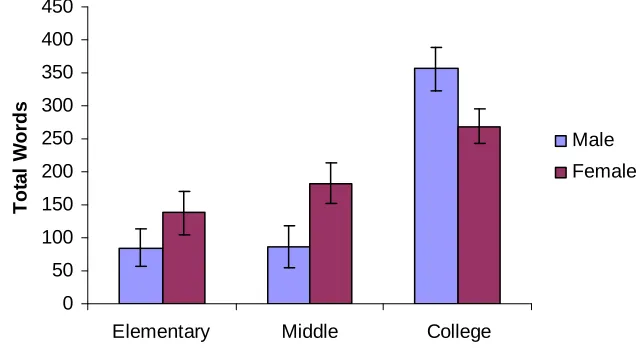
Figure 6. Total words by age group and gender... 65
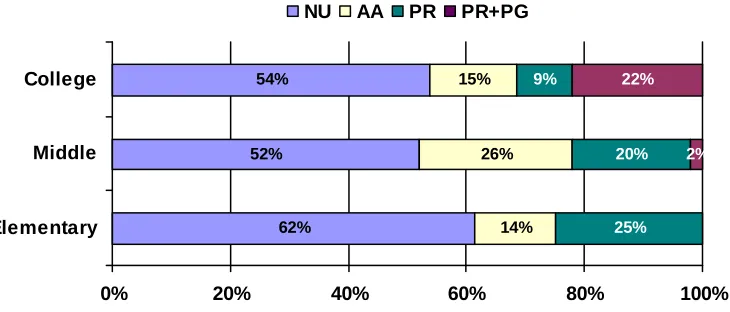
Figure 7. Positive reappraisal codes for most important event categories by age group ... 67
Figure 8. Positive reappraisal codes for least important event categories by age group... 67
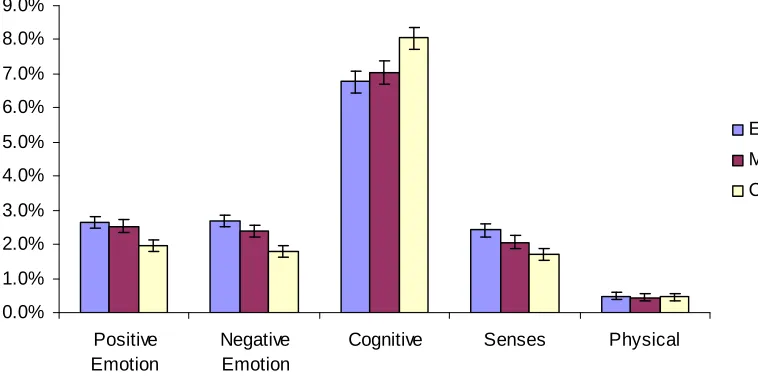
Figure 9. Internal states language differences by age group ... 70
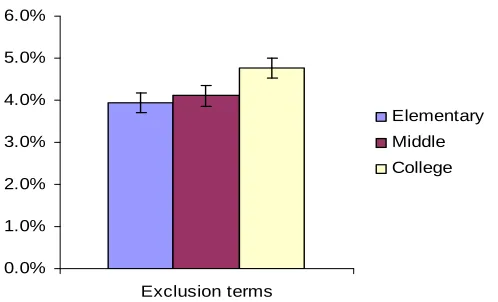
Figure 10. Percentage of exclusion terms in narratives by age group... 71
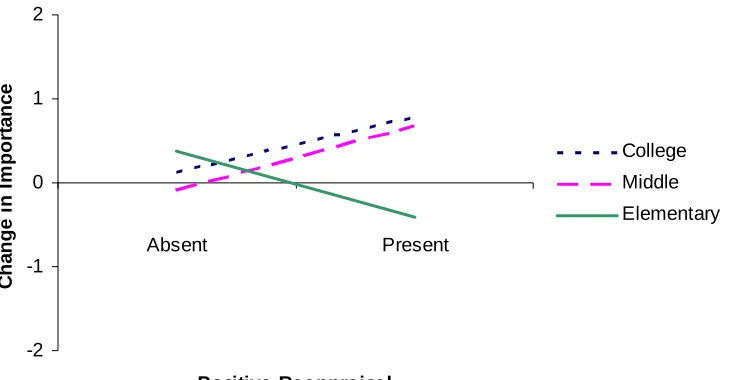
Figure 11. Interaction between positive reappraisal and age group, predicting present importance of the event (Observed range of importance change: -6 to 4)... 74
Figure 12. Interaction between assistance seeking and age group, predicting usage of positive emotion terms (Observed range reflected in the scales) ... 78
Figure 13. Interaction between cognitive avoidance and age group, predicting usage of positive emotion terms (Observed range reflected in the scales) ... 81
LITERATURE REVIEW
Throughout the lifespan, individuals are continually faced with events that will challenge them. Many times individuals are asked to view the self in a different light, such as the child who first learns she is not good at sports, the pre-adolescent who begins to struggle with making friends in middle school or the adolescent who finds high school is much more difficult than he had been expecting. Each of these realizations may appear trivial in
comparison with the tragedies that can affect young people, but in each case, the child’s perception of the self is called into question and hence the impact can be significant. We know that children obtain these types of self-reflective realizations early on through their basic experiences in the world. From first through twelfth grade, children’s perceptions of their own self-worth decrease (Jacobs et al., 2002), not because they are becoming more pessimistic but instead because they are becoming more realistically aware of their own situations.
are more likely to paint unrealistically bright pictures of their selves. These individuals are more likely than others to feel that they have more control over situations than they actually do, ignore negative feedback from others, and downgrade the importance of areas in which they lack ability. According to Taylor and Brown (1988):
The mentally healthy person appears to have the enviable capacity to distort reality in a direction that enhances self-esteem, maintains beliefs in
personal efficacy, and promotes an optimistic view of the future. (p. 204)
These overly positive perceptions of situations appear to be one way of revising social reality (Taylor, 1983; Taylor & Brown, 1988), enabling the individual to become resilient in the face of a challenge to the self.
One possible mechanism of resiliency may involve giving voice to these experiences of self-threat. Establishing the benefits of emotional disclosures, research in expressive writing with adult (Fivush, Edwards & Menutti-Washburn, 2003; Pennebaker & Beall, 1986; Pennebaker, Colder & Sharp, 1990; Pennebaker & Francis, 1996; Pennebaker, 1997;
Pennebaker, Mayne & Francis, 1997; Park & Blumberg, 2002) and child populations
in language use across the lifespan, but their meta-analysis was limited by age groupings that lacked a developmental rationale (e.g., 8-14, 15-24) and by the variety of methods and procedures used for narrative data collection. Additionally, studies examining the link
between language use and functioning in childhood have their limitations. Experiments using expressive writing as an intervention may have artificially encouraged rumination
surrounding a negative experience (Fivush et al., 2007; O’Kearney et al., 2007) and one naturalistic investigation of the linkage between language use and later functioning involved extended time frames, correlating language at ages 3-4 with psychological well-being at ages 9-10 (Sales et al., 2005). It is also unclear how children may differ from adults both in their narrative expression and the psychological benefits achieved from voicing their experiences. The current study merges the aforementioned lines of research by examining developmental differences in pre-adolescents’, adolescents’ and young adults’ narrative accounts of a self-threatening experience and the subsequent influences of narrating the experience on various indicators of well-being, including incidence of intrusive and avoidant thoughts (Horowitz et al., 1979), coping strategies (Brodzinsky et al., 1992) and global self-worth (Harter, 1985, 1988; Neeman & Harter, 1986). Previous studies have only linked internal states language use to intrusive and avoidant thoughts and physical health (Fivush et al., 2007; O’Kearney et al., 2007; Pennebaker & Francis, 1996; Pennebaker et al., 1997; Sales et al., 2005; Styers & Baker-Ward, 2008). Ultimately, this study aims to examine developmental differences in the narrative expression of self-threat and the resilience of the self.
experience and examines developmental differences in children’s perceptions of the self as well as children’s responses to stressful experiences. The second chapter explores the bridge to self-understanding built through the use of narrative accounts of experiences. Finally, a method, results and discussion section are presented.
The self and self-protective mechanisms
The self involves who we are and all that we call “me” (James, 1890). Identity refers to the ways in which the self is vocalized, organized or constructed (McAdams, 1995). In other words, identity refers to how we talk and think about ourselves. In addition to identity, there are many different components of the self, notably self-esteem and self-worth. Self-esteem has been defined as, "how much value people place on themselves" (Baumeister, Campbell, Krueger & Vohs, 2003, p. 2). Our sense of self-worth involves not only how we see ourselves, but also represents how we feel and think about our selves and how we perceive our self to function within the world (Harter, 1985). Several theorists use self-esteem and self-worth interchangeably (Pelham & Swann, 1989; Crocker & Wolfe, 2001; Crocker & Knight, 2005) and for the purposes of this paper, these terms will be considered synonymous.
William James (James, 1892/1968) was one of the first to truly deconstruct the
concept of self, suggesting that individuals are motivated by social self-seeking, or a desire to be recognized in a positive light by others. In addition, James was one of the first to suggest how the self might serve a protective function. In determining self-esteem and an overall positive self-view, the individual must consider all aspects of the self and “pick out the one on which to stake his salvation” (p. 44). James goes on to say that this is a strong example of “selective industry of the mind” (p. 44). Individuals choose attributes where they are
successful and place them atop a hierarchy of differing self-characteristics. Each
Wolfe, 2001; James, 1890; Pelham & Swan, 1989) within the self-hierarchy (e.g., self as a student placed above self as an athlete).
Since the self-system has a hierarchy of importance, it only follows that threatening events in salient domains may call the hierarchy into question. For the most part, individuals are fairly proficient at responding to self-threats either through the help of significant others or individual resources (Taylor, 1983). When experiencing a threat to self, the individual approaches the experience in three ways: searching for meaning, gaining mastery and
enhancing self-esteem (Taylor, 1983). Beginning with the search for meaning, the individual seeks the reason why the event has happened to him or her and attempts to understand the impact of the experience on the self. Cognitive accommodations are made to restructure meaning, allowing the individual to find positive implications within the experience. Next, a sense of mastery enables the individual to feel as though he or she can prevent the experience from happening again (i.e., a feeling that one has learned from the experience). Finally, self-esteem enhancements occur to protect the self-hierarchy from destruction. For example, the situation may be re-constructed to illustrate a more positive picture (Taylor, 1983) or the self-hierarchy may be re-organized to de-emphasize the importance of the tarnished self-domain (Harter, 1999; James, 1892/1968; Steele, 1997).
(e.g., self-esteem, locus of control). If individuals feel that their global understanding (e.g., self-esteem) is violated by the appraised meaning of a situation (e.g., This event has taught me that I’m a bad person), this can be problematic. As a result, the individual engages in meaning making to repair the self. Taylor defined meaning making as:
Coming to see or understand the situation in a different way and reviewing and reforming one’s beliefs and goals in order to regain consistency among them. (p. 393)
Consistency in this definition is agreement between the situation and one’s beliefs. Meaning making allows individuals to change their perceptions of the situation or their own beliefs (e.g., the importance of the domain to the self) in order to understand the experience in a way that is self-protective (Park & Ai, 2006). It should be noted that whereas this model specifically discusses the influence of traumatic experiences, other researchers have noted that stressful experiences, which are assumed to be less intense than traumatic experiences, may also elicit coping resources. Perceptions of growth and mastery can be achieved from both stressful and traumatic experiences (Aldwin & Levenson, 2004).
developmental differences in response to threatening situations. The following section explores stages of self-development and cross-sectional differences in responses to stressful situations, suggesting that there are developmental differences in how the self responds to threatening situations.
Developmental differences in children’s responses to stressful situations
The large majority of social psychological theories and research come from work with college students. How might these concepts apply differently in child populations? Some concepts are similar, such as discounting (Harter, 1999) and dis-identification (James, 1892/1968; Steele, 1997). For instance, it appears to be the case that around the age of 8, children begin to employ discounting, whereby they discount the importance of any domain where they perceive low competence levels and emphasize the importance of domains where they perceive high competency (Harter, 1999). For example, a high self-esteem child may de-emphasize the importance of athletics (where she performs poorly) and de-emphasize the
importance of academics (where she excels). Although discounting is one similarity in the responses of children and adults to threats to the self, there are several differences in self-understanding that should be considered.
not last across time and situations. During the middle to late childhood period (approximately 8 to 11), characteristics of the self encompass the interpersonal as relationships with peers become a salient dimension of the self. Children are beginning to compare themselves with others and start to adjust their self-perceptions accordingly. There is also an increased understanding of the difference between ideal (e.g., “I am a good student”) and real self-perceptions (e.g., “I’m not good at math”) as well as an increased understanding that events can simultaneously evoke both positive and negative emotion. At this stage of
self-development, “children come to internalize the standards and values of those who are important to them, including the values of one’s society” (Harter, 2006, p. 390). Thus, performing at a level that is not acceptable by significant others (e.g., not being kind to friends or not performing well in school) may negatively impact self-esteem. Not only do children internalize these standards and values, but they are able to act independently from adults in appraising situations. They may respond based on how they believe others would view the situation but the ultimate evaluation is conducted independently.
possibility that a negative occurrence in one realm of life may harm or generalize to other aspects of the self. Yet, the early adolescent is troubled by overgeneralizations (i.e., all or none thinking; “I’m either really intelligent” or “I’m really not intelligent”), which may lead to unrealistic self-perceptions. It is common to see the self change during this period, as there is still some difficulty in cognitively controlling self-representations (possibly due to a lack of a coherent and ever changing self). Finally, similar to the earlier period of
self-development, the early adolescent is concerned with the opinions of others, but experiences great difficulty in reconciling different opinions and standards across multiple contexts (e.g., coming to terms with a disappointed parent at home, a set of very pleased friends and a moderately pleased instructor at school) (Harter, 2006).
During middle adolescence (high school years), adolescents become more introspective and concerned with how others view them. Adolescents are developing an ability to make comparisons between conflicting areas of the self but do not yet have a way to resolve these conflictions (e.g., Why am I a different person with my friends than with my parents?). As a result of this understanding of role conflict, middle adolescents may be subject to greater confusion and distress over a lack of coherence in the self (Harter, 2006).
individual now has more freedom to seek out interactions that would enhance self-esteem (e.g., choosing a major in an area where they have previously found success).
. The variety of experience in self-development suggests that social psychological theories on self-threat conducted in college and adult samples cannot be considered to apply equally to children and adolescents (Harter, 2006). Differing perceptions of self and
cognitive understanding across childhood and adolescence may illustrate a dramatically variant picture when it comes to self-threat. For instance, consider the pre-adolescent child who is just beginning to utilize social comparison, as she realizes that her ideal self is different from her real self and that other’s opinions are important to her. Then there is early adolescence, when the child is exposed to over-generalizations, differentiation of self and difficulty in meeting the demands and opinions of multiple individuals (Harter, 2006). Cross-sectional studies on self-threat should examine social psychological principles in the context of a developing sense of self. The current study answers this call by examining the principles of discounting and appraisal in the context of developing selves, examining three different age groups corresponding to changes in the understanding of the self: late elementary (ages 9-11), middle school (ages 12-14) and college (ages 18-22).
Developmental differences in children’s coping. Different stages of self-development suggest a potentially different pattern of responses to threatening situations between age groups. In addition, research investigating cross-sectional differences in coping with stressful and self-threatening experiences corroborates this expectation.
the person’s resources” (Folkman et al., 1986, p. 993). Coping is motivated by a desire to regulate emotions, internally, behaviorally and contextually. In other words, emotion regulation involves: trying to internally regulate one’s own emotions (i.e., emotion-focused coping), trying to regulate one’s behavior in the expression of emotion (e.g., hiding facial expressions of emotion) and trying to regulate the source (context) of emotional arousal (i.e., problem-focused coping) (Losoya et al., 1988). Studies investigating coping in children typically consider developmental differences in both emotion-focused and problem-focused coping in response to stressing experiences.
Beginning with a study on pre-adolescents’ coping responses to stressing experiences, Altshuler and Ruble (1989) asked 5- to 11-year-old participants what they would suggest to children awaiting a positive exciting experience or a negative stressful experience. The researchers found that children of all ages preferred avoidance strategies (e.g., denial of the experience, distraction) overall, regardless of the valence of the event. For the negative stressful experiences, younger children mentioned escape (e.g., leave the situation) and behavioral distraction (e.g., do something else) most frequently, whereas older children mentioned behavioral and cognitive distraction (e.g., think about something else) most often. In addition, there was a greater incidence of cognitive distraction in the older age groups whereas escape suggestions were more prevalent in the younger age groups. The researchers suggested that greater accessibility to cognitive strategies may afford older children greater flexibility in dealing with stressing situations.
Weisz, 1988). Six, nine and twelve year olds were asked to describe a time when they felt bad, unhappy or sad across several different domains of experience. For each situation that they could remember, children were asked what they did and thought in response to the experience. Strategies were classified as primary control (e.g., responding directly to the issue; try to change the situation, try to resolve problems through aggression or avoiding cognitions), secondary control (e.g., turning away from the problem specifically and toward emotions; social support, emotion focused crying or aggression, avoiding emotions) or relinquished control (e.g., doing nothing). The researchers found younger participants were more likely to use primary coping and an older participants were more likely to use
secondary coping, such that 12 year olds were more likely to use secondary control compared to both 6 and 9 year olds. In addition, primary coping was predominant in situations
perceived as controllable (e.g., peer or school difficulty) whereas less familiar/controllable situations (e.g., accidents, conflicts with authority figures) evoked secondary control responses. Secondary control strategies were theorized to be more apparent in older age groups due to more complex cognitive resources. It appears that older children are better equipped to make an appropriate choice (e.g., choosing to use primary or secondary control) when faced with a negative experience.
conflicts with authority) elicited more secondary coping techniques (e.g., cognitive
avoidance). Due to a difference in coping responses by situation, the current study examines coping strategies as they relate to everyday, familiar experiences.
Additional studies with children in middle childhood and pre-adolescence have found similar patterns of coping behavior, suggesting that children develop an increased ability across the middle childhood years and into pre-adolescence to use more cognitive techniques rather than denial or avoidance of the situation (Rice, Levine & Pizzaro, 2007; Wilson, Smith, Ross & Ross, 2004). The present study investigates cross-sectional differences in coping by examining use of various cognitive behaviors (e.g., cognitive terms, cognitive behavioral problem solving, cognitive avoidance) between late elementary (9-11), middle (12-14) and college students (18-22), as these age groups are more likely to utilize a variety of cognitive techniques and to call upon a greater pool of potential coping responses
compared to younger age groups.
Across all of the previously mentioned studies, older children were more likely to employ complex coping strategies involving cognition versus distraction/denial techniques in response to negative experiences. One particularly interesting cognitive strategy found across multiple studies in childhood is cognitive re-appraisal (i.e., changing the situation in a
positive way) (Altshuler & Ruble, 1989; Anshel & Delaney, 2001; Folkman et al., 1986; Losoya, Eisenberg & Fabes, 1998; Rice, Levine & Pizzaro, 2007). As children get older, approaching pre-adolescence, they are more likely to employ cognitive re-appraisal
non-existent research in children and adolescents examining how positive reappraisal relates to later functioning, this study will specifically explore cross-sectional differences in
narrative reports of positive re-appraisal as it relates to psychological well-being.
It is also important to recognize the age-related differences in self-development which may play a role in perceptions of threat. For instance, would situations that threaten the view of the “self as a friend” be especially threatening to those in late childhood and early
adolescence? How might the lack of a coherent self negatively impact the adolescent or child when it comes to self-understanding following a threat? Pre-adolescents, in particular, may experience difficulty in separating the impact of a specific negative experience on the whole self, as they have not yet begun to differentiate various domains of the self (Harter, 2006). It would also seem that affirming a different domain of the self would not be a viable
alternative as it has been with adults (Cohen, Aronson & Steele, 2000; Steele, 1988), as pre-adolescents and pre-adolescents cannot yet conceptualize the idea of a cohesive self. This study examines developmental differences in response to self-threatening experiences, by
recognizing the important implications of differences across age groups in self-development and coping strategies.
Self-understanding through narrative
use narrative therapy with adults. Narrative therapy encourages clients to give voice to their personal experiences and the meanings associated with those experiences (Semmler & Williams, 2000). Through narrative therapy, clients tell stories of their life experiences and the clinician and client work together to co-construct a narrative that does not internalize negative messages from the outside world. Thus, clients are encouraged to re-structure their stories to be empowering and meaningful (Semmler & Williams, 2000).
Only one study has examined narrative accounts of explicit threats to self-esteem. Campbell, Baumeister, Dhavale, and Tice (2003) asked college students to describe two separate times when they experienced a major and a minor threat to self-esteem. Since this study was designed to examine ego shock (e.g., freezing up after the experience), the
narratives themselves were only examined for type of event, self-image change and strategies for responding to the experience. Language use was not examined in this study. Overall, individuals mentioned seeking social support and rationalizing the experience for both minor and major threats to self-esteem. Participants also believed they had changed their self-views to a greater extent in response to major threats. Ego shock (e.g., feeling numb or uncertain) was only associated with major threats to self-esteem.
self-consistency” (p. 266). These personal narrative accounts of events are then shared with others and whether these stories are repeated may impact perceptions of the self over time. A lack of importance of the event to the individual may be one reason that the event was not shared or repeated. McLean et al. (2007) also believed that social feedback following re-telling is important for self-understanding. For example, children learn how to tell narratives of their experiences through social interactions and narrative retellings of episodes within the family (Bohanek, Marin & Fivush, 2008; Bohanek, Marin, Fivush & Duke, 2006; Fivush & Sales, 2006). Research with pre-adolescent populations has found that parental characteristics (e.g., attachment level, language usage, control of the conversation) in parent-child narrative re-tellings of an experience may influence child internalizing/externalizing behaviors (Fivush & Sales, 2006), children’s locus of control (Bohanek, et al., 2006) and child self-esteem (Bohanek et al., 2006; Bohanek, et al., 2008).
Self-esteem may also change over time due to the ways in which an event is narrated and the types of listeners available to hear the experience. The relationship between self-esteem and family narratives was examined in a recent study with pre-adolescents by Bohanek et al. (2008). With regard to positive experiences, mothers who explained and expressed emotion (compared to mothers who didn’t explain or express emotion) had daughters with higher levels of self-esteem two years later. In contrast, for negative
experiences, fathers’ explanation of emotion was related to higher self-esteem for daughters but not for sons. For the positive narrative, fathers’ explanations of emotion were related to lower self-esteem for sons and daughters two years later (Bohanek et al., 2008). Thus,
later self-perceptions. Similar results were found in an earlier study (Bohanek et al., 2006), in which a coherent organization of the group’s perspective on a family event was associated with higher self-esteem in pre-adolescent girls. Additionally, an individual perspective, in which family members described their own thoughts and feelings, was associated with a greater sense of external locus of control, especially in boys (Bohanek et al., 2006). Thus, the ways in which an experience is narrated and shared within the family may significantly impact perceptions of the self.
The previous section examined the ways in which the self is protected in conflicting situations. This section will further delve into the use of narrative as it relates to
self-understanding and identity. In order to understand a person, McAdams (1995) suggested we consider three levels of functioning. At the first level are personality traits, such as
introversion and extraversion. At the second level are personal concerns, or particular goals, plans or motives designed to meet some particular end or future. It is not until late
adolescence or adulthood that individuals achieve Level III, identity as a life story. At this level, the life story is a changeable inner story that may be accessed through narrative storytelling methods. According to McAdams (1995), children operate at Levels I and II, offering lists of personality characteristics and desired goals or plans. Understanding the life story offers one pathway to understanding the individual.
self-experiences together. The capacity to link the past and present is in part due to the ability to use coherence in describing the life story. Four types of coherence are necessary for the life story, including: temporal, cultural concept of biography, causal and thematic. Temporal coherence involves the ability to order events in time. Cultural concept of biography involves understanding how basic facts and events should be included in life stories (e.g., transitions, birth). Causal coherence is used to link episodes and to explain changes in values or
personality across time. Thematic coherence involves creating some type of thematic similarity between multiple life episodes (e.g., “My life always seems to be so positive!”).
The construction of a life story enables the self to view self progression through stability and change processes (McLean, 2008). For adults, a self-threatening experience may not appear relevant when considered in the larger context of one’s life. Individuals may also justify such an experience by saying they have changed since the event. However, since pre-adolescents and pre-adolescents experience difficulty in linking various selves (Harter, 2006), it also follows that these age groups should experience difficulty in creating a coherent life story (Habermas & Bluck, 2000) that may offer protection against self-threatening experiences. Many children are able to provide a coherent story of a single episode but experience greater difficulty in linking multiple episodes together and in providing an overarching theme for all of these episodes (Bohn & Bernsten, 2008; Habermas & de Silveira, 2008).
memories and were given fifteen minutes to organize these memories into a life story
narrative. Overall, the number of propositions in narratives increased with age. Additionally, females used more cognitive processes (e.g., understanding or opinions; “I realized how little I meant” “I was always convinced he didn’t care”). The use of biographical practices (e.g., writing in diaries, collecting pictures) predicted temporal coherence in one model. Overall, the greatest jumps in coherence were illustrated between the following age groups: Temporal coherence evidenced large jumps between 8 and 12, followed by causal coherence (between 12 and 16) and thematic coherence (between 16 and 20). It appears that while children can coherently narrate an event between 8 and 12, they still lack some aspects of causality and theme relevant to the life story narrative.
Bohn and Berntsten (2008) found similar results in a sample of Danish children in the third, fifth/sixth and eighth grades. Overall, life stories were longer and more coherent in older age groups. Third graders were unable to integrate a series of events into one life story. Fifth/sixth graders were somewhat better and could narrate events and organize them across time. However, it was the eighth graders who were able to provide the most detail, offering evaluations and culturally relevant beginnings and endings. Whereas the third graders did not perform well on life story coherence, they performed better on single story coherence.
Additionally, global coherence increased with a greater understanding of cultural life scripts (e.g., understanding of important life events), suggesting that knowledge of cultural scripts is essential in defining one’s life story.
stories, several pieces are still missing. How are children able to maintain a positive outlook following a stressful situation if they are unable to use the life story framework? As Harter (2006) noted, it takes a while for children to develop a sense of coherence in their self-attributes and conflicting characteristics. Thus, it is not surprising that children might experience difficulty in creating a life story that integrates all of their seemingly contradictory selves together. At younger ages, it makes more sense to ask children to provide a single self-threatening experience and to explore how children and adolescents structure their narratives to find meaning. For instance, a recent study in our lab (Styers & Baker-Ward, 2009) revealed that 4th/5th graders, 7th/8th graders and college students differed in their perceptions of personal growth from a negative academic experience. The ability to use personal growth perceptions is dependent upon the realization that some past self is different from the present self, thus enabling the individual to distance themselves from a potential threat (McFarland & Alvaro, 2000). Fourth/fifth graders said they had changed the most overall in response to both positive and negative academic experiences whereas college students showed the expected pattern of personal growth (i.e., feeling that they had changed more from a negative academic experience than a positive one). Fourth/fifth graders also dealt with the positive and negative academic experiences in different ways, with the youngest participants reporting significantly more “intrusive” thoughts following positive compared to negative academic experiences. College students showed the opposite pattern (Styers & Baker-Ward, 2009).
who could not rely on an established autobiographical self to minimize the impact of specific negative experiences on one’s sense of competence. The research suggests that younger children can reconstruct their perceptions of events, but they may do so differently than adults.
To date, research in life stories has provided no links to measures of psychological well-being and outcomes. Simply knowing that children are or are not able to tell a life story at different ages tells us nothing about what the construction of this story means for well-being. Research has been conducted examining family narratives as they relate to well-being (Bohanek, et al., 2006; Bohanek, et al., 2008; Fivush & Sales, 2006) but more research is needed to examine the relationship between the construction of a personal narrative as it relates to indicators of well-being.
The present research remedies some of these issues by examining the impact of two separate, specific self-threatening experiences and examining how children differ from adolescents and young adults in their narrative accounts of these experiences. Finally, this study links narrative language use to real world outcomes, relating language use to scores on measures of psychological well-being and coping. The next section explores narrative language use as it relates to measures of psychological and physical well-being. Developmental differences in language use are also addressed.
Internal states language and narrative understanding
to Fivush and Baker-Ward (2005), in evaluating past experiences, individuals reflect on the deeper meaning of the experience through internal states language. Stressful and traumatic experiences in particular may call for a greater need to find meaning and reconstruct memory in order to “make sense of what may seem senseless” (p. 455). Investigation of internal states language may offer a sensitive measure of how individuals comprehend important life events (Fivush & Baker-Ward, 2005). This section first examines previous work in internal states research with adults, followed by research with children.
insight and perceiving the writing experience as both meaningful and valuable (Pennebaker, 1997; Pennebaker et al., 1990).
Further, one study by Pennebaker et al. (1997) found specific effects of word usage as it relates to physical and psychological outcomes in expressive narratives. Greater use of cognitive terms in narratives of stressful experiences and traumas was related to better health (e.g., reduced visits to health center) as well as higher academic and work motivation (e.g., higher GPA, finding new job faster). Additionally, use of positive emotions and a moderate use of negative emotions was related to better health following stressing and traumatic experiences. Pennebaker et al. (1997) also found that cognitive term usage may have controversial effects depending on the time since the experience. In a second study
examining narrative accounts of a death of a loved one (Pennebaker et al., 1997), an increase in cognitive terms was related to less rumination but also lower levels of positive states a year after the death experience. Thus, the type of words, and their context (i.e., time since the event; type of event) may be linked to both psychological and health outcomes.
event as less stressful and perhaps also lessened the importance of the event to the self over time (similar to dis-identification with a domain and discounting; Harter, 1999; James, 1892/1968; Steele, 1997).
participants were re-structuring their memories of the experience in order to be self-protective (Park & Ai, 2006).
Whereas most of the previous studies did not examine events that were necessarily self-threatening, two groups of researchers have examined changes over time in adult females’ narrative accounts of sexual assault (Amir, Stafford, Freshman & Foa, 1998; Foa, Molnar & Cashman, 1995). All of the women were in therapy at the time of the study and were asked to both mentally and verbally relive the experience as if it were happening. In the first study by Foa et al. (1995), narratives became longer over the course of the study.
Participants included more thoughts and feelings over time and provided fewer actions and dialogue in their narrative. All participants showed some benefit from the therapy over time, with all participants experiencing decreases in post-traumatic stress and the majority
and lessened fragmentation in the narrative over time appears to be the best evidence of this type of process.
Previously discussed studies have examined changes in narrative accounts over time. These next studies examined internal states differences across narrative accounts of three different sets of experiences: narratives that vary in emotion and intensity (Bohanek et al., 2005), narrative accounts of early versus late memories (Bauer et al., 2003) and narrative accounts of intensely negative experiences that varied in controllability (Styers & Baker-Ward, 2008). Across studies, researchers found that adults provided longer narratives for intense and negative events compared to moderate and positive events (Bohanek, Fivush & Walker, 2005) and women included more internal states terms, especially when the event was viewed as significant and intense. Men, in contrast, used internal states language more often when they were less confident about the details of events and when the events had not been discussed frequently (Bauer et al., 2003). Additionally, negative narratives contained more cognitive terms and passive sentence structures and those classified as traumatic contained less positive emotion (Bohanek et al., 2005). It is important to consider that there were gender differences in internal states usage; however, these gender differences are difficult to disentangle due to the varying affective nature of experiences and extended time span (events from birth to now). The present study examines gender differences in internal states language while keeping in mind the limitations of the Bohanek et al., (2005) study.
controllability of the experience described in the narrative (e.g., Was the event in my control or out of my control?). Seventy-six college students participated in the study and each
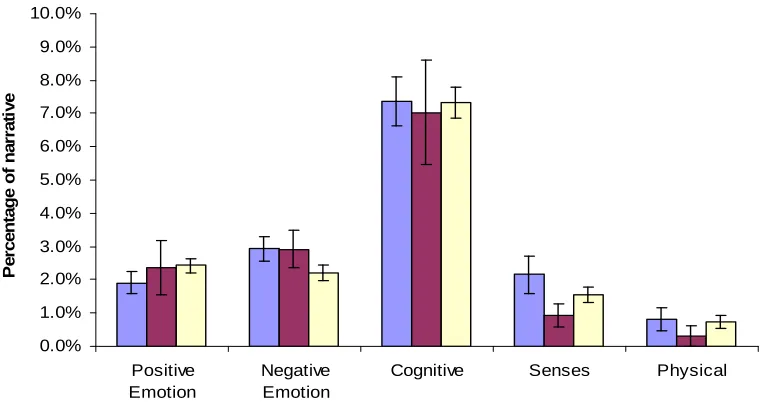
provided two intensely negative experiences from high school, one of which was controllable and one uncontrollable. Controllable narratives had more self-references and uncontrollable narratives had a higher percentage of positive emotions. With regard to internal states language, in comparison to other studies of young adults’ narratives (Bauer et al., 2003; Bohanek et al., 2005), a higher percentage of internal states language was used in the narratives of both types of experiences. Specifically, cognitive internal states (e.g., think, know) were the highest (6% of the narrative) followed by positive emotion (e.g., love, nice) (2-2.5% of the narrative), negative emotion (e.g., sad, hurt) (2% of the narrative), sensory (e.g., feel, heard) (1.75%) and physical terms (e.g., ache, sleep) (0.50%).
condition and controllability, all of the following were separately significantly associated with higher levels of intrusive thoughts: a lower incidence of positive emotion terms, a higher incidence of negative emotion terms and a higher inclusion of cognitive terms in the narrative. There was also a trend for a higher usage of physical terms (e.g., any inclusion of physical states and functions, such as ache, cough, sleep) being associated with higher levels of present intrusive thoughts (p < .10). There was only one trend for the frequency of present avoidant thoughts; a higher inclusion of cognitive terms was slightly associated (p = .06) with higher levels of avoidant symptoms.
With regard to subjective distance, there were several interesting trends between internal states usage and perceptions of subjective time. Similar to the previous analyses, the following analyses controlled for actual time since the event, interview condition and event type. Several trends were found, including the following: higher use of positive emotions was associated with the event feeling farther away in time (p < .10), higher use of negative
emotions was associated with event feeling closer in time (p < .10) and a higher use of sensory/perceptual terms (e.g., see, touch, listen) (p < .10) was associated with the event feeling closer in time.
Interestingly, greater use of cognitive terms in our sample was not associated with positive outcomes, which is in contrast to the research conducted by Pennebaker and
colleagues (Pennebaker & Francis, 1996; Pennebaker, 1997). Our findings may be explained by the time since the event. In our study, we were interested in reports of high school
the event should already be beyond the individual. In contrast, work by Pennebaker (Pennebaker & Francis, 1996; Pennebaker, 1997) asks participants to consider present
thoughts and feelings. One would expect that present situations should call for more thoughts and emotions compared to events occurring much farther in the past. As a result, time since the event should remain a critical variable to consider in future analyses examining the link between internal states and psychological functioning. Thinking about an event may serve a positive function as long as that event is in the more recent past and is viewed in a more positive light.
Internal states research in children. In addition to the work on life stories in children, a large amount of research has been conducted examining children’s language use in
response to negative experiences.
experienced: reductions in internalizing and externalizing symptoms if they had previously used a journal (Reynolds et al., 2000), reductions in anxiety (Reynolds et al., 2000), as well as decreases in negative affect and increases in positive disposition (Soliday et al., 2004). Interestingly, Soliday and colleagues (2004) did not find a relationship between expressive writing and reductions in visits to the hospital within their adolescent population. Overall, the positive benefits of expressive writing interventions in childhood and adolescence appear similar to research in adult populations. The present investigation differed by asking participants to discuss two problem experiences from important and non-important self-domains and these were discussed during only one interview occasion.
One follow-up study by Fivush, Marin and Crawford (2007) found some argument against the positive impact of expressive writing interventions in child and adolescent populations. Using the original dataset by Reynolds, Brewin and Saxton (2000), the
(Hampel & Peterman, 2005; Rose & Rudolph, 2006) or co-rumination (Rose, 2002; Rose & Rudolph, 2006), which are both already typical cognitive processes present in this age group (Hampel & Peterman, 2005; Rose, 2002; Rose & Rudolph, 2006). If a child is asked to focus on the same negative experience for a period of time, and to keep writing even when they run out of things to say, it seems only natural that they would begin to ruminate on the
experience. The current study examined narrative accounts of experiences on one occasion, in order to avoid aiding ruminative processes in child and adolescent samples.
A few studies examining children’s changing narrative accounts of a specific event provided interesting results, not directly related to the use of internal states language. Across these studies, children were not directed to continue talking about the same event for three days, but were asked about the same event across two time points, immediately after the experience and again a few weeks to one month later. Baker-Ward, Eaton and Banks (2005) and Eaton (2003) examined 9 to 11 year olds’ memory for a season ending soccer
outcome group included more cohesive terms at the first interview, but by the second interview (approximately one month later), children in the negative outcome group were using more cohesive devices and those in the positive outcome group were using fewer. As Baker-Ward, Ornstein and Starnes (2009) point out,
Even a championship recreational league match may have few continuing consequences, but a competition that results in a decision about the direction of a young athlete’s further athletic career may further require interpretation and
assessment. (p. 33)
The present investigation aimed to address this issue by examining events that were self-threatening, in that they were perceived by the child to be important and to have potentially lasting implications.
loss would not negatively impact self-perceptions. The present study further investigated developmental differences in externalization.
Several studies have examined internal states language in children’s narrative accounts of a single episode. Studies have examined children’s memories for: emergency room injuries (O’Kearney et al., 2007; Peterson & Biggs, 1988), different types of emotions (Fivush, Sales & Bohanek, 2008; Peterson & Biggs, 2001), a tornado (Bauer et al., 2005), a hurricane (Sales et al., 2005) and positive and negative events (Baker-Ward, Styers & Turner, 2008; Fivush, Hazzard, Sales, Sarfati & Brown, 2003).
Overall, these studies found that narratives of events are longer with age (Peterson & Biggs, 1998) and a greater inclusion of internal states terms in narrative accounts across the lifespan (Pennebaker & Stone, 2003; Peterson & Biggs, 1998, 2001). In addition, greater levels of internal states are provided for negative experiences across ages 3 to 12 (Bauer et al., 2005, Fivush et al., 2003; Peterson & Biggs, 2001) and 2 to 12 year olds use more
cognitive terms in their narratives of negative compared to positive experiences (Bauer et al., 2005; Sales et al., 2005; Fivush, Sales & Bohanek, 2008). Interestingly, stress has contrasting effects on internal states usage, with some researchers arguing that more stress is associated with lower internal states (Peterson & Biggs, 1998; Sales et al., 2005) and others finding that more stress is associated with higher internal state usage (Fivush et al., 2003). Finally, it is important to mention that studies which have examined density of ISL by adjusting
girls use more emotional terms in their narratives (Fivush et al., 2007) and females in these age groups use more cognitive terms (Habermas & de Silveira, 2008).
Relation to parental use of ISL also appears to be dependent upon age and discussion. For example, in a study with mothers and children (ages 2 to 12) who discussed a tornado together, children began to mirror the emotion usage of their mothers at the approximate age of 5 and older. Prior to this age, children were using equal amounts of positive and negative emotion terms when describing the negative experience (Bauer et al., 2005). However, when mothers and children discuss events separately from one another, there is no relation between mother and child internal states language, at least in pre-adolescent populations (Fivush et al., 2008). Additionally, mothers were found to use more internal states than their children
(Fivush et al., 2008). These results suggest two main ideas, first that internal states usage increases across the lifespan. Second, internal states can be investigated separately from the family context, as mothers and children do not always use equal amounts of internal states, at least beginning in pre-adolescence.
Two studies specifically examined how narrative language use relates to well-being. In the first study by Sales et al., (2005) children were interviewed by an experimenter immediately after Hurricaine Andrew and again six years later. At ages 3 to 4, providing more information (i.e., longer narratives) was associated with lower PTSD scores
emotion terms, suggesting a greater need to make sense of the experience (no relations to PTSD symptoms). The researchers suggest this pattern of results illustrates the power of positive thinking, such that positive emotions may have helped children cope with stressors in a more effective manner. Similar to work by Pennebaker and colleagues (Pennebaker & Francis, 1996; Pennebaker, 1997), the results illustrate that the way an event is remembered may impact psychological well-being, even in child populations.
thoughts. The present study accounted for this issue by asking children to reflect back upon an experience instead of encouraging participants to mentally relive the experience.
In contrast to previous studies, Baker-Ward et al. (2008) asked 4th/5th graders, 7th/8th graders and college adults for accounts of everyday (moderate) positive and negative
0.0% 1.0% 2.0% 3.0% 4.0% 5.0% 6.0% 7.0% 8.0% 9.0% 10.0% Positive Emotion Negative Emotion
Cognitive Senses Physical
P e rc e n ta g e o f n a rr a ti v e
4th/5th 7th/8th Freshman
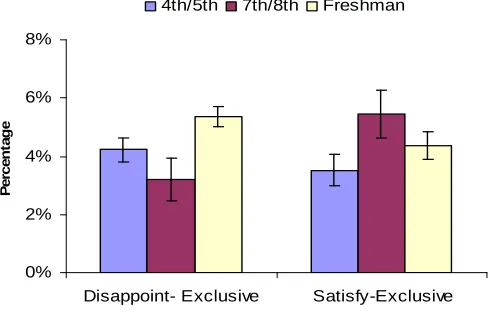
Since previous research by Koenig (2004) has suggested differences in adversative language use (e.g., but, except) in pre-adolescent narratives, one other set of language
variables was examined. Specifically, the use of exclusive clauses (e.g., but, except, without; similar to adversative clauses; Koenig, 2004) was analyzed to assess developmental
differences in the use of exceptions following a disappointing versus a satisfying experience. Interestingly, 7th/8th graders differed from the other age groups in their use of exclusive clauses (Figure 2).
0% 2% 4% 6% 8%
Disappoint- Exclusive Satisfy-Exclusive
P
e
rc
e
n
ta
g
e
4th/5th 7th/8th Freshman
With regard to the inclusion of exclusive words (e.g., but, except) it appears that college students used the most, followed by fourth/fifth graders and then seventh/eighth graders in response to the disappointing experience. Interestingly, the opposite pattern was true for the satisfying experience. Seventh/eighth graders used more exclusive words in response to the satisfying experience compared to the other two age groups (Figure 2). These results further suggest a need to examine developmental differences in exclusive words as they relate to well-being. It is possible that creating exceptions to the rule (e.g., exclusions) may prove beneficial in protecting the self from the negative experience. These exceptions may also serve as a possible method of discounting (Harter, 1999).
In contrast to recent suggestions by Fivush et al. (2007), fourth/fifth graders are able to adequately give voice to everyday experiences at similar levels to other age groups, when density of ISL is considered rather than mean levels. Additionally, the type of questioning, evoking internal states language rather than rumination (Fivush, Marin & Crawford, 2007; Reynolds, Brewin & Saxton, 2000) or mental reliving of the actual experience (O’Kearney,
Speyer & Kenardy, 2007) may offer a different picture on the relationship between internal states usage and indicators of well-being. Further, this research has extended the work of Pennebaker and Stone (2003) who examined narrative accounts of traumatic and everyday experiences across 3,280 participants from forty-five studies. By examining age cohorts, the researchers found significantly higher percentages of the following types of language within each older age group: cognitive complexity (e.g., use of words six letters or longer),
cognitive terms, insight (e.g., think, know) and exclusive words (e.g., but, except). The two youngest age groups in this sample were ages 8 to 14 and ages 15 to 24. While it is unclear whether these age groups experienced significant gains, due to a lack of investigation of changes across childhood and adolescence, figures appear to indicate increases which may or may not be significant. Additionally, these two youngest age groups span a series of
developmental periods, suggesting that these results may not be sensitive to changes ongoing from pre-adolescence through adolescence. The current study remedies these issues by interviewing different age groups of children and adolescents at specific stages of self-development (Harter, 2006).
Degner, 2003). It should also be noted that studies investigating childhood cancer have not examined internal states languages in narrative reports (Kameny & Bearison, 2002;
Woodgate & Degner, 2003). While it is certainly important to examine children’s memory for these experiences, it is also equally important to understand how children recollect
normative experiences that may challenge one’s view of self. These experiences of self-threat are both familiar and occur on a much more limited time span than events such as childhood cancer. Only one study has explicitly examined narrative accounts of experiences that threaten one’s view of self (Campbell et al., 2003). However, Campbell et al. (2003) did not specifically examine language usage as it relates to psychological outcomes or to
developmental differences in accounts of the experience.
Additionally, there are some issues with prompting in the current literature on internal states language (Fivush et al., 2007; O’Kearney et al., 2007; Reynolds et al., 2000). It appears that a difference in prompting may elicit different narrative reports from children and
adolescents. This study resolved these issues by examining self-threatening experiences as defined by the participant and prompted children to include internal states language in their narrative, while encouraging them to be self-reflective on their experiences.
2007), asked children to mentally relive the experience (O’Kearney et al., 2007) or linked language use at age 3 to 4 to psychological functioning at age 9 to 10 (Sales et al., 2005). This study explored the link between language use and well-being more systematically than has been the case in previous investigations.
The current study
A recent push in the literature has called for research examining narrative as it relates to self-understanding (McLean et al., 2007). The present investigation attempted to answer that call by examining cross-sectional differences in narrative accounts of a normative self-threatening experience involving a salient and valued dimension of the self. In order to make further comparisons, this study compared developmental differences in narrative accounts of events high and low in self-relevance. Additionally, since there has been a lack of research examining the link between language use and well-being in children and adolescents, this study examined language use as it related to dis-identification or discounting (Harter, 1999; James, 1892/1968; Steele, 1997) intrusive and avoidant thoughts (Horowitz et al., 1979) as well as coping with the experience (e.g., assistance seeking, problem solving, cognitive and behavioral avoidance) (Brodzinsky et al., 1992). Four key aims were proposed, each with several associated hypotheses.
Aim 1: Investigate age differences in language use as it relates to self-threatening events varying in relevance of the domain to the self.
groups will not differentiate ISL usage between their most valued and least valued domain.
Aim 2: Investigate age differences in language use as it relates to a specific social
psychological self-protective mechanism, discounting (Harter, 1999) otherwise known as dis-identification (James, 1892/1968; Steele, 1997).
A. College students will use more exclusions in their narrative followed by 4th/5th graders and followed lastly by 7th/8th graders. Exclusions will be directly related to a change in importance of the event over time.
B. Cognitive term usage will be inversely related to a change importance of the event over time. Age will moderate this relationship, such that cognitive term usage will be more strongly related to a lessened importance for the college age group, compared to the two younger age groups.
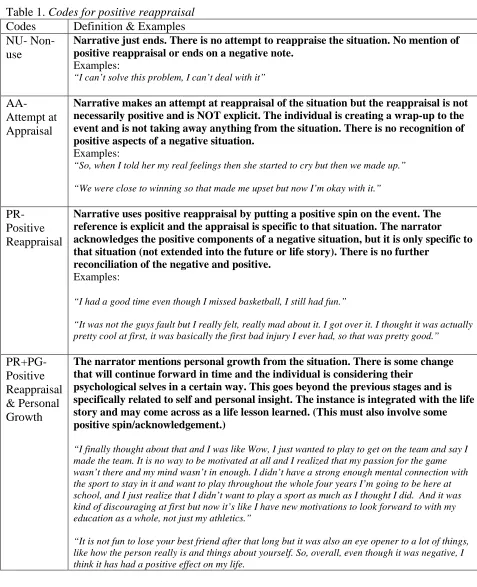
C. Incidence of positive re-appraisals of the event will be inversely related to a change in the importance of the event. Age differences will be examined; however, no a priori assumptions are made.
Aim 3: Investigate age differences in language use as it relates to coping mechanisms. A. Higher use of assistance seeking and problem solving will be directly related to
use of internal states language in the narrative whereas use of cognitive avoidance and behavioral avoidance will be inversely related to use of internal states
Aim 4: Investigate age differences in language use as it relates to psychological outcomes. A. Cognitive term usage will be inversely related to the reported frequency of
intrusive and avoidant thoughts. Age will moderate this relationship, such that cognitive term usage will be more strongly inversely related to intrusive and avoidant thoughts for the college age group, compared to the two younger age groups.
B. Positive emotion term usage will be inversely related to intrusive and avoidant thoughts. Age differences will be examined; however, no a priori assumptions are made.
C. Negative emotion term usage will be directly related to intrusive and avoidant thoughts. Age differences will be examined; however, no a priori assumptions are made.
D. Incidence of positive re-appraisals of the event will be inversely associated with the mean frequency of reports of intrusive and avoidant thoughts. Age differences will be examined; however, no a priori assumptions are made.
METHOD
Participants
adolescent’s participation (see Appendix A). Only one of the 107 children and adolescents for whom parental consent was obtained declined participation at the time of the interview. The young adult group consisted of college students who were recruited from the
University’s psychology subject pool. College students signed up for the research study online through Experimetrix and provided their written consent (Appendix A) for participation.
groups were given a five dollar gift card for their participation in this study and college students received partial course credit.
Interviewers
Interviewers included six undergraduate students, two post-undergraduate students, two graduate students and the principal investigator. Three of the eleven researchers were male. A large group of researchers was required to conduct multiple simultaneous interviews at the various study locations. All interviewers were trained in the use of the interview protocol and practiced interviewing another adult prior to their interviews with children. In addition, the principal investigator observed all undergraduate interviewers once in an interview with a college student to insure there was compliance with instruction.
Additionally, in order to ensure consistency across interviews, the lead investigator listened to other interviewer’s discussion of event instructions and prompting. If inconsistencies in prompting were noted, the lead investigator immediately discussed discrepancies with the interviewer. However, the absence of location effects (see preliminary analyses) and differences in language use argues against the possibility of interviewer drift.
The principal investigator completed 50% of the total interviews. Two undergraduate researchers each completed 15% of the interviews. All other researchers interviewed ten or fewer participants. Using a multivariate between-within analysis of variance with internal states language (e.g., positive emotion, negative emotion, cognitive terms, sensory terms and physical terms) as the dependent variable, interviewer as the between subjects factor
393.04) < 1.74, ps > .14. A second model was conducted predicting exclusion terms, however, no effects or interactions were significant Fs (1,152) < 0.07, ps > .80. Materials
Children were interviewed and administered questionnaires concerning two self-threatening experiences (varying in importance) from their recent past. Demographic data on the participants’ grades, ages, gender, socioeconomic status and ethnicity was also collected (See Appendix B for the full questionnaire).
the subscales was also high within the present sample (Intrusion alpha = .88, Avoidant alpha = .88).
Coping Questionnaire. The Coping Scale for Children and Youth (Brodzinsky et al., 1992) was used with this sample. The scale has been validated for use with children ages 10 to 15. Each of the four categories has high levels of internal reliability, as follows: assistance seeking (r = .72), cognitive-behavioral problem solving (r = .81), cognitive avoidance (r = .80) and behavioral avoidance (r = .70). The scale also has a high test-retest reliability of .7 to .8. Participants are asked to rate how often they enacted some behavior in response to a threatening experience, using a 0 (Never) to 3 (Very Often) point scale. There are a total of four questions on assistance seeking, eight questions for cognitive behavioral problem solving, eleven questions concerning cognitive avoidance and six questions concerning behavioral avoidance. In order to compare different patterns of coping, mean scores were calculated for each coping category. Although this scale has not been used previously with college age students, all participants were provided with the same measures and
questionnaires in order to make direct comparisons between age groups.
modified to examine global self-worth differences across all age groups. Typically, the Harter (1985) version of the scale is used with children ages 8 to 12 years old. However, in order to examine group differences, the same scale was used for all participants and the wording was changed slightly. The six self-worth questions were rephrased to begin with “Some people” instead of “Some kids.” According to the manual (Harter, 1985) reliability for the global self-worth domain ranges from .78 to .84. It should be noted that even though one scale was modified to accommodate the group as a whole, the actual Harter
self-perceptions profiles for adolescents (Harter, 1988) and college students (Neeman & Harter, 1986) are similar with the key difference being that these profile questions begin with “Some teenagers” and “Some students.”
Change in Importance. Change in the importance surrounding the reported
experience was assessed through two Likert scale questions developed by the investigator. The first question asks, “How important was this event to you at the time that it happened?” and the second question asks, “How important is this event to you now?” Participants responded on a scale ranging from “Not at all” (0) to “Extremely” (6).
Procedure