Abstr
words - Ubiquito
Pervasive com puter first app
F
First era – It i computer sh ond era – It i h person hand
ely bound to puting era. I y computers. te smart devi ces are conn erate is easil asive compu ers with smart manually read rt meters ma ge of power th The "authoriz work, any dev asive compu vergence and
Interna
udy on the
A.Kana
PhD Sc artment of Co College, Polla a.kanagaraj@
er presents the ay using objects eans everywher hnology everyw
ous Computing
I. INTROD
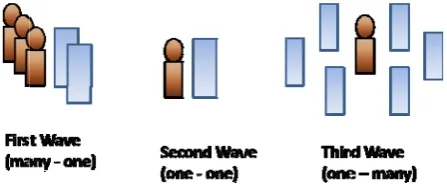
mputing is are embedde are informatio an "existing es are complet ive computing peared (see Fig
Figure 1. Compu
s a Mainfram hared by man is a personal dled an indiv desktop. Th n this curren . Millions owing technol
mputing is vanced electro ers working in ices that com nected to the
ly available. uting is the
t meters. Prev d by a respect ade this proc rough internet zed access t vice, and any uting propo
networking [ achi-642 001, @gmail.com
survey of Ubiq s as an intellige re; Pervasive m where for everyo
g, Pervasive Com
DUCTION
the growing ed in everyd on. The word
me computing ny people, vi computing e vidual system hird era – It nt era each p of computers logy to shrink
a combinatio onics and th n pervasive c mmunicate uno Internet and One practic replacement viously, electri
tive person, b cess automatic
urnal of Ad
REV
vailable On
logies Use
nce India
quitous and Per ent, easily acce means "spread o
one.
mputing, applic
g trend, whe ay objects a ds pervasive a re." Pervasi d and constan era, from wh
era. In this tim ia workstation era. In this tim m. Users whe
is a Pervasi person handli s embedded k back into t
on of wirele e Internet. T computing is obtrusively. T d the data th cal example of old elect ic meters had but now a day
c, by reporti
, anytime, a 6As model
paradigm user's life mo
No. 3, May
dvanced Re
VIEW ARTI
nline at ww
ed in Ubiq
rvasive comput essible and con out in every pa
cations, Wireles
esearch in C
ICLE
ww.ijarcs.in
quitous an
Dr.
NGM
ting. Pervasive nnected to an in art of." Pervasiv
ss Sensor Netw
asy and conve alm or cell resents a detai
II. TECH
Pervasive c ather than it pproach for echnologies be
evice. A smar evice from ho
his clearly d lways same, echnologies m Gabriel et al. ecause of it ociety. It is w
aving a treme onduct busine reas such as In ocument retrie alm top comp ensitive devi iscovery, Wir ver IP, Percep ecognition, Ge Pervasive c ensors such as which can able
2
Computer
nfo
nd Pervas
. Antony Selv
Associate Dept of Com M College, Po
selvdoss@
computing is a ncreasingly ubiq ve computing i
works
enient, by shar phone of em iled survey ab
HNOLOGIE COM
computing is shows the processing, ecome a part t object might ouse might sen
describes per rather tha might be used [5] in his lds and its rea puting (see Ta
less Sensors I
ervasive com life. Most o s pervasive c h little consi g their operati opment of w ivated by mili nce. However r networks ar nformation ac eval, Automa puters, Smart ices, Mobili reless protoco ptive interface esture recognit computing m s thermal, mag
to sense in di
a fastest develo quitous networ s an integration
ring informati mail, Internet bout pervasive
ESUSEDINP MPUTING
not an indep performance sensor and of any envir t be embedded nd informatio rvasive comp an different d in pervasive
paper, clearl alization of six able I)
In Pervasive C
mputing is a ificant attentio s deployment
ed that perva ct on the way nicate with eac of the technol computing fe ideration to ions.
wireless sens itary applicati based on the re now a day ccess, Text ret atic indexing, badges, Elect ity and net ols, Security, es, Biometric
tion etc [1][2] may consist of gnetic, visual, ifferent condit
oping area, whe rk infrastructure n of informatio
ion among PC t, etc. This p e computing.
PERVASIVE
y identified x characterist easible have the energy
sor networks ions such as b e survey we f y’s used in va trieval, Multim
Pervasive dev tronic books, tworking, D Voice and v person ID, Sp ].
f several typ radar and aco tions that incl
A.Kanagaraj et al, International Journal of Advanced Research in Computer Science, 3 (3), May –June, 2012,340-344
humidity, temperature, lightning condition, soil makeup, pressure, noise levels, mechanical stress levels on attached objects etc.
Table 1. Pervasive Computing Characteristics with Necessary Technologies Fields
Mobility Embedded
Ad-
hoc-networ
ks
Context
Awareness E
ner
gy
autar
ky
Autonom
y
Micro Electronics √ √
Power Supply √ √ √ √
Sensor
Technology √ √ √
Communication
Technology √ √ √ √
Localization
Technology √ √ √
Security
Technology √ √ √ √
Machine to machine communication
√ √ √ √
Human to Machine Interface
√ √ √
B. Power Supply:
One of the important requirements for pervasive computing is power supply. Devices using for pervasive computing is very small. Due to this reason, it consumes low power and it provides high performance. Lithium-ion batteries came in to use, it provides power supply for long-term. Current research is going on how to consume more power. Batteries are recharged by using thermo generators, photovoltaic’s, miniature piezo generators or other converters, without plug into a power supply line [10]. Plenty of methods are there for supplying power to electronic devices. The choice is based on how shortly can able to load and how to improve the life time of batteries.
C. Microelectronics:
Electronics devices are the one of the main technology which is using for pervasive computing. So while speaking about devices, size plays a key role. Micro level electronics are mainly using in medical field, automotive industry and in consumer electronics fields etc. Currently microelectronics works with smaller than 90 nanometers. The problem in manufacturing these kinds of devices are; it took more time and high cost. Current research in nanotechnology is how to reduce more size and make it more mobilize the micro electronics.
D. Communication Technology:
Based on the survey, the experts accessed communication technology is a key factor for pervasive computing. Generally communication technology is combined with information technology in order to emphasize the overlap between two fields. Normally data communication between two objects occurs using radio technology or via cable. Currently wireless technology becomes very popular because of its mobility and less requirement of infrastructure.
E. Localization Technology:
Generally pervasive computing uses transmitters and receivers which interact with objects to enable localization. Currently there are three types of localization systems are in use; there are cellular supported, satellite supported and indoor localization systems. Compare to all other technologies, Localization technology is an least relevant to pervasive computing.
F. Security Technology:
Data communication is an main feature in pervasive computing. While communicate data’s between objects, security plays a major role. It should allow only authorized person/device to share information. Generally wireless network is using for data communication in pervasive computing. Lack of security is an current problem regarding with pervasive computing.
G.Machine to Machine communication:
Pervasive computing is a distributed system which interacts with thousands of components. Standard is very important to be followed in machine to machine communication. In machine to machine communication: technology, architecture and software’s are the three facts which build upon each other. Compare to other technology relevance with machine to machine and pervasive is an average.
H.Machine to Human communication:
Human machine interaction an major role in all makers of electronics and computer systems today. A smart object of pervasive computing expects more contribution of human interface. Movements capturing by the sensors, hand writing recognition and voice commands recognition are some of the examples for machine to machine communication.
III. AREASOFPERVASIVECOMPUTING APPLICATIONS
Pervasive computing aims to pervade and interconnect all areas of our life [5]. Wireless internet access, handheld computer and mobile internet etc are the evidence of information exchange is already in routine. But in future pervasive computing will bring a new style of information exchange and processing of data. In future using this technology most of the process will happen automatically. Depending upon the area the development of these applications will differ. In this survey 8 application areas were selected, in where pervasive computing is already in use.
A. Logistics:
In logistics pervasive computing is using for track the object. The logic behind this is, the data carrier is affixed in an object, so that we can able to track the object throughout the logistic supply chain. But now a days, still in logistics barcode is using for identification purpose [5]. There are plenty of drawbacks are there in this system. Scanner is needed in a direct sightline to read a barcode. It seems that it is like a manual process. In addition the barcode label cannot read if it is damaged or dirtied.
B. Motor Traffic:
A.Kanagaraj et al, International Journal of Advanced Research in Computer Science, 3 (3), May –June, 2012,340-344
instance if car contains rain sensor, it will automatically turn on the wipers if rain came. Another type of sensor is fixed to check whether seat belt is fastened or not. So the main goal of driver assistance system is make them comfort to drive in everyday traffic. So most of the driver assistance functions are accepted by drivers. The car itself becomes a smart object [5].
C. Inner/External Security:
Identification systems such as smart cards and newly introduced electronic passports are an example for inner pervasive computing security. Secret services and armed forces are the some of the main external security application areas [5]. In these security systems networking and surveillance plays a major role. The actual goal of inner and external security is to protect the public life.
D. Electronic Commerce:
Another application area where pervasive computing is in use is logistics and production. The use of mobile terminals for business transactions and financial services are comparatively widespread. Currently three trends are emerging in pervasive computing for electronic commerce [5]. For car, real estate and other capital intensive products, renting and leasing are common business today. In future no more products may purchase, but rented by paying amount according to a usage. So pervasive computing will be used to trace products. Similar to the e-commerce over the internet, experts see commerce in pervasive computing by offerings new products and services as well as by cost savings [5].
E. Health Applications:
In medical side pervasive computing is used to provide interface for the disabled, integrated patient monitoring and tracking and to monitor the doctors and patients inside the hospital [5]. Using this technology doctors can able to monitor the patients from home. So patients can able to save money as well as time. However, the increased use of pervasive computing in medical technology is expected to take it into the positive growth.
F. Environmental Applications:
Some environmental applications of pervasive computing includes tracking the movements of birds, small animals, and insects; monitoring environmental conditions that affect crops and livestock; irrigation; macro instruments for large-scale Earth monitoring and planetary exploration; chemical/biological detection; precision agriculture; biological, Earth, and environmental monitoring in marine, soil, and atmospheric contexts; forest fire detection; meteorological or geophysical research; flood detection; bio-complexity mapping of the environment; and pollution study.
G. Home Applications:
Home automation is an area where pervasive is in use. Pervasive computing connects all the devices in a home and retrieves information by using sensors connected with networks. These devices internally can interact with each other and with an external network through internet. So these allow end-users to control home devices locally and remotely.
IV. EMERGINGPERVASIVECOMPUTING TECHNOLOGIES
Pervasive computing is a term for the strongly emerging trend towards; 1) Numerous, casually accessible, often invisible computing devices 2) Frequently mobile or embedded in the environment 3) Connected to an increasingly ubiquitous network structure.
Some of the emerging pervasive technologies are [3];
A. Nano Technology:
We've seen science fiction flicks where miniature machines get into the human body and track cell patterns and behavior like those of cancer cells and exterminate them. Molecule sized computers can be manufactured to create new materials that can replace steel in all its properties and even withstand temperatures of 6,500 degree Fahrenheit. It is predicted that these materials will soon be used to build automobiles and office buildings [3].
B. Peer-to-Peer (P2P) Networking:
The basic idea behind it being the sharing of files and programs and communicating directly with people over the Internet, without having to rely on a centralized server. What it does is to create private workspaces for sharing files, exchanging information, creating databases and communication instantly.
C. Chips and the Net:
Net-ready chips are a low cost method of getting on to the Internet. They follow all the necessary Internet Protocols and can be embedded in home appliances that can then be easily connected to the Internet [3]. They function as tags that possess comprehensive information about the object that it is tagged on to and include details like the date and place it was manufactured.
D. The tapestry of Distributed Computing and Voice Computing:
Distributed computing is the processing power of thousands of PCs aggregated to create a super computer. A centralized server subsidizes a large computing task in to smaller bits. It then assigns those bits to thousands of desktop computers, each of which does a small task and returns the results to the server. Specialists in content delivery, pharmaceuticals, biotechnology and financial services will see the use of distributed computing capabilities soon.
E. Wireless Technology:
Wireless Internet connection helps access the Net through cellular phones, Personal Digital Assistants (PDAs) and Wireless laptops and this technology proposes enormous business opportunities. The sales force can avail real-time access to inventory records; price lists, order and customer account status and can book a sale almost instantaneously. Constant communication with wireless gadgets (that cost many degrees lesser than a laptop) can ensure that there is a constant feedback loop thus ensuring a new way of reaching customers [3].
V. PERVASIVECOMPUTINGDEVICES
A.Kanagaraj et al, International Journal of Advanced Research in Computer Science, 3 (3), May –June, 2012,340-344
mobile or embedded in almost any type of object imaginable, including cars, tools, appliances, clothing and various consumer goods - all communicating through interconnected networks. Expert predict pervasive computing in future will become so naturalized within the environment that people will not even realize that they are using computers. The difference between traditional, networking and pervasive computing are;
These connections are fundamentally unlike those we associate with networks. Rather than using the network to connect computers that are being used directly by people, these appliances communicate over networks such that people do not directly monitor the communication between machines and programs. The majority of these communications will occur in an end-to-end structure that does not include a human at any point. Unlike traditional Desktop Computers and existing networks, the new devices will have the following characteristics: 1) Many will have small, inexpensive processors with limited memory and little or no persistent storage. 2) They will connect to other computing elements without the direct intervention of users. 3) Often, they will be connected by wireless networks. 4) They will change rapidly, sometimes by being mobile, sometimes by going on and offline at widely varying rates. Over time, they will be replaced (or fail) far more rapidly than is now common. 5) They will be used as a source of information, often sending that information into the center of the network to which they are attached [4].
VI. CHALLENGES
The most serious impediments to pervasive computing advances are systems challenges. The immense amount of distributed system elements, limited physical access to them, and this regime’s extreme environmental dynamics, when considered together, imply that we must fundamentally reexamine familiar layers of abstraction and the kinds of hardware acceleration employed—even our algorithmic techniques[6].
Many devices will be embedded in the environment in places that are inaccessible or expensive to connect with wires, making the individual system elements largely unattended, and resource constrained. Much communication will be wireless, and nodes will have to rely on onboard and harvested energy (such as from batteries and solar cells) [6]. Inaccessibility, as well as sheer scale, implies that they must operate without human attendance; each piece is such a small part of the whole that nobody can reasonably lay hands on all of them.
VII. SECURITYISSUESINPERVASIVE COMPUTING
Security or privacy with pervasive computing is a major issue now days. Pervasive Computing has an ability to retrieve/store information from large databases. Chances are there to theft personal stored information from database. Pervasive Computing system could be embedded in private places and can able to record personal information with the risk of breaking of privacy. So pervasive computing may mean data’s can be collected without person’s knowledge. This activity is against the information protection law.
Now a day’s data mining activities fully related with pervasive computing system. Data mining concentrates on
working with large quantities of data to provide a pattern. In terms of consumer data it is very useful to lead to attain successful marketing. So sometimes it is violating the information protection law by proving unknown relationships in data. Now a day computing technologies becoming more pervasive, due to these reason government agencies, consumers and service providers etc getting more benefits. So there is a debate over how to provide all possible benefits from pervasive computing without breaking the information protection law [7].
VIII. ADAPTIVEARCHITECTURE
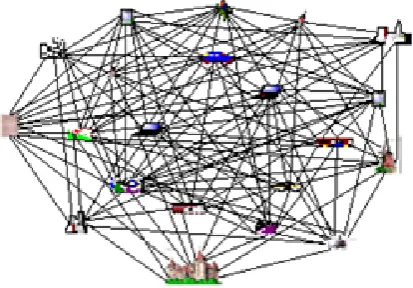
Hardware and architecture are the first area to research for providing efficient pervasive computing system. This system refers to computing environments consists of large number of computing devices embedded in our everyday environment. Building infrastructure for individual pervasive applications is a tedious job in terms of money and time. To overcome this problem Simon Dobson et al. [8] developed open-source infrastructure architecture (see Fig 2) for pervasive computing system. It provides best spread technique for pervasive computing. This system acts as a middleware platform between sensors and services.
Wang-Chien Lee [9] points out two important aspects of pervasive computing in his research namely infrastructure and model. Because of mobile and transient services in a pervasive computing environment special attention is needed on modeling, dynamic and recursive composition of services and infrastructures that match requests to services in a scalable manner are needed.
Figure 2. Data from various sensors collected and shared by nodes
IX. CONCLUSION
Pervasive computing provides a great future for computing system. In this wireless world we no need to sit in front of the PC to get access to information. Through wireless we can able to access information and the services instantly. To access information with devices such as Spy Pen, video Phone, GPS installed in a car, TV Remote control watch, Wearable glass monitor, Watch Phone, Match box computer etc we can able to do by linking all devices in to a single network and making them to allow us to connect anytime and anywhere to accomplish our tasks.
X. REFERENCES
[1]. Michael Beigl, Albert Krohn, Tobias Zimmer and Christian
A.Kanagaraj et al, International Journal of Advanced Research in Computer Science, 3 (3), May –June, 2012,340-344
pervasive computing”, Telecooperation Office (TecO), University of Karlsruhe.
[2]. I.F. Akyildiz, W. Su*, Y. Sankarasubramaniam, E. Cayirci,
“Wireless sensor networks: a survey”, Elsevier, Computer Networks, pp. 393-422, 2002 [Georgia Institute of Technology, Atlanta, GA 30332, USA].
[3]. Stylusinc, “Pervasive (ubiquitous) computing today”,
2005. (Article written by StylusInc Pvt. Ltd.)
[4]. Deborah Estrin, David Culler, Kris Pister, Gaurav
Sukhatme, "Connecting the Physical World with Pervasive Networks," IEEE Pervasive Computing, vol. 1, no. 1, pp. 59-69, Jan.-March 2002, doi:10.1109/MPRV.2002.993145.
[5]. Peter Gabriel, Dr. Marc Bovenschulte, Dr. Ernst Hartmann,
"Pervasive computing: trends and impacts", Federal Office for Information Security, pp. 1-93, 2006 Bundesamt für Sicherheit in der Informationstechnik -BSI Godesberger Allee 185-189, 53175 Bonn, Germany.
[6]. Guruduth Banavar, James Beck, Eugene Gluzberg,
Jonathan Munson, Jeremy Sussman, Deborra Zukowski, “Challenges: an application model for pervasive computing”, proceedings of the Sixth Annual ACM/IEEE International Conference on Mobile Computing and Networking (Mobicom2000), IBM T. J. Watson Research Center. (Article in a conference proceedings)
[7]. The Parliamentary Office of Science and Technology,
"Pervasive computing", The Parliamentary Office, 7 Millbank, London SW1P 3JA, may 2006.
[8]. Simon Dobson, Graeme Stevenson, "c", School of
Computer Science and Informatics, 2008.3
[9]. Wang-Chien Lee, Dik Lun Lee, "Models and
infrastructures for pervasive computing", Penn State University.
[10]. JOSSEN, A. und JÖRISSEN, L.,
“Lithium-Ionen-Akkumulatoren für photovoltaisch versorgte Kleingeräte”, Öffentlicher Workshop des Projektes Mikrosolar, Integrierte Energieversorgung, Berlin, April 2004.
Short Bio Data for the Author
*Mr. A.Kanagaraj M.C.A., M.Phil has around two years of
experience in software industry. He has published five papers in national / international conferences. He has presented three seminars at national level. He is a member of Indian Science Congress. Now he is pursuing PhD Computer Science in Dr. Mahalingam center for research and development at NGM College, Pollachi, India.
**Dr Antony Selvadoss Thanamani is presently working