Timlin, Alison, Gibson, Grant, Curran, Stephen and Wattis, John
Memory matters: a report exploring issues around the delivery of antidementia medication
Original Citation
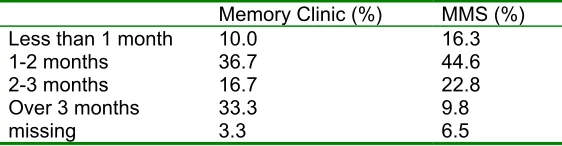
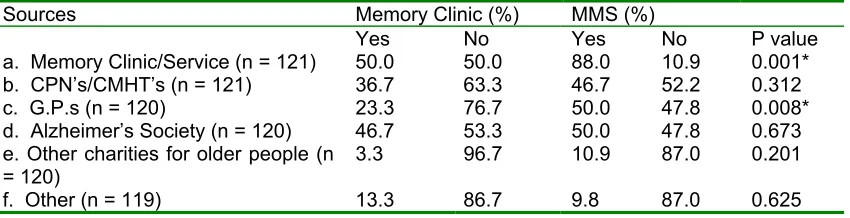
Timlin, Alison, Gibson, Grant, Curran, Stephen and Wattis, John (2005) Memory matters: a report exploring issues around the delivery of antidementia medication. Other. University of
Huddersfield, Huddersfield.
This version is available at http://eprints.hud.ac.uk/id/eprint/1373/
The University Repository is a digital collection of the research output of the University, available on Open Access. Copyright and Moral Rights for the items on this site are retained by the individual author and/or other copyright owners. Users may access full items free of charge; copies of full text items generally can be reproduced, displayed or performed and given to third parties in any format or medium for personal research or study, educational or notforprofit purposes without prior permission or charge, provided:
• The authors, title and full bibliographic details is credited in any copy; • A hyperlink and/or URL is included for the original metadata page; and • The content is not changed in any way.
For more information, including our policy and submission procedure, please contact the Repository Team at: [email protected].
Memory Matters:
A report exploring issues
around the delivery of
anti-dementia medication
The Ageing and
Mental Health
Research Group
School of Human
& Health Sciences
January 2005
The University of Huddersfield ISBN186218 Queensgate, Huddersfield HD1 3DH
West Yorkshire UK
List of Contributors
Alison Timlin, Research Fellow, Ageing & Mental Health Research Group, School of Human and Health Sciences, University of Huddersfield, Tel 01484 472670 email [email protected]
Grant Gibson,Research Assistant, Ageing & Mental Health Research Group, School of Human and Health Sciences, University of Huddersfield.
Stephen Curran, Professor of Old Age Psychopharmacology, Ageing and Mental Health Research Group, School of Human and Health Sciences, University of Huddersfield and Consultant in Old Age Psychiatry, South West Yorkshire Mental Health NHS Trust, Fieldhead, Ouchthorpe Lane, Wakefield, Tel 01924 328693, email [email protected]
John Wattis, Professor of Psychiatry for Older People, Ageing and Mental Health Research Group, School of Human and Health Sciences, University of Huddersfield and Consultant in Psychiatry for Older People, South West Yorkshire Mental Health NHS Trust, St Luke's Hospital, Blackmoorfoot Road, Huddersfield, Tel 01484 343451, fax 01484343666 email: [email protected].
Copyright: All rights reserved. No parts of this publication may be reproduced by any means without the written permission of the authors.
Executive Summary
The arrival of cholinesterase inhibitors and guidance from the National Institute for Clinical Excellence (NICE) about use of these drugs has led to a rapid growth in memory clinics and other services designed to deliver them. However, little work has been done on the essential attributes of such services. This report takes an in depth look at two contrasting services in an attempt to elucidate some of the key issues. The research on which it is based involved a detailed comparison of the two services from a variety of viewpoints:
Service users, those who care for them and local Alzheimer’s Society branches General Practitioners referring to the services
Clinical service providers
Those responsible for steering and developing services.
It also explored the financial costs of the two service models and their ability to deliver compliance with the NICE guidance.
The project examined the Wakefield Memory Clinic (MC) and the Huddersfield Memory Monitoring Service (MMS), two distinct services for people with dementia within South West Yorkshire Mental Health NHS Trust. The research objectives were as follows: 1. To evaluate service user, carer, referrer and staff satisfaction with the two services. 2. To examine compliance with the National Institute of Clinical Excellence guidelines
in the two services.
3. To examine the process for patients who were not selected for treatment or for whom treatment was discontinued.
4. To compare the direct costs of the two models.
models. Because of recruitment problems, we were unable to examine the experience of patients who were not selected for treatment.
Satisfaction with the effectiveness of drug treatments was high in both services. Though users, carers and referrers were generally well satisfied with both services, higher levels of satisfaction with the service were recorded amongst users of the MMS. This related to a number of issues:
People preferred being seen in their own homes
They enjoyed having a single worker (nurse) to whom they mostly related
They experienced better links between the service and the local Alzheimer’s Society branch, leading to better availability of information
They did not like the within-clinic waits at the Wakefield clinic.
In both services, users and carers were reasonably well satisfied with general waiting times though providers were concerned that demand could outstrip supply, leading to increased waiting times. Service users and carers thought both services could have provided more information and links to other services. Staff were often concerned about the same issues as service users and carers.
Compliance with NICE guidance on the use of cholinesterase inhibitors was high in both services. The MC used a more comprehensive battery of cognitive, behavioural and other instruments, providing more robust diagnostic and monitoring data. The MMS utilised a smaller range of testing, reflecting the service’s priority in monitoring drug treatments amongst patients solely with Alzheimer’s disease. Compliance with local standards was high.
Acknowledgements
The research undertaken has been made possible by funding from Pfizer/Eisai pharmaceuticals.
Our special thanks and appreciation go to all the participants of the study and the link professionals who assisted in coordinating participant invitations. Sincere thanks are also expressed to Dr Dallas Cliff who provided advice in the reporting of the study.
The research team also received ongoing support in the design and conduct of the study from members of the research steering group. The authors would particularly like to acknowledge the co-operation afforded to them by the following:
Ms Janet Dudley (Alzheimer’s Society, Huddersfield) Ms Denise Astinal (Alzheimer’s Society, Wakefield)
Mr Richard Clibbens (Nurse Consultant, South West Yorkshire Mental Health Trust) Mrs Alison Gibbons (Senior Nurse, South West Yorkshire Mental Health Trust) Ms Karen Stockdale (Senior Nurse, South West Yorkshire Mental Health Trust)
Dr Virginia Minogue (Research & Development Manager, South West Yorkshire Mental Health Trust).
Contents
Executive Summary ii
Acknowledgements iv
List of Contents v
List of Figures & Tables vii
Chapter 1. Introduction & Literature Review 1
1.1 Introduction 1 1.2 Dementia and Alzheimer’s Disease 1 1.3 Epidemiology 2 1.4 Impact of cholinesterase inhibitors 2 1.5 National Institute for Clinical Excellence (NICE) Guidance 2
1.6 Memory Clinics 3
1.7 Alternative Service Models 4 1.8 The current study 4
Chapter 2. Research Methods 6
2.1 Objective 1: Satisfaction with the Service 6
2.1.1 Phase 1 6
2.1.2 Phase 2 8
2.2 Objective 2: Compliance with NICE guidance 9 2.3 Objective 3: Satisfaction of those not receiving treatment 9 2.4 Objective 4: Cost analysis 9 2.5 Establishing research trustworthiness/reliability and validity 11 2.6 Study organisational structure 11
Chapter 3. Objective 1: Patient & Carer Interview Findings 12
3.1 Introduction 12 3.2 Perceptions of dementia 12 3.3 Treatment location 13
3.4 Timeliness 17
3.5 Satisfaction with the service 18 3.6 Information Provision 21
3.7 Summary 26
Chapter 4. Objective 1: 27
Alzheimer’s Society Representative Interview Findings
4.1 Introduction 27 4.2 Perceived memory service staff views of the society 27 4.3 Treatment location 28 4.4 Satisfaction with the service 29 4.5 Information provision 30
4.6 Summary 31
Chapter 5. Objective 1: Professional Focus Group Findings 33
5.1 Introduction 33 5.2 Service Focus 33
5.3 Strengths 34
5.4 Weaknesses 36
Chapter 6. Objective 1: Questionnaire Findings 38
6.1 Introduction 38 6.2 Patients’ and carers’ questionnaire findings 38 6.2.1 Satisfaction with the service 39 6.2.2 Timeliness 40 6.2.3 Treatment Location 41 6.2.4 Information Provision 43 6.2.5 Participants comments 46 6.2.6 Summary 48 6.3 General Practitioner questionnaire findings 49 6.3.1 Introduction 49 6.3.2 Summary 53
Chapter 7. Objective 3: The Clinical Audit 54
7.1 Introduction 54 7.2 Audit results 54 7.3 NICE guidance criteria 55 7.4 Audit of Services for compliance with local standards 58 7.5 Audit Summary 60
Chapter 8. Objective 4: Cost Analysis 61
8.1 Assessing intervention costs 61
Chapter 9. Discussion 69
9.1 Stakeholder Satisfaction with the two memory services 69 9.1.1 The MMS 69 9.1.2 The Memory Clinic 70 9.2 Clinical Audit of patient records for compliance with NICE guidance 71 9.3 The Process whereby patients are not selected for treatment 71
or treatment discontinued
9.4 Cost Analysis 71
Chapter 10. Conclusion 72
10.1 Comparisons with previous research 72 10.2 Methodological limitations 75 10.3 Implications for practice and service development 77
List of Figures and Tables
Tables
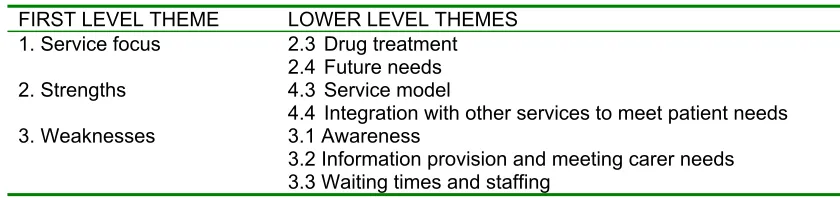
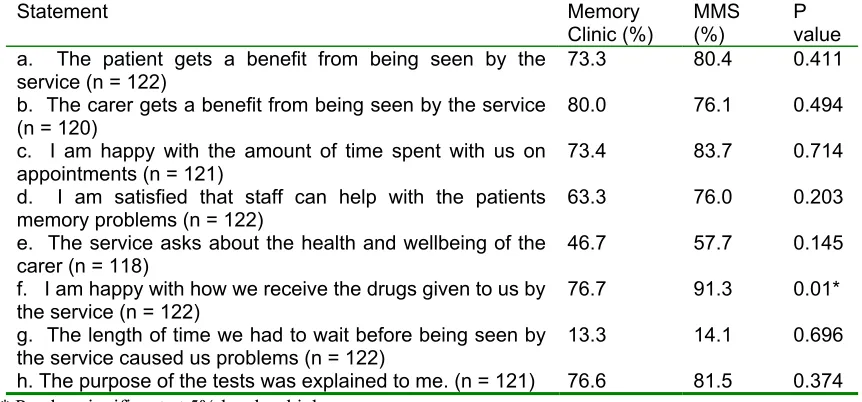
Table 1.1 Stages of Alzheimer’s Disease 2 Table 3.1. Summarised patient and carer interview coding template 12 Table 4.1. Summarised Alzheimer’s society representatives’ coding template 27 Table 5.1 Summarised professional focus groups’ coding template 33 Table 6.1 Satisfaction with memory service 39 Table 6.2 Percentage of participants agreeing/strongly agreeing with 39
satisfaction statements
Table 6.3 Perceived waiting times prior to first appointment with memory service 40 Table 6.4 Desired frequency of repeat assessments 40 Table 6.5 Percentage of participants agreeing/strongly agreeing with 41
timeliness statements
Table 6.6 Satisfaction with treatment location 41 Table 6.7 Percentage of participants agreeing/strongly agreeing with 42
treatment location statements
Table 6.8 Information sources used by participants 43 Table 6.9 Range of information received from memory services 44 Table 6.10 Was information provided by memory services easy to understand? 44 Table 6.11 Percentage given any written contact details for the memory service 45 Table 6.12 Percentage of participants agreeing/strongly agreeing with 45
information/communication statements
Table 6.13 GP satisfaction with memory services 50 Table 6.14 GP satisfaction with waiting times 50 Table 6.15 GP satisfaction with treatment location 51 Table 6.16 GP satisfaction with information provided to patients 51 Table 6.17 Percentage of GP’s satisfied/very satisfied with information 52
provided by service
Table 6.18 GP satisfaction with shared care protocol arrangements 53 Table 7.1 Clinical Audit of compliance of memory services with NICE guidance 55 Table 7.2 Compliance with 2-4 month efficacy assessment 57 Table 7.3 Use of standard diagnostic criteria 58 Table 7.4 Cognitive, functional and behavioural assessment measures 59
used within the memory services
Table 8.1 Costing categories 61 Table 8.2 Annual costs of implementing the MMS service model, 62
investigation costs not considered
Table 8.3 Annual costs of implementing the MC service model, 63 investigation costs not considered
Table 8.4 Service model costs 64 Table 8.5 Confidence interval calculation for the MC 65 Table 8.6 MC investigation costs 65 Table 8.7 Confidence interval calculation for the MMS 66 Table 8.8 MMS investigation costs 66 Table 8.9 Potential service costs implementing varied ambulance 67
transport costs per visit
Table 8.10 Potential annual costs of implementing the MMS service model, 67 investigation costs not considered
Table 8.11 Potential annual costs of implementing the MC service model, 68 investigation costs not considered
Figures
1
Introduction and Literature Review
1.1 Introduction
Dementia is a devastating disease that affects a significant proportion of people, mostly over the age of 65 years. Services for old people with dementia have developed in the UK and around the world over the last twenty to thirty years or so, usually as part of specialist old age psychiatry services (Wattis, Wattis and Arie 1981). Services for the smaller number of younger people with dementia have developed more recently. In the last five to ten years services have been revolutionised by the launch of drugs for the treatment of Alzheimer’s disease, the commonest form of dementia. In the UK, this has resulted in a proliferation of Memory Clinics and similar services to facilitate early diagnosis and treatment of Alzheimer’s disease. The production of guidance from the National Institute for Clinical Excellence (NICE) has encouraged and shaped these developments. This report details a study comparing two services, one a “conventional” Memory Clinic and the other a nurse-led community-based service. The study involved interviews with patients, carers and staff, a questionnaire survey of a wider group of patients, carers and general practitioners, an audit of compliance with NICE guidance and an analysis of the direct costs of the two services. This chapter gives the background to the study and subsequent chapters deal with methodology, the different phases of the study and the conclusions to be drawn.
1.2 Dementia and Alzheimer’s disease
Dementia is a chronic, progressive organic mental disorder characterised by impairment of memory, thinking, orientation, comprehension, calculation, learning, language and judgment. Alzheimer’s disease is the commonest cause of dementia involving a subtle onset and slow deterioration, leading to difficulties in recognition and diagnosis (Askham, 1995).
Table 1.1 Stages of Alzheimer’s Disease
STAGE OF
ALZHEIMER’S MMSE SCORE DESCRIPTION
Mild 21-30 The patient has temporary memory loss; they forget how to do familiar tasks and may be unable to remember familiar names or words.
Moderate 11-20 The patient is more disorientated and may also become paranoid/delusional. Significant life episodes may be forgotten and there may be increased difficulty in recognising close relatives. Help is needed with personal hygiene and care.
Severe 0-10 The patient has great difficulty in using appropriate verbal communication; they may have trouble feeding due to difficulties with swallowing. Twenty-four hour care is needed and increasingly there will be periods of bed confinement. The patient is also more open to secondary illnesses.
1.3 Epidemiology
In 1996, an estimated 750,000 people within the United Kingdom had some form of dementia. This was forecast to rise to 840,000 by 2010 (Alzheimer’s Society 2003). Dementia of Alzheimer Type (DAT) accounts for approximately 55% of all cases of dementia (Alzheimer’s Society 2004). In the UK in 1996, approximately 413,000 people had Alzheimer’s disease. This is set to rise to around 462,000 by 2010. Dementia was estimated by to cost the United Kingdom £6.1bn a year (at 1998-9 prices), with £3.3bn of this as direct spending by health and social services (O’Brien & Ballard 2001).
1.4 Impact of cholinesterase inhibitors
Acetylcholine is a neuronal transmitter, important in memory function and reduced in Alzheimer’s disease. It is broken down by cholinesterase enzymes. Cholinesterase inhibiting drugs, including donepezil, rivastigmine and galantamine are used for mild to moderate Alzheimer’s disease. They effectively amplify the action of the acetylcholine produced and released in the brains of people with Alzheimer’s disease, thereby reducing symptoms (Cameron et al 2000, NICE 2001, Lindesay et al 2002).
The advent of cholinesterase inhibiting drugs has added impetus to the development of memory clinics and other services, specifically designed to facilitate early diagnosis of Alzheimer’s disease and delivery of theses drugs.
1.5 National Institute of Clinical Excellence (NICE) guidance
• A diagnosis of Alzheimer’s disease must be made in a specialist clinic, which also investigates cognitive, global and behavioural functioning, activities of daily living and probable patient treatment concordance.
• Specialists should initially prescribe treatment but general practitioners using a shared care protocol can continue treatment.
• Prior to treatment commencing, and throughout the course of treatment, the carer’s views of the patient’s condition should be sought.
• Once the patient’s maintenance dose has been determined, they should then be assessed 2 to 4 months later. Treatment should be continued if the patient’s MMSE score remains the same or improves and if the patient shows improvement on other measures, for instance on behavioural and functional assessments.
• The patient should then have an assessment every six months with drug treatment continued only if their MMSE score remains higher than 12 and if the patient shows improvement or stability on other measures, for instance, on behavioural and functional assessments.
1.6 Memory clinics
The introduction of National Institute for Clinical Excellence (NICE) guidance has influenced the development of memory clinics in the UK, with fifty-eight active clinics operating at the last recorded count (Lindesay et al 2002). Van Hout et al (2001) identified the main objectives of memory clinics as to: ‘provide an ambulatory diagnostic, treatment and advice service for people with memory impairment and to act as a focus of research into dementia.’ However, the scope and functions of memory clinics vary widely, from those mainly concerned with research to those established more recently focusing on early diagnosis and treatment. Clinics are often multidisciplinary with teams including psychiatrists, psychologists, geriatricians, occupational therapists and mental health nurses (Wright & Lindesay 1995, Lindesay et al 2002). While there are a variety of service models including community based care (Psychologists’ Special Interest Group in Elderly People 1998), most clinics are based upon institutional modes of care (Downs 2000). This represents a shift away from traditional community oriented old age psychiatric services (Wattis et al 1999). The memory clinic was listed in the recent National Service Framework for Older People (DoH 2001) as an essential component of services but as yet there is no general model within the NHS for the structure, function and clinical remit of a memory clinic. (Wright & Lindesay 1995, Lindesay et al 2002).
An audit of 93 patients over a three-month period in routine clinical practice found that 47% of patients showed an improvement when treated with donepezil, but that treatment guidelines were not well followed (Cameron et al, 2000). The report argued for specialist services to improve compliance with guidelines. Memory clinics also probably help in early detection with patients being seen at earlier stages of the dementing process. (Luce
Recently, work has been conducted on the role and impact of memory clinics in supporting carers, reflecting wider recent concerns about the health and wellbeing of carers (Moniz-Cook & Woods 1997, Murray & Livingston 1998, Logiudice et al 1999, Van Hout et al 2001, Vernooij-Dassen et al 2003). One study in the Netherlands demonstrated that memory clinics were more likely to communicate information on diagnosis to patients and carers when compared to traditional old age psychiatric services. Outside memory clinics diagnoses were more commonly withheld from patients, largely rendering them voiceless in the doctor-patient-carer triad. (Haug 1994) Van Hout et al (2001) also demonstrated that patients and carers rated clinics positively in terms of the information provided to them on diagnosis and treatment. A randomized clinical trial (Logiudice et al, 1999), showed memory clinics to have a positive impact on the quality of life of carers, particularly in the area of providing carers with support networks. Vernooij-Dassen et al (2003) recognized the need to consider the psychosocial impact of the diagnosis on patients.
1.7 Alternative service models
While memory clinics are becoming increasingly common, varieties of other services exist and contribute to management and care of people with dementia. In the UK, Psychiatric Services for Older People, traditionally community-focused, have always considered dementia in this age group within their remit (Wattis, Wattis and Arie, 1981). Keady & Adams (2001) in their examination of the roles of Community Mental Health Nurses (CMHN’s) found a paucity of evaluative work on nursing in dementia care. They found that Community Mental Health Nurses did not routinely differentiate subtypes of dementia though earlier work had demonstrated that nurses could effectively diagnose different types of early dementia using structured methods (Seymour et al 1994). Community oriented approaches to the treatment of dementia have been shown to provide particular benefit to patients and carers with respect to psychosocial support (Keady & Adams 2001, Woods et al 2003).
1.8 The current study
This study was a detailed comparative evaluation of two service models:
1) The nurse led and community focused Memory Monitoring Service (MMS), and 2) The hospital-based memory clinic (MC).
Service models are shown in Fig 1.1. We aimed to compare the two models in respect of the following variables:
Stakeholder satisfaction,
Compliance with NICE guidance and Other benefits and costs.
and carers a voice in how services should develop and, by highlighting what works best, to facilitate innovation and the development of humane, effective and efficient services.
Wakefield Memory Clinic Huddersfield Memory
Monitoring Service
5th Visit
Subsequent home visits at 6 monthly intervals Efficacy assessment
4th Visit Home
4 months after baseline MMSE, BADL etc.
3rd Visit Telephone call 1 month after baseline. Side effects check. Dose
titration 2nd Visit Out patient Department Baseline Diagnostic Visit Full baseline assessment And home visit shortly
afterwards 1st Visit
Home
Memory monitoring nurse Prelim history & tests.
3rd Visit Contact by phone or visit 1
month after commencing treatment, with further 6
weekly dose titration 2nd Visit
Clinic
Baseline Diagnostic visit Full baseline assessment
(more prolonged and rigorous than the MMS)
1st Visit Home
Memory Clinic Nurse Prelim history & tests.
4th Visit Clinic
3 month monitoring visit SMMSE, B-ADL etc.
5th Visit
[image:16.612.82.517.125.526.2]Subsequent clinic visits at 6 monthly intervals Efficacy assessment
Fig 1.1 Outline of Memory clinic/Memory Monitoring Service models.
2
Research Methods
We used different methods for each part of the study. These are outlined below. The study was conducted in accordance with the Declaration of Helsinki. The protocol was peer reviewed and approved by the ethics committee of the School of Human & Health Sciences at the University of Huddersfield. The Research Approval group of the South West Yorkshire Mental Health NHS Trust and the Wakefield Local Research Ethics Committee (LREC) also approved the study. Necessary variations in the protocol were approved by the LREC.Further details of how we managed ethical considerations around interviews, focus groups, potential distress, and withdrawal from the study and confidentiality are available on the web version. All data was anonymous at the point of collection and stored and disposed of appropriately, in accordance with the Data Protection Act (1998).
2.1 Objective 1: Satisfaction with the service
This was split into two phases. In the first we used qualitative interviews to explore user, carer and staff views. In the second we developed questionnaires based on the qualitative data and used them in a wider sample to enable a more robust comparison of the services. We tried to include patients, carers, referrers (GP and Consultant) and staff from both services in the first phase and patients, carers and GPs in the second.
2.1.1 Phase 1
Patients and carers
For each service we identified a link nurse to help recruit possible participants and prevent selection bias by the researchers. A variation in the protocol allowed representatives of the Wakefield and Huddersfield branches of Alzheimer’s Society to help with recruitment. Eligible service users (patients and carers) were identified, given an information sheet and personally invited to participate.
Before the interview, the researcher provided any further information required. All consent forms were signed in the presence of a researcher or a member of NHS staff. We assessed competence to consent on the basis of the participant being able to understand the outline of the study and their potential role in it. They needed to be able to remember the information for long enough to weigh it in the balance and come to a decision. Subjects were asked to agree to their main carer also being approached. We obtained informed consent from carers according to the same principles. 30 patients in Huddersfield and 30 patients in Wakefield were given information and invited to participate. Five patients and their carers from each service agreed to participate.
We conducted interviews at the homes of the patients. Two members of the research team conducted the interviews. Interview schedules were structured to explore the following issues:
• Satisfaction or lack of satisfaction with the services.
• Timeliness.
• Preferences for being seen at home or in clinic.
• Satisfaction with information provided.
• Communication.
• Any other aspects raised by participants.
With permission, we recorded interviews. Each lasted approximately one hour. We give a full qualitative analysis of these interviews in chapter 3.
Referring GPs and Consultants
We approached referring GP’s and consultants and asked them to take part in an interview. The lead consultants of the two services signed invitations for interview in the hope this would improve recruitment. Unfortunately, none of the referring GP’s and Consultants (other than the two consultants involved in the research) agreed to be interviewed, in some cases citing lack of time as a reason for refusal. We managed to collect GP data later, through the questionnaire (see below).
Memory service staff
We asked the link nurses to list the staff and others involved in steering and providing their services. We then wrote to these people inviting them to a focus group. We included an information sheet and consent form with the invitation. Before each focus group, the researcher explained the participant’s rights and the ethics of the study, and obtained written consent from participants.
We seated participants in a circle to facilitate interaction. We standardised group introduction including a description of the study, its purpose, data handling and dissemination. We requested permission to tape record the discussion and to take notes. The focus groups each lasted approximately one hour. We include a full analysis of these interviews in chapter 5.
Alzheimer’s society representatives
We conducted two further interviews with representatives of the Alzheimer’s Society recruited through their involvement in the research steering group. We explored themes pertinent to services in their locality that had arisen during the patient and carer interviews. Before each interview, the researcher explained the participant’s rights and the ethics of the study and obtained informed written consent. We interviewed one representative from Wakefield Alzheimer’s Society and one from Huddersfield Alzheimer’s Society at the branch offices. We questioned representatives regarding their involvement with the Memory Monitoring Service/Memory Clinic, and with patients using these services and their carers.
2.1.2 Phase 2
On the basis of analysis of these interviews and groups, we constructed brief patient, carer and doctor questionnaires. We piloted these on five patients and their carers from each service, and then sent them to a sample of patients and carers from each service, their referring consultants and general practitioners. The questionnaires explored satisfaction with different aspects of the services.
Patient and carers
Link professionals provided the researchers with the names and addresses of patients believed to be actively receiving treatment within the service. We sent all patients and their carers study information, a questionnaire and audit consent form. A total of 415 questionnaire packs were sent to patients using the services, 225 in Huddersfield and 190 in Wakefield. Each contained information sheets a patient and carer questionnaire and pre paid envelopes to encourage response. We sent a covering letter with the questionnaires, highlighting the anonymity and confidentiality of names, addresses and data and making it clear that participation was voluntary. We invited patients to contact the research office in the event of them requiring assistance to complete the questionnaire. We also alerted the link professionals and the representatives of the Alzheimer’s Society prior to questionnaires being sent out, to enable them to deal with any queries that came their way. We received 46 patient and carer questionnaires from the MMS and 15 patient and carer questionnaires from the MC.
Referring GPs
We sent questionnaires to referring GP’s. We recruited GPs for Huddersfield from a list provided by the MMS. The MC could not provide a list of referring GPs in Wakefield and to gain an appropriately sized sample, we sent questionnaires to all GP practices within the MC catchment area. We sent 82 questionnaire packs to Huddersfield practitioners and 114 to Wakefield practices. Each contained a questionnaire, an information sheet detailing the study, and pre paid envelopes. We sent a covering letter, detailing the project and its objectives. Huddersfield GPs returned 17 (21%) questionnaires and Wakefield GPs. 21 (18%). The GP questionnaire was brief to encourage response. It also requested descriptive information from GP’s, allowing for some qualitative evaluation of responses. Questionnaires were designed with the assistance of medical and academic professionals with relevant expertise.
2.2 Objective 2: Compliance with NICE guidance
We explored compliance by conducting an audit of case notes from each service. We sought informed consent to examine the medical records of service users during the questionnaire stage. Most respondents gave consent. Case notes were audited on hospital premises by or in the presence of professional staff. The poor response rates meant that numbers were small. Because of this, at the analysis stage, we augmented the data with anonymous data from clinical audit. A total of 67 patient case notes were audited from the MC and a total of 78 case notes were audited from the MMS.
2.3 Objective 3: Satisfaction of those not receiving treatment
Originally, we planned to approach five patients from each service who had not been able to start treatment or for whom treatment had been discontinued. We wanted to interview them and their main carers to gain their views and experiences about not receiving treatment. We identified patients with the assistance of the link professionals. Unfortunately, nobody consented to take part in an interview. Link professionals attributed the lack of volunteers to: a) a relatively small population for whom treatment was not started or discontinued; and b) severity of dementia, other illness or death in this group. Another possible reason was disaffection with a service that had either refused or terminated treatment but we were not able to explore this. Consequently, we had to abandon this stage of the research.
2.4 Objective 4: Cost analysis
Costing model
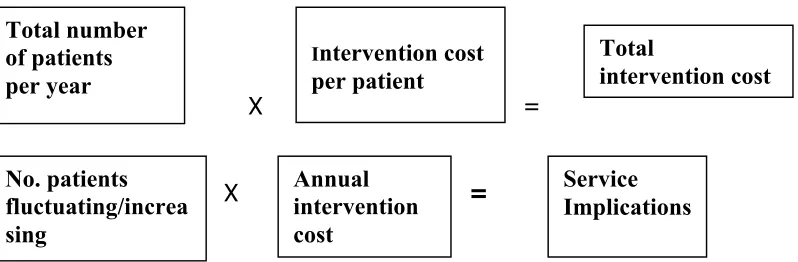
We developed a costing model to analyse costs per case of each service. All costs were entered into this model and subjected to a sensitivity analysis applying different scenarios identified in the audit phase of the study.
Total number of patients per year
X =
Intervention cost
per patient
Total
intervention cost
X =
No. patients fluctuating/increa sing
Annual intervention cost
[image:21.612.99.498.143.274.2]Service Implications
Fig 2.1 Annual cost model for memory service resource implication
Data analysis
Identification codes were used to protect anonymity and all tapes were destroyed in compliance with the 1998 Data Protection Act. We analysed quantitative data using SPSS (the Statistical Programme for Social Sciences) version 11. We transcribed all qualitative data verbatim and subjected it to template analysis (Crabtree and Miller, 1992).
In template analysis, the researcher develops a number of codes (a template), highlighting themes and constructs found within the text. The template is modified as the researcher repeatedly reads, codes, and provides interpretation to relevant text Template analysis is similar to ‘content analysis’ (Weber 1985) and ‘grounded theory’ (Glaser and Strauss, 1967). However, in content analysis, all codes are made prior to analysis of the text, which is carried out statistically. In grounded theory there are no preconceived ideas about the codes to be used. Template analysis lies somewhere between these approaches and is more flexible (King 1998).
One researcher developed a template for patient and carer transcripts, starting by reviewing the text from a pair of transcripts, adding annotation and simple, descriptive, coding using the interview schedule to predefine categories. The researcher then returned to the text and provided more interpretation by clustering codes together and ascribing meaning to each group. This began a process of hierarchical coding, with more general codes leading to more defined and specific ones. All the other transcripts were then coded, using the initial templates which were revised as a result of observing the other transcripts. Existing classifications were adjusted, further dimensions were added to codes, areas were deleted, and new constructs were developed.
in a similar way for the focus group data. The final templates were indexed and provide a tight and clear organisation of the data and a well-ordered means for analysis.
2.5 Establishing research trustworthiness/ reliability and
validity
The structure and findings of the study are reported (with more detail available on the web version). The theoretical background, the general methodological framework and method of analysis involving peer review are specified and appropriate to the research subject. Quantitative data were analysed using standard methods with appropriate corrections. Qualitative data were evaluated by comparing the responses of all participants. As all participants mentioned similar issues, there was confidence in the credibility of themes. A second researcher provided a check on the plausibility of all categories and the consistency of subsequent coding for each template. There was usually consensus on common themes emerging from the data but some disparity as to the best way to capture these within categories. Through discussion of the rationale underpinning each category and re-examination of the data, agreement was reached. Outstanding discrepancies in themes were resolved by modifying the boundaries of themes or creating new themes. The study structure is not limited to the environment and sample used; the same procedures could be used to investigate other phenomena. The steps taken in carrying out the study are clear, systematic, efficiently documented and include safeguards against bias.
2.6 Study organisational structure
3
Objective 1: Patient and Carer Interview Findings
3.1 Introduction
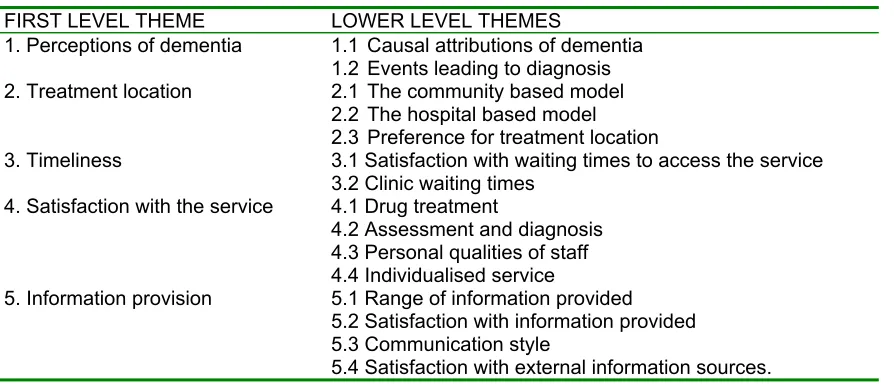
[image:23.612.88.535.343.535.2]Ten dementia patients and their carers were interviewed where possible separately. Of the ten carers interviewed, four were married to the patient and two were long-term partners. Four of the patients within the MMS sample were male. Four of the MC patients were female. MMSE scores for MMS patients ranged from 22-30 and for MC patients from 12-26. Five main themes and a range of related themes were identified (Table 3.1).
Table 3.1 Summarised patient and carer interview coding template.
FIRST LEVEL THEME LOWER LEVEL THEMES
1. Perceptions of dementia 1.1 Causal attributions of dementia 1.2 Events leading to diagnosis 2. Treatment location 2.1 The community based model
2.2 The hospital based model 2.3 Preference for treatment location
3. Timeliness 3.1 Satisfaction with waiting times to access the service 3.2 Clinic waiting times
4. Satisfaction with the service 4.1 Drug treatment
4.2 Assessment and diagnosis 4.3 Personal qualities of staff 4.4 Individualised service
5. Information provision 5.1 Range of information provided 5.2 Satisfaction with information provided 5.3 Communication style
5.4 Satisfaction with external information sources.
3.2 Perceptions of dementia
The perceptions participants held of dementia shaped their behaviour and reasoning. Two main sub-themes were identified: causal attributions of dementia and events leading to diagnosis.
Causal attributions of dementia
ideas. Dementia was seen as due to old age together with other factors, including level of intelligence, previous career, and in one case, having been anaesthetised:
‘My wife had an operation and ever since then, her memory has not been so good … I believe it is the anaesthetic… I said to the nurse…‘would you mind asking the consultant if it can be the anaesthetic what causes it’ and she said ‘well to be honest with you… it has already been put to the consultant and he says if the weakness is there it will bring it out’ …so do not ever have an anaesthetic if you can help it’ (MMS carer).
Events leading to diagnosis
Most dementia patients, with their carers, made incremental adjustments in their daily lives to cope with dementia as it progressed, often scaling down their expectations of quality of life. Patients and carers were aware of difficulties arising from memory loss, but fear and embarrassment discouraged a visit to the GP until a ‘crisis point’ where struggling with the difficulties led them to feel that medical advice or intervention was needed, for example:
‘I realised it… four and a half years ago. My husband could not remember eating his Christmas dinner. There were a few incidents before that… But it would be about six o clock in the evening when he asked me what day it was, and of course it was Christmas day’ (MMS carer).
And,
‘Mainly it was the forgetfulness. I mean I had a good brain before, I mean I were in the [] service for twenty-five years… and suddenly I started forgetting things. I had to ask the wife time and time again for all sort of things… I got very frustrated to start with; I could not come to terms with it’(MMS patient).
Memory impairment was difficult to accept and adjust to for both patients and carers and some ignored the signs in the hope that they would improve or at least not get worse.
3.3 Treatment location
The major difference between the two services evaluated was that one was community based and the other hospital based. Participants made interesting comments with regard to this. These are summarised and addressed in three main themes; the community based model, the hospital based model and preference for treatment location.
The community based model
clinic for appointments. While several participants retained mobility, several noted that since the onset of dementia, their mobility had been restricted. Several participants also noted a desire to avoid using public transport where possible. Being seen at home eased the burden felt by the carer, and avoided the anxiety and distress felt by patients in considering the practicalities of attending hospital.
Whilst most MMS participants appreciated the need for an element of the service to be clinic based, for instance for medical scans to be conducted, all participants expressed a preference for the design of the MMS: ‘It has been damn handy and they have been damn good, well they have been good for me …You’re more comfortable in your own home than you are going waiting in a corridor’ (MMS Carer). Participants from each service said that hospital visits could cause increased anxiety for patients, exacerbating memory difficulties. No one noted lessened contact with consultants as being a particular criticism of the service.
Increased anxiety felt by patients within clinic settings was attributed to a variety of causes; including the length of time waiting within clinics, difficulties in traveling to clinic, the physical environment of the clinic and general perceptions of hospital environments. One MMS patient mentioned the anxiety associated with exposure to others with more severe dementia. This could cause distress to patients and carers by showing what might be expected as the disease progressed. Several carers, perhaps projecting their own feelings, attributed this distress to the patient. Receiving help at homes removed the risk of this exposure: ‘I think if you went into the hospital you would be sat in a waiting room, you are going to see people far worse… that can be very distressing in itself’ (MMS carer). MMS carers particularly felt that being assessed at home allowed for a more accurate depiction of the patient’s cognitive decline:
‘I think it is more friendly if its in your own home…and especially for my husband because he is in his own environment, and he will be more relaxed, whereas I think if you go to a clinic, you can all be very tensed up, and wondering what is happening with the people coming in white coats’ (MMS carer).
MMS participants felt that receiving treatment at home enabled them to communicate more openly. They felt more able to “be themselves” within the home environment:
‘If you are in the hospital you are in a different place altogether, you are sitting on your own settee, with your own carpet and your own furniture all around you, you can be yourself… But in hospital, some change comes over you, and you simply are not the same, you are not as relaxed, tense, wondering what they are going to say next, what is going to happen next and so on’ (MC carer).
settings constrained their ability to communicate freely and in a relaxed manner with the medical professionals.
The hospital based model
While most participants thought that treatment had benefited patients, two MC carers questioned whether the level of benefit achieved was worthwhile, given the perceived effort required in gaining the treatment: ‘I mean the treatment is limited, as you know, so it makes you wonder sometimes if you are going through a lot of hoops for no reason at all, if you understand my logic’ (MC Carer).
One major cause of variation in levels of satisfaction with the MC was the particular pathway patients took within the clinic. Two distinct pathways were identified. In one, patients were seen in a single appointment conducted by a nurse consultant. Within these appointments, tests were conducted prior to a consultation and diagnosis with the same professional. Because the nurse consultant could provide a diagnostic opinion, a second appointment with a psychiatrist was not required. Carers and patients on this pathway expressed high levels of satisfaction: ‘I like that man; (…) He makes me feel comfortable’ (MC Patient). These feelings of comfort were helped as patients in this pathway remained in regular contact with one member of the clinic staff. The alternative pathway involved two distinct appointments within the same visit; an initial appointment with a nurse where assessments were conducted, combined with an appointment with either a staff grade or consultant psychiatrist, in which diagnoses were made and treatment initiated. Several participants expressed dissatisfaction with this system, largely based on the wait between appointments. Appointments also regularly fell short of their allotted time-slot, further increasing the waiting time between the nurse and psychiatrist appointment.
Another problem in the MC, raised by MC carers, was the need to travel to the nearby Pinderfields Hospital pharmacy to collect prescriptions. This was a particular problem for frail patients using the clinic, and was an inconvenience for carers, as it placed an extra task upon them. One MC carer suggested that drugs could be distributed within the clinic itself, streamlining the system: ‘Well you would not want to push somebody in a wheelchair would you… why they cannot be distributed in the clinic I do not know’
(MC carer). However, since the data collection phase of this study the MC service has developed and carers no longer have to collect all prescriptions from the hospital pharmacy, as GP’s take over all prescribing after the initial dose titration. For MC participants, the issue of traveling to the clinic was also a concern. Several lived a good distance from the clinic, resulting in patients having to endure long journeys. While several relatively young carers stated that it was not a problem for them personally, they recognised that traveling to the clinic might cause problems for patients less mobile or without transport:
Amongst patients and carers who were not able to drive themselves to clinic, most stated that they relied on friends and family for transport. Several said they had been offered ambulance transport, but usually made other arrangements. While the ambulance was thought to be a necessary service for many individuals using the clinic, for most of the participants interviewed it was seen as a last resort.
Preference for treatment location
All participants were questioned regarding their preference for a clinic or community based model. All participants had received community-based assistance at some point and thus felt able to give some opinion, in all cases stating a preference for a community-based service. The preference for a community service was most commonly community-based upon the issues of comfort and familiarity with the home environment. One MC carer stated that the patient felt anxious about visiting the memory clinic and described how the patient’s lack of familiarity with the clinic environment and staff, increased feelings of discomfort and anxiety:
‘They go through the initial anxiety each time… which is not helpful… I have found with (patient)… if she is anxious… she will almost become like a headless chicken… the more anxious they get, the less able to deal with a situation they are. That is my experience anyway… other people might find it different’. (MC carer).
The feelings of anxiety resulting from attending a clinic were thought to impact upon the patient’s cognitive and functional abilities, maybe adversely affecting any assessment. Several carers noted that prior to clinic visits patients became nervous. Several MC patients stated that they thought they would be able to perform at a level more reflective of their true abilities if the tests were conducted at home.
A community nurse who occupied a relatively new post in the MC had visited one patient and carer. The duties of this post included preliminary home visits to patients, when diagnostic testing was conducted, and where patients and carers were given information about the clinic. Both were highly satisfied with the visit, and the assistance provided. They appreciated advice provided to them on how to adapt to memory problems:
‘Carer: What happened was, we got a letter back from them, and they said that if we were willing, (memory clinic community nurse) would come, and he would give us an assessment here. He came, and he was very good. He asked us to…
Patient: Told me to get something like this (points to tear off calendar) tell me what day it was, something like that’ (MC patient and carer).
Patient and carer preference for care at home appeared to be influenced personal memories and local history. For one MMS carer in particular, a general dislike of St Luke’s hospital in Huddersfield, where clinical appointments took place was a major reason for preferring a community-based service. This dislike was based on personal memories of the hospital where both the carer’s parents had died and on the history of the hospital site. It had been a workhouse and a mental hospital where patients were taken prior to transfer to Storthes Hall, a local asylum closed years ago:
‘I hate the place. I absolutely hate Saint Luke’s, I dread it, I dread going because my mother died there and my father died there… and you see in my days it was the workhouse. It was the local workhouse. It was a stigma to be sent to Saint Luke’s’ (MMS carer).
Other participants shared this dislike but did not feel it so strongly. The community-based design was felt by several carers to reduce the perceived stigma of dementia and mental illness by lessening exposure to sites associated with bad memories.
3.4 Timeliness
We asked questions about satisfaction with waiting times. Responses identified two main themes, waiting times to access services and waiting times within clinic.
Waiting times to access services
Few participants expressed any problems with an acknowledged waiting time of approximately 2-3 months between the GP/consultant referral and the contact with MMS/MC personnel. Most patients and carers had a generally favourable reaction:
‘Carer: And he actually, you know we got a day and a time to go and see a nurse and a doctor, and so we did not seem to be waiting long at all… Patient: I know they have had complaints… I was sort of really surprised…
Carer: They were really good’ (MC patient and carer).
The experience of the waiting time for access to dementia treatments was judged in comparison with experiences of other NHS services:
‘The one thing we do not agree with is, like he is waiting for a replacement knee… they said there was a long waiting list for that obviously… but you see he has got to wait between six and nine months before they can even consider him for a knee replacement… so we have no arguments at all with this memory service’ (MMS carer).
the stress experienced in caring for her husband and anxiety about progression of the illness. One MC carer was also concerned about illness progression. The patient had started treatment a number of years previously when waiting times were longer. All were satisfied with the regular six monthly nurse follow up. Some would have preferred more frequent visits.
Waiting times within clinic
As part of the MMS model, patients attended a single diagnostic clinic assessment. Due to preferences amongst consultants operating in conjunction with the MMS, some patients also had clinic appointments as well as the regular visits from MMS nurses. Several were dissatisfied with the waiting time in clinic for their consultation. One carer described waiting for two hours for a consultant appointment.
For memory clinic participants, this anxiety was sometimes exacerbated by the length of time they had to wait to see a doctor and nurse separately: ‘So even after half an hour you have got half an hours wait if everything, if you have got an appointment that follows straight on. But more often than not they do not follow on; you might follow on another hour after that’ (MC carer). Carers felt that this increased the amount of inconvenience they suffered. These problems were attributed to the organisation and management of appointments, rather than individual clinic staff.
For patients allocated to the MC’s single appointment pathway, participants were highly satisfied with waiting times within clinic. All patients acknowledged that a certain amount of waiting was expected and the waiting times within clinic were never unacceptable. One carer congratulated the MC on promptness and flexibility:
‘I do not think it was the last one, but maybe the one before, we were there early, we were in early and out… so, the other times, quarter of an hour to half an hour after the appointed time. But that is not something I would worry about, with the hospitals as they are… and I certainly would not moan about being seen after time when we have been seen before time’ (MC carer).
Most carers were flexible regarding waiting for clinic appointments, and forgave minor increases in waiting times. While patients and carers may and do complain amongst themselves, they appeared unlikely to make any formal complaints. One carer attributed this to having an innate respect for medical professionals.
3.5 Satisfaction with the service
All participants were satisfied with the service they received. This was most commonly based on benefit experienced from the anti-dementia medication. Four major themes were identified; the Drug treatment, assessment & diagnosis, thepersonal qualities of the staff
Drug treatment
All patients were receiving anti-dementia medication. Patients and carers were highly satisfied with the benefits of drug treatment. MC carers were generally more aware of the limited benefit that treatment might have, and realised that major improvements in cognitive ability were unlikely. Where benefits did occur, carers felt that the drugs had usually performed as well as could be expected based upon the knowledge given to them by staff in the memory clinic. Treatment, at the very least, stabilised overt memory loss:
‘She seemed to me to get a lot worse very quickly, and I do not think she has got any worse. I think, like he said, its going to hold it a bit, hold it a while… I would not say she was any better no… certainly over the last few months, while she has been on them, she has not deteriorated to my mind as quickly as she did before’ (MC carer).
A few carers reported treatment had helped to stabilise the increasingly erratic behaviour exhibited by patients in the moderate stages of the disease.
Carers of patients with milder levels of impairment noted improvements to memory recall, and to the patients’ general attitude. All carers stated that patients Mini Mental State Examination (MMSE) scores had stabilised or improved. In one MMS participant, an overall improvement of six points was seen: ‘When we started with this, they gave him a test out of thirty… the first test he did he was 23 out of 30. The second test was 27, then it went up to 29 which they were thrilled with’ (MMS carer). Several carers thought the drug had lifted apparent depression / disinterest in the patient:
‘My husband had stopped being interested in the garden for a start, the garden got on top of him and he lost all interest in it…well in this past twelve month his interest has picked up, he has redone the garden he has restyled the back rockery and he has started on the front rockery… periodically, flowers and that, he would forget to put the bulbs in and what-have-you, well now he remembers’ (MMS carer).
Patients described how they felt medication had improved memory, general ability to cope with disease-related changes and well-being:
‘In some respects my memory, it has improved…if I talk I can confuse myself a little bit, but when I am out… with all my friends, on a walk, we have a chat and I can remember more now…I mean I would like to store a little bit more but I mean…I am accepting it yes, It has not been, how can I put it, as devastating as I thought it would be because these drugs are helping me’(MMS patient).
Assessment and diagnosis
was to enable staff to measure memory without carer assistance but were concerned about the patients’ possible distress as a result of this separation.
Amongst MC participants, the use of memory tests and other rating instruments were understood to be part of a formal and hierarchical system, based around the requirements of the service to provide a rapid service to many patients. They thought the main role of nursing staff was to administer memory tests. Patients and carers felt that clinic appointments were solely based upon testing, diagnosis and treatment. Patients saw the MMSE as a formal test that they were required to pass. Several participants noted that they had asked memory clinic staff whether they had “passed” the test: ‘I do not know if I was that good at it. I asked them if I passed…She did not actually say…’ (MC carer). Carers were concerned about whether a patient might become distressed during the test as a result of answering incorrectly, or of being unable to give an answer.
One MC carer said that some rating instruments given to carers were hard to understand. This carer also challenged the numerical basis of many of the assessments, noting difficulties in comparing current answers with those given during previous assessments:
‘It can be counterproductive because if you fill them in every three months you have forgotten the level you put last time so you are having a complete stab at it, you have forgotten. You have not got a baseline to work from. So your points can be all over the place. You know. Have things got worse; well what did I put last time. 1, 3, 4, 7, 12, whatever. Well I have put six, and last time I put 7, because you have not got a baseline to work from’ (MC carer).
Personal qualities of staff
assistance. MC participants developed less formal relations with the nurses and more formal relations with the doctors at the clinic. They felt more at ease with the nurses.
Individualised service
MMS carers felt that the service was individualised to meet the needs of patients and carers. Carers reported different levels of support and information provision, but overall more MMS than MC participants thought the service they used gave sufficient support. Participants stressed the ease of use of the MMS. They suffered little or no inconvenience from the nurse’s visits: ‘Everything that has had to be done has been done. I cannot criticise them and with regard to the manner in which I have been treated I could not ask for better. No I could not really’ (MMS patient).Participants did not think that the friendly approach had resulted in any loss of medical rigour. This approach to service delivery was contrasted with participants’ previous experiences of other NHS services.
3.6 Information provision
Most interviews included discussions about information. Participants expressed a desire for more knowledge regarding the condition and help that might be available. We identified four main themes; range of information provided, satisfaction with information provided, communication style and satisfaction with external information sources.
Range of information provided
Several interesting contrasts were apparent. Most participants said that the MMS nurses gave little general information to participants. Most information from the service appeared to be given verbally during appointments, with a paucity of written information. Several participants valued information given by consultants at diagnosis but some acknowledged that the stresses experienced at diagnosis meant much of this information was not fully understood or was forgotten. Written information provided seemed to be little more than contact telephone numbers for use in the case of an emergency.
services and local authorities was a long, complex and difficult process, which might often result in more isolated elderly patients or carers not making a claim:
‘I am fairly mobile and vocal when it comes to things like that. But the little old lady on the top floor of a tower block of flats without a phone may be struggling… It can sort of be a lonely situation to be in, and you start thrashing about for information on how to deal with problems or where to get help. Or Benefits, I mean that is a minefield’ (MC carer).
MC participants felt they received little or no assistance in access to these services. Further gaps in information included other support services available such as day and respite care.
Satisfaction with information provided
While relatively little information was provided by the MMS, what information was provided was useful and relevant. High levels of satisfaction were also expressed with the information given to them through the informal referral process existing between the MMS and the Huddersfield branch of the Alzheimer’s Society. Several participants had received assistance from the MMS nurses in completing assessment forms for the range of financial and other benefits available. This was particularly valued by participants because of the complexities involved in the process of submitting claims for benefits. One carer, satisfied with the treatment and verbal support gained from the MMS, was dissatisfied with information available on treatments for Alzheimer’s disease prior to referral to the MMS. She only became aware of treatment for Alzheimer’s, from a TV programme, after her husband had suffered from the disease for four years:
‘I see the GP quite regularly and he had not told me anything about tablets, Aricept or any tablet, any medication at all for Alzheimer’s disease. I did not know there was such a thing, until I saw it on the television. Seems a bit hard, to find out through the telly but…it seemed so wrong to me that there could be help there and we had not the knowledge to get it’ (MMS carer).
‘I have learnt the hard way… If you deal with something incorrectly, it can have a detrimental effect to her. It has a tremendous knock on effect to her. And nobody explained this to me at the outset. So you go through tremendous ups and downs, you know where you get things wrong, and it affects the patient tremendously, more than it would in normal times’ (MC carer).
Several participants thought that the memory clinic would provide a perfect opportunity for information on this area to be shared.
While many MC carers stated that the clinic should provide some support for carers, a small minority of carers were less certain as to whether this provision fell under the remit of the clinic, given its primary function in providing diagnosis and treatment for the patient. When questioned on this issue, several MC carers initially were unsure as to whether the clinic should provide clinical or information based assistance to carers:
‘I do not think anybody has actually said ‘how are you coping?’ They have just been interested in how (wife) is and is she better or worse… I am not sure whether I would expect them to ask me that… should the clinic care whether the carer is coping? I do not know whether they should really… they certainly have not taken an interest in me, and until you have just mentioned it I had not thought it was odd’ (MC Carer).
While carers acknowledged their own health problems, and in several cases attributed them to the burden of caring, few felt that the memory clinic should be involved in them. Carers were more likely to contact their own health practitioners, rather than approach clinic staff. This may result in an increased burden upon carers and other health practitioners who do not possess specialist knowledge in the area of dementia care.
The lack of information provided by both services placed the onus in gaining access to information upon the carer. Younger carers felt that many their elderly counterparts might lack the knowledge and drive to access relevant information sources:
‘I am young, I have got a car, I can afford petrol to get somewhere, but some little old lady… is going to struggle with this system. It must be a hell of a struggle for them, even finding out how to get benefits and who to ask to fill the form in’ (MC carer).
Communication style
Most participants were satisfied with communication with clinical staff and valued the empathy they experienced. When probed, some participants preferred the informal and individualised approaches that nurses adopted. All emphasised the friendliness of the MMS nurses. One carer emphasised the humorous banter that occurred between her husband and the MMS nurse. According to this carer, this showed not only her husband’s improved cognition, but also his feelings of ease and comfort with the nurse:
‘The nurse is excellent and she could not be better at the job because she is casual, she is not formal, she is completely informal, and she has a good laugh with you, and makes a joke of it as much as (husband) does. You could not ask for anything better than that in my opinion’ (MMS carer).
Many felt that the nurses valued and treated them as individuals, rather than simply as patients. Several MMS carers expressed that nurse visits were events to look forward to, much in the same way that carers would express anticipating a visit from social contacts:
‘In fact I look forward to it, and I try to make the best of my appearance, because she is always so attractively dressed and she makes the best of herself, as we all should. And I was sorry, I felt I have lost another friend, and that is how I feel about losing (MMS nurse) and that is how I feel, both in her work, and as a person, I feel I have lost a friend’ (MMS carer).
This carer was apprehensive regarding the reduction in frequency of visits by the MMS nurse due to the success of treatment. Many patients and carers felt socially isolated. Within this context of social isolation, visits from the MMS nurses provided patients and particularly their carers with an important opportunity for social contact.
carers. Several carers felt that psychiatrists were too important to ‘waste their time’ providing information to patients and carers. Instead, it was thought that a nurse or someone could provide this information. Clearly, this unwillingness to approach senior staff, combined with small amounts of contact with nurses might have influenced the opportunity that carers had to communicate all their concerns to staff.
One MC carer was strongly dissatisfied with how the diagnosis of dementia was communicated to the patient. The diagnosis was given to the patient without the carer. The carer said this caused emotional distress for the patient and felt this method of communicating the diagnosis was cruel to the patient. He felt that he should have been present while the diagnosis was discussed to provide emotional assistance and support.
Satisfaction with external information sources
Of the ten patient and carer pairs seen, eight were in regular contact with Alzheimer’s Society. Once the Society had been contacted, it became the main source of support and information about the disease. Participants enthusiastically expressed their satisfaction with the information provided. There appeared to be good integration between the MMS and the Society, where the MMS provided diagnostic information, then put participants in touch with Alzheimer’s Society:
‘The nurse does not give me any written information… I get all my information through the Alzheimer’s society. I get the national newsletter, which comes out about every three months and when my husband was first diagnosed, the Alzheimer’s society gave me a booklet with everything in it so I am kept up to date with what is going on by the Alzheimer’s society rather than the memory service’ (MMS carer).
While most carers were in contact with the Society, ‘referral pathways’ into the Society from the MC were erratic. Participants had made contact independently of the memory clinic and other health services, discovering the society through friends or family, or through their own research. Within the MC, some staff appeared to inform all patients about the Society while others did not. Some staff appeared to be mistaken regarding who could be referred to the Society. Some participants claimed that they had been told that only patients with Alzheimer’s disease could be referred. Only one carer had been encouraged to make contact with the Alzheimer’s Society by MC staff.
3.7 Summary
Patients and carers understood dementia to be a consequence of old age possibly augmented by the stress of life events. They coped with behavioural changes prior to diagnosis by trying to “normalize” them and deny difficulties. Often some crisis caused the carer to approach the GP leading to referral to the memory services.
Community contact was valued. In the service designs studied, the community service (MMS) also tended to provide more continuity of care. When this continuity was provided in the clinic setting (MC) it was also appreciated. The community service minimised potential stressors associated with having to travel to a hospital setting, especially if the hospital had bad historical associations. At home, service users could be more relaxed and able to complete assessments and talk more freely about their day to day life experiences and any worries. Waiting times for access to the services were generally acceptable and compared favourably with other NHS services but excessive waiting within clinic caused frustration in both services, though it appeared to be more frequent in one pathway through the MC that involved separate appointments with doctor and nurse. Participants were generally well satisfied with the benefits of drug treatment and appreciated the need for formal assessments. They appreciated the personal qualities of staff and valued being