NEGATIVE AFFECT AND RESUMPTION OF DRUG USE: NEUROBIOLOGY OF ENHANCED DYSPHORIA AND SUBSEQUENT DRUG TAKING FOLLOWING
PROLONGED ABSTINENCE FROM COCAINE
Rachel McDonnell Haake
A thesis submitted to the faculty at the University of North Carolina at Chapel Hill in partial fulfillment of the requirements for the degree of Master of Arts in the Department of
Psychology and Neuroscience (Behavioral and Integrative Neuroscience).
Chapel Hill 2017
Approved by:
Regina M. Carelli
Donald T. Lysle
© 2017
ABSTRACT
Rachel McDonnell Haake: Negative Affect and Resumption of Drug Use: Neurobiology of Enhanced Dysphoria and Subsequent Drug Taking Following Prolonged Abstinence from
Cocaine
(Under the direction of Regina M. Carelli)
Rats exhibit negative affect to a sweet tastant that predicts delayed cocaine
availability, and nucleus accumbens (NAc) neurons encode this state. Here, we examined
the effects of cocaine abstinence on negative affect and drug-seeking. Rats were given 14
taste-cocaine sessions followed by 1 or 30 days of abstinence and a 3 -phase test: 1) tastant
deliveries, 2) extinction, 3) cocaine self-administration, with NAc activity and affective
responses to the taste measured on days 1, 14 and test. Results showed that 30 days of
abstinence led to an enhancement of negative affect and a decline in NAc activity during
tastant infusion that re- emerged during seeking. Further, greater aversion to the
drug-paired tastant before abstinence was associated with increased self -administration following
30-day abstinence. These findings show that drug-induced dysphoria is enhanced following
prolonged cocaine abstinence, and that NAc encoding is dynamic, dampening as negative
To Paulina McDonnell – your influence and spirit give me the strength to persist through
ACKNOWLEDGEMENTS
The completion of this thesis project was made possible by numerous people. I
would like to express gratitude first and foremost to my advisor, Regina Carelli, whose
guidance, support, and patience has allowed me to reach this stage in my academic
development. Additionally, I would like to thank Elizabeth A. West and Fei Fei Wang, who
were instrumental in the beginning stages of this project’s completion, assisted in the
interpretation of findings and provided helpful suggestions for the final manuscript. Finally,
I would like to acknowledge my family, friends, and labmates who have offered endless
TABLE OF CONTENTS
LIST OF FIGURES ...viii
CHAPTER 1: INTRODUCTION ... 1
CHAPTER 2: MATERIALS AND METHODS ... 5
Subjects ... 5
Surgery ... 5
Apparatus ... 6
Experimental Design ... 6
Taste Reactivity ... 7
Electrophysiological Recording Procedures ... 8
Data Analysis ... 9
Histology ... 13
CHAPTER 3: RESULTS ... 15
Behavioral profile before abstinence ... 15
Distribution of neuronal recordings in the NAc core and shell ... 21
Taste cues that predict impending but delayed cocaine are devalued and elicit a negative affective state encoded by NAc neurons (before abstinence) ... 22
Enhancement of negative affect and dampening of NAc neural signaling following one month cocaine abstinence ... 23
Cocaine seeking and taking behavior and its encoding by NAc neurons following
tastant infusions are not altered by one month cocaine abstinence... 26
Enhanced negative affect was associated with greater cocaine self-administration in high (not low) aversive rats after one month abstinence ... 27
CHAPTER 4: DISCUSSION ... 29
CHAPTER 5: CONCLUDING REMARKS ... 33
REFERENCES ... 34
LIST OF FIGURES
Figure 1. Experimental timeline………39
Figure 2. Self-administration behavior before abstinence………..40
Figure 3. Taste reactivity before abstinence………41
Figure 4. Histological reconstruction of electrode placements………42
Figure 5. Shift in behavioral and neural responses to the sweet that predicts impending, but delayed cocaine………43
Figure 6. Emergence of enhanced negative affect following 30 days (not 1 day) abstinence……44
Figure 7. Change in NAc phasic activity relative to tastant infusion from day 14 to test day following abstinence………...45
CHAPTER 1: INTRODUCTION
Substance use disorders are characterized by cycles of uncontrollable drug-seeking,
abstinence from drug use, and relapse (Kalivas and Volkow, 2005; Koob and Volkow, 2010;
American Psychiatric Association, 2013). Negative reinforcement views of addiction
postulate that addicts relapse, in part, due to the negative affective states (e.g., anhedonia,
dysphoria, irritability) that emerge during drug withdrawal and protracted abstinence (Baker
et al., 2004; Koob and Le Moal, 2005; Koob and Volkow, 2010). In abstinent cocaine users,
these negative emotional states can be evoked by drug-associated stimuli (Childress et al.,
1988; Robbins et al., 2000; Sinha et al., 2000; Fox et al., 2008) and predict relapse (Paliwal
et al., 2008) as well as the intensity of subjective ‘high’ experienced upon cocaine
administration (Uslaner et al., 1999; Newton et al., 2003). As such, understanding the
neurobiological mechanisms that underlie drug- induced negative affect, particularly after
extended drug abstinence, is important in preventing relapse and redirecting attention toward
more adaptive reward procurement.
The Carelli laboratory utilizes a preclinical model in which a cocaine -associated taste
stimulus that predicts impending but delayed cocaine availability elicits a negative affective
state associated with heightened drug -seeking (Wheeler et al., 2008, 2011; Carelli and West,
2014; Green et al., 2015; Colechio et al., 2017). Here, rats receive multiple discrete intraoral
infusions (~3.5 s/infusion) of a palatable saccharin solution over ~30 -45 minutes followed
drug-paired taste stimulus are examined using the taste reactivity test (Grill and Norgren,
1978), wherein animals exhibit stereotyped oromotor responses to palatable and
unpalatable taste stimuli when infused directly into the oral cavity that correspond to the
hedonic valence of the stimulus. Critically, taste reactivity reflects not only innate taste
preferences but also conditioned changes in affect which can be elicited by conditioned
stimuli that engage other sensory modalities (Berridge, 1996; Berridge, 2000). Following
repeated taste-drug pairing sessions, the sweet tastant produces a negative affective state,
evidenced by a pronounced shift from appetitive to aversive taste reactivity. In contrast,
when a differently flavored but equally palatable sweet taste is paired with saline, the sweet
remains palatable (Wheeler et al., 2008; Colechio et al., 2017).
It has been hypothesized that the cocaine-paired taste stimulus serves as a predictor of cocaine’s impending, but delayed availability and precipitates the expression of a
conditioned aversive state in learned anticipation of the future opportunity to self -administer
cocaine (Wheeler et al., 2008; Carelli and We st, 2014). As such, a critical feature of this model is that the rat must ‘wait’ an extended period for drug availability, and this waiting
period is highly aversive (as revealed by gapes during infu sion of the previously palatable
tastant). In support, aversive taste reactivity is not observed when cocaine co -occurs with or
immediately follows tastant infusion (Parker, 1995; Wheeler, 2011). Further, Grigson and
colleagues provided direct evidence that a drug-predictive taste cue elicits physiological
withdrawal and predicts cocaine self-administration in rats (Nyland and Grigson, 2013). In
humans drug users, once in this aversive state, interest in other previously rewarding items
(e.g., food, social relationships, work performance) pales in comparison to their strong
al., 2004; Koob and Le Moal, 2005; Koob and Volkow, 2010).
Critically, the learned aversion to the cocaine-paired tastant is dynamically encoded
by NAc neurons, which shift from predominately inhibitory to mostly excitatory phasic
responses during tastant infusions, not observed with a saline-paired tastant (Wheeler et al.,
2008). This shift in phasic NAc signaling is consistent with neural responses to an
unconditioned highly aversive tastant, quinine (Roitman et al., 2005, Wheeler et al., 2008;
Wheeler and Carelli, 2009). Further, previous work has provided evidence that this negative
affective state is ‘corrected’ by cocaine, as the behavioral and neural indices of negative
affect predict subsequent motivation to self-administer drug (Wheeler et al., 2008; Colechio
et al., 2014; Green et al., 2015). As such, drug seeking may reflect an effort to alleviate
negative affect, particularly in a situation in which the taste cue signals that cocaine is not
immediately available. This may be analogous to a human cocaine user being presented with
a drug-predictive cue in the absence of the drug, a desig n that elicits intense craving and
negative mood (Childress et al., 1988; Robbins et al., 2000; Fox et al., 2008).
Clinical findings demonstrate that the length of time away from drug use (i.e.,
abstinence) plays a key role in the propensity to relapse in addicts (Gawin and Kleber, 1986;
Gawin, 1991; Baker et al., 2004; Koob and Le Moal, 2005; Koob and Volkow, 2010).
Likewise, in animal models, the ability of cocaine-associated stimuli to promote heightened
drug-seeking persistently increases as a function of abstinence duration (Grimm et al., 2001;
Lu et al., 2004), a finding that has been attributed to numerous neuroadaptations in reward
-related brain regions, including the NAc (Lu et al., 2004; Bossert et al., 2005; Hollander and
Carelli, 2005, 2007; Pickens et al., 2011; Cameron et al., 2016; Wolf, 2016). Given these
a sweet taste cue associated with impending, but delayed cocaine availability would
become heightened following extended (1 month) abstinence from cocaine
self-administration. Further, we extended our analysis to determine if this abstinence -related
negative affective state would be reflected in alterations in behavior and NAc neuronal
firing dynamics during subsequent drug seeking (extinction) and resumption of drug taking
behavior. Finally, since it has been shown that rats exhibit differential degrees of aversive
responses when forced to wait for impending drug (Colechio et al., 2014; Colechio and
Grigson 2014; Colechio et al., 2017), we also examined if cocaine seeking and self -
administration following abstinence differed across rats categorized as showing low versus
CHAPTER 2: MATERIALS AND METHODS
Subjects
Twenty-two, adult male Sprague-Dawley rats (Envigo/Harlan, Indianapolis, IN,
USA) aged 60-90 days (~300-325 g) upon arrival were used. Animals were housed
individually on a 12h/12 h lightdark cycle and maintained at no less than 85% of pre
-experimental body weight by water restriction (~30 ml/ day) for the duration of behavioral
testing except during the post - operative recovery period. Rat chow (Purina, St. Louis, MO,
USA) was available ad libitum. All animal procedures were conducted in accordance with
the National Institutes of Health Guidelines for the Care and Use of Laboratory Animals and
approved by the University of North Carolina Chapel Hill Institutional Animal Care and Use
Committee (IACUC).
Surgery
Rats were anesthetized with ketamine hydrochloride (100 mg/kg) and xylazine
hydrochloride (10 mg/kg) and prepared for chronic indwelling catheter, intraoral cannula,
and microwire electrode array implantation in the same surgery. Rats were implanted with a
custom- made (Access Technologies, Skokie, IL, USA) intrajugular catheter as well as an
intraoral cannula, using established procedures (Wheeler et al., 2008, 2011; Green et al.,
2015). Microwire electrode arrays (8 microwires/array; 50 µm diameter; NB Labs, Denison
TX, USA) were bilaterally implanted into the NAc core (+1.7 AP, + 1.4 ML, -7.0 DV) or
West and Carelli, 2016). Animals were allowed at least 7 post-operative recovery days.
Apparatus
Behavioral sessions were conducted in 43 x 43 x 53 cm custom -made Plexiglas
operant chambers housed within commercial sound -attenuating cubicles (Med. Associates,
Inc., St Albans, VT, USA). Briefly, chambers contained two retractable levers (Coulbourn
Instruments, Whitehall, PA, USA) with cue lights positioned 6.5 cm above each lever. A
water receptacle was centered between the two levers, approximately 4 cm above the floor.
A houselight and speaker were centrally located on the left wall of the chamber. Masking
noise and ventilation were provided by a wall-mounted fan. A commutator (Crist
Instruments, Hagerstown, MD) was mounted to the top of the chamber, and allowed for
attachment of the electrophysiological recoding cable, as well as insertion of the intraoral
and intra venous infusion lines. Drug and intraoral saccharin delivery was provided by a
computer-controlled syringe pump located outside the chamber. The chamber and its
components were connected to a computer interface (Med. Associates) for real-time
automated data collection.
Experimental Design
Figure 1A shows a schematic diagram of behavioral training. Rats were initially
trained in daily 30 min sessions to lever press for water (3 -5 days) then underwent surgery
and recovery (1 week) followed by re-establishment of lever pressing (1-2 days) and
habituation to intraoral (water) infusions (1 day). On subsequent training days 1-14, rats
were given 45 discrete intraoral infusions of 0.15% saccharin (0.13 ml delivered over 4
was extended into the chamber with the cue light above it illuminated. Rats were then
allowed to self-administer cocaine on a fixed-ratio 1 schedule of reinforcement for 2h. Here,
lever depression resulted in intravenous cocaine delivery (0.33 mg/infusion, ~1
mg/kg/infusion, 6s) paired with termination of the cue light and simultaneous onset of a tone
(67 dB, 1 kHz)/houselight conditioned stimulus complex (20 s).
Following 14 training sessions, rats were divided into two groups: 1 day (n=10) or 30
days (n=12) of abstinence, with rats remaining in their home cages. Rats were then tested in
a single session consisting of three phases: (1) intraoral tastant infusions, (2) extinction, and
(3) resumption of cocaine self-administration (Figure 1B). In Phase 1, rats received intraoral
infusions of the same 0.15% saccharin solution as delivered during training. Next, the lever
previously associated with cocaine delivery during self-administration was extended into the
chamber, the cue light illuminated, and Phase 2 was initiated. Here, each lever press resulted
in termination of the cue light and presentation of the audiovisual CS, but no drug delivery.
After 2 h, Phase 3 was initiated by administration of 1 -3 priming infusions of cocaine (0.33
mg/inf; 6 s) paired with the audiovisual CS (20 s). Each subsequent lever press resulted in a
cocaine infusion (0.33 mg/inf; 6 s) and presentation of the audiovisual CS (20 s). The test
session ended 2 h after Phase 3 initiation.
Taste Reactivity
A video camera was positioned to face a mirror below the chamber to record
oromotor responses to intraoral infusions on days 1 and 14 of training and on test day.
Responses were categorized as appetitive or aversive, as described previously (Grill and
2017). Briefly, lateral tongue protrusions were classified as appetitive and gaping as
aversive. Taste reactivity data were analyzed as the number of appetitive or aversive
responses per 45 trials during each recorded session. In addition to measuring lateral tongue
protrusions (appetitive) and gapes (aversive) during taste reactivity recordings, other
behaviors associated with strong aversive responses, e.g.,mouth dripping, face wipes,
forelimb flails, head shakes, and mouth-to-floor wiping (Grill and Norgren, 1978; Berridge,
1996; Berridge, 2000; Dwyer et al., 2017) were also recorded on days 1 and 14 of training
and on test day for all animals. While most animals exhibited primarily gaping behavior
following repeated taste-drug sessions and abstinence, a subset of animals showed primarily
other aversive responses to the drug-paired taste cue. Aversive taste reactivity in animals
exhibiting a high frequency of these other aversive behaviors during the test session was
analyzed separately (see Results).
Electrophysiological Recording Procedures
Electrophysiology procedures are well-established and have been described in detail
previously (Carelli et al., 2000). Briefly, before the start of each session, rats were connected
to a flexible recording cable attached to a commutator (Crist Instruments), which allowed
virtually unrestrained movement within the chamber. Neurons were recorded differentially
between each active electrode and the inactive (i.e., reference) electrode from the
permanently implanted microwires. T he inactive electrode was examined before the start of
the session to verify the absence of neuronal spike activity and served as the differential
electrode for other electrodes with neuronal spike activity. Online isolation and
system (multichannel acquisition processor, MAP System, Plexon, Inc., Dallas, TX, USA).
Online isolation of neuronal signals was achieved based on waveform analysis using
multiple-window discrimination modules and high-speed analog-to- digital signal
processing provided by the MAP software system. The MAP system also included an array
of digital signal processors (DSPs) for continuous neuronal spike recognition throughout
behavioral sessions, which sent a continuous parallel digital output of neuronal spike events
to a Pentium computer. A different computer controlled behavioral events of the
experiment (Med. Associates) and sent digital outputs corresponding to each event to the
MAP box to be time- stamped with the neural data. Online discrimination of individual
waveforms began by setting a threshold and gain level for each of the sixteen wires.
Individual waveforms corresponding to a single cell were discriminated using template
analysis procedures and time-voltage boxes provided by the neurophysiological software
system (MAP system, Plexon, Inc., Dallas, TX, USA). Cell recognition and sorting was
finalized after the experiment u sing the Offline Sorter program (Plexon, Inc.). At this time,
neuronal data were further assessed based on principal component analysis of the
waveforms, cell firing characteristics such as auto-correlograms and interspike interval
distribution to ensure that putative cells showed biologically appropriate firing
characteristics, and cross-correlograms to ensure that multiple cells recorded on the same
wires showed activity that was statistically independent of one another. Electrophysiological
recordings were completed on days 1 and 14 of training and during all phases of the test
session.
Behavior: To determine whether behavior prior to abstinence differed between
animals destined for the 1 and 30 day groups, the number of cocaine infusions earned during
training and changes in appetitive and aversive taste reactivity from training day 1 to 14 were
compared using two-way repeated measures ANOVAs. Upon confirmation of similar
behavior, taste reactivity counts on day 1 vs 14 of traini ng were collapsed across groups and
analyzed with paired t-tests. The effects of abstinence on taste reactivity following
abstinence (test, Phase 1) was examined via a two-way repeated measures ANOVA.
Additionally, to further examine the effects of abstinence on taste reactivity a difference
score of aversive responses was calculated; the number of gapes on day 14 was subtracted
from those observed on test day, and compared with Student’s t-tests. One-sample t-tests compared each group’s difference score to a theoretical value of zero (reflecting no change
between day 14 and test). Student’s t-tests were used to compare lever pressing during
extinction (Phase 2) and the resumption of cocaine self -administration (Phase 3) across
abstinence groups (2 rats from 30 day group excluded from Phase 3 analyses due to catheter
patency loss). To determine if the degree of aversion to the cocaine-paired tastant prior to
abstinence was associated with behavior during Phases 2 and 3 after abstinence, each animal
was categorized as having a low or high degree of aversion by median split of aversive
gapes on day 14. Animals that exceeded the median number of gapes were classified as high
aversive, and animals that exhibited less than the median number of gapes were considered
low aversive. Two- way ANOVAs were used to compare the number of lever presses (Phase
2) and cocaine infusions (Phase 3) for low- versus high-aversive rats across abstinence
groups. To examine whether degree of aversion prior to abstinence was associated with
number of cocaine infusions on day 14 for low versus high-aversive rats across abstinence
groups.
Electrophysiology: Changes in neural firing patterns relative to task events were
analyzed by constructing peri-event histograms (PEHs) and raster displays (bin width 100
ms) surrounding each event (intraoral saccharin infusions and lever presses) using
commercially available software (Neuroexplorer for Windows version 4.034; Plexon, Inc.).
The responsiveness of each cell was examined during three epochs: (i) intraoral saccharin
infusion (0-5 sec after infusion onset), (ii) prior to (-2.5 to 0 s before response), or (iii)
following (0-2.5 s after response completion) lever pressing for cocaine during extinction or
self-administration as previously described (Cameron and Carelli, 2012; West et al., 2014).
Specifically, cells were classified as phasic if during one of these epochs the firing rate was
greater than (excitation) or less than (inhibition) the 99% confidence interval projected
from the baseline period (10 to 0 s before tastant infusion or 10 to -2.5 s before lever
press for cocaine) for at least two consecutive 100-ms time bins. Some neurons in this
analysis exhibited low baseline firing rates, and the 99% confidence interval included zero.
Responses of these cells were classified as inhibitions if the number of consecutive bins
with zero spikes in the event epoch was at lea st double the number occurring during the
baseline period (Day et al., 2011; West and Carelli, 2016). Units that exhibited both
excitations and inhibitions within the same epoch were classified by the response that was
most proximal to the event onset.
During intraoral saccharin infusions, NAc neurons were classified as exhibiting a
phasic excitation or inhibition in firing rate, or no change in activity (termed nonphasic)
Wheeler et al., 2008). During extinction (Phase 2 of test), neurons were classified as showing
a phasic excitation or inhibition in firing rate, or no change (nonphasic) relative to lever
press for CS, as described previously (West et al., 2014). During cocaine self-administration,
NAc activity was classified into one of four well-defined types of phasic neuronal firing
patterns that occurred within seconds of the reinforced response, using established prot ocols
(Carelli and Deadwyler, 1994; Carelli et al., 2000; Hollander and Carelli, 2005; Cameron
and Carelli, 2012). Cells were classified as type pre-response (PR) if they showed an
anticipatory excitation preceding the reinforced response, as type reinforcement-excitation
(RFe) or reinforcement-inhibition (RFi) if they exhibited excitations or inhibitions,
respectively, following response completion, or as type PR+RF if they showed a dual
excitation with the first peak in firing rate occurring before the lever press response, and the
second immediately following response completion, with a marked inhibition between the
two peaks (Carelli and Wightman, 2004). Chi square analyses were used to compare the
total number of cells and the proportion of phasic versus nonphasic cells recorded in the
core and shell on days 1 and 14 of training and the test session for each group.
The shift in the population response of NAc neurons to tastant infusion from training
day 1 to 14 was determined by calculating the number of cells excited versus inhibited during tastant infusions on each day (collapsed across groups) and compared with Fisher’s
exact test. To determine the effects of abstinence on neural encoding of tastant infusions in
Phase 1, the percentages of phasic cells were determined for each animal on training day 14
and test day and examined with a two-way repeated measures ANOVA. Further, Student’s
t-test was used to compare difference scores in mean percent phasic cells (t-test day minus day
group’s difference score to a theoretical value of zero (reflecting no change between day 14
and test day). Student’s t-tests were also used to compare mean percent phasic cells during
extinction (Phase 2) and self- administration (Phase 3) for 1 versus 30 day groups. Paired
t-tests were used to compare mean percent phasic cells during each phase of the test session
for 1 and 30 day abstinent animals. Animals with <2 cells recorded during any session (1
per group), as well as animals with less than 5 lever presses under extinction (1, 1 day) or
that lost catheter patency (2, 30 day) were excluded from electrophysiology analyses.
Statistical analyses were performed using GraphPad Prism 6 (GraphPad Software, Inc., La Jolla, CA, USA). Post hoc analyses (Sidak’s Multiple Comparisons) were used
when appropriate.
Histology
Histological reconstruction of electrode positions was accomplished using
established procedures (Hollander & Carelli, 2005; Wheeler et al., 2008; West and Carelli,
2016). Following experiments, rats were deeply anesthetized with ketamine hydrochloride
(100mg/kg) and xylazine hydrochloride (10mg/kg), and electrode tips were marked by
passing current (13.5-μA, 5 s) through each electrode. Rats were then euthanized, and their
brains removed and post-fixed with 20% sucrose, 3% potassium ferrocyanide, and 10%
formalin to reveal a blue dot reaction product corresponding to the location of the marked
electrode tip. Following post-fixing and freezing, brains were sliced into 40 µm sections
through the forebrain. Sections were then mounted on slides and examined under a light
microscope. Placement of electrode tips were determined by examining the relative position
CHAPTER 3: RESULTS
Behavioral profile before abstinence
Rats destined for the 1 day versus 30 day groups did not significantly differ in the
total number of cocaine infusions earned during 14 days of taste -drug sessions, prior to
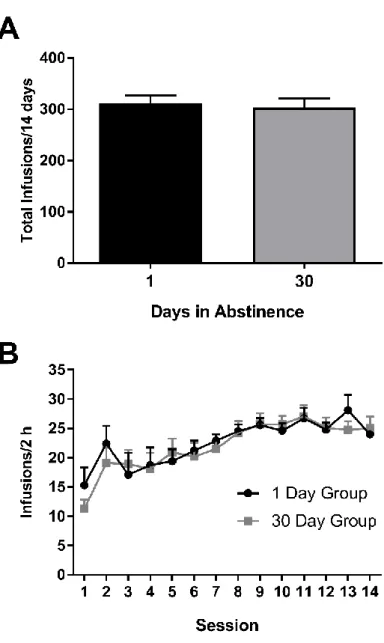
abstinence (1 day group, 311.7±15.29; 30 day group, 303.5±17.69; t20=0.34, p>0.10; Figure
2A). Further, a two-way repeated-measures ANOVA of infusions earned per 2 h session
with session (day 1 through 14) as the within-subject factor and group (1 day vs. 30 days of
abstinence) as the between-subjects factor revealed a main effect of session (F13,260=8.88,
p<0.0001) but no main effect of group (F1,20=0.11, p>0.10), nor an interaction (F13,260=0.51,
p>0.10; Figure 2B). Thus, any differences observed between groups following cocaine
abstinence were not attributable to differences in initial self-administration behavior.
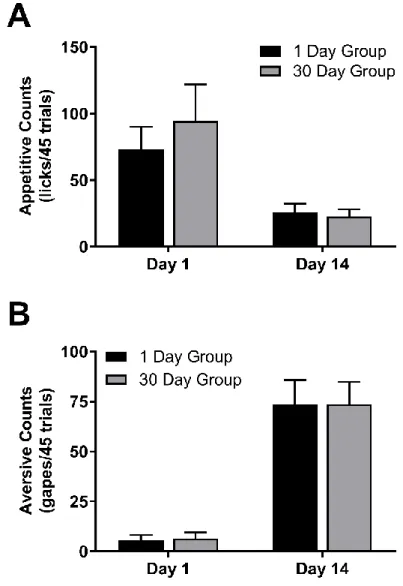
Likewise, there were no significant differences in taste reactivity between animals
destined for 1 day and 30 day abstinence groups on the first and final days of taste -drug
pairings prior to abstinence (Figure 3). A two -way repeated-measures ANOVA of appetitive
taste reactivity (Figure 3A) with session (day 1 vs 14) as the within-subject factor and
abstinence condition (1 day vs 30 days) as the between subjects factor revealed a main effect
of session (F1,20=14.12, p<0.01) but no main effect of group (F1,20=0.26, p>0.10), nor an
interaction (F1,20=0.57, p>0.10). Similarly, a two-way repeated-measures ANOVA of
aversive gapes (Figure 3B) revealed a main effect of session (F1,20=61.37, p<0.0001), but no
Distribution of neuronal recordings in the NAc core and shell
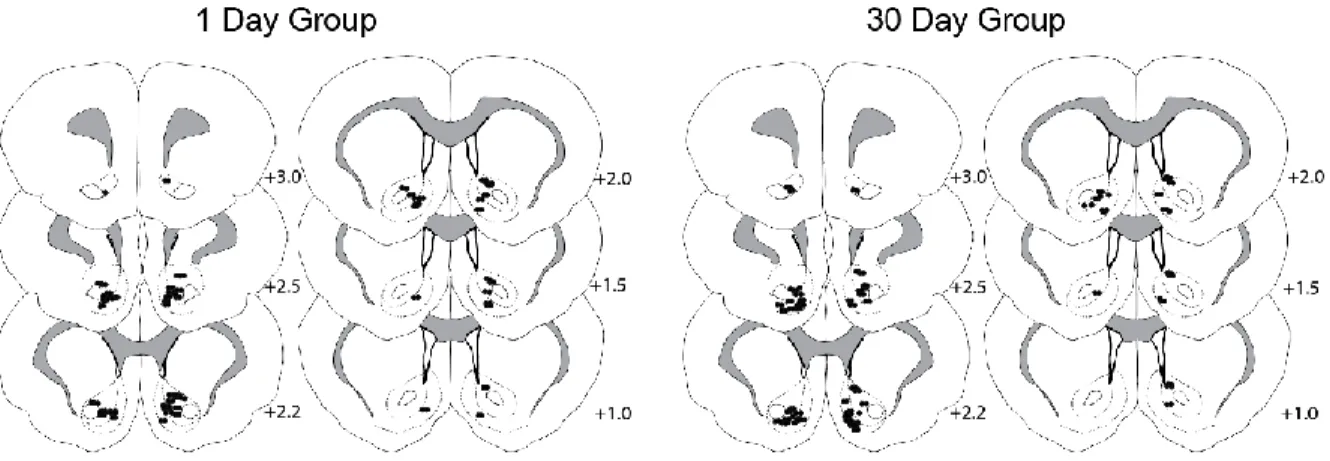
Figure 4 shows the histological distribution of electrode placements in the NAc as a
function of group (22 rats total; 1 day = 10 rats; 30 day = 12 rats for each session). On day
1, a total of 148 cells were recorded in the NAc core or shell; 66 neurons in rats destined for
the 1 day group and 82 cells in animals destined for the 30 day group. On training day 14, a
total of 137 cells were recorded; 64 cells in rats destined for the 1 day group and 73 neurons
in rats destined for the 30 day group. On test da y following abstinence, a total of 123 cells
were recorded; 65 neurons from 1 day abstinent rats and 58 from 30 day abstinent animals.
The total number of cells recorded did not significantly differ across sessions for either group (χ2=1.93, p>0.10).
We also examined if differences were observed in core versus shell recordings across
groups and sessions. There were no significant differences in the proportion of phasic
(versus nonphasic) cells in the core versus shell during the tastant infusion before abstinence in rats destined for the 1 day (training day 1: χ2=0.68, p>0.10; training day 14: χ2=0.64,
p>0.10) or 30 day (training day 1: χ2=0.27, p>0.10; training day 14: χ2=0.91, p>0.10)
groups. Likewise, there were no significant differences in the prop ortion of phasic vs
nonphasic cells in the core versus shell during self-administration before abstinence in rats destined for the 1 day (training day 1: χ2=0.22, p>0.10; training day 14: χ2=0.07, p>0.10) or
30 day (training day 1: χ2=2.64, p>0.10; training day 14: χ2=0.72, p>0.10) groups. Similar
results were obtained following abstinence during Phase 1(1 day group: χ2=0.08, p>0.10; 30
day group: χ2=0.03, p>0.10), Phase 2 (1 day group: χ2=0.05, p>0.10; 30 day group:
χ2=0.03, p>0.10). As such, all electrophysiological recordings were collapsed across
regions.
Taste cues that predict impending but delayed cocaine are devalued and elicit a negative affective state encoded by NAc neurons (before abstinence)
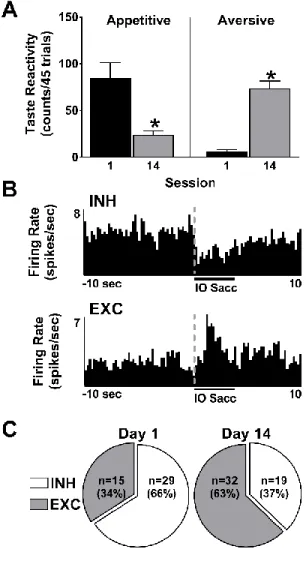
Following 14 taste-drug sessions, responses to intraoral saccharin infusions shifted
from primarily appetitive to mostly aversive behaviors (Figure 5A), consistent with prior
reports (Wheeler et al., 2008, 2011; Green et al., 2015; Hurley et al., 2017). On day 1 of
taste-drug pairings, rats exhibited classic appetitive taste reactivity during intraoral saccharin
infusion with minimal aversive responses. However, following repeated taste -drug pairings,
pronounced aversive taste reactivity emerged (Figure 5A, right). Paired t-tests revealed a
significant decrease in appetitive taste reactivity (t21=3.88; p<0.001), as well as a significant
increase in aversive taste reactivity (t21=8.06; p<0.0001) from day 1 to day 14 of taste-drug
pairing sessions.
The emergence of this negative affective state was reflected in NAc cell firing
dynamics. NAc neurons were classified as exhibiting phasic inhibitions or excitations in cell
firing during tastant infusion as previously described (Roitman et al., 2005, 2010; Wheeler
et al., 2008), and illustrated in the peri-event histograms (PEHs) in Figure 5B. The proportion
of phasic inhibitions versus excitations during tastant infusions did not significantly differ
on day 1 or 14 of training between animals destined for the 1 and 30 day abstinence groups (Fisher’s exact test, p’s>0.10); as such, NAc responses to tastant infusion before abstinence
were collapsed across groups. Critically, as shown in Figure 5C, the population neural
response shifted from primarily inhibitions during intraoral infusions of the sweet on day 1,
test, p<0.01). These findings demonstrate that an initially palatable saccharin solution that
predicts impending, but delayed cocaine becomes devalued and elicits an aversive state that
is dynamically encoded by NAc neurons, consistent with our prior reports (Wheeler et al.,
2008, 2011; Green et al., 2015; Hurley et al., 2017).
Enhancement of negative affect and dampening of NAc neural signaling following one month cocaine abstinence
Following abstinence, rats were returned to the chamber and underwent a single test
session completed in 3 phases. During Phase 1, NAc cell firing and taste reactivity were
recorded while rats were given 45 discrete intraoral infusions of saccharin, identical to
procedures utilized during training. We examined whether aversive taste reactivity that
emerged after 14 days of taste-drug pairings was exacerbated by prolonged abstinence.
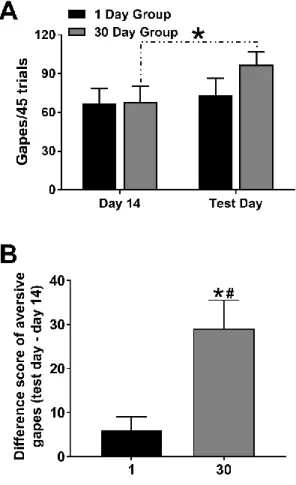
Figure 6A shows the number of gapes on day 14 and during Phase 1 of the test session for 1
and 30 day abstinence groups. A two-way repeated measures ANOVA revealed no main
effect of group (F1,16=0.57, p>0.10), but a main effect of session (F1,16=24.34, p<0.001) and
a significant group by session interaction (F1,16=10.38, p<0.01). Post hoc analyses revealed a
significant increase in aversive gapes from day 14 to test day for the 30 day group only
(t16=5.77, p<0.0001). Figure 6B shows the difference scores in aversive taste reactivity
between day 14 of training prior to abstinence and test day after abstinence for each group.
The increase in aversive taste reactivity was significantly greater in the 30 day compared to
1 day abstinence group (t16=3.22; p<0.01). Critically, this increase in aversive gapes was
only observed following prolonged abstinence as evidenced by a difference score
significantly greater than zero in the 30 day (t8=4.50; p<0.01), but not 1 day group (t8=2.03;
repeated taste-drug pairings is significantly heightened following prolonged (30 day)
cocaine abstinence.
Importantly, this behavioral enhancement of negative affect in Phase 1 was reflected
in a dampening of NAc patterned neural activity during intraoral infusions. Here, we
calculated the mean percentage of neurons that exhibited phasic firing patterns (i.e.,
inhibitions and/or excitations) during intraoral infusions on training day 14 (before
abstinence) and test day after abstinence across abstinence groups. Figure 7A shows that
there was a significant and pronounced decrease in the mean percentage of cells that
exhibited phasic activity after 30 days of abstinence com pared to the 1-day group. A
two-way repeated measures ANOVA revealed no main effect of group (F1,18=0.69, p>0.10), but
a main effect of session (F1,18=15.54, p<0.01) and a significant group by session interaction
(F1,18=7.30, p<0.05). Post-hoc analyses revealed a significant decrease in mean percent
phasic from day 14 to test day for the 30 day group only (t18=4.95, p<0.001). Figure 7B
shows the significant difference in mean percent phasic difference scores between day 14
prior to abstinence and test day after abstinence across groups (t18=2.70, p<0.05). This
change in mean percent phasic from day 14 of training to test day was significantly different
than zero for the 30 day (t10=5.39, p<0.001), but not the 1 day (t8=0.77, p>0.10) group.
Importantly, this reduction in phasic activity following prolonged abstinence did not result
from a significant decrease in the total number of cells recorded across sessions for each
group (χ2=1.93, p>0.10). Interestingly, the few cells that exhibited phasic activity in t he 30
day group (6 of 57 total cells) were all classified as excitations. In contrast, cells showing
(n=13 cells) and inhibitions (n=5 cells). These findings reveal that prolonged cocaine
abstinence exacerbated negative affective responses to the drug-paired tastant and
dramatically reduced NAc encoding of the devalued sweet, with the few remaining phasic
cells showing responses classically associated with aversion.
Behavioral and neural profiles of animals exhibiting high frequencies of other aversive behaviors following abstinence
During the test session, a subset of animals (1 day, n=1; 30 day, n=3) exhibited a
high frequency of other aversive behaviors (e.g., mouth dripping, face wipes, forelimb flails,
head shakes, and mouth-to-floor wiping) associated with strong aversive responses (Grill
and Norgren, 1978; Dwyer et al., 2017) in addition to gaping. The one 1 day animal
exhibited both a high degree of gaping and a high frequency of other aversive responses (157
gapes, 28 trials with other aversive behaviors) during the test session. In contrast, the three
animals in the 30 day group discontinued gaping responses during the test session and
shifted aversive responses almost exclusively toward other aversive behaviors (animal 1: 17
gapes, 37 trials with aversive behaviors; animal 2: 47 gapes and 27 trials with other aversive
behaviors; animal 2: 20 gapes and 43 trials with other aversive behaviors). Additionally,
while the 1 day animal maintained a moderate percentage of phasic cells responding to
intraoral saccharin (5 of 9 total cells), the 30 day rats exhibiting a high frequency of other
aversive behaviors showed no phasic activity to tastant infusion on test day, indicative of a
strong aversion to the sweet following 30 days of abstinence in these animals. Collectively,
these findings demonstrate that in the subset of animals with distinctive, yet highly aversive
responses to the devalued sweet, prolonged (30 day, but not 1 day) drug abstinence led to
to tastant delivery.
Cocaine seeking and taking behavior and its encoding by NAc neurons following tastant infusions are not altered by one month cocaine abstinence
Following intraoral infusions on test day, the lever was extended into the chamber and each press resulted in CS presentation only (‘extinction’, Phase 2). Lever press
responding during extinction did not significantly differ between abstinence groups
(t20=1.01, p>0.10). To examine whether neuronal encoding of cocaine seeking was altered
following 30 days of abstinence, the mean percent of cells showing phasic excitations or
inhibitions relative to lever presses during extinction was calculated, as described previously
(West et al., 2014). Of the 117 cells recorded for the 1 and 30 day groups in Phase 2, 46
neurons (39%) exhibited phasic changes (increases or decreases) in firing rate relative to the
press. While the percentage of phasically active cells dramatically increased for the 30 day
group (but not the 1 day group) from Phase 1 (6.44% phasic) to Phase 2 (41.86% phasic;
t11=3.20, p<0.01), neuronal encoding of cocaine seeking was not significantly different
between the 1 and 30 day groups (t18=0.33, p>0.10).
In Phase 3 of the test, each lever press again resulted in cocaine infusion paired with
the CS. The total number of cocaine infusions earned did not significantly differ between
groups (t18=0.24, p>0.10), consistent with prior reports (Hollander and Carelli, 2005, 2007;
Cameron and Carelli, 2012; West et al., 2014). Next, we examined if NAc activity during
cocaine self- administration differed between abstinence groups. Of the 106 cells recorded
for the 1 and 30 day groups in Phase 3, 32 neurons (30%) exhibited one of four types of
patterned discharges relative to the lever press for intravenous cocaine, as described
cells for the 30 day group remained elevated in Phase 3 (t11=1.71, p>0.10 for mean % phasic
in Phase 2 compared to Phase 3), the mean percent of phasic cells did not significantly differ
between 1 and 30 day groups (t17=0.96, p>0.10). In sum, although drug seeking and its
encoding by NAc neurons were not altered by 1 month cocaine abstinence, phasic NAc
activity that was significantly dampened during Phase 1 following prolonged abstinence ‘re -emerged’ during Phases 2 and 3 as animals engaged in drug seeking and taking.
Enhanced negative affect was associated with greater cocaine self -administration in high (not low) aversive rats after one month abstinence
To determine whether the degree of negative affect before abstinence (day 14) was
associated with drug seeking or self-administration following abstinence, lever presses
under extinction (Phase 2) and cocaine infusions earned (Phase 3) were compared across
animals classified as low versus high aversive for 1 versus 30 day abstinence groups. As
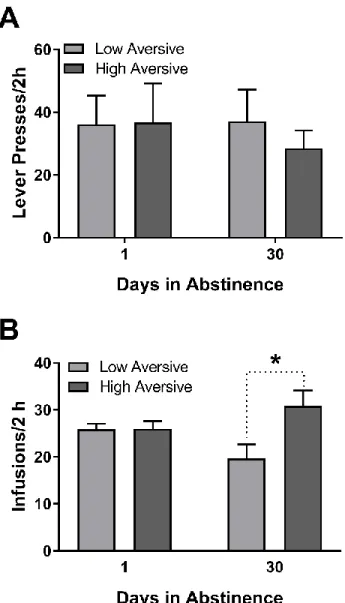
shown in Figure 8A, no differences were observed in lever press responding during Phase 2
across low versus high aversive animals. Here, a two -way ANOVA revealed no main effect
of abstinence group (F1,18=0.98, p>0.10), degree (low versus high) of aversion (F1,18=0.44,
p>0.10), nor a group by degree of aversion interaction (F1,18=0.44, p>0.10). However, the
degree of aversion exhibited during tastant infusions on day 14 pr ior to abstinence was
associated with the amount of cocaine consumed in Phase 3 after abstinence for the 30 day,
but not 1 day, group (Figure 8B). Specifically, a two-way ANOVA revealed no main effect
of group (F1,16=0.12, p>0.10), but a main effect of degree of aversion (F1,16=11.47, p<0.01)
and a significant group by degree of aversion interaction (F1,16=10.82, p<0.01). Post hoc
analyses revealed that high aversive animals earned significantly more cocaine infusions
Importantly, there were no significant differences in amount of drug consumed on day 14
between the low versus high aversive groups. Specifically, a two-way ANOVA revealed no
main effect of group (F1,18=0.23, p>0.10), degree of aversion (F1,18=2.45, p>0.10), nor an
interaction (F1,18=3.08, p>0.05) on self-administration behavior. Collectively, these findings
suggest that stronger negative affect in our model before abstinence was associated with
CHAPTER 4: DISCUSSION
Negative reinforcement theories of addiction advocate that addicts relapse, in part, to
alleviate dysphoria associated with withdrawal and prolonged abstinence (Baker et al.,
2004; Koob and Le Moal, 2005; Koob and Volkow, 2010). In a preclinical model utilized by
our laboratory, we have previously shown that rats exhibit pronounced aversive responses to
intraoral delivery of a normally rewarding tastant when it predicts impending but delayed
cocaine, and this negative affective state is encoded by NAc neurons (Wheeler et al., 2008;
2011; Green et al., 2015; Hurley et al., 2017). Here, we show that following one month of
cocaine abstinence this negative affective state is exacerbated. Remarkably, this enhanced
negative affective state was accompanied by a dramatic decline in NAc neural processing of
the devalued sweet that re-emerged when animals were able to work for drug during Phases
2 and 3. Most interestingly, when drug was again readily available (self -administration,
Phase 3), greater aversion to the drug-paired tastant before abstinence (day 14) was
associated with increased self- administration following prolonged (30 day) abstinence.
Collectively, these findings show that the dysphoric state that emerges in this preclinical
model may serve as a powerful indicator of propensity to resume drug taking following drug
removal, and is exacerbated following extended cocaine abstinence. Further, NAc neural
signaling is dynamic during this time, dampening when negative affect is at its highest (Phase 1), but transitioning back ‘online’ during subsequent drug seeking and taking (Phases
It has been proposed that the devaluation of a drug-paired sweet reflects its direct
comparison to the more reinforcing cocaine (Grigson and Twining, 2002; Nyland and
Grigson, 2013; Colechio and Grigson, 2014). The present study supports this view by
showing an increase in aversive behavioral responses to the drug-paired tastant following
repeated taste-drug pairings prior to abstinence, and its pronounced enhancement following
extended abstinence. Importantly, of the few cells that exhibited phasic activity during
tastant infusions following 30 days of abstinence, all showed responses consistent with a
neural representation of aversion (Roitman et al., 2005, 2010; Wheeler et al., 2008; Wheeler
and Carelli, 2009). Further, we also show here that rats could be divided into low versus
high aversive, and that the degree of aversion was associated with subsequent cocaine self
-administration, also consistent with work by Grigson and colleagues (Colechio et al., 2014,
Colechio and Grigson, 2014; Colechio et al., 2017). These findings support the view that
withdrawal/extended abstinence leads to a robust devaluation of nondrug rewards, especially
when subjects are in a drug-waiting state.
Here, prolonged cocaine abstinence elicited enhanced aversive taste reactivity, with a
simultaneous dramatic decline in NAc encoding of the sweet. This dampening of NAc
signaling may indicate that when rats are in a strong dysphoric state, the NAc transitions
offline and other neural regions that are strongly linked to negative affect become engaged.
This concept is consistent with other reports showing that anhedonia, such as that
experienced by human addicts undergoing withdrawal/abstinence, is associated with weak
ventral striatal activity (Der -Avakian and Markou, 2012). Indeed, it has been proposed that ‘anti-reward’ regions such as the extended amygdala (e.g., BNST; Koob and Volkow, 2010)
al., 2012; Baker et al., 2016) may be recruited to process this aversive state. Future studies
are needed to explore this possibility.
Numerous studies have shown that the ability of cocaine-associated stimuli to elicit intense drug craving and seeking increases (i.e., ‘incubates’) as a function of abstinence
duration (Gawin, 1991; Grimm et al., 2001; Lu et al., 2004; Pickens et al., 2011; Wolf,
2016). Although we have reported similar findings (Hollander and Carelli, 2005, 2007; West
et al., 2014; Cameron et al., 2016), heightened extinction responding in our 30 day abstinent
group was not observed here, even in high aversive rats. This lack of incubation effect is
likely related to specifics of our task, and the severe dysphoric state elicited by it.
Specifically, the present study incor porated taste-drug sessions that imposed a prolonged
delayed onset of extinction testing (i.e., after 35 -45 minutes in Phase 1). As such, it is
possible that this drug-waiting period on top of the negative emotional state brought on by
extended abstinence, precipitated the onset of a highly dysphoric, conditioned withdrawal
state (e.g., Nyland and Grigson, 2013) that was insensitive to incubation effects. Regardless,
the overall dampened NAc activity observed in Phase 1 was reversed in Phase 2, suggesting
that once rats began to work for drug again in extinction, the NAc re -engages.
Interestingly, greater negative affect before abstinence was associated with
significantly increased cocaine self-administration following prolonged abstinence,
particularly in high aversive rats. Further, enhanced phasic cell firing (compared to Phase 1)
was maintained as animals transitioned from cocaine seeking under extinction conditions
(Phase 2) to cocaine self- administration (Phase 3). These findings parallel clinical studies
showing that robust negative affective states that emerge during abstinence are associated
reported at follow-up examinations (Brown et al., 1998; Kosten et al., 1987; Paliwal et al.,
2008). Additionally, ratings of negative em otional states in abstinent cocaine users predict
both relapse and the intensity of subjective high experienced upon administration of cocaine
(Newton et al., 2003; Uslaner et al., 1999). Our findings are consistent with these reports
and suggest that drug-induced dysphoria following repeated taste-drug sessions represents
an indicator of propensity to resume drug taking following extended abstinence.
In conclusion, the present findings revealed a prolonged (30 day) abstinence-induced
enhancement of negative affect. Importantly, NAc neural signaling is highly dynamic during
this period, exhibiting dampened neural encoding while in this dysphoric state, but a re-
emergence of overall activity as this state is corrected by subsequent drug access. Future
investigations will explore the larger neural circuitry underlying the role of negative
CHAPTER 5: CONCLUDING REMARKS
The chronic, relapsing nature of substance use disorders is perpetuated by the
emergence of negative emotional states, as addicts seek and take drugs to alleviate the
negative symptoms associated with drug withdrawal and prolonged abstinence. Here,
repeated taste-cocaine sessions resulted in the emergence of negative affect, evidenced by a
shift from appetitive to aversive responses to the drug-paired tastant and accompanied by a
shift in phasic NAc activity from predominately inhibitions to mostly excitations. Followin g
extended (1 month, but not 1 day) abstinence, this negative affective state was exacerbated,
as evidenced by a significant increase in aversive responses to the sweet (Phase 1 of test) .
Interestingly, this enhanced negative affective state was accompanied by a dramatic decline
in phasic NAc activity relative to tastant infusion, with the few phasic cells showing activity
consistent with NAc responses to aversive taste stimuli. While 30 day abstinent animals did
not exhibit increased cocaine seeking under extinction (Phase 2) or self-administration
(Phase 3), the dampened NAc activity observed during tastant infusions re -emerged as
animals began working for the drug. Further, animals in the 30 day group that were
classified as high aversive on day 14 prior to abstinence self- administered significantly
more cocaine on test day compared to their low aversive counterparts. These findings
provide critical insight into the neurobiological processes that underlie relapse to cocaine
REFERENCES
American Psychiatric Association (2013). Diagnostic and Statistical Manual of Mental Disorders 5th edn. American Psychiatric Press: Arlington, VA.
Baker TB, Piper ME, McCarthy DE, Majeskie MR, Fiore MC (2004) Addiction motivation reformulated: an affective processing model of negative reinforcement. Psychol Rev 111:33-51.
Baker PM, Jhou T, Li B, Matsumoto M, Mizumori SJ, Stephenson-Jones M, Vicentic A (2016) The Lateral Habenula Circuitry: Reward Proce ssing and Cognitive Control. J Neurosci 36:11482-11488.
Barrot M, Sesack SR, Georges F, Pistis M, Hong S, Jhou TC (2012) Braking dopamine systems: a new GABA master structure for mesolimbic and nigrostriatal functions. J Neurosci 32:14094-101.
Berridge KC (1996) Food reward: brain substrates of wanting and liking. Neurosci Biobehav Rev 20:1-25.
Berridge KC (2000) Measuring hedonic impact in animals and infants: microstructure of affective taste reactivity patterns. Neurosci Biobehav Rev 24:173-198.
Bossert JM, Ghitza UE, Lu L, Epstein DH, Shaham Y (2005) Neurobiology of relapse to heroin and cocaine seeking: an update and clinical implications. Eur J Pharmacol 526:36-50.
Brown RA, Monti PM, Myers MG, Martin RA, Rivinus T, Dubreuli ME, Rohsenow DJ (1998) Depression among cocaine abusers in treatment: relation to cocaine and alcohol use and treatment outcome. Am J Psychiatry 155:220-225.
Cameron CM, Carelli RM (2012) Cocaine abstinence alters nucleus accumbens firing dynamics during goal-directed behaviors for cocaine and sucrose. Eur J Neurosci 35:940-951.
Cameron CM, Wightman RM, Carelli RM (2016) One month cocaine abstinence potentiates rapid dopamine signaling in the nucleus accumbens core. Neuropharmacology 111:223- 230.
Carelli RM, Deadwyler SA (1994). A comparison of nucleus accumbens neuronal firing patterns during cocaine self-administration and water reinforcement in rats. J Neurosci 14: 7735- 7746.
Carelli RM, Ijames SG, Crumling AJ (2000) Evidence that separate neural circuits in the nucleus accumbens encode cocaine versus “natural” (water and food) reward. J Neurosci 20:4255-4266.
Carelli RM, Ijames SG, Crumling AJ (2000). Evidence that separate neural circuits in the nucleus accumbens encode cocaine versus “natural” (water and food) reward. J Neurosci 20: 4255-4266.
Carelli RM, Wightman RM (2004). Functional microcircuitry in the accumbens underlying drug addiction: insights from real-time signaling during behavior. Curr Opin Neurobiol 14: 763-768.
Carelli RM, West EA (2014) When a good taste turns bad: Neural mechanisms un derlying the emergence of negative affect and associated natural reward devaluation by cocaine. Neuropharmacology 76:360-369.
Childress A, Ehrman R, McLellan AT, O’Brien C (1988) Conditioned craving and arousal in cocaine addiction: A preliminary report. NIDA Res Monogr 81:74 – 80.
Colechio EM, Grigson PS (2014) Conditioned aversion for a cocaine-predictive cue is associated with cocaine seeking and taking in rats. Int J Comp Psychol 27:488-500.
Colechio EM, Imperio CG, Grigson PS (2014) Once is too much: conditioned aversion develops immediately and predicts future cocaine self-administration behavior in rats. Behav Neurosci 128:207-16.
Colechio EM, Alexander DN, Imperio CG, Jackson K, Grigson PS (2017) Once is too much: Early development of the opponent process in taste reactivity behavior is associated with later escalation of cocaine self-administration in rats. Brain Res Bull In press.
Day JJ, Jones JL, Carelli RM (2011). Nucleus accumbens neurons encode d predicted and ongoing reward costs in rats. Eur Journal Neurosci 33: 308 -321.
Der-Avakian A, Markou A (2012) The neurobiology of anhedonia and other reward -related deficits. Trends Neurosci 35:68-77.
Dwyer DM, Gasalla P, Bura S, Lopez M (2017) Flavors paired with internal pain or with nausea elicit divergent types of hedonic responses. Behav Neurosci 131:23-248.
Fox HC, Kong KI, Siedlarz K, Sinha R (2008) Enhanced sensitivity to stress and drug/alcohol craving in abstinent cocaine-dependent individuals compared to social drinkers. Neuropsychopharmacology 33:796-805.
Gawin FH (1991) Cocaine addiction: psychology and neurophysiology. Science 251:1580-1586.
Green JL, Dykstra LA, Carelli RM (2015) Examination of cocaine dose in a preclinical model of natural reward devaluation by cocaine. Behav Pharmacol 26:398-402.
Grigson PS, Twining RC (2002) Cocaine-induced suppression of saccharin intake: A model of drug-induced devaluation of natural rewards. Behav Neurosci 116:321–333.
Grill HJ, Norgren R (1978) The taste reactivity test: I. Mimetic responses to gustatory stimuli in neurologically normal rats. Brain Res 143:263-279.
Grimm JW, Hope BT, Wise RA, Shaham Y (2001) Neuroadaptation. Incubation of cocaine craving after withdrawal. Nature 412:141-142.
Hollander JA, Carelli RM (2005) Abstinence from cocaine self-administration heightens neural encoding of goal-directed behaviors in the accumbens. Neuropsychopharmacology 30:1464-1474.
Hollander JA, Carelli RM (2007) Cocaine-associated stimuli increase cocaine seeking and activate nucleus accumbens core neurons after abstinence. J Neurosci 27:3535-3539.
Hurley SW, West EA, Carelli RM (2017) Opposing roles of rapid dopamine signaling across the rostral-caudal axis of the nucleus accumbens shell in drug-induced negative affect. Biol Psychiatry In press.
Jhou TC, Fields HL, Baxter MG, Saper CB, Holland PC (2009) The rostromedial tegmental nucleus (RMTg), a GABAergic afferent to midbrain dopamine neurons, enc odes aversive stimuli and inhibits motor responses. Neuron 61:786-800.
Kalivas PW, Volkow ND (2005) The neural basis of addiction: A pathology of motivation and choice. Am J Psychiatry 162:1403-1413.
Koob GF, Le Moal M (2005) Plasticity of reward neurocircuitry and the 'dark side' of drug addiction. Nat Neurosci 8:1442-1444.
Koob GF, Volkow ND (2010) Neurocircuitry of addiction. Neuropsychopharmacology 35:217- 238.
Kosten TR, Rounsaville BJ, Kleber HD (1987) A 2.5-year follow-up of cocaine use among treated opioid addicts: have our treatments helped? Archi Gen Psychiatry 44:281-284.
Newton TF, Kalechstein AD, Tervo KE, Ling W (2003) Irritability following abstinence from cocaine predicts euphoric effects of cocaine administration. Addict Behav 28:817-821.
Nyland JE, Grigson, PS (2013) A drug-paired taste cue elicits withdrawal and predicts cocaine self-administration. Behav Brain Res 240:87-90.
Paliwal P, Hyman SM, Sinha R (2008) Craving predicts time to cocaine relapse: further validation of the Now and Brief versions of the co caine craving questionnaire. Drug Alcohol Depend 93:252–259.
Parker LA (1995) Rewarding drugs produce taste avoidance, but not taste aversion. Neurosci Biobehav Rev 19:143–157.
Paxinos G, Watson C (2005). The Rat Brain in Stereotaxic Coordinates, 5th edn . Elsevier Academic Press: New York.
Pickens CL, Airavaara M, Theberge F, Fanous S, Hope BT, Shaham Y (2011) Neurobiology of the incubation of drug craving. Trends Neurosci 34:411-420.
Robbins SJ, Ehrman RN, Childress AR, Cornish JW, O’Brien CP (2000) Mo od state and recent cocaine use are not associated with levels of cocaine cue reactivity. Drug Alcohol Depend 59:33–42.
Roitman MF, Wheeler RA, Carelli RM (2005) Nucleus accumbens neurons are innately tuned for rewarding and aversive taste stimuli, encode their predictors, and are linked to motor output. Neuron 45:587-597.
Roitman MF, Wheeler RA, Tiesinga PHE, Roitman JD, Carelli RM (2010) Hedonic and nucleus accumbens neural responses to a natural reward are regulated by aversive conditioning. Learn Mem 17:539-546.
Sinha R, Fuse T, Aubin LR, O’Malley SS (2000). Psychological stress, drug-related cues and cocaine craving. Psychopharmacology (Berl) 152:140-148.
Uslaner J, Kalechstein A, Richter T, Ling W, Newton T (1999) Association of depressive symptoms during abstinence with the subjective high produced by cocaine. Am J Psychiatry 156:1444-1446.
West EA, Saddoris MP, Kerfoot EC, Carelli RM (2014) Prelimbic and infralimbic cortical regions differentially encode cocaine-associated stimuli and cocaine-seeking before and following abstinence. Eur J Neurosci 39:1891-1902.
Wheeler RA, Twining RC, Jones JL, Slater JM Grigson PS, Carelli RM (2008) Behavioral and electrophysiological indices of negative affect predict cocaine self -administration. Neuron 57:774-785.
Wheeler RA, Carelli RM (2009) Dissecting motivational circuitr y to understand substance abuse. Neuropharmacology 56(Suppl 1): 149-159.
Wheeler RA, Aragona BJ, Fuhrmann KA, Jones JL, Day JJ, Cacciapaglia F, Wightman RM, Carelli RM (2011) Cocaine cues drive opposing context-dependent shifts in reward processing and emotional state. Biol Psychiatry 69:1067-1074.
FIGURES
Figure 1. Experimental timeline.
Figure 2. Self-administration behavior before abstinence.
Animals destined for the 1 versus 30 day abstinence groups did not significantly differ in
cocaine self-administration behavior prior to abstinence. A. Mean ± SEM total number of
cocaine infusions earned across all 14 training sessions across groups. B. Mean ± SEM
number of infusions earned per session in 1 and 30 day animals. Error bars represent ±
Figure 3. Taste reactivity before abstinence.
Animals destined for the 1 and 30 day abstinence groups did not significantly differ in taste
reactivity prior to abstinence. A. Number of appetitive licks per 45 trials on the first and final
day of training for 1 and 30 day groups. B. Number of aversive gapes per 45 trials on the
Figure 4. Histological reconstruction of electrode placements.
Coronal sections of the rat brain, depicting electrode tip placements (depicted by closed
Figure 5. Shift in behavioral and neural responses to the sweet that predicts impending, but delayed cocaine.
A. Repeated taste-drug pairings resulted in a decrease in appetitive taste reactivity (left) and
an increase in aversive taste reactivity (right). B. PEHs for representative neurons showing
either phasic inhibitions (INH, top) or excitations (EXC, bottom) during tastant infusions. C.
On day 1 (left), a majority of phasic NAc cells exhibit inhibitions to the tastant, but this
population response shifts to predominately excitations following 14 taste -drug pairing
Figure 6. Emergence of enhanced negative affect following 30 days (not 1 day) abstinence. A. Number of gapes per 45 trials on day 14 and during Phase 1 of the test session for
animals destined for the 1 day versus 30 days abstinence groups. Thirty days, but not 1 day,
of abstinence led to a significant increase in aversive taste reactivity. * p<0.05 for test day
gapes compared to day 14 gapes in 30 day group. B. Change in number of aversive gapes
per 45 trials from day 14 to test day in 1 versus 30 day groups. Thirty days of abstinence led
to a significantly larger increase in aversive taste reactivity from day 14 to test day
compared to 1 day of abstinence. * p<0.05 compared to 1 day group, # p<0.05 compared to
theoretical value of zero. Animals with a high frequency of other aversive behaviors on test
Figure 7. Change in NAc phasic activity relative to tastant infusion from day 14 to test day following abstinence.
A. Mean % of cells showing either phasic excitations or inhibitions relative to tastant
infusion on day 14 and test day across 1 and 30 day abstinent groups. There was a
significant decrease in phasic activity following 30 days of abstinence. * p<0.05 for day 14
mean percent phasic to test day mean percent phasic for 30 day rats. B. Change in phasic
activity from day 14 to test day for 1 and 30 day groups. There was a significantly larger and
negative change in phasic activity for the 30 day group compared to the 1 day group. *
Figure 8. Behavioral responding in low and high aversive rats during extinction and resumption of cocaine self-administration.
A. One versus 30 day abstinent rats did not significantly differ in mean number of lever
presses under extinction. B. Number of infusions earned during cocaine self-administration
for low and high aversive animals across abstinence conditions. High aversive animals in
the 30 day group pressed significantly more for cocaine than their low aversive counter