ELECTRONIC CIGARETTES: DIFFUSION OF A CONTROVERSIAL INNOVATION
Jessica K. Pepper
A dissertation submitted to the faculty of the University of North Carolina at Chapel Hill in partial fulfillment of the requirements for the degree of Doctor of Philosophy in the Department
of Health Behavior in the Gillings School of Global Public Health.
Chapel Hill 2014
iii
ABSTRACT
Jessica K. Pepper: Electronic Cigarettes: Diffusion of a Controversial Innovation (Under the direction of Noel T. Brewer)
Introduction: Electronic cigarettes (e-cigarettes) are battery-powered nicotine delivery systems that have become increasingly popular in the U.S. and have the potential to serve as a harm reduction tool for adult smokers. We sought to understand the diffusion of e-cigarettes into the U.S. marketplace.
Methods: A U.S. national sample of 17,522 adults (≥18 years old) completed an online survey in March 2013 assessing their awareness of and sources of information about e-cigarettes. As part of the same study, smokers (n=6,607) responded to questions about perceived health risks related to tobacco products, and smokers who had never tried e-cigarettes (n=3,253) participated in a between-subjects experiment investigating their responses to e-cigarette advertisements.
Results: Most respondents (86%) had heard of e-cigarettes. The most commonly reported sources of information were another person, ads on television, and seeing e-cigarettes being sold. Smokers believed that e-e-cigarettes were less likely to cause lung
iv
Conclusions: The positive reaction to e-cigarettes over other non-cigarette tobacco products may be, in part, because e-cigarettes embody more of the desirable features of an innovation (relative advantage, compatibility, trialability, and observability). Future research should concentrate on understanding the impact of risk beliefs on trajectories of use,
determining efficient ways to deliver appropriate information about e-cigarettes to the public, and examining the effects of changes in the e-cigarette industry (e.g., the entry of
v
ACKNOWLEDGEMENTS
Thank you to my dissertation committee for their help with every phase of this research. Their assistance was invaluable. I especially thank my advisor and the chair of my committee, Dr. Noel Brewer. Noel, you have been an amazing mentor and champion, and I look forward to continuing our collaboration.
To my friends and family (with special thanks to Josh, Madeline, and Beats), I appreciate everything you have done to keep me sane and remind me of the wonderful world that exists outside my office door. Mom and Dad, I owe every success to you. I hope that one day, when I have children of my own, I can do for them what you have done for me. Uncle Bill, I think of you at every milestone in my life. Since you were the reason I wanted to work in public health, I like to think you'd be especially pleased about this one.
Finally, I offer my biggest thanks to my husband. Matt, every night for the last 5 years you have asked me, “How was your day?” and listened patiently and thoughtfully as I
vi
TABLE OF CONTENTS
LIST OF TABLES ... ix
LIST OF FIGURES ...x
CHAPTER 1: ELECTRONIC NICOTINE DELIVERY SYSTEM (ELECTRONIC CIGARETTE) AWARENESS, USE, REACTIONS, AND BELIEFS: A SYSTEMATIC REVIEW ...1
Introduction ... 1
Safety of ENDS ... 2
Public Interest in ENDS ... 3
Methods ... 4
Article Searches ... 4
Study Selection ... 5
Data Abstraction ... 6
Results ... 7
Awareness of ENDS ... 8
Use of ENDS ... 10
Subjective Reactions to Using ENDS ... 14
Beliefs about and Reasons for Using ENDS ... 19
Conclusions ... 23
CHAPTER 2: SPECIFIC AIMS AND PREDICTIONS ...37
Specific Aim 1 (Paper 1) ... 37
Specific Aim 2 (Paper 2) ... 39
vii
CHAPTER 3: HOW U.S. ADULTS FIND OUT ABOUT
ELECTRONIC CIGARETTES: IMPLICATIONS FOR PUBLIC
HEALTH MESSAGES ...45
Introduction ... 45
Methods ... 46
Sample ... 46
Measures ... 47
Data Analysis ... 48
Results ... 49
Correlates of Awareness ... 49
Sources of Awareness ... 49
Discussion ... 50
CHAPTER 4: SMOKERS’ PERCEPTIONS OF THE HEALTH RISKS OF ELECTRONIC CIGARETTES COMPARED TO REGULAR CIGARETTES AND OTHER TOBACCO PRODUCTS ...59
Introduction ... 59
Methods ... 61
Sample ... 61
Measures ... 62
Data Analysis ... 63
Results ... 64
Comparison of E-Cigarettes to Cigarettes (Hypothesis 1) ... 64
Comparison of Alternative OTPs to Cigarettes (Hypothesis 2) ... 65
Comparisons Between E-Cigarettes and Alternative OTPs ... 65
Correlates of Perceived Risks of E-Cigarette Use ... 66
Discussion ... 66
viii
Introduction ... 76
Methods ... 79
Sample ... 79
Procedures ... 79
Measures ... 80
Data Analysis ... 80
Results ... 81
Discussion ... 82
CHAPTER 6: DISCUSSION ...95
Electronic Cigarettes and Diffusion of Innovation ... 95
E-cigarettes as an Innovation ... 95
Relationship of Dissertation Findings to Diffusion of Innovation ... 98
Strengths and Limitations ... 100
Future Directions ... 102
Conclusion ... 104
APPENDIX: MAIN FINDINGS OF ARTICLES INCLUDED IN SYSTEMATIC REVIEW ...106
ix
LIST OF TABLES
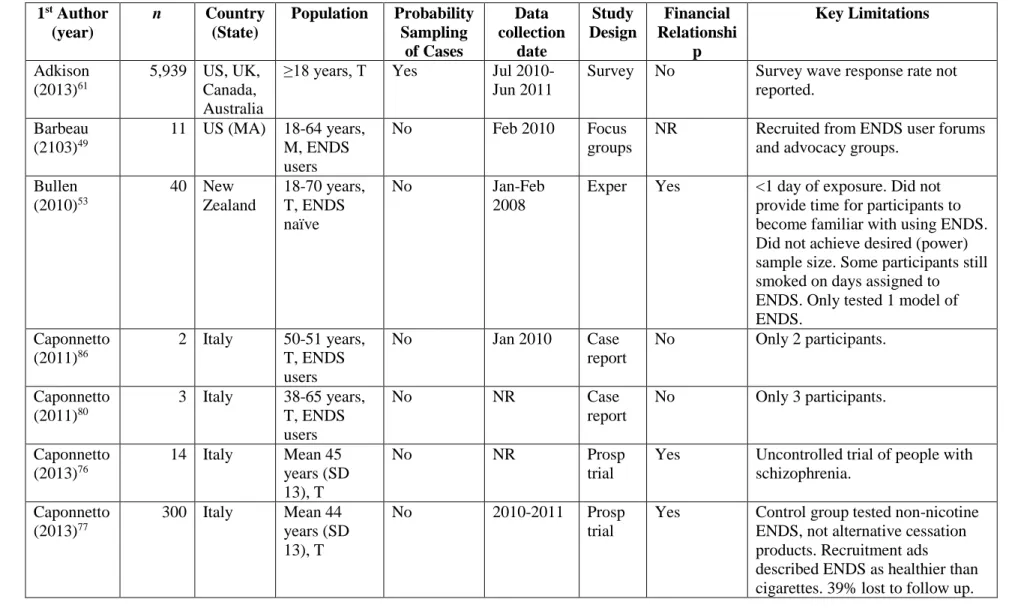
Table 1.1. Characteristics of Studies Included in Review ...28
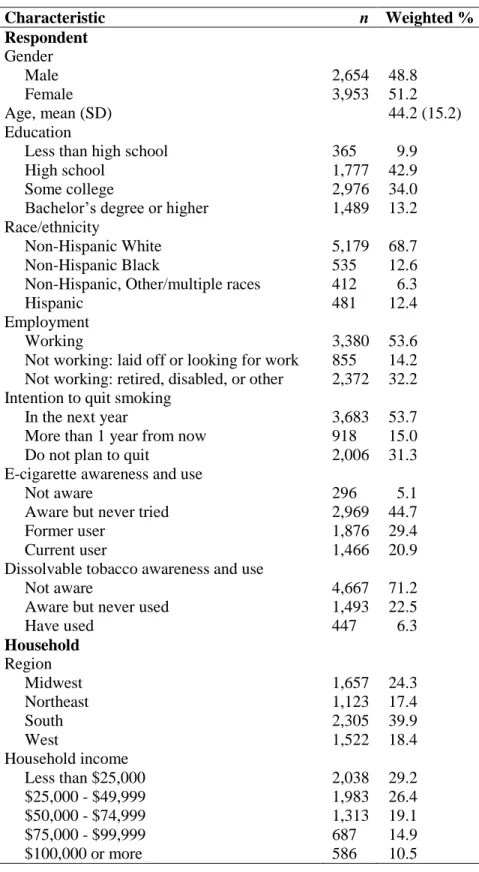
Table 3.1. Sample Characteristics (n=17,522) ...53
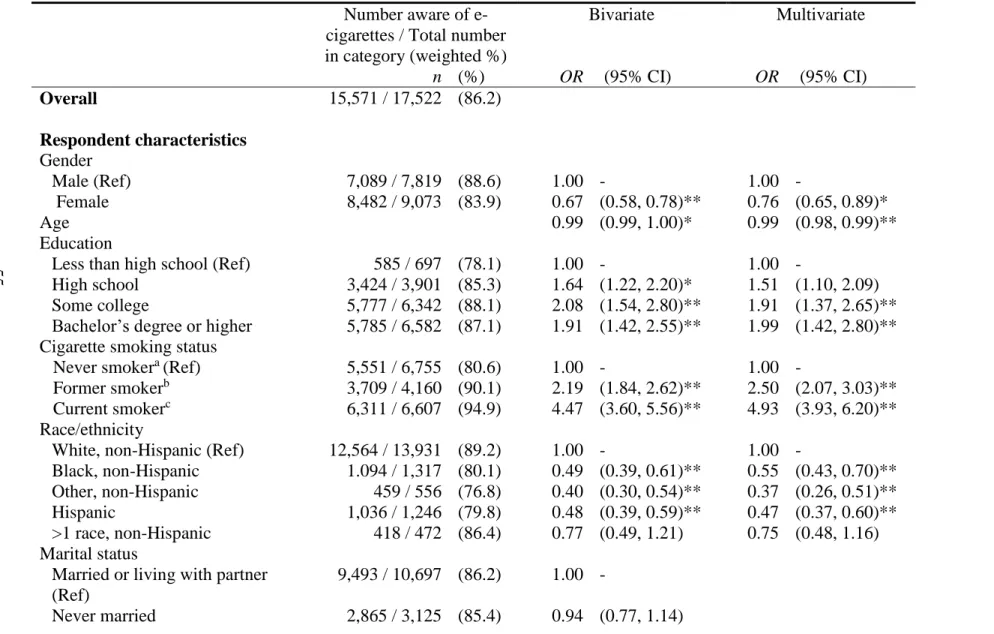
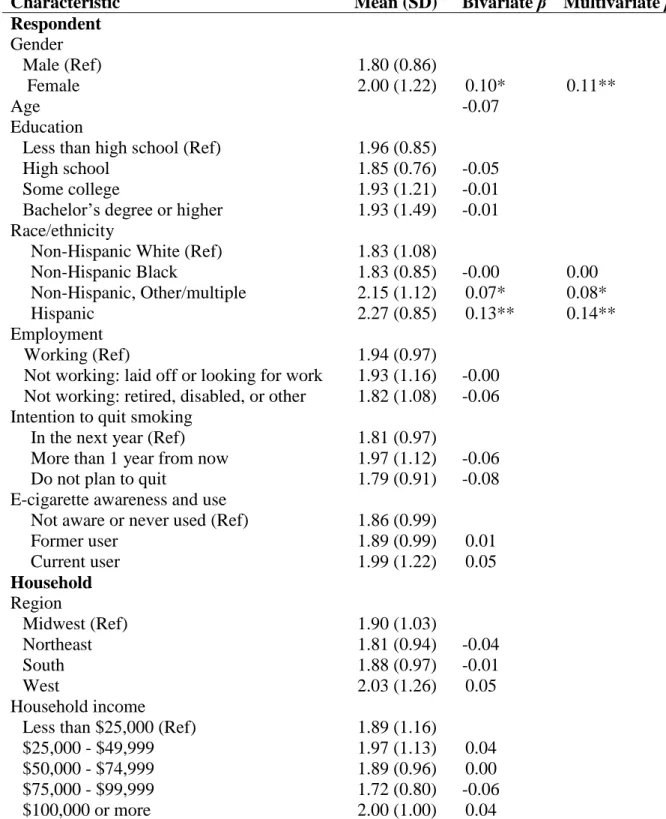
Table 3.2. Correlates of Awareness of E-Cigarettes (n=17,522) ...55
Table 4.1. Sample Characteristics (n=6,607 current smokers) ...72
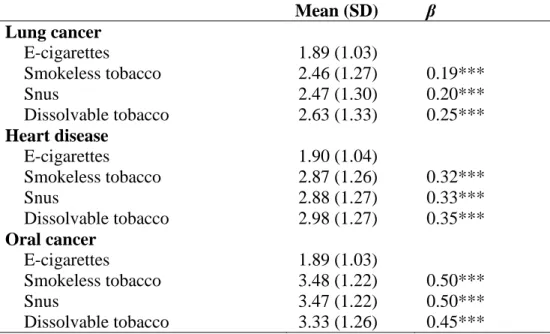
Table 4.2. Comparison of Smokers’ Perceived Likelihood of Health Problem by Type of Product (n=6,607) ...73
Table 4.3. Correlates of Perceived Likelihood that E-Cigarettes Cause Health Problems (n=1,669) ...74
Table 5.1. Sample Characteristics (n=3,253) ...88
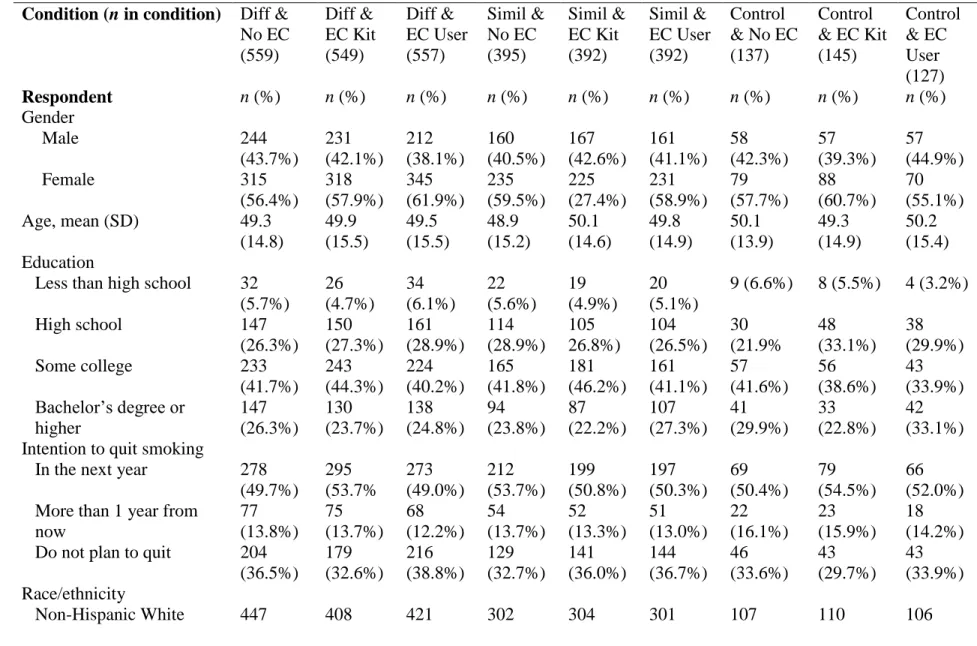
Table 5.2. Respondent Characteristics by Experimental Condition ...89
x
LIST OF FIGURES
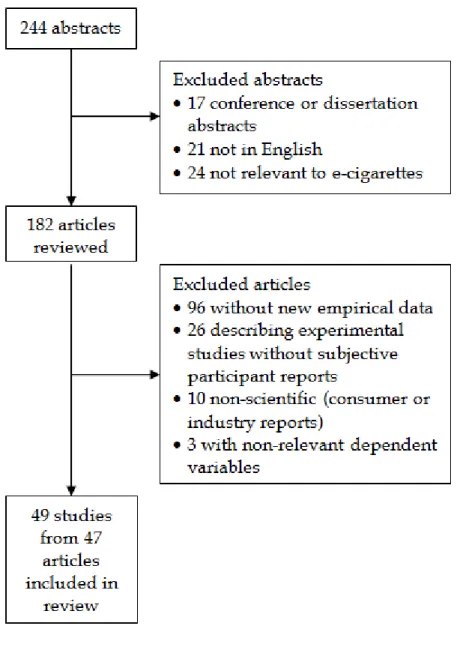
Figure 1.1. Flow diagram of literature search and article identification. ...36 Figure 3.1. Channels of awareness of e-cigarettes among current
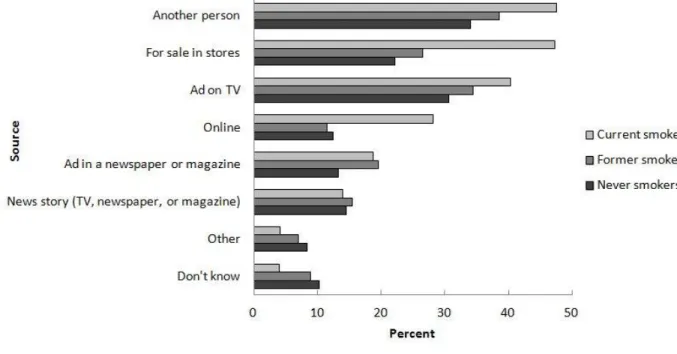
smokers (n=6,311), former smokers (n=3,709), and never smokers
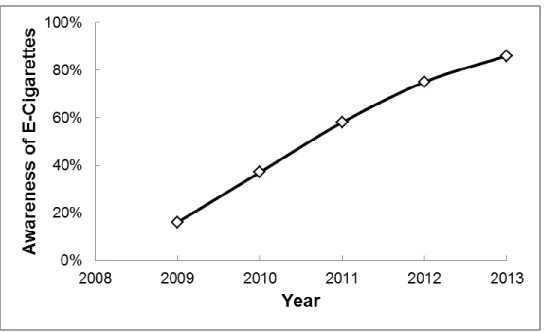
(n=5,551) who have heard of e-cigarettes...57 Figure 3.2. Increase in awareness of e-cigarettes among U.S. adults:
16% in 2009,58 37% (mean) in 2010,58-60 58% in 2011,60 75% in
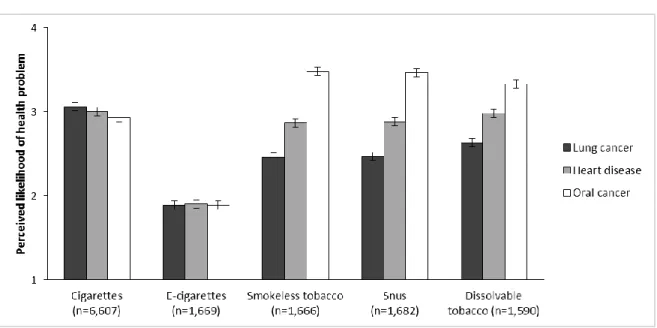
2012,132 and 86% in 2013. ...58 Figure 4.1. Perceived health risks of tobacco products. Error bars
show standard errors. ...75 Figure 5.1. Four of twenty-four advertisements used in the experiment. ...92 Figure 5.2. Effect of comparison type on interest in trying e-cigarettes.
Error bars show standard errors. ...93 Figure 5.3. Effect of advertisement image on interest in trying e-cigarettes.
Error bars show standard errors. ...94 Figure 6.1. Pictures of e-cigarettes included in the TCME survey. ...105 Figure 6.2. Alternative types of electronic nicotine delivery products:
1
CHAPTER 1: ELECTRONIC NICOTINE DELIVERY SYSTEM (ELECTRONIC CIGARETTE) AWARENESS, USE, REACTIONS, AND BELIEFS: A SYSTEMATIC
REVIEW*
Introduction
Electronic nicotine delivery systems (ENDS), also called e-cigarettes or electronic cigarettes, are battery-operated devices that contain an inhalation-activated mechanism that heats a cartridge, producing vapor that the user, sometimes called a “vaper,” inhales. Liquid in the refillable cartridges typically has nicotine and humectants, although non-nicotine cartridges and disposable models are available. Notably, ENDS do not rely on combustion, meaning that users do not expose themselves or others to many of the harmful tobacco smoke constituents and particles produced by regular cigarettes.1 ENDS are controversial: safety information is sparse and inconsistent,2,3 regulation is in flux,4 and public interest is
increasing rapidly5 despite the lack of research establishing ENDS’ long-term health effects or cessation properties for smokers. In addition, public health advocates are concerned that ENDS could act as a gateway to future smoking6 or prevent smokers from quitting by
maintaining their nicotine addiction or deterring them from using existing, effective cessation tools.7 The ENDS literature is expanding rapidly, but to date no systematic review has
summarized the findings across populations or identified gaps in the research. It is important to understand not only patterns of ENDS use across populations and time, but also what beliefs and reactions drive either use or avoidance of ENDS. This review seeks to improve
2
our understanding of who has used ENDS, how they feel about using them, and what both users and non-users think about this controversial product.
Safety of ENDS
With any nicotine or tobacco product, health and safety are primary public health concerns. However, evidence about the safety of ENDS, particularly related to the “e-liquid” in the cartridges, is mixed. The U.S. Food & Drug Administration (FDA) analyzed the contents of ENDS cartridges2 and found four major tobacco-specific nitrosamines (TSNAs), a family of carcinogenic chemicals, but they reported only that these chemical were detected, not whether the amounts detected reached harmful levels.8 A study of the effects of 40 different samples of refill liquids on pulmonary fibroblasts which model adult lung cells3 found tremendous variability in cytotoxicity even among individual samples from the same brand and flavor.
Experts disagree about the potential harms of propylene glycol, a chemical that serves as a humectant in e-liquid.9,10 While theater fog is associated with impaired lung function,11 no studies have examined the long-term effects of inhaled propylene glycol in humans.7 Ingestion of or exposure to liquid nicotine from ENDS cartridges may also be unsafe. Many of the cartridges and the packets of e-liquid are not childproof,12 and children might be drawn to the candy- and fruit-flavored e-liquids.13 If ingested by a child, high doses of nicotine can be fatal.13
Another concern is the lack of quality control standards. Multiple studies have detected nicotine in cartridges labeled nicotine-free.2,14,15 Some cartridges leak, are
3
In sum, scientific consensus has yet to emerge about the degree of danger posed by ENDS. Making cartridges and e-liquids child-proof and instituting quality control standards would help to avoid some safety problems. Whether purposeful exposure, i.e., ongoing use of ENDS, has harmful long-term consequences remains an open question.
Regulation of ENDS
Approaches to regulation vary widely. For example, Brazil bans the sale, import, and advertising of ENDS, while Finland treats ENDS as medicinal products and bans only advertising.16 In the U.S., the FDA is expected to propose deeming regulations in fall 2013.4 In the meantime, some local governments in the U.S. have taken action to prohibit sales to minors or otherwise restrict ENDS use.17 Given that ENDS vary widely, ranging from
disposable models that can cost several dollars but have limited flavor and nicotine options to “personal vaporizers” that can cost several hundred dollars but have hundreds of options for
flavors and a wider variety of nicotine strengths, it will be important for policymakers to issue regulations that cover these different models.
Public Interest in ENDS
The public has shown tremendous interest in ENDS, and the popular media has extensively covered ENDS.18,19 Celebrities have used them in movies and on television.20 Between January 2008 and February 2010, online searches for information on ENDS increased several hundred-fold.5 ENDS are extensively marketed online, promoted in YouTube videos, and advertised on Twitter.21,22
4
Tobacco” companies entered the market when Lorillard purchased Blu eCigs, a major ENDS
brand.27 R.J. Reynolds has also introduced their own ENDS line, and Altria (owner of Phillip Morris USA) plans to launch MarkTen ENDS in test markets in summer 2013.25
In sum, ENDS are increasingly popular, although their safety record is not yet established and regulation is still in flux. There is a need to understand what the public knows and believes about ENDS, as well as who uses ENDS and why. Health behavior theories and the empirical literature show that beliefs and attitudes drive risky behavior, including health-protective behaviors like vaccination28,29 and cancer screening30,31 and risk-taking behaviors like tanning32 and unprotected sex,33 so they may also be important
motivators of ENDS use. This review does not address product safety or biological
measurements of ENDS as we believe a separate, in-depth review would better address these critical questions. Thus, the goal of this review is to synthesize research on use of and beliefs about ENDS in order to identify gaps in the literature, inspire future research questions, and understand the implications of these findings for public health efforts.
Methods
Article Searches
One investigator (JKP) searched PubMed, CINAHL, Web of Science, EMBASE, and PsycInfo for articles published between January 1, 2006 (the year that ENDS became
5
no relevant medical subject heading (MeSH term) existed at the time of this review. We also searched the reference sections of included articles.
Study Selection
After removing duplicates, both authors reviewed the titles and abstracts (k=244) and discarded were conference or dissertation abstracts (k=17) or articles that were not in English (k=21) (see Figure 1.1). Thirteen of the non-English articles had English-language abstracts; 2 of those appeared to be relevant to the review. The additional 8 articles without English-language abstracts appeared unlikely to contain relevant information based on translations of their titles or visual inspection of the article (e.g., they contained no numbers). We also excluded articles that were not relevant to ENDS, typically because the search query identified articles with the phrase “i.e. cigarettes” (k=24). In a second step, the first author
reviewed the remaining abstracts and, when necessary, full articles, and conferred with the second author where eligibility was unclear. We excluded articles that did not contain original data about ENDS, such as commentaries, literature reviews, and information about regulation (k=96); were experiments or laboratory studies without descriptions of “natural” patterns of use (i.e., usage not instructed by the researcher) or subjective reports from
6
methodologies and dependent variables across the studies and because single-score approaches combine distinct and important issues.
Data Abstraction
The first author coded the remaining articles (k=47) using a standardized data abstraction form. The second author or one of two additional coders reviewed each article, conferring with the first author in case of disagreements. Coders recorded ENDS awareness, “natural” patterns of use (i.e., use outside of a lab setting, including dual use of ENDS with
other tobacco products), subjective reactions to use (by users only), and beliefs or reasons for use (by users or non-users). We define “dual use” as use of both ENDS and other tobacco products in the past 30 days. For the last two outcomes, coders also recorded whether the measure assessed: the perceived cost of ENDS, including the relative cost of ENDS and regular cigarettes (cost); the possibility that ENDS would serve as a gateway to other tobacco use (gateway); health, safety, and side effects, including the relative safety of ENDS and regular cigarettes (health); quitting or reducing smoking or tobacco use because of ENDS (quit); the use of ENDS to avoid restrictions on smoking (restrict); the degree of satisfaction with ENDS’ taste, smell, and quality (satisfaction); the extent to which ENDS have the same taste, smell, or feeling of use as regular cigarettes (similar); and changes in withdrawal symptoms, desire to smoke, and cravings (withdrawal). For example, the statement “ENDS helped me quit smoking” would be classified as quit in the category of reactions, while the statement “I started using ENDS because I wanted to be healthier” would be classified as
health in the category of beliefs or reasons.
We selected these codes because they represented themes that were frequently
7
because public health advocates are worried that people will use ENDS in order to bypass existing smoking regulations.7,39 Indeed, one ENDS brand highlights this benefit in its name: Smoking Everywhere. We also coded for similar because, as touted by ads for the product, ENDS can look, feel, or taste like regular cigarettes as a way to appeal to smokers who might swap regular cigarettes for electronic ones. We review perceived cost of ENDS as the same objective (actual) cost might be prohibitively expensive for one user but negligible for another.
Because of the potential for industry affiliations and funding to influence conclusions in tobacco research,40,41 we coded that the study had a financial relationship with the ENDS industry if an ENDS manufacturer or distributor funded the study or supplied ENDS or cartridges to the researchers.
Results
Forty-nine studies from 47 articles about ENDS met the inclusion criteria (Table 1.1). The number of study participants ranged from 1 to 25,029. Of studies that reported location, most were conducted in the United States (k=23) or with participants from multiple countries (k=7). Other common locations included Italy (k=5) and the UK (k=4). Twenty-five studies used cross-sectional or repeated cross-sectional surveys, 8 were laboratory experiments, 5 were case reports, 4 were observational, 3 were prospective trials, 2 used qualitative
8
Studies had several important limitations. Nine studies recruited ENDS users in ways likely to overrepresent satisfied users (e.g. from online user forums, websites that sell ENDS, or ENDS conventions42-50). It would be difficult to generalize to other populations based on some studies’ samples (e.g., customers exiting shops in Prague;51 freshman and sophomore
students recruited from one college lecture class;52 and YouTube videos of ENDS and cigarette users22). Thirteen studies did not report the date or location of data collection. Finally, although ENDS require some time to learn to use and models vary in quality, at least five laboratory studies tested only one model of ENDS or did not provide time for
participants to learn to use the product.53-57
Awareness of ENDS
ENDS awareness is generally high and increasing. In three large national surveys with probability sampling, awareness of ENDS among U.S. adults increased from 16% in 200958 to 32-41% in 201058-60 and 58% in 2011.60 Men were more likely to be aware of ENDS than women in 2 of the 3 studies,58,59 and younger respondents were typically more likely to be aware of ENDS than older respondents.58-60 In all three studies, African-American participants were less likely to have heard of ENDS than White participants. Current smokers were always more likely to have heard of ENDS than never smokers and sometimes more likely than former smokers. For example, in a 2011 U.S. study, 77% of current smokers, 65% of former smokers, and 50% of never smokers had heard of ENDS.60
Studies in other countries found similar patterns of awareness. The International Tobacco Control (ITC) Four-Country Survey examined awareness of ENDS among
9
have heard of ENDS than older, female, former smokers.61 Awareness was higher in the U.S. (73%) and U.K. (54%), where ENDS can be legally marketed and sold, than in Canada (40%) or Australia (20%), where they cannot be sold and may be more difficult to obtain.61 In a more recent survey of U.K. adults, awareness varied by smoking status; 79% of daily smokers compared to 38% of never smokers had heard of ENDS in 2012.62
Awareness among youth was variable. Only 10% of a probability sample of middle- and high-school students surveyed in 2008 in Korea was aware of ENDS.63 In contrast, 86% of Polish students (ages 15-24)64 and 70% of Midwestern U.S. young adults (ages 20-28)65 had ever heard of ENDS in separate probability-based surveys. In the latter, males, current or former smokers, and participants with at least one close friend who smokes were more likely to be aware of ENDS than their counterparts.65 Two-thirds (67%) of U.S. adolescent boys ages 11-19 had heard of ENDS when surveyed in 2011.66 The discrepancy between the low rates of youth awareness in Korea and the high rates in Poland and the U.S. may be due to regional differences or the dates of data collection.
In addition to the ITC Four-Country survey, two other studies examined awareness only among current and former smokers. More than half (58%) of U.S. smokers were aware of ENDS in a large 2010 survey.59 Most (86%) of a convenience sample of adults exiting stores in Prague, Czech Republic after having purchased cigarettes had heard of ENDS.51
10
Use of ENDS
Ever Use
In large surveys, use of ENDS was low but increasing. Only 1% of U.S. adults surveyed in 2009 had tried ENDS.58 Prevalence of use among the general U.S. adult population was higher but still minimal (2-3%) when assessed in 2010 in four national surveys with probability samples.58-60,67 In all of these studies, more current smokers had tried ENDS than former smokers or never smokers.59,60,67 Rates of use in the U.S. continued to rise in 2011 (6% overall) with the same gradient pattern by smoking status (1% of never smokers, 7% of former smokers, and 21% of current smokers).60 Demographic correlates of use varied across studies. When these studies limited their samples to only smokers, ENDS use was unrelated to history of quit attempts in 2 studies,58,59 but smokers in one study who intended to quit in the next 6 months were more likely to have tried ENDS than smokers with no intention to quit.59
Multiple studies included only current and former smokers in their samples. Across the four countries surveyed by ITC, 8% of current and former smokers had ever tried
11
found that 7% of current smokers and recent quitters in New Zealand in 2011 had ever purchased an ENDS (a proxy for use).70 Finally, in the most recent survey of ENDS use in 2012, 22% of current smokers in the U.K. had ever tried ENDS, compared to 4% of former smokers and <1% of never smokers.62 In many of these studies of current and former smokers, women61,68 and younger participants59,61,62,68,70 had higher rates of use than never smokers, men, and older participants. In some studies, ENDS use was not associated with quit attempts59,70 or quit intentions.59,61,68
In surveys with probability samples, use of ENDS by adolescents and young adults varied considerably by region and year, from less than 1% (U.S. male adolescents in the U.S. in 2011 and Korean adolescents in 2008)63,66 to 21% (Polish high school and university students in 2010-2011).64 In other surveys with probability sampling, 5% of college students in North Carolina71 and 7% of young adults in the Midwestern U.S. had tried ENDS.65 In general, the higher rate of ENDS use among Polish youth compared to U.S. youth may relate, in part, to higher population-wide rates of tobacco use in Poland than in the U.S.72,73 Across studies of youth, males,63-65,71 smokers,63-65,71 and those with important others (friends, family, or partners) who smoked64,65 were often more likely to have tried ENDS than their counterparts. In at least two studies, the relationship between ever use of ENDS and smoking status should be interpreted with caution due to the very low prevalence of smoking in the sample.63,66
follow-12
up survey (35% response rate), 31% had ever tried ENDS, and users were less likely to have quit smoking since their initial call to the quitline than non-users.74
Current Use
Adults consistently reported low current use (i.e., in the past 30 days). Around 1% of respondents were current ENDS users in three 2010 U.S. national, probability-based
surveys.58,59,67 As with ever use of ENDS, current smokers were more likely to be current ENDS users than either former or never smokers.58,59,62 In surveys limited to current and former smokers, rates varied from 3% (across four countries in 2010-2011 ITC survey)61 to 8% (U.S. in 2011).68 In a convenience sample of callers to tobacco quitlines, 9% of current and former smokers reported that they currently used ENDS some days or every day.74
Youth also reported low current use. Only 1% of young adults in the Midwestern U.S.65 and 2% of North Carolina college students71 were current ENDS users in 2010-2011 and 2009, respectively.Possibly reflecting the overall higher rates of smoking in Poland compared to the U.S., a higher percentage of high school and university students (7%) were current ENDS users.64
Dual Use
13
survey with U.K. adults based on an opt-in survey panel, 3% of daily smokers in 2010 and 7% of daily smokers in 2012 used ENDS.62
Dual use of ENDS with regular cigarettes was fairly common in convenience samples. In surveys with convenience samples of dedicated ENDS users, 12-34% of ENDS users were current smokers.42,44,46,47 Of 179 ENDS users, 6% used hookah, snuff, or some other non-cigarette tobacco product.47 However, among a sample of people who had bought ENDS 6 months earlier, 35% of current ENDS users did not smoke cigarettes, suggesting up to 65% dual use.48 Finally, in three prospective trials with convenience samples, dual use of ENDS and regular cigarettes appeared to be common, with some of the smokers who reduced their consumption of cigarettes continuing to use ENDS at the end of the study.75-77
Amount and Duration of Use
Daily use among ENDS users was common43-47,55 in all but two studies.48,74 It is difficult to further quantify the amount of use because, unlike regular smoking which can be measured by the number of cigarettes smoked, ENDS use has no clear metric. An individual does not usually “vape” an entire cartridge of an ENDS in a single sitting. Some studies
14
Ten studies reported how long participants had been using ENDS.42-47,50,55,74,79
Estimates varied from less than 1 month of prior use for 62% of callers to state quit lines74 to a mean of 13 months of use in a convenience-based survey of experienced ENDS users (n=104) conducted in 2011.46 We are not aware of any data about the extent or amount of use of disposable ENDS, although 5 studies described the use of modified ENDS (sometimes called “mods”) or personal vaporizers that do not mimic the appearance of regular
cigarettes.42,46,49,50,79
Subjective Reactions to Using ENDS
Cost
ENDS users’ experiences with the cost savings from using ENDS in lieu of regular tobacco cigarettes are inconsistent.43,50 In open-ended survey questions, some participants in a convenience sample survey of ENDS users (n=81) said that they found ENDS to be less expensive than cigarettes (10 comments), while others said they were too expensive (14 comments).43 Most dedicated ENDS users interviewed at a convention (n=15) found them less expensive than cigarettes.50 Finally, among Czech smokers who had tried but stopped using ENDS, 13% did so because they found ENDS to be too expensive.51
Gateway Use
Among the 179 Polish ENDS users surveyed online in 2009, 25 reported that they were non-smokers when they previously began using ENDS. Of those, 20% (n=5) currently smoked cigarettes at the time of the survey.47
Health and Safety
15
coughing,42,43,50 fewer sore throats,43 and improvements in overall health and fitness.43,50,80 In one case report, switching from cigarettes to ENDS alleviated a patient’s previously elevated white blood cell count (neutrophilia).81
Some users also report experiencing side effects from using ENDS. As of the first quarter of 2012, the FDA had received 47 reports about adverse events related to ENDS use.82 Of those, they classified 8 as serious adverse events, including pneumonia and chest pain, and 39 as minor, including headache and cough. Of the 405 health effects reported by users in an online ENDS forum, 326 were negative; the most frequently reported problems were in the mouth, throat, respiratory system, and neurological system.83 One case report described a patient developing lipid pneumonia,84 and another described a patient
experiencing heart arrhythmia from using ENDS.85
In surveys with non-probability samples, laboratory research, and other case reports, the majority of reported side effects were minor, including mouth or throat
irritation/dryness,42-44,53 cough,47,80,86 vertigo,43,53 headache,43,47,53 and nausea.43,53 In three prospective trials in which smokers tried ENDS for 6 or 12 months, there were no serious adverse events.75-77 Many of the minor side effects experienced at baseline, including cough,75-77 mouth and throat irritation,75,77 and headache,76,77 lessened considerably or resolved completely by the end of the study period.
Quitting or Reducing Tobacco Use
16
smokers or having failed quit attempts in the past.43,44,46,48-50,80,81,86 Unlike quitting smoking, reducing smoking may not represent a positive public health outcome, given that it may indicate dual use of ENDS and regular cigarettes.
Only three longitudinal studies have examined smokers’ use of ENDS to quit
smoking. Two of the three prospective trials were uncontrolled. In the first, a 12-month trial with 14 patients being treated for schizophrenia, 7 of 14 participants reduced their smoking at least 50% and 2 others quit smoking entirely.76 In the second, a 6-month prospective trial of 40 smokers, 13 were lost to follow-up, 13 reduced their cigarette consumption by at least 50%, and an additional 9 participants quit smoking entirely.75 Another prospective trial randomly assigned 300 smokers to use either ENDS with nicotine or ENDS without nicotine.77 At the end of the 12-month period, 11% of smokers using ENDS with nicotine had quit and 10% reduced their cigarette consumption by at least 50%, while 4% of the non-nicotine group had quit and 12% had reduced their consumption. More than one-third were lost to follow-up. The differences in cessation between groups were not statistically
significant. The results of these trials should be interpreted with caution given that only one randomized participants to conditions (and it did not include a comparison condition with an alternative quit aid), and all three relied on convenience samples in a limited geographical setting.
Restrictions on Smoking
17
banned, although they did not clarify how often they did so.46 In a third survey, a substantial number of daily ENDS users from a variety of countries reported using their ENDS at work (71%) or in cafes, restaurants, or bars (43%), but it is difficult to interpret these results with respect to avoiding smoking restrictions given that restrictions vary by country.44
Satisfaction
Satisfaction with ENDS that contained nicotine was moderate in most laboratory studies53,56,57,79 and very high in surveys of committed ENDS users.42-44,49,50 Users often mentioned taste and flavor. For example, more than 90% of users surveyed by Etter and Bullen liked the taste of ENDS.44 Smokers who used ENDS in prospective trials had mixed reactions,75,77 as did many smokers interviewed in Prague.51 Finally, in 5 studies, ENDS users expressed concerns about the quality of ENDS they used, including leaking cartridges or broken components.43,44,50,51,75 Some stopped using ENDS because of problems with the devices.44,51
Similarity to Regular Cigarettes
18
look like cigarettes.50 In a large convenience sample survey, over half of participants said they used ENDS “in a similar manner” as cigarettes.42 A small number of users stopped using ENDS because they did not have the same flavor,43 but others preferred the flavor of ENDS to regular cigarettes.46 During bouts of use of ENDS as part of lab studies (n=20 and n=32), participants’ ratings of “mild as own brand”56,57 and “taste like own brand”57 increased as they continued to use the product. In direct comparisons, about two-thirds of users in separate convenience sample surveys rated ENDS as equally or more satisfying than cigarettes.42,47 Withdrawal Symptoms, Desire to Smoke, and Cravings
ENDS typically provided some relief of smokers’ nicotine cravings and withdrawal symptoms. In 6 lab studies, participants who had been tobacco abstinent for 2-12 hours reported that using nicotine-containing ENDS reduced their desire to smoke or cravings during their in-laboratory use session,53,56,57,79,87,88 although this was not true in 1 study.54 In some cases, this reduction was shown to be greater for nicotine-containing ENDS than for non-nicotine ENDS53,87,88 or for just holding unlit regular cigarettes or ENDS.56,88
Interestingly, this reduction in desire to smoke or lessening of cravings occurred even in some cases where objectively measured nicotine uptake was low or modest.53,56 Evidence for the alleviation of specific withdrawal symptoms in these lab studies was
inconsistent.53,56,57,79,87,88
Dedicated ENDS users frequently reported that using ENDS successfully reduced their cravings to smoke and some withdrawal symptoms.42-44,46,49,50 For example, experienced “vapers” interviewed at the Midwest Vapefest “routinely described relief of nicotine cravings within 5 minutes of vaping” and said they could comfortably go long periods of time
19
online survey with current and former users, 33% of users said they stopped using because ENDS did not reduce their cravings.44 Finally, in the three prospective trials in Italy that followed smokers who began using ENDS for 6-12 months, participants experienced few or no withdrawal symptoms.75-77
Beliefs about and Reasons for Using ENDS
Cost
ENDS users’ beliefs about the cost savings from using ENDS in lieu of regular tobacco cigarettes are inconsistent. In multiple convenience sample surveys from the U.S. and other countries, a small percent of users said they first tried or used ENDS for cost savings,42,43,47,74 although a much higher percent reported this reason in another convenience sample survey.44 More than half (53%) of U.K. smokers, including a mix of users and non-users, believed that ENDS might be too expensive.62
Gateway Use
One study documented beliefs about ENDS as gateways to use of tobacco products. Young adult smokers and non-smokers in focus groups in Minnesota, U.S. believed that ENDS and other novel tobacco products, including snus and dissolvable tobacco, might appeal to non-smokers who have “always wanted to know the feeling of a cigarette.”89 They felt that these products could lead non-smokers to become smokers.
Health and Safety
Many users believe that ENDS are healthier than regular cigarettes for themselves 42-44,46,47,49,50 or for others,46 and they use ENDS for this reason. For example, of 179 Polish
20
Typically only a handful of users are concerned about the potential negative health effects or toxicity of ENDS.43,44
Respondents in surveys that include non-users generally indicate slightly less
confidence in the healthfulness of ENDS. In three probability sample surveys of adult current and former smokers, 70-85% of those who were aware of ENDS believed they were less harmful than regular cigarettes.59,61 In a non-probability survey of adult smokers in the U.K., 71% held this belief, although 21% still felt that ENDS might not be safe enough.62 Only one-third of adult New Zealand smokers believed that ENDS were less harmful than regular cigarettes.70
In multiple studies of students and young adults, 23-55% believed that ENDS were safer than regular cigarettes.64,65,71 In focus groups, young adults who had never tried ENDS expressed mixed beliefs about whether ENDS were equivalent to or less harmful than regular cigarettes.89
Examining Twitter accounts related to smoking cessation, Prochaska and colleagues also found a range of beliefs about the healthfulness of ENDS, including tweets with health warnings as well as tweets touting health benefits.90
Quitting or Reducing Tobacco Use
21
believed that ENDS could help smokers quit, and 58% said they would be willing to try ENDS for that reason.70
In two studies in which researchers provided smokers with ENDS (both n=40), those smokers later said that they would recommend ENDS to friends or family who wished to quit smoking.53,75 Some commercial and personal Twitter accounts also promoted ENDS as a quit tool.90 Finally, in focus groups of young adult non-users (n=66), participants expressed differing opinions about whether ENDS could be used as a cessation device, and some spontaneously recounted anecdotes about people they knew who quit smoking using ENDS.89
Restrictions on Smoking
ENDS users have conflicting beliefs about using ENDS to avoid smoking restrictions. In some surveys, only a small percent of users describe this as a motivation.42,43,47,74
However, in other surveys, more than 40% of respondents said they used ENDS for this reason.46,61,62
In small focus groups, non-users noted that an advantage of ENDS and other novel tobacco products (snus, dissolvable tobacco) is the ability to get around smoking bans and use them in places where one cannot smoke.89
Satisfaction
22 Similarity to Regular Cigarettes
Some smokers and users liked that ENDS resembled or felt like regular cigarettes, while others considered this a drawback.42,43,62,74 Certain elements of the vaping and smoking experiences were clearly different. Because ENDS are more complex than cigarettes,
interviewed users (n=15) noted that, unlike cigarettes, they required a learning curve to use properly.50 In focus groups, some young adult smokers mentioned that the social experience of smoking might not be replicated with ENDS.89
Withdrawal Symptoms, Desire to Smoke, and Cravings
Beliefs about the addictive properties of ENDS vary. About one-quarter of Midwestern young adults, most of whom were non-users, believed that ENDS are less addictive than regular cigarettes.65 In contrast, in an Internet-based survey of a convenience sample of Polish ENDS users, 60% believed that ENDS were less addictive than regular cigarettes, and an additional 7% believed that ENDS were not addictive at all.47 However, more than half believed they were addicted to ENDS.
Very few (8%) ever users in another online survey said they were afraid of becoming addicted to ENDS, although 4% of the sample stated that they used ENDS because they were unable to stop using them.44 More than half (60%) of U.K. smokers, only some of whom had used ENDS, believed that ENDS might satisfy the desire to smoke.62 Indeed, some vapers used ENDS to relieve their cravings or alleviate their withdrawal symptoms.43,44,46,50,74 Other Beliefs
23
sense of camaraderie with one another; they gathered at vaping conventions46,50 and in online forums where they shared information, recommendations, and personal experiences.43,49,50 However, a small minority of ENDS users were concerned about the social acceptability of ENDS use and felt embarrassed about using the product.42,51 University students, few of whom had tried ENDS, viewed ENDS use as more socially acceptable than smoking.52 Third, some ENDS enthusiasts were concerned that the product will be banned.43,44,50 We did not find any arguments by users that ENDS should be specifically exempted from smoke-free indoor air laws.
Conclusions
As the public health community settles an internal debate over the safety and cessation properties of ENDS, interest and use by the public are increasing rapidly.
24
and alleviated some withdrawal symptoms, although they experienced minor side effects. In prospective trials testing ENDS as a potential quit aid, a moderate number of smokers were able to quit, but many appeared to engage in dual use of ENDS and regular cigarettes.
Some of the reviewed studies received either funding from ENDS companies or used ENDS that these companies donated. Prior systematic reviews have found that financial relationships may influence study findings. For example, nearly all studies funded by the tobacco industry found a relationship between smoke-free restaurant and bar laws and reduced sales or employment in the hospitality industry; none of the non-industry supported studies found this association.40 Although we detected no apparent pattern of results
associated with ENDS industry funding, it remains important to be aware of possible conflicts of interest when interpreting these findings.
The literature on ENDS described in this review suggests several important questions that future research should address. First, future research should identify effective messages for discouraging ENDS use among vulnerable populations, given the beliefs and attitudes identified in our review. Two specific vulnerable populations are non-smokers who could begin smoking as a result of developing nicotine addiction from ENDS use and smokers who use ENDS only as a bridge to their next cigarette. If we better understand why ENDS may be attractive to some vulnerable populations (e.g., teenagers think ENDS are fashionable),89 we can craft and deliver effective messages that deter use.
Another question for future research is how well perceived health risks of using ENDS correspond to objective risks, and whether beliefs about these risks change as
25
frequently state that they use ENDS because they are healthier than regular cigarettes. If future safety studies find evidence of long-term harms, will these ENDS users stop using? If not, can we improve how we communicate safety information? Designing appropriate warning labels on ENDS packages could be an important first step.
A third important research question is whether ENDS users’ self-reports of successful smoking cessation match evidence from the currently ongoing randomized controlled trials (RCTs) evaluating the efficacy of ENDS as a smoking cessation tool. Caponnetto and colleagues conducted a randomized controlled trial, but it did not include an arm testing an alternative to ENDS (i.e., nicotine replacement therapies (NRTs) or other proven smoking cessation methods).77 Bullen and colleagues recently described the protocol for their study in which adult smokers who want to quit are randomly assigned to use ENDS with 16 mg nicotine cartridges, 21 mg nicotine patches, or placebo (ENDS with 0 mg nicotine).91 The primary outcome is the proportion of participants who maintain smoking abstinence 6 months after the start of the study, but investigators will also assess reductions in smoking, safety of the ENDS and patches, and perceptions of the products. This RCT and other similar studies are critical to understanding whether, as users have reported, ENDS can serve as harm reduction tools.
26
to regulate these products. For example, if young people who have not already initiated tobacco use prefer inexpensive, readily available disposable models, restricting the sale of these models would be a key public health priority.
Several additional research questions, beyond the scope of the material covered in this review, will also be important to answer. One key question is whether ENDS are safe to use. Observing adverse events in RCTs, such as the one described by Bullen and colleagues, will help to determine this. What is the best way to measure ENDS use (e.g., number of puffs versus number of e-liquid cartridges used) so that findings can be compared across studies? Do ENDS act as gateway devices, causing individuals who would not otherwise use tobacco to initiate use? More than 10% of college students who reported using ENDS had never smoked a conventional cigarette,71 and we do not yet know whether those young people will start smoking as a result of their experience with ENDS. Prospective cohort studies,
particularly with adolescents and young adults, are necessary to track patterns of use of ENDS and other tobacco products. Other important questions posed by a recent Cancer Research U.K. report include how will future regulation impact quit attempts using ENDS; do ENDS “re-normalize” smoking; and are ENDS undermining the use of other NRTs in smoking cessation attempts?16
27
designs and measures. Also, the codes we developed may not have included all relevant areas and some findings may have overlapped across codes. Finally, because this literature is young and evolving quickly, the conclusions of this review may not capture all of these changes.
In sum, concerns about ENDS include their safety, the lack of regulation, the possibility of gateway use, and the potential for dual use or avoidance of existing smoking restrictions. However, harm reduction advocates note that ENDS may be less harmful—and are highly unlikely to be more harmful—to smokers than regular cigarettes which are a proven cause of morbidity and mortality.8,92 Thus the concerns about ENDS must be
Table 1.1. Characteristics of Studies Included in Review 1st Author
(year)
n Country
(State)
Population Probability Sampling of Cases Data collection date Study Design Financial Relationshi p Key Limitations Adkison (2013)61
5,939 US, UK, Canada, Australia
≥18 years, T Yes Jul 2010-Jun 2011
Survey No Survey wave response rate not reported.
Barbeau (2103)49
11 US (MA) 18-64 years, M, ENDS users
No Feb 2010 Focus groups
NR Recruited from ENDS user forums and advocacy groups.
Bullen (2010)53
40 New Zealand
18-70 years, T, ENDS naïve
No Jan-Feb 2008
Exper Yes <1 day of exposure. Did not provide time for participants to become familiar with using ENDS. Did not achieve desired (power) sample size. Some participants still smoked on days assigned to ENDS. Only tested 1 model of ENDS.
Caponnetto (2011)86
2 Italy 50-51 years, T, ENDS users
No Jan 2010 Case report
No Only 2 participants.
Caponnetto (2011)80
3 Italy 38-65 years, T, ENDS users
No NR Case
report
No Only 3 participants.
Caponnetto (2013)76
14 Italy Mean 45 years (SD 13), T
No NR Prosp
trial
Yes Uncontrolled trial of people with schizophrenia.
Caponnetto (2013)77
300 Italy Mean 44 years (SD 13), T
No 2010-2011 Prosp trial
Yes Control group tested non-nicotine ENDS, not alternative cessation products. Recruitment ads described ENDS as healthier than cigarettes. 39% lost to follow up.
Chen (2013)82 47 adverse event reports
US N/A No 2008 –
2012
Observ No Adverse events may not be caused by ENDS.
Cho (2011)63
4,341 Korea Mean 14 years (SD 1) in middle schools, mean 17 years (SD 1) in high schools, M
Yesa 2008 Survey No Regional sample. Did not ask
about current use of ENDS so could not assess dual use.
Choi (2012)89
66 US (MN) 18-26 years, M
No Jul-Dec 2010
Focus groups
No Small group size in some focus groups. Did not differentiate comments from smokers vs. non-smokers or whether certain comments were relevant to ENDS versus other tobacco products. Choi
(2013)65
2,624 US (MN, SD, ND, MI, KS)
20-28 years, M
Mixedb Oct
2010-Mar 2011
Survey No Regional sample. Mix of probability and non-probability sampling.
Dawkins (2012)88
86 United Kingdom
18-52 years, T, ENDS naïve
No NR Exper Yes Did not include a comparison condition in which participants smoked cigarettes. Participants were only 1-2 hours abstinent from smoking. Brief exposure
(experimental session <1 hour). Only tested 1 model of ENDS. Dawkins
(2013)87
20 United Kingdom
Mean 32 years (SD 9), T
No NR Exper Yes Did not include a comparison condition in which participants smoked cigarettes. Brief exposure (experimental session <1 hour). Only tested 1 model of ENDS.
Dawkins (2013)42
1,347 33 countries (72% in Europe) Mean 43 years (SD 12), M, ENDS users
No Sep 2011-May 2012
Survey No Recruited through ENDS company websites. Dockrell (2013)62 12,597 in 2010; 12,432 in 2012 United Kingdom Adults ≥18 years, M
No Feb 2010 & Feb 2012
Survey No In 2010 survey, only current smokers were asked about ENDS use. Response rate not reported. Dockrell
(2013)62
1,380 United Kingdom
Adults ≥18 years, T
No Apr 2010 Survey No Did not differentiate users’ and non-users’ attitudes about ENDS. Response rate not reported. Eissenberg
(2010)54
16 US (VA) Mean 30 years (SD 11), T, ENDS naïve
No NR Exper NR Did not provide time for participants to become familiar with using ENDS. Brief exposure (experimental session <2 hours). Etter
(2010)43
81 Belgium, Canada, France, Switzerla nd Mean 37 years (range 19-65), M, current or former ENDS users
No Sep-Oct 2009
Survey No Recruited from smoking cessation websites, ENDS discussion forums, and websites that sell ENDS.
Etter (2011)44
3,587 US, France, United Kingdom , Switzerla nd, Canada, & others NR Median 41 years , M
No Mar-Oct 2010
Survey No Most recruitment from smoking cessation websites, ENDS discussion forums, and websites that sell ENDS.
Etter (2011)45
31 US, France, United Kingdom , Switzerla nd, Canada, Italy Median 41 years, M, ENDS users
No Sep 2010- Jan 2011
Survey No Very low response rate (16%). Most recruitment from smoking cessation websites, ENDS discussion forums, and websites that sell ENDS.
Farsalinos (2013)81
1 NR 35 years, ENDS user, T
No Aug-Nov
2012
Case report
No Only 1 participant. Improvements in health may not be due to ENDS use.
Farsalinos (2013)55
80 Greece Mean 37-38 years (range 20-45), M, ENDS users and ENDS naïve
No NR Exper NR Brief exposure (experimental session <1 hour). Only tested 1 mode l of ENDS.
Foulds (2011)46
104 US (PA) Mean 34 years (SD 9), ENDS users, T
No 2011 Survey No Recruited from meeting of ENDS enthusiasts.
Goniewicz (2012)64
13,787 Poland Mean 18 years (range 15-24), M
Yesa Sep 2010-
Jun 2011
Survey No Did not survey students living in rural areas with populations of <20,000 or attending private schools.
Goniewicz (2013)47
179 Poland 3% were 16-18 years, 18% 19-24 years, 79% ≥25 years, M, ENDS users
No Fall 2009 (approx.)
Survey No Recruited from ENDS discussion forums and websites that sell ENDS.
Hua (2013)22
73 NR 83% 19-45 years, 17% age NR, separate groups of T & ENDS users
No NR Observ No Use ENDS in YouTube videos may differ from use of ENDS in the general population. Not known whether participants were dual users. Hua (2013)83 543 posts US, Canada, United Kingdom , Ireland, Australia, New Zealand, & others NR 18-71 years (age NR for some users), ENDS users, M
No Up through Jul 2011
Observ No Could not validate accuracy of user reports. Reported effects may not be due to ENDS use.
King (2013)60 6,689 in 2010; 4,050 in 2011
US ≥18 years, M Yes Jul-Sep 2010 Jul-Aug 2011
Survey No Did not ask about current use of ENDS so could not assess dual use. Data collection methods varied.
Kralikova (2012)51
973 Czech Republic
Mean 32 years, T
No Oct 2011 Structu red intervie ws
NR Did not collect data on smoking history or amount of ENDS use.
Li (2013)70 480 in
2011; 360 in 2012
New Zealand
≥18 years, T Yes Jul-Sep 2011 Mar-May 2012
Survey No Treated purchase behavior as a proxy for use. High proportion of “don’t know” responses suggests lack of familiarity with ENDS. Response rate not reported. McCauley
(2012)84
1 US (OR) 42 years, ENDS user, tobacco use NR
No NR Case
report
No Only 1 case. Health problems may not be due to ENDS use.
McMillen (2012)67
3,240 US 14% 18-24 years, 86% ≥25 years, M
Yes Sep-Nov 2010
Survey No Did not distinguish between ENDS and other emerging tobacco products when reporting on smoking cessation.
McQueen (2011)50
15 US (MO) Range 20-70 years (approx.), ENDS users, T
No Aug 2010 Qual interv
No Recruited from meeting of ENDS enthusiasts. Varied and
unsystematic interview methodology.
Monroy (2012)85
1 US (TX) 70 years, ENDS user, T
No NR Case
report
No Only 1 case. Health problems may not be due to ENDS use.
Pearson (2012)59
2,649 US ≥18 years, M Yes Jun 2010 Survey No None. Pearson
(2012)59
3,658 US 18-49 years, T
Yesa Jan-Apr
2010
Survey No Did not ask about current use so could not estimate dual use. Pepper
(2013)66
228 US 11-19 years, M
Yes Nov 2011 Survey No Males only. Very few smokers. Polosa
(2011)75
40 Italy Mean 43 years (SD 9), T
No
Winter-summer 2010 (approx.)
Prosp trial
Yes Uncontrolled trial. 33% lost to follow-up.
Popova (2013)68
1,836 US Mean 42 years, T
Yes Nov 2011 Survey No Potentially moderate response rate (58% completed screening; 41% of those qualified and completed the survey). Did not differentiate ENDS from other smokeless tobacco products when asking about reasons for using. Prochaska (2012)90 153 Twitter accounts Multiple countries (not listed)
N/A No Jul
2007-Aug 2010
Observ No Only captured Tweets from accounts with user names that referenced smoking cessation.
Regan (2013)58 10,587 in 2009; 10,328 in 2010
US Adults ≥18 years, M
Yesa Apr-May
2009 & Apr-May 2010
Survey NR Moderate response rates (50-52%). May underrepresent people
without mailing addresses. Did not ask about current use of ENDS in 2009.
Richardson (2012)69
1,310 US Adults ≥18 years, T
Yes June 2010 Survey No Potentially moderate response rate (65% completed screening; 39% of those qualified and completed the survey). Did not assess current use of ENDS so could not determine dual use of ENDS.
Siegel (2011)48
216 NR Adults ≥18 years, T, ENDS purchasers
No Mar 2010 Survey NR Very low response rate (5%). Sampled from 1 ENDS brand during the company’s first weeks of operation.
Sutfin (2013)71
4,444 US (NC) Mean 21 years (SD 3), M
Yesa Fall 2009 Survey No Moderate response rate (41%). Did
not distinguish former versus experimental smokers. Trumbo
(2013)52
244 US (CO) 19-22 years, M
No Apr 2011 Survey No Participants were students in one lecture class at a university. Vansickel
(2010)56
32 US (VA) 18-55 years, T, ENDS naïve
No NR Exper No Brief exposure (experimental session <2 hours). Did not provide time for participants to become familiar with using ENDS. Vansickel
(2012)57
20 US (VA) 18-55 years, T, not current ENDS users
No NR Exper NR Brief exposure (experimental session <3 hours). Only tested 1 model of ENDS. Does not describe how participants were recruited. Vansickel
(2013)79
8 US (VA) 18-55 years, ENDS users, T
No NR Exper No Brief exposure (experimental session 5 hours). Does not describe how ENDS users were recruited.
Vickerman (2013)74
2,476 US (CT, LA, NE, NC, SC, TX)
Mean 49 years (SD 13), T
No Jan 2012-Oct2012
Survey No Low response rate (35%). Not known whether participants tried ENDS before calling quitline or whether participants used ENDS as part of their quit attempts. Note: ENDS = electronic nicotine delivery system. US = United States. N/A = not applicable. NR = not reported. SD = standard deviation. T = limited to current and former tobacco users. M = mix of tobacco users and non-users. Exper = experimental study design. Observ = observational study design. Prosp trial = prospective trial. Financial relationship = funded by or received free products from ENDS industry.
aParticipants were randomly selected from clusters chosen purposively. bCombination of probability and quota sampling methods.
36
37
CHAPTER 2: SPECIFIC AIMS AND PREDICTIONS
This dissertation uses a diffusion of innovation (DOI) framework93 to understand awareness and perceptions of cigarettes, as well as responses to messages about e-cigarettes. E-cigarettes embody two key hallmarks of an innovation. They have a relative advantage over the product they supersede (i.e., cigarettes) because they are or are perceived
to be healthier, cheaper, or able to be used in smoke-free situations.94 E-cigarettes also exhibit compatibility with users’ needs and experiences because they mimic some aspects of smoking, including relatively fast nicotine delivery and the feel of inhalation.94 The DOI framework describes five steps in the innovation adoption process: knowledge (an individual learns about e-cigarettes), persuasion (the individual forms an attitude about e-cigarettes), decision (the individual chooses whether to use e-cigarettes), implementation (the individual begins to use e-cigarettes), and confirmation (the individual seeks reinforcement of or decides to reject the previous choice to use e-cigarettes).
My specific aims for this dissertation, described in the context of the DOI framework, are as follows.
Specific Aim 1 (Paper 1)
Document and examine differences in smokers’ and non-smokers’ awareness of
38
The proposed research will assess whether all survey respondents, both smokers and non-smokers, have heard of e-cigarettes and the channels through which they have heard of them.
Prediction 1.1: Nearly all U.S. adults will be aware of e-cigarettes.
In 2009, 16% of U.S. adults had heard of e-cigarettes.58 By 2011, that figure rose to 58%.60 Between 2010 and 2013, the media covered e-cigarettes extensively, and there has been an increase in online searching for information about e-cigarettes.5,18,19,95 Based on these trends, I believe that awareness has continued to rise and, as of March 2013, nearly all U.S. adults will have heard of e-cigarettes. Given the variety of channels of information about e-cigarettes (the Internet, popular media, interpersonal, etc.), I anticipate that most respondents who have heard of e-cigarettes will report having heard of them through multiple channels. I also anticipate that smokers will be more likely to be aware of e-cigarettes than non-smokers, as has been found consistently in other studies.58,59
Prediction 1.2: Among those who have heard of e-cigarettes, smokers and e-cigarette users
will be more likely to report learning about e-cigarettes from someone who uses e-cigarettes
than will non-smokers and non-users.
Most e-cigarette users are or were smokers.43,44,46,50,58,59 Individuals who smoke are especially likely to have family members and friends who smoke.96 The clustering of smokers within families is due in part to genetic factors.97 Homophily (i.e., developing relationships with others who are similar to you) and social learning contribute to the clustering of smokers in peer groups.98,99 Thus, if one smoker begins using an e-cigarette, other smokers in that person’s network are likely to see or hear about it, resulting in frequent
39
through someone who has used them. As described in the DOI framework, interpersonal communication channels are particularly important for connecting early adopters of an innovation (smokers who use e-cigarettes) with other potential adopters.93
Prediction 1.3: Adults less than 30 years old will be more likely to hear about e-cigarettes
from Internet sources (an e-cigarette Web site, online ad, Twitter, or Facebook) than will
adults ages 30 and over.
Adults ages 18–29 are more likely to use the Internet, own devices that access the Internet, watch videos on YouTube, and be active on Twitter and Facebook than adults ages 30 and over.100-102 Each of those online channels is a potential source of information about cigarettes. Thus, I believe that adults under age 30 will be more likely to have heard about e-cigarettes from an online source than those ages 30 and over. The Internet is a particularly important channel from a DOI perspective because it combines mass media (the key channel for increasing knowledge) and interpersonal communication (the key channel for influencing adoption decisions).
As part of this paper, I will also examine other differences in sources of information, particularly differences by gender, race and ethnicity, and socioeconomic status. I do not have a priori predictions about these disparities.
Specific Aim 2 (Paper 2)
Compare smokers’ perceptions of the health risks of e-cigarettes to the health risks of
other traditional and novel tobacco products.
40
were all moderately but significantly related to adult vaccination.28 Perceived risk of developing cancer is associated with having had a mammogram, sigmoidoscopy, or colonoscopy.103
The relationship between smoking risk perception and smoking attitudes and behaviors is somewhat more complicated. Concern about the health consequences of smoking motivates smokers to try to quit.104 Smokers know that smoking cigarettes is harmful to one’s health, but they may not fully appreciate all of the relevant risks.105 For
example, respondents in a national survey underestimated lung cancer mortality rates and overestimated duration of survival after diagnosis.105 When asked about their risk, smokers often express unrealistic optimism about their likelihood of developing smoking-related illness or their ability to quit smoking.106,107 The proposed research will assess current smokers’ risk beliefs about their personal likelihood of developing three specific health
problems (lung cancer, oral cancer, and heart disease) in the next 10 years due to regular use of different tobacco products.
Prediction 2.1: Smokers will report believing that, relative to regular cigarettes, e-cigarettes
are less likely to cause health harms to them personally.
41
disease than e-cigarettes. I believe that smokers will not distinguish among these health conditions because they see e-cigarettes as having a consistent relative advantage over cigarettes.
Prediction 2.2: E-cigarette users will have stronger beliefs than will non-users that
e-cigarettes are less harmful than regular e-cigarettes.
Subjective expected utility (SEU), a key concept in theories of decision-making, is the perception of the extent to which the consequences of a behavior are desirable. For health behaviors, SEU represents the difference in perceived harms that result if there is no change in behavior versus the adoption of a protective measure.109,110 In the case of e-cigarettes, a smoker’s belief that e-cigarettes are less likely to cause health problems than regular
cigarettes is an indicator that they perceive the use of e-cigarettes as having positive SEU. Existing research on the use of alternative nicotine products demonstrates a
relationship between beliefs about reduced harm (akin to positive SEU) and use of the product. For example, relative to those who believed than snus were as harmful as or more harmful than cigarettes, smokers who believed (correctly) that snus are less harmful than cigarettes were more willing to try snus in a future quit attempt.111 Based on predictions related to SEU and this prior research on alternative tobacco products, I posit that beliefs about lower likelihood of health problems will be associated with current use of e-cigarettes.
42
Prediction 2.3: Smokers will view e-cigarettes as less likely to cause health problems than
traditional smokeless tobacco products (moist snuff, dip, spit, or chewing tobacco).
The survey will measure the perceived likelihood of harms from regular use of traditional smokeless tobacco as well as e-cigarettes, snus, and dissolvable tobacco. Most smokers and non-smokers typically believe that smokeless tobacco is roughly as harmful to health as regular cigarettes.113-115 Health authorities like the Centers for Disease Control and Prevention (CDC) and American Cancer Society have presented the message that using smokeless tobacco is as dangerous as smoking cigarettes, and the public has absorbed this message.116 Indeed, one of the smokeless warning labels required by the Tobacco Control Act states, “This product is not a safe alternative to cigarettes,” even though there is evidence
that smokeless tobacco is less harmful than cigarettes.117,118 Smokers may not view
smokeless tobacco as having the same health-related relative advantage over cigarettes that e-cigarettes do. Therefore, I expect to see a similar pattern to the one described in prediction 2.1: Smokers will perceive that e-cigarettes are safer than traditional smokeless tobacco products.
43
Specific Aim 3 (Paper 3)
Assess the effects of e-cigarette testimonial messages on interest in trying e-cigarettes
among smokers who have not previously tried e-cigarettes.
As part of this proposed research, current smokers who have not previously tried cigarettes will be randomly assigned to view one advertisement promoting a reason to use e-cigarettes. The messages in the advertisements will promote e-cigarettes using one of three comparison types based on the diffusion of innovation framework: difference (i.e., relative advantage), similarity (i.e., compatibility), or no comparison (control condition). The respondent will then indicate how much hearing the message makes them want to try e-cigarettes. I anticipate that desire to try e-cigarettes will vary by experimental condition. I have the following specific hypotheses.
Prediction 3.1: Among smokers, messages that include a comparison between e-cigarettes
and regular cigarettes will be associated with greater interest in trying e-cigarettes than
messages that do not include a comparison.
Humans rely on comparisons to process the information we encounter.120 Comparative thinking increases the efficiency of our thinking (making it faster without sacrificing accuracy)121 and makes us more confident about our judgments.122 Many of the current messages about cigarettes are directed toward smokers and emphasize how e-cigarettes are similar to or different from regular e-cigarettes. We can see this focus in popular media coverage123 and e-cigarette advertising.124 In general, comparative advertising
increases consumer attention, message awareness, brand awareness, favorable brand attitudes, purchase intention, and purchase behavior relative to non-comparative
44
the advertisement is new to the market (i.e., like e-cigarettes of any brand) and the comparison brand is a market leader (i.e., like regular cigarettes of any brand).125
Prediction 3.2: Among smokers, comparative messages that focus on differences between
e-cigarettes and regular e-cigarettes (relative advantage) will be associated with greater interest
in trying e-cigarettes relative to comparative messages that focus on similarities
(compatibility).
Relative advantage and compatibility are both desirable qualities in an innovation, but I believe that messages emphasizing relative advantage will be most effective in generating interest in this particular innovation. Regular cigarettes, the product that e-cigarettes
45
CHAPTER 3: HOW U.S. ADULTS FIND OUT ABOUT ELECTRONIC CIGARETTES: IMPLICATIONS FOR PUBLIC HEALTH MESSAGES
Introduction
Electronic cigarettes, also called e-cigarettes or electronic nicotine delivery systems, are battery-operated devices that produce vapor by heating a cartridge containing nicotine, flavoring, and humectants. Many researchers and public health advocates are concerned about e-cigarettes’ safety,2,3 possible use as a gateway to future smoking,6,129 and potential to prevent smokers from trying proven cessation tools. Evidence of e-cigarettes’ ability to help smokers quit is suggestive but not definitive.94,130 The federal government does not currently regulate e-cigarettes but intends to do so through the Food and Drug Administration.131
E-cigarette awareness among U.S. adults has increased from 16% in 200958 to 75% in 2012.132 Ever use has also increased from 1% of U.S. adults in 200958 to 8% in 2012.132 Current and former smokers are more likely to be aware of and use e-cigarettes than never smokers.58-60,132