• No results found

Exploring the multi dimensional attainment of self regulatory learning skills in educational contexts : a comparative study

N/A
N/A
Protected

Academic year: 2020

Share "Exploring the multi dimensional attainment of self regulatory learning skills in educational contexts : a comparative study"

Copied!
11
0
0

Loading.... (view fulltext now)

Full text

(1)

warwick.ac.uk/lib-publications

Original citation:

Onah, D. F. O., Sinclair, Jane, Pang, E. L. L. and Jantjies, M. (2016) Exploring the

multi-dimensional attainment of self-regulatory learning skills in educational contexts : a

comparative study. In: 8th International Conference on Education and New Learning

Technologies (EDULEARN16), Barcelona, Spain, 4-6 Jul2016. Published in: EDULEARN16

Proceedings

Permanent WRAP URL:

http://wrap.warwick.ac.uk/79747

Copyright and reuse:

The Warwick Research Archive Portal (WRAP) makes this work by researchers of the

University of Warwick available open access under the following conditions. Copyright ©

and all moral rights to the version of the paper presented here belong to the individual

author(s) and/or other copyright owners. To the extent reasonable and practicable the

material made available in WRAP has been checked for eligibility before being made

available.

Copies of full items can be used for personal research or study, educational, or not-for-profit

purposes without prior permission or charge. Provided that the authors, title and full

bibliographic details are credited, a hyperlink and/or URL is given for the original metadata

page and the content is not changed in any way.

Publisher statement:

A note on versions:

The version presented here is a working paper or pre-print that may be later published

elsewhere. If a published version is known of, the above WRAP URL will contain details on

finding it.

(2)

EXPLORING THE MULTI-DIMENSIONAL ATTAINMENT OF

SELF-REGULATORY LEARNING SKILLS IN EDUCATIONAL CONTEXTS: A

COMPARATIVE STUDY

D.F.O. Onah

1

, J.E. Sinclair

1

, E.L.L. Pang

1

, M. Jantjies

2 1

The University of Warwick (UNITED KINGDOM)

2

University of Western Cape (SOUTH AFRICA)

Abstract

Self-regulated learning nowadays has been seen as the way forward for the 21st century learning. The ability of the students to develop their own learning modes is of great essence in the process of education in modern times. The choice of learning has been seen to be a way to motivate effective participation in the different modes of learning whether in conventional (traditional) face-to-face manner or online.

This paper investigates self-regulatory learning skills from two different dimensional student perspectives, between students from developed countries and less developed countries. Firstly, we revealed related studies on conventional self-mode study supporting self-regulatory learning skills, bringing together findings from several components that were applied in aiding individual learning patterns from the perspective of these two different learning dimensions. Secondly, using themes from the literature review, we provide findings from a qualitative perspective from three groups of universities students: (a) The University of Warwick, an institution in the United Kingdom (UK) and (b) North West University an institution in South Africa (SA). We will be conducting a comparative study from these three conventional students demographic data (i) the first from the UK (developed country) and (ii) from SA (developing country). This provides direct comparison between the students’ choice and preferences in studying so as to investigate whether there is any similar relationship in the pattern of study. In addition, the study also explores a preliminary investigation on self-regulated learning skills acquired from the support of modern educational methods and the impact it has in both developed and less developed nations.

Finally, we discuss how the students from these nations engage with their studies. Looking into how technology and modern devices influences and support in building students ability to develop self-regulatory learning skills. Our results indicate how modern devices and technology help to foster learning in developed nations and the impact or effect it has to less developed nations. The data collection structure in this study comprises a focus group interview conducted with first year undergraduate students (home students) in the department of Computer Science (CS) at the University of Warwick, who participated in an online blended learning module in computer security while the others consist of qualitative data analysis from fourth year undergraduate students from the North West University in South Africa and qualitative data from third year undergraduate student (overseas student) from Centre for Education Studies (CES) at the University of Warwick, United Kingdom. In conclusion, this research applied a mixed method of both quantitative and qualitative content analysis to evaluate the data using themes emerging from the data collection process and using statistical package for social sciences (SPSS) descriptive analysis to evaluate the results. Keywords: self-regulated learning, modern technologies, choice of learning, motivation.

1 INTRODUCTION

(3)

of learning. Understanding the device functionalities and application is one step to enhance and improve the learning skills of the user. In another instance, the learner builds personal interaction to aid their pattern of use. E-learning platforms such as MOOC will be discussed in this study as a new trend in online and distance learning approach. E-mobile approach of learning will be discussed also in details to draw outline discussion on how relevant the provision of these two learning pattern could help students in learning and support their ability to develop self-regulated learning skills both in developed countries and less developed countries. Our major emphasises is on the availability of modern infrastructures that will support the proper use of this two learning approaches (e-learning and e-mobile learning). Our discussions, however is centred on developing countries enhancing the used of these technologies to foster self-regulation and to publicized technology in order to motivate the development of self-regulatory skills.

This study explores self-regulation of learning using the presence and availability of modern technology in order to understand how these technologies and modern teaching approaches could help students. We are concentrating on how these modern teaching approaches could support self-regulation. Self-regulation by way of definition is the ability of the learners to plan before hand their pattern of engaging with their studies either online with modern technologies or in traditional face-to-face settings. Technology is said to be the game changer for an effective self-regulation. The accessibility of modern infrastructures such as; fibre optic broadband, electricity, mobile devices, laboratories just to mention but a few. These amenities are available in the developed nations, but the absence of these amenities in developing countries hiders the growth of self-regulatory learning skills amongst the students.

This research work firstly, reviews a literature of the state-of-the-art in Modern technology and its performance in the developing nations, secondly, the methodology applied and results obtained in the three case studies, and thirdly, conclusion and further research work.

2 LITERATURE REVIEW

2.1 Modern Technology In Education

This section will be discussing two modern technology components; e-mobile and e-learning, for example concentrating on MOOC that was used in this study to enhance self-regulation in a blended class context. We will be discussing factors influencing modern technology application in developing nations.

2.2 E-Learning (MOOC Technology)

Massive open online courses (MOOCs) technology promise to offer a more flexible fast tracking and affordable access to online learning at a relatively low cost or no fees for those interested in learning [5]. The effect of applying modern technology such as MOOC in pedagogy has introduced an innovative contribution to education and has led to lots of debate in the disruptive effect of the system platform on tradition brick-and-mortal educational system already in place [5, 6]. Yuan et al. said applying disruptive innovation to illustrate the phenomenon of MOOCs in higher education (HE) should be applied withcaution to avoid unsubstantial evidence of conclusion.

The idea behind MOOC is typically to achieve offering, “free courses to different set of learners or meeting different educational needs of existing students in educational institutions” [5]. Yuan et al., argued that most higher institutions sees MOOC as a new open innovative platform that will improve their performance through experimenting with new technology used for assisting learning. They adduced that the introduction of MOOC in education is based on new educational technology structures that changes pedagogy curriculum and the effective use of technology in higher education. The application of these technologies in developing countries can lead to more cost effective and contribute to effect of balancing work, family and social life.

(4)

growth of connected learning via online networks and exchanges [7], teachers are force to advance their studies intensively to acquire more knowledge to be able to meet the high demands of students [8]. As Siemens [9] states, massive open online course participants are very much connected to their teachers and other peers online. This therefore, increases the fears and pressure on teachers to engage totally in the latest technology in order to improve their knowledge. MOOC technology is considered as a disruption to academic profession as reviewed. Therefore, this brings to the consciousness of the teachers’ mind about the fear of job security [10]. Debate has also evoked worries amongst high school teachers that their roles will someday become undervalued and effectively replaced by modern technology such as MOOC. Nowadays, for example lectures can be thought using online platforms and assignments can also be graded using computers [10]. The anxiety of being under pressure from high school administration requesting for teachers to produce and use the materials from these new technology to teach has led to some teachers to reject out rightly the introduction of technology such as MOOC in the school due to lack of familiarity with the learning resources. [11].

2.3 E-Mobile Technology

Research shows that one way for which self-efficacy or self-regulated learning is supported is with the use of mobile devices, the Internet and other institutional services that provide learning support to students [3, 12]. According to the e-learning guild report, e-mobile learning is said to be an activity which allows the individual to be creative and productive when information received, is mediated through digital mobile technology devices [13]. These e-mobile devices are portable and durable which makes them accessible to support learning at any point [14]. Nowadays, e-mobile learning is becoming very popular amongst several institutions of learning. Some institutions of learning apply e-mobile in coordinating practical classes for medical students and others uses it as support enterprise to register new students and other activities hoping to enhance the learning needs of students in the developed countries.

2.3.1 Comparison of E-Mobile Amongst Developed and Less Developed Countries

With the hype and influx of e-mobile learning amongst higher institutions of learning, more sophisticated applications and algorithms are being developed daily to support the increasing growth of e-mobile research activities. As much as E-mobile infrastructures are widely advancing in the western region and other developed countries, regions of less developed nations struggled to maintain the status quo of e-mobile learning. Comparing the advancement of e-mobile learning technology in the less developed countries, for instance in the regions in Africa, lack of good infrastructures to manage the new trend in mobile learning technology [15], could hamper any greater impact and educational development. In this case, the durability and usage of e-mobile learning could only occur in a lower scale in most of the universities in the region.

2.4 Readiness of Developing Countries’ use of Modern Technology

Africa is said to be by far the continent and region which is the least computerised in the world [16,17]. With very few nations progressing in the continent, overall technology and e-mobile infrastructure is non-existent and scarce [18]. In Africa the minimum infrastructure for the use of e-mobile and technology applications are lacking, for instance electricity supply is non-existent or not consistent. The critical need of internet resources and application become futile due to poor electricity supply and in some circumstances failure of supply for a prolong period of time [19]. This situation leads to inaccessible of the necessary Internet browsing or e-mobile courseware. In another scenario about a small percentage of learners have computers in Africa, majority of the users engaged to some extend with online activities from universities, other government institutions or private organisations. Further to these issues, basic connectivity is also lacking because of low speed bandwidth or braodband [20]. According to Jensen, who argued that most well equipped centre of excellence in Africa operate on a lower bandwidth as compare to an individual user living in Europe, Asian and America, in-fact in almost all the developed countries [17]. In another instance with the lack of fibre optic infrastructure, which raises the cost of setting up, a contract with a broadband provider has hampered the availability of such facilities in many places. The cost of contracting and connecting with an Internet service provider (ISP) in Africa is much more expensive as compared to a single user in the developed countries [21, 22, 23].

(5)

especially in developing countries. The e-mobile readiness in Universities is of paramount importance for the full utilisation of the infrastructure put in place. There are need for the proper modalities of how the application could be deployed accurately and in a secure manner so as to earn the full support, trust and participation of the students. The method of engagement could be informal or social inaugural sessions to attract more participation. Using gamification learning could also be another good practice in improving the readiness of Universities towards introducing e-mobile learning gradually into the wider community. This could be preliminary done by beginning with a small group or on departmental levels.

2.4.1 Factors Limiting Good Pedagogy Practice

In order for effective self-regulatory skills to enhance learning, the following factors limit and prevent the proper engagement of emerging technologies such as e-learning and e-mobile systems as used in learning. These factors are predominantly observed in the developing countries.

Lack of Motivation: Motivation has been discussed as a key component of effective participation in a MOOC. According to Onah et al., lack of motivation in a MOOC lead to high dropout rates [25]. Though MOOC register hundreds of thousands of participants, but with no motivational factors or incentives learners tends to dropout thus the level of completion falls [20].

Lack of Internet: MOOCs efficiency can only be proficient with good high-speed Internet facilities and services [27]. Developing countries lack these services, which hamper the introduction of this new trend in learning technology reaching other locations. This in fact makes it very difficult to spread and survive or advance in these regions. The government and investors should invest in new infrastructures to support the effective introduction of these innovative technologies in developing countries [28].

Effective orientation programme: There is a need for more enlightenment and orientation about modern technologies around developing countries to make students aware of these new trends. Research showed that most students nowadays chose online course format over the traditional face-to-face format [1].

Ethical Consent: Ethical consents are a challenging factor in proper establishment of modern technology in developing countries. Due to the fact this technology is new, participants need to gain a trust of their consents and that their personal information will not be used in a wrong way. Esposito pointed out that a proper discussion on ethical approval should be explained as how the issues emerge from participants’ perspective. However, the discussion should orientates ethical decision-making about the technology as an informed consent intended for the public notice and the participants [29].

3 RESEARCH METHODOLOGY

3.1 Research participants

The research participants for this study were selected from three groups of students. The first group were 27 students who registered for an optional module in computer security. The module was organised into a blended classroom seminar for first year computer science student at University of Warwick. The second group were 32 students who registered for a course in University of Western Cape. The last group was a third year international student of Centre for Education Studies (CES) at the University of Warwick.

3.2 Instruments

Some commonly used instruments are: i) learning and study trategies inventory (LASSI) (Weistein et al. 1990)[30], motivated strategies for learning questionnaire (MSLQ) (Pintrich et al. 1993)[31], regulated learning interview scale (SRLIS) (Zimmerman and Pons , 1986)[32], and finally online self-regulated learning questionnaire (OSLQ) ( Barnard et al. 2008)[33]. However, this study used the last instrument to collate data from the first year computer science students.

3.3 Data collection processes

(6)

participating in an optional module in computer security at the University of Warwick. The questionnaires were distributed during two of the classes and inputted into a Google Doc. form, which were later extracted into SPSS. In the second instance, survey questions were distributed to fourth year students at University of Western Cape to obtain their perceptions of using technology to improve their studying patterns. In the third instance, a focus group interview was initially planned, however, two of the participants were unable to attend the session. Thus, the researcher was able to conduct an interview with a third year international student in Centre for education studies (CES) at the University of Warwick.

3.4 Analysis and Results

The data analysis in this study was conducted in large proportion using Statistical Package for the Social Sciences (SPSS). The descriptive statistics approach was applied in this case study to understand the percentage ratio of the students that responded to the survey questions. The results show discrepancy between learners in the western world as compared to learners in the developing regions. While the developing nations are saddle with infrastructural issues and modern amenities, the students in the developed nations had all the luxury to study, as they the desire. Students in our study at Warwick, could access the course platform as they wish over and over again, before and after the lectures. However, in the developed countries, this is not the case. Students barely have access to full Internet connectivity or electricity to aid their studies. Table 1 is an extract from the focus group interview conducted together with 9 first year students in the blended class session.

Table 1. Goal setting question: Computer Science (UK). Could you tell me what motivates you to study in a self-directed manner?

Students Responses

Student A I usually read with my earphone on listening to slow music to avoid distraction and this makes me to cover a lot of areas and understand better.

Student B I challenge myself by playing computer games; if I lose I force myself to continue reading.

Student C I go out to play cricket after the game and I have rested for a while I return to my studies. This motivates me to study hard and effectively.

The focus group interviews and questions in this study were applied from different dimensions. The general rationale of this data collection procedure as shown in Tables 1, 2, and 3 is to investigate what are the motivational factors, either in form of learning styles, behaviours and modern technology devices which different students or learners applied to improve self-directed learning.

The same question was given to a third year international student of Centre for education studies (CES) at University of Warwick. The student was asked what motivates her to study and the response as shown in Table 2.

Table 2. Goal settings question: CES (UK).

Student Responses

Student D I can’t work in my own room and need absolute silence to study, so I prefer to study in the library or empty classroom on campus. I need the spiritual accompany of other students who are also studying.

I was not a flexible and adaptable person as a learner in China but I have since acquired how to learn more productively by asking for advice from lecturers and my personal tutor. I prioritise the subject I’m not good at.

(7)

Table 3. Goal settings question: University of Western Cape (SA).

Student Responses

Student E Mobile device motivates my learning. The mobile devices where used for academic purposes and for social interaction to exchange knowledge and ideas.

3.5 Results acquired from Blended classroom seminar

[image:7.595.182.415.231.415.2]

The following results indicate responses from a top university in United Kingdom in respect to students’ self-regulatory dimensions.

[image:7.595.185.413.524.708.2]

Figure 1. I set reasonable goals to achieve during this semester’s blended classroom teaching.

Figure 1 shows that 47.06% of students agreed they set goals of all to achieve from the course. This was made possible because they could access the course before hand and planned ahead of their studies. This is not the case with students from less developed nations. Goal setting is one of the most crucial dimensions in self-regulated learning. For any student to study effectively knowing what to expect matters and make them to be more focus on their target.

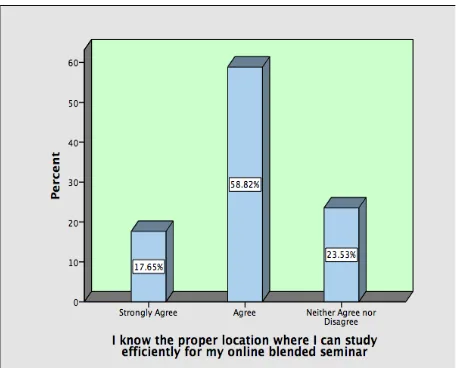
Figure 2. I know the proper location where I can study efficiently for my online blended seminar.

(8)
[image:8.595.184.415.130.312.2]

across the institution. However in the developing nations, such amenities are few and could only be accesssible in a small library crowded with students seeking for help and information. Such environments are by no means comfortable for revision and also in some cases may not be suitable for study.

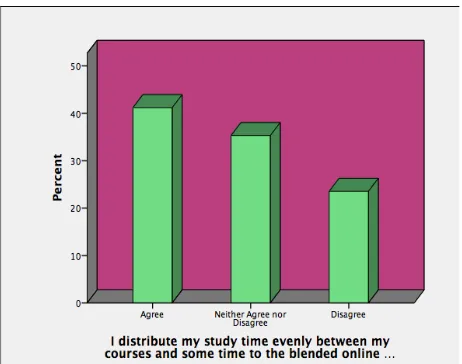
Figure 3. I distribute my study time evenly between my courses and some time to the blended online seminar classes.

[image:8.595.183.413.419.613.2]

This shows that with modern infrastructures in place in the developed nations, students were able to distribute their time across studies. This is hardly possible in developing nations, where a student is forced to abandon what they were studying online when there was a power outage (the electricity supply is cut-off) and also when their allocated purchase time for the Internet service centre is over.

Figure 4. I studied the blended content before coming to the seminar class.

Figure 4 shows that students in the developed nations with the access to the modern technologies, could study and prepare ahead of their blended class, using mobile devices or computers.

3.6 Challenges

(9)

learning behaviours as a result of the few infrastructures in place. For instance, students in developing nations could postponed their studies for the rest of the evening because they return home from school, in most of the cases they only continue their studies the next day when the return to school. This alarming situation was fostered as a result of lack of Internet facilities or in most cases electricity.

4 DISCUSSION

MOOC has been championed as an innovation technology that can help people in developing countries to gain education through online learning. This paper evaluates the potential of technology to support self-regulation from students’ perspective and exploring the factors affecting effective establishment of modern technology such as e-learning (example MOOC) and e-mobile in developing countries. The greatest challenge in a MOOC technology system is the lack of motivation to complete the course. The challenge of the design of MOOC in a conventional educational system is said to be the diversity of educational background that each participant brings into the learning environment. According to Kim et al. [34], institutions in developing countries should be ready to contribute to the support of MOOC learning platform. This could help in supporting students’ ability to be autonomous and regulate their learning patterns. The rapid growth of MOOC technology has sparked big commercial interest, venture capitalist and major corporations interested in higher education (HE) market using MOOC approach [35]. Most importantly, it has lead to a sensitive discussion on the issues of disruptive effect of the technology in higher educational systems especially in developing countries and encourages more established organisations to invest in adaptable online learning. These learning platforms will motivate the developers of educational systems in developing countries to stand up to the demands of the variety of learners’ needs, as these is rapidly changing constantly to aid self-regulated learning skills. Institutions in developing countries should be cohesive in their strategies in responding to these rapid modern technologies in order to provide other avenues for students to study in a self-directed manner [5]. In order to benchmark the performance level and to enhance the success rate of learners’ self-regulation using the e-mobile system, there is need for a system which can minimize the time (using the time management strategies) taken to acquire useful information and which in turn could help improve self-study mode [36]. Equally, with the proper infrastructure installed in place in the developing nations, this could help to elevate the speed and connectivity to the internet’ The learners from these less previledge countries will improve and advance their SRL skills and harness the opportunity to interact with the rest of the world for knowledge exchange. This in overall could support the development of self-regulated learning skills.

Generally speaking, most developing countries are still lacking behind and finding the new innovative trend of modern technology especially massive open online courses (MOOCs) to be difficult to reckon with. It has to be due to adaptability to new educational paradigm for learning which has been of a massive concern. There is need for huge support from government, universities and other private institutions to invest in modern technologies so as to widen the outreach of these learning

technologies to developing countries in order to enhance students’ self-directed learning. In order to

foster the publicity and awareness of these new methods of online learning, institutions and

government ministries have to be involved to support and encourage universities and other

educational or private institutions to introduce and encourage these modern technologies in teaching

and learning [26]. According to some authors online education such as MOOC technology can play

crucial role in eradicating unemployment [20]. Further research data analysis from the focus group interview will be conducted to obtain the students’ full perceptions of self-regulated learning.

ACKNOWLEDGMENTS

(10)

REFERENCES

[1] Barnard, L., Lan, W. Y., To, Y. M., Paton, V. O., & Lai, S. L. (2009). Measuring Self-Regulation in Online and Blended Learning Environments. The Internet and Higher Education, 12(1), 1-6. [2] Liaw, S. S., Huang, H. M., & Chen, G. D. (2007). Surveying Instructor and Learner Attitudes

toward E-learning. Computers & Education, 49(4), 1066-1080.

[3] Wagner, E. D. (2008). Realizing the Promises of Mobile Learning. Journal of Computing in Higher Education, 20(2), 4-14.

[4] Mark, R. (2008, July 22). After the iPhone Enterprise Media Blitz. EWeek, p. 26.

[5] Yuan, L., Powell, S., & CETIS, J. (2013). MOOCs and Open Education: Implications for Higher Education. Cetis White Paper. Available at:

https://www.oerknowledgecloud.org/sites/oerknowledgecloud.org/files/MOOCs-and-Open Education.pdf. [Accessed 17 May 2015]

[6] Katsonitros, A. (2013). The Impact of MOOCs on Smaller Universities. Available at:

http://www.obhe.ac.uk/newsletters/borderless_report_june_2013/impact_moocs_on_smaller_un iversities [Accessed 17 May 2015].

[7] Kharbach, M. (2012). Teachers Guide to the 21st Century Learning Model: Connected Learning. Educational Technology and Mobile Learning. Retrieved from:

http://www.educatorstechnology.com/2012/08/teachers-guide-to-21st-century-learning.html, Accessed [16 May 2016].

[8] Viswanathan, R. (2012). Teaching and Learning through MOOC. Frontiers of Language and Teaching, 3, 32-40.

[9] Siemens, G. (2012). Connectivism Learning Theory. Retrieved from:

http://p2pfoundation.net/Connectivist_Learning_Theory_-_Siemens Accessed [16 May 2016]. [10] The Association of Commonwealth Universities (2013). MOOCs: Disrupting the Academic

Profession? Retrieved from https://www.acu.ac.uk/membership/acu-insights/acu-insights-5/moocs-disrupting-academic-profession. Accessed [16 May 2016]

[11] Valls, A. (2013). Who’s Afraid of the Big Bad MOOC? Chronicle of Higher Education, 6. [12] Gray, B., & Silva, C. (2008). Key Device Trends that will Shape Mobility in 2008. Cambridge

MA: Forrester Research Inc.

[13] Wagner, E. D. (2008, June 30). Mainstreaming Mobile Learning, ELearning Guild Learning Solutions eMagazine, 1–8.

[14] Wexler, S., Brown, J., Metcalf, D., Rogers, D., & Wagner, E. (2008). ELearning Guild Research 360° report: Mobile learning. Santa Rosa, CA: ELearning Guild.

[15] Pelino, M., Daley, E., & Muhlhausen, R. (2008). Inquiry Insights: Enterprise Mobility, Q1 2008. Cambridge, MA: Forrester Research.

[16] Castells, M. (2010). End of Millennium: The Information Age: Economy, Society, and Culture| (Vol. 3). John Wiley & Sons.

[17] Jensen, M. (2006). Lowering the Costs of International Bandwidth in Africa. Association for Progressive Communications, San Francisco.

[18] Kamalipour, YR. (2007). Global communication (2nd ed.). Belmont, CA: ThomsonWadsworth. [19] Hyde-Clarke, N., & Van Tonder, T. (2011). Revisiting the 'Leapfrog' Debate in Light of Current

Trends of Mobile Phone Internet Usage in the Greater Johannesburg Area, South Africa. Journal of African Media Studies, 3(2), 263-276.

[20] Sharma, A., & Rani, R. (2014, December). A 3-level Model for Implementing MOOC in India. In MOOC, Innovation and Technology in Education (MITE), 2014 IEEE International Conference on (pp. 132-137). IEEE.

(11)

[22] Cherlin, E. (2009). An Internet Bandwidth Bonanza Coming to Africa. Available at:

http://www.olpcnews.com/internet/access/internet_bandwidth_bonanza_africa.html. [Accessed 18 February 2016].

[23] Teltscher, S., Magpantay, E., Gray, V., Olaya, D., & Vallejo, I. (2010). Measuring the

Information Society: The ICT Development Index: Telecommunication Development Bureau, International Telecommunications Union (ITU): Geneva.

[24] Silva, C., Yates, S., Whiteley, R., Dines, R., & Batiancila, R. (2007). The Rise of Ubiquitous Mobility. Forrester Research Inc.

[25] Onah, D. F. O., Sinclair, J., & Boyatt, R. (2014). Dropout Rates Of Massive Open Online Courses: Behavioural Patterns. EDULEARN14 Proceedings, 5825-5834.

[26] Marshall, S. J. (2013). Evaluating the Strategic and Leadership Challenges of MOOCs. MERLOT Journal of Online Learning and Teaching, 9(2), 216-227.

[27] Liyanagunawardena, T., Williams, S., & Adams, A. (2013). The Impact and Reach of MOOCs: A Developing Countries’ Perspective. ELearning Papers, (33).

[28] Johnstone, S. M. (2005). Open Educational Resources Serve the World. Educause Quarterly, 28(3), 15.

[29] Esposito, A. (2012). Research Ethics in Emerging Forms of Online Learning: Issues Arising from a Hypothetical Study on a MOOC. Electronic Journal of e-Learning, 10(3), 315-325. [30] Weinstein, C. E., & Palmer, D. R. (1990). Learning and Study Strategies Inventory–High School

Version. Clearwater, FL: H & H Publishing.

[31] Pintrich, P. R., Smith, D. A., García, T., & McKeachie, W. J. (1993). Reliability and Predictive Validity of the Motivated Strategies for Learning Questionnaire (MSLQ). Educational and psychological measurement, 53(3), 801-813.

[32] Zimmerman, B. J., & Pons, M. M. (1986). Development of a Structured Interview for Assessing Student Use of Self-Regulated Learning Strategies. American educational research journal, 23(4), 614-628.

[33] Barnard, L., Paton, V., & Lan, W. (2008). Online Self-Regulatory Learning Behaviors as a Mediator in the Relationship between Online Course Perceptions with Achievement. The International Review of Research in Open and Distributed Learning, 9(2).

[34] Kim, K., and Curtis J. Bonk. (2006) "The Future of Online Teaching and Learning in Higher Education: The Survey Says." Educause quarterly 29.4: 22.

[35] Daniel, J. (2012). Making Sense of MOOCs: Musings in a Maze of Myth, Paradox and Possibility. Journal of Interactive Media in Education, 2012(3), Art-18.

Figure

Figure 1 shows that 47.06% of students agreed they set goals of all to achieve from the course
Figure 3.   I distribute my study time evenly between my courses and some time  to the blended online seminar classes

References

Related documents

The interactive effect of drought stress and salicylic acid on the thousand seed weight was significant (Table 1), and from irrigation based on 100 ℅ FC and 1 mM salicylic

In models 2 and 3, in which the last period inflation rate is considered in the Phillips curve, with increasing

Yousefi and Hosseinzadeh (2012) in a research titled “Environmental Impacts Assessment Using Iranian Matrix Method; Case Study: Gas Pipeline of Birjand to

Under non-saline soil conditions, waterlogging applied at all growth stages, except T, lead to significant reduction in HI of both wheat genotypes compared to control (Fig.

The main contribution of this study is to decrease income inequality in risk sharing network such as informal insurance through an analytical method, this study

For this purpose, an experimental modal analysis (EMA) was conducted on the actual structure, Fig. 1, and the results were then used to create a valid finite-element model.

Dependent variable, in this study, was tax morale where the variables of religiosity, national pride, and importance of religion, importance of politics,