warwick.ac.uk/lib-publications
A Thesis Submitted for the Degree of PhD at the University of Warwick
Permanent WRAP URL:
http://wrap.warwick.ac.uk/97360
Copyright and reuse:
This thesis is made available online and is protected by original copyright.
Please scroll down to view the document itself.
Please refer to the repository record for this item for information to help you to cite it.
Our policy information is available from the repository home page.
Management control systems and their use in
aligning managerial values: the case of a
Mexican microfinance bank
by
Antonio Pablo Casanueva
A thesis submitted in partial fulfilment of the requirements for the
degree of
Doctor of Philosophy
University of Warwick
Warwick Business School
Table of Contents
List of Tables ... vi
List of Figures ... vii
Acknowledgements ... viii
Declaration ... ix
Abstract ... x
1. INTRODUCTION ... 1
1.1 Introduction ... 1
1.2 Rationale for the study and research questions ... 1
1.2.1 The notion of the “what” ... 1
1.2.2 Notion of the “how” ... 3
1.2.3 Research questions and contributions ... 9
1.3 Structure of the thesis ... 11
2. LITERATURE REVIEW ... 13
2.1 Introduction ... 13
2.2 Scientific management and the appearance of the “what” as an element of MC ... 16
2.3 Development of MCS to align managers with organisational objectives ... 19
2.4 Anthony’s planning and control framework and the conceptualisation of MC ... 20
2.5 Behavioural side-effects of MC based on the “what” ... 23
2.6 Softer approaches to MC ... 25
2.7 A management idea based on purpose, process and people ... 27
2.8 The balanced scorecard and the sophistication of the “what” ... 30
2.9 Simons’ levers of control ... 33
2.10 Recent research on the use of MCS to align managerial values ... 39
2.11 Spiritual literature, its approach to goal congruence and ideological controls ... 45
2.12 HR practitioners’ trend for performance appraisals ... 50
2.13 Conclusions ... 52
3.1 Introduction ... 55
3.2 Ontological position and epistemological assumptions ... 55
3.3 Qualitative research and case studies ... 59
3.4 Getting started and selecting the case ... 62
3.5 Crafting instruments, protocols and data collection ... 63
3.6 Entering the research site ... 65
3.7 Analysing data ... 71
3.8 Achieving closure ... 79
3.9 Conclusions ... 80
4. COMPARTAMOS BANCO: Background and Context ... 81
4.1 Introduction ... 81
4.2 Key characteristics of Compartamos ... 82
4.3 Compartamos’ methodology and business model ... 83
4.4 Cultural background of Mexico ... 90
4.5 Poverty and women’s marginalisation ... 93
4.6 Compartamos’ background ... 96
5. FINDINGS I: Compartamos’ MCS – Influencing the “how” ... 106
5.1 Introduction ... 106
5.2 Top-down budgeting: Driving the organisation to the traditional “what” ... 107
5.3 Compartamos’ value system ... 110
5.3.1 Nature and purpose of Compartamos’ value system ... 111
5.3.2 Mechanisms that communicate and reinforce the “how” ... 119
5.3.3 Value measurements ... 128
5.3.4 Mística Guardians ... 131
5.4 Code of Ethics and Conduct, whistle-blowing system and Honour Committee . 133 5.5 Physical, Intellectual, Social-Family, Spiritual and Professional (FISEP) Model 137 5.6 Sueñómetro (Dreamometer) ... 142
5.7 Intended effects of MCS: Alignment of managerial values ... 143
5.9 Discussion ... 152
6. FINDINGS II: MCS aiming to simultaneously attain the “what” and the “how” ... 159
6.1 Introduction ... 159
6.2 Evolution of the MC “package” ... 160
6.3 Performance evaluation: the “what” and the “how” ... 162
6.4 FISEP as an optional mechanism for personal development ... 165
6.5 “We Expect More from You” programme ... 169
6.6 “Total Accountability” programme ... 170
6.7 Different emphases on available MC mechanisms ... 175
6.8 Conclusions ... 181
7. DISCUSSION AND CONCLUSIONS ... 189
7.1 Introduction ... 189
7.2 Revisiting the research questions ... 190
7.2.1 MCS involved in attempting to influence the “how” ... 190
7.2.2 Reasons for attempting to influence the “how” ... 191
7.2.3 Intended and unintended consequences and effects of attempts to influence the “how” ... 192
7.2.4 Role played by senior managers’ beliefs about human nature in the design and use of MCS to attempt to influence the “how” ... 193
7.3 Major contributions ... 196
7.4 Limitations and shortcomings ... 198
7.5 Personal reflections and opportunities for further research ... 199
Appendix A: Interview guidelines ... 202
Appendix A.1: Interview guideline used in first stage of the research project ... 202
Appendix A.2: Interview guideline used in the second stage of the research project ... 203
Appendix A.3: Interview guideline used in the third stage of the research project204 Appendix B: Letter to Compartamos’ employees to explain the relevance of the Mística ... 201
Appendix D: Attracting Talent and the Recruitment Process ... 204
Appendix E: Compartamos’ Philosophy Chart ... 206
Appendix F: Induction Training Process ... 207
Appendix G: Examples of Mística-Related Messages ... 209
Appendix H: Compartamos’ Performance Evaluation Form ... 211
Appendix I: Total Accountability Forms ... 216
Appendix J: Compartamos’ Organisational Charts and overview of the carried out interviews ... 217
List of Tables
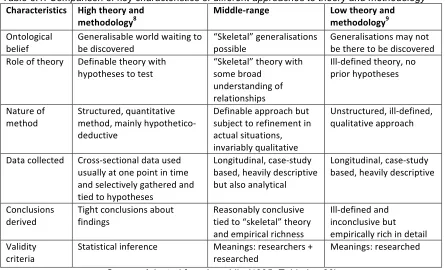
Table 3.1: Comparison of key characteristics of different approaches to theory and
methodology ... 58
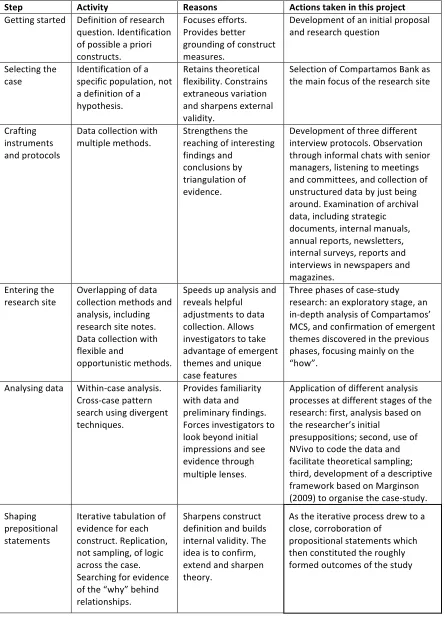
Table 3.2: Case-study research process ... 61
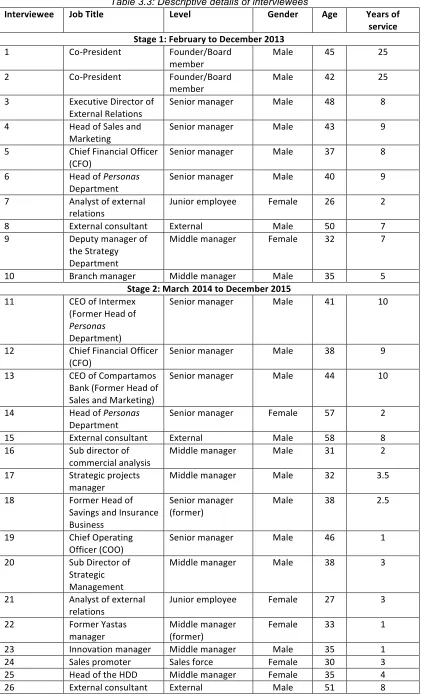
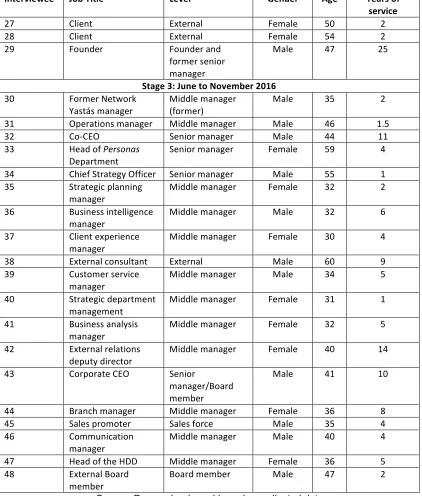
Table 3.3: Descriptive details of interviewees ... 68
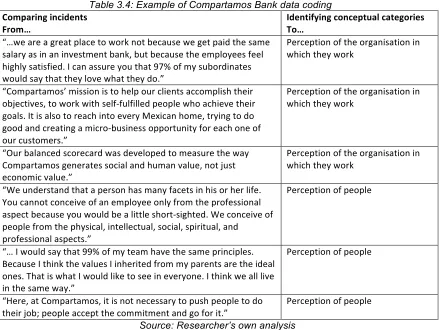
Table 3.4: Example of Compartamos Bank data coding ... 75
Table 4.1: Growth of Compartamos, 1990-2016 ... 83
Table 4.2: Compartamos’ Results, 2012-2015 ... 85
Table 4.3: Compartamos’ Great Place to Work rankings ... 89
Table 5.1: Yearly average training hours by position ... 121
Table 5.2: Mechanisms for communicating and reinforcing Compartamos’ values .... 125
Table 5.3: Summary of findings on Compartamos’ MCS ... 154
Table 6.1: Compartamos’ aids for collaborators’ integral development (i.e. under FISEP) ... 167
List of Figures
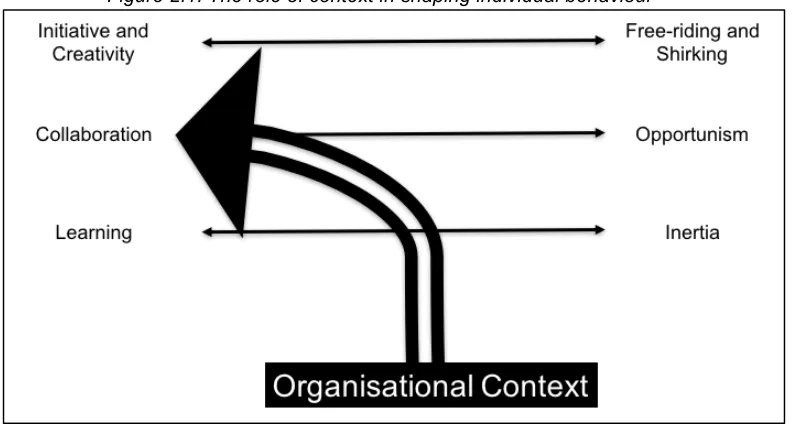
Figure 2.1: The role of context in shaping individual behaviour ... 30
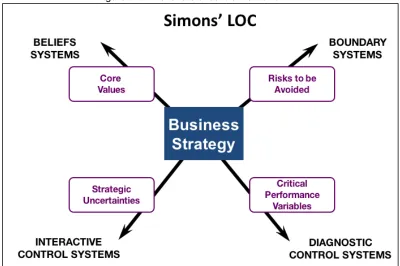
Figure 2.2: The levers of control framework ... 36
Figure 2.3: Assumptions about human nature, organisational blocks and levers of control ... 37
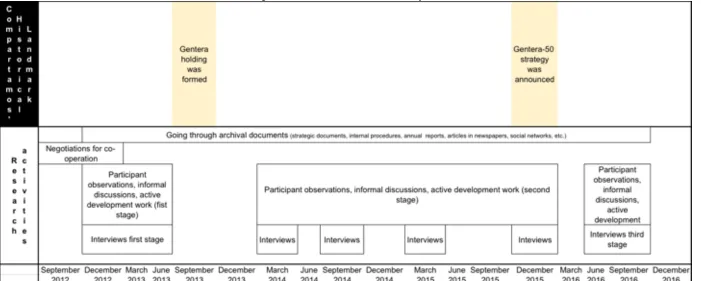
Figure 3.1: Overview of the case-study ... 70
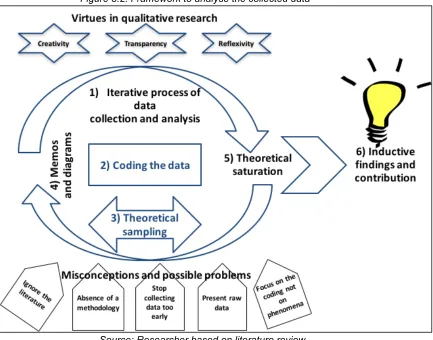
Figure 3.2: Framework to analyse the collected data ... 71
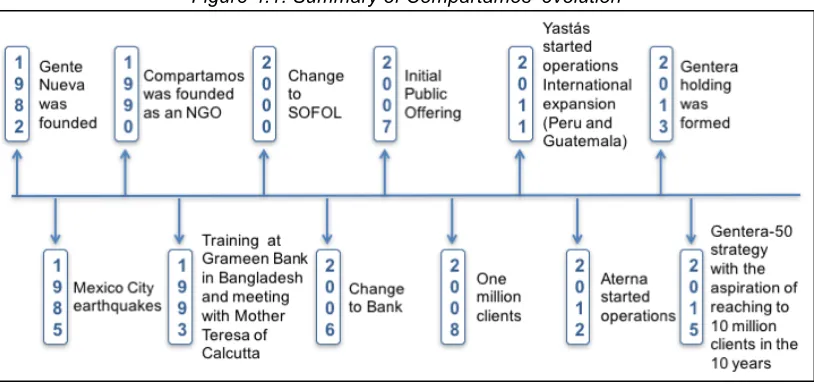
Figure 4.1: Summary of Compartamos’ evolution ... 82
Figure 5.1: Illustration of Compartamos’ values with “people” at the centre ... 150
Figure 6.1: Evolution of Compartamos’ MC “package” ... 161
Figure 6.2: Performance evaluation matrix ... 164
Figure C.1: Summary of Compartamos’ philosophy ... 203
Figure E.1: Illustration of the philosophy chart on a Compartamos desk ... 206
Figure G.1: Illustration of the wall of a Compartamos branch ... 209
Figure G.2: Internal poster emphasising values ... 209
Figure G.3: Picture of a corkboard at the desk of a Compartamos executive ... 210
Figure G.4: Awards of a regional manager ... 210
Figure H.1: Performance Evaluation Form, Part 1 ... 211
Figure H.2: Performance Evaluation Form, Part 2 ... 212
Figure H.3: Performance Evaluation Form, Part 3 ... 213
Figure H.4: Performance Evaluation Form, Part 4 ... 214
Figure H.5: Performance Evaluation Form, Part 6 ... 215
Figure I.1: Total Accountability Forms ... 216
Figure J.1: Compartamos’ simplified organisational chart in 2012 ... 218
Acknowledgements
To my wife Paloma, my son Antonio and my daughter Ana Belén. Thank you for your unconditional love and care, for your encouragement and for believing in me. Undoubtedly, this thesis has been a family endeavour.
To IPADE Business School for sponsoring my PhD. This research project has enhanced my commitment to IPADE, and my personal mission to educate managers to enable them to transform organisations which, in turn, will transform Mexican society. To Dean Dr Rafael Gómez-Nava for his support and friendship, and Dean Alfonso Bolio for encouraging this project.
To CONACYT for providing funds for the first stage of this doctoral programme and providing financial support for my full-time residence in the UK.
This thesis has been shaped by the academic guidance received from my supervisors, Dr Fiona Anderson-Gough and Professor David Marginson. It has been challenging and rewarding working with them. Fiona, thank you for your patience, support and help. David, it has been a privilege to receive feedback and suggestions from such a knowledgeable and acute scholar.
I am profoundly grateful to my colleagues and friends at IPADE, especially to the members of the Department of Control e Información Directiva: Julián, Juan, Víctor, Pedro and Andrés; thank you for your support. Also to Francisco Arenas, who helped me gain access to Compartamos Bank and advised me during the journey.
Declaration
This thesis is submitted to the University of Warwick in support of my application for the degree of Doctor of Philosophy. It has been composed by myself and has not been submitted in any previous application for any degree.
Abstract
Management control (MC) is a behavioural issue. Senior managers seek to align managerial endeavours with the organisation’s objectives. Traditionally, alignment has focused on seeking to ensure that managers support organisational aims by motivating, rewarding, and even monitoring, the achievement of assigned targets. MC was originally mainly about financial targets, before broadening to include non-financial performance measures. However, there is evidence to suggest that organisations may also seek to align managerial “values” with those of the organisation. Organisational attempts to influence managerial mindsets through the MC process raise non-trivial questions regarding the procedures and systems involved, the reasons for apparently expanding into attempts to influence thinking, and the possible consequences of such attempts. These questions form the basis of the present study.
This thesis reports on a case study of Compartamos Bank, a Mexican organisation with a religious ethos, selected through theoretical sampling. Compartamos claims to have the “person” at the centre of its philosophy.
The thesis contributes to the MC literature by broadening the scope of value systems. The findings suggest that value systems are not just a means of boosting performance and accomplishing organisational aims; they may also be used to foster managers’ development on various personal dimensions. Evidence from the case study suggests that frequent reinforcement of the organisation’s philosophy through its value system, along with a boundary system, may enhance “value congruence”. However, using these MC mechanisms may also cause various unintended side-effects.
Abbreviations
BSC Balanced scorecard
CEO Chief executive officer
DCS Diagnostic control systems
EBITDA Earnings before interest, tax, depreciation and amortisation
FISEP Físico, Intelectual, Social-familiar, Espiritual, Profesional (Physical, Intellectual, Social-Family, Spiritual and Professional)
GM General Motors
GPW Great Place to Work
HDD Human Development Department
HR Human resources
HAV Human added value
ICS Interactive Control Systems
IPO Initial public offering
LOC Levers of control
MC Management control
MCS Management control systems
NGO Non-governmental organisation
PMS Performance management system
1. INTRODUCTION
1.1 Introduction
Values appear to matter for the managing of organisations; therefore, management control (MC) theorists have sought to incorporate them into their frameworks (e.g. Hofstede, 1978; Ouchi, 1979; Simons, 1995b). MC scholars acknowledge the difficulty of making values visible and measurable, and argue that they should be broad and vague and cannot be used as standards to measure performance (e.g. Simons, 1995b, 1999; Marginson, 2009). However, measurement plays a pivotal role in organisations, communicating to managers which efforts are desired, and motivating them to achieve those desired aims (Merchant, 1985). In popular terms, “an organization gets what it measures” (Euske et al., 1993, p.275) or “you are what you measure” (Ariely, 2010). Since values seem to be important for managing organisations, this thesis explores whether it is the case that values cannot be measured as part of managing performance, what MC mechanisms may be used by organisations to align managerial values, and why and how these MC mechanisms are used.
In this introductory chapter, Section 1.2 presents the rationale for the research and the research questions, and Section 1.3 presents the structure of the thesis.
1.2 Rationale for the study and research questions
The extant research recognises that organisations have responded to challenges such as globalisation, increased work complexity, and corporate frauds and scandals by expanding the scope and practice of MC (Simons, 1995b; Marginson, 2002; Henri, 2006b; Malmi and Brown, 2008; Berry et al., 2009). This evolution has led to broader MC frameworks, such as the balanced scorecard, “package of controls”, “continuous” budgeting, and particularly Simons’ “levers of control” (LOC), which may involve a re-consideration of human nature regarding MC.
Several of these developments propose and present evidence that organisations are increasingly attempting to change their managers’ mindsets by focusing attention on organisational values and on how managers fulfil their roles, alongside the traditional “targets” that the organisation and its managers must achieve.
1.2.1 The notion of the “what”
focused on seeking to ensure that managers have the necessary information systems and intervention opportunities to shape their own and their subordinates’ behaviour in line with what are understood to be their organisation’s aims and objectives. Central to this in many cases, and in the way MC as a field of expertise positions its value, is the monitoring and directing of behaviour through assigned targets and objectives. Alignment is achieved mainly through a process of planning, goal setting, performance measurement, evaluation and incentives to encourage managers to take actions toward the achievement of assigned targets. Euske et al. (1993) refer to these quantitative organisational targets as the “whats”: “The broad ‘whats’ the unit is pursuing are defined (e.g., profit, percent on-time delivery)” (Euske et al., 1993, p.293). They may include financial targets, such as increasing ROI or decreasing operating expenses, and non-financial indicators, such as hours of employee training or customer retention rates.
However, targets (the “whats”) can be problematic. Goals may be ambiguous, and there may be imperfect knowledge of cause-effect relationships between management interventions and results (Hofstede, 1981), also they can be adjusted as the organisation progresses toward them. As organisations become more complex, measuring the “what” becomes more challenging, and the resulting changes in managers’ behaviour may have positive or negative impacts on organisations (Rosanas and Velilla, 2005).
Use of these conventional management control systems (MCS) may cause dysfunctional behaviours, such as short-term decision making at the expense of long-term gain (Laverty, 1996; Merchant, 1990), gaming performance indicators1 (Jaworski and Young, 1992; Soobaroyen, 2007), poor working relationships with colleagues, and reduced innovation and learning (Argyris, 1977; Bartlett and Ghoshal, 1993; Emmanuel et al., 1990; Hope and Fraser, 2003a).
Simons (1995b, 1999) uses the term “diagnostic control systems” (DCS) to refer to MCS that rely mainly on the “what”. To Simons (1995b), DCS are needed alongside boundary systems, interactive control systems (ICS) and especially beliefs systems to stimulate and encourage managers to innovate and expend effort on engaging in appropriate actions to achieve organisational aims and drive strategic renewal.
The need to include additional mechanisms as part of a “package” of MC (Malmi and Brown, 2008) may be understood with reference to the limitations of traditional MCS that focus exclusively on the “what”. While quantitative-based performance measurement systems may be used to clarify “what” should be achieved, such systems may not motivate achievement of targets in a way that is consistent with the organisation’s values or longer term requirements (Rosanas and Velilla, 2005; Simons, 2010). Even disaggregated balanced scorecard measures tend to focus on reporting the consequences of managerial actions (Lillis, 2002), rather than on influencing, ex ante, the nature of the actions themselves (Marginson, 2009).
1.2.2 Notion of the “how”
This study explores value systems as an important, but as yet insufficiently explored, dimension of MCS (Dávila, 2010; Tessier and Otley, 2012; Martyn et al., 2016). As previously indicated, MC used to be mainly about the “what” in terms of financial targets, before being broadened to include non-financial performance measures. Recent developments have expanded the scope and practice to seek to shape managers’ mindsets by focusing attention on organisational values (the “how”). This section elaborates on the notion of the “how”.
attempts to achieve “value congruence” (Liedtka, 1989), aligning managerial values with those of the organisation.
So, the directing of the “how” may be broadened beyond being directed by the “what”, and corporate values may shape managers’ decisions and actions. Empirical research provides evidence that value systems are mechanisms that may influence managers’ commitment to acting in accordance with their organisation’s values. For example, value systems may lead to more entrepreneurial activity (Marginson, 2002; Bruining et al., 2004), may play a key role in generating ideas and guiding the strategic agenda (Marginson, 2002), or may discourage managers from engaging in inappropriate or even unethical actions. For instance, Merck & Co. Inc.’s mission statement, “putting the patients first”, provided clear guidance to senior executives during a crisis resulting from the side-effects of a pain medication, Vioxx that seriously jeopardised the company’s reputation (Simons et al., 2009). Similarly, Southwest Airlines ranks employees first, customers second and shareholders third in order to set clear priorities, invest in employees’ development and unleash their potential to produce bottom-line results (Simons, 2010). The airline’s value definitions shape senior managers’ decisions and actions. Following this employee-first approach, after the 9/11 attack in the US, Southwest decided to make no layoffs and no pay cuts, despite risking profits and shareholder value (Parker, 2007). Years later, during the depths of the 2009 recession, Southwest’s CEO, Gary Kelly stated: “We’ve never had a layoff. We’ve never had a pay cut. And we’re going to strive mightily, especially this year, to avoid them once again. I worry about that every day. And I don’t worry about much, but I worry about that” (Fortune, 2009). The value of “employees first” seems to have shaped Southwest managers’ mindsets, particularly in these types of trade-off situations. Therefore, the “how” may also relate to tasks and targets that must be achieved in a way that is consistent with the organisation’s values.
needs with individual hopes and aspirations (Hinds et al, 2014). Consequently, the “how” referred to in this research may also be associated with how organisations seek to influence how managers and employees live their own lives or think about living their lives.
Ruiz (2012) denotes that generation of human added value (HAV) and care for human dignity are essential to the firm. For Ruiz (2012), an organisation may generate HAV by turning work into a means of achieving self-fulfilment, conceiving the organisation as a community, being capable of articulating its particular and human objectives within a mission and finally, becoming an open space for the development of reflective capabilities, imagination and other intellectual activities among its participants. Llano (1996) argues that in order to develop human potential, senior managers may attempt to influence the volition or will of their subordinate managers. Acts of volition are autonomous acts that move the intellect: individuals do things because they want to. Managers must be willing to carry out tasks voluntarily. Accomplishing a task out of conviction is different from complying out of obligation or coercion, because the latter prevents human development. Motivation is not achieved by forcing the will of subordinates, but by convincing them of the purpose of the task (Llano, 1990, 1996; Díez, 2012).
Since the 1980s then, those researching the management of organisational culture have placed increasing focus on managing the values and goals of managers. Kunda (1992) describes the mechanisms by which organisational members design and disseminate values to shape the mindsets and actions of individuals. Willmott (1993, p.516) suggests that such approaches are designing mechanisms to win “the ‘hearts and minds’ of employees: to define their purposes by managing what they think and feel, and not just how they behave”.
According to the MC literature, the implementation of MCS that attempt to influence the “hows” may involve a range of information-based mechanisms, including mission statements, newsletters, memoranda, workshops, retreats, and similar social events (Marginson, 2009).
value system is to instil in managers a particular set of values that should enlighten their decisions and actions (Simons, 2005; Marginson, 2009).2 Marginson (2009), for instance, presents a case-study of a UK-based communications company in which senior managers used their value system to try to change managers’ mindsets, focusing attention on a set of normative values that should inform managers’ decisions and actions, particularly in trade-off situations. The organisation’s desired outcome was value congruence. Marginson (2009, p.19) refers to these managerial values that lie behind those of the organisation as the “hows”:
The company’s approach to changing mindsets through focusing attention on the “hows” (working practices) […] provides evidence on a more process-orientated value system than is normally envisaged.
Therefore, when this thesis refers to the “how”, it indicates: 1) “value congruence”, i.e. alignment of managerial “values” with those of the organisation; 2) achievement of tasks or targets in a way that is consistent with the organisation’s values; and 3) activities that organisations put in place in order to develop human potential.
Hence, the MC literature presents evidence that, as well as attempting to achieve the “what”, organisations may also seek to align managerial “values” with those of the organisation (Bartlett and Ghoshal, 1993; Simons, 1994, 1995b; Marginson, 2009). This may be described generally then as organisational attempts to influence the “how”; for instance, how managers perceive the organisation, what it stands for (values) and how managers implement these thoughts and views through their decisions and actions.
MCS that focus on the “hows” seek to ensure that all members of an organisation are committed to act in ways that are consistent with its principles (Simons, 2010). Commitment to core values is tested when executives make tough decisions, particularly in trade-off situations, and through promotion and reward judgements. The dynamic interplay between value systems and other management controls seeks to generate shared purpose, group identification, trust and a sense of fairness (Simons, 2005).
As values appear to matter for managing the MC literature has sought to incorporate them into research frameworks (e.g. Hofstede, 1978; Ouchi, 1979; Simons, 1995b). However, Simons (1995b) argues that “Beliefs systems cannot be tied to a formal organizational incentive. They are too vague to use as standards against which performance can be measured” (Simons, 1995b, p.38). Marginson (2009, p.12) adds that “value systems do not conform to the traditional cybernetic model of management control”. For MC purposes, measurement plays an important role in organisations. MCS are about making things visible in order to focus on what is to be achieved. However, although mainstream accounting scholars and MC theorists have, in the past, recognised the difficulty of measuring and making values and beliefs visible, it is not yet clear how MCS today are using values to align managerial endeavours.
In order to understand how the scope and practice of MC have expanded in attempting to achieve both the “what” and the “how”, it is important to be aware that globalisation, competition and financial markets all put pressure on organisations to improve their financial results. Organisations thus use economic incentives to motivate and/or pressure managers to enhance their performance and innovate in order to boost their products, services and markets to produce required financial outcomes. Simons (1995b) argues that empowerment does not mean that managers can do as they please. MCS should balance empowerment and control in such a way that empowerment does not lead to control failure, nor does control lead to empowerment failure (Simons, 1995b, p.163). Hence, value systems may be necessary to ensure that participants understand the organisation’s purpose and values in an era of highly pressurised environments and growing organisational complexity (Simons, 1999; Marginson, 2009).
(Simons, 1995b) and middle-level managers (Marginson, 2002) in raising awareness and reinforcing organisational values. This suggests that interactions across an organisation may play an important role in the implementation of MCS that attempt to influence the “hows” (Marginson, 2009).
Organisations appear to have responded to increasing complexity by expanding the scope of MC in order to achieve not only the “what”, but also the “how”. Hence, recent MC developments have focused both on influencing people to behave in ways that lead to the achievement of organisational goals (the “what”), and on leading managers to act in accordance with the organisation’s purpose and principles (the “how”). Pressure on organisations to continue to survive and grow appears not to have led to any reduction in control; rather, control has evolved to some degree and perhaps even increased, bringing about a more salience with regard to value systems (the “how”), while still emphasising organisational goals (the “what”).
This thesis reports on a case-study that explores why and how one organisation has attempted to influence the “how”. Compartamos Bank is a Mexican organisation that claims to be people-oriented and to have the “person” at the centre of its philosophy: “We strive to be better people with our people focus. We encourage integral development under the Physical, Intellectual, Social-Family, Spiritual and Professional model” (Compartamos, 2008).
The balanced scorecard is a tool that looks to go beyond the measurement and management of financials and seeks to capture both financial and non-financial measures relating to learning and quality. Compartamos presents an opportunity to explore beyond this and explore how attempts to capture detailed measures around different, very personal data, are progressing, and how they fit with other aspects of MCS that the bank needs to monitor. Thus, this explores the issue of values within MCS by focusing on how the personal, spiritual and social good can be measured alongside other traditional measures. Therefore, it attempts to incorporate values and beliefs (which are a part of culture) into a study of MCS by reviewing the experience of senior managers seeking to create and sustain a microfinance bank that has some characteristics of a hybrid organisation with dual (social good and commercial sustainability) aims.
developments are now expanding the scope and practice of MC to attempt to identify “how” a particular task may be achieved, “how” managers should fulfil their roles, and “how” organisations may manage the tensions between work and non-work and how they might even develop human potential. Little research has previously been carried out on how MCS are used to achieve these “hows”, and even less is known about the possible consequences of using MCS to shape the “how”.
1.2.3 Research questions and contributions
The results of this study will help to contribute to our understanding the strengths and weaknesses of systems that try to incorporate values/beliefs into formal information gathering and intervention practices. Drawing on what we know of the pitfalls and strengths of traditional monitoring and behaviour. Beyond this it may help organisations considering devising broader MCS to consider how and why these might work and whether they are appropriate for their aims. The thesis also provides an account of ways in which MCS that attempt to achieve the “how” may be implemented in practice. The research questions are:
● How is managing the “how” attempted? What MCS are involved and why? ● What are the reasons for attempting to influence the “how”? Are these reasons
influenced by ethical or religious motives?
● What might be the consequences/effects of attempts to influence the “how” on people’s day-to-day work? Are there unintended side effects?
● Do senior managers’ beliefs about human nature play a role in the design or use of MCS that attempt to influence the “how”?
and incentives to encourage managers to take actions toward the achievement of assigned targets. Hence, value systems used simultaneously with other MCS may help to achieve human added value in organisations. However, the use of the value systems may also cause various unintended side-effects and dysfunctional behaviours.
Second, in detailing the implementation process of a value system, the study fills a gap identified in the MC literature (Otley, 1999; Merchant and Van der Stede, 2006; Cugueró-Escofet and Rosanas, 2016) regarding whether and, if so, why organisations actually implement “softer” approaches involving the encouragement of shared values, and what may be the possible consequences of doing so. The purpose was to examine the intended and unintended effects that engineered value systems may have on patterns of organisational behaviour. Evidence from the case-study suggests that frequent reinforcement of the organisation’s philosophy through its value system, along with an appropriate boundary system, may help to enhance “value congruence” when managers see the underlying value system as appropriate
Third, the study reports on a case in which a value system is used simultaneously with other MCS, aiming to align Compartamos managers’ behaviour with the founders’ beliefs and the business strategy. The study presents a case in which senior managers implemented MCS based on a Catholic notion of human nature, seeking to achieve the integral human development of their managers as a result of pursuing goals on different dimensions (physical, intellectual, social, family, spiritual and professional). The case-study MCS even tried to influence managers in attempting to achieve their own dreams.
Finally, this thesis contributes to the literature by examining the LOC framework, which was developed on the basis of findings from US companies, in the context of an organisation in an emerging economy.
1.3 Structure of the thesis
The remaining chapters of this thesis are organised as follows. Chapter 2 presents a review of the relevant management control literature, including research on how organisations align actions with the achievement of aims and targets (the “whats”), and how organisations may seek to influence the “how”.
Chapter 3 presents a consideration of the most appropriate research methodology to address the research questions. The chapter explains the ontological assumptions made, the epistemological position adopted and the methods followed in this study.
Chapter 4 explains the research site: Compartamos Bank. The study reveals that the founders’ understandings of Mexico’s background, in a context of poverty and marginalised women, has influenced Compartamos’ purpose and management style. Therefore, understanding the need for micro-credit in Mexico, and thus the origins and evolution of Compartamos, requires an awareness of the economic and cultural conditions of Mexico, including the gap between rich and poor (Woodworth and Hiatt, 2003). A brief review of the importance of religion is also required to set the scene and establish Compartamos as a product of its place and time. Therefore, this chapter reflects on Mexico, the idiosyncrasies and particularities of Mexicans, and the evolution of Compartamos.
Chapter 5 describes Compartamos’ use of a value system to seek to achieve the “how”, why the organisation has used it, and how senior managers have implemented it in practice. In addition to the value system, Compartamos has put in place other MCS that seem to be used simultaneously to attempt to achieve both the “what” and the “how”. This chapter presents findings regarding these MCS.
Chapter 6 analyses the evolution of Compartamos’ MC mechanisms and discusses tensions between the need to achieve both the “how” and the “what”. This chapter examines the findings of the empirical investigation of this study to answer the research questions.
2. LITERATURE REVIEW
2.1 Introduction
Although defined in various ways, MC is essentially about aligning employee endeavours with organisational aims and objectives. Traditionally, alignment has focused on seeking to ensure that managers have the information systems and intervention opportunities to shape their own behaviour and ultimately that of their subordinates in line with what is understood to be their organisation’s aims and objectives. Central to this in many cases, and in the way management control as a field of expertise positions its value, has been the monitoring of behaviour via assigned targets and objectives. As Otley (1999, p.367) states “In popular management theory, goal-setting and performance measurement play a pivotal role, expressed in phrases, such as ‘what gets measured gets done’.” Euske et al. (1993, p.293) refer to these “defined quantitative targets” pursued by organisations or business units as the “whats”. Today they may include financial targets, such as increasing EBITDA or decreasing sales expenses, and non-financial indicators, such as staff turnover or percentage on-time delivery. Setting these targets is seen to shape behaviour by directing the attention of all employees, including managers, even if the process by which these “whats” shape behaviour is far from easily deterministic and success is not guaranteed (Otley 1999).
As mentioned in chapter 1, values therefore often matter to management. Some organisations also seek to explicitly align managerial “values” with those of the organisation (Euske et al, 1993; Bartlett and Ghoshal, 1993; Simons, 1994, 1995b; Marginson, 2009). There is indication of this as far back as, for example, the founding of IBM when, Thomas J. Watson, founder of IBM, clearly articulated his beliefs, which created a sense of pride in IBM’s employees, guiding their actions in the desired strategic direction (Watson, 2003; Moss Kanter, 2011). Bartlett and Ghoshal (1993) observe a similar approach taken by a multinational corporation, which disseminated its purpose and values, such as customer service, trust, cooperation and flexibility, through a document known within the organisation as the “policy bible”. Indeed, the ideas of strong culture management have permeated organisational behaviour for decades now (Peters and Waterman, 1982; Kunda, 1992).
for members of the organisation. For senior managers themselves knowing how far to intervene in the ‘how to be’ of subordinates could be seen as part of the way they do or do not successfully implement management control. While managers and professional staff often seem caught in control systems themselves that look for the prioritisation of work in their life (e.g. Kunda, 1992) the degree to which the organisation can successfully look to intervene in the more ‘private’ sphere of life beyond professional class workers is a moot point, indeed as mentioned in the previous chapter generational and cultural issues relating to identity and work are rich, varied and ever evolving.
In the MC literature Simons (1995b), for example, discusses how organisations may use beliefs systems to communicate “core values” and to motivate, and especially inspire, employees to search, create and expend effort on engaging in appropriate actions. How MCS work in these endeavours is an area that has been less well-explored and as Otley notes:
Other, ‘softer’ and more ‘visionary’ approaches, involving the encouragement of shared values may be seen as being more appropriate to some circumstances, and less destructive of organizational culture and ethos... the assessment of the benefits and weaknesses of alternative approaches is essentially an empirical question that can be resolved only by the detailed observation and analysis of practice (Otley, 1999 p. 377).
Attempts by organisations to influence managerial mindsets through the MC process raise non-trivial questions regarding the procedures and systems involved, the reasons for such apparent attempts to influence thinking, and the possible consequences of such attempts. These questions form the basis of the present study, and are addressed in subsequent chapters. This chapter reviews the pertinent management control literature, including research on how organisations align actions with the achievement of aims and targets (the “whats”), before reviewing the extant literature on how organisations may seek to influence the “how”. It builds on a series of previous reviews of the MC literature (Giglioni and Bedeian, 1974; Hofstede, 1978; Kaplan, 1984; Macintosh, 1994; Otley et al., 1995; Berry et al., 2009; Franco-Santos et al., 2012), but concentrates on analysing the evolution of MC from focusing mainly on the “what” to new approaches that also appear to explicitly include the “how”.
discussed.3 First, the chapter reviews scientific management, as this appears to be a precursor of MC (Kaplan, 1994; Otley et al., 1995) and the use of budgets and accounting information to influence managers’ actions, which affect achievement of the “what”. Second, the chapter analyses the development of MCS in multidivisional organisations that seek to align managers’ own interests with organisational objectives. It is argued that, in these types of organisation, the definition of the “what” is central to influencing desired behaviour. Third, Anthony’s (1965) planning and control framework and conceptualisation of MC is presented. Fourth, some critiques of the literature are introduced, relating to how conventional MCS based on the “what” may cause dysfunctional behaviour. The chapter then reviews some “softer” approaches involving the encouragement of shared values, that appear to have arisen in response to the dysfunctional behaviours caused by MCS being centred only on the “what”, and that may be antecedents of the later development of the "how" in MC. The evolution from multidivisional organisations to decentralised alternatives is then examined, which may help to create contexts that reinforce organisational members’ learning, cooperation, initiative and creativity.
Next, the review analyses the balanced scorecard (BSC), which played a role in the evolution of cybernetic MC with a more sophisticated elaboration of the “what”. The BSC is also presented because it is an MCS frequently used in contemporary organisations (Koch, 2010; Cooper et al., 2016), including Compartamos Bank, the selected case for this study. Simons’ “levers of control” (LOC) framework is then reviewed, which includes beliefs systems as one of four levers that help organisations to influence behaviours. It is argued that Simons’ beliefs systems, which are associated with core values, may be a pertinent antecedent in the MC literature of attempts to influence the “how”. Recent research papers following LOC are examined to understand how the extant research deals with the “how” and to identify gaps in the literature4.
3 For example, Argyris’ work is presented in analysing the behavioural side-effects of MC attempting to influence the “what”, which is reviewed after discussing Anthony’s planning and control framework. However, Argyris and Anthony were contemporaries, and their work is intertwined.
Following a chronological analysis of the MC literature, the chapter reviews two trends in the literature beyond accounting and MC: first, the spiritual literature and its link with “ideological controls” (Kraus et al., 2016), and second, a recent trend amongst some human resources (HR) practitioners taken up by the Harvard Business Review. The reason for choosing these movements is that they appear to exemplify attempts to align managerial “values” with those of the organisation. Some companies are trying to influence how managers think about living their lives. For example, the CEO of US firm, Zappos claims to deliver happiness to his managers who live the company’s values (Hsieh, 2010), and the software company, Adobe changed its performance appraisal system to try to align its business needs with individuals’ hopes and aspirations (Hinds et al., 2014). Consequently, the “how” referred to in this thesis may potentially be associated with how organisations attempt to influence how managers live or think about living their lives.
Finally, conclusions are presented that explain why questions about MC regarding the “how” need to be asked, and why it is timely to do so now. This chapter, therefore, provides a context in which one can ask how exactly an organisation that prides itself on its mission to deliver a more financially inclusive Latin America, operationalises the values it states and it promotes. How has a value driven mission been implemented? Given the attractive nature of performance measures as a way to manage organisational complexity and deliver large demanding strategies has there been a move to measure and monitor values and if so how has this been done? If managers translate a desire to manage the “how” (to be) into a number of “what”, how has this worked? And, do we see the same problems occurring that face traditional MCS?
2.2 Scientific management and the appearance of the “what” as an element of MC
This chronological literature review begins by examining scientific management, an apparent precursor to MC, which provided a basis for the use of analytical and budgetary models of control (Kaplan, 1994; Otley et al., 1995). Scientific
management introduced a systematic analysis of factory productivity, mainly in manufacturing firms. Complex mass production demanded new management information that was not provided by existing financial information systems (Johnson and Kaplan, 1987). The scientific quest for knowledge on efficiency required closer control over increasingly complex and specialised manufacturing tasks. Copley (1969) states that a central idea of scientific management was “control”. Frederick Taylor (1907) referred to it as “taking the control of the machine shop out of the hands of the many workmen, and placing it completely in the hands of the management, thus superseding ‘rule of thumb’ by scientific control” (cited in Giglioni and Bedeian, 1974, p.292).
Taylor, intellectual leader of the movement and author of Principles of Scientific Management (1967), believed that efficiency depends on a standardised method of production. His system demanded that workers produce at higher speeds and with greater subordination to management. Thus, managers focused their attention on pre-determining standard rates at which material and labour should be consumed in manufacturing tasks. For Taylor, standards provided information for planning processes so that wastes of materials and time were kept to a minimum. Engineers and accountants used information about standards to evaluate and drive the potential efficiency of tasks or processes (Johnson and Kaplan, 1987). Taylor sought the “one best way” to use labour and material resources, not just to accomplish tasks, but also to establish ideals so that companies could work more efficiently (Kaplan, 1984).
A relevant component of scientific management practices was a quest to make the actions of individuals visible and calculable in relation to norms and standards (Miller and O’Leary, 1987, 1994). Senior managers were preoccupied with waste and inefficiency in the employment of human, financial and material resources. Their increasing concern with the effective use of capital led them to think of their subordinates as replaceable resources in an efficient production process. Ghoshal and Bartlett (1997, p.3) quote Henry Ford in explaining this philosophy and the difficulty of making people as predictable as other inputs: “When all I want is a good pair of hands, unfortunately I must take them with a person attached!” Hence, MCS within this scientific management type of approach sought to minimise individual idiosyncrasies and make subordinates predictable and controllable (Ghoshal and Bartlett, 1997). The supervisor’s function was mainly to ensure the operation of the standard model. Parera and Fernández-Vallejo (2013) argue that, although the middle-manager role emerged in scientific management, its function was reduced to the mere executor of a mechanical model to which the middle manager had no possibility of making any contribution.
The development of MCS in scientific management, such as standard costing and budgeting, provided techniques which were intended to reveal the inefficiency of individuals within the enterprise and make managers accountable by reference to prearranged standards of performance. MCS made it possible to attach norms and standards of behaviour to every person in the firm: the “human element in production, and most importantly the individual person, could now be known according to their contribution to the efficiency of the enterprise” (Miller and O’Leary, 1987, p.242).
Scientific management and budgeting provided a new way of governing middle managers in an organisation. It also led to a new idea of human fulfilment in organisations relating to the “what”. As cost accounting pioneer, George Charter Harrison stated:
In summary, scientific management used standard cost and budgeting, for what Miller and O’Leary (1987, p.235) call “the construction of the individual person as a more manageable and efficient entity”. At this stage, the human being was not only assumed to function based primarily on utility, but was also conceived as an entity that could be endowed with further capacity for efficiency through a process of facilitating tasks. Elements such as routines and clarification of targets (the “what”) could supplement human capacities to achieve higher objectives and better results. Thus, the assumption was that human nature per se has a natural limit that can only be surpassed by means of the artificial addition of structure and homogeneity.
2.3 Development of MCS to align managers with organisational objectives
In the first quarter of the twentieth century, senior managers in companies such as Du Pont and General Motors (GM) identified two obstacles that might threaten the potential growth in profits brought about by the efficiencies of scientific management. One was the complexity of organisations created to take advantage of well-managed hierarchies; the other was a lack of managerial interest in the firm’s objectives (Kaplan, 1984; Johnson and Kaplan, 1987). Thus, senior managers developed MCS to tackle these risks, which included decentralisation through the establishment of functional or multidivisional organisations (M-form structure), the return on investment (ROI) performance measure, formal capital appropriation procedures, budgeting and planning cycles, flexible budgets, target pricing based on standard volumes, incentive and profit-sharing plans, and market-based transfer-pricing policies (Kaplan, 1984).
Multidivisional organisations used MC mechanisms to channel their self-interests toward companies’ profits (Johnson and Kaplan, 1987). The operational growth of these corporations created a need for delegation of power. The image of the human being in the organisation now required not only the capacity to fulfil tasks efficiently, as in scientific management, but also an ability to manage certain aspects of the operation to achieve the organisation’s goals (the “what”). Human beings, when considered as a factor in the organisation, might not fully appreciate the aims of the business, but their energy could be channelled toward organisational interests. Organisations needed decision-making individuals who could be held responsible. Definitions of targets might influence their decisions and actions, which might affect achievement of the “what”.
rooted firmly in the reality of a technological responsibility”. This implied that individuals’ rationality was bounded and limited, and that responsibility was something that could be instilled. Integrated M-form organisations needed rational and responsible managers, an individual that was not only efficient but also targeted focus. According to Miller and O’Leary (1990), senior managers shape the type of human beings that they required. The assumption was that individuals entered a firm with the capacity to fulfil tasks, the potential to be supplemented for efficiency, and the capability of identifying certain goals in terms of a given agency toward their accomplishment. Townley (1995) supports this idea, explaining that accounting and MCS acted as a process of standardising and normalising the lives of individuals, as an interconnected element in a variety of operations. It was concerned with the consequences of individuals for organisational goals.
The task now given to accounting was to produce a population of “calculable subjects” (Townley, 1995, p.558). Thus, MCS gave rise to “calculating selves and calculable spaces” (Miller, 1992, p.67). Townley (1995) suggests that this monetarisation reduced human actors, actions and objects to monetary prices. Her analysis is based on Foucault’s critical depiction of the organisation:
One must eliminate the effects of imprecise distributions, the uncontrolled disappearance of individuals, their diffuse circulation … [discipline’s] aim was to establish presence and absence, to know where and how to locate individuals, […] to be able at each moment to supervise the conduct of each individual, to assess it, to judge it, to calculate its qualities or merits […] Discipline organizes an analytical space (Foucault, 1977, cited in Townley, 1995, p.563).
In brief, in order to improve efficiency and achieve higher profits, vertically-integrated firms and multidivisional companies required responsible managers whose interests were aligned with the companies’ goals. Thus, the “what” appears to have become a pivotal element of the MC function, and senior managers appear to have popularised the use of MCS (Kaplan, 1984). Critical scholars (e.g. Miller and O’Leary, 1987, 1990, 1994; Miller, 1992; Townley, 1995) suggest that the MC technology “made up” the self-interested person capable of taking opportunities and maximising firms’ profits.
2.4 Anthony’s planning and control framework and the conceptualisation of MC
structures) and related MCS were devised by engineers working in actual organisations, rather than by academic researchers. However, scholars from the 1950s to the 1970s, such as Anthony (1965) and Koontz and Bradspies (1972), attempted to solidify the groundwork of MC theory, conceptualising MC practices and developing frameworks for teaching and research purposes (Giglioni and Bedeian, 1974).
The seminal theoretical work of Robert Anthony (1965) is said to have laid the foundations for the theory of modern MC (Otley, 1994; Hewege, 2012) and is referred to as the “classic” model (Berry et al., 2005). Having observed large multidivisional and Anglo-American industrial organisations, Anthony developed a framework consisting of programming and budget preparation, analysis and reporting of financial performance, and executive incentive plans (Hopper and Powell, 1985; Otley et al., 1995; Chenhall, 2003). This framework connected the processes of strategic planning, MC and operational control with information and accounting systems (Anthony, 1965). According to Otley et al. (1995, p.S32), Anthony saw management control as “being sandwiched between the processes of strategic planning and operational control”. To address firms’ concerns at that time, Anthony focused on developing a system that would help organisations to secure managerial interest in organisational goals (the “what”). He was “a pioneer in emphasizing the importance of motivation issues in the design of management control systems” (Zeff, 2008, p.196). He used the term ‘‘goal congruence’’ to describe the use of MCS to align the interests of managers with those of the organisation (Zeff, 2008; Birnberg, 2011). Since the outputs of MCS were data that individuals’ superiors would use to evaluate them (the “what”), this MC process was expected to motivate managers, and thus achieve goal congruence (Birnberg, 2011).
beings […] do not behave so predictably; human reactions to a stimulus are much more complicated, and human control systems cannot be so easily or so precisely designed as mechanical or electrical ones” (Anthony, 1957, p.229). Moreover, since human interaction unavoidably raises communication problems, drawing attention to agreements on precise budget figures may clarify objectives and ease misinterpretations. Anthony also warned senior managers not to fool subordinates with the implicit assumption that there must be some objective way of defining costs or budgets: “any attempt to use costs to trick or mislead the organization is likely to be self-defeating, in that it will motivate people in quite a different direction from what is intended” (Anthony, 1957, p.233).
Anthony was interested in the human dimension of MC; however, as argued by Birnberg (2011, p.596), his early defence of the behavioural dimension of management accounting and control “has largely gone unnoticed and uncredited by more recent writers in the area”. Moreover, Hofstede (1978, p.460) accused him of defining MC according to a cybernetic philosophy that considered the people in the system “as if they were things – as means to be used”. Cybernetics is a clearly-defined system comprising input, process and output components. The process uses a feedback loop of setting goals, measuring achievement, comparing the achievement of goals, feeding back information about unfavourable deviations into the process to be controlled, and correcting the process. In their most simplified form, cybernetic MC processes are similar to technical control processes, such as controlling room heating with a thermostat (Hofstede, 1978). Hofstede (1978) argued that scholars and practitioners using cybernetic control systems were “more concerned with the method of measuring performance than with the content of what was measured” (Hofstede, 1978, p.453). Hence, people in a cybernetic system are considered as inputs to be used in order to fulfil goals (the “what”).
2.5 Behavioural side-effects of MC based on the “what”
In seeking to understand the behavioural side-effects of organisations’ attempts to influence achievement of the “what”, pioneering works such as those by Argyris (1952), Lowe and Shaw (1968), Buckley and McKenna (1972), Hopwood (1972) and Otley (1978) criticised the “classic” MC approach for generating behavioural side-effects, and emphasised the human element of MC.
Argyris (1952, 1953) identified several ways in which pressure to achieve budgets may cause tensions in employees (e.g. “I want to achieve my target and contribute to the organisation’s mission, but I can’t achieve my budget if I follow the organisation’s policies”). This type of cognitive tension may result in stress, interpersonal conflict and distrust which, in turn, may cause dysfunctional behaviour such as gaming of performance indicators, reduced effort and poor communications.5 The pressure of MCS may also lead to hostility between staff and line managers, which is counter-productive to fulfilling organisational goals. Argyris’ studies showed a need to complement the technical knowledge of budgeting with knowledge of human behaviour. His work also suggests not only that dysfunctional behaviour is a natural human tendency, causing a need to use controls, but also that using MCS may cause dysfunctional behaviour.
Hofstede (1967) illustrated that the difficulty of budget goals has a non-linear effect on motivation to achieve them: maximal motivation occurs when the difficulty is neither very easy nor very difficult. According to Hofstede (1967), the need for achievement, created by MC attempting to influence the “what”, seems to be a powerful motivation; however, increased motivation may easily be accompanied by pressure, which may disrupt teamwork and lead to undesirable effects like scapegoating and fighting the system. Pressure to achieve the “what” may be accompanied by lower job satisfaction, and may often lead to game-like bargaining between senior management and employees.
Lowe and Shaw (1968) discussed the tendency of managers to manipulate budgetary targets in order to guide workers’ behaviour. During this period, a behavioural perspective on managerial performance evaluation also emerged. Hopwood (1972, 1974) studied the impact of diverse uses of accounting information seeking to influence employees’ behaviour and drive organisational performance. He argued that, when budget measures are used to evaluate performance,
subordinates are likely to experience conflictual tension because they are unsure how their behaviour will affect these measures. This conflict may cause stress, demotivation, dissatisfaction with the budgeting process, and dysfunctional behaviours such as gaming (Birnberg et al., 1992). Gaming performance indicators occur when a subordinate select an alternative course action expecting the most favourable personal outcome, regardless of the action that may be most beneficial to the organisation (Lawler and Rhode, 1976). This may happen when a manager attempts to maximise his/her performance on an indicator, even though he/she knows that the indicator is not aligned with the organisation’s objectives (Kerr, 1975). For example, when a promoter is evaluated based on volume of sales, then he/she may increase sales that may lead to lower profitability or that may affect customers’ long-term relation (Jaworski and Young 1992). Another form of gaming may be the creation of budgetary slacks (Jaworski and Young 1992). In this case, a manager hopes that the budget under which his/her performance will be evaluated will be easier to attain. Managers may also build budgetary slacks to protect themselves from environmental uncertainties (Cyert and March, 1963).
Other scholars have similarly argued that MCS focusing mainly on motivating the attainment of the “what” may cause dysfunctional behaviour, such as short-termism (Laverty, 1996; Merchant, 1990), gaming (Jaworski and Young, 1992; Soobaroyen, 2007), conflictual working relationships and decreases in innovation and learning (Argyris, 1977; Emmanuel et al., 1990; Hope and Fraser, 2003a). Hopper and Powell (1985) claim that awareness of these behavioural dysfunctions simply prompted refined measurements and the inclusion of more sophisticated economic and mathematical approaches to transfer pricing and divisional performance measurement, or advice that troublemakers be given more accountancy education (Hopper and Powell, 1985, p.435). Hope and Fraser (2003b, p.2) make a drastic suggestion that budgeting “should be abolished”. They argue that budgets and a “command and control” culture both encourage centralised, hierarchical organisations that prevent agile adjustments to market conditions. They also suggest that budgeting demotivates people and may even encourage unethical behaviour and increase reputational risk (Hope and Fraser, 2003a). Marginson and Ogden (2005, p.436) suggest that, since the work of Argyris (1952, 1953) and as in the title of his (1953) paper, the perspective adopted in the budgeting literature has been “human problems with budgets”.
assumptions about human nature underlying managers’ thoughts and theories on management. He described the conventional view of management beliefs as “Theory X”, in which subordinates are understood as being indulgent, lacking ambition and self-centred. Thus, in the absence of managerial intervention, they will be passive or even resistant to organisational needs. He referred to an alternative view, “Theory Y”, as a set of beliefs that consider people to be hardworking, capable of assuming responsibility and, more importantly, best able to fulfil their own goals by directing their own efforts toward organisational objectives.
To address the limitations of Theory X and critiques of the dysfunctional behaviour caused by MCS, Argyris (1971) proposed a path to drive management and organisational development from Theory X to Theory Y, allowing people to contribute to more active development of individual and organisational well-being. Argyris (1985) later recognised that organisations tend to have Theory X-type assumptions, but that many of these are caused by non-productive habits and defensive routines.6 Argyris attempted to identify these non-productive forces so that managers could eliminate them and thereby increase the human potential to contribute.
Later, Argyris (1990) invited managers to challenge their assumptions, learn to look beyond the symptoms of the problem and analyse the underlying dynamics. Argyris called this “double loop learning”, in which one should: never stop asking “why?” Double loop learning began when managers started challenging underlying organisation policies and objectives. Double-loop learning involves targets’ and rules’ modification. The first loop uses the goals or the organisational rules, the second loop allows their modification. In double loop learning, assumptions underlying current views are questioned and hypotheses about behaviour tested publicly. For Argyris, it is important to be concrete rather than abstract about solutions to problems. Argyris encourages to work on improving communications that will reduce the number of assumptions people make in interpreting directions and actions, and to work at enabling people to really understand each other.
2.6 Softer approaches to MC
In order to tackle dysfunctional behaviours arising from MCS focusing on the “what”, in the late 1970s and early 1980s, research on MC appears to have veered toward
what Otley (1999, p.377) called “softer and more visionary approaches, involving the encouragement of shared values” (e.g. Hofstede, 1978, 1981; Ouchi, 1979, 1980; Flamholtz et al., 1985). Hofstede (1978, 1981) proposed a switch from a technical (i.e. cybernetic MC) to a biological paradigm in which people are no longer treated as a means. In this paradigm, which he called “homeostatic” MCS (Hofstede, 1978), the values of the actors are of primary relevance. This approach to MC is rich in rituals (e.g. symbolic activities such as meetings, memos and reports) based on a double-loop learning approach (Hofstede, 1981).
For Ouchi (1979), a key problem for organisations is obtaining cooperation between a group of people who share only partially congruent objectives. He developed an informal MC labelled “clan mechanisms”, based on the idea that individuals in organisations participate in a socialisation process that may inculcate a set of skills and indoctrinate values. Clan mechanisms establish values and beliefs through the rituals, stories and ceremonies of the group (i.e. the clan). To explain clan mechanisms, Ouchi (1979) used an example of a hospital, where task performance was characterised by ambiguity, and teamwork was common. He claimed that, in this type of environment, precise evaluations of individual contributions are almost impossible. Ouchi observed a highly formalised socialisation process in which doctors and nurses were subject not only to skills training but also to an indoctrination process. Through socialisation and common tasks, doctors and nurses acquired and enhanced not only technical capabilities, but also mutual respect and integrity.
Ouchi’s (1979) “clan control” appears to be an informal social structure that relies on a deep level of common agreement between participants on what constitutes proper behaviour. Clan control requires a high level of commitment, aiming to eliminate goal incongruence between individuals, and alignment of behaviours toward organisational objectives. According to Ouchi (1979, 1980), clan mechanisms cannot be easily formalised or structured. Rather than explicit rules, clans require implicit traditions which are not easily accessible and may take several years to learn; thus, it is complicated for new members to function effectively.
Snodgrass, 1988; Dent, 1991). Merchant (1982, 1997) discussed personnel controls, including upgrading employees’ capabilities through selection and placement, training and job design, and the provision of necessary resources. Personnel controls may also improve communication by clarifying expectations and encouraging peer coordination.
However, there is little empirical evidence of how organisations implement these types of “softer” approaches to MC (Merchant and Van der Stede, 2006; Cugueró-Escofet and Rosanas, 2016). According to Cugueró-Cugueró-Escofet and Rosanas (2016), by the mid-1980s, these MCS were “fading away’’ from the MC research, while “harder”, economics-based approaches were taking over. One exception is Jönsson and Grönlund’s (1988) study of a manufacturing sub-contractor in a mature industry. They developed a case-study drawing on Ouchi’s (1977) and Argyris’ (1977) theoretical frameworks, providing one of few empirical illustrations of this type of “softer” approaches to MC, in this case Ouchi’s ritual control and Argyris’ single-loop and double loop learning.
Empirical studies of these frameworks may provide evidence of whether organisations actually implement such “softer” MC mechanisms and why, and the consequences and unintended side effects of doing so. Nonetheless, the MC literature (Cugueró-Escofet and Rosanas, 2016) does not appear to have examined these type of “softer” approaches involving the encouragement of shared values (e.g. Ouchi, 1979; Hofstede, 1981; Merchant, 1982; Flamholtz et al., 1985) in any depth. Therefore, further empirical data and specific case analyses would make a valuable contribution to the MC literature by providing a better understanding of whether these mechanisms relate to the alignment of managerial values.
2.7 A management idea based on purpose, process and people