Abstract—Methods that promote sustainable consumption have not considered the use of emotions to influence behavior. Affective design methodologies usually focus in stimulating sales such as Kansei and Citarasa Engineering. The use of affect as a driver to change behavior had not been given much consideration in product design literature. Although many products have been conceptualized to change behavior the methods used to incorporate behavior-changing attributes was not emotion. Product-Behavior Targeting is proposed to use the potential of emotion in promoting sustainable behavior through product/system design. It starts with the identification of a behavior that designers sought to change, and then the decision to use a specific set emotions to integrate into the product. Product concepts are derived from previous experiences that generate the emotions identified. The framework seeks to develop a database of these experiences and product concepts that match specific emotions.
Index Terms— affective design, sustainability, safety, product design, behavior
I. INTRODUCTION
Sustainability is a worldwide concern. It is for this reason that policy makers, environmentalists, and companies around the world have rallied behind the idea of curbing consumption and minimizing waste. Ergonomists have been called to become more involved in sustainability issues. However, only a few articles have been published on sustainable design [1].
Several methods have been devised to promote sustainability. They were geared towards providing consumption information such as Life Cycle Analysis [2], [3], designing efficient products and systems [4], integrating sustainability in design [5]-[7], cleaner production [8], and analysis of sustainability problems [9] among others.
The methods proposed, however, were not all successful in promoting sustainable consumption. The use of recycled material although good for the environment causes products to become unmarketable because of the perception of flimsiness and low quality. Some manufacturers also blindly use recyclable materials that degrade the value of their products making them unattractive. Similarly, eco-efficient products designed have a tendency to be expensive and difficult to sell. Hanssen [10] in his six case studies in the Nordic Project for Environmentally Sound Product Development concluded that some eco-efficient product
R. R. Seva is a Professor of Industrial Engineering at De La Salle University's Industrial Engineering Department (phone: +63917-8225342; e-mail: [email protected]).
proposal cannot fulfill the customer requirements for these products. An approach to use technology to reduce energy consumption may also lead to disappointing results because of rebound effects [11]. Variables related to pro-environmental behavior had been investigated but the relationship between attitudes and behavior was found to be weak [12].
In terms of sustainability methods, [3] asserted that the use of LCA can lead to errors that lead to decisions that are detrimental rather than beneficial for the environment. Reference [13] also observed that the use of decision-making methods such as multi-criterion decision analysis (MCDA), multi-objective decision making (MODM), life cycle assessment (LCA) and cost-benefit analysis (CBA) in sustainable development studies does not yield complete and varying results.
Considering the weaknesses of previous research, it is apparent that there is still a need to search for new and innovative techniques to make products and systems sustainable. Reference [14] suggested “reformulating user requirements, to find new innovative solutions beyond the scope of today’s product systems”.
II. LITERATURE REVIEW
A. Affective design methodologies
Affective design methodologies usually focus in stimulating sales. Kansei Engineering (KE), a methodology that integrates emotion into the design of the product had been used by companies including Honda, Ford, Komatsu, Sharp, Wacoal, Canon and Matsushita Electric Works [15]. Kansei engineering (KE) had been used by for example, tried to integrate customers’ feelings into the product by determining design elements that are related to form and other sensory characteristics [16], [17].
A methodology that is comparable to KE was also proposed by [18] that elicits users’ emotional intent called CITARASA Engineering (CE) after the Malay term CITARASA. It is distinct from Kansei Engineering because it begins with the user’s emotional needs that are more explicit than the feelings considered in Kansei Engineering. CE considered emotional intent and map it to design elements of the product [19]. These two methodologies are similar in considering emotions as input to the design process. KE identifies the feeling that consumers desire in a product while CE considers emotional intent. The objective of the design is to ensure customer satisfaction and entice consumers to buy the product.
The effectiveness of considering emotions in product design and its marketing benefits had been validated in
Product-Behavior Targeting: Affective Design
Method for Sustainability
previous studies in mobile phones [20], [21]. The experience of positive emotion at the pre-purchase stage leads consumers to at least consider purchasing the product.
The use of affect as a driver to change behavior had not been given much consideration in product design literature. Although many products have been conceptualized to change behavior the methods used to incorporate behavior-changing attributes has not been emotion. Reference [22] developed the Design with Intent (DwI) method to influence behavior but did not consider emotion among its six inspiration lenses that promote target behaviors. These lenses considered most behavior alteration mechanisms used in various contexts but did not include emotion.
B. Affect and Behavior
The website The Fun Theory was conceptualized to explore fun as a means of changing people’s behavior to benefit the environment [23]. People with innovative ideas can submit it to the website to win the fun theory award. One of the notable innovations featured in the website is the “world’s deepest bin”, a rubbish bin that produces a sound that the bin is very deep. The user becomes curious and tries to throw garbage more than once. Thus, the garbage bin was able to collect significant waste that reached up to 72kg a day. The initiators of this website recognizes the impact of fun in people’s lives that they decide to engage in the activity time and again.
Marketing literature affirmed the ability of emotions to influence decision-making. Reference [24] identified the emotional man model where consumer decision is based on deep feelings or emotions such as joy, fear, love, hope, etc. Consumers buy products because their emotions are activated during the purchase process. Emotions can be triggered by the environment [25], [26], the salesperson [27], advertising [28] and the product itself [29].
Impulse buying is triggered by emotion and happens when consumers do not have enough time to think about the decision [30]. However, It is not fair to say that decisions made by the use of emotions are irrational, because some products are meant to satisfy people’s emotions and are perfectly rational.
The emotional model of consumer decision-making asserts that some decisions are made because of strong emotions. The emotions are brought about by a number of things that also include the product itself. However, it is not known what product attributes trigger emotions and if the emotion is strong enough to form a purchase intention. Personal products, that indicate the user’s personality, can evoke more intense emotion. If a consumer goes to a shop where ten wristwatches of the same price are displayed, at the end of the day this shopper will buy only one particular watch. The decision was not based on price, utility, environment or salesperson interaction, because these were constant for all the ten designs. In this case, the design of the watch itself determined the decision of the shopper. Rather, the design could have activated some emotions that motivated one’s decision. Thus, if emotion can be this powerful in prompting a purchase it can also be harnessed for changing user behavior for human and environmental welfare.
C. Ergonomics and Sustainability
Human factors is defined as “a body of knowledge about human abilities, human limitations, and other human characteristics that are relevant to design [31]”. Thus, the human factors engineer is tasked to design products and systems that consider these limitations and biases in order to promote effective use. Effective use, in this context means achieving the desired objective of the product/system.
In many of the methods developed to promote sustainability, the role of the human in achieving success is greatly downplayed. Considering that humans cause sustainability problems, proposed solutions fail to address behavior. Interventions focus too much on the merit of the idea without giving much thought to the challenges of convincing the user to patronize the idea in the first place. This is a compelling reason why sustainability strategies fail to work. Some products indirectly encourage unsustainable behavior due to poor design. Reference [32] discussed how better designs of kettle and other products prompt people to engage in sustainable behavior through visual information.
The human factors field aims to advance the interest of the user in the design of products and systems. Reference [33] in the special issue of Ergonomics on sustainability expressed that despite the call for ergonomists to be involved on the issue of sustainability not much research had been done on the topic. Reference [34] pointed out that ergonomists can be involved in design of products or systems that can promote sustainable behavior while [1] discussed how ergonomists have collaborated with designers to promote not only sustainability in design but also safety.
Affective design is a specific area of interest in human factors that aims to conceptualize products that elicit strong emotions. It is believed that decision-making is guided more by emotions rather than rational thinking. As such, products that are designed affectively are likely to succeed in the market and promote sustainable behavior. However, [35] observed that emotion has been neglected in conservation studies despite its strong influence in behavior. People who are engaged in sustainable behavior are usually altruistic and therefore are more likely to use their emotion in deciding which action to take [36].
This paper proposes a method of integrating emotion into the design process to promote sustainable behavior. The method may be used by designers to identify product characteristics that appeal to a certain target emotion. The method is intended to drive behaviors related to attitude.
III. PRODUCT BEHAVIOR TARGETING (PROBET) PROBET is proposed to use the potential of emotion in promoting sustainable behavior through product/system design. It is a method that may be used by designers to explore product characteristics that will incite specific emotions and use them in other product development initiatives.
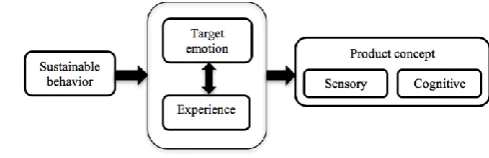
Figure 1 shows an outline of PROBET as a design framework.
A. Sustainable behavior
behavior that the design seeks to address. In social marketing, [37] also suggested the backward process of identifying the behavior first prior to strategy to suit that particular behavior. Some examples of sustainable behaviors are recycling of bottles, turning off light switches when not in use, walking, or picking up litter. The target behavior is crucial because it provides the context of the design and facilitates the process of shortlisting emotions that may be harnessed in design. In the marketing context, [38] suggested that for a marketing campaign to be viral the emotion must be appropriate for the campaign. Joy is best suited for fun brands while sadness can be used to solicit immediate response for negative life events such as disaster.
Fig. 1. PROBET Framework
In the context of sustainability, fear, for instance may not be applicable in promoting recycling behavior. The prospect of not recycling bottles does not produce an outcome that consumers will potentially be afraid of. Previous studies on the use of fear in promoting recycling behavior may also be used in evaluating whether there is a potential for such an emotion to be used. Otherwise, more appropriate emotion can be explored.
B. Emotion
Emotion drives action. The irrational behavior of people is mostly driven by strong emotional experiences. Fun had been a potent emotion used by interface designers in engaging users to play more games. When users have fun they do not notice the passage of time and desires to repeat the action. Reference [39] identified challenge, fantasy, and curiosity as drivers of fun in games. Challenge is related to the goal of the game and the means provided to achieve the goal. Users want to achieve a certain level of stimulation that is usually derived from aspiring to reach certain stages of the game. Fantasy caters to the emotional needs of the player through the presentation of the game to respond to this fantasy. The choice of fantasy greatly affects the satisfaction of the player because it is how the emotional needs are served. Although fantasy is most commonly used in games, products can also be designed to respond to emotional needs of users in terms of presentation. Some people are more attracted to audible rather than visual displays. Visual displays, on the other hand, have several dimensions that product designers can manipulate in the design process. Curiosity is another important aspect of fun because it captures attention. In games design, [39] refers to the environment of the game, the use of audio and visual effects that provides novelty. Common types of displays and effects do not arouse the interest of players because there is nothing new to expect. Experienced gamers want to be surprised in a positive way when they play games.
Reference [38] highlighted the capacity of emotions in prompting Internet users to pass along marketing
information to friends and relatives. Noted electronic marketing representatives discovered that marketing initiatives that are capable of evoking emotions become viral.
Fun was successfully used in promoting environmentally sustainable behavior as illustrated in the fun theory website. The advocates of the website believe that people are more willing to perform actions that bring fun. Empirical evidences show how the fun designs were able to prompt user to the intended action of the designers.
Surprise is another emotion that may be used by designers to draw attention and promote engagement in a product. Surprise is an initial and short reaction to a certain stimulus but it can be followed by either another negative or positive emotion. In the study of viral messages, [38] recognized that surprise is crucial in viral messages but it cannot stand alone. Thus, surprise is practical to use only to get one’s attention and then direct it to another stimulus that will enable a certain behavior. Surprise emotion is important because it breaks through the consciousness of the user and directs him/her to the next stage of the design.
Another emotion that people strive to experience is happiness. Reference [39] tackled the promise of designing to make people happy instead of just solving existing problems. Their arguments focused on the advantage of considering possibilities for creating new product concepts if the desire is for more positive experiences rather than addressing a negative concern. The benefit brought about by the state of being happy is therefore a compelling goal in design. However, happiness per se is a complicated construct as comprehensively discussed by [39]. Products are only meant to facilitate or trigger happiness through experience either by recalling happy thoughts or by enjoying an activity that used to be avoided.
Anger is a strong negative emotion that people are more willing to act on than other emotions [40]. Since people do not delight in experiencing anger, they want to release its negative effects or share it with others. Reference [41] found that people have a tendency to share their emotions especially exceptional ones. Anger is the kind of emotion that is immediately shared compared to the others probably because sharing is a form of unburdening and emancipation. A product or service may be designed to release anger. A restaurant in Tarlac, Philippines features a wall where diners can throw plates [42]. The wall encourages diners to vent their angers so they can be freed from the negative feelings. Such strong show of emotion can be redirected to more productive actions such as throwing waste instead of plates. The trick is to condition the mind to address anger by doing another thing.
Affect is a potential motivation for consumers to engage in sustainable behavior because of the natural desire to experience positive emotion and release negative ones. The need to feel good is part of the egoistic orientation and the challenge is to integrate emotional attributes into the product so it will drive people to a particular action.
C. Experience
Human experience drives intense emotion. The mere recall of past significant experiences is enough to put a tear or a smile on a person’s face. Thus, the target emotion must also be the impetus to seek inspiration from previous situations. For instance, if the target emotion is happiness or fun it may be associated to fun activities such as a hobby or a game. An example of this is designing a basketball trashcan because it is not only innovative but also fun to use. It is a new way of encouraging the community to put litter in its proper place. On the other hand, if the target emotion is fear, the motivation can come from usual fearful contexts encountered.
The link between emotion and human experience needs further exploration. People are very diverse and the motivation for the emotion-experience link may be plentiful. Such links are also influenced by culture or context of use.
Some cultures are comfortable with emotional expression while others are not. The review conducted by [46] suggested that perception and subsequent cognition is influenced by culture thus explaining differences in behavior across cultures. Culture is a means by which people perceive and evaluate the environment and conditions how people think and react [47]. Essentially, variation in culture dictates habitual patterns of attention and perception [48].
D. Product Concept
A product’s motivational quality depends on the concept’s overall adherence to the behavior-emotion relationship. Thus, it is critical to determine contexts where it will work. Kansei engineering, for example, was able to gather images that match kansei words through empirical studies [15]. For the PROBET method, empirical studies may be conducted to identify behavior-emotion linkages and how they relate to product characteristics.
The behavior identifies a range of products that would be the object of the design process. For example, if the target behavior is recycling then designers can gather data on recycling bins, recycling centers, or recyclable packaging. A range of methods may be used to collect the following: attitude, aspiration, motivation, interest, annoyance, fear, etc. Data collection needs to focus on a particular behavior to facilitate memory recall. Behavior-emotion relationships may be gleaned from responses obtained from interviews and observation. Text analysis reveals insights from voluminous data using modern computer programs.
The target emotion needs to be embodied in the product and may be elicited through variations of form and function. Novelty of idea is essential to evoke surprise. Reference [20] enumerated three types of attributes that comprise a product: distinctive, integrative and interactive. Distinctive features are easily recognizable and independent of other
product features such as color and shape. Integrative features are attributes that are dependent on other aspects of the product such as layout, size, and color combination. These features interact with each other and the designer needs to make decisions to make the best combination. Interactive features refer to the function of the product and how it connects with the user. Designers can manipulate these features through experimentation to decide on features that will provide the desired effect to the users.
The PROBET framework highlighted the use of cognitive attributes of products because of the prevalent use of posters and other campaign materials to influence consumers to change their behavior. Sensory attributes generally provide appeal for product use but in the process of communication cognitive attributes need utmost consideration. These two attributes and the manner they are used and presented in the design can determine the success of a sustainable product.
IV. PIANO STAIRS:AN EXAMPLE
One of the most popular examples of the use of fun theory is the piano stairs at the Odenplan subway station at Stockholm, Sweden. Commuters preferred to use the captivating keyboard stairs. It is estimated that 66% more people prefer to use the piano stairs over the escalator [49]. At present, different versions of piano stairs had been installed in different countries such as Italy, USA, Malaysia, and Chile among others.
The piano stairs was designed to promote the use of stairs for health and sustainability reasons. Human beings naturally choose easier alternatives when making decisions such as the use of technology to accomplish even easy tasks. With the escalator and stairs both present in a subway station, it is expected that people will line up to use the escalator and only use the stairs during emergencies such as a power outage.
Designers of the piano stairs used novelty and fun as drivers of behavior change. Designing the stairs in a different way – looking different made the commuters desire the experience. Such an experience was boosted by another attribute of the stairs, which is to emit sound. The concept that the stairs can be used as a piano and create music blew the mind of the users and made them want to try it over and over again. The difficulty of climbing the stairs was overturned by the fun of using it.
commuters. However, putting the piano stairs is too unconventional and elicited surprise. It appealed to the desire of people for beautiful things and thus became popular.
For PROBET to be useful for designers, there is a need collect data on emotions generated by various experiences. These experiences can help designers get ideas on the process of eliciting particular emotions especially those that are intense and prompt people to act. Playing the piano or listening to music is a joyful or relaxing experience for many people. The prospect of playing the piano replaced the thought of an exhausting climb and users decided to forego the easier alternative of taking the escalator. However, other fun and relaxing experiences may also be explored such as being on a beach. The stairs could have been designed to simulate a beach experience while climbing and make it an interesting path to take. A database of these positive experiences may be used as design inspirations for designing emotional products. Generally, it is better to foster positive emotions when designing products because they generate satisfying experiences. Designing negative emotions into a product or a service is unheard of because it will not attract users and promote aversion.
Once the product concept had been determined from the database of positive or negative experiences, the specific design of the product can be manipulated to include cognitive or sensory attributes. The piano stairs at the Odenplan subway station is literally a piano that commuters can use to play songs. However, there are other designs of piano stairs around the world that do not use sound but only colors to attract users such as the one in Beirut, Lebanon. Designers considered the context of use and other constraints imposed by the environment.
V. CONCLUSION
User behavior can be influenced by the design of the product. PROBET proposes that emotion should be designed into the product by considering how these emotions had been elicited by previous experiences. Most people desire to feel positive emotion and it had been proven in the past that fun, anger, and surprise led to designers’ intended actions. PROBET is an alternative method for generating design concepts that can change behavior by integrating emotion into the design through user experience. The framework can be effectively used in conceiving novel ideas that will attract users and behave as intended by the designers
REFERENCES
[1] K. Martin, S. Legg, C. Brown, "Designing for sustainability: ergonomics – carpe diem", Ergonomics, vol. 56, no. 3, pp. 365-388, 2013.
[2] R. Heijungs, G. Huppes, and J. B. Guinée, "Life cycle assessment and sustainability analysis of products, materials and technologies, toward a scientific framework for sustainability life cycle analysis", Polymer
Degradation and Stability, vol. 95, no. 3, pp. 422-428, 2010.
[3] J. J. Lee, P. O'Callaghan, and D. Allen, "Critical review of life cycle analysis and assessment techniques and their application to commercial activities", Resources, Conservation and Recycling, vol.
13, no. 1, pp. 37-56, 1995.
[4] J. H. Spangenberg, A. Fuad-Luke, and K. Blincoe, "Design for Sustainability (DfS): the interface of sustainable production and
consumption" Journal of Cleaner Production, vol. 18, no. 15, pp. 1485-1493, 2010.
[5] R. Karlsson, and C. Luttropp, "EcoDesign: what’s happening? An overview of the subject area of EcoDesign and of the papers in this special issue", Journal of Cleaner Production, vol. 14, no. 15-16, pp. 1291-1298, 2006.
[6] E. Manzini, and C. Vezzoli, "A strategic design approach to develop sustainable product service systems: examples taken from the ‘environmentally friendly innovation’ Italian prize", Journal of
Cleaner Production, vol.11, no. 8, pp. 851-857, 2003.
[7] S. A. Waage, S. A. "Re-considering product design: a practical “road-map” for integration of sustainability issues", Journal of Cleaner
Production, vol. 15 no. 7, pp. 638-649, 2007.
[8] J. S. Hirschhorn, and J. S. Oldenburg, Prosperity without Pollution. New York: Van Nostrand Reinhold, 199.
[9] J. Tingström, L. Swanström, and R. Karlsson, "Sustainability management in product development projects – the ABB experience",
Journal of Cleaner Production, vol. 14, no. 15–16, pp. 1377-1385, 2006.
[10] O. J. Hanssen, "Sustainable product systems—experiences based on case projects in sustainable product development", Journal of Cleaner Production, vol. 7, no. 1, pp. 27-41,1999.
[11] C. J. H. Midden, F. G. Kaiser, and L. T. McCalley, "Technology’s Four Roles in Understanding Individuals’ Conservation of Natural Resources", Journal of Social Issues, vol. 63, no. 1, pp. 155—174, 2007.
[12] J. M. Hines, H. R. Hungerford, and A. N. Tomera, "Analysis and Synthesis of Research on Responsible Environmental Behavior: A Meta-Analysis", The Journal of Environmental Education, vol. 18, no. 2, pp. 1–8, 1987.
[13] P. Sinclair, “Describing the elephant”: A framework for supporting sustainable development processes", Renewable and Sustainable
Energy Reviews, vol. 15 no. 6, pp. 2990– 2998, 2011.
[14] O. J. Hanssen, "Preventive strategies for improved environmental performance of product systems", Journal of Cleaner Production,
vol. 3, no. 4, pp.181-187, 1995.
[15] M. Nagamachi, "Kansei engineering as a powerful consumer-oriented technology for product development", Applied Ergonomics, vol. 33, no. 3, pp. 289-294, 2002
[16] Y. Matsubara, and M. Nagamachi, "Hybrid Kansei engineering system and design support", International Journal of Industrial
Ergonomics, vol. 19, no. 2, pp. 81-92, 1997
[17] M. Nagamachi, "Kansei Engineering: a new ergonomic consumer-oriented technology for product development", International Journal of Industrial Ergonomics, vol. 15, no. 1, pp. 3-11, 1995.
[18] H. Khalid, "Embracing diversity in user needs for affective design",
Applied Ergonomics, vol. 37, no.4, pp. 409-418, 2006.
[19] F. Zhou, Y. Ji, and R. Jiao, "Affective and cognitive design for mass personalization: status and prospect", Journal of Intelligent
Manufacturing, vol. 24, no. 5, pp. 1047-1069, 2013.
[20] R. R.Seva, H. B.-L Duh, and M.G. Helander,). The marketing implications of affective product design. Applied Ergonomics, vol. 38, no. 6, pp.723-731, 2007.
[21] R. R.Seva, K. G. T. Gosiaco, M. C. E. D. Santos, and D. M. L. Pangilinan, (). Product design enhancement using apparent usability and affective quality. Applied Ergonomics, 42(3), 511-517, 2011 [22] D. Lockton, D. Harrison, and N. A. Stanton, "The Design with Intent
Method: A design tool for influencing user behaviour", Applied
Ergonomics, vol. 41, no. 3, pp. 382-392, 2010.
[23] Volkswagen. (2015, December 23). The Fun Theory [Online] Available: http://www.thefuntheory.com/
[24] L. Schiffman, D. Bednall, E. Cowley, A. O'Cass, J. Watson, and L. Kanuk, Consumer Behavior (2nd ed.). Australia: Pearson Education Australia, 2001
[25] M. Bitner, "Servicescapes: the impact of physical surroundings on customers and employees", Journal of Marketing Research, vol. 56, no. 2, pp. 57-71, 1992.
[26] R. E. Milliman, "Using background music to affect the behavior of supermarket shoppers" Journal of Marketing Research, vol. 46, no. 3, pp. 86-91, 1982.
[27] S. J. Bell, "Image and consumer attraction to intraurban retail areas: an environmental psychology approach" Journal of Retailing and consumer services, vol. 6, no. 2, pp. 67-78, 1999.
[28] R. Batra, and D. Stayman, D. "The Role of Mood in Advertising Effectiveness", Journal of Consumer Research, vol. 17, no. 2, pp. 203-214, 1990.
[29] M. L. Richins, "Measuring emotions in the consumption experience",
[30] B. Shiv, and A. Fedorikhin, "Heart and mind in conflict: the interplay of affect and cognition in consumer decision making", Journal of
Consumer Research, vol. 26, no. 3, pp. 278-292, 1999.
[31] A. Chapanis, "To Communicate the Human Factors Message, You Have to Know What the Message Is and How to Communicate It",
Human Factors Society Bulletin, vol. 34, no. 11, pp. 1-4, 1991
[32] C. Sherwin. (2015, December 31). Sustainable behaviour by design. Available: http://www.theguardian.com/sustainable-business/blog/sustainable-behaviour-design-toolkit
[33] R.Haslam, and P. Waterson, "Ergonomics and Sustainability",
Ergonomics, vol. 56, no. 3, pp. 343-347, 2013.
[34] N. Moray, "Ergonomics and the Global Problems of the Twenty-first Century", Ergonomics, vol. 38, no. 8, pp. 1691–1707, 1995. [35] J. Vining, and A. Ebreo, "Emerging theoretical and methodological
perspectives on conservation behavior" in Handbook of
environmental psychology, R. B. Bechtel and A. Churchman, Eds.
New York: Wiley, 2002, pp. 541–558.
[36] S. M. Smith, C. P. Haugtvedt, and R. E. Petty, "Attitudes and recycling: Does the measurement of affect enhance behavioral prediction?", Psychology and Marketing, vol. 11, no. 4, pp. 359-374, 1994.
[37] D. Mckenzie-Mohr, and W. Smith, Fostering Sustainable Behavior:
an introduction to community-based social marketing. Gabriola
Island, Canada: New Society Publishers, 1999.
[38] A. Dobele, A. Lindgreen, M. Beverland, J. Vanhamme, and R. van Wijk, "Why pass on viral messages? Because they connect emotionally", Business Horizons, vol. 50, no. 4, pp. 291-304, 2007. [39] T. W. Malone, "Heuristics for designing enjoyable user interfaces:
Lessons from computer games" in Proceedings of the 1982
Conference on Human Factors in Computing Systems, Gaithersburg,
Maryland, USA, 1982.
[40] C. Nodder, Evil by Design: Interaction Design to Lead Us into
Temptation. Indianapolis, USA: Wiley, 2013.
[41] B. Rimé, P. Philippot, S. Boca, and B. Mesquita, "Long lasting cognitive and social consequences of emotion: Social sharing and rumination" in European review of social psychology , Vol. 3, W. Stroebe and M. Hewstone, Eds., Chichester, England: Wiley and Sons, 1998, pp. 225-258.
[42] Gimena, A. (2016, January 8). In Tarlac, venting anger turns into a smashing affair, (Online) Available: http://www.interaksyon.com/lifestyle/in-tarlac-venting-anger-turns-into-a-smashing-affair
[43] A. Kollmuss, and J. Agyeman, "Mind the Gap: why do people act environmentally and what are the barriers to pro-environmental behavior?", Environmental Education Research, vol. 8, no. 3, pp. 239-260, 2002.
[44] P. C. Stern, T. Dietz, T. and L. Kalof, "Value Orientations, Gender, and Environmental Concern", Environment and Behavior, vol. 25, no. 5, pp. 322-348, 1993.
[45] M. N. Kastanakis, and B. G. Voyer, "The effect of culture on perception and cognition: A conceptual framework", Journal of
Business Research, vol. 67, no. 4, pp. 425-433, 2014.
[46] H. R. Markus, and S. Kitayama, "Culture and the self: Implications for cognition, emotion, and motivation", Psychological Review, vol. 98, no. 2, pp. 224–253, 1991.
[47] R. E. Nisbett, and T. Masuda, "Culture and point of view" in Proc. of the National Academy of Sciences of the United States of America, Vol. 100, No. 19, pp. 11163-11170, 2003.
[48] C. Bates, (2016, February 29). Scaling new heights: Piano stairway encourages commuters to ditch the escalators. Available: http://www.dailymail.co.uk/sciencetech/article-1218944/Scaling-new-heights-Piano-stairway-encourages-commuters-ditch-escalators.html - ixzz41W0cUY48