Proceedings of NAACL-HLT 2018, pages 1123–1133
Filling Missing Paths: Modeling Co-occurrences of Word Pairs and
Dependency Paths for Recognizing Lexical Semantic Relations
Koki Washio and Tsuneaki Kato
Department of Language and Information Sciences Graduate School of Arts and Sciences
The University of Tokyo
3-8-1, Komaba, Meguroku, Tokyo 153-8902 Japan
{[email protected], [email protected]}.u-tokyo.ac.jp
Abstract
Recognizing lexical semantic relations be-tween word pairs is an important task for many applications of natural language processing. One of the mainstream approaches to this task is to exploit the lexico-syntactic paths con-necting two target words, which reflect the semantic relations of word pairs. However, this method requires that the considered words co-occur in a sentence. This requirement is hardly satisfied because of Zipf’s law, which states that most content words occur very rarely. In this paper, we propose novel
meth-ods with a neural model of P(path|w1, w2)
to solve this problem. Our proposed model
of P(path|w1, w2) can be learned in an
un-supervised manner and can generalize the co-occurrences of word pairs and dependency paths. This model can be used to augment the path data of word pairs that do not co-occur in the corpus, and extract features capturing re-lational information from word pairs. Our ex-perimental results demonstrate that our meth-ods improve on previous neural approaches based on dependency paths and successfully solve the focused problem.
1 Introduction
The semantic relations between words are impor-tant for many natural language processing tasks, such as recognizing textual entailment (Dagan
et al.,2010) and question answering (Yang et al.,
2017). Moreover, these relations have been also used as features for neural methods in machine
translation (Sennrich and Haddow, 2016) and
re-lation extraction (Xu et al., 2015). This type of
information is provided by manually-created se-mantic taxonomies, such as WordNet (Fellbaum, 1998). However, these resources are expensive to expand manually and have limited domain cov-erage. Thus, the automatic detection of lexico-semantic relations has been studied for several
decades.
One of the most popular approaches is based on patterns that encode a specific kind of relation-ship (synonym, hypernym, etc.) between adjacent words. This type of approach is called a path-based method. Lexico-syntactic patterns between two words provide information on semantic rela-tions. For example, if we see the pattern, “animals
such as a dog” in a corpus, we can infer that
ani-malis a hypernym ofdog. On the basis of this
as-sumption, Hearst(1992) detected the hypernymy
relation of two words from a corpus based on
sev-eral handcrafted lexico-syntactic patterns, e.g., X
such as Y.Snow et al.(2004) used as features
in-dicative dependency paths, in which target word pairs co-occurred, and trained a classifier with data to detect hypernymy relations.
In recent studies, Shwartz et al. (2016)
pro-posed a neural path-based model that encoded dependency paths between two words into low-dimensional dense vectors with recurrent neural networks (RNN) for hypernymy detection. This method can prevent sparse feature space and gen-eralize indicative dependency paths for detect-ing lexico-semantic relations. Their model out-performed the previous state-of-the-art path-based method. Moreover, they demonstrated that these dense path representations capture complementary information with word embeddings that contain individual word features. This was indicated by the experimental result that showed the combina-tion of path representacombina-tions and word embeddings improved classification performance. In addition,
Shwartz and Dagan(2016) showed that the neural
path-based approach, combined with word embed-dings, is effective in recognizing multiple seman-tic relations.
Although path-based methods can capture the relational information between two words, these methods can obtain clues only for word pairs that
co-occur in a corpus. Even with a very large corpus, it is almost impossible to observe a co-occurrence of arbitrary word pairs. Thus, path-based methods are still limited in terms of the number of word pairs that are correctly classified. To address this problem, we propose a novel
method with modeling P(path|w1, w2) in a
neu-ral unsupervised manner, wherew1andw2are the
two target words, andpathis a dependency path
that can connect the joint co-occurrence ofw1and
w2. A neural model ofP(path|w1, w2) can
gen-eralize co-occurrences of word pairs and depen-dency paths, and infer plausible dependepen-dency paths which connect two words that do not co-occur in a corpus. After unsupervised learning, this model can be used in two ways:
• Path data augmentation through predicting
dependency paths that are most likely to co-occur with a given word pair.
• Feature extraction of word pairs, capturing
the information of dependency paths as con-texts where two words co-occur.
While previous supervised path-based methods used only a small portion of a corpus, combining our models makes it possible to use an entire cor-pus for learning process.
Experimental results for four common datasets of multiple lexico-semantic relations show that our methods improve the classification performance of supervised neural path-based models.
2 Background
2.1 Supervised Lexical Semantic Relation Detection
Supervised lexical semantic relation detection
rep-resents word pairs (w1, w2) as feature vectors v
and trains a classifier with these vectors based on
training data. For word pair representations v,
we can use the distributional information of each word and path information in which two words co-occur.
Several methods exploit word embeddings
(Mikolov et al.,2013;Levy and Goldberg,2014;
Pennington et al.,2014) as distributional
informa-tion. These methods use a combination of each word’s embeddings, such as vector concatenation
(Baroni et al.,2012;Roller and Erk,2016) or
vec-tor difference (Roller et al., 2014; Weeds et al.,
2014;Vylomova et al.,2016), as word pair
repre-sentations. While these distributional supervised
methods do not require co-occurrences of two
words in a sentence,Levy et al.(2015) notes that
these methods do not learn the relationships be-tween two words but rather the separate property of each word, i.e., whether or not each word tends to have a target relation.
In contrast, supervised path-based methods can capture relational information between two words. These methods represent a word pair as the set of lexico-syntactic paths, which connect two target
words in a corpus (Snow et al.,2004). However,
these methods suffer from sparse feature space, as they cannot capture the similarity between
indica-tive lexico-syntactic paths, e.g.,X is a species of Y
andX is a kind of Y.
2.2 Neural Path-based Method
A neural path-based method can avoid the sparse feature space of the previous path-based methods
(Shwartz et al.,2016;Shwartz and Dagan,2016).
Instead of treating an entire dependency path as a single feature, this model encodes a sequence of edges of a dependency path into a dense vector using a long short-term memory network (LSTM)
(Hochreiter and Schmidhuber,1997).
A dependency path connecting two words can be extracted from the dependency tree of
a sentence. For example, given the
sen-tence “A dog is a mammal,” with X = dog
and Y = mammal, the dependency path
con-necting the two words is X/NOUN/nsubj/>
be/VERB/ROOT/- Y/NOUN/attr/<. Each edge of a dependency path is composed of a lemma, part of speech (POS), dependency label, and dependency direction.
Shwartz et al.(2016) represents each edge as the
concatenation of its component embeddings:
e= [vl;vpos;vdep;vdir] (1)
wherevl,vpos,vdep,andvdirrepresent the
embed-ding vectors of the lemma, POS, dependency la-bel, and dependency direction respectively. This
edge vectoreis an input of the LSTM at each time
step. Here, ht, the hidden state at time stept, is
abstractly computed as:
ht=LST M(ht−1,et) (2)
whereLST M computes the current hidden state
given the previous hidden stateht−1 and the
cur-rent input edge vector et along with the LSTM
treated as the representation of the dependency
pathp.
When classifying a word pair (w1, w2), the
word pair is represented as the average of the de-pendency path vectors that connect two words in a corpus:
v(w1,w2) = vpaths(w1,w2)
= P
p∈paths(w1,w2)fp,(w1,w2)·op P
p∈paths(w1,w2)fp,(w1,w2) (3)
where paths(w1, w2) is the set of dependency
paths that connects w1 andw2 in the corpus, and
fp,(w1,w2)is the frequency ofpinpaths(w1, w2).
The final output of the network is calculated as fol-lows:
y=sof tmax(W v(w1,w2)+b) (4)
whereW ∈R|c|×dis a linear transformation
ma-trix,b∈R|c|is a bias parameter,|c|is the number
of the output class, anddis the size ofv(w1,w2).
This neural path-based model can be combined
with distributional methods. Shwartz et al.(2016)
concatenated vpaths(w1,w2) to the word
embed-dings ofw1andw2, redefiningv(w1,w2)as:
v(w1,w2) = [vw1;vpaths(w1,w2);vw2] (5)
where vw1 and vw2 are word embeddings of w1
and w2, respectively. This integrated model,
named LexNET, exploits both path information and distributional information, and has high gener-alization performance for lexical semantic relation detection.
2.3 Missing Path Problem
All path-based methods, including the neural ones, suffer from data sparseness as they depend on word pair co-occurrences in a corpus. However, we cannot observe all co-occurrences of semanti-cally related words even with a very large corpus because of Zipf’s law, which states that the fre-quency distribution of words has a long tail; in other words, most words occur very infrequently
(Hanks,2009). In this paper, we refer to this
phe-nomenon as the missing path problem.
This missing path problem leads to the fact that path-based models cannot find any clues for two words that do not co-occur. Thus, in the neural
path-based method, paths(w1, w2) for these
word pairs is padded with an empty path, like UNK-lemma/UNK-POS/UNK-dep/UNK-dir.
However, this process makes path-based classi-fiers unable to distinguish between semantically-related pairs with no co-occurrences and those that have no semantic relation.
In an attempt to solve this problem,Necsulescu
et al.(2015) proposed a method that used a graph
representation of a corpus. In this graph, words and dependency relations were denoted as nodes and labeled directed edges, respectively. From this graph representation, paths linking two target words can be extracted through bridging words, even if the two words do not co-occur in the cor-pus. They represent word pairs as the sets of paths linking word pairs on the graph and train a sup-port vector machine classifier with training data, thereby improving recall. However, the authors reported that this method still suffered from data sparseness.
In this paper, we address this missing path prob-lem, which generally restricts path-based
meth-ods, by neural modelingP(path|w1, w2).
3 Method
We present a novel method for modeling
P(path|w1, w2). The purpose of this method is
to address the missing path problem by general-izing the co-occurrences of word pairs and
de-pendency paths. To model P(path|w1, w2), we
used the context-prediction approach (Collobert
and Weston,2008;Mikolov et al.,2013;Levy and
Goldberg, 2014; Pennington et al., 2014), which
is a widely used method for learning word em-beddings. In our proposed method, word pairs and dependency paths are represented as embed-dings that are updated with unsupervised learning
through predictingpathfromw1 andw2 (Section
3.1).
After the learning process, our model can be used to (1) augment path data by predicting the plausibility of the co-occurrence of two words and
a dependency path (Section 3.2); and to (2)
ex-tract useful features from word pairs, which reflect the information of co-occurring dependency paths
(Section3.3).
3.1 Unsupervised Learning
There are many possible ways to model
P(path|w1, w2). In this paper, we present a
straightforward and efficient architecture, similar to the skip-gram with negative sampling (Mikolov
vdog
<latexit sha1_base64="/GtrnDUq0q8bmr+YIEkGBCoFU6E=">AAACj3ichVG7SgNBFD2urxhfiTaCjRgUq3BXBMVCgjbaJdGoYCTsrmNcsi92N4G45Af8AC0sfICF+AF+gI0/YOEniKWCjYV3Nwuiot5hZs6cuefOHK7qGLrnEz12SJ1d3T29ib5k/8Dg0HAqPbLp2XVXEyXNNmx3W1U8YeiWKPm6b4htxxWKqRpiS62thPdbDeF6um1t+E1H7JpK1dL3dU3xmSqXVTNotCrBnl1tVVIZylIUEz+BHIMM4sjbqVuUsQcbGuowIWDBZ2xAgcdjBzIIDnO7CJhzGenRvUALSdbWOUtwhsJsjdcqn3Zi1uJzWNOL1Bq/YvB0WTmBKXqga3qhe7qhJ3r/tVYQ1Qj/0uRdbWuFUxk+Glt/+1dl8u7j4FP1h0Ll7L89+djHQuRFZ29OxIQutXb9xuHJy/picSqYpkt6Zn8X9Eh37NBqvGpXBVE8RZIbJH9vx0+wOZuVKSsX5jK55bhVCYxjEjPcj3nksIo8Svyug2Oc4VxKS/PSkpRrp0odsWYUX0Ja+wB3cZUP</latexit><latexit sha1_base64="/GtrnDUq0q8bmr+YIEkGBCoFU6E=">AAACj3ichVG7SgNBFD2urxhfiTaCjRgUq3BXBMVCgjbaJdGoYCTsrmNcsi92N4G45Af8AC0sfICF+AF+gI0/YOEniKWCjYV3Nwuiot5hZs6cuefOHK7qGLrnEz12SJ1d3T29ib5k/8Dg0HAqPbLp2XVXEyXNNmx3W1U8YeiWKPm6b4htxxWKqRpiS62thPdbDeF6um1t+E1H7JpK1dL3dU3xmSqXVTNotCrBnl1tVVIZylIUEz+BHIMM4sjbqVuUsQcbGuowIWDBZ2xAgcdjBzIIDnO7CJhzGenRvUALSdbWOUtwhsJsjdcqn3Zi1uJzWNOL1Bq/YvB0WTmBKXqga3qhe7qhJ3r/tVYQ1Qj/0uRdbWuFUxk+Glt/+1dl8u7j4FP1h0Ll7L89+djHQuRFZ29OxIQutXb9xuHJy/picSqYpkt6Zn8X9Eh37NBqvGpXBVE8RZIbJH9vx0+wOZuVKSsX5jK55bhVCYxjEjPcj3nksIo8Svyug2Oc4VxKS/PSkpRrp0odsWYUX0Ja+wB3cZUP</latexit><latexit sha1_base64="/GtrnDUq0q8bmr+YIEkGBCoFU6E=">AAACj3ichVG7SgNBFD2urxhfiTaCjRgUq3BXBMVCgjbaJdGoYCTsrmNcsi92N4G45Af8AC0sfICF+AF+gI0/YOEniKWCjYV3Nwuiot5hZs6cuefOHK7qGLrnEz12SJ1d3T29ib5k/8Dg0HAqPbLp2XVXEyXNNmx3W1U8YeiWKPm6b4htxxWKqRpiS62thPdbDeF6um1t+E1H7JpK1dL3dU3xmSqXVTNotCrBnl1tVVIZylIUEz+BHIMM4sjbqVuUsQcbGuowIWDBZ2xAgcdjBzIIDnO7CJhzGenRvUALSdbWOUtwhsJsjdcqn3Zi1uJzWNOL1Bq/YvB0WTmBKXqga3qhe7qhJ3r/tVYQ1Qj/0uRdbWuFUxk+Glt/+1dl8u7j4FP1h0Ll7L89+djHQuRFZ29OxIQutXb9xuHJy/picSqYpkt6Zn8X9Eh37NBqvGpXBVE8RZIbJH9vx0+wOZuVKSsX5jK55bhVCYxjEjPcj3nksIo8Svyug2Oc4VxKS/PSkpRrp0odsWYUX0Ja+wB3cZUP</latexit><latexit sha1_base64="dO1RVWgbv0QBXFnWGIM/DJuxBX8=">AAACdXichVG9TsJQGD1UVEQU3ExciARjHMhXHTROJi6O/MhPgoS05YINpW3aQoLEF2B1cHDSxMH4AD6Aiy/gwCMYR0xcHPwoJEaJ+jXtPffc73y3J0e1Dd31iAYBaSY4OzcfWggvRsJLy9FYpOBabUcTec0yLKekKq4wdFPkPd0zRMl2hNJSDVFUm4ej82JHOK5umcde1xaVltIw9bquKR5T6WosQSnyKz4N5AlIYFJW7AEnqMGChjZaEDDhMTagwOWnDBkEm7kKesw5jHT/XOAcYda2uUtwh8Jsk78N3pUnrMn70UzXV2t8i8Gvw8o4kvRMdzSkJ7qnF/r4dVbPnzH6ly6v6lgr7Gq0v5p7/1fV4tXD6ZfqD4XK3X978lDHnu9FZ2+2z4xcauP5nbPLYW4/m+xt0A29sr9rGtAjOzQ7b9ptRmSvEOZ85J9pTIPCdkqmlJwhhLCGdWxyDLs4wBHSyPN1NfRxIQWlLUke5ygFJoGu4FtJO59jaI2O</latexit><latexit sha1_base64="xxEV17RmVyzaFogwgjTH7txQCH0=">AAAChHichVHLSsNQFJzGd61aXQluikVxVU7cVFyI4Malr1qhlZLEaw3NiyQNaOgP+AG6cOEDXIgf4Ae48Qdc9BPEpYIbF56kAdFiPSG5c+eeOTfDqI6hez5ROyX19Q8MDg2PpEczY+MT2cnMrmc3XU2UNNuw3T1V8YShW6Lk674h9hxXKKZqiLLaWIvOy4FwPd22dvxjR+ybSt3SD3VN8ZmqVlUzDFq18MCut2rZPBUorlw3kBOQR1IbdvYBVRzAhoYmTAhY8BkbUODxU4EMgsPcPkLmXEZ6fC7QQpq1Te4S3KEw2+BvnXeVhLV4H830YrXGtxj8uqzMYY6e6Y7e6Inu6YU+/5wVxjOifznmVe1ohVObOJ3e/vhXZfLq4+hb1UOhcndvTz4OsRR70dmbEzORS60zPzg5f9te3poL5+mGXtnfNbXpkR1awbt2uym2LpDmgOTfcXSD3cWCTAV5kzCMGcxigWMoYhXr2ECJr3NwhktcSZNSUVrpRCmlkkyn8KOk1S8CG5QU</latexit><latexit sha1_base64="xxEV17RmVyzaFogwgjTH7txQCH0=">AAAChHichVHLSsNQFJzGd61aXQluikVxVU7cVFyI4Malr1qhlZLEaw3NiyQNaOgP+AG6cOEDXIgf4Ae48Qdc9BPEpYIbF56kAdFiPSG5c+eeOTfDqI6hez5ROyX19Q8MDg2PpEczY+MT2cnMrmc3XU2UNNuw3T1V8YShW6Lk674h9hxXKKZqiLLaWIvOy4FwPd22dvxjR+ybSt3SD3VN8ZmqVlUzDFq18MCut2rZPBUorlw3kBOQR1IbdvYBVRzAhoYmTAhY8BkbUODxU4EMgsPcPkLmXEZ6fC7QQpq1Te4S3KEw2+BvnXeVhLV4H830YrXGtxj8uqzMYY6e6Y7e6Inu6YU+/5wVxjOifznmVe1ohVObOJ3e/vhXZfLq4+hb1UOhcndvTz4OsRR70dmbEzORS60zPzg5f9te3poL5+mGXtnfNbXpkR1awbt2uym2LpDmgOTfcXSD3cWCTAV5kzCMGcxigWMoYhXr2ECJr3NwhktcSZNSUVrpRCmlkkyn8KOk1S8CG5QU</latexit><latexit sha1_base64="HAqT+kC+QVvSO8QXuMErxoZk7NE=">AAACj3ichVG7SgNBFD1ZXzG+Em0EGzEoVuGuTcRCgjbaRWMSwUjYXce4uC92N4G45Af8AC0sfICF+AF+gI0/YOEniGUEGwtvNguiot5hZs6cuefOHK7qGLrnEz3FpJ7evv6B+GBiaHhkdCyZGi95dt3VRFGzDdvdVhVPGLolir7uG2LbcYViqoYoq4ernftyQ7iebltbftMRu6ZSs/R9XVN8pioV1QwarWqwZ9da1WSaMhTG9E8gRyCNKPJ28g4V7MGGhjpMCFjwGRtQ4PHYgQyCw9wuAuZcRnp4L9BCgrV1zhKcoTB7yGuNTzsRa/G5U9ML1Rq/YvB0WTmNWXqkG2rTA93SM73/WisIa3T+0uRd7WqFUx07niy8/asyefdx8Kn6Q6Fy9t+efOxjMfSiszcnZDoutW79xtFpu7C0ORvM0RW9sL9LeqJ7dmg1XrXrDbF5hgQ3SP7ejp+gtJCRKSNvUDq3ErUqjinMYJ77kUUOa8ijyO86OME5LqSUlJWWpVw3VYpFmgl8CWn9A3YxlQs=</latexit><latexit sha1_base64="/GtrnDUq0q8bmr+YIEkGBCoFU6E=">AAACj3ichVG7SgNBFD2urxhfiTaCjRgUq3BXBMVCgjbaJdGoYCTsrmNcsi92N4G45Af8AC0sfICF+AF+gI0/YOEniKWCjYV3Nwuiot5hZs6cuefOHK7qGLrnEz12SJ1d3T29ib5k/8Dg0HAqPbLp2XVXEyXNNmx3W1U8YeiWKPm6b4htxxWKqRpiS62thPdbDeF6um1t+E1H7JpK1dL3dU3xmSqXVTNotCrBnl1tVVIZylIUEz+BHIMM4sjbqVuUsQcbGuowIWDBZ2xAgcdjBzIIDnO7CJhzGenRvUALSdbWOUtwhsJsjdcqn3Zi1uJzWNOL1Bq/YvB0WTmBKXqga3qhe7qhJ3r/tVYQ1Qj/0uRdbWuFUxk+Glt/+1dl8u7j4FP1h0Ll7L89+djHQuRFZ29OxIQutXb9xuHJy/picSqYpkt6Zn8X9Eh37NBqvGpXBVE8RZIbJH9vx0+wOZuVKSsX5jK55bhVCYxjEjPcj3nksIo8Svyug2Oc4VxKS/PSkpRrp0odsWYUX0Ja+wB3cZUP</latexit><latexit sha1_base64="/GtrnDUq0q8bmr+YIEkGBCoFU6E=">AAACj3ichVG7SgNBFD2urxhfiTaCjRgUq3BXBMVCgjbaJdGoYCTsrmNcsi92N4G45Af8AC0sfICF+AF+gI0/YOEniKWCjYV3Nwuiot5hZs6cuefOHK7qGLrnEz12SJ1d3T29ib5k/8Dg0HAqPbLp2XVXEyXNNmx3W1U8YeiWKPm6b4htxxWKqRpiS62thPdbDeF6um1t+E1H7JpK1dL3dU3xmSqXVTNotCrBnl1tVVIZylIUEz+BHIMM4sjbqVuUsQcbGuowIWDBZ2xAgcdjBzIIDnO7CJhzGenRvUALSdbWOUtwhsJsjdcqn3Zi1uJzWNOL1Bq/YvB0WTmBKXqga3qhe7qhJ3r/tVYQ1Qj/0uRdbWuFUxk+Glt/+1dl8u7j4FP1h0Ll7L89+djHQuRFZ29OxIQutXb9xuHJy/picSqYpkt6Zn8X9Eh37NBqvGpXBVE8RZIbJH9vx0+wOZuVKSsX5jK55bhVCYxjEjPcj3nksIo8Svyug2Oc4VxKS/PSkpRrp0odsWYUX0Ja+wB3cZUP</latexit><latexit sha1_base64="/GtrnDUq0q8bmr+YIEkGBCoFU6E=">AAACj3ichVG7SgNBFD2urxhfiTaCjRgUq3BXBMVCgjbaJdGoYCTsrmNcsi92N4G45Af8AC0sfICF+AF+gI0/YOEniKWCjYV3Nwuiot5hZs6cuefOHK7qGLrnEz12SJ1d3T29ib5k/8Dg0HAqPbLp2XVXEyXNNmx3W1U8YeiWKPm6b4htxxWKqRpiS62thPdbDeF6um1t+E1H7JpK1dL3dU3xmSqXVTNotCrBnl1tVVIZylIUEz+BHIMM4sjbqVuUsQcbGuowIWDBZ2xAgcdjBzIIDnO7CJhzGenRvUALSdbWOUtwhsJsjdcqn3Zi1uJzWNOL1Bq/YvB0WTmBKXqga3qhe7qhJ3r/tVYQ1Qj/0uRdbWuFUxk+Glt/+1dl8u7j4FP1h0Ll7L89+djHQuRFZ29OxIQutXb9xuHJy/picSqYpkt6Zn8X9Eh37NBqvGpXBVE8RZIbJH9vx0+wOZuVKSsX5jK55bhVCYxjEjPcj3nksIo8Svyug2Oc4VxKS/PSkpRrp0odsWYUX0Ja+wB3cZUP</latexit><latexit sha1_base64="/GtrnDUq0q8bmr+YIEkGBCoFU6E=">AAACj3ichVG7SgNBFD2urxhfiTaCjRgUq3BXBMVCgjbaJdGoYCTsrmNcsi92N4G45Af8AC0sfICF+AF+gI0/YOEniKWCjYV3Nwuiot5hZs6cuefOHK7qGLrnEz12SJ1d3T29ib5k/8Dg0HAqPbLp2XVXEyXNNmx3W1U8YeiWKPm6b4htxxWKqRpiS62thPdbDeF6um1t+E1H7JpK1dL3dU3xmSqXVTNotCrBnl1tVVIZylIUEz+BHIMM4sjbqVuUsQcbGuowIWDBZ2xAgcdjBzIIDnO7CJhzGenRvUALSdbWOUtwhsJsjdcqn3Zi1uJzWNOL1Bq/YvB0WTmBKXqga3qhe7qhJ3r/tVYQ1Qj/0uRdbWuFUxk+Glt/+1dl8u7j4FP1h0Ll7L89+djHQuRFZ29OxIQutXb9xuHJy/picSqYpkt6Zn8X9Eh37NBqvGpXBVE8RZIbJH9vx0+wOZuVKSsX5jK55bhVCYxjEjPcj3nksIo8Svyug2Oc4VxKS/PSkpRrp0odsWYUX0Ja+wB3cZUP</latexit><latexit sha1_base64="/GtrnDUq0q8bmr+YIEkGBCoFU6E=">AAACj3ichVG7SgNBFD2urxhfiTaCjRgUq3BXBMVCgjbaJdGoYCTsrmNcsi92N4G45Af8AC0sfICF+AF+gI0/YOEniKWCjYV3Nwuiot5hZs6cuefOHK7qGLrnEz12SJ1d3T29ib5k/8Dg0HAqPbLp2XVXEyXNNmx3W1U8YeiWKPm6b4htxxWKqRpiS62thPdbDeF6um1t+E1H7JpK1dL3dU3xmSqXVTNotCrBnl1tVVIZylIUEz+BHIMM4sjbqVuUsQcbGuowIWDBZ2xAgcdjBzIIDnO7CJhzGenRvUALSdbWOUtwhsJsjdcqn3Zi1uJzWNOL1Bq/YvB0WTmBKXqga3qhe7qhJ3r/tVYQ1Qj/0uRdbWuFUxk+Glt/+1dl8u7j4FP1h0Ll7L89+djHQuRFZ29OxIQutXb9xuHJy/picSqYpkt6Zn8X9Eh37NBqvGpXBVE8RZIbJH9vx0+wOZuVKSsX5jK55bhVCYxjEjPcj3nksIo8Svyug2Oc4VxKS/PSkpRrp0odsWYUX0Ja+wB3cZUP</latexit><latexit sha1_base64="/GtrnDUq0q8bmr+YIEkGBCoFU6E=">AAACj3ichVG7SgNBFD2urxhfiTaCjRgUq3BXBMVCgjbaJdGoYCTsrmNcsi92N4G45Af8AC0sfICF+AF+gI0/YOEniKWCjYV3Nwuiot5hZs6cuefOHK7qGLrnEz12SJ1d3T29ib5k/8Dg0HAqPbLp2XVXEyXNNmx3W1U8YeiWKPm6b4htxxWKqRpiS62thPdbDeF6um1t+E1H7JpK1dL3dU3xmSqXVTNotCrBnl1tVVIZylIUEz+BHIMM4sjbqVuUsQcbGuowIWDBZ2xAgcdjBzIIDnO7CJhzGenRvUALSdbWOUtwhsJsjdcqn3Zi1uJzWNOL1Bq/YvB0WTmBKXqga3qhe7qhJ3r/tVYQ1Qj/0uRdbWuFUxk+Glt/+1dl8u7j4FP1h0Ll7L89+djHQuRFZ29OxIQutXb9xuHJy/picSqYpkt6Zn8X9Eh37NBqvGpXBVE8RZIbJH9vx0+wOZuVKSsX5jK55bhVCYxjEjPcj3nksIo8Svyug2Oc4VxKS/PSkpRrp0odsWYUX0Ja+wB3cZUP</latexit> vanimal
<latexit sha1_base64="4DyNGEq/o+FynCeenDrXR0Wk++E=">AAAClHichVHLSsNAFD2Nr1ofrQoiuBGL4qrciKCIi2IRXIlVq4JKSeJYB/MiSQsa+gP+gIuuFF2IH+AHuPEHXPgJ4lLBjQtv04CoqDdk5syZe25yOLprSj8gekwobe0dnV3J7lRPb19/OjMwuOk7Vc8QJcMxHW9b13xhSluUAhmYYtv1hGbpptjSjwrN+62a8Hzp2BvBsSv2LK1iywNpaAFT5Ux6V7fCWr0cara0NLNezmQpR1GN/QRqDLKIa9XJ3GIX+3BgoAoLAjYCxiY0+PzsQAXBZW4PIXMeIxndC9SRYm2VuwR3aMwe8Vrh007M2nxuzvQjtcFfMfn1WDmGCXqga3qhe7qhJ3r/dVYYzWj+yzHveksr3HL6dGT97V+VxXuAw0/VHwqdu//2FOAAc5EXyd7ciGm6NFrzaydnL+vzaxPhJF3QM/s7p0e6Y4d27dW4Koq1BlIckPo9jp9gczqnUk4tzmTzi3FUSYxiHFOcxyzyWMYqSlFmDVziShlWFpSCstRqVRKxZghfSln5ABp7lpY=</latexit><latexit sha1_base64="4DyNGEq/o+FynCeenDrXR0Wk++E=">AAAClHichVHLSsNAFD2Nr1ofrQoiuBGL4qrciKCIi2IRXIlVq4JKSeJYB/MiSQsa+gP+gIuuFF2IH+AHuPEHXPgJ4lLBjQtv04CoqDdk5syZe25yOLprSj8gekwobe0dnV3J7lRPb19/OjMwuOk7Vc8QJcMxHW9b13xhSluUAhmYYtv1hGbpptjSjwrN+62a8Hzp2BvBsSv2LK1iywNpaAFT5Ux6V7fCWr0cara0NLNezmQpR1GN/QRqDLKIa9XJ3GIX+3BgoAoLAjYCxiY0+PzsQAXBZW4PIXMeIxndC9SRYm2VuwR3aMwe8Vrh007M2nxuzvQjtcFfMfn1WDmGCXqga3qhe7qhJ3r/dVYYzWj+yzHveksr3HL6dGT97V+VxXuAw0/VHwqdu//2FOAAc5EXyd7ciGm6NFrzaydnL+vzaxPhJF3QM/s7p0e6Y4d27dW4Koq1BlIckPo9jp9gczqnUk4tzmTzi3FUSYxiHFOcxyzyWMYqSlFmDVziShlWFpSCstRqVRKxZghfSln5ABp7lpY=</latexit><latexit sha1_base64="4DyNGEq/o+FynCeenDrXR0Wk++E=">AAAClHichVHLSsNAFD2Nr1ofrQoiuBGL4qrciKCIi2IRXIlVq4JKSeJYB/MiSQsa+gP+gIuuFF2IH+AHuPEHXPgJ4lLBjQtv04CoqDdk5syZe25yOLprSj8gekwobe0dnV3J7lRPb19/OjMwuOk7Vc8QJcMxHW9b13xhSluUAhmYYtv1hGbpptjSjwrN+62a8Hzp2BvBsSv2LK1iywNpaAFT5Ux6V7fCWr0cara0NLNezmQpR1GN/QRqDLKIa9XJ3GIX+3BgoAoLAjYCxiY0+PzsQAXBZW4PIXMeIxndC9SRYm2VuwR3aMwe8Vrh007M2nxuzvQjtcFfMfn1WDmGCXqga3qhe7qhJ3r/dVYYzWj+yzHveksr3HL6dGT97V+VxXuAw0/VHwqdu//2FOAAc5EXyd7ciGm6NFrzaydnL+vzaxPhJF3QM/s7p0e6Y4d27dW4Koq1BlIckPo9jp9gczqnUk4tzmTzi3FUSYxiHFOcxyzyWMYqSlFmDVziShlWFpSCstRqVRKxZghfSln5ABp7lpY=</latexit><latexit sha1_base64="dO1RVWgbv0QBXFnWGIM/DJuxBX8=">AAACdXichVG9TsJQGD1UVEQU3ExciARjHMhXHTROJi6O/MhPgoS05YINpW3aQoLEF2B1cHDSxMH4AD6Aiy/gwCMYR0xcHPwoJEaJ+jXtPffc73y3J0e1Dd31iAYBaSY4OzcfWggvRsJLy9FYpOBabUcTec0yLKekKq4wdFPkPd0zRMl2hNJSDVFUm4ej82JHOK5umcde1xaVltIw9bquKR5T6WosQSnyKz4N5AlIYFJW7AEnqMGChjZaEDDhMTagwOWnDBkEm7kKesw5jHT/XOAcYda2uUtwh8Jsk78N3pUnrMn70UzXV2t8i8Gvw8o4kvRMdzSkJ7qnF/r4dVbPnzH6ly6v6lgr7Gq0v5p7/1fV4tXD6ZfqD4XK3X978lDHnu9FZ2+2z4xcauP5nbPLYW4/m+xt0A29sr9rGtAjOzQ7b9ptRmSvEOZ85J9pTIPCdkqmlJwhhLCGdWxyDLs4wBHSyPN1NfRxIQWlLUke5ygFJoGu4FtJO59jaI2O</latexit><latexit sha1_base64="yOxYQQOKVWEVXEcXapLNohbi8IE=">AAACiXichVHLSsNAFD2N71ptdSGCm2KpuCo3bhRxIYjgsq32AVpKEkcdzIskLWjoD/gDLlwpuhA/wA9w4w+48BPEZQU3LrxNC6JFvSEzZ87cc5PD0V1T+gHRc0wZGBwaHhkdi48nJiaTqalE2XcaniFKhmM6XlXXfGFKW5QCGZii6npCs3RTVPTjjc59pSk8Xzr2TnDiipqlHdryQBpawFQ9ldzTrbDZqoeaLS3NbNVTGcpRVOl+oPZABr3KO6l77GEfDgw0YEHARsDYhAafn12oILjM1RAy5zGS0b1AC3HWNrhLcIfG7DGvh3za7bE2nzsz/Uht8FdMfj1WppGlJ7qlNj3SHb3Qx6+zwmhG519OeNe7WuHWk2ez2+//qizeAxx9qf5Q6Nz9t6cAB1iJvEj25kZMx6XRnd88PW9vrxaz4QJd0Sv7u6RnemCHdvPNuCmI4gXiHJD6M45+UF7KqZRTC4RRzGEeixzDMtaxhTxKUVQXuMaNMqOsKRvdKJVYL9NpfCtl8xOVL5WW</latexit><latexit sha1_base64="yOxYQQOKVWEVXEcXapLNohbi8IE=">AAACiXichVHLSsNAFD2N71ptdSGCm2KpuCo3bhRxIYjgsq32AVpKEkcdzIskLWjoD/gDLlwpuhA/wA9w4w+48BPEZQU3LrxNC6JFvSEzZ87cc5PD0V1T+gHRc0wZGBwaHhkdi48nJiaTqalE2XcaniFKhmM6XlXXfGFKW5QCGZii6npCs3RTVPTjjc59pSk8Xzr2TnDiipqlHdryQBpawFQ9ldzTrbDZqoeaLS3NbNVTGcpRVOl+oPZABr3KO6l77GEfDgw0YEHARsDYhAafn12oILjM1RAy5zGS0b1AC3HWNrhLcIfG7DGvh3za7bE2nzsz/Uht8FdMfj1WppGlJ7qlNj3SHb3Qx6+zwmhG519OeNe7WuHWk2ez2+//qizeAxx9qf5Q6Nz9t6cAB1iJvEj25kZMx6XRnd88PW9vrxaz4QJd0Sv7u6RnemCHdvPNuCmI4gXiHJD6M45+UF7KqZRTC4RRzGEeixzDMtaxhTxKUVQXuMaNMqOsKRvdKJVYL9NpfCtl8xOVL5WW</latexit><latexit sha1_base64="F4S4ed4zgFx83YvhnJ7r1gBov7o=">AAAClHichVHLSsNAFD2N7/poVRDBTbEorsqNG0VciCK4EmttFVRKEkcdmhdJWqihP+APuHCl6EL8AD/AjT/gwk8QlxXcuPA2DYiKekNmzpy55yaHo7um9AOip4TS0dnV3dPbl+wfGBxKpYdHSr5T9QxRNBzT8XZ0zRemtEUxkIEpdlxPaJZuim29stK6364Jz5eOvRXUXbFvaUe2PJSGFjBVTqf2dCusNcqhZktLMxvldJZyFFXmJ1BjkEVcG076Dns4gAMDVVgQsBEwNqHB52cXKgguc/sImfMYyeheoIEka6vcJbhDY7bC6xGfdmPW5nNrph+pDf6Kya/Hygym6JFuqEkPdEvP9P7rrDCa0fqXOu96Wyvccup0vPD2r8riPcDxp+oPhc7df3sKcIj5yItkb27EtFwa7fm1k7NmYWFzKpymS3phfxf0RPfs0K69Gtd5sXmOJAekfo/jJyjN5lTKqXnKLi3HUfViApOY4TzmsIQ1bKAYZXaOK1wrY8qisqKstluVRKwZxZdS1j8AGTuWkg==</latexit><latexit sha1_base64="4DyNGEq/o+FynCeenDrXR0Wk++E=">AAAClHichVHLSsNAFD2Nr1ofrQoiuBGL4qrciKCIi2IRXIlVq4JKSeJYB/MiSQsa+gP+gIuuFF2IH+AHuPEHXPgJ4lLBjQtv04CoqDdk5syZe25yOLprSj8gekwobe0dnV3J7lRPb19/OjMwuOk7Vc8QJcMxHW9b13xhSluUAhmYYtv1hGbpptjSjwrN+62a8Hzp2BvBsSv2LK1iywNpaAFT5Ux6V7fCWr0cara0NLNezmQpR1GN/QRqDLKIa9XJ3GIX+3BgoAoLAjYCxiY0+PzsQAXBZW4PIXMeIxndC9SRYm2VuwR3aMwe8Vrh007M2nxuzvQjtcFfMfn1WDmGCXqga3qhe7qhJ3r/dVYYzWj+yzHveksr3HL6dGT97V+VxXuAw0/VHwqdu//2FOAAc5EXyd7ciGm6NFrzaydnL+vzaxPhJF3QM/s7p0e6Y4d27dW4Koq1BlIckPo9jp9gczqnUk4tzmTzi3FUSYxiHFOcxyzyWMYqSlFmDVziShlWFpSCstRqVRKxZghfSln5ABp7lpY=</latexit><latexit sha1_base64="4DyNGEq/o+FynCeenDrXR0Wk++E=">AAAClHichVHLSsNAFD2Nr1ofrQoiuBGL4qrciKCIi2IRXIlVq4JKSeJYB/MiSQsa+gP+gIuuFF2IH+AHuPEHXPgJ4lLBjQtv04CoqDdk5syZe25yOLprSj8gekwobe0dnV3J7lRPb19/OjMwuOk7Vc8QJcMxHW9b13xhSluUAhmYYtv1hGbpptjSjwrN+62a8Hzp2BvBsSv2LK1iywNpaAFT5Ux6V7fCWr0cara0NLNezmQpR1GN/QRqDLKIa9XJ3GIX+3BgoAoLAjYCxiY0+PzsQAXBZW4PIXMeIxndC9SRYm2VuwR3aMwe8Vrh007M2nxuzvQjtcFfMfn1WDmGCXqga3qhe7qhJ3r/dVYYzWj+yzHveksr3HL6dGT97V+VxXuAw0/VHwqdu//2FOAAc5EXyd7ciGm6NFrzaydnL+vzaxPhJF3QM/s7p0e6Y4d27dW4Koq1BlIckPo9jp9gczqnUk4tzmTzi3FUSYxiHFOcxyzyWMYqSlFmDVziShlWFpSCstRqVRKxZghfSln5ABp7lpY=</latexit><latexit sha1_base64="4DyNGEq/o+FynCeenDrXR0Wk++E=">AAAClHichVHLSsNAFD2Nr1ofrQoiuBGL4qrciKCIi2IRXIlVq4JKSeJYB/MiSQsa+gP+gIuuFF2IH+AHuPEHXPgJ4lLBjQtv04CoqDdk5syZe25yOLprSj8gekwobe0dnV3J7lRPb19/OjMwuOk7Vc8QJcMxHW9b13xhSluUAhmYYtv1hGbpptjSjwrN+62a8Hzp2BvBsSv2LK1iywNpaAFT5Ux6V7fCWr0cara0NLNezmQpR1GN/QRqDLKIa9XJ3GIX+3BgoAoLAjYCxiY0+PzsQAXBZW4PIXMeIxndC9SRYm2VuwR3aMwe8Vrh007M2nxuzvQjtcFfMfn1WDmGCXqga3qhe7qhJ3r/dVYYzWj+yzHveksr3HL6dGT97V+VxXuAw0/VHwqdu//2FOAAc5EXyd7ciGm6NFrzaydnL+vzaxPhJF3QM/s7p0e6Y4d27dW4Koq1BlIckPo9jp9gczqnUk4tzmTzi3FUSYxiHFOcxyzyWMYqSlFmDVziShlWFpSCstRqVRKxZghfSln5ABp7lpY=</latexit><latexit sha1_base64="4DyNGEq/o+FynCeenDrXR0Wk++E=">AAAClHichVHLSsNAFD2Nr1ofrQoiuBGL4qrciKCIi2IRXIlVq4JKSeJYB/MiSQsa+gP+gIuuFF2IH+AHuPEHXPgJ4lLBjQtv04CoqDdk5syZe25yOLprSj8gekwobe0dnV3J7lRPb19/OjMwuOk7Vc8QJcMxHW9b13xhSluUAhmYYtv1hGbpptjSjwrN+62a8Hzp2BvBsSv2LK1iywNpaAFT5Ux6V7fCWr0cara0NLNezmQpR1GN/QRqDLKIa9XJ3GIX+3BgoAoLAjYCxiY0+PzsQAXBZW4PIXMeIxndC9SRYm2VuwR3aMwe8Vrh007M2nxuzvQjtcFfMfn1WDmGCXqga3qhe7qhJ3r/dVYYzWj+yzHveksr3HL6dGT97V+VxXuAw0/VHwqdu//2FOAAc5EXyd7ciGm6NFrzaydnL+vzaxPhJF3QM/s7p0e6Y4d27dW4Koq1BlIckPo9jp9gczqnUk4tzmTzi3FUSYxiHFOcxyzyWMYqSlFmDVziShlWFpSCstRqVRKxZghfSln5ABp7lpY=</latexit><latexit sha1_base64="4DyNGEq/o+FynCeenDrXR0Wk++E=">AAAClHichVHLSsNAFD2Nr1ofrQoiuBGL4qrciKCIi2IRXIlVq4JKSeJYB/MiSQsa+gP+gIuuFF2IH+AHuPEHXPgJ4lLBjQtv04CoqDdk5syZe25yOLprSj8gekwobe0dnV3J7lRPb19/OjMwuOk7Vc8QJcMxHW9b13xhSluUAhmYYtv1hGbpptjSjwrN+62a8Hzp2BvBsSv2LK1iywNpaAFT5Ux6V7fCWr0cara0NLNezmQpR1GN/QRqDLKIa9XJ3GIX+3BgoAoLAjYCxiY0+PzsQAXBZW4PIXMeIxndC9SRYm2VuwR3aMwe8Vrh007M2nxuzvQjtcFfMfn1WDmGCXqga3qhe7qhJ3r/dVYYzWj+yzHveksr3HL6dGT97V+VxXuAw0/VHwqdu//2FOAAc5EXyd7ciGm6NFrzaydnL+vzaxPhJF3QM/s7p0e6Y4d27dW4Koq1BlIckPo9jp9gczqnUk4tzmTzi3FUSYxiHFOcxyzyWMYqSlFmDVziShlWFpSCstRqVRKxZghfSln5ABp7lpY=</latexit><latexit sha1_base64="4DyNGEq/o+FynCeenDrXR0Wk++E=">AAAClHichVHLSsNAFD2Nr1ofrQoiuBGL4qrciKCIi2IRXIlVq4JKSeJYB/MiSQsa+gP+gIuuFF2IH+AHuPEHXPgJ4lLBjQtv04CoqDdk5syZe25yOLprSj8gekwobe0dnV3J7lRPb19/OjMwuOk7Vc8QJcMxHW9b13xhSluUAhmYYtv1hGbpptjSjwrN+62a8Hzp2BvBsSv2LK1iywNpaAFT5Ux6V7fCWr0cara0NLNezmQpR1GN/QRqDLKIa9XJ3GIX+3BgoAoLAjYCxiY0+PzsQAXBZW4PIXMeIxndC9SRYm2VuwR3aMwe8Vrh007M2nxuzvQjtcFfMfn1WDmGCXqga3qhe7qhJ3r/dVYYzWj+yzHveksr3HL6dGT97V+VxXuAw0/VHwqdu//2FOAAc5EXyd7ciGm6NFrzaydnL+vzaxPhJF3QM/s7p0e6Y4d27dW4Koq1BlIckPo9jp9gczqnUk4tzmTzi3FUSYxiHFOcxyzyWMYqSlFmDVziShlWFpSCstRqVRKxZghfSln5ABp7lpY=</latexit>
h
<latexit sha1_base64="Cf7LNxzj6UzH0WNX7sTXqsmJjZk=">AAACiXichVG7SgNBFD1Z34maqI1gIwbFKtwVwZBKtLHMw8RAIrK7TnTNvtjdBDT4A1Z2olYKFuIH+AE2/oBFPkEsFWwsvNksiIrxDjNz5sw9d+ZwVcfQPZ+oHZH6+gcGh4ZHorHRsfF4YmKy5NkNVxNFzTZst6wqnjB0SxR93TdE2XGFYqqG2FLr6537raZwPd22Nv1DR2ybyp6l13RN8ZkqVVWztX+8k0hSioKY/Q3kECQRRtZO3KOKXdjQ0IAJAQs+YwMKPB4VyCA4zG2jxZzLSA/uBY4RZW2DswRnKMzWed3jUyVkLT53anqBWuNXDJ4uK2cxT090S6/0SHf0TB9/1moFNTp/OeRd7WqFsxM/mS68/6syefex/6XqoVA5u7cnHzWkAy86e3MCpuNS69ZvHp29FjL5+dYCXdML+7uiNj2wQ6v5pt3kRP4SUW6Q/LMdv0FpKSVTSs4tJ1fXwlYNYwZzWOR+rGAVG8iiyO8e4BTnuJBikiylpUw3VYqEmil8C2n9E+3ykjQ=</latexit><latexit sha1_base64="Cf7LNxzj6UzH0WNX7sTXqsmJjZk=">AAACiXichVG7SgNBFD1Z34maqI1gIwbFKtwVwZBKtLHMw8RAIrK7TnTNvtjdBDT4A1Z2olYKFuIH+AE2/oBFPkEsFWwsvNksiIrxDjNz5sw9d+ZwVcfQPZ+oHZH6+gcGh4ZHorHRsfF4YmKy5NkNVxNFzTZst6wqnjB0SxR93TdE2XGFYqqG2FLr6537raZwPd22Nv1DR2ybyp6l13RN8ZkqVVWztX+8k0hSioKY/Q3kECQRRtZO3KOKXdjQ0IAJAQs+YwMKPB4VyCA4zG2jxZzLSA/uBY4RZW2DswRnKMzWed3jUyVkLT53anqBWuNXDJ4uK2cxT090S6/0SHf0TB9/1moFNTp/OeRd7WqFsxM/mS68/6syefex/6XqoVA5u7cnHzWkAy86e3MCpuNS69ZvHp29FjL5+dYCXdML+7uiNj2wQ6v5pt3kRP4SUW6Q/LMdv0FpKSVTSs4tJ1fXwlYNYwZzWOR+rGAVG8iiyO8e4BTnuJBikiylpUw3VYqEmil8C2n9E+3ykjQ=</latexit><latexit sha1_base64="Cf7LNxzj6UzH0WNX7sTXqsmJjZk=">AAACiXichVG7SgNBFD1Z34maqI1gIwbFKtwVwZBKtLHMw8RAIrK7TnTNvtjdBDT4A1Z2olYKFuIH+AE2/oBFPkEsFWwsvNksiIrxDjNz5sw9d+ZwVcfQPZ+oHZH6+gcGh4ZHorHRsfF4YmKy5NkNVxNFzTZst6wqnjB0SxR93TdE2XGFYqqG2FLr6537raZwPd22Nv1DR2ybyp6l13RN8ZkqVVWztX+8k0hSioKY/Q3kECQRRtZO3KOKXdjQ0IAJAQs+YwMKPB4VyCA4zG2jxZzLSA/uBY4RZW2DswRnKMzWed3jUyVkLT53anqBWuNXDJ4uK2cxT090S6/0SHf0TB9/1moFNTp/OeRd7WqFsxM/mS68/6syefex/6XqoVA5u7cnHzWkAy86e3MCpuNS69ZvHp29FjL5+dYCXdML+7uiNj2wQ6v5pt3kRP4SUW6Q/LMdv0FpKSVTSs4tJ1fXwlYNYwZzWOR+rGAVG8iiyO8e4BTnuJBikiylpUw3VYqEmil8C2n9E+3ykjQ=</latexit><latexit sha1_base64="Cf7LNxzj6UzH0WNX7sTXqsmJjZk=">AAACiXichVG7SgNBFD1Z34maqI1gIwbFKtwVwZBKtLHMw8RAIrK7TnTNvtjdBDT4A1Z2olYKFuIH+AE2/oBFPkEsFWwsvNksiIrxDjNz5sw9d+ZwVcfQPZ+oHZH6+gcGh4ZHorHRsfF4YmKy5NkNVxNFzTZst6wqnjB0SxR93TdE2XGFYqqG2FLr6537raZwPd22Nv1DR2ybyp6l13RN8ZkqVVWztX+8k0hSioKY/Q3kECQRRtZO3KOKXdjQ0IAJAQs+YwMKPB4VyCA4zG2jxZzLSA/uBY4RZW2DswRnKMzWed3jUyVkLT53anqBWuNXDJ4uK2cxT090S6/0SHf0TB9/1moFNTp/OeRd7WqFsxM/mS68/6syefex/6XqoVA5u7cnHzWkAy86e3MCpuNS69ZvHp29FjL5+dYCXdML+7uiNj2wQ6v5pt3kRP4SUW6Q/LMdv0FpKSVTSs4tJ1fXwlYNYwZzWOR+rGAVG8iiyO8e4BTnuJBikiylpUw3VYqEmil8C2n9E+3ykjQ=</latexit>
˜ h
<latexit sha1_base64="9NhyWcKddQJTH6hRkrChJ+EWIYQ=">AAACkXichVG7SgNBFD2u7/iK2gg2YlCswl0RfFRBG8HGV1QwKrvrJBncF7uTgC75AX9AwUrBQvwAP8DGH7DwE8RSwcbCm3VBNBjvMDNnztxzZw7X9G0ZKqKnFq21rb2js6s71dPb1z+QHhzaCr1KYIm85dlesGMaobClK/JKKlvs+IEwHNMW2+bRUv1+uyqCUHrupjr2xZ5jlFxZlJahmNovmE5UUNI+FFG5VjtIZyhLcYw1Aj0BGSSx6qXvUMAhPFiowIGAC8XYhoGQxy50EHzm9hAxFzCS8b1ADSnWVjhLcIbB7BGvJT7tJqzL53rNMFZb/IrNM2DlGCbokW7olR7olp7p489aUVyj/pdj3s0vrfAPBk5HNt7/VTm8K5S/VU0UJmc396RQxFzsRbI3P2bqLq2v+tWTs9eNhfWJaJKu6IX9XdIT3bNDt/pmXa+J9QukuEH673Y0gq3prE5ZfW0mk1tMWtWFUYxjivsxixyWsYo8vxvgHJe40oa1eS2nJblaS6IZxo/QVj4BcxKV6g==</latexit><latexit sha1_base64="9NhyWcKddQJTH6hRkrChJ+EWIYQ=">AAACkXichVG7SgNBFD2u7/iK2gg2YlCswl0RfFRBG8HGV1QwKrvrJBncF7uTgC75AX9AwUrBQvwAP8DGH7DwE8RSwcbCm3VBNBjvMDNnztxzZw7X9G0ZKqKnFq21rb2js6s71dPb1z+QHhzaCr1KYIm85dlesGMaobClK/JKKlvs+IEwHNMW2+bRUv1+uyqCUHrupjr2xZ5jlFxZlJahmNovmE5UUNI+FFG5VjtIZyhLcYw1Aj0BGSSx6qXvUMAhPFiowIGAC8XYhoGQxy50EHzm9hAxFzCS8b1ADSnWVjhLcIbB7BGvJT7tJqzL53rNMFZb/IrNM2DlGCbokW7olR7olp7p489aUVyj/pdj3s0vrfAPBk5HNt7/VTm8K5S/VU0UJmc396RQxFzsRbI3P2bqLq2v+tWTs9eNhfWJaJKu6IX9XdIT3bNDt/pmXa+J9QukuEH673Y0gq3prE5ZfW0mk1tMWtWFUYxjivsxixyWsYo8vxvgHJe40oa1eS2nJblaS6IZxo/QVj4BcxKV6g==</latexit><latexit sha1_base64="9NhyWcKddQJTH6hRkrChJ+EWIYQ=">AAACkXichVG7SgNBFD2u7/iK2gg2YlCswl0RfFRBG8HGV1QwKrvrJBncF7uTgC75AX9AwUrBQvwAP8DGH7DwE8RSwcbCm3VBNBjvMDNnztxzZw7X9G0ZKqKnFq21rb2js6s71dPb1z+QHhzaCr1KYIm85dlesGMaobClK/JKKlvs+IEwHNMW2+bRUv1+uyqCUHrupjr2xZ5jlFxZlJahmNovmE5UUNI+FFG5VjtIZyhLcYw1Aj0BGSSx6qXvUMAhPFiowIGAC8XYhoGQxy50EHzm9hAxFzCS8b1ADSnWVjhLcIbB7BGvJT7tJqzL53rNMFZb/IrNM2DlGCbokW7olR7olp7p489aUVyj/pdj3s0vrfAPBk5HNt7/VTm8K5S/VU0UJmc396RQxFzsRbI3P2bqLq2v+tWTs9eNhfWJaJKu6IX9XdIT3bNDt/pmXa+J9QukuEH673Y0gq3prE5ZfW0mk1tMWtWFUYxjivsxixyWsYo8vxvgHJe40oa1eS2nJblaS6IZxo/QVj4BcxKV6g==</latexit><latexit sha1_base64="9NhyWcKddQJTH6hRkrChJ+EWIYQ=">AAACkXichVG7SgNBFD2u7/iK2gg2YlCswl0RfFRBG8HGV1QwKrvrJBncF7uTgC75AX9AwUrBQvwAP8DGH7DwE8RSwcbCm3VBNBjvMDNnztxzZw7X9G0ZKqKnFq21rb2js6s71dPb1z+QHhzaCr1KYIm85dlesGMaobClK/JKKlvs+IEwHNMW2+bRUv1+uyqCUHrupjr2xZ5jlFxZlJahmNovmE5UUNI+FFG5VjtIZyhLcYw1Aj0BGSSx6qXvUMAhPFiowIGAC8XYhoGQxy50EHzm9hAxFzCS8b1ADSnWVjhLcIbB7BGvJT7tJqzL53rNMFZb/IrNM2DlGCbokW7olR7olp7p489aUVyj/pdj3s0vrfAPBk5HNt7/VTm8K5S/VU0UJmc396RQxFzsRbI3P2bqLq2v+tWTs9eNhfWJaJKu6IX9XdIT3bNDt/pmXa+J9QukuEH673Y0gq3prE5ZfW0mk1tMWtWFUYxjivsxixyWsYo8vxvgHJe40oa1eS2nJblaS6IZxo/QVj4BcxKV6g==</latexit>
X/NOUN/nsubj/>be/VERB/ROOT/-Y/NOUN/attr/<
<latexit sha1_base64="E1oZqr/5jwif/GwMlUhFAQrUeDM=">AAACt3ichVFNS+NQFD1mZvzojLaOG8GNTFFmY3MjgjqIiCK4slptraiUJL7a2DTJJK9FLf4B/4CCKwdciD/A3Wxc6B+YhT9hmKWCGxdzmwZERb3h5Z137j33vcM1PNsKJNFNi/Lh46fWtvaO2OcvnV3xRPfXXOBWfVNkTdd2/byhB8K2HJGVlrRF3vOFXjFssWKUZxr5lZrwA8t1luWuJzYq+pZjFS1Tl0wVEsPrUuxIKet5dT6dnVedoGpsq5OGUHOzmWk1k04vq0OrzZwupa9O7BcSSUpRGP0vgRaBJKJYcBMXWMcmXJioogIBB5KxDR0Bf2vQQPCY20CdOZ+RFeYF9hFjbZWrBFfozJb5v8WntYh1+NzoGYRqk2+xefms7McA/aEzuqVrOqe/9PBqr3rYo/GWXd6NplZ4hfhB79L9u6oK7xKlR9UbCoOr3/YkUcRY6MVib17INFyazf61vcPbpR+Zgfog/aJ/7O+EbuiSHTq1O/N0UWSOEeMBac/H8RLkhlMapbTFkeTUdDSqdvThG77zPEYxhTksIMv3HuE3rnCtjCsFpaiUmqVKS6TpwZNQfv4Hd26iKQ==</latexit>
<latexit sha1_base64="E1oZqr/5jwif/GwMlUhFAQrUeDM=">AAACt3ichVFNS+NQFD1mZvzojLaOG8GNTFFmY3MjgjqIiCK4slptraiUJL7a2DTJJK9FLf4B/4CCKwdciD/A3Wxc6B+YhT9hmKWCGxdzmwZERb3h5Z137j33vcM1PNsKJNFNi/Lh46fWtvaO2OcvnV3xRPfXXOBWfVNkTdd2/byhB8K2HJGVlrRF3vOFXjFssWKUZxr5lZrwA8t1luWuJzYq+pZjFS1Tl0wVEsPrUuxIKet5dT6dnVedoGpsq5OGUHOzmWk1k04vq0OrzZwupa9O7BcSSUpRGP0vgRaBJKJYcBMXWMcmXJioogIBB5KxDR0Bf2vQQPCY20CdOZ+RFeYF9hFjbZWrBFfozJb5v8WntYh1+NzoGYRqk2+xefms7McA/aEzuqVrOqe/9PBqr3rYo/GWXd6NplZ4hfhB79L9u6oK7xKlR9UbCoOr3/YkUcRY6MVib17INFyazf61vcPbpR+Zgfog/aJ/7O+EbuiSHTq1O/N0UWSOEeMBac/H8RLkhlMapbTFkeTUdDSqdvThG77zPEYxhTksIMv3HuE3rnCtjCsFpaiUmqVKS6TpwZNQfv4Hd26iKQ==</latexit>
<latexit sha1_base64="E1oZqr/5jwif/GwMlUhFAQrUeDM=">AAACt3ichVFNS+NQFD1mZvzojLaOG8GNTFFmY3MjgjqIiCK4slptraiUJL7a2DTJJK9FLf4B/4CCKwdciD/A3Wxc6B+YhT9hmKWCGxdzmwZERb3h5Z137j33vcM1PNsKJNFNi/Lh46fWtvaO2OcvnV3xRPfXXOBWfVNkTdd2/byhB8K2HJGVlrRF3vOFXjFssWKUZxr5lZrwA8t1luWuJzYq+pZjFS1Tl0wVEsPrUuxIKet5dT6dnVedoGpsq5OGUHOzmWk1k04vq0OrzZwupa9O7BcSSUpRGP0vgRaBJKJYcBMXWMcmXJioogIBB5KxDR0Bf2vQQPCY20CdOZ+RFeYF9hFjbZWrBFfozJb5v8WntYh1+NzoGYRqk2+xefms7McA/aEzuqVrOqe/9PBqr3rYo/GWXd6NplZ4hfhB79L9u6oK7xKlR9UbCoOr3/YkUcRY6MVib17INFyazf61vcPbpR+Zgfog/aJ/7O+EbuiSHTq1O/N0UWSOEeMBac/H8RLkhlMapbTFkeTUdDSqdvThG77zPEYxhTksIMv3HuE3rnCtjCsFpaiUmqVKS6TpwZNQfv4Hd26iKQ==</latexit>
<latexit sha1_base64="dO1RVWgbv0QBXFnWGIM/DJuxBX8=">AAACdXichVG9TsJQGD1UVEQU3ExciARjHMhXHTROJi6O/MhPgoS05YINpW3aQoLEF2B1cHDSxMH4AD6Aiy/gwCMYR0xcHPwoJEaJ+jXtPffc73y3J0e1Dd31iAYBaSY4OzcfWggvRsJLy9FYpOBabUcTec0yLKekKq4wdFPkPd0zRMl2hNJSDVFUm4ej82JHOK5umcde1xaVltIw9bquKR5T6WosQSnyKz4N5AlIYFJW7AEnqMGChjZaEDDhMTagwOWnDBkEm7kKesw5jHT/XOAcYda2uUtwh8Jsk78N3pUnrMn70UzXV2t8i8Gvw8o4kvRMdzSkJ7qnF/r4dVbPnzH6ly6v6lgr7Gq0v5p7/1fV4tXD6ZfqD4XK3X978lDHnu9FZ2+2z4xcauP5nbPLYW4/m+xt0A29sr9rGtAjOzQ7b9ptRmSvEOZ85J9pTIPCdkqmlJwhhLCGdWxyDLs4wBHSyPN1NfRxIQWlLUke5ygFJoGu4FtJO59jaI2O</latexit>
<latexit sha1_base64="gm4KyDN5ykT3iI6S7uQ6SLnEvr0=">AAACrHichVFNLwNRFD3Gd320rCQ2QoiNzh0bHxERIrFSSquCNDPjlWE6M5l5bdD4A/4AiRWJhfgBdjYW/AELP0EsSWws3E6bCII7efPuO/ee+97JMTzbCiTRY41SW1ff0NjUHGlpbWuPxjpa04Fb8E2RMl3b9TOGHgjbckRKWtIWGc8Xet6wxYqxO1OurxSFH1iusyz3PbGR17ccK2eZumQoGxtel2JPSlnKqPOJ1LzqBAVjR500hJqeTU6ryURiWR1ardR0KX114jAb66M4hdHzM9GqSR+qseDGrrGOTbgwUUAeAg4k5zZ0BPytQQPBY2wDJcZ8zqywLnCICHML3CW4Q2d0l/9bfFqrog6fyzODkG3yLTYvn5k96KcHuqQXuqcreqL3X2eVwhnlt+zzblS4wstGj7qW3v5l5XmX2P5k/cEwuPtvTRI5jIZaLNbmhUhZpVmZXzw4flkaT/aXBuicnlnfGT3SLSt0iq/mxaJIniLCBmnf7fiZpIfjGsW1RUITutGLQbZhBFOYwwJSfN0JbnCHe2VMySq5ipVKTdXTTnwJZfsDeRuhBg==</latexit>
<latexit sha1_base64="gm4KyDN5ykT3iI6S7uQ6SLnEvr0=">AAACrHichVFNLwNRFD3Gd320rCQ2QoiNzh0bHxERIrFSSquCNDPjlWE6M5l5bdD4A/4AiRWJhfgBdjYW/AELP0EsSWws3E6bCII7efPuO/ee+97JMTzbCiTRY41SW1ff0NjUHGlpbWuPxjpa04Fb8E2RMl3b9TOGHgjbckRKWtIWGc8Xet6wxYqxO1OurxSFH1iusyz3PbGR17ccK2eZumQoGxtel2JPSlnKqPOJ1LzqBAVjR500hJqeTU6ryURiWR1ardR0KX114jAb66M4hdHzM9GqSR+qseDGrrGOTbgwUUAeAg4k5zZ0BPytQQPBY2wDJcZ8zqywLnCICHML3CW4Q2d0l/9bfFqrog6fyzODkG3yLTYvn5k96KcHuqQXuqcreqL3X2eVwhnlt+zzblS4wstGj7qW3v5l5XmX2P5k/cEwuPtvTRI5jIZaLNbmhUhZpVmZXzw4flkaT/aXBuicnlnfGT3SLSt0iq/mxaJIniLCBmnf7fiZpIfjGsW1RUITutGLQbZhBFOYwwJSfN0JbnCHe2VMySq5ipVKTdXTTnwJZfsDeRuhBg==</latexit><latexit sha1_base64="yO51ddTgyJig+DNKyqMB3pN8+sQ=">AAACt3ichVFNS+NQFD1GHbXjjFU3ghuZoriZ5saNH4iIIriy2tpaaaUk8VWjaRKT16IW/4B/QGFWI7iQ+QGzm40L+wdm4U8Qlw7MxoW3aUBmRL3h5Z137j33vcM1PNsKJNFtm9Le0fmhq7sn9rH30+e+eP9ALnCrvimypmu7ft7QA2FbjshKS9oi7/lCrxi22DD2F5v5jZrwA8t11uWRJ7Yq+o5jlS1Tl0yV4hNFKQ6llPW8upLKrqhOUDX21DlDqLml9IKaTqXW1a+brZwupa/OnpTiCUpSGCMvgRaBBKJYdeM/UcQ2XJioogIBB5KxDR0BfwVoIHjMbaHOnM/ICvMCJ4ixtspVgit0Zvf5v8OnQsQ6fG72DEK1ybfYvHxWjmCUftMVPVCDftAdPb7aqx72aL7liHejpRVeqe90KPP3XVWFd4ndZ9UbCoOr3/YkUcZU6MVib17INF2arf6147OHzEx6tD5GF3TP/r7TLV2zQ6f2x7xcE+lviPGAtP/H8RLkJpIaJbU1SswvRKPqxjC+YJznMYl5LGMVWb73HL9wg4YyrZSUsrLbKlXaIs0g/gnl4Al2LqIl</latexit>
<latexit sha1_base64="E1oZqr/5jwif/GwMlUhFAQrUeDM=">AAACt3ichVFNS+NQFD1mZvzojLaOG8GNTFFmY3MjgjqIiCK4slptraiUJL7a2DTJJK9FLf4B/4CCKwdciD/A3Wxc6B+YhT9hmKWCGxdzmwZERb3h5Z137j33vcM1PNsKJNFNi/Lh46fWtvaO2OcvnV3xRPfXXOBWfVNkTdd2/byhB8K2HJGVlrRF3vOFXjFssWKUZxr5lZrwA8t1luWuJzYq+pZjFS1Tl0wVEsPrUuxIKet5dT6dnVedoGpsq5OGUHOzmWk1k04vq0OrzZwupa9O7BcSSUpRGP0vgRaBJKJYcBMXWMcmXJioogIBB5KxDR0Bf2vQQPCY20CdOZ+RFeYF9hFjbZWrBFfozJb5v8WntYh1+NzoGYRqk2+xefms7McA/aEzuqVrOqe/9PBqr3rYo/GWXd6NplZ4hfhB79L9u6oK7xKlR9UbCoOr3/YkUcRY6MVib17INFyazf61vcPbpR+Zgfog/aJ/7O+EbuiSHTq1O/N0UWSOEeMBac/H8RLkhlMapbTFkeTUdDSqdvThG77zPEYxhTksIMv3HuE3rnCtjCsFpaiUmqVKS6TpwZNQfv4Hd26iKQ==</latexit>
<latexit sha1_base64="E1oZqr/5jwif/GwMlUhFAQrUeDM=">AAACt3ichVFNS+NQFD1mZvzojLaOG8GNTFFmY3MjgjqIiCK4slptraiUJL7a2DTJJK9FLf4B/4CCKwdciD/A3Wxc6B+YhT9hmKWCGxdzmwZERb3h5Z137j33vcM1PNsKJNFNi/Lh46fWtvaO2OcvnV3xRPfXXOBWfVNkTdd2/byhB8K2HJGVlrRF3vOFXjFssWKUZxr5lZrwA8t1luWuJzYq+pZjFS1Tl0wVEsPrUuxIKet5dT6dnVedoGpsq5OGUHOzmWk1k04vq0OrzZwupa9O7BcSSUpRGP0vgRaBJKJYcBMXWMcmXJioogIBB5KxDR0Bf2vQQPCY20CdOZ+RFeYF9hFjbZWrBFfozJb5v8WntYh1+NzoGYRqk2+xefms7McA/aEzuqVrOqe/9PBqr3rYo/GWXd6NplZ4hfhB79L9u6oK7xKlR9UbCoOr3/YkUcRY6MVib17INFyazf61vcPbpR+Zgfog/aJ/7O+EbuiSHTq1O/N0UWSOEeMBac/H8RLkhlMapbTFkeTUdDSqdvThG77zPEYxhTksIMv3HuE3rnCtjCsFpaiUmqVKS6TpwZNQfv4Hd26iKQ==</latexit>
<latexit sha1_base64="E1oZqr/5jwif/GwMlUhFAQrUeDM=">AAACt3ichVFNS+NQFD1mZvzojLaOG8GNTFFmY3MjgjqIiCK4slptraiUJL7a2DTJJK9FLf4B/4CCKwdciD/A3Wxc6B+YhT9hmKWCGxdzmwZERb3h5Z137j33vcM1PNsKJNFNi/Lh46fWtvaO2OcvnV3xRPfXXOBWfVNkTdd2/byhB8K2HJGVlrRF3vOFXjFssWKUZxr5lZrwA8t1luWuJzYq+pZjFS1Tl0wVEsPrUuxIKet5dT6dnVedoGpsq5OGUHOzmWk1k04vq0OrzZwupa9O7BcSSUpRGP0vgRaBJKJYcBMXWMcmXJioogIBB5KxDR0Bf2vQQPCY20CdOZ+RFeYF9hFjbZWrBFfozJb5v8WntYh1+NzoGYRqk2+xefms7McA/aEzuqVrOqe/9PBqr3rYo/GWXd6NplZ4hfhB79L9u6oK7xKlR9UbCoOr3/YkUcRY6MVib17INFyazf61vcPbpR+Zgfog/aJ/7O+EbuiSHTq1O/N0UWSOEeMBac/H8RLkhlMapbTFkeTUdDSqdvThG77zPEYxhTksIMv3HuE3rnCtjCsFpaiUmqVKS6TpwZNQfv4Hd26iKQ==</latexit>
<latexit sha1_base64="E1oZqr/5jwif/GwMlUhFAQrUeDM=">AAACt3ichVFNS+NQFD1mZvzojLaOG8GNTFFmY3MjgjqIiCK4slptraiUJL7a2DTJJK9FLf4B/4CCKwdciD/A3Wxc6B+YhT9hmKWCGxdzmwZERb3h5Z137j33vcM1PNsKJNFNi/Lh46fWtvaO2OcvnV3xRPfXXOBWfVNkTdd2/byhB8K2HJGVlrRF3vOFXjFssWKUZxr5lZrwA8t1luWuJzYq+pZjFS1Tl0wVEsPrUuxIKet5dT6dnVedoGpsq5OGUHOzmWk1k04vq0OrzZwupa9O7BcSSUpRGP0vgRaBJKJYcBMXWMcmXJioogIBB5KxDR0Bf2vQQPCY20CdOZ+RFeYF9hFjbZWrBFfozJb5v8WntYh1+NzoGYRqk2+xefms7McA/aEzuqVrOqe/9PBqr3rYo/GWXd6NplZ4hfhB79L9u6oK7xKlR9UbCoOr3/YkUcRY6MVib17INFyazf61vcPbpR+Zgfog/aJ/7O+EbuiSHTq1O/N0UWSOEeMBac/H8RLkhlMapbTFkeTUdDSqdvThG77zPEYxhTksIMv3HuE3rnCtjCsFpaiUmqVKS6TpwZNQfv4Hd26iKQ==</latexit>
<latexit sha1_base64="E1oZqr/5jwif/GwMlUhFAQrUeDM=">AAACt3ichVFNS+NQFD1mZvzojLaOG8GNTFFmY3MjgjqIiCK4slptraiUJL7a2DTJJK9FLf4B/4CCKwdciD/A3Wxc6B+YhT9hmKWCGxdzmwZERb3h5Z137j33vcM1PNsKJNFNi/Lh46fWtvaO2OcvnV3xRPfXXOBWfVNkTdd2/byhB8K2HJGVlrRF3vOFXjFssWKUZxr5lZrwA8t1luWuJzYq+pZjFS1Tl0wVEsPrUuxIKet5dT6dnVedoGpsq5OGUHOzmWk1k04vq0OrzZwupa9O7BcSSUpRGP0vgRaBJKJYcBMXWMcmXJioogIBB5KxDR0Bf2vQQPCY20CdOZ+RFeYF9hFjbZWrBFfozJb5v8WntYh1+NzoGYRqk2+xefms7McA/aEzuqVrOqe/9PBqr3rYo/GWXd6NplZ4hfhB79L9u6oK7xKlR9UbCoOr3/YkUcRY6MVib17INFyazf61vcPbpR+Zgfog/aJ/7O+EbuiSHTq1O/N0UWSOEeMBac/H8RLkhlMapbTFkeTUdDSqdvThG77zPEYxhTksIMv3HuE3rnCtjCsFpaiUmqVKS6TpwZNQfv4Hd26iKQ==</latexit>
<latexit sha1_base64="E1oZqr/5jwif/GwMlUhFAQrUeDM=">AAACt3ichVFNS+NQFD1mZvzojLaOG8GNTFFmY3MjgjqIiCK4slptraiUJL7a2DTJJK9FLf4B/4CCKwdciD/A3Wxc6B+YhT9hmKWCGxdzmwZERb3h5Z137j33vcM1PNsKJNFNi/Lh46fWtvaO2OcvnV3xRPfXXOBWfVNkTdd2/byhB8K2HJGVlrRF3vOFXjFssWKUZxr5lZrwA8t1luWuJzYq+pZjFS1Tl0wVEsPrUuxIKet5dT6dnVedoGpsq5OGUHOzmWk1k04vq0OrzZwupa9O7BcSSUpRGP0vgRaBJKJYcBMXWMcmXJioogIBB5KxDR0Bf2vQQPCY20CdOZ+RFeYF9hFjbZWrBFfozJb5v8WntYh1+NzoGYRqk2+xefms7McA/aEzuqVrOqe/9PBqr3rYo/GWXd6NplZ4hfhB79L9u6oK7xKlR9UbCoOr3/YkUcRY6MVib17INFyazf61vcPbpR+Zgfog/aJ/7O+EbuiSHTq1O/N0UWSOEeMBac/H8RLkhlMapbTFkeTUdDSqdvThG77zPEYxhTksIMv3HuE3rnCtjCsFpaiUmqVKS6TpwZNQfv4Hd26iKQ==</latexit> X/NOUN/nsubj/>use/VERB/ROOT/-Y/NOUN/dobj/<<latexit sha1_base64="mXtEx9P6NC/iCWUB9W39xWtgAWk=">AAACuHichVHBShtRFD2Otmpaa9SN0I00pLgxc6cKioiIpeDKaExiRCWdGZ/p08nMMPMm1AZ/oD9QiisFF6Uf0GUX3dgP6CKfUFxGcOOiN5OBUkV7hzfvvHPvue8druU7MlRErR6tt+/R4/6BwdSTp0PPhtMjo+XQiwJblGzP8YKKZYbCka4oKakcUfEDYdYtR2xah687+c2GCELpuUV15Ivdullz5b60TcVUNT29o8R7pVSzoq/mS6u6G0bWgb4YhUIvvyks64V8vqhPbXWTex7nFo6r6QzlKI6Ju8BIQAZJrHnpb9jBHjzYiFCHgAvF2IGJkL9tGCD4zO2iyVzASMZ5gWOkWBtxleAKk9lD/tf4tJ2wLp87PcNYbfMtDq+AlRPI0i/6Qm26oK/0m27u7dWMe3TecsS71dUKvzr8cXzj+r+qOu8K7/6qHlBYXP2wJ4V9zMVeJHvzY6bj0u72b3z41N6YL2SbL+mMLtnfKbXoBzt0G1f2+boonCDFAzJuj+MuKL/KGZQz1mcyS8vJqAbwHC8wyfOYxRJWsIYS3/sZ33GBn9q89larabJbqvUkmjH8E1rwB5T3op0=</latexit><latexit sha1_base64="mXtEx9P6NC/iCWUB9W39xWtgAWk=">AAACuHichVHBShtRFD2Otmpaa9SN0I00pLgxc6cKioiIpeDKaExiRCWdGZ/p08nMMPMm1AZ/oD9QiisFF6Uf0GUX3dgP6CKfUFxGcOOiN5OBUkV7hzfvvHPvue8druU7MlRErR6tt+/R4/6BwdSTp0PPhtMjo+XQiwJblGzP8YKKZYbCka4oKakcUfEDYdYtR2xah687+c2GCELpuUV15Ivdullz5b60TcVUNT29o8R7pVSzoq/mS6u6G0bWgb4YhUIvvyks64V8vqhPbXWTex7nFo6r6QzlKI6Ju8BIQAZJrHnpb9jBHjzYiFCHgAvF2IGJkL9tGCD4zO2iyVzASMZ5gWOkWBtxleAKk9lD/tf4tJ2wLp87PcNYbfMtDq+AlRPI0i/6Qm26oK/0m27u7dWMe3TecsS71dUKvzr8cXzj+r+qOu8K7/6qHlBYXP2wJ4V9zMVeJHvzY6bj0u72b3z41N6YL2SbL+mMLtnfKbXoBzt0G1f2+boonCDFAzJuj+MuKL/KGZQz1mcyS8vJqAbwHC8wyfOYxRJWsIYS3/sZ33GBn9q89larabJbqvUkmjH8E1rwB5T3op0=</latexit><latexit sha1_base64="mXtEx9P6NC/iCWUB9W39xWtgAWk=">AAACuHichVHBShtRFD2Otmpaa9SN0I00pLgxc6cKioiIpeDKaExiRCWdGZ/p08nMMPMm1AZ/oD9QiisFF6Uf0GUX3dgP6CKfUFxGcOOiN5OBUkV7hzfvvHPvue8druU7MlRErR6tt+/R4/6BwdSTp0PPhtMjo+XQiwJblGzP8YKKZYbCka4oKakcUfEDYdYtR2xah687+c2GCELpuUV15Ivdullz5b60TcVUNT29o8R7pVSzoq/mS6u6G0bWgb4YhUIvvyks64V8vqhPbXWTex7nFo6r6QzlKI6Ju8BIQAZJrHnpb9jBHjzYiFCHgAvF2IGJkL9tGCD4zO2iyVzASMZ5gWOkWBtxleAKk9lD/tf4tJ2wLp87PcNYbfMtDq+AlRPI0i/6Qm26oK/0m27u7dWMe3TecsS71dUKvzr8cXzj+r+qOu8K7/6qHlBYXP2wJ4V9zMVeJHvzY6bj0u72b3z41N6YL2SbL+mMLtnfKbXoBzt0G1f2+boonCDFAzJuj+MuKL/KGZQz1mcyS8vJqAbwHC8wyfOYxRJWsIYS3/sZ33GBn9q89larabJbqvUkmjH8E1rwB5T3op0=</latexit><latexit sha1_base64="mXtEx9P6NC/iCWUB9W39xWtgAWk=">AAACuHichVHBShtRFD2Otmpaa9SN0I00pLgxc6cKioiIpeDKaExiRCWdGZ/p08nMMPMm1AZ/oD9QiisFF6Uf0GUX3dgP6CKfUFxGcOOiN5OBUkV7hzfvvHPvue8druU7MlRErR6tt+/R4/6BwdSTp0PPhtMjo+XQiwJblGzP8YKKZYbCka4oKakcUfEDYdYtR2xah687+c2GCELpuUV15Ivdullz5b60TcVUNT29o8R7pVSzoq/mS6u6G0bWgb4YhUIvvyks64V8vqhPbXWTex7nFo6r6QzlKI6Ju8BIQAZJrHnpb9jBHjzYiFCHgAvF2IGJkL9tGCD4zO2iyVzASMZ5gWOkWBtxleAKk9lD/tf4tJ2wLp87PcNYbfMtDq+AlRPI0i/6Qm26oK/0m27u7dWMe3TecsS71dUKvzr8cXzj+r+qOu8K7/6qHlBYXP2wJ4V9zMVeJHvzY6bj0u72b3z41N6YL2SbL+mMLtnfKbXoBzt0G1f2+boonCDFAzJuj+MuKL/KGZQz1mcyS8vJqAbwHC8wyfOYxRJWsIYS3/sZ33GBn9q89larabJbqvUkmjH8E1rwB5T3op0=</latexit>
v<latexit sha1_base64="CYws+TkVgllPJYVjfIAOoCPDuc8=">AAACkHichVHNLgNRFP6M//orNhIb0RCr5oxINDaKjVhRioSmmRmXTsyfmdsmNekLeIEubFRiIR7AA9h4AQuPIJYkNhZOp5MIgnNz7/3ud8937v1ydM8yA0n02Ka0d3R2dff0Jvr6BwaHksMj24Fb9g2RN1zL9Xd1LRCW6Yi8NKUldj1faLZuiR39eKV5v1MRfmC6zpaseqJga0eOeWgammSqsK/bYaVWDD1NlmrFZIrSFMXET6DGIIU41t3kLfZxABcGyrAh4EAytqAh4LEHFQSPuQJC5nxGZnQvUEOCtWXOEpyhMXvM6xGf9mLW4XOzZhCpDX7F4umzcgJT9EDX9EL3dENP9P5rrTCq0fxLlXe9pRVecehsbPPtX5XNu0TpU/WHQufsvz1JHCITeTHZmxcxTZdGq37ltP6yuZCbCqfpkp7ZX4Me6Y4dOpVX42pD5M6R4Aap39vxE2zPplVKqxtzqexy3KoejGMSM9yPeWSxinXk+d0T1HGBhjKiZJRFZamVqrTFmlF8CWXtA5arlYw=</latexit><latexit sha1_base64="CYws+TkVgllPJYVjfIAOoCPDuc8=">AAACkHichVHNLgNRFP6M//orNhIb0RCr5oxINDaKjVhRioSmmRmXTsyfmdsmNekLeIEubFRiIR7AA9h4AQuPIJYkNhZOp5MIgnNz7/3ud8937v1ydM8yA0n02Ka0d3R2dff0Jvr6BwaHksMj24Fb9g2RN1zL9Xd1LRCW6Yi8NKUldj1faLZuiR39eKV5v1MRfmC6zpaseqJga0eOeWgammSqsK/bYaVWDD1NlmrFZIrSFMXET6DGIIU41t3kLfZxABcGyrAh4EAytqAh4LEHFQSPuQJC5nxGZnQvUEOCtWXOEpyhMXvM6xGf9mLW4XOzZhCpDX7F4umzcgJT9EDX9EL3dENP9P5rrTCq0fxLlXe9pRVecehsbPPtX5XNu0TpU/WHQufsvz1JHCITeTHZmxcxTZdGq37ltP6yuZCbCqfpkp7ZX4Me6Y4dOpVX42pD5M6R4Aap39vxE2zPplVKqxtzqexy3KoejGMSM9yPeWSxinXk+d0T1HGBhjKiZJRFZamVqrTFmlF8CWXtA5arlYw=</latexit><latexit sha1_base64="CYws+TkVgllPJYVjfIAOoCPDuc8=">AAACkHichVHNLgNRFP6M//orNhIb0RCr5oxINDaKjVhRioSmmRmXTsyfmdsmNekLeIEubFRiIR7AA9h4AQuPIJYkNhZOp5MIgnNz7/3ud8937v1ydM8yA0n02Ka0d3R2dff0Jvr6BwaHksMj24Fb9g2RN1zL9Xd1LRCW6Yi8NKUldj1faLZuiR39eKV5v1MRfmC6zpaseqJga0eOeWgammSqsK/bYaVWDD1NlmrFZIrSFMXET6DGIIU41t3kLfZxABcGyrAh4EAytqAh4LEHFQSPuQJC5nxGZnQvUEOCtWXOEpyhMXvM6xGf9mLW4XOzZhCpDX7F4umzcgJT9EDX9EL3dENP9P5rrTCq0fxLlXe9pRVecehsbPPtX5XNu0TpU/WHQufsvz1JHCITeTHZmxcxTZdGq37ltP6yuZCbCqfpkp7ZX4Me6Y4dOpVX42pD5M6R4Aap39vxE2zPplVKqxtzqexy3KoejGMSM9yPeWSxinXk+d0T1HGBhjKiZJRFZamVqrTFmlF8CWXtA5arlYw=</latexit><latexit sha1_base64="CYws+TkVgllPJYVjfIAOoCPDuc8=">AAACkHichVHNLgNRFP6M//orNhIb0RCr5oxINDaKjVhRioSmmRmXTsyfmdsmNekLeIEubFRiIR7AA9h4AQuPIJYkNhZOp5MIgnNz7/3ud8937v1ydM8yA0n02Ka0d3R2dff0Jvr6BwaHksMj24Fb9g2RN1zL9Xd1LRCW6Yi8NKUldj1faLZuiR39eKV5v1MRfmC6zpaseqJga0eOeWgammSqsK/bYaVWDD1NlmrFZIrSFMXET6DGIIU41t3kLfZxABcGyrAh4EAytqAh4LEHFQSPuQJC5nxGZnQvUEOCtWXOEpyhMXvM6xGf9mLW4XOzZhCpDX7F4umzcgJT9EDX9EL3dENP9P5rrTCq0fxLlXe9pRVecehsbPPtX5XNu0TpU/WHQufsvz1JHCITeTHZmxcxTZdGq37ltP6yuZCbCqfpkp7ZX4Me6Y4dOpVX42pD5M6R4Aap39vxE2zPplVKqxtzqexy3KoejGMSM9yPeWSxinXk+d0T1HGBhjKiZJRFZamVqrTFmlF8CWXtA5arlYw=</latexit> path
vpath0
<latexit sha1_base64="cBHnqO+WWUcshC0rQX0ZBRxOQ7w=">AAACkXichVG7SgNBFD2u7/iK2gg2Yohahbsi+KiCNoKNr2ggiWF3nejivtidBHTJD/gDClYKFuIH+AE2/oCFnyCWCjYW3qwLosF4h5k5c+aeO3O4umeZgSR6alPaOzq7unt6E339A4NDyeGRncCt+obIGa7l+nldC4RlOiInTWmJvOcLzdYtsasfrTTud2vCD0zX2ZbHnijZ2oFjVkxDk0ztFXU7rNXLoafJw+l6OZmiDEUx0QzUGKQQx7qbvEMR+3BhoAobAg4kYwsaAh4FqCB4zJUQMuczMqN7gToSrK1yluAMjdkjXg/4VIhZh8+NmkGkNvgVi6fPygmk6ZFu6JUe6Jae6ePPWmFUo/GXY971L63wykOnY1vv/6ps3iUOv1UtFDpnt/YkUcFC5MVkb17ENFwaX/VrJ2evW0ub6XCKruiF/V3SE92zQ6f2ZlxviM0LJLhB6u92NIOd2YxKGXVjLpVdjlvVg3FMYob7MY8sVrGOHL/r4xyXuFJGlUUlq8S5SlusGcWPUNY+ARR5lb0=</latexit>
<latexit sha1_base64="cBHnqO+WWUcshC0rQX0ZBRxOQ7w=">AAACkXichVG7SgNBFD2u7/iK2gg2Yohahbsi+KiCNoKNr2ggiWF3nejivtidBHTJD/gDClYKFuIH+AE2/oCFnyCWCjYW3qwLosF4h5k5c+aeO3O4umeZgSR6alPaOzq7unt6E339A4NDyeGRncCt+obIGa7l+nldC4RlOiInTWmJvOcLzdYtsasfrTTud2vCD0zX2ZbHnijZ2oFjVkxDk0ztFXU7rNXLoafJw+l6OZmiDEUx0QzUGKQQx7qbvEMR+3BhoAobAg4kYwsaAh4FqCB4zJUQMuczMqN7gToSrK1yluAMjdkjXg/4VIhZh8+NmkGkNvgVi6fPygmk6ZFu6JUe6Jae6ePPWmFUo/GXY971L63wykOnY1vv/6ps3iUOv1UtFDpnt/YkUcFC5MVkb17ENFwaX/VrJ2evW0ub6XCKruiF/V3SE92zQ6f2ZlxviM0LJLhB6u92NIOd2YxKGXVjLpVdjlvVg3FMYob7MY8sVrGOHL/r4xyXuFJGlUUlq8S5SlusGcWPUNY+ARR5lb0=</latexit>
<latexit sha1_base64="cBHnqO+WWUcshC0rQX0ZBRxOQ7w=">AAACkXichVG7SgNBFD2u7/iK2gg2Yohahbsi+KiCNoKNr2ggiWF3nejivtidBHTJD/gDClYKFuIH+AE2/oCFnyCWCjYW3qwLosF4h5k5c+aeO3O4umeZgSR6alPaOzq7unt6E339A4NDyeGRncCt+obIGa7l+nldC4RlOiInTWmJvOcLzdYtsasfrTTud2vCD0zX2ZbHnijZ2oFjVkxDk0ztFXU7rNXLoafJw+l6OZmiDEUx0QzUGKQQx7qbvEMR+3BhoAobAg4kYwsaAh4FqCB4zJUQMuczMqN7gToSrK1yluAMjdkjXg/4VIhZh8+NmkGkNvgVi6fPygmk6ZFu6JUe6Jae6ePPWmFUo/GXY971L63wykOnY1vv/6ps3iUOv1UtFDpnt/YkUcFC5MVkb17ENFwaX/VrJ2evW0ub6XCKruiF/V3SE92zQ6f2ZlxviM0LJLhB6u92NIOd2YxKGXVjLpVdjlvVg3FMYob7MY8sVrGOHL/r4xyXuFJGlUUlq8S5SlusGcWPUNY+ARR5lb0=</latexit>
[image:4.595.89.269.68.186.2]<latexit sha1_base64="cBHnqO+WWUcshC0rQX0ZBRxOQ7w=">AAACkXichVG7SgNBFD2u7/iK2gg2Yohahbsi+KiCNoKNr2ggiWF3nejivtidBHTJD/gDClYKFuIH+AE2/oCFnyCWCjYW3qwLosF4h5k5c+aeO3O4umeZgSR6alPaOzq7unt6E339A4NDyeGRncCt+obIGa7l+nldC4RlOiInTWmJvOcLzdYtsasfrTTud2vCD0zX2ZbHnijZ2oFjVkxDk0ztFXU7rNXLoafJw+l6OZmiDEUx0QzUGKQQx7qbvEMR+3BhoAobAg4kYwsaAh4FqCB4zJUQMuczMqN7gToSrK1yluAMjdkjXg/4VIhZh8+NmkGkNvgVi6fPygmk6ZFu6JUe6Jae6ePPWmFUo/GXY971L63wykOnY1vv/6ps3iUOv1UtFDpnt/YkUcFC5MVkb17ENFwaX/VrJ2evW0ub6XCKruiF/V3SE92zQ6f2ZlxviM0LJLhB6u92NIOd2YxKGXVjLpVdjlvVg3FMYob7MY8sVrGOHL/r4xyXuFJGlUUlq8S5SlusGcWPUNY+ARR5lb0=</latexit>
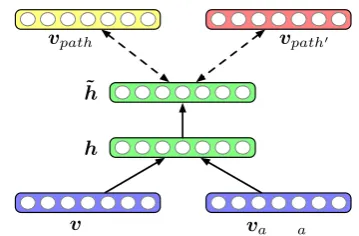
Figure 1: An illustration of our network for modeling
P(path|w1, w2). Given a word pair (dog, animal),
our model makes h˜ of (dog, animal) similar to
vpath of the observed co-occurring dependency
path X/NOUN/nsubj/> be/VERB/ROOT/-Y/NOUN/attr/< and dissimilar to vpath0 of the
unobserved paths, such as X/NOUN/nsubj/>
use/VERB/ROOT/- Y/NOUN/dobj/<, through unsupervised learning.
Figure1depicts our network structure, which is
described below.
Data and Network Architecture
We are able to extract many triples(w1, w2, path)
from a corpus after dependency parsing. We
de-note a set of these triples as D. These triples
are the instances used for the unsupervised
learn-ing ofP(path|w1, w2). Given(w1, w2, path), our
model learns through predictingpathfromw1and
w2.
We encode word pairs into dense vectors as fol-lows:
h(w1,w2) = tanh(W1[vw1;vw2] +b1) (6)
˜
h(w1,w2) = tanh(W2h(w1,w2)+b2) (7)
where[vw1;vw2]is the concatenation of the word
embeddings of w1 andw2; W1, b1, W2, andb2
are the parameter matrices and bias parameters of
the two linear transformations; and˜h
(w1,w2)is the
representation of the word pair.
We associate each path with the embedding
vpath, initialized randomly. While we use a simple
way to represent dependency paths in this paper, LSTM can be used to encode each path in the way
described in Section2.2. If LSTM is used,
learn-ing time increases but similarities among paths will be captured.
Objective
We used the negative sampling objective for
train-ing (Mikolov et al., 2013). Given the word pair
representations˜h
(w1,w2)and the dependency path
representations vpath, our model was trained to
distinguish real(w1, w2, path)triples from
incor-rect ones. The log-likelihood objective is as fol-lows:
L = X
(w1,w2,path)∈D
logσ(vpath·˜h(w1,w2))
+ X
(w1,w2,path0)∈D0
logσ(−vpath0·h˜(w1,w2))(8)
where, D0 is the set of randomly generated
negative samples. We constructed n triples
(w1, w2, path0) for each (w1, w2, path) ∈ D,
where n is a hyperparameter and each path0 is
drawn according to its unigram distribution raised
to the3/4power. The objectiveLwas maximized
using the stochastic gradient descent algorithm.
3.2 Path Data Augmentation
After the unsupervised learning described above,
our model of P(path|w1, w2) can assign the
plausibility score σ(vpath ·˜h(w1,w2)) to the
co-occurrences of a word pair and a dependency path. We can then append the plausible
depen-dency paths to paths(w1, w2), the set of
depen-dency paths that connectsw1andw2in the corpus,
based on these scores.
We calculate the score of each dependency path
given (X = w1, Y = w2) and append the
k dependency paths with the highest scores to
paths(w1, w2), wherekis a hyperparameter. We
perform the same process given(X = w2, Y =
w1) with the exception of swapping theXandY
in the dependency paths to be appended. As a
re-sult, we add2kdependency paths to the set of
de-pendency paths for each word pair. Through this data augmentation, we can obtain plausible depen-dency paths even when word pairs do not co-occur in the corpus. Note that we retain the empty path
indicators of paths(w1, w2), as we believe that
this information contributes to classifying two un-related words.
3.3 Feature Extractor of Word Pairs
Our model can be used as a feature extractor
of word pairs. We can exploit ˜h
(w1,w2) to
rep-resent the word pair (w1, w2). This
represen-tation captures the information of co-occurrence
dependency paths of (w1, w2) in a generalized
fashion. Thus, ˜h
(w1,w2) is used to construct the
pseudo-path representationvp−paths(w1,w2). With
datasets relations
K&H+N hypernym, meronym, co-hyponym, random
BLESS hypernym, meronym, co-hyponym, random
ROOT09 hypernym, co-hyponym, random
[image:5.595.313.520.172.234.2]EVALution hypernym, meronym, attribute, synonym, antonym, holonym, substance meronym
Table 1: The relation types in each dataset.
follows:
vp−paths(w1,w2)= [˜h(w1,w2);˜h(w2,w1)] (9)
This representation can be used for word pair clas-sification tasks, such as lexical semantic relation detection.
4 Experiment
In this section, we examine how our method im-proves path-based models on several datasets for recognizing lexical semantic relations. In this pa-per, we focus on major noun relations, such as hy-pernymy, co-hyhy-pernymy, and meronymy.
4.1 Dataset
We relied on the datasets used inShwartz and
Da-gan (2016); K&H+N (Necsulescu et al., 2015).
BLESS (Baroni and Lenci, 2011), EVALution
(Santus et al.,2015), and ROOT09 (Santus et al.,
2016). These datasets were constructed with
knowledge resources (e.g., WordNet, Wikipedia), crowd-sourcing, or both. We used noun pair
in-stances of these datasets.1 Table 1 displays the
relations in each dataset used in our experiments.
Note that we removed the two relations Entails
andMemberOf with few instances from
EVALu-tion following Shwartz and Dagan (2016). For
data splitting, we used the presplitted train/val/test
sets fromShwartz and Dagan(2016) after
remov-ing all but the noun pairs from each set.
4.2 Corpus and Dependency Parsing
For path-based methods, we used the June 2017 Wikipedia dump as a corpus and extracted
(w1, w2, path)triples of noun pairs using the
de-pendency parser of spaCy2to constructD. In this
process,w1andw2 were lemmatized with spaCy.
We only used the dependency paths which
oc-1We focused only noun pairs to shorten the unsupervised learning time, though this restriction is not necessary for our methods and the unsupervised learning is still tractable.
2https://spacy.io
datasets instances with pathsinstances proportion
K&H+N 57509 8866 15.4%
BLESS 14558 8775 60.3%
ROOT09 8602 6582 76.5%
EVALution 3240 3199 98.7%
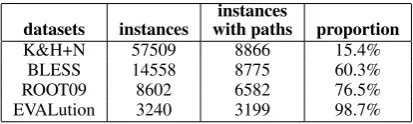
Table 2: The number and proportion of instances whose dependency path is obtained from each dataset
curred at least five times following the
implemen-tation ofShwartz and Dagan(2016).3
Table2displays the number of instances and the
proportion of the instances for which at least one dependency path was obtained.
4.3 Baseline
We conducted experiments with three neural path-based methods. The implementation details below
follow those in Shwartz and Dagan (2016). We
implemented all models using Chainer.4
Neural Path-Based Model (NPB). We
imple-mented and trained the neural path-based model
described in Section 2.2. We used the two-layer
LSTM with 60-dimensional hidden units. An in-put vector was composed of embedding vectors of the lemma (50 dims), POS (4 dims), dependency label (5 dims), and dependency direction (1 dim). Regularization was applied by a dropout on each
of the components embeddings (Iyyer et al.,2015;
Kiperwasser and Goldberg,2016).
LexNET. We implemented and trained the
inte-grated model LexNET as described in Section2.2.
The LSTM details are the same as in the NPB model.
LexNET h. This model, a variant of LexNET,
has an additional hidden layer between the
out-put layer and v(w1,w2) of Equation (5). Because
of this additional hidden layer, this model can take into account the interaction of the path information
LSTM
UNK-lemma/UNK-POS/UNK-dep/UNK-dir
define/VERB/ROOT/- as/ADP/prep/< Y/NOUN/pobj/< X/NOUN/dobj/>
X/NOUN/nsubj/> be/VERB/ROOT/- Y/NOUN/attri/<
LSTM LSTM
vw1
vw2
vpaths
vp paths
Output
Our learned model
LexNET
P(path|w1, w2)
<latexit sha1_base64="1lOwjvqBRe6ZenWVOMd+aktFOEo=">AAACmnichVHLSuRAFD3Gd/tqFUHQRWOjOCDNTeMjuhJno7hpH62CSkhiqcG8SKpbNPoD/oALVwqzUD/AD3DjD7jwE2SWDrhx4e10M4OIzi2q6tSpe27V4ZqBY0eS6KlOqW9obGpuaU21tXd0dqW7e9YivxRaomj5jh9umEYkHNsTRWlLR2wEoTBc0xHr5sHPyv16WYSR7Xur8igQ266x59m7tmVIpvR0X7xlupnCaGDI/ZNDXR071PM/TvV0lnLT0+PahJZhoE1qaj6j5iiJvyCLWhT89B22sAMfFkpwIeBBMnZgIOKxCRWEgLltxMyFjOzkXuAUKdaWOEtwhsHsAa97fNqssR6fKzWjRG3xKw7PkJUZDNMjXdMLPdAtPdPbl7XipEblL0e8m1WtCPSus/6V1/+qXN4l9v+pvlGYnP29J4ldaIkXm70FCVNxaVXrl4/PX1ZmlofjEbqi3+zvkp7onh165T/WryWxfIEUN+hTOz6DtXxOpZy6NJ6dnau1qgUDGMIo92MKs5hHAUV+N8YlbnCrDCpzyoKyWE1V6mqaXnwIZfUdpp+YBg==</latexit>
<latexit sha1_base64="1lOwjvqBRe6ZenWVOMd+aktFOEo=">AAACmnichVHLSuRAFD3Gd/tqFUHQRWOjOCDNTeMjuhJno7hpH62CSkhiqcG8SKpbNPoD/oALVwqzUD/AD3DjD7jwE2SWDrhx4e10M4OIzi2q6tSpe27V4ZqBY0eS6KlOqW9obGpuaU21tXd0dqW7e9YivxRaomj5jh9umEYkHNsTRWlLR2wEoTBc0xHr5sHPyv16WYSR7Xur8igQ266x59m7tmVIpvR0X7xlupnCaGDI/ZNDXR071PM/TvV0lnLT0+PahJZhoE1qaj6j5iiJvyCLWhT89B22sAMfFkpwIeBBMnZgIOKxCRWEgLltxMyFjOzkXuAUKdaWOEtwhsHsAa97fNqssR6fKzWjRG3xKw7PkJUZDNMjXdMLPdAtPdPbl7XipEblL0e8m1WtCPSus/6V1/+qXN4l9v+pvlGYnP29J4ldaIkXm70FCVNxaVXrl4/PX1ZmlofjEbqi3+zvkp7onh165T/WryWxfIEUN+hTOz6DtXxOpZy6NJ6dnau1qgUDGMIo92MKs5hHAUV+N8YlbnCrDCpzyoKyWE1V6mqaXnwIZfUdpp+YBg==</latexit>
<latexit sha1_base64="1lOwjvqBRe6ZenWVOMd+aktFOEo=">AAACmnichVHLSuRAFD3Gd/tqFUHQRWOjOCDNTeMjuhJno7hpH62CSkhiqcG8SKpbNPoD/oALVwqzUD/AD3DjD7jwE2SWDrhx4e10M4OIzi2q6tSpe27V4ZqBY0eS6KlOqW9obGpuaU21tXd0dqW7e9YivxRaomj5jh9umEYkHNsTRWlLR2wEoTBc0xHr5sHPyv16WYSR7Xur8igQ266x59m7tmVIpvR0X7xlupnCaGDI/ZNDXR071PM/TvV0lnLT0+PahJZhoE1qaj6j5iiJvyCLWhT89B22sAMfFkpwIeBBMnZgIOKxCRWEgLltxMyFjOzkXuAUKdaWOEtwhsHsAa97fNqssR6fKzWjRG3xKw7PkJUZDNMjXdMLPdAtPdPbl7XipEblL0e8m1WtCPSus/6V1/+qXN4l9v+pvlGYnP29J4ldaIkXm70FCVNxaVXrl4/PX1ZmlofjEbqi3+zvkp7onh165T/WryWxfIEUN+hTOz6DtXxOpZy6NJ6dnau1qgUDGMIo92MKs5hHAUV+N8YlbnCrDCpzyoKyWE1V6mqaXnwIZfUdpp+YBg==</latexit>
<latexit sha1_base64="1lOwjvqBRe6ZenWVOMd+aktFOEo=">AAACmnichVHLSuRAFD3Gd/tqFUHQRWOjOCDNTeMjuhJno7hpH62CSkhiqcG8SKpbNPoD/oALVwqzUD/AD3DjD7jwE2SWDrhx4e10M4OIzi2q6tSpe27V4ZqBY0eS6KlOqW9obGpuaU21tXd0dqW7e9YivxRaomj5jh9umEYkHNsTRWlLR2wEoTBc0xHr5sHPyv16WYSR7Xur8igQ266x59m7tmVIpvR0X7xlupnCaGDI/ZNDXR071PM/TvV0lnLT0+PahJZhoE1qaj6j5iiJvyCLWhT89B22sAMfFkpwIeBBMnZgIOKxCRWEgLltxMyFjOzkXuAUKdaWOEtwhsHsAa97fNqssR6fKzWjRG3xKw7PkJUZDNMjXdMLPdAtPdPbl7XipEblL0e8m1WtCPSus/6V1/+qXN4l9v+pvlGYnP29J4ldaIkXm70FCVNxaVXrl4/PX1ZmlofjEbqi3+zvkp7onh165T/WryWxfIEUN+hTOz6DtXxOpZy6NJ6dnau1qgUDGMIo92MKs5hHAUV+N8YlbnCrDCpzyoKyWE1V6mqaXnwIZfUdpp+YBg==</latexit>
+Aug
+Rep
Predicted path Predicted path
[image:6.595.77.520.68.309.2]Average pooling
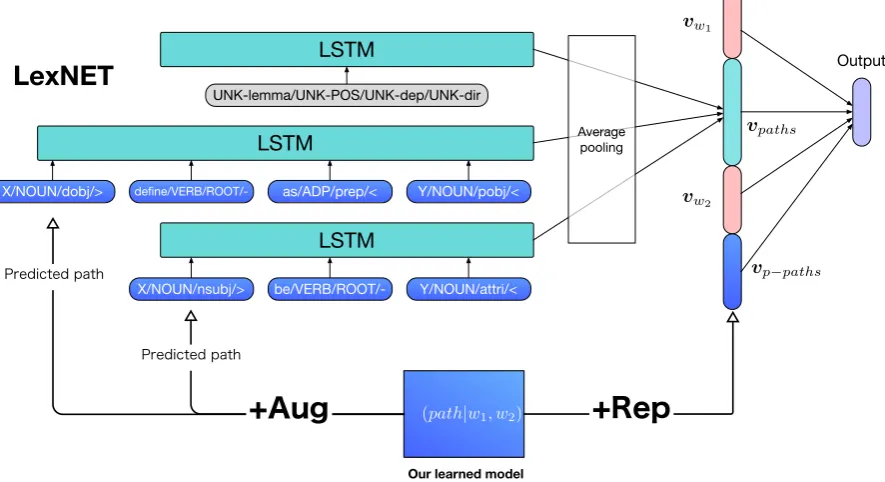
Figure 2: Illustration of +Aug and +Rep applied to LexNET. +Aug predicts plausible paths from two word em-beddings, and these paths are fed into the LSTM path encoder. +Rep concatenates the pseudo-path representation
vp−paths(w1,w2)with the penultimate layer of LexNET
and distributional information of two word embed-dings. The size of the additional hidden layer was set to 60.
Following Shwartz and Dagan (2016), we
opti-mized each model using Adam (whose learning
rate is 0.001) while tuning the dropout rate dr
among{0.0,0.2,0.4} on the validation set. The
minibatch size was set to 100.
We initialized the lemma embeddings of LSTM and concatenated the word embeddings of LexNET with the pretrained 50-dimensional
GloVe vector.5 Training was stopped if
perfor-mance on the validation set did not improve for seven epochs, and the best model for test evalua-tion was selected based on the score of the valida-tion set.
4.4 Our Method
We implemented and trained our model of
P(path|w1, w2), described in Section3.1, as
fol-lows. We used the most frequent 30,000 paths connecting nouns as the context paths for unsuper-vised learning. We initialized word embeddings with the same pretrained GloVe vector as the base-line models. For unsupervised learning data, we
5https://nlp.stanford.edu/projects/
glove/
extracted(w1, w2, path), whosew1andw2are
in-cluded in the vocabulary of the GloVe vector, and
whosepathis included in the context paths, from
D. The number of these triples was 217,737,765.
We set the size ofh(w1,w2),˜h(w1,w2), andvpath
for context paths to 100. The negative sampling
sizenwas set to 5. We trained our model for five
epochs using Adam (whose learning rate is 0.001). The minibatch size was 100. To preserve the dis-tributional regularity of the pretrained word beddings, we did not update the input word em-beddings during the unsupervised learning.
With our trained model, we applied the two
methods described in Section 3.2 and 3.3 to the
NPB and LexNET models as follows:
+Aug. We added the most plausible 2k paths to
eachpaths(w1, w2)as in Section 3.2. We tuned
k∈ {1,3,5}on the validation set.
+Rep. We concatenatedvp−paths(w1,w2)in
Equa-tion (9) with the penultimate layer. To focus on the pure contribution of unsupervised learning, we did not update this component during supervised learning.
Figure 2 illustrates +Aug and +Rep applied to
LexNET in the case where the two target words,
Models K&H+N BLESS ROOT09 EVALution
NPB 0.495 0.773 0.731 0.463
[image:7.595.160.440.62.105.2]NPB+Aug 0.897 0.842 0.778 0.489
Table 3: Classification performance of the neural path-based model (NPB) and that with the path data augmentation (NPB+Aug).
Models K&H+N BLESS ROOT09 EVALution
LexNET 0.969 0.922 0.776 0.539
LexNET h 0.968 0.927 0.810 0.540
LexNET+Aug 0.970 0.927 0.806 0.545
LexNET+Rep 0.970 0.944 0.832 0.565
LexNET+Aug+Rep 0.969 0.942 0.820 0.567
Table 4: Classification performance of the integrated model, LexNET and LexNET h, and those with our methods, +Aug and +Rep.
5 Result
In this section we examine how our methods im-proved the baseline models. Following the
pre-vious research (Shwartz and Dagan, 2016), the
performance metrics were the “averaged” F1 of
scikit-learn (Pedregosa et al., 2011), which
com-putes the F1 for each relation, and reports their
average weighted by the number of true instances for each relation.
5.1 Path-based Model and Path Data Augmentation
We examined whether or not our path data aug-mentation method +Aug contributes to the neural path-based method. The results are displayed in
Table3.
Applying our path data augmentation method improved the classification performance on each dataset. Especially for K&H+N, the large dataset where the three-fourths of word pairs had no paths, our method significantly improved the per-formance. This result shows that our path data augmentation effectively solves the missing path problem. Moreover, the model with our method outperforms the baseline on EVALution, in which nearly all word pairs co-occurred in the corpus. This indicates that the predicted paths provide use-ful information and enhance the path-based classi-fication. We examine the paths that were predicted
by our model ofP(path|w1, w2)in Section6.1.
5.2 Integrated Model and Our Methods We investigated how our methods using modeling
P(path|w1, w2)improved the baseline integrated
model, LexNET. Table4displays the results.
Our proposed methods, +Aug and +Rep, im-proved the performance of LexNET on each
dataset.6 Moreover, the best score on each dataset
was achieved by the model to which our methods were applied. These results show that our meth-ods are also effective with the integrated models based on path information and distributional infor-mation.
The table also shows that LexNET+Rep outper-forms LexNET h, though the former has fewer pa-rameters to be tuned during the supervised learn-ing than the latter. This indicates that the word pair representations of our model capture information beyond the interaction of two word embeddings. We investigate the properties of our word pair
rep-resentation in Section6.2.
Finally, We found that applying both methods did not necessarily yield the best performance. A possible explanation for this is that applying both methods is redundant, as both +Aug and +Rep
de-pend on the same model ofP(path|w1, w2).
6 Analysis
In this section, we investigate the properties of the predicted dependency paths and word pair repre-sentations of our model.
6.1 Predicted Dependency Paths
We extracted the word pairs of BLESS without co-occurring dependency paths and predicted the
Word pair Relation Predicted paths
X/NOUN/nsubj/> be/VERB/ROOT/- shooter/NOUN/attr/< Y/NOUN/compound/<
X = “jacket”, Y = “commodity” hypernym X/NOUN/nsubj/> be/VERB/ROOT/- Y/NOUN/attr/<
manufacture/VERB/acl/<
red/ADJ/amod/< X/NOUN/nsubj/> be/VERB/ROOT/-Y/NOUN/attr/<
X/NOUN/nsubj/> be/VERB/ROOT/- species/NOUN/attr/< of/ADP/prep/< Y/NOUN/pobj/< of/ADP/prep/>
X = “goose”, Y = “creature” hypernym X/NOUN/nsubj/> be/VERB/ROOT/- specie/NOUN/attr/<
of/ADP/prep/< Y/NOUN/pobj/< in/ADP/prep/> X/NOUN/pobj/> of/ADP/ROOT/- bird/NOUN/pobj/< Y/NOUN/conj/<
X/NOUN/ROOT/- represent/VERB/relcl/< Y/NOUN/nsubj/<
X = “owl”, Y = “rump” meronym X/NOUN/nsubj/> have/VERB/ROOT/- Y/NOUN/dobj/<
be/VERB/relcl/>
all/DET/det/< X/NOUN/nsubj/> have/VERB/ROOT/-Y/NOUN/dobj/<
X/NOUN/pobj/> of/ADP/ROOT/- arm/NOUN/pobj/< Y/NOUN/conj/<
X = “mug”, Y = “plastic” meronym the/DET/det/< X/NOUN/nsubjpass/>
make/VERB/ROOT/-from/ADP/prep/< Y/NOUN/pobj/<
X/NOUN/compound/> gun/NOUN/ROOT/- Y/NOUN/appos/< X/NOUN/compound/> leaf/NOUN/ROOT/- Y/NOUN/conj/<
X = “carrot”, Y = “beans” co-hyponym X/NOUN/compound/> specie/NOUN/ROOT/- Y/NOUN/conj/<
X/NOUN/dobj/> use/VERB/ROOT/- in/ADP/prep/< Y/NOUN/pobj/< of/ADP/prep/>
X/NOUN/dobj/> play/VERB/ROOT/- guitar/NOUN/dobj/< Y/NOUN/conj/<
X = “cello”, Y = “kazoo” co-hyponym X/NOUN/pobj/> for/ADP/ROOT/- piano/NOUN/pobj/<
Y/NOUN/conj<
[image:8.595.88.511.59.372.2]X/NOUN/pobj/> on/ADP/ROOT/- drum/NOUN/pobj/< Y/NOUN/conj/<
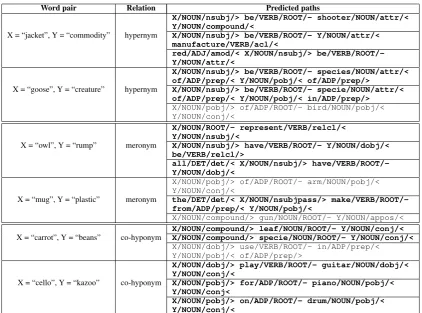
Table 5: Predicted paths with our model for a word pair of each relation in BLESS.
plausible dependency paths of those pairs with our
model ofP(path|w1, w2). The examples are
dis-played in Table5at the top three paths. We used
the bold style for the paths that we believe to be in-dicative or representative for a given relationship.
Our model predicted plausible and indicative dependency paths for each relation, although the predicted paths also contain some implausible or unindicative ones. For hypernymy, our model pre-dicted variants of the is-a path according to
do-mains, such asX is Y manufactured in the
cloth-ing domain andX is a species of Y in the animal
domain. For(owl, rump), which is a meronymy
pair, the top predicted path was X that Y
repre-sent. This is not plausible for (owl, rump) but
is indicative for meronymy, particularly member-of relations. Moreover, domain-independent paths
which indicate meronymy, such as all X have
Y, were predicted. For (mug, plastic), one
of the predicted paths, X is made from Y, is
also a domain-independent indicative path for meronymy. For co-hypernymy, our model pre-dicted domain-specific paths, which indicate that two nouns are of the same kind. For
exam-ples, given X leaf and Y and X specie and Y of
(carrot, beans), we can infer that both X and Y
are plants or vegetables. Likewise, givenplay X,
guitar, and Y of(cello, kazoo), we can infer that
both X and Y are musical instruments. These ex-amples show that our path data augmentation is ef-fective for the missing path problem and enhances path-based models.
6.2 Visualizing Word Pair Representations We visualized the word pair representations
vp−paths(w1,w2) to examine their specific
proper-ties. In BLESS, every pair was annotated with 17 domain class labels. For each domain, we reduced the dimensionality of the representations using
t-SNE (Maaten and Hinton, 2008) and plotted the
data points of the hypernyms, co-hyponyms, and meronyms. We compared our representations with the concatenation of two word embeddings (pre-trained 50-dimensional GloVe). The examples are
displayed in Figure3.
We found that our representations (the top row
in Figure3) grouped the word pairs according to
Figure 3: Visualization of the our word pair representationsvp−paths(w1,w2)(top row) and the concatenation of
two word embeddings (bottom row) using t-SNE in some domains. The two axes of each plot,xandy, are the
reduced dimensions using t-SNE.
the concatenation of word embeddings (the
bot-tom row in Figure3) has little or no such tendency
in all domains. The data points of the concatena-tion of word embeddings are scattered or jumbled. This is because the concatenation of word embed-dings cannot capture the relational information of word pairs but only the distributional information
of each word (Levy et al.,2015).
This visualization further shows that our word pair representations can be used as pseudo-path representations to alleviate the missing path prob-lem.
7 Conclusion
In this paper, we proposed the novel
meth-ods with modeling P(path|w1, w2) to solve the
missing path problem. Our neural model of
P(path|w1, w2) can be learned from a corpus in
an unsupervised manner, and can generalize co-occurrences of word pairs and dependency paths. We demonstrated that this model can be applied in the two ways: (1) to augment path data by predict-ing plausible paths for a given word pair, and (2) to extract from word pairs useful features captur-ing co-occurrcaptur-ing path information. Finally, our ex-periments demonstrated that our methods can im-prove upon the previous models and successfully solve the missing path problem.
In future work, we will explore unsupervised learning with a neural path encoder. Our model bears not only word pair representations but also dependency path representations as context
vec-tors. Thus, we intend to apply these representa-tions to various tasks, which path representarepresenta-tions contribute to.
Acknowledgments
This work was supported by JSPS KAKENHI Grant numbers JP17H01831, JP15K12873.
References
Marco Baroni, Raffaella Bernardi, Ngoc-Quynh Do,
and Chung-chieh Shan. 2012. Entailment above
the word level in distributional semantics. In Pro-ceedings of the 13th Conference of the European Chapter of the Association for Computational Lin-guistics. Association for Computational
Linguis-tics, pages 23–32. http://www.aclweb.org/
anthology/E12-1004.
Marco Baroni and Alessandro Lenci. 2011. How we
blessed distributional semantic evaluation. In Pro-ceedings of the GEMS 2011 Workshop on Geomet-rical Models of Natural Language Semantics. As-sociation for Computational Linguistics, pages 1– 10.http://www.aclweb.org/anthology/ W11-2501.
Ronan Collobert and Jason Weston. 2008. A unified architecture for natural language processing: Deep
neural networks with multitask learning. In
Pro-ceedings of the 25th international conference on Machine learning. ACM, pages 160–167.
Ido Dagan, Bill Dolan, Bernardo Magnini, and Dan
Roth. 2010. Recognizing textual entailment: