Cluster 3: Space Radiation - Report
C L U S T E R
3
The THESEUS Coordination and Support Action has received funding from the European Community’s 7th Framework Programme (FP7/2007-2013) under grant agreement n°242482.
This document only reflects the views of the THESEUS Consortium. The European Commission is not liable for any use that may be made of the information contained therein.
Cluster 3: Space Radiation - Report
Radiation Effects on Humans
Radiation Dosimetry
THESEUS: Towards Human Exploration of Space
– a European Strategy
Past space missions in low Earth orbit have demonstrated that human beings can survive and work in space for long durations. However, there are pending technological, medical and psychological issues that must be solved before adventuring into longer-duration space missions (e.g. protection against ionizing radiation, psychological issues, behaviour and performance, prevention of bone loss, etc.). Furthermore, technological breakthroughs, e.g. in life support systems and recycling technologies, are required to reduce the cost of future expeditions to acceptable levels. Solving these issues will require scientific and technological breakthroughs in clinical and industrial applications, many of which will have relevance to health issues on Earth as well.
Despite existing ESA and NASA studies or roadmaps, Europe still lacks a roadmap for human exploration of space approved by the European scientific and industrial communities. The objective of THESEUS is to develop an integrated life sciences research roadmap enabling European human space exploration in synergy with the ESA strategy, taking advantage of the expertise available in Europe and identifying the potential of non-space applications and dual research and development.
THESEUS Expert Groups
The basis of this activity is the coordination of 14 disciplinary Expert Groups (EGs) composed of key European and international experts in their field. Particular attention has been given to ensure that complementary ex-pertise is gathered in the EGs.
EGs are clustered according to their focus:
Cluster 1: Integrated Systems Physiology
Bone and muscle Heart, lungs and kidneys Immunology
Neurophysiology
Nutrition and metabolism
Cluster 2: Psychology and Human-machine Systems
Group/team processes Human/machine interface Skill maintenance
Cluster 3: Space Radiation
Radiation effects on humans Radiation dosimetry
Cluster 4: Habitat Management
Microbiological quality control of the indoor environment in space
Life support: management and regeneration of air, water and food
Cluster 5: Health Care
Space medicine Medication in space
Identification of Research Priorities and Development of the THESEUS Roadmap
Each Expert Group based their work on brainstorming sessions dedicated to identifying key issues in their specific field of knowledge. Key issues can be defined as disciplinary topics representing challenges for human space exploration, requiring further attention in the future. These key issues were addressed to the scientific community through an online consultation; comments and inputs received were used to refine them, to consi-der knowledge gaps and research needs associated to them, as well as to suggest potential investigations.
Table of Contents
1. Radiation Effects on Humans ...5
1.1. Introduction ... 6
1.2. Key Issues ... 7
1.2.1. Key Issue 1: What is the particle and dose rate dependency for acute effects? ... 7
1.2.2. Key Issue 2: How is the sensitivity to acute effects modified by the space environment?... 7
1.2.3. Key Issue 3: What is the effectiveness of GCR at low doses for carcinogenesis? ... 8
1.2.4. Key Issue 4: Is there a risk of CNS damage from low doses of GCR? ... 9
1.2.5. Key issue 5: Is there a risk of non-cancer late effects from low doses of GCR? ...10
1.2.6. Key Issue 6: Is there a risk of hereditary effects from low doses of GCR? ...11
1.2.7. Key Issue 7: How will multi-scale mechanistic-based modelling of space radiation improve risk estimates? ...12
1.2.8. Key Issue 8: How can radiation effects be effectively mitigated? ...12
1.3. Conclusion ...13
1.4. References ...15
2. Radiation Dosimetry ...19
2.1. Introduction ...19
2.2. Key Issues ...20
2.2.1. Key Issue 1: Experimental determination of radiation field parameters ...20
2.2.2. Key Issue 2: Modelling of radiation environments...22
2.2.3. Key Issue 3: Space weather forecast ...23
2.2.4. Key Issue 4: Transport codes ...25
2.2.5. Key issue 5: Shielding ...26
2.2.6. Key Issue 6: Individual radiation exposures ...28
2.2.7. Key Issue 7: Support to mission planning and operation ...30
2.3. Conclusion ...31
2.4. References ...32
Cosmic radiation is considered the main health hazard for human exploration and colonisation of the solar system. Radiation risk is characterised by a high un-certainty and lack of simple countermeasures. Most of the uncertainty on space radiation risk is associated with the poor knowledge of biological effects of cos-mic rays. In particular, gaps in knowledge are mostly related to:
Relative Biological Effectiveness (RBE) factors of
•
energetic heavy ions for late effects, both cancer and non-cancer;
Dose and dose-rate reduction effectiveness
fac-•
tors (DDREFs);
Errors in human data including statistics,
dosim-•
etry and transfer between populations in applica-tion to space radiaapplica-tion risks;
Effects of exposure to the mixed high- and
low-•
LET space radiation field;
Shape of the dose-response curve at low doses
•
for charged particles;
Interaction of radiation damage with other space en-vironment stressors, particularly microgravity.
The main biological effects associated with exposure to cosmic radiation are:
Carcinogenesis;
•
Late degenerative tissue effects;
•
Acute effects;
•
Hereditary effects.
•
Currently, cancer dominates risk estimates and dose limits are primarily constrained by cancer mortality risk. However, non-cancer effects are becoming an in-creasing source of concern. They can be again divided into:
Acute and late damage to the central nervous
sys-•
tem (CNS);
Cataract formation;
•
Cardiovascular diseases including coronary heart
•
disease and stroke;
Digestive and respiratory diseases;
•
Accelerated senescence leading to endocrine and
•
immune system dysfunction.
Reducing the uncertainty of the risk estimates is clearly the main research priority. Effective counter-measure design can only become possible once the uncertainty of risk estimates is reduced.
The priorities of research that are necessary to sup-port foreseen space travel and planetary exploration represent a unique set of problems whose solution demands an in-depth understanding of the whole human body and cross-disciplinary work between life scientists, engineers and technologists. All the neces-sary expertise has been acquired by European scien-tists during the past decades. In the context of the THESEUS project, the objective of this Expert Group was to gather this European expertise to create syner-gies, facilitating an integrated approach on emerged research priorities. Because of the necessary holistic approach, those research programmes obviously re-quired the involvement of scientists whose expertise is disseminated across Europe.
The following section reports the conclusions of the ‘Radiation Effects on Humans’ Expert Group. This group met during two Expert Workshops in 2010. The workshops were organised sessions aimed at consid-ering the key questions to address, the latest devel-opments, the gaps to fill and the Earth-based applica-tions.
Radiation Effects on Humans
1
1.2 Group/Team Processes– Key Issues
1.2.1. Key Issue 1: What is the particle and dose rate dependency for acute effects?
Relevance for space exploration missions
One of the unknown aspects of long-duration space missions is the influence of different spaceflight parameters on the occurrence of acute radiation effects. Crewmembers may be exposed to different doses and qualities of radiation, threatening life quality and individual survivability, thereby disrupting mission success.
Earth benefits and applications
The main applications are in the fields of medical treatments in terms of normal tissue damage in particle therapy and protection from high-dose exposures in nuclear accidents or radiological terrorism.
Brief review of latest developments
Recent experiments at the NASA Space Radiation Laboratory (Brookhaven National Laboratory, NY, USA) show that protons at low dose rate (around 10 mGy/min) are less effective than at high dose rate. This sparing effect, similar to what would be expected for X-rays, should be considered in assessing the acute risk, as many solar particle events (SPEs) deliver doses at dose rates below 10 mGy/min.
Knowledge gaps and research needs
The different phases of acute radiation syndrome have been studied in humans in radiation-accident related cases, therapy-related cases and animal experiments under normal terrestrial conditions. Little is known on the occurrence of the prodomal syndrome (which can be relevant especially for long-term missions outside the magnetic shield of Earth) dependent on the special conditions of the space environment. More needs to be known on the dose (fluence) and dose rate dependency for the prodomal syndromes and other acute tissue effects for protons
and helium ions at different energies. Furthermore, the inter-individual variability for acute effects should be studied in mechanistic detail.
Proposed investigations and recommendations
Reviewing data from proton and heavy ion
•
therapy;
Performing mechanistic in-vitro and 3D human
•
tissue models as well as animal experiments in accelerators;
Performing energy and dose rate dependent
•
studies in accelerators;
Providing an adequate infrastructure such as
•
access to accelerator facilities, low dose rate radiation sources, mixed radiation fields, and animal facilities.
Trans-disciplinary aspects
This issue is linked to radiation dosimetry and immunology aspects for the impact of acute exposure on immune system and health care for radio-protective drugs.
1.2.2. Key Issue 2: How is the sensitivity to acute effects modified by the space environment?
Relevance for space exploration missions
For cancer treatments with high and moderate doses from X-rays, protons and heavy ions (carbon) under terrestrial conditions, the occurrence of acute radiation effects has been seen. However, only little or nothing is known on the possible contribution of spaceflight factors other than radiation. Interaction of space environment (e.g. microgravity) and radiation is a possible risk for long-term human space missions.
Earth benefits and applications
Brief review of latest developments
There is increasing evidence that acute effects from protons are modulated by the immune system and this can affect the colonisation of the gastrointestinal tract by bacteria. This stresses the importance of measuring of acute radiation effects in realistic space environment conditions where the immune system is impaired.
Knowledge gaps and research needs
The interaction of radiation with other spaceflight factors is currently under study for systemic biological responses related to the prodomal syndrome. However, little is known on the impact on acute radiosensitivity of the following factors: immune status, influence of multiple stressors in the space environment, nutrition, physical exercise protocols, pre-existing motion sickness, sleep deprivation and biorhythm disturbances, high oxygen concentrations and altered body fluid distribution. Age and gender influence should also be considered.
Proposed investigations and recommendations
Spaceflight experiments with animals exposed to
•
high doses from an on-board radiation source; Animal experiments at accelerators using
•
simulated microgravity and/or other space factors;
Structuring investigations in a hypothesis-driven
•
manner and appropriate design to generate statistically significant results;
Providing adequate infrastructure such as access
•
to spaceflight animal cabinets, access to artificial on-board radiation sources and access to ground-based accelerator facilities equipped with microgravity simulation devices.
Trans-disciplinary aspects
Similar to Key Issue 1, this issue is mostly related to radiation dosimetry, immunology and medication in space, but habitat management is also of interest as the exposure conditions depend on the life support system.
1.2.3. Key Issue 3: What is the effectiveness of GCR at low doses for carcinogenesis?
Relevance for space exploration missions
Exposure of astronauts to galactic cosmic radiation (GCR) is a continuous threat for spaceflight missions. During long-term missions, doses can be reached that have been reported to be relevant for carcinogenesis and other stochastic radiation effects. Accordingly, the contribution from galactic cosmic-ray exposure to late effects, such as carcinogenesis, has to be known to assess the risk for astronauts and other space travellers.
Earth benefits and applications
General applications for Earth primarily include ground-based radiation protection, and research for medical applications of radiation in the fields of radiation-induced secondary tumours after particle therapy.
Brief review of latest developments
Recent results in animal models have demonstrated that the RBE for hematopoietic cancers is lower than for solid tumours. NASA is now recommending two different RBE values for leukaemia and solid cancers.
Knowledge gaps and research needs
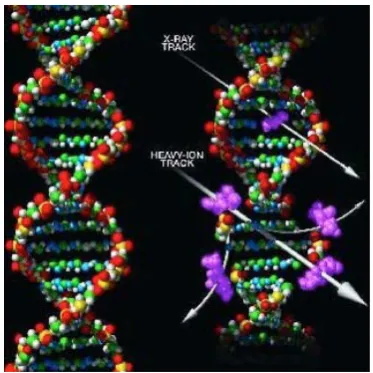
Figure 1:An artist’s concept of DNA battered by galactic cosmic rays (Credit: OBPR).
predisposition to cancer induction and progression; what is the contribution of spaceflight environment parameters; do single particle traversals in cells affect cellular late effects; what are the track structure characteristics for determining effectiveness, and what is the role of non-targeted effects in carcinogenesis?
Proposed investigations and recommendations
Accelerator experiments using innovative biological
•
systems to model radiation-related endpoints relevant for carcinogenesis;
Investigations of biomarkers in astronauts;
•
Mechanistic experiments with genetically modified cell
•
or animal models;
Particle microbeam facilities and access to
ground-•
based accelerator facilities are needed for the suggested experiments. For verification of data obtained under terrestrial conditions, access to spaceflight platforms will be necessary.
Trans-disciplinary aspects
The link to radiation dosimetry is obviously very important, but a strong interaction with integrated physiology aspects is also necessary, considering that the dose-response curves for carcinogenesis are organ-specific.
1.2.4. Key Issue 4: Is there a risk of CNS damage from low doses of GCR?
Relevance for space exploration missions
Central nervous system (CNS) damage in astronauts from radiation may be a critical point for mission success, as changes in behaviour and/or individual stress response may result in critical situations. Results from animal experiments demonstrate the impact of even low doses from high-LET radiation on performance and premature ageing. Accordingly, the contribution from galactic cosmic-ray exposure to CNS damage has to be known for risk assessment in astronauts and other space travellers.
Earth benefits and applications
postulated to modulate Alzheimer and Parkinson’s disease, this provides a mechanistic linkage to these common neurological disorders.
Brief review of latest developments
Although behavioural experiments are still unclear, much progress has been made in the mechanisms, particularly in measuring the effects of radiation on brain stem cells. Tissue models are particularly useful to this goal. Most of the data point to a strong effect of reactive oxygen species (ROS) and inflammation in the hippocampus.
Knowledge gaps and research needs
The following questions have to be answered to understand space radiation-induced CNS damage: can behavioural changes occur as consequence of single heavy ion traversals; what is the molecular basis of radiation induced neurological damage; is there a role of ROS in CNS damage; do long-term effects exist for CNS; what are the sensitive structures and/or cell types in the brain; is there a contribution of multiple stressors during spaceflight with regard to radiation-induced CNS damage?
Proposed investigations and recommendations
A thorough review of normal tissue complications
•
in patients with brain tumours and/or other diseases treated with X-rays, protons or heavy ions would be the first approach for performing meta-analysis of the corresponding human data; Meta-analysis data should be verified with
•
accelerator experiments using animals and innovative biological model systems;
For these studies, particle microbeam facilities
•
and access to ground-based accelerator facilities are needed. For verification of data obtained under terrestrial conditions access to spaceflight platforms will be necessary.
Trans-disciplinary aspects
This issue has strong relations with neurophysiology.
1.2.5. Key issue 5: Is there a risk of non-cancer late effects from low doses of GCR?
Relevance for space exploration missions
Currently, little is known on non-cancer late effects in astronauts after radiation exposure. So far, radiation-induced cataracts are best understood, where most data are derived for terrestrial radiation and some data are obtained with astronauts. Less is known on non-cancer effects in other organs or tissues.
Earth benefits and applications
More research in this area could produce better knowledge of non-cancer effects and their relevance for radiation protection and particle therapy on Earth.
Brief review of latest developments
The epidemiological studies are still unable to provide information at doses below 0.5 Gy for cardiovascular disease. It has been suggested that one possible biological mechanism is damage to endothelial cells and subsequent induction of an inflammatory response.
Knowledge gaps and research needs
The main general question is the shape of the dose-response relationship for different radiation qualities and different dose rates. Burning questions in this field are: why are heavy ions highly efficient in cataract induction; is there a threshold for different non-cancer late effects; are there radiation-induced effects on immune and cardiovascular systems, muscle and bone; what are the molecular bases for these effects; and what is the contribution of spaceflight environment?
Proposed investigations and recommendations
A thorough review of heart complications in
•
Innovative biological models for cardiovascular
•
diseases in radiation experiments have to be tested first with X-rays and thereafter with high-LET radiation; For these investigations, access to ground-based
•
accelerator facilities and to spaceflight platforms are needed.
Trans-disciplinary aspects
This issue is linked to cardiovascular system alterations in space.
1.2.6. Key Issue 6: Is there a risk of hereditary effects from low doses of GCR?
Relevance for space exploration missions
It is generally accepted that there is a genetic component in many diseases. Radiation-induced hereditary effects not only concern the space travellers themselves, but also their offspring. Accordingly, the appearance and transmittance of hereditary effects to future generations is a health risk for space travel.
Earth benefits and applications
Understanding the mechanisms of hereditary effects and its dependence of radiation quality would be of help for the definition of radiation protection criteria.
Brief review of latest developments
The results on germ-line mutations and trans-generational instability in mice challenge the recommendations of the International Commission on Radiological Protection (ICRP) on hereditary effects, but are not confirmed by epidemiology. Animal experiments show increased cancer risk in the offspring of male mice irradiated with neutrons, but no heavy ion data are available.
Knowledge gaps and research needs
Very little is known on the hereditary effects induced by heavy ions. Critical questions include: are there biomarkers suitable for determination of radiation induced teratogenic and trans-generational effects; what is the effectiveness of heavy ions in inducing hereditary effects; are there interactions of radiation and multiple stressors in spaceflight environment on fertility and hereditary effects?
Proposed investigations and recommendations
Hereditary effects have to be investigated in
•
accelerator-based experiments followed by space based experiments using animal models;
Germline mutation rate and trans-generational
•
instability following exposure to heavy ions and X-rays should be compared;
Effects on spermatogenesis and oogenesis should
•
also be determined;
For that, access to ground-based accelerator
•
facilities and, in the future, to spaceflight platforms including on-board radiation facilities is needed.
Trans-disciplinary aspects
This issue is relevant to the design and management of the life support system.
1.2.7. Key Issue 7: How will multi-scale mechanistic-based modelling of space radiation improve risk estimates?
Relevance for space exploration missions
Radiation protection is essential for humans to live and work safely in space. Modelling approaches for simulating the radiation field in space, for dose approximation and for determination of depth dose distributions are currently being used to determine the space radiation risk. Biology-based modelling will also add knowledge to mechanistic understanding of space radiation risk and should be integrated in the design of experiments.
Earth benefits and applications
Significant modelling will contribute to the development of evidence-based radiation protection, important for ion therapy, and comparison to normal tissue response. Mechanism-based models will also lead to better regulation of low dose effects of ionising radiation.
Brief review of latest developments
NASA is now proposing a different model for radiation risk estimates based on risk of radiation-induced death (REID) probability distributions and revised quality
factors depending on particle charge and energy.
Knowledge gaps and research needs
Mathematical modelling approaches are currently being used for determination of space radiation risk in the field of physics. Biological modelling is needed to solve urgent questions such as: how can systems radiation biology approaches unravel the risk of late effects; is it possible to model signalling pathways following radiation exposure; how can the quality factor approach be replaced to model radiation quality dependent risk; how can the effects of mixed radiation fields be modelled?
Proposed investigations and recommendations
Modelling approaches which are based on
•
microdosimetry and/or particle track structures have to be developed and investigated for space radiation risk assessment;
Studies are needed to transfer small scale
•
molecular and cellular models into larger multi-scale models representing the overall response of a tissue;
Modelling should include immune response and
•
inflammation;
Such large macroscopic models will most likely
•
require rule-based modelling such as agent-based models.
Trans-disciplinary aspects
Radiation dosimetry aspects are heavily involved in this modelling effort.
1.2.8. Key Issue 8: How can radiation effects be effectively mitigated?
Relevance for space exploration missions
Earth benefits and applications
Findings and developed countermeasures could potentially have a high impact on mitigating the side effects from particle therapies, radiological accidents, and terrorism.
Brief review of latest developments
Improvements in the Monte Carlo transport codes are useful in shielding design. The failure of the Alpha Magnetic Spectrometer (AMS) superconducting magnet, which was dismissed because of an anomalous heating and replaced with a conventional permanent magnet, shows that the technology of cryogenic magnets is still not mature enough for spaceflight and active shielding. Using non-cryogenic superconducting magnets remains only a possible future perspective.
Knowledge gaps and research needs
The following information is needed: how is the radiation field and biological response modified by shielding; do influences on biorhythms and physical activity modify radiation response, which dietary or pharmacological supplements are effective countermeasures for radiation protection; which radioprotectors are effective against solar particle events; and how can biological pathways relevant
for radiation protection be targeted by molecular medicine approaches?
Proposed investigations and recommendations
Accelerator-based experiments on biological
•
systems exposed behind different shielding materials;
Biologically motivated optimisation of the
•
shielding;
Development of low-toxicity radioprotectors;
•
Development of specific biomedical
•
countermeasures for cancer and non-cancer effects;
Development of innovative biomolecular
•
approaches;
For these investigations, access to ground-based
•
accelerator facilities and to spaceflight platforms including on-board radiation facilities are needed, as well as access to clinical cohort databases.
Trans-disciplinary aspects
Shielding and physical countermeasure development obviously requires interactions with radiation dosimetry experts. Also, developments of radioprotective drugs and dietary supplements are of interest for this issue.
A thorough risk assessment of space radiation requires a large research effort in multiple fields. To study the biological effects, ground-based experimentation is crucial to understand the risks associated with space radiation exposure, since the dose rate of space radiation is too low to get sufficient data in reasonable time. Although space experiments are difficult and expensive, further experiments with selected endpoints are necessary to investigate the effects of microgravity on radiation damage expression. Investigating the interplay between microgravity and radiation is only possible through space studies, using an artificial on-board radiation source.
The NASA-funded Space Radiation Health Programme is built upon the capabilities of the NASA Space
Radiation Laboratory (NSRL) at Brookhaven National Laboratory (Upton, NY, USA), and has produced experimental data in the past few years of great relevance for reducing uncertainty of the risk. However, the complexity of the issues at hand require large, international efforts. To foster European research in the field, the European Space Agency (ESA) has recently initiated a ground-based radiobiology programme, which will be located at the high-energy synchrotron of the Gesellschaft für Schwerionenforschung (GSI) in Darmstadt (Germany).
A clear terrestrial application of this research is in heavy-ion cancer therapy (hadron therapy), where beams of high-energy carbon ions are used to sterilise solid cancers. One major consequence of this
treatment is the risk of secondary cancer, especially for pediatric patients. Information on heavy-ion cancer risk, sought by researchers in space radiation, is also essential for estimating the incidence of secondary malignancies in these patients. Therefore the two research fields share many common issues and concerns.
While translation from basic research to cancer risk assessment is far from straightforward, for moon-based activities, cancer risk does not appear to be a showstopper, while the uncertainty is still too high for a go/no-go decision on a mission to Mars. Cosmic radiation exposure certainly presents a major hurdle for extended space exploration, but much can still be done to better understand and mitigate it. A fruitful NASA-ESA collaboration in accelerator-based research should be fostered in the future years in order to reach a consensus on radiation cancer risk for a Mars mission within the next ten years. Intensified research on countermeasures is also urgently needed in order for such a mission to become reality.
Arnould J, Debus A. 2008. Might astronauts one day be treated like return samples? Adv. Space Res. 42:1103-7.
Atwell W, Hardy AC, Peterson LE. 1996. Organ radiation doses and lifetime risk of excess cancer for several space shuttle missions. Adv. Space Res. 18:139-48.
Baisden DL, Beven GE, Campbell MR, Charles JB, Dervay JP, Foster E, Gray GW, Hamilton DR, Holland DA, Jennings RT, Johnston SL, Jones JA, Kerwin JP, Locke J, Polk JD, Scarpa PJ, Sipes W, Stepanek J, Webb JT. 2008. Human health and performance for long-duration spaceflight. Aviat. Space Environ. Med. 79:629-35.
Baumstark-Khan C, Heilmann J, Rink H. 2003. Induction and repair of DNA strand breaks in bovine lens epithelial cells after high LET irradiation. Adv. Space Res. 31:1583-91.
Bertucci A, Durante M, Gialanella G, Grossi G, Manti L, Pugliese M, Scampoli P, Mancusi D, Sihver L, Rusek A. 2007. Shielding of relativistic protons. Radiat. Environ. Biophys. 46:107-11.
Blakely EA, Chang PY. 2007. A review of ground-based heavy ion radiobiology relevant to space radiation risk assessment: Cataracts and CNS effects. Adv. Space Res. 40:1307-19.
Blakely EA, Chang PY. 2007. A review of ground-based heavy-ion radiobiology relevant to space radiation risk assessment. Part II: Cardiovascular and immunological effects. Adv. Space Res. 40:461-9.
Brenner DJ, Elliston CD. 2001. The potential impact of bystander effects on radiation risks in a Mars mission. Radiat. Res. 156:612-7.
Cucinotta FA, Durante M. 2006. Cancer risk from exposure to galactic cosmic rays: implications for space exploration by human beings. Lancet Oncol. 7:431-5.
Cucinotta FA, Kim MHY, Ren L. 2006. Evaluating shielding effectiveness for reducing space radiation cancer risks. Radiat. Meas. 41:1173-85.
Cucinotta FA, Manuel FK, Jones J, Iszard G, Murrey J, Djojonegro B, Wear M. 2001. Space radiation and cataracts in astronauts. Radiat. Res. 156:460-6.
Cucinotta FA, Schimmerling W, Wilson JW, Peterson LE, Badhwar GD, Saganti PB, Dicello JF. 2001. Space radiation cancer risks and uncertainties for Mars missions. Radiat. Res. 156:682-8.
Cucinotta FA. 1999. Issues in risk assessment from solar particle events. Radiat. Meas. 30:261-8.
Curtis SB, Vazquez ME, Wilson JW, Atwell W, Kim M, Capala J. 1998. Cosmic ray hit frequencies in critical sites in the central nervous system. Adv. Space Res. 22:197-207.
Dicello JF, Christian A, Cucinotta FA, Gridley DS, Kathirithamby R, Mann J, Markham AR, Moyers MF, Novak GR, Piantadosi S, Ricart-Arbona R, Simonson DM, Strandberg JD, Vazquez M, Williams JR, Zhang Y, Zhou H, Huso D. 2004. In vivo mammary tumourigenesis in the Sprague-Dawley rat and microdosimetric correlates. Phys. Med. Biol. 49:3817-30.
Dicello JF. 2002. How do we get from cell and animal data to risks for humans from space radiations? J. Radiat. Res. 43:S1-6.
Durante M, Bruno C. 2010. Impact of rocket propulsion technology on the radiation risk in missions to Mars. Eur. Phys. J. D 60:215-8.
Durante M, Cucinotta FA. 2008. Heavy ion carcinogenesis and human space exploration. Nat. Rev. Cancer 8:465-72.
Durante M, Kraft G, O’Neill P, Reitz G, Sabatier L, Schneider U. 2007. Preparatory study of a ground-based space radiobiology program in Europe. Adv. Space Res. 39:1082-6.
Durante M. 2004. Heavy ion radiobiology for hadrontherapy and space radiation protection. Radiother. Oncol. 73:S158-60.
Durante M. 2005. Biomarkers of space radiation risk. Radiat. Res. 164:467-73.
Durante M, Loeffler JS. 2010. Charged particles in radiation oncology. Nat. Rev. Clin. Oncol. 7:37-43.
Fry RJM. 2002. Radiations in space: Risk estimates. Radiat. Prot. Dosim. 100:475-7.
Garrick BJ. 1997. Analytic concepts for assessing risk as applied to human spaceflight. In: Slovic P, ed. Acceptability of Risk from Radiation – Application to Human Spaceflight: Bethesda, MD: National Council on Radiation Protection and Measurements. p. 71-83.
George K, Durante M, Cucinotta FA. 2007. Chromosome aberrations in astronauts. Adv. Space Res. 40:483-90.
Hellweg CE, Baumstark-Khan C, Schmitz C, Lau P, Meier MM, Testard I, Berger T, Reitz G. 2011. Carbon-ion-induced activation of the NF-κB pathway. Radiat. Res. 175:424-31.
Hellweg CE, Baumstark-Khan C. 2007. Getting ready for the manned mission to Mars: the astronauts’ risk from space radiation. Naturwissenschaften 94:517-26.
Hellweg CE, Langen B, Klimow G, Ruscher R, Schmitz C, Baumstark-Khan C, Reitz G. 2009. Up-stream events in the nuclear factor kappa B activation cascade in response to sparsely ionizing radiation. Adv. Space Res. 44:907-16.
Hellweg CE, Thelen M, Arenz A, Baumstark-Khan C. 2007. The German ISS-experiment Cellular Responses to Radiation in Space (CERASP): The effects of single and combined spaceflight conditions on mammalian cells. Adv. Space Res. 39:1011-8.
Horneck G, Facius R, Reichert M, Rettberg P, Seboldt W, Manzey D, Comet B, Maillet A, Preiss H, Schauer L, Dussap CG, Poughon L, Belyavin A, Reitz G, Baumstark-Khan C, Gerzer R. 2006. HUMEX, a study on the survivability and adaptation of humans to long-duration exploratory missions. Part II: Missions to Mars. Mercury, Mars and Saturn. Adv. Space Res. 38:752-9.
Horneck G, Rettberg P, BaumstarkKhan C, Rink H, Kozubek S, Schafer M, Schmitz C. 1996. DNA repair in microgravity: Studies on bacteria and mammalian cells in the experiments REPAIR and KINETICS. J. Biotechnol. 47:99-112.
Hu SW, Kim MHY, McClellan GE, Cucinotta FA. 2009. Modeling the Acute Health Effects of Astronauts from Exposure to Large Solar Particle Events. Health Phys. 96:465-76.
James JT. 1997. Carcinogens in spacecraft air. Radiat. Res. 148:S11-6.
Kennedy AR, Davis JG, Carlton W, Ware JH. 2008. Effects of dietary antioxidant supplementation on the development of malignant lymphoma and other neoplastic lesions in mice exposed to proton or iron-ion radiation. Radiat. Res. 169:615-25.
Kiefer J. 1999. Radiation risk in manned spaceflights. Mutat. Res.-Fundam. Mol. Mech. Mutagen. 430:307-13. Kiefer J. 2001. Space radiation research in the new millenium - from where we come and where we go. Phys. Medica 17:1-4.
Kiefer J. 2002. Mutagenic effects of heavy charged particles. J. Radiat. Res. 43:S21-5.
Maalouf N, Durante M, Foray N. 2011. Biological effects of space radiation in human cells: history, advances and outcomes. J. Radiat. Res. 52: 126-46.
Masse R. 1995. Rbe for Carcinogenesis Following Exposure to High-Let Radiation. Radiat. Environ. Biophys. 34:223-7.
Narici L. 2008. Heavy ions light flashes and brain functions: recent observations at accelerators and in spaceflight. New J. Phys. 10:075010.
Newhauser WD, Durante M. 2011. Assessing the risk of second malignancies after modern radiotherapy. Nat. Rev. Cancer 11: 438-48.
Peterson LE, Cucinotta FA. 1999. Monte Carlo mixture model of lifetime cancer incidence risk from radiation exposure on shuttle and international space station. Mutat. Res.-Fundam. Mol. Mech. Mutagen. 430:327-35.
Pignalosa D, Durante M. 2011. Cellular Effects of Energetic Heavy Ions: from Dna Breaks to Chromosomal Rearrangements. Radiat. Prot. Dosim. 143:391-3.
Pignalosa D, Ritter S, Durante M. 2010. Inversions in Chromosome 10 of Human Thyroid Cells Induced by Accelerated Heavy Ions. Radiat. Res. 174:14-9.
Plante I, Cucinotta FA. 2008. Ionization and excitation cross sections for the interaction of HZE particles in liquid water and application to Monte Carlo simulation of radiation tracks. New J. Phys. 10:125020.
Plante I, Cucinotta FA. 2010. Energy deposition and relative frequency of hits of cylindrical nanovolume in medium irradiated by ions: Monte Carlo simulation of tracks structure. Radiat. Environ. Biophys. 49:5-13.
Pross HD, Casares A, Kiefer J. 2000. Induction and repair of DNA double-strand breaks under irradiation and microgravity. Radiat. Res. 153:521-5.
Pross HD, Kiefer J. 1999. Repair of cellular radiation damage in space under microgravity conditions. Radiat. Environ. Biophys. 38:133-8.
Rabin BM, Joseph JA, Shukitt-Hale B, Carey AN. 2007. Dietary modulation of the effects of exposure to Fe-56 particles. Adv. Space Res. 40:576-80.
Rabin BM, Shukitt-Hale B, Joseph JA, Carrihill-Knoll KL, Carey AN, Cheng V. 2007. Relative effectiveness of different particles and energies in disrupting behavioral performance. Radiat. Environ. Biophys. 46:173-7.
Reitz G, Beaujean R, Deme S, Heinrich W, Kopp J, Luszik-Bhadra M, Strauch K. 2000. Radiation measurements on Shuttle/MIR missions. AIP Conf. Proc. 504:142-7.
Reitz G, Beaujean R, Kopp J, Luszik-Bhadra CM, Heinrich W, Strauch K. 1999. Recent dosimetric results and future measurements on the ISS. In: Wilson A, ed. 2nd European Symposium on Utilisation of the International Space Station: Noordwijk, The Netherlands: European Space Agency. ESA-SP 433:441-7.
Reitz G, Berger T, Bilski P, Facius R, Hajek M, Petrov V, Puchalska M, Zhou DZ, Bossler J, Akatov Y, Shurshakov V, Olko P, Ptaszkiewicz M, Bergmann R, Fugger M, Vana N, Beaujean R, Burmeister S, Bartlett D, Hager L, Palfalvi J, Szabo J, O’Sullivan D, Kitamura H, Uchihori Y, Yasuda N, Nagamatsu A, Tawara H, Benton E, Gaza R, McKeever S, Sawakuchi G, Yukihara E, Cucinotta F, Semones E, Zapp N, Miller J, Dettmann J. 2009. Astronaut’s organ doses inferred from measurements in a human phantom outside the International Space Station. Radiat. Res. 171:225-35.
Ritter S, Durante M. 2010. Heavy-ion induced chromosomal aberrations: A review. Mutat. Res. Genet. Toxicol. Environ. Mutagen. 701:38-46.
Schimmerling W, Wilson JW, Cucinotta F, Kim MHY. 1998. Evaluation of risk from space radiation with high-energy heavy ion beams. Phys. Medica 14:29-38.
Schimmerling W. 1995. Space and Radiation Protection - Scientific Requirements for Space Research. Radiat. Environ. Biophys. 34:133-7.
Schulte RW, Wroe AJ, Bashkirovz VA, Garty GY, Breskin A, Chechik R, Shchemelinin S, Gargioni E, Grosswendt B, Rosenfeld AB. 2008. Nanodosimetry-based quality factors for radiation protection in space. Z. Med. Phys. 18:286-96.
Schwadron NA, Townsend L, Kozarev K, Dayeh MA, Cucinotta F, Desai M, Golightly M, Hassler D, Hatcher R, Kim MY, Posner A, PourArsalan M, Spence HE, Squier RK. 2010. Earth-Moon-Mars Radiation Environment Module framework. Space Weather 8: S00E02.
Shavers MR, Poston JW, Cucinotta FA, Wilson JW. 1996. Dose equivalent near the bone soft tissue interface from nuclear fragments produced by high-energy protons. Health Phys. 70:473-83.
Sihver L. 2008. Physics and biophysics experiments needed for improved risk assessment in space. Acta Astronaut. 63:886-98.
Smith DS, Scalo J. 2007. Solar X-ray flare hazards on the surface of Mars. Planet. Space Sci. 55:517-27.
Testard I, Ricoul M, Hoffschir F, FluryHerard A, Dutrillaux B, Fedorenko B, Gerasimenko V, Sabatier L. 1996. Radiation-induced chromosome damage in astronauts’ lymphocytes. Int. J. Radiat. Biol. 70:403-11.
Townsend LW, Cucinotta FA, Heilbronn LH. 2002. Nuclear model calculations and their role in space radiation research. Adv. Space Res. 30:907-16.
Wada S, Kobayashi Y, Funayama T, Natsuhori M, Ito N, Yamamoto K. 2002. Detection of DNA damage in individual cells induced by heavy-ion irradiation with a non-denaturing comet assay. J. Radiat. Res. 43:S153-6.
The major objective of space radiation research is to assure that during any mission the crew will be sub-ject to as low of a radiation exposure as reasonably achievable (ALARA), enabling human exploration of the solar system within an acceptable radiation risk. This requires quantification and reduction of space radiation health hazards, with the goal of maximising the number of days that may be spent in space. The research to be carried out will support all phases of human exploration including mission planning, com-ponent design, operation and post-flight studies. In mission planning, over-estimating the risk of radiation would result in a reduction of mission duration, while on the other hand under-estimating might cause mis-sion aborts. Accurate assessment of radiation expo-sure is therefore needed to avoid curtailment of mis-sion objectives and minimising danger to the crew.
Radiation constitutes one of the most significant haz-ards for crew members participating in long-duration space missions, especially outside of the geomagnet-ic field. Astronauts face exposures to radiation levels that exceed those routinely received by terrestrial ra-diation workers. Rara-diation fields encountered in space include GCR, solar energetic particles (SEPs), mostly protons from sporadic solar particle events, protons and electrons during traversals of the radiation belts, as well as exposure to possible radioactive sources used on board for power generation or medical test-ing. In low-Earth orbit (LEO) the exposure to GCR and SEPs is reduced thanks to protection by the Earth’s magnetic field, which deflects galactic and solar ions with low rigidities, preventing them from reaching the spacecraft orbit. The degree of protection is there-fore a function of spacecraft orbital inclination. In ad-dition, significant shielding is provided by the Earth itself. Hence, particle fluence rates from GCR and SEP sources are much lower in LEO compared to what will be encountered in future lunar and interplanetary missions.
Currently, radiation exposure inside a spacecraft can only be reduced through shielding provided by the spacecraft structure and its interior. Radiation
trans-port codes, which model the atomic and nuclear interactions of the incident particles, are usually ap-plied to describe how the external radiation field is al-tered on its passage through the spacecraft structure. However, the high degree of complexity of both the shielding distribution and the generation of second-ary charged and uncharged radiations make it virtu-ally impossible to simulate in detail the change of the resulting particle fluence and energy distributions of the radiation field constituents within a spacecraft. Unlike terrestrial exposures, the high cost of launch-ing mass into space puts limitations on spacecraft size and shielding thicknesses, precluding the purely engineering solution of providing as much additional shielding material as needed to reduce radiation ex-posure to a desired level. Also, shielding materials need to be properly selected to limit the production of secondary particles, like target and projectile frag-ments, which can cause secondary radiation fields with even higher biological consequences than the incident field.
In order to effectively minimise radiation exposure and assess space radiation risk, the radiation protec-tion programme must also include the development of radiation detectors and data processing tools to evaluate changes in the exposure characteristics, ide-ally in real time. This evaluation must include sufficient physical characterisation and mapping of the radia-tion fields to determine the radiaradia-tion doses received by astronauts and to estimate the reduction in these doses that could be achieved by moving to areas of the spacecraft that provide better shielding.
Therefore, an essential first step in radiation research is to produce a detailed understanding of the radia-tion environment the astronauts will live in: in LEO, during interplanetary cruise phases, on the Moon and the Mars, in space habitats (temporary and permanent planetary bases) and during extravehicular activities.
Radiation biology findings strongly suggest that one of the main issues to address is the role and effects of different kinds of radiation. Recent results lead us to
Radiation Dosimetry
2
assume that the risk from irradiation with low versus high linear energy transfer (LET) can be very different. Therefore, the results obtained for the former should not be extrapolated to the latter just on the basis of rescaling factors, but rather are specific strategies needed for high-LET radiation. To understand specific features of high-LET radiation damage and its mecha-nisms, the starting point must be based on track struc-ture studies. Moreover, the quantity ‘dose’ (absorbed dose) for low-dose, high-LET exposures is of limited meaning. Very low doses of high-LET radiation must be considered (and studied), with small numbers of cells irradiated with significant doses. The particular spatial distribution of excitation and ionisation and their clustering properties may cause phenomena that are peculiar to high-LET radiation. Moreover, the very short timescale (of the order of picoseconds) relative to energy deposition of a high-LET particle traversal can have a crucial effect in modifying the
radiobiological effectiveness. It is probable that the concept of dose itself (and dose rate) is in need of new specific approaches.
The described evidence requires increasingly detailed knowledge of the radiation field characteristics in terms of elemental abundance (input energy, nuclei, fluence rate and angular distribution). To this end, more detailed measurements and advanced radiation detectors are needed. Currently, Europe is a leader in this field and should maintain its position as the state-of-the-art.
The following sections present the conclusions of the ‘Radiation Dosimetry‘ Expert Group. This group met during two expert workshops in 2010. The workshops were organised sessions focused on considering the key questions to address, the latest developments, the gaps to fill and the Earth-based applications.
2.2.1. Key Issue 1: Experimental determination of radiation field parameters
Relevance for space exploration missions
Currently, there is a substantial lack of radiation in-struments and measurements that sufficiently char-acterise the radiation field in free space, as well as in-side and outin-side a spacecraft. This calls for novel and improved radiation detector assemblies as well as ex-tended calibrations, detector inter-comparisons and analysis algorithms. New measurements are a prereq-uisite for reliable risk assessment, a crucial input for radiation source modelling, and are also needed for retime calibration of the detectors. This would al-low for detailed understanding of the radiation envi-ronment the astronauts are going to live in: in LEO, during interplanetary cruise phases, on the Moon and the Mars, in space habitats (temporary or permanent planetary bases) and during extravehicular activities.
Furthermore, determination of radiation field param-eters on the ISS is a mandatory issue from the stand-point of medical operations. Eventually, this informa-tion can be provided directly to the crew, allowing decision autonomy of the crew with regard to
radia-tion risks, which will be necessary for deep space ex-ploration (see Key Issue 7). For exex-ploration missions, radiation risk assessment will predominately rely on models. The reliability of these models needs to be optimised through a series of tests against a wide set of measurements at sites/conditions where instru-ments are available or can be made available. More and more radiation details are needed to correctly as-sess radiation risks, and this requires detailed model outputs to be tested against proper measurements.
Earth benefits and applications
The development of new and higher performing space radiation detectors will require pushing for-ward the limits of the knowledge about radiation detection, thus providing benefits to the production of tools (hardware, software) needed for monitoring and controlling instances where ionising radiation is an issue on Earth as well as in space (particle accel-erator facilities, nuclear plants). Improved description of the radiation environment in free space, as well as the larger degree of confidence obtained by models and simulations through optimised testing against measurements will have significant value also on sev-eral terrestrial activities such as: (i) monitoring and
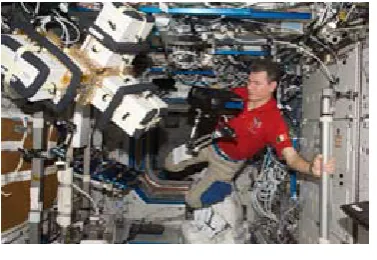
Figure 4: Figure 4: ESA astronaut Paolo Nespoli installing ALTEA hardware for the ALTEAshield-survey experiment, aimed at performing a 3D survey of the radiation environment in the US Laboratory of the ISS. (Credit: NASA).
improving the reliability of spacecraft electronics, for ex-ample terrestrial and satellite telecommunication and nav-igation systems (GPS, mobile communication, Galileo etc.); (ii) monitoring aircrew exposure; (iii) understanding failure rates in aircraft electronics; (iv) improving ion therapy and nuclear medicine; (v) developing climate models.
Brief review of latest developments
On the ISS, several radiation measurements have been/are performed, either under the frame of science experiments or as operational monitoring for crew safety. The Dosimet-ric Mapping (DOSMAP) experiment was the first effort to map dose and dose equivalent as a function of location in the US Laboratory and in Node 1 of the ISS. The experi-ment was flown as part of NASA’s Human Research Facility (HRF) between March and August 2001, together with the Japanese Bonner Ball experiment, a US tissue-equivalent proportional counter (TEPC), and a human phantom torso. Italian scientists have used various silicon strip detectors over the last years, as part of the Alteino/ALTCRISS and the ALTEA experiments, which aim for a precise determination of the abundance of heavy ions in the space radiation en-vironment. ALTEA is also designed to study the ‘light flash phenomena’ mostly caused by space radiation in the eyes of astronauts. In two different experiments, ALTEA is cur-rently surveying the 3D heavy-ion radiation flux in the US Laboratory, able to measure the trajectory of each particle, determine the nuclear species of the radiation and calcu-late the input energy.
space radiation monitoring at variable altitude (350 to 610 km) of electrons, positrons and ions up to oxy-gen.
Knowledge gaps and research needs
Determination of radiation field parameters such as elemental abundance, energy and fluence rate is still incomplete: thorough spatial and temporal mapping inside and outside a space vessel is still lacking. There is also a strong demand for further development of improved radiation detectors. Measured values for the radiation fluence rate, energy and charge distri-butions as well as ion composition and direction in-side and outin-side LEO are missing. The neutron role in the total radiation environment has also yet to be fully quantified. Obviously, a large amount of available ra-diation data has not been fully exploited.
Proposed investigations and recommendations
Available experimental data should be reviewed,
•
and fully evaluated.
Detailed characterisation of the radiation
en-•
vironment (input energy, charge, fluence rate, direction) needs to be carried out through con-tinuous measurements over successive solar cy-cles in preparation for long-duration exploration missions.
New radiation detector assemblies should be
•
calibrated (and inter-compared) to a well-defined subset of the space radiation environment using ground-based accelerator facilities. These facili-ties, when possible, should implement mixed ra-diation fields to mimic the space rara-diation field as close as possible.
Space-borne inter-comparison of detector
re-•
sponses is also seen as an important prerequisite for operational implementation.
Development should address area detectors
pro-•
viding real-time information about the radiation field parameters and having alert capabilities. Real-time calibrations while the instruments are
•
in operation should be explored.
Trans-disciplinary aspects
The Expert Group identified clear links between this issue and radiation effects on humans, habitat man-agement and medication in space.
2.2.2. Key Issue 2: Modelling of radiation environ-ments
Relevance for space exploration missions
An accurate modelling of the radiation environment is a mandatory step in the radiation risk assessment process. This task features a high integration with sev-eral other tasks: the understanding of the sources of space radiation and of the processes behind the radia-tion flux transformaradia-tion during transport in materials (Key Issues 4, 5 and, with respect to the body, 6). The goal is to allow construction of valuable simulations/ models describing the dynamics of the whole radia-tion spectra, from the sources to almost anywhere in space and time. These models, once benchmarked and validated against proper measurements, will permit, as an example, the prediction of the radia-tion field inside a spacecraft during a Mars voyage or determination of the radiation impinging on human inner organs.
This Key Issue addresses the required improvement of simulations/models of GCR, SEPs and the trapped radiation in the quest for an efficient and possibly fully integrated model of the radiation environment impinging on space habitats. It addresses model im-provements, advances in the understanding of fun-damental physics and processes involved in radiation generation including new benchmarking.
Earth benefits and applications
Brief review of latest developments
Various models have been developed for each of the radiation components, many of which are available online through SPENVIS (http://www.spenvis.oma. be/) and CREME96 (https://creme96.nrl.navy.mil/ or, recently, https://creme.isde.vanderbilt.edu/). NASA uses the Badhwar-O’Neil model for galactic cosmic rays. Improved AE-9/AP-9 models are under develop-ment as part of the Proton Spectrometer Belt Research (PSBR) Programme by a consortium of institutions, such as the National Reconnaissance Office, Aero-space Cooperation, the Air Force Research Laboratory (AFRL), the Los Alamos National Laboratory and the Naval Research Laboratory.
Knowledge gaps and research needs
While the mentioned models are easily available, they still suffer several shortcomings.
GCR models
There is an inadequate characterisation of solar-cycle dependency and of the scaling with heliocentric dis-tance.
SEP models
The understanding of the acceleration mechanism of the transport through the heliosphere is still inade-quate, and the prediction capability is mostly missing (this aspect is also addressed in the next Key Issue).
Radiation belt models
The current state of the Earth’s magnetosphere is no longer reflected in the radiation belt models, and there is still a substantial lack in ability to properly describe the dynamic behaviour of the trapped particles.
Proposed investigations and recommendations
Improve the understanding of the fundamental
•
physics processes on the Sun and of transport and acceleration of the solar wind through the heliosphere.• Develop a strong research effort to-wards a deeper knowledge of the fundamental processes in the magnetosphere (wave-particle interactions, source and loss processes and accel-eration mechanisms).
Perform reliable benchmarking and validation
•
against experimental data.
Process and calibrate existing data, make them
•
available to the scientific community and feed them into improved source models.
Data availability must be improved. For the future,
•
investigations should always include resources to properly process and make available data prod-ucts to the scientific community.
Trans-disciplinary aspects
The Expert Group identified clear links between this issue and radiation effects on humans, habitat man-agement and medication in space.
2.2.3. Key Issue 3: Space weather forecast
Relevance for space exploration missions
The space environment is highly variable on differ-ent time scales as a result of the variability of the Sun, which in general affects all aspects of the space envi-ronment. SPEs are an obvious manifestation of explo-sive processes on the Sun, are the most dramatic ra-diation events and may constitute in several mission scenarios a potentially serious hazard. All the radiation components (including GCR and trapped particles) are also modulated by SEPs. A clear example is the rapid decrease in the observed GCR following a SPE due to the magnetic field of the plasma solar wind, known as Forbush decrease. While SPEs are probably the most dramatic radiation events, they are mostly composed of low-energy protons, for which a successful shield-ing strategy can be set up. This, however, requires an accurate prediction of the SPEs. A usable solar system forecast for the SPEs is therefore a mandatory element for an efficient shielding approach during an explora-tion mission.
Earth benefits and applications
Figure 5:The Earth is superimposed on this im-age of a solar eruptive prominence as seen in ex-treme UV light (Credit: NASA).
as well as for aircraft electronics, or to avoid potential dam-age to power grids, pipelines, aircraft electronics and navi-gation), but also on radiation protection for occupational exposure (commercial and military flights, first respond-ers). Additionally, it will help optimising the utilisation of aircrew personnel and preparing, for example, best-choice ‘escape flight routes’ during SPEs. Climate modelling may also benefit from the outcome of these studies.
Brief review of latest developments
There are some observation platforms available, such as GOES, SOHO, ACE and STEREO, on which – together with neutron monitor information – space weather will be de-scribed and forecasted. Through observation of several hundreds of coronal mass ejections (CMEs) by the STEREO mission, it has been found that the general structure of a CME is consistent with large-scale magnetic flux ropes. This was the first time that direct, continuous tracking of CMEs over the entire distance from Sun to Earth became possible. At higher solar activity, several bipolar magnetic regions on the Sun can be destabilised in turn, leading to the release of multiple CMEs in a few hours. These CMEs can merge in interplanetary space. A fast CME is a neces-sary ingredient for a strong SPE. For the forecast of parti-cle fluxes and energy spectra of SPEs, magnetic coupling to the source regions of solar eruptions, especially to CME onset regions, plays a fundamental role. This will be inves-tigated in detail in the newly selected EU project eHEROES (Environment for Human Exploration and Robotic Experi-mentation in Space).
A more reliable space weather forecasting system is only possible with the provision of additional instrumentation in the different fields of space weather. There is an on-go-ing ESA design study, in which based on customer require-ments a list of needed instrurequire-ments are defined together with their location in space, their characteristics, and the degree, to which user requirements can be fulfilled. The se-lected instruments will proceed to Phase 2 of the project for concrete mission/platform definition/specification/im-plementation.
response to the pilot project activities observed with-in the scientific and user communities. It also assists ESA in evaluating the lessons learned from the opera-tion of pilot projects and how these changes can be implemented within a strategy for any future space weather programme.
Knowledge gaps and research needs
Knowledge and understanding of the processes oc-curring on the solar surface and in the photosphere, including sunspot formation, coronal mass ejections, flares and transmission through space, is still inad-equate and should be improved. Propagation mod-elling must be improved as well. This will provide information to improve forecasting through real time observation, which is needed to set up the proper countermeasure strategies.
Proposed investigations and recommendations
Develop SPE forecasting and prediction
capabili-•
ties able to describe interplanetary shocks and coronal mass ejections.
Develop and/or improve predictions for fluence
•
distribution and time evolution at different posi-tions in space and on different planets. This would allow identifying precursors and signatures, which would improve the detection of fast CMEs. Forecast and identify quiet periods of solar
activ-•
ity to support mission planning.
Intense observations using present and new
•
spacecraft are necessary to improve our under-standing of basic space plasma physics phenom-ena in the solar-terrestrial environment and to improve our understanding of short-term and long-term solar variability.
Trans-disciplinary aspects
The Expert Group identified clear links between this issue, radiation effects on humans and medication in space.
2.2.4. Key Issue 4: Transport codes
Relevance for space exploration missions
Passing through a space suit during an EVA or through
the spacecraft/base walls, the radiation field is trans-formed by fragmentation, scattering, Coulomb inter-action, neutron production etc. before entering the body of an astronaut. Once inside the body, the ra-diation field undergoes further transformation. Trans-port codes are needed to describe the interactions during the traversal of radiation through matter, both shielding matter (such as the spacecraft hull, but also the material, such as racks and experiments, inside the spacecraft) and living matter (skin, tissue etc.). The development of reliable transport codes is therefore mandatory to produce accurate risk assessments for personnel and equipment on long-term space mis-sions.
Earth benefits and applications
Optimised transport codes would be of significant value in the improvement of ion therapy strategies as well as in the optimisation of radiation protection for occupational exposure (in hospitals, accelerators, nu-clear plants, commercial and military flights and first responders), and for aircrew exposure. Protection of electronics in environments where radiation is an is-sue would also provide benefits to other applications, including terrestrial and satellite telecommunication and navigation systems (GPS, mobile communication, Galileo etc.), aircraft electronics as well as electronic circuit and accelerator design and nuclear plant de-sign.
Brief review of latest developments
in-formation about correlations on event-by-event basis is therefore lost. The main advantage of deterministic codes, however, is seen in the low demand for com-putational resources and the comparatively small cal-culation times. The interaction of a heavy ion with a material is a complex process that includes a variety of diverse activities including ionisation, excitation, nuclear fragmentation, production of positron-emit-ting nuclei and de-excitation through gamma rays. These processes are not fully accommodated with deterministic models, and their complexity requires the use of a numerical method for solving the prob-abilities of different events, e.g., a MC method. Several MC codes are used nowadays throughout the world (MCNP, FLUKA, GEANT4, SHIELD-HIT, HETC-HEDS, MARS, PHITS). However, in several instances deter-ministic codes give results that agree with those from the more complex MC codes.
Knowledge gaps and research needs
A detailed understanding of the physics governing the traversal of an ion, electron or neutron through matter is a key point in defining transport codes. Un-derstanding the hadronic physics at the basis of the particle transport and cross sectional data tables must therefore be improved to further develop the codes. There is especially a lack of experimental cross-section data for light fragments and neutrons. In this pano-rama, it is also of paramount importance to define in detail the strengths and weaknesses of the codes via properly designed validation and benchmarking procedures against experimental data, including data obtained with advanced anthropomorphic phantoms exposed at accelerators.
Proposed investigations and recommendations
Codes need to be improved to treat all primary
•
and secondary cascades including photons, pro-tons, light ions, heavy ions, mesons and electro-magnetic cascades.
The nuclear interaction database needs to be
up-•
dated, especially for neutrons and light ions. The codes should be carefully benchmarked
•
against ground-based experiments, using both thin and thick targets as well as anthropomorphic phantoms. The projectiles should range from pro-tons up to iron, with suitable targets, e.g.,
poly-ethylene, Kevlar®, Nextel® and other different pol-ymers, aluminium, iron, copper etc. The energies should range from below 100 MeV/u to at least 10 GeV/u. It is important to measure differential (angular distributions) and double differential (energy and angular distributions) cross-sections as well as multiplicities for the light fragments. Measurements are needed for both projectile and especially target fragmentation.
Trans-disciplinary aspects
This issue is mostly related to the study of radiation effects on humans.
2.2.5. Key issue 5: Shielding
Relevance for space exploration missions
Earth benefits and applications
The knowledge of cosmic ray shielding will have sig-nificant value for terrestrial activities wherever expo-sure to a significant amount of ionising radiation is an issue. This includes, but is not limited to, ion therapy centres, radiation protection for occupational expo-sure (hospitals, accelerators, nuclear plants, commer-cial and military flights), and aircrew exposures. Sig-nificant contribution could also be given to nuclear plant design and operational support. Finally, pro-tection of electronics from radiation-driven failures would benefit from these studies. This includes the failure induction/propagation in electronic circuits and accelerators.
Brief review of latest developments
It has been shown that in order to provide an efficient reduction of the radiation risk, a shielding material with a low mean atomic mass (high content of hydro-gen) is needed. This would minimise fragmentation and the consequent production of secondaries. A large number of materials (several with low content of hydrogen) have been properly tested on ground and some of them in space. Passive shielding produces limited risk reduction, in the order of a few tens of per cent.
Active shielding has been studied in Europe during 2002 to 2004 by two research programmes supported by the European Space Agency: one through a dedi-cated Topical Team group (on the thematic ‘Shielding from cosmic radiation for interplanetary missions: ac-tive and passive methods’) in the framework of life and physical sciences, and the other an industrial study (through an Invitation To Tender) concerning the ‘ra-diation exposure and mission strategies for interplan-etary manned missions to Moon and Mars’. Both pro-grammes were primarily aimed at finding a solution for the shielding against energetic solar events and concluded that, outside the protection of the magnet-osphere and in the presence of the most intense and energetic solar events, mission protection from radia-tion cannot rely solely on the mechanical structures of the spacecraft, but rather a temporary shelter must be provided. Because of the limited mass budget, the studies suggested the use of superconducting mag-netic systems. For protection against galactic cosmic rays during long-duration missions, it was concluded
er, the mass and power budget required by the avail-able technology on superconducting systems at the time of the studies is prohibitive.
Knowledge gaps and research needs
Shielding optimisation is required. This relies on the maximum permissible radiation doses for exploration missions beyond LEO (considering also the risk of ear-ly deterministic and late stochastic effects) and must take into account all new knowledge about simple and multilayer materials. An important point will be to determine the shielding distribution function of the habitats in order to benchmark the simulated charac-teristics. Research to characterise and develop shield-ing materials is also needed. While passively shielded temporary shelters for solar events are probably feasi-ble in the near future, it is much harder to foresee an effective system based on passive shielding for galac-tic cosmic rays during an interplanetary voyage. This consideration, and the important technological ad-vances in the last decade on superconducting mag-nets, materials and cryostats, prompt the need for a revision of the above mentioned pioneering studies in view of a new combined (active and passive) shield-ing strategy enablshield-ing a long permanence of humans in deep space. In this scenario, active shielding needs further studies to provide feasible implementations.
Proposed investigations and recommendations
The ISS and free-flying satellites are further
con-•
sidered a basic test bed for estimating the per-formance of shielding structures.
New materials and combinations of materials
•
(e.g., multilayers) shall be studied by simulations using transport codes and ground-based testing in accelerators.
Knowledge of shielding properties of in-situ
re-•
sources on celestial bodies such as regolith or regolith-derived compounds shall be improved. Studies on active shielding in the search for
break-•
throughs that could make this approach techno-logically feasible as a complement to the passive strategy shall be resumed.
Trans-disciplinary aspects