University of Zurich Main Library Strickhofstrasse 39 CH-8057 Zurich www.zora.uzh.ch Year: 2006
Analysis of epidermis and mesophyll-specific transcript accumulation after syringolin A application in powdery mildew-inoculated wheat leaves
Abderhalden, Olaf
Abstract: Im Gegensatz zu anfälligen Pflanzen reagieren viele resistente Pflanzen auf Pathogenbefall mit der Induktion von hypersensitiver Reaktion (HR), einer zentralen Komponente des pflanzlichen Ab-wehrmechanismus. Kürzlich wurde gezeigt, dass die HR in mehltaubefallenen Epidermiszellen von Weizen durch die Einwirkung von Syringolin, einem zyklischen Tetrapeptid aus Pseudomonas syringae pv. sy-ringae, reaktiviert werden kann. In der vorliegenden Arbeit wurden mittels cDNA-Subtraktion differen-ziell regulierte pflanzliche Gene identifiziert und anschliessend mit Hilfe von cDNA-Mikroarray untersucht. Dabei wurde die transkriptionelle Regulation durch Einwirkung von Syringolin von insgesamt 124 Genen bestätigt. Deren mutmassliche kodierte Proteine zeigten Ähnlichkeit zu Proteinen unterschiedlichster bi-ologischer Aktivität. Interessanterweise waren alle differenziell regulierten Gene auch durch die alleinige Einwirkung von Syringolin reguliert. Keines davon zeigte epidermisspezifisch regulierte Transkription, ob-schon die syringolininduzierte HR ausschliesslich in der Epidermis stattfindet. Verglichen zur pflanzlichen Antwort auf das Kontaktfungizid Cyprodinil wurde lediglich geringe Überlappung in der Gentranskription festgestellt. Silencing hervorgerufen durch transient induzierte RNA-Interferenz zeigte bei einer Auswahl von 30 Genen keine Auswirkungen auf die Pm3b-resistenzgenassoziierte HR. Anhand weiterführender Mikroarrayuntersuchungen mit unterschiedlichen Mehltauisolaten wurden jedoch 2 mutmassliche HR-Markergene unbekannter molekularer Funktion identifiziert. Eine umfassende Analyse führte zu einer neuen Hypothese, wonach Syringolin als Virulenzfaktor wirkt, welcher die Wirtsabwehr sowie HR zu un-terdrücken vermag. Upon infection with pathogens, resistant plants unlike susceptible ones react with the induction of a hypersensitive response (HR) corresponding to a central component of the plant defense mechanism. It was recently discovered, that HR can be re-induced in powdery mildew-infected wheat epidermal cells by the action of syringolin, a cyclic tetrapeptide secreted by Pseudomonas syringae pv. syringae. In the present work, differentially regulated plant genes were identified by cDNA subtraction and further characterized by cDNA microarray technology. By this means, syringolin-mediated transcrip-tional regulation of 124 genes was confirmed. Putative encoded proteins showed similarities to proteins of a broad range of biological activity. Interestingly, all differentially regulated genes also were regulated by the action of syringolin alone. Despite the fact that the HR induced by syringolin exclusively occurs in the epidermis, none of the genes exhibited epidermis-specific transcriptional regulation. Furthermore, only marginal overlaps of gene transcription were found upon comparison between the plant response to syringolin and to the contact fungicide cyprodinil. In a selection of 30 genes, silencing provoked by transiently induced RNA interference did not have any impact on the Pm3b resistance gene associated HR. Continuative investigations by cDNA microarray using different powdery mildew isolates resulted in the identification of 2 putative HR marker genes of unknown molecular function. Comprehensive analyses lead to a novel hypothesis according to which syringolin acts as a virulence factor, capable of suppressing host defense and induction of HR in wheat.
Published Version
Originally published at:
Abderhalden, Olaf. Analysis of epidermis and mesophyll-specific transcript accumulation after syringolin A application in powdery mildew-inoculated wheat leaves. 2006, University of Zurich, Faculty of Science.
Accumulation after Syringolin A Application in Powdery
Mildew-inoculated Wheat Leaves
Dissertation
zur
Erlangung der naturwissenschaftlichen Doktorwürde
(Dr. sc. nat.)
vorgelegt der
Mathematisch-naturwissenschaftlichen Fakultät
der
Universität Zürich
von
Olaf Abderhalden
von
Ebnat-Kappel SG
Begutachtet von
Prof. Dr. Robert Dudler
Prof. Dr. Beat Keller
Die vorliegende Arbeit wurde von der Mathematisch-naturwissenschaftlichen Fakultät der Universität Zürich auf Antrag von Prof. Dr. Beat Keller und
1. Summary 1 2. Zusammenfassung 3 3. Introduction 5 3.1. Powdery mildew 6 3.2. Plant Defense 7 3.2.1. Defense mechanisms 8
3.2.2. Nonhost and race-specific resistance 16
3.2.3. Induced resistance 20
3.3. Syringolin 21
3.4. Aim of the study 25
4. Results 27
4.1. Identification of sylA-induced genes and isolation of
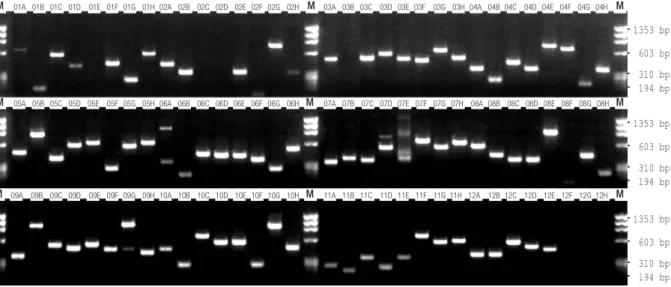
corresponding cDNAs 27 4.1.1. Experimental setup 27 4.1.2. Subtraction 27 4.1.3. Subtraction efficiency 29 4.1.4. Subtraction products 31 4.1.5. Differential display 32
4.2. SylA-induced differential gene expression 40
4.2.1. cDNA microarray construction 41
4.2.2. Investigation of syringolin-induced transcription in the presence and
absence of powdery mildew on wheat 60 4.2.3. Cyprodinil impact on host gene transcription 72 4.2.4. Tissue specificity of syringolin-induced transcription 74 4.2.5. Genes induced by syringolin (overview) 87 4.2.6. Background induction by Bgt infection 90 4.2.7. Investigation of timing of syringolin induction 95 4.3. SylA-responsive genes in nonhost and race-specific resistance 98
4.3.1. Investigation of HR during nonhost and race-specific resistance of
wheat to Blumeria graminis 98
4.3.2. Functional characterization of selected genes 103 4.3.3. Activation of transcription during incompatible and compatible interactions 110
5. Discussion 115
5.1. Technical aspects 115
5.1.1. Suppression subtractive hybridization 115 5.1.2. cDNA microarray hybridization analysis 117 5.2. Transcript profiling in syringolin-treated wheat 123
5.3. Syringolin-induced gene transcription 127
5.3.1. Ubiquitin/26S-proteasome pathway 127 5.3.2. Detoxification 130 5.3.3. Chaperones 134 5.3.4. Mitochondria 136 5.3.5. Carbohydrate metabolism 142 5.3.6. Lipid metabolism 152
5.3.7. Additional genes of interest 153
5.4. Conclusion 157
5.5. Future prospects 163
6. Materials and Methods 165
6.1. Plant and fungal growth conditions and treatments 165
6.1.1. Plant material 165
6.1.2. Fungal strains 165
6.2. Syringolin A isolation 167
6.3. Microscopy 167
6.4. RNA extraction and mRNA isolation 167
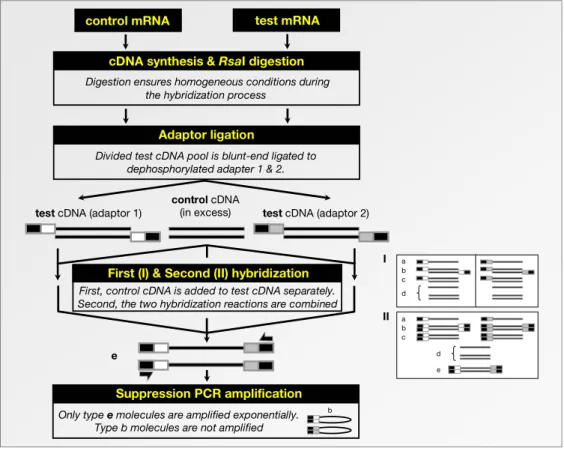
6.5. cDNA subtraction and differential screening 168
6.5.1. cDNA subtraction 168
6.5.2. Differential screening 169
6.6. DNA handling 170
6.6.1. Oligonucleotides and primers 170
6.6.2. DNA isolation, sequencing and sequence analysis 170
6.7. Microarray analysis 171
6.7.1. Probe preparation 171
6.7.2. Microarray fabrication 171
6.7.3. Microarray target preparation and hybridization 172
6.7.4. Data normalization 173
6.7.5. Epidermis specificity 174
6.8. Transient silencing constructs 174
7. References 178
8. Appendix 191
8.1. Hybridisation signal classes 191
8.2. Similarity groups overview 191
8.3. Array design 194
8.4. Probe quality control 197
8.5. Evaluations / Estimations 198
8.5.1. Estimation of proportion of epidermal cells in wheat leaves 198 8.5.2. Estimation of proportion of Bgt-infected cells in wheat leaves 198 8.5.3. Estimation of proportion of stomata cells in the epidermis 198 8.6. Global SD regularization on data derived from infected
and uninfected syringolin-treated wheat leaves 199
8.7. Epidermal specificity 200
8.8. Bgt pre-induction 203
8.9. Extendedly induced transcription 210
8.10. Differential transcription at 48 hat 211
8.11. Blast analysis & alignments 214
8.11.1. Wheat pir7b homolog OA_b1B01, OA_b2A07 214 8.11.2. Wheat NBS-LRR resistance gene homolog OA_a1E08 215 8.11.3. Wheat putative epoxide hydrolase OA_b2H01 and OA_b3B10 216 8.11.4. Wheat cDNA fragment OA_a2F04 217 8.11.5. Wheat cDNA fragment OA_a2B04 218 8.12. Renamed hairpin loop transcript expression constructs 219 8.13. Incompatible and compatible nonhost and race-specific
interactions of wheat and powdery mildew 220
8.14. Induction of gene transcription by infection of wheat
with Blumeria graminis 221
9. Acknowledgements 230
1.
Summary
The powdery mildew fungus Blumeria graminis (DC) Speer is one of the most important foliar diseases of cereals. It is an obligate biotrophic organism exclusively colonizing the surface of the host plant, which makes it highly suitable to study plant-pathogen interactions at the cytological and molecular level. An important component of the plant defense is the induction of localized cellular suicide called the 'hypersensitive response' (HR), which restricts the propagation of pathogens inside the host organism. It is hypothesized that the induction of HR can be suppressed by pathogenic isolates of powdery mildew. Recently, it was discovered that a cyclic tetrapeptide (syringolin) secreted by phytopathogenic strains of Pseudomonas syringae pv. syringae re-induced HR in powdery mildew-infected wheat epidermal cells. By this means, the fungus is efficiently eradicated from the host surface and it was hypothesized that syringolin action might specifically target the control of cellular survival in wheat. The goal of the present study was to identify genes activated in powdery mildew-infected wheat upon treatment with syringolin. Subsequent investigations were aimed to differentiate between genes generally induced by syringolin treatment and genes involved in the induction of HR.
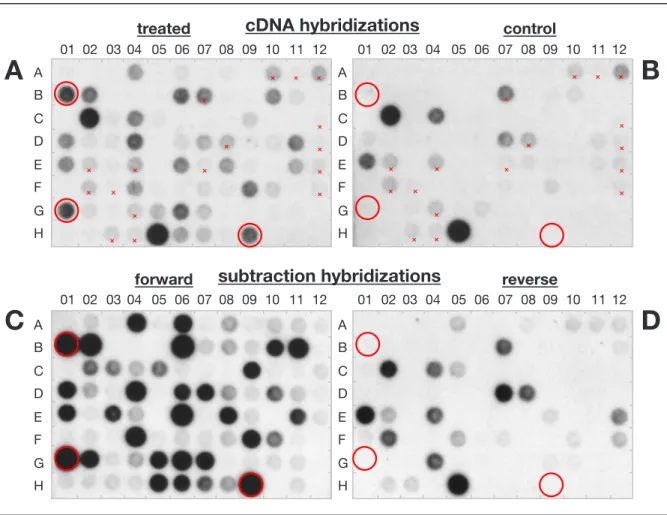
cDNA subtraction of sample material collected 2 h, 6 h, 12 h, and 24 h after syringolin treatment of powdery mildew-infected wheat yielded 498 cDNA fragments which were tested for syringolin responsiveness by reverse dot blot hybridization experiments. Subsequent DNA sequence analysis resulted in the identification of 158 candidate genes of plant origin which were analyzed further. For these purposes, a microarray containing 1666 cDNA probes was designed. One hundred glass slides which carried PCR products corresponding to the 158 candidate genes as well as to additional genes derived from other screenings were fabricated. With the aim to distinguish between generally induced and HR-specific genes, the microarray slides were hybridized with different cDNA targets. These corresponded to epidermal and mesophyll tissue of powdery mildew-infected and uninfected wheat leaves collected at 12 h and 24 h after treatment with syringolin. A total number of 124 genes was confirmed to be transcriptionally regulated by syringolin treatment, 103 were derived from cDNA subtraction. A considerable proportion of more than 20 % of putative proteins encoded by syringolin responsive genes exhibited similarity to proteins of unknown function. The rest was found to cover a broad range of biological activity. Surprisingly, all of the genes were also found to be regulated by the activity of syringolin alone and none of them showed exclusive transcript accumulation in the presence of powdery mildew. Moreover, none of the genes was found to be transcribed exclusively in the epidermis, where the syringolin-induced HR is located at.
Essentially, no overlap of gene transcription was found upon comparisons between the plant response to syringolin and to the contact fungicide cyprodinil. This indicated that different molecular mechanisms underlie eradication of powdery mildew by syringolin.
In parallel to microarray investigations, thirty genes were selected and tested for their functional participation in the induction of HR occurring upon infection of wheat expressing the Pm3b resistance gene with a powdery mildew isolate carrying the cognate avirulence factor. Therefore, a biolistic transient transformation system was used to study suppression of transcript accumulation by induction of RNA interference, which should lead to increased susceptibility of transformed cells to the fungal pathogen. However, none of the genes favored elevated fungal colonization of the plant upon transient induction of RNA interference. This strongly indicated that the reprogramming of infected wheat epidermal cells to undergo hypersensitive cell death is controlled by a different, thus far unconsidered mechanism.
Microscopical investigations as well as further microarray analyses at 2 h and 48 h after syringolin treatment indicated that the HR induced by syringolin occurs later than previously expected. On the basis of comprehensive analyses of biological functions of syringolin-induced genes this lead to a novel hypothesis according to which syringolin may act as a virulence factor, capable of suppressing host defense and induction of HR in wheat. Implications of this model with respect to known characteristics of syringolin action are discussed.
In addition, further microarray analyses of the interaction of resistant wheat with different powdery mildew isolates resulted in the identification of 2 putative HR marker genes encoding proteins of unknown molecular function. Both of them were derived from cDNA subtraction in syringolin-treated wheat.
2.
Zusammenfassung
Der echte Mehltaupilz (Blumeria graminis (DC) Speer) ist eine der wichtigsten Blattkrankheiten in Getreide. Es handelt sich um einen obligat biotrophen Organismus, welcher sich ausschliesslich auf der Blattoberfläche seiner Wirtspflanze auszubreiten vermag. Dies macht ihn zu einem ausgezeichneten Studienobjekt für Pflanzen-Pathogen-Interaktionen auf zytologischer und molekularer Ebene. Eine wichtige Komponente der pflanzlichen Abwehr, welche die Ausbreitung von Erregern im Wirtsorganismus einzudämmen vermag, ist die Induktion eines zellulären Suizidprogramms, die 'Hypersensitive Reaktion' (HR) genannt wird. Es wird angenommen, dass die Induktion von HR von virulenten Mehltauisolaten unterdrückt werden kann. Kürzlich wurde entdeckt, dass ein zyklisches Tetrapeptid (Syringolin), welches von pflanzenpathogenen Stämmen von
Pseudomonas syringae pv. syringae sezerniert wird, die HR in mehltaubefallenen Epidermiszellen von Weizen reaktiviert. Dabei wird der Mehltau auf effiziente Weise auf der ganzen Blattoberfläche vernichtet und es entstand die Annahme, dass die Syringolinwirkung spezifisch auf die Kontrolle des zellulären Überlebens beim Weizen abzielt. Ziel der vorliegenden Studie war die Identifizierung von transkriptionell induzierten Genen, die bei der Syringolinbehandlung von mehltaubefallenem Weizen aktiviert werden. Die folgenden Untersuchungen zielten darauf ab, Gene, welche eine generelle Induktion durch Syringolinbehandlung aufweisen, von solchen zu unterscheiden, welche spezifisch für das Zustandekommen von HR verantwortlich sind.
cDNA-Subtraktion von Probenmaterial, welches 2 h, 6 h, 12 h, und 24 h nach Syringolinbehandlung von mehltauinfiziertem Weizen gesammelt wurde, ergab 498 cDNA Fragmente, die anschliessend mittels reverser Dotblot-Hybridisierung auf ihre Syringolinempfindlichkeit hin getestet wurden. Darauf folgende DNA Sequenzanalyse resultierte in der Identifizierung von 158 pflanzlichen Kandidatengenen, welche weiteren Analysen unterzogen wurden. Zu diesem Zweck wurde ein Mikroarray bestehend aus 1666 cDNA Proben entworfen. Einhundert Objektträger mit PCR-Produkten der 158 Kandidatengene sowie weiterer Gene, welche von anderen Screenings herrührten, wurden hergestellt. Mit dem Ziel, generell und HR-spezifisch induzierte Gene voneinander unterscheiden zu können, wurden die Mikroarrayobjektträger mit verschiedensten cDNA-Targets hybridisiert. Diese entsprachen Epidermis- und Mesophyllgewebe von mehltauinfizierten Weizenpflanzen, welche 12 h und 24 h nach Behandlung mit Syringolin gesammelt wurden. Die transkriptionelle Regulation durch Einwirkung von Syringolin von insgesamt 124 Genen wurde hierbei bestätigt, 103 davon stammten aus der
cDNA-Subtraktion. Ein beträchtlicher Anteil von über 20 % der mutmasslichen Proteine, welche von syringolinempfindlichen Genen kodiert werden, zeigte Ähnlichkeit zu Proteinen unbekannter Funktion. Der Rest deckte einen weiten Bereich biologischer Aktivität ab. Überraschenderweise waren sämtliche Gene auch durch die alleinige Einwirkung von Syringolin reguliert und keines zeigte ausschliessliche Akkumulation von Transkripten bei Anwesenheit des Pilzes. Des Weiteren zeigte keines der Gene ausschliesslich epidermisspezifische Transkription, obschon die syringolininduzierte HR ausschliesslich in der Epidermis stattfindet.
Bei Vergleichen zwischen der pflanzlichen Antwort auf Syringolin und auf das Kontaktfungizid Cyprodinil wurde im Wesentlichen keine Überlappung der Gentranskription festgestellt. Dies deutete darauf hin, dass der Vernichtung von Mehltau durch Syringolin unterschiedliche molekulare Mechanismen zu Grunde liegen.
Parallel zu Mikroarrayanalysen wurden dreissig Gene selektioniert und auf ihre mögliche Funktion bei der Induktion von HR getestet, welche im Zuge der Infektion von Weizen mit Mehltau durch einen pilzlichen Avirulenzfaktor in Anwesenheit des pflanzlichen
Pm3b Resistenzgenprodukts ausgelöst wird. Dabei wurde die Akkumulation von Transkripten durch Induktion von RNA-Interferenz mit Hilfe eines biolistischen transienten Transformationssystems unterdrückt, was zu erhöhter Anfälligkeit transformierter Zellen gegenüber Pilzbefall führen sollte. Es zeigte sich jedoch, dass keines der Gene bei transienter Induktion von RNA-Interferenz die Kolonisierung der Pflanze durch den Pilz begünstigte. Dies deutete darauf hin, dass die Reprogrammierung infizierter epidermaler Weizenzellen hypersensitiven Zelltod zu initiieren durch einen anderen, bislang unberücksichtigten Mechanismus zu Stande kommt.
Sowohl mikroskopische als auch weitere Mikroarrayuntersuchungen 2 h und 48 h nach Syringolinbehandlung deuteten darauf hin, dass die syringolininduzierte HR später als ursprünglich erwartet eintritt. Auf der Basis umfassender Analysen biologischer Funktionen von syringolininduzierten Genen führte dies schliesslich zu einer neuen Hypothese, wonach Syringolin als Virulenzfaktor wirken könnte, welcher die Wirtsabwehr und Induktion von HR zu unterdrücken vermag. Die Diskussion möglicher Folgerungen aus diesem Modell im Hinblick auf bekannte Charakteristika der Syringolinaktivität ist Teil der vorliegenden Arbeit.
Im Weiteren führten zusätzliche Mikroarrayuntersuchungen der Interaktion von resistentem Weizen mit verschiedenen Mehltauisolaten zur Identifizierung von 2 mutmasslichen HR-Markergenen, welche Proteine unbekannter molekularer Funktion kodieren. Beide Gene stammen aus der cDNA-Subtraktion in syringolinbehandeltem Weizen.
3.
Introduction
Like all organisms, plants are exposed to a constant onrush of bacterial or fungal microbes as well as myriads of viral particles. Their master role in energy and carbon fixation and thus their basal position in the global food chain might even make them particularly attractive for fungal and bacterial intruders. In contrast to animals, plants are immobile and thus, they are lacking specialized cells, analogs of animal B- or T-lymphocytes, destined to combat and eradicate potential pathogens. Consequently distinct strategies to overcome microbial attacks constituting the plant defense system have evolved.
The effectiveness of the innate defense system has always been hived into a hot spot of interest due to the great agronomical importance of many plants. Yield losses caused by epidemic spread of plant diseases repeatedly caused famines in the western world history and still do so world wide. Modern monocropping systems comprising of large contiguous areas cultivated with the same plant species even enhance the risk of epidemics requiring the application of tons of chemical fungicides and insecticides. In 2003, the global market of chemical crop protection products reached € 23.6 billion. Yet, application of large quantities of chemical agents is not only cost intensive but also entails problematical environmental burdens to the whole ecosystem.
Alternatively, centuries of plant breeding created cultivated plants exhibiting desirable characteristics such as high yield and high resistance towards prevalent plant diseases. However, breeding firstly involves undirected crossing of appropriate parental plants and requires laborious selection and back-crossing of filial generations. A central and widely discussed aspect in the generation of elevated plant resistance in traditional and modern plant breeding is circumscribed by the term 'durability of resistance'. The importance of durable resistance resides in a remarkable flexibility and ability of pathogens to overcome plant defense mechanisms. Recent advances in biotechnology have offered the possibility to selectively transfer specific genes or modulate their activity, thereby circumventing the recombination of two complete genomes. However, transformation efficiency in wheat is relatively low because Agrobacterium tumefaciens-aided stable gene transfection is still not possible. In addition, transformation is still restricted to only a number of wheat cultivars and thus, the application is still primarily confined to scientific purposes. As opposed to traditional breeding, targeted molecular modification requires profound knowledge about the biochemical and molecular reactions on the plant and pathogen side. Thus, great efforts are put into investigations of these complex interactions.
3.1.
Powdery mildew
Blumeria graminis (DC.) Speer, the causal agent of cereal powdery mildew belongs to the family of Erysiphaceae in the phylum of Ascomycota. Classification into eight formae speciales (ff.spp.) including f.sp. hordei on Hordeum vulgare and f.sp. tritici on Triticum aestivum is based on strict host specialization. The genetic variation of grass powdery mildews with regard to geographical distribution and pathogen/host co-evolution was investigated recently (Wyand and Brown, 2003). Powdery mildews are growing on the leaf surface of their host plants. In the hot summer season, hyphal growth on infected plants and the formation of conidiophores during the asexual propagation overlays leaves with a white fungal powder (Figure 3.10, p23). Conidia are distributed by wind and frequently cause epidemic spread of the pathogen in monocropping cultures of host plants. If infection occurs early in the crop cycle, powdery mildew can cause major yield losses of up to 30 % in susceptible wheat. While the season precedes, sexual reproduction sets in, resulting in the formation of cleistothecia visible as black spots on the leaf surface. Hibernation of the asci is taking place inside the fruit body and maturation of the ascospores generally happens in spring (Figure 3.1).
Figure 3.1: Blumeria life cycle. 1 ascospore, 2 germ tube, 3 elongating secondary hyphae and formation of conidiophores, 4 conidiospore, 5a ascogon, 5b antheridium, 6 & 7 developing cleistothecium, 8 fertile cleistothecium, 8a kariogamy in the ascus, 8b mature ascus with 8 ascospores R reduction division, S sexual reproduction. (Schwantes and Weberling, 1981)
Unlike for example downy mildew or leaf rust, powdery mildew exclusively infects epidermal host cells and only spreads at the surface of infected plants. It is an obligate biotrophic pathogen which only can live and reproduce on living host plants. Infection of host plant epidermal cells begins after landing of a conidial spore on the plant. B. graminis
produces two different germ tubes and initiation of germination is independent from inducing factors on the host plant (Bélanger et al., 2002). The primary germ tube ensures attaching of the fungal germling and might be involved in fungal water supply and surface
recognition (Carver et al., 1995; Carver et al., 1999). Germination of the secondary germ tube at around 3 hours after spore landing is particularly stimulated on host cell surfaces and recognition of substratum characteristics by the elongating germ tube initiates the differentiation of an appressorium. The appressorial lobe at the tip of the secondary germ tube corresponds to the fungal infection structure. Penetration of the host epidermal cell is achieved by combined enzymatic degradation and high turgor pressure, driving a penetration peg through the cell cuticle and cell wall from beneath the appressorial lobe (Pryce-Jones et al., 1999). The penetration stage is shown in Figure 3.2A.
After penetration, the hyphal tip grows into the epidermal cell and forms a fungal absorption structure called the haustorium (Figure 3.2B). The haustorium is enclosed by the extrahaustorial matrix and the invaginated host plasma membrane and the whole structure is termed the haustorial complex (Bélanger et al., 2002). The haustorium is responsible for nutrient transfer from the host plant to the fungus and photoassimilates are thought to enter the haustorium in the form of glucose (Sutton et al., 1999). One haustorium is capable to acquire enough nutrients to supply a whole fungal colony during the entire asexual life cycle (Shirasu et al., 1999). In addition, haustorial structures of obligate biotrophic fungi might play important roles in mediating host defense suppression (reviewed by Panstruga, 2003).
Defeat of the plant defense and successful colonization by the fungus is followed by the formation of elongating hyphae (Figure 3.2.C) and finally results in a dense mycelium covering the leaf surface. The time course of a compatible interaction between wheat and powdery mildew is illustrated in Figure 3.3A-D.
A
B
C
pgt con sgt app dp hb hn lsf pgt con app esh aplFigure 3.2: Colonization of epidermal cells by Blumeria graminis. A: Appressorial penetration attempt, B: Fully developed haustorium inside an epidermal cell, C: Compatible interaction and successful colonization. con = conidium; pgt = primary germ tube; sgt = secondary germ tube; app = appressorium; apl = appressorial lobe; lsf = leaf surface; hn = haustorial neck; hb = haustorial body; dp = digitate processes; esh = elongating secondary hyphae. Scale bar = 10 µm.(Carver et al., 2001).
3.2.
Plant Defense
In general, the ability of pathogens to multiply in certain plant species requires the presence or absence of multiple factors in the plant and pathogen and can therefore be
viewed to be based on compatibility of two interacting partners. In the case of powdery mildew, the pathogenicity spectrum is restricted to plants of a certain genus (e.g. Triticum). Corresponding plants are thus referred to as host plants. For plant species of another genus such as for example Hordeum, the pathogen is not virulent and the interaction is termed 'incompatible interaction'. Corresponding plants are per definition 'nonhost plants' and in this specific interaction, the putative pathogen is called 'nonhost pathogen'.
3.2.1.
Defense mechanisms
To defend themselves against pathogen attack, plants have evolved a whole repertoire of inducible defense mechanisms. These include assembly of cell wall appositions (structural barriers called papillae) or synthesis of toxic secondary metabolites called phytoalexins (reviewed by Dixon, 2001) and reactive oxygen intermediates (ROI). Of the latter, the hydroxyl radical (
HO
i) is the most toxic due to the ability to spontaneously react with proteins and other organic molecules. A very efficient tool to prevent systemic proliferation of infection is the induction of the hypersensitive response (HR) which denotes induction of a rapid localized cell death at sites of infection.Papilla
Deposition of papilla material occurs at the inner surface of the epidermal cell wall at the penetration site. This cell wall fortification called papilla is formed in incompatible as well as compatible interactions. Induction of papilla formation by the plant is preceded by translocation of the nucleus close to sites of attempted penetration and local cytoplasm aggregation beneath the fungal appressorial lobe (Zeyen et al., 2002). The papilla consists of polyphenolics, callose, lignin silicates and proteins such as peroxidases cross-linked by the activity of ROIs (Thordal-Christensen et al., 1997; von Röpenack et al., 1998; Zeyen et al., 2002; Hückelhoven and Kogel, 2003). Initiation occurs at around 10 hours after infection (hai; Figure 3.3.E) and the deposition process consists of several stages. Papilla formation is dependent on a large re-organization of actin microfilaments into radial arrangements beneath fungal contact sites mediating transport of components by vesicles (Kobayashi et al., 1997; Hückelhoven et al., 1999; Collins et al., 2003; Opalski et al., 2005). Strikingly, effective papillae strongly accumulate H O and intense yellow autofluorescence based on 2 2 phenolic compounds is observed in the epidermal cell wall halo surrounding the papilla and the papilla itself whereas H O accumulation and autofluorescence is weak in the 2 2 compatible case (Koga et al., 1980; Carver et al., 1994; Hückelhoven and Kogel, 2003).
PR-genes
The induction of plant defense is accompanied by transcriptional upregulation of various classes of specific defense-related genes called pathogen-related (PR) genes (compiled in Muthukrishnan et al., 2001). Corresponding gene products may either exhibit direct antimicrobial activity such as for example the PR-3 class chitinases (Sela-Buurlage et al., 1993) or they alternatively can be involved in the production of phytoalexins (e.g. chalcone synthase Nugroho et al., 2002) or redox-reactions like for example oxalate oxidases (Lane et al., 1991; Lane et al., 1993; Schweizer et al., 1999a) or PR-9 class peroxidases (Altpeter et al., 2005). In the interaction of wheat with powdery mildew, several gene transcripts accumulating upon powdery mildew infection were cloned (WIR genes, Schweizer et al., 1989) and two of them significantly enhanced resistance upon transient overexpression in wheat epidermal cells (Schweizer et al., 1999b). Interestingly, induction of PR gene transcription is commonly observed in both compatible and incompatible interactions, respectively, but upregulation is generally stronger and prolonged in the incompatible case (Kmecl et al., 1995).
Figure 3.3: Schematic time course of the interaction of powdery mildew and wheat. A) After landing of a conidiospore on the leaf surface, the spore produces a primary germ tube. B) An appressorium is built at the end of a secondary germ tube and the fungus tries to penetrate the plant cell wall. C) After penetration, a haustorial feeding structure is built inside colonized cells. D) The fungal mycelium expands on the leaf surface and formation of new conidiophores is initiated at around 5 to 7 days after infection (dai). Penetration can either be stopped by the formation of papillae (between 10 and 15 hai) (E) or later by the induction of cell death (HR) (F). (Schulze-Lefert and Vogel, 2000, modified). epidermal cell conidium primary germ tube (1-2 hai) cell wall plasma membrane appressorium penetration peg haustorium conidiophore with conidiospores papilla HR 10-12 hai secondary elongating hyphae 18-24 hai from 15 hai from 5 dai A B C D E F COMPATIBLE INCOMPATIBLE
The plant hypersensitive response
Resistant plants respond to pathogen attack by induction of localized single cell death called the hypersensitive response (HR) which requires the activity of the host transcriptional machinery (Heath, 1998). The hypersensitive cell death of wheat or barley epidermal cells upon fungal attack is accompanied by whole cell autofluorescence under blue light (Figure 3.4). The cellular autofluorescence which is caused by polymerization of phenolic compounds was for a long time known to occur in the consecution of cell death as indicated by the inability of corresponding cells to exhibit plasmolysis (Koga et al., 1988; Carver et al., 1994).
The hypersensitive response is associated with a biphasic oxidative burst. Accumulation of reactive oxygen intermediates (ROI) such as hydrogen peroxide (
H O
2 2) or superoxide (O
2i−) plays a complex role in plant defense, signaling and induction of cell death which is not entirely understood (reviewed by Lamb and Dixon, 1997; Jabs, 1999; Grant and Loake, 2000). For example,H O
2 2 exhibits direct defensive activity by cross-linking of phenolic compounds and proteins during the formation of plant structural barriers called papillae (Thordal-Christensen et al., 1997). In animals,H O
2 2 triggers apoptosis associated with a decrease in the concentration ofO
2i−. The induction of HR in plants was actually found to depend on balanced amounts of nitric oxide (NO) andH O
2 2, respectively and is counteracted by high concentrations ofO
2i− (Delledonne et al., 2001). There are multiple enzymatic sources for ROI production including peroxidases, NADPH oxidases, amine oxidases and germin-like oxalate oxidases (Mittler et al., 2004). Studies of O3-induced HR in Arabidopsis epidermal cells revealed that generation ofH O
2 2 mainly raised from mitochondria in the first peak of the oxidative burst whereas the second peak is dependent on the presence of plasma membrane-bound NADPH oxidase (Joo et al., 2005). The timing of ROI accumulation in the interaction of barley and powdery mildew was found to include three phases (Hückelhoven and Kogel, 2003). The first accumulation ofH O
2 2 already occurs during formation of the primary germ tube around 3 hai. The second phase encompasses attempted penetration (compare to Figure 3.3) around 14 hai and accumulation is localized to the emerging papilla and the surrounding cytoplasm.In incompatible interactions,
H O
2 2 accumulation during phase II is stronger and normally is followed by induction of HR and cell death accompanied by the third and strongest accumulation spreading over the whole cell. In contrast,O
2i− only accumulates after successful penetration in the vicinity of haustorial initials around 20 hours after infection (hai) and is thought to counteract induction of cell death (Hückelhoven and Kogel, 2003).Figure 3.4: HR induction during interaction of wheat cv. Michigan Amber and Blumeria graminis f.sp. tritici (isolate BgtAvr1). Fungal attempts to penetrate wheat epidermal cells cause HR as evidenced by whole cell autofluorescence of corresponding cells. Blue light incident fluorescence microscopy image (excitation filter 450-490 nm; bypass filter 515-565 nm) overlaid on bright field microscopy image. Scale bar = 100 µm.
The decision of a cell between living or dying is viewed to depend on survival signals and death of the cell is the default path. In plants, programmed cell death (PCD) is involved in many aspects of life including formation of tracheary elements or aerenchyma, leaf senescence, megaspore formation and pathogenesis-related PCD.
The plant hormone salicylic acid (SA) may play a dual role in some of the signaling pathways and promotes cell death only at high concentrations whereas low concentrations prevent PCD (Lam, 2004). SA promotes the production of reactive oxygen intermediates (ROI) and similarly SA abundance is regulated by ROI feedback control (León et al., 1995). SA signaling is dependent on functional pad4 and eds1 genes encoding triacylglycerol lipases which break down triacylglycerols into fatty acids (Falk et al., 1999; Jirage et al., 1999). This may provide a link to phospholipid signaling. In Arabidopsis, phospholipase D activity attenuates activation of cell death probably via alteration of phosphatidic acid levels (Meijer and Munnik, 2003; Zhang et al., 2003). A current model of SA signaling during induction of HR including additional components is shown in Figure 3.5.
During compatible interactions plant cells are sometimes specifically killed by the activity of the pathogens. An important role in this type of cell death appears to be played by the pro-apoptotic sphingolipid ceramide and its phosphorylated derivatives (reviewed by Khurana et al., 2005). Ceramide signaling is also involved in apoptosis in animal systems
(Kolesnick and Fuks, 2003). Arabidopsis plants mutated in the Pseudomonas-induced acd5
ceramide kinase accumulate more ceramide and conditionally exhibit apoptosis-like PCD indicating that ceramide-induced PCD may be important in the compatible interaction of
Arabidopsis and P. syringae (Liang et al., 2003).
Figure 3.5: Simplified model of SA-induced HR investigated during RPW8-related defense in Arabidopsis. RPW8: Resistance to powdery mildew, unique type of plant disease resistance gene; EDS1
& EDS5: Enhanced disease susceptibility, PAD4: Phytoalexin
deficient, NahG: Salicylate hydroxylase metabolizing SA to inactive catechol, plants expressing NahG do not accumulate SA. NPR1: Non-expressor of PR genes (= Nim1). Arrows: Activation, Bars: Inhibition. (Xiao et al., 2005, modified)
HR induced during interaction with Pseudomonas syringae morphologically involves formation of apoptotic bodies, mitochondrial swelling and cristae disorganization reminiscent of animal apoptosis (reviewed by Greenberg and Yao, 2004). There is increasing evidence that regulation of pathogenesis-related PCD occurs in an apoptosis-like manner. For example cell death triggered by various stimuli in Arabidopsis involves early mitochondrial permeability transition (Yao et al., 2004).
The term apoptosis was introduced by Kerr et al. (1972) to distinguish the PCD involving nuclear condensation and partition of cytoplasm and nucleus into apoptotic bodies from the necrotic type of PCD which is characterized by organelle swelling and membrane rupture. In addition, Clarke (1990) distinguished another form of PCD called autophagic PCD which is characterized by the formation of autophagic vacuoles. Because diverse triggers such as for example heat shock or oxidative stress can induce apoptotic as well as necrotic PCD and many signaling mechanisms are shared, the different types of PCD are presently viewed to represent just extreme cases of a wide range of possible morphological deaths (Kane et al., 1993; Leist and Nicotera, 1997). Whereas low cellular ATP levels appear to favor necrotic cell death, apoptosis requires high ATP levels (Nicotera and Leist, 1997; Tsujimoto, 1997).
Induction of apoptosis has been well studied and involves the activity of specific cysteinyl aspartate-specific proteases called caspases (reviewed by Hengartner, 2000). Two major apoptotic pathways converge at procaspase-3 activation (illustrated in
EDS1 PAD4 EDS5 SA NPR1 HR NahG Erysiphe (RPW8)
Figure 3.6). Activation in the death receptor pathways occurs via ligand binding of membrane bound receptors such as CD95 and includes caspase-8 self activation and autocatalytic caspase cascade activity (Martinova, 2003). In the mitochondrial pathway, mitochondria can be targeted by a multitude of stimuli to release pro-apoptotic proteins from the mitochondrial intermembrane space such as cytochrome c, apoptosis inducing factor (AIF), Smac/DIABLO and various procaspases (Ferri and Kroemer, 2001; Bras et al., 2005). Release of cytochrome c stimulates the assembly of a protein complex called the apoptosome which activates procaspase-3. Release of pro-apoptotic factors involves mitochondrial membrane permeabilization (MMP) conferred by the formation of a permeability transition pore complex (PTPC) between the adenine nucleotide translocase (ANT) at the inner membrane and the voltage-dependent anion channel (VDAC) at the outer mitochondrial membrane. MMP is under the control of pro- and anti-apoptotic factors of the Bcl-2 protein family (Adams and Cory, 2001). Members of the Bcl-2 family may either modulate cell death induction by forming channels in the outer mitochondrial membrane or by stabilizing or perturbing pre-existing channels like the PTPC. Modulation of VDAC opening has been shown in the case of the pro-apoptotic Bax and tBid or the anti-apoptotic Bcl-xL (Shimizu et al., 1999; Rostovtseva et al., 2004).
Figure 3.6: Induction of mammalian apoptotic cell death. The death receptor pathway is triggered by members of the death-receptor superfamily (left pathway. The mitochondrial pathway involves mito-chondrial membrane perme-abilization and control by pro- and anti-apoptotic Bcl-2 family proteins. IAP: inhibitor of apoptosis, AIF: apoptosis inducing factor. Arrows: Activation, Bars: Inhibition. (by Hengartner, 2000).
Activation of caspases results in cleavage of specific targets such as caspase-activated DNase (CAD), nuclear lamins, cytoskeletal proteins or polyADP-ribose polymerase (PARP). Usually, caspase-mediated cleavage results in inactivation of the target proteins but in the case of CAD, caspase-mediated cleavage of the inactive form (ICAD) is required for the enzyme to be activated and to generate the characteristic apoptotic DNA laddering (Liu et al., 1997; Enari et al., 1998).
The existence of similar plant PCD mechanisms is the subject of much debate since no genes orthologous to caspases or Bcl-2 family regulators were found in plants by sequence similarity searches. Still, there is strong evidence for a crucial role played by proteins exhibiting caspase-like protease activity (CLP) and the function of candidates is currently being investigated (reviewed by Woltering et al., 2002; Woltering, 2004; Rotari et al., 2005; Sanmartin et al., 2005). Intriguingly, extracts form plants undergoing cell death exhibit proteolytic activity against various caspase substrates and natural substrates such as PARP are cleaved at caspase cleavage sites by plant proteases. Moreover, application of specific caspase inhibitors suppresses cell death also in plants (Woltering, 2004).
CLP candidates essentially include three groups of plant cysteine proteases which exhibit (Asp)-specific cleavage activity. Plant legumains and metacaspases share structural homology to caspases whereas the subtilisin-like serine proteases are not related to caspases. Legumains (also referred to as vacuolar processing enzymes, VPE) are involved in maturation of proteins in seeds and they are located in vacuoles and protease precursor vesicles (Shimada et al., 2003). A mutation in the Arabidopsis vpe gene compromises activation of caspase activity and increases susceptibility to infection with incompatible
Pseudomonas syringae pv. tomato (Rojo et al., 2004). Two structurally different classes of metacaspases are found in plants. Whereas type I metacaspases are predicted to be located in mitochondria and chloroplasts, type II metacaspases are thought to be cytosolic (compiled in Sanmartin et al., 2005). Transcription of the two Arabidopsis type I metacaspases AtMCP1b and AtMCP1c is upregulated in response to pathogen infection or treatment with bacterial peptides Flg22 and NPP1 (Sanmartin et al., 2005). Subtilisin-like proteases called saspases are involved in the proteolytic generation of bioactive peptides and are translocated to the apoplast upon initiation of PCD (Coffeen and Wolpert, 2004). Altogether, induced expression of various plant CLPs during PCD indicates that the regulation of caspase activity in plants might be at the transcriptional level whereas regulation of apoptosis in animals is post-transcriptional via proteolytic digestion of inactive precursors (zymogens).
Whether plant mitochondria play similar regulatory roles during apoptosis like in animals is still unclear (Lam et al., 2001; Watanabe and Lam, 2004). An apoptosis-like early
loss of mitochondrial membrane potential (
∆Ψ
m) together with cytochrome c release into the cytosol is observed during PCD in Arabidopsis protoplasts but the cytochrome c-release is not obligatory for the control of PCD (Yao et al., 2004). Intriguingly, despite the absence of mitochondrial permeability regulatory Bcl-2 homologues in plants and yeast, transgenic plants expressing animal or viral anti-apoptotic regulators such as Bcl-2, Bcl-xL or the baculovirus Op-IAP exhibit resistance to necrotrophic fungal pathogens (Dickman et al., 2001). In addition, heterologous expression of Bax in tobacco triggers HR-like cell death correlating with accumulation of PR1 transcripts (Lacomme and Cruz, 1999).The only animal apoptosis regulator that is conserved in plants is the BAX inhibitor-1 (BI-1) which corresponds to a Bcl-2 unrelated protein of 5-7 transmembrane -helices located in the endoplasmic reticulum (Kawai-Yamada et al., 2001). Overexpression of plant BI-1 suppresses BAX-induced cell death in plants and animals (reviewed by Lam, 2004). During the interaction of barley and powdery mildew, BI-1 is rapidly induced in resistant and delayed in susceptible plants. Transient overexpression of BI-1 enhances susceptibility of barley to powdery mildew and it is thought that BI-1 is a suppressor of PCD (Hückelhoven et al., 2003). Suppression of BI-1 expression in tobacco increased susceptibility to autophagy (organelle recycling by phagocytosis) in response to sucrose starvation (Bolduc and Brisson, 2002). Animal autophagic cell death morphologically differs form apoptosis and possible overlaps of autophagic and apoptotic modes in plant PCD are currently discussed (Lam, 2004).
The genome of A. thaliana contains three homologues of the BAX inhibitor-1 (BI-1, BI-2 and BI-3) differing in their N-terminal region. A gene family of 13 genes with similarity to the corresponding region of BI-2 is referred to as A. thaliana BI-2-related (ABR) genes and is exclusively found in plants (Lam et al., 2001). The biological function of ABR gene products is unknown and it is speculated that they might be the plant counterparts of Bcl-2-related proteins (Lam, 2004).
Other putative plant specific regulators of PCD include LSD1 (lesions stimulating disease) and MLO (modulator of defense and cell death) which both occur in monocots and dicots and negatively regulate PCD (reviewed Lam, 2004). LSD1 is thought to act downstream of EDS1 and PAD4 and Arabidopsis lsd1 mutant plants are defective in cell death restriction and exhibit runaway cell death. In barley, mutations of MLO which is thought to act in a Ca2+-dependent manner result in spontaneous cell death of mesophyll cells. In addition, mutant plants show strong papilla-based resistance towards infection with the powdery mildew fungus.
3.2.2.
Nonhost and race-specific resistance
Nonhost resistance is based on the fact that, as a basic principle, plants are not compatible with putative pathogens. Since nonhost resistance is very effective and durable, implication of related mechanisms into modern plant breeding is commonly considered to hold great potentials. Nonhost resistance against powdery mildew exhibits a great field of specificity for there are various levels like true or conditional nonhosts (reviewed by Bushnell in Bélanger et al., 2002). Whereas true nonhosts are incompatible with any member of the Erysiphaceae, conditional nonhosts exhibit susceptibility only towards specific powdery mildew species. A special case of conditional nonhosts is the compatibility with only certain formae speciales (f.sp.) of powdery mildew like the one of wheat and the wheat powdery mildew. The present knowledge about nonhost mechanisms increases a lot and it is found that different cases of resistance share common signaling components. In a recent review by H. Thordal-Christensen (2003), the plant-pathogen interaction was illustrated to sequentially rely on different obstacles like (1) signals required for pathogen differentiation, (2) plant pre-formed barriers, (3) plant ancient inducible barriers, (4) nutrient acquisition from the host and (5) avoidance of recognition by multiple sensors capable to induce effective plant defense mechanisms. Failure to overcome one of those obstacles inevitably causes nonhost resistance of the plant.
In the case of powdery mildew, the variability of nonhost levels are reflected by the inability to cope with different barriers. Reduced germination depends on the relation of true nonhosts and is ascribed to inhibitory factors on the leaf surface. In contrast, invasive conidiospores efficiently sporulate and produce appressorial infection structures in the interaction between Blumeria graminis f.sp. hordei and wheat. Thus, development of powdery mildew incompatible at the f. sp. level is mainly hindered at the subsequent stage of hyphal feeding structures whereas conditional and true nonhosts are already highly impaired at the former stage (Johnson et al., 1982; reviewed in Bélanger et al., 2002).
Barriers involved in nonhost resistance can be induced by perception of conserved pathogen-derived molecules, so called PAMPs (pathogen-associated molecular patterns). In mammals, PAMP perception occurs by Leu-rich repeat (LRR) Toll-like receptors that associate with LRR transmembrane kinases mediating ligand-specific signal perception and intracellular signal transduction (Roeder et al., 2004; Rifkin et al., 2005; Takeda and Akira, 2005). Reminiscent of the animal innate immunity systems, perception of the bacterial flagellin protein in Arabidopsis involves an (LRR) receptor kinase (FLS2) and leads to the production of reactive oxygen species (ROS) and activation of mitogen-activated protein kinases (MAPK) controlling specific WRKY-domain transcription factors (Gomez-Gomez et
al., 1999; Asai et al., 2002). Similarly, MAPK activity is also required for induction of PR gene transcription by the harpin protein, another PAMP of plant pathogenic bacteria like Erwinia
and Pseudomonas (Lee et al., 2001). Yet, no corresponding plant receptor has been cloned thus far but harpin is forming conducting pores in lipid bilayers and direct interactions with plant proteins via protein binding sites are currently being investigated (Eden Bioscience, 2004; Li et al., 2005a).
The induction of a well studied inducible barrier in barley is related to the mlo
resistance locus which confers durable papilla-related pre-penetration resistance (Jorgensen, 1992; reviewed by Stein and Somerville, 2002). Interestingly, the resistance is conferred by a recessive mutation in the Mlo wild type gene which encodes a 60 kDa protein of a seven-transmembrane protein family, which is exclusively found in higher plants and bryophytes. Its architecture and location in the plasma membrane is reminiscent of animal G-protein-coupled receptors. Little is still known about the biological function of the wild type protein but Bgh-induced late mesophyll cell death and spontaneous accelerated leaf senescence in mlo plants suggest a role as negative regulator of cell death during pathogen attack and senescence (Piffanelli et al., 2002). mlo resistance is dependent on the presence of the wild type proteins Ror1 and Ror2 (required for mlo-specified resistance ,Freialdenhoven et al., 1996). The latter is a functional homologue of the Arabidopsis PEN1
gene (penetration1) which encodes a syntaxin and is plays a role in mediating fusion of vesicles at the plasma membrane during attempted invasion by powdery mildew in epidermal cells (Collins et al., 2003; Assaad et al., 2004).
The 5th obstacle in plant-pathogen interaction similarly includes the situation of a single pathogen effector (avirulence factor; Avr) interacting with a single plant sensor (R-protein), resulting in plant defense. Whereas PAMPs generally represent conserved molecules, avirulence factors are present in only certain races of the pathogen. This special case of rejection of the pathogen by the nominal host plant follows a gene for gene concept, for it requires the presence of both, the single avirulence factor and the single R-protein (resistance protein). It is called 'race-specific resistance' (syn. 'vertical resistance'). Host varieties carrying the R-protein exhibit a resistant phenotype towards pathogens carrying the avirulence factor whereas susceptibility occurs when the R-protein is lacking. On the other hand, pathogens lacking the avirulence factor are virulent on both types of hosts. Early studies suggested that R-genes encode selective receptors for cognate avr factors. Yet, direct interaction between R-proteins and corresponding Avr-factors have rarely been demonstrated.
The largest class of resistance genes encodes structurally related intracellular NB-LRR proteins containing two to three domains (reviewed by Dangl and Jones, 2001). The intra- or extracellular leucine-rich repeat (LRR) domain mediates protein-protein interactions. A nucleotide-binding domain (NB) is present in R-proteins with intracellular LRR-domain. Some R-proteins additionally contain an N-terminal coiled-coil (CC) domain or a Toll-interleukin-like TIR domain which may be absent in monocots (Madsen et al., 2003). In
Arabidopsis, signaling of CC-NB-LRR proteins requires the NDR1 protein (non-race-specific disease resistance 1) and is often dependent on PBS2, an Arabidopsis homologue of the barley Rar1 gene. Signaling of TIR-NB-LRR proteins is dependent on the EDS1 protein (enhanced disease susceptibility) and often requires PAD4 (phytoalexin-deficient 4) (Bonas and Lahaye, 2002).
In barley, numerous CC-NB-LRR proteins are encoded at the Mla (mildew-resistance locus A) locus and confer race-specific resistance to the barley powdery mildew (Jorgensen, 1994; Wei et al., 2002). At present it is speculated that R-proteins generally are present as hetero-multimeric complexes (Shirasu and Schulze-Lefert, 2003). Following the 'guard hypothesis', avirulence factors are thought to be recognized via cofactors resulting in the activation of downstream components mediated by the R-protein Figure 3.7. In Arabidopsis, the RIN4 (RPM1-interacting) protein which might regulate basal defense is targeted by AvrB and other avirulence factors and similarly resides in a complex with RPM1 and RPS2, CC-NB-LRR proteins conferring resistance against Pseudomonas syringae carrying cognate avirulence factors (Mackey et al., 2002). RIN4 is directly targeted by the Pseudomonas
AvrRpt2 protease resulting in dissociation of the recognition complex necessary for activation of defense responses by RPS2 (Day et al., 2005).
The small number of about 120 NBS-LRR proteins in Arabidopsis contrasts the almost infinite diversity achieved by somatic recombination in the vertebrate immunoglobulin receptor system. This circumstance is assumed to be compensated by their characteristic to keep critical key proteins which are indispensable for colonization by pathogens under strict surveillance (Schulze-Lefert and Bieri, 2005). Downstream signaling for numerous barley Mla but also other resistance proteins like RPS2 or RPM1 depends on the RAR1 (required for Mla12 resistance) and SGT1 (suppressor of G-two allele of skp1) proteins, which physically interact with each other (Schulze-Lefert and Vogel, 2000; Azevedo et al., 2002; Shirasu and Schulze-Lefert, 2003).
Figure 3.7: Guard hypothesis. R proteins reside in recognition complexes and signaling is achieved only in the presence of additional host proteins like RIN4. (Shirasu and Schulze-Lefert, 2003, modified).
The involvement of SGT1 directly links disease resistance with ubiquitination for SGT1 associates via SKP1 (S-phase kinase-associated protein) with the E3 ubiquitin ligase SCF (SKP1/CULLIN/F-box) which is responsible for the targeting of cell cycle proteins for degradation by ubiquitination in yeast (reviewed by Nishimura and Somerville, 2002). In addition, in Arabidopsis SGT1b interacts with the 19S proteasome-like COP9 signalosome which modulates repressor-degradation on Auxin-inducible genes via SCFTIR1 (Schwechheimer et al., 2001). Figure 3.8 visualizes a possible model illustrating the complexity by which signals from different resistance genes might be transduced.
Figure 3.8: Possible signal transduction via RAR1, SGT1 and the COP9 signalosome. Arrows: Positive regulation. Bars: Negative regulation. The activity of defense response repressor(s) (gray box) is controlled by degradation or modification via interaction with COP9 complexes of variable composition. In some instances, degradation of R-proteins in the absence of RAR1 indicates negative feedback regulation of resistance signaling limiting defense response activation. (Nishimura and Somerville, 2002).
The identity of negative regulators of defense targeted by RAR1 and SGT1 is presently unknown but candidates include LSD1, EDR1, BI-1, barley MLO or ROM1 (restoration of Mla12-specified resistance). It was hypothesized that RAR1 and SGT1 alternatively might be required for putative activating elements like MAPK (mitogen-activated protein kinase) cascades, CDPK (calcium-dependent protein kinase) or NADPH oxidase regulators (Nishimura and Somerville, 2002; Shirasu and Schulze-Lefert, 2003).
Recent investigations in barley uncovered interesting overlaps between the classical nonhost and race-specific resistance and revealed that RAR1 and ROM1 are active in both types of resistance. The interaction with the nonhost pathogen Bgt was found to strictly being stopped before penetration of host cells but mutations of Rar1 strongly reduced the percentage of HR-committing cells as compared to wild type plants whereas mutations of
Rom1 lead to hyper-induction of HR (Freialdenhoven et al., 2005).
In wheat, race-specific resistance to Bgt is conferred by the Pm resistance genes (Zeller et al., 1993; Chen and Chelkowski, 1999; Huang et al., 2004). It was found that a heterologous barley probe of Mla1 in wheat mapped close to the wheat Pm3 locus on chromosome 1AS but the two resistance loci were found to be clearly separated by a genetic distance of 0.7 cM (Zhou et al., 2001). Pm3b was recently cloned and encodes a CC-NB-LRR protein of a length of 1415 amino acids (Yahiaoui et al., 2004).
Besides, defense not only occurs upon recognition of a pathogen by the plant but also during susceptible interactions. This type of defense reaction is generally referred to as 'background resistance'. It's strength can vary with type and age of different plant cells. The long epidermal cells of barley leaves are five-times less susceptible than short cells (Koga et al., 1990) and in wheat, slim cells located between trichomes were found to exhibit enhanced resistance towards fungal penetration (Schweizer et al., 1999b). Similarly, young cells in newly emerging barley leaves are highly susceptible towards infection with barley powdery mildew whereas older cells only show 10% infection rates (Bélanger et al., 2002, chapt. 1). In general, such differences in susceptible interactions are ascribed to variations of background resistance.
3.2.3.
Induced resistance
A different mode of resistance involves pre-induction of defense mechanisms by various stimuli such as attempted infection by incompatible pathogens or chemical treatment. Pre-induced defense mechanisms cause immunization and increase the plant resistance against subsequent infection with virulent pathogens. The mechanism is termed induced resistance (IR). In monocots, induced resistance is restricted to the site of induction and near surrounding area (local acquired resistance; LAR). LAR in cereals was described in barley, wheat and rice (Ouchi et al., 1976; Schweizer et al., 1989).
In dicots, local induction of resistance can trigger a systemic resistance induction in the whole plant and the phenomenon is called systemic acquired resistance (SAR). An efficient protection of the plant conferred by LAR and SAR can last for several days or weeks. SAR has been known for a long time and first studies were published by Ross (Ross,
1961a, b). He showed that systemic induction of resistance against tobacco mosaic virus (TMV), tobacco necrosis virus (TNV) and bacterial plant pathogens is obtained after previous local infection with TMV. Like in some cases of HR, induction of SAR is dependent on the plant hormone salicylic acid (SA) and transgenic plants expressing the salicylate hydroxylase NahG are incapable to induce SAR. However, grafting experiments with wild type and NahG-expressing plants revealed that although required for SAR induction, SA is not responsible for the systemic propagation of resistance. At present the mobile signal required for SAR still lacks identification.
SAR can also be triggered chemically by application of (1,2,3) thiadiazole-7-carbothioic acid S-methyl ester (BTH) and 2,6-dichloroisonicotinic acid (INA). In both cases, SA is not required for the transcriptional upregulation of an SAR-specific set of genes and SAR is also triggered in transgenic NahG plants (Ward et al., 1991; Gaffney et al., 1993; Lawton et al., 1996). Signal transduction of biologically and chemically induced SAR is dependent on NPR1 (Cao et al., 1994; Delaney et al., 1995) which also acts downstream of SA signaling upon induction of HR (Figure 3.5).
Chemical treatment of monocots with BTH causes SAR. However, apart from PR1, a different set of genes is induced as compared to dicots and the corresponding wheat genes are called WCI (wheat chemically induced Goerlach et al., 1996; Schaffrath et al., 1997; Schweizer et al., 1999c).
3.3.
Syringolin
Rice blast is the most important fungal disease in rice which is caused by Pyricularia oryzae (telomorph: Magnaporthe grisea). Biological control of this disease includes acquired resistance induced by inoculation with the nonhost pathogen Pseudomonas syringae pv.
syringae (Smith and Métraux, 1991). Syringolin is an unusual cyclic tetrapeptide secreted by
P. syringae and it confers partial resistance against rice blast caused by P. oryzae (Wäspi et al., 1998a). Induction of acquired resistance by Pseudomonas is not restricted to strains producing syringolin and thus syringolin is one of several determinants by which rice plants are able to recognize the nonhost pathogen. It contains the nonproteinogenic amino acids 5-methyl-4-amino-2-hexenoic acid and 3,4-dehydrolysine bound to two valins which are interconnected via a urea moiety (Figure 3.9).
Six structurally closely related bioactive members designated syringolin A to F are secreted by Pseudomonas and the most abundant is syringolin A (sylA, Wäspi et al., 1999). All syringolin variants are synthesized nonribosomally probably by the same nonribosomal peptide synthetase encoded on a single operon (Amrein et al., 2004).
Figure 3.9: Chemical structure of syringolin A (sylA): A 12-membered ring structure consisting of 5-methyl-4-amino-2-hexenoic acid and 3,4-dehydrolysine is connected to two valins. Valins are interconnected via a urea moiety. Red lines delimit amino acids. (Amrein et al., 2004).
Structurally, syringolin is most closely related to the anti-tumor antibiotics glidobactins and cepafungins which contain a related 12-membered ring structure linked to an acetylated L-threonine residue (Oka et al., 1988a; Shoji et al., 1990). Unlike the two antibiotics, syringolin lacks the acyl group which is important for antifungal activity of glidobactins (Oka et al., 1988b).
The biological function of syringolin is subject of ongoing investigations. Its production is controlled by the bacterial lemA/gacA two-component regulatory system (Wäspi et al., 1998a). The latter is necessary for pathogenicity of Pseudomonas on host plants and also controls the synthesis of the phytotoxin syringomycin probably via the salA regulon (Hrabak and Willis, 1992, 1993; Lu et al., 2005). It is therefore speculated that syringolin might account for virulence in compatible interactions of Pseudomonas syringae pv. syringae with appropriate host plants.
SylA treatment of rice leaves induces a very transient accumulation of several common defense-related transcripts and is intimately connected to the accumulation of
Pir7b (Pseudomonas induced rice gene). Monitored by the accumulation of Pir7b,
perception of syringolin occurs at lowest concentrations of 6.25 nM in cultured rice cells (Wäspi et al., 1998a). Pir7b encodes an esterase of the / hydrolase fold proteins and accumulation of corresponding transcripts only occurs in response to inoculation with
Pseudomonas producing syringolin (Reimmann et al., 1995; Wäspi et al., 1998a). Since secretion of syringolin is not a prerequisite for acquired resistance, the induction of Pir7b
transcription appears not to be directly linked to the activation of the plant defense but
val val 3,4-dehydrolysine 5-methyl-4-amino-2- hexenoic acid N H HN O O N H O N H O N H O OH Mw = 493 g/mol
rather might be part of a detoxification reaction. Induction of Pir7b transcription in rice requires activity of the protein synthesis machinery and is dependent on dephosphorylation by type 1 and 2A protein phosphatases but not on the activity of serine/threonine or tyrosine protein kinases or Ca2+ ion fluxes.
In wheat (Triticum aestivum L.), syringolin treatment induces resistance which protects the plant from subsequent infection with virulent isolates of Blumeriagraminis f.sp.
tritici (Wäspi et al., 2001). Disease symptoms are drastically reduced to about 15 % when plants are pre-treated with a 40 µM solution of sylA. As monitored by two-dimensional SDS PAGE analysis of in vitro translation reactions, the induction of resistance is associated with the accumulation of numerous transcripts of unknown function. One of the products is cross-hybridizing with an antibody raised against the rice Pir7b esterase, indicating that like rice, wheat responds to sylA treatment with the induction of the specific marker gene. In sharp contrast to the response of rice, none of multiple defense-related PR genes such as the WIR or the WCI genes exhibit activation of gene transcription in response to sylA treatment (Wäspi et al., 2001).
Figure 3.10: Syringolin A treatment of wheat suppresses colonization by
Blumeria graminis f.sp. tritici, the powdery mildew fungus. The images illustrate curative activity of sylA. Leaves were heavily infected with Bgt conidiospores and treated with a 100 µM solution of sylA (right) or control solution (left) at 2 days after infection. Pictures were taken 7 days after infection.
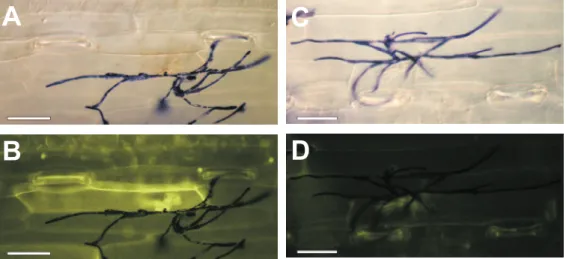
Intriguingly, the most efficient protection of wheat from colonization by powdery mildew is obtained when sylA is applied curatively at 2 days after the infection (Figure 3.10). This mode of activity is reminiscent of fungicides such as cyprodinil (Knauf-Beiter et al., 1995). Due to the obligate biotrophy of Blumeria graminis, fungicidal activity of sylA can not entirely be excluded by in vitro experiments. Yet, microscopically the situation resembles a race-specific incompatible interaction, where the pathogen is sometimes stopped at later stages of the infection. Likewise, differences in the colonization by the pathogen between control- and sylA-treated plants only become apparent later than 24 hours after the infection (hai) when sylA is sprayed before infection. SylA does not exhibit fungitoxic activity against
numerous fungi tested such as Pyricularia oryzae, Rhodotorula pilimanae, Fusarium graminearum or Trichoderma viride (Wäspi et al., 2001). In contrast to treatment with the fungicide cyprodinil, sylA treatment causes autofluorescence indicative for HR in more than 95 % of all infected cells (Figure 3.11). Cell death induction by sylA treatment is correlated with the inability of corresponding cells to undergo plasmolysis. It is exclusively found in infected cells and no autofluorescence occurs in uninfected tissue (Wäspi et al., 2001).
Normally, abundance of transcripts corresponding to PR-genes rapidly increases in response to the infection with virulent and avirulent powdery mildew but the accumulation is much more transient and transcript levels decrease faster in the compatible interaction as compared to incompatible interactions (Kmecl et al., 1995). Interestingly, the sylA-induced HR on infected cells in this nominally compatible interaction is accompanied by a induced transcription of PR genes at 2 days after treatment (Wäspi et al., 2001). This re-induction is not observed after treatment with fungicides such as cyprodinil and it only affects a subset of PR gene transcripts including WIR1 and WIR2 (Rebmann et al., 1991; Bull et al., 1992).
A
B
C
D
Figure 3.11: Induction of HR by application of 100 µM sylA in powdery mildew-infected wheat.
Leaves were infected with wheat powdery mildew and sprayed with 100 µM sylA (A & B) or 888 µM cyprodinil (C & D). Top images: Bright field microscopy, bottom images: Blue light incident fluorescence microscopy (excitation filter 450-490 nm; bypass filter 515-565 nm). Scale bar = 50 µM.
The ability of syringolin to re-induce PR gene transcription is hypothesized to be part of a re-induction of the plant defense which normally is suppressed by the activity of the virulent powdery mildew fungus. The theory of suppression of plant defense by the activity of pathogens such as powdery mildew is based on observations of induced susceptibility for avirulent powdery mildew species after the infection with virulent species. Induced susceptibility of barley coleoptiles for the nonhost pathogen Erysiphe pisi following infection