Teacher Conceptions of Integrated STEM Education and How They Are Reflected in Integrated STEM Curriculum Writing and Classroom Implementation
A DISSERTATION
SUBMITTED TO THE FACULTY OF THE UNIVERSITY OF MINNESOTA
BY
Elizabeth A. Ring
IN PARTIAL FULFILLMENT OF THE REQUIREMENTS FOR THE DEGREE OF
DOCTOR OF PHILOSOPHY
Gillian H. Roehrig, Adviser
Acknowledgements
There are many people who were integral to the completion of this dissertation. First, I would like to thank my adviser, mentor, and friend, Dr. Gill Roehrig, for her guidance, encouragement, and inspiration throughout my doctoral journey. You have helped me to become a better educator, researcher, and learner, and for your continued support I am forever grateful.
Second, I would like to thank my research partner, committee member, and friend, Dr. Emily Dare. Without your mentorship and guidance this process would have been daunting, and your continual willingness to ‘lend an ear’ was critical to my growth as a researcher. I would also like to extend my sincerest thanks to the others on my committee, Dr. Julie Brown and Dr. Mark Vagle. Your insightful comments, hard questions, and unique perspectives have helped me to grow not only as an educator and researcher, but as an individual.
This dissertation would not have been possible without the teachers, classroom coaches, and students who participated in the EngrTEAMS project. Thank you for allowing me to learn from you, and I am ever thankful for your dedication to science education and your passion for making it more equitable and effective.
To my family, I thank you for your unwavering love and support. Mom, you taught me to be strong and independent; Dad, you challenged me and taught me to stand up for my beliefs. I love you and I know that I would not be the person I am today without you. Finally, to my best friend and fiancé, Billy, thank you for standing by me and filling my life with love and happiness. I am a better person because of you.
Abstract
There has been a nation-wide push for an increase in the use of integrated science, technology, engineering, and mathematics (STEM) education in the United States. With this shift in epistemological, pedagogical, and curricular content, there is a need to develop an understanding as to what integrated STEM education is, particularly among practitioners. In this dissertation, inservice science teacher conceptions of integrated STEM education were investigated to help understand what these conceptions are and how these conceptions influence curriculum writing and implementation of integrated STEM curricula in classrooms. Teacher conceptions and their influences were
investigated through three separate but interrelated studies.
First, K-12 inservice science teachers’ conceptions of integrated STEM were investigated through the analysis of their sketched models of integrated STEM education. How these models changed throughout an intensive, three-week professional
development was also explored. The goal of this first study was to identify conceptual models of integrated STEM education held by inservice science teachers and to
understand how these conceptions might change over the course of a professional development.
Second, photo elicitation interviews (PEIs) and curricular analysis were used to provide rich descriptions of the conceptual models of integrated STEM education held by inservice science teachers, determine what components of STEM inservice science teachers found fundamental to integrating STEM in the classroom based on their
development of integrated STEM curricula. The goal of this second study was to better understand inservice science teachers’ conceptual models of integrated STEM and explore how these models were realized in the teachers’ curriculum writing.
Third, a multiple-case study was conducted with three teachers to investigate how the conceptual models held by inservice science teachers were enacted in their
implementation of an integrated STEM curriculum unit in their classrooms. The goal of this third study was to determine how, if at all, teachers enact their conceptual models of integrated STEM education in the classroom when implementing a STEM curriculum.
Together, these three studies helped to broaden the research related to integrated STEM education in the literature. The progressive nature of the studies in this
dissertation, as well as the diverse use of methodologies and data analysis, helped to expand STEM education research.
Table of Contents Memoriam ... i Acknowledgements ... ii Abstract ... iii Table of Contents ...v List of Tables ... ix List of Figures ...x Abbreviations ... xi 1. Introduction ...1 1.1. Organization of Dissertation ...1 1.2. Rationale ...2
2. Literature Review and Research Context ...4
2.1. Defining Integrated STEM Education ...4
2.2. Conceptualizing, Developing and Integrating STEM Curricula ...7
2.3. Professional Development and Integrated STEM Education ...9
2.4. Research Context: EngrTEAMS Grant Project ...10
2.5. Preview of the Studies ...14
3. Identifying Conceptions: The Evolution of Teacher Conceptions of Integrated STEM Education Throughout a Professional Development Experience ...16
3.1. Rationale ...16
3.2. Literature Review ...18
3.2.1. Defining STEM Integration ...18
3.2.2. Integrating STEM Education and Teacher Conceptions ...21
3.3. Conceptual Framework ...23 3.4. Methods...25 3.4.1. Research Design ...25 3.4.2. Theoretical Framework ...25 3.4.3. Context ...27 3.4.4. Participants ...31 3.4.5. Data Collection ...32
3.4.6. Data Analysis Approach and Process ...33
3.5. Findings ...35
3.5.1. First Iteration of the STEM Reflection Protocol ...37
3.5.2. Second Iteration of the STEM Reflection Protocol ...38
3.5.3. Third Iteration of the STEM Reflection Protocol ...39
3.5.4. General Shifts in Teacher Conceptions of Integrated STEM Education ...40
3.6. Discussion ...48
3.7. Limitations ...51
3.8. Implications ...52
4. Understanding Conceptual Effects: How Teachers’ Conceptions of STEM Education are Reflected in Curriculum Writing ...54
4.1. Overview ...54
4.2. Rationale ...54
4.3. Literature Review ...55
4.3.1. Integrated STEM Education ...55
4.3.2. Teacher Conceptions ...57
4.3.3. Curriculum ...58
4.4. Methods...60
4.4.1. Context ...60
4.4.2. Research Design ...61
4.4.3. Data Collection and Sampling ...61
4.4.4. Analysis...63
4.5. Findings ...66
4.5.1. Case 1 – Soccer Stadium ...66
4.5.1.1. Teacher Conceptions ...66
4.5.1.2. Curriculum ...69
4.5.1.3. Comparison of Conceptions and Curriculum ...72
4.5.2. Case 2 – Cross Pollination of GMOs ...73
4.5.2.1. Teacher Conceptions ...73
4.5.2.2. Curriculum ...75
4.5.2.3. Comparison of Conceptions and Curriculum ...78
4.5.3. Case 3 – Improving the Mechanical Claw ...79
4.5.3.1. Teacher Conceptions ...79
4.5.3.2. Curriculum ...81
4.5.3.3. Comparison of Conceptions and Curriculum ...84
4.5.4. Cross-Case Analysis ...85
4.5.4.1. Viability of Multiple Conceptions of STEM ...85
4.5.4.2. Tensions with Technology and Mathematics ...86
4.5.4.3. Relationships Between Characteristics of STEM ...86
4.6. Discussion and Limitations ...89
4.7. Implications ...92
5. Putting Conceptions into Practice: Differences in Teachers’ Practices and Ways in Which Their Conceptual Models of STEM are Enacted During Implementation of an Integrated STEM Curriculum Unit ...95
5.1. Overview ...95
5.2. Rationale ...95
5.3. Literature Review ...96
5.3.2. Conception to Enactment ...98 5.4. Theoretical Framework ...100 5.5. Methods...104 5.5.1. Research Design ...104 5.5.2. Context ...104 5.5.3. Participants ...106 5.5.3.1. Allison ...107 5.5.3.2. Holly ...107 5.5.3.3. Melissa ...108 5.5.4. Curricular Context ...108 5.5.5. Data Collection ...111 5.5.5.1. Classroom Observations ...112 5.5.5.2. Post-Implementation Interviews ...112 5.5.6. Data Analysis ...113
5.5.6.1. Video Analysis (Conceptual Coding) ...113
5.5.6.2. Video Analysis (Coding of Practices) ...114
5.5.6.3. Coding Framework ...114
5.5.6.4. Individual Conception to Enactment ...116
5.6. Findings ...117
5.6.1. Case 1: Allison’s Implementation of STEM ...117
5.6.1.1. Engineering ...118
5.6.1.2. Science ...119
5.6.1.3. Mathematics ...120
5.6.1.4. Technology ...121
5.6.1.5. Connecting Disciplines ...121
5.6.2. Case 2: Holly’s Implementation of STEM ...122
5.6.2.1. Engineering ...123 5.6.2.2. Science ...124 5.6.2.3. Mathematics ...124 5.6.2.4. Technology ...126 5.6.2.5. Literacy ...126 5.6.2.6. Connecting Disciplines ...127
5.6.3. Case 3: Melissa’s Implementation of STEM ...127
5.6.3.1. Engineering ...128 5.6.3.2. Science ...131 5.6.3.3. Mathematics ...132 5.6.3.4. Technology ...132 5.6.3.5. Literacy ...133 5.6.3.6. Connecting Disciplines ...133 5.6.4. Cross-Case Analysis ...134 5.6.4.1. Curricular Influence ...135 5.6.4.2. Engineering ...136
5.6.4.5. Technology ...138
5.6.4.6. Literacy ...139
5.6.4.7. Connecting Disciplines ...140
5.7. Discussion and Limitations ...140
5.8. Conclusions and Implications ...143
6. Conclusion ...145
6.1. Overarching Findings ...145
6.2. Implications for Education ...148
6.3. Future Work ...150
7. References ...152
List of Tables
Table 2.1. Framework for Quality K-12 Engineering Education ...12
Table 2.2. EngrTEAMS Year 3 PD: Major Activities ...14
Table 3.1. Life Science Teacher Project Experience ...31
Table 3.2. Physical Science Teacher Project Experience ...31
Table 3.3. Coded STEM Models ...36
Table 3.4. STEM Model Distributions ...37
Table 4.1. Curriculum and Participants in Each Team ...63
Table 4.2. Soccer Stadium Lesson Summaries and Codes ...70
Table 4.3. Cross Pollination of GMOs Lesson Summaries and Codes ...76
Table 4.4. Mechanical Claw Lesson Summaries and Codes ...82
Table 5.1 Framework for Quality K-12 Engineering Education ...103
Table 5.2. School and Focus Classroom Information ...108
Table 5.3. Improving the Mechanical Claw Lesson Summaries and Codes ...111
Table 5.4. Coding Framework ...116
Table 5.5. Allison’s Codes by Lesson ...118
Table 5.6. Holly’s Codes by Lesson ...123
Table 5.7. Melissa’s Codes by Lesson ...128
Table 5.8. Science and Engineering Practices Used by Allison, Holly, and Mandy During Implementation ...135
List of Figures
Figure 3.1. Overview of the professional development ...28
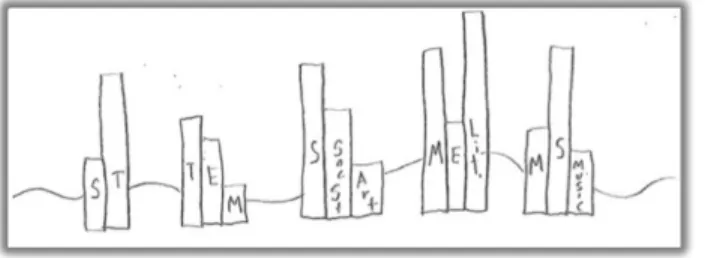
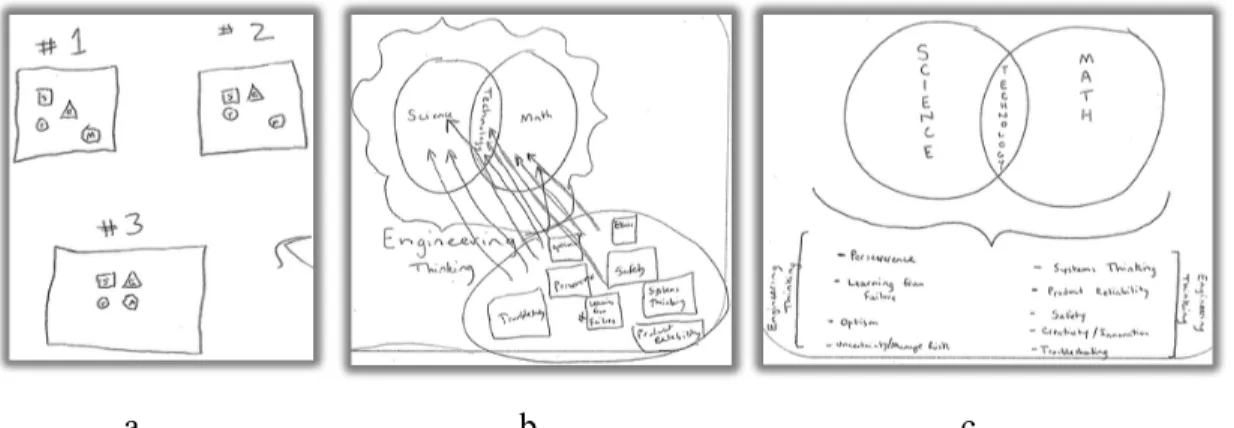
Figure 3.2. Model from STEM reflection protocol iteration 1 ...38
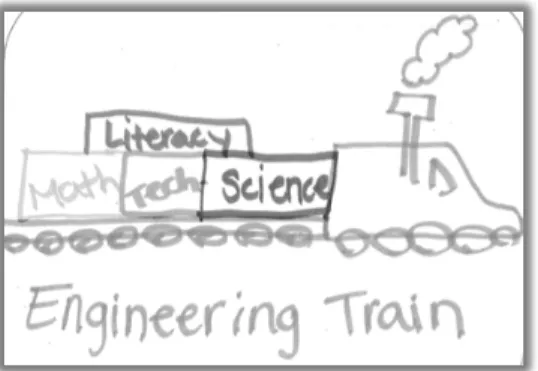
Figure 3.3. Second model from STEM reflection protocol iteration 2 ...39
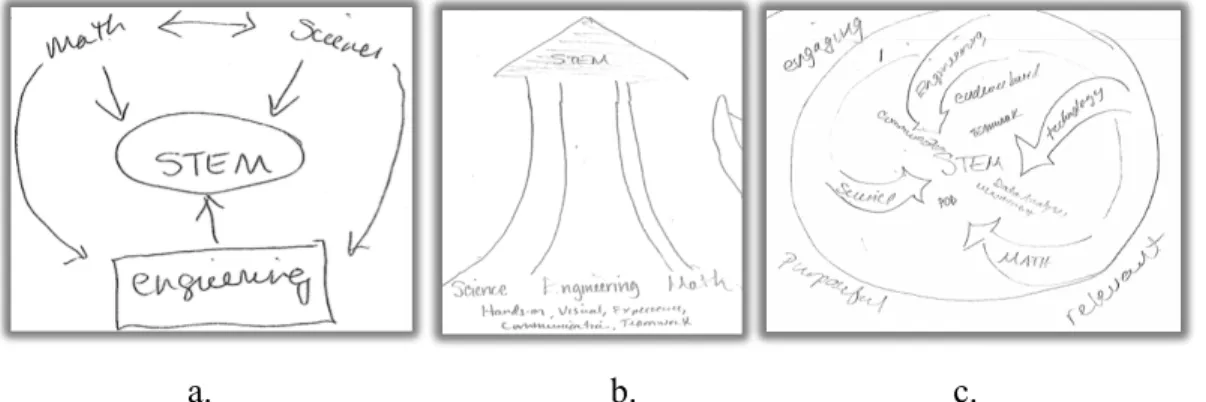
Figure 3.4. Model from STEM reflection protocol iteration 3 ...40
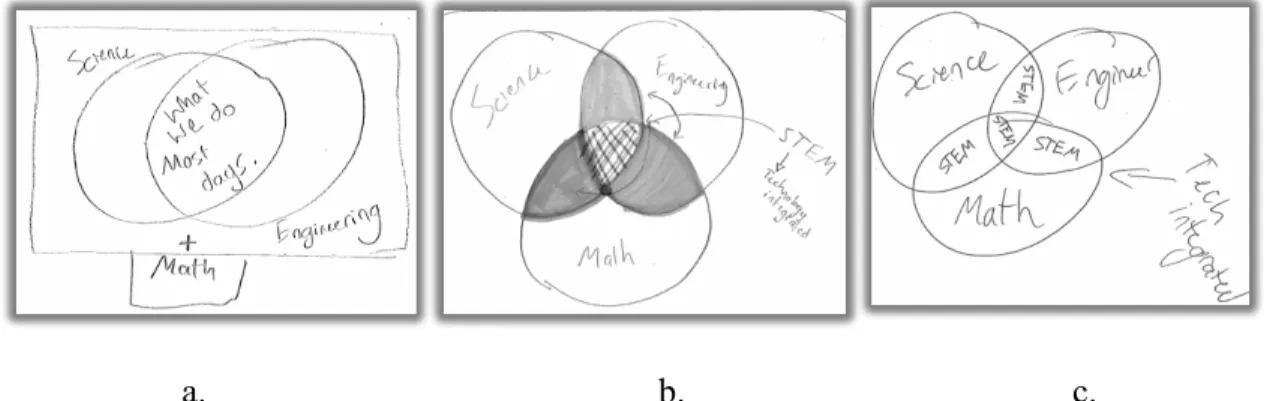
Figure 3.5. Model shift to integrated disciplines ...42
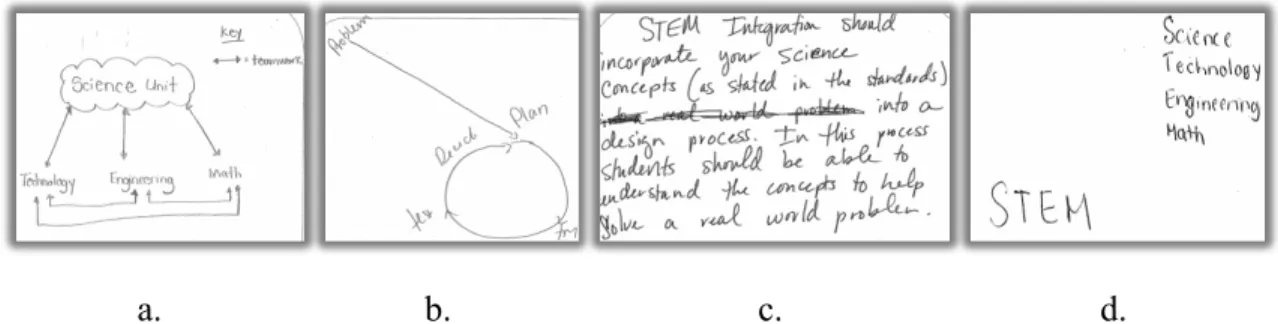
Figure 3.6. Model shift to engineering as context ...43
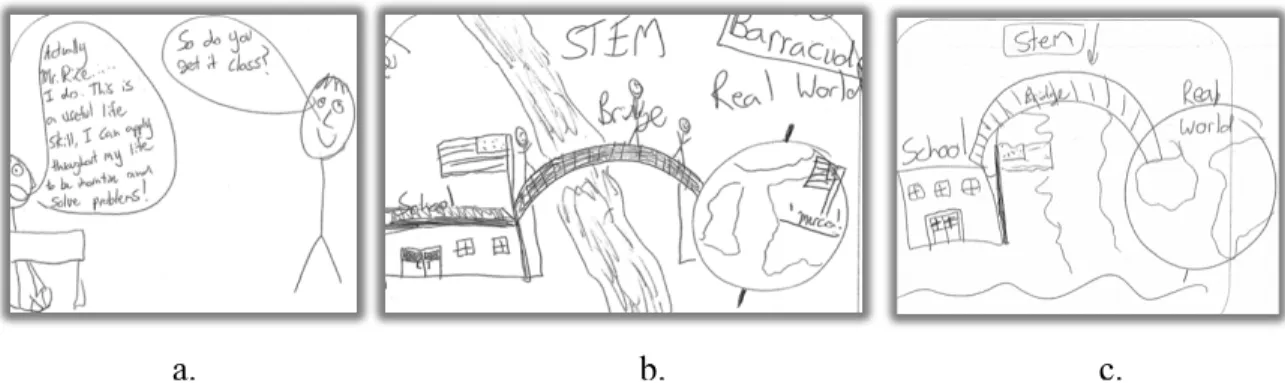
Figure 3.7. Models representing real-world problem-solving as context ...44
Figure 3.8. Models that decreased in number during the professional development ...45
Figure 3.9. Model shift through professional development ...46
Figure 3.10. Second model shift through professional development ...47
Figure 4.1. Conceptions of Teachers in Case 1 ...66
Figure 4.2. Characteristics of STEM in Soccer Stadium curriculum ...72
Figure 4.3. Conceptions of Teachers in Case 2 ...73
Figure 4.4. Characteristics of STEM in Cross Pollination of GMOs Curriculum .78 Figure 4.5. Conceptions of Teachers in Case 3 ...79
Figure 4.6. Characteristics of STEM in Mechanical Claw curriculum ...84
Figure 4.7. Characteristics of 3 Curricula ...85
Figure 4.8. Characteristics of 3 Curricula without STEM is more than just S-T-E-M ...88
Figure 5.1. Process of Design Poster ...105
Abbreviations
STEM Science, technology, engineering, and mathematics
PD Professional development
EDP Engineering design process
Chapter 1: Introduction
1.1. Organization of the DissertationThis dissertation represents a three-paper dissertation organized into six chapters. Chapter 1 provides an overall organization and rationale for the research. Chapter 2 contains a general literature review that serves to ground the dissertation’s studies in the context of prior research and describe the research context for the studies. Chapters 3–5 each contain a single study, where each chapter represents a separate study complete with rationale, literature review, methodology, results, and discussion. Chapter 6 discusses central findings from all three studies, as well as implications for education and future research.
The first study, found in Chapter 3, is an exploratory study investigating the conceptual models of integrated STEM education held by inservice science teachers and how those conceptions changed over the course of a professional development. This study identified eight different conceptual models of integrated STEM education held by inservice science teachers, and these conceptual models were used to inform the next two studies, found in Chapters 4 and 5.
The next two studies were informed by the first study’s findings and were intended to move its more theoretical findings toward practical application. The second study, found in Chapter 4, is a deeper investigation of the conceptual models of integrated STEM held by inservice science teachers and how these conceptual models were
reflected in the teachers’ development of integrated STEM curricula. This study identified seven characteristics of integrated STEM important to inservice science
teachers and found that teachers’ conceptions of integrated STEM were reflected in integrated STEM curriculum writing in various ways.
The third study, found in Chapter 5, examined how, if at all, teachers enact their conceptual models of integrated STEM education in the classroom when implementing a STEM curriculum and ways in which this enactment differed between teachers. This study found that differences existed in teachers’ implementations of the same integrated STEM curriculum unit and that their conceptions of STEM were enacted in various ways during their implementations.
1.2. Rationale
In the past decade, multiple national policy documents have been published that indicate the United State’s global competitiveness and growing workforce needs in the fields of science, technology, engineering, and mathematics (STEM) is dependent upon our educational system’s ability to both educate students in and recruit students into the STEM disciplines at both the K-12 and the post-secondary levels. For example, Rising Above the Gathering Storm (National Academy of Sciences, National Academy of Engineering, Institute of Medicine of the National Academies [The National Academies], 2007) called for a nationwide emphasis on the investment of time and energy into
developing quality K-12 STEM education programs to help increase the number of students pursuing STEM-related careers. This document suggests that in order to improve STEM education programs, it is important that the quality and knowledge base of K-12 teachers instructing students in the STEM disciplines must be increased.
Though national and state policymakers, as well as educators, are aware of the importance of improving K-12 STEM education and the quality of K-12 STEM educators, there is not a common understanding of what integrated STEM curriculum models might look like (Roehrig, Moore, Wang, & Park, 2012). Even among the
researchers and educational professionals most heavily involved in the STEM movement, there appear to be numerous ways to define both the term and the practice of STEM education. Without a better understanding of the conceptions of integrated STEM education held by practitioners, or how these conceptions influence the development of integrated STEM curriculum and the implementation of integrated STEM curricula in the classroom, supporting the STEM movement through teacher preparation programs, professional development opportunities, and development of curricular resources will be difficult. Thus, understanding the conceptions teachers hold regarding integrated STEM education is an important first step in implementing reforms that call for increased integrated STEM in K-12 schools. How these conceptions influence teachers’
development of and implementation of integrated STEM curricula in classrooms will also contribute to meeting the lofty goals set forth by the nations’ educational policy makers. Thus, the focus of this dissertation is teacher conceptions of integrated STEM education. This dissertation strives to explore what those conceptions are and how those conceptions are reflected in integrated STEM curriculum and implementation in classrooms.
Implications for this research will play an important role in supporting the goals of the STEM movement.
Chapter 2: Literature Review and Research Context
While policymakers and researchers advocate for STEM integration, there is not a common understanding of what an integrated STEM curriculum model (or models) might look like in theory or in practice. In order to move the goal of improving this
understanding forward, it is important to consider prior research pertaining to the conceptual models of, curriculum development for, implementation of, and professional development surrounding integrated STEM education.
2.1. Defining Integrated STEM Education
The benefits of integrating curricula have been well studied. Furner and Kumar (2007) suggest that using an integrated curriculum provides students with a highly relevant, less fragmented, and more stimulating learning experience than curricula that are not integrated. Studies have shown that integration allows students to determine when to apply their knowledge and encourages them to examine relationships between multiple concepts (Froyd & Ohland, 2005; Stein, Carnine, & Dixon, 1998). Other benefits to integrating curricula are that they are more student-centered (Czerniak, Weber,
Sandmann, & Ahern, 1999), increase student retention (Crosling, Heagney, & Thomas, 2009), and improve problem-solving skills in students (Smith & Karr-Kidwell, 2000). This research shows that integrating content is an important aspect to consider when facilitating student learning in the classroom.
Fogarty (1991) identified integration in educational curricula as occurring along a continuum of ten different models ranging from not integrated to fully integrated.
on the integration of science and mathematics, identifying five different types of science and mathematics integration. From the narrowest to broadest definition, they are:
discipline specific integration (merging two branches of either math or science); content specific integration (choosing one curriculum objective from math and one from science then planning an activity that weaves the two objectives together); process integration (exploring real-life problems using the scientific process and appropriate math concepts); methodological integration (investigating both scientific and mathematics problems using related strategies); and thematic integration (constructing a theme which serves as the medium that holds the disciplines together). While Davison et al.’s (1995) continuum does not explicitly include the integration of either engineering or technology into curricula, extending this continuum to include additional content is possible.
Bybee (2013) recently detailed commonly accepted models conceptualizing the integration of all four disciplines of STEM education. From least to most integrated they are: 1) a single discipline reference (STEM equals a science discipline); 2) a reference for science and math (separate disciplines of science and math); 3) separate science
disciplines that incorporate other disciplines (a science course that incorporates technology, engineering, or mathematics as appropriate); 4) separate disciplines (four separate courses for science, technology, engineering and math); 5) science and math connected by technology or engineering program (science and math as separate disciplines but connected by technology or engineering); 6) coordination across disciplines (concepts, processes, and resources are coordinated across boundaries to separate disciplines); 7) combining two or three disciplines (use of two or three of the
STEM disciplines to form a course); 8) integrated disciplines (integration of science, technology, engineering, and mathematics through overlapping and sequencing); and 9) a transdisciplinary course or program.
Other definitions of integrated STEM education use more holistic approaches than the models offered by Bybee (2013). Breiner, Harkness, Johnson, and Kohler (2012) define the practice of STEM integration as the shift from traditional lecture-based classrooms to the implementation of pedagogy that involves more inquiry and problem-based learning approaches. In their literature review, Briener et al. (2012) suggest that others define integrated STEM as curricula that integrate science, technology,
engineering, and mathematics concepts in ways that most closely reflect the practice of professionals currently working in STEM fields in an effort to graduate more students who are prepared to work in STEM professions. This particular perspective involves viewing the four separate areas of STEM as one entity, thus teaching them cohesively to seamlessly integrate the content.
Moore et al. (2014a) define integrated STEM education as, “an effort by educators to have students participate in engineering design as a means to develop technologies that require meaningful learning and application of mathematics and/or science” (p. 38). This definition of integrated STEM education emphasizes the integration of engineering into science and mathematics classes with the purpose of learning through the development of technologies. Though Moore et al. (2014a) indicate that both science and mathematics classrooms are potential venues for integrated STEM
Standards (NGSS Lead States, 2013) indicates that, nationally, integration is more likely to take place within K-12 science classrooms.
The previous examples illustrate the variety of definitions and models currently describing integrated STEM education in an academic setting. Bybee (2013) suggests that while it is not important that one of these models be chosen as the exemplar or one-size-fits-all definition of integrated STEM education, it is important that teachers,
administrators, school districts, and policy-making agencies consider their own conceptions of integrated STEM to better operate as advocates for STEM at the local level. Teachers are then faced with the difficult task of determining what integrated STEM education means for them at a personal and practical level.
2.2. Conceptualizing, Developing, and Implementing Integrated STEM Curricula Conceptions have been identified as general mental structures that represent frameworks for the way teachers interpret and interact with the teaching environment (Marton, 1981; Pratt, 1992). Conceptions influence our behavior and according to Pratt (1992), “… mediate our response to situations” (p. 204). Additionally, studies have shown that teachers’ beliefs, which can be defined as the way they conceptualize their work in the classroom in relation to student learning (Richards, Gallo, & Renandya, 2001), have an impact on their classroom practices in science and mathematics (Ernest, 1989; Lumpe, Czerniak, Haney, & Beltyukova, 2012; Roehrig & Luft, 2004). Because there are various ways of conceptualizing integrated STEM education (Breiner et al., 2012; Bybee, 2013; Moore et al., 2014a) and because conceptions influence behavior (Pratt, 1992) examining teachers’ conceptions of integrated STEM is important –
particularly as they relate to curriculum development and classroom practices.
Though the benefits of integrated curricula seem clear, there are difficulties that must be overcome when teachers choose to implement integrated STEM curricula. The lack of agreed upon articulations for the goals, classroom models, or classroom
implementation methods for integrated STEM is problematic (Venville, Wallace, Rennie, & Malone, 1999). Bybee (2013) supports the notion that there is no one agreed upon model: while he offers a framework for understanding a variety of perspectives on integrated STEM education, he does not advocate for just one of those perspectives as an exemplar. This can make conceptualizing integrated STEM education difficult for
teachers and administrators making programmatic decisions. A second challenge lies in teacher buy-in. According to Huntley (1998), teachers must have a strong belief that integrating curricula is what is best for their students in order for them to persist in implementing integrated STEM education in their classrooms. Huntley (1998) suggests that without this belief, the likelihood teachers will take the time and the effort to seek out, modify, and/or develop integrated curriculum in their practice is small. A final challenge to implementing integrated STEM curricula lies in teacher content knowledge; integrating science, technology, engineering, and mathematics presents challenges to teachers whose background knowledge in several of the subject areas is limited (Ejiwale, 2013; Sanders, 2009). Elementary teachers, whose education tends to be more general in its scope, can feel overwhelmed by the amount of content knowledge required when implementing integrated STEM curricula (Nadelson et al., 2013). While many teachers
understanding of how to implement an integrated STEM curriculum, professional development opportunities available to help teachers understand how to integrate STEM in their classrooms are limited (Asghar, Ellington, Rice, Johnson, & Prime, 2012; Ejiwale, 2013; Roehrig et al., 2012).
2.3. Professional Development and Integrated STEM Education
The goals of many professional development opportunities are to equip teachers with resources and tools to help them implement high quality, effective instruction (Buczynski & Hansen, 2009). Professional development can have a positive impact on teacher beliefs and practices (Luft, 2001; Ross & Bruce, 2007), increase teachers’
adoption of a student-centered approach to learning (Gibbs & Coffey, 2004), and improve student learning in the teachers’ classroom (Gibbs & Coffey, 2004; Ross & Bruce, 2007). There are several strategies that can be used during professional development to make it effective in numerous ways, including teacher development of conceptual frameworks upon which to build their practice (Garet, Porter, Desimone, Birman, & Yoon, 2001; Supovitz & Turner, 2000). Garet et al. (2001) suggest that effective professional development includes: 1) sustained and intensive time frames, 2) a focus on curricular content, 3) opportunities for active learning, and 4) an explicit connection to the daily life of the school. Supovitz and Turner (2000) add that highly effective professional
development includes modeling inquiry practices with teachers and grounding the professional development in a common set of professional standards with direct
connections to student performance outcomes. While these strategies can be used to help improve the effectiveness of professional development, there are also obstacles to
implementing knowledge learned during that experience. Buczynski and Hansen (2007) suggest that limited resources, time constraints, mandated curriculum pacing, language learning, and classroom management issues can all hinder the ultimate effectiveness of a professional development when teachers return to their classrooms. Because of these barriers, it is crucial that school districts support teachers and offer time for collaboration and planning when they return from professional development sessions (Wee,
Shepardson, Fast, & Harbor, 2007).
It is critical that professional development focused on integrated STEM education incorporate the effective practices of professional development identified by previous research. It seems evident that these professional development opportunities should, among other practices, emphasize the benefits of curriculum integration (Huntley, 1998) and allow teachers the opportunity to develop their conceptions of integrated STEM (Garet et al, 2001; Supovitz & Turner, 2000).
2.4. Research Context: EngrTEAMS Grant Project
The context of these studies was a 5-year, NSF grant-funded project (DRL – 1238140) which aims to prepare teachers to develop and implement integrated STEM curricula through summer professional development and year-long coaching. The project was guided by both a STEM integration framework (Moore et al., 2014a) and a
framework for quality K-12 engineering education (Moore, Glancy, Tank, Kersten, & Smith, 2014b).
tenets: 1) a motivating and engaging context; 2) an engineering design challenge; 3) opportunity to learn from failure through redesign; 4) inclusion of math and/or science content, 5) student-centered pedagogies; and 6) an emphasis on teamwork and
communication. The central feature of this definition of integrated STEM is the use of an engineering design challenge that is situated in a real-world problem. The inclusion of this engineering design challenge was intended to help students understand both the engineering design process and the broader field of engineering within the context of integrated STEM.
Throughout the project, an emphasis was placed on the framework for quality K-12 engineering education identified by Moore et al. (2014b). Moore et al.’s (2014b) framework identifies, “12 key indicators that, when taken together, summarize a quality K-12 engineering education for all students throughout their K-12 education” (pp. 4). These indicators and brief definitions for each are listed in Table 2.1.
Table 2.1
Framework for Quality K-12 Engineering Education
Framework for Quality K-12 Engineering Education (Moore et al., 2014b)
Key Indicators Description
Process of Design (POD) Engineering design process
Problem and background (POD-PB) Identifying an engineering problem in need of a solution – includes researching the problem,
participating in learning activities to gain background knowledge, and identifying constraints
Plan and implementation (POD-PI) Developing and implementing a plan for a design solution to an engineering problem – includes brainstorming, developing multiple solutions, and evaluating pros and cons of multiple solutions Test and evaluate (POD-TE) Generating a testable hypothesis/question and
designing experiments to evaluate them – includes data collection and analysis for use in redesign Apply science, engineering, and mathematics (SEM) Applying mathematics or science in the context of
solving engineering problems
Engineering thinking (EThink) Applying independent, reflective, and metacognitive thinking to improve solutions and learn from failure – includes systems thinking, creativity, optimism, perseverance, and innovation
Conceptions of engineers and engineering (CEE) Developing an understanding of what engineers do – includes work driven by client needs, design under constraints, and learning about various engineering disciplines
Engineering tools (Etool) Developing proficiency using techniques, skills, processes, and tools used in engineering – excludes the engineering design process (POD)
Issues, solutions, and impacts (ISI) Understanding the impact of solutions in a global, economic, environmental, and societal context
Ethics Understanding ethical considerations inherent in
engineering – includes responsibility to natural and client resources; effects of a design on public health and safety; governmental regulations and professional standards; and integrity
Teamwork Developing teamwork and interpersonal skills –
includes participating in collaborative groups in a variety of roles
Communication related to engineering (Comm-Engr) Developing technical writing skills and ability to communicate technical ideas in common language – includes symbolic and pictorial representations
of design (Moore et al., 2014b); and c) applied the Minnesota state science, mathematics, and engineering standards.
The data for the three studies in this dissertation were collected during the third year of the five-year EngrTEAMS project. This year began with a three-week summer professional development (PD). During this PD, science teachers from five K-12 partner districts were supported in expanding their knowledge of STEM integration through a combination of large group meetings and smaller science content-specific breakout sessions (Table 2.2). The content-specific breakout sessions varied in their specific agendas, but each was intended to help teachers expand their pedagogical content knowledge and learn ways to integrate STEM within their chosen content area (Earth, life, or physical science). During the three-week professional development, teachers worked in large group sessions to explore approaches to teaching engineering and data analysis, in content-specific small groups to integrate engineering within specific areas of science, and in teams of two-three teachers to develop integrated STEM curriculum alongside a graduate-student coach. Once the curricula had been developed, the teachers piloted their curricula with summer camp students attending a STEM-focused camp at the EngrTEAMS’ partner university. Following this pilot, the teams of teachers revised their curricula to incorporate any needed changes. During the 2015-2016 school year, the teachers implemented their team-created curricula in their individual classrooms with the help of their graduate-student coach. After all teachers had implemented their curricula, the teams reassembled one last time to revise and submit their finalized integrated STEM curricula.
Table 2.2
EngrTEAMS Year 3 PD: Major Activities
Day 1 2 3 4 Major Activities - Project Introduction - Introduction to Engineering Education Framework (Moore et al., 2014b) - Process of Design Activity (Emphasis on Teamwork) - Problem Scoping in Engineering (Criteria and Constraints) Discussion - Client Letter Example and Activity - Content (Earth, Life, Physical) Breakout Sessions - Introduction to Evidence-Based Reasoning (EBR) in Student Assessment - Problem Scoping Activity with EBR as Assessment - Content Breakout Sessions - Content Breakout Sessions Day 5 6 7 8 Major Activities - Content Breakout Sessions - Introduction to STEM Integration Framework (Moore et al., 2014a) - Revisit Engineering Education Framework (Moore et al. 2014b) - Content Breakout Sessions - Cooperative Learning and Teamwork Discussion
- Team Charters for Curriculum Development Created - Introduction to STEM Integration Curriculum Assessment (ICA) - Content Breakout Sessions - Revisit Problem Scoping Activity with EBR as Assessment - Leading EBR Discussions with Students Modeled - Practice using STEM ICA Day 9 10 11 12 Major Activities - Creative Design Process/Brainstorming Activities - Team Curriculum Writing - Data Analysis Discussion - ETools for Students Discussion - Team Curriculum Writing - Team Curriculum Writing - Team Curriculum Writing
2.5. Preview of the Studies
This chapter broadly grounds the proposed studies in this dissertation in the literature related to integrated STEM education and provides a context for the research. A rationale and literature review specific to each study is found in Chapters 3-5. Chapter 3 investigates currently held conceptions of integrated STEM education by inservice
development experience. Chapter 4 investigates these conceptions of integrated STEM education further and how these conceptions were reflected in teachers’ development of integrated STEM curricula. Chapter 5 investigates how, teachers’ implementation of an integrated STEM curriculum differ and how, if at all, teachers enact their conceptual models of integrated STEM education in the classroom during their implementation of this curriculum. Chapter 6 provides an overview of the overarching findings of the studies in this dissertation as well implications for education and future research.
Chapter 3:
Identifying Conceptions: The Evolution of Teacher
Conceptions of Integrated STEM Education Throughout an Intensive
Professional Development Course
While policymakers and researchers advocate for STEM integration, there is not a common understanding of what an integrated STEM curriculum model (or models) might look like in theory or in practice. In order to move the goal of improving this
understanding forward, it is important that prior research pertaining to the conceptual models of, curriculum development for, and implementation of integrated STEM curricula be explored.
3.1. Rationale
In the past decade, multiple national policy documents have asserted that the global competitiveness of the United States is contingent upon its ability to recruit students into and educate individuals in the science, technology, engineering, and mathematics (STEM) disciplines at the K-12 and post-secondary levels, respectively (National Academy of Sciences, National Academy of Engineering, & Institute of Medicine of the National Academies [The National Academies], 2007). For example, in
Rising Above the Gathering Storm, The National Academies (2007) called for a
nationwide emphasis on the investment of time and energy into developing quality K-12 STEM education programs to help increase the number of students pursuing STEM-related careers in their adult lives. In order to develop effective STEM education programs, the quality and content knowledge base of K-12 science teachers, as well as
their understanding of how to integrate the STEM disciplines, must be increased (Honey, Pearson, & Schweingruber, 2014).
However, the success of these calls for improving the quality and integration of STEM in K-12 classrooms depends on teachers’ associated knowledge and beliefs. Previous studies have shown that teachers’ beliefs, which can be defined as the way they conceptualize their work in the classroom in relation to student learning (Richards, Gallo, & Renandya, 2001), have an impact on their classroom practices in science and
mathematics (Ernest, 1989; Lumpe, Czerniak, Haney, & Beltyukova, 2012; Roehrig & Luft, 2004). Studies have indicated that in order for science teachers to use integrated curriculum in their classroom, they need to have a strong belief that students learn best when curriculum is integrated (Huntley, 1998). Unfortunately, there is little research available that explores how teachers’ beliefs of integrated STEM influence the
implementation of integrated STEM curricula (Wang, Moore, Roehrig, & Park, 2011), let alone what their conceptions of integrated STEM are. While policymakers and educators are aware of the importance of improving K-12 STEM education through teacher
preparation programs, professional development opportunities, and curricular resources, there remains debate about the nature of STEM integration (Brown, Brown, Reardon, & Merrill, 2011; Bybee, 2013; English, 2016; Herschbach, 2011; Johnson, 2012; Roehrig, Moore, Wang, & Park, 2012). Thus, understanding the conceptions teachers hold
regarding integrated STEM education is an important first step in implementing reforms that call for increased integrated STEM in K-12 schools.
Integrated STEM education has become a nationwide movement with an ambitious goal of increasing the number of students pursuing STEM-related careers; action needs to be taken to support teachers in this endeavor. It is imperative that K-12 science teachers across the United States develop an understanding of what integrated STEM education could look like in the classroom. Without knowledge of beliefs and understandings related to integrated STEM education, the probability that it will be used in a teacher’s classroom, or more specifically used effectively in a teacher’s classroom, is small (Roehrig, Moore, Wang, & Park, 2012). This study aims to explore this gap in the literature by investigating inservice science teachers’ conceptions of integrated STEM education and observe how those conceptions changed over the course of an intensive, 3-week professional development.
3.2 Literature Review
3.2.1 Defining STEM Integration
There is not one single approach to integrating science, technology, engineering and mathematics (Brown et al., 2011; Bybee, 2013; English, 2016; Herschbach, 2011; Johnson, 2012). In this study, we consider several models as potential ways that teachers may conceptualize integrated STEM education. Fogarty (1991) identified integration in curricula in general as occurring along a continuum of ten different models ranging from not integrated (e.g., separate disciplines) to fully integrated. Davison, Miller, and
Metheny (1995) modified Fogarty’s continuum to focus specifically on the integration of science and mathematics, identifying five different types of science and mathematics
integration of either engineering or technology into curricula, extending this continuum to include additional content areas is possible. To that end, Bybee (2013) detailed nine commonly accepted models conceptualizing integrated STEM education, including STEM as a single discipline reference in curricula and STEM as integrated disciplines.
Others have defined integrated STEM education more broadly than the models suggested above. Breiner, Harkness, Johnson, and Kohler (2012) define the practice of STEM integration as the shift from traditional lecture-based classrooms to the
implementation of pedagogy that involves more inquiry and problem-based learning approaches. Breiner et al.’s (2012) literature review cites work indicating that some define integrated STEM as curricula that integrate science, technology, engineering, and mathematics concepts in ways that most closely reflect the practice of STEM
professionals in an effort to graduate more students who are prepared to work in STEM professions. This particular perspective involves viewing the four separate areas of STEM as one entity, thus teaching them cohesively to seamlessly integrate the content within an authentic context. While this approach to integrating STEM may be interpreted as ideal, this has been found to be a difficult task for teachers (English, 2016;
Herschbach, 2011; Rinke, Gladstone-Brown, Kinlaw, & Cappiello, 2016); for instance, teachers’ limited access to resources and lack of teacher preparedness to teach STEM can create obstacles to implementing integrated STEM curricula (Nadelson et al., 2013).
Despite the differences between the definitions highlighted above, there appear to be some commonalities across them. Examples of these overlaps include: use of an engaging, real-world context (Breiner et al., 2012; Brown et al., 2011); intentional,
explicit identification of the connections between the four disciplines of STEM and modeling them as they would be used in STEM careers (English, 2016; Herschbach, 2011; Kelley & Knowles, 2016); and the use student-centered pedagogies to develop problem-solving skills (Breiner, et al., 2012; Labov, Reid, & Yamamoto, 2010; Rinke et al., 2016; Sanders, 2009). Moore et al. (2014a) identified a framework for integrated STEM which includes common features of the aforementioned frameworks within its six tenets: 1) a motivating and engaging context; 2) an engineering design challenge; 3) opportunity to learn from failure through redesign; 4) inclusion of math and/or science content, 5) student-centered pedagogies; 6) an emphasis on teamwork and
communication. This integrated STEM perspective introduces the use of an engineering design challenge to address a real-world problem, which aligns to national reforms addressing STEM education.
At the national, state, and institutional level, frameworks for STEM education (National Research Council, 2011; 2012a) and standards for science education (National Governors Association Center for Best Practices & Council of Chief State School Officers, 2010; NGSS Lead States, 2013) incorporate a prominent engineering
component in science disciplinary content and process. Research has indicated that the incorporation of engineering as a context to teach science content has potential to increase both student learning and interest (Moore et al., 2014a; National Academy of Engineering & National Research Council, 2014). New standards and curricula also encourage the incorporation of mathematics and technology in STEM education
School Officers, 2010; NGSS Lead States, 2013). However, though both mathematics and technology have been found to be highly valued, they have also been found to be missing from STEM educational approaches and are areas that need to be further studied within integrated STEM education (Herschbach, 2011; Rinke et al., 2016).
The previous examples illustrate the variety of definitions, models, frameworks, and standards currently defining integrated STEM education. Bybee (2013) suggests that while it is not important that one model be chosen as the exemplar or one-size-fits-all definition of integrated STEM education, it is important that teachers, administrators, school districts, and policy-making agencies consider their own conceptions of integrated STEM to better operate as advocates for STEM at the local level. Teachers are then faced with the difficult task of determining what integrated STEM education means for them at a personal and practical level.
3.2.2. Integrating STEM Education and Teacher Conceptions
The benefits of integrating curricula have been well studied. Furner and Kumar (2007) suggest that using an integrated curriculum provides students with a more
relevant, less fragmented, and more stimulating learning experience. Studies have shown that integration allows students to determine when to apply their knowledge and
encourages them to examine relationships between multiple concepts (Froyd & Ohland, 2005; Stein, Carnine, & Dixon, 1998). Other benefits to integrating curriculum are that it is more student-centered (Czerniak, Weber, Sandmann, & Ahern, 2005), increases student retention (Crosling, Heagney, & Thomas, 2009), and improves problem-solving skills in students (Smith & Karr-Kidwell, 2000). This research shows that integrating
content is an important aspect to consider when facilitating student learning in the classroom.
Though the benefits of integrated curricula seem clear, there are barriers that must be negotiated when teachers choose to implement integrated STEM curricula. First, teachers must have a strong belief that integrating curricula is what is best for their students in order for them to remain resilient in their determination to implement integrated STEM education (Huntley, 1998). Integration of curricula takes substantial time and effort and without the belief that these efforts are beneficial, teachers will not persist in integrating (Huntley, 1998). A second barrier lies in the lack of agreed upon articulations for the goals, classroom models, or classroom implementation methods for integrated STEM (Venville, Wallace, Rennie, & Malone, 1999). This can make
conceptualizing integrated STEM education difficult for teachers and administrators who work together to make programmatic decisions. A third challenge lies in teacher content knowledge; integrating science, technology, engineering, and mathematics presents challenges to teachers whose background knowledge in several of the subject areas is limited (Ejiwale, 2013; Sanders, 2009). While many teachers understand the need to improve both their STEM content knowledge and their understanding of how to implement an integrated STEM curriculum, professional development opportunities available to help teachers understand how to integrate STEM in their classrooms are limited (Asghar, Ellington, Rice, Johnson, & Prime; 2012; Ejiwale, 2013; Roehrig et al., 2012).
Despite the significant amount of literature that exists suggesting that integration in general, and STEM integration in particular, is necessary and effective in classrooms, there is little research focusing on what teachers’ conceptions of integrated STEM are. With this gap in the literature and the fact that little research has been done exploring teachers’ working models of integrated STEM education, the research questions that drive this study are: (1) How do K-12 science teachers conceptualize STEM integration?; and (2) How, if at all, do these conceptions change over the course of a professional development program?
3.3. Conceptual Framework
We grounded our research in the understanding that there is no one way of conceptualizing integrated STEM education. However, though these understandings are varied (Brown et al., 2011; Bybee, 2013; English, 2016; Herschbach, 2011; Johnson, 2012), we draw on a conceptualization that captures the purpose of integrated STEM as, “the ability to identify, apply, and integrate concepts from science, technology,
engineering, and mathematics to understand complex problems and to innovate to solve them” (Balka, 2011, p. 7). This definition highlights integrated STEM education as different from traditional learning in two key areas: content integration related to the disciplines of STEM and an approach to innovative problem-solving that we understand as including the use of the 21st Century skills of creativity, critical thinking,
communication, and collaboration (related to the pedagogies of STEM) (Bellanca & Brandt, 2010).
In this conceptualization, content integration is at the heart of STEM education. However, there are multiple ways in which to carry this out (Brown et. al, 2011; Bybee, 2013; Johnson, 2012; Vasquez, Snyder, & Comer, 2014). For example, Moore et al. (2014a) define integrated STEM education as “an effort to combine some or all of the four disciplines of science, technology, engineering, and mathematics into one class, unit or lesson that is based on connections between the subjects and real-world problems” (p. 38); while Kelley and Knowles (2016) define integrated STEM education as “the
approach to teaching the STEM content of two or more STEM domains, bound by STEM practices within an authentic context for the purpose of connecting these subjects to enhance student learning” (p. 3). These two definitions are similar in that they allow objectives to be primarily focused on one of the STEM subject areas, but contexts and skills from other STEM subjects are used in teaching these objectives. Consequently, content area (i.e. science and mathematics) teachers can focus on their required content standards while still integrating STEM content by drawing in knowledge and skills traditionally taught in other areas. We draw across these definitions in our
conceptualization of content integration in STEM education while acknowledging the inherent limitations in asserting a singular definition of STEM. This is important for the objectives of this study, which explores the different ways in which teachers
conceptualize STEM.
Also distinguishing our conceptualization from traditional learning is the idea that the 21st Century skills of creativity, critical thinking, communication, and collaboration
These skills, along with adaptability, literacy, systems thinking, self-management, and self-development have been identified as supportive of STEM education (National Research Council, 2010). Our conceptualization of STEM, then, upholds the idea that teachers who embrace these 21st Century skills as important for student-learning and who use pedagogies that teach them can support the comprehensive thinking required of students in integrated STEM education.
3.4. Methods
3.4.1. Research Design
This study used a revelatory single case study design (Yin, 2014) in order to understand teacher conceptions of integrated STEM education and how they change over time within the context of professional development. The case study design provides information about how ideas and abstract ideas can fit together in real contexts (Yin, 2014). The choice of studying teachers’ conceptions of STEM integration, a phenomenon as of yet unexplored, during a professional development was intentional as we recognize that the chosen context has the ability to impact teacher conceptions, much like
professional development can impact teacher beliefs (Luft, 2001) and practice (Buczynski & Hanson, 2009).
3.4.2. Theoretical Framework
By adopting a theoretical framework based on constructivist and social
constructivist theories, we argue that the conceptions of STEM integration developed by K-12 science teachers are conceptual models constructed based on their prior knowledge and experiences (Bruner, 1966). Constructivist theory states that learning is an active
process in which learners construct new ideas and concepts based on current knowledge schemas (Bruner, 1966). Learners develop and use schemas, mental models of related concepts, to help give meaning to new concepts (Bruner, 1966). Because no one individual encounters a new concept with the same prior knowledge, the schemas developed may differ for each learner, and multiple realities and conceptual constructs may be developed for the same concept from individual to individual (Bruner 1966). Social constructivist theory (Dewey, 1969; Vygotsky, 1978) extends cognitive
constructivism to incorporate the idea that individuals develop more comprehensive and advanced conceptual constructs when working collaboratively with others (Hodson & Hodson, 1998; Vygotsky, 1978). Because of this, modern professional development experiences have been designed around the concept of professional collaboration (Lave, 1991; Avalos, 2011; Crafton & Kaiser, 2011). These professional development
experiences call upon teachers to work collaboratively to help them develop advanced conceptual constructs that might not otherwise be constructed.
These conceptual models of STEM studied here provide insight into each teacher’s understanding of integrated STEM education. Additionally, the collaborative nature of the professional development in this study played a role in shaping and deepening the teachers’ conceptions of integrated STEM education (Dewey, 1969; Vygotsky, 1978). In sum, during the professional development that contextualizes this study, teachers were continually constructing and reconstructing mental models (conceptions) of STEM integration, which were captured through physical models
(drawings) of STEM integration. It is these physical models that are explored to gain an understanding of teachers’ conceptions of STEM integration.
3.4.3. Context
In the summer of 2015, forty-five K through 12 science teachers participated in a three-week summer professional development program (a total of over 84 hours) at a large Midwestern University. This professional development was part of the third year of a five-year NSF-funded project designed to promote K-12 STEM integration support student learning of science through the integration of engineering design into science classrooms. The professional development was created using known high-quality practices (Garet, Porter, Desimone, Birman & Yoon, 2001; Supovitz & Turner, 2000) that included time for individual and small group reflection and planning for classroom practice through curriculum writing. Science teachers from five K-12 partner districts were supported in expanding their knowledge of STEM integration through a
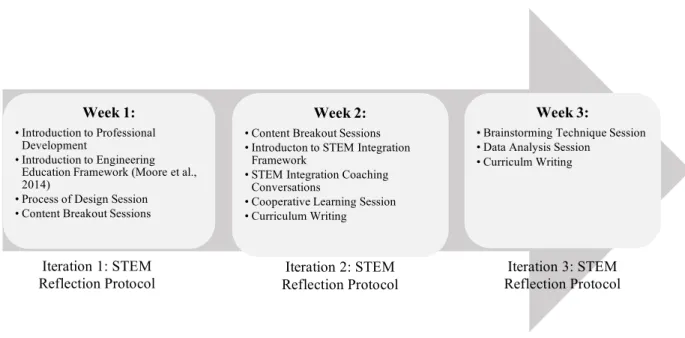
combination of large group meetings and smaller content-specific breakout sessions (Figure 3.1). During the three-week professional development, teachers worked in large group sessions to explore approaches to teaching engineering and data analysis, in content-specific small groups to integrate engineering within specific areas of science, and in teams of two-three teachers to develop integrated STEM curriculum.
Figure 3.1. An overview of the proceedings of the 3-week summer professional development.
The STEM integration framework of Moore et al. (2014a) guided the professional development, framing STEM integration as “an effort to combine some or all of the four disciplines of science, technology, engineering, and mathematics into one class, unit or lesson that is based on connections between the subjects and real-world problems” (p. 38). The six tenets of this STEM integration framework and a K-12 quality engineering education framework (Moore et al., 2014b) were drawn upon during large group sessions to model activities and pedagogies that could be utilized in the teachers’ classrooms during integrated STEM instruction. Activities and discussions focused primarily on the incorporation of engineering (e.g., engineering design process, problem scoping to identify criteria and constraints) and data analysis and measurement (e.g., model eliciting activities, determining the best solution from data) into science instruction. For instance,
Week 1: • Introduction to Professional
Development
• Introduction to Engineering Education Framework (Moore et al., 2014)
• Process of Design Session • Content Breakout Sessions
Week 2: • Content Breakout Sessions • Introducton to STEM Integration
Framework
• STEM Integration Coaching Conversations
• Cooperative Learning Session • Curriculum Writing
Week 3:
• Brainstorming Technique Session • Data Analysis Session
• Curriculm Writing Iteration 1: STEM Reflection Protocol Iteration 2: STEM Reflection Protocol Iteration 3: STEM Reflection Protocol
about designing affordable ATV-like vehicles to help transport food in Cameroon. Through this, teachers learned about the need to consider the problem at hand, as well as the criteria and constraints associated with addressing the problem. Teachers also situated themselves as students in activities such as learning about cooperative learning and teamwork through creating team charters and idea generation through creativity.
Technology was discussed in alignment to the definition of STEM integration of Moore et al. (2014a) as the outcome of an engineering design challenge, but was also referred to as instructional technology (e.g., graphing apps using iPads) to support student learning. This latter use of technology reflects current goals for integrating technology nationally in education to enhance student learning (U.S. Department of Education, 2016).
In addition to learning about engineering and data analysis in large group sessions, teachers learned more about these practices within a specific science content area, which they chose based on their teaching assignment: physical science (electricity and magnetism), life science (genetics), and earth science (minerals). These smaller content breakout sessions were designed to expand upon the inclusion of engineering and data analysis in science instruction and focused on effective professional development practices discussed by Garet et al. (2001), specifically providing: 1) a focus on curricular content, 2) opportunities for active learning, and 3) an explicit connection to the teachers’ school context. STEM education and engineering faculty, as well as STEM education graduate students, worked to assist teachers in applying integrated STEM frameworks in the context of specific science content, where teachers engaged in learning science content more deeply while participating in mini engineering design challenges. These
activities were intended to model for teachers the types of activities that could be brought to their classrooms and were often followed up with reflective discussions relating to classroom implementation. For instance, teachers in the physical science group developed knowledge of electromagnetism by working together in small teams using batteries and magnets to engineer a “train” that traveled through copper coils. Working in small teams, teachers were required to document their process as they tested different configurations of these materials based on their scientific knowledge, taking care to collect data, which they presented to the group. The discussion following this activity asked teachers to specifically consider how an activity like this might be used in their classroom.
Finally, teachers were supported in the development and implementation of integrated STEM curricula for use in their classrooms. Throughout the three weeks of professional development, teachers worked together in teams of two to three to develop a new STEM integration module assisted by a STEM education graduate student who served as a curriculum development partner and instructional coach. After the summer professional development, teachers piloted their curriculum with a small group of students and continued to work in their teams throughout the following school year to field-test and improve their curriculum. This case is bounded to exploring teacher conceptions of STEM during the three-week professional development program, future studies will explore how these conceptions connected into teachers’ STEM classroom practices.
3.4.4. Participants
A subset of the forty-five teachers from the professional development experience participated in this study (n = 33). Due to the exploratory nature of this work,
convenience sampling was used. The authors were involved in the planning for the life and physical science breakout sessions and were able to incorporate data collection for this study into the content of these sessions; data were not collected from the twelve earth science teachers. The thirty-three teachers worked in a variety of settings, ranging from elementary to high school, working in urban and suburban school districts in a large, metropolitan area of the Midwestern United States (Tables 3.1 and 3.2). A total of 20 teachers were new to the project and 13 had participated either once or twice in the project’s professional development before Summer 2015; however, none of the
participants had previously been asked to reflect upon or draw their conceptual model of STEM integration. Of these teachers, 21 were female and 12 were male and all had at least 3 years’ teaching experience.
Table 3.1
Life Science Teacher Project Experience
1 year 2 years 3 years
Elementary (n=4) 2 0 2
Middle (n=3) 2 0 1
High (n=1) 0 0 1
Table 3.2
Physical Science Teacher Project Experience
1 year 2 years 3 years
Elementary (n=15) 8 4 3
Middle (n=8) 6 2 0
3.4.5. Data Collection
Participants were asked to visually represent their conceptions of integrated STEM education using the STEM Reflection Protocol (see Appendix 1), which was developed by the authors to explore teachers’ conceptions of STEM. This protocol asked teachers to: 1) draw a model of what they thought STEM integration looked like, 2) explain their model, and 3) describe any experiences (including those from the professional development) that helped to shape their model. This protocol was administered each week during the summer professional development because it was thought that the intensive, collaborative nature of the professional development along with explicit reflection about STEM integration would have an impact on the teachers’ conceptions of integrated STEM. The first time the protocol was administered was during the first week of the professional development the first time the teachers were in their content breakout groups (Day 2). During the second administration of the protocol in the second week (Day 7), teachers were asked to reflect upon their first models and redraw their conceptual models of STEM integration. The final protocol was administered on the final day of the professional development (Day 11). Between each of the protocol
administrations, previous models were returned to the participants for use in the professional development, including time for personal reflection and as a tool to help guide team curriculum writing. In each administration of the protocol, teachers were explicitly told that there was no one correct answer.
3.4.6. Data Analysis Approach and Process
The STEM integration models were analyzed using a combination of the visual data analysis approach outlined by Cohen, Manion, and Morrison (2011) and inductive coding techniques outlined by Corbin and Strauss (2015). Cohen et al. (2011) suggest that the tools of grounded theory, such as inductive coding, can be used in analyzing images. In this study, we utilized open coding, axial coding (relating conceptually similar codes to a code that embraces them all), selective coding (looking at relationships
between axial codes), categorizing, constant comparative analysis, and the generation of core categories (Corbin & Strauss, 2015). Throughout the analysis, participant-written descriptions of the models were used as secondary data sources to help categorize the models and help mitigate researcher bias and subjectivity. Four total rounds of coding were conducted by the authors. Each round of coding consisted of individual analysis of the data by each of the authors followed by a group discussion of potential codes. In the first round of coding, two of the authors used a combination of deductive and inductive coding to openly code the first set of data and to generate a list of seven provisional codes for the STEM models (Miles & Huberman, 1994). These codes arose from the authors’ understanding of the models of integration described by Fogarty (1991), Davison et al. (1997), and Bybee (2013), as well as an initial scan of the first data set. We then met and discussed to consensus seven initial codes and wrote operational definitions each.
Examples of the first-round codes include: integrated disciplines and science as context. In the second round of coding, all four authors coded the STEM models in all three data sets using these seven provisional codes to assess initial consistency between
coders. During the second-round discussion, we came to consensus about which codes were consistent, the relevance of each code, possible revisions to the codes, and
appropriate assignment of code(s) for each model. After discussing these codes, four new codes emerged raising the total number of codes to 11. These four codes included:
engineering as context, STEM plus, teamwork, and communication.
We then engaged in a third round of coding using all three data sets and the expanded list of eleven codes to again assess consistency between coders. The discussion during this third round led us to sharpen the definition of several codes (1, 5, and 6) and identify three of the codes (9, 10, and 11) as supporting codes. These supporting codes were differentiated from the eight major codes because they were often paired with other codes and tended to provide support and enrichment to the nature of the major models. For example, we found that teamwork and communication were often paired with
engineering as context. We then conducted one final pass through the three sets of data using this new list of eight major and three supporting codes to determine final codes for all of the models.
Throughout the analysis process, the authors explored the codes via constant-comparative analysis methods (Corbin & Strauss, 2015). It was through constant
comparison of the models to one another and the codes that they were categorized. When a model was found to be ill-fitting, new and emergent categories were developed to incorporate and accommodate the data in a good fit (Cohen et al., 2011). The research team examined any models that were coded differently and came to consensus through
inter-rater reliability was calculated using Fleiss’ kappa (Fleiss, 1971) and determined to be sufficient (k=.593).
Once coding had been completed, differences between the teachers’ initial models of STEM integration and their final models were compared to understand how these models did or did not change over time. This was done by using frequency counts of codes for each iteration. Additionally, these changes were compared to the content of the professional development to assess potential influences on any and all changes that occurred.
3.5. Findings
The model coding process described above led to a total of eight major models of STEM integration with three distinct support codes (Table 3.3). These models represent the variety of conceptions of STEM that teachers held at some point in the professional development.
Table 3.3
Coded STEM Models
Code # Code Name Code Definition
1* Integrated Disciplines Teachers tended to use models that had components that represented the confluence of science, technology, engineering, and mathematics teaching (for example: Venn diagrams) 2* Science as Context Teachers represented STEM education as teaching scientific
concepts using technology, engineering, and mathematics as appropriate
3* Engineering Design Process as Context
Teachers tended to describe the use of the iterative process of engineering design as the process by which students learn science and mathematics concepts using technology
4* Science and Engineering Design Process as Context
Teachers placed an equal emphasis on teaching scientific concepts and the engineering design process using technology and mathematical concepts when appropriate
5* Real-World Problem-Solving as Context
Teachers tended to envision integrated STEM education as focusing on making the science, technology, engineering, and mathematics concepts as relevant as possible for the students 6* Science, Technology,
Engineering and
Mathematics as Separate Disciplines
Teachers followed a model with each of the disciplines siloed, perhaps indicating some overlap between the disciplines in terms of “support,” but not integrating the disciplines
7* STEM as an Acronym Teachers recognized STEM as simply science, technology, engineering and mathematics
8 Engineering as Context Teachers represented STEM education with an emphasis on engineering using science, technology and mathematics as appropriate
9** STEM Plus (STEM +) Teachers included other disciplines in their model (language, literacy, etc.)
10** Teamwork Teachers represented STEM as developing students’ abilities to contribute as a team member
11** Communication Teachers represented STEM as developing students’ abilities to effectively relay understandings to others
Note. Numbers followed by * indicate initial, provisional codes. Numbers followed by ** indicate supporting codes.