Scholarship@Western
The Organizational Improvement Plan at Western
University Education Faculty
Spring 6-9-2017
Creating a safe, caring and inclusive school
environment through a code of conduct that is
educative, preventative and restorative in practice
and response.
John Robert Esliger
Western University, [email protected]
Follow this and additional works at:https://ir.lib.uwo.ca/oip Part of theEducational Leadership Commons
This Dissertation/Thesis is brought to you for free and open access by the Education Faculty at Scholarship@Western. It has been accepted for inclusion in The Organizational Improvement Plan at Western University by an authorized administrator of Scholarship@Western. For more information, please [email protected], [email protected].
Recommended Citation
Esliger, J. R. (2017). Creating a safe, caring and inclusive school environment through a code of conduct that is educative, preventative and restorative in practice and response..The Organizational Improvement Plan at Western University, 19. Retrieved from
ii
In 2004, the province of British Columbia introduced the Safe, Caring and Orderly Schools guide to provide the vision toward which all schools and Boards in the province must continually strive (BCEd., 2008a). As a leading document, this guide provided provincial standards for codes of conduct while also identifying attributes of safe, caring and orderly schools. As stated in the guide’s introduction, the challenge is for schools, districts and communities to develop or adopt strategies and programs that will work for them (BCEd., 2008a). Acknowledging that local solutions to address local problems are required, this Organizational Improvement Plan (OIP) explores how K-12 public school principals can distribute leadership in the creation and implementation of a school code of conduct to effect positive change in reducing students’ harmful verbal and physical behaviour in order to make their schools safe, caring and inclusive. The purpose of this OIP is to provide school district leaders and school-based principals in Dogwood Grove Public Schools (DGPS) with a plan for organizational change that utilizes the school code of conduct as the vehicle for
addressing inappropriate student verbal and physical behaviour school-wide. This OIP also incorporates Distributed Leadership (DL) as a key leadership practice for district leaders and school-based principals to employ while identifying the potential it has for promoting
collaboration and building leadership capacity in principals and their staff. This OIP focuses on directly educating students regarding the desired behaviours, emphasizing preventative possibilities in practice and response, while also stressing the importance of restorative solutions to redress harm. This OIP concludes with a series of recommendations which district leaders and school principals can utilize as they work to distribute leadership in the co-creation and implementation of their school code of conduct. If implemented, this OIP is anticipated to effect positive change in increasing socially responsible behaviour thereby making schools more safe, caring and inclusive.
Keywords: Code of Conduct, School Principal, Assistant Superintendent, Distributed Leadership, Change Improvement Plan, Student Behaviour, Organizational Theory,
iii
Acknowledgments
The completion of this Organizational Improvement Plan (OIP) would not have been possible without the support and guidance of many individuals. I would like to thank my OIP advisor, Dr. Cheryl Bauman-Buffone, for her support, time, and encouragement in bringing this project through to fruition.
I want to extend a most sincere thank you to Superintendent John Blain for granting me permission to use District extant data and various source documents in the development of this OIP.
A very special thank you is dedicated to my husband and best friend, Peter Hewitt, who believed in me and supported me in so many ways throughout two graduate degrees. I sincerely value your loving and caring ways, as well as your strong sense of patience, encouragement, and kindness. I thank you for sharing your life with me and for your never-ending support in helping me to grow personally and professionally, and to reach my goals. I could not have accomplished this Ed.D. without your support and encouragement and I truly appreciate the strength of our union.
To my new friend Lisa Clark and my long-time friend, classmate, and colleague, Diane Charles I am thankful to you both for your support and sense of humour. Our online collaborative sessions were vital to completing the many stages of our doctoral projects. It has been a wonderful experience to share this journey with you both.
And finally, to my dear friend Robyn Kemp, for your support, love, and friendship during my many years in graduate school. I thank you for your never-ending belief in educative, preventative and restorative practices and your dedication to the profound impact of safe schools on student learning.
iv
Table of Contents
Abstract ... ii
Acknowledgments... iii
Executive Summary ... vii
Glossary of Terms ... x
List of Figures ... xix
List of Appendices ... xx
Chapter 1: Introduction and Problem ... 1
1 Organizational Context ... 1
1.1 Leadership Problem of Practice ... 5
1.2 Perspectives on the Problem of Practice ... 9
1.3 Emerging Questions ... 22
1.4 Leadership-Focused Vision for Change... 23
1.5 Organizational Change Readiness ... 26
1.6 Communicating the Need for Change... 30
1.7 Conclusion ... 33
Chapter 2: Planning and Development ... 34
2 Introduction ... 34
2.1 Framework for Leading the Change Process ... 34
2.2 Critical Organizational Analysis ... 39
2.2.1 Input. ... 40
2.2.2 Strategy. ... 41
2.2.3 Output. ... 41
2.3 Possible Solutions to Address this OIP ... 46
2.3.1 Solution 1: Governance... 47
v
2.3.3 Solution 3: Systems Theory. ... 49
2.3.4 Solution 4: Distributed Leadership Practice. ... 50
2.3.5 Solution 5: Implementation of Professional Learning Communities. ... 52
2.4 Leadership Approaches to Change ... 53
2.5 Conclusion ... 56
Chapter 3: Implementation, Evaluation, and Communication... 57
3 Introduction ... 57
3.1 The Change Implementation Plan ... 58
3.1.1 The Awakening Stage. ... 62
3.1.2 The Mobilization Stage. ... 65
3.1.3 The Acceleration Stage. ... 68
3.1.4 The Institutionalization Stage. ... 70
3.2 The New School Organizational Chart. ... 72
3.3 Transition Management Plan and Evaluation. ... 76
3.3.1 Four District Components. ... 77
3.4 Building Momentum: Short-term Goals. ... 79
3.5 Building Momentum: Mid-term Goals. ... 80
3.6 Building Momentum: Long-term Goals. ... 81
3.7 Limitations. ... 81
3.8 Change Process Monitoring and Evaluation ... 81
3.9 Leadership Ethics and Organizational Change ... 83
3.9.1 Rights. ... 84
3.9.2 Responsibility. ... 84
3.9.3 Respect. ... 85
3.10Change Process Communications Plan ... 86
vi
3.10.2 The Need for the Change Phase. ... 88
3.10.3 Midstream Change Phase. ... 89
3.10.4 Confirming the Change Phase. ... 90
3.11Recommendations ... 91
3.11.1 Recommendations within the 1st cycle of the Change Implementation Plan. ... 92
3.11.2 Recommendations within the 2nd cycle of the Change Implementation Plan. ... 93
3.12Conclusion ... 94
References ... 95
vii
Executive Summary
DGPS is rising to meet the challenge of its vision of Success forAll in everyschool in the District. The school district is expected to improve student learning and graduation rates through alignment with the BC Ministry’s revised curriculum, new assessment and reporting practices, and increased efforts to make schools safer for students to learn and teachers to teach. The Ministry of Education is promoting these efforts with resources and extended timelines to help support and improve teaching and learning in schools across the province.
In DGPS, District leaders and the Board of Education are requesting that school-based K-12 principals address a co-existing improvement challenge focused on the results of the recent provincial Satisfaction Survey. In some District schools, as many as 30% of students report not feeling safe at school, which is believed to be a major deterring factor in all students learning at high levels. District and school data from both the provincial
Satisfaction Survey and the McCreary Adolescent Health Survey indicate that students in District schools do not feel safe, cared for, or included in their neighbourhood school.
In an attempt to gain perspective on this problem of practice, data was disaggregated and findings indicate that students are uncertain of behavioural expectations at school; they do not feel welcome nor do they feel they are treated fairly by adults in their schools. In reviewing each school’s code of conduct, it was realized that the response to student
inappropriate behaviour is typically punitive, and students and other school stakeholders are not collaboratively involved in the development of the code. It is believed that without a collaboratively developed code of conduct that focuses on educative, preventative and restorative practice and response, District schools are without the school-wide supports they need to deliver high-quality instruction in a safe learning environment.
Changing the way students feel about their safety while at school will not be an easy task. This change will involve strategic planning regarding how all staff respond to
inappropriate student physical and verbal behaviour while also focusing a school-wide system of positive behavioural supports that aligns with every aspect of school operations. Sustained efforts from principals in distributing leadership to staff along with the appropriate and focused use of PLC time, professional development and in-service training to build principal and teacher efficacy would go a long way to support and build enduring efforts to make District schools and their communities safer places for everyone. Research suggests that safe schools align leadership, curriculum, school-wide practices, and professional
viii
development with high expectations for all students. Research also suggests that these
schools similarly build a strong sense of community, develop teamwork among staff, work in partnership with parents and the community, and use data to inform decisions to create a cycle of continuous improvement.
District support for safe school practices is a key component for building the capacity of schools to address all aspects of student learning in safe, caring and inclusive school environments. It is for this reason that the process of building school capacity involves setting priorities at the District level that ensure strong and appropriate instructional, transformational and distributive leadership practice at each school. DGPS must therefore provide ongoing in-service training for principals in order for them to be the best leaders they can be in this safe schools change initiative. The District must likewise develop and promote policies and administrative procedures that encourage and hold all staff accountable for their role in the creation of safe, caring and inclusive schools.
Schools must continually make choices regarding how they allocate resources so that their change efforts are not unfocused, disjointed, or have staff working at cross-purposes. The District must also assist its schools in coordinating and concentrating their resources on both behavioural and academic instruction. The commitment to focusing District and school budgets in this area is key in supporting educative, preventative and restorative efforts which will, in turn, help raise community confidence in the local public education system.
Continuing to use data is important for identifying areas of focus, diagnosing problems, and matching concrete solutions to educational needs. That said, schools cannot work in isolation from other schools, their school community, or the District. Schools need to align practice with other schools in the district and also request the assistance of community stakeholders because positive behaviour interventions must be modeled by all the adults in the system. The local unions can also be invaluable allies in the process of change if they are invited to work in partnership on this safe school initiative. Collaboration among all
stakeholders is essential.
Schools rarely have the capacity to make this type of organizational change on their own. There is a need for District leadership, skilled principal leadership and the cooperation and commitment of school staff to provide the critical impetus and support for the process of change. This OIP presents a leadership framework for understanding this important change initiative and uses an analysis of extant data to provide an appropriate change path.
ix
Described in chapter two are some possible solutions to address the problem as well as a discussion of appropriate leadership approaches to change.
As DGPS faces the challenge of creating safe, caring and inclusive schools, it is time for everyone to renew their commitment to future generations. There is a role for each and every member of the school community in raising expectations for all students, providing safe learning environments, aligning educational resources and behavioural instruction, and defining a long-term change plan. Chapter three provides a change implementation plan with process monitoring and evaluation strategies. Highlighted in this chapter is the change process communications plan to ensure that communication with all stakeholders is an ongoing consideration in the most appropriate and informed way possible. Chapter three culminates in a number of concrete recommendations that District staff and school principals can undertake, as well as involve parents and community members in the process. Through this plan, all stakeholders in DGPS can work together to recreate all schools as safe, caring and inclusive places.
As DGPS works on this most important initiative, collaboration and co-creation will remain essential to ensuring the instructional and transformational changes occur through a distributed leadership approach as all students are empowered to reach their full potential and thrive in a rapidly changing and diverse society.
x
Glossary of Terms
The following definitions will provide the reader with an understanding of how these terms are used throughout this Organizational Improvement Plan (OIP).
Assistant Superintendent: The Assistant Superintendent reports to the superintendent of schools and is responsible for the general supervision of schools in the District, for the implementation of approved programs, and for the evaluation of staff and programs. As well as supervision, the assistant superintendent is responsible for curriculum, instruction, and leading the future direction of the school district as a part of the senior management team (Make a Future, 2017).
BCPVPA: The BCPVPA is the professional association for principals and vice-principals in most Districts in British Columbia (Make a Future, 2017).
Board of Education: The Board of Education (or The Board) refers to a board of school trustees constituted under the School Act that oversees all public schools in the district. It is commonly referred to as a "school board", although "Board of Education" is the term that is used in Ministry publications from 2007 onward (BCEd., 2017a).
Bullying: Bullying is a pattern of unwelcome or aggressive behaviour, often with the goal of making others uncomfortable, scared or hurt. It is almost always used as a way of having control or power over their target, and it is often based on another person’s appearance, culture, race, religion, ethnicity, sexual orientation or gender identity (ERASE, 2017).
Caring Schools: Caring Schools are schools where it is known that a sense of belonging and connectedness is a necessary element in the creation and maintenance of a safe learning environment. Caring schools are ones in which members of the school community feel a sense of belonging and have opportunities to relate to one another in positive, supportive ways. All aspects of school life embrace and reflect diversity. The school is an inviting place for students, staff, parents and visitors. Staff members make conscious and concerted efforts to help other members of the school community feel connected (BCEd., 2008a).
xi
Canadian Union of Public Employees (CUPE): Canadian Union of Public
Employees (CUPE) consists of representatives of support staff employees in the public education sector which includes trades, clerical, IT, maintenance and student support workers (Make a Future, 2017).
Community Council: The Community Council is composed of senior staff, representatives from CUPE and DGPS teaching staff, students, parents, RCMP and other stakeholders who are brought together when needed to address complex diversity and equity issues in the District. The Community Council is an ad hoc council of the District Safe Schools
Committee. The perspectives and knowledge of each member are critical to breaking down barriers, enhancing communication, restoring harm, and creating a more inclusive school community.
CommunityLINK: CommunityLINK (Learning Includes Nutrition and Knowledge) funding
is designed to support the academic achievement and social functioning of vulnerable students. Programs and services can include breakfast, lunch and snack programs, academic supports, counselling, youth care workers and after-school programs (BCEd., 2017b).
Democratic Approach: A democratic approach to education promotes active participation of all individuals in a school community, especially students, for the betterment of society (Pollock, 2015a). In this approach students are not passive learners, but instead play a role in shaping and even creating their education. Such a view encourages students to be
co-constructors of knowledge rather than passive recipients (Portelli & Vibert, 2002). Schools are vital to maintaining a democratic society and they should embody the values of equality, fairness, and participation by fostering a safe place for individuals to voice their opinions.
Democratic leadership: Pollock (2015a) suggests that democratic leadership is a
participative and group-oriented form of leadership, contains a moral dimension, and holds similarities to distributed and collaborative forms of leadership. Pollock (2015a) contends that democratic leadership has a strong ethical dimension, supporting a democratic and egalitarian organizational culture. Such leaders seek to empower their personnel and involve them inclusively in the decision-making process (Pollock, 2015a).
xii
Director of Instruction: The Director of Instructionis a multifaceted District level leadership position with a focus on educational and student services. The director may be responsible for student curriculum, professional development programs, special education services, specialized programs, and human resources. In a human resources capacity, the director may be involved in a range of activities including labour relations, recruitment and retention, and employee records (Make a Future, 2017).
Distributed Leadership: Distributed Leadership is a model of leadership that focuses upon the interactions, rather than the actions, of those in formal and informal leadership roles. It is primarily concerned with leadership practice and how leadership influences organisational and instructional improvement. A distributed perspective on leadership acknowledges the work of all individuals who contribute to leadership practice, whether or not they are
formally designated or defined as leaders (Harris & Spillane, 2008). Distributed leadership is "the sharing, the spreading, and the distributing of leadership work across individuals and roles across the school organization" (Mayrowetz, Murphy, Seashore Louis, & Smylie, 2007, p. 470). A distributed leadership model focuses on having leaders throughout the
organization that participate in decision making rather than there being one authoritative leader who makes all decisions (Tian, Risku, & Collin, 2016). For the purpose of this OIP, distributed leadership practice is framed as a product of the joint/collective interactions of school leaders, followers, and aspects of their situation such as tools and routines (Spillane, 2006).
EDI: EDIrefers to the Early Development Instrument (EDI) and is a questionnaire developed by Dr. Dan Offord and Dr. Magdalena Janus at the Offord Centre for Child
Studies at McMaster University. The questionnaire has 104 questions and measures five core areas of early child development that are known to be good predictors of adult health,
education and social outcomes: Physical Health and Well Being, Language and Cognitive Development, Social Competence, Emotional Maturity, and Communication Skills and General Knowledge. (EDI, 2013; Human Early Learning Partnership, 2016)
xiii
Elementary School: An Elementary School is an organization having at least one teacher and administrator, which provides educational programs to students in grades Kindergarten (K) to grade 7; ages 5 - 12.
ERASE: ERASEis a BC provincial anti-bullying strategy promoting that every child deserves an education free from discrimination, bullying, harassment, intimidation and violence. The ERASE (Expect Respect and A Safe Education) Bullying strategy is part of the Province of British Columbia’s efforts to personalize learning and supports for all students. ERASE Bullying builds on the Province’s Safe, Caring and Orderly Schools Strategy (BCEd., 2008a) which focussed on creating schools where students are free from harm, where clear expectations of acceptable behaviour are held for all members of the school community, and where there is a sense of connectedness. ERASE Bullying will help ensure every child feels safe, accepted and respected, regardless of their gender, race, culture, religion or sexual orientation. ERASE Bullying also builds on effective programs already in place and will ensure there are consistent policies and practices across all 60 school districts, backed by strong community partnerships and support (ERASE, 2012).
In-service: In-service or in-service training pertains to job specific training that occurs during the work day. The employee is paid to attend and the training is decided upon by the employer.
Instructional Leadership: Effective instructional leaders are intensely involved in curricular and instructional issues that directly affect student achievement. Research conducted by Elmore (2000), and Spillane, Halverson, and Diamond (2004) confirms that this important role extends beyond the scope of the school principal to involve other leaders as well. Instructional leadership then, involves setting clear goals, managing curriculum, monitoring lesson plans, allocating resources and evaluating teachers regularly to promote student learning and growth. Quality of instruction is the top priority for the principal practicing instructional leadership where the commitment is to the core business of teaching, learning and knowledge. The principal would redesign the school organization so staff members could meet on a regular basis to discuss how to do their jobs better and ultimately help students learn more effectively.
xiv
LGBTQ+: LGBTQ+is a common acronym for lesbian (L), gay (G), bisexual (B),
transgender and transsexual (T) people, though the letters can be arranged in any order. The acronym may also be written to explicitly include two-spirit (often T, TS or 2), intersex (I), queer (Q) or questioning (Q or ?) people. For example, LGBTTTIQ stands for lesbian, gay, bisexual, transgender, transsexual, two-spirit, intersex and queer. The plus sign indicates that there may be other letters added, such that it can also include straight allies (A or SA) (Here to Help, 2016).
Orderly Schools: Orderly Schoolsare schools that are free from chaos and confusion, and alive with the sights and sounds of purposeful learning activities. Routines for repetitious activities are well established so students’ minds and bodies are free to focus on the learning and development work at hand. A business-like atmosphere exists, yet there is creativity and fun in abundance. Everyone feels a sense of meaningful accomplishment, and feels the school is a good place to be. All members of the school community are informed about and exercise their rights and responsibilities as school citizens (BCEd., 2008a).
PBIS: PBISis an acronym referring toPositive Behaviour Interventions and Supports which is a framework for assisting school personnel in adopting and organizing evidence-based behavioural interventions into an integrated continuum that enhances academic and social behaviour outcomes for all students. PBIS is not a packaged curriculum, scripted
intervention, or manualized strategy. PBIS is a prevention-oriented way for school personnel to (a) organize evidence-based practices, (b) improve their implementation of those practices, and (c) maximize academic and social behaviour outcomes for students. PBIS supports the success of ALL students (PBIS.org, 2016).
Principal: Principal, as defined by Terziu, Hasani, and Osmani (2016), refers to the
prominent and influential person in the educational process. The principal is responsible for the overall administration and operation of the school in a manner consistent with local policies and provincial guidelines. Further, the principal oversees the implementation of the District priorities, educational programs and the development of the School Plan and is responsible for the educational welfare of students (Make a Future, 2017).
xv
Professional Development: Professional development pertains to any training or workshop that staff decide upon because of their desire to learn about a specific topic. Professional development occurs on professional development days but can also take place outside the work day.
Safe Schools: Safe Schools areschools in which members of the school community are free of the fear of harm, including potential threats from inside or outside the school (BCEd., 2008a). Butcher and Manning (2005) describe a safe school as “one in which the total school climate allows students, teachers, administrators, staff, and visitors to interact in a positive, non-threatening manner that reflects the educational mission of the school while fostering positive relationships and personal growth” (p. 56).
School Climate: School climate is defined as the quality and character of school life with a focus on the perceived quality of the relationships within the school community; between and among students and adults. (ERASE, 2017). School climate is perception based and refers to the individual experiences and feelings that students, teachers, and staff have about the school; it could be summarized as the attitude or mood of the school (Gruenert, 2008).
School Culture: School culture is grounded in shared values and beliefs and can be described as the way we do things (Gruenert, 2008). It is the shared beliefs, values and priorities of people within a school community: teachers, parents, students, school administrators, community partners and beyond. It is not about religion, race or socio-economic status (ERASE, 2017). School culture pertains to a school’s norms, unwritten rules, traditions, the way people communicate, interact, and includes the various types of expectations. Culture is more deeply ingrained in a school, and therefore may only be altered over a longer period through systematic change in a school’s climate (Gruenert, 2008).
School Violence: Violence in schoolsrefers toany activity that can create a disturbance in an educational system. It includes verbal and physical altercations. It is also bullying through electronic means or social media, threats, weapon use, or gang activity. School violence can also be defined as a physical or verbal altercation on the way to school, on the way home
xvi
from school, or at a school-sponsored event that can cause physical or psychological harm to another individual, school, or community (Blanco, 2016).
Secondary School: A Secondary School is an organization having at least one teacher and administrator, which provides educational programs to students in grades 8 to 12; ages 13 - 17.
Self-efficacy: Self-efficacy can be described as a belief in one's personal capabilities (Bandura, 1997, p. 4). Another way in which self-efficacy is described is the word “self-esteem.” It can be considered how one feels about oneself and one’s abilities.
Socially Responsible Behaviour: Social responsibility involves the ability and disposition to consider the interdependence of people with each other and the natural environment; to contribute positively to one’s family, community, society, and the environment; to resolve problems peacefully; to empathize with others and appreciate their perspectives; and to create and maintain healthy relationships (BCEd., 2008a).
Superintendent: The Superintendentis the Chief Executive Officer of a school district, responsible for the supervision of schools, implementation of approved programs, evaluation of senior staff, overseeing of district budgets and reporting to the Board of Education. The superintendent plays a key role in advising the Board of Education and recommending actions to address current and emerging issues (Make a Future, 2017).
Transactional Leadership: Transactional leadership is most concerned with maintaining the normal flow of operations. Transactional leaders use disciplinary power and an array of incentives to motivate employees to perform at their best. The term "transactional" refers to the fact that this type of leader essentially motivates subordinates by exchanging rewards for performance (Ingram, 2017).
Transformational Leadership: A transformational leader goes beyond managing
day-to-day operations and develops strategies for taking the organization, department or work team to the next level of performance and success. Transformational leadership styles focus on
xvii
team-building, motivation and collaboration with employees at different levels of an
organization to accomplish change for the better (Ingram, 2017). Leithwood (1994) identified three categories of leadership in the area of transformational leadership: (1) utilizing the concepts of setting directions, (2) developing people, and (3) redesigning the organization. Leithwood and Jantzi (2006) developed a framework based on two generalizations: (1) transformational leadership directly affects teacher perceptions in the areas of student achievement and student grades, and (2) it also indirectly affects student outcomes by influencing perceptions of organizational learning, teacher commitment, and school
characteristics. According to Marks and Printy (2003), transformational leadership is needed to lead schools through reform efforts where changes are developed through ideas, influence, and consideration for the individual in the process. For the purpose of this OIP,
transformational leadership is defined as setting directions, redesigning the organization, and developing people (Leithwood & Jantzi, 2006).
xviii
List of Tables
Table 1.1 2016 Satisfaction Survey Participation Rates……….……….……6
Table 1.2 2016 Satisfaction Survey Results – Bullying……….……….….6
Table 1.3 2016 Satisfaction Survey Results - Safe at School……….………..7
Table 1.4 Findings from the 2013 BC Adolescent Health Survey - Safe at School….………7
Table 1.5Findings from the 2013 BC Adolescent Health Survey - Feel Safe at School….…7 Table 1.6 2016 Satisfaction Survey Results - Knowledge of Expected Behaviours…….…...8
Table 1.7 2016 Satisfaction Survey Results - Welcome at School………….………17
Table 1.8 2016 Satisfaction Survey Results - Adults Treat Students Fairly….………..18
Table 1.9Analysis of DGPS School Codes of Conduct……….………18
xix
List of Figures
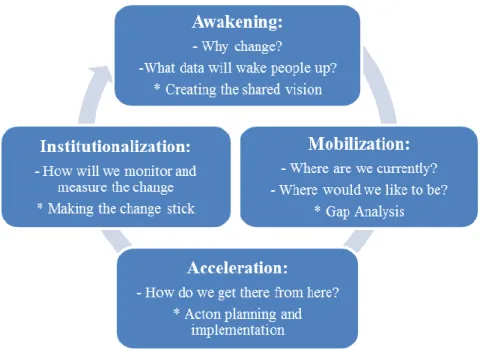
Figure 3.1 The Change Path Model (Cawsey et al., 2016). ... 58
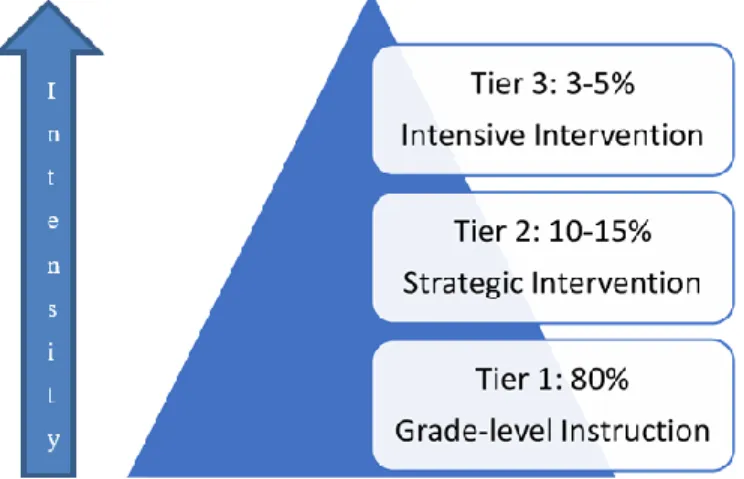
Figure 3.2 Response to Intervention (RtI) Framework. ... 69
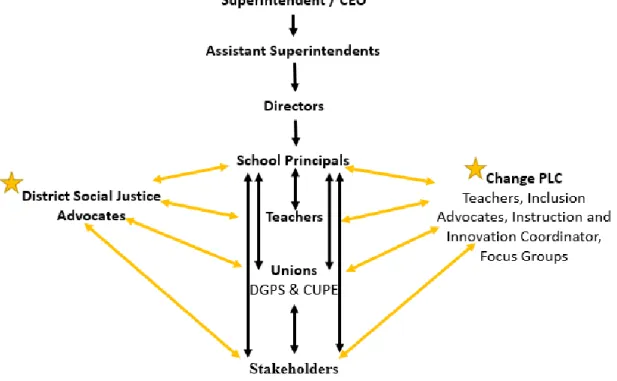
Figure 3.3 New School Strategic Organizational Chart. ... 73
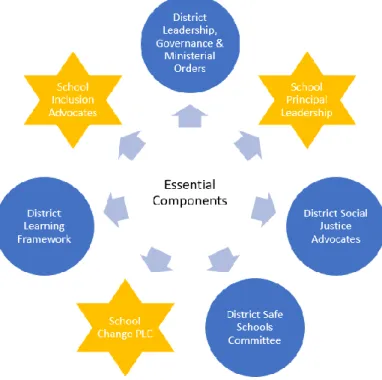
Figure 3.4 The Four District Components. ... 74
Figure 3.5 The Best Interest Model ...83
Figure 3.6 The Change Process Communication Plan……... 87
xx
List of Appendices
Appendix A: District Student Suspension Summary (Historical) ... 116
Appendix B: Sample Anonymous Survey ... 117
Appendix C: Sample Equity Audit ... 119
Appendix D: Conduct Expectations ... 124
Appendix E: New School Organizational Infrastructure ... 125
Chapter 1: Introduction and Problem
1 Organizational Context
DGPS is a medium sized school district in the province of British Columbia with schools reaching across both urban and rural communities. Programs and services are administered from a District Administration Centre (DAC) which employs approximately 1500 individuals of which 55% are support staff, 41% are teachers, and 3.5% are school principals. 59% of school principals are female, 41% are male and their average age is 50 years. The District senior team is comprised of a Superintendent/CEO, Secretary
Treasurer, Assistant Secretary Treasurer, Director of Facilities, Executive Director of Human Resources, Executive Director of Communications, and a Manager of
Information Systems. The senior team is 71% male and 29% female; all of whom are Caucasian. The learning side of the District’s senior team is comprised of the
Superintendent/CEO, three Assistant Superintendents and two Directors of whom 67% are male, 33% are female; and 17% are Aboriginal.
In the 2015/16 school year 13,500 students were enrolled in DGPS from
kindergarten through grade twelve with the majority of students attending classes in one of the district’s 32 elementary or six secondary schools. Although incidents of
inappropriate student behaviour have declined over the past 20 years (Appendix A), incidents of bullying, fighting, substance misuse and/or aggression continue to pose significant problems in District schools. Senior staff are concerned that the level of students’ inappropriate verbal and physical behaviour is causing a significant number of students to feel unsafe and therefore opt to leave the District before graduation.
The core business of DGPS is to provide a high-quality education to all students enrolled in the District. The District’s strategic plan is a blueprint that helps maintain exemplary qualities while supporting the continuous improvement of student learning. Through the process of public consultation, the Board has developed three goals that form the foundation of the strategic plan: (1) Meet each student’s unique needs; (2) The continuous improvement of instruction and assessment; and (3) Enhanced facilities for learning (DGPS, 2014, p. 3).
The District maintains a neoliberal focus on increased accountability and economic efficiencies as a solution to underfunding (Fleming, 2011, p. 125). The
provincial teachers’ federation is vehemently anti-neoliberal which has placed significant strain on the working relationship between senior staff, principals and the DGPS
Teachers’ Association because Neoliberalism focuses on the individual’s responsibility for all aspects of their life; hence, suggesting that schools ignore the vast social
differences that exist amongst people. It is because neoliberalism uses the argument that the success of each person should and will be determined by their own ability to compete in the market, free of preferential or differentiated treatment, that the teachers’ federation is vehemently opposed. For example, the "colourblind" attitude is often presented as a neoliberal approach to education wherein teachers and principals adhere to the belief that they do not see the colours or races of their students, but rather, solely the skills of the individual (Pollock, 2015a). While proponents of neoliberalism view this approach as a step towards equality, the teachers’ federation believes that it fails to address the issue of equity and perpetuates the status quo by ignoring the systemic bias and disadvantages faced by non-dominant groups (Pollock, 2015a). As the District’s senior staff nurtured the neoliberal ideology as a financial strategy, principals’ attention was focused on instructional leadership for greater efficiency and accountability, while the District focused on generating revenue. This approach to neoliberalism further strained the relationship between teachers and principals in the district (Bloxham, 2013; Ross, 2010; Ryan, 2012). The District began the consolidation of differentiated programs for students who learn differently in an effort to restrict teachers from utilizing practices and
programs that were not viewed as being productive to the economy. The teachers’ federation believed that teachers were covertly being held accountable through the administration of a provincial standardized test because a strong emphasis was placed on results and efficiency; again, this added to their vehement opposition to neoliberalism. The District proceeded to dismantle special education, differentiated learning programs, and courses/programs that focused on unique, non-traditional topics all due to increased accountability, efficiency and financial gain. Ryan (2012) studied the effects of neoliberal ideology on student diversity and determined that racialized, LGBTQ+ and differently‐
result. Ryan (2012) and Ross (2010) argue that instead of solving issues of social justice, neoliberal practice aggravates the issues through money-making strategies linked to corporatization, marketization and privatization. DGPS has also prioritized the closing and consolidation of schools, raised class sizes and rental fees in order to address annual budget short-falls. These practices continue to accentuate the riff between the local teachers’ union and the district while also distracting principals from leading an educative, preventative and restorative practice and response in their school due to underfunding, and issues of class composition (BCTF, 2016).
In 2012, Premier Christy Clark announced a new province-wide ERASE (Expect Respect And a Safe Education) Bullying strategy aimed at helping every child feel safe, accepted and respected, regardless of their gender, race, culture, religion, or sexual orientation (ERASE, 2012; Halford, 2012). Together the ERASE Bullying strategy (ERASE, 2012) and the standards for school codes of conduct (BCEd., 2007) were updated to require school codes to reference all prohibited grounds of discrimination as listed in the BC Human Rights Code. However, despite this political push from
government on the insistence of addressing student safety at school, the collaborative development and implementation of school codes of conduct across all district schools remains inconsistent. Therefore, if DGPS expects school principals to employ a
collaborative consultation processes with all stakeholders to develop their school’s code of conduct the District will have to create opportunities for principals to develop the necessary skills and strategies in order to do so (Noonan, Tunney, Fogal, & Sarich, 1999).
Everyone would agree that schools are not impervious to inappropriate verbal or physical student behaviour. Therefore, it would follow that because of their position, principals carry the responsibility of ensuring the creation of a safe, caring and inclusive learning and teaching environment at their school. According to the leadership standards developed by the British Columbia Principals and Vice-Principals Association
(BCPVPA) (BCPVPA, 2013, p. 25), standards 6, 7, and 8 pertain to the principal’s role in creating that safe school environment. These leadership standards are not mandated into practice by the Ministry of Education, but are aimed at providing school principals with some basic guidelines, structure and strategies to assist them in their role. Currently, the
BCPVPA provides regular professional development for their members on the standards and DGPS senior staff actively support principals in participating.
Recent studies have examined the characteristics of safe schools and how such strategies can reduce student harmful verbal and physical behaviour (Astor, Benbenishty, & Estrada, 2009; Brunner & Lewis, 2007; Burns, 2014; Crawford, 2003; Kyriakides & Creemers, 2013; Leff, 2014; Sindhi, 2013). This research has demonstrated that school leadership is integral to the safety and wellbeing of all members of the school community urging principals to work within and beyond the boundaries of their school as they initiate, lead and maintain safe, caring and inclusive school practices (Wright, 2009).
Over the past decade DGPS principal leadership practices have grown away from transactional leadership to a combined transformational and instructional leadership style due to the significant focus placed on raising student achievement. School principals have been working to motivate their staff through a more democratic, participative and
relationship-based leadership style than ever before. This combined transformational and instructional leadership effort has focused the principal’s skills on building a professional learning community (PLC), shared decision-making processes and, in a sense, getting back to basics. The principal has therefore focused on leveraging time, supporting ongoing professional development, used resources to support a diverse instructional plan and, promoted a culture of inquiry and improvement. At the same time principals have also been working to replace hierarchical practices with facilitative and collaborative ones as the District’s previous hierarchical administration gave way. With the resignation of a rather dictator-style superintendent came the reorganization of the school board office resulting in a new complement of senior staff. Presently, the transformational change has been significant and it appears that the learning environment in District schools has a much more inclusive learning direction, the organization is much more positive, and the people are much more collaborative and open to innovation than in the recent past.
Five years ago, I became an assistant superintendent with a portfolio
encompassing student services, diversity and equity. I work with two other assistant superintendents who have portfolios pertaining to elementary and secondary school operations. Together, along with two directors of instruction and the superintendent, we
form the Department of Learning Services. We work directly with the Board of
Education who rely on us to keep them apprised of the functions on the learning side of the organization. With the creation of the ERASE Bullying Strategy in 2012 the Ministry of Education began to place increased emphasis on districts addressing issues of
diversity. The DGPS Board of Education fully endorsed my senior position in 2012 with its focus on diversity and equity and has looked to me to ensure that we are not only meeting Ministry expectations, but that we are exceeding them in our efforts to address the needs of our marginalized and vulnerable students so they feel safe and welcome to learn in District schools.
1.1 Leadership Problem of Practice
The problem of practice (POP) that inspires this OIP explores how K-12 public school principals can distribute leadership in the creation and implementation of a school code of conduct to effect positive change in reducing students’ harmful verbal and physical behaviour in order to make their schools safe, caring and inclusive.
The primary extant data utilized in determining the gap between current practice and the desired state was obtained from the BC Ministry of Education’s Satisfaction Survey (BCEd., 2015) which is an annual province-wide census of Grades 4, 7, 10 and 12 students, their parents and staff (any employee) in public schools. The questions were developed with input from partner groups, teachers and experts in educational
measurement and were utilized province-wide. While many DGPS schools can identify some success in addressing issues of student safety, especially in the areas of acceptance of diversity and belonging, recent DGPS Satisfaction Survey data portrays a significant gap between the perceptions of school staff and those of students. To initiate this discussion, I will first outline the participation rates of the six respondent subgroups involved in the survey. In the 2015/16 school year, 100% of DGPS schools participated in the student satisfaction survey at grades 4, 7, 10 and 12 but not every student in these grades completed the survey. Both parent and staff participation rates were quite low; however, it must be noted that 404 parents completed the survey which represents a sizable parent contribution to the data. The fact that only 144 staff (namely teachers, principals and education assistants (EAs) completed the survey presents a significant limitation in the generalizability of that segment of the data as it is not representative of
the population of 1500 DGPS staff. Table 1.1 contains the participation rates for the 2015/16 school year.
Table 1.1
2016 Satisfaction Survey Participation Rates
Group Participation Rate %’age
Grade 4 850/1036 82% Grade 7 815/1122 73% Grade 10 694/1424 49% Grade 12 487/1673 29% Parents 404/6095 07% Staff 144/1500 10%
The data presented in Table 1.2 clearly demonstrates that nearly 30% of students in grade 4 experience peer behaviours that they interpret as bullying, teasing or being picked on and it appears that parents are accurate in their interpretation of what their children are experiencing at school.
Table 1.2
2016 Satisfaction Survey Results - Bullying
Group Question Many Times/ All
the Time
Grade 4 At school are you bullied, teased or picked on? 29%
Grade 7 At school are you bullied, teased or picked on? 22%
Grade 10 At school are you bullied, teased or picked on? 21%
Grade 12 At school are you bullied, teased or picked on? 16%
Parents Is your child bullied, teased or picked on at school? 28%
Staff Is your school a safe place to work and learn? 98%
From available data, there appears to be a significant gap between what school staff interpret as safe and what students are actually experiencing. This brings to the forefront the issue of limitations in the data. There are two significant limitations that must be identified at the onset. First, there are no definitions of terms used in the survey making it reasonable to expect that all persons completing the surveys (students, staff and parents) would interpret the meaning of terms in a different way (e.g. treated “fairly”, “safe” at school, etc.). Secondly, the questions pertaining to feeling “safe” at school that were asked of students were worded quite differently for staff thereby making it difficult to compare and contrast the results. However, despite these limitations and the low staff
participation rates in this survey, it remains unacceptable that as many as 30% of students are bullied, teased or picked-on in District elementary schools and that it remains a significant problem through to grade 12. Table 1.3 indicates that on average, 24% of students in grades 4, 7, 10 and 12 report not feeling safe at school which is supported by Table 1.4 from a different survey indicating that upwards of 21% of students (ages 10 - 19) report feeling unsafe at school. In gleaning information from these two surveys, it appears that both parents and staff underestimate how students are feeling in terms of their safety while at school.
Table 1.3
2016 Satisfaction Survey Results - Safe at School
Group Question Many Times/
All the Time
Grade 4 Do you feel safe at school? 77%
Grade 7 Do you feel safe at school? 78%
Grade 10 Do you feel safe at school? 69%
Grade 12 Do you feel safe at school? 79%
Parents Do you think your child is safe at school 86%
Staff Is your school a safe place to work and learn? 86%
Table 1.4
Findings from the 2013 BC Adolescent Health Survey - Safe at School
Group Question Agree / Strongly Agree
All students Safe at School 75%
Confirming these results, Table 1.5 contains data from the 2013 Adolescent Health Survey (Smith et al., 2015), providing valuable information about how students are feeling about their safety both in and around their school.
Table 1.5
Findings from the 2013 BC Adolescent Health Survey - Feel Safe at School
Group Question (Feel Safe at School - Location) Always
All Students In your classroom 72%
All Students In the washrooms 61%
All Students In the changing rooms 61%
All Students In the hallways and stairwells 63%
All Students In the cafeteria 70%
All Students Outside on school grounds 59%
All Students Getting to/from school 63%
The data in Tables 1.2 and 1.5 give reason to pause and consider if students, staff and parents understand the definitions of bullying and the concept of feeling safe at school. In analyzing the 2015/16 district suspension data (Appendix A) it was determined that of the 227 suspensions issued in that school year, 74% were from secondary schools and 26% were from elementary schools. Of the 227 suspensions issued 54% were for reasons described as behavioural: assault, bullying, fighting, intimidation, physical aggression, threats, and/or weapons. Again, there is a gap between what the data reveals and the students’, staff’s and parents’ interpretation of a safe school. Parents and staff appear to believe that schools are more safe, caring and inclusive than students’ interpretation of their day-to-day reality.
In reviewing the codes of conduct published by each DGPS school it was noted that 100% of district schools have an updated and published code. If this were done in full compliance with the Ministerial Order it would be expected that all students would know and understand the behavioural expectations placed upon them by their schools. Table 1.6 provides data indicating high percentages of students knowing how their school expects them to behave, which is incongruent with the 20 – 30% of students reporting that they are bullied, teased or picked on at school.
Table 1.6
2016 Satisfaction Survey Results - Knowledge of Expected Behaviours
Group Question Sometimes/M
any Times/ All the Time
Grade 4 Do you know how your school expects students to behave? 86%
Grade 7 Do you know how your school expects students to behave? 88%
Grade 10 Do you know how your school expects students to behave? 70%
Grade 12 Do you know how your school expects students to behave? 70%
Parents Does your child’s school provide clear expectations for student behaviour in the school
80% Staff Does your school provide clear expectations for student behaviour in
the school?
There remain three obvious gaps highlighted by available data: (1) knowing students are not clear on the behavioural expectations at their schools, (2) students are not directly taught the desired behaviours, and (3) asking students if they feel safe at school is not the same as asking parents and staff if they feel the school is a safe place. Therefore, this OIP will seek to bring about organizational change to address the gap between principal leadership in the collaborative development, implementation and direct teaching of the school code of conduct and the students’ feelings of safety and belonging at their school.
1.2 Perspectives on the Problem of Practice
Because a safe school environment is a prerequisite for productive learning (Lacoe, 2016), students must feel safe in order to concentrate in class and learn. Through her research Lacoe (2016) determined that ensuring the safety of each student in the classroom is a critical first step in improving educational outcomes and reducing racial and ethnic achievement gaps. It is because of these very issues that Ministerial Order 276 was created in 2007 setting out the standards for codes of conduct for both schools and school districts (BCEd., 2007). One of the specific requirements of the order was that schools and school districts make reference to the BC Human Rights Code in the development of their code of conduct. Despite this order, Barsotti (2008), through a freedom of information request, discovered poor implementation of Ministerial Order 276 across the province. Armed with this information, politicians of the day attempted to address implementation concerns through the development of safe schools legislation; however, the proposed bill did not make the floor of the legislature when the ERASE Bullying strategy was finally adopted in 2012. Ministerial Order 276/07 was then updated to make the requirement more specific (Barsotti, 2008; G. Hansman, personal
communication, August 2, 2015) with changes to section 6(a) requiring a reference to all the prohibited grounds of discrimination (Steffenhagen, 2012), not just a reference to the BC Human Rights Code. Today the Provincial Standards for Codes of Conduct Order outline both process and content elements that must be addressed in the development of school codes (BCEd., 2007, p. 4). The standards state that students, parents and staff must be involved in the development of the code, that there is wide knowledge of conduct expectations in the school and school communities, and that the code is kept up-to-date to address current circumstances and emerging issues (BCEd., 2007, p. 4). In addition, a
provincial handbook, Safe, Caring and Orderly Schools: A Guide, was developed to set the expectations that there will be active teaching of conduct expectations woven into regular classroom learning activities, that the implementation of codes will be monitored and strategies improved as necessary, and that there is consultation with other schools in the district to ensure compatibility of conduct expectations (BCEd., 2008a). In practice, principals should invite representation from the school Parent Advisory Council (PAC) and Student Council to participate in this work. To be sure that the voices of other students are heard, additional student and parent involvement may also be appropriate, for example, student-led multicultural or gay/straight alliance members (BCEd., 2008a, p. 5).
Furthermore, the Code of Conduct Order states that Boards must ensure that schools make their codes of conduct available to the public and distribute them to
employees, parents and students at the beginning of the school year. When students enroll during the school year they and their parents must be provided with a copy of the code of conduct (BCEd., 2008a, p. 5). The Order also requires the code of conduct to be
displayed in prominent locations in the school where visitors, as well as people who are regularly in the school, can read it. In truth, the code of conduct cannot have a positive impact on the culture of a school unless it is communicated consistently to everyone at least annually (BCEd., 2008a, p. 5). It is also good practice for students and their parents to have an opportunity to discuss the expectations set out in the code with someone on the school staff (BCEd., 2008a, p. 5).
The Provincial Standards for Codes of Conduct Order delineates specific elements which must be included in each school’s code: purpose, expectations, rising expectations as students mature, considerations for students with special needs, consequences, and an explanation that the Board will take all reasonable steps to prevent retaliation against a student who has made a complaint of a breach of the code of conduct (BCEd., 2007, p. 6). A further addition to the elements of the code of conduct specific to DGPS is that the district requires that all consequences be educative, preventative and restorative in practice and response. Furthermore, in DGPS this problem of practice is focused on the work of school principals as they distribute leadership at their school sites for the
collaborative development and implementation of their school code of conduct as the means to address student inappropriate verbal and physical behaviour.
Theoretically, this important work is best characterized through three dominant perspectives: democratic, liberal and critical theory. These theoretical perspectives challenge principals to address issues of student safety and belonging while also identifying their need to understand and pursue leadership for social change. The democratic perspective emphasizes that every student must be valued, listened to, and encouraged to participate actively in their learning while upholding equality between persons (Graves, 2011; McLaughlin, 2005; Pollock, 2015a). A principal who endeavours to incorporate a democratic approach to educational leadership believes that active participation of all students in the school community is integral to the betterment of the wider school community. Students must play a role in shaping and creating their education as co-constructors of knowledge (Portelli & Vibert, 2002) which is why schools are so vital in exemplifying the values of equity, fairness, and participation through the creation of a safe place for students to learn, grow and develop. The principal then, as a democratic leader, must be participative and group-oriented, demonstrate strong ethics, empower staff, and involve all stakeholders in decision-making processes (Woods & Gronn, 2009; Pollock, 2015a). Democratic leadership can be modelled by principals through their interactions with staff, students, parents, key stakeholders, and especially by making themselves accessible and visible in the school community (Kellerman, 2007; Spillane, 2006; Spillane, Halverson, & Diamond, 2004).
In DGPS, the democratic perspective is the dominant is thought to be the ideological approach most practiced but I am not certain that principals and district leaders truly understand this modus operandi in terms of their practice. McLaughlin (2005) suggests that schools are responsible for the survival of democracy as they teach students how to question, and Graves (2011) recommends that students practice
democracy in school because collaborative decision making is inherent in the world outside the classroom. If true democratic practice is not occurring in District schools this could be a major contributing factor to students feeling that they are not being heard and subsequently resulting in their feelings of not being safe. Katz (2016) reminds us that democracy is not simply about taking a vote and going with the majority response; it
means that the necessary leadership skills are required to balance the rights of the individual with the desires of the collective. It is true that DGPS continues to work
toward the development of a collaborative, consultative and democratic culture as it holds the belief that everyone has equal rights and can participate in the making of decisions (Rottmann, 2007); however, these issues appear to have taken second place as revenue generation and deficit abatement maintain highest priority. Despite the need for fiscal austerity, I believe that DGPS strives to divert its focus away from the realities of reduced revenue to a stronger focus on student learning in safe, caring and inclusive schools; however, the inconsistent application of a democratic approach leaves students ill prepared to face uncomfortable situations and without the skills to responsibly exercise their freedom to participate in a civic society. Such an education would encourage student engagement in the curriculum and prepare them to carry these skill sets outside of the school and into the realm of civic and democratic life (Cook & Westheimer, 2006).
A core tenet of liberalism is the protection of the freedom of the individual and the development of citizenship for a healthy society (Coutts, 2004). Combined with this, liberalism maintains a strong belief in distributed decision-making among groups
(Kellerman, 2012). The principal then should be involved in nurturing difference within and between classrooms, empowering staff and preparing them to deal with complexity, diversity and change (Dearborn, 2013; Raven, 2005). The liberal approach requires the principal and the staff to provide a holistic education that prepares students to face change, diversity, and complexity in life. Therefore, the liberal theoretical focus would prompt the principal to consider implementing school-wide character education programs where students are taught how to develop positive relationships, the value of intrinsic motivation, social responsibility, empowerment and other life skills (Berkowitz & Bustamante, 2013; Osborne, 2005).
Finally, critical theory can assist schools by guiding them in understanding and prioritizing social justice issues (Baker-Martinez, 2012). The use of critical theory can reduce bias and discrimination and create safer schools by exploring ways of
deconstructing and transforming structures that allow inequality to exist (Meyer, 2010). Critical theory insists that educators and principals be emotionally and intellectually engaged in research-to-practice and continually question and re-examine the data, the
content in the lessons presented to students, as well as the behavioural expectations placed upon them. As Bogotch (2002) advises, issues of social justice cannot be separate from the practice of educational leadership and so, it is important that principals develop leadership skills for social justice and temper those skills with liberal, democratic and critical theories to effectively lead positive behavioural change initiatives in their schools. The critical approach focuses the principal’s attention on past experience and reflection in order to re-examine their school-specific systems for all forms of oppression, injustice, and inequality (Kellner, 2003; Nichols & Allen-Brown, 1996). The principal must not only ensure that essential services or resources are available and accessible, they must also ensure that they themselves are active participants in bringing about social change.
Together these three theoretical perspectives (democratic, liberal and critical theory) support the vision that all students have the right to learn in a safe, caring and inclusive environment while also providing a strong foundation for the District’s vision of Success for All (DGPS, 2014).
In reviewing the literature on safe schools, it is apparent that researchers,
principals and educators use the terms school climate and school culture interchangeably. However, I liked the straightforwardness of Stover’s (2005) and Gruenert’s (2008) definition that climate is the way students and staff perceive their school whereas culture pertains to the values, beliefs and behaviours within the school. School principals are typically charged with transforming their school environments which usually extends beyond maintaining high levels of student achievement to implementing other change initiatives. Marzano, Walters, and McNulty (2005) and Schein (2016) describe
organizational [school] culture as a natural by-product of people working in close proximity and it can have either a positive or negative impact on the organization [school] as a whole. Bolman and Deal (2013) state that culture is both a product and a process; as a product culture embodies wisdom accumulated from experience, and as a process it is renewed and re-created as newcomers learn the old ways and eventually become the teachers themselves (p. 263). Barth (2002) explored the power of [school] culture and determined that it was both the most important and the most difficult job of the principal to change the prevailing culture of a school. Bolman and Deal (2013) stress the importance of school leaders as being the key individuals in shaping school culture.
Through their day-to-day work, principals communicate core values which are then reinforced through the staff’s actions and words and if parents are included in the dialogue they can also bolster support to their child’s school (Hill, 2014).
Even though DGPS data indicates a decline in school violence over the past 20 years, the review of current literature reveals that safety in schools is still considered to be the quintessential condition necessary for teaching and learning (Grier & Chaddock, 1999). It is the school principal who leads the creation of an atmosphere that will ultimately determine the level of safety, caring and inclusivity in the school (Bogotch, Miron, & Murry, 1998). Hyman and Perone (1998) make the link between learning and a safe school and community environment in that achievement is compromised when students are fearful and constantly worried about their safety.
Astor et al. (2009) concluded that schools with low levels of violence are organized and structured by the leadership of a strong, visionary, influential and well-respected principal. More importantly this research indicated that it was through the principal’s ability to persuade all stakeholders of the value and importance of their mission (p. 443) that the principal was able to create and sustain a violence-free school, suggesting that the selection of an organizationally strong and visionary principal may be the single most important intervention that reduces the incidence of violence in a school (p. 452).
Historically organizations functioned with a hierarchical leadership approach where the leader gave orders and the subordinates complied (Hickman, as cited in Leff, 2014, p. 36). This approach changed when transformational leadership emerged in the 1990s moving the school principal from a control-oriented transactional leader to a more transformational leader who collaboratively sets direction, redesigns the school specific organization, and focuses on developing people (Fullan, 1992; Hallinger, 1992;
Leithwood & Jantzi, 2006). Consequently, principals need to be conscious of their leadership style and how it impacts their school. More pertinent to this OIP, school
culture has been linked to safe schools (Ramsey, Spira, Parisi, & Rebok, 2016). Literature suggests certain components of safe schools are consistent in the research: caring
relationships between students and teachers, clear mission and vision of the school, and a safe and orderly school environment (Leff, 2014; McCarley, Peters, & Decman 2016;
Ramsey, Spira, Parisi, & Rebok, 2016). A safe school environment allows the teacher and student to focus on academics and social skill development which promote academic achievement and appropriate student behaviour (Espelage, 2010; Guerra, Williams, & Sadek, 2011; Leff, 2014, p. 50). Safe, caring, participatory and responsive school cultures have a tendency to nurture greater attachment and belonging to the school in addition to providing an ideal foundation for social, emotional, and academic learning (Blum, 2005; Hudson Davis, 2016; Osterman, 2000). Therefore, the entire school must function as a learning community working collaboratively to address students’ harmful verbal and physical behaviours that contribute to students feeling unsafe. Issues of social justice will always challenge ethics and values, civic and personal responsibilities and
understandings across race, sexual orientation, gender identity, ability, religion, culture and socio-economic status; but principals must find a way to ensure that their school collaboratively develops and directly teaches their code of conduct in order to make progress in this important work. Effective codes of conduct must go beyond a list of rules; instead they must include a rationale for the expectations set in the codes (BCEd., 2008a). It is important for all members of the school community and the public to understand the reasons for the code, for example, to make the school a safe, caring, and inclusive environment for learning and working (BCEd., 2008a).
To understand other perspectives on this POP within the context of DGPS, I have undertaken a PESTE analysis as described by Cawsey, Deszca, and Ingols (2016, p. 6). PESTE is an acronym for the political, economic, social, technological and
environmental factors used to assess the context of an organization as that organization prepares for a change initiative.
Politically, Section 168 (2) of the School Act gave the Minister of Education the authority to enact the Ministerial Order entitled Provincial Standards for Codes of Conduct Order (M276/07). Enacted in 2007, this Ministerial Order (M276/07) requires each Board of Education to develop a Code of Conduct District Policy stating that each school within the district must have a code and that the code is to be implemented. DGPS complies with M276 of the School Act and has ensured the establishment of a code of conduct for students enrolled in all educational programs provided by the Board. In addition, DGPS has created Board Policy 2.3 and Administrative Procedure 344
establishing the local requirement of a school code of conduct that prohibits
discrimination on the basis of an individual’s or a group’s race, colour, ancestry, place of origin, religion, marital status, family status, physical or mental disability, sex, or sexual orientation. DGPS acknowledges that students’ feelings of safety and belonging,
including freedom from discrimination, can seriously affect their ability to learn in school (BCEd., 2008a). Therefore, schools must be places where students are free from harm, where clear expectations of acceptable behaviour are held and met, and where all members feel they belong.
At present, 21% of DGPS schools have engaged in the implementation of a school-wide system of positive behaviour interventions and supports (PBIS) (Horner, Sugai, & Anderson, 2010) that is linked to the implementation of their school code of conduct. Sixteen years have lapsed since PBIS was first introduced in the district and the barriers to implementation in the other 79% of schools can only be attributed to
competing priorities.
Economically and socially, the district has been battling the effects of
underfunding of public education. DGPS is bound by law to balance its annual budget and in doing so has been forced to cut programming, student services and resources resulting in continued increases in class sizes with ensuing negative impact on schools (Martins, 2016). Parents who have the funds move to more affluent areas of the District thereby undermining the natural representation of diversity within schools and the social cohesion of the communities. Many of the District’s racial minorities, such as Aboriginal, Chinese, Japanese, Korean, and Arab, among others (Statistics Canada, 2013) live in areas of lower socioeconomic status and do not have the resources to move to different neighbourhoods to attend specialized programs due to associated costs. Therefore, I agree with Martins (2016) that underfunding creates and compounds the inequity between schools and it falls to Parent Advisory Councils (PACs) who are left to raise funds for programs and resources that are cut from school budgets.
Delving further into the social aspect, if school connectedness and the relationship between students and adults in the school are considered to be important social factors in the development of safe, caring and inclusive schools, the 2015-16 Satisfaction Survey data reveals some very important information for DGPS. The data revealed that 30% of