by
Latrasha Lorraine Palmer Liberty University
A Dissertation Presented in Partial Fulfillment of the Requirements for the Degree
Doctor of Education
Liberty University 2016
ACADEMY OF READING® IMPACT ON STUDENT ACHIEVEMENT IN EXTENDED LEARNING PROGRAM
by
Latrasha Lorraine Palmer Liberty University
A Dissertation Presented in Partial Fulfillment Of the Requirements for the Degree
Doctor of Education
Liberty University, Lynchburg, VA 2016
APPROVED BY:
Joanne Gilbreath, Ed.D., Committee Chair
Eric Lovik, Ph.D., Committee Member
ABSTRACT
The purpose of this casual-comparative study was to assess the effectiveness of Academy of READING® (AOR) on eighth grade Response to Intervention students using third nine-week benchmark scaled score and Criterion Reference Competency Test scaled score. The data collected from a public middle-school in rural Georgia revealed how student achievement, gender, and socioeconomic status were impacted by AOR. AOR participants, the treatment group, received 45 minutes of research-based computer intervention while the control, non- participating AOR, did not receive computer-based instruction during extended learning. This study compared differences in the mean scaled scores for at-risk students using an independent samples t-test. The findings for this research study indicated AOR participants’ third nine-week reading benchmark scores were slightly higher than non-participating AOR. No significant differences were revealed between third nine-week reading benchmark based on gender. High SES AOR participants scored slightly higher than low SES AOR participants although the sample size was small. Non-participating AOR participants’ student achievement outcomes were marginally higher than AOR participants on the CRCT. The researcher concludes that Academy of READING® did not impact student achievement. Furthermore, the researcher recommends that this study be replicated for a longer period with students from different ethnicities, more diverse economic population, and provide more feedback from students and teachers.
Keywords: at-risk, benchmarks, comprehension strategies, extended learning time, low- achieving, standardized test scores, response to intervention
Dedication
This paper is dedicated, first, to God in whom all things are imaginable and whose blessing, guidance, and mercy are ever-present in my life. This paper is dedicated to my family, especially my mother, Ann Deloris Palmer, and my aunt, Lorraine Palmer, who are truly my role models. My deceased brother, Tremon Montra' Palmer, who was my protector and my
inspiration to believe in the impossible, my grandson, Carson Lenox Palmer, whom I hope and pray will understand the sacrifices that I made so that he will one day be proud to call me his grandmother, my son, Deon Montra' Palmer, who offered me never-ending encouragement when the task felt too overwhelming to accomplish, who was my mathematician without certification, and who was my never-ending insight, to my brother Darrell Dion Palmer, who I believe
motivates me in spirit, to my brother Willie Williams, who listens to me and who loves to call me “sis,” and to Carlton Coleman, who is my soulmate and who is my backbone when I do not believe in myself. I pray that I never forget the greatness you bestowed upon me. Finally, my grandparents John Henry and Maudine Palmer, whom I pray is watching from Heaven. In addition, I dedicate this work to Liberty University for helping me lean on my Savior every time I started, stopped, and finished an assignment.
Finally, this journey would not have been possible without God providing me with understanding, reassurance, and direction. I especially dedicate this paper to my mother, Deloris, for her faith, support, prayer and belief in me. You raised an awesome family and “showed” not “told” us that all things are possible. Your hardship was and will be my determination. Most importantly, you showed me how to be a lady. “You did that.” Smile and be proud!
Acknowledgements
I could never have successfully completed this dissertation without the support of several people. I would like to first thank God and my family for their love and support throughout this process. Thank you for having faith in me. I would like to thank my friend Sonya Strong for being a listening ear, Jerry Ivey for always encouraging me, and his wife, Brenda Ivey, for allowing him to listen at my monotony. I am grateful for being able to say I completed this paper without having to “owe anyone a favor” but completing it by truly being “God favored.” I am thankful for Liberty University for allowing me to be a part of a “praying” establishment. I am thankful to the Lord who gave me the strength and determination to accomplish this task.
I especially thank Dr. Gilbreath, Committee Chair, for her support, wisdom, and expertise in advising me. I know God led me to you. Your patience and guidance will always be bestowed in my heart. As I teach my students, I pray that I understand that everyone has different ways to learn and that I can show them the same understanding that you presented me. Because of you, I have accomplished so many tasks that I could have never imagined, from giving my first
proposal presentation and now completing my final chapter. God Bless! To one of my co-chairs and my former principal, Dr. Steven Rhodes, thank you for your analyses, suggestions, and encouragement. I truly believe that you had faith in me when you first met me. You did not have to recognize me or even suggest that I participate in any professional engagements. God, bless you! I also thank my other co-chair Dr. Eric Lovik and Dr. Scott Watson for their vision and recommendations.
Table of Contents ABSTRACT ... 3 Dedication ... 4 Acknowledgements ... 5 List of Tables ... 9 List of Figures ... 10 List of Abbreviations ... 11
CHAPTER ONE: INTRODUCTION ... 13
Background ... 14
Problem Statement ... 20
Purpose Statement ... 22
Significance of the Study ... 23
Research Questions ... 25
Null Hypotheses ... 25
Definitions... 26
Summary ... 29
CHAPTER TWO: LITERATURE REVIEW ... 30
Overview ... 30
Brain-Based Research ... 30
Effectiveness of Executive Functions ... 36
Theoretical Framework ... 37
Connectivism ... 37
Schema Theory ... 39
Socialism: The Zone of Proximal Development ... 41
Principles of Literacy ... 45 Phonological Awareness ... 45 Phonics/Word Study ... 47 Fluency ... 49 Vocabulary ... 50 Comprehension ... 51 Adolescent Literacy ... 52 Computer-Assisted Instruction ... 53 Student Achievement ... 59 At-Risk Students ... 62
Achievement Gap on Gender and Socio-Economic Status (SES) ... 64
Motivation ... 66
Extended Learning Time ... 67
History of Academy of READING® ... 68
Effectiveness of Academy of READING® ... 71
Summary ... 77
CHAPTER THREE: METHODS ... 78
Design ... 78
Research Questions ... 79
Null Hypotheses ... 80
Instrumentation ... 84
Procedures ... 88
Data Analysis ... 89
Summary ... 90
CHAPTER FOUR: FINDINGS ... 91
Research Questions ... 91 Null Hypotheses ... 91 Descriptive Statistics ... 92 Assumption Testing ... 94 Results ... 99 Summary. ... .102
CHAPTER FIVE: DISCUSSION, CONCLUSIONS, AND RECOMMENDATIONS ... 103
Discussion ... 103
Conclusions ... 108
Implications... 110
Limitations ... 112
Recommendations for Future Research ... 113
REFERENCES ... 115
APPENDIX A ... 149
APPENDIX B ... 150
APPENDIX C ... 151
List of Tables
Page
Table 1 Definitions for Processes of Executive Functions ... 35
Table 2 Reliability Coefficients (Cronbach’s Alpha) and Raw Score SEM for Subject Area Tests By Grade ... 86
Table 3 Descriptive Statistics for Discrete Study Variables ... 93
Table 4 Descriptive Statistics for Concrete Study Variables ... 93
Table 5 Academy of READING® Achievement Level Outcomes ... 94
Table 6 H01 Independent Samples t-Test……….100
Table 7 H02 Independent Samples t-Test ... 100
Table 8 H03 Independent Sample t-Test ... 101
List of Figures
Page
Figure 1. Zone of Proximal Development ... 44
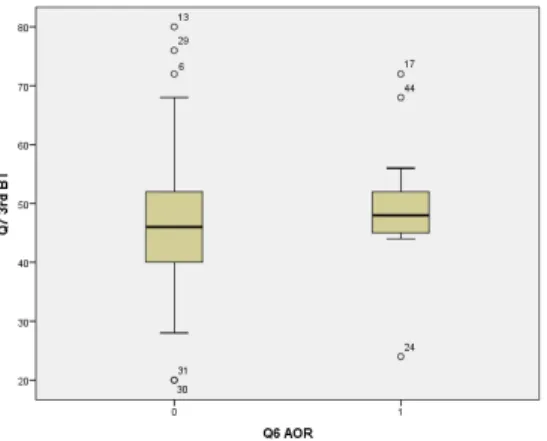
Figure 2. H01 Boxplots for Non AOR and AOR on Third Nine-Week Benchmark ... 95
Figure 3. H02 Boxplots Male and Female AOR Participants ... 96
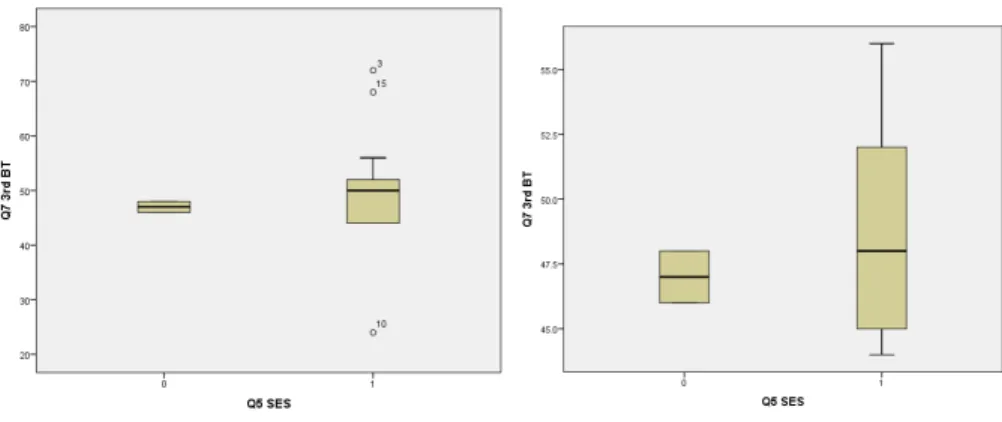
Figure 4. H03 Boxplots for Third Nine-Week Benchmark SES Levels... 98
List of Abbreviations Accelerated Reader (AR)
Adequate Yearly Progress (AYP) Computer-Assisted Instruction (CAI) Computer-Based Instruction (CBI)
College & Career Readiness Performance Index (CCRPI)
Common Core Georgia Performance Standards (CCGPS, CCSS) Criteria Reference Competency Test (CRCT)
Depth of Knowledge (DOK) Executive Functions (EFS)
Functional Magnetic Resonance Imaging (fMRI) Georgia Department of Education (GDOE) Georgia Milestone Assessment (GMA) Georgia Performance Standards (GPS)
Georgia Student Growth Model Report (GSGM) Individuals with Disabilities Education Act (IDEA) National Assessment of Educational Progress (NAEP) National Reading Panel (NRP)
No Child Left Behind (NCLB)
Partnership for Assessment of Readiness for College and Career (PARCC) Proton Echo-Planar Spectroscopic (PEPSI)
Response to Intervention (RTI)
Students Achieving Independent Learning (SAIL) Statistical Package for the Social Science (SPSS) Zone of Proximal Development (ZPD)
CHAPTER ONE: INTRODUCTION
Despite the numerous problems in the learning environment, schools across America are challenged with finding solutions to help at-risk students meet the criteria of Common Core Performance Standards (CCPS). These detailed standards in education are now part of Common Core Georgia Performance Standards (CCGPS) (Common Core State Standards, 2010), which in language arts and reading are currently labeled Georgia Standards of Excellence (GSE) (Georgia Department of Education, 2015). With CCGPS and Partnership for Assessment of Readiness for College and Career (PARCC) increasing demands, at-risk students are required to read complex texts at each grade level to develop linguistic skills and abstract information they need beyond school life (Georgia Department of Education, 2013). The intent of CCGPS is to make sure that when students graduate from high school they are college- and career-ready. By providing students with rigorous tasks, educators expect students to read and comprehend material at or above grade level from various texts including but not limited to math, social studies, science, informational and technical information (Georgia Department of Education, 2014). When students do not meet the expectations set forth by No Child Left Behind Act (NCLB), many school districts use Extended Learning Programs to provide students additional instruction (Wolfe, 2009). For this study, Extended Learning Programs offer at-risk students additional opportunities to improve their test scores and to meet state standards requirements. Many of these programs are funded through Title I funds and offer service 1 hour per day for 5 days a week (Carnine, Silbert, Kame’enui, Tarver, & Jungjohann, 2006). Therefore, this study will examine if Academy of READING®, a computer-based reading program, decreases gaps in reading comprehension and contributes to students’ progression towards meeting CCSS requirements during extended learning classes.
Background
In 2001, Congressional legislators passed Public Law 107-110, the No Child Left Behind Act (NCLB), to improve the educational system for all students regardless of their socio-
economics status or learning disability (U.S. Department of Education, 2008, Stronger
Accountability for Results). Since the passing of NCLB, educational constituents, the National Governors Association Center for Best Practices (NGA), and the Council of Chief State School Officers (CCSSO) have developed Common Core Georgia State Standards to ensure that students are prepared to transition to the next level of learning, are prepared to enter a two or four-year college programs performing at grade level, or are equipped to enter the workforce (Georgia Department of Education, 2014). To help students meet the requirements of CCGPS, many administrators are addressing issues that affect at-risk students, reviewing CCGPS criteria, and utilizing computer-assisted instruction (CAI) as one tool to improve students’ reading skills.
Numerous studies have been conducted on how the brain obtains, processes, organizes, recalls, and forgets information. Adding to this body of knowledge, scientists have used medical imagery to understand the relationship between neurological development and learning. Spreng, a neuroscientist at Cornell University, and his colleagues conducted a quantitative meta-analysis study showing brain development after being exposed to cognitive and motor skills training. Spreng’s results indicated that the experimental group improved significantly in working memory and word fluency (Patel, 2012). Having up-to-date information about how the brain processes information continuously helps researchers and educators improve student learning (Gulpinar, 2005).
Most likely, a human component that influences comprehension is readers’ ability to make connections based on prior experiences and prior learning. For this reason, readers’
understanding and comprehension of text depends on their schema. Schema can be viewed as information that helps the brain process information (Miller, 2011). Having schema helps students gain an in-depth knowledge of what the text states, which leads students to know their purpose, to connect information to other text, to understand text structure, to formulate questions, and to synthesize information (Massey & Heafner, 2004).
In addition, other factors inherent within readers are “motivation, interest, and cognitive development” (Brownell, 2000, p. 105). Curriculum standards were developed to provide a scope and sequence of rigorous learning for each grade and subject matter (Common Core Standards, 2014). Regardless of curriculum complexity, to be successful, students must be able to relate and comprehend text (Rosenshine, 2012). Lacking motivation to read complex topics such as
mathematics, science, and social studies that is above at-risk readers’ level of maturation is frustrating (Ness, 2009). Moreover, as struggling readers enter middle school, they often lack expertise to strategically understand higher level text (Brinda, 2008; Fleming, 2007; Harmon, Hedrick, Wood & Vintinner, 2011; Jacobs, 2008). Mastering CCGPS standards will be overwhelming for at-risk students who lack the prerequisite skills to complete rigorous assignments. Walberg and Tsai identified a phenomenon in education labeled the “Matthew Effect” based on a Bible quote that states “the rich get richer and the poor get poorer” (1983, p. 360). Students intrinsically motivated to read plays an even greater role between readers and text (Guthrie, 2007).
Lyon (1996) suggested that at-risk students may have little trouble recalling information, yet are unable to derive meaning from complex text. Georgia’s curriculum requires students to read challenging text with anaphora words or words that can only be understood by referring to the context. This can perplex at-risk students because many lack the ability to complete the
following: use prior knowledge, make connections, visualize, use deductive and inductive
reasoning, formulate questions, determine importance, and synthesize the materials that they read (Grimes, 2004). The lexis of CCGPS categorizes vocabulary in a three-tier model. Tier One consists of “everyday speech;” Tier Two consists of “general academic” (Common Core State Standards, Appendix A, 2010); and Tier Three is “domain specific” (Beck, McKeown, & Kucan, 2002, 2008). Gaining a deeper understanding of text, students must utilize Cloze Reading to focus on important elements of text and to access different levels of meaning from literal to synthesis (Coleman & Pimentel, 2012). Cloze Reading refers to reading of short pieces of text to gain a deep understanding (Common Core State Standards, 2010). To successfully prepare for rigorous curriculum, at-risk students must be able to employ a variety of comprehension
strategies such as “make connections, ask questions, visualize, infer, determine importance, and synthesize” (Kendall & Khuon, 2005, p. 5).
Administrators are using computer-assisted learning (CAI) to improve literacy skills. Existing studies show negative and positive consequences of computer-assisted instruction. Lowe (2001) noted that during the 1980s and the 1990s, numerous studies demonstrated positive effects of computer-based reading programs on students’ literacy achievement. As time
progresses computer-assisted learning continues to impact student achievement. Caccamise, Franzke, Eckhoff, Kintsch and Kintsch (2007) used Latent Semantic Analysis (LSA), a graphic computerized program to improve students’ comprehension of expository text through
summarizing. In addition, Myers and Wijekumar (2007) used Intelligent Tutoring of Structure (ITSS), a computerized animated web program to organize and comprehend expository text.
Hall, Hughes, and Filbert (2000) analyzed different methodological literature to study the impact of CAI on reading for students with learning disabilities. Hall et al. (2000) used
information either from experimental or quasi-experimental design studies published in refereed journals. Moreover, the researchers limited the studies to students with learning disabilities (LD). The researchers revealed that 13 of the 17 studies indicated that learning disabled students
improved in reading decoding or reading comprehension after using computer-assisted instruction (CAI).
In addition, Moore Street Elementary located in Dublin City, GA used ClassWorks, computer-assisted learning software, to help 4th and 5th grade students with Educational
Instructional Plans (EIPs). Additionally, ClassWorks was used for these same students for Tier II interventions through the Response to Intervention (RTI) program, which gave the students an additional 35 minutes per day with ClassWorks. The Criterion Reference Competency Test was used to measure students’ growth. Fifth grade students increased from 80% to 89% proficient, and fourth grade students increased from 78% to 91% on the state’s yearly assessment
(ClassWorks, 2013).
To understand complex text and to prepare for demanding standards mandated by
CCGPS, students must continuously be exposed to reading strategies at all grade levels (Georgia Department of Education, 2010). Accommodating these high marks of Common Core Georgia Performance Standards, school districts are addressing areas in reading by providing extended learning opportunities and by using Academy of READING®.
Academy of READING® is a research-based training and integrated monitoring software program designed to help struggling readers in grades Kindergarten to twelve and developed from using in-depth Functional Magnetic Resonance Imaging (fMRI) technology to examine how the brain processes visuals and how visuals impact cognitive development (Academy of READING, 2013). From studying pre-adolescent and adolescent dyslexic readers’ images when
reading phonological text, researchers began to understand the brain’s neurological structures
(Cattell, 1941). In addition, following the National Reading Panel (2000) beliefs, Academy of
READING developed a reading program focused on the following research-based skills: phonemic awareness, sound symbol association, decoding accuracy and fluency, automaticity, and comprehension; next, Academy of READING® uses progress monitoring and integrates lessons relating to CCSS and Response to Intervention (RTI) guidelines (Academy of
READING, 2013).
Retention to Intervention, which is specified in IDEA (2004), was designed to monitor students’ progress during each stage of intervention to determine the need for further research- based instruction and/or intervention in general education, in special education, or both (United States Department of Education, 2014). The National Association of State Directors of Special Education & the Council of Administrators of Special Education (2006) stated that RTI is based on three tiers wherein students are afforded a plethora of chances in the educational setting; also, RTI can be used to assist any student who is failing (Fuchs & Fuchs, 2006, p. 93).
The Georgia Department of Education (2008) states that Tier 1 is considered the key component of tiered instruction. All students receive instruction within an evidence-based, scientifically researched core program, but those children in need of additional intervention receive extra instruction at Tier 2 or Tier 3. Tier 2 consists of students who fall below the normal levels of achievement as measured by benchmarks or by state assessment tests, and Tier 2
consists of students who are at some danger for academic failure but who are still above levels considered to indicate a high risk for failure. Because students at Tier 2 are below expected benchmarks for their grade but have less demanding needs than students at Tier 3, interventions
at Tier 2 include researched-based programs at a level of proficiency considered to be further along the scale of skill achievement than Tier 3 (Klingner & Edwards, 2006).
Per the National Center on Student Progress Monitoring, progress monitoring produces the following results when it is applied appropriately:
• Students learn more quickly because they are receiving more appropriate instruction; • Teachers make more informed instructional decisions;
• Documentation of student progress is available for accountability purposes;
• Communication improves between families and professionals about student progress; • Teachers have higher expectations for their students; and, in many cases,
• There is a decrease in special education referrals. (United States Department of Education, 2008, p. 1).
When the Governor’s Office of Student Achievement publishes its yearly report card on each school in Georgia, the Economically Disadvantaged subgroup is statistically analyzed and reported separately (National Assessment of Educational Progress [NAEP], 2007). Due to the passing of NCLB, school districts are using research-based instructional strategies in association with technological implementation to prepare students to be college or career ready (Beghetto, 2003). School districts use Academy of READING® to help assess student learning and to provide methodological practices to drive instruction with hopes of closing the achievement gap so that school districts are aligned with federal legislation such as the Individuals with
Disabilities Education Improvement Act (IDEA, 2004) and No Child Left Behind Act (NCLB, 2001).
Problem Statement
NCLB (2001) provides federal funds through the Georgia Department of Education to local educational agencies and public schools to help ensure that all children meet challenging State academic content and student academic achievement standards, CCGPS (No Child Left Behind Act, 2013). In Georgia, schools are having difficulties closing the gap between at-risk and regular education students in reading (Georgia Department of Education, 2014). The gap in reading may be solved by implementing computer-assisted instruction that includes brain-based research, Executive Functions (EFs), pedagogically rigorous strategies, modeling, motivation, and inquiry (Academy of READING®, 2014).
Computer-assisted reading programs must be able to address Common Core Georgia Performance Standards that build on previous standards and provide a clear and concise alignment so that students will be prepared for college, career, and life (Rosenshine, 2012). Moreover, standards outline what students are expected to master as they transition through each grade (Thomas &Thorne, 2009). These instructional standards are research-and evidence-based; clear, understandable, and consistent; aligned with college and career expectations; based on rigorous content and application of knowledge through higher-order thinking skills; built upon the strengths and lessons of current state standards; and informed by other top-performing countries to prepare all students for success in the global economy and society (Common Core Standards, 2014).
With academic rigor at the forefront, Georgia educational reformers constructed the Georgia Milestone Assessment (GMA) to replace the Criterion Reference Competency Test (CRCT) (Georgia Department of Education, 2014). One guiding principle of Georgia Milestones stipulates that the assessment be sufficiently rigorous to ensure Georgia students are well-
positioned to compete with other students across the United States and internationally. Next, it is intentionally designed across grade levels to ensure that student learning is consistent with state standards and that students are on or above grade level. Georgia Milestones in middle school are designed to provide a valid measure of student achievement on state content standards across the full achievement continuum, to provide a clear signal on students’ preparedness, and to be suitable for use in promotion and retention decisions focusing on reading (National Assessment Governing Board, 2008).
During the 2014-15 school year, students in Georgia took the Georgia Milestone. Per the Director of Assessment Research and Development Georgia Department of Education, the Department of Education did not release information pertaining to the validity and reliability of the Georgia Milestone until the testing facility had examined the effectiveness of the test (see Appendix C). Henceforth, the researcher used students’ 2013-14 CRCT data aligned to CCSS to determine if Academy of READING® impacted student achievement. Knowing this data further assisted school districts with meeting the needs of at-risk students.
Presently, many students fail to graduate from or on time from high school. Many students are still graduating from high school lacking basic reading skills and are unprepared to enter the workforce or attend college (National Center for Education Statistics, 2009, 2011). The problem is these negative correlations leave educators struggling to meet the needs of all students (Purcell, Heaps, Buchanan, & Friedrich, 2013). School districts are relying on computerized- assisted instructional programs to solve at-risk students reading problems (Fairlie, 2012). In addition to closing the achievement gap between students, very few current empirical research studies exist on the effectiveness of the Academy of READING® software program (Morgan, White, Portal, Vanayan, & Lasenby, 2002). Therefore, this causal comparative study will attempt
to investigate the relationship between the Academy of READING® program and reading achievement scores of at-risk students.
Purpose Statement
The purpose of this quantitative, causal comparative study was to determine possible effects of participating in Academy of READING®, a research-based reading program, on the reading achievement of Response to Intervention Tier II eighth grade at-risk students during extended learning for duration of one academic nine-week term during the second semester. By examining academic gains and losses of this specific subgroup who have historically scored at or below the state’s mean score in reading, this research will assist school districts in determining the effectiveness of Academy of READING®. In addition, this study will provide school districts with information pertaining to allocation of funds; scheduling of extended classes; helping limited English learners; assisting economically disadvantaged students; and aiding students with disabilities in reading comprehension.
The first independent variable was participation in Academy of READING®, which is a computer-assisted independent reading program that focuses on five instructional strategies based on National Reading Panel Report (2000). The second independent variable was gender. The third independent variable was socioeconomic status (SES) of the participants. Low SES comprised students who received free or reduced lunch, while high SES included students who do not receive free or reduced lunch. Dependent variables were students’ reading scores on the grade level third reading benchmark assessment and students’ reading achievement scores on the Criterion Reference Competency Test. The research questions were designed to examine the differences in reading proficiency.
Significance of the Study
The National Institute for Literacy and Center for Education Statistics (2006) reported over 40 million adults in the United States are functionally illiterate, and approximately 40% of fourth graders lack basic skills. Research showed that a child not reading on grade level by fourth grade would probably not graduate from high school (U.S. Department of Education, 2005). With student assessment moving to rigorous tasks and requiring higher level thinking skills, at-risk students will need reading strategies to help them conceptualize material that goes beyond Depths of Knowledge of a Level 1. Webb (2006) classified The Depth of Knowledge into four levels: “recall, skills, strategic thinking, and extended thinking” (p. 3).
Students must be able to provide constructed responses that require more in-depth thinking (Common Core Standards, 2014). What seemed like simplistic amendments to some were burdensome to those who had to tackle the task, which caused public schools to rethink and revamp the reading curriculum (Clark, 2011). One resolution to closing achievement gaps for many school districts is to provide students with computer-assisted instructions. For this research study, implementing Academy of READING® during extended learning time was studied. This research-based program provides students with a formative assessment, a form of checking students’ understanding of standards during instruction, and a summative assessment, a form of signaling the end of students’ mastery so that students can be successful in the regular
educational setting and can pass stated mandated tests (Georgia Department of Education, 2011). Moreover, the summative assessment can show improvement on the Georgia Student Growth Model Index, which measures students’ academic growth of students within the state (Georgia Department of Education, 2014).
To accommodate requirements of CCGPS, teachers must provide students with lessons that develop their creativity and promote higher level learning so that students can transition ready and prepared to engage in and complete task-centered activities. If students are unprepared to comprehend required texts, their chances of successfully reading higher level text is unlikely and completing college level assignments are lessened (Gerla, 2009). Black and Wiliam (2006) posited teachers are the persons who know very well what is happening inside the “black box,” and educators can control classroom activities, which helps produce better outputs. For purposes of this research, benchmark assessment was categorized as summative assessment signaling the end of the third nine-week grading period, and the CRCT was categorized as summative
signaling the end of the school year; nevertheless, teachers had data to help students towards requirements of CCGPS.
Benchmark assessments are used as measurable descriptors of student knowledge and have expected student learning outcomes at each grade level. Benchmarks have become a
popular tool used in reviewing the effectiveness of teachers and schools. Olson (2005) stated that standardized benchmark assessments typically:
• are given periodically, from three times a year to as often as once a month; • focus on reading and mathematics skills, taking about an hour per subject; • reflect state or district academic-content standards; and
• measure students’ progress through the curriculum and/or on material in state assessments. (p. 13)
This research study mainly examined student achievement as it relates to the Academy of READING®, which helps students regardless of gender or socioeconomic status prepare to
demonstrate mastery on summative assessments, such as benchmarks and the Criterion Reference Competency Test used during extended learning time.
Research Questions
RQ1: Is there a difference in the reading comprehension scaled scores of at-risk eighth graders on the third nine-week reading benchmark assessment when participating in the
Academy of READING® during extended learning classes versus those non-participating eighth graders?
RQ2: Is there a difference based on gender on the third nine-week reading benchmark scaled scores of at-risk eighth grade students who receive Academy of READING® instruction during extended learning?
RQ3: Is there a difference based on socioeconomic status on the third nine-week reading benchmark scaled scores of at-risk eighth grade students who receive Academy of READING® instruction during extended learning?
RQ4: Is there a difference in the reading comprehension scaled scores of at-risk eighth graders on the Criterion Reference Competency Test when participating in Academy of READING® during extended learning classes versus those non-participating eighth graders?
Null Hypotheses The null hypotheses are:
H01: There is no significant difference in the reading comprehension scaled scores of eighth graders on the third nine-week reading benchmark assessment when participating in Academy of READING® versus non-participating eighth graders.
H02: There is no significant difference based on gender in the third nine-week reading benchmark scaled scores of at-risk eighth grade students who receive Academy of READING® instruction during extended learning.
H03: There is no significant difference based on socioeconomic status in the third nine- week reading benchmark scaled scores of at-risk eighth grade students who receive Academy of READING® instruction during extended learning.
H04: There is no significant difference in the reading comprehension scaled scores on Criterion Reference Competency Test of eighth graders when participating in Academy of READING® versus non-participating eighth graders.
Definitions
Academy of READING® - a computer-based reading and math research-based program (Academy of READING, 2014).
Adequate Yearly Progress or AYP - Part of the No Child Left Behind Act (NCLB). It measures year-to-year student achievement on the Georgia Criterion-Referenced Competency Test. Several factors like percentage of students meeting or exceeding standards, attendance rates, and number of students participating in assessment, are all factored into the calculation for adequate yearly progress (Georgia Department of Education, 2008).
At-risk - Poor academic and social skills that promote a general disconnection within the school environment (Smink, 2000).
Benchmark - Detailed description of a specific level of student performance expected of students at specific ages, grades, or developmental levels. Benchmarks are often represented by samples of student work. A set of benchmarks can be used as “checkpoints” to monitor progress
toward meeting performance goals within and across grade levels (Georgia Department of Education, 2011, p. 8).
Cloze Reading - Refers to reading of short pieces of text to gain a deep understanding of the text (Georgia Department of Education, 2008).
College & Career Readiness Performance Index - Index that informs parents and the public how schools are performing in a more comprehensive manner than the pass/fail system previously in place under Adequate Yearly Progress (AYP) (Georgia Department of Education, 2014).
Comprehension Strategies - Set of steps that purposeful, active readers use to make sense of text when they read (National Institute for Literacy, 2007)
Common Core Georgia Performance Standards - Provide a consistent framework to prepare students for success in college and/or the 21st century workplace. These standards represent a common sense next step from the Georgia Performance Standards (GPS) (Georgia Department of Education, 2011).
Depth of Knowledge - Term that refers to the substantive character of the ideas in the performance standards. Depth of Knowledge classifies the various levels of understanding that students must demonstrate as they encounter and master the content and skills within the performance standards. This schema for evaluating standards has four levels of knowledge: recall, skill/concept, strategic thinking, and extended thinking. Operational definitions and labels vary by subject (Georgia Department of Education, 2011).
Direct Instruction - A scripted approach with brisk-paced instruction that enables
students to learn systematically through steps in a sequence where cognitive skills are developed (Carnine, Silbert, Kame'enui, & Tarver, 2004).
Extended Learning Time - Additional time given to students to enhance their learning. Formative Assessment - Evaluation tool used to guide and monitor the progress of student learning during instruction (Georgia Department of Education, 2011).
Georgia Criterion Reference Competency Test - Shows how learning compares to a preset criterion of acceptable performance on specified learning targets, rather than to compare students to one another (Stiggins, Arter, & Chappuis, 2006).
Georgia Student Growth Model Report (GSGM) - Provides information about students’ academic progress (Georgia Department of Education, 2014).
Low achieving students - Students who do not achieve academically at grade-level standards (Georgia Department of Education, 2011).
Metacognition - Awareness and knowledge of one’s mental processes so that one can monitor, regulate, and direct them to a desired end (Anderman & Anderman, 2009).
Nontraditional instruction - Teaching that is social, in real time, among equals, different approach to learning, and spontaneous (Overbaya, Patterson, Vasua, & Grablec, 2010).
Response to Intervention (RTI) - An “early detection, prevention, and support system that identifies struggling students and assists them before they fall behind” (U.S. Department of Education, 2009b, p. 4).
Scaffolding - Relates to instructional strategies used to help students progress toward understanding assignment first with assistance and gradually moving towards independency (Georgia Department of Education, 2011).
Schema - A mental structure to organize and simplify knowledge of the world (Miller, 2011).
Semantics - Study of meaning that is used by humans to express themselves (Bender, 2008).
Standardized Test - All students take the same test under the same conditions with the same instructions and scoring. Test administration and scoring are thereby “standard” for all students. This results in scores that can be compared across students, classrooms, buildings, and districts (Stiggins et al., 2006).
Summative Assessment - Evaluation tool generally used at the end of an assignment, unit, project, or course (Georgia Department of Education, 2011).
Syntax - Used to refer directly to rules and principles that govern the sentence structure of any individual language (Bender, 2008).
Traditional instruction - Teaching practice that is transmissive, in order, hierarchical, structured (Kelm, 2011).
Summary
Common Core Georgia Performance Standards (CCGPS) have caused public education systems to make drastic changes in addressing how students learn. All students are expected to meet standards set forth first by NCLB and CCGPS in reading as stated by the College & Career Readiness Performance Index. To meet these criteria, administrators are providing at-risk
students with research-based programs such as Academy of READING® to help them become proficient in reading. This study examined at-risk students using Academy of READING®, during extended learning time, and the following chapter reviews literature related to the this study.
CHAPTER TWO: REVIEW OF LITERATURE Overview
The No Child Left Behind Act of 2001 (NCLB) addressed the importance of all students, regardless of students’ socioeconomic status or learning disability, being able to comprehend complex reading material. Thus, school districts are finding methods to help struggling readers become college and career ready. Knowing that the newly developed Georgia Milestone Assessment (GMA) and Georgia Student Growth Model Report (GSGM) rate students’ progression and determine if a school receives satisfactory marks on the College & Career Readiness Performance Index (CCRPI), school districts have reexamined how reading is being taught (Georgia Department of Education, 2014). In conjunction with finding research-based solutions, administrators and teams of teachers agree that low achieving students need additional support other than a traditional classroom, which is defined based on normal school hours (Jacobs, 2010). To combat at-risk reading problems, educational systems redeveloped their School Improvement Plan and their Technology Integration Improvement Plan to incorporate computer-assisted instruction (Schwartz, 2008). For these reasons, the primary purpose of this literature review is to evaluate the theoretical basis for this research, to review basic principles of literacy, to study issues relating to adolescent literacy, to investigate possible methods to assist at-risk students, and finally, to review empirical evidence pertaining to Academy of
READING®, a computer-assisted instructional reading program. Brain-Based Research
Academy of READING® was created on a theoretical framework that reading is a relationship between clear, methodical skills and instruction, literature, linguistics, and comprehension that is best suited for students (Academy of READING, 2014). Before
developing Academy of READING®, researchers studied how the brain processes information. Based on Paivio’s (1971) research, the human brain has a left and a right hemisphere; the left hemisphere operates in a coherent, logical manner, and the right hemisphere operates in an innate, holistic manner. When both components are used effectively, facts or ideas that are memorized through words are stored in the left hemisphere of the brain, and ideas memorized through a picture or sketches are stored in the right hemisphere of the brain, which set up a powerful combination for enhancing memory (Mohs, 2007). The brain makes sense of information because there is a pattern that helps it understands relationships and connections
(Nielsen, Zielinski, Ferguson, Lainhart, & Anderson, 2013). Researchers of Academy of READING®, utilize Functional Magnetic Resonance Imaging (fMRI) technology to examine how the brain processes visuals and how visuals impact cognitive development.
Using (fMRI) technology, which measures changes in metabolic brain activity, neuropsychologists and other researchers have first-hand knowledge on how the human brain performs cognitive tasks (Shirky, 2010). To further guide practices of researchers, research using fMRI has shown that reading is a process depending on all strands working simultaneously (Prat, Keller, & Just, 2007). Magnetic Resonance Imaging has provided scientists with significant insight into what causes reading disabilities and has provided techniques to help at-risk reading students (Nielsen et al., 2013).
Gabrieli (2009) and Melby-Lervag (2012) concluded dyslexia is one of the most profound reading disabilities; furthermore, some dyslexic students lack phonological skills to process advanced reading material. The International Dyslexia Association (IDA) and National Institute of Child Health & Human Development, USA [NICHD] (2002) defined dyslexia as “a learning disability that is characterized by difficulties with accurate and/or fluent word
recognition and by poor spelling and decoding abilities; this learning disability leads to students having difficulties in reading comprehension” (p. 2).
Dr. Sally Shaywitz, Todd Constable, Robert Fulbright, John Gore, Kenneth Pugh, and Bennett A. Shaywitz (1998) used fMRI technology to conduct a case study on how phonological reading assignments impacted 29 dyslexic students and 32 normal readers. The study shows dyslexic readers having an under-activation of the brain region that joins printed information. Additionally, dyslexic readers’ brain region illustrated over-activation known as Broca’s area, region of the brain where motor neurons control speech (Bock, 1998). In contrast, normal
readers’ image presented no increase in Broca’s area. Dr. Shaywitz implied that dyslexic readers may utilize the Broca’s area to compensate for lack of phonological development (Bock, 1998).
In another study that used brain imaging, Todd Richards and University of Washington’s researchers conducted a case study involving six dyslexic male students and seven non-dyslexic above-average male students ranging from ages 10 to 13. Researchers used a Proton Echo-Planar Spectroscopic (PEPSI) imaging like fMRI, to measure their metabolic brain region (Posse, Dager, & Richards, 1997). The treatment group was given phonological-driven instructions for 3 weeks consisting of 15 two-hour group sessions, and the same treatment group was re-imaged and re-tested after a year.
The PEPSI results illustrated that dyslexic students’ reading skills had not decreased from the previous assessment, and their imaging scans depicted 1.8 times the energy to perform
phonological tasks as the control group. Additionally, this approach revealed a response to treatment, which led researchers to believe that a well-developed instructional intervention program-focusing on phonological processing, sound symbol, and decoding skills could be conducive to dyslexic readers comprehending written language (Richards et al., 1999).
While numerous studies have examined dyslexic students’ reading ability, researchers have now begun to understand its neurological structures; for example, Richards and the University of Washington’s researchers surmised that the functional connectivity of dyslexic readers’ brain was sufficient for the regions to act as a system for decoding print into
phonological structures (Shaywitz et al., 1998; Shaywitz et al., 2000).
Noteworthy to this study, Gaskins (2005) and RAND Reading Study Group (2002) stated the purpose of reading is to understand text; though there is no dispute that understanding text necessitates reading words correctly is not reading intention. The study stated that reading is an interaction among the reader, the situation, the task, and the text that results in the construction of meaning. For comprehension to occur readers must utilize their Executive Functions (EFs) (Wagner & Sternberg, 1987); therefore, it is worth mentioning EFs’ role on early reading and development.
Executive Functions help children as young as infancy and into adulthood by providing means to manage complex cognitive processes based on the Cattell-Horn-Carroll (CHC) research theory of intellectual abilities (Cattell, 1941). EFs and associated brain developments parallel reading acquisition; therefore, work in EFs has profound implications for fostering successful development of reading skills, including pre-reading skills, word reading, and reading
comprehension (Brown & Campione, 1986). Children who are better able to process flexible sounds and meanings of words have more success in developing reading comprehension leading educators to assume that children ranging from age 5 to 7 executive processes are already developed (Meltzer, 2007). Since at-risk students lack sufficient cognitive skills to process advanced concepts, they have trouble grasping the explicit curriculum (Diamond, 2010). Some researchers, regardless of their field of study, state that learning to read as early as third grade
has its advantages because by fourth grade, students encounter a variety of text (Hernandez, 2011). As these students move to the later grades, they need executive demands such as planning, strategizing, and organizing to become prolific readers (Diamond, 2010).
Sousa (2001) suggested that reading capabilities can be related to children’s biological structure rather than from an obtainable skill and that brain regions are related to how learning activities, such as reading, link to classroom discussions. PEPSI allows neurobiologists to understand brain functions, brain development, and human learning (Richards et al., 1999). In 2005, Tankersley found patterns useful in connecting new learning to prior knowledge and experiences; it makes sense to provide the brain with as many ways possible to connect new information as students read.
Executive functioning issues are not considered a reading disability (Yovanoff, Duesbery, Alonzo, & Tindal, 2005). Nevertheless, many at-risk students who exhibited EFs’ traits did not meet the criteria for a learning disability because at-risk students readily succeed with the narrowly defined subskills that are rated on most widely accepted test inventories (Meltzer, 2007). Understanding how these functions impact learning will be conducive to helping students improve their reading skills (Cox, 2007). Swanson (1999) and Torgesen (1982) suggested that these students have been characterized as “actively inefficient learners” because of their
difficulties accessing, organizing, and coordinating multiple mental activities simultaneously in academic areas including reading comprehension and written expression (p. 20). As soon as executive functions are connected to one another, the brain processes these actions in seconds; still, students, lacking insufficient executive skills, have difficulties inferring beyond the surfaced details (Reiter, Tucha, & Lange, 2005). When executive functions are operative, students have a better chance understanding words that are not clearly stated in context. Table 1 demonstrates
how each process allows students to manage tasks. In addition, these neurological-based skills are proven to assist students with improving their mental capabilities (Lloyd, 2011).
Table 1
Definitions for Processes of Executive Functions
Process Definition
Attentional control The ability to focus on particular information or task regardless of distractions or fatigue
Cognitive flexibility The ability to consider multiple bits of information or ideas at one time and actively switch between them when engaging in a task
Inhibition The ability to restrain one’s normal or habitual responses (also called response inhibition or inhibitory control)
Initiation The ability to overcome inertia and begin a task
Metacognition The ability to take a step back and reflect on thoughts, perspectives, and mental processes and assess their effectiveness
Organization The ability to impose order on information and objects or to create systems for managing information or objects
Planning The ability to decide which tasks are necessary to complete a goal, including understanding which ones are most important and the order in which the tasks should be completed to most effectively reach the goal Response to
feedback The ability to adjust one’s behavior or alter one’s plans in the face of new information
Self-regulation The ability to control one’s own behavior and emotions to achieve goals Switching or shifting The ability to change one’s attentional focus from an initial idea to a new
one (this is related to cognitive flexibility)
Working memory The ability to hold information in mind to support the completion of task (Dawson & Guare, 2010, pp. 1-2).
Effectiveness of Executive Functions
Raver (2010), Director of Chicago School Readiness Project (CSRP), conducted a randomized-control trial with 18 out of 35 Head-Start classrooms. The research shows that the treatment group, CSRP teachers, had better-controlled and more emotionally-supportive classrooms than the control teachers. Executive functions used in the study were attention, inhibition, and experimenter-rated impulsivity. Using the executive functions, the 4-year-olds in CSRP children improved significantly in vocabulary, letter-naming, and math, in comparison to the controls. CSRP’s improvement of academic skills was mediated largely via its improvement of EFs.
Montessori schools, which are in 117 countries across six continents, used the term “normalization” akin to Executive Functions (Lloyd, 2011). Adding to the definition, Lloyd defined normalization as a shift from disorder, impulsivity, and inattention to self-discipline, independence, orderliness, and peacefulness. Teachers at the Montessori schools use EFs’ concepts of cognitive, social, and emotional development with infants to grade 12. In connection to the other concepts, scaffolding techniques are provided so that children are far more likely to experience success than failure. Students are afforded individualized and pacing instruction where they become in control of their learning like the Zone of Proximal Development and EFs’ cognitive flexibility and metacognition. Finally, to increase students’ motivation, students receive awards and honors.
Lillard (2006) compared children who applied to Montessori, but did not get accepted, to the children who did get accepted, at the end of Kindergarten (age 5) and end of Grade 6 (age 12). Data revealed at age 5, Montessori children showed better EFs than peers attending other schools. More so, they performed better in reading and math and displayed more concern for
fairness and justice. No group difference was found in delay of gratification. In addition, at age 12, on the only measure related to EFs, Montessori children showed more creativity in essay writing than the control group. They also reported feeling more of a sense of community at school.
Cogmed, a computerized training program, was developed by Sweden’s Karolinska Institute. The program focuses on the brain’s neuroplasticity to enhance students’ performance by utilizing visual working memory. Tailoring to ages 4 to adult, Cogmed provides participants 5 weeks of 25 intensive session. Klingberg, Forssberg, and Westerberg (2002, 2005) stated that after participants completed training, their cognitive performance such as reading comprehension and new learning improved. In like manner, Westerberg, Bartfai, Clevberger, Hirvikoski,
Jacobaeus, and Klingberg (2007) reported that Cogmed conducted a randomized control study that improves attention and executive functions during the student’s session. From observing how the brain processes information, how using EFs’ components are associated with reading, and how using EFs produces positive results, three instructional design theories, connectivism, cognitivism, and socialism, have shown to impact at-risk readers.
Theoretical Framework
Academy of READING® was developed based on the Reading First Program
requirements, which is a component of NCLB, 2001 (AutoSkill, 2006). Using research-based theories such as connectivism, cognitivism, and socialism, school districts use computer-assisted instructional programs to strengthen students’ reading skills.
Connectivism. Connectivism deals with learning that involves developing meta-skills for
rapidly changing under the learner’s control (Siemens, 2005). In accordance with this definition, these major components are described as:
• learning and knowledge rests in diversity of opinions;
• learning is the process of connecting specialized nodes or information sources; • learning may reside in non-human appliances;
• capacity to know more is more critical than what is currently known; • nurturing and maintaining connections is needed to facilitate learning; • the ability to identify connections between concepts is important;
• maintaining current and accurate knowledge is the purpose in connectivist activities; and
• decision-making is a learning process as information can change, and what is viewed as correct one day may be incorrect the next. (Siemens, 2004, p. 3)
Knowing that the world is rapidly advancing, educators are exposing students to technology more than ever (U.S. Department of Education, 2014). First, the Internet has been significant in providing the educational system with a learning environment for supporting the connectivism theory (Brown, 2002). For example, educators use technology to help students by offering advanced, all-digital technology that promotes authentic exploration through discovery and by offering students opportunities to visualize experiences beyond the walls of schools’
infrastructures (Lento, 2005). Being exposed to programs such as WebQuests, ThinkQuests, Web Inquiry Projects, blogs, and Wikis, students can learn information at faster paces (Smaldino, Russell, Heinich, & Molenda, 2005).
Cognitivism. Cognitivism refers to the study of how the mind obtains processes, and
as brain-based learning skills need to complete a task; these brain-based learning skills consist of remembering, applying, analyzing, evaluating, and creating. In fact, the Department of Education (2004) stated that students who have limited cognitive development are so limited that weakness in their cognitive development accounts for 88% of their reading problems. Knowing students lack cognitive development, teachers must rethink how teaching and learning occur, must understand the whole child, and must provide students with learning structures to help all subgroups (Black & William, 2009). In 2006, Browder, Wakeman, Spooner, Ahlgrim-Delzell, and Algozzine defined students with significant cognitive disabilities as:
Students classified as having moderate or severe mental retardation, who may have additional disabilities such as autism or physical disabilities. Individuals with severe cognitive disabilities may use nonlinguistic communication … and
exhibit learning characteristics that require greater time to learn and intensive forms of instructional support. (p. 392)
Cognitive development is essential when processing information. Students who have not
progressed beyond basic concepts will have difficulties adjusting to a structured curriculum (Mol & Bus, 2011). Planning for the future, school districts are utilizing computer-assisted learning programs to help develop students’ cognitive skills.
Schema Theory. Sir Fredric Bartlett defined schema as “an active organization of past
reactions, or past experiences” (Bartlett, 1932, p. 201). From his research, he concluded that what one remembered “fit in with a subject’s performed interests and tendencies;” in addition, Bartlett proposed that people have schemata or unconscious mental structures that represent an individual’s generic knowledge about the world. It is through schemata that old knowledge influences new information (Bartlett, 1932, p. 93).
Minsky (1975) used Bartlett’s Schema Theory to give machines human qualities. As a computer scientist, Minsky concluded that computers were lacking the ability to store knowledge about the world, which was like Bartlett’s schema theory. Minsky’s theory, his conception, Frame Theory, was developed to represent knowledge in machines. Rumelhart (1980) supported Minsky’s theory by stating that schema improves comprehension and recalls of written material. His findings suggest that learning takes form in many ways; both discovery through play, and insight through instruction.
In 1977 and 1984, Richard Anderson, an educational psychologist, related Schema Theory to education. Anderson theorized that schemata provide a form of representation for complex knowledge, and that the construct, for the first time, provides a principled account of how old knowledge might influence the acquisition of new knowledge. Using the Schema Theory, he implied that the reading process mirrors two principles. First, reading uses the
bottom-up approaches to reading, where reading perceived letters coming into the eye. Anderson (2008) stated that the bottom-up consists of using letter and sound recognition. Secondly, reading uses the top-down knowledge to construct a meaningful representation of the content of the text (p. 3). Furthermore, the top-down consists of using background knowledge and making
predictions to comprehend text. Henceforth, efficient readers combine elements of both. Alexander, Schallert, and Hare (1991) refuted Anderson’s viewpoint on schema in education. These researchers noted that Anderson’s work caused systematic uncertainty between the two concepts in educational literature.
In summary, Vacca and Vacca (1986) concluded that for humans to comprehend information beyond basic recall, humans must be able to connect new knowledge to prior
to complete implicit tasks (Blackmore & Frith, 2005). Using the Schema Theory in relation to cognitive development will help improve students’ reading skills as they are exposed to social learning.
Socialism: The Zone of Proximal Development. Vygotsky’s Social Development
Theory (1978) continues to emphasize the necessity of social interaction on the development of cognition. Vygotsky’s theory is based on three primary principles: Zone of Proximal
Development (ZPD), scaffolding, and metacognition. ZPD is what one knows at present and what one learns between development as determined through problem solving under supervision of one’s teacher or in collaboration with more advanced peers (Vygotsky, 1978). Although Vygotsky did not develop the concept of scaffolding, his phrase ZPD includes techniques of scaffolding such as reasoning, implementing demonstrating, hinting, prompting, cueing, coining phrases, practicing skills, and language that children need to enhance confidence and strengthen what the educator views as essential to master reading skills and to continue the learning process (Leat, 1998). From applying the ZPD and scaffolding methods, students use their metacognition skills to plan, assess, and monitor the task (Efklides, 2008). With these principles utilized, research shows that at-risk students’ reading skills will improve (Israel, 2005).
Many students are entering school with limited cognitive development (Burrage, 2008). Due to the number of students failing reading on standardized tests, Liang (2011) conducted an empirical study to observe readers’ response and cognitive activities’ influence on adolescents’ abilities to understand reading passages. Rosenblatt (1938) stated that readers-response allows the reader to perceive the author’s work based on his point of view. On the other hand, cognitive activities such as games based on concentration, hands-on activities, drawing, art projects, and nature walks help readers improve their mental processes (Shirk, Burwell, & Harter, 2003).
Liang evaluated 85 sixth graders’ responses to literature and comprehension when they were taught in a Scaffolded Reading Experience (SRE) using a reader-response approach or a cognitive-oriented approach (2011). Miller (2011) used the ZPD as part of a theoretical
framework for testing two scaffolding approaches that were adopted by (Wood, Bruner & Ross, 1976). Scaffolding specifies the types of assistance that makes it possible for learners to function at greater depths of their Zones of Proximal Development. Wood et al. (1976) reported the response and cognitive-oriented approaches are consistent with the definition of scaffolding because they were created to provide support at the beginning and to be removed as learners' abilities develop. Outcomes of this empirical study revealed that teaching literature with a specific approach does not affect student response to text and comprehension. Therefore, this study concluded that teachers match a scaffolding approach with desired outcome to close gaps between what students can understand by themselves and what they can comprehend and write with direct assistance.
Moreover, teaching the writing process is considered a strenuous task when students do not have prior reading knowledge. In efforts to help 24 advanced second language learners of the Spanish language comprehend the complexity of writing, Schwieter used Vygotsky’s theory of the Zone of Proximal Development (ZPD) and scaffolding techniques to study second language writing (Bodrova & Leong, 1996). During the ZPD, advanced English learners acted as authors, critics, and editors to create a magazine for an authentic audience. Students edited papers, and an instructor conferenced with each student where constructive scaffolding writing methods were taught. Results of this empirical study suggested that teaching writing through scaffolding writing techniques and receiving feedback during debriefing conferences within ZPD efficiently improve writing proficiency in second language learning when contextualized through a writing
workshop. Bodrova and Leong collected quantitative data in the form of ANOVA to imply that there is steady, continuous improvement of writing skills in context (1996). Therefore, this study concluded that when students use scaffolding methods during the Zone of Proximal
Development, students’ understanding of complex assignments will improve with directed assistance.
Socialism is not only used to strengthen students’ reading skills, but educators practice socialism to improve their teaching strategies. Stanevich (2008) conducted an empirical study that examined 12 teachers. This study is pertinent because it provided insight on teachers understanding the relevance of cognitive development and Schema Theory, which addresses what a person needs to understand rigorous assignments and which focuses on a cognitive approach (Prat & Just, 2008). Zone Proximal Development (Vygotsky, 2006) was used to test participants’ learning ability. Using different methods of teaching and peer conferencing teachers implemented different instructional practices to improve student learning. Hence, this outcome suggested that exposing teachers to different teaching methods will affect their teaching. To enhance this concept, teachers are required to meet the demands of Common Core State Standards (Gamse, 2008). Knowing that students are at different intervals of learning, teachers provide students with different instructional pedagogies to perform tasks (Ellerson, 2012).
Even though Vygotsky (1978) did not use the term scaffolding, his concept of the Zone of Proximal Development implies that scaffolding is part of this concept. Therefore, educators are now relying on programmed instructional design of drill and practice software that provides students with scaffolding techniques to help at-risk reading students comprehend rigorous assignments (Reiser & Dempsey, 2006).
Although at-risk students need additional reading support to close the achievement gap, their learning ability can be improved when they have assistance (Puntambekar & Kolodner, 2005). Figure 1.1 shows that no single strategy works best for understanding tasks; however, being able to have effective learning feedback and to understand different ways to comprehend a task is conducive to learning. As students analyze the lesson, minimum assistant is needed because one of the Zone of Proximal Development (ZPD) purposes is to bridge the gap between the existence and the nonexistence (Vygotsky, 1978). Figure 1 illustrates scaffolding and
Vygotsky’s concept of the ZPD.
(Source:http://www.buzzle.com/articles/zone-of-proximal-development.html, 2011)
Figure 1. Zone of Proximal Development
During Stages I and II, the facilitator develops schema by guiding students through the task. The facilitator continues to model lessons and to check for clarity and understanding. As students begin to conceptualize the information, the teacher gradually releases control. At this point, the facilitator becomes an observer causing students to become independent learners. By Stage III, students’ “performance is developed, automatized, and fossilized” (Gallimore & Tharp, 1990, p. 186). During Stage IV, students should have a clear understanding about the assignment. Then, learning becomes recursive, where ZPD sequences are similar for the development of new information,
Annually, the United States Department of Education spends billions of dollars to improve reading skills of adolescents (United States Department of Education, 2014). Despite funding reading programs, the dropout rates steadily increase, and many students are graduating from high school ill-equipped to read, which causes major consequences for those graduates (Madden, Slavin, Karweit, Wasik, & Dolan, 1993). To improve students’ reading problems, Academy of READING® and other computer- assisted instructional programs utilize research- based reading components such as phonological awareness, phonics/word study, fluency, vocabulary, and comprehension to improve at-risk students reading.
Phonological Awareness. There has been much debate over the most effective
phonological strategies and the phonologic link to comprehension. For this reason, phonics role in reading and writing has become a political issue as it has an educational one (Armbruster, Lehr, & Osborn, 2001). For the purposes of this study, it is essential to understand the meaning of phoneme. The National Reading Panel (2000) defined a phoneme as the smallest unit of sound in a word. For example, the word cat is made up of three phonemes (or three sounds): /c/ /a/ and /t/. The word fish is also made up of three phonemes (or three sounds) even though fish has four letters: /f/ /i/ /sh/. It is crucial to understand that phoneme awareness is combining sounds. By combining the letters /f/ /a/ /t/, students will understand that the word is pronounced fat, and other words with the same beginning will possibly pronounced the same. When students grasp an understanding of vocabulary, students make sense of higher depths of knowledge questions (Mountain, 2005).