New Technologies for
Tuberculosis Control:
A framework for their adoption,
introduction and implementation
RETOOLING TASK FORCE
New Technologies for
Tuberculosis Control:
A framework for their adoption,
introduction and implementation
RETOOLING TASK FORCE
WHO Library Cataloguing-in-Publication Data
New technologies for Tuberculosis control : a framework for their adoption, introduction and
implementation.
“WHO/HTM/STB/2007.40”.
1.Tuberculosis - prevention and control. 2.Diffusion of innovation. 3.Health policy. I.World Health
Organization. II.Stop TB Partnership. Task Force on Retooling.
ISBN 978 92 4 159552 0
(NLM classification: WF 200)
Printed in France
© World Health Organization 2007
All rights reserved. Publications of the World Health Organization can be obtained from WHO Press, World Health Organization, 20 Avenue Appia, 1211 Geneva 27, Switzerland (tel.: +41 22 791 3264; fax: +41 22 791 4857; e-mail: HYPERLINK “mailto: [email protected] “[email protected]). Requests for permission to reproduce or translate WHO publications – whether for sale or for noncommercial distribution – should be addressed to WHO Press, at the above address (fax: +41 22 791 4806; e-mail: [email protected]).
The designations employed and the presentation of the material in this publication do not imply the expression of any opinion whatsoever on the part of the World Health Organization concerning the legal status of any country, territory, city or area or of its authorities, or concerning the delimitation of its frontiers or boundaries. Dotted lines on maps represent approximate border lines for which there may not yet be full agreement.
The mention of specific companies or of certain manufacturers’ products does not imply that they are endorsed or recommended by
the World Health Organization in preference to others of a similar nature that are not mentioned. Errors and omissions excepted, the names of proprietary products are distinguished by initial capital letters.
All reasonable precautions have been taken by the World Health Organization to verify the information contained in this publication. However, the published material is being distributed without warranty of any kind, either expressed or implied. The responsibility for the interpretation and use of the material lies with the reader. In no event shall the World Health Organization be liable for damages arising from its use.
Contents
Acknowledgements
Abbreviations
Preface
Foreword
Executive summary
1.
Introduction
1.1 Background information on challenges to global TB control 1.2 The Global Plan to Stop TB
1.3 The Stop TB Partnership Task Force on Retooling
2.
New technologies to control the spread of TB
2.1 Objectives, contents and assumptions of the framework 2.2 Objectives of new technologies for TB control
2.3 Expected timeline for new technologies
2.4 Challenges to timely and appropriate adoption, introduction and implementation
2.5 Actions that facilitate timely and appropriate adoption, introduction and implementation
3.
Adoption and development of new policies at global and country levels
3.1 Essential components
4.
Introduction and implementation of new technologies
4.1 Technical considerations 4.2 Operational considerations 4.3 Monitoring and evaluation
5.
The way forward
6.
References
Annex 1:
What is in the TB pipeline (November 2006)?
Annex 2:
Key actions for new anti-TB regimens (illustrative)
Annex 3:
Key actions for new TB diagnostics (illustrative)
Annex 4:
Key actions for new anti-TB vaccines (illustrative)
Annex 5:
Timeline for adoption and implementation (illustrative)
I
III
VI
VII
IX
1
1 1 23
3 4 6 7 811
1121
22 28 3841
43
46
72
80
88
96
Acknowledgements
The following individuals were involved in the development of this framework, and their contribution is gratefully acknowledged.
Stop TB Partnership Task Force on Retooling
Mohamed Aziz, Rachel Bauquerez (Secretariat), Léopold Blanc, Saidi Egwaga, Sarah England (Secretariat), Carole Francis, Ulrich Joseph Fruth, Christy Hanson, Barbara Laughon, Robert Matiru, Lindiwe Mvusi, Vinand Nantulya (Co-chair), Ikushi Onozaki, Philip Onyebujoh, Andrew Ramsay, Nina Schwalbe (Co-chair), Birte Holm Sorensen, Javid Syed, Karin Weyer.
Stop TB Partnership working groups
Advocacy, Communication and Social Mobilization Working Group
Paul John Sommerfeld (Chair), Carole Francis (Secretariat).
Subgroup on Advocacy, Communication and Social Mobilization at Country Level
Dr Roberto Tapia-Conyer (Chair), Nicole Schiegg (Secretariat).
DOTS Expansion Working Group
Jeremiah Chakaya (Chair), Léopold Blanc (Secretariat).
Working Group on MDR-TB
Thelma E. Tupasi-Ramos (Chair), Dr Ernesto Jaramillo (Secretariat).
TB/HIV Working Group
Diane Havlir (Chair), Haileyesus Getahun (Secretariat).
Working Group on New TB Diagnostics
Giorgio Roscigno (Chair), Andrew Ramsay (Secretariat).
Working Group on New TB Drugs
Maria C. Freire (Chair), Barbara Laughon (Secretariat).
Working Group on New TB Vaccines
Michel Greco (Chair), Ulrich Fruth (Secretariat).
Management Sciences for Health/Rational Pharmaceutical Management Plus
Program
The following staff from Management Sciences for Health reviewed and commented on versions of the draft: Grace Adeya, Edgar Barillas, Andrew Barraclough, Malcolm Clark, Tom Moore, Catherine Mundy, Jim Rankin, Pedro Suarez, Hugo Vrakking, Andrey Zagorskiy.
Other reviewers and contributors were Chris Dye, Marcos Espinal, Tom Kanyok, Orin Levine, Rosanna Peeling, Thadeus Pennas, Mario Raviglione, Jerry Sadoff, Kate Thomson, Armand van Deun, Veronique Vincent and Patrick Zuber.
The development of this framework was made possible through the generous contribution of the following funding sources:
• Global Alliance for TB Drug Development • Foundation for Innovative New Diagnostics
• UNICEF/UNDP/World Bank/WHO Special Programme for Research and Training in Tropical Diseases
• United States Agency for International Development, through its Rational Pharmaceutical Management Plus Program (Cooperative Agreement HRN-A-00-00-00016-00)
Abbreviations
ACSM advocacy, communication and social mobilization AEFI adverse events following immunization
Aeras Aeras Global TB Vaccine Foundation
AIDS acquired immunodeficiency syndrome
BCG Bacille Calmette-Guérin (vaccine)
CDC United States Centers for Disease Control and Prevention DFID United Kingdom Department for International Development
DHS demographic and health surveys
DOTS The internationally recommended strategy for TB control until 2005, and the foundation of WHO’s new Stop TB Strategy in 2006
DST drug susceptibility testing
EML essential medicines list
EPI expanded programme on immunization
FDC fixed-dose combination
FIND Foundation for Innovative New Diagnostics GAVI Global Alliance for Vaccines and Immunization
GDF Global Drug Facility
Global Fund Global Fund to Fight AIDS, Tuberculosis and Malaria
GLC Green Light Committee
GMP good manufacturing practice
GTZ Deutsche Gesellschaft fur Technische Zusammenarbeit [German Development Agency]
HIV human immunodeficiency virus
HMIS health management information system
MDR-TB multidrug-resistant tuberculosis
NGO nongovernmental organization
NTP national tuberculosis control programme
PPM public–private mix
RPM Plus Rational Pharmaceutical Management Plus Program
PSM WHO Department for Medicines Policy and Standards
QA quality assurance
SAGE WHO Strategic Advisory Group of Experts for vaccines and immunization
SOP standard operating procedure
STAG-TB WHO Strategic Technical Advisory Group for Tuberculosis
TB tuberculosis
TB Alliance Global Alliance for TB Drug Development TB/HIV TB and HIV coinfection
TDR UNICEF/UNDP/World Bank/WHO Special Programme for Research and Training in Tropical Diseases
UNICEF United Nations Children’s Fund
Union International Union Against Tuberculosis and Lung Disease USAID United States Agency for International Development XDR-TB extensively drug-resistant tuberculosis
The past few years have seen remarkable successes in global TB control, resulting in an increase in the detection rate of smear-positive cases from 28% in 2000 to 60% in 2005 and a treatment success rate from 82% in 2000 to 84% in 2004. Nonetheless, 1.6 million people died from TB in 2005 and more than half of TB patients, including children, are not properly diagnosed or treated. Furthermore, the long duration of short-course chemotherapy limits treatment opportunities for many people living in poor and marginalized communities. Significant challenges to TB control remain; these are compounded by the HIV epidemic and the emergence of multidrug-resistant TB and extensively drug-resistant TB. Improvements in existing approaches and new tools are urgently needed for several reasons: the most commonly used diagnostic tool is more than a century old, the current vaccine does not confer complete protection and may present an elevated risk of adverse events in children infected with HIV, and no new drugs have been available for over 40 years.
The ability to rapidly deploy and appropriately use new tools as they become available is critical to saving lives and will require concerted and well planned efforts by the entire Stop TB Partnership, including national TB control programmes, technical partners, community members and civil society representatives, product developers, donors and international organizations. It is now more urgent than ever for national programmes and health systems to improve management capacity to prepare to seize opportunities, and to use new tools optimally to assist millions of TB patients and their families and communities.
This document provides a framework for ensuring that new tools, once available, can be expediently and efficiently adopted at the global and country levels.
Irene Koek Marcos Espinal
Chair Executive Secretary
Stop TB Partnership Coordinating Board Stop TB Partnership Secretariat
Foreword
As people who have lived through TB treatment, we would like to stress that any efforts to improve tools to control the disease have also to concurrently address the importance of food security and poverty in order to truly fulfil their promise of reducing the burden of TB among our peers. Currently, 1.6 million of our comrades die every year of TB, despite TB being curable, 98% of them in resource-poor settings. Although, in theory, the recommended diagnostics and treatment can identify 70% of all smear-positive TB cases and cure 85% of them, in reality, the more than a century old smear test identified only 60% of new smear-positive pulmonary TB cases in 2005.
Many of the most vulnerable to death from TB, such as those who are coinfected with TB and HIV or are infants, are more likely to have smear-negative or extrapulmonary TB. However, the smear test most frequently used to diagnose TB fails to identify the disease among these communities. Furthermore, although globally the rates of TB treatment success have come close to the goal of 85%, in 2004 cure rates fell far short in two WHO regions: in the African Region, the cure rate was 62% and in the European Region it was 59%. These poor outcomes are associated with the long period of treatment (6–8 months) that it takes to cure TB. Treatment is even longer and with greater side-effects when the TB is drug resistant, which is both a product and a cause of challenges to completion of treatment. Anti-TB medicines may interact with HIV medications, complicating the co-administration of treatment for TB and HIV. Furthermore, the TB vaccine does not prevent adult TB, although it does reduce some of the worst forms of childhood TB. So, although it is said that TB is curable, for many of our most vulnerable communities, this is not the case. TB is the leading cause of death in people living with HIV/AIDS, and cure rates of drug-resistant TB are shamefully low at close to 50%.
An improvement in the care of TB patients requires not only new tools that will address the current challenges of TB control but also a concurrent expansion of existing tools, while strengthening TB programmes overall so that these tools are appropriately used. After many decades of neglect, there is hope that the new technologies will be able to detect more cases and cure them in a shorter time and that treatment that can be taken with HIV medications and be effective against drug-resistant TB. In the next 10 years, there are even plans for a new anti-TB vaccine.
Retooling, which is the process of preparing health systems at the country and global levels for the uptake of new TB tools by creating policies and funding mechanisms and generating adequate and programmatically relevant data for the adoption of new tools and, most importantly, political will, is a forward thinking exercise to facilitate the availability of new technologies to the people who need them most.
We, the people who bear the burden of TB disease, as members of civil society, can play an important role in pushing for greater political will by creating a bottom-up demand for new TB tools and by working in partnership with our national TB control programmes, the Stop TB Partnership and the product developers to reduce barriers to the uptake of new tools. This document, and the hope it symbolizes, is one that we stand behind to bring improved methods of reducing the burden of TB to ensure that no more of our brothers and sisters die of this curable disease.
Pervaiz Tufail Carol Nawina Nyirenda
Community/patient’s representative Community treatment activist
Director, National Group of TB People Treatment Advocacy and
Pakistan Literacy Campaign
Executive summary
Tuberculosis (TB) is a global problem that killed 1.6 million people in 2005. The mounting problem of drug resistance, including the emergence of multidrug-resistant TB (MDR-TB) and extensively drug-resistant TB (XDR-TB), and the growing number of TB patients who are also infected with HIV are combining to make the pandemic more deadly. These problems risk compromising the progress made in TB control during the past decade.
Beyond the current efforts to prevent, detect and cure TB, new tools are needed to radically transform the fight against TB, to contain the threat of drug-resistant strains such as MDR-TB and XDR-TB and to seriously target elimination by 2050. New technologies are urgently needed for several reasons:
• Today’s first-line anti-TB medicines are more than 40 years old and must be taken for 6–9 months. Erratic or inconsistent treatment generates drug resistance.
• Today’s most commonly used diagnostic tool, the light microscope, is more than 100 years old and is relatively insensitive (particularly in the presence of HIV coinfection), giving no indication of drug susceptibility.
• Today’s vaccine, bacilli Calmette–Guérin (BCG), is more than 85 years old and provides acceptable protection only against disseminated forms of disease in infants and little, if any, protection beyond childhood. Progress is being made in the development of new medicines, diagnostics and vaccines to combat the TB pandemic and eventually eliminate this disease. The Global Plan to Stop TB 2006–2015 estimated there were 27 medicines, 15 diagnostics and 8 vaccines in the production
development to field trials. Since publication of the Global Plan in 2006, the number of candidate technologies has increased.
With the anticipated launch of the first of the new tools occurring within the next two years, the time is right to start preparing to use such tools in order to minimize the delay between licensure, availability and adoption. The goal is to spread rapidly and widely the use of new tools to care for the people who will benefit from them most. This process is termed “retooling”.
The promise of new tools
The Global Plan describes the main strategies that will be used to prevent and control TB during 2006–2015. Integral to this plan is the development and deployment of new and improved tools – medicines, diagnostics and vaccines – as they become available. The plan also commits the Stop TB Partnership to implementation of WHO’s new Stop TB Strategy based on DOTS and including the International Standards for Tuberculosis Care. The introduction of new tools for TB control and prevention should be regarded as a means of improving the quality of care by making available a wider choice of technologies to address unmet needs; it is also an opportunity to align the new tools with the capacity of health systems to deliver care, to address the changing nature of the epidemic and to meet the needs of communities with or at risk of TB.
The plans and investments made thus far by the global partnership to stop TB to accelerate the development of new tools have led to high expectations that these technologies will provide
options to prevent, detect and treat TB. At the same time, making new tools available and accessible will require systems and procedures at global and country levels that can rapidly and effectively assess these products and incorporate them into TB control strategies and programmes where appropriate.
The Task Force on Retooling
Previous experiences with the introduction of new tools to prevent and control other communicable diseases have shown that there is often a significant delay between the availability of new tools at the global level and their eventual adoption and implementation at country level. Recognition of the critical delay that often occurs between the time the evidence for policy-making becomes available and the implementation of policy led the Stop TB Partnership Coordinating Board to establish a Task Force on Retooling. This task force is charged with developing a framework that will encourage policy-makers and practitioners at global and national levels to accelerate the introduction of new tools into national TB control and immunization programmes. The purpose of the task force is to stimulate discussion of, and planning for, optimal, timely and appropriate introduction, adoption and implementation of new tools as they become available.
The main activities of the task force are:
− consolidating and sharing information from
groups on the expansion of the DOTS strategy, MDR-TB and TB/HIV to facilitate the adoption and implementation of new TB tools in the field;
− creating opportunities for consultative dialogue with stakeholders from countries with a high burden of TB, including ministries of health, nongovernmental organizations, affected communities, etc;
− facilitating the mobilization of financial and human resources for country-level introduction and deployment;
− consolidating relevant lessons learnt form other disease areas to inform TB-specific processes for adoption, introduction and implementation;
− facilitating operational research on the introduction of new tools;
− generating evidence to support the adoption of new tools;
− fast-tracking the incorporation of effective new tools into WHO’s policies and national policies and guidelines;
− enhancing communication among all working groups about retooling.
Framework for the adoption,
introduction and implementation of
new tools
One of the first jobs of the task force was to develop a framework for the adoption, introduction and implementation of new tools. This framework provides guidance on what actions need to be taken when improvements in existing medicines, diagnostics and vaccines become available or
to inform the activities of the constituencies of the Stop TB Partnership, including advocacy and community-based organizations, donors, intergovernmental agencies, new product developers, national policy-makers and decision-makers, and academic and technical partners. The framework identifies the challenges inherent in retooling and proposes key steps to be taken in order to facilitate appropriate and timely adoption and implementation. It also provides an overview of the technical and operational considerations associated with retooling at the global and national levels. Additionally, the annexes summarize technologies in the development pipeline. They also provide an illustrative list of the key actions that need to be taken so that new tools in each technology category can be adopted and their use implemented effectively. There is an illustrative generic timeline – or sequencing – of key tasks needed for adoption, introduction and implementation. A list of suggested further reading is also provided.
Specific information included in the framework is described below.
Systemic and programmatic readiness for change. The wide array of products in the development pipeline with different expected dates of availability requires systems that can manage ongoing change and rapidly integrate the newly available tools at both the global and national levels. A new tool may be superseded rapidly by a newer tool within a short time-span, where appropriate evidence exists to support it. The level of incremental improvement afforded by the new tool, and the projected availability of the next incremental improvement, will play a role in decisions regarding the investment of resources to support its adoption. The anticipated sequence of new tools becoming available may also have an impact on the resources that are allocated to
implement the newly adopted tool.
Policy-makers and decision-makers at the global and national levels will need to stay abreast of the status of the product pipeline, and to update other stakeholders on new advances that are likely to become marketed and on the approximate time frame. They will also need to consider differences in national environments and of the potential roles of the product types (medicines, diagnostics, vaccines); how they can be used together; or potential modifications of diagnostic or treatment algorithms when developing recommendations and policies. Furthermore, they will want to ensure the participation of other programmes, such as the global Expanded Programme on Immunization, the national immunization programme, and reproductive and child health programmes, in planning and implementation.
The timely and appropriate adoption, introduction and implementation of new and incrementally improved technologies for TB control face many significant challenges. These include:
− weak or non-existent legal and regulatory frameworks;
− inadequate capacity to manage clinical laboratory diagnostic services;
− inadequate capacity to manage
pharmaceutical supply;
− inadequate infrastructure, equipment and support services;
− human resource constraints, in terms of sufficiency and adequacy of health workers, particularly in the public sector;
− resistance to change;
− misappropriation of resources;
− country-specific regulatory requirements; − lack of leadership; insufficient capacity to
manage change; − financial constraints.
These challenges may be addressed by taking the following measures:
− engaging stakeholders from the beginning of the policy analysis process (for adoption) and throughout introduction and implementation;
− advanced planning and preparation, both globally and nationally;
− conducting operational research to guide adoption, introduction and implementation.
Adoption and development of new policy.
Although the development of recommendations on the use of new or improved tools for TB control at the global level and the development of new policies for the adoption and implementation of these tools at the country level are separate processes, the essential components of these processes are the same. Ideally, both processes should take place simultaneously. However, it is likely that some countries may decide to proceed with adoption and implementation without waiting for global recommendations; while others will decide to wait until guidance is available through widely accepted international organizations with a mandate for setting normative standards and providing technical assistance, such as WHO or the International Union Against Tuberculosis and Lung Disease.
The essential and interlinked components of a process for the adoption of new tools and a subsequent change in global recommendations and national policies include:
− stakeholder participation in the development of recommendations and policies;
− analysis of the needs and evidence for change;
− analysis of the risks and benefits of the new
tool and of the health system environment and capacity to adopt, introduce and implement the new tool;
− development and endorsement of the new recommendations and policies and their wide dissemination.
Introduction and implementation of new tools.
The key components of a process for implementing policy changes in both the public and private sectors, including not-for-profit institutions such as faith-based or secular nongovernmental organizations and the for-profit sector, can be divided into technical considerations, operational considerations, and monitoring and evaluation. Technical considerations relate to the registration of products and the revision of regulations; demonstration projects; development or updating of programme guidelines, essential medicines, medical devices and related supplies lists, and recording and reporting forms; dissemination of guidelines and training of health workers and community partners providing TB care; and advocacy, communication and social mobilization.
Operational considerations include the management of tools currently in use that are to be replaced by new technologies (phase-out plan); management of supply of new tools; addressing availability in public and private sectors; development of a phase-in or roll-out plan; quantification and demand forecasting; procurement, distribution and inventory management; and ensuring quality of products and services and their safety.
Monitoring and evaluation of the adoption, introduction and implementation of new tools will provide important lessons for the uptake of incrementally improved tools.
Future work of the task force
In addition to the framework described above, the task force is engaging national and global policy-makers and stakeholders to ensure that they support retooling efforts. Documents that will be produced later in 2007 include a stakeholder engagement plan; detailed illustrative timelines for
adoption and implementation of new diagnostics, and monitoring and evaluation indicators; and pipeline updates for medicines, diagnostics and vaccines.
For more information about the Task Force on Retooling or any of these products, please contact: [email protected].
1.1 Background information on
challenges to global TB control
DOTS1 programmes have expanded rapidly during the past few years, leading to an increase in the detection rate of cases of tuberculosis (TB) from 28% in 2000 (1) to an estimated 60% in 2005 and a treatment success rate averaging 84% in 2004 (2). Despite this success, significant challenges remain. These include the epidemic of human immunodeficiency virus (HIV) and the emergence of multidrug-resistant tuberculosis (MDR-TB) and now extensively drug-resistant TB (XDR-TB). Improvements in existing approaches and new tools are needed to overcome these challenges and accelerate TB control, including medicines, diagnostics and vaccines. The Stop
TB Strategy (3) recommended by the World Health
Organization (WHO) includes a component to enable and promote research in order to improve current tools and make them available to TB care providers and control personnel.
1.2. The Global Plan to Stop TB
The Global Plan to Stop TB, 2006–2015 (4)
describes the principal strategies that will be used to prevent and control TB over the next 10 years. These include:
− increasing access to accurate diagnosis and treatment through DOTS;
− scaling up public–private mix (PPM) approaches;
− increasing community DOTS initiatives; − strengthening programmes to address
HIV-related TB, MDR-TB and XDR-TB. Integral to this plan is the development and deployment of improved tools as they become available. The plan also commits the Partnership to implementing the Stop TB Strategy, based on DOTS and including the International standards for tuberculosis care (5).
Seven working groups have been delegated responsibility to plan and coordinate effective action:
• DOTS Expansion Working Group, with individual subgroups on laboratory capacity strengthening, public–private mix, childhood TB, and poverty and TB • Working Group on MDR-TB
• TB/HIV Working Group
• Working Group on New TB Diagnostics • Working Group on New TB Drugs • Working Group on New TB Vaccines • Advocacy, Communication and Social
Mobilization Working Group.
These groups are responsible for mapping activities in their areas, reporting to Stop TB partners, and coordinating with partners and other groups. The issues raised by the adoption, introduction and implementation of improved and new tools for TB control are therefore of concern to each of these groups.
The plans and investments made thus far by the global partnership to stop TB to accelerate the development of new tools have led to high expectations that these new technologies will provide national TB control programmes (NTPs)
1. Introduction
with better options to prevent, detect and treat TB. At the same time, making new tools available will require global-level and country-level systems and procedures that can rapidly and effectively assess these products and incorporate them into TB control strategies and programmes where appropriate. The number of anticipated new and incrementally improved tools will continue to grow as newer tools emerge from the development process.
Previous experiences with the introduction of new tools to prevent and control other communicable diseases (6, 7) have shown that there is often a significant delay between the availability of new tools at the global level and their eventual adoption and implementation at country level.
1.3 The Stop TB Partnership Task Force
on Retooling
Recognition of the critical delay that often occurs between the time the evidence for policy-making becomes available and the implementation of policy led the Stop TB Partnership Coordinating Board to establish a Task Force on Retooling (see Box 1.1). This task force is charged with developing a framework that will encourage policy-makers and practitioners at global and national levels to accelerate the introduction of new tools into national TB control and immunization programmes. One of the aims of the task force is to stimulate discussion of, and planning for, optimal, timely and appropriate introduction, adoption and implementation of new tools as they become available.
Box 1.1 Task Force on Retooling: composition and terms of reference
Membership
• Experts, not necessarily working group members, designated by the Chairperson of the working groups.
• Members from key subgroups (laboratory capacity strengthening, Global Drug Facility, and TB and poverty).
• Representatives of national TB control programmes from countries with high burdens of TB.
• Representatives from the WHO Stop TB Department and other relevant departments within WHO.
Purpose
• To facilitate the introduction and adoption of new tools as they become available.
Activities
− developing a workplan and timelines;
− consolidating and sharing information from the working groups on drugs, diagnostics and vaccines about product pipelines and timelines and milestones;
− creating opportunities for consultative dialogue with stakeholders from high TB burden countries, including ministries of health, nongovernmental organizations, affected communities, etc.;
− facilitating the mobilization of financial and human resources for country-level introduction and deployment;
− consolidating relevant lessons learnt form other disease areas to inform TB-specific processes for adoption, introduction and implementation; − facilitating operational research on the introduction
of new tools;
− generating evidence to support the adoption of new tools;
− fast-tracking the incorporation of effective new tools into WHO’s policies as well as national policies and guidelines;
− enhancing communication among all working groups about retooling.
The Global Plan estimated there were 27 medicines, 15 diagnostics and 8 vaccines in the production pipeline at various stages ranging from product development to field trials. Since publication of the Global Plan in 2006, the number of candidate technologies has increased. With the anticipated launch of the first of the new tools occurring in 2007–2008, and in recognition of the lead time required to secure adequate levels of funding and to manage procurement and supply, the time is right to start preparing for the introduction of new tools.
The introduction of new and improved tools for TB control and prevention should be regarded as a means of improving the quality of care by making available a wider choice of technologies to address unmet needs; it is also an opportunity to align the new tools with the capacity of health systems to deliver care, to address the changing nature of the epidemic and to meet the needs of the community with or at risk of TB infection.
2.1 Objectives, contents and
assumptions of the framework
This document has three objectives:
• To provide a common framework to discuss the adoption and implementation of new tools for TB control.
• To identify some key issues that need to be addressed to accelerate the adoption and implementation of improved and new tools. • To provide guidance on what actions are
needed when improved existing and/or new tools become available in order to ensure
This framework is primarily intended to support managers of NTPs, national immunization programmes and clinical laboratory diagnostic services. It also aims to inform members of the Stop TB Partnership, including advocacy and community-based organizations, donors, intergovernmental agencies, new product developers, national policy and decision-makers, and academic and technical partners.
The document:
• identifies key challenges to adoption and implementation of new technologies; • proposes key principles to facilitate
appropriate and timely adoption and implementation;
• provides an overview of technical and operational considerations for the processes of adoption and implementation at global and national levels. The annexes include: − a brief overview of selected new
medicines, diagnostics and vaccines in the pipeline;
− a list of key actions for the adoption, introduction and implementation of each technology category;
− an illustrative generic timeline for adop-tion, introduction and implementation; − a list of key readings that provide more
detailed discussions of the issues and road maps.
This document starts from the assumption that the following actions will have occurred with regard to any new technology that is introduced.
• New TB protocols, medicines, diagnostics
2. New technologies
study data will also have been provided at the time of submission for regulatory approval. • Consequently, for the “retooling” process,
a new TB technology will be considered “available” globally when adequate demonstration of its effectiveness in real-life situations in national disease control programmes also exists following efficacy studies and registration.
• Sufficient evidence will be available to enable WHO to include the new tool in global TB control policy.
• The need to adopt the new technologies will have been recognized both globally and by countries.
• Adequate financial resources will have been mobilized for the acquisition of these new products.
• Product developers and manufacturers will have formulated “win–win” situations with regard to intellectual property, technology transfer and pricing, to ensure affordability and access.
For all new tools, affordable pricing requires a supply strategy that will meet demand, reliable demand forecasts and early commitment to finance the tool, particularly for vaccines. Product development partnerships for the new anti-TB medicines, diagnostics and vaccines are working to address these issues.
2.2 Objectives of new technologies for
TB control
Each category of new tools aims to address specific objectives for TB control. These are described below to establish a common base to guide the discussion of, and planning for, the adoption, introduction and implementation of new technologies at the global and country levels.
2.2.1 Diagnostics
The microscopic examination of sputum is still the only widely available tool in most developing countries for diagnosing TB. Unfortunately, the relatively low sensitivity of sputum smear microscopy under field conditions – more so in the presence of HIV coinfection – is a major drawback to case-finding. Limited access to microscopy, culture and drug susceptibility testing (DST) – as well as the presence of latent TB infection – add to the diagnostic challenges faced by TB control programmes.
Some of the technologies and strategies expected to improve case detection will be incremental improvements on existing technologies already available in developing countries, such as same-day smear microscopy, fluorescence microscopy or bleach sputum processing. Other technologies are tools commonly used in developed countries that are being extended to developing countries. Finally, other technologies will be completely new and radically different, such as new point-of-care tests for primary health care facilities where no diagnostic technology currently exists.
For all these tools, it will be vital that they are first assessed in a variety of operational settings in countries highly endemic for TB to demonstrate their performance before they are recommended for adoption and wide application.
The objectives for improving current diagnostic tools and developing new cost-effective ones that perform well in people infected with HIV are:
• To simplify and improve detection of TB cases, including smear-negative and extrapulmonary TB, through increased sensitivity and specificity and improved accessibility.
• To develop simple, accurate and rapid inexpensive tests that can be performed at
Speciation test Liquid-based
system for case
detection & DSTPhage-based
DST Manual nucleic-acid
amplification DST
Automated NAA
T
Optimizing sputum microscopy
Same day smear microscopyLow cost
fluorescenceBleach digestionLED Fluorescence
Microscopy First
generation NAA
Urinary anti
-gen detection Antibody assay
GatifloxacinMoxifloxacin Diarylquinoline TMC207Otsuka compoundPyrrole LL3858Nitroimi
dazol e P A-824 Diamine SQ-109 Vaccine Diagnostics Reference Lab Peripheral Lab Clinic Health Post Medecines Vaccines 2006 2007 2008 2009 2010 2011 2012 2013 2014 2015
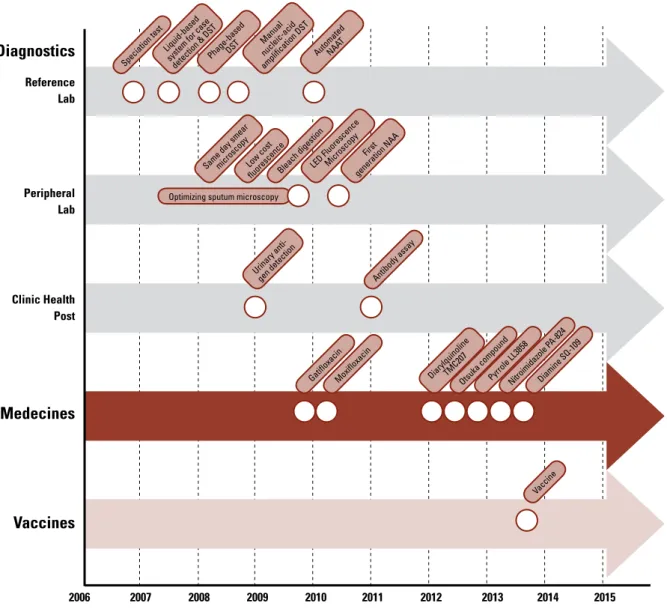
Figure 2.1 Examples of products in the pipeline currently under evaluation (see Annex 1)
DST, drug susceptibility testing; NAA, nucleic acid amplification; NAAT, nucleic acid amplification test.
Note: the time point indicated on the timescale represents end of field studies (“demonstration phase”) for diagnostics
or end of Phase III clinical trials for drugs and vaccines, if evaluation is successful.
Speciation test Liquid-based
system for case
detection & DSTPhage-based
DST Manual nucleic-acid
amplification DST
Automated NAA
T
Optimizing sputum microscopy
Same day smear microscopyLow cost
fluorescenceBleach digestionLED Fluorescence
Microscopy First
generation NAA
Urinary anti
-gen detection Antibody assay
GatifloxacinMoxifloxacin Diarylquinoline TMC207Otsuka compoundPyrrole LL3858Nitroimi
dazol e P A-824 Diamine SQ-109 Vaccine Diagnostics Reference Lab Peripheral Lab Clinic Health Post Medecines Vaccines 2006 2007 2008 2009 2010 2011 2012 2013 2014 2015
the point-of-care level of the health care system and that produce quick results on the same day.
• To monitor treatment.
• To rapidly identify drug resistance (improved DST) to both first- and second-line anti-TB medicines.
• To reliably identify latent TB infection and determine the risk of progression to active disease, enabling the rational use of preventive therapy.
2.2.2 Medicines
Despite the availability of efficacious treatment, challenges for the DOTS strategy include the number of pills and the length of treatment required to cure TB. These challenges frequently result in poor adherence to treatment and the emergence of multidrug resistance. The objectives for the development of new medicines are:
• To simplify or reduce treatment duration to two months or less.
• To effectively treat multidrug resistance (MDR-TB and XDR TB).
• To treat patients with latent TB infection. The new medicines should be compatible with antiretroviral therapy for HIV/AIDS patients.
2.2.3 Vaccines
The current anti-TB vaccine, Bacille Calmette-Guérin (BCG), provides acceptable protection against only disseminated forms of the disease in infants; its efficacy against pulmonary TB is questionable. This highlights the need for a better vaccine regimen. The objectives for development of a new vaccine are:
• To prevent TB infection from occurring (pre-exposure prophylaxis) in all age groups. • To prevent progression of latent TB infection
to active disease in adolescents and
adults.
• To assist in the treatment of active disease, as immunotherapy, as an adjunct to conventional treatment.
2.3 Expected timeline for new
technologies
Continued increases in funding for the discovery, research and development of new medicines, diagnostics and vaccines have expanded the pipeline of new tools in all three categories. Figure 2.1 identifies some of the products in the pipeline that are likely to be become available by 2015, and their estimated launch date. This information is for illustrative purposes only, as these candidate products are currently undergoing trials in humans and must satisfy criteria of quality, safety and efficacy before they can be approved for marketing. It is possible that some of these products may not reach the regulatory evaluation stage or that they may not meet criteria for marketing approval.
The estimated dates for new medicines and vaccines refer to the expected time when Phase III clinical trials will be completed and an application for market approval will be filed with a regulatory agency. Some new anti-TB medicines may be introduced as novel combinations rather than as a single drugs. For diagnostics, the estimated dates refer to the expected time when studies conducted under actual service delivery conditions (demonstration studies) are completed for the identified tools and submitted with product studies for technical assessment by WHO and by the respective country health technology assessment bodies.
Annex 1 summarizes the tools in the pipeline, including information on sponsors, rationale, product description, stage of development,
regulatory status and other considerations. Other technical reviews are identified in the list of further reading.
The wide array of products in the pipeline with different expected dates of availability requires systems that can manage ongoing change and rapidly integrate the newly available tools at the global and national levels. A new tool may be superseded rapidly by a newer tool within a short time span, where appropriate evidence is available to support its adoption. The level of incremental improvement afforded by the new tool, and the projected availability of the next incremental improvement, will play a role in decisions regarding the investment of resources to support its adoption. The anticipated sequence of availability of the newly adopted tool may also impact upon the resources that are allocated for its implementation.
Policy-makers and decision-makers at the global and national levels will need to:
− stay abreast of the status of the product pipeline and update other stakeholders on new advances that are likely to become marketed and on the approximate time frame.
− consider potential modifications of diagnostic or treatment algorithms when developing recommendations and policies, differences in national environments and the potential roles of the technology types (medicines, diagnostics, vaccines) and how they can be combined.
− engage other programmes, such as the global Expanded Programme on Immunization (EPI), national immunization programmes and reproductive and child health programmes in planning and implementation.
2.4 Challenges to timely and
appropriate adoption, introduction and
implementation
The timely and appropriate adoption, introduction and implementation of new and incrementally improved technologies for TB control face many significant challenges. These include:
− weak or non-existent legal and regulatory frameworks;
− insufficient capacity to manage laboratory and diagnostic services;
− inadequate capacity to manage
pharmaceutical supply;
− poor infrastructure, equipment and support services;
− human resource constraints, in terms of sufficiency and adequacy of health workers, particularly in the public sector; − resistance to change;
− misappropriation of resources;
− country-specific regulatory requirements; − absence of leadership;
− lack of capacity to manage change; − financial constraints.
2.5 Actions that facilitate timely and
appropriate adoption, introduction and
implementation
2.5.1 Engaging stakeholders from the
beginning of the policy analysis process (for adoption) and through introduction and implementation
Identifying stakeholders at the global and country levels – across the public and private sectors; among community-based groups and people living with TB, from donors, pharmaceutical and laboratory suppliers as well as manufacturers, professional bodies, and academic and research institutions – and keeping them updated on advances and early engagement in the adoption (policy change) process can facilitate both the decision-making process and the implementation of the new policy. The benefits of engaging the community in retooling also include opportunities for them to contribute to monitoring and evaluation activities, including pilot and feasibility studies, facilitating community group discussions to determine the acceptability of the new tool or to identify adverse drug reactions, advocacy to “move things along” throughout the policy development and implementation process, as well as advocacy for improved availability and increased government financial allocation. It may be important to develop a strategy to engage the private health sector, which can include a wide range of providers and institutions from whom TB patients seek diagnosis and treatment outside of the publicly managed facilities, ranging from individual private practitioners to corporate enterprises to faith-based and secular not-for-private organizations. In many countries, the private sector accounts for a significant proportion of TB diagnosis and case management. WHO has established and documented PPM for DOTS implementation (8)
and has developed tools and approaches for implementing PPM.
Specific issues relevant to the private sector may have to be considered. These include:
− ensuring quality, both for the products used and for the services provided;
− developing formal guidelines to help the NTP structure collaborations with the private sector;
− adapting training materials to ensure that diagnosis and treatment practices conform with national guidelines;
− including professional medical associations as key partners in the introduction and implementation process;
− formulating strategies to provide incentives to encourage the cooperation of the private sector.
2.5.2 Advanced planning and preparation,
both globally and nationally
The potential availability of some of these tools within the next 2–3 years makes it urgent for the Stop TB Partnership to define processes to facilitate appropriate adoption and implementation of the new technologies at both the global and national levels. Policy analysis and decision-making and planning for implementation processes take time, if they are to effectively engage all key stakeholders (users, health care providers, managers, policy-makers, suppliers, product developers, donors). The current pipeline suggests that policy-makers and decision-makers at the global and national levels will need to closely monitor its status in order to update other stakeholders on new advances that are likely to become available and to anticipate needs for information required for decision-making.
At the country level, knowledge about potential technical and operational implications of tools in the pipeline, combined with timely and realistic assessment of the health system environment and capacity, will contribute to guiding operational research, identifying critical system weaknesses, initiating efforts to address human resource constraints, and mobilizing financial resources and technical assistance as needed. Some countries may satisfy technical assistance needs with national resources, while others may require international assistance. In many countries, strengthening systems, particularly infrastructure development and refurbishment of premises for clinical diagnostic laboratory services, will require the deployment of significant effort, resources and time to prepare them for the optimal uptake of the new tools.
2.5.3 Operational research to guide
adoption, introduction and implementation
Operational research on the introduction of new
technologies into disease control programmes to assess their effectiveness and impact will be needed to better understand their advantages and limitations and support their uptake into policy. Additional evidence will be needed to determine alignment of product characteristics and programmatic requirements with the needs of users, providers, managers, and policy- and decision-makers. Operational research can provide the information required by decision-makers in order to integrate the new technologies into programmes, such as the capacity to provide high-quality care and the social context of TB care. Phased implementation could allow the assessment of organizational and operational adaptations that may be needed to ensure high-quality care, including adequate supply and appropriate use. Effective mechanisms for data collection and dissemination of lessons learnt will need to be established.
Although the development of recommendations on the use of new or improved tools at the global level and the development of new policies for the adoption and implementation of these tools at the country level are separate processes, the essential components of these processes are the same. Ideally, these two processes should take place simultaneously. However, it is likely that some countries may decide to proceed with adoption and implementation without waiting for global recommendations, while others will decide to wait until guidance is available through widely accepted international mechanisms such as WHO, or through professional associations such as the International Union Against Tuberculosis and Lung Disease (the Union). In this discussion, differences between country-level and global-level components of the adoption and policy development processes will be highlighted where relevant.
3.1 Essential components
The essential components of a process for the adoption of new tools and the subsequent changes in global recommendations and national policies can be summarized as follows:
− stakeholder participation in the development of recommendations and policies;
− analysis of the needs and evidence for change;
− analysis of the risks and benefits of the new tool, including appraisal of the options; − analysis of the health system environment
and capacity to adopt, introduce and implement the new tool;
− development and endorsement of the new recommendations and policies and their wide dissemination.
These steps should not be considered in sequence; they represent processes that are interlinked.
3.1.1 Stakeholder participation in the
development of recommendations and policies
Engaging stakeholders from the wide range of constituencies affected by, and concerned with, TB-related issues will be essential in developing appropriate recommendations and policies. These constituencies represent a wide range of sectors and disciplines, from intergovernmental agencies to national governments to patient organizations. Boxes 3.1 and 3.2 provide an illustrative list of stakeholders at the global and country levels. Keeping NTP managers and national policy-makers abreast of ongoing discussions of, and progress towards, the availability of improved or new tools will be a key strategy for accommodating differences between the global and country levels. Some of these individuals, particularly those from countries with a high burden of TB, will have been involved in, and contributed to, the policy-making process to adopt new tools at the global level through various mechanisms and fora, including WHO advisory groups. In addition, many of them may have been involved in the design and conduct of clinical trials and studies in their countries to evaluate the efficacy and/or programme effectiveness of the new tool. A high level of participation by countries early in the evaluation process will facilitate their own analyses of
3. Adoption and development
of new policies at global and
country levels
Box 3.1 Illustrative list of stakeholders at global level
Stop TB Partnership Intergovernmental agencies
• World Health Organization • United Nations Children’s Fund
• United Nations Development Programme • Joint United Nations Programme on HIV/AIDS
• UNICEF/UNDP/World Bank/WHO Special Programme for Research Training in Tropical Diseases
Funding agencies
• Multilateral and regional donors and development banks: Global Fund, World Bank, African Development Bank, Asian Development Bank, etc.
• Bilateral donors: Canadian International Development Agency, Danida, United Kingdom Department for International Development, Directorate General for International Cooperation, Norad, Sida, United States Agency for International Development, etc.
• United States National Institutes of Health
• European & Developing Countries Clinical Trials Partnership
• Philanthropic and other funding organizations: Bill & Melinda Gates Foundation, Rockefeller Foundation, Global Alliance for Vaccines and Immunization, Open Society Institute, Wellcome Trust, etc.
• New financial mechanisms: International Finance Facility, UNITAID, etc.
Pharmaceutical companies
• Private research and development firms • State-owned enterprises
International suppliers
• Procurement agencies (Crown Agents, International Dispensary association, GTZ, Global Drug Facility) • Private health care providers and institutions
Professional organizations and technical partners
• International Union Against Tuberculosis and Lung Disease • United States Centers for Disease Control and Prevention • KNCV Tuberculosis Foundation
• Other associations (American Thoracic Society, European Centres for Disease Control, European Respira-tory Society)
• Academic institutions
Advocacy and community-based organizations
• Global Care Council, International Treatment Preparedness Coalition, RESULTS Educational Fund, Treatment Action Campaign, Treatment Action Group
Product development partnerships
• Aeras Global TB Vaccine Foundation • Foundation for Innovative New Diagnostics • Global Alliance for TB Drug Development
Box 3.2 Illustrative list of stakeholders at country level
(This list should be tailored to the specific context in each country.)
Ministry of Health
• National TB Control Programme • National AIDS Control Council • Joint HIV/TB Committee • Medicines Regulatory Authority • National Immunization Programme • National Public Health Laboratory
• Pharmacy and Essential Medicines Department • Department of Planning
• Director of Primary Health Care • Health Education Department • Provincial and District Health Officers • Training department
Ministry of Finance
• Director of Health Budgets
Professional organizations
• Laboratory Technologists Association • Medical and Paediatrics Associations • Nurses Association
• Pharmacists Association
Private sector
• Manufacturers of TB control products • Importers and wholesalers
• Private hospitals and pharmacies including NGOs • Drug shops
• Traditional healers
Academic, research and training institutions
• Medical college • Research institute • Training institute
Other
• Community-based organizations • National health policy-makers
• Global Fund country coordinating mechanisms • National TB association
• Patients organizations
• Collaborating partners including multilateral (WHO, UNICEF, World Bank, etc.) and bilateral (USAID, PEPFAR, DFID, etc.) partners
countries, briefing papers, guidance documents1 or other channels for disseminating information on new tools (e.g. through WHO country offices, the work of other technical partners, the World Wide Web and other means) could help national policy-makers examine these issues.
At both the global and country levels, ways of engaging the communities of those affected by, or at high risk of, TB in the analysis and decision-making processes should be found to ensure that their needs and perspectives are appropriately addressed.
At the global level, WHO has several specific mechanisms that can play a key role in the development of recommendations for new tools. First, in 2001 WHO established an advisory committee called the Strategic and Technical Advisory Group for Tuberculosis (STAG-TB). This group is comprised of 18 members who represent a wide range of constituencies and expertise, including health systems, treatment issues, public and private sector issues and the affected community. STAG-TB provides scientific and technical guidance to WHO. The group meets once a year, and the results of its deliberations may form the basis of WHO recommendations. Subcommittees are sometimes created to provide advice to WHO on specific topics. Through consultation and collaboration, WHO could provide input, through its subcommittees, to ensure that effectiveness studies are appropriately designed, and to facilitate the analysis of available evidence prior to meetings of the full STAG-TB. This early engagement can help ensure that the package of evidence that will be presented to the full group for a decision meets the requirements and expectations of the wider group.
Second, in order to inform the development of guidelines for the introduction of new anti-TB vaccines, it will be necessary to engage the WHO Department of Immunization, Vaccines and Biologicals. This department convenes another advisory committee, the Strategic Advisory Group of Experts (SAGE) for vaccines and immunization. SAGE advises WHO on global policies and strategies for all vaccine-preventable diseases. Its mandate ranges from research and development concerns to delivery of immunization and linkages with other health interventions. Members of SAGE also span a range of constituencies, including members of the research and vaccine development communities, operational research experts, epidemiologists and programme managers. Like the Stop TB Department, SAGE can be informed through collaboration with WHO working groups established around specific topics. SAGE is currently being reorganized to make its structure and processes more formal. Third, the Stop TB Partnership follows WHO guidelines and recommendations on global TB control policy, which are disseminated through its seven working groups. These groups are already collaborating to evaluate and demonstrate the effectiveness of new technologies, as in the case of the DOTS expansion and new TB diagnostics working groups. The Stop TB Secretariat supports collaboration among the groups.
As the Global Plan calls for “prompt approval of new tools for adoption by WHO and in countries”, it will be necessary to clarify and communicate how WHO can be engaged as early as possible in the evaluation of new technologies and their inclusion in new policy guidelines and recommendations where appropriate. Clear information on how to approach WHO regarding new technologies and their possible inclusion 1 Examples of briefing documents prepared to assist countries in decision-making on adopting and introducing four-drug fixed-dose combination tablets include: Frequently asked questions about the 4-drug fixed dose combination tablet
recom-in new WHO guidelrecom-ines and recommendations must be transparent and clearly communicated to companies and other organizations that are developing new and improved technologies. At the country level, political will is essential for the timely implementation of recommendations and for policy change. Some of the factors influencing the political environment for decision-making process include the following:
• Pressure on the government to demonstrate its commitment to fighting TB.
• Likely impact of the policy change on support for the programme. For example, the ability to obtain first-line fixed-dose combination (FDC) medicines free of charge was one of the factors that influenced the policy change to FDCs in countries purchasing from the Global Drug Facility (GDF). It may be possible to leverage additional funding for strengthening health care systems such as through the Global Fund to Fight AIDS, Tuberculosis and Malaria (the Global Fund).
• Reassurance that the policy change can be sustained at least in the medium term. Obtaining medicines free of charge for one year may not be a sufficient incentive for change when the transition process itself is likely to take up to two years, or when the medicines are expensive and the cost will have to be borne by the ministry of health. • Other national policy and guideline changes
that are under way. For example, an initiative to update the national essential medicines list (EML) can be an incentive to update the NTP’s standard treatment guidelines first in order to minimize the costs in updating and reprinting the EML at a later date.
• Opportunity to introduce multiple TB programme changes to minimize transition
costs. For example, updating a TB diagnostic algorithm in parallel with introducing a new TB diagnostic tool can minimize the costs of updating the operational manual and conducting training.
• Opportunity to integrate the policy change with initiatives to strengthen health systems. This factor may be a major consideration for introducing new TB diagnostic tests that will require strengthening of laboratory services in the country, especially at the peripheral level, to ensure appropriate diagnosis, treatment and adherence to therapy.
• Continued development of new tools which may supersede existing tools. Policy-makers may be reluctant to invest in the transition costs associated with adopting a new tool if it is expected to be replaced by a superior tool in a year or two. Further exploration of the considerations that affect policy decisions at the country level could help in the development of tools that could provide guidance in this area.
• Cost savings or efficiency gains to be achieved by using new tools.
• Opportunity to improve on TB control indicators.
3.1.2 Analysis of the needs and evidence
for change
The Global Plan contains a comprehensive discussion of the importance and role of new tools in meeting the challenges of TB control. The need to develop these tools and the evidence behind these needs have been well documented and compiled by both the Stop TB Partnership and WHO, and are understood and accepted at the global level. Epidemiological evidence and information on the improved efficacy and performance of new tools are important for developing global recommendations. However,