THE PATIENT PROTECTION AND AFFORDABLE CARE ACT: THE EVOLVING ROLE OF STATE SEXUALLY TRANSMITTED DISEASE PROGRAMS
Jennifer A. Ludovic
A dissertation submitted to the faculty at the University of North Carolina at Chapel Hill in partial fulfillment of the requirements for the degree of Doctor of Public Health in the Department of Health Policy and Management in the Gillings School of Global Public Health.
Chapel Hill 2014
ABSTRACT
Jennifer A. Ludovic: The Patient Protection and Affordable Care Act: The Evolving Role of State Sexually Transmitted Disease Programs
(Under the direction of Sandra B. Greene)
The Centers for Disease Control and Prevention estimates that there are 20 million new sexually transmitted infections (STI) every year in the United States, costing about $16 billion. Less than half of all people who should be screened actually receive recommended STI
screening. This is of concern because people with STIs can be asymptomatic, leading to further spread of the disease; potentially costly complications such as infertility, organ damage, and cervical cancer; and increased susceptibility to HIV.
State Sexually Transmitted Disease (STD) prevention programs vary, but generally, they engage in primary prevention, conduct surveillance, operate partner services, and support STD-related clinical services through STD clinics or by partnering with other providers. Over the past few years, budget declines have led to reduced STD-related health resources at the state and local levels. At the same time, states are encountering changing health system structure as a result of the 2010 Patient Protection and Affordable Care Act (ACA).
ACKNOWLEDGEMENTS
I am grateful for the support of many who enabled me to get over the finish line. I sincerely appreciate my committee chair, Dr. Sandra Greene, for providing kind encouragement, unwavering guidance, and steadfast facilitation throughout this process. I also want to thank my other committee members, Dr. Ned Brooks, Dr. Leah Devlin, Dr. Jon Oberlander, and Dr. Jim Thomas, for your thoughtful comments and engaging discussions.
Thank you to the tireless, devoted state STD program senior leadership who volunteered to participate in this study, providing invaluable information and great insight into the
complicated and challenging role state public health STD prevention.
To my fellow DrPH Cohort Seven members, thank you for providing brilliant new ways to view public health and the world around me, uplifting support at critical junctures, help in staying focused on the final goal, and most importantly, sharing plenty of laughter and good cheer over the past three years. You made this experience what it was—enjoyable, illuminating, inspirational, and life-changing—you all will always be in my heart and mind. Every time I see a goat, a mango, or a red double decker bus, I will remember the time we have shared, and I look forward to our paths crossing often in the future.
TABLE OF CONTENTS
LIST OF TABLES ... ix
LIST OF FIGURES ... x
LIST OF ABBREVIATIONS ... xi
CHAPTER 1: INTRODUCTION ... 1
CHAPTER 2: ASSESSMENT OF THE PATIENT PROTECTION AND AFFORDABLE CARE ACT ... 5
Private Insurance Expansion, Medicaid Expansion, and Closure of the Medicare “Donut Hole” ... 5
Coverage of Preventive Services ... 12
Conclusion ... 22
CHAPTER 3: LITERATURE REVIEW ... 26
Methods ... 26
Sources ... 27
Selection Criteria ... 28
Review Strategy ... 29
Results... 29
Expanded Medicaid Eligibility and Increased Private Health Insurance Coverage Rates .... 31
Service Implications for State STD Programs ... 37
Partnership Implications for State STD Programs ... 41
Discussion ... 47
Literature Review Limitations ... 49
CHAPTER 4: STUDY METHODOLOGY ... 56
Research Question ... 56
Conceptual Model ... 57
Qualitative Study Approach ... 58
Institutional Review Board Approval ... 59
Selection and Exclusion of Study Participants ... 60
Key Informant Interviews ... 62
Data Analysis ... 64
CHAPTER 5: RESULTS ... 69
General Findings ... 69
Major Themes ... 70
CHAPTER 6: DISCUSSION AND CONCLUSIONS ... 88
Discussion ... 88
Study Limitations... 91
Conclusions... 93
CHAPTER 7: PLAN FOR CHANGE ... 96
Recommendations for Training and Technical Assistance ... 99
Recommendations for National Partnership Activities ... 101
Recommendations for Research ... 104
APPENDIX A: DEFINITIONS ... 107
APPENDIX B: ARTICLES ABOUT THE AFFORDABLE CARE ACT, STD SERVICES, AND STATE IMPACT ... 110
APPENDIX C: UNC IRB APPROVAL ... 142
APPENDIX D: EMAIL FOR RECTUITING PARTICIPANTS ... 144
APPENDIX G: KEY INFORMATNT SCREENING QUESTIONS AND
LIST OF TABLES
Table 1. Literature review concepts and search strings ... 27
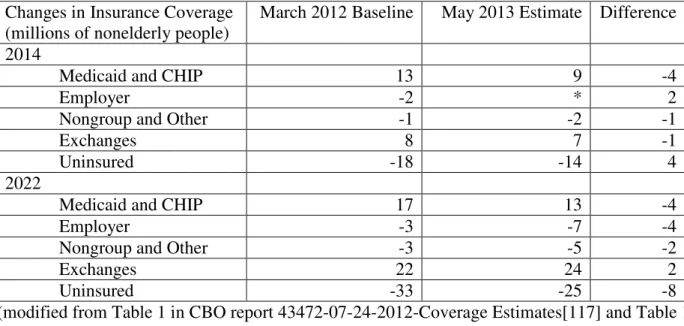
Table 2: Comparison of Estimates of the Effects of the Insurance Coverage Provisions Contained in the ACA on Health Insurance Coverage ... 55
Table 3. Interviewed states and CDC STD state funding, population (ages 15 to 44), and burden of select STDs. ... 67
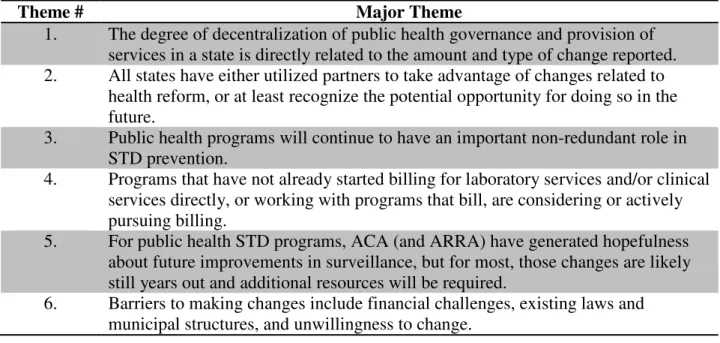
Table 4. Major Themes Identified from Interviews with State STD Program Senior Staff ... 71
Table 5. Recommendations for Training and Technical Assistance for State STD Programs ... 99
Table 6. Recommendations for National Partnership Activities ... 101
LIST OF FIGURES
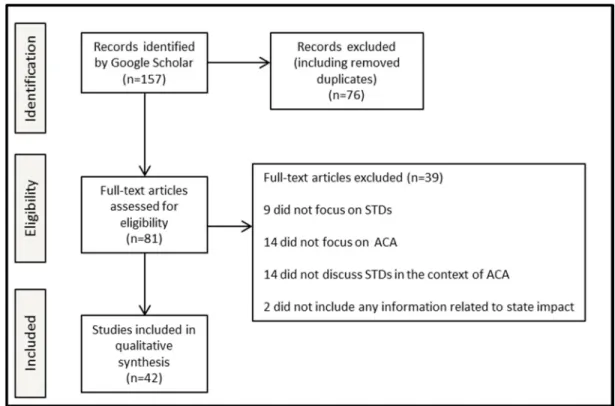
Figure 1. Study selection for review. ... 30
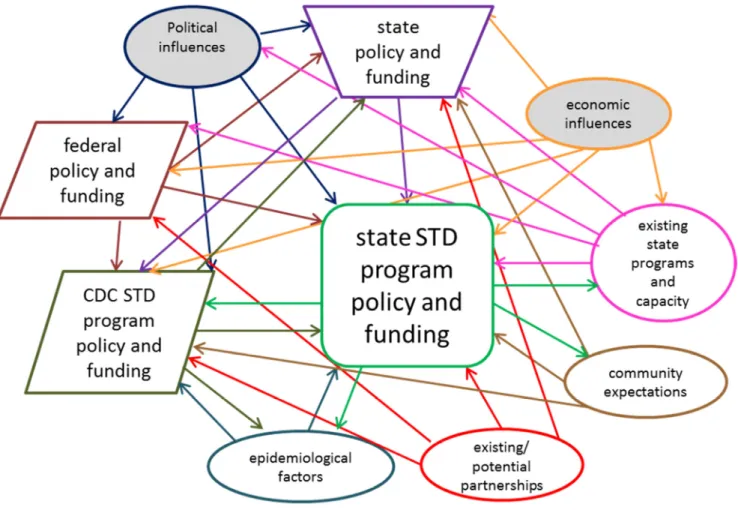
Figure 2. Conceptual model – influences on state STD program policy and funding. ... 58
Figure 3: Data Analysis Process (Adapted from Creswell) ... 65
Figure 4. Interview Codes Used in Atlas.ti ... 66
Figure 5. Interviewed States and Selected Health Indicators ... 68
LIST OF ABBREVIATIONS
AAP American Academy of Pediatrics ACA Affordable Care Act
ACIP Advisory Committee for Immunization Practices ACO accountable care organization
ADAP Acquired Immunodeficiency Syndrome Drug Assistance Program AIDS acquired immunodeficiency syndrome
ARRA American Recovery and Reinvestment Act of 2009 ASTHO Association of State and Territorial Health Officials CDC Centers for Disease Control and Prevention
CBO Congressional Budget Office CHC community health center
CHIP Children’s Health Insurance Program CHW community health worker
CMS Centers for Medicare & Medicaid Services CNM certified nurse midwife
CT chlamydia
DIS disease intervention specialists DSH Disproportionate share
EHR electronic health record EOB explanation of benefits EPT expedited partner therapy
FOA funding opportunity announcement FPC family planning clinic
FPL federal poverty level
FQHC Federally Qualified Health Center
FY fiscal year
GC gonorrhea
GISP Gonococcal Isolate Surveillance Project
HEDIS Healthcare Effectiveness Data and Information Set HHS United States Department of Health and Human Services HIE health information exchange
HIT health information technology HIV human immunodeficiency virus HPV human papillomavirus
HPV4 quadrivalent human papillomavirus vaccine HRSA Health Resources and Services Administration IOM Institute of Medicine
IRB Institutional Review Board MSM men who have sex with men
NACCHO National Association of County and City Health Officials NACHC National Association of Community Health Centers, Inc. NCSD National Coalition of Sexually Transmitted Disease Directors NFIB National Federation of Independent Business
PHSA Public Health Service Act
PPACA Patient Protection and Affordable Care Act PPHF Prevention and Public Health Fund
SBHC school based health center SSuN STD Surveillance Network STD sexually transmitted disease STI sexually transmitted infection
TTAC Sexually Transmitted Disease-related Reproductive Health Training and Technical Assistance Center (also STDRHTTAC)
CHAPTER 1: INTRODUCTION
The Centers for Disease Control and Prevention (CDC) estimates that there are 20 million new sexually transmitted infections (STI) every year in the United States, costing about $16 billion.[1] Close to half of these new STD infections occur in young people.[2] African Americans and certain geographic areas also have disproportionate rates of infection.[3] In addition, less than half of all people who should be screened actually receive recommended STD screening. This is of particular concern because people with STDs can be asymptomatic, leading to further spread of the disease; potentially costly complications such as infertility, organ
damage, and cervical cancer; and increased susceptibility to HIV.[4] Furthermore, STDs are associated with alcohol and drug use, risky sexual behaviors,[5] and intimate partner violence[6].
STD prevention programs vary from state to state. State programs engage in primary prevention through communication campaigns, provision of free condoms, education,
policy/regulation, and training. All states provide partner services through disease intervention specialists (DIS). DIS conduct contact tracing, behavioral counseling, and at times test and provide treatment if a partner is unlikely to seek medical care. In addition, some states provide STD and HIV-related clinical services directly through public health clinics or STD-specific clinics. Many states partner with other providers, such as local health departments, federally qualified health centers, community health centers, family planning clinics, and school-based clinics.
implementation structure, and most of the key provisions regarding access to health insurance were implemented January 2014.
Several provisions that were implemented prior to data collection for this study, that may have had an impact on provision of STD services and prevention, include:
• covering young adults through their parents’ insurance until age 26 (September
2010);
• requiring that the US Preventive Services Task Force “A and B” preventive
services be provided with no co-pays by new plans (September 2010);
• requiring that vaccinations recommended by CDC’s Advisory Committee for
Immunization Practices (ACIP) be provided with no co-pays by new plans;
• requiring that certain services for children ages 0 to 21 be covered by new health
plans with no co-pays;
• requiring non-grandfathered plans and issuers to provide coverage without cost
sharing of women’s preventive services as determined by the Health Resources and Services Administration (HRSA);
• incentivizing primary care providers to work in underserved areas (2010); • providing support for community health centers (2010);
• increasing efforts to improve quality in Medicaid (January 2011); and
• requiring collection of information on health disparities that will be used to reduce
disparities (March 2012).[7]
• allowing states to expand the population covered by Medicaid to 138% of the
federal poverty level, initially matched 100% by the federal government for the newly eligible population for three years, and declining to a 90% match over time (January 2014);[8, 9]
• initiating health insurance exchanges offering multiple private health plans that
cannot discriminate based upon pre-existing conditions or gender, coupled with income-based tax credits and other subsidies, to make coverage more affordable (January 2014);[7]
• requiring most citizens to obtain health insurance, with tax penalties for those
who do not (2014);[8] and
• reducing disproportionate share hospital funding, which has historically provided
support for service provision to low-income patients (delayed two years until the beginning of FY 2016, but doubling the reduction that was to be applied that year).[7, 10]
As a result of the June 28, 2012 Supreme Court decision, National Federation of
Independent Business v. Sebelius, regarding portions of the ACA, states cannot be penalized for
programs could remain without any insurance coverage. In addition, the Obama Administration has delayed implementation of some parts of the law, which are addressed in more detail in Chapter 2.
Funding must be considered in the discussion of health reform policy impacts on states, as the two are intrinsically related. Currently, STD prevention and services are provided by and funded with a complicated mixture of federal, state, local, and some private support. All fifty states currently receive STD prevention funding from the Centers for Disease Control and Prevention (CDC); in some states, programs receive additional state funding, but some do not. Some states have decentralized public health systems, where counties provide the public health services, and may also include local funding support for STD-related services and prevention.
Over the past few years, state and local budget shortfalls and reduced federal spending have led to reduced STD-related health resources at the state and local levels. The National Coalition for State STD Directors conducted a survey of state and local STD Directors that found that between 2008 and 2009, 39 clinics in the United States closed their doors for essential STD services. These clinics included: categorical STD clinics, family planning clinics, community health centers, and school‐based clinics supported by state and local health departments. Further, layoffs occurred in 27% of the responding STD programs, half had furlough days, and 63% reported staff vacancies.[13]
CHAPTER 2: ASSESSMENT OF THE PATIENT PROTECTION AND AFFORDABLE CARE ACT
The 2010 Affordable Care Act includes provisions that impact both public and private components of the United States healthcare system. Many of these may have a direct or indirect impact on the provision of STD-related prevention and treatment services in the United States, and/or to populations at risk for STDs. Provisions that could impact STD prevention and treatment services, or represent opportunities for STD program and policy development, can be broken down into three main areas:
1) Insurance Expansion
2) Coverage of Preventive Services
3) Access to Services and Focus on Primary Care
This chapter identifies the relevant provisions in each of these areas, and how they may be relevant to STD prevention programs and their community partners.
Private Insurance Expansion, Medicaid Expansion, and Closure of the Medicare “Donut Hole”
Private Insurance Expansion
The ACA includes provisions that impact private insurance, Medicare, and
state and federal courts, in June 2012 the Supreme Court upheld the insurance “mandate” as a legal tax penalty.[8] Qualified taxpayers with income between 100% and 400% of the federal poverty level will receive federal tax credits to help make insurance more affordable.[PPACA Section 1401]
The Affordable Care Act generates insurance competition and consumer choices through health insurance exchanges. The ACA allows states and territories to establish their own health insurance exchanges, or in partnership with the federal government (HHS), and provides financial support. States that did not establish exchanges had exchanges established by HHS; exchanges opened in October 2013.[PPACA Sections 1311, 1321] The Congressional Budget Office anticipated that 7 million people, including 2.7 million young adults would enroll in the exchanges before they closed on March 31, 2014.[14] In early April 2014, the Obama
Administration announced that 7.1 million people had signed up for health insurance through the health marketplaces by the deadline.[15]
The tax credits and employer mandate provisions are expected to increase coverage and therefore could represent a billing opportunity for safety-net services, in large part because the ACA requires that qualified plans in the exchanges include essential community providers that serve low-income, medically underserved populations.[PPACA Section 1311] This could improve the ability of safety-net providers to be included in the plans offered on the exchanges. For the 2014 benefit year, CMS reported that only one insurance issuer submitted a justification for not meeting the 20% required threshold for Essential Community Provider participation. In February 2014, CMS published a draft letter indicating that it would raise the floor to 30%, with reduced flexibility for plans to justify not meeting the required threshold.[17]
Another requirement of plans in the marketplaces is that they “be accredited with respect to local performance on clinical quality measures such as the Healthcare Effectiveness Data and Information Set”, or HEDIS.[PPACA Section 1311] HEDIS includes a measure for chlamydia screening, “percentage of women 16 to 24 years of age who were identified as sexually active and who had at least one test for chlamydia during the measurement year”.[18] This could potentially increase the number of plans striving to improve this measure, which could in turn increase screening rates.
The Affordable Care Act also requires that all health plans cover adult dependents up to age 26. [PPACA Section 1001] This regulation went into effect in September 2010, and applies to all group health insurance plans.[PPACA Section 1251] Young adults and adolescents are disproportionately affected by STDs – additional coverage of this population may be of
had laws that did not meet the ACA standard; this provision may make insurance more or less affordable for this population.[19]
Gender rating, a practice previously allowed in 34 states[20], will not be permitted for plans entering the exchanges; this may promote more affordable care for women of childbearing age. [PPACA Section 1201] Increased coverage of women may have a positive effect on STD prevention, and therefore possibly infertility prevention, as STDs are a proven cause of
infertility.[21-23] The ACA also prohibits exclusion for pre-existing conditions or health status by non-grandfathered plans [PPACA Section 1201] and makes provisions to temporarily assist uninsured people with pre-existing conditions with insurance coverage until the exchanges occur.[PPACA Section 1101] This may be of particular importance for people living with HIV.
The ACA also provides states with an opportunity to establish basic health programs for low-income people who are not eligible for Medicaid. States would receive subsidies from the federal government that would have otherwise gone to the eligible individual.[PPACA Section 1331] It is currently unclear if any states will take advantage of this provision, and how that might impact access to care, but if states participate, this could be an opportunity for
collaboration by state STD programs.
Although some Americans may choose to pay the penalty and forgo health insurance, this insurance “mandate” is expected to increase the number of people insured. More covered people should mean more people access care, including for STDs. This may provide an opportunity for safety-net providers, including STD clinics, to bill for and be reimbursed for services.
frequently public health departments pay for and deliver this service, so the ACA will not alleviate the burden of STD testing and treatment in that population. Re-entry by this population into society may reintroduce STDs if they are not appropriately addressed prior to release. Undocumented immigrants do have some sources for care, including the nation’s 8,500 community health centers, and hospitals for certain emergency services.[27] Some states have also chosen to utilize state funds to provide some services to undocumented immigrants.[28] As a result, safety-net provider services will continue to be in demand post-ACA implementation.
Expanding Medicaid Eligibility
The Affordable Care Act as enacted required states to expand Medicaid coverage,
including individuals at or below 138% of the FPL, counting the modified adjusted gross income eligibility five percent disregard. If states did not comply, they would lose existing Medicaid funding.[PPACA Section 2001] However, this was one of the provisions of the ACA reviewed by the Supreme Court, and the June 2012 ruling determined that if states did not expand
Medicaid, they would not lose federal support for their existing Medicaid program. However, the higher Federal Medical Assistance Percentage (FMAP) will still apply for newly eligible
individuals for states that choose to expand; FMAP starts at 100 percent in 2014, and decreases incrementally to 90 percent by 2020.[8] This decision effectively made state Medicaid
expansion optional.
WV) plus the District of Columbia are participating.[11] Additionally, states that do expand Medicaid would also be extending Medicaid coverage for former foster children up to age 26.[PPACA Section 2004] This group is at high risk for STDs, even into young adulthood.[29] When Medicaid was first launched in 1966, it took 17 years to get all fifty states on board.[30] However, given the millions, and in the case of some states, billions, in federal Medicaid funding on the table[31], many states that have decided not to participate as of the end of 2013 are likely to expand Medicaid in future years.
States that expand Medicaid will be providing coverage to a low income population, which could improve insurance coverage for STD-related services, creating a potential billing opportunity for safety-net providers, including STD clinics. However, in states that do not implement Medicaid expansion, many poor people would remain uninsured. In the 25 states not currently expanding Medicaid, the Kaiser Family Foundation estimates that nearly 5 million poor adults fall into a “coverage gap”, where they are below the poverty level but are ineligible for both Medicaid coverage and subsidies for buying insurance. [12] This could leave a critical population at risk for STD services uninsured.
Federal support for the Children’s Health Insurance Program (CHIP) is also included in the Affordable Care Act. States would be required to maintain income eligibility levels through 2019. States would receive a 23 percentage point increase in the CHIP match rate from fiscal years 2014-2019, with a cap at 100 percent. [PPACA Section 2101] This could lead to better service provision to children, which is especially important for adolescents, who are at
health clinics, family planning clinics, and other safety-net providers. However, implementation where capacity does not yet exist could be challenging.
The Affordable Care Act also includes provisions to streamline enrollment in Medicaid, CHIP, and the state exchanges through a state-run website.[PPACA Section 2201] This may help to sign up those who previously were eligible for Medicaid but not enrolled, as well as the newly eligible, thereby expanding coverage. Additionally, establishment of health information
technology standards and protocols are designed to facilitate enrollment.[PPACA Section 3021] Increased enrollment could represent an opportunity for billing and reimbursement for STD services. Medicaid expansion does not include members of the incarcerated population, so any health coverage for this group would continue to be supported through other public funds.[32]
Changes to Medicare
The Affordable Care Act also makes changes to Medicare, including closing the
Medicare prescription donut hole over time.[PPACA Section 1101] This provision should help patients afford their medications for the time period between when they have reached their yearly prescription coverage limit but have not reached the spending amount for which they become eligible for catastrophic coverage. This is of public health importance, because early
Coverage of Preventive Services
Private Insurance
The Affordable Care Act establishes a set of preventive health services that
non-grandfathered plans must cover without cost sharing.[PPACA Section 1001] This provision will apply for participants of new (non-grandfathered) insurance plans that are part of the health insurance exchanges. Enacted in the ACA as revisions to the Public Health Service Act (PHSA), this set of preventive services is now Section 2713 of the PHSA. Commonly referred to as “2713 services”, they include:
• Evidence-based services rated “A” or “B” by the US Preventive Services Task Force; • Immunizations recommended by the Advisory Committee on Immunization Practices
of the CDC;
• Evidence-informed preventive care and screening for infants, children, and
adolescents supported by HRSA; and
• Additional preventive care and screenings as supported by HRSA. [PPACA Section
1001]
Encompassed in these preventive services are many key STD-related services.
USPSTF A and BPreventive Services
• Screening for chlamydial infection for all sexually active, non-pregnant young
women aged 24 and younger and for older non-pregnant women who are at increased risk.
• Screening for chlamydial infection for all pregnant women aged 24 and younger and
for older pregnant women who are at increased risk.
• Clinician screening of all sexually active women, including those who are pregnant,
for gonorrhea infection if they are at increased risk for infection (that is, if they are young or have other individual or population risk factors).
• Clinician screening for human immunodeficiency virus (HIV) of all adolescents and
adults ages 15-65 and all pregnant women, and younger and older adults at increased risk for HIV infection.
• High-intensity behavioral counseling to prevent sexually transmitted infections (STIs)
for all sexually active adolescents and for adults at increased risk for STIs.
• Clinician screening for persons at increased risk for syphilis infection.
• Clinician screening of all pregnant women for syphilis infection. [35]
Advisory Committee on Immunization Practices
CDC’s Advisory Committee on Immunization Practices (ACIP) comprises a formal group of medical and public health experts who together develop recommendations on the use of vaccinations, including those for human papillomavirus (HPV), a virus that can be sexually transmitted.[36] ACIP recommends:
• Routine vaccination of females aged 11-12 years with 3 doses of quadrivalent HPV
also is recommended for females aged 13-26 years who have not been previously vaccinated or who have not completed the full series.[37]
• Routine use of quadrivalent HPV vaccine (HPV4; Gardasil, Merck & Co. Inc.) in
males aged 11 or 12 years. ACIP also recommends vaccination with HPV4 for males aged 13 through 21 years who have not been vaccinated previously or who have not completed the 3-dose series; males aged 22 through 26 years may be vaccinated.[38]
Bright Futures Recommendations
Bright Futures is a national health promotion and disease prevention initiative focusing on the needs of children. Launched by HRSA’s Maternal and Child Health Bureau in 1990, it includes a collaborative with the American Academy of Pediatrics, which develops pediatric guidelines for infants, children, and adolescents.[39] Several of these recommendations include STD-related topics; Bright Futures recommends:
• Chlamydia and gonorrhea screening appropriate to the patient population and clinical
setting for both boys and girls.
• Offering HIV and syphilis testing in certain clinical settings (STI clinic, correctional
facility, MSM clinics, and clinics where prevalence is greater than 1% for population served); and for patients with STI risk factors (unprotected sex with more than one partner, prior treatment for an STI, history of intravenous drug use, are men who have sex with men, have traded sex for money (or has a partner who has), and/or have a past or current partner who is bisexual, HIV positive, or is an intravenous drug user).
Women’s Preventive Services, supported by HRSA, includes July 2011 IOM Report on ClinicalPreventive Services for Women
Included in the 2713-services are women’s preventive services guidelines for health plan coverage that are developed by the Institute of Medicine (IOM) and supported by HRSA. These IOM-developed recommendations fill the gaps in other existing guidelines, and must be covered by non-grandfathered health plans with no cost sharing. These recommendations include,
• Annual well-woman preventive care visit annually for adult women.
• Annual counseling on sexually transmitted infections for all sexually active women. • Annual counseling and screening for HIV infection for all sexually active women.
[40, 42]
HHS also provided clarification in the Final Rule on the Patient Protection and Affordable Care Act; Standards Related to Essential Health Benefits, Actuarial Value, and Accreditation (45 CFR Parts 147, 155, and 156), indicating that section 2713 preventive services must be included by plans as part of Essential Health Benefits.[43] Coverage of these services without cost sharing by non-grandfathered plans could be expected to provide greater ability for patients to afford these services. Additionally, it may provide an increased opportunity for STD clinics and other safety-net providers to bill for and be reimbursed by insurance companies for these services. However, after ongoing challenges with the HealthCare.gov site, and after pushback that resulted from people having their substandard plans cancelled, the Centers for Medicare & Medicaid Services (CMS) issued a bulletin stating that rules will be relaxed in 2014 for people whose plans have been cancelled.[44, 45] On March 5, 2014, the Obama
The Obama Administration anticipates a high number of insured people will initially be covered by grandfathered health plans. Large employer plans currently cover 133 million Americans, and from 36 to 66 percent are anticipated to remain grandfathered in 2013. Twenty to 51 percent of small employer plans are expected to remain grandfathered through 2013. [47] A recent report by Kaiser Family Foundation and Health Research & Educational Trust noted that in 2012, 48 percent of people with private insurance had plans that were grandfathered.[48] As plans make changes, the number of grandfathered plans will decline, but this may be a slow process. This means that many Americans who currently have health insurance coverage are not guaranteed the section 2713 preventive services without cost sharing – it is unclear how this may impact both physician recommendations of STD screening and services and patient uptake of these services.
Medicaid
for example, for chlamydia testing and treatment provided as part of a family planning visit. Especially for states where these services have previously been supported by state and local funds, this may be a source of potential revenue for program support. CMS published its final rule “Medicaid and Children’s Health Insurance Programs: Essential Health Benefits in
Alternative Benefit Plans, Eligibility Notices, Fair Hearing and Appeal Processes, and Premiums and Cost Sharing; Exchanges: Eligibility and Enrollment” on July 15, 2013, which clarifies that states may identify that other practitioners that could be reimbursed for delivering these services, which could include public health nurses or other designated professionals, which is important for states looking into billing in their STD clinics and for services provided by their STD program staff.[50]
Medicare
Although the Medicare-covered population in general has a low but increasing
prevalence of STDs[52], this decision by CMS is noteworthy for STD programs for a number of reasons. First, CMS establishes coverage assessments that are frequently followed by the private insurance market, and this is a very limited set of circumstances under which reimbursement could be obtained. Second, the ACA limits the settings in which these services can be covered, notably excluding “the field”, where STD testing and behavioral counseling may frequently be conducted by public health practitioners, such as disease intervention specialists (DIS). Third, it restricts reimbursement to Medicare-eligible primary care providers. This means that unless the health professional providing services can bill for services through a provider with a provider number, reimbursement cannot be obtained. It is not feasible for a primary care provider to invest this amount of time providing face to face counseling to one patient, especially if this were to be potentially repeated on an annual basis. In contrast, other types of professionals, including DIS, who work for public health STD programs, can and do offer behavior counseling in any setting in which they find the patient. For these reasons, it may be challenging for DIS and other public health professionals who are essential in preventing transmission to be reimbursed for providing these critical public health services.
Public Prevention Services
The ACA also authorizes a CDC program to award grants to state, local, and tribal public health agencies to improve epidemiologic capacity to conduct surveillance of infectious diseases and other conditions of public health importance, including electronic reporting and information exchange, and development of outbreak response strategies.[PPACA Section 4303] Gonorrhea has a history of becoming resistant to antibiotics over time. Currently, there are signs of
increasing resistance of gonorrhea to cephalosporins – our last line of antibiotic defense.[52] Laboratory monitoring of gonorrhea samples and testing for resistance is going to be critical for monitoring and slowing spread of resistance. STD programs may be able to participate in this ACA program through their health departments, obtaining support for infrastructure and establishment of quicker, standard electronic reporting.
The ACA requires that federal health programs collect and report data by race, ethnicity, primary language and other indicators of disparity. It also directs HHS to analyze data collected to detect and monitor trends in health disparities and to disseminate this information. [PPACA Section 4302] STDs are among the diseases highest in health disparities. Gonorrhea, in
particular, has rates that are grossly disproportionate between white and non-white populations in the U.S. According to the CDC, in 2012, the gonorrhea rate among blacks was 14.9 times the rate among whites. The gonorrhea rate among American Indians/Alaska Natives was 4 times that of whites, the rate among Native Hawaiians/Other Pacific Islanders was 2.8 times that of whites, and the rate among Hispanics was 1.9 times that of whites. The rate among Asians was 0.5 times that of whites.[52] ACA-supported collection of this information may provide additional
Focus on Primary Care and Access to Services
The Affordable Care Act includes a number of provisions that are designed to facilitate prevention through the support of primary care and/or that could impact access to services. The ACA establishes primary care service incentives for Medicare, providing quarterly payments equal to ten percent of the amount paid for primary care services under the Medicare Physician Fee Schedule for those services furnished during the bonus payment year.[PPACA Section 5501] The ACA also authorizes HHS to support new or expanded primary care residency programs at health teaching centers.[PPACA Section 5508] Additionally, unfilled residency positions are allocated to primary care, and residency slots are distributed to states with large populations in provider shortage areas and low numbers of physician residents per population.[PPACA Section 5503] Incentives are also provided to clinicians who practice in underserved areas.[PPACA Section 5203] The ACA also supports medical homes by authorizing establishment of community health teams.[PPACA Section 3502]
All of these provisions may increase access to care for primary care services, including for STD screening and treatment. It also creates a larger number of primary care providers who may have differing levels of training about how to take a sexual history or how to screen and treat STDs. Private physicians and HMOs report the highest numbers of STDs among women – 33.5% of reported chlamydia cases and 26% of reported gonorrhea cases in 2011.[CDC,
unpublished data] Increased collaboration with this group might be a reasonable approach for STD programs to take to assure provision of recommended STD-related services.
affiliated with state academic medical centers; and appropriates $9.5 billion for construction of health centers in medically underserved areas and expanding preventive and primary care
services at existing sites and up to $1.5 billion to support renovation of community health centers [PPACA Section 10503]. All of these providers screen and treat patients for STDs; STD
programs could work with these providers to assure consistent and widespread application of screening and treatment recommendations. However, a portion of the ACA FQHC allotment was used to offset cuts to FY2011, FY2012, and FY2013 HRSA appropriations, which reduced discretionary funding to health centers.[53] HRSA reported that as of FY2014, $1.388 billion of the $11 billion had been awarded or announced.[54]
The ACA also amends the 340B program, which provides access to low-cost medications for many clinics that receive federal funding. The added entities for 340B eligibility are critical access and sole community hospitals, and rural referral centers.[PPACA Section 7101] This could provide additional safety-net providers with a way to obtain low cost STD medications, and may be an area for extended collaborations by STD programs.
Additionally, the ACA establishes a three year demonstration project in up to ten states to provide access to comprehensive health care services to the uninsured at reduced fees, with an evaluation to assess the feasibility of expanding the project to additional states.[PPACA Section 10504] It is unclear how this may impact STD screening and treatment, but it might be another area of potential involvement for STD programs.
delayed two years until the beginning of FY 2016, but it doubles the reduction that was to be applied that year.[10] Hospitals are an important safety-net provider of STD services; seven percent of people in one study reported having gone to the emergency room for an STD [55], and in 2011, hospital emergency departments were the source of approximately four percent of chlamydia cases reported in females, and 5.4 percent of gonorrhea cases in females; the number actually tested was likely much higher.[CDC, unpublished data] If a hospital that depends upon these payments is in a state that opts out of Medicaid expansion, this could have a detrimental effect on the ability of these hospitals to provide services, due to increased wait time or other barriers to care, or may lead to hospital closure. In addition, these DSH payments also have historically offset uncompensated care of undocumented immigrants – no provision in the ACA will offset this loss, as that population is not included in the ACA provisions. [56, 57] This could have a detrimental effect on preventing the spread of STDs.
The ACA provides funding to states, tribes, and territories to develop and implement evidence-based maternal, infant, and early childhood visitation models. Funding is $100 million in 2010; $250 million in 2011; $350 million in 2012; and $400 million in 2013 and
2014.[PPACA Section 2951] This may have been an opportunity for state STD programs to collaborate to identify pregnant women at risk for STDs and increase their testing and treatment rates, preventing outcomes such as congenital syphilis and transmission of HIV from mother to child.
Conclusion
screening and behavioral counseling, have the potential to make effective STD-related services more affordable, while providing a prospective revenue source for state and locally funded safety-net providers, including STD clinics, who may bill for services where permitted by law. Public health programs will also need to assess whether implementation of billing combined with confidentiality concerns does not prevent people from seeking needed STD services and make adjustments to ensure that this does not lead to an increase in infections.
However, due to grandfathering of private insurance plans and the uncertain future of Medicaid expansion in many states, growth in coverage may be slow and incomplete. Moreover, insurance does not equal access. Growth in the insured population may create a strain on the healthcare system: capacity may not exist in all areas and some providers may stop accepting new Medicaid patients. The ACA provisions related to access to care may have mixed results – support for expansion of primary care availability may increase access, although reduction in DSH payments to hospitals may create access challenges. Additionally, key populations at risk for STDs are excluded from the ACA – undocumented immigrants and the incarcerated
population.
STDs in particular, are associated with stigma and additional concerns about
The ACA provides some support for public health through the Prevention and Public Health Fund (PPHF), but simultaneous cuts to CDC, which provides substantial funding to state and local public health departments, have reduced the potential of that funding.[61] Also, overall, the ACA does little to change fundamental and deteriorating public health
infrastructure,[62] which provides the foundation in most states for prevention and control of STIs. Core public health services remain critical for supporting population health, in the case of STD prevention, this entails assessment and assurance functions. Assessment includes
surveillance and evaluation; assurance includes contact investigations of exposed sexual partners and outreach to medical providers, which may include non-reimbursable testing of exposed partners in non-clinical settings in order to prevent the spread of STDs.
Expanding insurance in combination with increasing the number of primary care
providers mean that public health departments will need to assure that recommended state of the art and evidenced-based STD services are implemented appropriately and with high quality across a larger population of providers. Additionally, surveillance information about the
populations that are accessing STD-related services, and where they are accessing services, will be critical for determining the impact of ACA-related changes, as well as for identifying unmet needs and health disparities.
both additional staff with a different mix skill sets within public programs, and expensive investment in information technology.
CHAPTER 3: LITERATURE REVIEW
Prior to designing my study, the researcher conducted a literature review that sought to answer the following question:
How are the Affordable Care Act and related policy and financing changes expected to
influence state STD prevention programs?
The ACA includes provisions that are likely to impact both the financing and delivery of STD clinical preventive services. Federal policy and funding variables are anticipated to both influence state STD programs directly, as well as indirectly through their impact on state policies and finances. State policies and financing also directly impact state STD programs and services. The literature review seeks to find out in what way these variables impact STD programs, and how these programs may be expected to adapt or prepare.
Methods
Sources
The researcher initially considered PubMed for searching the literature; however, its focus on health without inclusiveness of budget and policy influences on a broad scale made it unfeasible for the purposes of this review. Since Google Scholar looks for key words within articles, the researcher determined that it was a better tool for identifying relevant cross-disciplinary publications about this complex topic. Additionally, since the ACA employs a rolling implementation, much of what has been written may exist in organizational or expert reports or papers, which are generally included in Google Scholar results.
In order to identify publications that include the intersection of policy and related
financial influences on state STD programs, the researcher identified the following concepts and used the related search string (Table 1).
Table 1. Literature review concepts and search strings
concepts: Affordable Care Act, sexually transmitted diseases, state health departments
Google scholar search string
“health reform” OR “affordable care act” “sexually transmitted” “state health”
Translation of Google scholar search string
“health reform” OR “affordable care act” AND “sexually transmitted” AND “state health”
The researcher employed the term “sexually transmitted” in order to pick up both
“sexually transmitted diseases” and “sexually transmitted infections”. The researcher used “state health” to pick up state health departments, state health programs, state health initiatives, and the impact of the ACA on state (public) health programs and healthcare. The researcher also utilized the following restrictions available within the Google Scholar search engine:
• Return articles published between 2010-2012
Selection Criteria
For the purposes of this review, the researcher considered only articles written in English published since March 1, 2010, including articles if they:
1) contained discussion of United States health reform occurring since March 2010 (inclusive);
2) contained information on sexually transmitted disease prevention and services; 3) studied, assessed, or made recommendations regarding states and the implementation
of the ACA; and
4) identified or inferred a link between the ACA and STD-related programs or services. This review included descriptive and observational studies; descriptive analyses;
consensus and opinion papers by recognized experts; and reports and briefs by government agencies, policy-focused non-governmental agencies, government advisory groups, and health and policy think tanks. This review did not consider academic theses or dissertations,
professional association newsletters, meeting notes or reports, resumes, posters, presentations or announcements. The researcher did not include books, because they generally lag article
publication. However, the researcher did include Institute of Medicine (IOM) reports, which are published by the National Academies Press, and annotated as “books” in Google Scholar search results.
were available only through sites that required a subscription to which the researcher did not have access, so were excluded.
Review Strategy
The researcher tracked literature that was assessed to fit the given criteria in a Microsoft Excel spreadsheet (see Appendix A), noting the following information:
• article title; • author(s);
• journal or organization source;
• publication date;
• if article was specific to a certain state;
• if article was specific to a specific service provider type (e.g. FQHC, FPC);
• population focus (e.g. general, adolescent, sex workers, women, MSM); • specific sexually transmitted disease discussed (e.g. general, HIV, chlamydia);
• expected or observed impact of the ACA on STDs;
• recommendations made regarding the ACA and STDs or related recommendations to
states; and
• the impact, potential impact, or ramifications for states.
Results
these, the researcher determined that 42 fit the established conditions. (See Figure 1: Study selection for review).
Figure 1. Study selection for review.
Three main themes emerged from the forty-two included articles related to the potential impact of the ACA on the activities of state STD programs. First, despite gaps in expansion for specific populations, more people in the United States are expected to have health insurance coverage under the Affordable Care Act, either through the Medicaid expansion and/or through coverage offered in the health insurance marketplaces. Second, there will be greater coverage of certain services, including expanded coverage of preventive services recommended by USPSTF and ACIP; comprehensive guidelines supported by HRSA, including Bright Futures and
public health services including partner tracing and potentially expedited partners services (EPT). Third, the ACA may change where people get care. In the past, many of the STD services were provided through health departments; under the ACA it may be provided by primary care practices. This will require new partnerships between the public health sector, including health departments, and the private sector, including primary care providers.
Expanded Medicaid Eligibility and Increased Private Health Insurance Coverage Rates
Thirty articles mentioned expanded Medicaid eligibility, and/or an increase in the privately insured population as a noteworthy impact of the ACA, or the potential for billing for services for an expanded insured population overall through the ACA.[59, 64-92] The
Affordable Care Act includes provisions for expanding Medicaid eligibility in states, as well as a mandate requiring all non-exempt Americans to carry health insurance. This, in combination with increased coverage of preventive services, including screening for STDs, creates a potential opportunity for states to collect some reimbursement for STD-related services provided in clinical settings. [7] For states and localities that maintain STD clinics or health department clinics, or pay for or subsidize services through other health providers, some of these services could potentially be reimbursed by Medicaid or private insurers.
currently eligible but un-enrolled people, due to increased awareness of available programs driven by the ACA expansion, broadening the Medicaid enrolled population in Missouri. [75]
The Ferber and Beekman Missouri report also indicated that the ACA gives states the option of establishing a “Basic Health Program” for low-income individuals not eligible for Medicaid but whose incomes are under 200% of the federal poverty level. The state would contract directly with private plans to provide coverage similar to the current Medicaid managed care program, but it would not be a Medicaid expansion, per se. The state would receive 95% of the federal subsidies that would have been paid to individuals who receive premium credits for coverage in the new exchanges, and Basic Health Plans must include at least the “essential health benefits” available through the exchanges. This report additionally noted that the ACA
specifically requires state outreach to enroll special populations in Medicaid/CHIP, including children, unaccompanied homeless youth, children and youth with special health care needs, pregnant women, racial and ethnic minorities, rural populations, victims of abuse or trauma, individuals with mental health or substance-related disorders, and individuals with HIV/AIDS. The authors pointed out that inclusion of this requirement in the ACA suggested a legal
obligation beyond what the state and private agencies are doing currently to enroll eligible individuals, and that CMS may need to provide additional guidance for clarification. [75] All of these options for states anticipate an increase in people with insurance and/or access to care.
than billing Medicaid directly, reducing their eligibility for electronic health record (EHR) incentives, which is assessed and awarded by clinician, not by agency. In order for agencies to maximize the Medicaid incentive funding they can receive, providers must undertake a time-consuming process of becoming credentialed with Medicaid. This may be a barrier for clinics to take advantage of funding that would support their ability to bill for provision of services to an expanded Medicaid population. The article noted additional comments made by agencies about state-related decision-making that may impact their ability to obtain incentives to establish EHRs: at the time of the survey, at least one state had not yet established rules for having incentive payments go directly to an agency, rather than to individual clinicians. Another agency reported that it needed to develop new contracts with its clinicians to ensure that the EHR
incentive payments do eventually go to the agency. [87]
A number of articles identified certain populations that could have better access and/or coverage of health services as a result of the ACA. One of these populations is people with HIV who are not currently covered. A 2011 IOM report on HIV emphasized that the ACA expands Medicaid without additional categorical requirements (e.g., disability), includes a health insurance mandate with low-income subsidies, and prevents private insurers from restricting coverage due to HIV history.[90]
importance because early identification of HIV and consistent use of antiretroviral therapy can reduce transmission of HIV to sexual partners.[33]
This additional coverage under the ACA is not without potential challenges; Martin and Schackman noted that HHS has recognized that managing enrollment and transfer of patients between programs, due to changing eligibility, may be complex. This has led HHS to propose exchange eligibility and employer standards for eligibility processes and for state-administered consumer assistance programs to help residents locate and enroll in plans. There will be
interstate variation in HIV-related coverage, including whether the AIDS Drug Assistance Program (ADAP) covers premiums or other costs, and the extent of any state-imposed
enrollment restrictions for ADAP clients. [67] This could impact affordability and access to care. Other articles discussed special populations who may be disproportionately affected by STDs. Three Amicus Briefs filed by the National Women’s Law Center in response to ACA-related lawsuits prior to the Supreme Court decision contained nearly identical language
regarding target populations. These briefs pointed out that the ACA ends gender rating for health insurance, which was permitted by most states prior to enactment, and potentially making
insurance more affordable for women. In addition, prior to the ACA, nine states still allowed health insurers to refuse coverage to domestic partner violence survivors, who have a high risk for STDs; the ACA may make health insurance more obtainable. Within the three briefs, a national group representing Latinas asserted that Latinas also have low access to healthcare, but suffer from STDs, among other diseases.[71-73] Another article highlighted the ACA’s
that can be treated prior to the mother passing the disease to her baby, preventing congenital syphilis and other diseases in the infant.
An article by Kozhimannil et al. noted that state insurance exchanges, elimination of preexisting condition exclusions, and subsidies will provide additional private insurance options to pregnant and reproductive-age women, and that preventive services coverage requirements may enhance available benefits for this population. Additionally, the authors observed that health plans will have to cover services, including some for STDs, under the ACA. The article noted that continuous monitoring of insurance trends among reproductive-age and pregnant women will be critical to understanding how changes in health insurance regulations, access, benefits, and mandates affect this population.[76]
Youth have increased access to health insurance under the ACA. As of December 2011, 3.1 million young adults between 19 and 25 were able to retain or obtain coverage on their parents’ insurance plans.[93] The 2011 IOM report on children and adolescents noted positive aspects of the ACA on child health, including the coverage of children up to age 26 on parental plans. The report indicated that this reflects the need to maintain access, utilization, and quality during the transition to adulthood.[92] A 2011 report by Boonstra projected that Medicaid coverage of youth will increase, including coverage of youth who were in foster care at age 18, up to age 26; this population is especially susceptible to STDs.[78] Due to the Supreme Court decision, this may only apply to foster care youth in states that choose to expand Medicaid.
care.[91] For example, newly covered adolescents and young adults may have confidentiality concerns related to explanation of benefits statements (EOBs) that are sent home to parents, who are the policyholders. Overcoming perceived and actual barriers to confidential care will be critical for expanding adolescent and young adult access to care, especially for sexual health related services, for which timely treatment is critical to preventing the spread of disease and potential sequelae, including infertility. However, the report also stated that time alone with the provider can enhance a young patients’ sense of confidentiality, and it has been shown that adolescents attending a preventive care visit are more likely to have time alone with their
provider than with those with a non-preventive care visit (40 and 28 percent, respectively). [91] Expanded coverage of preventive care services may then provide increased opportunities for perceived provision of confidential care in this population.
Not all populations will choose to be insured, and some are excluded from insurance expansion. Gostin et al. identified a number of groups that will remain uninsured, including undocumented immigrants, low-income people who do not enroll in Medicaid, mandate-exempt individuals, and those who will chose to opt-out and choose paying the penalty rather than paying for coverage. They further noted that the decision to exclude illegal immigrants and other disadvantaged populations has serious public health implications, especially with respect to communicable diseases. The article also noted the likelihood of development of drug-resistant disease strains among these populations, and that certain infections, including STDs such as syphilis and HIV when undiagnosed and untreated infections are a risk to the entire population. [70]
lowering emergency medical expenditures through a shift from acute treatments to preventive and ambulatory care. This article also projected that extending coverage to this population would have public health benefits, such as helping to prevent the spread of communicable diseases, such as STDs, through early treatment. [94] The Alsentzer et al. report on Florida also noted the potential issue of lack of coverage for undocumented immigrants. [82] These exclusions may require state public health agencies and other public providers to continue bearing the burden of providing services to these populations, while receiving declining federal, state and local funding and for hospitals also losing the disproportionate share payments that previously provided
funding that may have been used for providing medical services for these populations. Brown’s article echoed these concerns regarding the ACA and lack of coverage for certain populations, noting that both unauthorized immigrants and insured who cannot find other providers to treat them may continue to seek care from the safety-net. Brown continued, pointing out that
“provision [of services] is likely to remain a not insubstantial function of public health authorities for the indefinite future. How these duties are acquitted in the future will depend, then as now, on a set of little-studied political variables that include: the legal status and strength of state and local public health agencies; the power of local medical societies (which may resist public health encroachments on any and all patients but the unprofitable and unappealing – e.g., substance abusers and those with sexually
transmitted disease); and the entrepreneurial energies of local public health leaders." [95]
Service Implications for State STD Programs
Forty of the articles included implications for states related to STD service provision and coverage. [59, 64-77, 79-90, 92, 94-105] These articles pointed out both opportunities and threats from a state public health perspective.
have chosen to maintain specialized STD clinics. It also pointed out that STD clinics in the U.S. frequently serve MSM and racial/ethnic minorities disproportionately affected by STDs, noting that STD clinics should be maintained, or that other options for STD detection or control in the U.S. should be identified. The article continued, warning that the combination of health reform and federal and state budget shortfalls leading to the discontinuation of provision of direct services by health departments, including STD care, may have a national impact on STD prevention and control.[64]
A 2011 Kaiser Family Foundation article and the Mayes and Oliver article noted that the Affordable Care Act includes coverage of STD and HIV tests (some in certain populations) by non-grandfathered insurers without cost sharing.[66, 77] Arkoosh et al. pointed out that the Affordable Care Act also directed the Institute of Medicine to develop recommendations for additional preventive services specifically for women. This IOM report, published in July 2011, included recommendations for improved screening, counseling for STDs and HIV, as well as one well-woman preventive care visit annually.[65] Coverage of these services without cost sharing went into effect in August 2012, and applies to those insured by new health plans.
A and B STD-related services mainly are targeted to women, that approach, if taken, could be helpful in identifying and increasing coverage of STD-related preventive services for men.
A report by Flowers and Fox-Grage, published by AARP, pointed out that enhanced coverage of family planning-related services includes diagnosis and treatment services that are provided as a follow-up to a family planning service in a family planning setting, including pharmaceutical treatment for sexually transmitted diseases or infections, which the report projected would be significantly cost saving in most states.[69] Watts et al. recommended specific strategies for encouraging women to follow through on this testing; “technological strategies, such as text message reminders, may improve clients’ acceptance of annual chlamydia testing. Evidence-based screening and counseling protocols for this preventive service under the Affordable Care Act of 2010 should be designed and disseminated."[97] Expanded coverage for young adults under their parents’ plans and Medicaid eligibility for low-income childless adults, combined with prohibited copays for preventive care, were projected by Tiro et al. to improve access to the HPV vaccine. [79] The prohibited preventive care copays apply to the commercial market only.
of the ACA are known. [90] As of April 1, 2014, the Ryan White Program had not been reauthorized.
In addition to health and medical services, the ACA has provisions that may impact educational services provided by state health agencies. An IOM report on Healthy People 2020 noted that the ACA directs the Secretary of HHS “to allot funds to states to award grants to local organizations and other specified entities to carry out personal responsibility education programs to educate adolescents on both abstinence and contraception for the prevention of pregnancy and sexually transmitted infections”. [105] Three other articles also noted this provision as providing an opportunity for states to reach out to adolescents, who are at high risk of STIs. [92, 100, 104]
Additionally, the new National Prevention Strategy, mandated in the Affordable Care Act, is an opportunity to improve data quality related to the provision of preventive services for children and adolescents. This initiative will determine measures of health and health care quality for children and adolescents,[92] producing information that could be used to identify improvement in provision of STD services to this population or to weaknesses in the system that should be addressed.
A 2010 brief by Figueroa and Westbrook to the incoming Connecticut Governor regarding health reform picked up on this part of the law, noting that health reform should support patient education, which is “the ultimate strategy of disease prevention”. [103] In contrast, the Alsentzer et al. report on Florida implied that politics interfered with
not to apply for and implement programs with these funds. This also indicates that portions of the ACA may not be implemented uniformly nationally.
Several articles identified non-service-related areas impacted by the ACA, such as electronic data and research, which may have implications for the type of services that should be provided by state health agencies, or how to better target services. Villegas et al. noted that Medicaid programs and other federally supported health care services are required to report data on ethnicity, gender, primary language, and disability status of program beneficiaries, which are anticipated to provide estimates on health initiatives targeting health disparities of ethnic
minorities.[98] Grembowski et al. pointed out that the ACA “authorized studies examining the effectiveness and costs of state and local health departments, and to collect data on health disparities for research.”[101] A 2011 IOM report on children and adolescents stated that the new initiatives around health information technology (HIT) and EHRs have a lot of potential to support inclusion of children and adolescents, but noted that this will not be fully realized without greater alignment across federal agencies with respect to technology and
measurement.[92] The degree to which this is realized could impact data availability for state health programs to appropriately target certain populations.
Partnership Implications for State STD Programs
public health and primary care programs.[77] An article by Osborne pointed out that as primary providers of women’s health care, certified nurse-midwives (CNMs) and nurse midwives (NMs) can help meet the ACA-generated increasing demand for health care services. CNMs and CMs provide primary care for women, including the provision of all essential elements of primary care and case management: evaluation, assessment, treatment, and referral as necessary. [81] This is notable, because primary care providers are crucial state partners for increasing STD screening and treatment rates in target populations, and as of 2010, with managed care plans, were the largest source of reported chlamydia and gonorrhea cases[52].
Gostin elucidated the link between public health and healthcare, pointing out that, “[p]revention and wellness require integration of health care and public health, with active interaction and coordination between the two systems. At the individual level, primary care physicians and nurses provide counseling, early detection, and treatment for primary and secondary disease prevention. At the population level, public health officials engage in surveillance and monitoring, social marketing, safety standards and inspections, and control of infectious diseases. Individuals and society at large need both health care professionals attending to the needs of each patient, as well as public health officials acting on broader socioeconomic determinants of health.” [70]
This indicates a potential need for state public health agencies to continue to strengthen partnerships with private healthcare professionals, schools, and other organizations.
Mason et al. also picked up on this theme, specifically addressing the need for
collaboration between health care and public health through community health workers (CHWs), asserting that the ACA “provides a policy window of opportunity to integrate community health workers into our health system”. In advancing this goal, the article recommended several
reform), building viable policy proposals that advance CHW workforce and public health goals, and pursuing an advocacy strategy attentive to current political dynamics that expanded
recognition and support for the field. [68] In STD prevention, disease intervention specialists, known as DIS, conduct contract tracing and provide behavioral counseling as part of the public health system, and may also be utilized to connect patients to care in the era of health reform. There has been much discussion in the STD field of how to incorporate DIS with the private healthcare system during this window of opportunity, and CDC is looking into the possibility of credentialing as part of the effort to lead to widespread recognition of the role of these
professional community health workers.
A report by Berry et al. of the National Healthy Start Association, asserted that the federal Healthy Start Initiative has a role to play in the ACA Maternal, Infant and Early
Childhood Home Visiting Program’s national efforts to assist in improving quality of health care, enhancing disease prevention, and strengthening the health care workforce. Healthy Start
provides health education including about prevention, early detection, testing, and treatment for HIV and STIs, especially syphilis.[102] State STD programs may want to consider this type of organization as a potential partner in the prevention of congenital syphilis and early
identification of HIV in pregnant women.
Other articles identified the ACA’s potential impact on community health centers. Martin and Schackman noted that there is a shift of public resources from hospitals (eliminating



![Figure 5. Interviewed States and Selected Health Indicators [125]](https://thumb-us.123doks.com/thumbv2/123dok_us/8251945.2186440/81.918.108.816.308.815/figure-interviewed-states-selected-health-indicators.webp)