PREDATOR ODOR STRESS & MINERALOCORTICOID RECEPTOR REGULATION OF ALCOHOL SELF-ADMINISTRATION
Viren H. Makhijani
A dissertation submitted to the faculty at the University of North Carolina at Chapel Hill in partial fulfillment of the requirements for the degree of Doctor of Philosophy in the
Neuroscience Curriculum in the School of Medicine
Chapel Hill 2020
Approved by:
Joyce Besheer
Melissa A. Herman
Darin J. Knapp
Donita L. Robinson
ii
iii
ABSTRACT
Viren H. Makhijani: Predator odor stress and mineralocorticoid receptor regulation of alcohol self-administration
(Under the direction of Joyce Besheer)
Alcohol use disorder (AUD) is a serious public health concern, affecting
approximately 15.1 million US adults, or 11% of those that consumed alcohol within the
past month. There are several risk factors that can increase the risk of developing an
AUD, such as comorbid post-traumatic stress disorder (PTSD) which attributes a 3-fold
increase in risk of developing an AUD. There is a significant gap in knowledge of how
PTSD relates to AUD, in part because animal models for this are relatively new. This
dissertation characterizes exposure to the predator odor
2,5-dihydro-2,4,5-trimethylthiazoline (TMT) prior to alcohol self-administration as a model of
stress-induced increases in alcohol self-administration. Male rats exposed to TMT show no
changes in anxiety-like behavior or hyperarousal, but do show increased alcohol
self-administration and reduced basolateral amygdala (BLA) response to alcohol. In order to
lay groundwork for understanding the overlap between these disorders, this dissertation
next explores the functional role of an emerging target in both the stress and alcohol
literature, the mineralocorticoid receptor (MR). It has been shown that MR mediates
development of contextual fear conditioning, and MR expression in the amygdala is
downregulated following single prolonged stress, two models relevant to PTSD. Recent
iv
associated with greater alcohol drinking and anxiety behaviors in rats and monkeys with
a history of alcohol consumption. Thus MR may be a mediator of stress-induced
increases in alcohol self-administration. Following TMT exposure, MR is upregulated in
the CeA of male rats and dorsal hippocampus (dHC) of female, though only male rats
show increases in alcohol self-administration. Finally, given that evidence linking CeA
MR to alcohol drinking is only correlative, this dissertation probed the functional role of
MR in alcohol self-administration. Systemic administration of the MR antagonist
spironolactone reduced alcohol self-administration in male and female rats, while
intra-CeA but not intra-dHC infusion of the selective MR antagonist eplerenone reduced
alcohol self-administration in female rats. Furthermore, antisense oligonucleotide
knockdown of CeA MR transiently reduced alcohol self-administration in female rats.
Together the experiments in this dissertation outline TMT exposure as an animal model
to study comorbid PTSD and AUD, leverage this model to identify BLA
hyporesponsiveness to alcohol and increased MR expression as TMT-induced
neuroadaptations that may underlie increased alcohol drinking, and establish the
v
To my parents, thank you for all the love, support, opportunities, and motivation you have provided for me throughout my life. None of this would be possible without you.
To my Nana and Nani, thank you for showering me with love and believing that big things were in store for your ambu putu.
To my favorite, and only, sister, thank you for teaching me to roll with the punches (science hits a bit harder).
To Deepa, thank you for being someone I look up to for advice as a big sister.
To my family and friends, thank you for enriching my life, keeping me grounded, for making me smile.
To Lori, the love of my life, thank you for teaching me Excel, and for being my rock throughout graduate school and life. I am unbelievably excited for what comes next for
vi
ACKNOWLEDGEMENTS
The work in this dissertation would not be possible without the monumental
support that I have been blessed with across my studies. First and foremost, I would like
to thank my mentor Dr. Joyce Besheer for believing in me and my ideas, for her
unwavering support and encouragement, and for painting a picture of who I aspire to be
as a leader. I have been incredibly lucky to work under your supervision, and I have
grown immensely from your mentorship.
Thank you to all of my lab mates, former and current who have all contributed
towards this work. You all have been the best team I have ever been a part of, and it
has been an amazing experience to work with you. Thank you to Dr. Patrick Randall
and Dr. Anel Jaramillo for welcoming me into the lab and training me. To Brayden
Fortino, Kalynn Van Voorhies, Janay Franklin, Dr. Laura Ornelas, Dr. Dennis Lovelock,
Dr. Wen Liu, Abigail Garcia-Baza, Ryan Tyler, and Preethi Irukulapati, thank you all for
your hard work and comradery.
To my committee, thank you for your support, advice, and encouragement. You
have all helped me hone my hypotheses, tested my thinking, and contributed to my
growth as a scientist.
Viren was supported by the UNC Neuroscience Predoctoral Training Grant
(T32-NS007431) and then by an NIH National Research Service Award (F31-AA027436).
vii
TABLE OF CONTENTS
LIST OF FIGURES ... xiii
LIST OF TABLES ...xv
LIST OF ABBREVIATIONS AND SYMBOLS ... xvi
CHAPTER 1 : INTRODUCTION ... 1
ALCOHOL USE AND SOCIETY ... 1
CORTICOSTEROIDS AND ALCOHOL DRINKING ... 4
Corticosterone ... 4
Aldosterone ... 4
Glucocorticoid receptor ... 4
Mineralocorticoid receptor ... 5
COMORBID POST-TRAUMATIC STRESS DISORDER AND ALCOHOL USE DISORDER ... 7
RATIONALE ... 9
Aim 1: Develop and refine animal model of comorbid PTSD and AUD ... 11
Aim 2: Investigate role of MR in PO exposure and its involvement in the development of lasting effects of PO ... 11
viii
CHAPTER 2 : THE SYNTHETICALLY PRODUCED PREDATOR ODOR 2,5-DIHYRDRO-2,4,5-TRIMETHYLTHIAZOLINE INCREASES ALCOHOL SELF-ADMINISTRATION AND ALTERS BASOLATERAL AMYGDALA
RESPONSE TO ALCOHOL IN RATS ... 14
INTRODUCTION ... 14
MATERIALS AND METHODS ... 16
Animals ... 16
Experiment 1: Effect of TMT exposure on Pavlovian conditioned approach (Figure 2.1A) ... 17
Experiment 2: Effect of TMT exposure on neuronal response to alcohol (Figure 2.1B) ... 19
Experiment 3: Comparison of single and repeated TMT exposure on behavior and alcohol self-administration (Figure 2.1C) ... 21
Experiment 4: Measuring plasma corticosterone response to repeated TMT exposure (Figure 2.1D) ... 22
Reagents ... 22
Data analysis ... 22
RESULTS ... 25
Experiment 1: Effect of TMT exposure on Pavlovian conditioned approach ... 25
Experiment 2: Effect of TMT exposure on neuronal response to alcohol ... 27
Experiment 3: Comparison of single and repeated TMT exposure on behavior and alcohol self-administration ... 28
ix
DISCUSSION ... 31
CHAPTER 3 : FUNCTIONAL ROLE OF MINERALOCORTICOID RECEPTORS IN PREDATOR ODOR STRESS MODEL OF COMORBID PTSD AND AUD ... 51
INTRODUCTION ... 51
MATERIALS AND METHODS ... 54
Animals ... 54
Experiment 1: Quantifying steroid receptor expression following TMT exposure (Fig 3.1A) ... 54
Experiment 2: Pharmacological blockade of mineralocorticoid receptors during TMT exposure of female rats (Fig 3.1B) ... 57
Experiment 3: Pharmacological blockade of mineralocorticoid receptors during TMT exposure of alcohol experienced male rats (Fig 3.1C) ... 59
Experiment 4: Effect of spironolactone on locomotor and anxiety-like behavior. (Fig 3.1D) ... 61
Reagents ... 61
Data analysis ... 62
RESULTS ... 64
Experiment 1: Quantifying steroid receptor expression following TMT exposure ... 64
Experiment 2: Pharmacological blockade of mineralocorticoid receptors during TMT exposure of female rats ... 65
x
Experiment 4: Effect of spironolactone on locomotor and anxiety-like
behavior ... 70
DISCUSSION ... 71
CHAPTER 4 : THE MINERALOCORTICOID RECEPTOR ANTAGONIST SPIRONOLACTONE REDUCES ALCOHOL SELF-ADMINISTRATION IN FEMALE AND MALE RATS ... 93
INTRODUCTION ... 93
MATERIALS AND METHODS ... 96
Animals ... 96
Apparatus ... 97
Alcohol self-administration training ... 97
Sucrose self-administration training ... 98
Experiment 1: Effect of spironolactone on maintenance of alcohol self-administration ... 98
Experiment 2: Effect of spironolactone on alcohol response persistence ... 99
Experiment 3: Effect of spironolactone on maintenance of sucrose self-administration ... 99
Experiment 4: Effect of spironolactone on sucrose response persistence ... 99
Drugs ... 100
Data Analysis ... 100
RESULTS ... 101
xi
Experiment 2: Effect of spironolactone on alcohol response
persistence ... 103
Experiment 3: Effect of spironolactone on maintenance of sucrose self-administration ... 104
Experiment 4: Effect of spironolactone on sucrose response persistence ... 106
DISCUSSION ... 107
CHAPTER 5 : CENTRAL AMYGDALA MINERALOCORTICOID RECEPTORS MODULATE ALCOHOL SELF-ADMINISTRATION ... 120
INTRODUCTION ... 120
METHODS AND MATERIALS ... 121
Animals ... 121
Behavioral and surgical protocols ... 121
Tissue collection and molecular analyses ... 124
Experimental procedures ... 127
Data analysis ... 129
RESULTS ... 131
Experiment 1: Role of inhibited glucocorticoid negative feedback in spironolactone suppression of alcohol self-administration. ... 131
Experiment 2: Effect of intra-dHC and intra-CeA eplerenone on alcohol self-administration ... 132
Experiment 3: Confirmation of MR knockdown using ASO infusion ... 133
xii
DISCUSSION ... 135
CHAPTER 6 : GENERAL DISCUSSION ... 150
Utility of TMT exposure model to study comorbid PTSD and AUD ... 152
Mechanisms underlying comorbid PTSD and AUD ... 154
Functional role of MR in alcohol drinking, implications for therapeutics ... 155
Overall Conclusion ... 156
xiii
LIST OF FIGURES
Figure 2.1. - Timelines for Experiments 1-4. ... 40
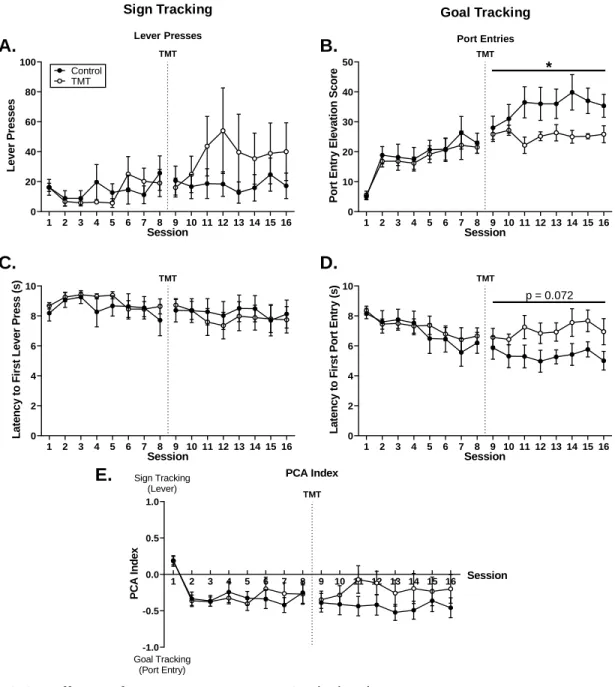
Figure 2.2 - Effects of TMT exposure on PCA behavior ... 42
Figure 2.3 - Acquisition and maintenance of alcohol self-administration
following TMT exposure in Experiment 1 ... 43
Figure 2.4 -Alcohol induced c-Fos in naïve and TMT-exposed rats. ... 44
Figure 2.5 - Acquisition and maintenance of alcohol self-administration
following TMT exposure in Experiment 3 ... 45
Figure 2.6-Acute physiological and neuroendocrine stress responses to
TMT across repeated exposures ... 46 Figure 3.1 – Timelines for Experiments 1-4. ... 78
Figure 3.2 – CeA MR is upregulated in male rats following TMT exposure ... 80
Figure 3.3 – dHC MR is upregulated in female rats following TMT
exposure ... 81 Figure 3.4 – Spironolactone alters acute reactivity to TMT in female rats ... 82
Figure 3.5 – TMT exposure does not alter locomotion, anxiety-like
behavior, or hyperarousal in female rats ... 83 Figure 3.6 – Female rats do not show reactivity to the TMT-paired context ... 84
Figure 3.7 – Female rats show no differences in alcohol drinking following
TMT exposure ... 85 Figure 3.8 – Spironolactone alters acute response to TMT in
alcohol-experienced male rats ... 86 Figure 3.9 – TMT exposure does not alter anxiety-like behavior,
hyperarousal, or prepulse-inhibition in male rats ... 87 Figure 3.10 – Exposure to the TMT-paired context elicits digging behavior
xiv
Figure 3.11 – TMT exposure increases alcohol self-administration relative
to pre-TMT baseline ... 89 Figure 3.12 – Spironolactone had no non-specific effects on locomotor or
anxiety-like behavior ... 90 Figure 4.1 – Spironolactone reduces alcohol self-administration in male
and female rats ... 114 Figure 4.2 – Spironolactone reduces alcohol response persistence in
female, but not male rats ... 115 Figure 4.3 – High dose spironolactone reduces sucrose self-administration
in female rats... 116 Figure 4.4 – Spironolactone has no effect on sucrose response
persistence ... 117 Figure 5.1 – Spironolactone reduces alcohol self-administration and
increases plasma corticosterone in female rats ... 142 Figure 5.2 – Intra-dHC eplerenone does not affect alcohol
self-administration ... 143 Figure 5.3 – Intra-CeA eplerenone dose dependently reduces alcohol
self-administration ... 144 Figure 5.4 – Verification of CeA MR Knockdown ... 145
Figure 5.5 – Knockdown of CeA MR has no effect on alcohol
self-administration in male rats. ... 146 Figure 5.6 – Transient reduction in alcohol self-administration following
xv
LIST OF TABLES
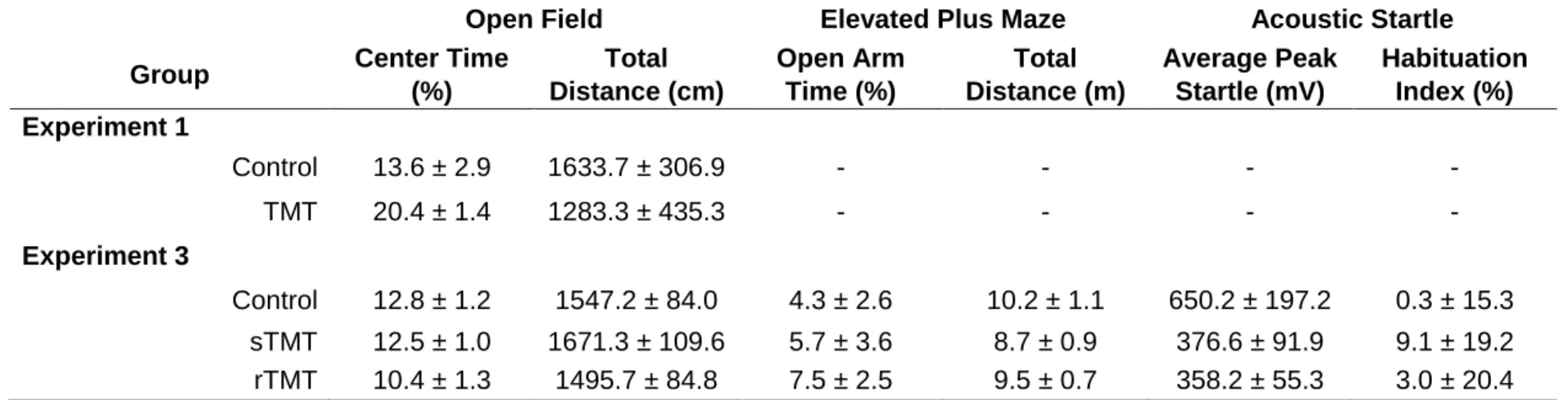
Table 2.1 – Behavioral data from Experiments 1 and 3. ... 47
Table 2.2 – Inactive lever responses and locomotor rate from sucrose fading phase in Experiments 1 and 3 ... 48
Table 2.3 – Inactive lever responses and locomotor rate from maintenance phase of self-administration in Experiments 1 and 3 ... 49
Table 2.4 – Correlation coefficients (R2) between Experiment 2 brain regional c-Fos IR ... 50
Table 3.1 – Inactive lever responses and locomotor rate from Experiment 2 ... 91
Table 3.2 – Baseline and raw data from Experiment 3 maintenance self-administration ... 92
Table 4.1 – Inactive lever responses for all experiments ... 118
Table 4.2 – Alcohol and sucrose intake for Experiments 1 and 3 ... 119
Table 5.1 – Inactive lever responses and alcohol intake for Experiment 1 ... 148
xvi
LIST OF ABBREVIATIONS AND SYMBOLS
ASO: Antisense oligonucleotide
AUD: Alcohol use disorder
BLA: Basolateral amygdala
BNST: Bed nucleus of the stria terminalis
CeA: Central Amygdala
dHC: Dorsal hippocampus
EtOH: Ethanol
GR: Glucocorticoid receptor
HSD2: 11β-Hydroxysteroid dehydrogenase
IL: Infralimbic cortex
MR: Mineralocorticoid receptor
NAc: Nucleus accumbens
PCA: Pavlovian conditioned approach
PFC: Prefrontal cortex
PL: Prelimbic cortex
PO: Predator odor
PTSD: Post-traumatic stress disorder
SCR: Scrambled Oligonucleotide
SEFL: Stress-enhanced fear learning
SPS: Single prolonged stress
1
CHAPTER 1 : INTRODUCTION
ALCOHOL USE AND SOCIETY
Alcohol is one of the most widely consumed psychoactive substances in the
world and has been intertwined in the history of humanity for millennia (SAMHSA,
2018). Across this lengthy relationship, alcohol has served many purposes including
religious sacrament, medical anesthetic, water sterilizer, and recreational drug. This
bond between humans and alcohol is reflected in the US where 55% of adults have
consumed alcohol within the past month (SAMHSA, 2018) and annual revenues from
alcohol sales are $117 billion and growing (Park Street, 2016).However, the relationship
between people and alcohol is not entirely beneficial. Out of approximately 115 million
US adults that regularly consume alcohol, 14.4 million (1 in 9) are classified as having
an alcohol use disorder (AUD; as defined by DSM-5) (APA, 2013, SAMHSA, 2018).
Additionally, alcohol is listed as the third leading cause of preventable death in the US,
being linked to approximately 88,000 deaths annually (Mokdad et al., 2004).
Additionally, alcohol use is linked to increased risk of other serious health conditions
including hypertension, cardiovascular disease, depression, and cancer (Boden and
Fergusson, 2011, Gardner and Mouton, 2015, Lancet, 2017). Moreover, the impact of
alcohol is not only limited to individuals. The cost to society of excessive alcohol use in
the US is estimated at $249 billion (Sacks et al., 2015) over twice the revenues from
2
The impact and prevalence of AUD is compounded by the fact that a large
treatment gap exists for AUD patients. Factors such as social stigma, financial cost, and
limited provider knowledge result in low utilization of AUD treatments, with one study
finding only 14.6% of patients with a lifetime history of AUD receiving treatment (Cohen
et al., 2007, Huebner and Kantor, 2011, Finlay et al., 2017). Furthermore, many patients
prefer to utilize solely behavioral interventions, such as 12-step, over combined
behavioral and pharmacological interventions, even though combined treatment has
better treatment outcomes (Anton et al., 2006, Kranzler and Soyka, 2018). There are
currently 3 FDA-approved medications for the treatment of AUD - naltrexone,
acamprosate, and disulfiram. Disulfiram is the first drug used to treat AUD and acts by
inhibiting alcohol dehydrogenase, the enzyme that metabolizes alcohol (Mutschler et al.,
2016). When a patient taking disulfiram consumes alcohol it leads to a severe and
potentially harmful reaction comprised of dizziness, chest pain, respiratory depression,
and other symptoms (Mutschler et al., 2016). Therefore, treatment adherence is a
significant obstacle to disulfiram treatment as patients often found it was easier to stop
taking disulfiram than stop drinking alcohol (Mutschler et al., 2016). Acamprosate is
thought to work by modulating NMDA glutamatergic transmission (al Qatari et al., 1998).
One significant hurdle to acamprosate treatment is that it is intended only for early
abstinent patients to assist in maintaining abstinence (Kranzler and Soyka, 2018).
Furthermore, follow-up clinical studies have had conflicting results as to the
effectiveness of acamprosate, leaving it as a treatment with questionable efficacy
intended for only AUD patients who can maintain abstinence (Kranzler and Soyka,
3
good clinical evidence for the efficacy of naltrexone, and it is available in a long-acting
injectable format to aid in treatment adherence, however utilization of naltrexone still
remains low due to aforementioned hurdles (Anton et al., 2006, Finlay et al., 2017,
Kranzler and Soyka, 2018). The reluctance to use pharmacotherapies in combination
with behavioral interventions is further complicated by the fact that many AUD patients
have comorbid psychiatric conditions which require more complex multi-drug treatment
(Taylor et al., 2017, Kranzler and Soyka, 2018).
Despite these alarming figures about prevalence, costs, and treatment of AUD, it
remains that most alcohol drinkers (about 8 in 9) enjoy occasional moderate alcohol use
with little lasting consequences. Therefore, a major field of alcohol research focuses on
identifying genetic and environmental risk factors for heavy alcohol drinking, as well as
the mechanisms that underlie increased alcohol consumption. To date, many genetic
risk factors have been identified such as polymorphisms of alcohol dehydrogenase,
serotonin receptors, and GABA receptors (Ferraguti et al., 2015). Likewise, many
environmental factors that increase the risk of developing an AUD have been identified,
such as early exposure to alcohol, chronic pain, or the presence of comorbid psychiatric
disorders including post-traumatic stress disorder (PTSD;(Richmond-Rakerd et al.,
2016, Blaine and Sinha, 2017, Yeung et al., 2017). This dissertation will explore the
mineralocorticoid receptor (MR), a steroid hormone receptor and potential mediator of
4
CORTICOSTEROIDS AND ALCOHOL DRINKING
Corticosterone
Early findings that stressful conditions were associated with increased alcohol
consumption led to studies in adrenalectomized rats that found corticosterone
modulated alcohol consumption, presumably through the glucocorticoid receptor
(Edwards et al., 1972, Mulford, 1977, Fahlke et al., 1994a). Later studies found that
chronic administration of corticosterone in drinking water could transiently increase
alcohol self-administration (Besheer et al., 2013), as well as reduce the interoceptive
effects of alcohol (Besheer et al., 2012b, Besheer et al., 2014, Jaramillo et al., 2015)
posing a potential mechanism by which corticosterone could mediate stress effects on
alcohol drinking.
Aldosterone
Compared to corticosterone, relatively little is known about the impact of
aldosterone on alcohol drinking. While it is known that aldosterone levels are increased
in AUD patients and alcohol-experienced macaques, and that aldosterone levels
correlate with measures of alcohol drinking and craving (Bannan et al., 1984, Aoun et
al., 2018), it is unknown if aldosterone mediates these effects, or if elevated aldosterone
is a consequence of altered MR function. As aldosterone-sensitive MRs in the brain are
mainly characterized to modulate salt intake and blood pressure (Joels and de Kloet,
2017), the latter is a more plausible explanation.
Glucocorticoid receptor
The GR is the canonical effector of corticosterone actions and is highly studied in
5
GR has been shown to reduce two-bottle choice alcohol drinking (Koenig and Olive,
2004, O'Callaghan et al., 2005) as well as the block the development of compulsive
alcohol self-administration in rats (Vendruscolo et al., 2012). In alcohol dependent rats
there is a marked downregulation of GR in the bed nucleus of the stria terminalis
(BNST), PFC, and nucleus accumbens (NAc) during acute withdrawal, and upregulation
in the NAc core, ventral BNST, and CeA during protracted withdrawal which is thought
to underlie HPA axis dysfunction in early alcohol abstinence (Kiefer et al., 2006). This is
marked by dysfunctional corticosterone response to stress in abstinent AUD patients,
and stimulation of this response serves as one potential mechanism for treatment of
AUD (O'Malley et al., 2002, Adinoff et al., 2005b, a, Kiefer et al., 2006). As the GR and
MR both affect corticosterone action and modulate its release, the GR is also examined
in this study as a potential parallel mediator of predator odor (PO) effects on alcohol
self-administration.
Mineralocorticoid receptor
The primary receptor of interest in this project is the MR, a steroid receptor that
exerts both genomic effects as a ligand gated transcription factor, and non-genomic
effects putatively through crosstalk with protein coupled receptors such as the
g-protein coupled estrogen receptor or angiotensin 1 receptor (Gros et al., 2011,
Gomez-Sanchez and Gomez-Gomez-Sanchez, 2014, Ruhs et al., 2017). The MR binds both
corticosterone and aldosterone, though it has a higher affinity for corticosterone which
must be inactivated by 11β-hydroxysteroid dehydrogenase type 2 (HSD-2) to preserve
MR-aldosterone interactions in aldosterone sensitive tissues (Joels and de Kloet, 2017).
6
blood pressure as it is highly expressed in the kidneys and cardiovascular system
(Belden et al., 2017). As such drug development programs focused on the MR have
resulted in the antagonists spironolactone and eplerenone which have diuretics and
anti-hypertensive properties and are used to treat hypertension and heart failure
(Kolkhof and Barfacker, 2017). However, in the late 1960s it was discovered that MR
was expressed in the brain as well, primarily in limbic brain regions such as the
hippocampus, central amygdala, and medial septum (Reul and de Kloet, 1986). Low
brain expression of HSD-2 coupled with high corticosterone affinity result in tonically
high occupancy of cytosolic (genomic) brain MR, however the membrane MR
(nongenomic) has been shown to have similar corticosterone affinity to GR and is thus
responsive to acute corticosterone release following stress (Joels et al., 2008, Kolkhof
and Barfacker, 2017).
The functional roles of MR in behavior are various, and have only recently been
revised to include modulation of alcohol drinking as early studies failed to find impacts
of MR antagonism on alcohol drinking (Koenig and Olive, 2004, O'Callaghan et al.,
2005), or alcohol dependence on MR expression (Vendruscolo et al., 2012). The MR is
known to regulate various aspects of memory, and antagonism of MR impacts formation
and recall of contextual fear memories (Zhou et al., 2010). Within the PFC, MR
modulates response to unconditioned fear (McEown and Treit, 2011) and
alcohol-induced working memory deficits (Dominguez et al., 2017), while hippocampal MR
regulate aspects of memory and anxiety-like behavior (Oitzl and de Kloet, 1992, Lai et
al., 2007, McCann et al., 2019). In the CeA, MR influences visceral pain response as
7
et al., 2018). One study demonstrated that CeA MR mRNA levels correlate with alcohol
self-administration in rhesus macaques, as well as compulsive-like drinking in Wistar
rats (Aoun et al., 2018). Additionally, circulating levels of aldosterone were elevated
after 6 months of self-administration in macaques and non-abstinent AUD patients, and
correlated with self-reported alcohol craving and anxiety in AUD patients (Aoun et al.,
2018). This dissertation expands our present understanding of MR’s functional role in
regulating alcohol drinking by pharmacological and genetic manipulation of MR
signaling using systemic and brain-regional techniques.
COMORBID POST-TRAUMATIC STRESS DISORDER AND ALCOHOL USE
DISORDER
PTSD is defined as a persistent debilitating mental health condition arising from
witnessing or experiencing a terrifying/traumatic event. The DSM-5 classifies the
symptoms of PTSD into 4 clusters: re-experiencing or intrusion, avoidance of traumatic
stimuli, negative alterations in cognition or mood, and hyperarousal (APA, 2013). In
addition to these symptoms, PTSD is also associated with increased risk for alcohol and
other substance use disorders (Jacobsen et al., 2001). It is estimated that annual
prevalence of PTSD is 3.5% in the US, and is nearly 3 times higher in women than in
men (Kessler et al., 2005). As the prevalence of PTSD is 3.5% and the prevalence of
AUD is 5.8%, it is plausible to conclude that comorbid PTSD is a significant contributor
to the overall disease burden of AUD. The relationship between PTSD and AUD was
clinically described in 1981 in a study describing increased alcohol consumption and
8
(Boscarino, 1981). Further clinical studies and meta-analyses of this phenomena have
determined that PTSD increases the risk of developing an AUD by up to three-fold
(Kessler et al., 1997, Jacobsen et al., 2001, Shorter et al., 2015).
Animal models of PTSD and AUD represent a powerful tool to identify brain
regional pathology underlying comorbidity and uncover potential molecular targets for
pharmaceutical development. There are a variety of preclinical PTSD models, some of
which have been combined with models of alcohol drinking. The most widespread
models currently in use include stress enhanced fear learning (SEFL), single prolonged
stress (SPS), and predator odor stress (PO) (Deslauriers et al., 2018).
Stress enhanced fear learning (SEFL). SEFL involves exposure of a rodent to 15
shocks in one context, followed by a single tone-shock conditioning trial in a different
context, recall of which is significantly potentiated compared to traditional fear
conditioning (Rau and Fanselow, 2009). SEFL has been shown to increase alcohol
consumption using a two-bottle choice protocol in rats for over 120 days (Meyer et al.,
2013). The effects of SEFL are known to be mediated by corticosterone, and are
marked by upregulation of GluA1 in the basolateral amygdala (BLA)(Perusini et al.,
2016).
Single prolonged stress (SPS). SPS is a model involving sequential exposure of a
rodent to 2 hours of restraint stress, 20 minutes of forced swim stress, and ether
exposure until loss of consciousness (Yu et al., 2016). SPS has been shown to increase
alcohol conditioned place preference (Yu et al., 2016), and alter BLA response to acute
alcohol (Ornelas and Keele, 2018). The effects of SPS are reliant on glucocorticoid
9
the MR in the amygdala and hippocampus (Zhe et al., 2008, Han et al., 2014).
Predator odor (PO) stress. PO stress involves a 10 – 30 minute inescapable exposure
of animals to a predator odor such as dirty rat bedding (for mice), bobcat urine, or the
fox pheromone 2,5-dihydro-2,4,5-trimethylthiazoline (TMT). PO has been shown to
increase alcohol self-administration or two-bottle choice homecage drinking for periods
ranging from 7 to 21 days (Edwards et al., 2013, Manjoch et al., 2016, Finn et al., 2018)
and these effects are shown to be dependent on CeA CRFR1 in rats exposed to bobcat
urine (Weera et al., 2020). PO is known to upregulate GR in the prefrontal cortex (PFC)
of female mice. In the hippocampus, PO upregulates corticotropin releasing factor 1 in
both male and female mice, GR in female mice, and kappa opioid receptor in rats, while
downregulating delta and mu opioid receptors in rats (Manjoch et al., 2016, Finn et al.,
2018). This dissertation supplements the PO literature by establishing a model of
increased alcohol self-administration following TMT exposure, and explores the
response of MR to TMT exposure as well as the contribution of MR signaling to TMT
evoked sequelae.
RATIONALE
Given the significant burden to society posed by AUD (Mokdad et al., 2004,
SAMHSA, 2018), along with evidence for increased risk of AUD in PTSD patients
(Kessler et al., 1997), understanding the neurobiological underpinnings of this
relationship is critical for development of an effective integrated treatment of comorbid
PTSD and AUD as opposed to current complex treatment regimens (Shorter et al.,
10
uncover this complex comorbidity, therefore the goal of the present work was to
optimize and develop a model of comorbid PTSD and AUD utilizing the synthetically
produced predator odor TMT (Aim 1).
As low CeA MR expression is associated with increased alcohol consumption
(Aoun et al., 2018) and MR is downregulated in response to stress (Zhe et al., 2008,
Han et al., 2014), we considered MR as a potential mediator of traumatic stress effects
on alcohol drinking. Furthermore, as MR is known to regulate emotional memory (Zhou
et al., 2010, Zhou et al., 2011), we aimed to leverage this model of comorbid PTSD and
AUD to understand if MR signaling was essential for development of the effects of TMT
on alcohol drinking, anxiety-like behavior, and TMT-context reactivity. Aim 2 sought to
understand if either MR or GR would be downregulated by TMT exposure, as well as if
blockade of MR signaling during TMT exposure would alter the behavioral and alcohol
self-administration effects of TMT exposure.
Additionally, with the emerging relationship between MR and alcohol drinking
(Aoun et al., 2018) we sought to broaden our understanding of the functional role of MR
in alcohol drinking using systemic and intracranial infusion of MR antagonists and
targeted CeA MR knockdown with antisense oligonucleotides (Aim 3). The potential
impact of this aim is compounded by widespread clinical use of MR antagonists for
treatment of heart failure and hypertension (Kolkhof and Barfacker, 2017), conditions
comorbid with and exacerbated by AUD (Gardner and Mouton, 2015). Thus, this aim
evaluates the MR as a potential target for further drug development or off-label use of
11
Aim 1: Develop and refine animal model of comorbid PTSD and AUD
Previous studies utilizing a predator odor to model stress enhanced alcohol
drinking use naturally derived predator odors such as soiled cat litter, bobcat urine, or
rat bedding. As such, one purpose of this aim was to determine if synthetically produced
fox pheromone (TMT) would induce escalations in alcohol drinking. In Chapter 2 male
Long-Evans rats were exposed to TMT 4 times prior to alcohol self-administration
training. Additionally, to probe if TMT exposed animals showed differential neuronal
response to alcohol, we administered 2 g/kg alcohol intragastrically to TMT exposed
animals and examined brain regional expression of the immediate early gene c-Fos.
Finally, we compared the effects of single and repeated TMT exposure on alcohol
self-administration, anxiety-like behavior, and hyperarousal. We hypothesized that both
single and repeated TMT would increase alcohol self-administration, anxiety-like
behavior, and hyperarousal, with repeated TMT exposure having a greater magnitude of
effect. Additionally, we hypothesized that TMT exposure would reduce brain response
to alcohol.
Aim 2: Investigate role of MR in PO exposure and its involvement in the
development of lasting effects of PO
As hippocampal and amygdalar MR and GR are downregulated by SPS (Zhe et
al., 2008, Han et al., 2014), and reduced CeA MR expression is correlated with
increased alcohol drinking (Aoun et al., 2018), one purpose of this aim was to validate
that TMT exposure had similar effects on GR and MR expression. In Chapter 3 we
exposed male and female Long-Evans rats to TMT and then assayed dorsal
12
as MR blockade reduces development and recall of contextual fear memories, we
pretreated female alcohol naïve rats with the MR antagonist spironolactone prior to TMT
exposure and then tested animals for anxiety-like behavior, hyperarousal, TMT-context
reactivity, and alcohol self-administration. This experiment was then repeated in
alcohol-experienced male rats. We hypothesized that TMT exposure would reduce both
GR and MR expression across all brain regions, and that spironolactone pretreatment
would block the effects of TMT exposure on alcohol self-administration and
TMT-context reactivity.
Aim 3: Investigate role of MR signaling and CeA expression in alcohol
self-administration
In multiple species CeA MR is correlated with alcohol drinking of
alcohol-experienced subjects (Huebner and Kantor, 2011); however, previous studies have
failed to find an effect of the MR antagonist spironolactone on alcohol drinking in
free-access homecage drinking paradigms using rats with low levels of alcohol history
(Koenig and Olive, 2004, O'Callaghan et al., 2005). To further probe the functional role
of MR in alcohol self-administration of alcohol-experienced rats, in Chapter 4 we
administered the MR antagonist spironolactone to alcohol-experienced male and female
Long-Evans rats prior to alcohol self-administration and probe-extinction sessions. In
Chapter 5 we assayed plasma corticosterone of female rats treated with spironolactone
prior to alcohol self-administration to understand if reductions in self-administration were
related to inhibited glucocorticoid negative feedback. Further, to identify the
brain-regional locus of MR action on alcohol self-administration, the selective MR antagonist
13
functional role of CeA MR expression in alcohol self-administration, CeA MR was
knocked down by infusion of antisense oligonucleotide prior to alcohol
self-administration. We hypothesized that both systemic and intra-CeA MR antagonism
would reduce alcohol self-administration, and that the reductions in self-administration
may correlate with reduced glucocorticoid negative feedback, and that CeA MR
knockdown would increase alcohol self-administration in both sexes.
These studies define and utilize an animal model of comorbid PTSD and AUD to
probe MR as a potential mediator of stress-induced increases in alcohol drinking. The
findings of the present work have the potential to establish a novel model that can be
used to further study this condition and identify the MR as a promising pharmacological
14
CHAPTER 2 : THE SYNTHETICALLY PRODUCED PREDATOR ODOR 2,5-DIHYRDRO-2,4,5-TRIMETHYLTHIAZOLINE INCREASES ALCOHOL SELF-ADMINISTRATION AND ALTERS BASOLATERAL AMYGDALA RESPONSE TO
ALCOHOL IN RATS
INTRODUCTION
Alcohol is the one of the most widely consumed and abused psychoactive
substances in the United States, with approximately 56% of adults having drank alcohol
in the past month and 6% of adults having an alcohol use disorder (SAMHSA,
2018).One risk factor for development of alcohol use disorder (AUD) is comorbid
post-traumatic stress disorder (PTSD), which epidemiological studies have estimated nearly
triples the risk of developing AUD (Kessler et al., 1997, Jacobsen et al., 2001, Shorter et
al., 2015).
PTSD stems from a person witnessing or experiencing a traumatic or
life-threatening event. While the symptoms of PTSD have been well-documented (intrusion,
avoidance, negative alterations in cognition and mood, alterations in arousal), our
understanding of the neurobiological underpinnings are still emerging. Neuroimaging
studies have characterized dysregulation of multiple brain regions in PTSD, including
hyper-responsivity of the amygdala to stressful stimuli and blunted medial prefrontal
cortex (mPFC) top-down control of attentional and amygdala function (Liberzon and
Sripada, 2008, Fenster et al., 2018). Unsurprisingly, dysregulation in these brain circuits
15
and this overlap is thought, in part, to underlie comorbidity between PTSD and AUD
(Gilpin and Weiner, 2017).
Animal models play an important role in experimentally probing the relationship
between ‘trauma’ exposure and increased alcohol drinking, and a number of animal
models of PTSD have been shown to increase alcohol drinking. For example,
stress-enhanced fear learning (SEFL) is a model that involves exposing a rat to 15 shocks in
one context, which enhances later fear learning in another context (Rau and Fanselow,
2009). Rats that undergo SEFL show increased alcohol consumption in a two-bottle
choice protocol for over 120 days (Meyer et al., 2013). Another model of PTSD is
exposure to a predator or predator odor. Exposure to bobcat urine (Edwards et al.,
2013), soiled cat litter (Manjoch et al., 2016), or a live un-neutered cat in conjunction
with social instability (Zoladz et al., 2018) have been shown to increase alcohol drinking
in rats for 20, 21, and 7 days respectively in self-administration or two-bottle choice
paradigms. Similarly, exposure to dirty rat bedding sex-dependently increases
homecage alcohol consumption in mice with a history of binge alcohol consumption
(Finn et al., 2018). These studies have begun to advance our knowledge of the link
between PTSD and excessive alcohol drinking by contributing models that can be used
to identify causal neuromolecular and brain circuitry changes.
The first goal of the present work was to determine if repeated exposure of male
rats to the synthetically produced predator odor (PO)
2,5-dihydro-2,4,5-trimethylthiazoline (TMT; a component of fox feces) would increase reward cue salience
and alcohol self-administration. As maladaptive response to cues is a hallmark of both
16
et al., 2017) we hypothesized that increases in cue salience may be related to increases
in alcohol self-administration. Next, this study quantified alterations in mPFC and
amygdala neuronal response to alcohol following TMT-exposure using c-Fos
immunoreactivity. Last, this study examined if a single TMT exposure was sufficient to
induce changes in alcohol self-administration, and if acute physiological and
neuroendocrine response to TMT habituated across repeated exposures.
MATERIALS AND METHODS
Animals
96 male Long-Evans rats (Envigo-Harlan, Indianapolis, IN) arrived at 7 weeks old
and were single housed under a 12 hour light/dark cycle (7:00 am/pm). Prior to all
experiments rats were handled for 1-2 minutes across 7 days. All experiments were
conducted during the light cycle, with the exception of TMT exposures which occurred
at the start of the dark cycle (7:00 - 7:30 pm). Animals were under the care of the
veterinary staff of the UNC-Chapel Hill Division of Comparative Medicine. All
procedures were carried out in accordance with the NIH Guide for Care and Use of
Laboratory Animals, and institutional guidelines. All protocols were approved by the
UNC Institutional Animal Care and Use Committee (IACUC). UNC-Chapel Hill is
accredited by the Association for Assessment and Accreditation of Laboratory Animal
17
Experiment 1: Effect of TMT exposure on Pavlovian conditioned approach (Figure
2.1A)
The goal of this experiment was to assess if exposure to TMT would later
increase the transfer of incentive salience towards reward cues using a Pavlovian
conditioned approach (PCA) task. PCA was assessed in conditioning chambers (Med
Associates, St. Alban, VT) located within sound-attenuating cabinets equipped with an
exhaust fan to provide ventilation and mask outside noise. Chambers were equipped
with a retractable lever on the back left side of the chamber and a cue light was located
above the lever. Next to the lever was a port containing an infrared beam to detect
entries and a liquid receptacle connected to a syringe pump for delivery of sucrose
(20%, w/v).
PCA training.
One day prior to PCA, rats underwent a pretraining session to familiarize them
with the sucrose reinforcer (Fig 2.1A). The pretraining session consisted of 25
non-contingent presentations of 20% sucrose (0.1 mL delivered by a syringe pump across
1.66 s) into the liquid receptacle on a 90 second variable interval (30 – 150 s) schedule.
Across the next 8 days rats were trained on PCA. PCA sessions consisted of 25 trials
on a 90 second variable interval schedule. Trials consisted of a 10 second presentation
of a lever and cue light (conditioned stimulus, CS) during which lever presses and port
entries were measured. After 10 seconds the lever retracted, the cue light was turned
off, and 0.1 mL of 20% sucrose (unconditioned stimulus, US) was delivered into the
liquid receptacle port.
18
After 8 PCA sessions rats (n = 6/group) underwent TMT exposures. Animals
were transported from the vivarium to a well-ventilated room at the onset of the dark
cycle (7:00pm), to correspond with the rat’s active phase (Woodruff et al., 2018), and
placed into clean Plexiglas chambers (30.5 cm x 18 cm x 18 cm) with a piece of filter
paper affixed to the lid. 10 µL of either water (Control group) or TMT was pipetted onto
the filter paper prior to closing the chamber lids. (Note: Control animals were always
exposed before TMT animals to avoid any contact with the TMT odor). After 10 minutes
of exposure, rats were returned to the vivarium. This TMT exposure process was
repeated 4 times across one week (i.e., every other day; on the intervening days rats
remained in the home cage undisturbed) to reduce habituation of response to TMT
(Staples, 2010). PCA training was withheld during this TMT exposure period.
Following the final TMT exposure, rats underwent 8 additional PCA sessions.
Before the second PCA session rats underwent an open field test (between 08:00 am -
12:00 pm) to assess anxiety-like behavior and locomotor behavior. Rats were
transported in the home cage and were allowed to habituate to the testing room for 20
minutes. Rats were placed in the center of the open field arena (43 cm x 43 cm; Med
Associates, St. Albans, VT) and locomotor activity was recorded by 32 orthogonal
infrared beams using Activity Monitor software (Med Associates) for 10 min.
Alcohol self-administration.
After completion of the PCA phase of the experiment, rats began alcohol
self-administration. The alcohol self-administration chambers were the same chambers used
for PCA. However, the configuration of the chamber was such that there was an
19
two cue lights total, one set on the left side of the chamber, by the fluid port, and one on
the right side). Additionally, general locomotor activity during the self-administration
session was measured with 4 parallel infrared beams across the chamber floor. Total
beam breaks across the session were collected and this number was divided by the
session length (30 min) to determine locomotor rate (beam breaks/min). Rats were
trained to self-administer a 15% (v/v) alcohol + 2% (w/v) sucrose solution (15A/2S) on a
fixed ratio 2 (FR2) schedule of reinforcement in 30 minute sessions, five days a week
(M-F) via sucrose fading as described in Makhijani et al., 2018. Sucrose fading began
with self-administration of 10% sucrose (10S; 2-3 sessions), then 2A/10S (1-2
sessions), 5A/10S (1 session), 10A/10S (2 sessions), 10A/5S (1 session), 15A/5S (2
sessions), and 15A/2S (2 sessions). Finally there were 5 sessions of 15A reinforcer
after which the reinforcer returned to 15A/2S for the duration of training (maintenance
phase). A sweetened alcohol reinforcer was used as we find this results in stable
alcohol self-administration in these long-term studies (Randall et al., 2017, Jaramillo et
al., 2018a, Makhijani et al., 2018).
Experiment 2: Effect of TMT exposure on neuronal response to alcohol (Figure
2.1B)
The goal of this experiment was to examine potential changes in neuronal
response to acute alcohol following predator odor stress. Rats (n = 6/dose control group
and 10/dose TMT group) experienced the repeated TMT exposure protocol as in
Experiment 1. Rats remained undisturbed in the home cage for the next 6 days. On the
final test day (7 days after the final TMT exposure), rats received an alcohol injection (2
20
were sacrificed by pentobarbital anesthesia (100 mg/kg) prior to perfusion with 0.1M
PBS (4°C, pH = 7.4) followed by 4% paraformaldehyde (PFA; 4°C, pH = 7.4). Brains
were extracted and stored in 4% PFA for 24h at 4°C before being rinsed with 0.1M PBS
and transferred to 30% sucrose in 0.1M PBS for at least 7 days. Brains were sliced on a
freezing microtome into 40 µm coronal sections which were stored at -20°C in
cryoprotectant until immunohistochemistry (IHC).
c-Fos IHC and quantification of immunoreactivity (IR).
Free-floating coronal sections were rinsed in 0.1M PBS before quenching of
endogenous peroxidases with a 5 minute wash in 1% H2O2.Sections were then blocked
with 3% normal goat serum (NGS; Vector Labs, Burlingame, CA) in 0.3% Triton X-100
for 2 hours before being incubated in rabbit anti-c-Fos antibody (1:4000 in 3% NGS +
0.1% Triton; Synaptic Systems, Goettingen, Germany; Lot# 226003/3-45) for 16 hours
at 4°C. Sections were incubated with biotinylated goat anti-rabbit secondary antibody
(1:200 in 3% NGS + 0.1% Triton X-100; Vector Labs, Burlingame, CA; Lot# 140893)
followed by Vectastain Elite ABC HRP (Vector labs, Burlingame, CA). Finally, sections
were treated with diaminobenzidine (Sigma-Aldrich, St. Louis, MO) and mounted on
slides for imaging.
Images were taken with an Olympus CX41 light microscope (Olympus America,
Center Valley, PA) and analyzed utilizing Image‐Pro Premier image analysis software
(Media Cybernetics, Rockville, MD). Immunoreactivity data (c-Fos‐positive pixels/mm2)
were acquired from a minimum of 2 sections/brain region/animal, by an experimenter
blind to group assignment, and the data were averaged to obtain a single value per
21
infralimbic cortex (IL; AP +3.7 to +3.0), central amygdala (CeA; AP -1.9 to -2.8), and
basolateral amygdala (BLA; AP -1.9 to -2.8).
Experiment 3: Comparison of single and repeated TMT exposure on behavior and
alcohol self-administration (Figure 2.1C)
The goal of this experiment was to determine the consequences of a single vs.
repeated TMT exposure on alcohol self-administration. Rats were assigned to one of
the following groups (n = 12/group): Control group – rats underwent 4 water exposures;
Single TMT (sTMT) group – rats underwent 3 water exposures and a single TMT
exposure on the final session; Repeated TMT (rTMT) group – rats underwent 4 TMT
exposures. These exposures were every other day for 1 week as described in
Experiment 1. In addition, the number of fecal boli in the test chambers following TMT
exposure was counted and presented as part of Experiment 4. Seven days later, rats
were tested in the open field as described in Experiment 1, the elevated plus maze, and
the acoustic startle test. Rats underwent each test in that order on consecutive days.
For the elevated plus maze, rats were placed into the closed arm of the maze (arm
dimensions 50 cm x 10 cm; maze elevation 50 cm; Stoelting, Wood Dale, IL) for a 5
minute test under red lighting conditions. Movement was tracked using a ceiling
mounted camera (Logitech C615; Logitech, Lausanne, Switzerland) and analyzed by
AnyMaze software (Stoelting). For the acoustic startle test, rats were placed in an
SR-LAB animal enclosure (San Diego Instruments, San Diego, CA) and testing consisted of
a 5 minute habituation to background white noise (65dB, matched to ambient noise),
followed by 30 startle trials (40 msec presentation of 110 dB white noise) with a 30
22
accelerometer mounted under the animal enclosure and analyzed with SR-LAB
software (San Diego Instruments). Sessions were approximately 20 min in total. The
day following the acoustic startle test, rats began alcohol self-administration as
described in Experiment 1.
Experiment 4: Measuring plasma corticosterone response to repeated TMT
exposure (Figure 2.1D)
In order to measure the effect of TMT exposure on plasma corticosterone levels,
rats underwent either 4 water exposures or 4 TMT exposures across one week as
described previously. Tail blood was collected 30 minutes after exposure on days 1 and
4 for analysis of plasma corticosterone. Blood was collected into heparinized tubes and
immediately centrifuged at 4°C for 5 minutes at 2000 rcf. Plasma supernatant was then
collected and stored at -80°C until analysis. 5 µL plasma samples were then analyzed in
duplicate using a commercially available colorimetric EIA kit (ArborAssays, Ann Arbor,
MI) according to the manufacturer’s instructions.
Reagents
97% purity 2,5-dihydro-2,4,5-trimethylthiazoline (TMT) was purchased from SRQ
Bio (Sarasota, FL). Alcohol (95% (v/v); Pharmaco-AAPER, Shelbyville, KY) and sucrose
(Great Value, Bentonville, AR) were diluted with tap water for all PCA and
self-administration sessions.
Data analysis
PCA
PCA behavior is represented by cumulative number of lever presses across all
23
port entries in 10s preceding CS), and latency to port entry and lever press (from CS
onset). PCA behavior is also summarized by a PCA index, which takes into account
responses, latency to response, and probability of response during trial as in (Fitzpatrick
et al., 2019). PCA index was calculated by an evenly weighted average of response
bias ((lever presses – port entry elevation score)/(lever presses + port entry elevation
score)), latency score ((latency to port entry– latency to lever press)/10s), and
probability difference (probability of lever press in trial – probability of port entry).
Animals with a PCA index below -0.5 are considered “Goal-Trackers”, an index above
0.5 indicates a “Sign-Tracker”, and animals in between are considered “Intermediate
Responders” (Fitzpatrick and Morrow, 2016, Fitzpatrick et al., 2019). PCA behavior after
TMT exposure (session 9-16) was analyzed by two-way repeated measures analysis of
variance (RM-ANOVA) with TMT exposure as the between-subjects factor and session
as the within-subjects factor.
Self-administration
For the sucrose fading phase of alcohol self-administration, alcohol lever
responses, inactive lever responses, and locomotor rate are represented as averages
across each reinforcer. These data were examined by two-way RM-ANOVA with TMT
exposure as a between-subjects factor and reinforcer as a within-subjects factor. Total
alcohol intake (g/kg) during the sucrose fading and maintenance phases of
self-administration is shown as cumulative alcohol consumed by each animal across the
study (approximated based on body weight and number of reinforcers delivered for
each session) and compared by t-test for Experiment 1, and one-way ANOVA for
24
responses, inactive lever responses, and locomotion are presented as 3-session
averages. These data were analyzed by two-way RM-ANOVA with TMT exposure as a
between-subjects factor, and session as a within-subjects factor.
Other measures
c-Fos immunoreactivity was analyzed by two-way ANOVA with TMT exposure
and alcohol treatment as between-subjects factors. Correlations between brain regional
c-Fos expression were evaluated by Pearson’s correlation coefficient. Measures from
the open field test in Experiment 1 were analyzed by t-test. Correlations between
post-TMT change in PCA index and total alcohol consumption were evaluated by Pearson’s
correlation coefficient. Measures from the behavioral screens (% center time in open
field [center defined as middle 20 cm x 20 cm of open field], total distance traveled in
open field, % open arm time in elevated plus maze, total distance traveled in elevated
plus maze, peak startle response, startle habituation index) in Experiment 3 were
analyzed by one-way ANOVA with TMT exposure as the between-subjects factor. The
formula for startle habituation index is: ((Average Peak Startle in First 5 Trials) –
(Average Peak Startle in Last 5 Trials))/(Average Peak Startle in First 5 Trials)*100
. Plasma corticosterone levels (ng/ml) following TMT were analyzed by two-way
RM-ANOVA with TMT exposure as a between-subjects factor and exposure day as a
within-subjects factor. Fecal boli was analyzed by two-way RM-ANOVA with TMT
exposure as a between-subjects factor, and exposure day as the within-subjects factor.
All data are represented as mean ± SEM. For all analyses significance was set at p <
25
RESULTS
Experiment 1: Effect of TMT exposure on Pavlovian conditioned approach
The purpose of Experiment 1 was to determine if TMT exposure would increase
transfer of salience towards reward cues (sign-tracking), and if increased cue
salience/sign-tracking behavior could predict increased alcohol self-administration.
Repeated TMT exposure reduces goal-tracking behavior towards a reward cue
Male rats underwent 8 days of PCA training, after which animals were
counterbalanced into groups by PCA index (measured on day 8) and assigned to either
the repeated TMT or Water group. Following TMT exposure, animals showed no
change in lever presses (Fig 2.2A), but showed significantly lower port entry elevation
scores than the control group (Fig 2.2B, F(1,10) = 5.18, p = 0.046), with no significant
main effect of session or TMT by session interaction. There were no main effects of
TMT or session on latency to first lever press (Fig 2.2C) and there was a trend for a
main effect of TMT on latency to first port entry (Fig 2.2D, F(1,10) = 4.05, p = 0.072),
with no main effect of session or TMT by session interaction. There were no main
effects of TMT, session or interaction on PCA index (Fig 2.2E). Additionally, while all
rats performed sign-tracking behavior (lever presses) indicating transfer of salience to
the lever cue, no rats in either group met the classification of sign-tracker (PCA index
over 0.5). Both groups had 2 goal-trackers (PCA index under -0.5) and 4 intermediate
responders (PCA index between -0.5 and 0.5). These findings indicate that TMT
exposure did not alter sign-tracking behavior but did reduce goal-tracking behavior. In
26
time in the center of the open field (Table 2.1), indicating the lack of a change in general
locomotion and anxiety-like behavior.
Rats with a history of repeated TMT exposure show increased alcohol
self-administration.
Two-way RM ANOVA across sucrose fading showed main effects of reinforcer
and TMT on alcohol lever responses with no interaction (Fig 2.3A;F Reinforcer(7,70) =
36.7, p < 0.001; FTMT(1,10) = 6.14, p = 0.033) indicating greater alcohol lever responses
in the TMT group than the Control group. The TMT-exposed animals also had
significantly higher total alcohol intake across sucrose fading (Fig 2.3B; t(10) = 2.59, p =
0.027). There were no main effects of TMT or reinforcer on inactive lever responses or
locomotor rate (Table 2.2).
During maintenance of alcohol self-administration the TMT group had higher
alcohol lever responses than the control group, as indicted by a significant main effect
of TMT (Fig 2.3C; F(1,10) = 8.11, p = 0.017). There was also a significant main effect of
session on alcohol lever responses (F(6,60) = 10.2, p < 0.001) and no interaction. There
was no significant effect of TMT exposure on total alcohol intake during the
maintenance phase (Fig 2.3D). There were no main effects of TMT, session, or
interaction on inactive lever responses (Table 2.3). There was a main effect of session
on locomotor rate with reduced locomotion in later sessions (Table 2.3; F(6,60) = 5.17,
p < 0.001), but no main effect of TMT or session by TMT interaction.
Together these results show that TMT exposure does not increase transfer of
salience to a reward cue, but can reduce goal-tracking behavior. As it was hypothesized
27
consumption, correlation between change in PCA index following TMT exposure
(difference between sessions 16 and 8) and total alcohol intake during maintenance
self-administration was examined. There were no significant correlations between
change in PCA score following TMT exposure and alcohol self-administration in either
the control or TMT group (R2
Control = 0.257, R2TMT = 0.001).
Experiment 2: Effect of TMT exposure on neuronal response to alcohol
As rats exposed to repeated TMT showed increased alcohol self-administration,
the goal of this experiment was to determine whether neuronal response to alcohol was
altered in rats exposed to TMT. Due to experimenter error and tissue damage during
sectioning, the animals in the Control + Alcohol group is n = 5 for mPFC regions and n =
4 for amygdala regions.
Repeated TMT exposure blocks alcohol-induced reduction in BLA c-Fos
Following alcohol gavage (2 g/kg), c-Fos IR was significantly reduced in the
prelimbic (PL; Fig 2.4A; F(1,27) = 4.82, p = 0.0367) and infralimbic (IL; Fig 2.4B; F(1,27)
= 5.28, p = 0.030) subregions of the mPFC, and increased in the central amygdala
(CeA; Fig 2.4C; F(1,25) = 6.29, p = 0.019). There were no main effects of TMT
exposure or TMT exposure by alcohol dose interactions.
In the basolateral amygdala (BLA) there was a main effect of alcohol (Fig 2.4D; F(1,26)
= 5.78, p = 0.024) with a significant alcohol by TMT exposure interaction (F(1,26) =
4.48, p = 0.044). Post-hoc analysis showed alcohol treatment significantly reduced BLA
c-Fos IR in the control group (p < 0.05), but this effect was blocked in the TMT-exposed
28
Interestingly, the TMT-exposed animals also showed several significant
correlations between BLA, CeA, PL, and IL c-Fos IR (Table 2.4). Notably, the
TMT-exposed animals treated with alcohol showed significant correlations between PL and
BLA c-Fos IR (Fig 2.4E; R2 = 0.724, p = 0.002) while the Control and TMT + Water
groups did not. Both TMT treated groups also showed significant correlations between
CeA and BLA c-Fos IR (Fig 2.4F; TMT + Water: R2 = 0.448, p = 0.034; TMT + EtOH: R2
= 0.538, p = 0.016), while neither control group did.
These data suggest that TMT exposure alone increases correlation between
activity in the mPFC and amygdalar subregions, while blunting the effects of alcohol on
BLA neuronal activity.
Experiment 3: Comparison of single and repeated TMT exposure on behavior and
alcohol self-administration
The purpose of Experiment 3 was to build upon the results in Experiment 1 and
compare the effects of single (sTMT) versus repeated TMT (rTMT) exposure on alcohol
self-administration.
TMT exposure does not change behavior in open field, elevated plus maze, or acoustic
startle response tests.
7 days after the final TMT exposure, rats began testing in the behavioral screens.
Open field. There was no effect of TMT exposure on percent center time or total
distance travelled (Table 2.1). One rat in the control group was identified as an outlier
(distance travelled 2 standard deviations below the mean) and excluded from the
experiment. Elevated plus maze. There was no effect of TMT exposure on percent open
29
effect of TMT exposure on peak startle amplitude or startle habituation index (Table
2.1).
Consistent with Experiment 1, which found no change open field test behavior 2
days after repeated TMT exposure, this experiment found no changes in open field,
elevated plus maze, or acoustic startle test behavior 7 days after single or repeated
TMT exposure.
Single but not repeated TMT increases alcohol self-administration
Examination of self-administration behavior with two-way RM ANOVAs across
sucrose fading showed a main effect of reinforcer on alcohol lever responses (Fig 2.5A;
F(17,544) = 61.1, p < 0.001), inactive lever responses (Table 2.2; F(17,544) = 1.66, p =
0.046), and locomotion (Table 2.2;F(17,544) = 4.91, p < 0.001) with no main effect of
TMT or TMT by by reinforcer interaction. Examination of total alcohol intake (g/kg)
across sucrose fading showed significantly greater alcohol intake in the sTMT group
(Fig 2.5B;F(2,32) = 4.85, p = 0.015).
Analysis of maintenance of alcohol self-administration found a significant main
effect of TMT exposure on alcohol lever responses (Fig 2.5C; F(2,32) = 5.75, p = 0.007)
with no significant effect of session or TMT exposure by session interaction. Again, the
sTMT group showed significantly higher total alcohol intake during the maintenance of
alcohol self-administration (Fig 2.5D; F(2,32) = 7.70, p = 0.002). There was no effect of
TMT exposure, session, or TMT exposure by session interaction on inactive lever
responses (Table 2.3). Two-way RM-ANOVA showed a main effect of session on
locomotor rate, with decreased locomotor rate across the sessions (Table 2.3) with no
30
These results indicate that a single TMT exposure is sufficient to produce lasting
increases in alcohol self-administration.
Experiment 4: Measuring plasma corticosterone response to repeated TMT
exposure
Fecal boli production does not habituate across multiple TMT exposures.
Fecal boli production during TMT exposure was measured to assess habituation
of the acute physiological stress response to repeated TMT exposure (Barone et al.,
1990, Monnikes et al., 1993). Two-way RM-ANOVA found a significant main effect of
TMT exposure on fecal boli production (Fig 2.6A; F(2,32) = 20.6, p < 0.001) and a
significant interaction between TMT exposure and exposure day (F(6,96) = 3.76, p =
0.002). On exposure days 1-3, the rTMT group produced significantly more fecal boli
than the sTMT group (water exposure days) and Control group (p < 0.05). On the fourth
exposure day both the rTMT and sTMT (TMT exposure day) groups had more fecal boli
than the control group (p < 0.05). There was no habituation of fecal boli production
across repeated TMT exposures.
Plasma corticosterone response does not habituate across multiple TMT exposures.
In a separate group of animals, plasma corticosterone response 30 min following
TMT exposure (at the onset of the dark cycle, approximately between 7:30 - 9:00 p.m.)
was examined across the course of repeated TMT exposures (Fig 2.6B). Two-way
RM-ANOVA revealed a main effect of TMT (F(1,13) = 8.74, p = 0.011) and day (F(1,13) =
5.49, p = 0.036), with no TMT by day interaction. This suggests that acute physiological
31
DISCUSSION
The results of this study demonstrate several important findings. First, repeated
exposure to TMT, a synthetically produced predator odor, can reduce goal-tracking
behavior in male Long-Evans rats. Second, rats with a history of TMT exposure show
persistent increases in alcohol self-administration. Third, TMT-exposed rats are
insensitive to alcohol-induced reductions in BLA c-Fos expression, and show increased
synchronicity between mPFC and amygdala as indicated by c-Fos expression. Fourth,
neither fecal boli nor plasma corticosterone response to TMT exposure habituate across
repeated exposures. Together, these data suggest that exposure to the synthetically
produced predator odor TMT is a viable model to study stress-induced lasting increases
in alcohol self-administration, which may be related to changes in BLA response to
alcohol.
As PTSD and addiction both involve maladaptive attribution of salience towards
traumatic and drug cues, respectively, we hypothesized that stress exposure would
increase the attribution of salience towards reward-related cues (i.e., increased
sign-tracking behavior) as this can predict a pro-addiction phenotype (Tomie et al., 2008,
Yager and Robinson, 2013, Morrison et al., 2015, Fitzpatrick et al., 2019). To test this
hypothesis, rats in Experiment 1 were trained on PCA, exposed to TMT and then
resumed PCA. Contrary to our hypothesis, we found that sign-tracking behavior was not
increased following TMT exposure, suggesting that TMT did not alter attribution of
salience towards the reward cue. In fact, we found that goal-tracking behavior was
decreased following TMT exposure. It is possible that TMT exposure may still increase
32
as salience transfer seems well conserved across reinforcers (Morrow et al., 2011,
Yager and Robinson, 2013). Another possibility is that the low sample size in this study
(n = 6/condition) compounded with high variability in sign-tracking behavior (Fig 2A;
Fitzpatrick et al., 2013, Fitzpatrick and Morrow, 2016) and individual differences in
response to predator odor (Edwards et al., 2013, Manjoch et al., 2016, Dopfel et al.,
2019) may have contributed to the lack of a group difference in sign-tracking behavior.
Further, our population appeared biased towards goal-tracking behavior (Fig 2G;
Fitzpatrick et al., 2013), therefore using rats from a supplier whose population
demonstrates greater levels of sign-tracking behavior, or a different strain of rat may be
an important consideration for future work. However, the reductions in goal-tracking
behavior in the TMT-exposed rats is particularly interesting and similar reductions in
reward approach behavior have been observed in rats following repeated footshock
stress (Woon et al., 2019). One interpretation of this data pattern is that TMT exposure
induced an anhedonia-like phenotype, a well-defined symptom of PTSD (APA, 2013,
Nawijn et al., 2015, Vujanovic et al., 2017), such that a decrease in sucrose reward
value led to a decrease in goal-tracking behavior in the task. However, during
administration training the TMT-exposed animals did not show reduced
self-administration of a 10% sucrose solution (Fig 2.4A) which makes such an explanation
less likely. An alternative hypothesis is that this reduction in goal-tracking may be due to
a cognitive impairment often associated with PTSD such as attention dysfunction
(Esterman et al., 2013, Esterman et al., 2019). Future studies could directly test this by
evaluating attentional processes in TMT-exposed animals with the rodent psychomotor