IMPLEMENTATION AND EVALUATION OF DEPRESSION IMPROVEMENT PROGRAM IN STROKE CARE (DIPS)
Susan Elizabeth Wilson
A Doctor of Nursing Practice Project submitted to the faculty at the University of North Carolina at Chapel Hill in partial fulfillment of the requirements for the degree of Doctor
of Nursing Practice in the Department of Nursing.
Chapel Hill 2017
©2017
ABSTRACT
Susan Elizabeth Wilson: Implementation and Evaluation of Depression Improvement Program in Stroke Care (DIPS)
(Under the direction of Mary Lynn Piven)
Background: Post-stroke depression (PSD) is a serious complication of stroke. It often goes
undetected and untreated.
Purpose: The primary objective was to evaluate utilization of the Patient Health Questionnaire-9
(PHQ-9), depression treatment algorithm and development of a treatment plan. Secondary
objectives were to (1) evaluate timing of PHQ-9 (2) compare the relationship between PSD,
severity of stroke, functional disability and discharge location and (3) evaluate patient reported
PHQ-9 and proxy family member caregivers results and (4) determine staff satisfaction with
project implementation.
Methods: In an observational study, 85 consecutive ischemic stroke (IS), hemorrhagic stroke
(ICH), subarachnoid (SAH), and transient ischemic attack (TIA) patients consented to participate
during admission between March and August 2017. Patients and proxy caregivers completed the
PHQ-9 within the first 48 hours of admission, post-discharge day 7, and post-discharge day 30 to
assess for depression. The modified Rankin Score (mRS) assessment tool was used to evaluate
functional disability pre-stroke and at discharge.
Results: Subjects were diagnosed with IS (n=68), ICH (n=15), SAH (n=1) and TIA (n=1).
cases at day 7 and 13 (p=0.0046) incident cases at day 30. 37.5% were treated during admission
based on the initial PHQ-9 score, p=0.0005. Forty-two percent were treated by discharge,
p=0.0002. 43.6% were treated by day 7, p=0.0007 and 40.5% treated by day 30, p=0.0002. A
significant increase in reported PHQ-9 score from baseline admission occurred later during
admission, p=0.0046 and a moderately positive relationship existed between patient reported
PHQ-9 and proxy, p<0.0001. A significant relationship occurred between reported minor
depression and discharge to a skilled nursing facility (p=0.0163).
Conclusions: This study suggests that implementation of an evidenced-based depression
screening and treatment algorithm can improve detection of depression symptoms and treatment
of PSD during the acute phase of hospitalization. Patients reported a significant increase in
depression symptoms later in the admission and there is moderately positive relationship
between patient reported PHQ-9 scores and proxy caregiver. Assessment and treatment of PSD
during acute hospitalization with follow-up after discharge should be standard of care for all
stroke sub-types.
ACKNOWLEDGEMENTS
I wish to acknowledge and thank my committee members for their support and expertise,
guiding this project every step of the way. I especially want to thank Dr. Mary Lynn Piven for
her guidance and encouragement through multiple drafts. Even after retirement, she stood by my
side mentoring, inspiring and providing direction, for which I am so grateful. To Dr. Rebecca
Kitzmiller, thank you for challenging me to dive deeper into the process, providing guidance in
quality improvement and to Dr. Michael Wang, my colleague and friend, thank you for
constantly checking in, taking the lead with the physicians and persistently positioning the
project in the forefront. You truly made post-stroke depression the “sixth vital sign”.
I want to acknowledge and thank the incredible stroke research team for their support,
hours screening, enrolling and calling patients. To Anne Beckwith, Ariane Cook, Laura
Pinto-Coelho, Laura Weng, and Vince Woolfolk, this project would not have occurred without you.
To Mark Vavrousek, thank you for your information technology expertise and the hours you put
into developing the database. To Dr. Kevin Robertson, my research mentor and friend, thank you
for educating and guiding me through data analysis. Thank you for listening and reminding me
each time we met, “this too will pass”.
To my division chief, Dr. David Y. Huang and department chair, Dr. William Powers,
me to “show you the data”, believing in me and continually pushing me to dive deeper seeking
meaning.
Thank you to Nicole Burnett, UNC Stroke Center Manager and Ann Waller, UNC Stroke
Center Data analyst for your unwavering support. You both exceeded all expectations to ensure
patient benefit and project success. Thank you to Joy Murphy, stroke survivor, for bringing
meaning and making the project “real”.
I want to acknowledge and thank the incredible staff and leadership of UNC Health
Care’s 6NSH, specifically nurse manager, Heather Ritchie and CNIV’s, Crystal Norton and
Joyce Kern. Additionally, I would like to thank the nurse champions and the neurology resident
physicians. This project would not have been successful without your support, leadership and
vision during implementation.
Lastly, I want to thank my family who supported and encouraged me along the way. I
am grateful for your sacrifice. To my mom and brothers, thank you for encouraging me not to
give up. To my husband Matt, I am done and now we can play. To my children, Mikey and
TABLE OF CONTENTS
LIST OF FIGURES.………...………XIV
LIST OF TABLES………...…XV
LIST OF ABBREVIATIONS………...XVI
CHAPTER 1: INTRODUCTION………1
Background and Significance………..3
Purpose of Project………5
Project Question………...6
CHAPTER 2: REVIEW OF LITERATURE……….…………..7
Review of Evidence……….……7
Inclusion/Exclusion Criteria………7
Results………..8
Scope of the Problem………...8
Prevalence and Incidence of PSD………8
Risk Factors……….9
Mortality………..9
PSD Assessment Tools………..…10
Functional Status Assessment Tools………..…11
Relationship between PSD and Functional Status……….12
Treatment………...13
Time of Treatment from Stroke Onset………...15
Effect of Treatment on PSD and Outcomes………...16
Conclusions………17
CHAPTER 3: THEORETICAL FRAMEWORK………..18
Scientific Underpinnings………...18
Theory of the Problem………...18
Theory of the Intervention……….19
CHAPTER 4: METHODOLOGY……….22
Improvement Strategy………22
Evidenced-Based Practice Change………22
Set Priorities (Plan)………24
Set Guidelines (Do)………24
Measure Performance (Study)………...24
Improve Performance (Act)………...25
Healthcare Worker Engagement………25
Study Design………..26
Setting………27
Study Population and Recruitment………27
Consent Procedures………28
Benefits/Risks………29
Data Maintenance and Security……….31
Study Procedures………...31
Study Specific Documents……….31
Outcome Measures……….32
Data Analysis……….33
CHAPTER 5: DATA ANALYSIS………34
Sample Characteristics and Response Rate………...34
Depression Symptom Prevalence on Admission, Discharge Day 7 and Discharge Day 30……….………39
Admission………..39
Discharge Day 7……….39
Discharge Day 30………...39
Documentation of PHQ-9 Screening by Nursing………..40
Documentation of Treatment Plan by Neurology Treatment Team………..40
Treatment Rate during Admission, at Discharge Day 7 and at Discharge Day 30………...………41
During Admission………..41
Discharge………...42
Ad Hoc Analysis: Project Effect on PSD Treatment among All Stroke Patients……….…..43
Discharge Day 7……….43
Association of PSD and Severity of Stroke and Functional
Disability………...……….44
Timing of PHQ-9 Assessments………..46
Caregiver Correlation……….46
Staff Satisfaction………48
Depression Improvement Program in Stroke (DIPS) Physician Satisfaction Questionnaire……….48
Depression Improvement Program in Stroke Program (DIPS) Nursing Satisfaction Questionnaire………..……….51
CHAPTER 6: DISCUSSION………55
Primary Outcome #1: Improve Documentation of PHQ-9 Screening by Nursing………...………...…56
Primary Outcome #2: Documentation of Treatment Plan by Neurology Treatment Team……….………...57
Primary Outcome #3: Improve Treatment Rates………...58
Secondary Outcome #1: Is There a Correlation between PSD and Disability………..……..59
Secondary Outcome #2: Timing of PHQ-9 Assessments………..60
Secondary Outcome #3: Caregiver Correlation……….60
Secondary Outcome #4: Staff Satisfaction………61
Strengths and Limitations………..62
Suggestions for Future Research………...63
Goals of Dissemination………..64
Conclusion……….65
APPENDIX 2: PSD ASSESSMENT TOOLS………...…67
APPENDIX 3: FUNCTIONAL STATUS ASSESSMENT TOOLS………68
APPENDIX 4: DEPRESSION AND FUNCTIONAL STATUS IN STROKE SURVIVORS MODEL……….69
APPENDIX 5: DIPS CONCEPT MAP……….70
APPENDIX 6: DIPS TREATMENT ALGORITHM………71
APPENDIX 7: PHASE-ONE STUDY IRB APPROVAL LETTER………..……..72
APPENDIX 8: PHASE-ONE IRB APPROVED CONSENT FORM………...74
APPENDIX 9: PHASE-ONE STUDY IRB APPROVED HIPAA FORM……….…….………..79
APPENDIX 10: PHASE-TWO DIPS IRB APPROVAL LETTER………..…………...….81
APPENDIX 11: PHASE-TWO DIPS STUDY IRB APPROVED CONSENT FORM……….……83
APPENDIX 12: PHASE-TWO DIPS STUDY IRB APPROVED HIPAA FORM………...………..……..88
APPENDIX 13: NEUROLOGY SITE LETTER OF SUPPORT………..…90
APPENDIX 14: SCHEDULE OF STUDY ACTIVITIES………91
APPENDIX 15: MODIFIED RANKIN SCALE………...…92
APPENDIX 16: NATIONAL INSTITUTES OF HEALTH STROKE SCALE………...93
APPENDIX 17: PATIENT HEALTH QUESTIONNAIRE-9……….….94
APPENDIX 18: CASE REPORT FORM………..95
APPENDIX 19: ANTIDEPRESSANT MEDICATION CHART………..…...99
APPENDIX 21: DEPRESSION IMPROVEMENT PROGRAM IN
STROKE (DIPS) PHYSICIAN SATISFACTION QUESTIONNAIRE……….101
APPENDIX 22: DEPRESSION IMPROVEMENT PROGRAM IN
STROKE (DIPS) NURSING SATISFACTION QUESTIONNAIRE………...….…102
APPENDIX 23: PHYSICIAN COMMENTS TO QUESTIONS #6
AND #7…………...…….103
APPENDIX 24: NURSING COMMENTS TO QUESTIONS #6
AND #7………104
LIST OF FIGURES
Figure 1.1: Percentage of Reported Minor and Major PSD Symptoms
by Stroke Category………..5
Figure 5.1: Percent Depression Symptoms Reported During Admission,
at Discharge Day 7 and at Discharge Day 30………...……….40
Figure 5.2: PSD Pre-and Post-Treatment Rates at Admission, Discharge,
Discharge Day 7 and Discharge Day 30………...…..………...42
Figure 5.3: Physician Questionnaire Question #1: Do You Believe Many
of Your Stroke Patients Need Help with Depression?...48
Figure 5.4: Physician Questionnaire Question #2: Did You Receive Education/Information about PSD and the Importance of Treatment for
Depression Symptoms in Stroke Patients?...49
Figure 5.5: Physician Questionnaire Question #3: Do You Explain PSD
to Your Patients/Families?...49
Figure 5.6: Physician Questionnaire Question #4: Do You Understand
How to Implement Treatment for PSD Based on the PHQ-9 Score?...50
Figure 5.7: Physician Questionnaire Question #5: Do You Know How
to Find the PHQ-9 Score within EPIC?...50
Figure 5.8: Nursing Questionnaire Question #1: Do You Believe Many
of Your Stroke Patients Need Help with Depression?...51
Figure 5.9: Nursing Questionnaire Question #2: Did You Receive Education/Information About PSD and the Importance of Screening for
Depression Symptoms in Stroke Patients?...52
Figure 5.10: Nursing Questionnaire Question #3: Do You Explain
PSD to Your Patients/Families?...52
Figure 5.11: Nursing Questionnaire Question #4: Since Implementation of the Depression Improvement Program in Stroke (Nurses Screening Using the PHQ-9 and Physicians Considering Treatment Based on the
Score), Is There More Focus from the Physician Team on PSD?...53
Figure 5.12: Nursing Questionnaire Question #5: Do You Report Off
LIST OF TABLES
Table 4.1: 3A Gap Analysis……….………..……23
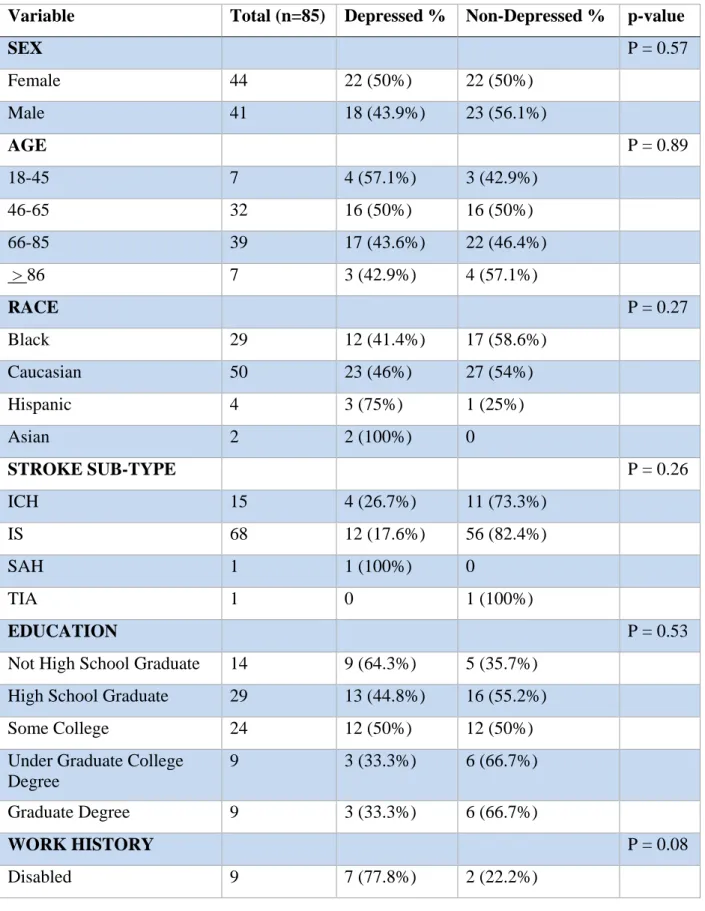
Table 5.1: Phase-Two DIPS Sample (n=85): Demographics of the
Participants…..…….………...…...35
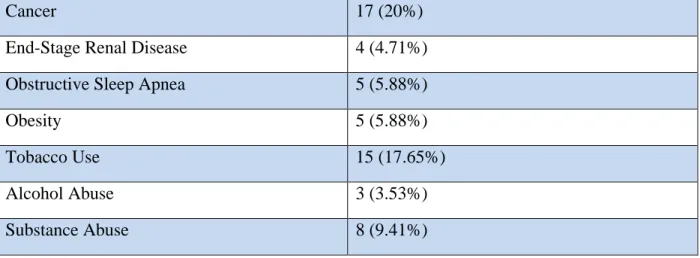
Table 5.2: Phase-Two DIPS Sample (n=85): Frequency of Associated
Illnesses Prior to Admission (Past Medical History)……….…36
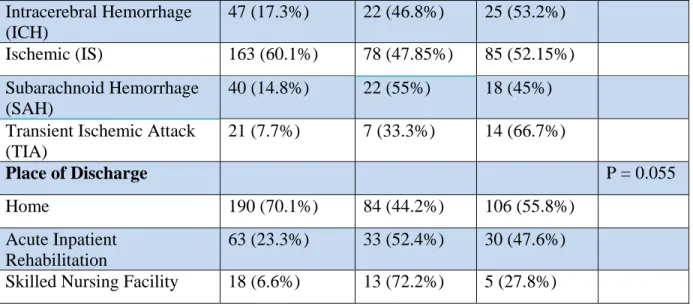
Table 5.3: Phase-One Sample (n=271): Demographics of Participants………..……..37
Table 5.4: Phase-One Sample (n=271): Frequency of Associated
Illnesses Prior to Admission (Past Medical History)……….…38
Table 5.5: Documentation rates for PHQ-9 scores by nursing and treatment plan based on PHQ-9 score by physicians in the discharge
summary……….…41
Table 5.6: Treatment Rates at Discharge for All Stroke Patients Scoring in the Minor (PHQ-9: 5-9) and Major (PHQ-9: > 10) Category
from April through August 2017………...………....…....43
Table 5.7: Phase-One Sample plus DIPS Sample (n=356) Percent
Depression Symptoms Based on Discharge Location, p=0.018.………...…45
Table 5.8: Phase-Two DIPS Sample (n=85): Pearson’s Correlation between
Patient PHQ-9 and Proxy PHQ-9………...………...……..……47
Table 5.9: Phase-One Sample plus Phase-two DIPS Sample (n=356)
LIST OF ABBREVIATIONS AND SYMBOLS
AACN American Association of Colleges of Nursing
ADL Activity of Daily Living
AIM Activate-Initiate-Monitor
ANOVA Analysis of Variance
Barthel Index Barthel Index
CBT Cognitive Behavioral Therapy
CI Confidence Interval
CINAHL Cumulative Index to Nursing and Allied Health Literature
CRF Case Report Form
CSC Comprehensive Stroke Center
CUI Clinical Utility Index
GED General Education Diploma
DFSSS Depression and Functional Status in Stroke Survivors
DIPS Depression Improvement Program in Stroke
DNP Doctor of Nursing Practice
DNV Det Norske Veritas
DSM Diagnostic and Statistical Manual of Mental Disorders
EBQA Evidence-Based Quality Assessment
EFT Ecosystem-Focused Therapy
EHR Electronic Health Record
EPIC Electronic Privacy Information Center (Medical Record)
FIM Functional Independence Measure
FMA Fugl-Meyer Assessment
HDRS Hamilton Depression Rating
HIPAA Health Insurance Portability and Accountability Act
ICH Intracerebral Hemorrhage
IRB Institutional Review Board
IS Ischemic Stroke
IT Information Technology
MADRS Montgomery Asberg Depression Rating Scale
mRS Modified Rankin Scale
N Sample Size
NIHSS National Institute of Health Stroke Scale
NIMH National Institute of Mental Health
NP Nurse Practitioner
NSH Neuroscience Hospital
NSICU Neuroscience Intensive Care Unit
OR Odds Ratio
P P-Value – represents statistical significance
PCP Primary Care Provider
PhD Doctor of Philosophy
PHQ Patient Health Questionnaire
PI Principal Investigator
RCT Randomized Controlled Trial
RN Registered Nurse
RR Relative Risk
SAH Subarachnoid Hemorrhage
SARI Serotonin Antagonist and Reuptake Inhibitor
SMD Standard Mean Deviation
SNRI Selective Noradrenaline Reuptake Inhibitor
SSRI Selective Serotonin Reuptake Inhibitors
TCA Tricyclic Antidepressants
TIA Transient Ischemic Attack
TJC The Joint Commission
rTMS Transcranial Magnetic Stimulation
UNC University of North Carolina at Chapel Hill
X2 Chi Square
+/- Plus or Minus
> Greater Than
CHAPTER 1: INTRODUCTION
Stroke effects approximately 800,000 people each year in the United States and is the
number one reason of disability (American Heart Association/American Stroke Association,
2017). Post-stroke depression (PSD) is a serious complication occurring in at least 36% of
patients during the acute and rehabilitation phase (Paolucci, 2008). Comparatively, the estimated
prevalence of major depressive disorder in the United States among the general adult population
is 6.7% (NIMH, 2015). PSD is significantly associated with a negative impact on recovery
(Hadidi, Lindquist, Treat-Jacobson & Savik, 2011), higher hospital costs (Husaini, et al, 2013),
and increased mortality (Robinson & Jorge, 2016).
Approximately one-third of stroke survivors will experience depression at any time point
after stroke diagnosis (Towfighi, et al, 2016; Robinson & Jorge, 2016; Paolucci, 2008). Research
suggests a link between depression and risk of stroke. We know depression worsens chronic
diseases, such as cardiovascular disease, hypertension and diabetes, increasing the risk of stroke.
However, the direction of this association is not completely understood (Del Zotto, et al., 2014).
Further a significant bidirectional relationship between PSD and severity of functional disability
exists, negatively influencing recovery (Hadidi, Treat-Jacobson & Lindquist, 2009; Robinson &
Jorge, 2016; Towfighi, et al, 2016) and increasing discharge to an institution versus to home
(Kramer, Holthaus, Goodrish & Epstein, 2006). Research has shown treatment of PSD or
Pasquini, Lombardi & Taiti, 2005). Therefore, recognizing and treating preexisting and
post-stroke depression may represent an untapped opportunity to significantly improve post-stroke
recovery.
Stroke severity and functional disability is a predictor of PSD (Robinson and Jorge, 2016)
with higher levels of functional disability found in severely depressed patients (Schmid, et al.,
2011). However, the impact of PSD may be independent of the severity of stroke disability. Shi
et al. (2015) followed 747 patients with a diagnosis of minor stroke for one year and found
26.5% developed PSD. Although the patients had lower rates of disability, the PSD positive
patients were less likely to recover from the functional disability compared to patients without
PSD symptoms, suggesting that depression poses a risk to functional improvement regardless of
disability severity (Zikic et al., 2014). PSD undermines a patients’ motivation to engage in
rehabilitation, which is especially critical during the acute recovery phase when it is important to
participate in rehabilitation.
The majority of stroke survivors affected by PSD are undiagnosed and under-treated
during hospitalization (Gaete and Bogousslavsky, 2008). PSD may be under-recognized due to
shorter length of stays, passive attitude of medical personnel toward diagnosis, patient and health
care worker inability to recognize depression symptoms, difficulty of patient assessment, or
physician concern about adverse side effects of treatment (Gaete and Bogousslavsky, 2008;
Hollender, 2014; Paolucci, 2008). Further, clinicians are unsure of the appropriate time to screen
during hospitalization. The literature suggests antidepressant medications are beneficial in
treating PSD and improving motor recovery (Towfighi, et al., 2016; Chollet, et al., 2011)through
positive effects on neuroplasticity and neurogenesis (Flaster, et al., 2013; Siepmann, et al., 2015).
psychotherapy (Towfighi, et al., 2016) but lack animal model research exploring the biological
response of PSD to psychotherapy (Loubinoux, et al., 2012). Yet, many stroke centers do not
provide depression screening, leading to under-identification and under-treatment (Hermann, et
al., 2011). El Husseini, et al. (2012) found 67.9% of ischemic stroke patients and 70% of TIA
patients with PSD not treated at three-month and twelve-month evaluations. Thus, improving
screening for PSD among stroke centers is an essential component of early recognition.
The high prevalence of PSD and increased risk for poor outcomes sparked the American
Heart Association/American Stroke Association to publish a scientific statement paper
addressing PSD, providing guidance for clinical practice and further research (Towfighi, et al.,
2016). Additionally, certifying bodies such as The Joint Commission (TJC) acknowledge the
importance of detecting PSD during hospitalization (The Joint Commission, 2017).
Background and significance
UNC Health Care is a 900-bed academic medical center certified by The Joint
Commission as a Comprehensive Stroke Center (CSC). This prestigious designation recognizes
hospitals that meet rigorous quality measures and standards in treating complex stroke patients.
One standard requires CSCs to evaluate stroke survivors for depression during hospitalization.
In order to meet TJCs standard for depression screening, the UNC stroke center
implemented the Patient Health Care Questionnaire-2 (PHQ-2) in 2011. Nurses screened patients
upon admission by asking two questions, ‘if experience little interest in doing things’ and ‘if
feeling down’, and documented the results in the medical record. The stroke center did not have
a protocol to guide care actions in response to positive assessments for stroke. The PHQ-2 was
embedded within the electronic medical record, EPIC, only nursing knew where and how to
notify the physicians, and therefore did not translate into a treatment plan of care by the
neurology or neurosurgical treatment teams.
A common theme emerged during post-discharge patient follow-up phone calls by the
stroke nurse practitioner (NP). Many stroke survivors reported symptoms of depression and no
desire to participate in rehabilitation. Most patients were not aware of PSD nor were they
receiving treatment. The potential need for a quality improvement response prompted the stroke
center to evaluate the prevalence and incidence of PSD in patients treated at UNC Health Care.
The center subsequently conducted a longitudinal observational study.
Findings from this study identified areas for care improvement. From July 2014 to
January 2017, 271 inpatient subjects recruited during the acute treatment period were screened
for PSD symptoms (minor and moderate to severe). Researchers found that 33-55% of stroke
patients (transient ischemic attack (TIA) 33.3%, ischemic (IS) 47.8%, intracerebral hemorrhage
(ICH) 46.9%, and subarachnoid hemorrhage (SAH) 55% (Figure 1.1) exhibited depressive
symptoms. Yet, only 21.4% (p=0.0054) received treatment upon discharge requiring many
patients to start treatment during rehabilitation, potentially delaying response and recovery
(Wilson unpublished, 2017). When compared to the literature, UNC patients self-reported
higher rates of symptoms. The study team attributed these rates to several potentially
confounding factors: (1) inclusion of hemorrhagic strokes and those with mild aphasia, (2)
Figure 1.1: Percentage of Reported Minor and Major PSD Symptoms by Stroke Category (Minor = PHQ-9 score 5-9 and Moderate to Severe = PHQ-9 score > 10)
Purpose of Project
Because of the existence of a detection and treatment disparity in stroke patients treated
by UNC neurology and neurosurgery and the inverse relationship between PSD and recovery, the
purpose of the doctoral of nursing practice (DNP) project, Depression Improvement Program in
Stroke (DIPS), was to fill the identified gap.
The DNP project developed, implemented and evaluated an early detection and treatment
algorithm, to determine if an evidenced based protocol would standardize psychiatric care for
acute stroke patients and improve detection and treatment. DIPS replaced the PHQ-2 with the
PHQ-9, allowing improved detection and development of a treatment plan. DIPS targeted
communication between nurses and physicians, to improve notification of PHQ-9 scores.
Implementation of DIPS sparked improved PSD education for patients and their caregivers
through the addition of PSD information added to the stroke education booklet.
ICH (n=47) Ischemic (n=163) SAH (n=40) TIA (n=21)
Minor Depression 19.2 26.9 27.5 19.1
Major Depression 27.7 20.9 27.5 14.3
19.2
26.9 27.5
19.1 27.7
20.9
27.5
14.3
The evidence-based quality assessment (EBQA) methodology (Melnyck and
Fineout-Overholt, 2014) provided program guidance, including outcome measures, targeted at (1)
utilization of the screening tool and fidelity to DIPS treatment algorithm, (2) patient depression
and functional status, (3) timing of PHQ-9 screening, (4) staff satisfaction with the DIPS process
and (5) compare pre- and post-project implementation data. Because patients with aphasia or
communication limitations are difficult to assess and are often excluded from research evaluating
PSD, this study evaluated the correlation between patient-reported PHQ-9 and proxy
caregiver-reported PHQ-9. If a correlation exists, nurses and physicians may use a proxy to screen,
overcoming barriers to assessment and determine the patient treatment plan.
Project Question
Will DIPS standardize and improve detection and treatment with adherence to best
practice recommendations? Will DIPS standardize roles, integrate the care team and provide
CHAPTER 2: REVIEW OF LITERATURE
Review of evidence
A review of the literature incorporated relevant literature and a theoretical framework for
evaluating PSD. A computer-aided search of studies published in English was conducted in the
following online databases: PubMed, CINAHL, the Cochrane Library and PsycINFO. Various
combinations of the following key words included: stroke, cerebral infarction, cerebral
hemorrhage, depression, post-stroke depression, early, treatment, acute, screening, prevention,
prophylaxis, hospitalization, recovery, and antidepressants. Utilizing the words stroke or
depression alone revealed an overwhelming quantity of articles, leading to the narrower search to
identify relevant post-stroke depression articles.
Inclusion/Exclusion Criteria
For this review, inclusion criteria included the following: articles published after 2001,
patients with stroke diagnosis, diagnosed with depression based on Diagnostic and Statistical
Manual of Mental Disorders (DSM) criteria or a validated depression symptom rating scale,
adults (age > 18), early treatment of depression (< 1 month) and evaluation for improvement in
deficits (functional outcome). Exclusion criteria included: (1) non-stroke diagnosis, (2) pediatric
Results
Of the 126 eligible full-text articles, 105 were excluded based on wrong outcome, design,
timing or duplication. The remaining studies included in this review ranged from a Cochrane
review as well as evidence-based guidelines (Appendix 1).
Twenty-one articles were included: (1) one Cochrane Review, consisting of 52
randomized controlled trials (RCTs), (2) three additional RCTs not captured in the Cochrane
Review, (3) eight non-randomized prospective studies, (4) three systematic reviews, (5) two
evidence-based guidelines, (6) a meta-analytical analysis of the literature, (7) two longitudinal
studies based on registry data, and (8) an observational study. A recently published statement by
the American Heart Association on PSD was also included. Amid the rich literature, the
following themes emerged: (1) prevalence and incidence of PSD, (2) associated risk factors, (3)
mortality, (4) PSD and functional assessment tools, (5) PSD screening, (6) relationship between
PSD and functional status, (7) treatment, (8) timing of treatment from stroke onset, and (9) effect
of treatment on PSD and functional outcomes.
Scope of the Problem
Prevalence and incidence of PSD. Depression is a common sequela of stroke. Rates
vary depending on clinical setting, with the highest rates occurring in the acute and subacute
rehabilitation stage (Salter, et al, 2016). Pooled data revealed an overall mean prevalence of
35.5% for major depression among acute in-patient stroke survivors and in the rehabilitation
setting, while 31.8% occurred in the outpatient community setting (Salter, et al, 2016). PSD
symptoms persist. In a five-year population based study of 3,689 stroke survivors, Ayerbe, Avis,
Wolfe and Rudd (2013), found PSD prevalence of 33% at three months, 28% at one year, 32% at
Risk factors. Although PSD is common, there remains uncertainty to its etiology and
risk factors. Much of the difficulty with determining clear risk factors lies within the
methodological limitations of the studies, such as exclusion of patients with hemorrhagic stroke,
aphasia or dementia, insufficient sample size preventing multivariate analysis and poor statistical
methods (Towfighi, et al., 2016). However, pooling the literature from 1990 to present, the most
common risk factors identified include a history of depression, stroke severity, functional
disability, cognitive impairment and social isolation (Salter, et al., 2016). Age, sex and
socioeconomic status produced inconsistent results in the literature, yet, a trend shows females
and older age may be at increased risk, with younger age associated with anxiety and suicide
(Salter, et al, 2016).
Additionally, an abundant number of studies have evaluated the location of stroke lesion
as a predictor of PSD. Currently, the relationship between PSD and lesion location remains
controversial. Several systematic reviews and meta-analyses found no definitive connection
between lesion location and risk for PSD (Salter et al, 2016).
Mortality. PSD is associated with increased mortality. Everson, Roberts, Goldberg, and
Kaplan (1998) linked the presence of depression symptoms with an increased risk of death
through their community-based study of 6,676 adults with no history of stroke, followed over 29
years. Using the Human Population Laboratory Depression Scale, they found that for each point
increase, there was an associated 8% increase risk of mortality. A systematic review of 13
studies involving 59,598 subjects confirmed Everson’s findings. The pooled odds ratio (OR) for
post stroke mortality in patients with depression was 1.22 (95% confidence interval (CI),
Mortensen, Johnsen, Larsson and Andersen (2015) evaluated all-cause 30-day mortality
in stroke patients treated with antidepressants during admission compared to patients not treated.
The population-based study reviewed 5,070 consecutive first-time stroke patients without prior
antidepressant use in the Danish Stroke Registry from 2003 to 2010. The adjusted OR of 30-day
mortality was 0.28 (95% CI, 0.18-0.43) for patients treated during admission compared to
patients not treated indicating early treatment with antidepressants was safe (Mortensen,
Johnsen, Larsson, & Anderson, 2015).
PSD Assessment Tools. Because PSD impedes functional recovery, increases mortality
and affects quality of life, international guidelines recommend screening for PSD throughout the
continuum of care (Eskes, et al, 2015). Despite the recommendation, inconsistent evaluation of
PSD may be the reason for the variation in prevalence. Regardless, the gold standard for
diagnosing depression is the Diagnostic and Statistical Manual of Mental Disorders, currently in
its fifth edition (DSM-5). However, this level of diagnostic evaluation is challenging during the
acute phase due to short lengths of admission and lack of access to mental health professionals
able to perform the evaluation (Burton & Tyson, 2015).
The literature suggests a range of tools for use in screening PSD. Meader, Moe-Byrne,
Llewellyn, and Mitchell (2014) performed a meta-analysis of screening tools to determine
accuracy. The authors found three scales, Center of Epidemiological Studies-Depression Scale
(CES-D), Hamilton Depression Rating Scale (HDRS), Patient Health Questionnaire-9 (PHQ-9),
to be the most favorable choices in the stroke population (Appendix 2). The PHQ-9, used in the
DIPS project, is a nine-item questionnaire measuring the nine symptoms of depression based on
DSM criteria. Questions are scored based on a four-point Likert scale with total scores ranging
mild depression symptoms, 10-14 moderate depression symptoms, 15-19 = moderately severe
depression symptoms and 20-27 = severe depression symptoms. The PHQ-9 performed well in
regard to sensitivity (0.86) and specificity (0.79). Using clinical utility index (CUI) analysis, the
PHQ-9 had high applicability (0.58) for identifying PSD (Meader, Moe-Byrne, Llewellyn, &
Mitchell (2014). For purposes of this study, minor depression was defined as a PHQ-9 score of
5-9 and moderate to severe depression as a PHQ-9 score of > 10.
Functional Status Assessment Tools. Salter et al. (2013) evaluated reliability, validity
and responsiveness among tools commonly used to measure outcomes in stroke rehabilitation.
Because there are many measurements of functional status, for purposes of this report only the
Barthel Index (BI), Functional Independence Measure (FIM), Fugl-Meyer Assessment of Motor
Recovery after Stroke (FMA), Modified Rankin Score (mRS) and National Institutes of Health
Stroke Scale (NIHSS) will be referenced due to their extensive use in stroke research and clinical
practice (Appendix 3).
The two tools used in the DIPS study were the mRS and the NIHSS. The mRS is a
universal outcomes scale based on level of independence and used extensively in clinical trials as
a primary outcome measure. It is an ordinal scale ranging from no symptoms (score = 0) to death
(score = 6). It has excellent reliability and validity (sensitivity, 0.85 and specificity, 0.87). The
NIHSS is a physical assessment tool used to measure the severity of symptoms and quantify
neurological deficits associated with stroke and used extensively in the clinical setting by
emergency and neuroscience providers and in clinical research trials as a primary outcome.
Scores range from zero (no deficits) to 42 (extremely severe deficits). It has adequate reliability
PSD Screening. Stroke deficits, such as aphasia, cognitive limitations, unawareness or
denial, present challenges to diagnosing depression. Limitations exist with current screening
tools and the most appropriate tool for PSD screening remains unclear. In addition, establishing
the appropriate timing of screening and if PSD screening improves outcomes, remains to be
determined (Towfighi, et al., 2016). Despite these uncertainties, several international guidelines
(British Psychological Society, US Preventative Services Task Force, and Canadian Stroke
Guidelines), support PSD screening and the American Heart Association/American Stroke
Association rehabilitation guidelines recommend screening and treatment (McIntosh, 2017).
Patients with aphasia and cognitive impairment are often unable to complete screening
assessments and present challenges for screening and treatment decision making. Yet, these
impairments are significant predictors of PSD (Salter, et al., 2016). Previous work suggests a fair
to moderate correlation between patient and family proxy PHQ-9 scores (Pearson r=0.53,
p<0.001) (Williams, et al., 2006; Skolarus, et al., 2010). Therefore, obtaining information from a
proxy may be preferable to obtaining no information.
Relationship between PSD and Functional Status. Approximately 14% of stroke
survivors fully recover while 25-50% require some level of assistance with activities of daily
living (Hadidi, Lindquist, Treat-Jacobson and Savik, 2011). The relationship between PSD and
functional disability is bidirectional. Robinson and Jorge (2016) evaluated six studies, affirming
that severity of PSD is an independent predictor of stroke severity and related to functional
impairment. Nannetti, Paci, Pasquini, Lombardi and Taiti (2005) evaluated 117 stroke patients
with 49 diagnosed with PSD. The Fugl-Meyer Assessment, scores were significantly better in the
PSD negative group compared to the PSD positive group (p < 0.05). In addition, the Barthel
group (p < 0.05). Although most studies report higher levels of functional disability in more
severely depressed patients, others have found the impact to be independent of severity,
suggesting that depression poses a risk to functional improvement in all stroke patients
regardless of disability severity (Zikic, et al, 2014). Shi et al, (2015) followed 747 first-ever
minor stroke patients for one year with the goal of investigating the association between PSD
and disability in minor stroke. The authors found that PSD was significantly associated with a
risk of disability (OR 4.12, 95% CI 2.13-7.90). In patients with PSD at admission and at the
six-month follow-up, but not at the one-year period, still had a higher risk of disability (OR 2.83,
95% CI 1.28-6.21) compared to the non-PSD patients. Additionally, over the one-year follow-up
period, PSD positive patients had a higher stroke recurrence rate compared to PSD negative
patients (9.1% vs 4.4%, p = 0.027).
Treatment. In animal studies of ischemic stroke, selective serotonin reuptake inhibitors
(SSRI) improved stroke volume through mechanisms of enhanced neuroplasticity, improved
cerebral blood flow and anti-inflammation mediated neuroprotection. Yet, the role of these
mechanisms remain unclear in human stroke patients (Siepmann, et al., 2015). Documentation of
pharmacological and non-pharmacological methods of treating PSD exists in the literature. The
most studied drug treatments include selective SSRI and tricyclic antidepressants (TCA) (Salter
et al, 2016). Seven studies evaluated SSRIs for treatment effectiveness based on psychometric
scales measuring severity of depression symptoms. Time to follow-up in the studies ranged from
6.5 to 26 weeks. Citalopram significantly decreased depression symptoms by 0.54 (p = 0.03)
standard mean deviation (SMD) compared to the placebo group during six weeks follow-up.
Whereas, sertraline did not have the same effect (SMD = 0.17, p = 0.36) during a 26-week
observed during 6.5 to 8 weeks follow-up with the treatment group experiencing a SMD of 0.79
(p = 0.03) decrease in depression symptoms compared to placebo and a SMD of 1.14 (p = 0.00)
decrease after 8 weeks of treatment. However, after 12-weeks of treatment, there was only a
modest difference between the treatment group compared to placebo (SMD = 0.16, p = 0.56)
(Wannagat, Zielasek & Gaebel, 2013). Additionally, the FLAME trial found use of the SSRI,
fluoxetine, improved motor recovery compared to those that did not receive fluoxetine (Chollet,
et al., 2011). A Cochrane Review evaluating selective serotonin reuptake inhibitors (SSRIs) for
stroke recovery did not find a significant excess of seizures, gastrointestinal side effects or
hemorrhage in the patients randomized to SSRIs. The review reported the following risks
associated with SSRI’s: (1) RR for death was 0.76 (95% CI, 0.34 to 1.70), (2) RR for seizure was
2.67 (95% CI, 0.61 to 11.63), (3) RR for gastrointestinal side effects was 1.90 (95% CI, 0.94 to
3.85) and (4) RR of bleeding was 1.63 (95% CI, 0.20 to 13.05) (Mead, et al., 2012).
Seven studies evaluated the effects of nortriptyline (TCA), reboxetine (selective
noradrenaline reuptake SNRI), trazodone (serotonin antagonist and reuptake
inhibitor-SARI) and free and easy wanderer plus (FEWP), an herbal drug, with a follow-up period ranging
from 6.5 to 16 weeks. In patients taking nortriptyline, depression scores were significantly lower
compared to the placebo group (SMD = 1.05, p = 0.02). Reboxetine had a significantly lower
mean depression severity score compared to placebo (SMD of 3.0, p = 0.000), while trazodone
resulted in 1.23 (p = 0.007) SMD less depression and FEWP showed similar results of 1.32 (p =
0.000) less depression symptoms compared to placebo (Wannagat, Zielasek & Gaebel, 2013).
Studies evaluating non-pharmacological interventions included cognitive behavioral
therapy (CBT), ecosystem-focused therapy (EFT), exercise, care management and transcranial
CBT versus attention-placebo sessions (p = 0.5). EFT produced questionable results, with a
SMD of 0.79 (p = 0.06) indicating a treatment effect even though there was no statistical
significance. Likewise, there was no improvement in the exercise group (SMD = 0.17, p = 0.49).
Nonetheless, the Activate-Initiate-Monitor (AIM) care management model, which taught the
patient and family to recognize symptoms of PSD, start antidepressants and provided monitoring
for medication adjustment, found significant improvement in depression symptoms compared to
standard of care, stroke education without discussion of depression and treatment left to treating
physician discretion (51% versus 30%, p = 0.005) (Williams, et al, 2007). Additionally, rTMS
was superior to sham (placebo). In patient’s receiving 12,000 pulses, a 31% decrease in HDRS
was recorded compared to 13.6% in the placebo group (p = 0.04). In patients receiving 18,000
pulses, HDRS scores decreased by 42.4% compared to 17.5% in the placebo group (p < 0.001)
(Wannagat, Zielasek & Gaebel, 2013).
Time of treatment from stroke onset. Research suggests a benefit of antidepressants on
neuroplasticity and neurogenesis, promoting the development of neurons to improve function
and survival (Flaster, Sharma & Rao, 2013). One hypothesis is that brain injury from a stroke
creates an inflammatory response provoking the development of PSD. SSRIs have an
anti-inflammatory effect on the dopaminergic pathways that mitigate the effects of PSD. The early
reduction of inflammation may provide a protective effect on neurons by reducing brain
ischemia and further neurological deterioration (Siepman, et al, 2015).
Narushima and Robinson (2003) evaluated early (19 +/- 25 days) versus late (140 +/- 28
days) use of antidepressants in the treatment of PSD. There was no significant difference
between the study groups, even though the early treatment group had a slightly lower FIM score
compared to the late treatment group based on FIM scores (p < 0.05). Additionally, the early
treatment group continued to improve over the two-year follow-up, while the late treatment
group deteriorated (early treatment group FIM scores: 59.0 at three months, 61.6 at one year and
62.4 at two years; late treatment group FIM scores: 58.2 at three months, 59.5 at one year and
56.7 at two years) (Narushima & Robinson, 2003).
Effect of treatment on PSD and Outcome. PSD has a negative impact on functional
and cognitive recovery (Salter, et al, 2016). Schmid, et al, (2011) reported baseline depression
severity, stroke severity and medical comorbidities, as three features of PSD influencing
functional dependence. The authors found a significant difference in PHQ-9 scores among the
depressed group at 12-weeks. Patients that were functionally dependent scored 9.94 versus
patients that were functionally independent scored 7.27, p = 0.019.
To determine the effects of SSRIs on functional outcome, a Cochrane Review of the
literature was performed (Mead, et al., 2012). Fifty-two trials (n=4,060 subjects) were included
in the meta-analysis. Thirty-six trials recruited subjects within 0-3 months post-stroke, four at 3
to 6 months, two at 6 to 9 months and 10 did not report timing. Primary outcomes were
dependency (measured by the mRS) and disability (measured by different scores such as BI or
FIM). Secondary outcomes were neurological impairment (measured by various deficit scores
such as the NIHSS). SSRIs were associated with less disability versus controls (SMD = 0.92,
95% CI, 0.62 to 1.23), better neurological recovery (SMD = 1.00, 95% CI, -1.26 to -0.75) and
improved depression symptoms (SMD = 1.92, 95% CI, -2.34 to -1.48). Limitations with the
Conclusions
This literature review provides evidence of a benefit of selective serotonin reuptake
inhibitors (SSRIs) in reducing disability in stroke patients when treated during the acute phase,
but the degree of benefit remains unclear (Eskes, et al., 2015; Mead, et al., 2012; & Narushima &
Robinson, 2003). In current practice, SSRIs are not routinely prescribed with the goal to improve
recovery or prevent depression. Yet, given the prevalence of PSD, associated mortality and the
negative impact on recovery, screening and treatment should be considered in all stroke patients.
Recently published stroke rehabilitation guidelines, recommend patients diagnosed with PSD be
treated with antidepressants (class l, level of evidence B) (Winstein, et al., 2016). Therefore, it is
reasonable to start treatment during hospitalization, with the goal of improving disability and
CHAPTER 3: THEORETICAL FRAMEWORK
A search for nursing theory related to PSD used various combinations of post-stroke
depression, nursing theory, theory, construct, nursing model, model, nursing framework, and
framework occurred. The search for nursing theory related to PSD produced 223 articles, of
which only three were relevant to the topic.
Scientific underpinnings
Doctoral of nursing practice (DNP) graduates rely on a diverse scientific foundation to
guide practice. This foundation includes teachings from biology, physiology, psychology, social
sciences and philosophy (AACN, 2006). Nursing theory includes these sciences to formulate and
give meaning to the nursing perspective and practice. PSD affects stroke survivors medically,
physically, psychologically and socially (Mast & Vedrody, 2006). DIPS uses the Depression and
Functional Status in Stroke Survivors (DFSSS) model (Appendix 4) which has underpinnings in
biology, psychology and social sciences as a theoretical framework to provide justification for
evaluation and intervention.
Theory of the problem
PSD and functional disability have a bidirectional relationship. The higher the level of
disability, the higher the level of depression symptoms and risk for PSD (Hadidi, Lindquist,
Treat-Jacobson & Savik, 2011). This relationship may be regarded within the biopsychosocial
biological, psychological and social factors in understanding the cause and health care response
to illness (Engel, 1977; Engel, 1980). The majority of research focuses on the biomedical
etiology of PSD and pharmacologic recommendation for treatment. The biomedical etiology
incorporates the hypotheses of stroke lesion location, neuro-inflammation, neuroplasticity, and
genetics (Mast & Vedrody, 2006; Mittal, Hum & Schallert, 2016). Because of this focus, it is not
surprising that pharmacologic intervention is the first choice of treatment for PSD. Although
most patients respond to antidepressants (67.5%), a substantial number continue to exhibit PSD
while on therapy (Eriksson, et al, 2004). These non-responders suggest that alternative
approaches to understanding and treating PSD is necessary and the inconsistent results seen in
the biomedical approach are possibly linked to psychosocial factors. The literature is lacking in
addressing the consequences of psychosocial factors in prevention and treatment of PSD.
Therefore, a biopsychosocial approach to PSD, addressing the early neuroanatomical damage
and later stages of stroke sequelae associated with functional limitations of activities of daily
living is indicated (Mast & Vedrody, 2006). A sufficient model considers both the early
biological effects of stroke and the later stroke sequelae, such as functional impairments, leading
to PSD with strategies targeted at both phases.
Theory of intervention
The conceptual model, DFSSS, supports the relationship between the biopsychosocial
effects of PSD and functional status while treatment targets the negative effects associated with
depression and functional disability. Treatment considers both early and later stages of PSD
through utilization of pharmacologic and rehabilitation strategies (Alfred & Beard, 2002).
Two nursing scientists, Danita Alfred, PhD, RN and Margaret T. Beard PhD, RN,
intervening strategies of rehabilitation and antidepressant treatment. The model begins with
depression representing the psychological aspect and functional status representing the biological
aspect. Intervening treatment strategies attempt to mitigate the effects of depression and
functional disability. The predictive theory proposes that PSD and decreased functional status are
related and interventions can positively influence patient outcomes on both biological and
psychological levels (Alfred & Beard, 2002). This too is the premise of DIPS.
DFSSS is derived from Engel’s biopsychosocial model and Huber and Oermann’s Model
of Outcome Initiative amidst influences from the medical, social, psychological, and outcome
sciences (Alfred & Beard, 2002; Engel, 1980; Huber & Oermann, 1999). The biopsychosocial
model component attempts to decrease the antagonistic biological and psychological
perspectives by assimilating the understanding of how PSD may stem from functional disability
and psychosocial response (Pedroso, Souza, Brunoni, & Teixeira, 2015). The model of Outcome
Initiative captures quality outcomes by incorporating patient, clinician, organizational and
community characteristics influencing health care delivery, which in turn impact patient,
clinician, organizational and population outcomes (Huber & Oermann, 1999).
Meta-analytic techniques, showing a significant relationship between depression and
decreased functional status, tested the DFSSS model. Forty-five research studies, five of which
were randomized controlled trials, examined the effect size between depression and functional
status. The binomial effect size display suggested that PSD treatment and rehabilitation could
improve levels of function from 29% to 71%. The authors concluded that there is a significant
relationship between elevated levels of depression and low levels of function. Additionally, the
negative relationship between depression and functional status (Alfred & Beard, 2002), which
continues to be supported in the literature (Mead, et al, 2012).
Extensive literature discusses biological theories on the pathophysiology of PSD and
ample literature presents the opposing psychological perspective. This polarity may be part of the
problem with developing a comprehensive approach, as PSD is not purely biological or
psychological, but multifactorial and more consistent with the biopsychosocial model. The
DFSSS model may appeal to diverse health care providers (such as, physicians, nurses, social
workers, and mental health providers) because of its foundation in outcome science and
biopsychosocial theory and thus, is a strength of the model. Although, 45 studies tested the
model, it lacks a reference in the stroke literature or further testing after 2002.
Yet, the DFSSS model is relevant to caring for the stroke survivor with PSD. The
simplicity of the framework incorporates the complex relationship between depression and
functional status, implying that treatment of the disease process requires the clinician to address
the biological, psychological and social influences to improve patient outcomes. This model is an
CHAPTER 4: METHODOLOGY
Improvement strategy
The Institute of Medicine defined six aims of health care quality, recommending that
patient care be timely, effective, efficient, patient centered, safe and equitable (Institute of
Medicine, 2001). The primary aim of DIPS is to decrease the gap in PSD detection and treatment
by focusing on timeliness and efficiency with the ultimate goal of effectiveness. DIPS is patient
centered and equitable (involving all categories of stroke) and safe with close follow-up post
discharge.
Evidence Based Practice Change
The DIPS team applied the evidence-based quality assessment (EBQA) methodology,
similar to the plan-do-study-act methodology, to implement the changes. EBQA utilizes an
evidenced based guideline approach to influence performance, which has been successful in
driving physician behavior in stroke care (Smith, 2000). Use of 3A gap analysis determined the
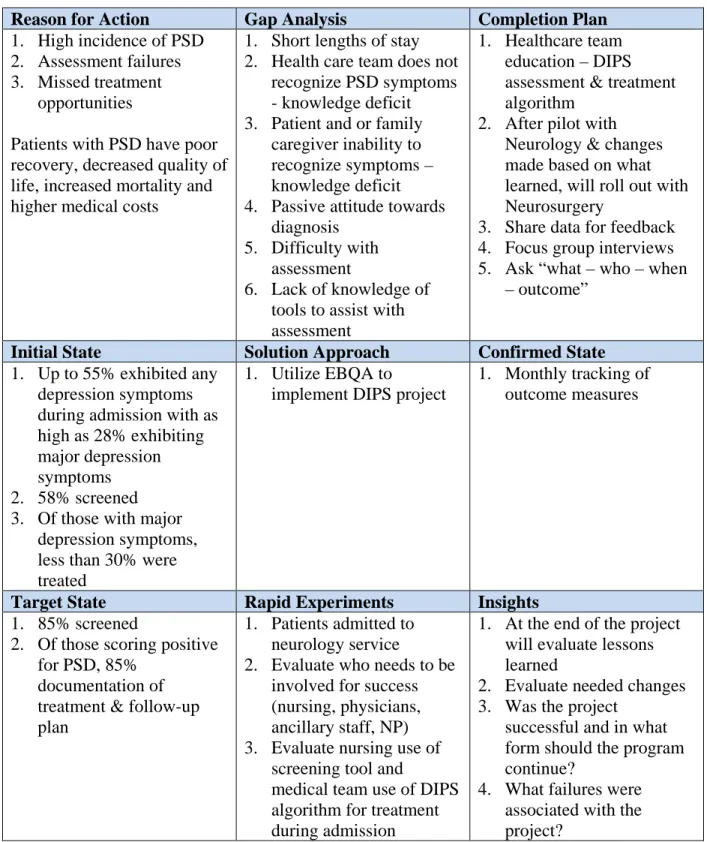
TABLE 4.1: 3A GAP ANALYSIS
Reason for Action Gap Analysis Completion Plan
1. High incidence of PSD 2. Assessment failures 3. Missed treatment
opportunities
Patients with PSD have poor recovery, decreased quality of life, increased mortality and higher medical costs
1. Short lengths of stay 2. Health care team does not
recognize PSD symptoms - knowledge deficit 3. Patient and or family
caregiver inability to recognize symptoms – knowledge deficit 4. Passive attitude towards
diagnosis 5. Difficulty with
assessment
6. Lack of knowledge of tools to assist with assessment
1. Healthcare team education – DIPS assessment & treatment algorithm
2. After pilot with Neurology & changes made based on what learned, will roll out with Neurosurgery
3. Share data for feedback 4. Focus group interviews 5. Ask “what – who – when
– outcome”
Initial State Solution Approach Confirmed State
1. Up to 55% exhibited any depression symptoms during admission with as high as 28% exhibiting major depression symptoms 2. 58% screened 3. Of those with major
depression symptoms, less than 30% were treated
1. Utilize EBQA to
implement DIPS project
1. Monthly tracking of outcome measures
Target State Rapid Experiments Insights
1. 85% screened
2. Of those scoring positive for PSD, 85%
documentation of treatment & follow-up plan
1. Patients admitted to neurology service
2. Evaluate who needs to be involved for success (nursing, physicians, ancillary staff, NP) 3. Evaluate nursing use of
screening tool and
medical team use of DIPS algorithm for treatment during admission
1. At the end of the project will evaluate lessons learned
2. Evaluate needed changes 3. Was the project
successful and in what form should the program continue?
Set Priorities (Plan):
In order to implement the project, a core DIPS team was engaged to promote the plan.
The DIPS team consisted of nursing and physician leadership from the neuroscience service line,
process champions from key stakeholder groups (nurses from 6 neuroscience hospital (6NSH)
and neurology stroke fellow) and a stroke survivor. The team reviewed literature and data
collected from phase one of the project (patients enrolled to determine prevalence of PSD in
UNC HealthCare patients) addressing the importance of detecting and treating PSD to garner
buy-in and compliance. The stroke survivor shared their own personal UNC experience,
identifying the need for DIPS. Focus groups with key stakeholders provided knowledge on
barriers to assessing and treating PSD and resulted in a strategized approach for incorporating
DIPS into routine care. The project leader facilitated the team in developing a concept map
(Appendix 5) and provided training on DIPS.
Set Guidelines (Do):
The most impactful change with implementing DIPS was a standardized assessment and
treatment algorithm (Appendix 6) with increased adherence to best practice recommendations.
DIPS standardized roles using current staff, integrated the care team and provided
patient-centered care with no increased costs. Implementation of the project occurred in phases,
beginning with the neurology service line, making changes based on data collection prior to
implementation with neurosurgery. The Core team educated staff, functioning as a direct line of
communication.
Measure Performance (Study):
The collection of process metrics and direct feedback occurred prior, during and after
staff reports on performance indicators, collected by the study principal investigator (PI) and
stroke data analyst through retrospective chart reviews and continuous feedback from informal
stakeholder interviews.
Improve Performance (Act):
After study completion, the core team will determine how to implement the next cycle of
the DIPS project. Information learned from the neurology phase will be incorporated to improve
the process prior to implementation of the neurosurgery phase.
Healthcare Worker Engagement
Ensuring healthcare team buy-in is complex and often requires multiple levels of
interventions. The DIPS program utilized approaches that target professionalism, education and
the spirit of academia. Strategies included:
• Face-to-face education – by peers, stroke fellow or NP, grand rounds, resident
lectures, journal club, nursing staff meetings
• Reminders through huddles, postings at bedside and computer, conference room educational bulletin board, via patient electronic health record (EHR) audit and feedback (monthly data report)
• Bottom-up motivation – residents, nurses, pharmacist, champions, stroke research
team, stroke coordinators
• Use of evidence based guidelines – knowledge and best practice guidelines shared
through grand rounds, resident lectures, nursing virtual library and face-to-face • Small group needs assessment – adapt change to team needs in stepwise approach • Listen to feedback and adapt – physician and nurse roundtable discussions
• Engage stroke survivor and stroke advisory board - show impact of care
Organizational coherence is an important element to quality improvement efforts
conceptual model of organizational coherence to reduce confusion and resistance, thereby
improving engagement of staff (McAlearney, et al., 2013). The three areas of focus included:
1. Social system coherence – improves understanding of individual roles
Several members of the core DIPS team completed yellow belt training, as well as
project training to establish individual roles and responsibilities for improved success.
2. Intra-organizational coherence – consistent process across the unit and departments
6NSH nurses and neurology physicians received training to ensure that the
process was consistently incorporated into assessments and care of the stroke patient.
Input from the unit-level, specifically the nurses and residents was key to develop the
educational program. The “ground up” level input improved the success of staff buy in
for the project. Nursing leaders were project champions for the unit nursing staff, while
the stroke fellow and stroke-attending physician represented the resident physicians.
Standard patient stroke education incorporated PSD education with the stroke survivor
providing mentoring support.
3. Coherent process – consistency to achieve goals and align with mission
The core team aligned project goals with the mission of the Stroke Center, thereby
facilitating efforts to meet patient needs and provide high quality patient-centered care.
Incorporation of neuroscience, nursing and physician leadership aided with success and
sustainability. The neurology department provided support.
Study Design
DIPS utilized a prospective observational study design with a convenience sample to
answer the project research questions. Approval by the University of North Carolina Medical
population evaluation, (Appendix 7) and phase-two, evidence-based practice change, (Appendix
10). Both studies had IRB approved consent forms (Appendix 8 and 11) and Health Insurance
Portability and Accountability Act forms (HIPAA’s, Appendix 9 and 12).
Setting
The project took place at UNC Healthcare on 6-Neuroscience Hospital, a 32-bed acute
care floor that houses the neurology service. The Department of Neurology provided a letter of
support (Appendix 13) with project implementation starting on March 28, 2017.
Study Population and Recruitment
This study occurred in two-phases. Phase one determined depression prevalence and
incidence in the stroke population treated at UNC HealthCare. The sample included 271
ischemic (IS) hemorrhagic stroke (ICH), subarachnoid stroke (SAH) and transient ischemic
attack (TIA) patients admitted to UNC HealthCare Neurology service between July 18, 2014 and
January 24, 2017 that met inclusion criteria and agreed to participate with follow-up for six
months. Based on the total yearly population of 950 stroke patients, 5% margin of error, and
95% confidence level, the sample size calculated at 274 subjects.
Phase two. The DIPS study evaluated a process improvement project. The sample
included 85 IS, ICH, SAH and TIA patients admitted to UNC HealthCare neurology service
between March 28 and August 8, 2017 that met inclusion criteria and agreed to participate with
follow-up for 30 days. The neurology service primarily treats IS, ICH and TIA with some
overlap with neurosurgery and the neurosurgery service treats SAH solely. Although SAH
patients receive treatment by the neurosurgery service, nurses on the 6NSH acute care floor
population of 950 stroke patients, 10% margin of error, and 95% confidence level, the sample
size calculated at 87 subjects.
Inclusion criteria for both samples included: (1) diagnosis of stroke, (2) age > 18, (3) able
to obtain consent (may use legally authorized representative) and (4) able to speak English or
Spanish. Exclusion criteria included: (1) non-stroke admission, (2) age < 18, (3) severity of
illness preventing participation during admission, such as severe cognitive impairment, comfort
care and (4) non-English or Spanish speaking. The study team evaluated patients based on ability
to answer or point to responses on the questionnaires; thus, aphasia was not an absolute
exclusion.
The stroke research team remained aware of all patients admitted to UNC Healthcare
with a diagnosis of stroke/TIA through the limited waiver of HIPAA for study screening
purposes. In addition, the stroke NP had access to the daily list of stroke patients for continuity
of care. Recruitment of patients and their family/caregiver occurred during admission to UNC
HealthCare on the 6NSH acute care floor or in the neuroscience intensive care unit (NSICU). To
maintain privacy, the study team conducted the consent process in the patient’s room. The team
made every effort to ensure that the patient’s family member/caregiver was present during the
consenting process.
Consent Procedures
During admission to UNC HealthCare, the patient and family/caregiver were approached
about participating in the study. The team explained the study, reviewed the consent form and
allowed time for questions. After a stroke, the patient may be unable to verbalize due to aphasia
authorized representative (LAR) in order to obtain consent. No deviations from the UNC IRB
standard operating procedures for LAR consenting process occurred.
Subject Costs and Compensation
Patients participating in this study incurred no financial costs and received no
compensation.
Benefits/Risks
This project will help the UNC Stroke Center improve its current process of identifying
and treating depression in the stroke population admitted to UNC HealthCare. Studies have
shown that depression is associated with poor recovery of activities of daily living and a higher
mortality rate as well as longer hospital admissions (McIntosh, 2017). Husaini, et al. (2013)
reported a significant increase in hospital costs in depressed stroke patients compared to
non-depressed ($77,864 versus $47,790, p < 0.001). Early identification and treatment of PSD
predicted improvement in functional outcomes and decreased hospital costs (Husaini, et al.,
2013).
It is common for stroke patients to experience some emotional distress and/or
embarrassment regardless of study participation. A stroke may cause devastating injuries,
leading to emotional distress, which may take a period of adjustment. A patient may become
upset when asked about their functional status and mood after the stroke. The study team
understood the physical and emotional changes associated with stroke and therefore
demonstrated patience, compassion and comfort. In addition, staff were aware of referral
resources within the hospital to help the patient and family/caregiver cope. Communication with
the PCP regarding changes in the PHQ-9 score occurred upon discharge and at each follow-up
The study team and the stroke NP followed patients for one month after discharge
through phone calls at day 7 and day 30. If the PHQ-9 increased from baseline and/or the patient
experienced side effects to prescribed antidepressants, the stroke NP made medication
adjustments as needed and notified the patient’s PCP. If a patient scored positive (> 1) on
question 9, assessment for suicidal ideation ensued. Referral to a mental health professional or
law enforcement would have occurred based on the NP assessment. Example questions the NP
may ask included:
1. Do you have thoughts about ending your life? If so, how often do you have these thoughts? When did the thoughts begin?
2. Did you have stressors/event that caused you to have thoughts of ending your life?
3. Have you devised a plan to end your life? If so, what is your plan?
4. Do you have the means/items with you to carry out your plan? Where are they right now?
5. What have you done to begin to carry out your plan?
6. What would it accomplish to end your life?
7. Have you ever tried to end your life in the past? If so, when did you try this? How did you try to end your life? What was the outcome?
8. Do you want to avoid ending your life?
In order to minimize the risk of loss of confidentiality, case report forms (CRFs) were
de-identified (patients were assigned a number) and kept in a locked office building, that is
employee badge protected. The key to the de-identified CRF is stored on a secure server
Data Maintenance and Security
Data collection using the patient’s medical record and personal information provided by
the patient and/or family/caregiver occurred at each study time point. For data security, all
subjects received an identifier to de-identifying the data. Study materials were stored in a locked
office requiring badge authorization for access. Data transmission occurred in person, through
original hard copies of source documents, or through notes in EPIC. Study coordinators and
investigators collected data points and recorded them on CRFs. De-identified data, entered into
the DIPS database, was housed on a secure server, maintained and secured by the University.
Access to the study data occurred using password credentials.
Study Procedures
Following consent, subjects will complete a 30-day observational period. The schedule of
activities outlines information collected and procedures performed during the study (Appendix
14).
Study Specific Documents
The protocol included use of the mRS (Appendix 15) to determine pre-and post-stroke
functional ability and NIHSS (Appendix 16) to assess patients, determining stroke severity. The
PHQ-9 assessment tool (Appendix 17) evaluated patients for depression and administered to the
family/caregiver as patient-proxy (Kroenke, Spitzer & Williams, 2001). Documentation of the
mRS, NIHSS and PHQ-9 in the patient’s electronic medical record ensured continuity of care.
Development of case report forms (CRF) (Appendix 18) allowed collection of study variables
and efficient documentation into the PSD study database. Neurology information technology (IT)
support utilized File Maker Pro to create the DIPS database under the guidance of the principal