THE HYPERTENSIVE OUTCOMES OF CHILDREN WITH LOW BIRTH WEIGHT IN UNDERDEVELOPED AND DEVELOPING COUNTRIES: A SYSTEMATIC
LITERATURE REVIEW
Anthony San Luis
A thesis submitted to the faculty at the University of North Carolina at Chapel Hill in Partial fulfillment of the requirements for the degree of Masters of Arts in the Department of Anthropology in the Graduate
School
Chapel Hill 2014
ABSTRACT:
Anthony San Luis: The Hypertensive Outcomes of Fetal Growth-Restricted Children in Underdeveloped and Developing Countries: A Systematic Review.
(Under the direction of Dr. Fatimah Jackson)
Adult hypertension and Low birth weight (LBW) continues be an ongoing global
concern. However, an increasing number of children in poor, low-income areas in
underdeveloped and developing countries are exhibiting conditions characteristic of
hypertension. Barker’s fetal origins framework hypothesizes that hypertension (and other
cardiovascular and metabolic diseases) is a deleterious adaptation by the fetus as a result of
restricted intrauterine growth stemming from maternal undernutrition that affect the
functionality and structure of key organs responsible for blood pressure regulation while also
remaining small resulting in LBW or being born small. This paper will systematically review
contemporary literature that discuss hypertension and other associated risk factors as an
outcome of LBW among children from underdeveloped and developing countries and will
ACKNOWLEDGEMENTS
I would like to thank my committee for making this M.A. thesis possible. Their
patience and superb guidance cannot be overstated as I finally complete this process. Their
input and suggestions allowed me to significantly improve the numerous versions of this
thesis leading up to completion. I am fully aware that I came here to this program with
certain areas in need of improvement to succeed. I now feel like I will be leaving this
institution with not only a stronger academic skillset but personal growth as well. For that, I
TABLE OF CONTENTS
LIST OF ABBREVIATIONS ... vi
INTRODUCTION – Description of Problem ... 1
AIMS AND PURPOSES ... 6
Review of Relevant Literature: ... 6
Theoretical Framework: Fetal Origins as the Basis for Systematic Analysis ... 6
Figure 1 - Effects of nutritional Interruptions during Prenatal Development ... 10
Figure 2 - Alterations in Kidney Function during Nephrogenesis. ... 12
Previous Applications of Barker’s Framework in Retrospective Birth Cohort Studies ... 14
The Failures of Public Health Interventions in Developing Countries Endemic with LBW ... 15
METHODS ... 17
Search Strategy of Literature Related to the Effects of LBW on Blood Pressure Regulation ... 17
Inclusion and Exclusion Criteria: ... 17
RESULTS ... 19
Figure 3: Flow Chart of the Article Selection Process ... 20
Table 1 Characteristics of six studies selected for review (2009-2013) ... 20
DISCUSSION- Results of Systematic Literature Review ... 22
The Impacts of Being Born Small among South Asian Children ... 25
Infectious Diseases Impact on Blood Pressure and LBW among African Children: ... 26
CONCLUSION ... 28
Limitations: ... 28
Future Challenges: ... 30
Recommendations ... 33
Concluding Remarks: ... 34
LIST OF FIGURES
Figure 1 - Effects of Nutritional Interruptions during Prenatal Development……….17
Figure 2 – Alterations to Kidney Functions during Nephrogenesis……….19
Figure 3 - Flow Chart of the Article Selection Process……….……...25
Table 1 - Characteristics of six studies selected for review (2009-2013)………..…..26
LIST OF ABBREVIATIONS
INTRODUCTION – Description of Problem
In 1969, the United States Surgeon General William Stewart boldly declared it was
“…time to close the book on infectious disease as a major health threat…smallpox, bubonic
plague, and malaria were things of the past” (Armelagos et al. 2004). However, in under a
half century, non-communicable diseases (NCDs) would eventually replace infectious
diseases as the larger concern going forward mostly impacting those living in impoverished
areas of Asia, Latin America, and Africa. In 2010, cardiovascular diseases (CVDs),
metabolic syndromes (MeTs) and their associated risk factors (e.g., obesity, type-2 diabetes,
hypertension, etc.) were tied to more than 17 million (30%) of deaths worldwide (Stuckler
and Basu 2011). Furthermore, the World Health Organization has shown mortality rates
linked with CVDs and MeTs in Asia, Africa, and Latin America now rival Western Europe
and the United States (WHO 2008).
Historically, recorded incidence and mortality rates associated with NCDs accounted
for a small percentage of total deaths. That all changed in 1920 where NCD-related deaths
started to become clearer and more distinct end of World War II (Omran 1971). In
Zimbabwe, for example, the probability of an individual having a cardiovascular event rose
by 270% within a seven-year period in the early 1990’s; in Chile, within a ninety year period
(1909-1999), the total death count from infectious disease was cut by more than half (1909 =
46.6% versus 1999 = 20.9%) while cardiovascular-related deaths have more than tripled
One of the most pervasive NCD’s, hypertension, is a significant contributor to
premature deaths in Latin America, Asia, and Africa. Rates of hypertension have sharply
risen in the last couple of decades tremendously contributing to the global burden of disease
significantly (Chobanian et al. 2003). Health care professionals in developed countries have
been successful in lowering morbidity and mortality as a result of early screenings and
cost-effective medications, yet the increase in prevalence is still proving to too difficult to
address. By definition, hypertension is the force against the arterial walls that is measured
when blood pressure exceeds 140/90 mmHg or higher, making it one of the main risk factors
of chronic renal failure and CVDs (Wright and Hammonds 1999). In countries in the midst of
economic development or lack thereof, young children at various ages are showing signs of
disease risk prior to adulthood. This is alarming because in general, people in poor,
low-income countries mortality tends to occur at younger, economically productive age than their
counterparts in developed countries (Stuckler and Basu 2011). This increasing death toll is
attributed to outcomes of coronary heart disease and high blood pressure that have also
parallel previous studies among Western European adults exposed to harmful maternal
behavior (i.e., undernutrition and smoking) that have given birth to Low birth weight (LBW)
offspring (see Osmond et al. 1993; Godfrey and Hanson 2010).
Children with LBW (≤2500g as per the WHO) in underdeveloped and developing
countries are displaying symptoms of hypertension and other related conditions. The inverse
relationship between hypertension and LBW has been illustrated in previous studies among
adults (see Barker et al. 1989; Barker et al. 1989). UNICEF estimated there were more than
20 million LBW infants in 2004, while the World Health Organization currently estimate
have the highest concentration of LBW children with India alone accounting for close to
40% of the world’s total burden of LBW infants, where incidence is estimated to be 7837 per
1000 (UNICEF 2004). Another UNICEF report estimated the incidence of LBW among
Brazilian children to be 361 per 1000, 169 per 1000 in Nepal, and 104 per 1000 in Nigeria
(2004).
Various disciplines such as, genetics, or evolutionary biology have attempted to
understand this rise in hypertension while others have tried to understand it as a product
demographic changes (see Ahmad et al. 2005; Jenkins 1976; Hall 2003). Abdul Omran’s
description of not just hypertension but all NCDs is that they are linked to increases in life
expectancy due to demographic transitions (1971). His third stage, the Age of Degenerative
and Man-Made Diseases, occurs when mortality from infectious diseases continues to decline
and approaches a low level of stability creating an environment for CVDs and MeTs, such as
hypertension, to emerge and proliferate (Omran 1971). Additionally, transitions in nutritional
patterns provides another facet for explaining describing rises in hypertension, especially in
underdeveloped and developing countries among low-income, resource-poor populations.
Changes in behavior, such as physical activity, and more importantly, changes in diet lead to
an increased consumption of nutritionally inadequate, calorically-dense foods abundant in
carbohydrates and fats (Popkin 1993).
The fetal origins hypothesis is another view that attempts to understand adult
hypertension as a result of behavior and environment. For the most part, applications of the
fetal origins framework hypothesize that adult cardiovascular or metabolic outcomes are
responses to fetal or neonatal exposures to stressors or stimuli (i.e., inadequate maternal
hypertension can be traced back to early stages of human development. Functional changes
to blood pressure regulating organs such as the kidneys and the vascular tree are outcomes
determined by events occurring during fetal development (Barker 1993; Godfrey et al. 1994;
Barker 1995; Osmond and Barker 2000). A 2000 observational study examined the
relationship between ages of three and six years of age in developing countries (i.e., China,
Guatemala, Chile, and Nigeria) (Law et al. 2000). Several other studies followed, producing
several concepts that added to the collective knowledge that children of various ages groups
who were born small were at risk of developing high blood pressure in their present
environment is nutritionally adequate but also dissimilar to an exposure to adverse
environmental conditions (i.e., maternal nutritional patterns) during the early stages of
development (see Law et al. 2000; Adair et al. 2001; Adair and Cole 2003).
Adult hypertension can be viewed as a response stemming from environmental driver
like maternal undernutrition producing inadequate growth marked by LBW (Barker et al.
1989). In another study, Barker identified a relationship between fetal growth patterns and
high blood pressure in later life (1992). Barker’s work showed infants that were born small
because of nutritional deprivation were more likely to become hypertensive as an adult
(Barker 1992). As a result, he concluded hypertension is programmed by an adverse
environment in utero (i.e., nutritional deficits, smoking and alcohol consumption), where
impaired development in early and late gestation was likely to produce high systolic blood
pressure. Conditions in developing and underdeveloped regions create an environment of
nutritional deprivation that is driven by poor social conditions, infectious disease, and
While Barker’s fetal origins hypothesis is used to describe and explain the factors that
lead to adult hypertension among Western Europeans, its application to pediatric
hypertension among the poorer populations in developing and underdeveloped countries is
also appropriate. Within these countries’ impoverished settings, limited nutritional resources
create adverse environments for hypertension precursors to develop and proliferate such as
maternal undernutrition that produce LBW offspring with dysfunctions in physiological
mechanisms responsible for blood pressure regulation. Children in Asia, Latin America, and
Africa can be looked at as being exposed to harsher conditions with potentially more
powerful determinants producing hypertensive conditions in childhood not found in adults
AIMS AND PURPOSES
This systematic review will show that an increasing number of children who were
born small in poor, low-income areas in developing and underdeveloped countries are
exhibiting physiological conditions associated with hypertension. Hypertensive conditions
such as microalbuminuria, the occurrence of albumin leaking into urine, and nocturnal
dipping, the lack of blood pressure decreases that occur during normal sleep cycles have
been found in LBW children in underdeveloped and undeveloped countries. Furthermore,
children face an increased risk when born small in a country riddled with infectious diseases,
namely areas in Africa with endemic mosquito-borne malaria that negatively influence
maternal health and reduce birth size. This review will discuss the historical and current
patterns of chronic diseases in order to show the epidemiological shifts and transitions
leading to the global disease burden of hypertension are more prevalent among children in
developing and undeveloped countries. This analysis will outline and review the various
methods researchers use to assess the risk of hypertension among children in developing
countries. Additionally, this paper will examine and discuss gaps and deficiencies in the field
with recommendations for future research.
Review of Relevant Literature:
The fetal origins hypothesis posits that the origins of NCDs, such as hypertension, in
adults arise in response to being small at birth because of dissimilar nutritional environments
experienced during early stages human development than environments experienced in
adulthood. This framework further hypothesizes fetal undernutrition resulting from poor
maternal diet nutrients transferred to the fetus, predisposing offspring to high blood pressure
and other cardiovascular conditions (Fall 2013). Specifically, an individual is likely to
physiologically respond to normal nutritional environments excessively after having
experienced nutritional deficits during fetal development. Depending on the region, children
are subjected to environmental conditions, such as maternal malaria influencing birth weight,
thus increasing their risk of hypertension in childhood.
Before the arrival of agriculture, humans rarely developed hypertension because of
shorter lifespans. The link between chronic, non-infectious disease and the environment was
originally posited by James Neel’s Thrifty Genotype hypothesis. He proposed that
evolutionary processes selected for metabolic changes in favor of the production of
glucose-insulin. According to Neel, theoretically, early human genetics selected for metabolic thrift
to efficiently maximize nutrients by storing excess calories as fat for survival purposes
during periods of food scarcity was therefore, advantageous for early hunter and gatherer
populations have shifted to become maladaptive in current contexts (Neel 1962; Adair and
Prentice 2004).
Barker used Neel’s central idea of “thrift” as the backdrop of his fetal origins model.
In what would be known as the Hertfordshire Cohort Study, Barker et al used evidence from
ecological studies in the 1980’s to investigate a geographical correlation between living men
heart disease in various parts of England and Wales with infant mortality in the same areas
sixty years earlier (Syddall et al. 2005). His landmark Hertfordshire Cohort study
demonstrated a link between coronary heart disease and LBW in offspring who endured
inadequate maternally supplied nutrition, maternal smoking and alcohol consumption (Barker
and Osmond 1986). The Hertfordshire Cohort Study showed LBW was a product of the
maternal behaviors exposing their offspring to future risk of cardiovascular conditions
(Barker et al.1989; Barker and Osmond 1986). Out of 7109 living men and women registered
for the study, 6099 men and women that were small at birth and during infancy were
recruited for this study using hospital records (Barker and Osmond 1986; Syddall et al.
2005). Out of this study, other investigations demonstrated the negative impact of adverse
environments (e.g., maternal smoking, maternal undernutrition, and maternal alcohol
consumption) that produce an increased risk of developing adult coronary heart disease,
impaired glucose tolerance, ischemic heart disease, and hypertension (Barker and Osmond
1986; Barker et al. 1989; Hales et al. 1991; Barker et al. 1993; Barker 1995; Barker 1997).
Overall, the studies yielded from the Hertfordshire Cohort Study were able to link
cardiovascular outcomes later in life when exposed to harmful events experienced in utero
and during infancy.
Furthermore, the fetal origins hypothesis depends on an individual’s predictive
adaptive responses (PARs) during windows of developmental plasticity (when a system is
most vulnerable to a stimulus). Developmental plasticity is a range of phenotypic
characteristics and features that originate from a single genotype with the capability to
express multiple phenotypic responses (LBW in Barkers model) to the environment
pre-embryonic, embryonic, fetal, and early postnatal stages) as projected responses to a range
of future environmental conditions (Gluckman and Hanson 2006). The nature of a response is
dependent on a confluence of factors, including type, intensity of a given environmental cue,
the windows of plasticity, and chronological sequence of events. Responses by children born
small are stimulated by the preservation of inadequate nutrient supply, thus programming the
physiology of the kidneys and vascular structure to misinterpret appropriate caloric amounts
as adversely abundant. When developing in such an environment, the fetus implements a
tradeoff to ensure survival in order to best utilize the limited nutrients supply through
adaptive programming that keeps the fetus small.
Also, the fetal origins hypothesis relies on the processes associated with prenatal
growth. Reduced or inadequate maternal nutrition greatly decreases prenatal growth and
overall growth potential because of a reduction in the size and quality of the intrauterine
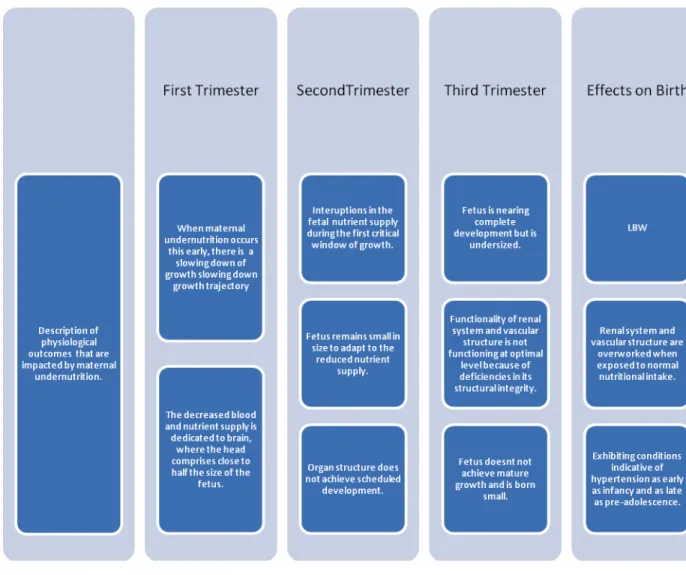
environment in which it develops. The embryonic period (or the first eight or nine weeks),
while extremely critical, there are very little changes where there is little to no growth and
the basic human form is established (Barker 1995). From this period onwards, the fetal
period (starting at the nine to ten week mark) is where growth begins to take place (Barker
1995). In addition, restrictions on growth during the fetal period have dire effects on the
development of organs at the cellular level. For example, cell growth and division becomes
hindered as a result of a slowed production of insulin and growth hormone during critical
windows of fetal development in the second and third trimesters (Barker 1999). This
gestational period is impacted the most by maternal undernutrition, processes of growth are
sensitive to perturbations in maternally supplied nutrients (Barker 1995). Between weeks ten
for close to half of the fetus’ size while the limbs and trunk develop soon thereafter (Fowden
2001). Figure 1 illustrates the normal curve of growth compared of body weight and the key
organs affected during that period to demonstrate the windows of development that are
influenced via intrauterine growth restriction.
Figure 1 - Effects of nutritional Interruptions during Prenatal Development
Outcomes of restricted fetal growth also impede the normal functionality of organs
responsible for blood pressure regulation. Blood pressure is determined by several factors
such as arterial blood volume, the arterial compliance, cardiac output (heart rate and stroke
2006). The kidneys and vascular tree are particularly sensitive to IUGR which negatively
impacts their role in managing blood pressure. Kidney dysfunction stems from aortic blood
flow dedicated to the brain at the expense of trunk and limb development, thus implicating
the underdevelopment of the organs located in that area of the body.
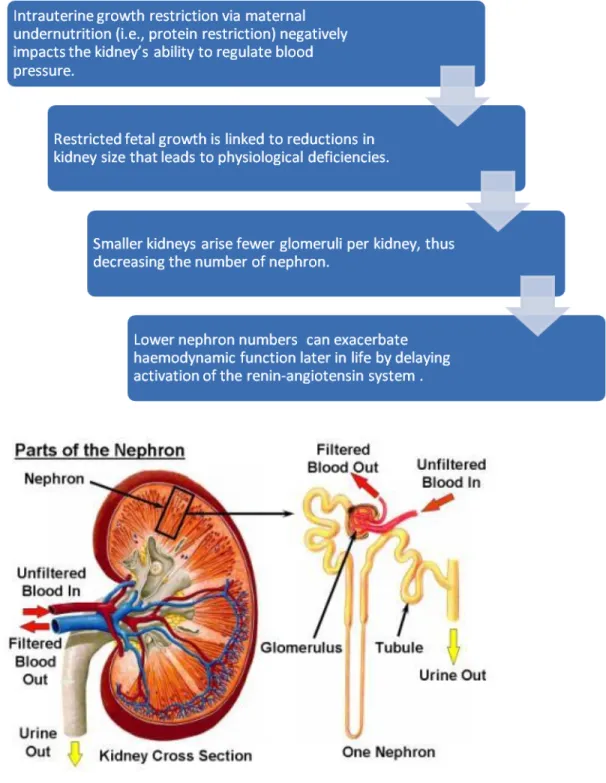
As a result, LBW children are born with kidney impairments negatively impacting the
system’s ability to appropriately stabilize blood pressure. Kidney size is reduced and the
components of the nephron, the so-called “building block” of the kidney never achieve
mature development (Moritz et al. 2003). This effectively produces a corruption in
nephrogenesis lowering nephrons and glomeruli to under-develop and delay the activation of
the fetal renin-angiotensin system (Copstead and Banasik 2005; Godfrey 2006). Sodium and
water is then retained while potassium is not, thereby leading to unstable fluid homeostasis
and increasing vascular volume and blood pressure (Shier et al. 2004; Moritz et al 2003).
Figure 1 details the processes of intrauterine growth restrictions impact on nephrogenesis
Figure 2 - Alterations in Kidney Function during Nephrogenesis.
Dysfunction in the vascular tree plays a key role in the pathophysiology of
hypertension. Hypertensive changes are reflected in all levels of the circulatory system,
making all structures from large arteries to microcirculatory structures vulnerable due IUGR
(Thom 1997). The circulatory system is vulnerable to developing arteriosclerosis and
coarctation, or narrowing of the aorta (Copstead and Banasik 2005). Elasticity arterial wall
and the endothelium-dependent vasodilation are blood pressure regulating mechanisms found
to be compromised in LBW infants (see Ligi et al. 2010).
Impairments in the vascular tree where the role of the vasodilation and
vasoconstriction mechanisms to control or maintain blood pressure is another biomarker for
hypertension in LBW infants. Dysfunction in the vascular structure is considered a
pathophysiology of hypertension and has been observed in young children with LBW,
implicating this as another consequence of fetal programming (Ojeida et al. 2008). Two
separate studies by Martin et al. (2000 and 2000) found that “healthy” children with LBW
developed insufficient arterial wall elasticity characterized by carotid stiffness mitigating the
ability to carry out endothelium-dependent vasodilation while also finding insufficient
vascular responses to acetylcholine in LBW infants within three months. Carotid stiffness
also mitigates the supplementation of L-arginine needed to stabilize vascular function and
decrease blood pressure (Gokce 2004). Also, children born small are unable to mediate
certain vasoactive substances, namely, nitric oxide. Inability to mediate nitric oxide increases
shear stress, acetylcholine, histamine, and ATP which in turn, increases glomerular filtrate
rate and renal blood flow (Martin et al. 2000; Levy et al. 2006). LBW infants are at risk of
developing endothelial dysfunction of regulatory roles of coronary arterioles ability to dilate
2006; Thornburg 2006). Abnormalities in the endothelium-dependent nitric oxide pathway is
programmed because of restricted intrauterine growth due to maternal undernutrition (Ojeida
et al. 2008)
Normal functions in the renal system and the vascular tree are obviously critical for
stable blood pressure. Reduction in nephron number and impairments in the structure of
arterioles ability to regulate blood pressure demonstrate a complex multifaceted depiction of
the cardiovascular outcomes of LBW. Importantly, these conditions found in LBW infants
precede the development of hypertension or hypertensive conditions, implicating
hypertension as a childhood outcome of fetal programming.
Previous Applications of Barker’s Framework in Retrospective Birth Cohort Studies
A robust body of literature of human studies have shown the long term cardiovascular
outcomes on health in individuals who were exposed to famines (e.g., the Dutch Famine, the
Leningrad Siege, and the Great Chinese Famine) during fetal and neonatal development (see
Stamner et al 1997; Ravelli et al. 1999; Roseboom et al 1999; Roseboom et al.2000; Huang
et al 2010). Offspring born from mothers who faced profound nutritional and caloric deficits
during the second and third trimesters of gestation were at the greatest risk (Stein et al 2006;
Wang et al 2012). Survivors were more likely to develop coronary heart disease, obesity,
more atherogenic lipid profiles, microalbuminuria and high blood pressure (Roseboom et al.
2000; Roseboom et al. 2006; Stein et al. 2006; Koupil et al 2007; Li et al 2011; Chen et al.
The Failures of Public Health Interventions in Developing Countries Endemic with LBW
As LBW continues to be one of the biggest concerns in the developing and
underdeveloped regions of the world. Global organizations such as the United Nations, the
World Health Organization, and UNICEF have deemed LBW one of the top priorities to
address going forward. The promotion and subsequent implementation of nutritional
interventions have struggled largely because of earlier-than-expected mortality rates
associated with an increase in chronic disease incidence (see Sharma et al. 1991; Dewey et
al. 1999; Hales and Ozanne; Min et al. 2007; Sharma et al 2010; Raj and Kumar 2010).
Encouraging catchup growth was one intervention that examined nutritional
programming in children born small in developing countries (Fewtrell et al. 2001). However,
evidence shows promoting weight gain in the first two years of childhood exacerbates
cardiovascular risk by increasing high blood pressure, coronary heart disease, obesity, etc.
among adolescents and adults (Victora and Barros 2001; Adair and Cole 2003). Among
Western European adults, longitudinal and prospective cohort studies showed children who
gained too much weight in the first two years of life have the same risks of cardiovascular
diseases in later life, and developing earlier in some cases (Erikksson et al. 1993; Ong et
al.2000). However, Adair and Cole (2002) showed the same pattern in a developing country
where high blood pressure among Filipino adolescent boys was identified after experiencing
catch-up growth during infancy. Chinese children also showed a similar relationship
between acute postnatal weight gain and hypertension risk in childhood (Bowers et al. 2011).
Acute growth in a short period of time overburdens organs (i.e., kidneys and vascular
physical growth, at the same time, organs responsible for blood pressure regulation are
METHODS
Search Strategy of Literature Related to the Effects of LBW on Blood Pressure Regulation
PUBMED, Google Scholar, and the UNC-CH library’s online databases were used for
article selection. The aim of this review was to provide and demonstrate the contemporary
relevance when Barker’s fetal origin hypothesis was applied to investigating hypertensive
children with LBW in underdeveloped and developing countries. To achieve this, articles
were selected from 2009 and later. Search terms “developmental,” “programming,” “blood
pressure,” “LBW,” “hypertension,” “low income countries,” and “children” led to articles
from all three databases. A search of review articles led to other chosen articles. This
systematic review utilized a total of seven articles.
Inclusion and Exclusion Criteria:
To be eligible for inclusion, a study had to satisfy the following criteria: it must be an
original report investigating the relationship of the impact of LBW on the blood pressure of
children; it must have a publication date after January 2009; it must be a study concerning
Asia, Africa, or Latin America; and it must only use children as subjects. Articles were
excluded for the following reasons:
• The paper was a review or commentary article.
• There were no measurements of birth weight.
• The abstract or title did not contain explicit information on birth weight,
hypertension, and blood pressure.
RESULTS
All three databases yielded a total of 23,791 articles. Terms such as “developmental,”
“programming,” “blood pressure,” “LBW,” and “hypertension” were used to filter results.
Additional filtering for journal articles published after January 2009 was implemented for
observing the current relevancy of the topic. To further reduce the selected articles, the term
“children” was added and resulted in a decrease to 3041 articles. This was further reduced
after adding “low income countries” to the search, resulting in 977 articles. A journal articles
only filter was used to reduce and subsequently exclude abstracts, conference presentations,
dissertations, and non-academic articles (i.e. newspaper, magazines, etc.).A manual search of
the references and citations in a number of review publications was used to obtain additional
original research articles. In total, fifteen articles were selected that reported the association
between birth weight and risk of high blood pressure and hypertension among children.
A final total of six articles were selected for this systematic review. For the following
reasons, eight articles were excluded from the 15 that were deemed appropriate for this
systematic review:
• A collaborative study about metabolic disorders from birth cohorts in India and
Canada (n=1).
• A comparative study measuring blood pressure of children who are underweight and
normal weight without any data on birth weight (n=1).
• Measured hypertension and blood pressure in adults who were exposed to severely
deficient nutritional environments such as famine (n=2).
• Measured intergenerational influence on birth weight but not blood pressure (n=1).
• Study only focused on weight gain during early childhood (n= 1).
Figure 3: Flow Chart of the Article Selection Process
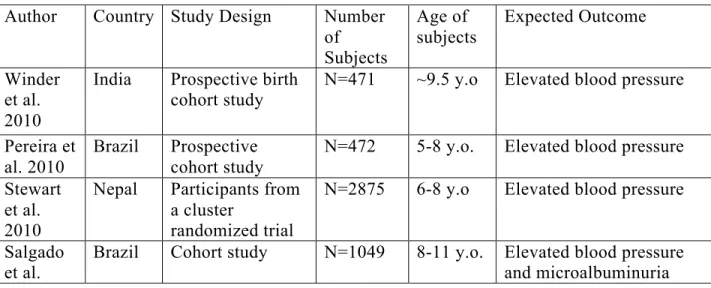
Table 1 Characteristics of six studies selected for review (2009-2013)
Author Country Study Design Number
of Subjects Age of subjects Expected Outcome Winder et al. 2010
India Prospective birth cohort study
N=471 ~9.5 y.o Elevated blood pressure
Pereira et al. 2010
Brazil Prospective cohort study
N=472 5-8 y.o. Elevated blood pressure
Stewart et al. 2010
Nepal Participants from a cluster
randomized trial
N=2875 6-8 y.o Elevated blood pressure
Salgado et al.
Brazil Cohort study N=1049 8-11 y.o. Elevated blood pressure
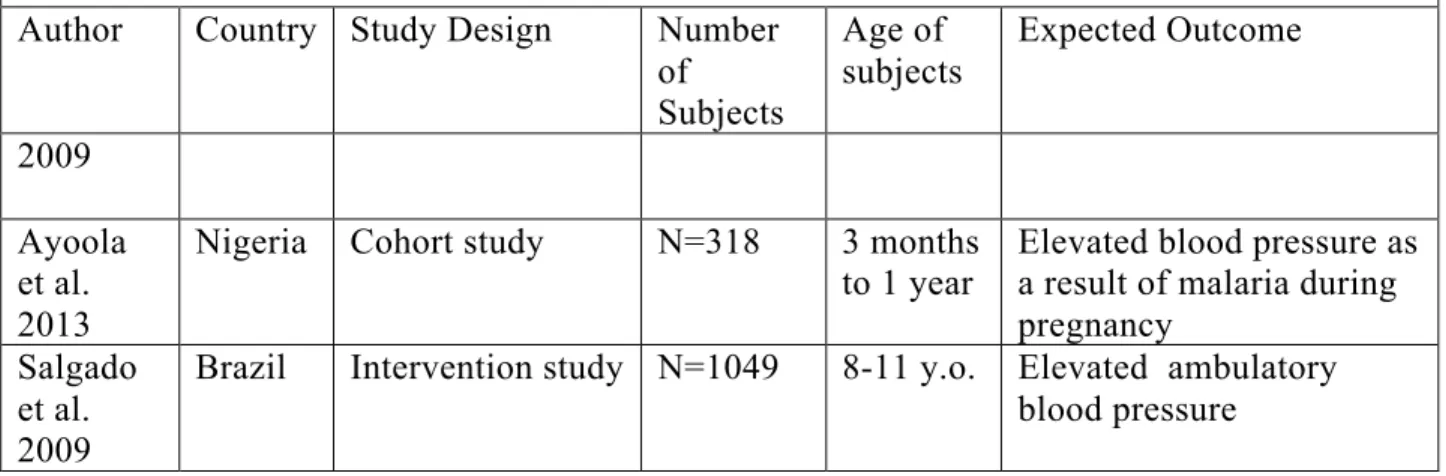
Table 1 Characteristics of six studies selected for review (2009-2013)
Author Country Study Design Number
of Subjects
Age of subjects
Expected Outcome
2009
Ayoola et al. 2013
Nigeria Cohort study N=318 3 months
to 1 year
Elevated blood pressure as a result of malaria during pregnancy
Salgado et al. 2009
DISCUSSION- Results of Systematic Literature Review
All studies reviewed relied on LBW as a determining factor identifying elevated
blood pressure and its associated outcomes. The results of the systematic review indicate
there are a number of effects present in children with LBW. Not only is LBW a programmed
effect, but it further confirms its effects on the circulatory and renal systems in children and
comes with additional susceptibilities to other conditions that predictably intensify future
risk. Depending on the environmental or regional context, the presence of underpinning
stressors, such as placental shape and size along with maternal malaria, increase the
probability of being small at birth and subsequently engender elevated blood pressure in
early life.
The Effects of LBW on Blood Pressure in Latin American Children
Three studies investigated the association between LBW and blood pressure in Latin
American children. Similarities among Brazilian children of prepubertal age illustrated an
inverse relationship between birth weight and blood pressure. However, studies differed in
their proposed effect of LBW on Brazilian children. Pereira et al. (2009) studied the effects
of LBW on blood pressure. Salgado et al. (2009) differed in their investigation from a
temporal perspective on ambulatory blood pressure, and in another study, Salagado et al.
Pereira and colleagues study of children 5-8 years old in Jundiai City, Brazil also
found blood pressure is inversely related to LBW. Their findings additionally suggest
underprivileged areas of Brazil qualify as an adverse environments impacting maternal
health, thus programming children to be born small. Elevated arterial blood pressure was
found among the children studied, putting children at higher risk of becoming hypertensive
earlier than young adulthood (Pereira et al 2010).
Nocturnal dipping is another risk factor for future cardiovascular events commonly
found in hypertensive adults (Clement et al. 2003; Fagard 2009). Nocturnal dipping increases
susceptibility to cardiovascular or metabolic diseases a lot earlier in adulthood, possibly as
early as late adolescence (Salgado et al. 2009). In the first study of its kind for investigating
this outcome among children, Salgado et al. studied Brazilian children with LBW between
the ages of 8-11. Studying ambulatory blood pressure, they found a causal relationship,
24-hour, daytime, and nighttime systolic blood pressures were higher in children with LBW
compared to children with normal birth weight (Salgado et al. 2009). Nocturnal dipping was
present, failing to a lower, more stable rate during normal rhythms of nighttime sleep, when
blood pressure and heart rates should lower for normal recovery purposes. However it
remains to be seen, if pubertal changes can alleviate this condition through growth and
hormone changes.
In a separate study, Salgado et al. found children with LBW and elevated blood
pressure were associated with the presence of microalbuminuria, the loss of albumin (2009).
Once preterm children were excluded, albumin excretion remained high among the children
who comprised the LBW group (Salgado et al. 2009). Kidney functionality plays a
‘progression promoter’ of renal disease disrupting influences metabolic function (Vasarhelyi
et al. 2000). Even low levels of microalbuminuria are associated with increased risk of
cardiovascular and metabolic diseases and are particularly harmful for hypertensive adults
where serum albumin keeps colloid osmotic pressure in blood (Høstmark et al. 2005).
This conflicts with a previous study by Genovesi et al. in 2011 that investigated
microalbuminuria among Indian children and did not find any statistical significance of
urinary abnormalities in children with high blood pressure. This difference may be due to
specific factors that Salgado et al. measured among the Brazilian children that Genovesi et
al. did not measure in Indian children. Salgado et al. included children with family history of
hypertension (Genovesi et al. did not) as a potential intergenerational programming effect
(2009). The findings presented in this portion of the systematic review conflict with a previous
study in Pelotas, Brazil that shows once confounders have been taken into account, LBW is no
longer a significant predictor of high blood pressure in adolescence (Menezes et al 2006).
Overall, the findings presented by Pereira et al. and Salgado et al. are especially important to
the study of high blood pressure among children in low-income populations. Kidney
malfunctions found in one population and not others exemplifies the need for further
investigation.
The studies used in this analysis are geographically spaced far apart with Jundiaí City
approximately 895 kilometers southeast of Goiânia in order to illustrate the overall health
concerns among Brazilian children as a whole. Like any large country with high population
density, Brazil has many isolated areas where children are likely experiencing metabolic and
cardiovascular conditions resulting from nutritionally inadequate environments encroaching
pressure management. Further study is needed in the rural and urban areas of Brazil to
address the likely health concerns of younger Brazilian populations.
The Impacts of Being Born Small among South Asian Children
South Asia as a whole is experiencing an upward trend in hypertension prevalence
(Sharma 2008). Within India, there is considerable variability in socioeconomic status
within inter-geographical regions that do not share the same sense of advancement that is
enjoyed by high-income populations in metropolitan areas. Socioeconomically-depressed
areas have endured a high prevalence of high blood pressure in adults and children (Das Et al
2004, Gupta 1997, and Gupta et al. 1995). Numerous studies indicate this trend will continue
among Indian children and adolescents as a result of catch up growth program (Genovesi et
al. 2011; Sharma et al 2010; Raj and Kumar 2010; Sharma et al. 1991).
Winder et al. examined the outcomes of placental size and shape resulting in LBW
and elevated blood pressure in prepubertal children (2011). During critical periods of fetal
development, placental surface is highly sensitive to various environmental stressors that directly
program the function of blood pressure regulating systems. Low placental weight is a predictor
of higher systolic blood pressure and LBW (Thornburg 2010; Barker and Thornburg 2013).
Winder et al. found placental surface area has a programming effect on children’s systolic
blood pressure, where differences in placental surface area were positively associated with
systolic blood pressure between boys and girls. Higher systolic blood pressure was
associated with smaller placental surface area in boys (2011). Additionally, this study also
demonstrated the effects of placental shape when a larger difference between breadth and
boys and also found higher systolic blood pressure in girls born small with larger placental
surface areas (Winder et al 2011).
Nepal is another South Asian country struggling with hypertension. Nepal is endemic
with isolated populations experiencing a wide range of health issues, as it is one of the
poorest countries in the world with stagnant economic progress; it is experiencing high rates
of CVDs (NHRC 2010). The Nepal Health Research Council (NHRC) performed a survey
that found almost a third of its adult participants had some type of NCD (2010). While
mortality and morbidity rates among adults have been documented by this survey, Nepalese
children are emerging as an at-risk group g for hypertension.
Stewart et al. examined cardiovascular and metabolic risk among Nepalese children.
In one of the first pediatric studies performed in Nepal, Stewart et al. identified a similar
inverse relationship between LBW and blood pressure among the children (6-8 years old)
studied that were born small (2010). Folic acid was given to the mothers in this study in a
previous supplementation program to reduce preterm birth (Scholl and Johnson 2000; Das
2003). As a result, the authors caution that folic acid could confound the results due to an
observation that demonstrated that maternal folic acid supplementation reduced
microalbuminuria but not blood pressure (Stewart et al. 2010). Further studies are needed to
ascertain a clearer depiction of the effects of LBW on children’s blood pressure absent of
such interventions.
Infectious Diseases Impact on Blood Pressure and LBW among African Children:
Many parts of sub-Saharan Africa are experiencing rises in non-communicable
non-communicable disease is afflicting younger populations as a result of deficiencies in
maternal health due to infectious diseases. It has been posited that infectious diseases impose
great limitations on human development as a result of trade-offs occurring when immune
systems are forced to ward off infection at the expense of growth (Ewald 1994). Endemic
malaria carrying mosquito-vectors plays a prominent role in producing offspring with LBW
in Sub-Saharan African countries. Expecting mothers in areas rife with malaria are likely to
have smaller children due to preterm delivery (Menendez et al. 2000).
Maternal malaria significantly impacts the size of offspring and blood pressure within
the first year of life (Ayoola et al 2011; 2013). Southwest Nigeria typically experiences year
round instances of malaria. Ayoola et al. (2013) found within one year, infants from mothers
with malaria have hypertension and increased systolic blood pressure. The results of this
study highlight several long-term challenges that impede the success of future preventative
efforts. For one, the impact of maternal malaria during the prenatal and gestational stages
implicates an intergenerational effect that limits fetal and postnatal growth. Second, this
study indicates the potential for populations in other areas where infectious diseases persist
to experience a dual-burden risk of infectious and non-infectious diseases at various points in
their lifecycles. Third, it is difficult to prioritize long-term health versus short-term survival,
where it becomes a challenge for policy makers to navigate such an environment knowing
there are long-term risks for a portion of the population who are able to survive through early
CONCLUSION
Limitations:
There are some limitations to this systematic review. One limitation is the repeated
use of studies from Brazil. Similarly, past studies have measured the effect of birth weight
among children in developing countries, which can reduce the novelty of this systematic
literature review (see Adair et al. 2013; Martorell et al. 2009). Another limitation is the lack
of diversity in the populations studied with groups from only four countries reviewed. This is
because many other countries often focus on changes in blood pressure as an outcome of
weight gain in early life in those born small, while this study focused on blood pressure in
children who remained small throughout childhood.
An additional limitation is the small number of studies using human subjects. The
majority of the literature on this topic derives from animal models that can control for
potential confounders in a laboratory setting where programming effects can be observed
with a short period of time (see Ozanne et al 1997) . The challenge in observing the effects of
early adverse environment among human subjects stems from measurement or design issues
such as time-efficiency, attrition or relocation; therefore, only six articles found in the
database search results fit the selection criteria.
Another limitation is being unable to generate a clear assessment of placental size and
shape across all populations. The overreliance on birth weight as a measure of nutritional
across all populations that engender varying degrees of growth. For example, limitations on
nutritional resources resulting from urbanization and sociocultural practices (i.e.,
stratification via the caste system) are region-specific stimuli that impact placental shape and
birth weight (Das et al. 2005). Therefore, it has been suggested that a supply and demand
model applied to maternally supplied nutrients and fetal demand would potentially reconcile
the issues stemming from the overreliance on crude birth weight. A supply and demand
model focusing on growth potential as its basis would account for factors beyond LBW to
include not just maternal nutrient supply, but fetal nutritional demand, birth outcome, etc.
The confounding variable in birth weight is growth potential and trajectory. If babies who
were born small had the growth potential of normal weight babies, then birth weight as an
index would be appropriate in predicting the probability that they would develop a
non-communicable disease as an adult. Similarly, individuals born big from taller or naturally
more robust mothers and have unmet growth potential are still exposed to the same disease
risks of as an adult (Kuzawa 2004).
Modifications in birth weight assessment could accurately predict the risk of disease
when comparing 1) small babies are born to tall mothers and 2) small babies born to
malnourished mothers. For instance, people who have a high potential for fetal growth (high
demand) but are born to poorly nourished mothers (low supply) are going to be at the
greatest risk of disease; also, a baby who is considered small can still be a product of a
nutritionally sound mother who is coincidentally small in stature (i.e. sitting maternal height)
(Kuzawa 2004). Incorporating this model along with measurements of maternal health status,
undeveloped or developing regions who tend to be smaller in overall size than infants in
more developed countries.
Future Challenges:
It will be difficult to alleviate these health concerns moving forward. Populations that
continue to bear small children are susceptible to the ill-effects of the changes of rapid
economic advancement, whereby goods such as nutritional products are mobilized
throughout the world (Hunealt et al.2012). Pinpointing the mechanism affecting human
health and subsequent generations is extremely difficult in the face of rapid global changes.
Underdeveloped and developing countries trying to keep pace with economic advancement
and development create negative impacts on the cardiovascular and metabolic systems of
their populations because of rapid changes in subsistence patterns. Presumably, there are
broader, long-term economic effects from these early mortality and morbidity hypertension
rates. The relationship hypertension and LBW infants and premature deaths negatively
effects potential economic growth in these regions. An estimated 40% of deaths attributed to
NCDs afflict those of working ages, which impacts the future sustainability of the workforce
in poor, low-income countries (WHO 2009; Stuckler and Suhrcke 2011). In Brazil, for
instance, premature death from heart disease and its associated risk factors, like
hypertension, will have cost close to an estimated $49 billion in national income by 2015
(Matsudo et al. 2010).The early loss of primary wage earners in these countries can
potentially set in motion a series of reactionary behaviors or actions, such as reduced
education in favor of early employment to garner immediate income or changes in preferred
During this process, transitions in nutrition and activity patterns directly impact
pediatric populations in the areas examined, populations in underdeveloped and developing
countries are now living longer and becoming more sedentary with easy access to an
abundance of obesogenic food. On top of these changes at the population level, there are
challenges that limit future success due to institutional instability.
Public health efforts to address the rise not just hypertension but all CVDs and MeTs
have come up short, garnering merely short-term success or none at all. Children with LBW
cannot avoid elevated blood pressure risk by increasing caloric intake. The implication of
catch-up growth is a detriment to the long-term health of children as adults (Hales and
Ozanne 2002). Conflicts exist on the efficacy of nutritional interventions that encourage
weight gain among children born small. While others found cardio-protective effects and
socioeconomic gains (i.e., improvements in schooling achievements) for weight gain in five
birth cohort studies in five developing countries (Brazil, Guatemala, India, the Philippines,
and South Africa) along with gains in height and improved schooling outcomes (Adair et al.
2013).
Aging and lifespan increases are one aspect of modernization that aligns with certain
aspects of Omran’s third transition. Aging and blood pressure are positively related to one
another, and populations are at greater risk as they continue to shift their activities towards
sedentary lifestyles. Acculturation of the “Western” lifestyle has given a high-reward in the
interim providing access to seemingly vast food resources as a result of increased income; at
the same time, this type of excess living puts populations at high-risk future of becoming
2013). More and more, underdeveloped and developing countries willingly participate in
these promising efforts under the guise it will provide socioeconomic benefits.
The political-economic climate in the countries studied in this review is another
challenge. The intersection of health policy makers and private sectors have garnered
negative attention for prioritizing profitability at the expense of those in need of proper
medical care. Vitamin A supplementation programs in India come to mind, where proponents
claim the program is one way to prevent night blindness and other diseases associated with
vitamin A deficiencies (Sommer 2008; Rotondi and Khobzi 2010). However, opponents of
universal vitamin A supplementation argue there is no longer a need for such a program
because these conditions are no longer a looming concern, and any effort to continue
supplementation is to behoove private companies and policy makers only for profit, thus
marginalizing those who are in the most need (Latham 2010; Gopalan 2010; Kapil 2004).
The dilemma of the dual-burden disease risk is another obstacle that impedes many
efforts to combat LBW. Infectious diseases produce outcomes that are difficult to address
since many of these conditions surface during the early stages of postnatal development. The
challenge is prioritizing the treatment and prevention of NCDs over that of infectious
diseases especially in countries with limited resources to effectively prioritize one disease
over another. Another obstacle is the difficulty of creating and executing a successful long
term strategy for addressing the hypertensive outcomes associated with LBW. However, it is
critical to remain focused on short-term survival because of the substantially higher mortality
rates associated with infectious diseases while NCDs can be somewhat mitigated by through
any intervention, if successful, will not be felt for many generations, at a rate which conflicts
with the instantaneous and streamlined production of results that is often demanded.
Recommendations
All too often, many attempts to address NCDs focus on the healing or treatment once
the disease has been acquired as opposed to prevention. The cultural and geographical
landscape paired with the intergenerational aspect presents a difficult challenge, highlighting
the importance of focusing on future generations. A long-term intergenerational strategy
pinpoints at-risk mothers likely to have LBW offspring. An emphasis on maternal and
postnatal nutrition, stressing the quality of diet eliminates issues encountered by other
interventions such as rapid weight gain or increased caloric intake during early childhood. To
address the long-term nature of high blood pressure increasing among children, the World
Health Organization has proposed a life-cycle approach (2003).This approach focuses on the
improvement of health between successive generations, ensuring optimal pregnancy
outcomes through systematic nutritional improvements through education and access to
healthy food helping young women throughout the various stages leading up to pregnancy
and giving birth (WHO 2003).
In addition, a reframing of the problem is needed to develop a deeper understanding
of the cultural and societal elements reinforcing hypertensive mechanisms. This requires a
collaborative effort between global institutions and local public health sectors to develop and
implement a strategy that utilizes all available resources. By building a social network within
specific populations, one can bring in the previous traditions of social medicine that appeal
nutritional interventions needs to be scrapped in favor of one that is more focused to
“personalize” efforts at the local level. Genuine efforts to remain culturally appropriate will
help produce and sustain effective participation rates among at-risk mothers.
A plastic definition of growth and fitness should be applied wherever LBW is
prevalent in a group. As mentioned before, adjustments in birth weight need to be made
when studying populations in developing countries (Kuzawa 2004). Based on the different
outcomes associated with LBW in different countries, it is difficult to have one uniformed
definition that determines what it is to be healthy. Before populations can develop the same
characteristics that are used to measure “healthy” individuals, an evolving, flexible definition
is needed.
Furthermore, collaborative efforts would entail the sharing of relevant data, the
development of uniformed definitions, and the involvement of multiple disciplines. The
details of the specific outcomes associated with elevated blood pressure in children will
come into greater focus with a broader theoretical and methodological base.
Concluding Remarks:
This paper explored several different mechanisms that influence the development of
hypertension among children who were born small. Studies included in this paper add to our
knowledge that the physiological systems responsible for blood pressure regulation in small
children produce several other harmful conditions indicative of hypertension. LBW isn’t
solely responsible for elevated blood pressure in children. Rather, LBW is a predictor of
harmful conditions that increase the risk and predictability of circulatory diseases prior to
(or other infectious diseases), and nocturnal dipping are all specific facets of hypertension
and cardiovascular risk that need to be considered going forward in populations where LBW
is rampant.
From the information presented and discussed, it is unfortunate but not at all difficult
to take a fatalist perspective. Unfortunately, it appears this global pattern will continue to
persist for some time. Populations in these countries run the risk of cycling back into the first
stage of Omran’s demographic transition. The economic impact of these patterns have
far-reaching effects that compromise overall economic progress, because children exhibiting
signs of cardiovascular and metabolic impairments won’t be given the opportunity to
contribute. Future population growth is impeded or rendered stationary in large part due to
rises in mortality rates among young adults, where consistent replacement fertility will not be
sustained among the economically reproductive age groups.
Beyond measurements of blood pressure, other methods that measure the features of
hypertensive risk need to be considered, such as a uniformed inclusion of procedures like
urinalysis and blood tests. Overall, this systematic review provides the need for more research in
underdeveloped and developing countries among pediatric populations with LBW. Additional
research will encourage the predictability of mortality and morbidity in populations that have the
possibility of encountering the same health problems found in Barker’s work in Northern
REFERENCES
Adair, Linda S., and Andrew M. Prentice. 2004. A critical evaluation of the fetal origins hypothesis and its implications for developing countries. The Journal of Nutrition 134 (1): 191-3
Adair, Linda S., and Tim J. Cole. 2003. Rapid child growth raises blood pressure in adolescent boys who were thin at birth. Hypertension 41 (3): 451-6
Adair, Linda S., Nanette R. Lee, Cesar G. Victora, Reynaldo Martorell, Aryeh D. Stein, Pedro C. Hallal, Harshpal S. Sachdev, et al. 2009. Size at birth, weight gain in infancy and childhood, and adult blood pressure in 5 low- and middle-income-country cohorts: When does weight gain matter? The American Journal of Clinical Nutrition 89 (5): 1383-92
Ahmad, Ferhaan, J. G. Seidman, and Christine E. Seidman. 2005. The genetic basis for cardiac remodeling. Annual Review of Genomics and Human Genetics 6 (1): 185-216
Angeli, Fabio, Gianpaolo Reboldi, and Paolo Verdecchia. 2013. Modernization and hypertension: Is the link changing? Hypertension Research 36 (8): 676-8
Armelagos, George J., Peter J. Brown, and Bethany Turner. 2005. Evolutionary, historical and political economic perspectives on health and disease. Social Science & Medicine 61 (4): 755-65.
Ayoola, Omolola O., Isla Gemmell, Olayemi O. Omotade, Olusoji A. Adeyanju, J. Kennedy Cruickshank, and Peter Ellis Clayton. 2011. Maternal malaria, birth size and blood pressure in Nigerian newborns: Insights into the developmental origins of hypertension from the Ibadan growth cohort. PloS One 6 (9): e24548
Ayoola, Omolola O., Olayemi O. Omotade, Isla Gemmell, Peter E. Clayton, and J. Kennedy Cruickshank. 2014. The impact of malaria in pregnancy on changes in blood pressure in children during their first year of life. Hypertension 63 (1): 167-72
Barker, D. 1992. The fetal origins of adult hypertension. Journal of Hypertension 10 (Sup 7): S39-44
Barker, D. J. 1993. Fetal origins of coronary heart disease. British Heart Journal 69 (3): 195-6
Barker, D. J. P. 1995. Fetal origins of coronary heart disease. BMJ: British Medical Journal 311 (6998): 171-4.
Barker, D. J., C. Osmond, J. Golding, D. Kuh, and M. E. Wadsworth. 1989. Growth in utero, blood pressure in childhood and adult life, and mortality from cardiovascular disease. BMJ (Clinical Research Ed.) 298 (6673): 564-7
Barker, D. J., P. D. Gluckman, K. M. Godfrey, J. E. Harding, J. A. Owens, and J. S.
Robinson. 1993. Fetal nutrition and cardiovascular disease in adult life. Lancet 341 (8850): 938-41
Barker, D. J., P. D. Winter, C. Osmond, B. Margetts, and S. J. Simmonds. 1989. Weight in infancy and death from ischemic heart disease. Lancet 2 (8663): 577
Barker, David J. P. 1997. Maternal nutrition, fetal nutrition, and disease in later life. Nutrition 13 (9): 807-13
Barker, D. J. P., and K. L. Thornburg. 2013. Placental programming of chronic diseases, cancer and lifespan: A review. Placenta 34 (10): 841.
Berne, Robert M. 2006. Berne & Levy Principles of Physiology. 4th ed. St. Louis, Mo.: Elsevier Mosby
Bowers, Katherine, Edwina Yeung, Gang Hu, Cuilin Zhang, Gongshu Liu, Ping Wang, Tao Ye, et al. 2011. Birth weight, postnatal weight change, and risk for high blood pressure among Chinese children. Pediatrics 127 (5): e1272-E1279
Chen, H, Nembhard, W., Stockwell, H., Sex-Specific Effects of Fetal Exposure to the 1959– 1961 Chinese Famine on Risk of Adult Hypertension. Maternal and Child Health Journal 2013 :1-7
Cheng Huang, Zhu, L.,Meng, W., Martorell,R. Early Life Exposure to the 1959–1961
Chinese Famine Has Long-Term Health Consequences. J. Nutrition. 2010 140: 10 1874-1878
Chobanian, Aram V., Jr Wright Jackson T, Edward J. Roccella, George L. Bakris, Henry R. Black, William C. Cushman, Lee A. Green, et al. 2003. Seventh report of the joint national committee on prevention, detection, evaluation, and treatment of high blood pressure. Hypertension: Journal of the American Heart Association 42 (6): 1206-52.
Clement, Denis L., Roland O. Six, Patricia Van Der Niepen, Eoin O'Brien, Marc L. De Buyzere, Dirk A. De Bacquer, Peter W. de Leeuw, et al. 2003. Prognostic value of ambulatory blood-pressure recordings in patients with treated hypertension. The New England Journal of Medicine 348 (24): 2407-15
Das Shyamal Kumar, Sanyal Kalyan, and Basu Arindam. 2005. Study of urban community survey in India: Growing trend of high prevalence of hypertension in a developing country. International Journal of Medical Sciences 2 (2): 70-8
Das, Undurti N. 2003. Folic acid says NO to vascular diseases. Vol. 19. United States: Elsevier Inc.
Eriksson JG, Forsén T, Tuomilehto J, Winter PD, Osmond C, Barker DJ. Catch-up growth in childhood and death from coronary heart disease: longitudinal study. BMJ. 1999 Feb
13;318(7181):427-3
Esper, RJ, RA Nordaby, JO Vilarino, A. Paragano, JL Cacharron, and RA Machado. 2006. Endothelial dysfunction: A comprehensive appraisal. Cardiovascular Diabetology 5 (1): 4.
Ewald, Paul. Evolution of Infectious Diseases. 1994. Oxford University Press. NY, NY
Fagard, Robert H. 2009. Dipping pattern of nocturnal blood pressure in patients with hypertension. Expert Review of Cardiovascular Therapy 7 (6): 599-605
Fall, Caroline H. D. 2013. Fetal programming and the risk of non-communicable disease. The Indian Journal of Pediatrics 80 (1): 13-20
Feto-maternal Nutrition and LBW. Geneva, World Health Organization, 2013
Fewtrell, M. S., R. Morley, R. A. Abbott, A. Singhal, T. Stephenson, U. M. MacFadyen, H. Clements, and A. Lucas. 2001. Catch-up growth in small-for-gestational-age term infants: A randomized trial. The American Journal of Clinical Nutrition 74 (4): 516-23
Genovesi, Simonetta, Maria Grazia Valsecchi, Laura Antolini, Maurizio Gallieni, Angela Aiello, Sujit K. Brahmochary Mandal, Anna Doneda, Marco Giussani, Andrea Stella, and Benedetta Tucci. 2011. High prevalence of hypertension in normal and underweight Indian children. Journal of Hypertension 29 (2): 217-21
Global Health Risks: Mortality and burden of disease attributable to selected major risks. Geneva, World Health Organization, 2008
Gluckman, PD, MA Hanson, and T. Buklijas. 2010. A conceptual framework for the
Gluckman, Peter, Hanson, M. Developmental Origins of Health and Disease: An Overview by Gluckman, Peter D. 2006. Developmental Origins of Health and Disease.
Cambridge ;New York: Cambridge University Press.
Gokce, Noyan. 2004. L-arginine and hypertension. The Journal of Nutrition 134 (10 Suppl): 2807S-11S.
Godfrey, Keith. Developmental Origins Hypothesis: Epidemiology by Gluckman, Peter D. 2006. Developmental Origins of Health and Disease. Cambridge ;New York: Cambridge University Press.
Godfrey, Keith, Forrester, T, DJP Barker, AA Jackson, JP Landman, JS Hall, V. Cox, and C. Osmond. 1994. Maternal nutritional-status in pregnancy and blood-pressure in childhood. British Journal of Obstetrics and Gynaecology 101 (5): 398-403
Godfrey,M ,Keith Hanson. 2010. Health, Risk and Adversity. Edited by Catherine Panter-Brick and Agustín Fuentes. pp. 293+xvi. Oxford University Press.
Gopalan C. Massive dose vitamin A prophylaxis should now be scrapped. World Nutr. 2010;1:79–85.
Gupta, R. 1997. Meta-analysis of prevalence of hypertension in India. Indian Heart Journal 49 (4): 45
Gupta, R., S. Guptha, V. P. Gupta, and H. Prakash. 1995. Prevalence and determinants of hypertension in the urban population of Jaipur in western India. Journal of Hypertension 13 (10): 1193-200.
Hall, Brian K. 2003. Evo-devo: Evolutionary developmental mechanisms. The International Journal of Developmental Biology 47 (7-8): 491-5
Høstmark, Arne T., Sissel E. Tomten, and John E. Berg. 2005. Serum albumin and blood pressure: A population-based, cross-sectional study. Journal of Hypertension 23 (4): 725-30
Huneault, L., ME Mathieu, and A. Tremblay. 2011. Globalization and modernization: An obesogenic combination. Obesity Reviews 12 (501): e64-72
Hughson, Michael, 3rd Farris Alton B, Rebecca Douglas-Denton, Wendy E. Hoy, and John F. Bertram. 2003. Glomerular number and size in autopsy kidneys: The relationship to birth weight. Kidney International 63 (6): 2113-22
Jenkins, C. David. 1976. Recent evidence supporting psychological and social risk factors for coronary disease. The New England Journal of Medicine 294 (19): 1033-8
Kapil, Umesh. Vitamin A Supplementation to Children in India from Controversies to Consensus. J Trop Pediatr (2004) 50 (5): 311-312.
Keller, Gunhild, Gisela Zimmer, Gerhard Mall, Eberhard Ritz, and Kerstin Amann. 2003. Nephron number in patients with primary hypertension. The New England Journal of Medicine 348 (2): 101-8
Khor, G. L. 2001. Cardiovascular epidemiology in the Asia-pacific region. Asia Pacific Journal of Clinical Nutrition 10 (2): 76-80
Koupil, Ilona, Dmitri B. Shestov, Pär Sparén, Svetlana Plavinskaja, Nina Parfenova, Denny Vågerö, Institutionen för samhällsvetenskaper, Södertörns högskola, and SCOHOST
(Stockholm Centre on Health of Societies in Transition). 2007. Blood pressure, hypertension and mortality from circulatory disease in men and women who survived the siege of
Leningrad. European Journal of Epidemiology 22 (4): 223-34
Kuzawa, Christopher W. 2004. Modeling fetal adaptation to nutrient restriction: Testing the fetal origins hypothesis with a supply-demand model. The Journal of Nutrition 134 (1): 194-200
Langley-Evans S.C, Langley-Evans A.J, and Marchand M.C. 2003. Nutritional programming of blood pressure and renal morphology. Archives of Physiology and Biochemistry 111 (1): 8
Latham, M. C. 1993. Vitamin A and childhood mortality. Lancet 342 (8870): 549
Li, Yanping, Frank B. Hu, Vincent W. Jaddoe, Lu Qi, Yuna He, Dong Wang, Jianqiang Lai, Jian Zhang, Ping Fu, and Xiaoguang Yang. 2011. Exposure to the Chinese famine in early life and the risk of metabolic syndrome in adulthood. Diabetes Care 34 (4): 1014-8
Ligi, Isabelle, Isabelle Grandvuillemin, Virginie Andres, Françoise Dignat-George, and Umberto Simeoni. 2010. LBW infants and the developmental programming of hypertension: A focus on vascular factors. Seminars in Perinatology 34 (3): 188-92.
LBW: Country, Regional and Global Estimates. New York, USA. UNICEF. 2004
Martin, H., B. Gazelius, and M. Norman. 2000. Impaired acetylcholine-induced vascular relaxation in LBW infants: Implications for adult hypertension? Pediatric Research 47 (4 Pt 1): 457-62.
Martin, H., J. Hu, G. Gennser, and M. Norman. 2000. Impaired endothelial function and increased carotid stiffness in 9-year-old children with low birth weight. Circulation 102 (22): 2739-44
Matsudo, Victor K. R., Sandra M. Matsudo, Timóteo L. Araújo, Douglas R. Andrade, Luis C. Oliveira, and Pedro C. Hallal. 2010. Time trends in physical activity in the state of São Paulo, Brazil: 2002-2008. Medicine and Science in Sports and Exercise 42 (12): 2231-6
McMichael, A. J. 2001. Human frontiers, environments and disease: Past patterns, uncertain futures. Cambridge University Press. London, UK
Menendez, C., J. Ordi, M. R. Ismail, P. J. Ventura, J. J. Aponte, E. Kahigwa, F. Font, and P. L. Alonso. 2000. The impact of placental malaria on gestational age and birth weight. The Journal of Infectious Diseases 181 (5): 1740-5
Menezes, Ana M. B., Pedro C. Hallal, Bernardo L. Horta, Cora L. P. Araújo, Maria de Fátima Vieira, Marilda Neutzling, Fernando C. Barros, and Cesar G. Victora. 2007. Size at birth and blood pressure in early adolescence: A prospective birth cohort study. American Journal of Epidemiology 165 (6): 611-6
Min, J. W., K. A. Kong, B. H. Park, J. H. Hong, E. A. Park, S. J. Cho, E-H Ha, and H. Park. 2007. Effect of postnatal catch-up growth on blood pressure in children at 3 years of age. Journal of Human Hypertension 21 (11): 868-74
Moritz KM, Dodic M, Wintour EM. Kidney development and the fetal programming of adult disease. BioEssays : news and reviews in molecular, cellular and developmental biology. 2003;25(3):212-20
Mufunda, Jacob, Rufaro Chatora, Yustina Ndambakuwa, Peter Nyarango, Jephat Chifamba, Andrew Kosia, and Harvey V. Sparks. 2006. Prevalence of non-communicable diseases in Zimbabwe: Results from analysis of data from the national central registry and urban survey. Ethnicity & Disease 16 (3): 718-22.