EMPLOYING THE THEORY OF PLANNED BEHAVIOR TO PREDICT BREASTFEEDING INTENTION AND INTENSITY IN OMAN
Saada Al-Barwani
A dissertation submitted to the faculty at the University of North Carolina at Chapel Hill in partial fulfillment of the requirements for the degree of Doctor of Philosophy in the School of
Nursing.
Chapel Hill 2017
ABSTRACT
Saada Al-Barwani: Employing the Theory of Planned Behavior to Predict Breastfeeding Intention and Intensity in Oman
(Under the direction of Eric A. Hodges)
Low breastfeeding initiation, duration and intensity are a global concern. Oman, located in the Arabian Peninsula, is no exception. As per the World Health Organization, the definition of exclusive breastfeeding (EBF) is infant receiving only breast milk or expressed breast milk, and no other liquids or solids for the first 6-month of life except for drops or syrups or
medicines. EBF influence child development and survival. Currently, in Oman, about one in 10 infants are EBF for the first 6-month, although more than nine in 10 were EBF at birth. Factors that contribute to breastfeeding outcomes are not well researched in Oman. Thus, this
dissertation aimed to examine maternal belief variables (attitudes, subjective norms and
perceived behavior control), as well as the relationship of maternal intention, sociodemographic variables, knowledge, early breastfeeding support, and previous breastfeeding experience with breastfeeding intensity measured as the percent of feeding per 24-hour period that were from breastfeeding or breast milk.
Omani mothers. The third manuscript reports on the findings of a study conducted in Omani mothers that examined the theorized variables.
ACKNOWLEDGMENTS
I am very grateful to Allah for the opportunity to study at the University of North
Carolina at Chapel Hill. This project was made possible by the financial and logistical support of the Government of Oman represented by the Ministry of Higher Education and Ministry of Health.
TABLE OF CONTENTS
LIST OF TABLES ... x
LIST OF FIGURES ... xi
LIST OF ABBREVIATIONS ... xii
INTRODUCTION ... 1
CHAPTER 1: STUDY PROPOSAL ... 3
Specific Aims ... 3
Significance... 13
Innovations ... 15
Methods and Rationale ... 16
Methods... 21
Design ... 21
Setting ... 22
Sample ... 24
Measures ... 25
Maternal Belief Variables ... 25
Maternal Infant Feeding Intentions ... 27
Maternal Breastfeeding Knowledge Measured Using the Breastfeeding Knowledge Scale ... 31
Sociodemographic Variables ... 31
Previous Breastfeeding Experience ... 32
Patterns of Breastfeeding Practices ... 33
Tool Translations ... 34
Procedure ... 37
Data Analysis ... 40
Missing Data Management ... 41
Project Timeline ... 41
Data Management ... 41
Limitations and Solutions ... 44
REFERENCES ... 47
CHAPTER 2: MATERNAL BELIEFS ABOUT BREASTFEEDING INTENTIONS, INITIATION AND DURATION: A SYSTEMATIC LITERATURE REVIEW ... 55
Methodology ... 57
Data Extraction ... 58
Description of Studies Included... 60
Maternal Infant Feeding Intentions with Initiation and Duration ... 70
Maternal Attitudes and Intention, Initiation and Duration ... 78
Maternal Subjective Norms and Infant Feeding ... 81
Maternal PBC/SE and Infant Feeding ... 83
Discussion ... 85
Limitations ... 87
Implications for Future Research and Clinical Practice ... 88
Conclusion ... 89
REFERENCES ... 90
CHAPTER 3: CROSS-CULTURAL ADAPTATION AND LINGUISTIC VALIDATION OF THE TRANSLATED ARABIC REVISED-BREASTFEEDING ATTRITION PREDICTIHAPTER 1ON TOOL ... 94
Method ... 98
Phase 1: Translation ... 98
Phase 2: Expert Evaluation of Translation’s Accuracy Using the Content Validity Index. ... 99
Phase 3: Cognitive Interviews ... 100
Phase 4: Pilot Testing of the Translated Revised-BAPT ... 102
Results ... 105
Forward and Back Translation ... 105
Expert Evaluation ... 106
Cognitive Interview ... 109
Pilot Test ... 113
Discussion ... 113
Strengths and Limitations ... 116
Conclusion ... 117
REFERENCES ... 118
CHAPTER 4: PREDICTING BREASTFEEDING INTENTION AND INTENSITY IN OMAN USING THE THEORY OF PLANNED BEHAVIOR: A STRUCTURAL EQUATION MODELING APPROACH ... 121
Framework ... 123
Method ... 124
Measures ... 127
Maternal Belief Variables ... 127
Maternal Infant Feeding Intentions ... 128
Maternal Breastfeeding Knowledge ... 129
Early Breastfeeding Support ... 129
Previous Breastfeeding Experience ... 130
Sociodemographic Variables ... 130
Analysis... 131
Results ... 132
Structural Equation Modeling Model Fit and Modification ... 135
Maternal Belief Variables and Breastfeeding Intentions ... 135
Breastfeeding Intensity ... 136
Discussion ... 137
Conclusion ... 144
REFERENCES ... 145
CHAPTER 5: DISCUSSION ... 150
Manuscript 1 ... 150
Manuscript 2 ... 153
Manuscript 3 ... 154
Implementation Issues and Resolutions ... 157
Recruitment Success ... 163
Implications for Practice, Research, and Policy ... 164
Future Directions ... 166
Conclusions ... 167
REFERENCES ... 169
APPENDIX 1: APPROVAL TO USE THE BREASTFEEDING ATTRITION PREDICTION TOOL ... 172
APPENDIX 2: APPROVAL TO USE THE INFANT FEEDING INTENTION TOOL ... 173
APPENDIX 3: IRB MINISTRY OF HEALTH OMAN ... 175
LIST OF TABLES
Table 1.1. Operational definitions of the study variables: attitude, perceived control, subjective norms, intention, maternal breastfeeding knowledge, previous
breastfeeding experience, and early breastfeeding support ... 20
Table 1.2. Total deliveries and potential recruitment pool, Royal and Khawlah Hospitals, 2013 ... 24
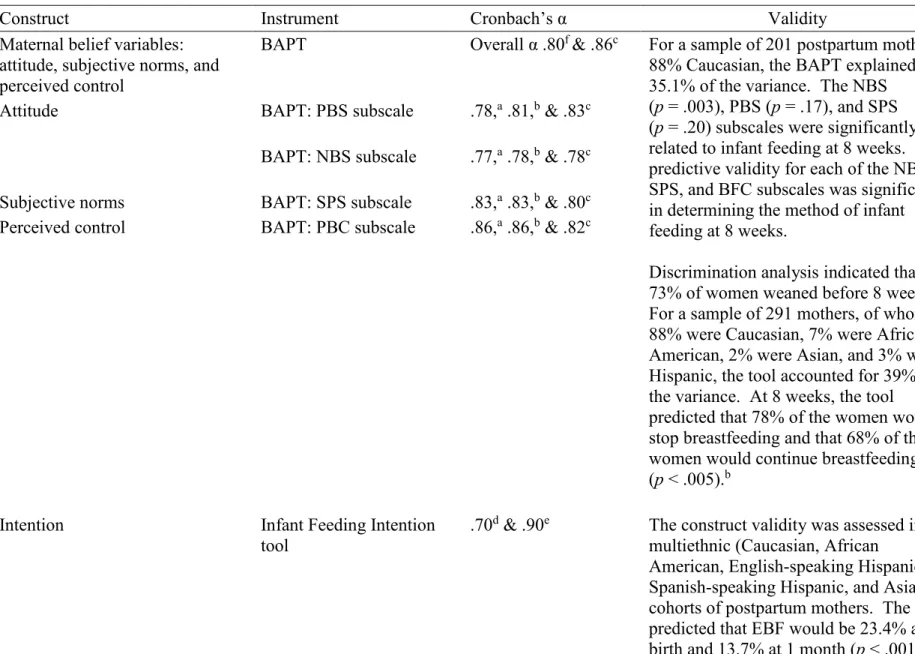
Table 1.3. Reliability and validity of the variables and instruments ... 29
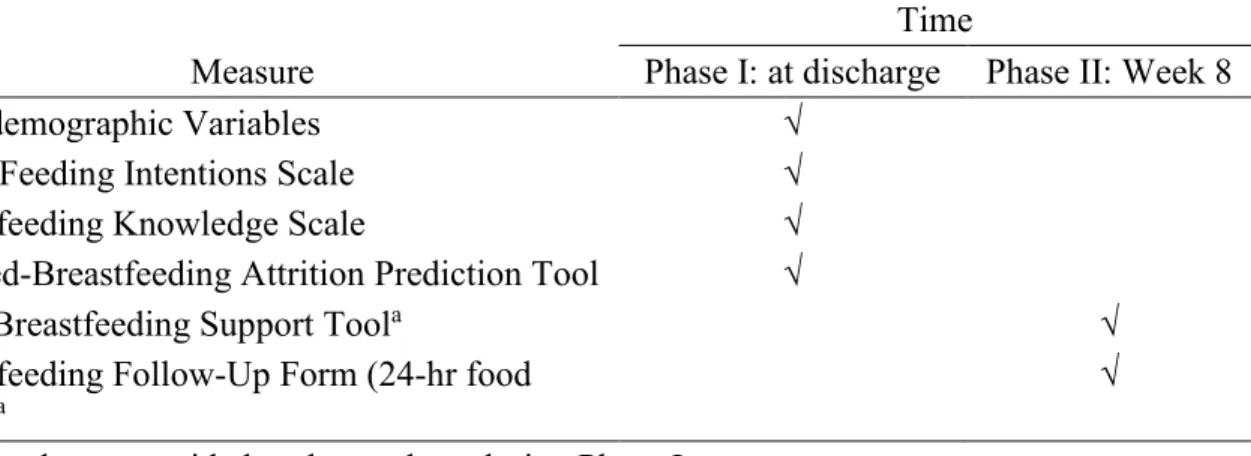
Table 1.4. Time frame of the data collection ... 38
Table 1.5. Timeline ... 43
Table 1.6. Dissemination of results... 43
Table 2.1. Search terms and databases used ... 58
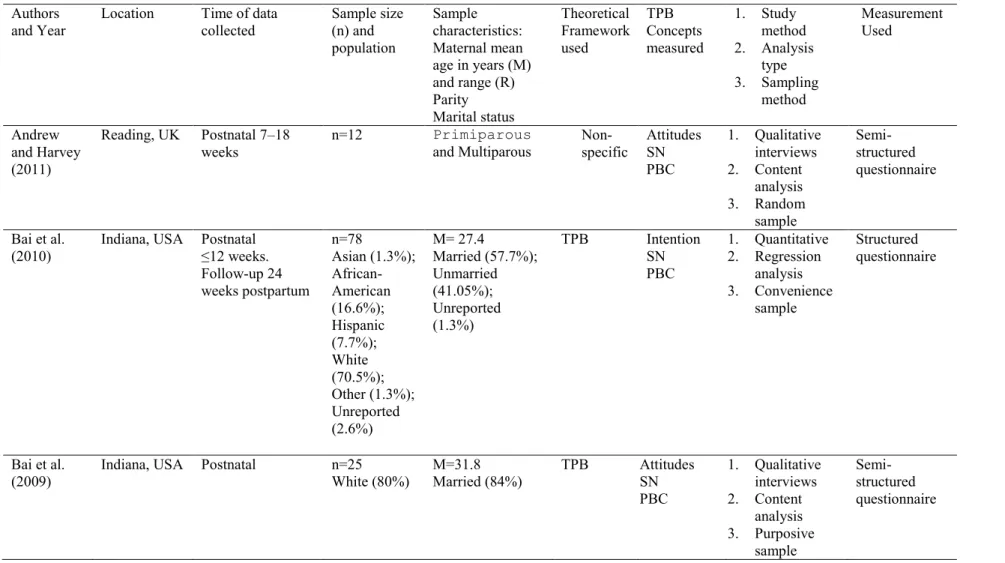
Table 2.2. Characteristics of the studies included in the review ... 62
Table 2.3. Conceptualizations of in infant feeding review articles and level of evidence according to the Oxford Center for Evidence-Based Medicine; levels and grading of clinical, 2009 ... 68
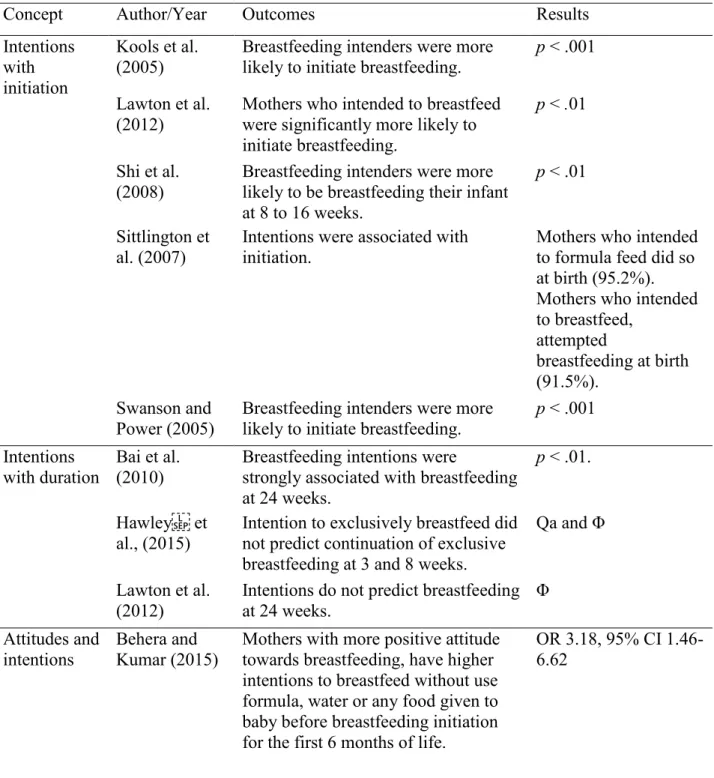
Table 2.4. Maternal intention, attitudes, perceived behavior control (PBC), subjective norms and primary breasting outcomes reported by the studies. ... 71
Table 3.1. Characteristics of mothers and infants (n = 30) in a pilot test study to assess the Arabic Revised BAPT ... 104
Table 3.2. Two Arabic translations with the reconciled Arabic version and back translation of the Revised BAPT (selected items)* ... 106
Table 3.3. Ratings on a 32-Item Scale by 10 Experts: Items Rated 3 or 4 on 4-Point represent an agreement and items rated 1 or 2 represent disagreement and not included in scoring. Scale of Relevance to Omani ... 107
Table 3.4. The Resolution of Participants’ comprehension issues arise during the cognitive interviews. * ... 111
Table 4.1. Descriptive statistics for categorical variables ... 133
LIST OF FIGURES
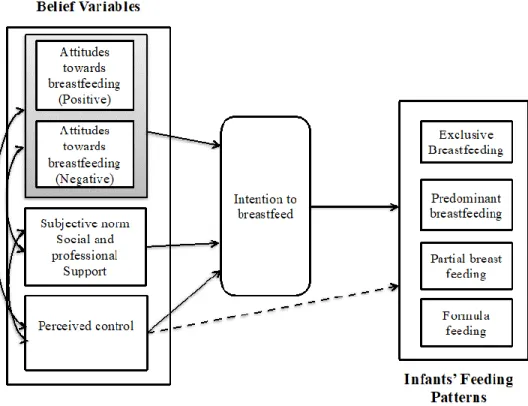
Figure 1.1. Ajzen’s (1991) theory of planned behavior as applied to breastfeeding... 18
Figure 1.2. Adapting the theory of planned behavior to determine breastfeeding
intention and breastfeeding patterns ... 19 Figure 1.3. Validation process of the translation of the revised-Breastfeeding
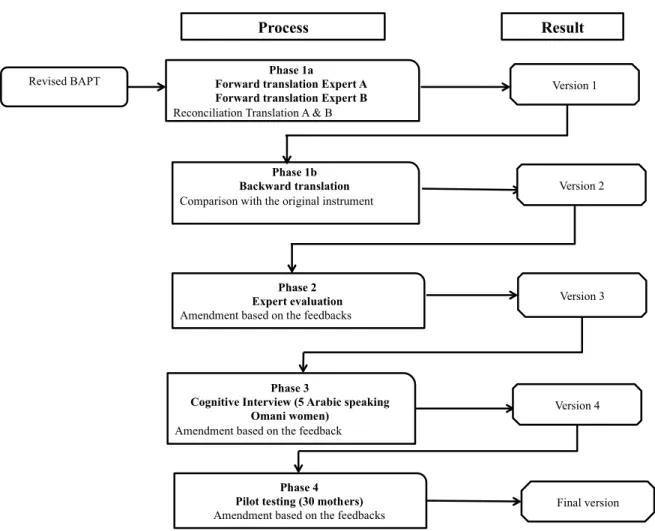
Attrition Prediction Tool. Adapted from Linguistic Validation of the OedsQL, by
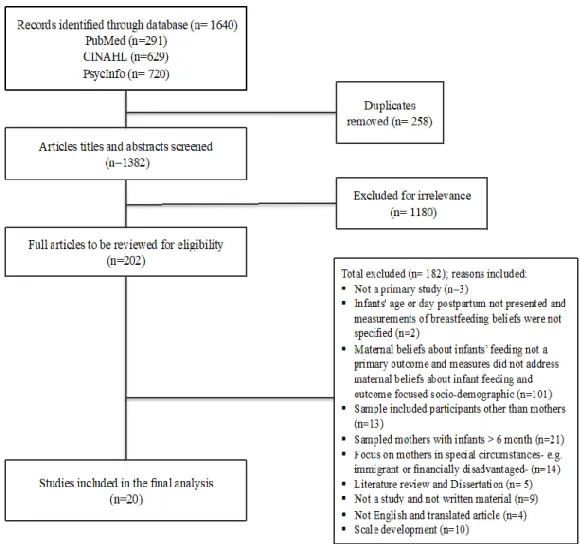
Mapi Research Institute (Mapi, 2002) ... 36 Figure 2.1. PRISMA flow diagram of the selection process of the studies... 60
Figure 3.1. Validation process of the translation of the Revised-Breastfeeding Attrition Prediction Tool (Revised-BAPT), adapted from the Mapi Research
Institute’s (2002) linguistic validation methodology. ... 103 Figure 4.1. The initial structural equation model. Adapting the theory of planned
behavior to determine breastfeeding intensity in Omani mothers. ... 125 Figure 4.2. Flow diagram of participants enrollment at postpartum hospital
discharge and follow-up at 8 weeks postpartum ... 126 Figure 4.3. Final model of factors in the pathway for breastfeeding intention at
postpartum hospital discharge and breastfeeding intensity at 8 weeks postpartum
LIST OF ABBREVIATIONS
BAPT Breastfeeding Attrition Prediction Tool BFKS Breastfeeding Knowledge Scale
CI Cognitive Interviews
CVI Content Validity Index EBF Exclusive Breastfeeding EBFS Early Breastfeeding Support MOH Ministry of Health
NBS Negative Breastfeeding Statement PBC Perceived Behavior Control PBS Positive Breastfeeding Statement
SE Self-efficacy
INTRODUCTION
This dissertation is presented as five chapters; it concerns maternal breastfeeding beliefs. My objectives for this dissertation are to present a study on maternal breastfeeding beliefs among Omani mothers (Chapter 1), to provide three manuscripts related to maternal breastfeeding beliefs (Chapter 2 through 4), and to synthesize these manuscripts (Chapter 5).
Chapter 1 is a study proposal regarding Omani mothers’ beliefs about breastfeeding and their infant-feeding intentions; in the study, I examine how these factors contribute to variations in breastfeeding patterns in Oman. The study uses a descriptive, prospective design with follow-up to achieve the following aims:
1. Assess the reliability and validity of the Arabic translation of the revised- Breastfeeding Attrition Prediction Tool (revised-BAPT).
2. Examine the associations of mothers’ sociodemographic characteristics, their
breastfeeding knowledge, the variables pertaining to their beliefs (attitudes, subjective norms, and perceived controls), and early breastfeeding support with their breastfeeding intentions at birth and their breastfeeding patterns at 8 weeks postpartum.
3. Examine the effects that sociodemographic variables, breastfeeding experiences, breastfeeding knowledge, and breastfeeding support have on the relationship between maternal belief variables intention and breastfeeding patterns.
examine the impact of, beliefs on women’s intentions and decisions about breastfeeding. In the manuscript, I use TPB concepts to answer the following questions:
1. What is the relationship between maternal intention attitudes, subjective norms, and perceived control and 1) initiation of breastfeeding at birth and 2) duration for the first 6 months of the infant’s life?
2. How is breastfeeding conceptualized in the reviewed studies?
3. What theoretical frameworks, if any, were used in the reports included in the review? 4. What methodologies were used in the reports included in the review?
Chapter 3 presents the results of the Arabic translation of the revised-BAPT regarding translation, linguistic validation, and content validation, all using the content validity index (see aim 3 of the study proposal).
Chapter 4 focuses on maternal belief variables, breastfeeding knowledge, and
breastfeeding support. This part of the dissertation presents the results of the other aims 2 and 3 of the study. It focuses on the results of the structural equation model (SEM) regarding
sociodemographic and maternal breastfeeding knowledge, belief variables (attitudes, subjective norms, and perceived controls), and maternal perceptions of breastfeeding support in terms of these factors’ associations with the mothers’ breastfeeding intentions at birth and with their breastfeeding patterns at 8 weeks postpartum.
CHAPTER 1: STUDY PROPOSAL
This chapter presents the study’s specific aims; significance and innovations; methods and rationale; instruments; the threats to its internal and external validity; data analysis, data management, and missing data; the translations of study tools; timeline; the risks to subjects; potential limitations; and the solutions to those limitations.
Specific Aims
Breastfeeding practices directly influence children’s nutritional status, development, and survival (UNICEF, 2012). Patterns of breastfeeding practice can be measured through concepts such as exclusivity of breastfeeding (EBF), predominant breastfeeding, and complementary breastfeeding. The World Health Organization (WHO, 2008) has defined these patterns of breastfeeding practice as follows:
EBF. Infant receives only breast milk from his/her mother or a wet nurse, or expressed breast milk, and no other liquids or solids, with the exception of drops or syrups
consisting of vitamins, mineral supplements, or medicines for the first 6 months of life.
Predominant breastfeeding. In addition to breast milk—including expressed breast and medicines—the infant may receive water or water-based drinks, tea, or fruit juices but no formula or non-human milk.
Complementary breastfeeding. In addition to breast milk, including expressed milk, the infant receives solid or semi-solid food. This may include any food or liquid, including infant formula milk and non-human milk (WHO, 2008, p. 4).
formula or any other form of drink or food in place of human breast milk. In addition,
breastfeeding duration also includes the possibility that breastfeeding continues for two years or
longer (WHO, 2010). The Academy of Breastfeeding Medicine defined ‘‘breastfeeding’’ as: The mother/child act of milk transference; ‘‘exclusive breastfeeding’’ means that no other liquid or solid food is fed to the infant, with the exception of medicines.
‘‘Breastmilk feeding’’ or ‘‘mother’s milk feeding’’ is the provision of the mother’s milk to the infant, and ‘‘human milk feeding’’ is the feeding of milk from any other mother or pooled human milk (Chantry, Eglash and Labbok, 2015, p. 407).
According to the WHO (2015), “If every child was breastfed within an hour of birth, given only breast milk for their first six months of life, and continued breastfeeding up to the age of two years, 800,000 children’s lives would be saved annually” (para. 1). In developing countries, the prevalence of EBF in the first 6 months of life has increased from 33% in 1995 to 39% in 2010 (Cai, Wardlaw, & Brown, 2012). This increase in EBF rates has occurred for developing countries in most regions. Despite this, the EBF rates in developing regions are still lower than the WHO’s 90% widely agreed target reported by Jones et al. (2003; Cai et al., 2012). Globally, the Middle East and North Africa region has the second-lowest percentage of infants (0–5 months) who are exclusively breastfed, with an average of 26% between 2000 and 2007 (Childinfo, 2009). Regarding Oman, Al-Asfoor (2008) indicated that relatively few EBF statistics are available from recent decades; for instance, the 1999 and 2005 EBF rates at 3 months were 31% and 33%, respectively. Breastfeeding rates at 4 months have also been
for hospitals and was not intended to provide support through primary health services. Al-Asfoor added that the later decline could be attributed to a lack of interventions that address breastfeeding at the community level. The EBF rate for infants at 6 months was 16.9% in 2011 (Department of Health Information & Statistics, 2013). Presently, fewer than 10% of mothers breastfeed exclusively for the first 6 months of their infants’ lives, even though more than 90% initiate EBF at birth (Department of Health Information & Statistics, 2013). This decrease in EBF rates has been accompanied by a significant increase in formula feeding at 6 months, from 60.7% in 2005 to 81.6% in 2011 and 85.2% in 2013 (Department of Health Information & Statistics, 2013). Rigorous studies focusing on Omani mothers are not available, so the explanation for the country’s declining rates of breastfeeding and increasing rates of formula feeding is not known.
In recent decades, studies have associated maternal breastfeeding outcomes with
mothers’ beliefs and intentions about infant feeding (Avery, Duckett, Dodgson, Savik, & Henly, 1998; Bai, Middlestadt, Peng, & Fly, 2010). This association is in line with the TPB, which indicates that a mother’s attitudes, subjective norms, and perceived control contribute to her intention to breastfeed. This intention subsequently influences the mother’s infant-feeding behavior. For this study, I used the TPB to understand the discrepancy in EBF rates at birth and 8 weeks. The findings from the literature—which primarily comprise Western studies on maternal belief variables (attitudes, perceived norms, and perceived control, all of which are variables that predict intentions to perform a desired action)—support the associations among maternal attitudes, subjective norms, perceived control, intentions, and maternal infant-feeding behavior.
First, a positive maternal attitude toward breastfeeding is associated with the intention to
breastfeed and with the continuation of breastfeeding (Avery et al., 1998; Hoddinott, Kroll, Raja, & Lee, 2010; Yen-Ju Ho & McGrath, 2011). Second, subjective norms and perceptions
regarding key people (e.g., partners, parents, and friends) are strongly associated with breastfeeding intention; likewise, breastfeeding intention is positively associated with the presence of family, peer, and partner support (McMillan et al., 2008; Persad & Mensinger, 2008). Subjective norms are also predictors of choices regarding infant-feeding methods (Avery et al., 1998; Swanson & Power, 2005). Additionally, perceived control or confidence when coping with breastfeeding-related issues is associated with the continuation of breastfeeding (Avery et al., 1998; Bai et al., 2010; Lawson & Tulloch, 1995). Higher levels of perceived control predict intention to breastfeed for longer durations (Lawson & Tulloch, 1995; Nommsen-Rivers, Chantry, Cohen, & Dewey, 2010). Finally, maternal intentions are associated with longer durations of EBF (Avery et al., 1998; Bai et al., 2010).
Culture’s influence on breastfeeding is most visible in the TPB through the concept of perceived social norms. Mothers live within the context of the community and of the individuals who surround them. In Omani culture, this concept is based on the domestic unit, which often includes not just the nuclear family but also extended generations in one household (Koermer, 2013). For example, grandmothers in Arabian culture are often highly involved in their grandchildren’s upbringings; the grandmothers referred to here can be the mother’s biological mother or her mother in-law. In addition, grandmothers are not only a source of advice, but also a great source of influence on infant feeding practices (Andrew & Harvey, 2011; Ingram et al., 2003; Reid et al., 2010; Sharma & Kanani, 2006).
influence breastfeeding outcomes (Avery, Zimmermann, Underwood, & Magnus, 2009; Bai et al., 2010; Barona-Vilar, Escribá-Agüir, & Ferrero-Gandía, 2009; Jessri, Farmer, & Olson, 2013; Moore & Coty, 2006), only a few studies have focused on the Arabian Gulf. In an effort to develop a child growth chart for six countries (Brazil, Ghana, India, Norway, Oman, and the United States), Onis (2006) reported that, compared to those in the other countries, the highly educated mothers in Oman had significantly lower compliance with breastfeeding
recommendations. Moreover, Onis (2006) highlighted the cultural differences that influence breastfeeding practices, thus suggesting an area of research that requires further exploration. Improving understanding of maternal knowledge and beliefs in Oman could lead to a better understanding of the variables that contribute to such variations in breastfeeding patterns.
Various researchers have reported that returning to work is a commonly reported breastfeeding barrier and a main factor in why mothers introduce formula feeding and early weaning (Chen & Chi, 2003; Lewallen et al., 2006; Schwartz et al., 2002). Hamlyn, B.,
Brooker, S., Oleinikova, K. & Wands, S. (2002) reported that 87% of mothers who discontinued breastfeeding in the first 6 weeks wanted to breastfeed for a longer duration. Going back to work is associated with a shorter duration of EBF (Mora, Russell, Dungy, Losch, & Dusdieker, 1999). Sloan, Sneddon, Stewart, and Iwaniec (2006) reported that 88% of mothers who initiated
breastfeeding at birth were still breastfeeding in the first week; this number decreased to 67% at 6 weeks, with the need to return to work listed as the most common reason for discontinuing breastfeeding.
even though there was no significant difference in breastfeeding intention between mothers who exclusively breastfed and those who supplemented breastfeeding with formula milk, mothers who breastfed exclusively at 2 weeks postpartum had significantly greater durations of breastfeeding at 20 weeks than did mothers who supplemented at 2 weeks. Among working mothers in Oman, the period of 7 to 8 weeks postpartum is especially critical for sustaining EBF, as this is the time when women return to paid work. According to Article 83 of Oman’s labor laws, women have the right to 50 days of fully paid maternity leave (Labour Law, 2012). Statistics from the Oman Ministry of Health (MOH) indicate that breastfeeding drops off
dramatically at 8 weeks postpartum. In 2010, EBF rates in Muscat, the capital of Oman, dropped from 92.05% at birth to 61.44% at 8 weeks postpartum (Department of Nutrition, 2010).
In addition to the belief variables and returning to work, sociodemographic variables influence both the patterns of breastfeeding practice and the maternal belief variables. The sociodemographic variables that are most commonly found to have associations with patterns and duration are maternal age, marital status, family income, and education level (Avery et al., 1998; de Jager, Skouteris, Broadbent, Amir, & Mellor, 2013; Dennis, 2002).
Marital status is also associated with breastfeeding outcomes. Researchers have reported that married mothers have significantly longer durations of breastfeeding than single mothers do (Callen & Pinelli, 2004; Li, Fein, Chen, & Grummer-Strawn, 2008). This variable was not a concern because all Omani mothers were expected to be married due to Islamic religious requirements. In addition, education level is correlated with breastfeeding outcomes. Researchers have reported that more highly educated mothers tend to breastfeed for longer durations than do less educated mothers. However, this variable is inconsistent in its association with breastfeeding duration. On one hand, Simard et al. (2005) reported a significant positive association between longer duration of breastfeeding and maternal education level. Kornides and Kitsantas (2013) reported that mothers with more education are significantly more likely to initiate breastfeeding and continue it at 2 months. Kehler, Chaput, and Tough (2009) reported that lower maternal education significantly increased the likelihood of early breastfeeding cessation. On the other hand, various authors (who conducted studies mostly in developing countries) have found that breastfeeding duration decreases significantly as education level increases (Amin, Hablas, & Al Qader, 2011; Humphreys, Thompson, & Miner, 1998; O’Brien, Buikstra, & Hegney, 2008).
This study explores the effect that previous breastfeeding experience has on both beliefs and patterns. Previous breastfeeding experience is associated with increased breastfeeding duration. Becerra and Smith (1990) reported that mothers who breastfed their first child were 7.3 times more likely to breastfeed their second child than were mothers who never breastfed their first child. In a sample of multiparous mothers after a follow-up at 12 months postpartum, (Bai, Fong &Tarrant, 2015) reported that mothers who had previously breastfed for more than 3 months had a lower risk of weaning compared to mothers who had never breastfed or who had breastfed for no more than 3 months. In addition, mothers who used EBF for more than 2 months were less likely to stop EBF than were mothers who never engaged in EBF and those who had done so for no more than 2 months. Phillips, Brett and Mendola (2011) also reported that mothers who used EBF for their first child for at least 4 months had higher odds of doing so for their second child for at least 4 months, when compared to mothers who used EBF for less than 4 months and to those who had no breastfeeding experience.
Breastfeeding knowledge also contributes to explanations of maternal breastfeeding behavior. Knowledge of the benefits of breastfeeding is associated with significantly higher odds of breastfeeding (Khoury, Moazzem, Jarjoura, Carothers, & Hinton, 2005). Ertem, Votto and Leventhal (2001) reported a lack of breastfeeding knowledge in their longitudinal
In a cross-sectional study of Saudi mothers—of whom 6.7% had less than a high school education, 63.3% were high school graduates, and 30% had received at least some higher education—Mosalli et al. (2012) reported that a lack of breastfeeding knowledge was the most common barrier to breastfeeding. During the immediate postpartum period, 30% of the Saudi women in the Mosalli et al. study believed that breastfeeding did not provide adequate nutrition for the infant, and 4% believed that formula milk was superior in nutritional value to breast milk. Furthermore, 23% of the mothers had little knowledge about colostrum’s benefits to the infant (Mosalli et al., 2012). In a study on maternal breastfeeding knowledge and attitudes, Saudi mothers who had more breastfeeding knowledge had longer breastfeeding durations and fewer perceived barriers to breastfeeding. Breastfeeding knowledge assessed included knowledge of the benefits of breastfeeding for the mother and baby. The authors suggested that maternal breastfeeding knowledge is positively correlated with maternal breastfeeding attitudes. Mothers who had higher scores on the breastfeeding knowledge scale had more positive attitudes toward breastfeeding (Saied, Mohamed, Suliman, & Al Anazi, 2013).
The proposed study is meant to explore knowledge of breastfeeding in light of the WHO’s breastfeeding recommendations. These recommendations include providing knowledge about
1. breastfeeding’s benefits to the mother and baby (including the prevention of infectious disease) as well as the harms of not breastfeeding;
2. the benefits of colostrum;
3. insufficient milk supply, the most commonly reported barrier to breastfeeding;
the early introduction of formula feeding (Heinig et al., 2006), as parents of overweight or obese children often incorrectly perceive their children as being the right weight (Duncan, Hansen, Wang, Yan, & Zhang, 2015); and
5. the WHO’s and UNICEF’s recommendations to establish breastfeeding within the first hour of life, sustain EBF for 6 months, make breastfeeding available on demand both day and night, and use spoons or cups instead of bottles, teats, or pacifiers.
For this study, I use the WHO’s definition of the patterns of breastfeeding—which focuses on infants’ diet intake—to describe the infants’ feeding patterns as well as the WHO’s recommendations for successful breastfeeding to evaluate maternal breastfeeding knowledge (WHO, 2010; WHO, 2015a).
The objectives of this study are to explore maternal beliefs about breastfeeding behavior and the cultural factors that explicitly contribute to variations in the patterns of breastfeeding practices in Oman. The rationale is to provide a foundation for effective breastfeeding interventions that are tailored to Omani mothers. The study has the following specific aims:
1. Assess the reliability and validity of the Arabic translation of the revised- Breastfeeding Attrition Prediction Tool (revised-BAPT).
2. Examine the associations of mothers’ sociodemographic characteristics, their
breastfeeding knowledge, the variables pertaining to their beliefs (attitudes, subjective norms, and perceived controls), and early breastfeeding support with their
3. Examine the effects that sociodemographic variables, breastfeeding experiences, breastfeeding knowledge, and breastfeeding support have on the relationship between maternal belief variables intention and breastfeeding patterns.
The knowledge gained from this study fills a gap in the literature on the maternal belief variables that contribute to Oman’s relatively low EBF rate. The findings from the study contribute to identifying potential areas for culturally specific interventions, promoting EBF in Oman, and further concentrating on areas of the country where the breastfeeding rates are lowest. This supports my long-term goal of developing a culturally specific intervention aimed at
improving EBF rates in Oman.
Significance
in 2008 and 2009, ElSayed and Al Shammkhi (2009) reported the following results among children 5 years old and younger: 8.6% were underweight,1 7.1% had wasting,2 9.8% were
stunted,3 and 60.6% had anemia. The prevalence of these conditions was especially high in
children younger than 6 months old, as 6.1% were underweight, 9.6% had wasting, 8.4% were stunted, and 65.6% had anemia (ElSayed, M. & Al Shammkhi, S., 2009).
In 2012, undernutrition caused more than one third of global deaths among children 5 years old and younger (UNICEF, 2012). According to the WHO and UNICEF, a key contributor to optimal infant nutrition is breastfeeding, which not only promotes child’s growth and
development but also reduces the disease burden and prevent excess nutrition (WHO & UNICEF, 2014). Oman’s EBF rates are in decline and no researchers have explained the
declining rates of breastfeeding and increasing rates of formula feeding in Oman. Moreover, the lack of validated Arabic instruments that could help explain mothers’ breastfeeding beliefs adds to the need for conducting this study.
The aim of the proposed study is to increase understanding of the maternal belief variables (attitude, subjective norms, and perceived behavioral control) and breastfeeding intentions that influence patterns of breastfeeding practices in Oman. Researchers have suggested that these maternal belief variables are associated with breastfeeding intentions and with EBF duration (Avery et al., 2009; Bai, Middlestadt, Joanne Peng, & Fly, 2009; Bai et al., 2010; Barona-Vilar et al., 2009; Jessri et al., 2013; Moore & Coty, 2006). However, few
1 Underweight is “more than two standard deviations below the median weight (based on age) for the reference population” (UNICEF Definitions, n.d.)
2 Wasting is “more than two standard deviations below the median weight (based on height) for the reference population” (UNICEF Definitions, n.d.)
researchers have focused on understanding the belief variables and breastfeeding intentions in the culture of Oman or the Arabian Gulf as a whole. The findings of this study identify a critical gap in the literature related to the maternal belief variables that explicitly influence breastfeeding in Oman. A better understanding of these maternal belief variables is imperative when designing culturally specific interventions that focus on increasing EBF rates. Furthermore, Aim 1 helps determine the reliability and validity of the translated version of the revised-BAPT for the Arabic population. This helps refine the instrument through statistically reliable methods and provides further evidence of its global application.
Innovations
The proposed study addresses Omani mothers’ specific perspectives on breastfeeding, an area of research that has a limited focus. The study provides an opportunity to gain a more comprehensive understanding of these mothers’ knowledge and early breastfeeding support— variables that are associated with breastfeeding in that population (Axinn & Pearce, 2006). According to past researchers, maternal belief variables influence behavior, and this study contributes to knowledge regarding the association between the identified variables and breastfeeding behavior. This study is also important because it highlights how
& Hegney, 2008; O'Brien, Buikstra, Fallon, & Hegney, 2009; Onis, 2006; Persad & Mensinger, 2008). The results of this study increase knowledge of Omani mothers’ breastfeeding intentions, perspectives, and beliefs contribute to Oman’s relatively low rates of breastfeeding.
Methods and Rationale
My intent in this study is to examine the maternal sociodemographic and belief variables (e.g., attitudes, subjective norms, and perceived control) that, in Oman, are associated with breastfeeding intentions at birth and with patterns of breastfeeding practices at 8 weeks postpartum. Among Omani mothers, the maternal belief variables are predicted to have
associations with intention and with patterns of breastfeeding practices. My primary purpose in this study is to explore the sociodemographic variables, maternal breastfeeding knowledge, early breastfeeding support, and belief variables that contribute to maternal feeding intentions and breastfeeding patterns in Oman. I examine the breastfeeding patterns in this study based on infants’ diets, as recorded using 24-hr dietary recall. Because this method is open-ended, it is a comprehensive technique for estimating intake, as it allows the mothers to report all types of food (and combinations thereof) when recording the intake of their infants and toddlers (Briefel et al., 1992). I conducted this study in three phases. In the pretest phase, I assessed the
practicality of the study’s tools with a sample of five Omani mothers, redrafting the tools as needed after examining the participants’ responses. In Phases I and II, I implemented an exploratory study of breastfeeding Omani mothers at birth and at 8 weeks postpartum.
difficulty when performing the desired behavior (Figure 1.1; Table 1.1). The assumption for attitude, the first part of the theory, is that individuals adjudicate their actions. The second part of the theory focuses on the social antecedents of a behavior (e.g., the desire to be like others). This part, which considers the importance of assessing subjective norms, includes the
individual’s perceptions of whether key people (e.g., partners, parents, and friends) approve of the behavior; the individual’s motivation to comply or otherwise behave in a way that gains the key people’s approval; and the individual’s normative belief regarding whether the key people approve of the behavior. The third component of the TPB is perceived behavioral control, which is a measure of an individual’s perceived ease or difficulty in performing the desired behavior. Perceived behavioral control directly influences individuals’ intentions and behaviors (Figure 1.1; Table 1.1). The concept of perceived behavioral control assumes that the predictive
behavior is influenced either by the individual’s perception of control over the behavior or by the extent to which the individual believes that he or she has control over the facilitating or
constraining conditions. This influence is demonstrated in the extent that the individual feels able to enact the desired behavior. This concept includes factors that can interfere with the desired behavior, thus explaining why intentions do not always predict behavior (Ajzen, 1991; Armitage & Conner, 2001; Glanz, Rimer, & Viswanath, 2008).
In this study, the TPB is used to predict maternal breastfeeding patterns. Mothers who have more positive attitudes about breastfeeding, higher levels of subjective norms, higher perceived control, and higher levels of breastfeeding intentions are expected to be more likely to still be using EBF for their infants at 8 weeks postpartum. Mothers who have lower
studies to predict breastfeeding intention and behavior using various operational measurements. The results reported from the studies on maternal intentions strongly predict EBF duration (De Jager et al., 2013). In addition, Teich, Barnett, & Bonuck (2014) reported significant
relationships between the concepts of the TPB (attitudes, perceived norms, and perceived social support) and both maternal infant-feeding intentions and the continuation of breastfeeding.
Figure 1.1. Ajzen’s (1991) theory of planned behavior as applied to breastfeeding
In addition to the concepts of the TPB, I modeled sociodemographic variables to
this factor is not expected to vary because all of the participants are expected to be married in Oman’s all-Muslim culture; therefore, it is not included as a potential variable, as it would confound the patterns of breastfeeding practices for the population.
Regarding the direct effects on breastfeeding patterns through the intention model (Figure 1.1), I examined the belief variables, maternal breastfeeding knowledge, and early breastfeeding support (Figure 1.2). I also examined the moderation effects of sociodemographic variables, breastfeeding experience, breastfeeding knowledge, and early breastfeeding support on the relationships that the maternal belief variables and intentions have with breastfeeding patterns.
Table 1.1. Operational definitions of the study variables: attitude, perceived control, subjective norms, intention, maternal breastfeeding knowledge, previous breastfeeding experience, and early breastfeeding support
Variable Operational Definition
Attitudea The woman’s beliefs regarding the consequences of
breastfeeding and formula feeding. This includes beliefs about the advantages and disadvantages of both breastfeeding and formula feeding.
Perceived controla The woman’s beliefs about the ease and difficulties regarding
breastfeeding and formula feeding.
Subjective normsa The woman’s perceptions of the key people around her,
including the woman’s mother, husband, sister, and primary care provider, as well as the infant’s father, and whether they think that she should or should not breastfeed or formula feed.
Intentionb The woman’s plan and likelihood of following up with the plan
about infant feeding at one, three, and six months of infant’s age, collected within the first 48 hr after delivery.
Maternal breastfeeding
knowledge Maternal knowledge of World Health Organization recommendations, focused exclusively on breastfeeding for the first six months and the benefits of breastfeeding.
Previous breastfeeding
experience The success of the mother’s past breastfeeding experience
Early breastfeeding support The mother’s perception of the breastfeeding support
experience she receives during hospitalization, in accordance with the Steps to Successful Breastfeeding (BFHI) practice guidelines
Methods
Design
For this study, I used a descriptive, prospective design with a follow-up to examine breastfeeding beliefs, intentions, and behaviors among Omani mothers. I performed the study as follows: pretest phase, Phase I, and Phase II. The pretest, which was a pilot test for the study tools, consisted of a cross-sectional study that allowed me to assess the feasibility of the study tools (the BAPT, the Infant Feeding Intention [IFI] tool, and the sociodemographic survey) for the targeted sample. The purpose was to detect any issues that the participants might experience when responding to the study tools.
Along with two research assistants, I collected data from the participants in two phases: Phase I, at postpartum hospital discharge, and Phase II, at the 8-week postpartum follow-up. The rationale for this implementation is to establish the direction of the relationships between, first, the maternal belief variables (attitude, subjective norms, and perceived control) and the
intentions and, second, the patterns of breastfeeding practices. This design allowed for the interactions between these variables to be examined simultaneously to determine which ones vary together (P. J. Brink & Wood, 1997). This design is also useful for understanding the sociodemographic influences within Oman, thus allowing for the development of culturally sensitive interventions to promote EBF. The sociodemographic variables that influence
Setting
I carried out this study in Muscat Governorate, which is located in the northeast region of Oman and which had a population of 734,697 people in 2010 (National Statistics, 2012). Since the ascension of the modern Omani government in 1970, Muscat has gone through rapid
infrastructural and economic development. According to Oman MOH statistics, in 2010, the mean rate of breastfeeding was below 52% in all regions of the country; Muscat had the lowest rate of any region, with only 32.74% of children being breastfed (Department of Health Information & Statistics, 2013). Moreover, in 2012, Muscat had the lowest rate in the country for EBF in the first 6 months: 1.8%, compared to 9.1% nationally (Department of Health Information & Statistics, 2013)
The MOH is the primary health care provider in Oman, and its care is free to Omanis. Muscat, the country’s capital region, has the highest population density; nearly 50% of the country’s population resided there in 2017 (World Population Review, 2017). Muscat is a coastal area situated in the northern part of the country, which is located in the southeastern part of the Arabian Peninsula. Because of the country’s location and history, Oman’s societal
composition is unlike that of any other country in the Arabian Gulf—a heterogeneous population comprising several ethnic groups. The major ethnic categories include Arabs; Arabs who
area of inquiry.
Like other Arabian Gulf countries, Oman is experiencing a population transition toward urbanization.4 According to the U.S. Central Intelligence Agency, in 2010–2015, Oman had an
estimated urbanization rate equivalent to 8.54%, with 77.6% of the population living in urban areas by 2015; the global figures for the same time period are a 2.05% urbanization rate and 54% living in urban areas (Central Intelligence Agency, 2015). This urbanization, in addition to the country’s economic growth, has given women the chance to receive higher levels of education and to become more involved in work outside the home. Similarly, the illiteracy rate among Omani women is declining; the 2010 National Census documented a drop in illiteracy among Omani women from 23.7% in 2003 to 16.7% in 2010 (Human Development Report, 2012). Consequently, the percentage of female employment is rising, with a considerable increase from 10.8% in 2003 to 25.2% in 2010 (Human Development Report, 2012).
For the study, I recruited participants fromRoyal Hospital and Khawlah Hospital, which are the country’s main hospitals and which are both located in Muscat. According to MOH annual statistics report, Royal Hospital has 624 beds, and Khawlah Hospital has 490 beds. The average live births are 7,694 for Royal Hospital and 5,080 for Khawlah Hospital (Department of Health Information & Statistics, 2013). This results in approximately 641 potential participants per month from Royal Hospital and 423 from Khawlah Hospital (Table 1.2). Royal Hospital has two postpartum wards, with the capacity to accommodate 68 patients total. Khawlah Hospital has one postpartum ward that can accommodate 50 patients. Each hospital has a principal nursing officer—a nurse concerned with the administration of the entire hospital—and a nurse
who is in charge of each ward. The patient turnover for the postpartum wards is high. With no medical complications, the infant––mother dyad stays for an estimated two days if the baby is a girl or three days if it is a boy. The discrepancy in length of hospital stay is caused by male newborns being circumcised during their postpartum hospital stay. These hospitals serve the Muscat area and receive referrals from other regions of the country. Because these hospitals receive patients from all of Muscat, recruiting from them provided variation in the sample characteristics.
Table 1.2. Total deliveries and potential recruitment pool, Royal and Khawlah Hospitals, 2013
Hospital Annual births (live and still) Annual live births Monthly live births
Royal 8709 7694 641
Khawlah 5673 5080 423
Note. From The Ministry of Health annual statistics, by Ministry of Health, 2013
Sample
pregnancy; and (c) those with physical conditions that might interfere with breastfeeding, such as breast reduction. In addition, mothers and infants who had any other conditions that could interfere with the breastfeeding process were excluded from the study (T Qeenan, 2004).
The sample for Phase I was 30 participants. Five participants completed the cognitive interview. The sample size for Phase II was calculated using the recommended ratio of 10 cases per variable (Bentler & Chou, 1987; Jackson, 2003). As this study contains about 23 variables, and a latent variable, and as there were 5 observations in the model, the recommended sample size is 280 (28 × 10). For this study, given the estimated 20% attrition rate for the follow-up interview, the estimate for the final sample size was 337.
Measures
The study explored (a) maternal belief variables, (b) maternal infant feeding intentions, (c) maternal breastfeeding knowledge, (d) sociodemographic variables, (e) previous
breastfeeding experience, (f) patterns of breastfeeding practices, and (g) maternal early
breastfeeding support. Table 1.3 represents the instruments used for the study, along with their validity and reliability. (Permissions for using study instruments are presented on Appendix 1 and 2).
Maternal Belief Variables
their approval; the normative belief or beliefs that the referent approves or disapproves; and the descriptive norms, or the belief that most people perform the behavior, such as the desire to be like others (Glanz et al., 2008; Table 1.1).
The BAPT is a self-report instrument that was originally developed to identify women who have the tendency to wean their babies early (Janke, 1992; Janke, 1994). The instrument contains 52 items on a 6-point Likert-type scale (Janke, 1994). The instrument’s subscales measure positive breastfeeding statements, negative breastfeeding statements, social and professional support, and perceived behavioral control. Gill et al. (2007) revised the tool and used it to predict breastfeeding intention in Hispanic mothers; this revision reduced the tool to 32 items on a 3-point Likert scale. The revised-BAPT is first scored by reverse-scoring the NSB items so that disagree becomes agree and vice versa. The disagree responses are scored with a 0, and the agree responses are scored with a 0, 1, or 2 based on the item’s weight in the analysis. The items’ weights change based on factor analysis, which is implemented for the population of interest. Finally, the score for each item is added to obtain the total score. The total scores range from 0 to 38; a score below 20 indicates a below-average belief score and a low intention to breastfeed (Gill et al., 2007).
In this study, I used the revised-BAPT. After a consultation with Mary Lynn (personal communication, 30 October, 2015)—an expert in tool development at the University of North Carolina, Chapel Hill—I altered the items to use a 4-point Likert scale (strongly disagree, disagree, agree, and strongly agree). I did this to avoid the lack of variation in the scoring that
can occur when using fewer points on a scale, especially when using a tool in a culture for which there are no documented reviews of adoptability or scale usage (Mary Lynn, personal
communication, 30 October, 2015). In addition, the original revised-BAPT did not include labels for each point on the scale; therefore, I modified this scale and labeled each item so that it matched the Likert scale’s criteria. I conducted confirmatory factor analysis (CFA) on the tool to test the structure of the newly translated tool before analyzing the results with the SEM. Using CFA, I was able to determine whether the measured constructs in the self-reported tool had equivalent meanings in Omani culture. Using CFA also allowed me to determine the items’ feedback construct validity by judging whether a particular set of items indirectly measured the hypothesized latent variables (Gregorich, 2006) and therefore determined whether the tool had subscales.
Maternal Infant Feeding Intentions
EBF) to 16 (high intention of EBF). The scale’s original developers determined its Cronbach’s α to be .70 and .90 (Nommsen-Rivers & Dewey, 2009; Nommsen-Rivers et al., 2010). The scale has been translated from English to Spanish and other languages, including Arabic. The original developer assessed the construct validity with multiethnic cohorts of postpartum mothers,
29
Table 1.3. Reliability and validity of the variables and instruments
Construct Instrument Cronbach’s α Validity
Maternal belief variables: attitude, subjective norms, and perceived control
BAPT Overall α .80f & .86c For a sample of 201 postpartum mothers,
88% Caucasian, the BAPT explained 35.1% of the variance. The NBS (p = .003), PBS (p = .17), and SPS (p = .20) subscales were significantly related to infant feeding at 8 weeks. The predictive validity for each of the NBS, SPS, and BFC subscales was significant in determining the method of infant feeding at 8 weeks.
Discrimination analysis indicated that 73% of women weaned before 8 weeks.f
For a sample of 291 mothers, of whom 88% were Caucasian, 7% were African American, 2% were Asian, and 3% were Hispanic, the tool accounted for 39% of the variance. At 8 weeks, the tool predicted that 78% of the women would stop breastfeeding and that 68% of the women would continue breastfeeding (p < .005).b
Attitude BAPT: PBS subscale .78,a .81,b & .83c
BAPT: NBS subscale .77,a .78,b & .78c
Subjective norms BAPT: SPS subscale .83,a .83,b & .80c
Perceived control BAPT: PBC subscale .86,a .86,b & .82c
Intention Infant Feeding Intention
tool
.70d & .90e The construct validity was assessed in
30
Construct Instrument Cronbach’s α Validity
Maternal breastfeeding knowledge
Breastfeeding Knowledge Scale
Developed for the purpose of this study
Sociodemographic variables Survey Developed for the
purpose of this study Present and success of previous
breastfeeding experience and duration
Two items Part of
socio-demographic variables Developed for the purpose of this study Patterns of breastfeeding practice 24-hr dietary recall Modified by the PI
from the “child” portion of the 24-hr dietary recall measure in the Nutrition Obesity Research Centers study tool Maternal early breastfeeding
support
Maternal breastfeeding support tool
Developed for the purpose of this study
Note. BAPT = Breastfeeding Attrition Prediction Tool; PBS = Positive Behavior Statement; NBS = Negative Behavior Statement; SPS = Social and Professional Support; PBC = Perceived Behavioral Control; PI = Primary Investigator.
a Janke (1992). b Dick et al. (2002). c Gill (2007).
d Nommsen-Rivers et al. (2010). e Nommsen-Rivers et al. (2009). f Janke (1994).
Maternal Breastfeeding Knowledge Measured Using the Breastfeeding Knowledge Scale
I developed the Breastfeeding Knowledge Scale to assess mothers’ knowledge of WHO-recommended breastfeeding practice. I developed the questions from those guidelines. The questions include practice recommendations focused exclusively on breastfeeding for the first 6 months and the benefits of breastfeeding. Content pertaining to breastfeeding practice in relation to HIV infection is beyond the scope of the study and is not included. The knowledge tool consists of 12 true or false questions to assess mothers’ knowledge. The use of WHO breastfeeding recommendations contributes to establishing the content validity of the tool (WHO, 2015b). I pilot-tested the tool with five nurses who work in maternal child units to assess its readability and adaptability. The mothers attained 1 point for every question answered correctly on a cumulative scale of 0 to 12. I scored the tool as a continuous variable, with a higher score indicating better breastfeeding knowledge. After conducting the factor analysis, I loaded the tool into the SEM for analysis.
Sociodemographic Variables
I designed the sociodemographic variables based on a review of the literature. The sociodemographic variables in the study are as follows:
1. Mother’s age in years, collected as a continuous variable
3. Mother’s educational level, categorized as some type of formal school (between 1 and 5 years), primary (6 years), preparatory (7–9 years), secondary (10–12 years),
college or university, and graduate or above;
4. Mother’s employment outside the house, which also includes school attendance. I collected this information using an open-ended question; it represents a continuous variable of the number of hours the mother is away from home for work or school. 5. Parity or number of living children the mother gave birth to, excluding the current
delivery, collected as a continuous variable
6. Method of delivery: vaginal delivery or cesarean section 7. Baby’s sex: female or male
8. Living conditions, represented by two continuous variables: number of family
members and number of servants. I collected the number of family members living in
a single household because the domestic unit in Oman may include extended generations of family members residing in a single household (Koermer, 2013). I included the number of servants because, in (Mohamed et al., 2004) study, 39% of families had at least one servant in the household.
Previous Breastfeeding Experience
Each mother was asked to assess the success of her past breastfeeding experience by selecting among the following: very successful, moderately successful, slightly successful, not at all successful, and this is my first baby. The mother was also asked about the duration of
Patterns of Breastfeeding Practices
I estimated patterns of breastfeeding practices based on 24-hr dietary recall. I modified the 24-hr dietary recall survey used in this study, with the guidance of Mangan (2015), from the child 24-hr dietary recall of the Nutrition Obesity Research Centers Diet and Physical Activity Core, NIH grant number DK56350, at the University of North Carolina, Chapel Hill. The 24-hr recall survey questions are mostly open-ended, and I also used them to generate the infant’s intake for the day. I obtained the information via telephone interviews and inquired about the type of feeding, the food given, and the frequency of feeding (time from one feeding to the next). I asked the subject to report the infant’s intake (using 2-hr intervals) over the 24-hr period (from 6 a.m. to 6 a.m.) for the day preceding the interview. I used dietary recall to estimate the patterns of breastfeeding practices. I used the recall to generate patterns of breastfeeding practices by categorizing the feeding patterns to match the WHO’s patterns.
Maternal Early Breastfeeding Support
I assessed maternal early breastfeeding support using a maternal breastfeeding support tool. The tool measures maternal perceptions of the hospital breastfeeding practices. This tool was adapted from Miriam Labbok’s (personal communication, October 29, 2015) assessment of hospital practices of breastfeeding support. I modified the assessment to collect maternal
in Oman. I expected item 5—was your baby ever given a pacifier? — to be eliminated from the analysis because pacifiers are neither available nor used in Oman government hospitals, and I did not expect the results of this item to vary among the mothers.
I established the content validity of the items on the early breastfeeding support tool by ensuring that (a) the tool reflected the WHO’s BFHI standards of practice for successful breastfeeding (WHO, 2009) and (b) the tool was adopted from breastfeeding expert Mariam Labbok (personal communication, October 29, 2015). I administered the tool to five nurses who had worked in a maternal child unit for at least five years to determine the tool’s readability and adaptability. I scored the tool as a continuous variable (0–10) and gave each item on the tool 1 point if the mother answered yes and 0 if she answered no, with higher scores indicating more favorable hospital breastfeeding practices.
Tool Translations
Before conducting the study, I subjected the BAPT tool to a process of translation and validation. I used the back translation method for the translation process. This method involves multiple steps and provides higher quality than a mere direct translation (Thicke, 2011).
In the forward translation process, two independent professional translators conducted the forward translation of the instrument. I directed the translators to capture the meaning of the translation, rather than the word-for-word or literal translation, of the items in the instrument. I also instructed the translators to use simple language that would be comprehensible to patients with a lower reading level. During this phase, both translated versions were transferred to a table as a word processor document, with all items side by side. A third independent bilingual
translator was then able to look at the two translated versions and reconcile them as one, which I called Version 1.
For the back translation, a professional bilingual native Arabic speaker who lives in the United States back-translated Version 1 of the Arabic BAPT into English. The translator was neither involved in the forward translation nor saw the original English version. Because I am bilingual, I was able to compare the English back translation and the original English tool; the project manager at the translation center, who is also bilingual, did the same. We detected no mistranslations or inaccuracies in the comparison of the back translation and the original
comparison. The back-translation process provides higher quality than a direct translation. This means that back translation minimizes the bias that may result from the two forward translations (Hilton & Skrutkowski, 2002; Streiner, Norman, & Cairney, 2014; Thicke, 2011). This process yielded Version 2 (Figure 1.3).
I then carried out cognitive interviews with a sample of three Omani women with the purpose of assessing the clarity of the translated tool and identifying problematic items that might lead to biased answers.
Finally, for the pilot testing of the translated, revised-BAPT, I administered the tool to five Omani mothers. The purposes of this testing were to attain feedback from the participants, to revise the tool, and to identify problems. I used the participants’ comments to produce the final version of the translated, revised-BAPT.
Figure 1.3. Validation process of the translation of the revised-Breastfeeding Attrition Prediction Tool. Adapted from Linguistic Validation of the OedsQL, by Mapi Research Institute (Mapi, 2002)
Revised BAPT Forward translation Expert APhase 1a
Forward translation Expert B Reconciliation Translation A & B
Phase 1b Backward translation Comparison with the original instrument
Phase 2 Expert evaluation Amendment based on the feedbacks
Version 3
Process Result
Phase 3
Cognitive Interview (5 Arabic speaking Omani women)
Amendment based on the feedback
Final version Version 4
Phase 4 Pilot testing (30 mothers) Amendment based on the feedbacks
Procedure
Following the approval of the University of North Carolina-Chapel Hill Institutional Review Board (IRB), I applied for access to the study sites, which were granted by the MOH in Muscat, Oman. I also obtained approval from the MOH’s IRB. I have a pre-established
relationship with the MOH facilities as a result of nursing student training, community
involvement activities, and staff education development conducted within the MOH facilities. (IRB from Oman Ministry of Health and UNC-Chapel Hill and Oman are presented in Appendix 3 and 4).
Once I obtained IRB approval from the MOH, I acquired a letter of support from the MOH and forwarded this letter to the principal nurse officers at Royal Hospital and Khawlah Hospital. I also verbally informed the nurse in charge of the postpartum ward about the study. In the pretest phase—the pilot testing of the tools—I enrolled mothers (two from Khawlah and three from Royal). I explained the study to them and obtained a consent form from the
participants. Once the consent form was obtained, I administered the survey to the participants. After completing the pretest phase, the two data collectors and I commenced Phase I, which included the recruitment of and data collection from mothers at postpartum hospital discharge, followed by Phase II, which was the follow-up at 8 weeks postpartum. The study tools
administered to the mothers in Phase I included the sociodemographic tool, IFI tool, the
Breastfeeding Knowledge Scale, and the revised-BAPT. The study measurements administered to the mothers in Phase II were the Early Breastfeeding Support Tool and the Breastfeeding Follow-Up Form (24-hr food recall). Table 1.4 presents the tools administered at each point in the process.
screened the mother–infant dyads to determine a list of eligible participants for the study. The member of the research team then approached the eligible mothers and asked if they would be interested in participating in the study and being contacted by telephone for a follow-up survey. A member of the research team explained the study to the mothers and obtained a written consent form. Written informed consent was obtained once for data collection, telephone
interviews, and recording telephone conversations. The data collector instructed the participants that they were free to withdraw from the study at any point and would suffer no consequences. The mothers were left to complete the study and were informed that a member of the research team would come back to collect the forms.
Table 1.4. Time frame of the data collection
Time
Measure Phase I: at discharge Phase II: Week 8
Sociodemographic Variables √
Infant Feeding Intentions Scale √
Breastfeeding Knowledge Scale √
Revised-Breastfeeding Attrition Prediction Tool √
Early Breastfeeding Support Toola √
Breastfeeding Follow-Up Form (24-hr food
recall)a √
a This tool was provided to the mothers during Phase I.
As part of the preparation for Phase II, I gave the mothers a 24-hr food recall and
discharge. In order to maximize the participants’ completion of the tool within a few days and to reduce recall bias, I also reminded all the mothers to complete the form; this was done via text message. I also collected information by phone during Phase II of the data collection.
In Phase II, once the participants were 8 weeks postpartum, I sent a text message to remind the mothers that their interview was approaching and that they needed to complete the 24-hr dietary recall before the day of the interview. In the case of working mothers, I asked them to give the recall sheet to the primary caretaker so that the latter could take her place when she was away from the baby. A member of the research team called the mothers to conduct one recall interview via a telephone survey. The data collector obtained oral consent when the data were collected during the telephone interview and for recording the interviews and reminded the participants of the voluntary nature of the study. During the telephone survey, the data collector recorded the infant’s dietary intake using 24-hr recall. The data collector elicited the mother to recall, in detail, the infant’s dietary intake for each 2-hr period during the 24 hr (from 6 a.m. to 6 a.m.) preceding the interview.
I anticipated that the retention plan for the follow-up phone interviews would be an issue. Follow-up refusal was one potential threat for this study. I focused the team’s efforts on building rapport with the participants. This was achieved by the research team members presenting themselves in a professional and friendly manner and accommodating the participants’ time. In addition, during the recruitment stage, I obtained the mothers’ contact numbers and the contact numbers of other family members with the participants’ consent. This allowed for the
Data Analysis
For Aims 2 and 3, I computed descriptive statistics for the data. I used SEM analyses to test the proposed model of sociodemographic variables and maternal belief variables (maternal attitudes, social norms, perceived control), intention and patterns of breastfeeding practices as outcome outcomes. I also added maternal knowledge and breastfeeding support and pervious breastfeeding experience to estimate the model. This process allowed me to test the framework model presented in Figure 1.2 using the observed data set. Using SEM allows researchers to combine factor analysis and path analysis when analyzing data (Markus, 2012). This is the approach we chose because it allows for a more “causal” explanation of the findings. This allowed us to test the complementary and full mediation of the breastfeeding intention variable. It also allowed for the inclusion of the measurements’ error variance (Markus, 2012). For my analysis, I carried out the following steps. First, I ran the basic model, which includes the main theoretical variables, to estimate the parameters that would be used in the theoretical model. Second, I used the appropriate model fit technique, which has the maximum likelihood. Next, I tested the fit of the model against the data. Finally, I modified the model based on the theoretical framework with justifications. I modified the model by adding the relationships between the main variables, e.g. the patterns of breastfeeding practices and maternal attitude (Brown, and Cudeck, 1993; F. F. Chen, 2007; Markus, 2012). To compare the fit of our final model, I used the standard acceptable values: standard of a comparative fit index (CFI) comparative fit > .90 and a mean square error of approximation (RMSEA) < .08 (Brown, and Cudeck, 1993; Chen, 2007). I used χ2 tests as an index of the significance of our results. I conducted all analyses
This provided the content validity of the measurement in Omani culture. I also tested the revised-BAPT for reliability using the Cronbach’s α test.
Missing Data Management
The extent and the nature of the missing variables determined the way missing data were handled in this study. Descriptive statistics for the continuous variables and the frequency distribution of the categorical variables determined the percentage of the missing data. If the missing variables were less than 5%, it meant the missing data could be ignored and that action did not need to be taken for the imputation of the missing variables (Schlomer, Bauman, & Card, 2010). However, if the missing variables were more than 5%, I used Little’s Missing Completely at Random (MCAR) test to evaluate the null hypothesis and to consider the missing data as missing completely at random. A significant result on the MCAR test indicates that variables are not missing completely at random. A non-significant MCAR test indicates that the missing values are missing at random. Missing data of the variable do not depend on the
variable itself, although they may depend on other variables in the data or may be MCAR
(Schlomer et al., 2010). For both missing at random and MCAR, I used the stochastic regression imputation in SPSS Amos to handle the missing variables in this study.
Project Timeline
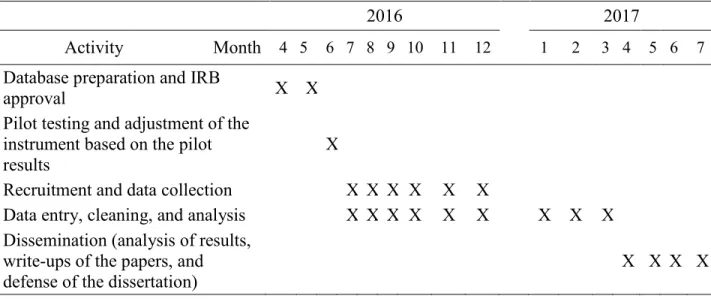
Table 1.5 presents the study activities. Table 1.6 presents the methods of dissemination for these activities (e.g., through publication and presentation).
Data Management
I was the primary person responsible for data management. Two people—one of the paid data collectors and myself—collected and entered the data. We copied the names of the
only featured the subjects’ unique numbers. During the data collection period, I placed the data collected from the paper surveys and the telephone interview information, without identifiers, in a folder box, and I placed the participants’ identifier information in a different folder box. After each data collection day, I stored the identifier information in a locked cabinet at the
administration office of my workplace in Muscat, Oman. I also stored the folder box with the paper surveys and the telephone interview information with unique identifier variables in a locked cabinet at my office in Muscat.
Table 1.5. Timeline
Table 1.6. Dissemination of results
Date Activity
May 2017 Sending a copy of the research results to a policy maker: the MOH’s undersecretary of planning
May 2017 Placing a copy of the study results in the Sultan Qaboos University Library and sending copies to all parties who requested the results December 2017 Submitting the manuscript to a peer-reviewed journal
January–May 2018 Presenting the findings at international conferences such as the Implementation Science Conference and the Sigma Theta Tau International Honor Society of Nursing
2016 2017
Activity Month 4 5 6 7 8 9 10 11 12 1 2 3 4 5 6 7
Database preparation and IRB
approval X X
Pilot testing and adjustment of the instrument based on the pilot results
X
Recruitment and data collection
X X X X X X
Data entry, cleaning, and analysis
X X X X X X X X X
Dissemination (analysis of results, write-ups of the papers, and defense of the dissertation)