BioMed Central
Page 1 of 12
(page number not for citation purposes)
Nutrition & Metabolism
Open Access
Review
Chocolate and Prevention of Cardiovascular Disease: A Systematic
Review
Eric L Ding*
1,2, Susan M Hutfless
1, Xin Ding
1and Saket Girotra
3Address: 1Department of Epidemiology, Harvard University, School of Public Health, Boston, MA, USA, 2Department of Nutrition, Harvard University, School of Public Health, Boston, MA, USA and 3Department of Medicine, Medical College of Wisconsin, Milwaukee, WI, USA
Email: Eric L Ding* - [email protected]; Susan M Hutfless - [email protected]; Xin Ding - [email protected]; Saket Girotra - [email protected]
* Corresponding author
Abstract
Background: Consumption of chocolate has been often hypothesized to reduce the risk of cardiovascular disease (CVD) due to chocolate's high levels of stearic acid and antioxidant flavonoids. However, debate still lingers regarding the true long term beneficial cardiovascular effects of chocolate overall.
Methods: We reviewed English-language MEDLINE publications from 1966 through January 2005 for experimental, observational, and clinical studies of relations between cocoa, cacao, chocolate, stearic acid, flavonoids (including flavonols, flavanols, catechins, epicatechins, and procynadins) and the risk of cardiovascular disease (coronary heart disease (CHD), stroke). A total of 136 publications were selected based on relevance, and quality of design and methods. An updated meta-analysis of flavonoid intake and CHD mortality was also conducted.
Results: The body of short-term randomized feeding trials suggests cocoa and chocolate may exert beneficial effects on cardiovascular risk via effects on lowering blood pressure, anti-inflammation, anti-platelet function, higher HDL, decreased LDL oxidation. Additionally, a large body of trials of stearic acid suggests it is indeed cholesterol-neutral. However, epidemiologic studies of serum and dietary stearic acid are inconclusive due to many methodologic limitations. Meanwhile, the large body of prospective studies of flavonoids suggests the flavonoid content of chocolate may reduce risk of cardiovascular mortality. Our updated meta-analysis indicates that intake of flavonoids may lower risk of CHD mortality, RR = 0.81 (95% CI: 0.71–0.92) comparing highest and lowest tertiles.
Conclusion: Multiple lines of evidence from laboratory experiments and randomized trials suggest stearic acid may be neutral, while flavonoids are likely protective against CHD mortality. The highest priority now is to conduct larger randomized trials to definitively investigate the impact of chocolate consumption on long-term cardiovascular outcomes.
Introduction
Cardiovascular disease (CVD), as a group, is a leading cause of the death in the United States [1], and worldwide,
causing over 16.7 million deaths globally in 2002 [2]. In 1990, greater than 85,000,000 disability-adjusted life-years were lost worldwide due to coronary heart disease
Published: 03 January 2006
Nutrition & Metabolism 2006, 3:2 doi:10.1186/1743-7075-3-2
Received: 23 September 2005 Accepted: 03 January 2006
This article is available from: http://www.nutritionandmetabolism.com/content/3/1/2 © 2006 Ding et al; licensee BioMed Central Ltd.
(CHD) and stroke; this CVD disease burden is projected to rise to 143,000,000 disability-adjusted life-years by 2020 [2]. Studies suggest cardiovascular diseases may be preventable by lifestyle modifications, such as exercise and nutrition [3-7]. Additionally, the American Heart Association, American Diabetes Association, and the U.S. Preventive Services Task Force have each indicated the likely importance of diet for the prevention of CVD [8-10].
In the American diet, fruits, vegetables, tea, wine and chocolate are major sources of antioxidants, which have been shown to have protective effects against CVD [11,12]. One class of antioxidants, flavonoids, commonly found in such foods, have attracted great interest in poten-tially lowering risk of CVD. Since cocoa products contain greater antioxidant capacity and greater amounts of flavo-noids per serving than all teas and red wines [12,13], it is important to explore chocolate's potential effects on CVD.
Since ancient times, chocolate has long been used as a medicinal remedy [14] and been proposed in medicine today for preventing various chronic diseases [15,16]. While chocolate has also sometimes been criticized for its saturated fat content, mostly in the form of long-chain stearic acid, chocolate has also been lauded for its antioxi-dant potential. However, to this date there are no long-term randomized feeding trials of chocolate to assess effects on actual cardiovascular events. Nevertheless, there have been many short-term trials of cocoa and chocolate examining effects on cardiovascular intermediates, and numerous epidemiology studies of stearic acid and flavo-noids exploring associations with cardiovascular out-comes.
This systematic review serves to comprehensively evaluate the experimental and epidemiologic evidence of cocoa and chocolate products. Particularly, we focus on the con-troversial potential benefits of the chocolate components stearic acid and flavonoids; review their overall effects on CVD risk factor intermediates and CVD endpoints; and conduct a meta-analysis of total flavonoid intake and risk of CHD mortality.
Methods
We reviewed English-language MEDLINE publications from January 1965 through June 2005 for experimental, observational, and clinical studies of relations between the exposure search terms of chocolate, stearic acid, flavo-noids (including flavonols, flavanols, catechins, epicate-chins, and procynadins) and the outcome search terms of cardiovascular disease (coronary heart disease, ischemic heart disease, stroke), cholesterol, blood pressure, plate-let, oxidation, and thrombosis. Approximately 400 papers were reviewed. Based on the relevance, strength, and
qual-ity of the design and methods, 136 publications were selected for inclusion.
We mainly focused on studies in humans, particularly randomized trials of either parallel or cross-over design, and prospective observational studies. Since no rand-omized trials have yet assessed chocolate in relation to definitive CVD outcomes, prospective observational stud-ies evaluating chocolate sub-components and the risk of CVD outcomes were weighted equally in the overall eval-uation. For overall objective evaluation, the strength of the evidence was evaluated by the design and quality of individual studies, the consistency of findings across stud-ies, and the biologic plausibility of possible mechanisms. Finally, consistent with methods of the outdated prior analysis [17], an updated meta-analysis was conducted and relative risks estimates pooled using a random-effects model [18].
Review
Stearic acid in chocolate
Saturated fat has long been thought to contribute to atherosclerosis, and thus, adverse for CVD risk. However, stearic acid has been suggested to be a non-atherogenic type of dietary saturated fat. Stearic acid is a long-chain 18:0 saturated fatty acid found commonly in meats and dairy products. Cocoa butter, a fat derived from cocoa plants and predominantly found in dark chocolate [19], contains an average of 33% oleic acid (cis-18:1 monoun-saturated), 25% palmitic acid (16:0 monoun-saturated), and 33% of stearic acid [20]. Thought it is generally considered that saturated fats overall adversely increase the total choles-terol and LDL levels [21-23], early studies have also sug-gested stearic acid may be non-cholesterolemic [21,22]. This has been confirmed in a series of studies and a meta-analysis of 60 controlled feeding trials which concludes stearic acid neither lowers HDL, nor increases LDL or total cholesterol [24-28]. The meta-analysis also estimates, that per 1% energy isocaloric replacement of stearic acid for carbohydrates, stearic acid intake is predicted to benefi-cially lower serum triglycerides by -17.0 nmol/L (p < 0.001) [26]. The most recent trial also shows the effects of stearic acid on lipids is even similar to oleic and linoleic acids [29].
Nutrition & Metabolism 2006, 3:2 http://www.nutritionandmetabolism.com/content/3/1/2
Page 3 of 12
(page number not for citation purposes)
Table 1: Summary of Chocolate and Cocoa Feeding Trials
Author Year No. Participants
Trial Design
Duration Intervention Outcome(s)
Kondo [83] 1996 12 Crossover 1 meal, pre/post-meal measurement
Cocoa (35 g delipidated), vs. none
Decreased LDL oxidation
Rein [138] 2000 30 Parallel 1 meal, 2 & 6 hrs Cocoa beverage (300 ml, 19 g procyanidin), caffeinated beverage (17 mg caffeine), or water
Decreased platelet activation, decreased platelet function
Wang [79] 2000 20 Crossover 1 meal, 1 week/ phase
Procyanidin-rich chocolate (27, 53, 80 g), vs. none
Increased antioxidant capacity, decreased oxidative stress Osakabe [88] 2001 15 Parallel daily, 2 weeks Cocoa powder (36 g/day), vs.
sugar
Decreased LDL oxidation (increased lag time) Wan [85] 2001 23 Crossover daily, 4 weeks/
phase
Cocoa powder (22 g/day) + dark chocolate (12 g/day), vs. average American diet
Decreased LDL oxidation (increased lag time), Increased HDL concentration
Schramm [101] 2001 10 Crossover 1 meal, 2 & 6 hrs, 1 week/phase
Chocolate (35 g, high 4 mg/g vs. low 0.09 mg/g procyanidin)
Increased prostacyclin, decreased leukotriene (likely decreased platelet activation, anti-inflammatory)
Holt [95] 2002 18 Crossover 1 meal, 2 hrs Chocolate chips (25 g semi-sweet), vs. none
Decrease platelet function
Mathur [86] 2002 25 Crossover daily, 6 weeks/ phase
Dark chocolate (37 g/day), cocoa powder (31 g/day), vs. none
Decreased LDL oxidizability, marginal HDL increase Pearson [92] 2002 16 Crossover 1 meal, 1 day/
phase
Cocoa beverage (300 ml, 19 g flavanol cocoa powder), cocoa beverage + aspirin, or aspirin
Decreased platelet activation, decreased platelet function, all additive of aspirin effects. Heiss [99] 2003 20 Crossover 1 meal, 1 day/
phase
Cocoa beverages (100 ml, high or low flavan-3-ol)
Increased NO bioactivity, improved endothelial function Innes [97] 2003 30 Parallel 1 meal, 4 hrs Dark (75% cocoa, highest
flavonoid content), milk (20% cocoa), or white chocolate (no flavonoids)
Dark chocolate inhibited collagen-induced platelet aggregation
Murphy [94] 2003 32 Parallel daily, 28 days Cocoa flavonoid tablets (234 mg), vs. placebo
Decreased platelet function, no difference oxidation status Serrafini [76] 2003 12 Crossover 1 meal, 1 day/
phase
Dark chocolate (100 g), dark chocolate (100 g) + milk (200 ml), or 200 g milk chocolate
Increase antioxidant capacity, in absence of milk
Taubert [118] 2003 13 Crossover daily, 14 days/ phase
Dark chocolate (100 g, 500 mg polyphenols), vs. white chocolate (90 g, 0 mg polyphenols)
Lower systolic and diastolic blood pressure with dark chocolate
Wiswedel [90] 2004 20 Crossover 1 meal, 1 week washout
High flavanol (1.87 mg/ml) vs. low flavanol (0.14 mg/ml) cocoa beverage
Lower levels of lipid
peroxidation indicators with high flavanol cocoa beverage Engler [98] 2004 21 Parallel daily, 2 weeks Chocolate (high vs. low
flavonoid)
Improved endothelial function, no difference oxidative stress, lipids with high flavonoid choc. Mursu [115] 2004 45 Parallel daily, 3 weeks Dark chocolate, dark chocolate
enriched with cocoa
polyphenols, or white chocolate
Increased HDL concentration, no change LDL oxidizability
Grassi [116] 2005 15 Crossover daily, 15 days/ phase
Dark chocolate (100 g, 500 mg polyphenols), vs. white chocolate (90 g, 0 mg polyphenols)
Lower systolic blood pressure, improved insulin sensitivity, lower insulin resistance Zhu [139] 2005 8 Parallel 1 meal, 1–2–4–8
hrs
Cocoa beverage (high flavonoid); 0.25, 0.38, 0.50 g/kg body weight dose
Reduced susceptibility to free-radical induced hemolysis
Vlachopoulos [140]
2005 17 Crossover 1 meal, 1 day/ phase
Dark chocolate (100 g, 2.62 g procyanidin), vs. none
Improved endothelial function, vasodilation of brachial artery, no change in blood pressure Fraga [119] 2005 28 Parallel daily, 14 days High flavanol milk chocolate (105
g, 168 mg flavanols) vs. low flavonoid chocolate (<5 mg flavanols)
stearic acid [38]. Furthermore, some feeding trials found lower absorption of cocoa buttered compared to corn oil [39], though not in others [40]. However, heterogeneity may be due to the dual-presence of calcium in chocolate, in which other trials found cocoa butter absorption fur-ther decreased 13% when supplemented with calcium (1% by weight) [41], as is done in chocolate manufactur-ing. Finally, another strongly supported protective mech-anism relate to the relatively high percent desaturation of stearic acid to monosaturated oleic acid [35,42-45], a fat considered hypocholesterolemic [27,46-48] and protec-tive against coronary heart disease [3,49].
Two other pathways suggested for potential benefit are stearic acid's potential anti-platelet and blood pressure reductions actions. Feeding trials have shown that stearic acid reduces mean platelet volume [50,51], an index of platelet activation. However, mixed findings have been observed regarding the relationship between stearic acids and factor VIIc coagulation factor, a predictor of fatal CHD [52-54]. Though an early study suggested that stearic acid may increase factor VIIc [55], no effect on levels of factor VIIc by stearic acid was observed in two other trials [56,57]. Moreover, additional trials have refuted the ear-lier small study and, in fact, shown that stearic acid low-ered the levels of factor VIIc coagulation factor compared to palmitic [50,58] and other saturated fatty acids [58]. As for the relationship between stearic acid and blood pres-sure, two feeding trials found stearic acid did not adversely affect systolic blood pressure [28,59]. Further-more, cross-sectional analysis within the Multiple Risk Factor Intervention Trial even found stearic acid levels may be inversely associated with diastolic blood pressure [60].
In summary, given the vast majority of studies showing stearic acid has beneficial or neutral effects on blood pres-sures and clotting parameters, it appears unlikely stearic acid intake would adversely affect CVD risk through these
risk factors. Data indicates stearic acid does not adversely affect established traditional lipid risk factors, with even favorable lowering of serum triglycerides if isocalorically replaced for carbohydrates.
Stearic Acid Observational Studies
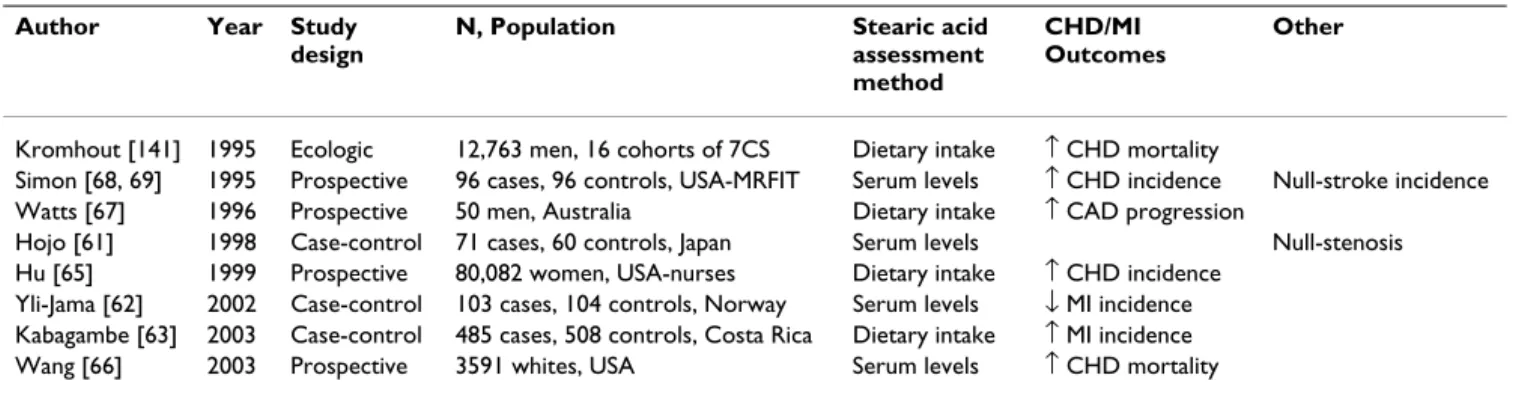
However, the observational studies of stearic acid's associ-ation with CVD are inconclusive. (Table 2) Among retro-spective studies, a Japanese case-control study of serum levels reported no association for stenosis [61], a Norwe-gian study found lower odds of MI [62], while a Costa Rican study of dietary intake found higher risk of MI [63] with higher intake of stearic acid. However, the results from the Costa Rican study should not be given much weight since retrospective self-report of dietary intakes are notoriously inaccurate and susceptible to reporting bias [64]. Nevertheless, higher rates of CHD and CAD progres-sion was found in several prospective studies [65-68], while stroke was not increased in another study [69].
On the other hand, several limitations exist for observa-tional studies of stearic acid. First, researchers have cau-tioned that analyses of dietary stearic acid are very difficult due to high correlations of stearic acid intake with other fatty acids (often r = 0.7 to 0.9), thus impeding optimal study of associations [65]. Additionally, the larger pro-spective study that found higher risk of CHD also noted chocolate was a very small contributor (5%) of total stearic acid intake, with red meats as primary sources of stearic acid. Finally, since there exists high interconversion of stearic acid to unsaturated fatty acids [35,42-45], stud-ies involving serum levels of stearic acid do not answer the relevant causal question of dietary intake of stearic acid and risk of disease. The associations of long-term serum stearic acid levels represent the effects of post-conversion stearic acid levels after a large proportion of the original dietary stearic acid has already been converted away to monounsaturated fat, which is well-established to exert protective effects against CVD [3,27,46-49].
Table 2: Observational Studies of Stearic Acid and Cardiovascular Outcomes
Author Year Study design
N, Population Stearic acid assessment method
CHD/MI Outcomes
Other
Kromhout [141] 1995 Ecologic 12,763 men, 16 cohorts of 7CS Dietary intake ↑ CHD mortality
Simon [68, 69] 1995 Prospective 96 cases, 96 controls, USA-MRFIT Serum levels ↑ CHD incidence Null-stroke incidence Watts [67] 1996 Prospective 50 men, Australia Dietary intake ↑ CAD progression
Hojo [61] 1998 Case-control 71 cases, 60 controls, Japan Serum levels Null-stenosis Hu [65] 1999 Prospective 80,082 women, USA-nurses Dietary intake ↑ CHD incidence
Yli-Jama [62] 2002 Case-control 103 cases, 104 controls, Norway Serum levels ↓ MI incidence Kabagambe [63] 2003 Case-control 485 cases, 508 controls, Costa Rica Dietary intake ↑ MI incidence Wang [66] 2003 Prospective 3591 whites, USA Serum levels ↑ CHD mortality
Nutrition & Metabolism 2006, 3:2 http://www.nutritionandmetabolism.com/content/3/1/2
Page 5 of 12
(page number not for citation purposes) Thus, relatively little information can be inferred from
observational studies of the association of stearic acid and CHD, and no epidemiologic study has, thus far, appropri-ately and optimally answered the causal question of the association of dietary stearic acid intake and risk of CVD. However, a sufficient body of strong evidence from short term randomized trials suggests stearic acid components in chocolate may be beneficial for cardiovascular health. However, further research in this area is warranted.
Flavonoids in chocolate
A 100 g bar of milk chocolate contains 170 mg of flavo-noid antioxidants, procyanidins and flavanols [12]. It is estimated that chocolate is a leading source of procyani-din intake in Western nations (18–20%) [70,71]. Flavo-noids belong to a class of antioxidants called polyphenols from plants [72]. The basic structure of flavonoids is a C6-C3-C6 backbone with two armomatic rings and varying degrees of hydroxylation differentiating one flavonoid type from another [73]. Flavonoids can be divided into various subclasses, important of which are flavones, fla-vonols, flavanones, catechins, anthocyanidins and isofla-vones. Cocoa, is particularly rich in the flavonoids, epicatechin, catechin, and procyanidins (polymers of cat-echins and epicatcat-echins) [74]. (Figure 1)
Various studies have compared the content of the fla-vanoids in cocoa with other food stuffs quantitatively. Fig-ure 2 shows the comparative content of flavonoids in milk chocolate and dark chocolate versus other high-flavonoid foods. Cocoa has been shown to have the highest content of polyphenols (611 mg/serving) and flavanoids (564 mg/serving of epicatechin), greater than even tea and wine [13]. Per serving, dark chocolate contains substantially higher amounts of flavonoids than milk chocolate (951 mg of catechins per 40 g serving compared to 394 mg in white chocolate) [75], and levels of epicatechin in dark chocolate is comparable to red wine and tea [75]. Also of note, dark chocolate contains significantly greater amounts of total phenols as well as catechins than milk
chocolate per serving (126+-7.4 µmol/g vs. 52.2+-20.2
µmol/g) [75]. In addition to dark chocolate having higher
flavonoid content, the biologic effects of flavonoids may also be greater in dark chocolate because milk in milk chocolate may inhibit the intestinal absorption of fla-vanoids [76]. Finally, chocolate is also abundant in procy-anidin flavonoids, comparable with levels in procyprocy-anidin- procyanidin-rich apples [77]. Thus, chocolate is a procyanidin-rich source of flavo-noids, particularly catechins, epicatechins and procyani-dins.
Structural skeleton of flavonoids and classification hierarchy of common flavonoids Figure 1
Mechanisms
Chocolate flavonoids have shown good dose-response bioavailability in humans [11,78,79]. There exists several mechanisms of how flavonoids may be protective against CVD; these include: antioxidant, platelet, anti-inflammatory effects, as well as possibly increasing HDL, lowering blood pressure, and improving endothelial func-tion. The body of trials involving chocolate flavonoids is summarized in Table 1.
Central to the pathogenesis of atherosclerosis is the oxida-tion of low-density lipoprotein (LDL). The chemical struc-ture of flavonoids gives the compound free radical scavenging ability, which means flavonoids may have antioxidant effects [80]. Various studies have confirmed the role of flavanoids as antioxidants in biological sys-tems. Flavanoids in chocolate have been shown to exert potent antioxidant effects in vitro assays under artificial oxidative stress [13,81-84] as well increase antioxidant capacity as part of various chocolate feeding trials [79,85-89]. Additionally, because lipid soluble flavonoids may intercalate into the membranes of lipoprotein particles,
studies have shown flavonoids to decrease lipid peroxida-tion of biological membranes [90]. Furthermore, a rand-omized trial also demonstrated that flavonoid-rich foods can protect human lymphocytes from oxidative damage in vivo [91].
Additionally, aggregation of platelets at the site of plaque rupture and endothelial dysfunction has been implicated in the pathogenesis of atherosclerosis. Current research has shown that a number of components of chocolate, particularly catechin and epicatechin, have significant antiplatelet effects, quantitatively similar to that of aspirin [92]. Randomized trials studying platelet activation mark-ers, microparticle formation and primary platelet aggrega-tion as end points have found that daily intake of cocoa beverages produces a significant reduction in all these endpoints among healthy volunteers [93-96]. There were also significant correlations between the reduction in these end points and the plasma concentrations of cate-chin and epicatecate-chin [93-96]. Another study found a sig-nificant reduction in platelet activation in groups consuming 100 g of dark chocolate when compared to those consuming similar amounts of white chocolate and milk chocolate [97]. In addition, randomized trials have also shown that consumption of high-flavanoid dark chocolate is associated with a significant improvement of endothelial function, marked by increase in brachial artery flow mediated dilation [98-100], likely mediated by chocolate flavonoids increasing local production of nitric oxide [99,100].
Chocolate may also influence levels of leukotrienes and prostacyclins. Leukotrienes are potent vasocontrictors, proinflammatory agents and stimulate platelet aggrega-tion, whereas prostacyclin is a vasodilator and inhibits platelet aggregation. Consumption of chocolate with high procyanidin content (147 mg) was shown in a feeding trial to significantly lower the levels of leukotrienes (29%) and increase the levels of prostacyclin (32%) when com-pared to a group consuming a low procyanidin (3.3 mg) chocolate [101]. In vitro studies have indeed demon-strated chocolate components to inhibit lipoxygenase pathways, which gives rise to proinflammatory leukot-rienes [102,103]. Inflammation is now recognized as another independent mechanism in the pathogenesis of atherosclerosis, with various inflammatory markers hav-ing been shown to predict risk of future CVD events [104-108]. In addition to anti-inflammatory effects on the lipoxygenase pathway, cocoa polyphenols have also been shown to decrease inflammation via several mechanisms, namely: inhibition of mitogen induced activation of T cells, polyclonal activation of B cells, reduced expression of interleukin-2 (IL-2) messenger RNA, and reduced secre-tion of IL-2 by T cells[109] Other have also found choco-late procyanidins can moduchoco-late of a variety of other Flavonoid content and antioxidant capacity (ORAC) of milk
chocolate and dark chocolate versus other high flavonoid foods
Figure 2
Nutrition & Metabolism
20
06,
3
:2
h
ttp://www
.nu
tri
tio
nan
dm
etabol
ism.com/c
onten
t/3/1/2
Pa
ge 7 of
1
2
(page number not for citation purposes)
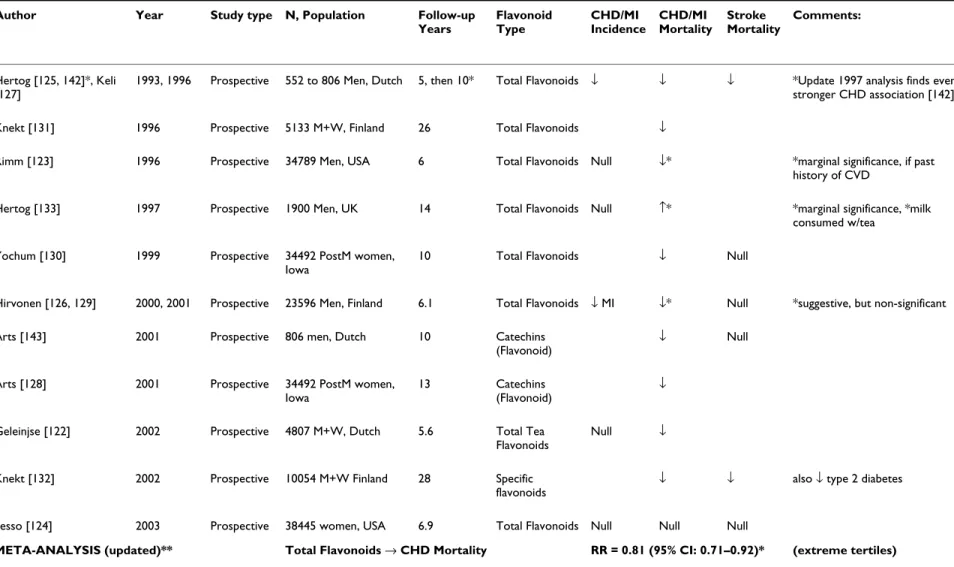
Table 3: Prospective Studies of Flavonoids and Cardiovascular Outcomes
Author Year Study type N, Population Follow-up Years
Flavonoid Type
CHD/MI Incidence
CHD/MI Mortality
Stroke Mortality
Comments:
Hertog [125, 142]*, Keli [127]
1993, 1996 Prospective 552 to 806 Men, Dutch 5, then 10* Total Flavonoids ↓ ↓ ↓ *Update 1997 analysis finds even
stronger CHD association [142]
Knekt [131] 1996 Prospective 5133 M+W, Finland 26 Total Flavonoids ↓
Rimm [123] 1996 Prospective 34789 Men, USA 6 Total Flavonoids Null ↓* *marginal significance, if past
history of CVD
Hertog [133] 1997 Prospective 1900 Men, UK 14 Total Flavonoids Null ↑* *marginal significance, *milk
consumed w/tea
Yochum [130] 1999 Prospective 34492 PostM women,
Iowa
10 Total Flavonoids ↓ Null
Hirvonen [126, 129] 2000, 2001 Prospective 23596 Men, Finland 6.1 Total Flavonoids ↓ MI ↓* Null *suggestive, but non-significant
Arts [143] 2001 Prospective 806 men, Dutch 10 Catechins
(Flavonoid)
↓ Null
Arts [128] 2001 Prospective 34492 PostM women,
Iowa
13 Catechins
(Flavonoid)
↓
Geleinjse [122] 2002 Prospective 4807 M+W, Dutch 5.6 Total Tea
Flavonoids
Null ↓
Knekt [132] 2002 Prospective 10054 M+W Finland 28 Specific
flavonoids
↓ ↓ also ↓ type 2 diabetes
Sesso [124] 2003 Prospective 38445 women, USA 6.9 Total Flavonoids Null Null Null
META-ANALYSIS (updated)** Total Flavonoids → CHD Mortality RR = 0.81 (95% CI: 0.71–0.92)* (extreme tertiles)
cytokines (e.g. IL-5, TNF-α, TGF-β), reducing their inflam-matory effects [110-114].
Furthermore, multiple cocoa feeding trials have also found chocolate to increase HDL cholesterol [85,86,115], and decrease blood pressure [116-119]. Finally, there are also suggestive findings in a few trials that indicate high-flavonoid chocolate may also lower LDL cholesterol [119], and improve insulin sensitivity [116].
Thus, the large body of evidence from laboratory findings and randomized trials suggest that high-flavonoid choco-late may protect against LDL oxidation, inhibit pchoco-latelet aggregation, improve endothelial function, increase HDL, lower blood pressure, and reduce inflammation – thereby protective against risk of CVD.
Flavonoid Observational Studies
Mechanistic studies involving stearic acid and flavonoids have only assessed effects on intermediate cardiovascular endpoints. However, one cannot always assume effects from short term trials effects will necessarily translate into long term effects on CVD outcomes. Therefore, one needs to examine observational studies followed to CVD events. While one small study found moderate consumption of candy and chocolate was associated with lower all-cause mortality [120], this analysis neither isolates chocolate nor CVD events. Thus, in absence of specific studies of chocolate flavonoids and risk of CVD, studies of all flavo-noids are the best available evidence to infer risk.
The prospective studies of flavonoids and risk of CVD are summarized in Table 3. The earliest international ecologic study suggested flavonoid intake may be associated with lower rates of CHD mortality [121]. While some studies report flavonoid intake is not associated with CHD inci-dence [122-124], two other prospective studies suggested flavonoids may lower risk of MI [125,126]. For stroke, the evidence is fairly consistent. Other than one small early study which found a significantly lower risk of stroke with higher total flavonoid intake [127], most studies indi-cated no association for risk of stroke [124,128-130]. However, most of these studies had insufficient power to adequately study stroke, nor enough power to stratify on various subtypes of stroke with different etiologies.
However, the most extensively consistent finding is the association between flavonoid intake and CHD mortality. A total of eight cohort studies found risk of lower CHD mortality with total or specific flavonoid intake [71,121,123,125,126,128,130-132], with one study find-ing marginally protective association among men with prior CVD conditions [123]. Only one study reported absolutely no association between flavonoid intake and CHD mortality [133]. However, as noted by the authors of
one of the studies, a high background consumption of milk with tea intake may have led to the null finding [133], since milk intake has been shown to prevent the intestinal absorption of flavonoids [76].
A meta-analysis of the 7 prospective studies prior to Sep-tember 2001 found that, overall, flavonoids may be pro-tective against CHD mortality [17]. However, this meta-analysis did not include a large subsequent cohort study of 38,445 women [124], which found a non-significant inverse association between flavonoid intake and CHD mortality. However, results from our updated meta-anal-ysis still indicate a significant protective association exists between flavonoid intake and risk of CHD mortality, RR = 0.81 (95% CI: 0.71–0.92), comparing highest vs. lowest tertiles.
However, a limitation of inference exists in that flavo-noids consists of a wide variety of polyphenol com-pounds, the variety of which may differ between studies due to varying sources of dietary flavonoids. Nonetheless, dark chocolate does contain substantially more flavanols than tea, apple, onions, and red wine [12]. Additionally, chocolate has all the flavonoids of tea [134], has 4 times the catechins of tea [134], has many flavonoids not found in tea [135], and substantially contributes to the total fla-vonoid intake in the diet of many countries [136]. How-ever, inference from observational studies on the protective effect of flavonoids in chocolate on CVD risk is somewhat indirect and may need to be examined by fur-ther studies.
Overall, these epidemiologic findings, combined with the large body of evidence from short term randomized choc-olate feeding trials, suggests flavonoid intake from choco-late is likely protective against CVD, particularly CHD mortality. Additionally, given that dark chocolate has sub-stantially higher levels of flavonoids than milk chocolate, and that milk may inhibit absorption of flavonoids – it would be more prudent to consume high flavonoid dark chocolate rather than milk chocolate.
Conclusion
According to the International Cocoa Organization, pro-duction has risen from 1.2 million tons per year in 1960 to 3.2 million tons per year in 2004 [137]. Given the rap-idly increasing world consumption of chocolate and ris-ing global rates of CVD, it is important to establish chocolate's association with CVD risk. The projected increase in global consumption could have profound effects if chocolate consumption does have implications for CVD.
Nutrition & Metabolism 2006, 3:2 http://www.nutritionandmetabolism.com/content/3/1/2
Page 9 of 12
(page number not for citation purposes) suggest stearic acid may be neutral, while flavonoids are
likely protective against CVD, the latter of which is well supported by prospective observational studies that sug-gest flavonoids may lower the risk of CHD mortality. Though it has been approximated that eating 50 g of dark chocolate per day may reduce one's risk of CVD by 10.5% (95% CI: 7.0%–13.5%) [16], such crude estimates were based on results from studies of short duration, extrapo-lated to long term CVD outcomes. Therefore, the highest priority now is to conduct long-term randomized feeding trials, beyond short term studies of CVD risk factor inter-mediates, in order to definitively investigate the impact of chocolate consumption on cardiovascular outcomes.
Abbreviations
CHD, Coronary heart disease
CVD, Cardiovascular disease
CI, Confidence interval
HDL, High-density lipoprotein
IL, Interleukin
LDL, Low-density lipoprotein
NO, Nitric oxide
MI, Myocardial infarction
RR, Relative risk
Competing interests
The author(s) declare that they have no competing inter-ests.
Authors' contributions
All authors contributed to systematically reviewing arti-cles. E.L.D. led the drafting of the manuscript, insights into nutritional metabolism, and S.G. provided further insights into clinical disease etiology.
Acknowledgements
We'd like to thank Dr. Eric Rimm for his encouragement and support.
References
1. American Heart Association: Heart Disease and Stroke Sta-tistics: 2004 Update. Dallas, TX , American Heart Association; 2003.
2. Mackay J, Mensah G: The Atlas of Heart Disease and Stroke. The World Health Organization. [http://www.who.int/ cardiovascular_diseases/resources/atlas/en/].
3. Hu FB, Willett WC: Optimal diets for prevention of coronary heart disease. JAMA 2002, 288(20):2569-2578.
4. Tanasescu M, Leitzmann MF, Rimm EB, Willett WC, Stampfer MJ, Hu FB: Exercise type and intensity in relation to coronary heart disease in men. JAMA 2002, 288(16):1994-2000.
5. Weisburger JH: Eat to live, not live to eat. Nutrition 2000, 16(9):767-773.
6. Ding EL, Mozaffarian D: Optimal Dietary Habits for the Preven-tion of Stroke. Semin Neurol 2006, 26(1):. In press
7. Stampfer MJ, Hu FB, Manson JE, Rimm EB, Willett WC: Primary prevention of coronary heart disease in women through diet and lifestyle. N Engl J Med 2000, 343(1):16-22.
8. Eyre H, Kahn R, Robertson RM, Clark NG, Doyle C, Hong Y, Gansler T, Glynn T, Smith RA, Taubert K, Thun MJ: Preventing cancer, car-diovascular disease, and diabetes: a common agenda for the American Cancer Society, the American Diabetes Associa-tion, and the American Heart Association. Stroke 2004, 35(8):1999-2010.
9. Goldstein LB, Adams R, Becker K, Furberg CD, Gorelick PB, Hade-menos G, Hill M, Howard G, Howard VJ, Jacobs B, Levine SR, Mosca L, Sacco RL, Sherman DG, Wolf PA, del Zoppo GJ: Primary preven-tion of ischemic stroke: A statement for healthcare profes-sionals from the Stroke Council of the American Heart Association. Stroke 2001, 32(1):280-299.
10. U.S. Preventive Services Task Force. Guide to Clinical Pre-ventive Services: Report of the U.S. PrePre-ventive Services Task Force. Volume xcii. Baltimore, MD , Williams & Wilkins; 1996:953.
11. Kris-Etherton PM, Keen CL: Evidence that the antioxidant flavo-noids in tea and cocoa are beneficial for cardiovascular health. Curr Opin Lipidol 2002, 13(1):41-49.
12. Steinberg FM, Bearden MM, Keen CL: Cocoa and chocolate flavo-noids: implications for cardiovascular health. J Am Diet Assoc
2003, 103(2):215-223.
13. Lee KW, Kim YJ, Lee HJ, Lee CY: Cocoa has more phenolic phy-tochemicals and a higher antioxidant capacity than teas and red wine. J Agric Food Chem 2003, 51(25):7292-7295.
14. Dillinger TL, Barriga P, Escarcega S, Jimenez M, Salazar Lowe D, Griv-etti LE: Food of the gods: cure for humanity? A cultural his-tory of the medicinal and ritual use of chocolate. J Nutr 2000, 130(8S Suppl):2057S-72S.
15. Weisburger JH: Chemopreventive effects of cocoa polyphe-nols on chronic diseases. Exp Biol Med (Maywood) 2001, 226(10):891-897.
16. Franco OH, Bonneux L, de Laet C, Peeters A, Steyerberg EW, Mack-enbach JP: The Polymeal: a more natural, safer, and probably tastier (than the Polypill) strategy to reduce cardiovascular disease by more than 75%. Bmj 2004, 329(7480):1447-1450. 17. Huxley RR, Neil HA: The relation between dietary flavonol
intake and coronary heart disease mortality: a meta-analysis of prospective cohort studies. Eur J Clin Nutr 2003, 57(8):904-908.
18. DerSimonian R, Laird N: Meta-analysis in clinical trials. Control Clin Trials 1986, 7(3):177-188.
19. Kris-Etherton PM, Mustad V, Derr J: Effects of dietary stearic acid on plasma lipids and thrombosis. Nutrition Today 1993. 20. USDA National Nutrient Database [http://www.nal.usda.gov/
fnic/foodcomp/search/]
21. Keys A, Anderson JT, Grande F: Prediction of serum-cholesterol responses of man to changes in fats in the diet. Lancet 1957, 273(7003):959-966.
22. Hegsted DM, McGandy RB, Myers ML, Stare FJ: Quantitative effects of dietary fat on serum cholesterol in man. Am J Clin Nutr 1965, 17(5):281-295.
23. Hu FB, Manson JE, Willett WC: Types of dietary fat and risk of coronary heart disease: a critical review. J Am Coll Nutr 2001, 20(1):5-19.
24. Bonanome A, Grundy SM: Effect of dietary stearic acid on plasma cholesterol and lipoprotein levels. N Engl J Med 1988, 318(19):1244-1248.
25. Kris-Etherton PM, Mustad VA: Chocolate feeding studies: a novel approach for evaluating the plasma lipid effects of stearic acid. Am J Clin Nutr 1994, 60(6 Suppl):1029S-1036S. 26. Mensink RP, Zock PL, Kester AD, Katan MB: Effects of dietary
fatty acids and carbohydrates on the ratio of serum total to HDL cholesterol and on serum lipids and apolipoproteins: a meta-analysis of 60 controlled trials. Am J Clin Nutr 2003, 77(5):1146-1155.
28. Storm H, Thomsen C, Pedersen E, Rasmussen O, Christiansen C, Hermansen K: Comparison of a carbohydrate-rich diet and diets rich in stearic or palmitic acid in NIDDM patients. Effects on lipids, glycemic control, and diurnal blood pres-sure. Diabetes Care 1997, 20(12):1807-1813.
29. Thijssen MA, Mensink RP: Small differences in the effects of stearic acid, oleic acid, and linoleic acid on the serum lipo-protein profile of humans. Am J Clin Nutr 2005, 82(3):510-516. 30. Dougherty RM, Allman MA, Iacono JM: Effects of diets containing
high or low amounts of stearic acid on plasma lipoprotein fractions and fecal fatty acid excretion of men. Am J Clin Nutr
1995, 61(5):1120-1128.
31. Jones AE, Stolinski M, Smith RD, Murphy JL, Wootton SA: Effect of fatty acid chain length and saturation on the gastrointestinal handling and metabolic disposal of dietary fatty acids in women. Br J Nutr 1999, 81(1):37-43.
32. Baer DJ, Judd JT, Kris-Etherton PM, Zhao G, Emken EA: Stearic acid absorption and its metabolizable energy value are minimally lower than those of other fatty acids in healthy men fed mixed diets. J Nutr 2003, 133(12):4129-4134.
33. Denke MA, Grundy SM: Effects of fats high in stearic acid on lipid and lipoprotein concentrations in men. Am J Clin Nutr
1991, 54(6):1036-1040.
34. Bonanome A, Grundy SM: Intestinal absorption of stearic acid after consumption of high fat meals in humans. J Nutr 1989, 119(11):1556-1560.
35. Emken EA, Adlof RO, Rohwedder WK, Gulley RM: Influence of linoleic acid on desaturation and uptake of deuterium-labeled palmitic and stearic acids in humans. Biochim Biophys Acta 1993, 1170(2):173-181.
36. Nestel PJ, Pomeroy S, Kay S, Sasahara T, Yamashita T: Effect of a stearic acid-rich, structured triacylglycerol on plasma lipid concentrations. Am J Clin Nutr 1998, 68(6):1196-1201.
37. Brink EJ, Haddeman E, de Fouw NJ, Weststrate JA: Positional dis-tribution of stearic acid and oleic acid in a triacylglycerol and dietary calcium concentration determines the apparent absorption of these fatty acids in rats. J Nutr 1995, 125(9):2379-2387.
38. Li D: Relationship between the concentrations of plasma phospholipid stearic acid and plasma lipoprotein lipids in healthy men. Clin Sci (Lond) 2001, 100(1):25-32.
39. Mitchell DC, McMahon KE, Shively CA, Apgar JL, Kris-Etherton PM: Digestibility of cocoa butter and corn oil in human subjects: a preliminary study. Am J Clin Nutr 1989, 50(5):983-986. 40. Shahkhalili Y, Duruz E, Acheson K: Digestibility of cocoa butter
from chocolate in humans: a comparison with corn-oil. Eur J Clin Nutr 2000, 54(2):120-125.
41. Shahkhalili Y, Murset C, Meirim I, Duruz E, Guinchard S, Cavadini C, Acheson K: Calcium supplementation of chocolate: effect on cocoa butter digestibility and blood lipids in humans. Am J Clin Nutr 2001, 73(2):246-252.
42. Grundy SM: Influence of stearic acid on cholesterol metabo-lism relative to other long-chain fatty acids. Am J Clin Nutr
1994, 60(6 Suppl):986S-990S.
43. Bonanome A, Bennett M, Grundy SM: Metabolic effects of dietary stearic acid in mice: changes in the fatty acid composition of triglycerides and phospholipids in various tissues. Atherosclero-sis 1992, 94(2-3):119-127.
44. Elovson J: Conversions of palmitic and stearic acid in the intact rat. Biochim Biophys Acta 1965, 106(2):291-303.
45. Rhee SK, Kayani AJ, Ciszek A, Brenna JT: Desaturation and inter-conversion of dietary stearic and palmitic acids in human plasma and lipoproteins. Am J Clin Nutr 1997, 65(2):451-458. 46. Mattson FH, Grundy SM: Comparison of effects of dietary
satu-rated, monounsatusatu-rated, and polyunsaturated fatty acids on plasma lipids and lipoproteins in man. J Lipid Res 1985, 26(2):194-202.
47. Kris-Etherton PM, Pearson TA, Wan Y, Hargrove RL, Moriarty K, Fishell V, Etherton TD: High-monounsaturated fatty acid diets lower both plasma cholesterol and triacylglycerol concen-trations. Am J Clin Nutr 1999, 70(6):1009-1015.
48. Kris-Etherton PM, Binkoski AE, Zhao G, Coval SM, Clemmer KF, Hecker KD, Jacques H, Etherton TD: Dietary fat: assessing the evidence in support of a moderate-fat diet; the benchmark based on lipoprotein metabolism. Proc Nutr Soc 2002, 61(2):287-298.
49. Kris-Etherton P, Daniels SR, Eckel RH, Engler M, Howard BV, Krauss RM, Lichtenstein AH, Sacks F, St Jeor S, Stampfer M, Eckel RH, Grundy SM, Appel LJ, Byers T, Campos H, Cooney G, Denke MA, Howard BV, Kennedy E, Krauss RM, Kris-Etherton P, Lichtenstein AH, Marckmann P, Pearson TA, Riccardi G, Rudel LL, Rudrum M, Sacks F, Stein DT, Tracy RP, Ursin V, Vogel RA, Zock PL, Bazzarre TL, Clark J: Summary of the scientific conference on dietary fatty acids and cardiovascular health: conference summary from the nutrition committee of the American Heart Association.
Circulation 2001, 103(7):1034-1039.
50. Kelly FD, Sinclair AJ, Mann NJ, Turner AH, Abedin L, Li D: A stearic acid-rich diet improves thrombogenic and atherogenic risk factor profiles in healthy males. Eur J Clin Nutr 2001, 55(2):88-96.
51. Kelly FD, Sinclair AJ, Mann NJ, Turner AH, Raffin FL, Blandford MV, Pike MJ: Short-term diets enriched in stearic or palmitic acids do not alter plasma lipids, platelet aggregation or platelet activation status. Eur J Clin Nutr 2002, 56(6):490-499.
52. Meade TW, Mellows S, Brozovic M, Miller GJ, Chakrabarti RR, North WR, Haines AP, Stirling Y, Imeson JD, Thompson SG: Haemostatic function and ischaemic heart disease: principal results of the Northwick Park Heart Study. Lancet 1986, 2(8506):533-537. 53. Meade TW, Ruddock V, Stirling Y, Chakrabarti R, Miller GJ:
Fibrino-lytic activity, clotting factors, and long-term incidence of ischaemic heart disease in the Northwick Park Heart Study.
Lancet 1993, 342(8879):1076-1079.
54. Assmann G, Cullen P, Heinrich J, Schulte H: Hemostatic variables in the prediction of coronary risk: results of the 8 year follow-up of healthy men in the Munster Heart Study (PROCAM). Prospective Cardiovascular Munster Study. Isr J Med Sci 1996, 32(6):364-370.
55. Mitropoulos KA, Miller GJ, Martin JC, Reeves BE, Cooper J: Dietary fat induces changes in factor VII coagulant activity through effects on plasma free stearic acid concentration. Arterioscler Thromb 1994, 14(2):214-222.
56. Mutanen M, Aro A: Coagulation and fibrinolysis factors in healthy subjects consuming high stearic or trans fatty acid diets. Thromb Haemost 1997, 77(1):99-104.
57. Tholstrup T, Marckmann P, Vessby B, Sandstrom B: Effect of fats high in individual saturated fatty acids on plasma lipopro-tein[a] levels in young healthy men. J Lipid Res 1995, 36(7):1447-1452.
58. Tholstrup T, Marckmann P, Jespersen J, Sandstrom B: Fat high in stearic acid favorably affects blood lipids and factor VII coag-ulant activity in comparison with fats high in palmitic acid or high in myristic and lauric acids. Am J Clin Nutr 1994, 59(2):371-377.
59. Zock PL, Blijlevens RA, de Vries JH, Katan MB: Effects of stearic acid and trans fatty acids versus linoleic acid on blood pres-sure in normotensive women and men. Eur J Clin Nutr 1993, 47(6):437-444.
60. Simon JA, Fong J, Bernert JTJ: Serum fatty acids and blood pres-sure. Hypertension 1996, 27(2):303-307.
61. Hojo N, Fukushima T, Isobe A, Gao T, Shiwaku K, Ishida K, Ohta N, Yamane Y: Effect of serum fatty acid composition on coronary atherosclerosis in Japan. Int J Cardiol 1998, 66(1):31-38. 62. Yli-Jama P, Meyer HE, Ringstad J, Pedersen JI: Serum free fatty acid
pattern and risk of myocardial infarction: a case-control study. J Intern Med 2002, 251(1):19-28.
63. Kabagambe EK, Baylin A, Siles X, Campos H: Individual saturated fatty acids and nonfatal acute myocardial infarction in Costa Rica. Eur J Clin Nutr 2003, 57(11):1447-1457.
64. Willett WC: Nutritional Epidemiology. 2nd Edition edition. Oxford , Oxford University Press; 1998.
65. Hu FB, Stampfer MJ, Manson JE, Ascherio A, Colditz GA, Speizer FE, Hennekens CH, Willett WC: Dietary saturated fats and their food sources in relation to the risk of coronary heart disease in women. Am J Clin Nutr 1999, 70(6):1001-1008.
66. Wang L, Folsom AR, Eckfeldt JH: Plasma fatty acid composition and incidence of coronary heart disease in middle aged adults: the Atherosclerosis Risk in Communities (ARIC) Study. Nutr Metab Cardiovasc Dis 2003, 13(5):256-266.
67. Watts GF, Jackson P, Burke V, Lewis B: Dietary fatty acids and progression of coronary artery disease in men. Am J Clin Nutr
Nutrition & Metabolism 2006, 3:2 http://www.nutritionandmetabolism.com/content/3/1/2
Page 11 of 12
(page number not for citation purposes)
68. Simon JA, Hodgkins ML, Browner WS, Neuhaus JM, Bernert JTJ, Hul-ley SB: Serum fatty acids and the risk of coronary heart dis-ease. Am J Epidemiol 1995, 142(5):469-476.
69. Simon JA, Fong J, Bernert JTJ, Browner WS: Serum fatty acids and the risk of stroke. Stroke 1995, 26(5):778-782.
70. Gu L, Kelm MA, Hammerstone JF, Beecher G, Holden J, Haytowitz D, Gebhardt S, Prior RL: Concentrations of proanthocyanidins in common foods and estimations of normal consumption. J Nutr 2004, 134(3):613-617.
71. Arts IC, Hollman PC, Feskens EJ, Bueno de Mesquita HB, Kromhout D: Catechin intake and associated dietary and lifestyle fac-tors in a representative sample of Dutch men and women.
Eur J Clin Nutr 2001, 55(2):76-81.
72. Ross JA, Kasum CM: Dietary flavonoids: bioavailability, meta-bolic effects, and safety. Annu Rev Nutr 2002, 22:19-34. 73. Tapiero H, Tew KD, Ba GN, Mathe G: Polyphenols: do they play
a role in the prevention of human pathologies? Biomed Pharma-cother 2002, 56(4):200-207.
74. Natsume M, Osakabe N, Yamagishi M, Takizawa T, Nakamura T, Miy-atake H, Hatano T, Yoshida T: Analyses of polyphenols in cacao liquor, cocoa, and chocolate by normal-phase and reversed-phase HPLC. Biosci Biotechnol Biochem 2000, 64(12):2581-2587. 75. Vinson JA, Proch J, Zubik L: Phenol antioxidant quantity and
quality in foods: cocoa, dark chocolate, and milk chocolate. J Agric Food Chem 1999, 47(12):4821-4824.
76. Serafini M, Bugianesi R, Maiani G, Valtuena S, De Santis S, Crozier A: Plasma antioxidants from chocolate. Nature 2003, 424(6952):1013.
77. Hammerstone JF, Lazarus SA, Schmitz HH: Procyanidin content and variation in some commonly consumed foods. J Nutr
2000, 130(8S Suppl):2086S-92S.
78. Richelle M, Tavazzi I, Enslen M, Offord EA: Plasma kinetics in man of epicatechin from black chocolate. Eur J Clin Nutr 1999, 53(1):22-26.
79. Wang JF, Schramm DD, Holt RR, Ensunsa JL, Fraga CG, Schmitz HH, Keen CL: A dose-response effect from chocolate consump-tion on plasma epicatechin and oxidative damage. J Nutr
2000, 130(8S Suppl):2115S-9S.
80. Rice-Evans CA, Miller NJ, Paganga G: Structure-antioxidant activ-ity relationships of flavonoids and phenolic acids. Free Radic Biol Med 1996, 20(7):933-956.
81. Osakabe N, Natsume M, Adachi T, Yamagishi M, Hirano R, Takizawa T, Itakura H, Kondo K: Effects of cacao liquor polyphenols on the susceptibility of low-density lipoprotein to oxidation in hypercholesterolemic rabbits. J Atheroscler Thromb 2000, 7(3):164-168.
82. Osakabe N, Yasuda A, Natsume M, Takizawa T, Terao J, Kondo K: Catechins and their oligomers linked by C4 --> C8 bonds are major cacao polyphenols and protect low-density lipopro-tein from oxidation in vitro. Exp Biol Med (Maywood) 2002, 227(1):51-56.
83. Kondo K, Hirano R, Matsumoto A, Igarashi O, Itakura H: Inhibition of LDL oxidation by cocoa. Lancet 1996, 348(9040):1514. 84. Waterhouse AL, Shirley JR, Donovan JL: Antioxidants in
choco-late. Lancet 1996, 348(9030):834.
85. Wan Y, Vinson JA, Etherton TD, Proch J, Lazarus SA, Kris-Etherton PM: Effects of cocoa powder and dark chocolate on LDL oxi-dative susceptibility and prostaglandin concentrations in humans. Am J Clin Nutr 2001, 74(5):596-602.
86. Mathur S, Devaraj S, Grundy SM, Jialal I: Cocoa products decrease low density lipoprotein oxidative susceptibility but do not affect biomarkers of inflammation in humans. J Nutr 2002, 132(12):3663-3667.
87. Rein D, Lotito S, Holt RR, Keen CL, Schmitz HH, Fraga CG: Epicate-chin in human plasma: in vivo determination and effect of chocolate consumption on plasma oxidation status. J Nutr
2000, 130(8S Suppl):2109S-14S.
88. Osakabe N, Baba S, Yasuda A, Iwamoto T, Kamiyama M, Takizawa T, Itakura H, Kondo K: Daily cocoa intake reduces the susceptibil-ity of low-denssusceptibil-ity lipoprotein to oxidation as demonstrated in healthy human volunteers. Free Radic Res 2001, 34(1):93-99. 89. Adamson GE, Lazarus SA, Mitchell AE, Prior RL, Cao G, Jacobs PH,
Kremers BG, Hammerstone JF, Rucker RB, Ritter KA, Schmitz HH: HPLC method for the quantification of procyanidins in cocoa and chocolate samples and correlation to total antioxidant capacity. J Agric Food Chem 1999, 47(10):4184-4188.
90. Wiswedel I, Hirsch D, Kropf S, Gruening M, Pfister E, Schewe T, Sies H: Flavanol-rich cocoa drink lowers plasma F(2)-isoprostane concentrations in humans. Free Radic Biol Med 2004, 37(3):411-421.
91. Lean ME, Noroozi M, Kelly I, Burns J, Talwar D, Sattar N, Crozier A: Dietary flavonols protect diabetic human lymphocytes against oxidative damage to DNA. Diabetes 1999, 48(1):176-181.
92. Pearson DA, Paglieroni TG, Rein D, Wun T, Schramm DD, Wang JF, Holt RR, Gosselin R, Schmitz HH, Keen CL: The effects of flava-nol-rich cocoa and aspirin on ex vivo platelet function.
Thromb Res 2002, 106(4-5):191-197.
93. Rein D, Paglieroni TG, Pearson DA, Wun T, Schmitz HH, Gosselin R, Keen CL: Cocoa and wine polyphenols modulate platelet acti-vation and function. J Nutr 2000, 130(8S Suppl):2120S-6S. 94. Murphy KJ, Chronopoulos AK, Singh I, Francis MA, Moriarty H, Pike
MJ, Turner AH, Mann NJ, Sinclair AJ: Dietary flavanols and procy-anidin oligomers from cocoa (Theobroma cacao) inhibit platelet function. Am J Clin Nutr 2003, 77(6):1466-1473. 95. Holt RR, Schramm DD, Keen CL, Lazarus SA, Schmitz HH:
Choco-late consumption and pChoco-latelet function. Jama 2002, 287(17):2212-2213.
96. Rein D, Paglieroni TG, Wun T, Pearson DA, Schmitz HH, Gosselin R, Keen CL: Cocoa inhibits platelet activation and function. Am J Clin Nutr 2000, 72(1):30-35.
97. Innes AJ, Kennedy G, McLaren M, Bancroft AJ, Belch JJ: Dark choc-olate inhibits platelet aggregation in healthy volunteers.
Platelets 2003, 14(5):325-327.
98. Engler MB, Engler MM, Chen CY, Malloy MJ, Browne A, Chiu EY, Kwak HK, Milbury P, Paul SM, Blumberg J, Mietus-Snyder ML: Flavo-noid-rich dark chocolate improves endothelial function and increases plasma epicatechin concentrations in healthy adults. J Am Coll Nutr 2004, 23(3):197-204.
99. Heiss C, Dejam A, Kleinbongard P, Schewe T, Sies H, Kelm M: Vas-cular effects of cocoa rich in flavan-3-ols. JAMA 2003, 290(8):1030-1031.
100. Karim M, McCormick K, Kappagoda CT: Effects of cocoa extracts on endothelium-dependent relaxation. J Nutr 2000, 130(8S Suppl):2105S-8S.
101. Schramm DD, Wang JF, Holt RR, Ensunsa JL, Gonsalves JL, Lazarus SA, Schmitz HH, German JB, Keen CL: Chocolate procyanidins decrease the leukotriene-prostacyclin ratio in humans and human aortic endothelial cells. Am J Clin Nutr 2001, 73(1):36-40. 102. Schewe T, Sadik C, Klotz LO, Yoshimoto T, Kuhn H, Sies H: Polyphenols of cocoa: inhibition of mammalian 15-lipoxyge-nase. Biol Chem 2001, 382(12):1687-1696.
103. Schewe T, Kuhn H, Sies H: Flavonoids of cocoa inhibit recom-binant human 5-lipoxygenase. J Nutr 2002, 132(7):1825-1829. 104. Ridker PM, Hennekens CH, Buring JE, Rifai N: C-reactive protein
and other markers of inflammation in the prediction of car-diovascular disease in women. N Engl J Med 2000, 342(12):836-843.
105. Pai JK, Pischon T, Ma J, Manson JE, Hankinson SE, Joshipura K, Curhan GC, Rifai N, Cannuscio CC, Stampfer MJ, Rimm EB: Inflammatory markers and the risk of coronary heart disease in men and women. N Engl J Med 2004, 351(25):2599-2610.
106. Ridker PM, Cannon CP, Morrow D, Rifai N, Rose LM, McCabe CH, Pfeffer MA, Braunwald E: C-reactive protein levels and out-comes after statin therapy. N Engl J Med 2005, 352(1):20-28. 107. Margolis KL, Manson JE, Greenland P, Rodabough RJ, Bray PF, Safford
M, Grimm RHJ, Howard BV, Assaf AR, Prentice R: Leukocyte count as a predictor of cardiovascular events and mortality in post-menopausal women: the Women's Health Initiative Obser-vational Study. Arch Intern Med 2005, 165(5):500-508.
108. Ridker PM, Rifai N, Rose L, Buring JE, Cook NR: Comparison of C-reactive protein and low-density lipoprotein cholesterol lev-els in the prediction of first cardiovascular events. N Engl J Med 2002, 347(20):1557-1565.
109. Sanbongi C, Suzuki N, Sakane T: Polyphenols in chocolate, which have antioxidant activity, modulate immune functions in humans in vitro. Cell Immunol 1997, 177(2):129-136.
111. Mao T, Van De Water J, Keen CL, Schmitz HH, Gershwin ME: Cocoa procyanidins and human cytokine transcription and secre-tion. J Nutr 2000, 130(8S Suppl):2093S-9S.
112. Mao TK, Van de Water J, Keen CL, Schmitz HH, Gershwin ME: Effect of cocoa flavanols and their related oligomers on the secretion of interleukin-5 in peripheral blood mononuclear cells. J Med Food 2002, 5(1):17-22.
113. Mao TK, van de Water J, Keen CL, Schmitz HH, Gershwin ME: Mod-ulation of TNF-alpha secretion in peripheral blood mononu-clear cells by cocoa flavanols and procyanidins. Dev Immunol
2002, 9(3):135-141.
114. Mao TK, Van De Water J, Keen CL, Schmitz HH, Gershwin ME: Cocoa flavonols and procyanidins promote transforming growth factor-beta1 homeostasis in peripheral blood mono-nuclear cells. Exp Biol Med (Maywood) 2003, 228(1):93-99. 115. Mursu J, Voutilainen S, Nurmi T, Rissanen TH, Virtanen JK, Kaikkonen
J, Nyyssonen K, Salonen JT: Dark Chocolate Consumption Increases HDL Cholesterol Concentration and Chocolate Fatty Acids May Inhibit Lipid Peroxidation in Healthy Humans. Free Radic Biol Med 2004, 37(9):1351-1359.
116. Grassi D, Lippi C, Necozione S, Desideri G, Ferri C: Short-term administration of dark chocolate is followed by a significant increase in insulin sensitivity and a decrease in blood pres-sure in healthy persons. Am J Clin Nutr 2005, 81(3):611-614. 117. Grassi D, Necozione S, Lippi C, Croce G, Valeri L, Pasqualetti P,
Desi-deri G, Blumberg JB, Ferri C: Cocoa Reduces Blood Pressure and Insulin Resistance and Improves Endothelium-Dependent Vasodilation in Hypertensives. Hypertension
2005:01.HYP.0000174990.46027.70.
118. Taubert D, Berkels R, Roesen R, Klaus W: Chocolate and blood pressure in elderly individuals with isolated systolic hyper-tension. JAMA 2003, 290(8):1029-1030.
119. Fraga CG, Actis-Goretta L, Ottaviani JI, Carrasquedo F, Lotito SB, Lazarus S, Schmitz HH, Keen CL: Regular consumption of a fla-vanol-rich chocolate can improve oxidant stress in young soccer players. Clin Dev Immunol 2005, 12(1):11-17.
120. Lee IM, Paffenbarger RSJ: Life is sweet: candy consumption and longevity. BMJ 1998, 317(7174):1683-1684.
121. Hertog MG, Kromhout D, Aravanis C, Blackburn H, Buzina R, Fidanza F, Giampaoli S, Jansen A, Menotti A, Nedeljkovic S, et : Flavonoid intake and long-term risk of coronary heart disease and can-cer in the seven countries study. Arch Intern Med 1995, 155(4):381-386.
122. Geleijnse JM, Launer LJ, Van der Kuip DA, Hofman A, Witteman JC: Inverse association of tea and flavonoid intakes with incident myocardial infarction: the Rotterdam Study. Am J Clin Nutr
2002, 75(5):880-886.
123. Rimm EB, Katan MB, Ascherio A, Stampfer MJ, Willett WC: Relation between Intake of Flavonoids and Risk for Coronary Heart Disease in Male Health Professionals. Ann Intern Med 1996, 125(5):384-389.
124. Sesso HD, Gaziano JM, Liu S, Buring JE: Flavonoid intake and the risk of cardiovascular disease in women. Am J Clin Nutr 2003, 77(6):1400-1408.
125. Hertog MG, Feskens EJ, Hollman PC, Katan MB, Kromhout D: Die-tary antioxidant flavonoids and risk of coronary heart dis-ease: the Zutphen Elderly Study. Lancet 1993, 342(8878):1007-1011.
126. Hirvonen T, Pietinen P, Virtanen M, Ovaskainen ML, Hakkinen S, Albanes D, Virtamo J: Intake of flavonols and flavones and risk of coronary heart disease in male smokers. Epidemiology 2001, 12(1):62-67.
127. Keli SO, Hertog MG, Feskens EJ, Kromhout D: Dietary flavonoids, antioxidant vitamins, and incidence of stroke: the Zutphen study. Arch Intern Med 1996, 156(6):637-642.
128. Arts IC, Jacobs DRJ, Harnack LJ, Gross M, Folsom AR: Dietary cat-echins in relation to coronary heart disease death among postmenopausal women. Epidemiology 2001, 12(6):668-675. 129. Hirvonen T, Virtamo J, Korhonen P, Albanes D, Pietinen P: Intake of
flavonoids, carotenoids, vitamins C and E, and risk of stroke in male smokers. Stroke 2000, 31(10):2301-2306.
130. Yochum L, Kushi LH, Meyer K, Folsom AR: Dietary flavonoid intake and risk of cardiovascular disease in postmenopausal women. Am J Epidemiol 1999, 149(10):943-949.
131. Knekt P, Jarvinen R, Reunanen A, Maatela J: Flavonoid intake and coronary mortality in Finland: a cohort study. BMJ 1996, 312(7029):478-481.
132. Knekt P, Kumpulainen J, Jarvinen R, Rissanen H, Heliovaara M, Reunanen A, Hakulinen T, Aromaa A: Flavonoid intake and risk of chronic diseases. Am J Clin Nutr 2002, 76(3):560-568.
133. Hertog MG, Sweetnam PM, Fehily AM, Elwood PC, Kromhout D: Antioxidant flavonols and ischemic heart disease in a Welsh population of men: the Caerphilly Study. Am J Clin Nutr 1997, 65(5):1489-1494.
134. Arts IC, Hollman PC, Kromhout D: Chocolate as a source of tea flavonoids. Lancet 1999, 354(9177):488.
135. Lazarus SA, Hammerstone JF, Schmitz HH: Chocolate contains additional flavonoids not found in tea. Lancet 1999, 354(9192):1825.
136. Dreosti IE: Antioxidant polyphenols in tea, cocoa, and wine.
Nutrition 2000, 16(7-8):692-694.
137. International Cocoa Association: Annual Report 2003-2004. Lon-don, UK , http://www.icco.org/anrep/anrep0304english.pdf Accessed Sept. 18 2005; 2005.
138. Zhu QY, Schramm DD, Gross HB, Holt RR, Kim SH, Yamaguchi T, Kwik-Uribe CL, Keen CL: Influence of cocoa flavanols and pro-cyanidins on free radical-induced human erythrocyte hemo-lysis. Clin Dev Immunol 2005, 12(1):27-34.
139. Vlachopoulos C, Aznaouridis K, Alexopoulos N, Economou E, Andr-eadou I, Stefanadis C: Effect of Dark Chocolate on Arterial Function in Healthy Individuals. American Journal of Hypertension
2005, 18(6):785.
140. Kromhout D, Menotti A, Bloemberg B, Aravanis C, Blackburn H, Buzina R, Dontas AS, Fidanza F, Giampaoli S, Jansen A: Dietary sat-urated and trans fatty acids and cholesterol and 25-year mortality from coronary heart disease: the Seven Countries Study. Prev Med 1995, 24(3):308-315.
141. Hertog MG, Feskens EJ, Kromhout D: Antioxidant flavonols and coronary heart disease risk. Lancet 1997, 349(9053):699. 142. Arts IC, Hollman PC, Feskens EJ, Bueno de Mesquita HB, Kromhout