IMPLEMENTATION OF AN EVIDENCE-BASED EDUCATIONAL PROGRAM TO PROMOTE THE CORRECT USE OF A SUBDERMAL CONTRACEPTIVE IMPLANT IN
WOMEN OF CHILD BEARING AGE
Jennifer Clayton Apple
A DNP project submitted to the faculty at the University of North Carolina at Chapel Hill in partial fulfillment of the requirements for the degree of Doctor of Nursing Practice in the School
of Nursing in the University of North Carolina.
Chapel Hill 2018
Approved By:
ii © 2018
iii ABSTRACT
Jennifer Clayton Apple: Implementation of an evidence-based educational program to promote the correct use of a subdermal contraceptive implant
(Under the direction of Diane Caruso)
Background: Unintended pregnancy remains one of the top problems women face across the United States, although the rate has decreased 18% in four years due to an increase in the use highly effective long acting reversible contraceptives (LARCs), specifically the subdermal implant. However, irregular or prolonged bleeding is the most common side effect associated with the subdermal implant and primary cause for early removal. Proper provider education on the management of side effects of the implant may improve how women tolerate the implant, decreasing rates of early removal.
Purpose: The purpose of this project was to implement a system wide educational program for providers and staff at a local health department on optimizing counseling patients about the subdermal contraceptive implant to improve provider knowledge and decrease early removal rates.
iv
members. Records of patients between January 1, 2017 to June 30, 2017 were randomly reviewed retrospectively and a 3-month post implementation chart review was conducted for comparison with pre-intervention data.
Results: The current project indicated the system wide educational intervention for providers and staff on optimizing counseling patients on the subdermal contraceptive implant and its common side-effects in females of childbearing age elicited a statistically significant change in knowledge among clinic staff at the NRC (Wilcoxon signed-ranked z = -2.371, p = 0.018). There was also a significant impact on the number of subdermal implants removed (p = 0.015) between pre and post implementation of the education program.
v
vi
ACKNOWLEDGEMENTS
First and foremost, I want to thank God. Without His love and support, none of this would even been possible. I owe all the glory to Him.
To my project chair, Dr. Diane Caruso: I would like to extend my deepest gratitude. Through all of the changes and challenges, you pushed me to produce the best work I could. When I thought I was done, you encouraged and challenged me to work even harder to accomplish my goal. Your clinical and professional expertise are a model I can only hope to achieve in my career. Thank you.
To my committee members, Dr. Anita Tesh and Mrs. Patricia Maness: Thank you for all of your help and assistance with my project along the way. All of your contributions made my project the best it could be. I will never forget you both. I would also like to thank the staff at the Wake County Health Department for their time and assistance with my project.
To Christopher: You are my rock, my heart, and my soul. Without you by my side, none of this would have been possible. When times were tough, you stood by me and gave me the strength to get through. The road was rough but then end will be paved with endless rewards, and together we can make it through anything. I’ll love you forever and always.
vii
your life. I want the world for you and I will work as hard as I can to give it to you. You are my best friend and growing in to a beautiful young lady. I love you sweet girl.
To my Mom: Growing up, you always taught me to be the best that I can be and never depend on anyone else. You have always been the inspiration behind the work that I do. This one’s for you! My biggest fan and cheerleader. Thank you for providing everything I needed to reach this goal, and more. You’re the best friend a girl could have! I love you!
To my Dad: As far back as I can remember, you taught me what hard work and
dedication can achieve. Without it, I would not be where or who I am today. I hope you know how much I love and admire you.
To Kelly, Erica, Jessica, Melissa, and each and every classmate I have had the opportunity to work alongside the last three years, we did it!! The road to becoming a doctor would have been much emptier without you all. We all supported each other through the ups and the downs, listened when we just needed an ear, gave countless amounts of advice and
inspiration, and most importantly, encouraged each other to the very end. My unwavering gratitude goes out to each of you and I will always be indebted to you. You all hold a special place in my heart, and I will never forget you.
viii
TABLE OF CONTENTS
LIST OF TABLES...xi
LIST OF ABBREVIATIONS AND SYMBOLS...xii
CHAPTER 1: INTRODUCTION...1
Background and Significance...1
Problem Statement...2
Purpose of the DNP Project...3
CHAPTER 2: LITERATURE REVIEW...5
Unintended Pregnancy...5
Long-Acting Reversible Contraception (LARC)...6
Subdermal contraceptive implant...7
Irregular Bleeding and Early Discontinuation...8
Role of Provider-led Education...9
CHAPTER 3: THEORETICAL FRAMEWORK...12
Application of Lippitt’s Theory at the NRC...13
Problem identification...13
Assessing motivation and capacity for change...13
Assessing the change agent’s motivations and resources...13
ix
Choosing the appropriate role for the change agent...13
Maintaining the change...14
Terminating relationship...14
CHAPTER 4: METHODOLOGY...15
Design...15
Program design components...15
Setting...17
Subjects...17
Ethical Considerations...17
Procedure...17
Data Collection...20
Data Analysis...21
CHAPTER 5: DATA ANALYSIS...22
Qualitative Participant Feedback...32
Retrospective Chart Review...31
CHAPTER 6: DISCUSSION...34
Key Findings...34
Implications For Practice...37
Recommendations...38
Limitations...39
Conclusion...39
APPENDIX 1: NEXPLANON PATIENT BROCHURE...40
x
APPENDIX 2: NEXPLANON PATIENT BROCHURE IN SPANISH...42
APPENDIX 2: NEXPLANON PATIENT BROCHURE IN SPANISH...43
APPENDIX 3: NRC NEXPLANON PRE-EDUCATION SURVEY...44
APPENDIX 4: NRC NEXPLANON POST-EDUCATION SURVEY...45
APPENDIX 4: NRC NEXPLANON POST-EDUCATION SURVEY (Continued)...46
xi
LIST OF TABLES
TABLE 1 ... 23
TABLE 2 ... 25
TABLE 3 ... 29
TABLE 4 ... 30
TABLE 5 ... 31
xii
LIST OF ABBREVIATIONS AND SYMBOLS
ACA Affordable Care Act
ACOG American College of Obstetricians and Gynecologists CDC Centers for Disease Control and Prevention
ICD International Classification of Disease, Tenth Edition IUD Intrauterine device
LARC Long Acting Reversible Contraception NRC Northern Regional Center
NSAID Non-steroidal anti-inflammatory drug OCP Oral Contraceptive Pills
P Probability
SPSS Statistical Package for the Social Sciences
1
CHAPTER 1: INTRODUCTION Background and Significance
In 2011, about 45% of all pregnancies in the United States (US) were unintended (Finer & Zolna, 2016). The number of unintended pregnancies per 1,000 women aged 15 to 44 years decreased substantially from 54 in 2008 to 45 in 2011, a decline of 18% (Finer & Zolna, 2016). This is the lowest rate of overall unintended pregnancy since 1981 (Finer & Zolna, 2016). The recent decrease in unintended pregnancies is likely due to increase in contraception use and highly effective methods, such as long acting reversible contraceptives (LARCs) (Finer & Zolna, 2016). However, the rate of unintended pregnancies in the US remains the highest among
developed countries (Jacobstein & Stanley, 2013).
Long-acting reversible contraceptives (LARCs) include two types of intrauterine devices, the MirenaÒ or ParaGuardÒ (American College of Obstetricians and Gynecologists, 2017), and one type of implant, the NexplanonÒ (American College of Obstetricians and Gynecologists, 2017). They provide highly effective contraception, rapid fertility reversal after removal, and are non-user dependent after placement. LARCs are safe and highly effective contraceptive methods that prevent unintended pregnancy but are currently only being utilized by 5% of contraceptive users in the US (Secura, Allsworth, Madden, Mullersman, & Peiper, 2010). NexplanonÒ, is a subdermal implant that is over 99% effective for up to 3 years (Nexplanon, 2017).
2
prolonged bleeding is the most common negative effect reported with NexplanonÒ, with
approximately 24% of implants discontinued early for this reason (Carek, Carr, Chirina, Diaz, & Dickerson, 2013). These side effects may be tolerated better by patients if there is adequate education presented to them during their clinical visit so patients know what to expect and how to deal with it (Grentzer, McNicholas, & Peipert, 2014).
Donnelly, Foster, and Thompson (2014) found clinical counseling to be a primary factor of women’s contraceptive decision making. Using an evidence-based education plan could help women considering discontinuation to instead receive safe, effective contraception for longer periods of time, ultimately providing more efficient, quality patient care and an overall decrease in subdermal implant contraceptive discontinuation rates (Akin, Ali, Bahamondes, Brache, Habib, & Landoulsi, 2016).
Problem Statement
Poor tolerance to changes in vaginal bleeding associated with hormonal contraceptive use may influence compliance and continuation with the chosen method (Bachmann & Korner, 2009). Although the subdermal implant is generally well tolerated, a proportion of women will discontinue use because of unacceptable side effects, particularly frequent and/or prolonged irregular bleeding (Harvey, Seib, & Lucke, 2009).
Evidence confirms the need for extensive education to patients on the potential of irregular or prolonged bleeding when choosing the subdermal implant as their contraceptive choice (Moreau, Cleland, & Trussel, 2007; Lunde, Littman, Stimmel, Rana, Jacobs, & Horowitz,
3
irregular bleeding, what to do if bothersome side effects develop, and alternatives if the patient is no longer satisfied with the chosen contraceptive method (Moreau et al., 2007; Lunde et al.,
2017). Clear written instructions should include management of possible side effects, ways to contact the provider if there are concerns, and reasons to return to the provider's office (Lunde, et al., 2017). The patients need to know and believe that the person who inserted the device is available for follow-up, including removal if needed, without judgement (Lunde, et al., 2017). Purpose of the DNP Project
The purpose of this project was to implement a system wide educational program for providers and staff at a local health department on optimizing counseling patients about the subdermal contraceptive implant. After meeting with providers at the Northern Regional Center (NRC), a problem of early termination rates was identified, and a quality improvement project was developed to educate the staff on effective patient counseling including correct use of the subdermal contraceptive implant, potential side effects, especially irregular vaginal bleeding, and the importance of providing contact information to patients during the clinic appointment. The goal of the project was to see if this education program improved provider knowledge with
educating patients on the correct use of subdermal implants. This project also compared early
discontinuation rates of NexplanonÒ before and after the provider training session. Specifically, the current project addressed the following clinical questions:
4
2. Will a system wide educational program that focuses on irregular vaginal bleeding and potential treatments, and provision of provider contact information reduce early
5
CHAPTER 2: LITERATURE REVIEW
Healthy People 2020 is a national initiative that has addressed eight reproductive health goals (Office of Disease Prevention and Health Promotion, 2018). Increasing intended
pregnancies is the first goal, with a target of a 10% improvement (Office of Disease Prevention and Health Promotion, 2018). Prevention of unintended pregnancy is of particular importance to the health and quality of life for women throughout the United States. Inappropriate or
inconsistent contraceptive use is the most common cause of unintended pregnancy, (Secura et al., 2010) and approximately one in five unintended pregnancies ends in abortion (Pazol, Creanga, Burley, Hayes, & Jamieson, 2013). Due to the misuse or infrequent use of contraceptives, unintended pregnancy in the Unites States continues to be a persistent problem (Martinez, Copen, & Abma, 2011).
Unintended Pregnancy
6
The US has established the Healthy People 2020 family planning goals to improve pregnancy planning and spacing and prevent unintended pregnancy (Office of Disease
Prevention and Health Promotion, 2018). Unintended pregnancies may be further classified as either mistimed or unwanted. Mistimed pregnancies are pregnancies that are undesired at the time of the pregnancy, but pregnancy may be desired at some point in the future. These account for 27% of all pregnancies (Finer & Zolna, 2016). Unwanted pregnancies occur if the pregnant woman does not want to become pregnant at that time or at any time in the future. Unwanted pregnancies account for 18% of all pregnancies (Finer & Zolna, 2016). Unintended pregnancies are associated with many negative health and economic consequences including depression, anxiety, and financial strain (Tsui, McDonald-Mosley, & Burke, 2010).
Although several safe and highly effective contraceptives are available, nearly half of all pregnancies in the United States are unintended, with the majority occurring among women who are frequently college students, unmarried, low income, or not planning to conceive (Finer & Zolna, 2016; CDC, 2013). Unintended pregnancies often result from inappropriate or
inconsistent contraceptive use (Secura et al., 2010). Highly under-utilized, LARC’s are safe and highly effective contraceptive methods that can be used to prevent unintended pregnancy (Secura et al., 2010; Mosher & Jones, 2010).
Long-Acting Reversible Contraception (LARC)
7
very low as there is no daily, weekly, or monthly maintenance by the user (American College of Obstetricians and Gynecologists, 2017). Several studies have shown a great deal of promise in decreasing teenage pregnancies with LARCs (Dodson, Gray, & Burke, 2012; Kohn, Hacker, Rousselle, & Gold, 2012). Women also report a great deal of interest in LARCs and report high satisfaction with this contraceptive method (Dodson et al., 2012).
Subdermal contraceptive implant.
Of the two types of LARCs available, the least commonly used is the subdermal implant (Daniels, Daugherty, Jones, & Mosher, 2015). The subdermal implant is a single thin implant rod 4 cm long and 2 mm in diameter that is made of ethylene vinyl acetate and contains 68 mg of etonogestrel (3-keto-desogestrel), which is placed under the skin in the medial upper arm (Merck & Co. Inc., 2017). It provides effective contraception with a very low level of progestin and follicular phase estrogen that has been well tolerated, has lower rates of weight change side effects and is a safer alternative to oral contraceptive pills (OCP) in women with certain medical conditions (Merck & Co. Inc., 2017). The hormones prevent the ovaries from releasing an egg and it also prevents fertilization by affecting the lining of uterus and thickening the cervical mucus (Merck & Co. Inc., 2017). The effectiveness of the implant to prevent pregnancy is greater than 99% (Merck & Co. Inc., 2017; Carek et al., 2013).
8
nothing for most patients with the Affordable Care Act (ACA) (Carek et al.,2013; Casner et al., 2013; Fraser & Weisberg, 2005). Most women agree that subdermal implants seem to be one of the most affordable, efficient, effective, and convenient contraceptive options for contraception in the 21st century (Fraser & Weisberg, 2005).
Although the efficacy rate of subdermal implants is 99%, the utilization rates of LARCs is poor (7.2%) compared with birth control pills (16.0%), female sterilization (15.5%), and male condoms (9.4%) (Carek et al., 2013; Daniels et al., 2015). LARCs are the least common
contraception used due to the perceived intolerable side effects leading to premature removal (Carek et al., 2013).
Irregular Bleeding and Early Discontinuation
Fifty percent of women who used subdermal implants as their contraception choice reported irregular or increased menstrual bleeding, and 24% had them removed early due to this (Carek et al., 2013). Although bleeding irregularities resulting from subdermal implant
contraception do not affect the contraceptive’s efficacy, bleeding irregularities still remain a primary cause of discontinuation of this method (Bachmann & Korner, 2009). Most irregular bleeding improves over time, and despite the bleeding, patient health is not detrimentally affected (Bahamondes, Critchley, Darney, Fraser, & Mansour, 2011).
9
the issue to consider early removal (Guiahi, 2015). Many women using subdermal implants have reported such side effects, and have also reported that these led them to decide upon removal of the implants (Lunde et al., 2017).
Providers need to consider that the intolerable side effect of bleeding irregularity is a major reason for implant removal. Dickerson et al. (2013) found that 24% of women chose to remove the subdermal implant early due to irregular bleeding. Raising awareness of possible side effects among women using subdermal implants as contraceptive methods may lead to lower rates of premature implant removal (Dickson, Hoggart, & Newton, 2013). These concerns may be partially alleviated through offering improved patient counseling services adequately
information patients of specifications surrounding possible side effects (Lunde et al., 2017). Perhaps the most reassuring of reasons to use and increase use of subdermal implant contraception among patients in addition to efficacy, long duration and convenience is that implants have been clinically tested and deemed safe despite possible irregular bleeding (Grentzer et al., 2014). Subdermal implants have failure rates of <1%, similar to that of sterilization (Hatcher, Trussell, Nelson, Cates, Stewart, & Kowal, 2007). The unpleasant possibility of unpredictable bleeding may be tolerated more easily by patients when adequate education and counseling has been provided so that patients know exactly what to expect and how to deal with the possible side effects (Grentzer et al., 2014). Women who received
structured counseling around irregular or prolonged bleeding had implant discontinuation rates of 26% less than those patients that did not received counseling (Grentzer et al., 2014).
Role of Provider-Led Education
10
al., 2013; Harvey et al., 2009). Sixty percent of implant discontinuations are the result of frequent and irregular bleeding following subdermal implants, therefore patient education surrounding this side effect is warranted (Dickson et al., 2014). Lunde et al., 2017 conducted interviews with women using subdermal implants to identify themes around patient expectations for and experiences with the implants. Women stated they had not recalled being informed of possible side effects and participants also wanted tangible, personal evidence and examples of possible side effects before undergoing contraceptive use (Lunde et al., 2017).
Out of 111 women who received pre-implant education in the form of written material 95% felt adequately counseled (Haugen, Evans, & Kim, 1996). They felt the reading material on benefits and side effects was an important part of the education process (Haugen et al., 1996). Lunde et al., 2017, completed a qualitative analysis of 16 female patients that had discontinued the implant contraception within 6 months of placement. They identified a major theme of the need for additional provider counseling at the time of placement (Lunde et al., 2017). Patients
needed to know and believe that the person who inserted the device was available for follow-up,
including removal if needed, and that irregular bleeding decreased with time (Lunde et al., 2017).
Women reported that having provider contact and follow-up helped them to decide against discontinuation (Lunde et al., 2017). They also expressed the need for additional provider counseling aimed at understanding the possible side effects of subdermal contraceptive implants at the time of placement (Lunde et al., 2017).
11
messages (95% compared to 77%). In addition, 86% of patients were more likely to continue contraception use with a personalized educational plan than with a general health message (86% compared to 69%) (Garbers et al., 2012). Users of subdermal implants in a study by Wong, Bell, McNameec, Thunuguntlaa, Vollenhovena, and Wonga (2009) reported a 95.3% satisfaction rate with ImplanonÒ when pre-implant patient counseling was given during their appointment. This level of satisfaction occurred despite side effects, highlighting the importance of counseling in the ongoing use of subdermal implants (Wong et al., 2009).
Implementation of improved counseling and educational methods surrounding this choice of contraception could improve continuation rates positively contributing to the field of
healthcare by diminishing unwanted pregnancies and providing quality patient care (Bachmann & Korner, 2009; Carek et al., 2013; Harvey et al., 2009). Understanding patient preference and the rationales underlying patient choices is imperative to upholding and improving quality care and patient satisfaction (Coombe, J., Harris, M., & Loxton, D., 2016). Exploring and using knowledge gained regarding patient preference to improve care and contraceptive use administered in clinical settings would likely improve patient outcomes by decreasing discontinuation rates and increasing patient satisfaction (Coombe et al., 2016).
12
CHAPTER 3: THEORETICAL FRAMEWORK
Using a scientifically-based theory to develop an evidence-based plan for implementing a successful practice change would ensure it meets the current standards of care and the needs of the constantly changing nursing and healthcare profession. By integrating nursing science with biophysical, psychosocial, analytical, and organizational sciences to understand the nature of health and health care delivery, and evaluate the effectiveness of interventions, a thorough plan can be developed to ensure successful integration (Mitchell, 2013).
Lippitt, Watson, and Westley (1958) created a seven-step process known as Lippitt’s Change Theory (Lippitt, Watson, & Westley, 1958). The theory focuses on the role and responsibility of the change agent and not the response to the change (Mitchell, 2013). Seven phases make up the theory (1) diagnosing the problem; (2) assessing the motivation/capacity for change; (3) assessing the change agent’s motivation and resources; (4) selecting progressive change objective; (5) choosing the appropriate role of change agent; (6) maintaining change; (7) and terminating the helping relationship (Lippitt et al., 1958).
13 Application of Lippitt’s Theory at the NRC
To effect change at the NRC, Lippitt’s seven steps were used to assist with framing a process to decrease the number of patients who choose early discontinuation of the subdermal implant.
Problem identification. A problem identified was early discontinuation of the
subdermal contraceptive implant (NexplanonÒ) due to dissatisfaction from irregular or prolonged bleeding and a lack of patient education on what to expect with this contraceptive.
Assessing motivation and capacity for change. Several meetings took place with the providers and support staff at the NRC to create the awareness of the problem, assess the motivation for change, and provide encouragement to address the problem.
Assessing the change agent’s motivations and resources. After presenting the need for change in the clinic, the staff was motivated to change. All stakeholders, including the nurse practitioner and medical doctor at the clinic, and the Medical Director of Family Planning for the Wake County Health Department, were in support of the project. The research department and providers at the Northern Regional Center and faculty mentors at the University of North Carolina’s School of Nursing were also used as resources to help support the change.
Change objectives. Another important step in the current project was selecting the change objective. The main change objective was to create an educational program to optimize provider-led counseling on correct use of the subdermal contraceptive implant and on evidence-based counseling practices to reduce early discontinuation rates.
14
irregular vaginal bleeding and potential treatment options. In addition, a brochure was developed to give to patients during their clinic visit. The clinic previously offered nothing in written format for the patient to take home after the appointment for reference so this made the project
sustainable.
Maintaining the change. After implementation, the next task involved maintaining change through process re-evaluation, and providing the staff with the results of the change in order to implement it as permanent practice in the Northern Regional Center. The results were provided in tables through Microsoft WordÒ for their review.
Terminating relationship. Once change was completed, the change agent terminated the relationship. Patient education for subdermal implants was consistent throughout the clinic from all staff and each patient received the developed brochure. After positive feedback, the system chose to sustain the change.
This model was established based on a business model but closely relates to practices in healthcare (Mitchell, 2013). With reimbursement being tied to health outcomes, health systems are starting to have more interest in business approaches (Mitchell, 2013). Using Lippitt’s Change Theory model to develop a system wide practice change that improved provider
15
CHAPTER 4: METHODOLOGY Design
The project was a quasi-experimental design used to examine the effect of a system wide quality improvement program that focused on the providers and staff at the NRC to refine and augment patient education for the subdermal contraceptive implant. A survey was given pre-and-post implementation to assess provider knowledge on the subdermal contraceptive implant, NexplanonÒ. A pretest knowledge survey (Appendix 3) was administered to the staff
anonymously to determine current knowledge and practice and identify inconsistencies in the current system. Based on survey results, the educational program was developed for specific provider needs. Then, a post implementation survey (Appendix 4) was anonymously
administered to the same staff to assess a change in knowledge and practice with the addition of questions that assessed their satisfaction with the quality improvement project. In addition, a retrospective chart review on patient data were also compared pre and post intervention to determine the rates of early termination of the implant using the electronic health record, with patients selected based on the International Classification of Disease, Tenth Edition (ICD-10) code.
Program design components.
16
the current system problems regarding inconsistent education about possible irregular or prolonged bleeding and potential treatment of irregular bleeding including the addition of combined oral contraceptive pills, progestogen only oral pill, or NSAID (non-steroidal anti-inflammatory drug). It also focused on the importance of provider contact. An educational brochure was specifically developed for the patients who chose the NexplanonÒ implant in English (Appendix 1) and in Spanish (Appendix 2). The Spanish version was translated by the certified translator at the NRC. The brochure provided information on the potential side effects, treatment options, and contact information for the providers at the NRC. The brochure was reviewed and approved by the providers for distribution to patients. They felt the information it provided patients was a useful and vital tool for the clinic. During the implementation phase, providers were asked to provide all patients with this brochure during their education of the subdermal implant. This was in conjunction with the current video that patients viewed before insertion.
17 Setting
The current project was conducted at the Northern Regional Center (NRC), a branch of the Wake County Public Health Department, located in Wake Forest, N.C. The clinic is one of five health department clinics that provides services to residents of Wake County and
surrounding areas. The NRC manages a large population of gynecological and obstetrical patients.
Subjects
The current project targeted the staff at the NRC who insert and educate females age 18 through child bearing years on the subdermal contraceptive implant.
Ethical Considerations
This project was granted exemption after review by the University’s Institutional Review Board. There was also a de-identification of data on total number of patients with subdermal implants placed, both before and after the implementation period and the number of implants discontinued early. Neither patient nor staff identifiers were collected, assuring patient and staff of confidentiality and anonymity.
Procedure
A pre-intervention survey was administered to the providers at NRC to determine current education procedures and any inconsistencies from recommendations in current literature. Based on survey results, a system wide education plan was developed to provide an in-depth review of irregular vaginal bleeding and potential treatments, and provision of provider contact information for patients receiving the subdermal implant. The education plan was implemented in
18
developed educational program and brochure using a power point presentation. The educational brochure was provided to all patients who received the subdermal implant during the 60-day period.
The project introduced the educational intervention that was implemented in phases from November 3, 2017 to January 11, 2018.
Phase I: The framework for implementing a change started in this phase with project management (Scbifalacqua, Costejo, & Denman, 2009). It involved developing a detailed plan or draft guideline of the proposed change, which was given to everyone likely to be affected. All stakeholders involved received a copy of the proposed change including the clinic providers and nursing staff at the NRC. After reviewing the outline, there was a need to develop a timeline for the plan and an agreement established by the stakeholders.
Phase II: At this stage, motivation and capacity for change were assessed. It involved communicating with those who might be affected, responding to concerns and, if required, justifying the change. The next step was identifying the team members who would assist in the development, evaluation, and implementation of the practice change (Brown, 2014). For this problem, the team consisted of providers (nurse practitioner and medical doctor) and nursing support staff. After identifying the team, the pilot practice change was created, approved based on current need and supporting evidence, then implemented.
19
to establish buy-in and a feeling of inclusion (Vahdat, Hamzehgardeshi, Hessam, & Hamzehgardeshi, 2014).
Phase III: Assessing the change agent’s motivation was Lippitt’s focus of this phase. Managers are not always the change agent, and they do not have to be a part of the organization where the change is being introduced (Brown, 2014). The staff at the NRC were the change agent for the current project. Educating providers and offering them the tools necessary for implementing the change was the responsibility of the principal investigator.
Phase IV: The planning stage was the phase during which the process for change was outlined and a final draft was developed. Review from all stakeholders was important so everyone shared responsibility in the entire process. A meeting was scheduled at the NRC with all invested members and a consensus was reached on the plan for change.
Phase V: Phase five was where an appropriate role was chosen for the change agent. Cork (2005) says that change agents are an active part of the change process, particularly in terms of managing staff and supporting change, and aimed to transform intentions into actual change efforts at this stage. As the change agent, the investigator was responsible for creating the educational tool and instructing the providers to give patients the tool during insertion of the subdermal implant. The role of the change agent was to remain active until the completion of the project.
20
Phase VII: The final phase, terminating the helping process, is evaluation and withdrawal of the change agent on an agreed date (Lippitt et al., 1958). Roussel (2006) recommends that change agents remain available for advice and reinforcement, because past behaviors can re-emerge and render even successful change useless. For purposes of the project, the investigator made regular contact with staff over the course of 2 weeks to be of assistance or answer any questions the staff may have regarding patient education, side effects, or the created brochure.
Data Collection
A survey was developed to test knowledge pre (Appendix 3) and post (Appendix 4) implementation of the educational program and provider satisfaction post implementation. The survey was aimed at identifying the gaps in current practice in order to design the educational program to correlate with the current literature of evidence. Pre and post data on insertion rates and early removal rates were obtained from the health department for comparison using a Microsoft ExcelÒ spreadsheet. A retrospective chart audit was done using ExcelÒ to collect pre-intervention data. The following data were obtained: number of implants placed, number
removed, and reason for removal. These data were collected during the implementation period (November 3, 2017-January 11, 2018) and for a six-month period prior to implementation.
21
provide: the relationship with the patient; relationships with other providers; relationships with the community; and the provider’s relationship to him or herself (Beach and Inui, 2006). This theory of relationship-centered care focuses on the entire care team to extend care from the individual patient to the community as an entire population (Nundy and Oswald, 2014). Data Analysis
Data were analyzed using the statistical package for the social sciences (SPSS) software, version 21.0 (IBM SPSS). Results to pre and post surveys were expressed as percentages. Quantitative variables were expressed as means and standard deviations and were compared using a two sample t-test with a p value of 0.05. The two sample t-test was used to determine whether the educational intervention was statistically significant when comparing pre and post intervention implant removal rates of different population sizes. Analysis was also conducted using frequencies, percentages, and a Wilcoxon signed-rank test at 0.05 level of significance. The Wilcoxon signed-rank test was used to determine whether the educational intervention
22
CHAPTER 5: DATA ANALYSIS
Before developing the educational program for implementation, staff (N=4) were provided a survey to assess knowledge and identify current practice when counseling adult female patients of childbearing age about a subdermal contraceptive implant. Table 1 provides a summary of the distribution of staff’s responses based on the pre-survey.
Table 1. Distribution of Pre-Survey Responses Strongly Disagree
Disagree Neither Agree or Disagree
Agree Strongly Agree
1. I am familiar with evidence-based practices on counseling patients that receive the Nexplanon subdermal contraception implant.
0 % 0 % 50 % 25 % 25 %
2. I am familiar with common Nexplanon side effects and the effect on correct use of the implant.
23 3. I am comfortable
counseling patients on potential side effects with the Nexplanon implant.
0 % 0 % 25 % 50 % 25 %
4. I treat irregular bleeding as thorough as possible before removing the Nexplanon implant.
0 % 0 % 25 % 50 % 25 %
5. I provide patients with my contact information before they leave the appointment.
0 % 0 % 25 % 50 % 25 %
6. I understand the importance of in-depth education for patients who chose the Nexplanon implant.
0 % 25 % 25 % 50 % 0 %
7. Patients acknowledge that they will contact me with any undesirable side effects.
0 % 0 % 25 % 50 % 25 %
24
Following completion of the pre-survey, an educational program was developed and implemented. This program focused on provider-led counseling methods to address irregular and/or prolonged bleeding with the subdermal implant, including treatment options, and a patient brochure. After implementation of this educational program, the staff were asked to take another survey. Table 2 provides the distribution of participants’ responses based on the post-survey.
Table 2. Distribution of Post-Survey Responses Strongly
Disagree
Disagree Neither Agree or Disagree
Agree Strongly Agree
1. I am familiar with evidence-based practices on counseling patients that receive the Nexplanon subdermal contraception implant.
0 % 0 % 0 % 25 % 75%
2. I am familiar with common Nexplanon side effects and the effect on correct use of the implant.
0 % 0 % 0 % 25 % 75%
3. I am comfortable counseling patients on potential side effects with the Nexplanon implant.
25 4. I treat irregular bleeding as
thorough as possible before removing the Nexplanon implant.
0 % 0 % 0 % 50 % 50 %
5. I provide patients with my contact information before they leave the appointment.
0 % 0 % 0 % 25 % 75%
6. I understand the importance of in-depth education for patients who chose the Nexplanon implant.
0 % 0 % 0 % 25 % 75%
7. Patients acknowledge that they will contact me with any undesirable side effects.
0 % 0 % 25 % 25 % 50 %
Table 2
26
agreed they were aware of the evidence-based practices for women receiving NexplanonÒ while 25% agreed with the statement in Item 1.
Item 2 assessed the participants’ perceived familiarity with the side effects of using the NexplanonÒ subdermal contraception implant and the effects on the correct use of the
contraceptive. Based on the pre-survey, half of the staff either agreed (25%) or strongly agreed (25%) that they were familiar with the side effects of NexplanonÒ and the effects when it is correctly used. An additional 25% neither agreed nor disagreed, while 25% disagreed with Item 2. After the educational intervention, there was a 50% increase in the number of staff who strongly agreed (75%) that they were familiar with the common side effects of NexplanonÒ and the effects of correctly using the implant. The remaining 25% of staff survey respondents agreed that they were familiar with the common side effects of NexplanonÒ and the effects of correctly using the contraceptive.
Item 3 evaluated respondents’ perceptions regarding counseling on the potential side effects of the NexplanonÒ subdermal implant. Before the intervention, half of the participants (50%) agreed that they were comfortable with counseling about the potential side effects of the NexplanonÒ implant, while 25% strongly agreed and 25% of the staff neither agreed nor
disagreed that they were comfortable with this counseling. No participants disagreed with Item 3 on the pre-survey. After the educational intervention, half of the staff (50%) agreed and the other half (50%) strongly agreed that they were comfortable with counseling on the potential side effects of using NexplanonÒ.
27
possible before removing the NexplanonÒ implant. The remaining 25% of respondents neither agreed nor disagreed with this statement. None (0%) of the participants disagreed that they treated irregular bleeding as thorough as possible before removing NexplanonÒ. After the educational intervention, half of the participants (50%) agreed and half (50%) strongly agreed that they treated irregular bleeding as thorough as possible before removing the NexplanonÒ
implant.
Item 5 assessed whether the participants provided patients with their contact information before concluding the appointment. Based on the pre-survey findings, half of the participants (50%) agreed and 25% strongly agreed that they provide their contact information to patients before they leave appointment. The rest of the participants (25%) neither agreed nor disagreed with the statement they provide their contact information to patients before leaving
appointments. After the educational intervention, three-quarters of the participants (75%) strongly agreed that they provided contact information to their patients before leaving an
appointment. The rest of the participants (25%) agreed that they provided contact information to their patients before leaving appointments.
28
Item 7 assessed whether the patients acknowledged to the staff that they would contact their providers if they experience undesirable side effects. Based on the pre-survey, 50% agreed and 25% strongly agreed that patients acknowledged that they would contact them in case of undesirable side effects. However, 25% neither agreed nor disagreed with this item. After the educational intervention, half of the participants (50%) strongly agreed that patients
acknowledged they would contact them when faced with undesirable side effects while 25% agreed and 25% neither agreed nor disagreed with Item 7.
The post-survey had three additional questions to evaluate for changes in providers’ practice of counseling and in patients’ choice of contraception as well as patient response to the brochure. These questions were intended to address sustainability of the practice change and staff perception of the education. Table 3 shows the distribution of the three additional questions in the post-survey.
Table 3. Distribution of Post-Survey Responses for Items 8-10 Strongly
Disagree
Disagree Neither Agree or Disagree
Agree Strongly Agree
8. My current practice for counseling patients on the potential side effects for the Nexplanon implant has changed since the initial education plan
29 9. Patients are choosing the
Nexplanon less as their contraception of choice after they learn about the
potential side effects.
25 % 25 % 25 % 25 % 0 %
10. The brochure created for patients to take home has been received well by patients and beneficial to the practice.
0 % 0 % 0 % 75% 25 %
Table 3
Item 8 evaluated whether staff agreed or disagreed with the statement: My current practice for counseling patients on the potential side effects for the NexplanonÒ implant has changed since the initial education plan. Staff responses to Item 8 on the post-survey were varied, with 25% strongly agreeing, 25% agreeing, 25% neither agreeding nor disagreeing and 25% disagreeing with Item 8.
30
Item 10 was used to assess the perceptions of whether the brochure meant for the patients had been received well and its benefits to the practice. Based on the post-survey, all the staff either agreed (75%) or strongly agreed (25%) that the brochure created for the patients to use at home was well-received by the patients and was beneficial to the practice.
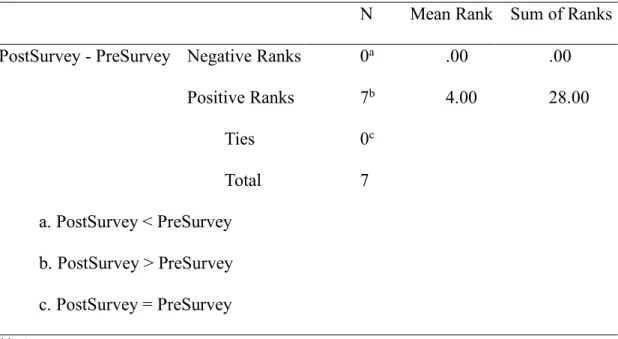
A Wilcoxon signed-rank test was conducted to determine whether there was a significant difference between the pre-survey and post-survey scores. Table 4 provides a summary of the comparison between the staff’s rankings before and after the educational intervention.
Table 4. Wilcoxon Signed-Rank Test
N Mean Rank Sum of Ranks PostSurvey - PreSurvey Negative Ranks 0a .00 .00
Positive Ranks 7b 4.00 28.00
Ties 0c
Total 7
a. PostSurvey < PreSurvey b. PostSurvey > PreSurvey c. PostSurvey = PreSurvey
Table 4
31 Table 5. Test Statistics
Post Survey – Pre Survey
z -2.371
Asymp. Sig. (2-tailed) .018
Table 5
Based on the Wilcoxon test, an educational program for providers to counsel patients on the subdermal contraceptive implant and its common side-effects in females of childbearing age elicited a statistically significant change in knowledge among participants at the NRC (z = -2.371, p = 0.018).
Qualitative Participant Feedback
This quality improvement project also involved the collection of feedback from the staff members after the post-survey. Before the educational intervention, there was an overall
disconnect and dissatisfaction with the current practices for patients using the NexplanonÒ
implant. The providers stated the current practices at the NRC were “inconsistent” and that “the video provided to educate patients on the implant was lengthy,” therefore staff felt that “the patients did not pay close attention.” During informal interviews with clinic staff and from three questions on the post-survey (Appendix 4) several themes emerged in their feedback.
32
The staff indicated that the brochure created was beneficial to patients and it was also beneficial to identifying patients that may not tolerate the side effects of the implant. Staff also indicated that the brochure was succinct and portable which allowed patients to carry them home, and was designed for a shorter attention span, which was helpful during counselling sessions. Participants were asked if they changed the way they discussed and counselled patients on the NexplanonÒ implant. This question was evaluating for specific examples of how the new education program changed the staff’s approach to counseling patients on the subdermal implant. One participant wrote, “Yes, I give them the handout which helps them to see the side effects in a written short format. The handout and video that I currently show to the patient is more in depth but I don’t think the patient always pays attention due to the length of it.”
Prior to this project, there were no educational materials in Spanish. This limited the users to only patients who could read and understand English. Participants were asked if the availability of the brochure in Spanish was helpful. All participants agreed this was helpful and one wrote, “it was a good resource for our Hispanic patients, something they could easily read and comprehend.”
Retrospective Chart Review
The current project also involved the analysis of patient chart audits before
33
(37.5%), headache (25%), site issues (25%), and depression (12.5%). Irregular bleeding was the most common reason for early removal and, as a result, was the primary focus of the provider-led educational program.
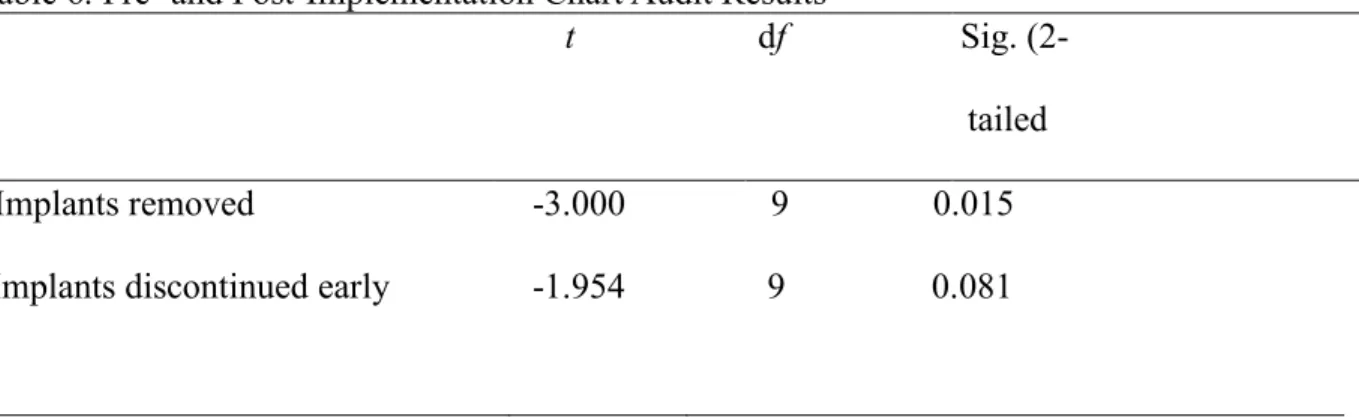
Table 6 provides a summary of the results based on the paired samples t-test on the
retrospective chart audit completed on female patients age 18 through child bearing years. Due to unequal sample sizes a two sample t-test was used to compare pre and post implementation data. The educational intervention had a significant impact on the implants removed (p = 0.015), but not on the implants discontinued early (p = 0.081).
Table 6. Pre- and Post-Implementation Chart Audit Results
Table 6
t df Sig.
(2-tailed
34
CHAPTER 6: DISCUSSION
Subdermal contraceptive implants may be used to delay and prevent unwanted pregnancy, providing healthcare providers with effective options to offer patients when
reviewing their reproductive choices (Secura et al., 2010; Mosher & Jones, 2010). Poor tolerance to changes in vaginal bleeding associated with hormonal contraceptive use may influence
compliance and continuation with subdermal and other contraceptives (Bachmann & Korner, 2009; Dickson et al., 2014; Garbers et al., 2012; Lunde et al., 2017; and Moreau et al., 2007). Counseling women on expected bleeding patterns has been shown to improve continuation rates for implantable progestogen contraceptives (Bachmann & Korner, 2009; Carek et al., 2013; Harvey et al., 2009; Lunde, et al., 2017). Relationship centered-care is integrating the entire system to optimize overall population health (Nundy & Oswald, 2014). This quality
improvement project worked with the entire care team to illicit feedback for creation of the educational program. It focused on the providers, staff, the system, and patients to create a change in the overall process that made it more efficient and consistent.
Key Findings
The results indicated an improvement in the percentage of staff members who understood side effects of the NexplanonÒ implant (75%) after implementation of the
35
was not the main focus of the project but there was interest if the educational program would improve this rate. After completeing the retrospective chart review, the number of implants removed before and after implementation of the educational program was statistically significant (p = 0.015). The system wide quality improvement project to optimize counseling patients about the subdermal contraceptive implant was effective in increasing staff knowledge of side effects, potential treatment options, and the importance of providing patients with contact information at their appointment and decreasing early termination of the implant. This is important since studies prove that counseling women on side effects such as excessive bleeding could improve
continuation rates for contraceptives (Dickson et al., 2014; Lunde et al., 2017; Secura et al., 2010).
There was also an increase in the proportion of staff who were comfortable with
counseling patients about the potential side effects of using the NexplanonÒ subdermal implant after implementation of the educational program (50%), increased from 25%. This finding was supported by various reaserchers in previous studies who identified the need for and importance of extensive educational programs for patients who use subdermal implants (Dickson et al., 2014; Garbers et al., 2012; Lunde et al., 2017; and Moreau et al., 2007). Therefore,
implementing the educational program was beneficial to the staff members as it enhanced their knowledge and awareness regarding the side effects of NexplanonÒ and the importance of maintaining communication with patients who use the contraceptive.
36
bleeding as thoroughly as possible before removing the NexplanonÒ implant (50%), while prior to implementation, only 25% strongly agreed. One participant shared, “I make sure I always offer OCPs to treat irregular bleeding if the patient is willing to continue with the implant, if not, I will remove it.”
After the educational intervention, there was an increase in the proportion of staff members who provided their contact information to patients in writing via the brochure before leaving an appointment (75%). Before the implementation, only 25% strongly agreed to providing this information to patients during the apppointment. This is important because
patients’ report having provider contact information for questions and follow-up as being crucial to their care (Lunde et al., 2017). In addition, there was an increase in the proportion of staff members who stated that their patients acknowledged contacting them in case of undesirable side effects of the NexplanonÒ implant (50%). Prior to implemtation, only 25% agreed that their patients acknowledged contacting them.
The majority of staff members also perceived that the brochure meant for the patients was well-received and beneficial to the NRC, with all the staff eithering agreeing (75%) or strongly agreeing (25%). The need for clear written instructions on side effects, treatment options, and provider contacts have been proven useful by women (Lunde et al., 2017). With 30% of the clinic seeing Spanish speaking patients, having a brochure that they could read was imperative to
reach this population. One participants stated, “our Spanish speaking patients appreciated having a resource that was easy to read and that they could take home with them.”
37
data about why and how the planned education succeed or not (Addo & Eboh, 2014). Qualitative feedback from staff identified the brochure developed as a helpful and valuable educational tool that staff easily incoprorated into the routine of subdermal contraceptive counseling. This is important in promoting the sustainability of practice changes associated with this quality improvement project. Sustaining the efforts of practice change at the NRC is essential to ensure that patients receive the best care possible but also to ensure that investments made in knowledge acquisition and transfer are not wasted (Virani, Lemieux-Charles, Davis, & Berta, 2009).
Implications for Practice
Unplanned pregnancy is a major public health issue in young American women of the reproductive age (Finer & Zolna, 2016; Jacobstein & Stanley, 2013). However, the introduction of subdermal implants such as NexplanonÒ provides women with a highly effective, safe, convenient, and long-term alternative contraceptive method (American College of Obstetricians and Gynecologists, 2017; Dodson, Gray, & Burke, 2012; Secura et al., 2010). Though most women are satisfied with the services they receive from care providers, it is important to ensure that providers understand these implants, their potential side effects, and maintain effective communication during and after appointments (Bachmann & Korner, 2009; Carek et al., 2013; Dickson et al., 2014; Harvey et al., 2009; Lunde et al., 2017).
38
improves communication and ensures prompt responses in case of adverse side effects of the NexplanonÒ implants (Lunde et al., 2017). The findings of the current study imply that the implementation of educational programs to improve providers counseling of women who use subdermal implants can positively influence provider knowledge and comfort with subdermal contraceptive counseling and improve compliance with better management of side effects. Recommendations
Future studies should focus on the role of patient perceptions regarding the subdermal NexplanonÒ implants and the effectiveness of educational interventions in promoting the continuation of these contraceptives. The current quality improvement project only partially revealed the indirect effects of provider education on implant continuation by patients of child-bearing age. Therefore, future studies should aim to address the direct link between counseling patients on the benefits of side effects of the NexplanonÒ implants and continuation. Future studies should employ a larger sample size to improve generalizability of findings. Overall, the expanded implementation of educational programs for providers to promote counseling patients who use NexplanonÒ implants can significantly enhance continuation of the contraceptives reducing the rate of unwanted pregnancies and abortions (Lunde, et al., 2017).
As interviewing is becoming more common practice to explore and understand the patient’s subjective experiences, the verbal and written communication in relationship-centered care provides great insignt in to system change (Suchman and Williamson, 2010). In this quality improvement project, relationship-centered care offered a means to ensure that each provider offered each patient the same education and counseling at every visit (Suchman and Williamson, 2010). The model included all members of the system and engaged all with the notion of
39 Limitations
The current project may have several limitations. First, it was conducted at a single clinic with a small convenience sample. This limits the generalizability of the findings of this project. Given that this project was limited in its timeframe, the sustainability of the staff knowledge remains unknown. Response bias was also a risk since the sample was a small sample where one of the providers recruited the staff members. The clinic staff was initially unsure about the need for change, so the same provider was responsible for engaging the staff. Lastly, the number of implants removed was statistically significant (p = 0.015), but the number of implants discontinued early was not (p = 0.081). This is likely due to the population size of the sample so future quality improvement projects should focus on larger systems.
Conclusion
Local health departments play a vital role in providing contraceptive care for women. To help prevent unintended pregnancies, integrating LARC services into primary care-focused health clinics is necessary. The implementation of the current project significantly improved staff members’ knowledge and awareness of counseling patients about the NexplanonÒ implant, its common side effects, and the exchange of contact information at the NRC. Provider training and patient counseling to dispel misconceptions regarding LARC use has been shown to improve usage and continuation rates of LARC contraception (Arrowsmith, M., Aicken, C., Saxena, S., & Majeed, A., 2012; Garbers et al., 2013). To help women make an informed decision about
40
APPENDIX 1: NEXPLANON PATIENT BROCHURE
Nexplanon
Birth Control
Implant
What you need to know about
Nexplanon...
41
APPENDIX 1: NEXPLANON PATIENT BROCHURE
Nexplanon
What is Nexplanon?
Nexplanon is about the size of a matchstick, is made of soft plastic and is inserted just beneath the skin on the inner side of the upper arm by a healthcare provider during an in-office procedure. Nexplanon continually releases a low, steady dose of progestin (etonogestrel) to prevent pregnancy for up to 3 years.
Common Side Effects
Irregular bleeding is the most common side effect. Some women have more bleeding, less bleeding, or no bleeding. The time between periods may also vary, and in between periods, you may have spotting. If irregular bleeding becomes intolerable, there may be additional treatments your provider can prescribe.
Provider Contact
42
APPENDIX 2: NEXPLANON PATIENT BROCHURE IN SPANISH
Nexplanon
Implante para el
Control de la
natalidad
Que necesita saber sobre el
Nexplanon...
43
APPENDIX 2: NEXPLANON PATIENT BROCHURE IN SPANISH
Nexplanon
¿ Nexplanon?
Nexplanon es un método de control natal que libera bajas dosis de estrogen para prevenir el embarazo durante 4 años.
Nexplanon es del tamaño de un fósforo, hecho de plástico suave que se introduce debajo de la piel en el lado interno del brazo durante la visita médica.
Efectos secundarios
Algunos efectos secundarios: Period sangrado irregular, es decir; depende de cada mujer; algunas sangran mucho, otas poco y otras no sangran. Si su sangrado es intolerable, contacte a su medico y le recomendará medicina para controlarlo.
Contacto del proveedor
44
APPENDIX 3: NRC NEXPLANON PRE-EDUCATION SURVEY
1. I am familiar with evidence-based practices on counseling patients that receive the Nexplanon subdermal contraception implant.
(a) Strongly disagree (b) Disagree (c) Neither agree or disagree (d) Agree (e) Strongly agree 2. I am familiar with common Nexplanon side effects and the effect on correct use of the implant.
(a) Strongly disagree (b) Disagree (c) Neither agree or disagree (d) Agree (e) Strongly agree 3. I am comfortable counseling patients on potential side effects with the Nexplanon implant. a) Strongly disagree (b) Disagree (c) Neither agree or disagree (d) Agree (e) Strongly agree 4. I treat irregular bleeding as thorough as possible before removing the Nexplanon implant. a) Strongly disagree (b) Disagree (c) Neither agree or disagree (d) Agree (e) Strongly agree 5. I provide patients with my contact information before they leave the appointment. a) Strongly disagree (b) Disagree (c) Neither agree or disagree (d) Agree (e) Strongly agree 6. I understand the importance of in-depth education for patients who chose the Nexplanon implant.
a) Strongly disagree (b) Disagree (c) Neither agree or disagree (d) Agree (e) Strongly agree 7. Patients acknowledge that they will contact me with any undesirable side effects.
45
APPENDIX 4: NRC NEXPLANON POST-EDUCATION SURVEY
1. I am familiar with evidence-based practices on counseling patients that receive the Nexplanon subdermal contraception implant.
(a) Strongly disagree (b) Disagree (c) Neither agree or disagree (d) Agree (e) Strongly agree 2. I am familiar with common Nexplanon side effects and the effect on correct use of the implant.
(a) Strongly disagree (b) Disagree (c) Neither agree or disagree (d) Agree (e) Strongly agree 3. I am comfortable counseling patients on potential side effects with the Nexplanon implant. a) Strongly disagree (b) Disagree (c) Neither agree or disagree (d) Agree (e) Strongly agree 4. I treat irregular bleeding as thorough as possible before removing the Nexplanon implant. a) Strongly disagree (b) Disagree (c) Neither agree or disagree (d) Agree (e) Strongly agree 5. I provide patients with my contact information before they leave the appointment. a) Strongly disagree (b) Disagree (c) Neither agree or disagree (d) Agree (e) Strongly agree 6. I understand the importance of in-depth education for patients who chose the Nexplanon implant.
a) Strongly disagree (b) Disagree (c) Neither agree or disagree (d) Agree (e) Strongly agree 7. Patients acknowledge that they will contact me with any undesirable side effects.
a) Strongly disagree (b) Disagree (c) Neither agree or disagree (d) Agree (e) Strongly agree 8. My current practice for counseling patients on the potential side effects for the Nexplanon implant has changed since the initial education plan?
a) Strongly disagree (b) Disagree (c) Neither agree or disagree (d) Agree (e) Strongly agree 9. Patients are choosing the Nexplanon less as their contraception of choice after they learn about the potential side effects.
46
APPENDIX 4: NRC NEXPLANON POST-EDUCATION SURVEY (Continued)
10. The brochure created for patients to take home has been received well by patients and beneficial to the practice.
a) Strongly disagree (b) Disagree (c) Neither agree or disagree (d) Agree (e) Strongly agree
Please answer to the best of your ability, giving examples if necessary: With implementation of the new education plan, have you:
1. Identified more patients declining the Nexplanon implant due to its potential side effects?
2. Suggested an alternative method of contraception due to the patient’s response to potential side effects?
47 REFERENCES
Addo, M., Eboh, W. (2014) Qualitative and quantitative approaches. In Taylor R (Ed) The Essentials of Nursing and Healthcare Research. Sage Publications Limited, London, 137- 154.
Akin, A., Ali, M., Bahamondes, L., Brache, V., Habib, N., Landoulsi, S. (2016). Extended use up to 5 years of the etonegestrel-relseasing subdermal contraceptive implant: comparison to levonogestrel-releasing subdermal implant. Human Reproduction, 31(11), 2491-2498. American College of Obstetricians and Gynecologists. (2017) Long-Acting Reversible
Contraception: Implants and Intrauterine Devices. Practice Bulletin No. 186. 130, e251– 269.
Arrowsmith, M. E., Aicken, C. R. H., Saxena, S., & Majeed, A. (2012). A strategies for
improving the acceptability and acceptance of the copper intrauterine device. Cochrane Database of Systematic Review, (3), Art. No.: CD008896.
Bachmann, G., & Korner, P. (2009). Bleeding patterns associated with non-oral hormonal contraceptives: a review of the literature. Contraception, 79, 247-258.
Bahamondes, L., Critchley, H., Darney, P., Fraser, I., and Mansour, D. (2011). The management of unacceptable bleeding patterns in etonogestrel-releasing contraceptive implant users. Contraception, 83, 202-210.
Beach, M., & Inui, T. and the Relationship-Centered Care Research Network (2006), Relationship-centered Care. Journal of General Internal Medicine, 21, S3–S8.
Birgisson, N., Madden, T., Peipert, J., Secura, G., and Zhao, Q. (2015). Preventing unitended pregnancy: the contraceptive CHOICE Project in review. Journal of Women's Health, 24(5), 349-353.
Bracken, J., & Graham, C. A. (2014). Young women's attitudes towards, and experiences of, long-acting reversible contraceptives. European Journal of Contraception and Reproductive Health Care, 19(4), 276¬284.
Brown, C. G. (2014, April). The Iowa Model of Evidence-Based Practice to Promote Quality Care: an illustrated example in oncology nursing. Clinical Journal of Oncology Nursing, 18(2), 157-15
CDC. (2013, February 12). Unintended pregnancy prevention. Retrieved from Reproductive Health, Centers for Disease Control and Prevention:
48
Carek, P., Carr, K., Chirina, S., Davis, E., Diaz, V., and Dickerson, L. (2013). Satisfaction, Early Removal, and Side Effects Associated With Long Acting Reversible Contraception. Family Medicine, 45(10), 701-707.
Casner, T., Grunloh, D., Madden, T., Peipert, J., and Secura, G. (2013). Characteristics
Associated With Discontinuation of Long-Acting Reversible Contraception Within the First 6 Months of Use. Obstetrics and Gynecology, 122(6), 1214-1221.
Coombe, J., Harris, M. L., & Loxton, D. (2016). What qualities of long-acting reversible contraception do women perceive as desirable or undesirable? A systematic review. Sexual Health, 13(5), 404¬419.
Cork, A. (2005). A model for successful change management. Nursing Standard (through 2013), 19(25), 40-2.
Cushman, L., Davidson, A., Heartwell, S., Kalmuss, D., & Rulin, M. (1996). Determinants of Early Implant Discontinuation Among Low-Income Women. Family Planning
Perspectives, 28(6), 256-260.
Daniels, K., Daugherty, J., Jones, J., & Mosher, W. (2015). Current Contraceptive Use and Variation by Selected Characteristics Among Women Aged 15–44: United States, 2011– 2013. Centers for Disease Control and Prevention, U.S. Department of Health and Human Services. Hyattsville: National Center for Health Statistics.
Dent, E. & Galloway-Goldberg, S. (1999) Challenging “Resistance to Change”. The Journal of Applied Behavioral Science, 35(1), 25-41
Dickerson, L., Diaz, V., Jordan, J., Davis, E., Chirina, S., Goddard, J., Carr, K., and Carek, P. (2013). Satisfaction, Early Removal, and Side Effects Associated With Long- Acting Reversible Contraception. Family Medicine, 45(10), 701.
Dickson, J., Hoggart, L., & Newton, V. L. (2014). Unanticipated bleeding with the etonogestrel implant: Advice and therapeutic interventions. Journal of Family Planning and
Reproductive Health Care, 40(3), 158¬160.
Dodson, N., Gray, S., & Burke, P. (2012). Teen pregnancy prevention on a LARC: an update on long-acting reversible contraception for the primary care provider. Current Opinion in Pediatrics, 24(4), 439-445.
Donnelly, K. Z., Foster, T. C., & Thompson, R. (2014). What matters most? the content and concordance of patients' and providers' information priorities for contraceptive decision making. Contraception, 90(3), 280