CHARACTERIZING THE EFFECT OF NEW AND EMERGING TOBACCO PRODUCTS ON AIRWAY INNATE MUCOSAL DEFENSE
Sabri Abdelwahab
A dissertation submitted to the faculty at the University of North Carolina at Chapel Hill in partial fulfillment of the requirements for the degree of Doctor of Philosophy in the
Department of Pathology & Laboratory Medicine.
Chapel Hill 2019
Approved by: Claire Doerschuk Jonathon Homeister
ABSTRACT
Sabri Abdelwahab: characterizing the effect of new and emerging tobacco products on airway innate mucosal defense
(Under the direction of Mehmet Kesimer)
Airway mucus/mucins serve as a barrier against smoke and other harmful substances that the respiratory tract is exposed to. In addition, airways exosomes have a role in the dynamic regulation of the airway tract response to a broad range of different possible environmental exposure of the body to such substances as smoke. This study ventured to characterize the effects of multiple brands of NETPs on the airway epithelia at multiple levels using in vitro model. Accordingly, the viability and integrity of tight junctions of smoke-exposed epithelia were evaluated. Apical secretions from NETP-exposed cultures were collected and subjected to label-free quantification mass spectrometric analysis. Additionally, chemical composition analysis of different cigarillo brands was also performed. Furthermore, part of the collected apical secretions from NETP-exposed culture secretions were processed for isolation of the exosome using sequential differential centrifugation. The airway exosomal miRNA profile was identified by using HTG EdgeSeq technology and next-generation sequencing platforms. The differential expression analysis was performed by using a bioinformatics tool.
Furthermore, the analysis of different cigarillo tobacco products revealed compositional
differences and greater nicotine delivery to cells that may be linked to the differential effects of these products on cellular viability and protein expression profiles, which are associated with a range of health risks in the context of airway biology.
ACKNOWLEDGMENTS
I express my deepest appreciation and gratitude to Dr. Mehmet Kesimer who has given me the opportunity to work with him. He provides me much of his time, constant guidance, and effort to complete this work. During my training, he has always treated me as a mature scientist, which has brought me a confident and positive attitude in my scientific research. Despite that, he is consistent, delivering his critiques and feedback in a very nice, professional manner. His inputs direct me to the right path towards accomplishing my research work. I would not have been able to get to this point without his great support. I enjoy working with him, and I appreciate his advocacy and support through my graduate research training and academic pursuits.
I extend my thanks and appreciation to my thesis committee for the excellent skills, knowledge, and expertise they have imparted to me. I greatly appreciate Drs. Doerschuk, Homeister, Jaspers, and Tarran for their contributions to my success. They provided
indispensable guidance, insights, and collaboration throughout my graduate research training, which paved my way and encouraged the accomplishment of this work.
I am so grateful to my colleagues at Dr. Kesimer’s laboratory, both current and alumni, who have become lifelong friends. They always try to make me better. They never hesitate to help and support me to accomplish my work and still are there to give feedback and input to overcome the challenges and improve my experiments, analysis, and interpretations of the data.
their great help during my academic coursework and I feel fortunate to have had their support, affection, and encouragement even when I wanted to give up. They motivated me during challenges to keep going. I thank my classmates, as well, for their support, which has made this period of academic training an enjoyable and memorable experience.
I also express profound gratitude to the Marsico Lung Institute and TCORS investigators and staff for their great support and outstanding quality of collaboration to make everything possible and achievable in an amicable, collegial environment. Special thanks to the TCORS Samples Acquisition and Tissue Cores for their commitment to continually support and supply me with the cell cultures to finish my studies.
I also thank the IMSD family, particularly Drs. Ashalla Freeman and Patrick Brandt. They equipped me with logistics and the technical preparation to succeed in graduate school and my career path.
I express great appreciation to the UNC Graduate School Writing Center for their help and for providing whatever support was necessary to facilitate my continued success in graduate training.
I acknowledge the funding resources without which this research work could not be achieved: FDA/NIH funded Center for Tobacco Regulatory Science and Lung Health, and TCORS Grant P50L-120100-01, project II that was led by Dr. Kesimer. I also recognize my initial funding support in the first year of my graduate school in which I was supported by the Initiative for Maximizing Student Diversity (IMSD) Excellence Fellowship NIH-funded educational research program (2013-2014).
PREFACE
The research in this proposal seeks to establish a biological characterization of the effects of smoke from new and emerging tobacco products (NETPs) on human airways.
Experiments were designed and executed to produce data on biological effects due to NETP smoke, not only to increase public knowledge and awareness about the health risks associated with the use of these products, but generate essential information to the legislative process and officials who regulate tobacco products. The data provide scientific evidence that may support decisions on tobacco product regulation. Furthermore, the studies produced
hypothesis-generating results related to the pathobiological response of airways to NETPs smoke, which could be a jumping-off point for future mechanistic and functional studies.
Incredible and unlimited support provided by my mentor and his lab members was critical to accomplishing this work. However, much of the work was achieved in
Ghosh, A., Abdelwahab, S. H., Reeber, S. L., Reidel, B., Marklew, A. J., Garrison, A. J., Lee, S., Dang, H., Herring, A. H., Glish, G. L., Kesimer, M., … Tarran, R. (2017). Little cigars are more toxic than cigarettes and uniquely change the airway gene and protein expression. Scientific Reports, 7, 46239. doi:
10.1038/srep46239.
Permission to include the proteomic analysis results of apical secretions of little cigar tobacco-exposed airway cultures in my Ph.D. dissertation was obtained from Arunava Ghosh, Ph.D., first author on the paper.
A manuscript related to cigarillo smoke exposure studies was generated from this thesis and submitted for publication. The title and contributing authors are as follows:
“Cigarillo smoke effects airway epithelia leading to altered protein expression. Sabri H. Abdelwahab 1,2 , Boris Reidel1, 2, Jessica R. Martin2,Arunava Ghosh2, James E. Keating3, Prashamsha Haridass1,2 , Jerome Carpenter1,2, Gary L. Glish3, Robert Tarran2,4, Claire M. Doerschuk1, 2, 5, and Mehmet Kesimer* 1, 2”
Submission in Process
The manuscript contains work completed in collaboration with other TCORS program laboratories. Dr. Arunava Ghosh from Dr. Rob Tarran’s lab contributed in the cytotoxicity assay, and James Keating from Gary Glish’s lab performed the chemical compound analysis. The manuscript also includes animal studies conducted by Jessica Martin from Dr. Claire Doerschuk’s lab, which are not included in this thesis.
Chapter 3 includes studies related to airway exosomal miRNA profiling after exposure to smoke from new and emerging tobacco products (NETPs). In this section, Dr. Hong Dang from the Marsico Lung Institute assisted in analyzing the exosomal miRNA data and helped with the data interpretation. All the data related to the effect of waterpipe smoke exposure
1 Department of Pathology and Laboratory Medicine 2 Marsico Lung Institute
3 Department of Chemistry
TABLE OF CONTENTS
ABSTRACT ... iii
ACKNOWLEDGMENTS ... vi
PREFACE ... viii
TABLE OF CONTENTS ... xi
LIST OF TABLES ... xiv
LIST OF SUPPLEMENT TABLES ... xv
LIST OF FIGURES ... xvi
LIST OF SUPPLEMENT FIGURES... xix
LIST OF ABBREVIATIONS ... xx
CHAPTER 1: CHARACTERIZING THE EFFECT OF NEW AND EMERGING TOBACCO PRODUCTS (NETPS) ON THE AIRWAY INNATE MUCOSAL DEFENSE ... 1
Overview and Specific Aims ... 1
NETPs and the Scale of the Problem ... 5
Airway Mucus ... 8
Exosome-like Vesicles ... 9
CHAPTER 2: EFFECT OF NEW AND EMERGING TOBACCO PRODUCTS (NETPS) ON AIRWAY MUCIN/MUCUS PROTEOME ... 12
Overview ... 12
Introduction ... 14
Little Cigar & Cigarillo ... 16
Waterpipe (Hookah)... 17
Experimental Design and Materials & Methods ... 19
Cell Culture ... 19
HTBE cell exposure to whole tobacco smoke (WTS) ... 20
In Vitro Trans-epithelial Electrical Resistance (TEER) Measurement ... 22
In Vitro Calcein AM/Propidium Iodide Assay ... 22
Label-free Quantitative Proteomic Analysis ... 23
Chemical Compound Analysis ... 25
Results ... 26
Effect of New and Emerging Tobacco Product (NETP) Smoke on Primary Airway Epithelial Cells ... 26
Label-free Quantitative Proteomic Analysis of Cell Secretions after NETP Smoke Exposure ... 28
Chemical Compound Analysis of Cigarillo Smoke and Comparison to Cigarette Smoke ... 32
Discussion ... 34
Conclusions ... 47
CHAPTER 3: AIRWAY EXOSOMAL MIRNA TRANSCRIPTOME PROFILING POST-EXPOSURE TO NEW AND EMERGING TOBACCO PRODUCTS (NETPS) SMOKE ... 49
Overview ... 49
Introduction ... 51
Materials and Methods ... 54
Cell Culture and Whole Tobacco Product Exposure ... 54
Exosomal miRNA Purification and Next-Generation Sequencing
(NGS) Analysis ... 56
Bioinformatics Analysis... 57
Results ... 57
Characterization of Exosome-like Vesicles ... 57
Exosomal miRNA Analysis Profile ... 58
Discussion ... 60
Integrated airway exosomal miRNA and proteomic data after HTBE cell smoked to NETPs ... 65
Conclusions ... 68
CHAPTER 4: OVERALL CONCLUSIONS AND IMPLICATIONS ON TOBACCO REGULATION ... 69
Overall Conclusions ... 69
Scientific Evidence and Tobacco Control... 71
Reform in Tobacco Control Legislation and Policy ... 73
APPENDICES ... 75
APPENDIX A: TABLES AND FIGURES FOR CHAPTER 1 ... 75
APPENDIX B: TABLES AND FIGURES FOR CHAPTER 2 ... 80
Appendix 3: TABLES AND FIGURES FOR CHAPTER 3 ... 129
LIST OF TABLES
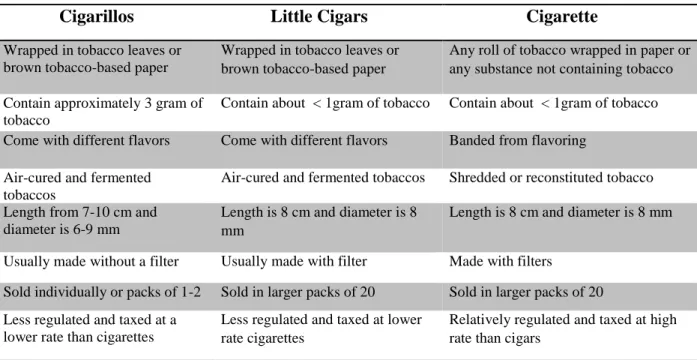
Table 1: Alternate forms of tobacco and nicotine delivery ... 76 Table 2: Description of cigars (cigarillo, little cigars) ... 80 Table 3: Demographic characteristics of the airway epithelial cell primary cultures. ... 82 Table 4: Physical characteristics of Kentucky research cigarette (KCS) and three
different cigarillos tobacco products: ... 86 Table 5: Partial list of differential proteins of HTBE cell apical secretions associated
with little cigars exposure determined by mass spectrometry ... 92 Table 6: Characterization of exosome-like vesicles derived from the apical
secretion of HTBE cells exposed to air ... 141 Table 7: Partial list of top biological processes and functional pathways predicted to
LIST OF SUPPLEMENT TABLES
Supplement Table 1: Level of the nicotine detected on the apical secretions of smoked- HTBE cells over 24-hours post exposure to air and tobacco products ... 108 Supplement Table 2: List of proteins significantly altered in HBEC ASL after chronic
exposure to air, Kentucky research cigarettes or little cigars.. ... 109 Supplement Table 3: List of proteins significantly altered in HTBE cell apical
secretions after exposure to air, Kentucky research cigarettes or cigarillos ... 112 Supplement Table 4: List of proteins significantly altered in HTBE cell apical secretions
after exposure to air-sham, waterpipe Two Apples shisha flavor (2App) or Two Apples with shisha tobacco ... 121 Supplement Table 5: List of chemical compounds identified from gas chromatography-
mass spectrometry analysis in Kentucky research cigarettes or cigarillos ... 127 Supplement Table 6: Partial list of biological processes and functional pathways
predicted to be altered by little cigar swisher-sweets (LCSS). ... 143 Supplement Table 7: List of biological processes and functional pathways predicted to be
altered by cigarillo (SSW). ... 144 Supplement Table 8: List of the exosomal miRNAs after smoke exposure to air,
Kentucky cigarette (KCS) and little ciagr (LCSS) ... 147 Supplement Table 9: List of the exosomal miRNAs after smoke exposure to air,
LIST OF FIGURES
Figure 1: Flow chart of proposed studies for characterizing the effect of new and
emerging tobacco poducts (NETPs) on airway innate mucosal defense. ... 75
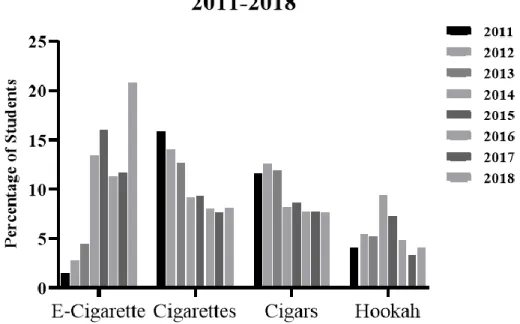
Figure 2: Recent trends in tobacco-product use by high school students. ... 77
Figure 3: Consumption of cigars - United States, 2000 to 2015… ... 78
Figure 4 & Figure 5: Consumption of cigars- United States, 2000 to 2015. ... 78
Figure 6: Electronic Micrograph of exosomes derived from human airway epithelial cells ... 79
Figure 7: Tobacco smoke exposure and the mucus layer of the airway surface ... 81
Figure 8: Experimental design set-up to investigate the effect of little cigar and cigarillo on airway epithelia and mucus barrier - In vitro model.. ... 83
Figure 9: Waterpipe components and setup ... 84
Figure 10: Experiment design to characterize shisha tobacco products. ... 85
Figure 11: Effect of cigarillo tobacco products on HTBE cells ... 87
Figure 12: Chronic little cigar smoke exposure results in increased dead cells ... 88
Figure 13:Waterpipe smoke exposure and decreased cellular viability and trans-epithelial electrical resistance (TEER) ... 89
Figure 14: Chronic little cigar smoke exposure and decreased trans-epithelial electrical resistance (TEER) . ... 90
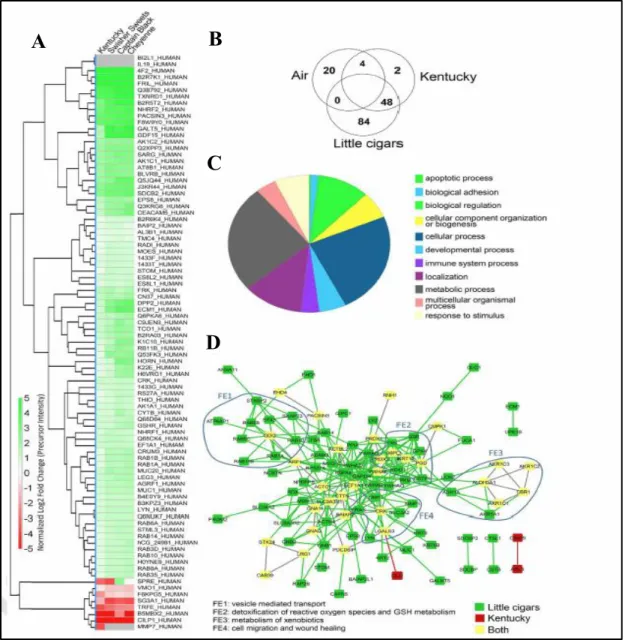
Figure 15: Little cigar smoke exposure and greater changes to the HTBE cell apical secretions proteome than in cigarette smoke exposure… ... 91
Figure 16: Proteomic analysis of the apical secretions of cigarillo smoke-exposed HTBE cells – Venn diagrams ... 93
Figure 17: Cigarillo smoke exposure alters the expression of mucins ... 94
Figure 18: Cigarillo exposure changes protein expression related to the immune response ... 95
Figure 19: Cigarillos smoke exposure increase proteins expression in the oxidative stress pathway ... 96
Figure 21: Pie chart representing the biological process classification for significantly changed proteins in the apical secretions of waterpipe
smoked HTBE cells. ... 98 Figure 22 : How waterpipe smoke exposure alters innate immune proteins: ... 99 Figure 23: Waterpipe smoke exposure upregulates oxidative stress and
detoxification enzymes protein ... 100 Figure 24: Enrichment pathway analysis of the significant differentially expressed
proteins (red) showing change in biological process pathways after
waterpipe smoke exposure (immune response) ... 101 Figure 25: Enrichment pathway analysis of the significant differentially expressed
proteins (red) change pathways involved in oxidative stress (red) and cell death after waterpipe smoke exposure . ... 102 Figure 26: Analysis of chemical compounds in the particulate phase of smoke
from tobacco products using gas chromatography-mass spectrometry ... 103 Figure 27: Methodology for exosome isolation & miRNA analysis. ... 129 Figure 28: Characterization of exosome-like vesicles derived from apical secretion of
HTBE cells exposed to air, Kentucky cigarette or little cigar. ... 130 Figure 29: Characterization of exosome-like vesicles derived from apical secretion of
HTBE cells exposed to air, Kentucky cigarette or different cigarillo (SSW) ... 131 Figure 30: Characterization of exosome-like vesicles derived from apical secretion
of HTBE cells exposed to air, Two Apples flavor or shisha tobacco
flavored Two Apples. ... 132 Figure 31: Differentially expressed exosomal miRNA after little cigar smoke exposure.
Volcano plot showing exosomal miRNA differential expression in HTBE cells exposed to SSW vs air ... 133 Figure 32: Pathway analysis of miRNAs predict biological processes and functional
pathways affected by little cigar smoking exposure ... 134 Figure 33: Exosomal miRNA analysis of apical secretion of HTBE cells exposed to
swisher-Sweet cigarillo (SSW) ... 135 Figure 34: Plot showing the quality control process of the samples ... 136 Figure 35: Exosomal miRNA analysis of apical secretion of HTBE cells exposed to
Figure 36:(A) volcano plot showing exosomal miRNA differential expression in HTBE cells exposed to waterpipe Two Apples flavor (2App)
compared to tobacco flavored with Two Apples (TOB) ... 138 Figure 37: Example of the relationships between MMP9 (A) and PIGR (B) proteins
and their putative miRNAs ... 139 Figure 38: miRNAs predicate to target BPI fold containing family A member 1
LIST OF SUPPLEMENT FIGURES
Supplement Figure 1: Effect of cigarillo tobacco smoke on HTBE cells . ... …..105 Supplement Figure 2: Proteomic analysis of secretions from little cigar smoke
exposed HBTE cells ... 106 Supplement Figure 3: Proteomic analysis of the apical secretions of cigarillo
smoke-exposed HTBE cells ... 107 Supplement Figure 4: Nicotine level concentrations in smoke-exposed HTBE cell
LIST OF ABBREVIATIONS
2App Two Apples Flavor only of Waterpipe Tobacco
AMDIS Automated Mass Spectral Deconvolution & Identification System
ANOVA Analysis of Variance
BALF Bronchoalveolar lavage fluid
BPIFA1 Bactericidal/Permeability-Increasing-Fold-Containing Family A
CC10 Clara Cell 10 Kd Protein
CDC Centers for Disease Control and Prevention
CLLO Cigarillo
COPD Chronic Obstructive Pulmonary Disease ENDs Electronic nicotine delivery devices
FDA Food and Drug Administration
GBK Garcia y Vega Game Black Cigarillo
GC-MS Gas Chromatography-Mass Spectrometry
HMGB1 High-Mobility Group Protein-1
HTBE Human Trachea-Bronchial Epithelial
HTT Hi-Fi Tropical Tango Cigarillo
IgA Immunoglobulin A
IQOS Quit-Ordinary-Smoking (Philip Morris International).
KCS Kentucky Research Cigarette
LCCB Little Cigar Captain Black
LCs Little Cigars
LCSS Little Cigar Swisher-Sweets
MCC Muco-Ciliary Clearance
miRNA WTA miRNA Whole Transcriptome Assay miRNA/miR Micro-Ribonucleic Acid
MMWR Morbidity and Mortality Weekly Report
NETPs New and Emerging Tobacco Products
NGS Next-Generation Sequencing
NTA Nanoparticle Tracking Analysis
NYTS National Youth Tobacco Surveys
PBS Phosphate-Buffered Saline
PCA Principal Component Analysis
PCL Peri-Ciliary
QC Quality Control
SAMHSA Substance Abuse and Mental Health Services Administration SPLUNC1 Short Palate, Lung, and Nasal Epithelial Clone 1
SSW Swisher-Sweets cigarillo
TCORS Center for Tobacco Regulatory Science and Lung Health TEER Trans-Epithelial Electrical Resistance
TLRs Toll-like receptors
TOB Waterpipe Tobacco with Two Apples Flavor
USHHS/USHS U.S Health and Human Services
CHAPTER 1: Characterizing The Effect of New and Emerging Tobacco Products (NETPs) On the Airway Innate Mucosal Defense
Overview and Specific Aims
According to the projections of Murray and Lopez (Murray & Lopez, 1997), mortality and morbidity rates associated with tobacco use will inflate to almost threefold within the next two decades, or “from 3.0 million deaths in 1990 to 8.4 million deaths in 2020” (Adkison et al., 2013). Most smoking-related mortality is due to atherosclerotic cardiovascular disease (CVD), lung cancer, and chronic obstructive pulmonary disease (COPD), where the latter includes chronic bronchitis and emphysema (Adhikari, Kahende, Malarcher, Pechacek, & Tong, 2008). Approximately 80% of chronic obstructive pulmonary disease (COPD) death is caused by smoking (United States Department of Health and Human Services [US-HHS], 2014).
Tobacco smoking also increases the risk of many other acute and chronic diseases, including cancers at many body organs other than the lung (Hackshaw et al., 2004), diabetes mellitus or DM (Willi & Cornuz, 2007), and is a trigger for asthma symptoms (Gilliland et al., 2003). Additionally, smoking-related illness in the United States (US) results in burdensome economic consequences in the health system, including direct medical care and indirect costs attributed to lost productivity (US-HHS, 2014; Xu, Bishop, Kennedy, Simpson, & Pechacek, 2015).
Conventional cigarettes remain the most widely used tobacco product in the United States Unfortunately, tobacco use does not entail smoking just cigarettes. The recent years witnessed tobacco use in many different forms, including cigarettes and cigars, bidis, electronic cigarettes (e-cigarettes) also known as electronic nicotine delivery systems, hookah/waterpipe, and smokeless tobacco, among others (CDC, 2016), collectively termed new and emerging tobacco products (NETPs). These NETPs, including electronic nicotine delivery systems (e-cigarettes), were introduced in the United States market as alternative forms of tobacco use beyond
traditional cigarettes (Adkison et al., 2013; Schick et al., 2017). Ironically, however, the public had been exposed not just to second-hand smoke, but to a considerable amount of myths and misconceptions surrounding these NETPs as being less harmful or ‘safer’ alternatives to the regular cigarettes. There is also a more substantial risk concerning NETPs other than health-related issues, including easy access to these products, as well (Radicioni et al., 2016; Schick et al., 2017).
them have experienced using a tobacco product (Arrazola et al., 2014). Sadly, there is a dearth of research-based information on NETPs, particularly with respect to its nature, the extent of usage, public health significance, and diseases attributable to NETPs compared to traditional cigarettes. This renders the potential health risks associated with the use of NETPs poorly understood, including their consequences to airways.
The airway epithelial barrier, including the peri-ciliary layer (PCL) and the mucus components are a multi-level layer that forms the structural basis of the local innate immune defense mechanism to protect the body’s respiratory track. It is the first line of defense against inhaled biological and chemical substances including smoke (Radicioni et al., 2016; Radicioni et al.; Schick et al., 2017). Cognizant of the crucial role of the airway mucosal barrier in protecting the lung from inhaled smoke, the overarching aim of these studies was to examine the pathways by which the airway epithelial barrier responds and defends against inhalation of smoke from NETPs. Using the airways’ epithelial secretory products (i.e, mucus and exosome-like vesicle samples) in response to such exposures, this investigation proposes to discover new mucosal biomarkers of harm for NETPs and compare them to traditional cigarette smoke. This study, therefore, advances the hypothesis that exposure to smoke from NETPs causes unique qualitative and quantitative changes in the airways including the proteome of the airway mucus and the cargo (micro-RNA) of secreted exosome-like vesicles that can be measured and used as biomarkers of harm and/or exposure of tobacco-induced changes in the lung's innate defenses (Figure 1).
The specific aims are as follows:
to identify muco-proteome biomarkers associated with NETPs, including the following tobacco products:
Aim 1a. Little cigar Aim 1b. Cigarillos
Aim 1c. Waterpipe shisha tobacco (hookah)
Aim 2. Evaluate how these NETPs alter the composition of the extracellular vesicles in terms of the microRNA transcriptome.
Aim 2a: Ascertain the quantity and frequency distribution of exosomal sizes post-NETP exposure by using Nanoparticle Tracking Analysis (NTA).
Aim 2b: Profile the micro-RNA exosomal composition in terms of NETP smoke exposure and non-exposure conditions by employing HTG EdgeSeq technology and bioinformatics tools.
NETPs and the Scale of the Problem
New and Emerging Tobacco Products aredefined as “tobacco and nicotine delivery products that have been introduced to the United States market in the past 15 years, products that have become significantly more popular in the past 15 years, or products that are being modified and used in new ways” (Schick et al., 2017). This includes any alternative forms of tobacco beyond conventional cigarette introduced and marketed under different brand names by different manufacturers and may be used by means other than smoking, such as smokeless tobacco (Table 1). The tobacco industry continues to create new, modified and flavored tobacco products. These manufacturers established such tactics to keep the current consumers in the market, and at the same time attract nonsmokers particularly among the youth and young adult subpopulation.
New and emerging tobacco products or NETPs including cigarillo, little cigars,
Meanwhile, the prevalence of cigarette smoking among United States adults has declined from 42.4 percent in 1965 to 15.5 percent in 2016 (Ahmed Jamal, 2017). However, the period 2011-2015 saw a considerable increase in the use of cigarettes and hookah. In 2018,
e-cigarettes topped the list of the most popular NETPs, found to be used by 4.9% of middle school students and 20.8% of high school students (Gentzke et al., 2019). As a comparison, the
population of cigar users in the United States increased between 2000 and 2012 after which it began to decline (Wang, Kenemer, Tynan, Singh, T., and King, 2016) (Figure 3 ). However, the tobacco industry promoted and enhanced the marketing of these products to focused groups in the 1990s, which increased the prevalence of use among adolescents (US-HHS, 2012). In 2016, an estimated 3.8 percent (12.3 million) of people in the United States aged 12 years or older were current cigar smokers, with the heaviest usage among young adults 18 to 24, at 14 percent (SAMHSA, 2015; Kasza et al., 2017). Likewise, the use of water pipe, also known as hookah, was found to be more prevalent among college students, with estimates of use ranging from 22% to 40%. (US-HHS, 2012; Dugas et al., 2010; Primack et al., 2008). Presumably, the increase in popularity of this tobacco product is at least partly due to the misconception that it is a safer alternative to traditional cigarette smoking although there is little, if any, scientific basis behind such claims.
NETP use might be on the rise among the youth, but there is a deficit of studies
respiratory illness, periodontal disease, as well as the potential for nicotine addiction (Akl et al., 2010; Eissenberg & Shihadeh, 2009).
Another source of concern is the flavors added to these new tobacco products. While flavors added to or intended to enhance cigarettes have been banned (with the exception of menthol) by the Food and Drug Administration (FDA, 2018a), NETPs such as cigarillo, little cigars and e-cigarette liquids contain flavors designed to appeal to the youth and vulnerable populations (Ambrose et al., 2015). At least one research study had shown that flavors in little cigar and cigarillo contributed to young adults’ susceptibility and initiation to tobacco use (Sterling, Fryer, Nix, & Fagan., 2015). These products offer a wide range of flavors that
presumably appeal to different subpopulations of middle and high school students based on the different percentages of their use across subpopulations of American high school and middle school students.
Using data from the 2014 National Youth Tobacco Survey (NYTS), it was estimated that 70.0% (3.26 million) of all current youth tobacco users have used at least one flavored tobacco product in the past 30 days. Among current users, 63.3%, (1.58 million) have used flavored e-cigarettes, and about 60.6% (1.02 million) have used flavored hookah tobacco. Of the students who used cigars, 63.5% reported using a flavored cigar (Corey et al., 2015). Given that over two-fifths of this population of American students use flavored NETPs, it is alarming that despite the absence of scientific research on their health effects, permission is given to add such
chemical flavors to these products.
important that research into NETPs be conducted to explore the health impacts of these new tobacco products.
Airway Mucus
Airway mucus is a structured, multi-layer gel matrix acting as the structural foundation of the respiratory pathway’s immunity defense mechanism (Bonser & Erle, 2017; Fahy & Dickey, 2010). The mucus that constitutes the mobile mucus layer covering the human airways is a complex mixture of mucins, globular proteins, antimicrobial proteins and peptides, sugar, salts, lipids, minerals, and water (Fahy & Dickey, 2010). The gel-forming mucins such as MUC5B and MUC5AC, are the major macromolecular contributors to the properties of mucus responsible for the transport of this layer, in combination with cilia-covered epithelial cells and an airway surface to maintain the lungs in sterile or semi-sterile condition (Bustamante-Marin &
Ostrowski, 2017; Dickson & Huffnagle, 2015). The airway mucus and the ciliated epithelium together provide what is called the mucociliary clearance (MCC) that facilitates clearing of obstructions or pathogens and toxins in the airway tract through coughing (Dickey, Fahy, Kesimer, Evans, & Thornton, 2016; Fahy & Dickey, 2010).
airway inflammatory diseases and that they trigger excessive mucus production and secretion by glands and goblet cells (Curran & Cohn, 2010).
Tobacco exposure, particularly form cigarettes, is one of the most influential risk factors for various respiratory diseases, including COPD. Among tobacco users, the chronic bronchitis component of COPD can result from dysfunctional clearance of thick obstructive mucus, wherein subsequent exposure to tobacco smoke results in goblet cell metaplasia, hypersecretion of mucus co-occurring with mucus dehydration, with the composition and biophysical features of the mucus itself becoming abnormal (Anderson et al., 2015). Furthermore, tobacco smoke
exposure compromises the clearance of mucus, which leads to colonization by bacterial pathogens and increases susceptibility to respiratory tract infection and recurrent airway infection (Bagaitkar et al., 2008; Murphy, 2006).
Since the airway mucus serves as the front line of defense against tobacco smoke ingested through inhalation, this research proposal assesses the impact of cigarette smoke and smoke from the use of NETPs on the airway mucus in terms of biomolecules, other aspects of its barrier, and biophysical properties. This study, therefore, hypothesizes that inhaled cigarette and NETP smoke induces a unique response effect on changes in the airways’ mucus barrier, which can be measured and quantified by proteomic approaches, and can be used as an assessment and/or biomarker of harm.
Exosome-like Vesicles
are thought to play a role in regulating the immune system (Bobrie et al., 2011; Valadi et al., 2007). They contribute to the immune response, and communication between cells. The
molecular features of these structures depends mainly on the cellular source from which they are derived (Valadi et al., 2007).
Research has shown that airway tract cells are responsible for secreting highly organized exosome/exosome-like vesicles (Figure 6) (Kesimer et al., 2009b). Exosome-like vesicles perform various functions such as transport of both non-coding RNA and proteins to enable the different immune cells and epithelia cells of the airway tract to communicate with each other, the delivery of complex intercellular messages, and removal of toxic or excess molecules from cells (Harischandra et al., 2017; Kesimer et al., 2009b).
Exosomes, thus, play an important role in the dynamic regulation of airway tract response to the widely different possible internal biological processes and environmental conditions or substances the body is exposed to, such as smoke (Alexander et al., 2015; Harischandra et al., 2017; Russ & Slack, 2012). This is especially true if the ensuing pathological processes result in changes in exosome protein or miRNA cargo. The function of miRNAs, which belong to the broad group of micro-sized noncoding RNA, is mainly the silencing of RNA and controlling of the post-transcriptional expression of genes and, additionally, the inhibition of protein translation (Ambros, 2004). During conditions such as inflammation and immune responses, the exosomes in miRNA are altered. These small nucleotide polymers serve various roles during inflammation that, in turn, are thought to be able to alter the progression of many conditions affecting the lungs (Alexander et al., 2015; Kesimer et al., 2009b).
to conditions resulting from tobacco exposure (Alexander et al., 2015; Kesimer et al., 2009b; Russ & Slack, 2012). Exosomes secreted by the epithelia cells of the airway tract can be effective biomarkers owing to the direct exposure of the airway tract to tobacco smoke and resulting inflammation and immune response (remodeling).
In this research proposal, we hypothesized that tobacco smoke from cigarettes and NETPs effect changes in the exosomal cargo (miRNA) of the airway epithelial cell. This study, therefore aims to determine the potential of miRNAs and vesicular proteins as biomarkers following exposure to tobacco smoke. As earlier noted, there is a dearth of information about the effects of exposure to NETP smoke, particularly, little cigar, cigarillo, and waterpipe, on the health of the airway. This thesis provides unique data and generate crucial information on the biological effects of NETPs that could form the basis for regulating these tobacco products.
CHAPTER 2: Effect of New and Emerging Tobacco Products (NETPs) on Airway
Mucin/Mucus Proteome
Overview
Extensive research has shown that cigarette smoking has multiple adverse effects on the airways, such as chronic obstructive pulmonary disease (COPD) and cancer. A variety of new and emerging tobacco products (NETPs) have aroused the interest of tobacco consumers who use these products because of flavoring that appeal to their senses and satisfy their fascination for tobacco. Forms of NETPs include, among others, the little cigars, cigarillo and waterpipe, which are commercially available on the market and are gaining popular patronage among cigarette and other tobacco-product enthusiasts. Nevertheless, despite the emerging popularity among its patrons, the health risks of smoking NETPs have not been sufficiently investigated.
spectrometric analysis. Additionally, chemical composition analysis of different cigarillo brands was also performed.
Results showed that NETPs, in the form of little cigars, cigarillo and waterpipe, collectively have greater effects than air (control) and cigarette smoke in terms of reduced cell viability, and altered protein expression patterns. NETPs were also found to induce oxidative stress proteins and cause more profound alterations in the lung innate immune response. Furthermore, the analysis of different cigarillo tobacco products revealed compositional
differences and greater nicotine delivery to cells that may be linked to the differential effects of these products on cellular viability and protein expression profiles. These differences may be associated with a range of health risks, in the context of airway biology.
Introduction
Airway mucus
The airway mucus is a structured, multilayer protective gel matrix that acts as the structural foundation of the innate defense mechanism of the respiratory pathway (Fahy & Dickey, 2010). The mechanism of mucociliary clearance utilizes the unique properties of mucus and its movement via the cilia to facilitate the clearance of obstructions, pathogens, and toxins from the airway tract (Dickey et al., 2016; Fahy & Dickey, 2010). Some studies have shown that a reduction in clearance of the airway caused by altered mucus or mucin composition, as well as the inherent biological and physical properties of the airway precede airway-related pathology and clinical symptoms (Figure 3) (Churg & Wright, 2009; Kesimer et al., 2017; Reidel et al., 2018).
In the case of chronic airway diseases, the airway mucus develops qualitative and quantitative abnormalities leading to morbidity and mortality (Bonser & Erle, 2017; Dickey et al., 2016; Kesimer et al., 2017). It should be noted that early abnormal airway functioning principally results from rational and other changes in the gel-forming mucins MUC5B and MUC5AC (Kesimer et al., 2017). A condition referred to as mucin hypersecretion is a feature in many chronic inflammatory airway tract issues, such as those which result from cigarette
Airway mucus/mucin serves as a barrier against smoke and other harmful substances that the respiratory tract is exposed to (Cao et al., 2018; Reidel et al., 2018; Yoshida & Tuder, 2007). Tobacco smoke tends to cause irritation in the airway tract as it is inhaled down from the mouth towards the upper part of the airway (Kesimer et al., 2017; Reidel et al., 2018). Consequently, continuous exposure to tobacco smoke results in goblet cell metaplasia, mucus hypersecretion, and mucus dehydration, which eventually leads to abnormal mucus composition (Figure 7) (Anderson et al., 2015; Fahy & Dickey, 2010).
Fundamental research into the respiratory system, toxicity studies, and experiments involving exposure to smoke inhalation generally utilize in vitro airway tract models. The in vitro airway tract culture consists of tightly-junctioned, polarized epithelial cells with basolateral and apical membranes, and culture fluid restricted to the surface of the basolateral membrane while the apical surface is air-exposed (Kesimer et al., 2009a; Baginski et al., 2006; Karp et al., 2002). Cilia and microvilli grow on the surface of the apical members as forms of mucin covering, given that the cells have been previously subjected to laboratory experimentation on mucin production. This in vitro model is, therefore, comparable to the human mucociliary differentiation of a pseudostratified epithelium in vivo (Kesimer et al., 2009a; Aufderheide et al., 2015; Karp et al., 2002).
Little Cigar & Cigarillo
Cigar and cigarettes were defined as follows. Cigar refers to “a roll of tobacco wrapped in leaf tobacco or any substance that contains tobacco” (World Health Organization [WHO] – International Agency for Research on Cancer [IARC], 2004, p. 56). Meanwhile, cigarettes are “any roll of tobacco wrapped in paper or in any substance not containing tobacco” (as cited in Lempert & Glantz, 2018, p. s120). Cigars and cigarettes also differ in the manufacturing process, where cigars consist of a binder and wrapper which are both made with air-cured and fermented tobaccos (Garner et al., 1934). Comparatively, cigarettes comprise of a blend of heat-cured and air-cured tobaccos as major components with a small portion of sun-cured (oriental) tobaccos. However, cigarettes do not contain fermented tobacco (WHO – IARC, 2004). The dried and fermented tobacco leaves in cigars are smoked by drawing smoke from the cigar into the mouth, whereas cigarettes are meant to be inhaled (Darkis & Hackne, 1952; Garner et al., 1934; IARC Working Group on the Evaluation of Carcinogenic Risk to Humans, 2004) (Table 2).
Cigars are categorized by size, from smaller cigars, which include little-filtered cigars or cigarillos, to larger cigars, such as large premium cigars (Cohn A, 2015; Shopland, 1998/2012). The Alcohol and Tobacco Tax and Trade Bureau - US Department of Treasury (ATTTB - USDT 2014) further classifies cigar products as little cigars if they weigh less than 1.36 gram each (i.e., >3 lbs. /1000 units), whereas cigars that weigh more than 3 lbs. per 1,000 units are considered large cigars.
Little cigars. Physically, little cigars are almost identical to cigarettes in both shape and size. These products are sold in larger packs of 20 and usually come with filtered tips,
that the little cigars, many of which look almost exactly like cigarettes can also be manufactured with fruit and candy flavors that are banned from ordinary cigarettes (Ambrose et al., 2015; Messer et al., 2015).
Cigarillo. Thecigarillo is aform of NETP which is smaller than a regular cigar but is usually larger than cigarettes or little cigars. Cigarillos are usually made without filters, although these can be smoked using a mouthpiece made of plastic, glass or wood, which act as filter tips to facilitate inhalation when used (Kong et al., 2017). Cigarillos may be sold individually, instead of solely by the pack, and packs contain between one to five pieces each. Therefore, they are inexpensive. Furthermore, they are also taxed at a lower rate, and as a result, cigarillos are generally more affordable to teens (FTC, 2001; Ambrose et al., 2015; Corey et al., 2014; ATTTB - USDT 2014)
Waterpipe (Hookah)
It was also observed that hookah café business operations increased within campus perimeters or in predominantly Middle-Eastern communities in the US (Lyon, 2008; Smith-Simone et al., 2008). A possible explanation for popular hookah café businesses is a common misconception that waterpipe smoke is a “safer” alternative to cigarette smoking and entails “fewer” health risks (Lyon, 2008; Maziak et al., 2004; Smith-Simone, Maziak, Ward, & Eissenberg, 2008). It should also be emphasized that aa a form of social smoking behavior, the waterpipe is usually smoked and enjoyed in groups. Thus, from the health perspective, WP group smoking may also be practiced around nonsmokers, which increases the health risk to
non-smokers who are exposed to secondhand smoke.
Waterpipes (WPs) are generally manufactured in different dimensions and appearance, but they function in a similar manner for smoking flavored tobacco. The main components of a waterpipe are the head, body, water bowl, and hose(s) (Figure 9) along with other accessories, such as the purge valve, grommets, plate and vase gasket.
The WP smoking style entails a particular setup (Figure 9) . As depicted in the
illustration in the top right of Figure 2, the bowl at the top of the WP holds the sticky mixture of tobacco covered with aluminum foil and heated by the burning charcoal on top. The charcoal heats the tobacco through the foil to produce smoke, which travels through the body of the waterpipe, and passes through a hose which could be a single, as shown on the right, or multiple, like the lower most right image, for the purpose of inhalation (Kasza et al., 2017; Neergaard, Singh, Job, & Montgomery, 2007).
Experimental Design and Materials & Methods
Cell Culture
Donor human tracheo-bronchial epithelial (HTBE) cells were collected and cultured on Transwell column supports measuring 24 mm in diameter (Genesee Scientific Crop, Research Triangle Park, NC, USA). HTBE cells were cultured on an air-liquid interface for four to six weeks to ensure the generation of well-differentiated, polarized cultures that simulated the in vivo pseudostratified mucociliary epithelium (Fulcher, Gabriel, Burns, Yankaskas, & Randell, 2005; Kesimer et al., 2009). Differentiated HTBE cultures typically secrete mucus containing about 1000 µg/ml of total protein on average. To obtain mucus secretions, the apical surface of the culture is washed using 500 µl of phosphate-buffered saline (PBS) solution for each
HTBE cell exposure to whole tobacco smoke (WTS)
In the little cigars and cigarillo studies, an LM1 smoke engine (Borgwaldt, Hamburg, Germany) was used to generate smoke according to the manufacturer’s protocol (Clunes et al., 2012). The smoke generated from cigarette, little cigar or cigarillo was applied to cultured human tracheal bronchial epithelial (HTBE) cells that were transferred to the smoke apparatus. The control cells were exposed to ordinary air in an equivalent paradigm that matched the number of puffs obtained from the tobacco products in the investigated culture. Sterile Ringer’s solution (120 mM NaCl, 5.2 mM KCl, 1.2 mM MgCl2, 1.2 mM CaCl2.2H2O, 12 mM NaHCO3, 24 mM HEPES, and 10 mM glucose, pH 7.4) was used to perfuse the HTBE cells during
exposure. Figure 8 illustrates the experimental design set-up to investigate the effect of little cigar and cigarillo on airway epithelia mucus barrier. Following exposure, the culture was then placed in the culture medium and returned to 5% CO2 for incubation at 37°C. The cells were washed using 0.5 ml of PBS for each Transwell column at one-hour post exposure. The collected washes were stored in the -20°C freezer until analysis. The cells were exposed to smoke or air once per day for five consecutive days. The basolateral media was changed every day to keep the cultures sterile for the entire five-day duration. The machine was run for five to ten empty puffs between the smoking sessions to avoid cross exposure of different tobacco products during smoke exposure (Ghosh et al., 2017a). All tobacco products were stored at ambient laboratory temperature for 24-hours before use.
Little cigar brands/flavors and exposure paradigms. For comparison of the effects from conventional cigarettes, smoke was generated from Kentucky Research Cigarettes (KCS) (CODE 3R4F, Class A cigarettes, weight 1.01 ± 0.01 gm, and 8.4 cm per unit). Three
with non-tobacco ingredients added” were investigated. The following brand names were collectively termed as little cigars (LC) in this study: Swisher Sweets Little Cigars (Filtered Little Cigars) (weight 1.34 ± 0.01 gm, length 10 cm per unit), Captain Black Little Cigars
(weight 1.13 ± 0.01 gm, length 9.8 cm per unit), and Cheyenne Cigars (Full Flavor) (weight 1.38 ± 0.02 gm, length 9.8 cm per unit). For all studies, one puff was equivalent to 35 ml per 30 seconds using a butt length of 36 mm without covering the ventilation holes (unless otherwise mentioned). The above-mentioned smoke parameter produced 14-15 puffs for KCS, 18-19 puffs for Swisher Sweets (LCSS), 16-17 puffs for Captain Black (LCCB) and 20-21 puffs for
Cheyenne (LCCN) (Ghosh et al., 2017a).
Cigarillo brands/flavors and exposure paradigms. The exposure paradigms of whole tobacco smoke (WTS) for conventional cigarettes (i.e., KCS) and CLLO were 14 x 35 ml puffs and 30 x 35 ml puffs, respectively, at a rate of one puff every 30 seconds. The cells were exposed to whole CLLO smoke. Another group of CCLO were exposed to 14 puffs only at the same rate, similar to the KCS exposure pattern. Three CLLO tobacco products were evaluated, which were collectively referred to as cigarillos: Swisher-Sweets cigarillo (SSW) (Swisher International, Inc.), Garcia y Vega Game black cigarillo (GBK) (Swedish Match USA, Inc.) and Hi-Fi Tropical Tango cigarillo (HTT) (Unitabac LLC, NH).
(Shiazo© Germany, Europe) as it was advertised as a form of tobacco-free smoking, and Two Apples Melon Flavor Hookah Herbal Sheesha. Shiazo Steam Stones is a premium quality shisha that has no tobacco, no nicotine and no tar. Tobacco or the flavor covered using aluminum foil has been earlier perforated (Ø 3 inch, 74 holes) for air passage. To start the smoking session, a rapidly lighting charcoal (40mm) was lit and put on top of the waterpipe head. Distilled water, measuring 750 ml, was poured over the bowl and the stem was placed 30 mm beneath the
surface of the water (Eissenberg & Shihadeh, 2009; Neergaard et al., 2007; Schubert et al., 2015; Shihadeh, 2003). The HTBE cells were subjected to one smoking session every day for 5 days, beginning with a warm-up, wherein the cells received 20 puffs. The cells received 20 puffs at an interval of 60 seconds, which lasted from 3.62-3.70 seconds at 0.530 L volume per puff
(Shihadeh, 2003). The same set up without tobacco or flavoring product was prepared using the shisha smoker machine to generate air to expose HTBE cells, which was represented as the air-sham group. As earlier described, PBS washes and apical secretions were collected and the basolateral media were changed on a daily basis.
In Vitro Trans-epithelial Electrical Resistance (TEER) Measurement
To assess the impact of NETP smoke exposure on airway monolayer epithelial cell integrity and permeability, the TEER technique (EVOM2™ Epithelial Volt/Ohm Meter, World Precision Instruments, Inc., Sarasota, FL) was utilized. STX2 manual electrodes were used according to the manufacturer’s protocol, as described previously (Ghosh et al., 2017b; Srinivasan et al., 2015); (Ghosh et al., 2017a).
In Vitro Calcein AM/Propidium Iodide Assay
assay (live and dead cell staining assay). The calcein AM/propidium iodide assay method was performed as previously described (Ghosh et al., 2017). Briefly, one-hour post-exposure, the HTBE cells were washed with PBS, stained apically with 3-µM calcein AM (Life Technologies) in PBS and incubated for 30 min at 37°C. The cells were then washed with PBS, stained again with 150 µM propidium iodide (Sigma-Aldrich, St. Louis, MO) for 15 minutes at 37°C and then washed with PBS. Culture replicates from three donors were used. Afterwards, 10-20 random images per culture were captured using a Leica SP5 confocal microscope (Leica Biosystems) with a 63X glycerol immersion objective in XYZ scanning mode. ImageJ software was applied to quantify the stained cells. HTBE cells exposed to waterpipe smoke were stained similarly. The Infinite® M1000 PRO microplate reader (Tecan Trading AG, Switzerland) measured the
fluorescence intensities
Label-free Quantitative Proteomic Analysis
The next step involved the addition of trypsin solution (25 ng/µl) to the sample, followed by overnight incubation at 37°C. The tryptic-digested peptides were vacuum freeze-dried and then dissolved in a solution containing 25 µl of 2% acetonitrile and 0.1% trifluoroacetic acid. The mass spectrometry runs were performed using peptide material from the samples, with each run using peptide materials that corresponded to one µg of total protein, as described previously (Kesimer et al., 2015).
Proteomic data analysis. The Proteome Discoverer 1.4 software (Thermo Scientific) was used to process the raw data and to search against the Universal Protein Resource (UniProt) protein sequence database. Validation of MS/MS based proteomic data was conducted using Scaffold 4.4.8 (Proteome Software Inc. Portland, OR, USA). The Scaffold Local FDR algorithm was used to establish peptide identifications at greater than 95.0% probability, where
identifications were rejected at < 95.0% probability using the Protein Prophet Algorithm (Keller et al., 2002; Ma, Vitek, & Nesvizhskii, 2012; Kesimer et al., 2015). The latter algorithm was also applied for protein identification, with the added condition of identifying at least two peptides per protein. Proteins were annotated with GO terms from the geneassociation.goa_ human.gz file.
reference interactive visionary tool (Oliveros, 2007). Analysis of variance (ANOVA) was performed to determine the significance of differences between the air and smoke exposure groups for culture replicates from six donors.
One-way ANOVA was then performed, and multiple comparisons using the Tukey method were conducted using GraphPad Prism version 6.00 for Windows (GraphPad Software, La Jolla California USA, www.graphpad.com). The STRING algorithm was used for functional enrichment pathway analysis of proteins (STRING v10.0) (Szklarczyk et al., 2015).
Chemical Compound Analysis
Gas chromatography-mass spectrometry (GC-MS) was employed to perform chemical compound analysis of cigarillo tobacco products. The same smoking parameters were used, and the smoke was directed through Cambridge filter pads (44mm) (Borgwaldt, Hamburg,
Germany). All filter samples were extracted with 5 ml of methanol (Optima grade), vortexed for one minute, filtered through a 0.2-µm syringe filter (filter-pressed dry) and then dried under nitrogen for approximately 30 minutes. The scintillation vials were weighed before and after extraction to determine the total extracted mass. The dried extracts were then reconstituted in pyridine (200 µL) and derivatized with 99:1 BSTFA: TMCS (300 µL) [BSTFA = N, O-bistrifluoroacetamide; TMCS =trimethylsilyl chloride] for two hours in a water bath at 50°C. The derivatized solutions were stored at -20°C until analysis.
triplicate (diluted three times from the same derivatized solution). The GC oven was
programmed with a 30-minute temperature gradient (60-300°C), with the carrier gas split ratio at 1:10, the transfer line at 250°C and the EI source held at 200°C. Full-scan mass spectra were acquired from m/z 40-600.
Compound identification was performed using the NIST 2014 mass spectral database and AMDIS chromatography software (Mass Spectrometry Data Center). Reports were exported from AMDIS to Excel based on library matching. In library matching, it was ascertained how well the experimental mass spectrum matched the database mass spectrum. All matches (across samples) were organized by compound name, and matches with inconsistent retention times were removed. The glycerol, which peaked at approximately a nine-minute retention time and was present in all samples was used as an indicator to confirm that there were no retention time shifts that could account for errant matches.
After removing inconsistent retention time matches, the data were sorted by retention time, and every match, except the highest scoring match, was deleted. AMDIS reports all potential matches for each GC-MS peak, although only a single compound is expected to be found, leaving only the best match for each peak in the final data. GC-MS was also employed to measure nicotine concentrations in the apical secretions. Concentrations were determined using a 1/x weighted calibration curve (10-500 ng/mL range). Three replicates per exposure group were measured, and the averages and standard deviations were compiled.
Results
Effect of New and Emerging Tobacco Product (NETP) Smoke on Primary Airway Epithelial Cells
Meanwhile, trans-epithelial electrical resistance (TEER) measurement was performed to assess the cellular viability and dynamic tight junction integrity of the airway epithelial cells. The experiment revealed that new and emerging tobacco products (NETPs) from cigarillo-, little cigar-, and waterpipe-smoke exposure decreased cellular viability and airway epithelial cell tight junction integrity. Comparatively, given that the cigarillo is a whole tobacco product with a bigger size, and little cigars as their name implies are smaller as demonstrated in Table 4. The results showed that HTBE cells exposed to 14 puffs of either cigarette or cigarillo smoke were similarly affected (Supplement Figure 1).However, in cells smoked to the whole cigarillo (30 puffs), the data showed that cigarillo tobacco products caused more epithelial cell death than exposure to air or cigarette smoke. Accordingly, a significant increase in the number of
propidium iodide-positive cells in the CLLO and in LC smoke groups were observed as shown in
Figure 11A and B and Figure 12A and B as compared to cells exposed to cigarette (KCS) smoke or room air. These results are similar to the findings of Ghosh et al. (2017), which were limited to LCs.
In waterpipe smoke-treated cells, the propidium iodide intensity increased after the exposure as indicated by fluorescence measurement using Tecan microplate reader. In WP smoked cells, both flavored only Two Apples (2App) and shisha tobacco with Two Apples flavor (2App+ TOB) groups manifested decreased cellular viability compared to air-sham. However, decreased cellular viability was statistically significant only in the latter group (i.e., 2App+ TOB group) as shown in Figure 13A and B.
smoke-exposed HTBE cells. Likewise, the significant reduction was associated with WP smoked 2App+ TOB compared to those of the air-sham exposure group (Figure 13C). These results are also similar to the findings of Ghosh et al. (2017), which were limited to LCs.
Label-free Quantitative Proteomic Analysis of Cell Secretions after NETP Smoke Exposure
Little Cigars Smoke Exposure
Cigarillos Smoke Exposure
The apical secretions from cigarillo smoke-exposed HTBE cells presented qualitative and quantitative protein expression changes compared to those of air- or cigarette smoke-exposed HTBE cells. In secretions from all cells, approximately 118725 spectral peaks were obtained from the mass spectrometer and cross-referenced to about ~5200 identified peptides that were assigned to 727 proteins. The aforementioned criteria were also applied to identify these proteins in term of the number of peptides assigned and their signal intensities. Significant changes in the expression of approximately 389 proteins out of 727 proteins were observed (Figure 16A1). Proteomic analysis revealed that statistically significant differential expression of proteins occurred at both the quantitative and qualitative levels. Protein changes were observed across the smoke-exposed groups, but unique response profiles were seen among the groups exposed to smoke from different cigarillo brands (Figure 16A2). For example, the principal component analysis (PCA) illustrated clustering of protein expression in apical secretions from smoke-exposed HTBE cells compared to air-exposed cells as shown in Figure 16B. Furthermore, there was segregation between the KCS cluster and those generated by the cigarillo-exposed groups. Importantly, unique clustering patterns also occurred among cigarillo brands, such as HTT vs SSW and GBK, with overlap between the cigarillo brands GBK and SSW (Figure 16B).
(Gene Ontology Consortium) of the identified proteins in the apical secretions from smoke-exposed HTBE cells, many biological processes were affected by cigarillo smoke, such as the innate immune response, the response to stimulus, and cell killing
The proteins that presented statistically significant differential expression in the cigarillo groups were subjected to pathway analysis using the string DB tools. Functional enrichment analysis showed the overexpression of pathways affecting various biological processes,
including innate immunity, immune response elements (Figure 16D), oxidative stress and the cell killing process (Figure 16E).
Cigarillo smoke also mediated altered mucin expression. Significant decreases in the membrane-bound airway mucins MUC1, MUC4 and MUC16 were observed (Figure 17A-C). Surprisingly, while MUC5B was significantly upregulated in the KCS cigarette smoke group, it was downregulated in the cigarillo smoke group (Figure 17D). These observations indicate that exposure to cigarillo smoke altered innate immune processes, such as mucus clearance,
antimicrobial responses and the complement system. Alterations in protein expression following exposure to cigarillos included downregulated BPI fold-containing family A and B, neutrophil gelatinase-associated lipocalin, complement C3 (Figure 18A-D), and polymeric immunoglobulin receptor proteins (Figure 18E). Significant increases in oxidative stress and reactive oxygen species levels were observed after exposure to cigarillos, including genes involved in the peroxiredoxin-1 and 5 (Figure 19A-B), aldehyde dehydrogenase-3A (Figure 19C), and alcohol dehydrogenase-1 (Figure 19D) oxidative stress pathways.
Waterpipe Smoke Exposure
than 1700 proteins among all exposure groups. Approximately more than 300 proteins underwent statistically significant differential expression changes after waterpipe smoke exposure. Sufficient details of this finding can be found in Supplement Table 4
The data analysis also revealed that about 275 proteins were upregulated in the
2App+TOB exposure group, whereas 168 proteins were upregulated among the group exposed to the flavor only without tobacco (2App) (Figure 20A). Furthermore, 16 and 45 proteins uniquely and differentially expressed in 2App+TOB and 2App exposure groups, respectively, were also found (Figure 20B). As illustrated by the principal components analysis (PCA) (Figure 20C), protein expression in apical secretions from waterpipe tobacco smoke-exposed HTBE cells were clustered differently compared to air-sham-exposed cells. The PCA also demonstrated similarity overlaps between the flavors and tobacco groups, as depicted in the hierarchical heatmap, which displayed the pattern of protein expression for each exposed group (Figure 20D). Volcano plot analysis was also performed to enumerate distinct exposures between the tobacco and flavor groups. The results not only revealed that the protein expression profile changed after exposure to flavor or tobacco (Figure 20E and F) compared to the air-sham control, but the protein profile also changed between the flavor and tobacco exposures as shown in Figure 20G.
mobility group protein-B1 (HMGB1) (Figure 22G) were upregulated. However, gamma-interferon-inducible lysosomal thiol reductase (IFI30) (Figure 22H) downregulation was associated with 2App+ tobacco group only.
It is evident that waterpipe smoke exposure increased proteins that are involved in oxidative stress and detoxification process, such as glutathione reductase (Figure 23A), thioredoxin reductase-1 (Figure 23B), thioredoxin (Figure 23C) and aldehyde dehydrogenase 1A3 (Figure 23D), in addition to aldo-keto reductase family-1 C1 and C3 (Figure 23E and F). Furthermore, enrichment pathway analysis indicated the significant differential expression protein change after waterpipe smoke displayed pathways were involved in activation of the immune response signaling pathway (Figure 24), oxidative stress, and cell death (Figure 25). Chemical Compound Analysis of Cigarillo Smoke and Comparison to Cigarette Smoke
all compounds identified from the analysis is provided in the Supplementary Material (Supplement Table 5).
Moreover, the analysis revealed marked differences in chemical profiles among the different cigarillo brands. For example, 3-ethoxy-hydroxybenzaldehyde,
4-methoxybenzaldehyde, 2, dimethyl-sila-1, 3-dioxacyclohexane, ethyl propanoic acid, and 2-ethylhexyl hexyl ester sulfurous acid were exclusively detected in the GBK brand, whereas dihydro-5-pentyl-2(3H)-furanone, 3-ethoxybenzaldehyde, and hexanoic acid were identified only in the HTT brand. Meanwhile, 2-(2-(2-Ethoxyethoxy) ethoxy) ethanol and mannitol were
detected only in SSW cigarillos.
The data also showed that cigarillos deliver more nicotine to cells.Nicotine is well known as the primary addictive component in tobacco products (US-HHS, 2010). The nicotine levels in the apical secretions of smoke-exposed HTBE cells were measured to estimate the amount of nicotine delivered to cells from each of the tobacco products. In the apical secretions of smoke-exposed HTBE cells, the peak nicotine levels after smoking were detected at one-hour post-exposure.We observed that the secretions from 14 puffs pattern cigarillo smoke had
relatively high nicotine level compared to cigarette (Supplement Figure ). The data show that SSW and HTT delivered 47 % more and GBK delivered 119% more nicotine to the cells
lowest nicotine levels (137.4 ± 30 mg/ml). Meanwhile, HTT delivered a nicotine concentration of 207.0 ± 32 ng/ml.
Discussion
Airway epithelia and mucus are in direct contact with tobacco smoke and provide easily accessible pool of proteins that are required for lung health. They can also be used as biomarkers of tobacco exposure and in the assessment of toxicity from tobacco smoke (Aguiar et al., 2019; Shields et al., 2017). Extensive research has shown that cigarette smoking has adverse effects on the respiratory and airway mucociliary systems, including but not limited to alterations of the mucus clearance system (Aufderheide et al., 2015; Ramos et al., 2014; Yoshida & Tuder, 2007), a proinflammatory process (Lee et al., 2012), increased oxidative stress elements (Isik et al., 2007; Reidel et al., 2018; Tavilani et al., 2012), apoptosis (Ghosh et al., 2017b), and
dysregulation of the innate immune/immune response (Jaspers, 2014; Qiu et al., 2017). However, the public health risk of NETPs including little cigars (LCs), cigarillo (CLLO), and waterpipe (WP) smoking have not been sufficiently studied compared to that of regular cigarettes, despite an increasing number and variety of these products in many different brands and flavors
becoming available on the market, according to CDC’s Morbidity and Mortality Weekly Report (Hu et al, 2016). It is, therefore, an important and escalating need to better understand the risks associated with these new and emerging products of tobacco smoking.
Little cigars. The investigation on little cigars in this research demonstrated that compared to cigarettes, LCs, which are smaller in size than the typical cigarillo, result in
proteins are involved in key pathways that would be used to ameliorate the increased toxic burden, including proteins involved in the detoxification of xenobiotics, e.g. aldehyde
dehydrogenase (Jang et al., 2014) or carbonyl reductase (Kalabus et al., 2012) and proteins like peroxiredoxin and glutathione reductase (Bazzini et al., 2013) that are required to metabolize reactive oxygen species. Reactive oxygen species contribute to the toxicity of tobacco exposure (Valavanidis et al., 2009) and upregulation of these proteins is likely a contributory response to this process.
Airway mucus, a key component of the lung’s natural defense system, contains over a thousand proteins including mucins, anti-microbial proteins, and proteases that are required for innate fortification and the appropriate regulation of inflammation (Bartlett et al., 2008;
Candiano et al., 2007; Kesimer et al., 2009a; Parker & Prince, 2011; Travis et al., 2001). Dysregulation of the airway mucosal defense proteins were observed after LC smoke exposure, which suggests that pulmonary protection may be altered by exposure to LC smoke. There are a host of studies which supported a common conclusion that cigarette users bear an increased susceptibility to both viral and bacterial infections (Bagaitkar et al., 2008; Brook & Gober, 2005; Givon-Lavi et al., 2006). Comparatively, LC users may be bearing the same or heightened susceptibility to these infections as well. However, further studies will be needed to confirm this hypothesis.
Although these research data provide scientific evidence that exposure to LC smoke significantly altered the airway epithelial proteome, the result was derived from an in vitro
the biology of the human target cells and their responses to toxic substances” (Institute of
Medicine & National Research Council, 2005, p. 218). Thus, further research is essential to fully understand the mechanism of action, in this case, of NETP smoke on the airway mucus and lung epithelial cells. It should be clear at this point that in the present research an in vitro sample of a relatively pure population of bronchial epithelial cells were examined, whereas in vivo, immune cells and alveolar epithelia all together contribute to the dynamic airway mucus proteome. Overall, data from this study evaluation indicate that LCs exert significantly more toxic effects than regular cigarettes and elicited a greater biological response from the epithelia as they adapted to the noxious environment caused by chronic LC tobacco exposure.
Cigarillos. The portion of the present study on cigarillos helped to fill the health information gap on this form of NETP by characterizing their effects on the airway mucosal barrier at multiple levels using an in vitro model. Several novel findings are evident from these studies. Results indicate that the effect of whole cigarillo smoke on primary epithelial cultures was greater than that of cigarette smoke, as measured by cytotoxicity, cell integrity, and protein expression. Cigarillo smoke contains more potentially toxic chemicals than cigarette smoke, which could be linked to the observed increase in cytotoxicity and alterations in cell integrity and protein expression. These findings contradict the popular misconception that cigarillos are safer and are associated with fewer health risks than cigarettes. Cigarillos are also bigger in size compared to cigarettes and little cigars (Table 2), thus, a whole cigarillo results in twice as many puffs than a cigarette (KCS)