EXAMINING ETHNICITY-RELATED RISK FACTORS FOR EATING DISORDER SYMPTOMS IN AFRICAN AMERICAN, ASIAN AMERICAN, LATINA, AND
CAUCASIAN WOMEN
Stacy L. Lin
A dissertation submitted to the faculty at the University of North Carolina at Chapel Hill in patient fulfillment of the requirements for the degree of Doctor of Philosophy in the Department
of Psychology and Neuroscience (Clinical Psychology).
Chapel Hill 2018
Approved by:
Anna Bardone-Cone
Daniel Bauer
Beth Kurtz-Costes
© 2018 Stacy L. Lin
ABSTRACT
Stacy L. Lin: Examining Ethnicity-Related Risk Factors for Eating Disorder Symptoms in African American, Asian American, Latina, and Caucasian Women
(Under the direction of Anna Bardone-Cone)
While ethnicity-related factors salient to racial/ethnic minorities have been found to
affect minority mental health, they are little studied in the eating disorders literature. The current
study uses a sample of 106 African American, 95 Asian American, 106 Latina, and 192
non-Latina Caucasian young women to examine links between the ethnicity-related factors of
acculturation, acculturative stress, discrimination stress, and ethnic identity and eating pathology,
in addition to examining how a newer construct of satisfaction with racially salient appearance
areas is linked to eating pathology. Interactive models of ethnicity-related factors and broadly
applicable risk factors identifying concurrent disordered eating were also examined. Overall,
acculturative stress, discrimination stress, and satisfaction with racially salient appearance areas
were significantly associated with eating pathology, while acculturation and ethnic identity were
not. Surprising positive associations between satisfaction with racially salient appearance areas
and disordered eating in Latinas emerged. Ethnicity-related factors did not moderate relations
between broadly applicable risk factors and eating pathology, with few exceptions. Associations
between ethnicity-related factors and disordered eating highlight the importance of considering
TABLE OF CONTENTS
LIST OF TABLES………..……vi
LIST OF FIGURES………..…viii
INTRODUCTION………..…. 1
Ethnicity-Related Risk and Protective Factors Affecting Eating Pathology ………..2
Broadly Applicable Risk Factors for Eating Pathology……….12
Current Study……….17
METHOD……….. 20
Participants and Procedure……….20
Measures……… 21
Analytic Plan………..28
RESULTS……….. 33
Descriptive Statistics………..33
Missing Data……….. 38
Outliers……….. 40
Hypothesis 1: Associations between Ethnicity-Related Factors and Disordered Eating.. 41
Hypothesis 2: Associations between Perfectionism, Impulsivity, Thin Ideal Internalization, and Disordered Eating……….. 47
Hypothesis 3: Interactive Models of Ethnicity-Related Factors and Thin Ideal Internalization as Identifiers of Concurrent Disordered Eating………50
Exploratory Aim: Specific Racially Salient Appearance Areas and Disordered Eating... 57
DISCUSSION………62
Aim 1: Associations between Ethnicity-Related Factors and Eating Disorder Symptoms in African American, Asian American, and Latina Women………64
Aim 2: Associations between Perfectionism, Impulsivity, and Thin Ideal Internalization and Disordered Eating in Racial/Ethnic Minorities………...70
Aim 3: Interactive Models Predicting Eating Pathology with Ethnicity-Related Factors, Thin Ideal Internalization, Perfectionism, and Impulsivity………. 73
Exploratory Aim: Specific Racially Salient Appearance Areas and Disordered Eating... 75
Additional Considerations………. 79
Strengths and Limitations……….. 83
Clinical Implications………..85
Future Directions………... 86
Conclusion………. 88
APPENDIX: MEASURE OF SATISFACTION WITH RACIALLY SALIENT APPEARANCE AREAS……….….. 116
LIST OF TABLES
Table 1 – Means, standard deviations, and mean comparisons of demographic variables……... 90
Table 2 – Immigration generations of self, mother, and father in African American,
Asian American, Latina, and Caucasian women………... 91
Table 3 – Means, standard deviations, and mean comparisons of study constructs…………..…92
Table 4 – African American women: correlations among study constructs………..94
Table 5 – Asian American women: correlations among study constructs………...95
Table 6 – Latina women: correlations among study constructs………...96
Table 7 – Non-Latina Caucasian women: correlations among study constructs
examined in this sample………...97
Table 8 – Strengths of association between race/ethnicity-related factors and disordered eating with pairwise comparisons amongst African American,
Asian American, and Latina women based on Fisher’s r-to-z transformations………...98
Table 9 – African American women: partial correlations of disordered eating with selected racially salient appearance areas when controlling for overall body
dissatisfaction………...99
Table 10 – Asian American women: partial correlations of disordered eating with selected racially salient appearance areas when controlling for overall body
dissatisfaction………...100
Table 11 – Latina women: partial correlations of disordered eating with selected
racially salient appearance areas when controlling for overall body dissatisfaction…...101
Table 12 – African American women: hierarchical multiple regression analyses of ethnicity-related factors as moderators of the relation between thin ideal
internalization and disordered eating………...102
Table 13 – Asian American women: hierarchical multiple regression analyses of ethnicity-related factors as moderators of the relation between thin ideal
internalization and disordered eating………...103
Table 14 – Latina women: hierarchical multiple regression analyses of ethnicity- related factors as moderators of the relation between thin ideal internalization
Table 15 – African American women: hierarchical multiple regression analyses of ethnicity-related factors as moderators of the relation between personality
variables and disordered eating………105
Table 16 – Asian American women: hierarchical multiple regression analyses of ethnicity-related factors as moderators of the relation between personality
variables and disordered eating………106
Table 17 – Latina women: hierarchical multiple regression analyses of ethnicity- related factors as moderators of the relations between personality variables
and disordered eating………...107
Table 18 – Associations between satisfaction with racially salient appearance areas
and overall eating pathology in African Americans, Asian Americans, and Latinas…..108
Table 19 – Associations between satisfaction with racially salient appearance areas
and dietary restraint in African Americans, Asian Americans, and Latinas………109
Table 20 – Associations between satisfaction with racially salient appearance areas
and bulimic symptoms in African Americans, Asian Americans, and Latinas………... 110
Table 21 – Associations between satisfaction with racially salient appearance areas
and disordered eating in Caucasian Latinas vs. non-Caucasian Latinas………..111
Table 22 – Associations between satisfaction with racially salient appearance areas
LIST OF FIGURES
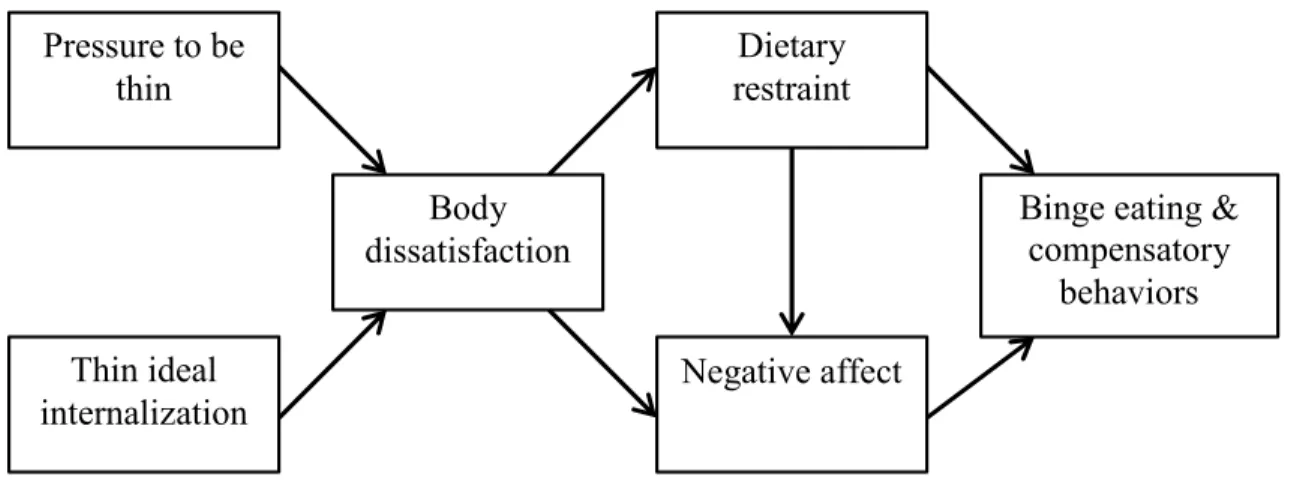
Figure 1 – Stice’s dual-pathway model………... 113
Figure 2 – Simple slope graph of satisfaction with racially salient appearance areas as a moderator of the relation between socially prescribed perfectionism and
bulimic symptoms in Latina women………114
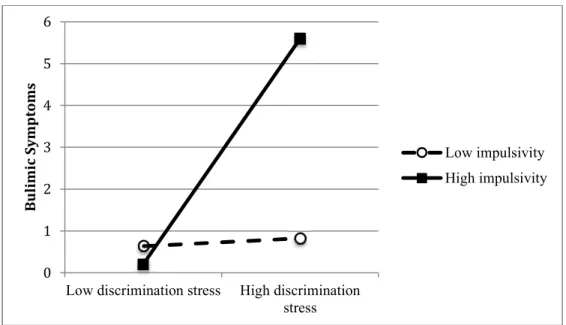
Figure 3 – Simple slope graph of impulsivity as a moderator of the relation between
INTRODUCTION
Eating disorders were originally thought to be conditions primarily affecting affluent
young Caucasian females (Keel & Klump, 2003). In contrast, racial/ethnic minorities in the
United States were considered protected from eating disorders, as their cultural backgrounds
were believed to buffer them from the extreme emphasis on being thin that seems intrinsic to
dominant U.S. culture (Hall, 1995). Due to these beliefs, research into the etiology and
maintenance of eating disorders has long focused on female Caucasian samples. “The myth of
the golden girl” (Smolak & Striegel-Moore, 2001) began to crumble, however, when it became
clear to researchers and clinicians that racial/ethnic minorities do in fact develop eating
disorders. The past three decades have seen a dramatic rise in emphasis on gathering data about
the incidence of eating disorders in racial/ethnic minorities, as well as an increasing
understanding of the importance of clarifying etiological and maintenance factors for eating
pathology in these minorities.
While prevalence estimates for eating disorders in racial/ethnic minority women have
varied, there is compelling evidence that minorities develop eating disorders at rates comparable
to non-Latino Caucasians in the U.S. (e.g., Alegria et al., 2007; Cachelin, Veisel, Barzegarnazari,
& Striegel-Moore, 2000; Franko et al., 2012; Marques et al., 2011). In some cases, specific
racial/ethnic minorities have been found to engage in eating disorder behaviors at rates
protective factors such as body dissatisfaction, thin ideal internalization, and perfectionism that
may affect individuals regardless of their racial/ethnic group affiliation (e.g., Stice, 2002). While
accounting for such factors is vital to our understanding of eating disorder development and
maintenance, racial/ethnic minorities are additionally subject to a set of race- and
ethnicity-related psychosocial factors that are less often relevant to the majority Caucasian experience.
These factors, such as ethnic identity, discrimination experiences, and acculturation levels, play
an important role in both enhancing and negatively affecting minority mental health. In the realm
of eating disorders research, it is important to identify and account for ethnicity-related risk and
protective factors affecting eating pathology in minorities to enable more nuanced
understandings of eating disorder risk profiles in these individuals. Additionally, risk models that
include well-established risk factors that affect both majority and minority members as well as
ethnicity-related risk factors would likely more accurately predict eating disorder risk in
racial/ethnic minorities.
Ethnicity-Related Risk and Protective Factors Affecting Eating Pathology
It is valuable to contextualize ethnicity-related risk and protective factors within the
framework of existing eating disorder models. Stice’s dual-pathway model (Stice, 1994, 2001)
posits that when women internalize the expectations of thinness from dominant culture and their
social circles, they experience an increase in body dissatisfaction, which is then associated with
increased dietary restriction and negative affect, contributing to binge eating and purging
behavior (Figure 1). Similarly, Heatherton and Baumeister’s escape theory links negative affect
to bulimic symptoms, with binge eating functioning as an escape from the aversive experience of
negative affect by narrowing attention to the immediate physical environment and enabling
across these models, ethnicity-related factors that affect any of these elements identified as
maintainers of eating pathology (most notably, body dissatisfaction and negative affect) might be
hypothesized to affect minority individuals’ eating disorder risk.
Although the eating disorder field has not consistently focused on researching
ethnicity-related factors, there is some preliminary evidence regarding the following in relation to eating
pathology: acculturation, acculturative stress, discrimination, racially-specified features, and
ethnic identity. Theoretical and empirical support for these factors in African American, Asian,
and Latina samples are discussed below.
Acculturation
Acculturation is the process through which individuals change their attitudes, values, and
behaviors to align with those of a different culture, from those in their culture of origin (e.g.,
Berry, Trimble, & Olmedo, 1986; Marin, 1992). In the context of research in the U.S.,
acculturation refers to the process through which racial/ethnic minorities adopt the values and
practices of the dominant Caucasian U.S. culture. Acculturation is one of the more commonly
studied ethnicity-related risk factors for eating disorder symptoms, and has been conceptualized
as a vehicle through which racial/ethnic minority women receive the eating disorders risk
contained in U.S. psychosocial pressures.
U.S. culture places emphasis on women having a very thin body shape to be attractive,
and this body shape is held to be a primary source from which self-worth and social standing are
derived (Thompson, Heinberg, Altabe, & Tantleff-Dunn, 1999). This emphasis on the
importance of being thin, combined with a standard of thinness that may be unobtainable for
U.S. majority culture a racial/ethnic minority individual is, the more likely she is to identify with
this thin body ideal, placing her at increased risk of feeling dissatisfied with her current body
shape, and of developing eating disorders (Ayala, Mickens, Galindo, & Elder, 2007; Mastria,
2002; Nasser, 1997). Conversely, the less acculturated an individual is, the less emphasis she
might place on adhering to the thin ideal.
Research has largely supported this connection, as studies have found significant positive
associations between acculturation and disordered eating in a number of diverse samples (Doris
et al., 2015). Higher acculturation has been linked to eating disorder symptoms in African
Americans (Abrams, Allen, & Gray, 1993; Smolak & Striegel-Moore, 2001; Wildes & Emery,
2001), Latinas (Alegria et al., 2007; Cachelin et al., 2000; Cachelin, Phinney, Schug, &
Striegel-Moore, 2006), and Asians (Cachelin et al., 2000; Cachelin, Weiss, & Garbanati, 2003; Davis,
Katzman & Katzman, 1999).
Although the majority of studies have found that acculturation is positively associated
with eating disorder symptoms, some studies have found no association or negative associations
between the two (Doris et al., 2015). In a sample of female high school freshmen, Gowen and
colleagues (1999) found that acculturation level was not associated with eating disorder
symptoms in Asians. However, in the same sample, more acculturated Latinas were more likely
to report eating disorder symptoms than their less acculturated peers. Other studies with Latino
samples have found no link between acculturation and eating disorder symptoms (Granillo,
Jones-Rodriguez, & Carvajal, 2005; Warren & Rios, 2013), a lack of association that has been
supported in several studies with female Asian samples (Akan & Grilo, 1995; Iyer & Haslan,
2003; Nicdao et al., 2007; Yoshimura, 1995). Additionally, some studies have found a negative
lower levels of acculturation tended to report more problems with body image (Lau, Lum,
Chronister, & Forrest, 2006; Nieri, Kulis, Keith, & Hurdle, 2005).
There are several primary reasons why associations between acculturation and disordered
eating may be inconsistent. First, the pattern of findings suggests that with regard to eating
disorder symptoms, acculturation may not function in the same way across all racial/ethnic
minorities (Capodilupo & Forsyth, 2014). Implicit in the theoretical link between acculturation
and eating disorder symptoms is the assumption that expectations regarding body size in
minority cultures of origin are more lenient than those of the thin ideal dominated U.S. culture.
This more flexible body ideal is thought to confer protection against the deleterious effects of
restrictive Western appearance expectations. Investigation into this issue has found that African
Americans and Latinas may in fact tend to endorse ideal body sizes that are larger and/or more
flexible than those endorsed by Caucasians (Gordon, Castro, Sitnikov, & Holm-Denoma, 2010;
Lynch, Heil, Wagner, & Havens, 2007; Overstreet, Quinn, & Bede Agocha, 2010; Webb,
Warren-Findlow, Chau, & Adams, 2013), lending support to the theory that higher levels of
acculturation in these groups may be accompanied by the emphasis on thinness found in
dominant Caucasian American culture. In contrast, there is evidence that Asians may endorse
smaller ideal body sizes than Caucasians (Guan, Lee, & Cole, 2012), which would suggest a
negative relation between acculturation and eating disorder symptoms in this group. In
examining the literature, results from studies using Asian samples demonstrate more
inconsistency, which may lend support to this theory.
Due to these discrepant findings, research examining acculturation as a risk factor for
whether acculturation should be considered a risk factor for disordered eating, or whether, in
some cases, it may serve as a protective factor against eating pathology.
Acculturative Stress
Researchers have identified acculturative stress as a factor potentially explaining
inconsistencies in the literature examining the link between acculturation and eating disorders.
Acculturative stress is described as the increased stress and decreased health that individuals
experience during the process of adapting to a new culture from their culture of origin (Berry,
1970, 1997; Berry, Kim, Minde, & Mok, 1987).
Yoshimura (1995) theorized that discrepancies between individuals’ cultures of origin
and their new cultures could negatively impact how they think of themselves, spurring the
development of eating disorder symptoms. While acculturation refers to the degree to which a
new culture has been internalized by an individual, acculturative stress refers solely to the
elevated discomfort and decreased well-being occurring during this process of adjustment.
Regarding the theoretical role of acculturative stress in eating disorders, it has been
proposed that acculturative stress may affect eating disorders through increasing negative affect,
thus linking it to both the escape theory and the dual-pathway model. Acculturative stress has
been proposed to lower self-esteem, leading to negative affect and increased binge eating and
compensatory behaviors (Claudat, White, & Warren, 2016). Alternatively, acculturative stress
may affect the degree to which individuals internalize the Caucasian thin ideal, triggering
disturbances in body image and engagement in dietary restriction (Capodilupo & Forsyth, 2014;
Warren, Castillo, & Gleaves, 2010). One investigation into the role of acculturative stress found
that higher acculturative stress increased the strength of the relation between thin ideal
acculturative stress and high internalization of the thin ideal reported the highest levels of body
dissatisfaction (Warren et al., 2010).
A growing body of evidence suggests that acculturative stress is associated with eating
pathology (Kroon Van Diest, Tartakovsky, Stanchon, Pettit, & Perez, 2014), and may even be a
better predictor of eating disorder risk than acculturation (Claudat et al., 2016). In a sample of
undergraduate women, acculturative stress was found to moderate the relation between body
dissatisfaction and eating disorder symptoms in African Americans (Kroon Van Diest et al.,
2014). Further, acculturative stress predicted bulimic symptoms above and beyond general life
stress in African American, Asian, and Latina women (Kroon Van Diest et al., 2014). Other
investigations have also linked acculturative stress to higher eating disorder symptomatology
(Gordon et al., 2010; Perez, Voelz, Pettit, & Joiner, 2002). In a Latino sample, Warren and Rios
(2013) found significant positive associations between acculturative stress and body image
problems. Thus, current evidence suggests that higher levels of acculturative stress may be
associated with increased eating disorder risk.
Discrimination
Discrimination has been theorized to increases negative affect, which may then contribute
to higher levels of engagement in binge eating and compensatory behaviors as an emotion
regulation strategy (Heatherton & Baumeister, 1991; Kempa & Thomas, 2000; Lovejoy, 2001;
Root, 1990; Striegel-Moore & Smolak, 2000). Discrimination has also been theorized to
contribute to low self-esteem, which may subsequently directly contribute to engagement in
disordered eating, or indirectly contribute to disordered eating through other psychosocial risk
Discrimination experiences have been associated with more disordered eating in
minority women, across racial/ethnic groups. Studies of African American women have found
that more reported experiences of discrimination are associated with increased binge eating
symptoms (Harrington, Crowther, Henrickson, & Mickelson, 2006). These findings have also
been supported in Latinas (Velez, Campos, & Moradi, 2015) and Asians (Cheng, 2014; Iyer &
Haslam, 2003).
Racially Salient Appearance Areas
A major component of eating disorder risk is body dissatisfaction, which is thought to
stem from individuals perceiving that they do not meet the dominant beauty ideal. Body
dissatisfaction is generally operationalized by quantifying an individual’s concern about her
body weight and shape. However, in the case of racial/ethnic minorities, there are other aspects
of the body outside of weight and shape where they may deviate from the dominant beauty ideal.
The beauty ideal portrayed by U.S. media is not only thin, but also Caucasian, with white skin,
smooth hair texture, and European facial features (Hall, 1995; Harrison, 2003). Thus, when
racial/ethnic minority women attempt to embody dominant beauty standards, they may actually
be striving toward a Caucasian beauty ideal that they are unable to attain due to physical
characteristics such as skin tone, hair texture, and the shape of their facial features (Hall, 1995;
Mok, 1998). These physical features are sometimes referred to as “racially salient appearance
areas” due to their relationship to cultural ideas about physical manifestations of race, and
specific features may carry significant meaning to specific racial/ethnic minorities. For example,
in African Americans, skin tone and hair texture have historically been closely associated with
privilege and oppression (Bond & Cash, 1992), have been linked to discrimination experiences
(Capodilupo, 2015; Falconer & Neville, 2000; Solomon, 2005). Skin tone dissatisfaction in
African Americans has been associated with higher levels of body shame, overall body
dissatisfaction, and negative body image, suggesting that it is an important dimension of body
image disturbance to assess (Buchanan, Fisher, Tokar, & Yoder, 2008; Bond & Cash, 1992;
Falconer & Neville, 2000). In Asians, the epicanthic (“single”) eyelid fold is considered to be a
feature that distinguishes Asian appearance from a more European appearance (Hall, 1995;
Kawamura & Rice, 2009), and desire for a more European eyelid fold has contributed to a high
percentage of Asians who undergo cosmetic surgery requesting eyelid surgery to create a
“double” eyelid fold (Tewari, 2009).
Though racially salient appearance areas may be particularly important in affecting
racial/ethnic minority women’s body image, measures of body dissatisfaction often fail to
include items assessing women’s attitudes toward these physical characteristics (Mintz &
Kashubeck, 1999; Warren, 2014). Instead, many measures only consider individuals’ attitudes
toward their body weight and shape, making it difficult to assess the degree to which minority
women’s body satisfaction may be impacted by how they feel about racially salient body
features. Research has identified that certain body features appear to be more salient to specific
racial/ethnic groups. In African Americans, skin tone, hair texture, nose size, and lip size have
been identified as culturally significant body features (Capodilupo, 2015; Patton, 2006). In
Asians, the eyelid fold, nose shape, and skin tone have been identified as culturally significant
body features (Hall, 1995; Lee & Thai, 2015; Li, Min, Belk, Kimura, & Bahl, 2008; Mintz &
Kashubeck, 1999; Sahay & Piran, 1997). Finally, in Latino cultures, skin tone has been identified
As there is evidence that racially salient appearance areas affect racial/ethnic minorities’
experiences and body image, measures of body dissatisfaction that include items assessing
attitudes toward racially salient appearance areas might explain more variance in disordered
eating than measures of body dissatisfaction that only assess attitudes toward weight and shape.
Further, as different sets of racially salient appearance areas are emphasized in different cultures,
racial/ethnic minority individuals’ body image may be more closely related to certain appearance
areas than others, depending on which features are most salient to the individual’s racial/ethnic
group.
Due to the theoretical importance of racially salient appearance areas and the lack of
consideration of these areas in the eating disorders literature, more work is needed to explore the
relations between body dissatisfaction, racially salient appearance areas, and eating disorder
symptoms in racial/ethnic minorities (Mellor et al., 2013).
Ethnic Identity
Ethnic identity, sometimes referred to as racial identity, is the degree to which an
individual has explored the values and cultural practices of her culture of origin, and the extent to
which membership in her culture contributes to her sense of self. The construct of ethnic identity
has been explored as a protective factor against eating disorder symptoms. While several models
for ethnic identity have been described (multidimensional and phase models, e.g., Helms, 1990;
Phinney & Ong, 2007; Sellers et al., 1998), the eating disorders literature has not identified any
single model as being most closely associated with eating disorder symptomatology.
One mechanism through which ethnic identity might protect racial/ethnic minorities from
eating disorder symptoms is described by Striegel-Moore and Smolak (2000), who proposed that
aspects of their group membership such as ethnic achievements and resilience. In this way,
ethnic identity might buffer racial/ethnic minorities from negative affect and subsequent
disordered eating. Other researchers have proposed that increased identification with one’s
culture of origin might protect individuals from the mainstream U.S. beauty ideals of thinness.
This lower level of Caucasian thin ideal internalization is then associated with lower levels of
eating disorder symptoms (Croll, Neumark-Sztainer, Story, & Ireland, 2002; Rogers, Wood, &
Petrie, 2010; Root, 1990; Striegel-Moore & Cachelin, 2001). Studies have also investigated other
variables that may explain the link between ethnic identity and eating disorder symptoms, with
some evidence to support self-esteem, body dissatisfaction, and Caucasian thin ideal
internalization as mediators of the relation (Cotter, Kelly, Mitchell, & Mazzeo, 2015; Flowers,
Levesque, & Fischer, 2012; Phan & Tylka, 2006; Tsai, Curbow, & Heinberg, 2003).
Most research has supported ethnic identity as a protective factor against eating disorder
attitudes and behaviors in racial/ethnic minority women in the U.S.. However, these findings
should be interpreted with care, as theymay only be applicable to specific racial/ethnic
minorities. Studies of African American women have found that higher levels of ethnic identity
are associated with less eating pathology (Flowers, Levesque, & Fischer, 2012; Henrickson,
Crowther, & Harrington, 2010; Shuttlesworth & Zotter, 2011) and less concern about weight and
shape (Cotter et al., 2015). In Latinas, higher levels of ethnic identity have similarly been linked
to less disordered eating (Ayala et al., 2007; Stein, Corte, & Ronis, 2010) and body
dissatisfaction (Schooler & Daniels, 2013). However, as in the case with acculturation, findings
regarding Asians are more inconsistent than those in African Americans and Latinas, with
On the whole, more studies on ethnic identity have examined African American and
Latina women, and those studies have supported this factor as protective against eating disorder
symptoms. As research findings in Asians are inconsistent, findings in African American and
Latina samples may not be generalizable to this group.
Broadly Applicable Risk Factors for Eating Pathology
Along with the lack of research on ethnicity-related factors associated with eating
disorder symptoms, there is also little research into whether risk factors that are well-established
in Caucasian females are associated with eating pathology in racial/ethnic minorities to the same
degree. Additionally, ethnicity-related factors have not been widely investigated as potential
moderators of the relations between these more broadly applicable risk factors and eating
pathology.
Thin Ideal Internalization
Thin ideal internalization is a well-established risk factor for eating disorder
symptomatology in predominately Caucasian samples (e.g., Stice, 2002; Thompson & Stice,
2001). It represents the degree to which individuals assimilate sociocultural pressures to be
attractive through embodying a beauty ideal primarily defined by extreme thinness (Thompson,
van den Berg, Roehrig, Guarda, & Heinberg, 2004). Thin ideal internalization is theorized to
lead to increased body dissatisfaction, as the beauty ideal it espouses is extremely difficult or
impossible to achieve for many women (Brownell, 1991; Stice, 1994; Thompson, Heinberg,
Altabe, & Tantleff-Dunn, 1999). As described in Stice’s dual pathway model, body
dissatisfaction then results in negative affect and engagement in disordered eating (Stice, 1994).
Thin ideal internalization is also associated with eating disorder symptoms in
dissatisfaction and more disordered eating in African American women (Capodilupo, 2015;
Gilbert, Crump, Madhere, & Schutz, 2009; Mitchell & Mazzeo, 2009; Rakhkovskaya & Warren,
2014; Watson, Ancis, White, & Nazari, 2013), Asian women (Phan & Tylka, 2006;
Rakhkovskaya & Warren, 2014), and Latinas (Rakhkovskaya & Warren, 2014).
While the link between thin ideal internalization and eating disorder symptoms is
well-documented, researchers have sought to refine our understanding of this link by investigating
ethnicity-related moderators of this relationship. Some key factors that may affect the degree to
which thin ideal internalization is associated with eating disorder symptoms in racial/ethnic
minorities include ethnic identity (Rakhkovskaya & Warren, 2014; Watson et al., 2013) and
racially salient appearance areas (Capodilupo, 2015). Ethnic identity has been proposed as a
protective factor that helps racial/ethnic minority women reject the thin ideal, thus decreasing
eating pathology associated with thin ideal internalization (Rakhkovskaya & Warren, 2014;
Watson et al., 2013). In contrast, research in African American women regarding the impact of
racially salient appearance areas has found that when media images contributing to thin ideal
internalization depict African Americans with lighter skin tone and long, straight hair, these
women report lower levels of body esteem and appearance satisfaction (Capodilupo, 2015).
More research is required to clarify how the link between thin ideal internalization and eating
disorder symptoms may be influenced by ethnicity-related factors within different racial/ethnic
minority groups.
Perfectionism
Perfectionism has been consistently identified as a factor affecting disordered eating risk
measures have conceptualized perfectionism as multidimensional (e.g., Frost, Marten, Lahart, &
Rosenblate, 1990; Hewitt & Flett, 1991). Two commonly-examined dimensions of perfectionism
are self-oriented perfectionism and socially prescribed perfectionism. Self-oriented perfectionism
is conceptualized as high standards imposed by the self, while socially prescribed perfectionism
represents perceived high standards imposed by others. These two dimensions of perfectionism
have been differentially linked to specific eating disorder symptoms in the literature. Some
studies suggest that self-oriented perfectionism may be more robustly related to dietary restraint
(e.g, Bardone-Cone, 2007; Chang, Ivezaj, Downey, Kashima, & Morady, 2008), while both
self-oriented and socially prescribed perfectionism have been linked to the bulimic symptoms of
binge eating and inappropriate compensatory behaviors (Bardone-Cone, 2007; Chang et al.,
2008).
While perfectionism has been identified as a risk factor for eating disorder symptoms in
predominately Caucasian samples, few studies have investigated the link between perfectionism
and disordered eating in racial/ethnic minorities. One study of African American women found
that those who reported high levels of socially prescribed perfectionism and perceived
themselves to be overweight reported the highest levels of bulimic symptoms (Bardone-Cone,
Weishuhn, & Boyd, 2009). However, in a sample of Asian females, dimensional perfectionism
did not account for significant variance in drive for thinness (Chang, Yu, & Lin, 2013). To our
knowledge, no other studies have specifically assessed the association between dimensional
perfectionism and the major racial/ethnic groups in the U.S.
Additionally, ethnicity-related factors, such as racially salient appearance areas, may
interact with perfectionism to affect disordered eating. For example, individuals with
dieting as a way to shape their bodies to fit the thin ideal, but this relation may be influenced by
attitudes toward racially salient features. That is, dissatisfaction with racially salient appearance
areas might increase an individual’s determination to fit the Caucasian thin ideal in the realms of
body and shape by dieting, if she perceives she is unable to embody the other aspects of the
Caucasian thin ideal due to being a racial/ethnic minority (e.g., “I will never have light skin, but
at least I can put a lot of effort into dieting so that I am thin”). In this way, high self-oriented
perfectionism and high dissatisfaction with racially salient appearance areas may interact to
predict high levels of dietary restraint in racial/ethnic minorities. Socially prescribed
perfectionism is considered to increase the likelihood of engaging in bulimic symptoms when an
individual’s perceived inability to live up to high standards imposed by others triggers negative
affect. Dissatisfaction with racially salient appearance areas may further enhance an individual’s
perception that she is unable to live up to standards imposed by others, as these appearance areas
represent physical features that are difficult or impossible for one to change. Combined, high
socially prescribed perfectionism and high dissatisfaction with racially salient appearance areas
may predict high levels of bulimic symptoms in racial/ethnic minorities.
Impulsivity
Impulsivity is another personality factor linked to engagement in disordered eating.
Impulsivity may be defined as an individual’s predisposition toward engaging in quick and
unplanned actions in response to internal or external stimuli (e.g., Moeller, Barratt, Dougherty,
Schmitz, & Swann, 2001). Like perfectionism, impulsivity has come to be conceptualized
multidimensionally. In particular, the facet of impulsivity known as “negative urgency,”
(Cyders & Smith, 2007). In the context of eating disorder symptoms, individuals high in negative
urgency may engage in bulimic behaviors such as binge eating and purging as a way to manage
negative affect (Fischer, Peterson, & McCarthy, 2013; Fischer & Smith, 2008). Thus, the
negative urgency dimension of impulsivity may motivate disordered eating through escape
theory (Heatherton & Baumeister, 1991), with individuals high in negative urgency being more
at risk of binge eating as a way to temporarily escape negative affect. Research has supported
this theoretical link in predominately Caucasian samples, with negative urgency demonstrating a
positive association with bulimic symptoms (Fischer, Peterson, & McCarthy, 2013; Fischer,
Smith, & Cyders, 2008; Wenzel, Weinstock, Vander Wal, & Weaver, 2014).
The link between impulsivity and disordered eating has not been extensively studied in
racial/ethnic minority samples. Two studies with samples of African American women have
supported the positive association between impulsivity and bulimic symptoms (Bodell et al.,
2012; Higgins, Lin, Alvarez, & Bardone-Cone, 2015). One study with a clinical sample of
adolescent Latinas found a significant positive association between a unidimensional measure of
impulsivity and dietary restraint, but found no correlation between impulsivity and binge eating
(White & Grilo, 2005). In the same sample, impulsivity was not significantly associated with
either dietary restraint or binge eating in African American adolescents (White & Grilo, 2005).
To our knowledge, no studies have investigated the relations between impulsivity and disordered
eating in Asian American samples.
Due to the role that negative affect is theorized to play in connecting the negative
urgency component of impulsivity with disordered eating, impulsivity might moderate the link
discrimination experiences is associated with binge eating may be moderated by the degree to
which an individual is impulsive.
Current Study
While some researchers have begun to investigate psychosocial factors affecting
racial/ethnic minority women’s eating disorder risk, there are significant limitations in prior
research. Given these limitations, the aims and hypotheses of the current study were as follows:
Aim 1: Assess the association between ethnicity-related factors and disordered eating (overall eating pathology, dietary restraint, and bulimic symptoms) in African American,
Asian American, and Latina women.
Hypothesis 1. Ethnicity-related factors will be significantly associated with disordered eating in African Americans, Asian Americans, and Latinas.
Hypothesis 1A) Higher acculturation will be associated with higher levels of disordered eating in African Americans and Latinas, and lower levels of disordered eating in Asians.
Hypothesis 1B) Higher levels of acculturative stress, higher overall dissatisfaction with racially salient appearance areas, and higher stress ratings for discrimination experiences
will each be associated with higher levels of disordered eating in all three racial/ethnic
minority groups.
Hypothesis 1C) Higher levels of ethnic identity will be associated with lower levels of disordered eating in all three racial/ethnic minority groups.
Hypothesis 1D) Satisfaction with specific racially salient appearance areas will be significantly negatively associated with higher levels of disordered eating, after
Aim 2: Assess the association between the risk factors of perfectionism, impulsivity, and thin ideal internalization and disordered eating in racial/ethnic minorities.
Hypothesis 2. Self-oriented and socially prescribedperfectionism, impulsivity, and thin ideal internalization will be significantly associated with disordered eating in all racial/ethnic
groups, such that:
Hypothesis 2A) Higher self-oriented perfectionism will be associated with higher levels of dietary restraint.
Hypothesis 2B) Higher socially prescribed perfectionism will be associated with higher levels of bulimic symptoms.
Hypothesis 2C) Higher levels of impulsivity will be associated with higher levels of bulimic symptoms.
Hypothesis 2D) Higher levels of thin ideal internalization will be associated with higher levels of overall eating pathology.
Aim 3: Examine interactive models predicting disordered eating with ethnicity-related factors, thin ideal internalization, perfectionism, and impulsivity.
Hypothesis 3. Ethnicity-related factors will moderate the relations between thin ideal
internalization and disordered eating in African Americans, Asian Americans, and Latinas as
follows:
Hypothesis 3A) Individuals low in thin ideal internalization and high in ethnic identity will report the lowest levels of disordered eating.
Hypothesis 3B) Individuals high in thin ideal internalization and low in overall satisfaction with racially salient appearance areas will report the highest levels of
Hypothesis 4. Ethnicity-related factors will interact with personality factors to identify disordered eating in African Americans, Asian Americans, and Latinas as follows:
Hypothesis 4A) Self-oriented perfectionism will interact with satisfaction with racially salient appearance areas to identify concurrent levels of dietary restraint, such that
individuals high in self-oriented perfectionism and low in satisfaction with racially salient
appearance areas will report the highest levels of dietary restraint.
Hypothesis 4B) Socially prescribed perfectionism will interact with satisfaction with racially salient appearance areas to identify concurrent levels of bulimic symptoms, such
that individuals high in socially prescribed perfectionism and low in satisfaction with
racially salient appearance areas will report the highest levels of bulimic symptoms.
Hypothesis 4C) Discrimination stress will interact with impulsivity to identify
concurrent levels of bulimic symptoms, such that individuals high in impulsivity and high
in discrimination stress will report the highest levels of bulimic symptoms.
Exploratory aim. We will seek to examine patterns of association between satisfaction with specific racially salient appearance areas and disordered eating, and to identify the racially
salient appearance areas that are most closely associated with disordered eating in African
METHOD Participants and Procedure
Participants in the study were 499 women between 18 and 25 years old, including: 106
African Americans, 95 Asian Americans, 106 Latinas, and 192 non-Latina Caucasians (note: for
the remainder of the manuscript, the term “Caucasian” will refer to non-Latina Caucasians). In
order to reach target samples sizes for racial/ethnic minority women, participants were recruited
through Amazon Mechanical Turk; the undergraduate psychology research participant pool,
Sona; and email listservs of racial/ethnic minority student organizations at colleges/universities
across the U.S.
Participants self-identified by electing to complete the study survey through a Mechanical
Turk task posting, a posting on the Sona website, or through a link provided in a listserv
recruitment email. Recruitment materials specified eligibility criteria for the survey, and only
respondents meeting eligibility criteria (as determined by demographic questions at the
beginning of the survey) were able to complete the study survey. Participants who completed the
survey via Mechanical Turk were compensated $2.00, those who completed the survey via Sona
were assigned one course hour of credit, and those who completed the survey via listserv link
were offered the opportunity to enter a drawing for one of four $50 Amazon gift cards.
Following completion of the survey, which took about 40-60 minutes, participants were shown a
debriefing statement regarding the survey. Study procedures were approved by UNC’s
Measures
Measures of eating disorder symptoms
Overall eating pathology. The Eating Attitudes Test (EAT-26; Garner, Olmsted, Bohr, & Garfinkel, 1982) was used to assess overall levels of eating disorder attitudes and behaviors. The
EAT-26 is a standardized measure (26 items, 1 = never to 6 = always) used to assess eating pathology. To score the measure, item ratings 1-3 are recoded as 0s; 4 as 1; 5 as 2; and 6 as 3,
and then the recoded items are summed to generate a total score. Higher scores reflect higher
levels of eating pathology, with scores of 20 or higher indicating probable eating disorders
(King, 1989, 1991). The EAT-26 has demonstrated good internal consistency with a Cronbach’s
alpha of .90 (Doninger, Enders, & Burnett, 2005) and test-retest reliability of r = .86 (Mazzeo, 1999) in predominately Caucasian samples. In a sample of African American women, the
EAT-26 demonstrated adequate internal consistency with a Cronbach’s alpha of .85 (Kelly et al.,
2012). In the current sample, Cronbach’s alpha was .85 for African American women, .90 for
Asian women, .92 for Latina women, and .91 for Caucasian women.
Dietary restraint. The Cognitive Restraint subscale (20 items, true-false and 1 = unlikely
to 4 = very likely) of the Three Factor Eating Questionnaire (TFEQ-R; Stunkard & Messick, 1985) was used to measure dietary restraint. To score the measure, true/false items rated as
“true” are assigned a rating of 1, and items rated “false” are assigned a rating of 0. Items rated on
a 1 to 4 scale are recoded, with 1 and 2 recoded as 0, and 3 and 4 recoded as 1. Item ratings are
then summed to generate a total subscale score. The items in this subscale assess conscious
control of eating behavior, with higher scores reflecting higher levels of dietary restraint. The
In a sample of African American women and Caucasian women, internal consistency was good,
with Cronbach’s alphas of .90 and .92, respectively (Bardone-Cone & Boyd, 2007). The
TFEQ-R has demonstrated construct validity, as restraint scores were significantly negatively correlated
with daily caloric intake, and positively correlated with more lifetime episodes of dieting
(Laessle, Tuschl, Kotthaus, & Pirke, 1989). In the current sample, Cronbach’s alpha was .88 for
African American women, .86 for Asian women, .86 for Latina women, and .86 for Caucasian
women.
Bulimic symptoms. The Bulimia subscale of the Eating Disorder Inventory
(EDI-Bulimia; Garner, Olmsted, & Polivy, 1983) was used to assess bulimic symptoms. This subscale
contains seven items (1 = never to 6 = always) assessing bulimic symptoms, with an emphasis on binge eating. To score the measure, item ratings 1-3 are recoded as 0s; 4 as 1; 5 as 2; and 6 as 3,
and then the recoded items are summed to generate a total score. The EDI-Bulimia has
demonstrated adequate internal consistency in a sample of African American and Caucasian
undergraduates, with Cronbach’s alphas of .85 and .86 for these groups, respectively
(Bardone-Cone & Boyd, 2007). In the current sample, Cronbach’s alpha was .84 for African American
women, .87 for Asian women, .91 for Latina women, and .83 for Caucasian women.
Ethnicity-related factors
Acculturation. The dominant society immersion subscale of the Stephenson Multigroup Acculturation Scale (SMAS; Stephenson, 2000) was used to assess acculturation. This subscale
consists of 15 items (1 = false to 4 = true) assessing degree of dominant society immersion.
Items in the subscale are summed to generate a total immersion score, with higher scores
reflecting higher immersion in the dominant society. This measure has demonstrated acceptable
with a Cronbach’s alpha of .75 for the dominant society immersion subscale (Stephenson, 2000).
The convergent validity of the SMAS is supported as the dominant society immersion subscale
was found to positively correlate with two measures of Anglo orientation and negatively
correlate with two measures of ethnic orientation (Stephenson, 2000). In the current sample,
Cronbach’s alpha for the dominant society immersion subscale was .71 for African American
women, .79 for Asian women, .78 for Latina women, and .81 for Caucasian women.
Acculturative stress.A short version of the Social, Attitudinal, Familial, Environmental
Acculturative Stress Scale (SAFE; Mena, Padilla, & Maldonado, 1987; Padilla, Wagatsuma, &
Lindholm, 1985) was used to assess acculturative stress. This measure contains 24 items
assessing stress from different acculturative domains (1 = not stressful to 5 = extremely stressful), and was adapted from the original 60-item SAFE by Mena and colleagues (1987). Participants may also indicate when items do not apply to them, resulting in a “0” score for those
items. Items are summed to generate a total acculturative stress score, with higher scores
reflecting higher amounts of acculturative stress. The SAFE has demonstrated adequate internal
consistency in a diverse sample of undergraduate women, with a Cronbach’s alpha of .87 for
African Americans, .91 for Asians, and .91 for Latinas (Kroon Van Diest, Tartakovsky, Stachon,
Pettit, & Perez, 2014). The SAFE has demonstrated discriminant validity distinguishing the
effect of acculturative stress from that of general life stress in samples of African Americans and
Latinas (Joiner & Walker, 2002; Kiang et al., 2010). In the current sample, Cronbach’s alpha was
.90 for African American women, .91 for Asian women, .93 for Latina women, and .93 for
Caucasian women.
consists of 17 items that assess lifetime experiences of racist discrimination (1 = never to 6 =
almost all of the time/more than 70% of the time) and stress appraisal of racist discrimination experiences (1 = not at all stressful to 6 = extremely stressful). The 17 items assessing appraised racist events are summed to generate a total appraised stress from racist events score. Higher
scores reflect higher levels of experienced stress resulting from discrimination experiences. The
SRE was developed for use with African Americans, thus, item wording in the original measure
is targeted toward these individuals (e.g., “How many times have you been treated
unfairly...because you are Black?”). To address study participants’ differing racial/ethnic
affiliations, measure items were reworded to be inclusive of other racial/ethnic identifications
(e.g., “How many times have you been treated unfairly…because of your race/ethnicity?”). The
SRE has demonstrated good internal consistency in a sample of African Americans, with
Cronbach’s alphas of .95 for lifetime racist events, and .94 for appraised stress from racist events
(Landrine & Klonoff, 1996). This measure has also demonstrated adequate internal consistency
in a diverse sample of African American, Asian, Latina, and Caucasian women, with an overall
Cronbach’s alpha of .90 and individual racial group alphas ranging from .87 to .91 (Ro & Choi,
2009). The SRE has also demonstrated construct validity in samples of African Americans,
Asians, and Latinas, in which it has been found to correlate significantly with measures of stress
and distress in these groups (Huynh, Devos, & Dunbar, 2012; Landrine & Klonoff, 1996; Liang,
Li, & Kim, 2004). In the current sample, Cronbach’s alpha was .92 for African American
women, .93 for Asian women, .95 for Latina women, and .95 for Caucasian women.
Satisfaction with racially salient appearance areas. As there is no comprehensive measure designed to capture satisfaction with racially salient appearance areas, a 48-item
assess participants’ satisfaction with 24 physical feature characteristics (Appendix). A pool of
physical features was selected based on a focus group discussion with undergraduate women and
research identifying racially salient features. This pool was further refined after feedback from
undergraduate women who responded to the initial form of the measure. For each feature, two
questions were asked: 1) “How satisfied are you with [feature]?” and 2) “If you could change
your [feature], would you make it…” The items regarding satisfaction were rated on a scale from
1 = extremely dissatisfied to 7 = extremely satisfied. The items regarding changing features were rated on a 1 to 7 scale tailored to characteristics of the specific features, e.g., for skin tone, 1 =
much lighter to 7 = much darker, with 4 representing a neutral point of “I would not change my [feature].” For the purpose of this study, we focused on satisfaction with features, with items summed and divided by the number of items to generate a mean overall racially salient
appearance area satisfaction score where higher scores reflect higher satisfaction with racially
salient appearance areas. In the current sample, Cronbach’s alpha was .94 for African American
women, .95 for Asian women, .94 for Latina women, and .93 for Caucasian women.
Ethnic identity.The Multi-Group Ethnic Identity Measure-Revised (MEIM-R; Phinney & Ong, 2007) was used to assess ethnic identity. This measure contains six items (1 = strongly disagree to 5 = strongly agree) that assess ethnic identity on two dimensions: Exploration (3 items) and Commitment (3 items). A total MEIM-R score is generated by summing item scores
and dividing by the total number of items to obtain a mean score. Higher scores reflect higher
levels of ethnic identity. Confirmatory factor analyses have found good model fit for the
two-factor model (Phinney & Ong, 2007). The MEIM-R has demonstrated adequate internal
Cronbach’s alpha of .88 for the total scale in racial/ethnic minorities (Yoon, 2011). For
non-Latino Caucasians in the same sample, Cronbach’s alpha was .89 for the total scale (Yoon,
2011). In the current sample, Cronbach’s alpha for the total scale was .89 for African American
women, .92 for Asian women, .90 for Latina women, and .83 for Caucasian women.
Broadly applicable eating disorder risk factors
Body dissatisfaction.Weight Concern and Shape Concern subscales of the Eating
Disorders Examination—Questionnaire (EDE-Q; Fairburn & Beglin, 1994) were used to assess
body dissatisfaction. These subscales were combined to form a measure of general body
dissatisfaction, as past work suggests that these subscales load onto a single underlying factor
(Peterson et al., 2007). The combined measure contains 12 items rated from 0 = not at all to 6 =
markedly. Item ratings are summed, then divided by the total number of items to generate a mean score. The Weight Concern and Shape Concern subscales of the EDE-Q demonstrate adequate
internal consistency with Cronbach’s alphas of .89 and .93, respectively, in a female
undergraduate sample (Luce & Crowther, 1999). Reliability for these subscales has also been
demonstrated in samples of African American and Latina women (Bardone-Cone & Boyd, 2007;
Franko et al., 2012). The EDE-Q demonstrates good convergent validity with the Eating
Disorders Examination interview from which it was adapted, with moderate to high correlations
between subscales from the two measures (Fairburn & Beglin, 1994). In the current sample,
Cronbach’s alpha for the combined subscales was .96 for African American women, .94 for
Asian women, .96 for Latina women, and .96 for Caucasian women.
Thin ideal internalization. The Internalization-Thin/Low Body Fat scale of the
SATAQ-4 (SATAQ-SATAQ-4-Thin; Schaefer et al., 2015) was used to assess thin ideal internalization. This
summed, then divided by the total number of items to generate a mean score. The
SATAQ-4-Thin has demonstrated adequate internal consistency in a sample of female undergraduates, with
a Cronbach’s alpha of .86 for both Caucasians and racial/ethnic minority women (Schaefer et al.,
2015). The Internalization-Thin/Low Body Fat scale has demonstrated convergent validity, with
medium-to-large associations with a measure of eating disorder symptomatology and a measure
of body dissatisfaction (Schaefer et al., 2015). In the current sample, Cronbach’s alpha was .88
for African American women, .81 for Asian women, .79 for Latina women, and .87 for
Caucasian women.
Perfectionism.The Self-Oriented Perfectionism and Socially Prescribed Perfectionism
subscales of the Multidimensional Perfectionism Scale (MPS; Hewitt & Flett, 1991) were used to
measure dimensional perfectionism. Each of the subscales contains 15 items (1 = strongly disagree to 7 = strongly agree) that are summed to generate total subscale scores. The Self-Oriented Perfectionism subscale assesses self-imposed high standards, while the Socially
Prescribed Perfectionism subscale assesses perceived high standards imposed by others. Higher
scores reflect higher levels of dimensional perfectionism. The MPS subscales have demonstrated
adequate internal consistency, with Cronbach’s alphas of .86 for Self-Oriented Perfectionism and
.87 for Socially Prescribed Perfectionism in an undergraduate sample (Hewitt & Flett, 1991).
These subscales have also demonstrated adequate construct validity, with Self-Oriented
Perfectionism significantly correlating with high standards and self-criticism, and Socially
Prescribed Perfectionism significantly correlating with need for approval and fear of negative
social evaluation (Hewitt & Flett, 1991). In the current sample, Cronbach’s alpha for
Perfectionism was .81 for African American women, .80 for Asian women, .75 for Latina
women, and .83 for Caucasian women.
Impulsivity. The Urgency subscale of the Urgency, Premeditation (lack of), Perseverance (lack of), and Sensation Seeking Impulsive Behavior Scale (UPPS; Whiteside & Lynam, 2001)
was used to measure the negative urgency dimension of impulsivity. This subscale contains 12
items (0 = not at all to 4 = very much) that are summed to generate a total Urgency score, with higher scores reflecting higher tendencies toward engaging in impulsive behaviors when
experiencing negative affect. The Urgency subscale of the UPPS has demonstrated adequate
internal consistency with a Cronbach’s alpha of .86 in a predominately female undergraduate
sample (Whiteside & Lynam, 2001). Good test-retest reliability of the Urgency subscale of the
UPPS has been demonstrated with r = .86 in an adult sample over a period of around 9 days (Weafer, Baggott, & de Wit, 2013). The Urgency subscale of the UPPS has demonstrated
convergent validity, as it is associated with the impulsiveness facet of the Revised Neo
Personality Inventory (Whiteside & Lynam, 2001). In the current sample, Cronbach’s alpha was
.93 for African American women, .93 for Asian women, .89 for Latina women, and .92 for
Caucasian women.
Analytic Plan
Descriptive statistics were computed for study variables prior to conducting analyses to
test hypotheses. Racial/ethnic groups were compared on their reported levels of study constructs
using ANOVAs. If overall group differences were found, Tukey’s HSD post hoc test was
performed to identify which group means differed significantly. To assess associations between
eating disorder risk factors and disordered eating, we examined bivariate Pearson correlations.
transformations. The Benjamini-Hochberg procedure was used to control for the false discovery
rate in these pairwise Fisher’s r-to-z comparisons, with a false discovery rate set at .05
(Benjamini & Hochberg, 1995). Partial correlations were examined to assess associations
between satisfaction with specific appearance areas and disordered eating, while controlling for
the effect of body dissatisfaction. Interactive models were tested with hierarchical multiple
regression analyses. Continuous independent variables entered into interactions were centered
per the recommendation of Frazier, Tix, and Barron (2004). Significant interactions were probed
through simple slope graphs and simple slope analyses. If interactions were not significant, main
effects were examined. Two sets of regressions were run, one including the set of covariates of
age, BMI, and parental education, and one without these covariates. As the findings from these
sets of regressions did not differ in terms of their significance, the set of regressions without
covariates was retained for parsimony. In order to address the increased risk of Type I error with
multiple comparisons, the Holm-Bonferroni approach (Holm, 1979) was used to control
familywise error rate in the multiple regression models.
Analysis for Hypothesis 1.Ethnicity-related factors will be significantly associated with disordered eating in African Americans, Asians, and Latinas. Pearson correlations were
calculated to investigate associations between the ethnicity-related factors of interest
(acculturation, acculturative stress, discrimination stress, overall satisfaction with racially salient
appearance areas, and ethnic identity) and eating disorder symptoms (overall eating pathology,
dietary restriction, and bulimic symptoms) in each racial/ethnic minority group. Strengths of
associations between ethnicity-related factors and eating disorder symptoms were compared
Partial correlations were used to assess whether satisfaction with specific racially salient
appearance areas was significantly associated with eating pathology in racial/ethnic minorities
after controlling for body dissatisfaction. For each racial/ethnic group, a subset of specific
racially salient appearance areas was selected through examination of theory, prior research, and
data from the current study. These appearance areas were included in the analysis if prior theory
and research supported a link between them and racial/ethnic minority women’s body image, or
if satisfaction with the area was significantly correlated with disordered eating in the current
study. Thus, depending on the appearance area being examined, the area might be supported as
salient to minority women’s body image in the literature but not current study data, or vice versa.
Partial correlations were calculated to determine the associations between satisfaction with these
specific appearance areas and measures of disordered eating, after controlling for the effect of
body dissatisfaction as measured by weight/shape concern.
Analysis for Hypothesis 2. Higher levels of self-oriented and socially prescribed perfectionism, impulsivity, and thin ideal internalization will be significantly associated with disordered eating in all racial/ethnic groups. Pearson correlations were calculated to investigate associations between self-oriented perfectionism and dietary restriction, socially prescribed
perfectionism and bulimic symptoms, impulsivity and bulimic symptoms, and thin ideal
internalization and overall disordered eating.
Analysis for Hypothesis 3. Ethnicity-related factors will moderate the relations between thin ideal internalization and disordered eating. Multiple regressions were used to investigate whether the ethnicity-related factors of ethnic identity and overall satisfaction with racially
salient appearance areas interact with thin ideal internalization to identify concurrent levels of
ethnicity-related factor (ethnic identity or overall satisfaction with racially salient appearance
areas) and thin ideal internalization. Step 2 was the two-way interaction of thin ideal
internalization and the ethnicity-related factor entered in Step 1. Dependent variables in these
regressions were measures of disordered eating (overall eating pathology, dietary restriction, and
bulimic symptoms).
Analysis for Hypothesis 4. Ethnicity-related factors will interact with personality factors to identify disordered eating. Multiple regressions were used to investigate whether the ethnicity-related factors of overall satisfaction with racially salient appearance areas and stress
ratings for discrimination experiences interact with personality factors to identify concurrent
levels of disordered eating in each racial/ethnic minority group. Step 1 was the simultaneous
entry of an ethnicity-related factor (satisfaction with racially salient appearance areas or
discrimination stress) and a personality factor (self-oriented perfectionism, socially prescribed
perfectionism, or impulsivity). Step 2 was the two-way interaction of the ethnicity-related factor
and personality factor entered in Step 1. Dependent variables in these regressions were measures
of disordered eating (overall eating pathology, dietary restriction, and bulimic symptoms).
Analysis for Exploratory aim. Satisfaction with specific racially salient appearance areas. Pearson correlations were calculated to investigate associations between satisfaction with specific racially salient appearance areas (e.g., skin tone and hair texture) and disordered eating
(overall eating pathology, dietary restriction, and bulimic attitudes and behaviors) in African
Americans, Asian Americans, and Latinas. Strengths of associations between satisfaction with
specific racially salient appearance areas and eating disorder symptoms were compared using
Power analyses. Power analyses for multiple regression with two predictors were
conducted with G*Power 3.1 to determine the sample size needed to detect a medium effect size
of f2 = .15 with an alpha of .05 and power of .80. Based on these specifications, a sample size of
55 is required. Additional power is required to detect the hypothesized 2-way interaction effects.
According to Cohen and colleagues (Cohen, Cohen, West, & Aiken, 2003), assuming a
reliability of .88 for each predictor in the interaction, a sample size of around 100-150 would be
sufficient to achieve a power of .80 to detect a medium effect size. Based on these parameters,
the study sample sizes of 106 (African Americans), 95 (Asians), and 106 (Latinas) are around the
low end of the target sample sizes recommended by this power analysis. However, due to
missing data, sample sizes entered into the study models ranged from 74 to 90. Thus, regressions
RESULTS Descriptive Statistics
Demographics
Demographic information on age, BMI, and parental educational attainment was
compared between groups, and results are reported in Table 1. Racial/ethnic groups differed
significantly by BMI (F(3, 484)= 8.15, p < .001). Post hoc tests indicated that African Americans reported higher BMI than Asian Americans and Caucasians, and Latinas reported higher BMI
than Asian Americans. An overall significant mean difference in age was found (F(3, 495)= 3.11, p = .026), with Latinas reporting higher average age than Asian Americans. The percentage of participants whose parents had completed at least a 4-year college degree differed by race
( (3, N = 499) = 12.31, p = .006), with Asian Americans and Caucasians reporting significantly higher proportions of parents who had completed at least a 4-year college degree than Latinas,
and Asian Americans reporting significantly higher proportions of parental 4-year college
degrees than African Americans.
Latina racial identification. Latinas reported their racial identification as follows: 39.6% Caucasian/White, 33.0% multiracial, 12.3% African American/Black, 8.5% American
Indian/Alaska Native, and 6.6% Asian.