FACTORS INFLUENCING PARENT FIDELITY TO PARENT-MEDIATED INTERVENTION FOR INFANTS/TODDLERS AT RISK FOR
AUTISM SPECTRUM DISORDER
Linn Wakeford
A dissertation submitted to the faculty at the University of North Carolina at Chapel Hill in partial fulfillment of the requirements for the degree of Doctor of Philosophy in the
School of Education (Applied Developmental Sciences and Special Education).
Chapel Hill 2017
Approved by:
Harriet Able
Elizabeth Crais
Samuel L. Odom
Brian A. Boyd
iii ABSTRACT
Linn Wakeford: Factors Influencing Parent Fidelity to Parent-Mediated Intervention for Infants/Toddlers At Risk for Autism Spectrum Disorder
(Under the direction of Elizabeth Crais and Harriet Able)
Increasingly, parents are being given significant roles in delivering interventions to their
young children with or at-risk for Autism Spectrum Disorder (ASD). However, little is known
about the extent to which parents can and do implement intervention with high fidelity, or the
factors that may affect their ability to do so. Secondary data from thirty-six families enrolled in
the Early Development Project -2 were used to investigate factors that may affect parent fidelity
to parent-implemented early intervention for children with or at-risk for ASD. Methods included
correlational analyses and multiple regression to identify key predictors of parent fidelity.
Results indicated that parent fidelity may be affected by a combination of factors related to
socio-economic status, parenting style, the extent to which intervention is consistent with
parenting style, and the adherence fidelity of the interventionist. These outcomes emphasize a
need for researchers and interventionists to consider these and potential other factors that may
affect parent participation in parent-implemented early interventions for children with or at-risk
iv
To my family.
v
ACKNOWLEDGEMENTS
I have many people to acknowledge for supporting me in this work. Grace Baranek instigated my
opportunity to take a significant role in the Early Development Project as the Intervention
Coordinator, and inspired my desire to do this kind of research in her doctoral seminar on ASD.
Linda Watson, Betsy Crais, Lauren Turner-Brown, Grace Baranek, and Steve Reznick welcomed
me onto the EDP team and kept me there for EDP-2. The families with whom I worked in EDP
and EDP-2 opened their doors to me each week, shared themselves and their children with me,
and gave me insight and opportunity to learn about families of children at risk for ASD; the
other families enrolled in the project did the same for the rest of the intervention team. Christene
Tashjian, EDP-2 Project Coordinator, and my fellow interventionists, Lisa Boyd, Jessica
Amsbary, Maura Sabatos-Devito, Lucy Stefani, and Lauren Little, all contributed significantly to
my thinking about how parents were receiving and implementing the intervention and about our
role as interventionists. Our Intervention Team meetings always provided much food for thought.
Virginia Dickie and Ruth Humphry, Directors of the Division of Occupational Science &
Occupational Therapy at UNC at different times in my career as a PhD student, along with my
other faculty colleagues, were patient and supportive, pushing me ahead but also giving me the
time I needed to do all the things that needed to be done.
My Program Committee in the School of Education, Harriet Able, Betsy Crais, Sam
Odom, George Noblit, and Kate Gallagher, got me to the point of actually being able to do this
research, and my Dissertation Committee, Betsy Crais, Harriet Able, Sam Odom, Kate
vi
who served as my dissertation advisor, reading and re-reading drafts, offering excellent advice,
and making my completion of the document not only my priority but hers as well as the time
drew near to finish.
And finally, much gratitude goes to my family and friends, who also have been
encouraging to me and optimistic for me, who asked about my work at appropriate intervals and
also knew when it was best not to ask. This would have been a very lonely task if not for each
vii
TABLE OF CONTENTS
LIST OF FIGURES………ix
LIST OF TABLES………...x
CHAPTER ONE: INTRODUCTION………..1
CHAPTER TWO: LITERATURE REVIEW………..8
Fidelity of Implementation in Intervention………..8
Parent-Mediated/Parent-Implemented Early Interventions for Children with ASD………35
Conceptual Model………..45
CHAPTER 3: METHODS……….…62
The Early Development Project-2……….62
Purpose of the Study………..72
Data………....73
Data Analysis……….78
CHAPTER 4: RESULTS………...85
CHAPTER 5: DISCUSSION……….…89
CHAPTER 6: CONCLUSIONS………..100
APPENDIX A: EDP-2 DEMOGRAPHICS FORM………105
APPENDIX B: PARENTAL STRESS SCALE ITEMS……….110
APPENDIX C: MATERNAL BEHAVIOR RATING SCALE (MBRS)………...111
viii
APPENDIX E: PIRF SCORING GUIDE………...………...119
APPENDIX F: EDP-2 INTERVENTIONIST FIDELITY CHECKLIST (IFC)……….121
APPENDIX G: ICF SCORING GUIDE……….122
ix
LIST OF FIGURES
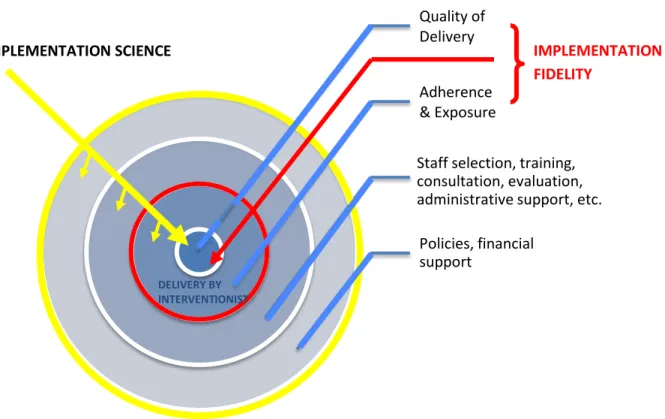
Figure 1 - Relationships among components of Implementation Science
and Implementation Fidelity, based on Darrow, 2011……….……...130
Figure 2 - Parenting style, conceptualized as intensity along responsiveness and demandingness continua, based on Maccoby & Martin, 1983,
as cited in Fletcher, Walls, Cook, Madison, & Bridges (2008)………...131
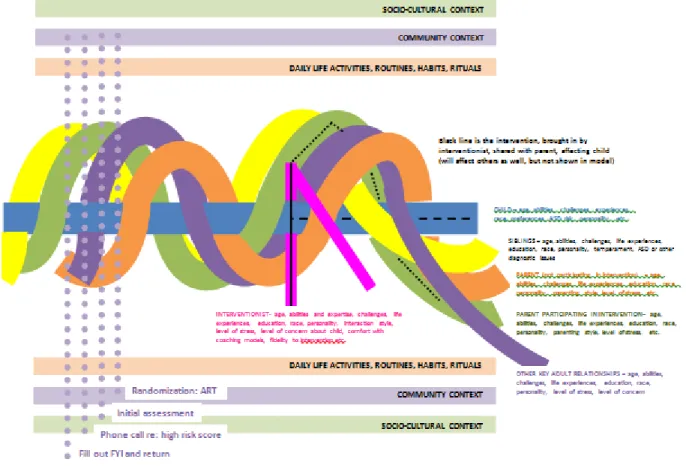
Figure 3 - Transactional Model of Parent Implementation Fidelity………132
Figure 4 - Diminishing demands of community context (need for preschool transportation) on family life as a result of mother’s actions (joining carpool) and development of new habits and ways
of managing time……….133
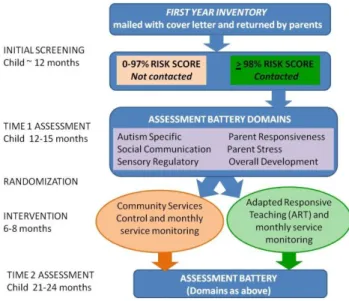
Figure 5 - Study process for Early Development Project………134
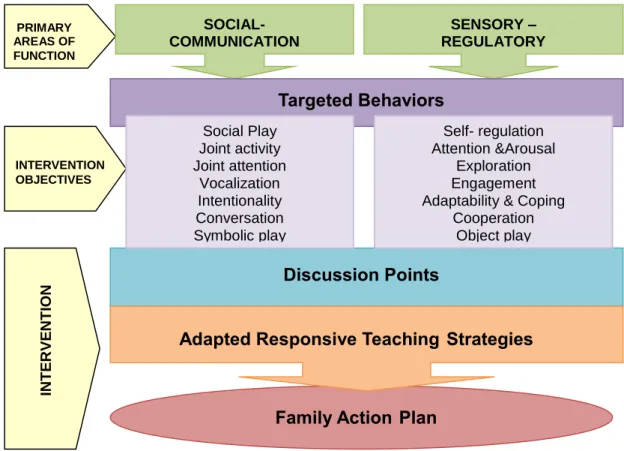
Figure 6 - Content of Adapted Responsive Teaching (Adapted from
Mahoney, G.J. & MacDonald, J. (2007)………..135
Figure 7 - ART session plan for Thomas……….136
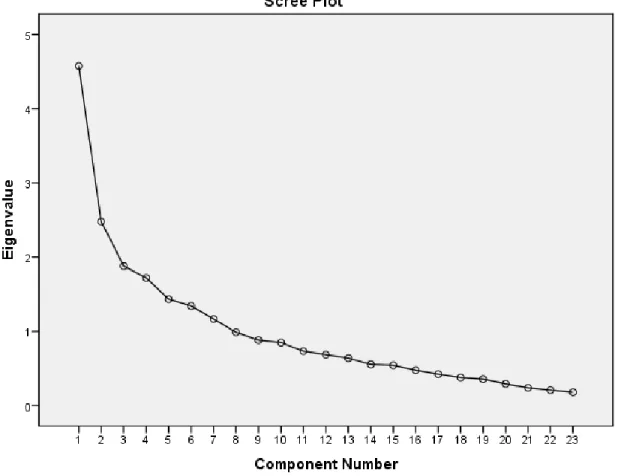
Figure 8 - Scree plot for Principle Components Analysis of the
Interventionist Fidelity Checklist……….137
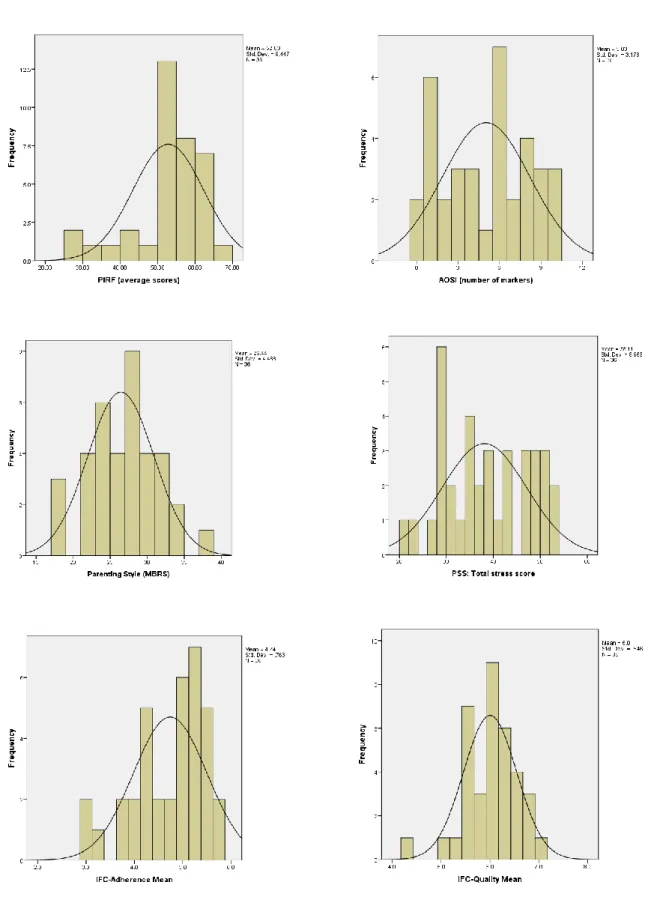
Figure 9 - Histograms representing distribution of ordinal variables with overlaid normal distribution line for comparison. All variables meet acceptable criteria for normal
univariate distribution………..138
Figure 10 - PIRF fidelity by participant over time, with the majority of data points indicating 80% fidelity or higher, but also with multiple data points below 80% fidelity. This variability is notable over the entire course of
x
LIST OF TABLES
Table 1 - Parent- implemented intervention studies targeting children with or at-risk for ASD, ages 0-5, published in peer-reviewed journals,
in English, between January, 2004 and June, 2014 (n=35)……….140
Table 2 - Comparison of conceptual frameworks for fidelity of
implementation of intervention………143
Table 3 - Summary of recommendations for measurement of fidelity………144
Table 4 - Demographic characteristics of participant families………145
Table 5 - Results of Principle Components Analysis for the
Parent Implementation Rating Form………146
Table 6 - Results of ANOVA for PIRF scores (parent fidelity) by family………..147
Table 7 - Descriptive statistics for PIRF fidelity scores by participant
(N = number of PIRF forms collected)………148
Table 8 - Principle Components Analysis component matrix for the Interventionist Fidelity Checklist, with high positive
loadings for components 1 and 2 in bold……….149
Table 9 - Number of Interventionist Fidelity Checklists available for
each interventionist………..150
Table 10 - Results of ANOVA Statistics for the Interventionist
Fidelity Checklist……….151
Table 11 - Bivariate and partial correlations among demographic variables………..152
Table 12 - Descriptive statistics for ordinal variables……….154
Table 13 - Frequency distribution of household income data, with variable category labels replaced with actual
dollar amounts………..155
Table 14 - Results of bivariate correlations between study variables (N=36)……… 156
Table 15 - Summary of model for prediction of parent implementation fidelity scores by household income, parenting style,
xi
Table 16 - Analysis of Variance for regression models for prediction of parent implementation fidelity scores by household income, parenting style, and IFC-adherence (interventionist
adherence fidelity)………...158 Table 17 - Beta (β) and correlation coefficients for regression models
for prediction of parent implementation fidelity scores by household income, parenting style, and IFC-adherence
1
CHAPTER 1: INTRODUCTION
For over twenty years, researchers interested in Autism Spectrum Disorders (ASD) have
been working to develop methods and tools to identify children at-risk for a diagnosis of ASD as
early as possible. Despite the challenges confronted in this process of tool development, ASD
professionals currently have multiple screening and assessment tools available for use with
infants and toddlers (Matson, Rieske, & Tureck, 2011), and the combination of these tools and
expert clinical impressions now allows for identification of risk as early as 12 months (Pierce,
Carter, Weinfeld, Desmond, Hazin, Bjork, & Gallagher, 2011; Reznick, Baranek, Reavis,
Watson, & Crais, 2007; Turner-Brown, Baranek, Reznick, Watson, & Crais, 2012) and stable
diagnosis as early 24 months (Lord, Risi, DiLavore, Shulman, Thurm, & Pickles, 2006). Public
health campaigns launched by the Centers for Disease Control and other organizations
encouraging parents, health care professionals, and others to “Learn the Signs. Act Early” have
increased attention to early detection of ASD risk. In addition, the United States (U.S.)
government and other funding sources have supported significant numbers of early identification
and early intervention studies, and the American Academy of Pediatrics has mandated ASD
screening at all well-baby check-ups for children at ages 18 and 24-30 months (Johnson &
Myers, 2007). As a result of these efforts at early identification, there has been an increase in the
number of children under the age of three who have been designated as at risk for or diagnosed
2
As noted by Wallace and Rogers (2010), the primary purpose of early screening and
detection is to facilitate the initiation of early intervention, which may eliminate or diminish
characteristics of ASD in the young child. Therefore, as they state, “early detection science
requires that early treatment science develop in parallel…” (p.1300). Although there is still a
paucity of empirically supported interventions for infants and toddlers with or at risk for ASD, a
growing body of research in this area is beginning to coalesce around key components of
effective early intervention for children with ASD. Among those key components are the
following intervention procedures: involvement of parents in providing intervention (e.g. via
coaching), beginning intervention as soon as risk is detected, individualization of the intervention
to the child, addressing a broad range of child outcomes, and providing a high intensity of
services (Wallace & Rogers, 2010). A substantial body of research has examined and supported
the theory that parent-child interactions have strong effects on child outcomes in a number of
areas, including communication, cognition, social skills, and social-emotional well-being
(Landry, Smith, & Swank, 2006) and the benefits of parent involvement in intervention for
young children with ASD has also been documented (e.g., Koegel, Bimbela & Schreibman 1996;
Sandall, Hemmeter, Smith & McLean, 2005). Therefore, the development of interventions that
make use of parent-child interactions is a logical addition to the variety of comprehensive
treatment models and focused intervention strategies for children with ASD that have been/are
being developed and tested (Boyd, Odom, Humphreys, & Sam, 2010). In fact, in the past 10
years, more than 30 studies involving parent-implemented interventions for young children with
ASD have been published, and studies of this type continue to be funded by organizations such
3
Despite the emphasis on parent involvement in the delivery of ASD intervention, there
has been little consistency in the research literature regarding parent fidelity to intervention, and
almost no direct attention to the factors that may influence parent fidelity. In a review of 24
studies of parent-mediated/parent-implemented interventions for children with disabilities
(including but not exclusively ASD) published over a 30-year period (1972-2012), Barton and
Fettig (2013) reported that parent fidelity to intervention was measured in approximately 79% of
those studies. This researcher’s review of the literature indicated that parent fidelity was
measured in 60% of studies in which parents were implementing early interventions for children
with ASD, published between 2004 and 2014. (see Table 1). However, even among these studies
there is such variability in measurement of fidelity, discussions of social validity, and
descriptions of parents as study participants (Wakeford & Odom, 2011), as to yield little that is
useful in terms of better understanding the larger issues of parent implementation of intervention.
The purpose of this study was to examine factors that may influence parent fidelity to
parent-mediated early intervention for infants/toddlers at risk for ASD. The relevance of the
study is founded on three empirically supported assumptions which include 1) screening tools
and public awareness campaigns that support the early identification of risk factors for ASD have
led to a growing population of very young children for whom early intervention is needed; 2)
parents of young children at-risk for (or diagnosed with) ASD may be given significant roles in
helping to provide intervention for their children; and 3) parent fidelity to intervention is
presumed to be an important factor in the effectiveness of the intervention, but there is
significant variability in how fidelity is assessed or assured. Given veracity in these assumptions,
there is a growing body of research regarding parent-implemented behavioral early interventions
4
factors that influence it. This lack of understanding then results in limited ability of both
researchers and practitioners to determine which approaches to intervention “work” for which
families of young children with or at risk for ASD.
Following approval by the University of North Carolina Institutional Review Board, this
study was conducted using secondary data from the Early Development Project-2 (EDP-2), a
randomized controlled trial testing a parent-mediated intervention for infants/toddlers at risk for
ASD against a services-as-usual control condition. Participant families for EDP-2 were recruited
from a community sample in the central part of North Carolina, using birth records.
English-speaking parents of children turning one year old were mailed a packet that included an
introductory letter about the study, a parent report screening tool for ASD risk called the First
Year Inventory (FYI; Reznick, Baranek, Reavis, Watson, & Crais, 2007), and a form indicating
whether or not the parent was willing to participate in the study beyond completing the FYI and
returning it. Completed and returned FYIs were computer scored using an algorithm to determine
ASD risk in two primary domains, social-communication and sensory-regulatory, and an overall
risk category. Parents of children who scored at or above the 98th percentile on the FYI and who
had agreed to subsequent participation were contacted and invited to participate in the
assessment portion of the study. The assessment included child measures of social,
communication, sensory-regulatory, and overall development, as well further assessment of
autism symptoms. The assessment also included two parent measures, one of parent stress, and
one of parenting style (responsivity). Demographic data were also collected at the time of the
assessment. Following interpretation to parents of assessment results, parents were invited to
continue participation in EDP-2 by consenting to the intervention portion of the study, with the
5
condition was a parent-mediated intervention called Adapted Responsive Teaching (ART), and
the control condition was support for referral of the child to the North Carolina Infant/Toddler
Program, the state’s early intervention services. The ART intervention was a manualized
intervention based on a pre-existing intervention called Responsive Teaching (Mahoney &
MacDonald, 2007). In each home-based ART intervention session, parents were coached by a
trained interventionist to use simple responsive parenting strategies to elicit new or more
advanced social-communication and sensory regulation behaviors from the child. Behaviors
targeted for each child and in each session were individualized based on a combination of
assessment results, parent concerns, and interventionist/parent observations. At the end of each
session, the interventionist and the parent developed an “action plan” for ways in which the
strategies could be used during every day routines, activities, and parent-child interactions. Over
the course of the 30 in-home intervention sessions, both interventionist fidelity to the
intervention and parent fidelity/participation were measured. Following a six-eight month period
each family was invited to participate in a second assessment to evaluate child and parent
outcomes. A total of 83 families participated in EDP-2, with 43 in the ART condition and 40 in
the control (community services) condition.
The theoretical foundation for the study was a transactional perspective, specifically
based on the work of John Dewey (1922). A transactional perspective was used in order to
situate all elements of the intervention-family interaction as simultaneously influential on one
another. That is, parent fidelity to intervention could potentially be influenced by proximal
factors such as the qualities of the child, parent, and interventionist, to more distal factors such as
6
parent’s participation in and fidelity to the intervention could effect changes in the child, the
parent themselves, the interventionist, and others in the family or community.
The current study included a sample of 36 families who participated in the ART
intervention. Families were excluded if someone other than a parent was the primary adult
participant in ART, or if data on key variables was missing. The sample included some diversity,
but the majority of parents were Caucasian, married or living with a partner, had at least a
college degree, and were of middle to upper-middle class socioeconomic status. The measure of
parent fidelity to ART was used as the dependent variable for this study, with independent
variables selected based on literature review regarding parent participation in interventions for
their children and on the specific data available from the sample of families who received the
ART intervention. Independent variables included demographic factors, child autism symptoms,
parenting style, parent stress, and the fidelity of the interventionist to the delivery of the ART
intervention. Prior to examining the relationships between and among all variables (correlational
analysis), and examining the potential for a prediction of parent fidelity by one or more of the
independent variables, demographic data were reduced to a single variable (household income).
In addition, the variability and dimensionality of the parent fidelity and interventionist fidelity
measures were examined. The interventionist fidelity measure was split into 2 variables,
adherence and quality, based on Principle Components Analysis, and using a total of 15 of the 23
items on the original measure.
Results of correlational analysis reflected significant relationships between parent fidelity
and household income, parenting style, and interventionist fidelity-adherence, as well as between
household income and parenting style, and between interventionist fidelity-quality and
7
parent fidelity and parental stress, child autism symptoms, or interventionist fidelity-quality.
Multiple regression analysis resulted in a 3-factor solution in which household income, parenting
style, and interventionist fidelity-adherence most parsimoniously predicted parent fidelity.
The results of this study are congruent with much of the early intervention/early
childhood research literature that indicates that household income and/or parenting style
influences parent participation in child-oriented interventions. The finding that interventionist
adherence is a predictive factor in parent fidelity is not as well-represented in research literature,
but is reasonable given the assumed need for interventionists to model strategies and coach
parents effectively in order for parents to use the intervention on their own. Given this 3-factor
model as well as the significant relationship between parenting style and household income, the
benefit of using a transactional model in examining parent fidelity was reinforced. That is,
multiple factors may simultaneously influence parent fidelity to parent-mediated early
interventions in a way that is essentially “more than just the sum of their parts.” The fact that
parental stress and autism symptomatology were not influential to parent fidelity in this sample
may have been because the children were very young and parents had few concerns coming into
the study. Previous literature indicates that parent stress and severity of behavioral challenges in
the child often are linked with higher levels of parent participation. The primary limitations of
the study were the small, relatively homogenous sample, and the fact that the fidelity measures
presented challenges due to only moderate inter-rater reliability (parent fidelity measure) or to
8
CHAPTER 2: LITERATURE REVIEW
In order to both inform and provide a context for this study, research and other relevant
literature is reviewed in two primary areas: 1) fidelity of implementation, including empirically
documented factors that may influence fidelity in early childhood and educational research, and
2) parent-mediated and parent-implemented interventions for young children with or at-risk for
ASD, including the measurement of implementation fidelity. The conceptual model guiding this
study follows these explications of relevant literature.
Fidelity of Implementation in Intervention
Over the past 20 years there has been an increasing emphasis on the identification and
use of empirically supported intervention programs and practices in human service fields
(education, allied health, mental health, etc.). This imperative for evidence-based practices has
led to a significant increase in intervention research, and the categorization of interventions as
evidence-based, “promising,” and, in some cases, lacking in empirical support. Translating and
disseminating results in a manner that supports adoption of evidence-based practices by
practitioners presents significant challenges to researchers (Durlak & DuPre, 2008; Ogden &
Fixsen, 2014). That is, there remains a gap between science and practice. A portion of that gap
can be attributed to limitations in establishing the effectiveness of an intervention because
fidelity in implementing it was not examined (Barton & Fettig, 2013; Durlak & DuPre, 2008;
Wolery, 2011). In addition, even when measured, lack of fidelity by practitioners to the authentic
content and process of an intervention contributes to the gap between science and practice.
9
practices and programs are empirically supported, determining how they differ from
interventions that are not empirically supported, and assuring that the translation and
dissemination of those interventions into practice is done with authenticity (Ogden & Fixsen,
2014; Wolery, 2011). The field of “implementation science” has developed in part to address the
need for assuring fidelity to intervention practices in both research and service delivery settings,
and to ensure that evidence-based practices are actually utilized.
Implementation science is an interdisciplinary field in which researchers engage in the
“scientific study of methods to promote the systematic uptake of clinical research findings and
other evidence-based practices into routine practice . . .’’ (ICEBeRG, 2006). This scientific field
of inquiry is relatively young, having emerged primarily in the mid-1970’s, but it has grown
rapidly as researchers in human service professions have recognized and concerned themselves
with the poor record of moving evidence-based practices into community-based service settings
(Green, 2008; Ogden & Fixsen, 2014). Implementation science examines the supports and
barriers to the types of change required for the use and sustainability of evidence-based practices
at the systems, organizational, and practice levels. Fidelity of implementation is among the issues
addressed by implementation science overall, but its importance lies at the practice level, and is
essentially the extent to which the individual delivering services implements an intervention in
the way in which it was intended by the developer (Darrow, 2011). Figure 1, adapted from
Darrow, shows the relationship of Implementation Science to Implementation Fidelity, indicating
the breadth of the science in addressing the supports and barriers to fidelity at systems and
organizational levels, and the centrality of fidelity at the actual practice level.
Dane and Schneider (2008) identify five components of implementation fidelity, namely
10
The first three of these components are included in Figure 1. Quality of delivery refers to the
manner in which the intervention is delivered, such as the enthusiasm and attitude of the person
implementing the intervention. Adherence is the extent to which the key elements of the
intervention have been delivered, and exposure is the frequency with which those key elements
are delivered. These three components of fidelity are largely under the control of the person
delivering the intervention, assuming that the larger organizational and system supports are
adequate.
The two remaining components identified by Dane and Schneider are participant
responsiveness and program differentiation. Participant responsiveness is the extent to which the
individual “targeted” by the intervention engages, participates in intervention activities, and
displays positive affect (e.g., enthusiasm) during the intervention session. Program
differentiation is the extent to which the delivery of the intervention demonstrates that the
intervention is notably and markedly different from other interventions, which is especially
important in studies comparing intervention approaches. These components (participant
responsiveness and program differentiation) are important overall in assessing the efficacy
and/or effectiveness of an intervention, but, like child outcomes, also are essentially results of the
implementation process, rather than being aspects of the intervention itself as delivered by the
interventionist (Darrow, 2011). For example, the interventionist may implement an intervention
with high quality and appropriate adherence and frequency, but the recipient of the intervention
may not, for any number of reasons, respond well or in the manner expected. In addition, the
manner in which the interventionist delivered the intervention may reflect high fidelity, but still
11
development of the intervention itself or because implementation of an alternative condition was
not well delineated and/or measured (Durlak, 2010).
Fidelity in intervention studies targeting child outcomes. In his commentary published in Topics in Early Childhood Special Education, Wolery (2011) makes a concise, well-argued
statement about the importance of measuring fidelity in early childhood intervention studies,
using research by Strain and Bovey (2011) as a positive exemplar. Wolery indicates that there
are four reasons that fidelity measurement is important, saying
Measuring fidelity (a) potentially allows investigators to document the findings
were not due to the lack of fidelity in a study; (b) presents information about how
transportable interventions are to the real world; (c) provides information for
replication studies; and (d) sheds light on the nature of children’s experiences in
the study. (p.155).
In reflecting on the assessment of fidelity to the Learning Experiences - An Alternative
Program for Preschoolers and Parents (LEAP; Strain & Bovey, 2011), Wolery praises the LEAP
developers for their creation of a fidelity measure that is thorough and validated, such that it is
reliable, sensitive, and discriminating in terms of the extent to which LEAP is or is not
implemented as intended in all studied classrooms (both LEAP and control). This level of
fidelity measurement currently is uncommon in early childhood and education studies overall,
and, as noted by Kaiser (2013), treatment fidelity standards are still relatively low in early
childhood intervention and education research. As recently as 2014, a review article by
McConachie, Fletcher-Watson, and others outlines a significant need for measurement of
treatment adherence in ASD early intervention studies, noting specifically the need to measure
12
intervention studies is indeed increasing, and the results include the development of conceptual
models and frameworks, development and testing of fidelity measurement tools, and
recommendations regarding fidelity measurement in intervention studies. Regardless, there
remain significant issues with fidelity measurement, including variable definitions of fidelity,
lack of a common language in terms of what should be measured, variability in what is
measured and whether or not fidelity is explicitly linked to child outcomes, and a paucity of
validated measures being used (Gearing, El-Bassel, Ghesquiere, Baldwin, Gillies, & Ngeow,
2011). An overview of the current problems and advances in fidelity measurement in early
childhood intervention and education research is provided below.
Problems with fidelity in intervention studies targeting child outcomes. In early
childhood studies in which fidelity is measured, several key problems can be noted. Among these
problems are the various ways in which fidelity is defined, the components identified as aspects
of fidelity, and the ways in which fidelity is measured.
Defining fidelity. Fidelity to the intervention by the person delivering it has been
measured explicitly in a relatively small number of early childhood and educational intervention
studies targeting child outcomes (Barton & Fettig, 2013; Ledford & Wolery, 2013). Within these
studies, the definition of “fidelity” to the intervention is either not made explicit or varies from
one study to the next. For instance, in a study of Early Intensive Behavioral Intervention (EIBI;
Strauss, Vicari, Valeri, D’Elia, Arima, & Fava, 2012), researchers discuss the measurement of
“parent fidelity” but do not explicitly define what comprises fidelity to EIBI. In contrast,
Knoche, Sheridan, Edwards, and Osborn (2010) define fidelity briefly as “implementing
strategies as intended”, and provide a full explication of fidelity of implementation and why the
13
Garvey, Hill, Resnick, & Gross (2010) provide a brief overview of the components and terms
often associated with fidelity of implementation, and then define fidelity specifically for their
study as the “degree to which group leaders deliver the intervention competently and according
to protocol” (p.159). Despite these differences in definition, the most commonly measured
component continues to be that identified in a review by O’Donnell (2008), i.e., adherence (or
integrity). Adherence is defined as the extent to which an intervention has been delivered as
planned or as described in the intervention manual.
Defining and delineating components of fidelity.In addition to variations in defining
fidelity in early childhood and education studies, there also is variability in the delineation of the
components of fidelity. For instance, in a study by Odom, et al, 2010, structural and process
components of fidelity were measured in the implementation of a school success curriculum by
preschool teachers. In this study, the word “structural” referred to the exposure component of
fidelity as defined by Dane and Schneider (1998), and the word “process” referred to adherence
and quality of delivery. However, in a study of a parenting program designed to address child
behaviors, Breitenstein, et al. (2010) measured adherence and competence (defined below) as the
primary components of implementation fidelity by the interventionists (parenting group leaders),
and measured exposure based on parent attendance at group parenting sessions. In this study,
adherence referred to “the extent to which the interventionists’ behaviors conform to the
intervention protocol” and competence referred to the “skillfulness in the delivery of the
intervention related to facilitation and process skills” (p. 159). It seems that adherence, in this
case, included some aspects of process, assuming that the intervention protocol included both
content and the manner in which content should be delivered. However, based on the description
14
considered part of competence, or competence may be composed of what Dane and Schneider
(2008) called “quality of delivery.” In a second article published by Breitenstein and her
colleagues (Breitenstein, Gross, Garvey, Hill, Fogg, Resnick, 2010), more clarity was provided
regarding what comprises adherence and competence, making it clear that to these researchers,
competence was, indeed, largely about quality of delivery. Yet, “quality of delivery” is among
the constructs related to fidelity that lacks consensus in definition (Carroll, Patterson, Wood,
Booth, Rick, & Balain, 2007). For example, Pence, Justice, and Wiggins (2008) measured
quality of delivery with a teacher self-report tool addressing primarily “comfort level” with the
curriculum, while Hamre and colleagues identified quality of delivery as synonymous with good
teaching (Hamre, Justice, Pianta, Kilday, Sweeney, Downer, & Leach, 2010). A prime example
of inconsistencies in labeling and defining components of fidelity can be found in Wehby,
Maggin, Partin, and Robertson (2012). These researchers collected data on teacher
implementation of the Good Behavior Game in preschool classrooms, and referred to the results
of their checklist as “adherence,” “procedural fidelity,” and “integrity” all in the space of a single
paragraph. The meaning for all of these terms was essentially the same, i.e., the extent to which
the teacher implemented each step of the game process as outlined in the Good Behavior Game
manual.
To date, there is little agreement or consistency among researchers regarding the
components of fidelity and the ways in which they intersect with one another and/or influence
outcomes. Table 2 provides an example of the terminology used for various aspects of fidelity in
several conceptual models that are discussed later in this paper. Researchers who address
15
Measurement of fidelity.Without question, variations in the terminology used in defining
both “fidelity” and its components in intervention research create challenges for measuring
fidelity in a manner that is easily replicable and translatable (Durlak & Dupre, 2008). Some
researchers measure multiple aspects of interventionist fidelity, while others measure only
adherence, ultimately precluding comparisons or meta-analytic approaches for examining
effectiveness and outcomes. For instance, in an examination of a preschool literacy program,
Hamre, et al (2010) measured three aspects of interventionist (teacher) fidelity: dosage,
adherence, and quality of delivery. However, in another study of a preschool literacy
intervention, Noe, Spenser, Kruse, and Goldstein (2013) measured only dosage and adherence.
Additionally, many fidelity measurement tools, even for manualized interventions, have not been
empirically validated and may not measure one or more key components of the intervention
accurately (Ogden & Fixsen, 2014). For instance, Hamre, et al (2010) used a validated measure
of generalized teaching strategies (Classroom Assessment Scoring System-Pre-K [CLASS],
Pianta, La Paro, & Hamre, 2008, as cited in Hamre, et al, 2010, p. 344) but specific measures of
teacher fidelity to the literacy intervention were unvalidated instruments, including two new
scales for the CLASS and an intervention-specific checklist. Hamre and colleagues did include
reliability data for coding of both of these measures. In the literacy intervention study by Noe, et
al (2014), only an 8-item researcher-developed checklist was used to measure interventionist
fidelity, and no reliability data or mention of a second video coder were included in the study
description. Examining these two studies of preschool literacy programs (Hamre, et al, 2010 and
Noe, et al, 2014) provides some insight into the issues presented when fidelity measures used do
16
Measurement of fidelity also is challenged by the complexities inherent in studies that
involve multiple interventionists or sites, or multiple levels of implementation (e.g., fidelity of a
trainer or coach and the fidelity of the coached teacher or interventionist who actually delivers
the intervention). The practical implications of measuring fidelity at all levels for complex
programs will include costs of both time and money, and ultimately may include having too
many variables to include in data analysis for the number of actual participants in the study
(Ogden & Fixsen, 2014).
In addition to examination of fidelity of implementation by the interventionist, other
aspects of implementation have been measured in some early childhood and education studies.
For instance, Breitenstein, Fogg, et al (2010) measured participant responsiveness via a 7-item
parent Engagement Form completed by the group leader following each parenting session, and a
weekly parent satisfaction questionnaire (measuring social validity). Knoche, et al (2010) also
measured participant responsiveness, using a coding guide for video-recordings of each home
visit that quantified parental interest in and engagement with their child, and interest in and
engagement with the professional (interventionist). Knoche and colleagues also collected
implementation data that allowed the researchers to ascertain which specific methods and
strategies within the intervention being tested (Getting Ready intervention) differentiated it from
what early childhood professionals working in Head Start and Early Head Start do naturally
during home visits with families (program differentiation measures).
There are additional aspects of fidelity that often are not measured, but may be important
to the overall efficacy or effectiveness of an intervention. These aspects may include the
introduction of adaptations to the intervention by the interventionist or the use of behaviors that
17
intervention based on positive behavioral supports). Adaptations by the interventionist may occur
based on the need to individualize the intervention or to consider the local culture when
implementing a multi-site intervention (Ogden & Fixen, 2014), and may or may not interfere
with the integrity of the intervention itself. However, if they are not anticipated and measured,
adaptations and incongruent behaviors on the part of the interventionist may affect fidelity and/or
outcomes in ways that researchers will not be able to ascertain or explain (Gearing, et al, 2011).
Advances in the measurement of fidelity in intervention studies. Although problems clearly exist in defining and measuring fidelity in early childhood studies, there also has been
considerable recent attention given to improving the ways in which researchers address these
issues. Several researchers have developed conceptual frameworks designed to organize and
prioritize fidelity to intervention in early childhood research, and others have outlined
recommendations to ensure fidelity in these studies. A brief review of these conceptual
frameworks and recommendations, including how issues of fidelity measurement may be
addressed, is provided below.
Conceptual frameworks.Recently several implementation science frameworks have been
introduced to early childhood and educational research. In fact, Volume 35 of the Journal of
Early Intervention, published in June, 2013 was devoted to the measurement of implementation
fidelity in early childhood intervention research, and four of the six articles included make an
argument for the use of a particular framework or way of thinking about how fidelity should be
measured (Kaiser, 2013).
Within the journal, Dunst, Trivette, and Raab (2013) stipulate that fidelity should be
measured in two primary areas of practice which are distinct from one another but
18
includes the methods used to promote the adoption and use of an evidence-based intervention by
practitioners (e.g., interventionist training), and intervention is the actual application of the
intervention practices, by the practitioner. Therefore, implementation fidelity is the extent to
which the practitioner has learned and adopted the content and process of the intervention, and
intervention fidelity is the extent to which the intervention has been used as intended with the
recipient to obtain targeted outcomes. Measurement of both types of fidelity and linking them
with outcomes allows researchers to ascertain the extent to which key aspects of both the
implementation and intervention transact and affect those outcomes. Powell and Diamond (2013)
conceptualize fidelity in a manner similar to that of Dunst, et al (2013), but with a more specific
focus on the implementation aspects of training, to ensure that interventions are delivered as
intended. They used an explicit coaching model to address the training of Head Start teachers in
evidence-based literacy practices, and included attention to content and process in the adoption
and delivery of those practices. Content included the five key characteristics of responsive
teaching that were to be learned and implemented by teachers (following the child’s lead,
reading the child’s cues as an indicator of interests, adult responses contingent to child behaviors,
reciprocal adult-child interaction, and promoting child elaborations of engaged behaviors). The
process focused on adherence to Participatory Adult Learning Strategies, which included
coaching behaviors such as active learner involvement, feedback, guidance, and support,
coach-guided learner reflection and frequent opportunities to use the responsive teaching strategies. The
two remaining articles in this volume of JEI that address measurement of fidelity focus on tool
development. Sutherland, McLeod, Conroy, and Cox (2013) conceptualized fidelity as being
composed of both quantitative and qualitative components, and discussed the need for
19
data regarding the delivery of intervention. Snyder, Hemmeter, Fox, Bishop, and Miller (2013)
talked even more specifically about measurement tools, describing their process in the
development of the Teaching Pyramid Observation Tool (pilot version), which addressed the
extent to which teachers learn and adopt (essentially “buy into”) the use of behavioral and
social-emotional supports in the classroom, the extent to which they actually used those supports in the
classroom as intended, and the impact of both of these aspects of fidelity on child outcomes.
Aspects of other previously developed implementation science frameworks may also apply to
early childhood intervention and education research. Of note, Carroll, et al. (2007) overtly
identify factors that moderate adherence, including intervention complexity, facilitation
strategies, quality of delivery, and participant responsiveness.
Gearing, et al. (2011) provide a review of 24 peer-reviewed articles in which authors
either addressed theory and background aspects of fidelity of implementation, or measured
fidelity overtly. Resulting from this review is a comprehensive model, or guide, for the inclusion
of fidelity measurement in intervention studies in a variety of fields. This model includes four
primary components of fidelity gleaned from the literature: 1) intervention design 2)
interventionist training; 3) intervention delivery; and 4) intervention receipt. Each of these
components is then further detailed in five areas: 1) development and use of protocols and
manuals; 2) execution; 3) maintenance; 4) external and internal threats; and 5) measurement.
Gearing and colleagues argue that this guide, if widely adopted by researchers, would address
many of the issues with fidelity measurement that currently exist, such as lack of congruent
terms and definitions and lack of measurement methods that can be used across studies.
While there is some conceptual alignment of ideas within these frameworks, the language
20
across the conceptual frameworks developed and explicated by Dane and Schneider, those
addressed in the June 2013 volume of JEI, and those presented by Carroll, et al. and by Gearing,
et al.
Recommendations for measuring fidelity in intervention research.In addition to the
development of conceptual frameworks which may provide a firmer foundation for assuring
fidelity in intervention studies, researchers have also made overt recommendations regarding
how fidelity is measured in these studies.A number of these recommendations are summarized
in Table 3.
Kaiser and Hemmeter (2013) synthesize recommendations for fidelity measurement
based on the six articles included in the aforementioned volume of JEI. These recommendations
include addressing fidelity by both the person delivering the intervention, and by the individual
(coach, trainer, interventionist) teaching that person to deliver the intervention when a coaching
model is used. It is further recommended that for both researcher-delivered and coached
interventions, measurement tools be developed that are sensitive to the active ingredients of the
intervention content and process, which in turn requires that those active ingredients can be
identified and linked directly to child outcomes (i.e., that the active ingredients are supported by
empirical data). Ledford and Wolery (2013) specifically recommend that direct counts be used in
measuring adherence and dosage, and Snyder, et al (2013) recommend measurement of
contextual factors surrounding intervention. Ogden and Fixen (2014) echo this recommendation
that contextual factors be overtly considered and measured as potential confounders of the
relationship between intervention and outcomes, and they also recommend that the sustainability
of an intervention program be considered as well. This includes examining the effect of changes
21
over time, and increasing implementation supports when small or pilot programs of intervention
move to a larger scale.
The scale of interventions is addressed both directly and indirectly in the
recommendations of several researchers. Both Moncher and Prinz (1991) and Ledford and
Wolery (2013) make the recommendation that fidelity be measured for each participant, which
may be challenging in large scale, complex, or multi-site studies. Schulte, Easton and Parker
(2009) create a similar challenge with their recommendation that measurement of fidelity include
the intervention as received by each child, arguing that differences in even subtle aspects of
intervention content and/or process among children may influence outcomes. Glasgow, Magid,
Beck, Ritzwoller, and Estabrooks (2005) encourage researchers to consider practical clinical
trials with multiple baseline, within-subject designs, which may decrease the number of
participants needed and increase the potential for accurate measurement of multiple aspects of
fidelity. Although Glasgow, et al. were addressing the need for better research-to-practice studies
in health care arenas, their design recommendations would allow early childhood researchers to
undertake pilot studies with tightly monitored implementation fidelity and the linking of
intervention to outcomes prior to scaling up to a larger study.
Given the previous discussion about unplanned or non-manualized adaptations to
intervention that may occur, it is important to find ways to document and/or systematize these
adaptations. Durlak and DuPre (2008) discuss the issue of adaptation and its effect on measures
of fidelity and on outcomes, and make the recommendation that researchers find the “balance”
between adherence and adaptation for any particular intervention. They argue that perfect fidelity
across all providers of an intervention is unlikely, that client-centered adaptations have been
22
adaptations to improve on an intervention using their understanding of those receiving the
intervention. Therefore, Durlak and DuPre suggest that rather than trying to achieve strict
adherence to all aspects of an intervention, researchers should monitor and account for
adaptations and how they affect outcomes. In a related effort to prevent unnecessary drift in an
intervention, both Dunst, et al. (2013) and Barton and Fettig (2013) suggest that the fidelity of
the persons delivering an intervention be examined in direct relationship to the fidelity of the
coach or trainer teaching them how the intervention should be delivered.
In general, recommendations for improving fidelity and the measurement of fidelity
include 1) more systematic and detailed approaches to development of intervention content and
the processes by which it is learned and delivered, 2) greater attention to identifying key
components of an intervention and the relationships between those key components and
outcomes, 3) use of measurement tools that provide accurate data about both the quantity and
quality of the intervention as delivered, and 4) increased consideration and measurement of
contextual factors surrounding delivery of intervention.
Factors that influence fidelity. Because there is an assumed relationship between fidelity to implementation and child outcomes (Hamre, et al., 2010), early childhood and education
researchers also have begun to examine more closely the specific aspects of intervention delivery
contexts that could influence fidelity and therefore affect child outcomes. As noted previously,
Carroll, et al. (2007) identified four factors that may moderate, or influence, fidelity to an
intervention. The first of these factors is intervention complexity. Carroll and colleagues argue
that interventions that are “simple,” that is, detailed, specific, and have clearly delineated content
and process are more likely to be implemented as intended. Complex interventions often leave
23
breeches in fidelity. Therapists trained to implement EIBI reflected on this “simplicity” issue,
saying that having basic skill targets that require minimal materials supported their ability to
implement the intervention with fidelity (Symes, Remington, Brown, & Hastings, 2006).
The second moderating factor identified by Carroll, et al. is facilitation strategies, which
include the manuals, protocols, training, feedback and other methods used to assure that those
delivering the intervention learn and use the intervention with high fidelity. The use of
facilitation strategies begins before the intervention is even implemented and is part of an
ongoing support process for interventionists. These strategies, if successful, should lead to
well-trained interventionists who implement the intervention with fidelity. In contrast, poorly
developed or utilized facilitation strategies can lead to poor service delivery. EIBI therapists
interviewed by Symes, et al. (2006) substantiate the importance of facilitation strategies,
indicating that training that included behavior management, instructional techniques, Applied
Behavioral Analysis (ABA) theory, and the opportunity to observe experienced therapists was
instrumental to their procedural fidelity.
Carroll, et al.’s third and fourth moderating factors use terms synonymous with terms
used by Dane and Scheider (1998), i.e., quality of delivery and participant responsiveness.
However, Dane and Schneider use these terms to represent key components of fidelity itself,
while Carroll, et al. argue that the manner in which an intervention is delivered (quality) and the
extent to which participants accept the intervention (participant responsiveness) actually act as
moderators of how much and how well the intervention is diffused in the participant group. For
example, the therapists interviewed by Symes, et al. (2006) indicated that child behaviors
influenced their fidelity to EIBI, reporting that children who presented frequent behavioral
24
Therefore, child behavior problems would be characterized as moderators of intervention
fidelity. Carroll, et al. (2007) noted that participant responsiveness also includes how the
participant feels about the benefits or importance of the intervention personally, and that “buy
in” is needed not only from the participants, but also from those delivering the intervention (i.e.,
the interventionist). Therefore, a secondary moderator also may be the beliefs of the
interventionist about the benefits and usefulness of the intervention, either in general or for a
particular participant (Carroll, et al., 2007; Symes, Remington, Brown, & Hastings, 2006). For
example, Wehby, Maggin, Partin, and Robertson (2012) found that teacher beliefs about a
classroom-based behavior intervention, i.e., how effective, appropriate, and worthwhile they
found the Good Behavior Game, had a unique positive relationship to the number of steps of the
intervention implemented by the teacher.
Characteristics of the interventionist.In addition to interventionist beliefs about the
intervention, researchers have begun to identify other characteristics of the person delivering the
intervention (including teachers, therapists, and parents) that may influence fidelity. For instance,
Klimes-Dougan, August, Lee, Realmuto, Bloomquist, Horowitz, and Eisenberg (2009),
investigated the influence of practitioner and school (organizational) qualities on the
implementation of a prevention program targeting elementary school students at risk for
developing serious behavior problems and/or drug use. Specifically, they examined four
categories of practitioner characteristics (experience, personality, beliefs, and coping) on
adherence, exposure, and quality in the delivery of the Early Risers program in 27 rural
elementary schools. Findings included positive correlations of fidelity with practitioner qualities
of extroversion, openness, belief in success, conscientiousness, re-appraisal methods of coping,
25
outcome is reported in Wehby, et al. (2012), who noted that teachers who were experiencing
high levels of “burn-out” tended to deliver low levels of another mental health intervention (the
Good Behavior Game), regardless of how supported they felt by their coach. Another group of
researchers (Lieber, Butera, Hanson, Palmer, Horn, Czaja, … Odom, 2009) examined
characteristics of preschool teachers as part of a larger, multi-site study targeting the use of
professional development activities to increase teacher fidelity to curriculum changes. They
found that teachers who were “high implementers” tended to be open, motivated, organized,
responsible, good classroom managers, and responsive to coaching. Despite the range of
education and experience levels represented in this study, Lieber, et al. reported no correlations
between curriculum implementation and either level of education or years of experience. This
finding is consistent with Baker, et al. (2010), who concluded that education, experience, and
ethnicity had no significant impact on implementation of a preschool prevention program.
However, Lieber’s results contrast with the findings of Knoche, et al. (2010) who reported a
significant positive relationship between education and experience, and the quality of delivery,
i.e., effective use of strategies, in a school readiness early intervention. Similarly, Taylor,
Asgary-Eden, Lee, and LaRoche (2015) found that adherence to the content and process of a
parenting program was significantly influenced by the years of experience of the provider. The
interventionist perspective on personal qualities that support or hinder fidelity was among the
constructs examined qualitatively by Symes, et al. (2006) in their study related to
implementation of EIBI. Of the 19 therapists interviewed, 47% identified “patience,” or being
able to remain calm, as a key personal characteristic that facilitated high procedural fidelity, and
26
Characteristics of participants.Participant responsiveness has already been mentioned as
a potential moderator of fidelity, including the example of the influence of child behavior
problems on interventionist fidelity to EIBI. Overall, however, the characteristics of the
participant have not been well investigated in terms of how they may influence fidelity (Hock,
Kinsman, and Ortaglia, 2015). Instead, the majority of studies that examine participant
characteristics do so in order to ascertain the influence of those characteristics on outcomes
(Itzchak & Zachor, 2011; Strauss, Vicari, Valeri, D’Elia, Arima, & Fava, 2012). In studies in
which parents are key participants in actually implementing the intervention, it is important to
examine parent and family characteristics and the potential effects of those characteristics on
parent participation and fidelity. Parent/family characteristics may include socioeconomic
factors, parenting style, and culture, which often are intertwined. Culture is also a part of the
entire intervention context, particularly as it is related to the overall acceptability of the
intervention.
Socioeconomic situation, parenting style, and culture. Although only some of the
available research is related to parent-implemented interventions for children with or at risk for
ASD, the need for parents to “buy into” and implement program strategies also exists within
programs designed to address child behavior/mental health concerns and targets of early
intervention services. In her discussion of programs to address behavioral or mental health
concerns in young children, Zilberstein (2016) noted that families with financial hardships may
have unstable housing situations, long or irregular work hours, and/or responsibilities for the care
of multiple children that interfere with their abilities to implement intervention strategies on a
regular basis. Similarly, families that face significant financial challenges may live with multiple
27
are living. These living situations may present challenges to parent implementation of
intervention due to lack of privacy or opportunities for 1:1 interactions with children. These
challenges are reflected in part in a qualitative examination of components that should be
included in parenting interventions for families in transitional housing (Holtrop, Chaviano, Scott,
and Smith, 2015). Parents who were living with other low income or homeless families identified
concerns about negative impacts on both parenting and child behaviors from others living in the
same space. In a meta-analysis of literature related to parent training to address child behavior
problems, Reyno and McGrath (2006) indicated that income level and parent
education/employment both had effects on responses to treatment. Similarly, in a review of
literature regarding parent participation in mental health programs for children, Haine-Schlagel
and Walsh (2015) noted that socioeconomic status (including income and parent education) were
among the factors associated with parent participation in both treatment sessions and the
follow-up use of strategies between sessions. However, it is important to note that there is variability in
research findings and socioeconomic factors are not consistently key predictors of parent
participation or fidelity to intervention. For example, Danko, Brown, Van Shoick, and Budd
(2016) reported that household income, parent age, and parent education were all unrelated to
parent completion of “homework” between sessions of Parent-Child Interaction Therapy (PCIT).
The best predictor of homework completion in their study was parent gender, with mothers more
likely to complete homework than fathers. Morawska, Ramadewi, and Sanders (2014) had
similar findings regarding socioeconomic influences in their Australian study of parenting
interventions to address child behavior problems, in that greater severity,, parental depression,
and previous help-seeking behaviors were predictors of parent participation, with no predictive
28
Research literature regarding intervention for children with ASD includes minimal
attention to parent characteristics and the influence of these characteristics on parent fidelity, and
those that do address this relationship vary in the extent to which clear conclusions can be drawn.
In a study that directly linked participant characteristics to fidelity of implementation, Randolph,
Stichter, Schmidt, and O’Connor (2011) addressed research claims (e.g., from the National
Research Council) that parent education may be a critical element in the implementation of
intervention, using a multiple baseline single case design with three caregivers of children with
ASD. They reported that three caregivers who did not have college degrees were able to learn
and use a Pivotal Response Training (PRT) intervention with their children, but the researchers
were unable to offer any comparison with parents who did have college degrees, due to the
research design. In a study that used a parent report survey to examine factors influencing parent
adherence to interventions for ASD, Hock, Kinsman, and Ortaglia (2015) indicated that the
“perceived burden on the family” was a significant predictor of low parent adherence to
medication, developmental, and alternative treatments, although not to behavioral treatments.
Having an advanced degree was the most significant predictor of low parent adherence to
behavioral treatments. Burden to the family was measured using a Likert-style scale for the item,
“Treatments have been burdensome on my family’s resources (e.g., money, time, energies)” (p.
3). Unfortunately in this study, although the sample likely included low-income families, based
on the range of educational levels (54% did not have a college degree at the bachelor’s level or
higher), neither household income nor employment status was noted, nor was the relationship
between burden and indicators of SES explored. Thus, we do not know whether the burden was
greater for families in low income households. Alternately, Carr, Shih, Lawton, Lord, King, and
29
adherence to an early intervention for young children with ASD. Their study targeted
low-resourced families in five sites, and included families receiving intervention either in their home
or in a central location nearby (e.g., community center in their neighborhood). Regardless of
where families were receiving intervention (home or other), as SES increased, so did attendance.
SES was also a positive predictor of adherence, but at a lower significance level than its
predictive value for attendance.
Parenting style and parenting practices are terms that have been used to describe the ways
in which parents enact their roles. Parenting style refers to the overall emotional climate
provided to the child by the parent, and parenting practices are the specific behaviors parents use
to “socialize” the child (Fletcher, Walls, Cook, Madison & Bridges, 2008). Parenting style has
been conceptualized as the relative intensity (low/high) of parenting approaches along two
continua, designated as “responsiveness” and “demandingness” (Maccoby & Martin, 1983, as
cited in Fletcher, et al., 2008). The intersection of low to high responsiveness with low to high
demandingness results in four categories of parenting style (see Figure 2). Parenting style tends
to influence parenting practices, and the term parenting style often has been used to mean both
general parent attitudes and more specific behaviors, as is the case for the current study.
Although parenting style, including levels of responsiveness, is a separate construct from
socioeconomic factors and culture, it is affected by both. Acknowledging the potential for
significant variability, Zilberstein (2016) summarized multiple studies of the ways in which
socioeconomic factors influence parenting style, stating that in low income families, parents are
more likely to use parenting strategies that encourage obedience, interdependence, family
cohesiveness, persistence, and respect. These strategies include firm limits with sure
30
needs without the child making requests. Children in these families tend to engage in peer-led
activities and interactions, while adults engage in separate activities, so that children must learn
to manage social relationships and challenges on their own, without undue support from adults.
In families living in high resource situations, parents tend to use strategies that promote
autonomy, individuality, collaborative decision-making, and self-promotion (Zilberstein, 2016).
Cultural influences on parenting style may be even more complex than socioeconomic
conditions, in that many parents find themselves straddling two or more cultures in which they
must guide their children. This is particularly true for minority and immigrant families, who use
some parenting strategies to enculturate their children to cultural or ethnic identities, and some
strategies to support child success in majority cultures (Zilberstein, 2016; Butler and Titus,
2015). In addition, cultural, racial, and socioeconomic contexts may overlap, adding additional
layers to the ways in which norms, values, beliefs, and ways of doing and being influence the
parent-child relationship. In a review of literature related to culture and parenting style,
Wakeford (2008) conceptualized culture as having three components: ideological, material, and
behavioral. The ideological component includes values and beliefs (including taboos) which are
shared on a foundational level. The material component includes the artifacts and objects that are
produced, used and valued by the group as a whole (Bonder, Martin & Miracle, 2004; LeVine &
New, 2008). Finally, the behavioral component includes rituals, routines, customs and practices
which express or demonstrate the shared values and beliefs of the group and either produce or
make use of the artifacts and objects that are valued. The ideological component of a culture
(values and beliefs) is the strongest, as it supplies the meaning for the other two components, and
provides the motivation for the behavioral component (LeVine & New, 2008). Wakeford