warwick.ac.uk/lib-publications
A Thesis Submitted for the Degree of PhD at the University of Warwick
Permanent WRAP URL:
http://wrap.warwick.ac.uk/88429
Copyright and reuse:
This thesis is made available online and is protected by original copyright. Please scroll down to view the document itself.
Please refer to the repository record for this item for information to help you to cite it. Our policy information is available from the repository home page.
A Multiple-Case Study of
perceived Affective Experiences and
Self-reported Foreign Language Performances
from a Dynamic Systems Theory
Perspective
Luanyi Xiao
A thesis submitted in fulfilment of the
requirements for the degree of Doctor of
Philosophy in Education
University of Warwick
Centre for Education Studies
Contents
Acknowledgement………ix
Declaration………x
Abstract………..……..xi
Chapter One Introduction………...…1
1.1 Scope of the Study………...…1
1.2 Organisation of the Thesis………4
Chapter Two Literature Review……….…7
2.1 Introduction ……….7
2.2 Second Language Acquisition (SLA), Foreign Language Acquisition (FLA) and Foreign Language Development (FLD)... 7
2.2.1 Kachru’s Three-circle Model of World Englishes………..9
2.2.2 Foreign Language Development (FLD)………14
2.3 Affective Experiences……….17
2.3.1 What Are Emotions? ...17
2.3.2 How Many Emotions Are There? ……….21
2.3.3 How Can Emotions be Measured? ………...25
2.3.4 Emotions in the FLA Context ………...27
2.3.5 Features of FL Affective Experiences ………..29
2.3.6 Definitions of FLA Affective Experiences in this Study ……….…31
2.4 Self-perceived Affective Experience and Objective Learner Performance………....33
2.4.1 Introduction ………..33
2.4.2 Three Types of Relationships………35
2.5 Self-perceived Affective Experience and Self-evaluated Learner Performance………...47
2.5.1 Self-evaluations in SLA/FLA ………...47
2.5.2 Different Types of the Selves ………...50
2.6 Research Gaps ………...60
2.7 Dynamic Systems Theory ………..63
2.7.1 Definitions of Systems………..64
2.7.2 DST’s Origin and Development in SLA/FLA………...65
2.7.3 DST’s Key Characteristics and Transitions of Concepts…………..71
2.8 Studying the Relationship through the Lens of DST………..83
2.9 Summary……..………...85
Chapter Three Methodology ………88
3.1 Introduction………88
3.2 Introduction of Phenomenography……….88
3.2.1 The Origin of Phenomenography ……….88
3.2.3 Ontological and Epistemological Assumptions ………98
3.3 Methodological Considerations of Phenomenography……….105
3.3.1 Common Data Collection Methods ………106
3.3.2 The Role of a Researcher ………....108
3.3.3 Data Processing and Outcomes………...109
3.3.4 Strengths of Phenomenography ………..114
3.3.5 Weaknesses of Phenomenography………..115
3.3.6 Rationale of Employing Phenomenography in this Study………..121
3.4 Research Designs………..122
3.4.1 Instruments ………...123
3.4.2 Language to Collect Data and Translation Issues………...132
3.4.3 Sampling………..135
3.4.4 Ethical Considerations……….137
3.5 Data Analysis………139
3.5.1 Data Coding Process………140
3.5.2 Transcribing the Data ……….141
3.5.3 Intercoder Reliability and Agreement……….142
3.6 Summary………...………157
Chapter Four Findings……….159
4.1 Introduction ………...159
4.2 Overview ………...159
4.2.1 Timescales………...160
4.2.2 The Learners’ Initial Conditions……….161
4.2.3 Identified Attractor States……….……..161
4.2.4 The Learners’ Self-perceived Affective Experiences………..163
4.2.5 The Learners' Self-reported Performance Trajectories…………....165
4.3 Alex’s Profile………...167
4.3.1 Alex’s Affective Experiences………..168
4.3.2 Alex’s Self-reported Performance………...174
4.3.3 Alex’s Self-perceived Affective Experiences and Self-reported Performances………184
4.4 Amber’s Profile………186
4.4.1 Amber’s Affective Experiences………...187
4.4.2 Amber’s Self-reported Performance………193
4.4.3 Amber’s Self-perceived Affective Experiences and Self-reported Performances………198
4.5 Bruce’s Profile………..199
4.5.1 Bruce’s Affective Experiences………200
4.5.2 Bruce’s Self-reported Performance……….205
4.5.3 Bruce’s Self-perceived Affective Experiences and Self-reported Performances ………...209
4.6.1 Cindy’s Affective Experiences………211
4.6.2 Cindy’s Self-reported Performance……….216
4.6.3 Cindy’s Self-perceived Affective Experiences and Self-reported Performances ………..219
4.7 Eric's Profile……….220
4.7.1 Eric’s Affective Experiences………...220
4.7.2 Eric’s Self-reported Performance………226
4.7.3 Eric’s Self-perceived Affective Experiences and Self-reported Performances ………..231
4.8 Fiona's Profile………...231
4.8.1 Fiona’s Affective Experiences……….232
4.8.2 Fiona’s Self-reported Performance………..240
4.8.3 Fiona’s Self-perceived Affective Experiences and Self-reported Performances………...244
4.9 Louis' Profile………244
4.9.1 Louis’ Affective Experiences………..245
4.9.2 Louis’ Self-reported Performance………...249
4.9.3 Louis’ Self-perceived Affective Experiences and Self-reported Performances………...252
4.10 Lucy’s Profile………..………...253
4.10.1 Lucy’s Affective Experiences………..……….254
4.10.2 Lucy’s Self-reported Performance………..……..259
4.10.3 Lucy’s Self-perceived Affective Experiences and Self-reported Performances………...262
4.11 Mary's Profile……….263
4.11.1 Mary’s Affective Experiences………...263
4.11.2 Mary’s Self-reported Performance………267
4.11.3 Mary’s Self-perceived Affective Experiences and Self-reported Performances………...270
4.12 Nancy’s Profile………...270
4.12.1 Nancy’s Affective Experiences……….271
4.12.2 Nancy’s Self-reported Performance………..275
4.12.3 Nancy’s Self-perceived Affective Experiences and Self-reported Performances………...278
4.13 Peter's Profile………..278
4.13.1 Peter’s Affective Experiences………...279
4.13.2 Peter’s Self-reported Performance……….283
4.13.3 Peter’s Self-perceived Affective Experiences and Self-reported Performances ………..285
4.14 Sarah's Profile……….286
4.14.3 Sarah’s Self-perceived Affective Experiences and Self-reported
Performances………...293
4.15 Summary……….293
Chapter Five Discussion and Conclusion………...296
5.1 Introduction………..296
5.2 The Self-organising Capacity of Affective Patterns………296
5.2.1 Self-organising Capacity……….296
5.2.2 A Summary of Affective Patterns………...297
5.2.3 Emotional Ambivalence………..301
5.2.4 Feedback………..303
5.3 Emerging Themes of the Affective Patterns………305
5.3.1 Cross-case Comparisons……….……….305
5.3.2 Alex’s, Bruce’s and Nancy’s Profiles: Anticipatory Emotions…...309
5.3.3 Amber’s and Cindy’s Profiles: Self-perceived Humility without GratitudeVersusSelf-perceived Shyness without Fear……...……310
5.3.4 Fiona’s and Peter’s Profiles: ‘Interest’ as an Attractor Conglomerate………312
5.3.5 Louis’ and Sarah’s Profiles: Self-perceived Sociable Students with Debilitative Affective Experiences………..313
5.3.6 Eric’s, Lucy’s and Mary’s Profiles………..314
5.4 Positive Effects of Positive Emotions, Positive Effects of Negative Emotions and Negative Effects of Negative Emotions……….317
5.5 Attractor States……….319
5.5.1 Terminology………319
5.5.2 Location of a Conglomerate Research Strategy in DST………….320
5.5.3 Tripartite Framework to Attractor States………322
5.5.4 Cognitive, Emotional, Motivational Factors of Each Attractor State……….324
5.6 Researching Traditional FLA Concepts from a DST Perspective………351
5.7 Research Implications, Pedagogical Implications, Limitations and the Future Research Agenda………...370
5.7.1 Research Implications………..370
5.7.2 Pedagogical Implications……….373
5.7.3 Limitations and Future Research Agenda………...377
5.8 Conclusions ……….378
Appendix 3.2………..………...………….424
Appendix 4.1………..………...………….425
Appendix 4.2………..………...………...426
Appendix 4.3………..………...………...427
Appendix 4.4………..………...………...428
Appendix 5.1………..………...……..…...429
Appendix 5.2………..………...………….430
List of Figures
Figure 2.2.1 Kachru’s Three-circle Model of World Englishes……….9
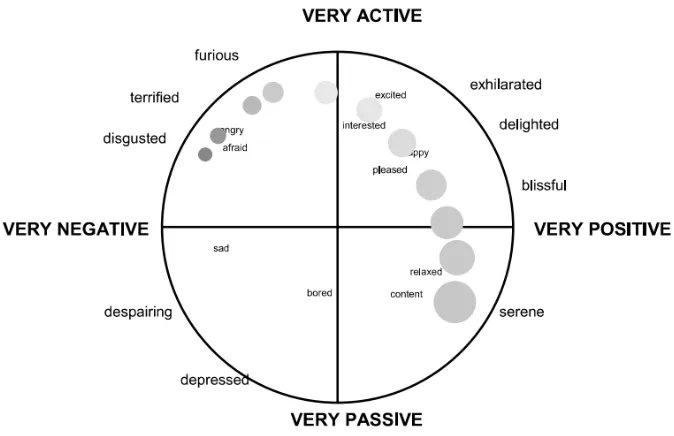
Figure 2.3.1 One Way of Organising Key Terms in Affective Science………...18
Figure 2.3.2 Cowie’s and Cornelius’ Two-dimension Emotion Model………...23
Figure 2.3.3 Component Process Model ……….24
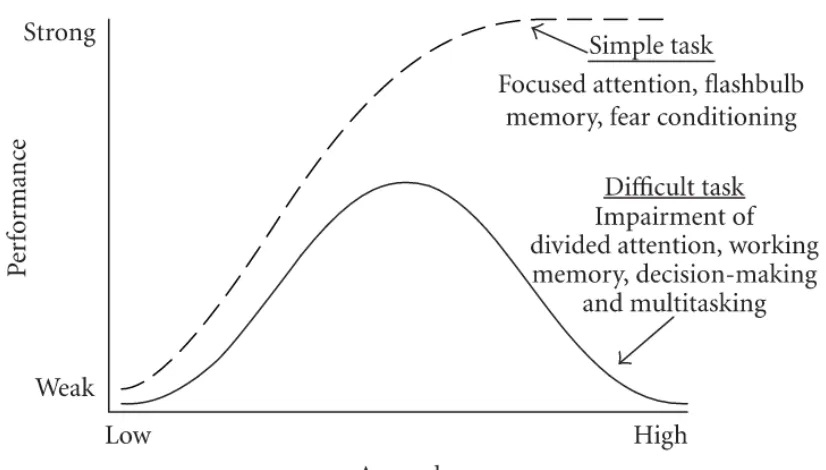
Figure 2.4.1 Yerkes–Dodson Law (1908)………36
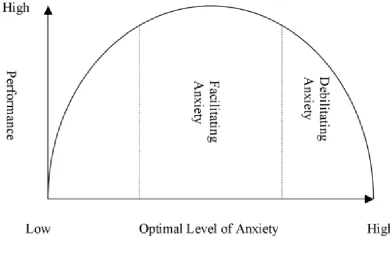
Figure 2.4.2 FL Anxiety and Learner Performance……….38
Figure 2.4.3 Affective Filter Hypothesis……….41
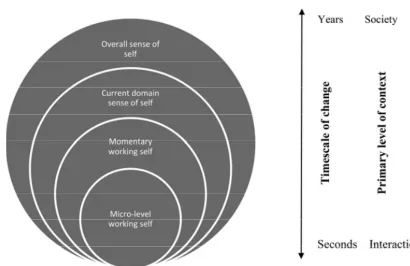
Figure 2.5.1 Nested Systems of the Self………..58
Figure 4.1.1 The Learners’ Self-perceived Affective Experiences…………....164
Figure 4.1.2 The Learner’s Self-reported Performance Trajectory………166
Figure 4.2.1 Alex's Self-reported Vocabulary Performance Trajectory……….178
Figure 4.2.2 Alex's Self-reported Grammar Performance………..180
Figure 4.2.3 Alex’s Self-reported Listening and Reading Performance………181
Figure 4.2.4 Alex's Self-reported Speaking and Writing Performance………..183
Figure 4.3.1 Amber's Self-reported Vocabulary Performance………...195
Figure 4.3.2 Amber's Self-reported Grammar Performance………..196
Figure 4.3.3 Amber's Self-reported Listening and Reading Performance…….197
Figure 4.3.4 Amber's Self-reported Speaking and Writing Performance……..197
Figure 4.4.1 Bruce's Self-reported Vocabulary Performance………206
Figure 4.4.2 Bruce's Self-reported Grammar Performance………207
Figure 4.4.3 Bruce’s Self-reported Listening and Reading Performance……..208
Figure 4.4.4 Bruce's Self-reported Speaking and Writing Performance………209
Figure 4.5.1 Cindy's Self-reported Vocabulary Performance………217
Figure 4.5.2 Cindy's Self-reported Grammar Performance………...217
Figure 4.5.3 Cindy's Self-reported Listening and Reading Performance……..218
Figure 4.5.4 Cindy's Self-reported Speaking and Writing Performance………218
Figure 4.6.2 Eric's Self-reported Grammar Performance………...228
Figure 4.6.3 Eric’s Self-reported Listening and Reading Performance………229
Figure 4.6.4 Eric's Self-reported Speaking and Writing Performance………..230
Figure 4.7.1 Fiona's Self-reported Vocabulary Performance………241
Figure 4.7.2 Fiona's Self-reported Grammar Performance………241
Figure 4.7.3 Fiona’s Self-reported Listening and Reading Performance……..242
Figure 4.7.4 Fiona's Self-reported Speaking and Writing Performance………243
Figure 4.8.1 Louis’ Self-reported Vocabulary Performance……….250
Figure 4.8.2 Louis’ Self-reported Grammar Performance……….251
Figure 4.8.3 Louis’ Self-reported Listening and Reading Performance………251
Figure 4.8.4 Louis’ Self-reported Speaking and Writing Performance……….252
Figure 4.9.1 Lucy’s Self-reported Vocabulary Performance……….260
Figure 4.9.2 Lucy’s Self-reported Grammar Performance………261
Figure 4.9.3 Lucy’s Self-reported Listening and Reading Performance………261
Figure 4.9.4 Lucy’s Self-reported Speaking and Writing Performance……….262
Figure 4.10.1 Mary's Self-reported Vocabulary Performance………268
Figure 4.10.2 Mary's Self-reported Grammar Performance………...268
Figure 4.10.3 Mary’s Self-reported Listening and Reading Performance…….269
Figure 4.10.4 Mary's Self-reported Speaking and Writing Performance……...269
Figure 4.11.1 Nancy's Self-reported Vocabulary Performance………..276
Figure 4.11.2 Nancy's Self-reported Grammar Performance……….276
Figure 4.11.3 Nancy’s Self-reported Listening and Reading Performance……277
Figure 4.11.4 Nancy's Self-reported Speaking and Writing Performance…….277
Figure 4.12.1 Peter's Self-reported Vocabulary Performance………283
Figure 4.12.2 Peter's Self-reported Grammar Performance………...284
Figure 4.12.3 Peter’s Self-reported Listening and Reading Performance…….284
Figure 4.12.4 Peter's Self-reported Speaking and Writing Performance………285
Figure 4.13.1 Sarah’s Self-reported Vocabulary Performance………...291
Figure 4.13.3 Sarah’s Self-reported Listening and Reading Performance…….292
Figure 4.13.4 Sarah’s Self-reported Speaking and Writing Performance……..292
Figure 5.3.1 Fiona’s and Peter’s Affective Experience Profiles ……….……..306
Figure 5.3.2 Fiona’s and Peter’s Self-reported Performance Trajectory Profiles………308
Figure 5.4.1 Affective Patterns ………..317
Figure 5.5.1 The Dynamics of Possible Selves: A Visual Representation…...347
Figure 5.6.1 The First Layer of the Model……….352
Figure 5.6.2 The Second Layer of the Model……….357
Figure 5.6.3 The Third Layer of the Model………...…….362
Figure 5.6.4 The Dynamic Model of Foreign Language Development……….363
Acknowledgement
First and foremost, I would like to express my deepest gratitude to my
supervisors Professor David Wray and Dr. Jane Medwell for their dedication to
and invaluable advice for my PhD thesis. Without their support and help, my
doctoral studies would not have materialised.
I owe thanks to Professor He Ting, Professor Kees de Bot and Professor Vivian
Cook for their help and suggestions academically. I would also like to thank my
colleagues and friends, including Professor Junyue Chang, Professor Xin Zhao,
Rodney Mantle, Judith Ridgway, Beatrix Mett, Dr. Yi Sui, Dr. Jing Yan and Dr.
Meiru Lee. I would like to acknowledge the important contribution of all the
teachers and students in China for their support and patience in my research. My
deep gratitude also goes to the teachers at Centre for Education Studies,
University of Warwick for their teaching and support.
Last but not least, I wish to thank my loving parents for their care and
encouragement for so many years of my life, so that I could complete my studies
Declaration
The work in this thesis was developed and conducted by Luanyi Xiao between
October 2012 and June 2016. I declare that, apart from work whose authors are
explicitly acknowledged, this thesis and the materials contained in this thesis
represent original work undertaken solely by the author. I confirm that this thesis
has not been submitted for a degree at another university.
Papers in publication by the author
Xiao, L. & Wray, D (2015)An Exploration of One Learner’s Affective
Experiences and FLA Development from a DST Perspective, The Seventh Asian
Conference on Education 2015: Official Conference Proceedings, Japan: IAFOR
(ISSN: 2186-5692).
Xiao, L. & Wray, D (2016) Theorizing Affective Patterns in A Foreign Language
Classroom: An Analysis of One Student’s Perceived Affective Experiences and
Self-reported Performances from a Dynamic Perspective,Journal of Psychology
Abstract
This study aims to explore the non-linear interactions between the self-perceived
affective experiences of a group of learners and their self-evaluated performances
in a foreign language (FL) classroom through the lens of Dynamic Systems
Theory (DST), a theory which developed from advances in the understanding of
complex and nonlinear systems in physics and mathematics. The present study
bridges several disciplines, namely, mathematics, physics, psychology, applied
linguistics and education, in order to avoid over-simplifying the phenomenon by
focusing on fragments of reality.
This study endeavours to transcend the boundaries between the above disciplines.
Abstract DST concepts from mathematics and physics were initially translated
into tangible FL terms acceptable to social science researchers. In addition, in
order to engage with the learners, a phenomenographic approach was adopted as
a qualitative method to explore the dynamism of the learners’ affective
experiences and their reflections on their experiences from a second order
perspective. 12 second-year Chinese students of English from a Foreign
Language University in China participated in this six-month longitudinal study.
Diary, Qualitative Survey, Semi-structured Interview and Class Observation
were utilised for data collection. Thematic Analysis (TA) was employed to
describe the phenomena at a collective level. Finally, a three-layer model, the
Dynamic Model of Foreign Language Developmentwas proposed to draw a
conclusion from this study, aiming to present a novel way of understanding the
perceptions in the different contexts across time. In summary, at a collective
level, the relevant attractor states from the second layer, which were determined
by three main forces, namely, cognition, emotion and motivation from the first
layer, contribute to making up the relevant learning experiences in the third layer.
This study has contributed to the under-studied area of emotions and
performance in FL learning. Several research and pedagogical implications have
been identified. The results of this study contribute to a possible way to figure
out terminological issues in an interdisciplinary study. The findings suggest that
DST could allow a researcher to situate emotions and performances in one
iterative system. DST might provide a possible logical solution to such a
Chapter One Introduction
English has become virtually a lingua franca, with people across the world
engaged in learning it, as a second language (SL) or an additional language, all
with varying degrees of emotion, motivation and cognition. Emotion for learning
English as a foreign language (FL) appears to be a vital component of success,
yet research into the ways in which the emotional states affect FL learning has
not as yet yielded a clear cut relationship. In the present thesis, I am investigating
the non-linear interactions between the self-perceived affective experiences of a
group of learners and their self-evaluated performances through the lens of
Dynamic Systems Theory (DST). This theory developed from advances in the
understanding of complex and nonlinear systems in physics and mathematics.
The present interdisciplinary study bridges several disciplines, namely,
mathematics, physics, psychology, applied linguistics and education, in order to
avoid over-simplifying the phenomenon by focusing on fragments of reality.
1.1 Scope of the Study
I am seeking to explore how the learners’ self-perceived affective experiences
and their self-evaluated performances interact with each other. Why did I want to
do a PhD in Education? My main motivation was to figure out why certain things
worked better than others in a classroom. I was an IELTS (International English
Language Testing System) teacher before I came to the University of Warwick
for a PhD degree. As a language teacher, I observed that the same exam score
English learner might want to say ‘Hallelujah’ in front of a 6. In addition, when
confronting an exam score, the learner’s emotional states varied. I was interested
in knowing if I could to some extent predict the learner’s behavioural pattern by
the identification of learner types or the interactions between the learners’
emotions and self-evaluations. Therefore, I was eager to know the theory behind
the practice and decided to do a PhD.
In a later stage, after a thorough review of literature on the relationship between
the self-perceived affective experiences and the self-reported performances, I
found out that both were fluid in nature, and might change from time to time. It
was very difficult to identify their relationship and to conceptually illustrate the
changes overtime without an appropriate toolkit (MacIntyre & Serroul, 2014).
Because a cause-effect relationship perspective was not sufficient to explain their
relationship, my PhD supervisor, Professor David Wray, suggested to me to see
things through the lens of Dynamic Systems Theory. At that time, DST’s novelty
had its own challenges in ‘not being part of the mainstream in research’
(MacIntyre et. al., 2014, p. 420). I presented at the ‘Ae-Motivation 2014
International Conference on Motivational Dynamics and Second Language
Acquisition’ in the University of Nottingham. During the conference, I
exchanged my ideas with many scholars who were specialised in DST. I realised
that DST was promising and had great potential. DST would allow me to situate
emotions and performances in one iterative system. In this dynamic system, both
emotions and performances existed and operated equally at the same time. I was
Therefore, I decided to observe things through the lens of DST and conducted
my PhD study in this way.
My aim was to develop an in-depth understanding of the learners’ awareness,
their conceptions and their different ways of experiencing the phenomena from
their standpoints in an FL classroom. The learners’ conceptions are important as
a contribution to quality teaching in that the learners themselves are responsible
for learning what the teachers teach them (Rudd, 2007). In addition, the results
from this thesis hopefully can expand FL learners’ and teachers’ thinking.
In this regard, several concepts, theories and frameworks were employed in this
study. First, I employed the Component Process Model (CPM) to define an
emotion as ‘an emergent, dynamic process based on an individual’s subjective
appraisal of significant events' (Scherer, 2009c, p. 1307). Scholars from different
disciplines in the humanities and the social and behavioural sciences have rarely
agreed on the definition of emotional experiences (Scherer, 2005). Therefore, I
need to carefully define the emotions in this thesis in order to measure them in
accordance with my research purpose. Second, I employed Dynamic Systems
Theory (DST) to explain how emotions and self-evaluations interacted with each
other in one iterative system (Larsen-Freeman, 1997). Third, in order to engage
with the learners, I adopted a phenomenographic approach which was introduced
by Marton and Säljö (1976) as a qualitative method to assist me to explore the
dynamism of the learners’ affective experiences and their reflections on their
experiences from a second order perspective. Fourth, in order to check the
Qualitative Data Summary Matrix (LQDSM) (Saldaña, 2009). Fifth, Thematic
Analysis (TA) was employed as the system for data analysis as it would ensure
both accessibility and flexibility (Braun & Clarke, 2012). Finally, I employed the
Platonic Tripartite Framework (redefined by Dörnyei as
cognition-motivation-emotion in 2009b) to outline the attractor basin for each identified attractor state
in order to categorise the conceptions of a phenomenon at a collective level
(Sandberg, 2000).
In summary, this thesis endeavours to transcend the boundaries between the
above disciplines, aiming to establish a novel theory to describe the relationship
between the self-perceived affective experiences of a group of learners and their
self-evaluated performances in an FL classroom. This thesis has several research
implications for the SL/FL researchers as well as pedagogical implications for
the frontline teachers and the students.
1.2 Organisation of the Thesis
This thesis is organised into four sections covering a literature review, a
methodology, 12 case studies and a discussion and conclusion.
Regarding the literature review, in Chapter 2, I initially will illustrate the
concepts of Second Language Acquisition (SLA), Foreign Language Acquisition
(FLA) and Foreign Language Development (FLD) and the interrelationships
between them. Afterwards, my review will focus on the debates about three
questions: 'What are emotions?', ‘How many emotions are there?’ and 'How can
of the FLA affective experiences in this study, I will review the relationship
between the emotions and the performances in order to observe the research gaps.
Finally, I will introduce the DST’s origin, development and key characteristics,
as well as how abstract DST concepts are translated into tangible SLA/FLA
terms. The main research question and four subsidiary research questions will
also be presented at the end of this Chapter.
Regarding the methodology, in Chapter 3, I will illustrate the methods and
methodology that have been selected to answer the research questions. First, I
will introduce the origin of phenomenography, first and second order perspective
and the relationship between ontological and epistemological assumptions of
phenomenography. In addition, I will elaborate the methodological
considerations of phenomenography. Furthermore, I will present the rationales
and the research designs for the current multiple-case study. Finally, I will
elaborate how I will analyse and report the data and complete the intercoder
reliability and agreement checks.
Regarding the 12 case studies, in Chapter 4, I will present the findings of each
individual case. This study does not focus on the richness of the learners’
conceptions. Due to the word count limit, I will only present examples for each
affective pattern and describe the special points on the performance trajectories
that have contributed to the understanding of a phenomenon at a collective level.
I will describe the first learner Alex’s self-reported performance trajectories in
Regarding the discussion and conclusion, in Chapter 5, I will make a cross-case
comparison and evaluate the research findings by referring to the existing and
established literature. First, I will elaborate the self-organising capacity across
different affective patterns and different individuals. In addition, I will focus
particularly on an illustration of self-organisation, emotional ambivalence and
feedback. Second, I will compare the attractor states with a wider literature on
what were termed as ‘variables’ in the traditional research. Third, a three-layer
model theDynamic Model of Foreign Language Developmentis proposed to
illustrate a novel way of understanding the relationship between the learners’
self-perceived affective experiences and their self-evaluations. Fourth, I will
illustrate the research implications, pedagogical implications, limitations and
Chapter Two Literature Review
2.1 Introduction
In this chapter, I will present a review of the literature in the following five
sections. In the first section of the chapter, I will illustrate the concepts of Second
Language Acquisition (SLA), Foreign Language Acquisition (FLA) and Foreign
Language Development (FLD) and the interrelationships between them. In the
second section, my review will focus on the debates about three questions: 'What
are emotions?', ‘How many emotions are there?’ and 'How can emotions be
measured?' in general psychology. In addition, I will elaborate the features of FL
affective experiences and present the definition of affective experiences and its
rationales in this study. In the third section, I will review the relationship
between the self-perceived affective experiences and the objective learner
performances. In the fourth section, I will review the relationship between
self-perceived affective experiences and self-evaluated learner performances, and
four self-related theories. In the fifth section, I will introduce Dynamic Systems
Theory (DST)’s origin, development and key characteristics, as well as how
abstract DST concepts from natural science are translated into tangible SLA/FLA
terms which are acceptable to social science researchers. Finally, the main
research question and four subsidiary research questions will be presented.
2.2 Second Language Acquisition (SLA), Foreign Language Acquisition
In this section, I will illustrate the concepts of Second Language Acquisition
(SLA) and Foreign Language Acquisition (FLA) in Kachru’s Three-circle Model
of World Englishes, as well as the concept of Foreign Language Development
(FLD). There are two reasons for distinguishing these concepts at the beginning
of this review of the literature. First, this study aims to investigate Chinese
university students’ perceptions of their affective experiences and performances
through learning in an English classroom. Such a context is normally defined as
the FLA context. In the Reference section, however, it can be seen that many
reviewed works which are based on an SLA context were not excluded. This
study is written from an FLA perspective but is largely informed by theories
taken from the SLA context. Therefore, it is important to understand the
relationships between SLA and FLA and how the two concepts apply to this
study. Second, this study focuses on the investigation from a dynamic
perspective, which was categorised by Dörnyei and Ushioda (2011), situated in
an FLD context. It is also important to understand how scholars
re-conceptualised the traditional terms, such as Individual Differences (ID), by
reconsidering language as a developing process (Dörnyei, 2009b). As a result, in
the light of FLD, the trend shows that more researchers have been involved in the
investigation of traditional FLA concepts through the lens of DST. This study
has been designed during such an important period for FLA paradigm shifting,
and the empirical results from this study suggest certain reconsiderations of some
2.2.1 Kachru’s Three-circle Model of World Englishes
Braj Kachru in 1985 developed the Three-circle Model of World Englishes
(Figure 2.2.1), and this model has remained influential in categorising the
varieties of English in the world (Melchers & Shaw, 2013). To be specific, the
inner circle refers to English spoken by native speakers from countries such as
the United Kingdom, the United States and New Zealand. The outer circle refers
to English produced by speakers from countries such as India and Nigeria, which
were once part of the British Empire. The expanding circle refers to the use of
English as a medium of international communication in countries such as China
[image:23.595.210.411.404.602.2]and Russia, where English plays no historical or governmental role.
Figure 2.2.1 Kachru’s Three-circle Model of World Englishes
The English of the inner circle was used as a mother-tongue language; the
expanding circle was used as a foreign language or an additional language.
Generally speaking, the English acquisition process in countries such as the
United Kingdom or the United States was defined as First Language Acquisition
1
(FLA, F refers to First) or L1 Acquisition, the English acquisition process in
countries such as India or Singapore was defined as Second Language
Acquisition (SLA) or L2 Acquisition, and the English acquisition process in
countries such as China, Japan or Thailand was defined as Foreign Language
Acquisition (FLA, F refers to Foreign) (Kachru, 1992).
Kachru’s Three-circle Model of World Englishes was developed and also
criticised by different scholars. Mollin (2006) argued that the Three-circle Model
failed to consider speakers using English as a medium for communication who
do not share the same first language. On the other hand, Chien (2014) argued that
there were merging areas between the expanding circle and the outer circle, due
to the increasing demand of communications in English. For example, Chien
(2014) argued that the usage of English in Taiwanese society was induced by
globalisation. Taiwan area had been traditionally situated in the expanding circle;
however, more and more Taiwanese had increasing opportunities to
communicate with non-native English speakers rather than native English
speakers in Taiwan area, although English was primarily learnt as a foreign
language in Taiwan area. Similarly, Kobayashi (2008) argued that the varieties of
English were developing due to the increasing number of people who used
English for communication. In addition, Kobayashi (2008) categorised the
Taiwanese English learners in his study as L2 (Second Language) speakers.
1In order to avoid ambiguity, in this study,First Languagewill only useL1for abbreviation, and
Therefore, as Wong (2011) argued, the English learners’ perceptions in the
expanding circle were changing rapidly, and such change would alter their usage
of English in the future.
An important difference exists between learning English as a second language
and learning English as a foreign or additional language. Dörnyei (1994) argued
that L2 (Second Language) learners were involved in activities and had
connections with the L2 community to some extent, whereas FLA learners had
less exposure to the L2 community and L2 speakers. Moreover, Dörnyei (1994)
also evaluated Gardner and Lambert’s theory (1972) and believed that their
conclusions might not be applicable to FL (Foreign Language) learners, because
the research participants were learning an L2 in an SLA context. Similarly, some
empirical research revealed that SLA theories might not be transferable to some
FLA settings for example, Liu’s (2007) research on university students’
motivation to learn English in China and Pae’s (2008) research on the structural
analysis of learners’ L2 orientations in Korea.
On the other hand, more researchers have asserted that learning English is
changing and the usage of English has changed already. Kormos and Csizer
(2008) argued that English has become a global language and FL learners were
not associated with any specific community as previously defined in many
studies. ‘A high number of students learn an L2 in a foreign language setting
with the purpose of being able to communicate with other non-native speakers in
an international environment’ (Kormos & Csizer, 2008, p. 330). This argument
transformed into not only being able to communicating with native speakers, but
also with other non-native speakers outside of English-speaking countries’ (p. 7).
In addition, the difficulty of defining a specific community emerged because of
the geographic diversification of immigration (Massey & Capoferro, 2008). For
example, if a Chinese learner of English was taught in China for 17 years,then
relocated to America with his family and studied at an American university: can
he be defined as an L2 learner or an FL learner? Let us reserve judgement for a
while and add more information about this Chinese learner. He was a very shy
person and almost never talked to English speakers in America. His favourite
place was Chinatown, where he could get everything sorted in Chinese. Although
he was living in America, he himself failed to engage in activities where English
would be used as a communication tool. So could we define him to be exposed to
L2 community? Furthermore, if this student was taught at an International School
when he was in China, such as Harrow International School Beijing, can he be
defined as an FL learner like other students from normal schools in China?
The above example might be extreme; however, it clearly reveals the difficulty
of defining a specific community. Moreover, as the wide-spread application of
CMC (computer-mediated communication) tools grew the geographical
constraints disappeared and more learners from the expanding circle
communicated with native speakers from the inner circle (Hampel, 2014).
Similarly, Malinowski and Kramsch (2013) argued that CMC tools offered a
From above evaluation, it should be evident that differences exist between FLA
and SLA, and related theories. In addition, as English has become the lingua
franca in many parts of the world, the overlap between SL and FL was noted by
researchers (Hampel, 2014). Many SLA theories were assumed to be applicable
in different cultural settings which could be categorised as FL contexts. For
example, Dörnyei’s (2009a) L2 Motivational Self System was examined by
many researchers in the FL context. Ueki and Takeuchi (2013) examined the
Ideal L2 self from the L2 Motivational Self System in a Japanese EFL (English
as a Foreign Language) context. Similarly, Kim (2012) designed a cross-grade
survey analysis in Korea, and Qin and Dai (2013) examined the EFL learner’s
motivations in China.
This study focuses on the investigation of the perspectives of Chinese university
learners of English. The target group of participants is situated in the expanding
circle, and their learning of English could be defined as FLA. However, the
literature reviewed is not restricted to FLA settings, and the theories that were
put forward in an L2 context will not be excluded. The first reason is the
overlapping areas between the expanding circle and the outer circle, due to the
increasing demand for communication in English and the application of CMC
tools. The second reason relates to two of the core theories from this current
study, namely, DST and Platonic Tripartite Framework and their establisher and
developer, Zoltán Dörnyei, from the University of Nottingham. As previously
stated, Dörnyei’s theories were mostly based in an L2 context (2009a, 2010,
2014, 2016) and widely held to be applicable by researchers in the FL context
study has carefully reviewed and employed theories in the SLA context while
maintaining awareness of the differences between SLA and FLA. The third
reason relates to the amount of the quality literature in the FLA context. If all
theories in the SLA context are excluded, as could be seen in the Reference
section, there probably will be few works left. Therefore, this study will include
both SLA and FLA theories and literature.
2.2.2 Foreign Language Development (FLD)
Language Development (LD) can be categorised as First Language Development
(L1 Development), Second Language Development (SLD) and Foreign
Language Development (FLD). LD could be seen as a dynamic process which
encompasses language input and language output, language acquisition and
language attrition (de Bot, 2008). Researchers have become more aware of the
concept of development, because both language acquisition and attrition have
been included in the aspects of such developing process. For example, de Bot
(2008) used the concept SLD instead of the more frequently used concept SLA in
his research, aiming to describe both growth and decline of language
development.
From a developing perspective, LD was one aspect of general human
development (de Bot, 2008). In terms of general human development, Thelen and
Smith (1994) argued: ‘we approach the mystery of human development with the
conviction that the acquisition of mental life is continuous with all biological
growth of form and function’ (p. XIII). They also considered that human
similarity in functioning was shared by de Bot (2008) who argued that the
theories of general human development might be applicable to the investigation
of LD. In addition, de Bot and Larsen-Freeman (2010) argued that they preferred
the concept of development and defined SLD, as ‘the development and use of
more than one language in individuals’ (p. 6).
The greater awareness of the concept of development was not a coincidence. As
de Bot and Larsen-Freeman (2010) argued, they preferred the term ‘development’
rather than ‘acquisition’ because their perspectives were based on the notions of
Dynamic Systems Theory (DST). From a dynamic perspective, the development
is ongoing, and no individual could possibly say that one language is completely
acquired (de Bot & Larsen-Freeman, 2010). They believed that linguistic skills
can both grow and decline, and accordingly, ‘language acquisition and language
attrition are equally relevant outcomes of developmental processes’ (p.6). A
comprehensive review of DST will be presented in Section 2.7 of this chapter.
Investigating the traditional concepts through the lens of DST is not new
(Dörnyei & Ushioda, 2011). The development of FLA research paradigms
encompassed four successive periods ‘reflecting increasing degrees of integration
with developments in mainstream motivational psychology’ (Ushioda & Dörnyei,
2012, p. 396). Four periods can be generally categorised as follows:
‘The social-psychological period (1959–1990), characterized by the work
‘The cognitive-situated period (during the 1990s), characterized by work
drawing on cognitive theories in educational psychology’;
‘The process-oriented period (turn of the century), characterized by a
focus on motivational change’;
‘The socio-dynamic period (current), characterized by a concern with
dynamic systems and contextual interactions’.
(Ushioda & Dörnyei, 2012, p. 396)
Regarding the current socio-dynamic period, many aspects, such as motivation,
cognition, vocabulary and grammar were starting to be reconsidered through the
lens of DST, and more researchers attempted to apply DST investigating the
traditional concepts. For example, Ryan and Dörnyei (2013) argued that to study
L2 Self through the lens of DST can help develop a better understanding of
constant change of the individual’s behaviour across different timescales as a
whole. This holistic perspective was developed from Dörnyei's (2009b)
reconceptualizaton of Individual Differences (ID). Dörnyei (2009b) argued that
the traditional concept of ID which considered the learner's characteristics as
being stable and monolithic was outdated. Alternatively, DST approach met the
requirement of ‘certain higher order combinations of different attributes that act
as integrated wholes’ (p. 243).
Because DST was a relatively new research paradigm, researchers were facing
perspective (Larsen-Freeman, 2014). Similarly, Dörnyei (2014) argued that ‘we
face serious problems when we want to conduct empirical research within a
dynamic systems framework’, because ‘dynamic systems research is such a new
and uncharted territory that there are simply no tried and tested research
methodological templates available’ (p. 83-84). This study is situated in the
socio-dynamic phase to study learners’ perceptions, affective experiences and
performances through the lens of DST. This study endeavours to transcend the
boundaries between different disciplines, to resolve the terminological issues,
and to overcome major methodological challenges.
2.3 Affective Experiences
2.3.1 What Are Emotions?
In the affective science field, some questions have frequently been raised, for
example, 'What are emotions?' ‘How many emotions are there?’ and 'How can
emotions be measured?' Scholars from different disciplines in the humanities and
the social and behavioural sciences have rarely agreed on the definition of
emotional experiences (Scherer, 2005). James (1884) tried to provide an
authoritative answer and argued that ‘the bodily changes follow directly the
PERCEPTION of the exciting fact, and that our feeling of the same changes as
they occur IS the emotion’ (p. 190). However, James’ argument only started a
debate which has subsequently continued. Frijdaet. al.(1995) argued that
emotions were what people said they were. However, Frijda’s Markam’s, Sato’s
example, should certain phenomena be defined as ‘feelings’ or ‘emotions’ or
‘affective experiences’ or ‘moods’ and are there any differences between the
above terminologies?
Gross (2010) developed a figure (Figure 2.3.1) to explain the relationships
between ‘feeling’ ‘mood’ ‘affect’ ‘emotion’ and ‘attitude’. Gross (2010) argued
that attitudes, emotions and moods were different types of affective states.
Emotions were responses to situations that were ‘perceived as relevant to an
individual’s current goals, and consist of appraisals (or ways of construing the
situation) which give rise to loosely coordinated changes in experiential,
behavioural, and physiological response channels’ (Gross, 2010, p. 212-213).
Figure 2.3.1 One Way of Organising Key Terms in Affective Science (p. 213)
However, distinctions between concepts such as ‘feeling’, ‘mood’, ‘affect’,
‘emotion’ and ‘attitude’ have been interpreted differently by different scholars.
For example, Zajonc (1984) employed the word ‘affect’ and ‘emotion’ as
‘affect’ should be categorised as a behavioural component to an ‘emotion’.
Forgas (2001) considered that ‘emotion’ and ‘mood’ were two essential
constituents of ‘affect’.
Scherer’s (2000) typology of affective states and Frijda’s and Scherer’s (2009)
definition of features of emotions were ‘relatively uncontroversial and generally
seen as being of central importance to the understanding of the phenomenon’
(Scherer, 2009b, p. 3459). To be specific, Scherer (2000) argued that individual
affective states could be used as a general term and consisted of five components,
namely, emotion, mood, interpersonal stances, attitudes and personality traits.
‘Emotion: relatively brief episode of synchronized responses by all or
most organismic subsystems to the evaluation of an external or internal
event as being of major significance (e.g., anger, sadness, joy, fear, shame,
pride, elation, desperation)’;
‘Mood: diffuse affect state, most pronounced as change in subjective
feelings, of low intensity but relatively long duration, often without
apparent cause (e.g., cheerful, gloomy, irritable, listless, depressed,
buoyant)’;
‘Interpersonal stances: affective stance taken toward another person in a
specific interaction, colouring the interpersonal exchange in that situation
‘Attitudes: relatively enduring, affectively coloured beliefs, preferences,
and predispositions toward objects or persons (e.g., liking, loving, hating,
valuing, desiring)’;
‘Personality traits: emotionally laden, stable personality dispositions and
behaviour tendencies, typical for a person (e.g., nervous, anxious,
reckless, morose, hostile, envious, jealous)’.
(Scherer, 2000, p. 140-141)
In addition, Frijda and Scherer (2009) argued that there were four central features
jointly defined what an emotion was. The four features are as follows:
‘Emotions are elicited when something relevant happens to the organism,
having a direct bearing on its needs, goals, values and general well-being.
Relevance is determined by the appraisal of events on a number of
criteria, in particular the novelty or unexpectedness of a stimulus or event,
its intrinsic pleasantness or unpleasantness and its motivational
consistency’;
‘Emotions prepare the organism to deal with important events in their
lives and thus have a strong motivational force, producing states of action
readiness’;
‘Emotions engage the entire person, urging action and/or imposing action
the somatovisceral and motor systems. This means that emotions involve
several components, subsystems of the organism that tend to cohere to a
certain degree in emotion episodes, sometimes to the point of becoming
highly synchronized’;
‘Emotions bestow control precedence on those states of action readiness,
in the sense of claiming (not always successfully) priority in the control
of behaviour and experience’.
(cited in Scherer, 2009b, p. 3459)
According to above four features, emotion was considered as ‘abounded episode
in the life of a system that is characterized as anemergent patternofcomponent
synchronization, preparingadaptive action tendenciestorelevant events, as
defined by theirbehavioural meaningand aiming at establishingcontrol
precedenceover behaviour’ (Scherer, 2009b, p. 3459).
2.3.2 How Many Emotions Are There?
The principles for the differentiation of emotions have differed greatly among
different emotion theories (Scherer, 2000, 2005, 2009a). Concentrating on the
question: ‘How many emotions are there?’ this study has reviewed three
emotional theories, namely, dimensional theories of emotions, discrete emotion
theories, and componential theories of emotions.
Dimensional theories of emotions categorised emotions by defining their
locations within one, two and three dimension(s). It referred to one
interconnected neurophysiological system which controlled all emotions (Posner
et. al.,2005). Duffy (1934) argued that all emotions can be categorised into one,
two or three dimension(s) including some measures of valence, pleasantness,
intensity or arousal. The models aiming to categorise all emotions into one
dimension were defined as unidimensional theories, whereas those aiming to
categorise all emotions into two or three dimensions were defined as
multidimensional theories (Scherer, 2000).
In the case of unidimensional theories, Schneirla (1959) argued that the
pleasantness – unpleasantness dimension was the most important dimension to
distinguish two fundamental behavioural orientations, namely, positive emotions
and negative emotions.
In the case of multidimensional theories, Wundt (1897) argued that emotions
could be located into three dimensions, namely, pleasurable – unpleasurable
dimension, arousing – subduing dimension, and strain – relaxation dimension.
Schlosberg (1954) also proposed a three-dimensional model that subsumed
pleasantness – unpleasantness dimension, attention – rejection dimension and a
level of activation dimension. Afterwards, Cowie and Cornelius (2003) provided
a two–dimensional model of emotions (Figure 2.3.2), with the dimensions of
valence and activation. Valence referred to the positive or negative aspect of the
emotions, whereas activation referred to ‘the strength of the person’s disposition
Figure 2.3.2 Cowie’s and Cornelius’ Two-dimension Emotion Model (p. 14)
2.3.2.2 Discrete Emotion Theories
Discrete emotion theories suggested that a number of core emotions existed and
different emotions were evoked from separate neural systems (Posneret. al.,
2005). For example, Ekman and Friesen (1976) argued that there weresixcore
emotions, namely, anger, disgust, fear, happiness, sadness and surprise. On the
other hand, Tomkins (1962) had argued that thesixcore emotions were surprise,
interest, joy, rage, fear, disgust, shame, and anguish.
2.3.2.3 Componential Theories of Emotions
Componential theories of emotions ‘start with the assumptions that emotions are
elicited by a cognitive (but not necessarily conscious or controlled) evaluation of
different response domains (physiology, expression, action tendencies, and
feeling) is determined by the outcome of this evaluation process’ (Scherer, 2000,
p. 149). For example, the Component Process Model (CPM), which was
developed by Scherer (2009c), identified emotions as reactions to significant
events and the emotions were categorised according to different appraisals to the
events on multiple levels of processing. Emotion was conceptualised 'as an
emergent, dynamic process based on an individual’s subjective appraisal of
significant events' (Scherer 2009c, p. 1307). Figure 2.3.3 shows the dynamic
architecture of CPM.
Figure 2.3.3 Component Process Model (p. 1307)
2.3.2.4 A Synthesis of the Three Types of Theories
The three different types of emotion theories outlined above differed greatly in
terms of their conceptualisation and operationalisation (Izard, 2010). The
dimensional theories of emotions focused on the investigation of the emotions’
(Cacioppo & Berntson, 1994). Researchers following the dimensional theories of
emotions focused on the investigation of the degree of similarity on feelings
(Scherer, 2000). In addition, the discrete emotion theories considered that each
emotion was different in nature, in terms of the emotion’s ‘expressive and
evaluative language’, ‘physiologic changes mediated by the somatic and
autonomic systems’ and ‘behavioural sequelae, such as patterns of avoidance or
performance deficits’ (Langet. al.,2013, p. 101). However, Gallagheret al.
(2014) pointed out that the three factors mentioned by Lang and his colleagues
lacked correlations. Furthermore, Scherer (2000) argued that the componential
theories of emotions were appraisal mechanisms ‘based on a universally valid set
of criteria, and influenced by cultural and individual differences’ (p. 151).
2.3.3 How Can Emotions be Measured?
To answer the question: ‘How can emotions be measured?’ researchers initially
need to select a paradigm or an emotion theory to define what an emotion is
according to the different research aims. Within each emotion theory, many
models have been established and continue to be developed to measure emotions.
For example, from the dimensional theories’ perspective, Russell’s (1980)
circumplex model suggested that the emotions were distributed in a two–
dimensional, circular space. From the discrete theories’ perspective, Plutchik's
Wheel of Emotions (1980) visualised eight basic emotions, namely, joy, trust,
fear, surprise, sadness, disgust, anger and anticipation. From the componential
theories’ perspective, Scherer (2005) proposed a free-response measurement of
sampling by Scherer and his colleagues. GALC was afterwards studied in various
validation studies in different languages.
Apart from well-established emotion models within each paradigm, some
researchers also offer comprehensive procedures to develop a model. For
example, Scherer (2005) outlined a five-step procedure to measure an emotion.
‘the continuous changes in appraisal processes at all levels of central
nervous system processing’;
‘the response patterns generated in the neuroendocrine, autonomic, and
somatic nervous systems’;
‘the motivational changes produced by the appraisal results, in particular
action tendencies’;
‘the patterns of facial and vocal expression as well as body movements’;
‘the nature of the subjectively experienced feeling state that reflects all of
these component changes’.
(Scherer, 2005, p. 709)
The measurement of emotions needs to fit into emotion theory and paradigm
2.3.4 Emotions in the FLA Context
As Scherer (2005) argued, ‘The concept of “emotion” presents a particularly
thorny problem…the question “What is an emotion?” rarely generates the same
answer from different individuals, scientists or laymen alike’ (p. 696). Current
emotion theories differ greatly in terms of the numbers of emotions and the
principles that are evoked to differentiate one emotion from another. The
measurement of FLA emotions depends on how researchers define the emotions
being studied.
The three examples below provide the three different ways to study FLA
emotions. They have both strengths and weaknesses with respect to
methodological issues and results.
The first example relates to the most popular studied emotion, FL anxiety.
Anxiety was defined by Horwitz,et. al.(1986) as ‘a distinct complex of
self-perceptions, beliefs, feelings, and behaviours related to classroom language
learning arising from the uniqueness of the language learning processes’ (p. 128).
They also acknowledged the uniqueness of FL anxiety and introduced the
Foreign Language Classroom Anxiety Scale (FLCAS) as an instrument to
measure anxiety levels.
Another example was the study designed by Garrett and Young (2009) who
theorised emotions in FL learning by analysing one learner’s responses to a
Rather than identifying what the emotions were, four main topics, namely,
language awareness, teacher voice, social relations and culture learning were
identified emerging ‘from the transcripts as eliciting the most affective responses’
(Garrett & Young, 2009, p. 212).
A third example was the study designed by López (2011) who argued although
‘the process of learning a foreign language is replete with emotions, these have
not been sufficiently studied in the field of English Language Teaching’ (p. 43).
López (2011) tried to bridge this gap and argued that six emotions including fear,
happiness, worry, calm, sadness and excitement were most experienced by
learners through foreign language learning. The findings were based on a weekly
electronic journal written by 20 students over 12 weeks.
To sum up, firstly, the FLCAS is a 33-item individual self-report Likert scale
questionnaire and largely applied in different language context by researchers
worldwide (Zhaoet. al.,2013; Darmi & Albion, 2012; Nagahashi, 2007;
Gregersen, 2005). Its strength is that the data collected by researchers are
quantifiable and subject to mathematical analysis. However, one significant
weakness of FLCAS is that the Likert scale questionnaire only provides five to
seven options, and the spaces between each option can hardly be equidistant.
Therefore, Liu (2012) pointed out that further data collection methods, for
example, semi-structured interviews, classroom observations, and diaries could
be applied to supplement FLCAS, in order to obtain a more comprehensive
Secondly, Garrett’s and Young’s (2009) research was inspiring because they
applied an inductive method, ground theory, to theorise one learner’s affective
response in a foreign language learning context. As they argued, the learner’s
affective responses were unique, and ‘no claim should be made that other
learners respond in similar ways to similar experiences’ (p. 224). However,
Garrett’s and Young’s (2009) research did not identify the specific emotions. On
the other hand, López (2011) tried to identify specific emotions and reported that
fear, happiness, worry, calm, sadness and excitement were most experienced by
learners through foreign language learning. López’s (2011) study not only
reported negative emotions, it revealed that positive emotions, namely calm,
happiness and excitement were possibly experienced by FL learners. Similarly, a
growing number of researchers started to focus on positive affective experiences
through the foreign language learning process (Gabrys’-Baker, 2013; Gregersen,
2013; MacIntyre & Gregersen, 2012).
2.3.5 Features of FL Affective Experiences
Three features of FL affective experiences have been identified.
Firstly, feature one relates to the preference of investigating negative emotions
rather than the positive ones. To be specific, most studies in terms of FL affective
experiences focus much more on negative emotions, particularly on FL anxiety;
whereas other emotions that individual learner might experience such as
enjoyment, jealousy, relief are understudied. One possible reason may be the
provided an explanation of why researchers had stuck to well-established
theories and framework, which may explain why other emotions are
understudied.
Howe and Lewis (2005) argued:
‘We think this is because the trajectory of developmental psychology, like other
dynamic systems, tends toward stability much of the time. Researchers stick to
well-established habits of thinking and working, and their students acquire the
same habits, often because that is the easiest road to publication and career
advancement’ (p. 250).
Secondly, feature two relates to the preference of investigating discrete emotions
rather than several simultaneous emotion blends. One reason for this situation
could lie in the traditional methodological focus on isolation and linear relation
mapping. Researchers focus on discrete variables as specific as possible to test
their linear mapping to the target emotion, for example, the relationship between
anxiety and English speaking proficiency. In the meantime, they risk ignoring the
fact that sometimes a learner may experience more than one emotion at the same
time, and that these emotions may change from time to time.
Thirdly, feature three relates to the accuracy in measuring an emotion. Different
FLA researchers have defined emotions under different paradigms and applied
measurements accordingly. From existing literature on examining FLA affective
experiences, the main research methods are retrospective interviews,
methodological issues with the data. How accurate are participant’s retrospective
reports of affective experiences? Oatley and Duncan (1992) argued that
retrospective diaries were more accurate than questionnaires. Similarly,
Nagurney et. al. (2005) argued that retrospective interviews helped to minimise
recall bias.
An additional, another issue concerning accuracy is the participant’s awareness
of reality and their expression of reality. This issue concerns the relationship
between reality, awareness and theory. For example, as MacIntyre and Gregersen
(2012) pointed out, ‘much of the existing qualitative research has tended to take a
long view, with retrospective narratives emerging from interviews that may be
influenced by a number of factors, such as self-serving bias, hindsight bias, and
autobiographical memory biases’ (p. 108).
Furthermore, Campbellet al.(2013) argued that although most researchers
discussed the validity and reliability issues in their studies, few mentioned the
intercoder reliabilities and agreement, which aimed to establish if different
coders would define the same paragraph in the same codes.
2.3.6 Definitions of FLA Affective Experiences in this Study
In the FLA context, emotion has proved difficult to conceptualise, because it
applied to a wide range of constructs (Gardneret. al.,1997). The constructs that
have been studied the most included personality traits, self-concept, perceptions,
Moreover, FL researchers mostly referred to the emotional dimensions as the
principal element of affective experiences (Arnold & Brown, 1999). For example,
Imai (2010) took a particular view of FLA emotion. ‘Emotions are not just an
individual’s private inner workings in response to external stimuli but are
socially constructed acts of communication that can mediate one’s thinking,
behaviour, and goals’ (Imai, 2010, p. 279). On the other hand, MacIntyre and
Gregersen (2012) considered emotions as tools for individuals to appraise
experiences and to make preparations to behave properly according to different
situations; to facilitate decision making, and to promote learning.
In this study, the definition of FL affective experiences should be compatible
with my research purposes. In response to the above three features (section 2.3.5),
this study will investigate both positive emotions and negative emotions. The
dynamic nature and constant change of the emotions will be identified. Also, I
will investigate several simultaneous emotion blends rather than discrete
emotions. Furthermore, the intercoder reliabilities and agreements will be
checked and other reliability and validity issues will be discussed in Chapter 3.
As a consequence, the definition and measurement of the learners’ affective
experiences in this study are in accordance with the componential theory of
emotions from a DST perspective. The first reason is that this study is not going
to investigate the degree of similarity between different emotions, which fits into
the dimensional theories. The second reason is that this study does not focus on
is the investigation of core emotions and how other emotions relate to the core
ones, which fits into the discrete emotion theories. The third reason to define and
Model (CPM) is that I am looking for the learner’s perceptions and their
simultaneous emotion blends, which subsume both positive and negative
emotions. This aim fits into Frijdaet. al.’s (1995) definition that emotions were
what people said they were. Furthermore, an emotion has been conceptualised as
‘an emergent, dynamic process based on an individual’s subjective appraisal of
significant events' (Scherer 2009c, p. 1307), which concept is significantly
compatible with the research aims detailed above and the following research
questions (section 2.8) in this study. This study is going to investigate
phenomena through the lens of Dynamic Systems Theory (DST); therefore, CPM
is within the utilisation of defining and measuring affects or emotions, which are
used interchangeably in this study. Other components, such as facial expression
and blood pressure, are not examined.
2.4 Self-perceived Affective Experience and Objective Learner Performance
2.4.1 Introduction
Regarding affective experiences in FLA, Scherer (2003) argued that generally
there were two different ways to obtain these experiences in an individual: either
through objective physiological indicators or through the individual’s subjective
reports. Some researchers have chosen both approaches as a way of triangulating
their data (e.g., Dworkin, 2000; Mandryk, 2005). To be specific, objective
physiological indicators refer to physiological signals including indicators of
peripheral nerves such as muscle tension, and central nervous system functioning
indicators was usually done in the research field of neuroscience, clinical
psychology, sport psychology or Human–Computer Interaction (HCI) (Tanakaet.
al., 2012). Alternatively, other researchers obtained the individual’s affective
experiences from his/her subjective reports via self-testing instruments, such as
questionnaires or interviews (Scherer, 2005, 2009a). Affective experiences
obtained in an SL/FL context were mostly studies through an individual’s
subjective reports. These subjective reports could reveal the individual’s
self-perceived types and intensities of the emotions.
Regarding FLA learner performance, there are two different approaches to trying
to measure this: objective learner performance and self-evaluated learner
performance. To be specific, the objective learner performance, also named as
the external performance or the real-test-score performance, referred to the
investigations on the relationship between a series of learner variables and the
learner’s objective test scores (Zhang & Rahimi, 2014; Imai, 2010). On the other
hand, the evaluated learner performance, was variously named as
self-assessment, self-rating, self-feedback, self-appraisal, or self-reported
performances (Krashen, 1982, 2009). Both types of learner performance have
been examined by SL/ FL researchers.
In the SL/FL area, there have been a number of studies investigating the
relationship between the individual’s affective experiences and his/her
performances. According to the methods used to gather evidence about the
participant’s affective experiences and the types of performances, these studies