i
Towards an understanding of
Temporary Supply Chains: a study
of organisations and technology
By Aline Rodrigues Fernandes
Department of Management Science Lancaster University Management School October 2018
ii
“Happiness is only real when shared”, Christopher McCandless
To my grandfather Francisco Xavier da Penha (In Memoriam), who had always
believed I would become a Professor. Thanks for having taught me the value of education. I am sorry you are not here to see this dream come true, but I am sure you
are very happy for me in another dimension. I will love you forever!
“Felicidade só é real se compartilhada”, Christopher McCandless
Ao meu avô Francisco Xavier da Penha (In Memoriam), quem sempre acreditou que
eu seria uma Professora. Obrigada por ter me ensinado o valor da educação. Sinto
muito por você não estar aqui para ver a realização desse sonho, mas tenho certeza
iii
Declaration
This thesis is my own work and it has not been submitted in support of an application
for another higher degree or qualification of this, or any other university or other institution of learning. Any parts of the research that have been published or submitted for publication to peer-reviewed journals are clearly identified.
iv
Abstract
This thesis is concerned with the understanding of Temporary Supply Chains (TSCs) and with the role of Information Technology (IT) in managing them. These supply chains are characterized by finite-life duration, largely emergent and non-routine tasks,
and heterogeneity of organisational members. IT assumes a central role, as these supply chains often involve the integration of independent and decentralized organisations. Furthermore, coordination and communication of many agents in real time are critical
aspects that are facilitated by technology. Despite this evident practical application, a deep understanding of IT use in TSCs is lacking. Therefore, this piece of research
investigates the nature and dynamics of TSCs, focusing on the role of IT. For this, it builds from three fields of knowledge: Operations and Supply Chain Management (O&SCM), Temporary Organisations (TO), and Information Systems (IS). As main
research methods, it adopts qualitative case studies. Specifically, it analyses two polar empirical settings: the 2014/2015 Ebola Response in West Africa and the 2016 Olympic
Games in Brazil. Given that this is a PhD by publication, the main research findings are reported in the format of three academic papers, which have different focuses and units of analysis. Paper One unveils the dynamics of TSCs by exploring how these supply
chains are initiated, develop, and terminate. Paper Two examines intra-firm coordination in temporary organisations. Specifically, it identifies and explains how
operational coordination evolves over time in a particular TO: the 2016 Olympic Games Organising Committee (OGOC). Paper Three focuses specifically on the role of IT and
investigates process level IT-business alignment in the OGOC longitudinally. This thesis contributes to theory and practice by developing the understanding on how ‘temporariness’ impacts organisational aspects in different levels of analysis: supply
v
of the role of IT in temporary contexts. By analysing TSCs, where the temporal nature of supply chain processes is particularly highlighted, this piece of work provides
insights into episodes of temporariness in supply chains more generally. Hopefully, this study’s findings can help both scholars and practitioners better recognise the
vi
Acknowledgements
Words cannot express how grateful I am for this accomplishment. First and foremost, I praise God for the strength, protection, and all the blessings received.
Especially, I thank my family – my mom (Terezinha), my dad (Paulo), my sister
(Ana Laura), and my sweetheart (Bresser) – for their unconditional love and support, for understanding my absence, and for believing in me when I could not believe in myself. This achievement is also yours... I love you with all my heart.
I am deeply grateful to my supervisors – Professors Martin Spring and Monideepa Tarafdar – for their encouragement, patience, and inspiring supervision. I feel very
lucky for having worked with you both. Your advices made my research and myself better. I cannot stress enough how much I appreciate your support throughout my PhD.
I am glad for the encouragement received from all my friends – the old and the new
ones. Especially, I would like to thank Jalba, Juliana, Michele, and Brito for making me believe I could achieve this dream. I will be eternally grateful.
I am thankful to Professors Linda Hendry, John Boylan, Konstantinos Zografos, and Nikos Kourentzes for their valuable comments in my panel reviews, which improved this research. I am also glad for the support received from all the staff and
PhD students in the Department of Management Science, especially from Gay Bentinck and Lindsay Newby.
I am grateful to everyone who contributed directly or indirectly to the development of this thesis, especially to the people who kindly agreed to participate in the research.
Finally, I gratefully acknowledge the funding support from the Lancaster University Management School – LUMS (first six months) and from the Coordination for the Improvement of Higher Education Personnel – CAPES Brazil (remaining period
vii
List of Contents
Abstract ... iv
Acknowledgements ... vi
List of Contents ... vii
List of Tables ... xii
List of Figures ... xiii
Part I
... 1Chapter 1: Introduction
... 21.1 Research Background and Motivation ... 3
1.2 Research Questions and Objectives ... 8
1.3 Literature Review ... 9
1.3.1 Relevant literature from the O&SCM field ... 10
1.3.2 Relevant literature from the TO field ... 13
1.3.3 Relevant literature from the IS field ... 16
1.4 Developing an understanding of Temporary Supply Chains ... 18
1.5 Structure of the Thesis ... 21
Chapter 2: Research Philosophy and Methods
... 242.1 Pragmatism ... 26
2.1.1 Main principles ... 26
2.1.2 Why Pragmatism? ... 31
2.1.3 Implications of Pragmatism to this study ... 34
2.2 Research Methods ... 36
2.2.1 The case study method and the casing strategy ... 37
2.2.2 The empirical settings ... 41
2.2.2.1 The 2014/2015 Ebola Response ... 42
2.2.2.2 The 2016 Olympic Games ... 45
2.3 Research Process ... 48
2.3.1 Data Collection ... 50
2.3.1.1 General aspects of data collection ... 50
2.3.1.2 Data collection in each empirical context ... 52
viii
2.3.2.1 The phases of data analysis ... 60
2.4 Research Rigour and Ethical Implications ... 66
2.4.1 Research rigour ... 66
2.4.2 Research ethics ... 72
2.5 Research Limitations ... 73
2.6 Reflective Commentary ... 74
2.6.1 Serendipity ... 74
2.6.2 Being a volunteer in the world’s biggest event ... 76
2.6.3 Being a foreigner in my own country ... 77
2.6.4 My role in the field ... 78
2.6.5 The role of IT in the fieldwork ... 79
2.7 Appendices ... 81
Part II
... 97Chapter 3: Paper One – the TSCs Paper
... 1013(i) Background ... 101
3(ii) Abstract: ... 102
3.1 Introduction ... 102
3.2 Literature Review ... 105
3.2.1 Supply Chains ... 105
3.2.2 Temporary Supply Chains ... 107
3.3 Methods ... 110
3.3.1 Case selection ... 110
3.3.2 Data collection ... 112
3.3.3 Data analysis ... 113
3.4 Findings ... 118
3.4.1 The TSC for the 2014/2015 Ebola Response ... 118
3.4.1.1 The TSC’s context and scope ... 118
3.4.1.2 The TSC’s composition ... 120
3.4.1.3 The TSC’s functioning over time... 122
3.4.1.4 The TSC’s dissolution ... 125
3.4.2 The TSC for the 2016 Olympic Games ... 126
3.4.2.1 The TSC’s context and scope ... 126
ix
3.4.2.3 The TSC’s functioning over time... 128
3.4.2.4 The TSC’s dissolution ... 131
3.5 Discussion and Contributions ... 131
3.5.1 The dynamics of TSCs ... 134
3.5.2 How are TSCs initiated? ... 136
3.5.3 How do TSCs develop? ... 137
3.5.4 How do TSCs terminate? ... 143
3.5.5 Transitions matter ... 148
3.6 Summary of Contributions and Conclusion ... 149
3.7 Appendix ... 153
Chapter 4: Paper Two – the Coordination Paper
... 1544(i) Background ... 154
4(ii) Abstract ... 156
4.1 Introduction ... 157
4.2 Firm-level operational coordination ... 161
4.2.1 Coordination as design ... 162
4.2.2 Coordination as ‘practice’ ... 164
4.3 Coordination challenges in temporary organisations ... 165
4.4 Methods ... 167
4.4.1 Case selection ... 167
4.4.2 Data collection ... 168
4.4.3 Data analysis ... 170
4.5 Findings ... 173
4.5.1 The Transport Operation ... 173
4.5.2 The Olympic Phases ... 175
4.5.3 Coordination in the Olympic phases ... 177
4.5.3.1 Planning phase ... 178
4.5.3.2 Venueization phase ... 180
4.5.3.3 Operation phase ... 181
4.5.3.4 Dissolution phase ... 184
4.5.4 Formal and informal coordination ... 184
4.6 Discussion and research contributions ... 187
4.6.1 Hybridity in temporary organisations... 187
4.6.2 Venueization: transition phase in temporary organisations ... 192
x
4.7 Pedagogical Implications ... 200
4.8 Conclusion: examining a ‘new’ context through an ‘old’ theory ... 201
4.9 Appendix ... 205
Chapter 5: Paper Three – the IT Alignment Paper
... 2065(i) Background ... 206
5(ii) Abstract ... 207
5.1 Introduction ... 208
5.2 Literature Review ... 212
5.2.1 Information processing in temporary organisations ... 212
5.2.2 IT-business alignment ... 215
5.2.2.1 Focus of IT-business alignment ... 215
5.2.2.2 Nature of IT-business alignment ... 217
5.2.2.3 Literature summary and research objectives ... 218
5.3 Methods ... 220
5.3.1 Data collection ... 221
5.3.2 Data analysis ... 223
5.4 Findings ... 227
5.4.1 The Olympic phases and related information processing challenges ... 227
5.4.2 Operational processes ... 230
5.4.3 IT-business alignment and misalignment ... 232
5.4.3.1 IT-business alignment ... 233
5.4.3.2 IT-business misalignment ... 235
5.4.4 Patterns of IT-business alignment ... 238
5.4.4.1 Pattern A: ‘formal fit’ ... 238
5.4.4.2 Pattern B: ‘informal fit’... 239
5.4.4.3 Pattern C: ‘substitutional fit’ ... 241
5.4.4.4 Pattern D: ‘combinational fit’ ... 242
5.4.5 IT-business alignment over time ... 243
5.5 Discussion and Contributions ... 246
5.5.1 IT-business alignment should address both enduring and temporary processes ... 246
5.5.2 IT-business alignment is an adaptive process ... 248
5.5.3 IT-business alignment is an ongoing process ... 249
5.6 Conclusion ... 251
xi
Part III
... 256Chapter 6: Research Contributions and Implications
... 2576.1 Contributions of the individual papers ... 258
6.1.1 Paper One: the TSCs Paper ... 258
6.1.2 Paper Two: the Coordination Paper ... 261
6.1.3 Paper Three: the IT Alignment Paper... 263
6.1.4 A multi-unit-of-analysis approach ... 266
6.2 Further Contributions ... 269
6.2.1 An integrative understanding of TSCs ... 269
6.2.2 Temporariness in supply chains ... 273
6.2.2.1 The supply chain is a network, consisting of nodes and links ... 274
6.2.2.2 The supply chain is a complex adaptive system ... 275
6.2.2.3 The supply chain is relative to a particular product and agent... 276
6.2.2.4 There is a physical and a support supply chain ... 277
6.2.2.5 The supply chain is bounded by the visible horizon of the focal agent . 278 6.2.2.6 The visible horizon of the focal agent is subject to attenuation ... 279
6.3 Contributions to practice ... 280
Chapter 7: Conclusion
... 2837.1 Towards an understanding of TSCs ... 283
7.2 Limitations and Extensions ... 288
7.3 Future Research Opportunities ... 291
7.3.1 Temporariness in different levels and degrees ... 291
7.3.2 Relationships in TSCs: a diverse and ‘messy’ portfolio ... 292
7.3.3 The use of informal IT in temporary contexts ... 293
7.3.4 A taxonomy for supply chains and networks ... 294
7.4 Final Reflections ... 295
xii
List of Tables
Table 2.1: Overview of the PhD papers ... 25
Table 2.2: Pragmatists’ View ... 30
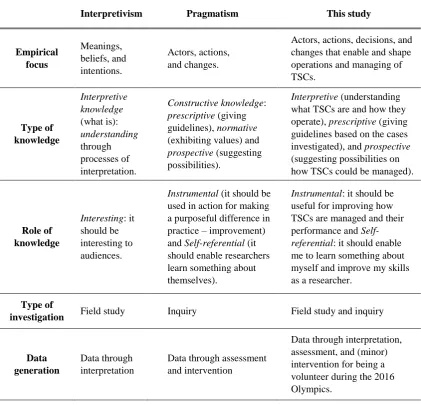
Table 2.3: Pragmatism vs. Interpretivism ... 33
Table 2.4: Final codes – TSCs Paper ... 62
Table 2.5: Final codes – Coordination Paper ... 64
Table 2.6: Final codes – IT Alignment Paper ... 65
Table 3.1: Data coding – TSCs Paper ... 117
Table 4.1: Data coding – Coordination Paper ... 172
Table 4.2: Coordination in each phase ... 178
Table 5.1: Participants’ profile and activities observed ... 223
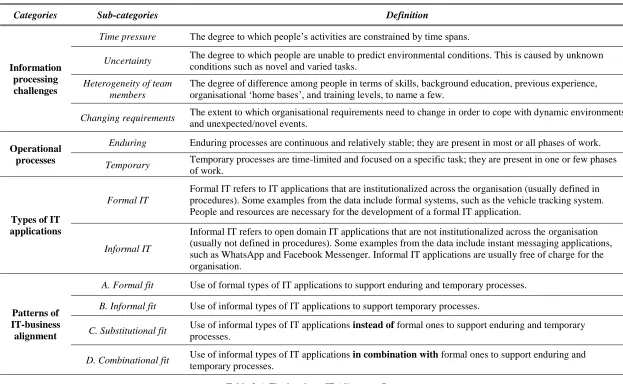
Table 5.2: Data coding – IT Alignment Paper ... 226
xiii
List of Figures
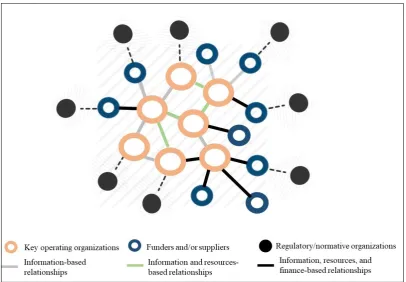
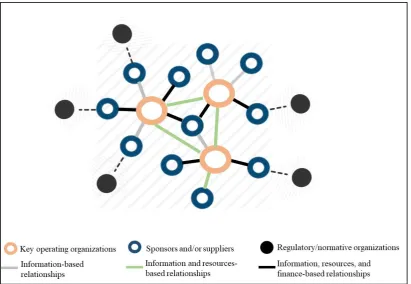
Figure 2.1: Extract of the TSC – Ebola Response ... 45
Figure 2.2: Extract of the TSC – Olympic Games ... 47
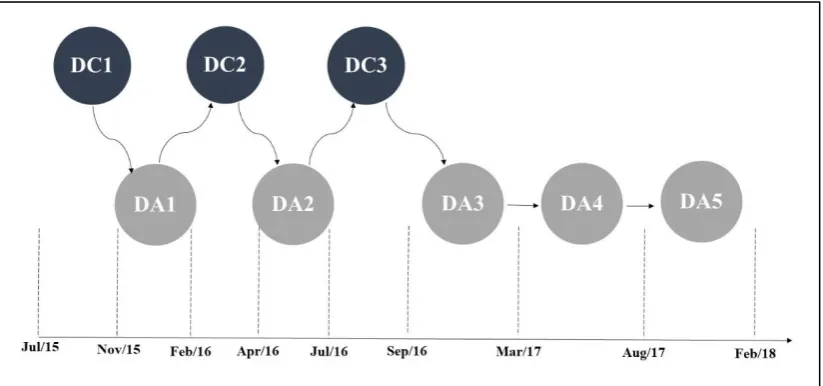
Figure 2.3: Research process ... 48
Figure 2.4: Exemplar extract of the data analysis process ... 59
Figure 3.1: Analytical framework to explain the dynamics of TSCs ... 133
Figure 4.1: Evolution of the OGOC in terms of paid staff ... 176
Figure 4.2: Coordination mechanisms per Olympic phase ... 185
Figure 5.1: IT-business alignment and misalignment ... 233
Figure 5.2: IT-business alignment over time ... 243
Figure 5.3: The process of IT-business alignment ... 249
1
2
Chapter 1: Introduction
This thesis is concerned with the understanding of Temporary Supply Chains (TSCs) and with the role of Information Technology (IT) in managing them. These supply
chains are characterized by finite-life duration, largely emergent and non-routine tasks, and heterogeneity of team members (e.g. Day et al., 2012; Lundin and Söderholm,
1995). IT assumes a central role, as these supply chains often involve the integration of independent and decentralized organisations. Furthermore, coordination and communication of many agents in real time are critical aspects that are facilitated by
technology. Despite this evident practical application, a deep understanding of IT use in TSCs is lacking. Therefore, this piece of research investigates the nature and
dynamics of TSCs, focusing on the role of IT. For this, it builds from three fields of knowledge: Operations and Supply Chain Management (O&SCM), Temporary Organisations (TO), and Information Systems (IS). This interdisciplinary approach was
valuable in tackling the research problem due to its complexity. Interdisciplinary studies are particularly appropriate when individual disciplines1 are not able to adequately
explain complex phenomena satisfactorily using their own disciplinary resources and techniques (Repko and Szostak, 2017; Singhal and Singhal, 2012; Tarafdar and Davison, 2018).
This introductory chapter provides an overview of this paper-based PhD study and starts developing an understanding of TSCs. Firstly, it covers the study background and motivations. Secondly, it presents the research questions and objectives. Thirdly, it
provides relevant literature on important topics that hold this thesis together based on
1 In this study, discipline is considered as a field of study or a body of knowledge that is an object of
3
the three main bodies of literature reviewed (O&SCM, TO, and IS). Fourthly, it discusses initial insights into the nature and dynamics of TSCs based on the integration
of the different literatures. Finally, it gives an overview of the structure of this document.
1.1Research Background and Motivation
Several changes and contextual forces have been shaping the dynamics of economic
and management activities all over the world. Contemporary business environments, which are increasingly dynamic due to multiple and complex market preferences and social demands, have required more flexible and ad hoc ways of organising (Burke and
Morley, 2016). As a result, there has been a rise of temporary organising arrangements within and across organisations (Sydow, 2017). “This plays well into an emerging
narrative about the changing nature of the economy; how we have moved from relying on large organisations that employ hundreds of thousands of people to a gig economy with temporary relationships that are formed on an as-needed basis” (Amis, 2018, p.
31).
These issues have several implications for supply chains. Firstly, they should address
the requirements of specific conditions in a rapidly-changing world. Secondly, they often need to involve and integrate multiple and decentralized agents in ‘real time’. Thirdly, they have to satisfy a plurality of objectives such as operational performance,
flexibility, and economic as well as social outcomes. All of this implies that supply chains today are increasingly different from the historically largely stable and somewhat
4
thesis advances this discussion by developing the understanding of Temporary Supply Chains (TSCs).
TSCs can be conceptualised as “finite-life supply chains that are regularly deployed in response to a specific event… Once the event is completed, the supply chain is
disbanded” (Day et al., 2012, p. 23). The concept of TSCs primarily captures the
dynamic nature of supply chains in temporary contexts and tasks, which range from conferences, games, and research projects through task forces, construction, theatre, and
election campaign organisations (Bakker, 2010; Bechky, 2006; Day et al., 2012; Sydow, 2017). Further, some high-technology industries such as software development,
biotechnology, and complex products are increasingly adopting temporary arrangements to develop their operations (Bakker, 2010) due to the flexibility and rapid knowledge acquisition that these forms of organising provide (Duysters and Man,
2003). TSCs seem to be suited to face situations of change, novelty, and disruption in more enduring supply chains (Melnyk et al., 2014). This study is relevant for these
contexts, too. Considering the importance and widespread adoption of TSCs, further knowledge development is necessary. While mainstream literature conceives of supply chains as enduring and somewhat stable, TSCs are special types of supply chains that
are time-limited, dynamic, and task-focused. Therefore, clearly there is a mismatch and broad theoretical gaps arise.
From the O&SCM literature, first, there is little discussion on temporary types of
supply chains. Notable exceptions are the works of Day et al. (2012), who present the concept of TSCs, and of Melnyk et al. (2014), who identify some instances in which a
5
into the dynamics of supply chains (Carter et al., 2015; Fawcett and Waller, 2011), including the investigation on how supply chains are initiated, why and how some
supply chains grow, and why and how some supply chains expire.The study of TSCs seems to be particularly relevant to add to this knowledge, especially because of the dynamism and usually short duration of these supply chains. Third, the complexity,
challenges, and opportunities found in temporary contexts may be different from those found in more stable ones. Therefore, valuable insights for research and practice may
emerge in exploring TSCs. Fourth, O&SCM key assumptions and concepts such as trust, integration, and inter-firm relationships may assume different roles and
importance in temporary settings. Even though the quantity of research into supply chains continues to grow, our knowledge about the temporary kinds is still limited.
From the TO literature, first, it is recognized that most types of projects and
temporary activities cross organisational boundaries; they are embedded in supply chains and relationships (Araujo et al., 2017; Sariola and Martinsuo, 2016;
Pedraza-Martinez and Van Wassenhove, 2016). There is usually a multi-disciplinary group of participants employed by independent firms to accomplish a joint task within a specific period, either defined by a fixed date or by the accomplishment of a
predefined purpose (Lehtiranta, 2014). However, the inter-organisational dimension has remained largely undertheorized in this literature as existing conceptualizations of TOs capture their inter-organisational facets only implicitly (Sydow and Braun, 2018).
Second, although the TO literature covers important aspects related to the management of supply chains, such as inter-organisational relationships, integration, and
6
procurement, contracting, and logistics). Therefore, it lacks a systemic view of supply chains and does not explain how they evolve over time.
From the IS literature, first, although there is an increasing interest in the use of IT applications in temporary contexts, such as disaster relief operations (e.g. Day et al., 2009; Leidner et al., 2009; Ling et al., 2015), these studies are mostly descriptive and
lack theoretical explanation. Second, the use of IT applications in TSCs can enable quick communication and coordination of their members in real time, and, potentially,
facilitate the accomplishment of their purposes. Despite this evident importance, the understanding of the IT use in TSCs and the associated challenges is lacking. This is
arguably because most theoretical discussions in the IS field are based on contexts where there are established, structured, and largely stable organisations and supply chains, where the role of IT is mainly to facilitate planning, control, and integration
among firms (Saeed et al., 2011; Subramani, 2004). Typical examples here are ERP (Enterprise Resource Planning) systems. Third, given that TSCs operate in contexts
characterized by high levels of dynamism and uncertainty, which give rise to situations where information required is either unavailable or not clear and the necessary IT is not always in place, available conceptual frameworks are not sufficient to explain IT use in
TSCs.
From the three bodies of literature, what is lacking is a deep understanding about the nature and dynamics of TSCs (i.e. how they are initiated, develop, and terminate or
transform over time), including an understanding of the role of IT. The theoretical gaps identified reveal practical problems as well. We cannot fully comprehend and manage
7
overruns, lack of quality, reputational damage, and even loss of lives or prolonged hardship (e.g. Haavisto et al., 2016; Tatham and Christopher, 2014). The literature
shows that in temporary contexts, there is usually high supply chain fragmentation, scarce collaboration, and frequent disputes among members (e.g. Akhtar et al., 2012; Leiras et al., 2014). This makes the implementation of SCM processes difficult for
practitioners (Aloini et al., 2015). Therefore, a deep understanding of the nature and dynamics of TSCs is crucial for practitioners given that this knowledge can help them
develop appropriate strategies and mechanisms for managing these supply chains. In sum, the study of TSCs is both theoretically and practically relevant. This piece
of work aims to contribute by addressing the above-mentioned theoretical gaps and by improving practitioners’ understanding of the challenges embedded in operating in TSCs. For this, it adopts a process research approach (Langley and Tsoukas, 2010). Although stability and ‘endurance’ have been recurrent assumptions to manage and
research about organisations and supply chains, scholars are increasingly questioning the ‘a-temporal’ (Burke and Morley, 2016) nature of organising. In this direction,
research perspectives that see organisations as processes ‘in the making’, more than achievements or states, have been encouraged (Langley and Tsoukas, 2010). The
process perspective on temporary organising puts temporariness (or predetermined termination) at the centre of the analysis, and explicitly focuses on the dynamics of change (Bakker et al., 2016). It focuses more on understanding activities and processes
over time than on understanding the related organisational structures and forms. Given that temporary organising views organisational phenomena as fundamentally dynamic
8
and longitudinal approach. These contexts highlighted important aspects that help explain the nature and dynamics of TSCs. These findings will be presented later in the
form of three distinct academic papers.
1.2Research Questions and Objectives
This thesis addresses the above-mentioned theoretical gaps by focusing on the following research questions and objectives:
• RQ 1: What is the nature of TSCs?
This research question relates to the objective of understanding the nature of TSCs.
In other words, the purpose was to characterize TSCs by identifying and explaining the main features of these supply chains, the empirical contexts in which they are deployed, their challenges, strengths and weaknesses, the main assumptions and rationale that
guide their work, and their main elements (organisations and relationships). This research question was primarily covered in section 1.4 – “Developing an understanding of Temporary Supply Chains”, and in Paper One – “Understanding the dynamics of Temporary Supply Chains”.
• RQ 2: How do TSCs operate and how are they managed over time?
This research question relates to the objective of understanding the dynamics of
TSCs. This objective encompasses two related aspects. First, the purpose was to explain how TSCs work over time – which contextual variables trigger their deployment, how they are structured, how they develop considering the relationship between required
outcomes and dynamic environments, and what happens when TSCs terminate. Second, the purpose was to identify and explain the underlying managerial implications. This
9
“Coordination in temporary organisations: formal and informal mechanisms at the 2016
Olympics”.
• RQ 3: What is the role of IT in TSCs?
This research question relates to the objective of understanding the role of IT in
TSCs. Specifically, the purpose was to identify and understand (1) whether and how IT applications influence work and management activities in temporary settings, (2)
whether and how temporariness influences the way IT applications are designed and used, and (3) the types of IT applications used in temporary settings. This research question was primarily covered in Paper Two, and in Paper Three – “IT-business alignment in temporary organisations”.
Although this study’s findings are reported in the form of distinct academic papers,
there are overarching ideas and theoretical concepts that hold this thesis together. The next section explores them.
1.3Literature Review
The literature review presented here is a traditional, narrative literature review. More specifically it is a conceptual literature review (Jesson et al., 2011). This type of review
aims to synthesize conceptual knowledge on specific issues, allowing a better understanding of these issues. This study reviewed the literature on supply chains
(O&SCM field), temporary organisations (TO field), and on IT use in supply chains (IS field) in order to start developing the concept of Temporary Supply Chains (TSCs).
A systematic literature review as proposed by Durach et al. (2017) would not be appropriate for this study for two main reasons. First, the concept of TSCs is nascent, meaning that there were not many papers about them. Therefore, the conception of
10
given that this is an interdisciplinary study, a systematic literature review would not make sense because each field of knowledge is different in terms of concepts and
theoretical approaches. Searching for a specific term could result in very different outcomes and meanings. For example, the concept ‘task’ is very important in the TO
literature, meaning the main purpose/objective of a temporary organisation (Lundin and
Söderholm, 1995). In the O&SCM and IS fields, the term usually refers to everyday organisational activities. Therefore, a conceptual literature review (Jesson et al., 2011)
was more suitable for the objectives of this research project.
The following sub-sections present relevant literature from the O&SCM, TO, and IS
fields, respectively. Their importance is threefold. First, they offer a general understanding of key interests, topics covered, and emphases of the individual fields. Second, they cover some important aspects that are in the interfaces of the fields (e.g.
coordination). Third, they point out to the particular ideas of each field used for the development of this PhD study. Although some of the topics presented next will be
found in the papers, an overview of the three bodies of knowledge is necessary. This is especially because the individual papers were developed for particular audiences, and with specific purposes. Thus, the literature reviews for the papers are focused and,
therefore, do not provide a big picture of the literature that this work draws from.
1.3.1 Relevant literature from the O&SCM field
The main concern of the O&SCM field is the design and management of operations and supply chains that enable organisations deliver products and services to final customers
by matching supply and demand (Carter et al., 2015; Fisher, 1997; Lambert et al., 1998; Slack et al., 2010). Research interests in the field include topics such as operational
11
development, optimization of goods and flows of materials, selection and management of strategic partners, and management of product and service supply chains (e.g. Chen
and Paulraj, 2004; Sampson and Spring, 2012; Van Weele and Van Raaij, 2014). Three main aspects have been continuously acknowledged as parts of the research in the field: (1) its inter-disciplinary nature – knowledge is created at intersections, (2) the
borrowing of theoretical approaches from other disciplines (e.g. Strategy and Economics), and (3) the focus on practice – knowledge comes from and is applied in
practical problems (e.g. Amundson, 1998; Carter et al., 2017; Halldórsson et al., 2015). From the O&SCM literature, the concept of TSCs (Day et al., 2012), assumptions
about supply chains more broadly, and aspects related to managing them are particularly relevant for this PhD study. Supply chains are normally seen as sets of organisations and relationships, which involve multiple processes such as procurement, use, and
transformation of raw materials and flows of goods, information, and finance (Carter et al., 2015; Kim et al., 2011; Mentzer et al., 2001). Carter et al. (2015) develop further
the notion of supply chains by proposing that they are: (1) networks, consisting of nodes (organisations) and links (relationships); (2) complex adaptive systems; (3) relative to a particular product and agent; (4) composed of a physical and a support supply chain;
(5) bounded by the visible horizon of the focal agent; and that (6) the visible horizon is subject to attenuation. Thus, based on Carter et al. (2015), supply chain elements in this study refer to organisations and relationships.
Discussions on managing supply chains normally include the coordination and integration of organisations, and the development and maintenance of collaborative
12
and Van Raaij, 2014). Further, scholars have suggested that the integration between supply chain partners can lead to the effective and efficient flows of products, services,
and information, and to the coordination of processes seamlessly across the supply chain (Flynn et al., 2010; Frohlich and Westbrook, 2001). For this, collaboration has been regarded as crucial. Multiple works suggest that the relationships based on collaboration
are the ones with greatest potential to generate shared improved outcomes and benefits (e.g. De Treville et al., 2004; Cao and Zhang, 2011; Soosay and Hyland, 2015).
Mainstream research in the field assumes that supply chains are meant to endure. For example, research views collaboration as intrinsically related to long-term interactions,
commitment, and trust (Soosay and Hyland, 2015), which imply enduring relationships and continuity of organisational activities. However, in TSCs, these assumptions may not hold. Specificities of temporary contexts, such as high levels of novelty, uncertainty,
time pressure, and ambiguity (Ibert, 2004; Lundin and Söderholm, 1995), increase the challenges on the planning and designing of operations and supply chain processes. For
example, the fact that some conditions of the environment in which TSCs operate will always remain unknown (Bakker et al., 2016) makes it difficult to anticipate which types of supplies and relationships will be needed over time. What is more, the
temporary nature of relationships in TSCs may influence significantly whether and how organisations share information, integrate processes, coordinate activities, and collaborate. Thus, established ideas regarding SCM may be challenged, which makes
13 1.3.2 Relevant literature from the TO field
The main concern of the TO field is the accomplishment of organisational tasks limited
in time and scope (Lundin and Söderholm, 1995; Bakker et al., 2016). Temporary organisational forms are explored through diverse labels, such as ephemeral, temporary, transient, and short-term (Bakker, 2010). Here, the term ‘temporary’ (used in most
perspectives) is adopted. In this literature, research interests are multiple and varied, reflecting the diversity of temporary organisational forms and empirical contexts.
Scholars in the field study topics such as challenges in temporary organising, structural features of projects, success factors, task characteristics (e.g. complexity and uncertainty), leadership, and relationships between temporary and enduring contexts
(e.g. Bakker et al., 2016; Bechky, 2006; Grabher, 2002; Meyerson et al., 1996; Sydow et al., 2004). This literature contributes to this PhD research especially by providing the
main features of temporary organisations (TOs), insights into their relationship with the more enduring context, and empirical contexts in which TSCs can be deployed.
Lundin and Söderholm (1995) propose the Theory of the Temporary Organisation
and key concepts to characterize TOs: time, task, team, and transition. Time is the basis for the defining characteristic of TOs and refers to their predetermined ending point.
Thus, temporary does not mean short duration; what is short and what is long is relative and context dependent (Bakker et al., 2016). Task refers to the main purpose of a TO (e.g. creation and delivery of a building or an event, or a response to a natural disaster).
The team concept focuses on individuals who work together interdependently to execute the operations of the TO. Some authors conceive of team as temporary multi
organisations – TMO (e.g. Lizarralde et al., 2011). Finally, transition assumes two meanings. It can refer to perceived change between before and after the TO’s
14
Further, Lundin and Söderholm (1995, p. 439) establish the differences between permanent and temporary organisations. “Permanent organisations are more naturally
defined by goals (rather than tasks), survival (rather than time), working organisation (rather than team), and production processes and continual development (rather than transition)”.
Recent discussions in this literature have emphasised the notion of temporary organising, which refers to the execution of specific and interdependent activities by
multiple actors within a predetermined period (Sydow, 2017). Although there are multiple forms of temporary organising, most of them rely on (more or less)
complementary enduring organisational or inter-organisational structures (Grabher, 2002; Sydow, 2017). For example, on the one hand, there are TOs that undertake most of their business via projects (e.g. production firms in the film and television industry). On the other hand, there are ‘ephemeral organisations’ that emerge to accomplish a
specific purpose, after which they disappear (e.g. TOs deployed in the face of a disaster)
(Sydow, 2017). The latter are examples of temporary contexts that this thesis focuses on: temporary and dynamic demands in temporary and dynamic structures.
Relevant SCM issues are covered in the TO literature. For example,scholars have
found that collaborative initiatives such as vendor-managed inventories, continuous replenishment, and collaborative planning influence the performance of the overall project (Thomé et al., 2016; Zolghadri et al., 2011). In relief operations, collaboration
between humanitarian agencies is extremely important because they usually need to accomplish highly interdependent tasks (Pedraza-Martinez and Van Wassenhove,
15
Leiras et al., 2014), such as competition and lack of prior interactions that facilitate collaborative behaviour (Haavisto et al., 2016; Wang et al., 2017).
Coordination is another important aspect covered in this literature. In humanitarian operations, the ‘UN cluster system’ is a coordination mechanism that brings together
organisations working in the same thematic areas in order to align their operations and
leverage their efforts (Haavisto et al., 2016). In film sets, Bechky (2006) proposes that coordination is achieved through typological roles that emerge and ensure a mutual
understanding. In the context of projects in general, it has been argued that different levels of coordination are required, depending on the task interdependence, uncertainty,
and complexity (Gkeredakis, 2014).
Although the TO literature covers relevant SCM issues, the inter-organisational dimension in temporary contexts has remained largely undertheorized and deserves a
more central role (Sydow and Braun, 2018). In general, important aspects for the understanding and managing of TSCs remain understudied. This is arguably because
scholars usually look at temporary and dynamic demands on rather enduring and stable structures (e.g. construction industry and projects embedded in more enduring organisations). What is lacking is a broader perspective on ‘temporariness’ in supply
chains that incorporates contextual complexities and specificities. This includes a deeper understanding of supply chains in temporary settings by considering temporary and dynamic demands on temporary and dynamic structures. This study directly
16 1.3.3 Relevant literature from the IS field
The main concern of the IS field is the development and management of IT-based
systems that facilitate and integrate the flux of information necessary for the achievement of organisational goals (Chan and Reich, 2007; Henderson and Venkatraman, 1993). The main interests in the field include the use of IT in
organisational and inter-organisational contexts, IT-business alignment, organisational transformation, knowledge management, and more recently, social media, cloud
computing, big data, and business analytics (e.g. Abbasi et al., 2016; Chan and Reich, 2007; Gerow et al., 2014; Henderson and Venkatraman, 1993; Henfridsson and Lindgren, 2010; Pan et al., 2017). From this literature, theoretical ideas about the use
of IT in organisations and supply chains were especially relevant for this PhD study. Especially, discussions on how IT can support the execution of business processes
(Tallon, 2008, 2012) helped the development of the papers.
Several studies in the field evidence the benefits of the use of IT applications for organisations and supply chains. For organisations, IT applications can facilitate the
coordination of interdependent tasks, support the execution of business processes, reduce time and costs in communications and information processing, help fast spread
of information and knowledge, and improve productivity and quality (Brynjolfsson et al., 1994; Brynjolfsson and Hitt, 2000; Venkatraman and Henderson, 2008). For supply chains, information and communication technologies can facilitate the execution of
processes and the integration of organisations within a network of relationships (Grant and Tan, 2013). Some of the benefits associated with the use of IT in supply chains
covered in this literature are: better integration and coordination, value creation and appropriation in inter-firm relationships, performance gains, and improvements in
17 al., 2011; Saldanha et al., 2015; Subramani, 2004). Although mainstream research on IT use focuses on stable and enduring supply chains, there is an increasing interest on
the use of IT solutions in fast-paced and complex settings (Henfridsson and Lindgren, 2010; Kietzmann et al., 2013; Ling et al., 2015; Yang et al, 2012).
The variety and complexity of empirical contexts as well as the high velocity in
which technology develops have imposed challenges for practitioners and academics in understanding and assessing IT use in supply chains (Collins et al., 2010; Coltman et
al., 2015; Tanriverdi et al., 2010; Vessey and Ward, 2013). In the IS field, scholars have evidenced the importance of IT applications for information sharing as a means to
enable fast decision making, real-time coordination, and integration in temporary settings (Cus-Babic et al., 2014; Ling et al., 2015; Yang et al., 2012). However, these studies are mostly descriptive and lack theoretical explanation. In disaster relief
operations, scholars have found that IT facilitates the creation, collection, and sharing of information among humanitarian organisations, affected communities and volunteers
(e.g. Haavisto et al., 2016; Leidner et al., 2009; Ling et al., 2015). In the context of projects, prior research shows that modern IT tools such as Radio Frequency Identification, big data, and robust delivery systems have been used to support supply
chain processes (e.g. logistics and stock management) and to achieve integration and transparency (Cus-Babic et al., 2014; Shin et al., 2011). This PhD thesis particularly investigates this phenomena by examining the role of IT in TSCs.
The next section starts developing the understanding of TSCs, based on the integration of ideas from the three bodies of knowledge reviewed. This effort in linking
18
1.4Developing an understanding of Temporary Supply Chains
Day et al. (2012) conceive of TSCs as those deployed in response to specific
events/purposes for a limited time. Some examples are provided to illustrate the contexts in which these supply chains are deployed: mega events (e.g. the Olympics and the World Cup), the construction of a large project such as a bridge, a theatrical touring
company and its schedule of shows, and relief supply chains. In order to develop the understanding of TSCs, the main features of TOs are ‘translated’ to supply chains, using
the four central concepts previously presented: time, task, team, and transition (Lundin and Söderholm, 1995).
Time: Limited or predetermined duration (Bakker et al., 2016; Lundin and Söderholm, 1995) is the main feature of TOs. For TSCs, the supply chain as a whole will also last for a limited period. Business relationships are intentionally formed for a
specific timeframe (Ahuja et al., 2012; Bakker and Knoben, 2015). However, only part of the TSC will disband at the end of a given period. Some of the supply chain elements (organisations and relationships) are enduring and may be carried over to another
task/purpose. For example, inter-organisational partnerships may not be terminated with the end of a project. Even the ones that are terminated may be potentially
reactivated in the future (DeFillippi and Sydow, 2016). In the context of the organisation of mega events, Pipan and Porsander (2000) demonstrate that unique events can consist of several repetitive elements and standardized procedures. Similarly, in film sets,
Bechky (2006) proposes that TOs are not completely ephemeral and unstable; they are in fact organised around structured role systems. In the same vein, Bakker et al. (2016)
19
the inextricably enduring context present in TOs. By extension, this study argues that TSCs are composed of temporary and enduring supply chain elements. Therefore, there
is the challenge of managing the interplay between these elements over time.
Task: A TO is deployed to accomplish a specific task (or purpose) (Lundin and Söderholm, 1995). This task tends to be novel and complex (Bakker, 2010). Arguably, a TSC is deployed to provide the means that enable the accomplishment of this specific task. For example, given that each relief operation is different, a new TSC
needs to be deployed. Usually, this TSC will not start from scratch; it will originate from experience acquired in previous similar contexts. The nature of the task and the
environment may influence how the supply chain operates and is managed. For example, the task can have different levels of complexity depending on the degrees of uncertainty and interdependence involved (Lawrence and Lorsch, 1967; Thompson,
1967). Accordingly, TSCs can have different levels of complexity as a result of the presence of multiple and different types of agents and processes (Choi and Hong, 2002;
Choi and Krause, 2006) needed to accomplish the specific task. Based on Ramasesh and Browning (2014), one may say that all else being equal, a TSC presenting greater number and variety of agents and processes is more complex and will have greater
potential for uncertainties. In this context, IT applications might support the accomplishment of the main task of TSCs because IT can facilitate the execution of processes within and across organisations (Tallon, 2008, 2012).
Team: In TOs, there are usually multiple and diverse agents employed by independent firms, who work together interdependently (Goodman and Goodman,
20
different organisational structures, cultures, and principles, which can create tensions (Arvidsson, 2009; DeFillippi and Sydow, 2016). In TSCs, these connections might be
emergent and self-organising rather than completely pre-structured (Choi et al., 2001; Pathak et al., 2007). Given that TSCs often involve the integration of independent and decentralized organisations, IT assumes a central role in facilitating information
sharing, integration, and coordination. Usually, there is a great diversity of agents (e.g. public, private, and civil society) that need to develop multiple interdependent activities.
These agents might or might not have worked together before (Bakker, 2010). Therefore, aspects related to coordination mechanisms and trust may be strongly
affected. In this respect, Meyerson et al. (1996) propose the theory of ‘swift trust’ in which trust in temporary contexts emerges swiftly instead of slowly as a result of gradual experiences over time.
Transition: Transition is the main outcome of a TO.The transition concept relates to changes and it can be assessed by comparing ‘before and after’ the TO’s work
(Lundin and Söderholm, 1995). In other words, it can refer to an objective outcome (e.g. the completion of a conference or the construction of a bridge), to the achievement of a specific state (e.g. all people affected by a flood have been rescued), or to changes in
the TO itself (e.g. changes in phases of work, processes, and relationships). Given that work in TOs involves various phases with distinct objectives (e.g. conception, planning, development, and evaluation in projects (Maylor, 2010; Meredith and Mantel, 2008)),
each phase may require different outcomes and resources. This, in turn, may influence the functioning of TSCs. Primarily, TSCs will have to meet the different requirements
21
planned, contracts are designed, and biddings are conducted) may need to change to meet the demands of other phases.
Hitherto, the understanding of TSCs has been developed by ‘translating’
characteristics of TOs to supply chains, by exploring specificities and challenges involved in managing them, and by presenting different empirical contexts in which
TSCs are deployed. This study so far has shown that: (1) TSCs are dynamic, limited in time, and outcome driven systems (focused on specific events/purposes); (2) they are
deployed to provide the necessary means (products and services) that enable organisations accomplish specific and temporary tasks/purposes, and (3) they depend
on temporary as well as enduring elements. For this, the integration of the literature streams reviewed, reflections, and discussions were crucial. However, this was only an initial step towards understanding the nature and dynamics of TSCs, including the
related role of IT. Further developments will be provided later on when the papers are presented.
1.5Structure of the Thesis
This thesis is organised in three main parts.
Part I presents the basis of this piece of work and is composed of two chapters. This first chapter covered the research background, motivations, questions and objectives as well as the literature review. Furthermore, it started the process of developing the
understanding of TSCs, based on the integration of ideas from three bodies of knowledge (O&SCM, TO, and IS). The following chapter (Chapter 2) presents the
22
personal reflections and methodological aspects that could not be explored in the individual papers given specific focuses and space restrictions.
Part II is composed of three chapters that describe the main outcomes of this PhD research in the form of academic papers. Before presenting the papers, the rationale underlying their development and their linking aspects are provided. The presentation
of each paper is preceded by background information regarding its development and current publication status.
• Chapter 3 presents Paper One, which is entitled “Understanding the dynamics
of Temporary Supply Chains”. This paper unveils the dynamics of TSCs by
exploring how these supply chains are initiated, develop, and terminate over time. Through a qualitative approach, it explores two empirical contexts – the 2014/2015 Ebola Response and the 2016 Olympic Games.
• Chapter 4 presents Paper Two, which is entitled “Coordination in temporary organisations: formal and informal mechanisms at the 2016 Olympics”. This
paper examines intra-firm coordination in temporary organisations. Specifically, it identifies and explains how operational coordination evolves
over time in a particular TO: the 2016 Olympic Games Organising Committee (OGOC).
• Chapter 5 presents Paper Three, which is entitled “IT-business alignment in temporary organisations”.This paper examines how the unique characteristics
of TOs lead to distinctive information processing requirements and related
challenges. Specifically, it investigates the alignment between such information processing requirements and IT applications in the OGOC.
23
provides managerial implications. Chapter 7 summarises the findings by answering the research questions, covers limitations and extensions, suggests future research
24
Chapter 2: Research Philosophy and Methods
This chapter covers the research philosophy and methods adopted in this PhD by publication. Although each individual paper has a dedicated section explaining the
methods used, they provide only partial accounts of the research process given specific focuses and space restrictions. Therefore, this chapter presents the whole research
process in an integrative way to show how this study has been developed over time. One can obtain multiple research perspectives from investigating phenomenon from different disciplines (Repko and Szostak, 2017; Singhal and Singhal, 2012; Tarafdar
and Davison, 2018). The interdisciplinary approach adopted here was particularly relevant to develop the academic papers, which were focused on the main research
objectives:
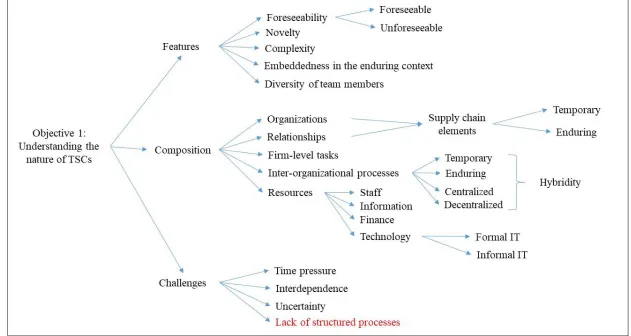
• Objective 1: Understanding the nature of Temporary Supply Chains (TSCs)
• Objective 2: Understanding the dynamics of TSCs
• Objective 3: Understanding the role of IT in TSCs
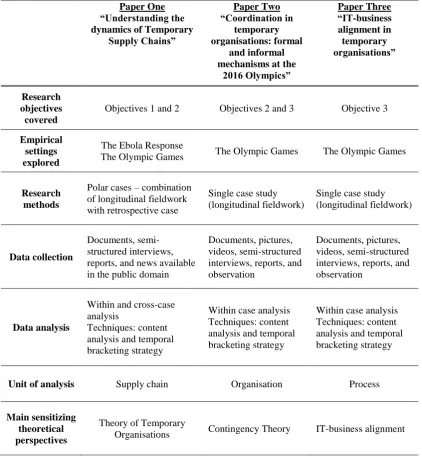
Based on Easterby-Smith et al., (2012) and Karlsson (2009), Table 2.1 provides an overview of the papers, summarizing their methodological aspects. The rationale
25
Paper One “Understanding the dynamics of Temporary
Supply Chains” Paper Two “Coordination in temporary organisations: formal and informal mechanisms at the
2016 Olympics” Paper Three “IT-business alignment in temporary organisations” Research objectives covered
Objectives 1 and 2 Objectives 2 and 3 Objective 3
Empirical settings explored
The Ebola Response
The Olympic Games The Olympic Games The Olympic Games
Research methods
Polar cases – combination of longitudinal fieldwork with retrospective case
Single case study (longitudinal fieldwork)
Single case study (longitudinal fieldwork)
Data collection
Documents, semi-structured interviews, reports, and news available in the public domain
Documents, pictures, videos, semi-structured interviews, reports, and observation
Documents, pictures, videos, semi-structured interviews, reports, and observation
Data analysis
Within and cross-case analysis
Techniques: content analysis and temporal bracketing strategy
Within case analysis Techniques: content analysis and temporal bracketing strategy
Within case analysis Techniques: content analysis and temporal bracketing strategy
Unit of analysis Supply chain Organisation Process
Main sensitizing theoretical perspectives
Theory of Temporary
[image:38.595.106.529.71.532.2]Organisations Contingency Theory IT-business alignment
Table 2.1: Overview of the PhD papers
This chapter has six main sections. First, it covers the core assumptions underlying the main philosophy adopted in this study, namely Pragmatism, and the implications of
these philosophical commitments to the research development. Second, it presents the research methods and the empirical settings studied: the 2014/2015 Ebola Response in West-Africa and the 2016 Olympic Games in Brazil. Third, it discusses the research
26
Fifth, it presents research challenges and limitations. Finally, it offers a personal reflection on issues that influenced the development of this research project (e.g. culture
and the role of IT).
2.1Pragmatism
2.1.1 Main principles
Pragmatism initiated in North America in the 19th century as a reaction against
philosophical interpretations of the nature and role of scientific knowledge, human nature, and its relation to the world (Rosenthal and Bourgeois, 1980). It can be
considered the third research wave that bypasses the so called ‘paradigm wars’ (Johnson and Onwuegbuzie, 2004), providing a philosophical basis grounded in pluralism. Some classical American philosophers were particularly important to the development of this
research philosophy: Charles Peirce, William James, and John Dewey (Johnson and Duberley, 2000). More recently, the work of Richard Rorty, Hilary Putnam, and Richard
Bernstein has provided a contemporary view of Pragmatism. Despite the importance of their work and the widespread adoption of Pragmatism as a research philosophy, some philosophers of social sciences have tended to overlook it or express hostility (Baert, 2005). The fundamental criticism about the term ‘Pragmatism’ is that it can be adopted
to refer to distinct philosophical positions.
Pragmatism is not committed to any static system of philosophy and reality; it
recognizes the need to balance different perspectives to solve a problem (Creswell and Poth, 2018; Easterby-Smith et al., 2012). Building from Baert (2005), Creswell and
27
• Research gains from methodological diversity. Pragmatists believe that researchers should take advantage of different methods available in order to understand a phenomenon. Since this philosophy is not committed with fixed assumptions, it enables the combination of approaches often regarded as
contradictory, such as positivism\anti-positivism.
• The ‘spectator theory of knowledge’ is inappropriate for social research. Researchers as well as those being researched are active agents; they are part of the world and can influence it. Meaning must come from the lived
experience of individuals (Easterby-Smith et al., 2012). For Pragmatists, knowledge is socially constructed and results from people’s experience.
• Social research is a conversation. Therefore, knowledge should be achieved through a ‘dialogical encounter’, in which people do not wish to exploit each
other’s weaknesses; rather the main goal is to understand different positions
in the strongest way to enhance understanding (Baert, 2005).
• Knowledge is a form of action; it should be directed to solve real problems. The object of analysis in Pragmatism is nearly always a form of action (Star, 2007). Further, it is suggested that scholars should investigate issues that can make a difference in people’s lives. As an example, one may cite the career of John Dewey and his political and social engagement. “He maintained a
presence in the popular press for decades, discussing issues of war and peace, American foreign policy, poverty, and democracy” (Goodman, 1995, p. 2).
• Self-understanding opens up alternative scenarios. Self-knowledge should be a serious cognitive interest because knowledge is about challenging and questioning our own culture. “We have to think more broadly about what
28
predicting or mapping an outer world. Self-referential knowledge acquisition achieves something very different. It no longer craves for an accurate, full
representation, or for verifying, falsifying or predicting. Whereas most social research wants to ignore the subjective (because it gets in the way of the research process), self-referential knowledge deliberately confronts us with
ourselves, our presuppositions and practices. My Pragmatist proposal explores our blind spot, shedding light on what is normally hidden. It
surprises, confronting us with a new angle or storyline. It teaches us about alternative social-political features, encouraging us to conceptualize and
experience what is not present. Self-referential knowledge enlarges our imagination” (Baert, 2005, p. 166).
Most discussions among philosophers in research include ontology, epistemology,
and methodology. Ontology refers to the nature of reality and existence, epistemology regards the best ways of inquiring into the nature of the world, and methodology
comprises a combination of techniques used to inquire into a specific situation. Regarding ontology, Pragmatism is often seen as a compromise position between internal realism (truth exists, but it is obscure) and relativism (there are many ‘truths’)
(Easterby-Smith et al., 2012). “Pragmatism does not accept that there are predetermined theories or frameworks that shape knowledge and truth; nor does it accept that people can construct their own truths from nothing” (Easterby-Smith et al., 2012, p. 61). In
terms of epistemology, using the dimensions epistemology (positivist and constructionist) and degree of researcher engagement (engaged and detached),
29
assumptions of interdisciplinarity, which necessarily involves respecting various approaches that disciplines use to know and describe reality. In this way, knowledge is
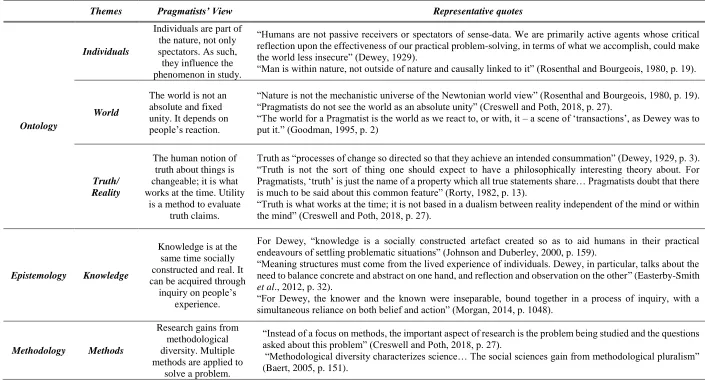
a result of the cross-fertilization of different perspectives (Repko and Szostak, 2017). Table 2.2 summarizes the ideas of Pragmatists about fundamental themes underlying ontology (individuals, world, and truth), epistemology (knowledge), and methodology
30 Table 2.2: Pragmatists’ View
Themes Pragmatists’ View Representative quotes
Ontology
Individuals
Individuals are part of the nature, not only spectators. As such, they influence the phenomenon in study.
“Humans are not passive receivers or spectators of sense-data. We are primarily active agents whose critical reflection upon the effectiveness of our practical problem-solving, in terms of what we accomplish, could make the world less insecure” (Dewey, 1929).
“Man is within nature, not outside of nature and causally linked to it” (Rosenthal and Bourgeois, 1980, p. 19).
World
The world is not an absolute and fixed unity. It depends on people’s reaction.
“Nature is not the mechanistic universe of the Newtonian world view” (Rosenthal and Bourgeois, 1980, p. 19). “Pragmatists do not see the world as an absolute unity” (Creswell and Poth, 2018, p. 27).
“The world for a Pragmatist is the world as we react to, or with, it – a scene of ‘transactions’, as Dewey was to put it.” (Goodman, 1995, p. 2)
Truth/ Reality
The human notion of truth about things is changeable; it is what works at the time. Utility
is a method to evaluate truth claims.
Truth as “processes of change so directed so that they achieve an intended consummation” (Dewey, 1929, p. 3). “Truth is not the sort of thing one should expect to have a philosophically interesting theory about. For Pragmatists, ‘truth’ is just the name of a property which all true statements share… Pragmatists doubt that there is much to be said about this common feature” (Rorty, 1982, p. 13).
“Truth is what works at the time; it is not based in a dualism between reality independent of the mind or within the mind” (Creswell and Poth, 2018, p. 27).
Epistemology Knowledge
Knowledge is at the same time socially constructed and real. It can be acquired through
inquiry on people’s experience.
For Dewey, “knowledge is a socially constructed artefact created so as to aid humans in their practical endeavours of settling problematic situations” (Johnson and Duberley, 2000, p. 159).
“Meaning structures must come from the lived experience of individuals. Dewey, in particular, talks about the need to balance concrete and abstract on one hand, and reflection and observation on the other” (Easterby-Smith et al., 2012, p. 32).
“For Dewey, the knower and the known were inseparable, bound together in a process of inquiry, with a simultaneous reliance on both belief and action” (Morgan, 2014, p. 1048).
Methodology Methods
Research gains from methodological diversity. Multiple methods are applied to
solve a problem.
“Instead of a focus on methods, the important aspect of research is the problem being studied and the questions asked about this problem” (Creswell and Poth, 2018, p. 27).
31 2.1.2 Why Pragmatism?
The research philosophy contains important assumptions that supports the research
development as a whole. This research adopts Pragmatism for three main reasons. First and foremost, it is aligned with my personal position as a researcher; i.e. how I see reality/truth and the role of knowledge. I believe that scientific knowledge should be
directed to solve real problems and, ultimately, research findings should improve the world where we live.
Second, Pragmatism is empirically focused on actions and changes and on the interplay between knowledge and action (Goldkuhl, 2012). Therefore, it provided consistent assumptions to investigate the research topic (Temporary Supply Chains),
which are in nature changing organisational forms where people’s actions and experience are important aspects. Especially the longitudinal design (Åhlström and Karlsson, 2009) adopted in this study was essential to capture how people’s actions
enabled changes and knowledge generation over time.
Third, Pragmatism allows methodological and theoretical pluralism. The importance
of plurality of approaches is particularly highlighted when conducting interdisciplinary research. Since Pragmatism is not constrained by fixed commitments, this
interdisciplinary study built from multiple methodological and theoretical approaches from different fields of knowledge (O&SCM, IS, and TO). Given that temporary types of organisations and supply chains are very complex, the multiple perspectives used
offered the means to investigate and better understand these organisational forms. Furthermore, Pragmatism provided the philosophical support to develop this