World Maritime University Dissertations Dissertations
2016
Oil spill preparedness in Sweden : prevention, planning, and
Oil spill preparedness in Sweden : prevention, planning, and
response for large accidents
response for large accidents
Jonas Pålsson
World Maritime University, [email protected]
Follow this and additional works at: https://commons.wmu.se/all_dissertations
Part of the Emergency and Disaster Management Commons, and the Environmental Policy Commons
Recommended Citation Recommended Citation
Pålsson, J. (2016). Oil spill preparedness in Sweden: prevention, planning, and response for large accidents (Ph.D). World Maritime University.
OIL SPILL PREPAREDNESS IN SWEDEN
Prevention, planning, and response for large accidents
By
JONAS PÅLSSON
SwedenA dissertation submitted to the World Maritime University in partial fulfilment of the requirements for the award of the degree of
DOCTOR OF PHILOSOPHY
In
MARITIME AFFAIRS
MARITIME ENVIRONMENTAL MANAGEMENT
2016
Copyright Jonas Pålsson, 2016
Preface
This dissertation is submitted for the degree of Doctor of Philosophy in Maritime Affairs, Maritime Environmental Management at the World Maritime University in Malmö, Sweden. It has been conducted under the supervision of Professor Olof Lindén and Professor Lawrence Hildebrand at the World Maritime University from 2009 to 2015.
This dissertation consists of original, unpublished, and independent research by the author, except where acknowledgements and references are made to other sources. The research has been conducted primarily during the Baltic Master II and the Baltic Maritime Science Park Oil Spill Forum projects.
The author was the coordinator for Work Package 3 - Improved land-based response capacity to oil spills at sea, in the Baltic Master II project. Work Package 3 developed, updated and tested oil spill contingency plans, updated the Swedish environmental sensitivity atlas, and developed guidelines on integrating contingency planning in coastal management. The European Union Baltic Sea Region programme funded Baltic Master II from 2009 to 2012.
Decla ration
I, Jonas Pálsson, certify that all the material in this dissertation that is not my own work has been identified, and that no material is included for which a degree has previously been conferred on me.
The contents of this dissertation reflect my own personal views, and are not necessarily endorsed by the University.
Signature ‘.j...t2ck5
EL
Date:
Supervisors: Professor Olof Linden
World Maritime University, Sweden
Professor Lawrence Hildebrand World Maritime University, Sweden
Assessors: Professor William Ritchie
former Director of Aberdeen Institute for Coastal Science and Management
Doctor Christer Larsson
Compliance with Guidelines on Good Research Practice
Title of Research: Oil spill preparedness in Sweden—Prevention,
planning, and response for a large incident
Name of Doctoral Candidate: Jonas Pálsson
Supervisors: ProfessorOlof Linden
Professor Lawrence Hildebrand
This is to confirm that the methodology ofthe above mentioned research, carried out
by the doctoral candidate named above, has been examined in light ofthe Guidelines
on Good Research Practice of the University and has been approved by a properly
convened panel consisting of:
Professor Olof Linden
Professor Lawrence Hildebrand
The doctoral candidate is required to bring to the attention ofthe approving panel
any changes to the research work that may have implications on good research
practice and ethics.
1%
-E.?
Abstract
Title of Dissertation: Oil spill preparedness in Sweden - Prevention, planning, and response for large accidents
Degree: PhD
This dissertation has analysed the Swedish oil spill preparedness between 2010 and 2015 by examining management, prevention, planning and response, and compared it to international practices. The study is based on analysis of available data, surveys administered to the coastal County Administrative Boards and municipalities, and interviews with the national oil spill experts.
Oil spills can cause significant acute damage to the environment. Sweden has a long coastline with intense shipping traffic. This suggests a high risk of a large oil spill occurring, but no oil spill over 1,200 tonnes has affected the Swedish territorial waters or Exclusive Economic Zone.
The findings show that the Swedish Coast Guard, the Swedish Civil Contingencies Agency, the Oil Spill Depots, the Swedish Agency for Water and Marine Management, and the Oil Spill Advisory Service are central organisations to national oil spill preparedness. All relevant international conventions have been ratified and implemented, excepting the OPRC Convention requirement to have a National Contingency Plan for oil spills. Oil spill contingency plans exist in 79% of the coastal municipalities. However, only 60% of the coastal municipalities have conducted oil spill exercises within the last 5 years. Requirements to follow up evaluation recommendations were only present in 18% of the 11 real spill and exercises analysed. It is concluded, that in some respects, the structures of Swedish preparedness to handle the impact of a major oil spill somewhere on its coastline could prove to be inadequate. Despite this, Swedish oil spill preparedness is shown to be equivalent to most neighbouring countries.
This dissertation establishes the strengths and weaknesses of the Swedish oil spill preparedness regime and calls for further development. The benefits of maintaining and improving the current level of preparedness far outweigh the effort, but will only be evident when a large oil spill occurs.
Keywords:
Acknowledgements
This dissertation is the result of a long and interesting journey. I have become a much better professional and academic, made many new friends and connections, and had opportunities to travel to interesting places to work and attend conferences.
I would especially like to thank the three persons who have been essential to my finished PhD:
My supervisor Professor Olof Lindén, for his belief in me, our interesting discussions, his extensive knowledge, his constructive criticism, and for being the greatest boss I’ve ever had.
My supervisor Professor Lawrence Hildebrand, for his push and guidance to make me become a better writer, his words of encouragement, and his dedication to help me through the critical last steps of my PhD.
My former colleague United States Coast Guard Commander Agneta Dahl (retired), for her continuous support, extensive knowledge, and for teaching me all about oil spill contingency planning, the value of family even under a heavy workload, and above all that it is possible and important to strike a good balance between the two.
I would also like to extend my heartfelt thanks to:
The Baltic Master II colleagues, especially the project managers Therese Nilsson, Henrik Nilsson, Magnus von Schenck,and Linus Karlsson for teaching me about project management and for being a pleasure to work with. The Baltic Maritime Science Park colleagues, especially the project managers Daniel Sköld and Linus Karlsson, for letting me run the Oil Spill Forum. The UNEP:PCDMB colleagues, especially project managers Muralee Thummarukudy and Michael Cowing, and office mates Andrew Akhighu and Thorsten Kallnischkies, for taking me to another world in the oil polluted Niger Delta and showing me what oil spills can do.
The wonderful Swedish oil spill community, especially Bernt Stedt, Camilla Palmér, Charlotte Gyllenhammar, Eva Ljungkvist, Ingrid Håstad, Jessica Hjerpe-Olausson, Jonas Fejes, Margaretha Ericsson, Mattias Rust, Nicklas Berndtsson, and Sonja Dobo for all that I have learnt over the years. All the international colleagues that I’ve met over these years and especially the organisers of the International Oil Spill Conference 2014, for allowing me to attend as a scholarship recipient.
All the wonderful people I’ve shared experiences with during the Marine Biology Programme at Lund University Campus Helsingborg and during the PhD courses in Kalmar, Húsavík,and on Ilha de Inhaca, with a special thanks to my Sri Lankan friends Daniel Fernando and Nishan Pereira and my classmates Tony Fagerberg, Jonas Gustafsson, Therese Jephson, and Marie Petersson.
My martial arts teacher and friend, Mikael Klarén, for plenty of laughs, sweat, blood, motivation, and inspiration in life over the years. My dear old friends Marie and LG and childhood friends André, Andreas, Björn, Jim, Daniel, Daniel, Michael and Tomasz:I’m finally done!
My dear extended family, Ann and Roland, Jakob and Toktam, and Johan, Anna, and Ebbot and my dear family, Anita, Åke, Sofie,and Malin, and Margit. Thanks for all support and invaluable help over the years. I hope I have made you as proud as I am of you!
Biography
List of Publications
Published and unpublished work produced during the PhD, but not directly included in the dissertation.
Peer Reviewed
Lindén, O., & Pålsson, J. (2013). Oil Contamination in Ogoniland, Niger Delta. Ambio, 42(4). doi:10.1007/s13280-013-0412-8
Pålsson, J., & Lindén, O. (2014). Oil Contamination in the Niger Delta. International Oil Spill Conference 2014, 2014(1), 1706–1718. doi:10.7901/2169-3358-2014.1.1706
Pålsson, J., & Nilsson, H. (2011, March). A toolkit for developing and improving contingency plans in the south Baltic Sea Region. International Oil Spill Conference 2011. Portland: Eburon Uitgeverij BV. doi:10.7901/2169-3358-2011-1-342
Schröder-Hinrichs, J.-U., Nilsson, H., & Pålsson, J. (2013). Sustainable Ocean Development in the Arctic: Making a Case for Marine Spatial Planning in Offshore Oil and Gas Exploration. In A. Chircop, S. Coffen-Smout, & M. McConnell, Ocean Yearbook 27 (pp. 503–530). Boston: Martinus Nijhoff Publishers.
UNEP. (2011). Environmental Assessment of Ogoniland (No. DEP/1337/GE). (T. Davis & T. Jones) (pp. 1–262). Nairobi: UNEP. Retrieved from http://www.unep.org/nigeria
Non-peer Reviewed
Pålsson, J. (2011). Contingency Planning Guide (pp. 1–12). Karlskrona: Baltic Master II. Retrieved from http://www.balticmaster.org/media/files/general_files_1122.pdf
Pålsson, J., Ericsson, M., & Olsson, M. (2011). Oljeskyddsberedskap i Sverige. Baltic Master II (pp. 1–17). Karlskrona: Baltic Master II. Retrieved from
http://www.balticmaster.org/media/files/general_files_1159.pdf
Pålsson, J., & Lindén, O. (2014). Nya verktyg och metoder för strandnära bekämpning av oljespill i Sverige (pp. 1–26). Karlstad: MSB. Retrieved from
https://www.msb.se/Upload/Insats_och_beredskap/Oljeskydd/Publikationer/verktyg_ metoder_strandnara_bekampning_oljespill.pdf
Pålsson, J., Olsson, M., & Lindén, O. (2012). Oil spill preparedness in the Baltic Sea countries. Baltic Master II (pp. 1–42). Karlskrona: Baltic Master II. Retrieved from http://www.balticmaster.org/media/files/general_files_1212.pdf
Pålsson, J., & Wåhlander, H. (2013). Oljeskyddsberedskap bland Sveriges kommuner 2013 (pp. 1–16). Simrishamn: KIMO Baltic Sea. Retrieved from
Table of Contents
Preface ... iii
Declaration ... iv
Compliance with Guidelines on Good Research Practice ... v
Abstract ... vi
Acknowledgements ... vii
Biography ... ix
List of Publications ... x
Peer Reviewed ... x
Non-peer Reviewed ... x
Table of Contents ... xi
List of Figures ... xix
List of Tables ... xxiii
List of Abbreviations ... xxv
Key Definitions ... xxviii
Chapter 1 - Introduction ... 1
1.1 Oil in the environment ... 1
1.2 Fu Shan Hai ... 3
1.3 Aim ... 6
1.4 Dissertation structure ... 6
1.5 Conclusion ... 8
Chapter 2 - Background ... 10
2.1 Oil trade and transport ... 10
2.1.1 Oil trade and transport around Sweden ... 11
2.2 Oil spills ... 16
2.2.1 Oil spills around Sweden ... 18
2.3 Oil spill impacts ... 21
2.3.1 Oil ... 21
2.3.2 Oil behaviour ... 24
2.3.3 Environmental impacts ... 28
2.4 Physiographic characteristics ... 32
2.5 Anthropogenic vulnerability ... 34
2.6 Conclusion ... 38
Chapter 3 - Literature Review ... 40
3.1 Swedish literature ... 40
3.2 Oil spill management ... 42
3.3 Oil spill prevention ... 43
3.4 Oil spill planning ... 47
3.5 Oil spill response ... 52
3.6 Conclusion ... 54
Chapter 4 - Methodology ... 56
4.1 Research approach ... 56
4.1.1 Epistemology ... 56
4.1.2 Action research ... 57
4.1.3 Case study ... 59
4.1.4 Dissertation approach ... 61
4.2 Research design ... 63
4.2.1 Aim ... 63
4.2.2 Scope ... 64
4.2.3 Oil Spill Preparedness model ... 65
4.2.4 Hypotheses ... 73
4.2.5 Validity ... 89
4.2.6 Reliability ... 90
4.3 Research ethics ... 90
4.4 Limitations ... 91
4.4.1 Surveys ... 91
4.4.2 Data access ... 92
4.4.3 Language access ... 92
4.4.4 Time constraint ... 93
4.4.5 Organisational changes ... 93
4.5 Methods ... 93
4.5.2 Survey ... 93
4.6 Data collection ... 95
4.6.1 Literature sources ... 96
4.6.2 Questionnaire ... 96
4.6.3 Interviews ... 97
4.7 Analysis ... 98
4.7.1 Coding ... 98
4.7.2 Statistics ... 98
4.7.3 Evaluation analysis ... 100
4.7.4 Network analysis ... 100
4.7.5 Preparedness analysis ... 101
4.8 Conclusions ... 102
Chapter 5 - Management ... 104
5.1 Introduction ... 104
5.1.1 Organisational structure ... 104
5.1.2 Organisational theory ... 108
5.1.3 Network theory ... 109
5.1.4 Swedish formal organisation ... 110
5.2 Methods ... 111
5.2.1 Study design ... 112
5.2.2 Sources ... 115
5.2.3 Analysis ... 115
5.3 Results ... 116
5.3.1 Mandates ... 116
5.3.2 Network ... 124
5.3.3 Understanding ... 128
5.3.4 Values ... 129
5.3.5 Expectations ... 132
5.3.6 Opinion summary ... 134
5.4 Discussion ... 135
5.4.1 Mandates ... 135
5.4.3 Understanding ... 137
5.4.4 Value ... 139
5.4.5 Expectations ... 139
5.4.6 Implications ... 140
5.4.7 Limitations ... 145
5.5 Conclusion ... 146
Chapter 6 - Prevention ... 148
6.1 Introduction ... 148
6.2 Methods ... 151
6.2.1 Study design ... 151
6.2.2 Sources ... 153
6.2.3 Analysis ... 154
6.3 Results ... 154
6.3.1 International conventions ... 154
6.3.2 IMO Conventions ... 155
6.3.3 International agreements ... 163
6.3.4 EU Directives ... 167
6.3.5 Budget ... 168
6.4 Discussion ... 170
6.4.1 Ratification ... 171
6.4.2 Implementation ... 171
6.4.3 Funding ... 176
6.4.4 Implications ... 177
6.4.5 Limitations ... 179
6.5 Conclusion ... 179
Chapter 7 - Planning ... 180
7.1 Introduction ... 180
7.2 Methods ... 183
7.2.1 Study design ... 183
7.2.2 Sources ... 186
7.2.3 Analysis ... 186
7.3.1 Risk assessments ... 187
7.3.2 Sensitivity mapping ... 187
7.3.3 Contingency planning ... 188
7.3.4 Organisational resources ... 190
7.3.5 External projects ... 191
7.4 Discussion ... 192
7.4.1 Risk assessments ... 192
7.4.2 Sensitivity mapping ... 193
7.4.3 Contingency planning ... 195
7.4.4 Organisational resources ... 199
7.4.5 External projects ... 199
7.4.6 Implications ... 200
7.4.7 Limitations ... 202
7.5 Conclusion ... 204
Chapter 8 - Response ... 206
8.1 Introduction ... 206
8.2 Methods ... 210
8.2.1 Study design ... 211
8.2.2 Sources ... 214
8.2.3 Analysis ... 214
8.3 Results ... 215
8.3.1 Training ... 215
8.3.2 Equipment ... 218
8.3.3 Exercise frequency ... 219
8.3.4 Evaluations ... 220
8.3.5 External projects ... 221
8.4 Discussion ... 222
8.4.1 Training ... 222
8.4.2 Equipment ... 223
8.4.3 Exercises ... 225
8.4.4 Implications ... 230
8.5 Conclusions ... 233
Chapter 9 - International Practice ... 235
9.1 Introduction ... 235
9.2 Methods ... 239
9.2.1 Study design ... 239
9.2.2 Sources ... 241
9.2.3 Analysis ... 242
9.3 Results ... 243
9.3.1 International conventions ... 243
9.3.2 National Contingency Plans ... 244
9.3.3 Tiered Preparedness and Response ... 246
9.3.4 International targets ... 248
9.3.5 Standardised comparison ... 249
9.4 Discussion ... 252
9.4.1 International commitment ... 252
9.4.2 Strategic ambition ... 253
9.4.3 Management system ... 256
9.4.4 International readiness ... 258
9.4.5 Implications ... 260
9.4.6 Limitations ... 261
9.5 Conclusion ... 261
Chapter 10 - Conclusion ... 263
10.1 Introduction ... 263
10.2 Findings ... 264
10.2.1 Is the oil spill preparedness regime effectively managed? ... 265
10.2.2 Is the political commitment for oil spill prevention sufficient? ... 266
10.2.3 Are the existing contingency planning measures sufficient? ... 267
10.2.4 Are the existing response measures sufficient? ... 268
10.2.5 Is the oil spill preparedness regime equivalent to international practice? 269 10.2.6 Conclusion ... 270
10.3.1 Management theory ... 271
10.3.2 Network theory ... 273
10.3.3 Evaluation theory ... 274
10.3.4 Policy implication ... 274
10.4 Recommendations ... 275
10.4.1 Establishment of a national oil spill fund ... 275
10.4.2 Introduction of mandatory exercises ... 276
10.4.3 Establishment of a national task force ... 277
10.4.4 Involvement of research institutes ... 278
10.4.5 Establishment of a management system for national disasters ... 278
10.5 Limitations ... 279
10.6 Future research ... 280
10.6.1 Alternative fuels ... 280
10.6.2 Communication strategies between national and local authorities ... 281
10.6.3 Environmental sensitivity mapping ... 281
10.6.4 Evaluation models ... 281
10.6.5 Improved transition ... 281
10.6.6 Initiative among municipalities ... 282
10.6.7 Management structure change ... 282
10.6.8 Monitoring ... 282
10.7 Concluding remarks ... 283
References ... 285
Appendix A - Questionnaire ... 311
Appendix B - Interview ... 341
Appendix C - Sendlist ... 350
County Administrative Boards ... 350
Municipalities ... 350
Appendix D - Letters of Consent ... 356
Appendix E – Management Results ... 364
Node table ... 364
Understanding ... 391
Planning value ... 394
Response value ... 397
Planning expectations ... 400
Response expectations ... 403
Appendix F – Prevention Results ... 406
Appendix G – Planning Results ... 407
Sensitivity index development ... 407
Plan development ... 407
Organisational resources ... 408
External projects ... 408
Appendix H – Response Results ... 409
Courses ... 409
Exercise development ... 409
Evaluation framework ... 410
Evaluation database ... 411
External projects ... 419
Appendix I – International Practice Results ... 420
Denmark RETOS™ evaluation scores ... 421
Finland RETOS™ evaluation scores ... 422
Germany RETOS™ evaluation scores ... 423
Latvia RETOS™ evaluation scores ... 424
Lithuania RETOS™ evaluation scores ... 425
Norway RETOS™ evaluation scores ... 426
Poland RETOS™ evaluation scores ... 427
Russia RETOS™ evaluation scores ... 428
Sweden RETOS™ evaluation scores ... 429
List of Figures
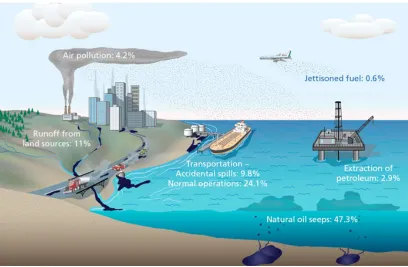
Figure 1: Global input of oil to the marine environment from different sources
(Farrington & McDowell, 2004). ... 2 Figure 2: Seaborne trade of crude oil and product vessels of 60,000 dwt and over from
1970 to 2013 and number of recorded oil spills greater than seven tonnes during the same period (ITOPF, 2015). Figure used with permission. ... 11 Figure 3: Annual total crossings of HELCOM AIS lines in the Baltic Sea by ship type
(HELCOM, 2014a). ... 12 Figure 4: Oil transportation from the 16 largest ports in the Baltic Sea in million tonnes
(MSB, 2013b). ... 13 Figure 5: The Druzhba pipeline system and the connections to the Baltic Pipeline System
1 and 2 (Franklin, 2010). ... 14 Figure 6: Turnover of million tonnes of oil exported from the largest Russian ports in the
Gulf of Finland (PASP, 2015). ... 15 Figure 7: Number of oil spills between 1970 and 2013 and average number of spills per
decade (ITOPF, 2014a). Figure used with permission. ... 17 Figure 8: Recorded volume of oil spilled of more than seven tonnes per accident between
1970 and 2013, with selected larger oil spills marked (ITOPF, 2014a). Figure used with permission. ... 18 Figure 9: Number of confirmed oil spills and number of aerial surveillance flight hours
between 1988 and 2014 in the Baltic Sea (HELCOM, 2015). ... 20 Figure 10: Number of shipping accidents in the Baltic Sea between 2004 and 2012
(HELCOM, 2014a). ... 21 Figure 11: Oil spill weathering processes in water (ITOPF, 2011e). Figure used with
permission. ... 24 Figure 12: Distribution of wintering Long-tailed Duck (Clangula hyemalis) in the Baltic
Sea, congregating around Hoburgs Bank (28) and the Middle Banks (29 and 30) (Skov et al., 2011). ... 30 Figure 13: Baltic Sea physiography, showing bathymetry and currents (EEA, 2009). ... 33 Figure 14: Risk of exceptional spills of more than 5,000 tonnes in the Baltic Sea (COWI, 2012c) ... 36 Figure 15: Oil Spill Preparedness concept model with three distinct pillars: Prevention,
Figure 16: Refined Oil Spill Preparedness model. ... 72
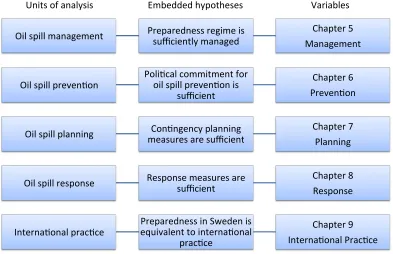
Figure 17: Main hypothesis chosen indicators, units of analysis, and variables. ... 74
Figure 18: Hypothesis 1 chosen indicators, units of analysis, and variables. ... 79
Figure 19: Hypothesis 2 chosen indicator, units of analysis, and variables. ... 81
Figure 20: Hypothesis 3 chosen indicators, units of analysis, and variables. ... 83
Figure 21: Hypothesis 4 chosen indicators, units of analysis, and variables. ... 86
Figure 22: Hypothesis 5 chosen indicators, units of analysis, and variables. ... 88
Figure 23: Team-based structure for oil spill response (ITOPF, 2012b). Information refers to state of the casualty, the location of spilt oil, shoreline impact, the weather etc. Figure used with permission. ... 106
Figure 24: Function-based structure for oil spill response (ITOPF, 2012b). Information refers to state of the casualty, the location of spilt oil, shoreline impact, the weather etc. Figure used with permission. ... 107
Figure 25: The formal oil spill response organisation in Sweden. ... 110
Figure 26: Hypothesis 3 chosen indicators, units of analysis, and variables. ... 113
Figure 27: Theoretical oil spill preparedness network. ... 125
Figure 28: Swedish oil spill contingency planning network. ... 126
Figure 29: Swedish oil spill response network. ... 127
Figure 30: Understanding of the roles of the organisation involved in oil spill preparedness. Error bars signify standard deviations. ... 129
Figure 31: Organisational values for oil spill planning. Error bars signify standard deviations. ... 130
Figure 32: Organisational values for oil spill response. Error bars signify standard deviations. ... 131
Figure 33: Opinions on the level of responsibility organisations should have for planning. Error bars signify standard deviations. ... 133
Figure 34: Opinions on what level of responsibility organisations should have for response. Error bars signify standard deviations. ... 134
Figure 35: Hypothesis 2 chosen indicator, units of analysis, and variables. ... 152
Figure 36: Expenditures change in million SEK from 2000 to 2014 and the 2015 budget and opposition budget bill for environment and crisis preparedness related agencies and municipalities (Regeringen, 2001; 2002; 2003; 2004a; 2005a; 2006a; 2007a; 2008a; 2009; 2010; 2011a; 2012a; 2013; 2014a; 2014b; 2015a; 2015b). .. 170
Figure 37: Expert opinion on the statement “Sweden needs a national oil spill contingency plan”. ... 175
Figure 39: Use of sensitivity index systems in the Swedish municipalities. ... 188 Figure 40: Time since last revision of the municipal oil spill contingency plans. ... 189 Figure 41: Changes in the organisational budgets and staff resources among
municipalities and County Administrative Boards (CABs) between 2010 and 2015. ... 191 Figure 42: Project participation and contingency planning among municipalities and
County Administrative Boards (CABs) between 2010 and 2015. ... 192 Figure 43: Expert opinion on the statement “The existing system for contingency planning
in Sweden is sufficient for national preparedness”. ... 197 Figure 44: Oil Spill Depot locations and major oil ports in Sweden (Göteborgs Hamn,
2015; Söder, 2015). ... 207 Figure 45: Hypothesis 4 chosen indicators, units of analysis, and variables. ... 212 Figure 46: MSB oil spill preparedness courses. ... 215 Figure 47: Time since last exercise the municipalities used their oil spill contingency
plans. ... 220 Figure 48: Project participation and exercises among municipalities responding to the
questionnaire (A), taken from the project literature (B), and County Administrative Boards (CABs) responding to the questionnaire (C) between 2010 and 2015. ... 222 Figure 49: Opinions from the municipalities (A), County Administrative Boards (CABs)
(B), agencies (C), and combined (D) on the frequency of tabletop exercises. ... 228 Figure 50: Opinions from the municipalities (A), County Administrative Boards (CABs)
(B), agencies (C), and combined (D) on the frequency of deployment exercises. .... 229 Figure 51: Concept of Tiered Preparedness and Response, depending on spill size and
proximity, adapted from the IPIECA (2007) model. ... 237 Figure 52: Hypothesis 5 chosen indicators, units of analysis, and variables. ... 240 Figure 53: Sum of the ratified IMO Conventions and Protocols on oil spill preparedness
(IMO, 2015c). ... 244 Figure 54: Countries with National Contingency Plans for oil spill response (AMSA, 2014;
Bratfoss, 2012; EEAA, 1998; Essien et al., 2011; Ireland, 2013; ITOPF, 2012a; Japan, 2015; Jolma & Haapasaari, 2014; Ly, 2012; Marinestaben, 2015; MSA, 2000; RAC-REMPEITC, 2015; REMPEC, 2015; Republic of Korea, 2015; Reszko, 2011; Russian Federation, 2003; Skrube, 2010; VPS, 2014). ... 245 Figure 55: Ratification of the OPRC Convention correlated to the existence of an approved or draft National Contingency Plan. ... 246 Figure 56: Countries using the Tiered Preparedness and Response concept (AMSA, 2014;
2015; Jolma & Haapasaari, 2014; Ly, 2012; Marinestaben, 2015; MSA, 2000; RAC-REMPEITC, 2015; REMPEC, 2015; Republic of Korea, 2015; Reszko, 2011; Russian Federation, 2003; Skrube, 2010; VPS, 2014). ... 247 Figure 57: Correlation between having a National Contingency Plan (NCP) and using the
List of Tables
Table 1: Largest oil spills around Sweden (Anders Jahres Rederi, 2012; GESAMP, 2007; HELCOM, 1998; 2001; Rambøll Barents, 2010; Rogowska & Namieśnik, 2010; Rylander, 2005; SST, 1983; 1985; Sveriges Riksdag, 1973; Veiga & Wonham, 2002). ... 19 Table 2: Expected intervals between oil spill accidents in the Baltic Sea (BRISK, 2011). . 37 Table 3: Oil import and export in the Baltic Sea Region and Norway 2013 (Russian export
equivalent to oil turnover in the Gulf of Finland area) (Eurostat, 2015a; 2015b; PASP, 2015). ... 38 Table 4: Achievement ranks for the variables. ... 76 Table 5: Evaluation criteria for H1. ... 114 Table 6: Summary of organisational mandates and the survey responses. ... 123 Table 7: Summary of survey mandate responses. ... 124 Table 8: Network densities and normalised values. ... 128 Table 9: Organisation opinion values from the survey. ... 135 Table 10: Scores for the units of analysis. ... 144 Table 11: Evaluation criteria for H2. ... 153 Table 12: IMO Conventions relating to pollution by oil from ships or offshore activities
ratified and denounced by Sweden (ECOLEX, 2015a; 2015b; FAO, IUCN, UNEP, n.d.; IMO, 2015a; 2015c). ... 155 Table 13: Analysis of the OPRC Convention articles. ... 158 Table 14: Funding development between 2010 and 2015 in million SEK, except SwAM
that is measured from 2012 (Regeringen, 2011a; 2013; 2015c). ... 169 Table 15: Scores for the H2 variables. ... 178 Table 16: Evaluation criteria for H3. ... 185 Table 17: Compiled and combined municipal data (Pålsson et al., 2011; Pålsson &
Wåhlander, 2013). ... 189 Table 18: Respondent organisational changes between 2010 and 2015. ... 190 Table 19: Evaluation criteria for H4. ... 213 Table 20: MSB original course attendance. ... 216 Table 21: MSB course attendance by number of individuals. ... 217 Table 22: MSB courses attendance by number of organisations. ... 217 Table 23: Coastal municipality representation. ... 218 Table 24: Questionnaire response rate for when the oil spill contingency plan was
Table 25: Scores for the H4 variables. ... 232 Table 26: Evaluation criteria for H5. ... 241 T able 27: National oil spill response capacity targets and categorisation of response tiers
in tonnes (Bratfoss, 2012; HELCOM, 2013a; Jolma & Haapasaari, 2014; Ly, 2012; Marinestaben, 2015; Regeringen, 2014d; Reszko, 2011; Saar, 2010; Skrube, 2010; Transport Canada, 2013; VPS, 2014) ... 249 Table 28: RETOS™ evaluation scores. ... 250 Table 29: BRISK sub-regional spill capacity and estimated return period for oil spills
List of Abbreviations
Abbreviation Explanation
AGP ARPEL Governance Project.
AIS Automatic Identification System, an automatic tracking system used on ships.
ANOVA Analysis of Variance, a common statistical test comparing variable means.
API American Petroleum Institute.
ARCHOIL Management of onshore clean-up operations of oil spills in archipelagos, an EU project.
Arctic Agreement Agreement on Cooperation on Marine Oil Pollution Preparedness and Response in the Arctic, an Arctic Council agreement.
ARPEL A non-profit association gathering oil, gas and biofuels sector companies and institutions in Latin America and the Caribbean.
ASEAN Association of Southeast Asian Nations.
ASEAN-OSPAR Project Project on Oil Spill Preparedness and Response in the ASEAN Seas Area.
BALEX DELTA HELCOM annual oil spill exercise.
Baltic Master II EU project to improve the on-land response capacity to oil spills in the Baltic Sea as well as to enhance the prevention of pollution from maritime transport.
BMSP Baltic Maritime Science Park, an innovation and communication platform for maritime issues in the Baltic Sea Region.
BOILEX The first international Baltic Sea oil spill exercise that included onshore response, conducted in 2011.
Bonn Agreement Agreement for cooperation in dealing with pollution of the North Sea by oil and other harmful substances.
BONNEX Bonn Agreement annual oil spill exercise.
BP Originally British Petroleum, an oil company.
BRISK Sub-regional risk of spill of oil and hazardous substances in the Baltic Sea, a HELCOM project.
BSAP HELCOM Baltic Sea Action Plan.
BSPA Baltic Sea Protected Areas, HELCOM Marine Protected Areas.
Bunker Convention International Convention on Civil Liability for Bunker Oil Pollution Damage.
CABs County Administrative Boards are the Swedish Government’s regional authorities, tasked with overseeing national policies and goals by coordinating regional activities and issuing permits.
CCA Clean Caribbean and Americas, an oil spill response company.
CLC Convention International Convention on Civil Liability for Oil Pollution Damage.
CleanSeaNet EMSA satellite surveillance system for marine pollution.
CNDS Centre for Natural Disaster Science, a science platform in Sweden.
Copenhagen Agreement
Nordic Agreement on Cooperation regarding Pollution at Sea from Oil and Other Substances.
CPA Crisis Preparedness Agency, a disused Swedish agency that merged with other agencies to become MSB.
EEZ Exclusive Economic Zone.
EMSA European Maritime Safety Agency, an EU agency.
EnSaCo EU project aimed to reduce negative environmental and socio-economic impacts of an oil spill accident through rapid and efficient shoreline oil spill response.
EPA Environmental Protection Agency, responsible for the Swedish environment through regulations, funding support, and raising environmental awareness and responsibility.
EPPR Emergency Prevention, Preparedness and Response Working Group of the Arctic Council.
EU European Union.
EUSBSR EU Strategy for the Baltic Sea Region.
FOI Totalförsvarets forskningsinstitut, the Swedish Defence University.
FOSC Federal On-Scene Commander, a command position in the ICS system.
FRG Voluntary Resource Group.
FSHex13 Fu Shan Hai Exercise 2013.
FUND Convention International Convention on the Establishment of an International Fund for Compensation for Oil Pollution Damage.
GI Global Initiative, an umbrella programme for IMO and IPIECA, working to assist countries in developing national structures and capability for oil spill preparedness and response.
GI WACAF Global Initiative for West, Central and Southern Africa.
gt Gross tonnage, measurement of the internal volume of a ship.
Germany.
HELCOM Helsinki Commission, the Helsinki Convention secretariat.
HELCOM RESPONSE The marine pollution response working group of HELCOM.
HELCOM SHORE The shoreline pollution response working group of HELCOM.
Helsinki Convention Convention on the Protection of the Marine Environment of the Baltic Sea Area.
HNS Hazardous and Noxious Substances.
ICS Incident Command System, a standardised approach to command, control, and coordination to handle complex emergency responses, used primarily in the United States.
IFOs Intermediate Fuel Oils, a type of fuel for ships.
IMO The International Maritime Organization, the UN agency for maritime affairs, responsible for international maritime rules and conventions.
IMS Incident Management System, a function-based management structure.
Intervention Convention
International Convention Relating to Intervention on the High Seas in Cases of Oil Pollution Casualties.
IOPC Fund International Oil Pollution Compensation Fund.
IOSC International Oil Spill Conference, the world’s largest oil spill conference.
IPIECA The International Petroleum Industry Environmental Conservation Association, the global oil and gas industry association for environmental and social issues.
ISO International Organization for Standardization.
ITOPF The International Tanker Owners Pollution Federation, a non-profit industry funded expert group on oil and HNS spills, providing services in spill response, claims analysis, damage assessment, contingency planning, training, and information.
IUCN International Union for Conservation of Nature, an environmental non-profit organisation.
IVL IVL Swedish Environmental Research Institute, a non-profit research institute.
KFV Katastrofhjälp Fåglar och Vilt, the Swedish Wildlife Rehabilitators Association.
Kystverket Norwegian Coastal Administration, responsible for oil spill preparedness in Norway.
LCD Lowest Common Denominator, meaning the least interested nations determine the progression pace.
Likert item A statement that the respondent is asked to evaluate by giving it a quantitative value, often used in surveys.
LOS Ledning och Samverkan, a MSB management and cooperation project.
MARPOL International Convention for the Prevention of Pollution from Ships.
MIMIC Minimizing risks of maritime oil transport by holistic safety strategies, an EU project.
MSB Myndigheten för Samhällsskydd och Beredskap, the Swedish Civil Contingencies Agency, responsible for civil protection and crisis management through coordination, and training.
MSP Marine Spatial Planning.
Municipalities Municipalities are the local representatives of the Swedish Government, responsible for local services, such as physical planning, schools, rescue services, and regulations.
NCP National Contingency Plan, a national plan for responding to oil and chemical pollution.
NSO Nationell Samverkansgrupp för Oljeskadeskydd, the National Cooperation Group for Oil Combating, consisting of representatives from SCG, MSB, OSAS, SwAM, SMA, STA, CABs, and SALAR and is tasked with coordinating oil spill preparedness in Sweden.
OILRISK Applications of ecological knowledge in managing oil spill risk, an EU project.
OPA90 United States Oil Pollution Act of 1990.
OPRC Convention International Convention on Oil Pollution Preparedness, Response and Co-operation.
OSAS Oil Spill Advisory Service, a Swedish expert group previously funded by SwAM that gives advice during oil and chemical spills to private and public organisations and authorities.
OSC On-Scene Commander, a command position in the ICS system.
OSLTF United States Oil Spill Liability Trust Fund.
OSPAR Convention Convention for the Protection of the Marine Environment of the North-East Atlantic.
OSPRI Caspian and Black Sea’s Oil Spill Preparedness Regional Initiative.
OSRL Oil Spill Response Limited, an oil spill response company.
PAHs Polycyclic Aromatic Hydrocarbons.
PREP United States National Preparedness For Response Exercise Program.
PSSA Particularly Sensitive Sea Area, a type of area protection assigned by IMO.
RAC-REMPEITC-Caribe Regional Activity Center - Regional Marine Pollution Emergency Information and Training Center for the Wider Caribbean.
RETOS™ A readiness evaluation tool for oil spills developed by ARPEL.
RISKGOV Environmental Risk Governance of the Baltic Sea, an EU project.
SALAR Swedish Association of Local Authorities and Regions.
SCG Swedish Coast Guard, the agency responsible for surveillance, enforcement of regulations, and environmental protection in the Swedish territorial sea and EEZ.
Shell Royal Dutch Shell, a large international oil and gas company.
SI Swedish Institute, an agency promoting Sweden through foreign policy, education, international aid, and development.
SMA Swedish Maritime Administration, the agency responsible for maintaining sea-lanes, and maritime search and rescue.
SMHI Swedish Meteorological and Hydrological Institute.
SOPEP Ship Oil Pollution Emergency Plan, required by MARPOL for tankers over 150 gt and other vessels over 400 gt.
SRSA Swedish Rescue Services Agency, the agency predating MSB.
SSRS Swedish Sea Rescue Society, a volunteer organisation.
STA Swedish Transport Agency, regulates and inspects transportation systems.
STD Standard Deviation.
SwAM Swedish Agency for Water and Marine Management, the agency responsible for Marine Spatial Planning, sustainable governance, and environmental protection of the sea and waterways.
Sweco Originally Swedish Consultants, the largest construction, architecture, and environmental engineering consultancy company in Europe.
TOBOS Teknik for oljebekämpning till sjöss samt bekämpning och sanering av olja i strandzonen, a Swedish project on oil spill response.
TWh Terawatt hours.
UAE United Arab Emirates.
UN United Nations.
UNCLOS United Nations Convention on the Law of the Sea.
UNEP United Nations Environment Programme.
USCG United States Coast Guard.
USEPA United States Environmental Protection Agency.
VRAKA Development of a protocol for risk assessment of potentially polluting shipwrecks in Scandinavian waters project.
WMU World Maritime University, a postgraduate maritime university under the auspices of the IMO.
X2 Chi-square, a type of statistical test comparing frequency distributions.
Key Definitions
Term Explanation
Oil spill Any oil pollution from ships, pipelines, fixed installations, ports etc.
Oil spill management The organisation of the preparedness, such as the structure, means of communication, and division of responsibility between the organisations.
Oil spill planning Background knowledge and planning measures, such as risk assessments and contingency planning.
Oil spill preparedness
The ability to respond to oil spills and includes management, and prevention, planning, and response phases.
Oil spill prevention National or international political mitigating measures, such as international conventions, industry standards, and legislation.
Chapter 1 - Introduction
The first chapter describes how oil enters the marine environment, the relevance of the Fu Shan Hai accident, and presents the research aims, questions, and dissertation structure.
1.1 Oil in the environment
Figure 1: Global input of oil to the marine environment from different sources (Farrington & McDowell, 2004).
Smaller, continuous discharges of oil, for example from leaking wrecks, ships, and infrastructure, have sub-lethal effects at the ecosystem level (F. J. Lindgren, Hassellöv, & Dahllöf, 2012a; 2012b). However, oil spill impacts depend on the type of oil and where the oil pollution occurred (Kingston, 2002; NRC, 2003). Even larger organisms may suffer from continuous spills, for example thousands of seabirds are killed every year by smaller chronic spills in the Baltic Sea, attributed to originate from the shipping traffic (K. Larsson & Tydén, 2005; 2011).
of the spill. A smaller spill at an unfortunate time and place could also result in severe consequences. For example, the Exxon Valdez accident in Alaska in the United States 1989, spilled 35,000 tonnes of oil and 35,000 seabirds died as a result. This stands in contrast to the Braer accident off the Shetland Islands in the United Kingdom 1993, when 85,000 tonnes of oil were spilled and “only” 1,500 seabirds died (Kingston, 2002). However, most oil spills are much smaller in volume (ITOPF, 2015).
1.2
Fu Shan Hai
At approximately 12:18 on Saturday 31 March 2003, the Cyprus-registered 5,200 deadweight tonnes (dwt) container vessel Gdynia collided with China registered 70,000 dwt bulk carrier Fu Shan Hai. This happened approximately 3 nautical miles north northwest of Hammer Odde on Bornholm, a Danish island off of the southern coast of Sweden (DMA, 2003). The weather was clear, but due to bad judgement and a lack of communication, Gdynia hit Fu Shan Hai amidships on her port side.
Gdynia suffered only light damage to her prow and could later return to a shipyard in the Polish city Gdynia, while Fu Shan Hai immediately took in water. Swedish, Danish, and German authorities were alerted and responded by immediately sending response vessels to the area. The crew of Fu Shan Hai abandoned the sinking vessel at 13:50, after taking measures to minimise oil leakage. As the hours passed, the bow of Fu Shan Hai sank more and more and after an aborted towing attempt, the ship sank at 20:49 and came to rest at 65 m depth (DMA, 2003; Kustbevakningen, 2013b).
alerted and was sent an oil spill drift projection from the Coast Guard. This was the first such oil spill response for the rescue service. An oil spill contingency plan did not exist and the organisation had no knowledge about oil spills at sea. There was even some confusion as to whether the rescue service was responsible at all. The response procedure followed the normal emergency response routines and the relevant organisations were alerted. Additionally, the closest of the Swedish Oil Spill Depots, which are the regional oil spill response equipment stockpiles, was called in (Ljungkvist, 2003).
On Monday 2 June, the rescue service staff met and were briefed by the Coast Guard that oil was projected to reach the shoreline within 24 hours (Kustbevakningen, 2013b; Ljungkvist, 2003). This was the starting point of the Emergency Response phase for the rescue service, which is legally defined as the initial response phase of any rescue operation (Sveriges Riksdag, 2003). An oil spill response strategy was formed, response plans were drawn, communications were set up, and response priorities were made.
During the following three weeks, there was intense activity around the oil spill. The originally planned 50 responders peaked at 500 persons, in addition to the staff that was handling management, documentation, logistics, and other roles. Simultaneously at sea, six Swedish Coast Guard vessels, four Danish, and two German response vessels were collecting oil (Kustbevakningen, 2013b). The Swedish Armed Forces, with its conscripts and volunteer organisations, turned out to be of great help during the response.
triggered massive media interest in Sweden and several ministers, including the Swedish Prime Minister at the time, visited the clean-up sites (Ljungkvist, 2003).
The oil came ashore in several waves from the still leaking wreck along 60 km of the shore, and 36.3 km of oiled beach was cleaned in total. A total of 3,900 tonnes of oily sand was collected on land and 375 m3 of oil and water emulsion were collected
by the rescue service (Ljungkvist, 2003). A further approximately 1,000 tonnes of oil emulsion was collected by the Coast Guard (Kustbevakningen, 2013b). The impacted beaches had no trace of oil when revisited four years later (Martinsson & Fejes, 2007). The cost of the response operation for the Swedish Coast Guard amounted to 10 million SEK (~1.3 million USD) and the cost for the municipalities amounted to 15 million SEK (~2 million USD). The total cost, including clean-up and the cost of the loss of the cargo and vessel amounted to over 1 billion SEK (~130 million USD).
The evaluations of the oil spill response reported that despite not having an oil spill contingency plan, the ad-hoc nature of the response worked well concerning management, response, cooperation, and volunteers (Fejes, Lindgren, & Mahlander, 2004; Ljungkvist, 2003). What did not work as well were the oil spill drift projections, communication between the different parties involved, and the division of responsibilities. It was pointed out that the response was very lucky with the seasonal timing of the event when it came to environmental effects. An easily cleaned sandy beach dominated the impacted shore and the weather was clear with mild winds for most of the period. Moreover, plenty of staff was accessible in the form of the local Swedish Armed Forces and the rescue service had more than 24 hours to prepare for the arrival of the oil. All of these factors added to the claimed success of the response, but these extremely fair conditions cannot and should not be counted on for future spills.
preparedness during the late 2000s and early 2010s, especially for contingency planning. In this way, it laid the foundation for the work on Swedish oil spill preparedness that is analysed in this dissertation.
1.3 Aim
The aim of this dissertation is to better understand the state of oil spill preparedness in Sweden today and use the findings to recommend improvements. Oil spills refer to any oil pollution from ships, pipelines, fixed installations, ports etc. Oil spill preparedness refers to the ability to respond to oil spills and includes overall management, prevention, planning, and response. This is done by analysing Swedish preparedness as a case study and explaining the causes of any deficiencies in national preparedness. Any oil spills affecting the Swedish territorial sea or Exclusive Economic Zone (EEZ) are considered. The study seeks to answer the overall research question:
Is Sweden prepared to handle a large oil spill?
This question is divided into five sub-questions about Swedish oil spill preparedness:
1. Is the oil spill preparedness regime effectively managed? 2. Is the political commitment for oil spill prevention sufficient? 3. Are the existing contingency planning measures sufficient? 4. Are the existing response measures sufficient?
5. Is the oil spill preparedness regime equivalent to international practice?
1.4 Dissertation structure
Chapter 1 - Introduction
The first chapter describes how oil is entering the marine environment, the Fu Shan Hai accident and its significance, and presents the research aims, questions, and the dissertation structure.
Chapter 2 - Background
The second chapter analyses current trends in oil trade and transport, and current trends in oil spills globally and around Sweden specifically. It also describes the behaviour and impacts of oil spills.
Chapter 3 - Literature Review
The third chapter gives a critical review of oil spill preparedness by examining management, prevention, planning, and response discourse in Sweden and internationally.
Chapter 4 - Methodology
The fourth chapter explains the research context, scope, and rationale. It justifies the hypotheses, approach, and methods used. The Oil Spill Preparedness model used in this dissertation is explained and compared to other frameworks. The data collection is elaborated, the analyses explained, and quality control and research ethics are discussed.
Chapter 5 - Management
The first of the five results chapters focuses on the management part of oil spill preparedness and specifically the Swedish management structure. The oil spill preparedness network in Sweden is mapped and compared to the formal roles of the organisations and the opinions of the survey respondents.
The second of the five results chapters focuses on the prevention part of oil spill preparedness and specifically the Swedish political commitment to and implementation of, international legislation related to oil spills. International cooperation agreements and the Swedish role in them are also analysed.
Chapter 7 - Planning
The third of the five results chapters focuses on the planning part of oil spill preparedness and specifically the Swedish system for oil spill contingency planning. Planning measures for the governmental agencies, County Administrative Boards, and the status of oil spill contingency planning in Sweden are analysed.
Chapter 8 - Response
The fourth of the five results chapters focuses on the oil spill preparedness part of response and specifically the Swedish training and exercise system. Training measures, exercises and equipment for Swedish governmental agencies, County Administrative Boards and municipalities are examined.
Chapter 9 - International Practice
The fifth and final of the results chapters compares international and Swedish oil spill preparedness practices. Selected measures are quantified and a standardised evaluation tool is used to compare Sweden to neighbouring countries.
Chapter 10 - Conclusion
The final chapter summarises findings of the dissertation and explains the implications of the causal relationships. Recommendations, limitations, and future research topics are also presented.
1.5 Conclusion
experiences of the management and the response to the spill came to influence and invigorate the development of oil spill preparedness in Sweden afterwards. Thanks to fortunate circumstances, such as the availability of military personnel, a full day of preparation for the local rescue service, agreeable weather, oil impacting on a less sensitive shoreline type, and scarce wildlife at that time of the year, the response was considered a success. However, these circumstances cannot and should not be counted on for future oil spills.
What is the state of oil spill preparedness in Sweden in 2015, twelve years after the
Chapter 2 - Background
The second chapter analyses current trends in oil trade and transport, and current trends in oil spills globally and around Sweden specifically. Environmental and economic impacts of oil spills are also discussed in a global and Swedish context.
2.1 Oil trade and transport
Despite current initiatives to move to sustainable sources of energy and renewable fuels, global demand for crude oil and oil products is still increasing. Demand rose from 2.7 million tonnes per day (t/d) in 1960 to 12.3 million t/d in 2013 (OPEC, 2014a). The industry anticipates an increase in demand from 12.3 million t/d to 13.1 million t/d in 2019, related to the expected consumption increase in Asia (OPEC, 2014b).
Tanker vessels transport most of the oil from production regions all over the world to consumption markets in Asia, Europe, and North America. There are approximately 47,500 ships of more than 1,000 gross tonnage (gt) in the world shipping fleet (UNCTAD, 2014), excluding fishing and naval vessels. Approximately 4,900 of these are oil tankers, with a combined capacity of 470 million deadweight tonnes
(dwt) (OPEC, 2014a). Together, these tankers transported 1.8 billion tonnes of crude
Figure 2: Seaborne trade of crude oil and product vessels of 60,000 dwt and over from 1970 to 2013 and number of recorded oil spills greater than seven tonnes during the same period (ITOPF, 2015). Figure used with permission.
However, it is not just tankers that pose a risk for oil spills. All types of ships carry various types of bunker fuel oil, diesels and lubricants for their engines and generators. The largest container vessels have more fuel in their tanks than small tankers carry as cargo. Even ships that follow all international safety standards and have the latest technology and safety measures installed, run the risk of causing oil spill accidents. Additionally, oil rigs and terminals report accidents resulting in oil spills, estimated to be 3% of the total oil input to the marine environment (Farrington & McDowell, 2004). Most of these are smaller leaks, but large blowouts occasionally occur, for example Deepwater Horizon in the Gulf of Mexico in 2010.
2.1.1 Oil trade and transport around Sweden
Figure 3: Annual total crossings of HELCOM AIS lines in the Baltic Sea by ship type (HELCOM, 2014a).
AIS lines are defined geographic lines and the number of crossings from one side of the line to the other is recorded. This is done by the AIS transponder that all ships above 300 gt are required to have by the International Maritime Organization (IMO, 1974).
These data include AIS lines from the inner Baltic Sea up to the Skaw on the west coast of Sweden. This includes the large Swedish west coast ports of Gothenburg and Brofjorden, and gives an accurate estimation of the shipping activity in all waters around Sweden, not exclusively the Baltic Sea. What is missing from these data are vessel movements in Swedish inland waters.
Figure 4: Oil transportation from the 16 largest ports in the Baltic Sea in million tonnes (MSB, 2013b).
Figure 5: The Druzhba pipeline system and the connections to the Baltic Pipeline System 1 and 2 (Franklin, 2010).
Figure 6: Turnover of million tonnes of oil exported from the largest Russian ports in the Gulf of Finland (PASP, 2015).
Future plans are to increase the Russian crude oil exports from the current 224 million tonnes in 2014 to 280 million tonnes by 2035 with a 3 million tonnes increase in 2015, according to Russia’s Energy Minister (Soldatkin, Golubkova, Korsunskaya, Lyrchikova, & Astakhova, 2015). This includes export from the large ports in Novorossiysk in the Black Sea (exporting 66 million tonnes in 2014) and Kozmino outside Vladivostok in the Pacific Ocean (exporting 24 million tonnes in 2014), and will take place in spite of low market prices for crude oil (EIA, 2015). Russia has been diverting crude oil to its refineries in the wake of sanctions over the conflict in Ukraine and falling crude oil prices, but aims to increase exports again following a modernisation programme of its refineries (Soldatkin et al., 2015). Oil export from Russia to China is also increasing, with plans to export 31 million tonnes in 2015, compared to 3 million tonnes in 2014.
Denmark and Sweden, and the relatively shallow ports in the Baltic Sea limit ship size (Antoniewicz et al., 2007; NGA, 2014) to the B-Max or Baltimax class with an upper limit of 200,000 dwt (Stena Bulk, 2012). Larger oil tankers cannot enter the Baltic Sea and are often found off northeastern Denmark, lightering from smaller feeder tankers that can enter the Baltic Sea.
2.2 Oil spills
The first oil tanker accident that led to a large oil spill was Torrey Canyon, which ran aground on the Seven Stones reef off of the southwestern tip of the United Kingdom on 18 March 1967. Torrey Canyon released its full cargo of 119,000 tonnes of crude oil during the following 12 days, polluting large parts of the coast of the southern United Kingdom and northwestern France (ITOPF, 2014b; Smith, 1968). The incident led to the development of important international conventions, in the 1969 International Convention on Civil Liability for Oil Pollution Damage (CLC Convention), the 1971 International Convention on the Establishment of an International Fund for Compensation for Oil Pollution Damage (FUND Convention), and the 1973 International Convention for the Prevention of Pollution from Ships (MARPOL) (IMO, 1978; IOPC Funds, 2011), discussed in Chapter 6.
Figure 7: Number of oil spills between 1970 and 2013 and average number of spills per decade (ITOPF, 2014a). Figure used with permission.
Figure 8: Recorded volume of oil spilled of more than seven tonnes per accident between 1970 and 2013, with selected larger oil spills marked (ITOPF, 2014a). Figure used with permission.
The impact of a selected few dominant and named oil spills is evident in the annual quantity for the respective years.
2.2.1 Oil spills around Sweden
No large oil spills have occurred around Sweden on the same scale as highly publicised international accidents, such as Prestige in Spain in 2002 or Exxon Valdez
Table 1: Largest oil spills around Sweden (Anders Jahres Rederi, 2012; “Environmental Implications of Oil Spills from Shipping Accidents,” 2010; GESAMP, 2007; HELCOM, 1998; 2001; Rambøll Barents, 2010; Rylander, 2005; SST, 1983; 1985; Sveriges Riksdag, 1973; Veiga & Wonham, 2002).
Name Year Location Spill size
(tonnes)
Globe Asimi 1981 Klaipėda, Soviet Union (Lithuania) 16,000
Antonio Gramsci 1979 Ventspils, Soviet Union (Latvia) 5,500
Ludwig Svoboda 1985 Ventspils, Soviet Union (Latvia) 5,000
North Pacific 2001 Klaipėda, Lithuania 3,427
Baltic Carrier 2001 Kadetrenden, Denmark 2,700
Fu Shan Hai 2003 Ystad, Sweden 1,200
Jawachta 1973 Trelleborg, Sweden 1,000
Volgoneft 263 1990 Karlskrona, Sweden 1,000
Tsesis 1977 Stockholm, Sweden 1,000
José Martin 1981 Dalarö, Sweden 1,000
Irini 1970 Nynäshamn, Sweden 1,000
Golden Star 1976 Baltic Sea, Sweden 996
Sivona 1982 The Sound, Sweden/Denmark 800
Full City 2009 Langesund, Norway 700
Antonio Gramsci 1987 Vaarlshti, Finland 650
Esso Nordica 1970 Pellinki, Finland 600
Golden Trader 2011 Impact on Tjörn, Sweden 500
Pensa 1970 Hailuoto, Finland 500
San Nikitas 1983 East of Söderhamn, Sweden 500
Irenes Sincerity 1976 Baltic Sea, Sweden 500
Sefir 1981 Öland, Sweden 498
Many of these ships were not tankers spilling cargo oil, but rather ships spilling bunker fuel. The two most recent accidents were Golden Trader, which spilled oil off the north coast of Denmark in September 2011 and impacted the Swedish west coast island Tjörn several days later, and a pine-oil spill from a product tank on land in the port of Söderhamn in December 2011. The largest oil spill on record in the Baltic Sea is Globe Asimioutside Klaipėda in Lithuania 1981 (then part of the Soviet Union), which spilled approximately 16,000 tonnes of oil. In Swedish waters, the largest confirmed spill is Fu Shan Hai, described in the introduction, off the Swedish south coast in 2003, which spilled 1,200 tonnes of oil.
operational discharges of up to 15 ppm concentration, for example from propeller lubricants and bilge water, are allowed from ships under the MARPOL Convention, with some restrictions depending on the location of the ship (IMO, 1978). Oil spills in the Baltic Sea observed via aerial surveillance have declined by 77% between 1988 and 2014 (HELCOM, 2015). The decline in reported spills is evident despite increased surveillance time, meaning that the number of spills observed per flight hour has decreased substantially (see Figure 9).
Figure 9: Number of confirmed oil spills and number of aerial surveillance flight hours between 1988 and 2014 in the Baltic Sea (HELCOM, 2015).
Figure 10: Number of shipping accidents in the Baltic Sea between 2004 and 2012 (HELCOM, 2014a).
This trend is fairly stable, with an average of 131 accidents per year, despite increasing traffic (HELCOM, 2012). This likely reflects the improved safety measures taken in the Baltic Sea, as well as better training of the crew, and improved equipment on board (COWI, 2012c).
2.3 Oil spill impacts
Even a single oil spill can have significant consequences, both for the environment and the economy in the affected area. Well known accidents such as Exxon Valdez in Alaska in the United States 1989, Erika off Bretagne in France 1999, and Prestige
off Galicia in Spain 2002, have all led to much research on the effects of oil spills, examining different aspects of environmental and socioeconomic impacts.
2.3.1 Oil
of organic substances trapped within sedimentary rocks. High temperature and pressure convert the trapped matter into hydrocarbons over millions of years.
2.3.1.1 Crude oil
Liquid hydrocarbons found in nature are referred to as crude oil. Crude oil is the raw version of oil and the substance that is extracted from oil wells. This oil is the most complex one, containing hundreds of different hydrocarbon molecules and other organic and inorganic substances, such as sulphur, nitrogen, and oxygen, as well as metals such as iron, vanadium, nickel, and chromium. Crude oil is considered to be
sweet if it has a sulphur content less than 1% weight and sour if it is more than 1% weight. Crude oil contains lighter hydrocarbon fractions that are refined into kerosene (airplane fuel), petroleum (gasoline) and diesel (fuel for cars and trucks), medium fractions that are refined into different grades of Intermediate Fuel Oils (IFOs, ship bunker fuel), and heavy fractions such as asphalt (used in road construction). Oil density is measured as American Petroleum Institute (API) specific gravity at 20° C. It is considered to be heavy if it consists of longer hydrocarbon chains and has an API gravity of 22° or less, medium if the API gravity is between 22 and 38°, and light if it consists of shorter chains and has an API gravity above 38° (UBS, 2004). The composition of crude oil varies with its geographical source (Wang et al., 2003), and this is why the industry often refers to different crude oils by their place of origin. For example, some market benchmarks are West Texas Intermediate Crude, Brent Crude, and United Arab Emirates (UAE) Dubai crude. There are also blended crudes, which mixes oil from different places of origin, for example Russia’s main export Urals Blend, consisting of heavy sour crudes from the Urals-Volga region and light sweet crudes from West Siberia (EIA, 2015).
(Sugiura, Ishihara, Shimauchi, & Harayama, 1996). Alkanes and cycloalkanes normally constitute about 80% of the oil and have similar properties. The remaining hydrocarbons are mostly aromatic, meaning the molecules are unsaturated and made up of benzene rings. Polycyclic Aromatic Hydrocarbons (PAHs) belong to this group. One additional group of hydrocarbons that occurs in varying amounts up to 10% in crude oil is the asphaltenes, which are the heaviest crude oil molecules. Oil with a high proportion of asphaltenes tends to be thick and similar to asphalt.
2.3.1.2 Polycyclic Aromatic Hydrocarbons (PAHs)
2.3.2 Oil behaviour
Once oil gets into the water, several different processes start to affect the behaviour of the oil (see Figure 11). These processes are collectively called weathering and their relative importance varies with time and the characteristics of the oil (“Environmental Implications of Oil Spills from Shipping Accidents,” 2010; ITOPF, 2011e; Kingston, 2002; Singsaas & Lewis, 2011).
Figure 11: Oil spill weathering processes in water (ITOPF, 2011e). Figure used with permission.
2.3.2.1 Spreading
As soon as oil is spilled, it will start to spread out over the sea surface (Kingston, 2002). The speed of the spreading depends on the viscosity and the volume of the oil, and waves, turbulence, tides, and currents. Light and fluid oil w