1
A Critical Evaluation of Information
Sources Used in the Tourist Destination
Decision Making Process
Candidate: Richard Bell
2
Abstract
The tourism industry is one of the largest in the world; it is also an industry which is growing in terms of its overall contribution to global GDP and employment and in terms of the number of destinations which seek to attract tourists (World Travel and Tourism Council, 2015). Concurrent developments in information communication technology serve to amplify the tyranny of choice faced by tourist destination decision makers by providing greater information on the growing list of possible destinations, resulting in an ever more complex decision making process. The holiday destination decision is one which evoke high levels of product and purchase decision involvement, both of which encourage an extended, more comprehensive decision making process; this in turn elicits the collection and assimilation of greater amounts of information about the various alternatives. Information search, however, is limited by a number of factors (the time available to the decision maker and cognitive processing capacity being chief amongst the limitations), therefore the information about each destination that is critically analysed by the decision maker during the destination decision making process is not uniform. Understanding the role that the various information sources play (how they are perceived, whether they are used and whether their use influences the likelihood of the destination being chosen or not) during the tourist destination decision making process is important to professionals engaged in the marketing of tourist destinations. However, in the words of Choi et al (2012, p. 26) ‘there has been no empirical research attempting to explore information use patterns within the structure of the decision-making process in the tourism literature’. As a result, the aim of this research was to identify and evaluate a complete choice set model of the extended Destination Decision Making process and review critically the role of information sources within that affect the process.
3
Acknowledgements
I would like to express my sincere thanks to a number of people who have supported my journey through this research project; without some I would not have managed to finish the project, and without others I would not have been able to start it.
First of all I would like to thank my supervisor of my final two years, Dr. James Mulkeen. I am grateful for James’ support, guidance, time and patience. However, I would like to say a particular thank you for the way in which James changed my focus from working on the PhD to completing it, something which was so important to maintaining my enthusiasm and reaching the end.
I would also like to thank my original supervisor, Dr. Peter Schofield who, before he left Salford Business School, provided me with invaluable support and an ear to bend, especially when the data analysis techniques were at their most impenetrable.
Salford Business School also deserves my thanks for giving me the opportunity to work on and complete my PhD and there are many colleagues within the school who have provided me with support on my PhD over the years.
4
Contents
Abstract
2
Acknowledgements
3
Contents
4
List of Figures
7
List of Tables
8
Chapter One - Introduction
1.0 Overview
of Chapter
10
1.1Research Background 10
1.2Context of the Study 11
1.3 Justification for a focus on the Tourism Industry 12
1.4 Aim, Objectives and Hypotheses 13
1.5Limitations 15
1.6 Organisation of the Study 15
1.7 Contribution to Research 16
Chapter 2 - Literature Review
2.0 Overview of Chapter
17
2.1 Chapter Introduction 17
2.2 Motivational Aspects of Decision Making and Information Search 18
2.2.1 The Role of Risk in Decision Making 19
2.2.1.1 Types of Risk in Consumer Decision Making 20
2.2.1.2 Measuring the Level of Risk 24
2.2.1.3 Perceived Risk 24
2.2.2 Involvement Theory 25
2.2.2.1 Ego, Enduring and Product Involvement 25
2.2.2.2 Purchase Decision Involvement 28
2.2.3 Types of Decision Making 29
2.2.4 Motivation and Information Search 30
2.2.4.1 Involvement and Motivation for Information Search 30
2.2.4.2 Prior Knowledge 33
2.2.5 Summary 35
2.3 Spatial Aspects of Information Search 35
2.3.1 Classification of Information Sources 36
2.3.2 Benefits of Different Spatial Aspects 39
2.3.3 The Virtual Spatial Context 42
2.3.4 The Impact of the Internet on Search Behaviour 43
2.3.5 The Impact of the Internet on Purchase Behaviour 45
2.3.6 The Perceived Utility of Information Sources 47
2.3.7 Cultural Influences on Information Search Motives 49
2.3.8 Modern Thoughts on Culture 51
2.3.9 Cultural Dimensions and Information Search 53
2.3.10 The Effect of Age, Gender, Education and Income Demographics on Information Source Choice 56
2.3.11 Summary 58
2.4 Operational Aspect of Information Search 59
2.4.1 Measuring Objective Risk 59
2.4.2 Criticisms of EU Theory and the Concept of Homo Economicus 62
2.4.3 Heuristics and the Impact of Human Limitations on Decision Making 64
2.4.3.1 The Role of Heuristics in Decision Making 66
5
2.4.3.3 Applying Heuristics to the Consumer Decision Making Process 74
2.5 Introducing Decision Making Models 76
2.5.1 Contemporary Decision Making Models 78
2.5.2 Process Models 79
2.6 Synthesising Choice Set Models and Decision Making Theory 88
2.7 Chapter Summary 92
2.7.1 Gaps in the Literature to be Addressed 92 Chapter 3 - Research Methodology
3.0 Overview of Chapter 95
3.1 The Nature of Research 95
3.1.1 The Research Paradigm 96
3.1.2 Approach 100
3.2 Research Design 103
3.2.1 Quantitative or Qualitative Methods? 104
3.3 Data Collection 108
3.3.1 Quantitative Data Collection 108
3.3.2 The Questionnaire 108
3.3.3 Questionnaire Design 109
3.3.3.1 Questions to Address the Composite Choice Set Model 111
3.3.3.2 Questions to Address Information Sources 114
3.4 Sampling Design 116
3.4.1 Probability and Non-Probability Sampling 118
3.4.2 Sample Size 121
3.5 Validity and Reliability 124
3.5.1 Validity 124
3.5.2 Reliability 126
3.5.3 Pretesting the Questionnaire 128
3.5.4 Protocol Analysis 129
3.5.4 Pilot Test 131
3.5.5 Questionnaire Distribution and Collection 131
3.6 Data Analysis 133
3.6.1 Data Screening 133
3.6.2 Statistical Data Analysis 133
Chapter 4 – Results and Discussion
4.0Overview of Chapter 135
4.1 Aim and Objectives 135
4.1.1 The Characteristics of the Sample 135
4.2 Results pertaining to choice set model 138
4.2.1 Results and Discussion of the Composite Choice Set Model 138
4.2.2 Heuristics in the Decision Making Process 147
4.3 Analysis of the Information Sources used During the decision making Process 149
4.3.1 The Awareness Set 149
4.3.2 The Early Consideration Stage 151
4.3.3 The Late Consideration Stage 156
6 Source
4.4.2 Analysis of the Contributions of the Items to the Correlations 163 4.4.3 The Influence of Perceptions on the Use of Information Sources 168 4.4.4 Relationships between Information Source Used and Destination Outcome 175
4.5 Demographic Differences in Behaviour 177
4.5.1 Demographics and Perceived Utility Scores 178
4.5.2 Demographics and Use of Information Sources 180
4.5.3 Demographics, Use of Information Sources and Destination Selection 192 Chapter 5 – Conclusions and Recommendations
5.0 Overview of Chapter 197
5.1 Conclusions 197
5.2 Recommendations 201
Appendix 1 – Summary of Information Sources Included in Selected Research
204
Appendix 2 – Questionnaire used for Data Collection
206
Appendix 3 – Questionnaire First Draft
216
Appendix 4a – Correlation Matrix for Direct Communication
224
Appendix 4b – Correlation Matrix for High Street Travel Agent
225
Appendix 4c – Correlation Matrix for High Street Travel Agents’ Web Sites
226
Appendix 4d – Correlation Matrix for Price Comparison Site
227
Appendix 4e – Correlation Matrix for Printed Travel Guide
228
Appendix 4f – Correlation Matrix for Online Travel Guides
229
Appendix 4g – Correlation Matrix for Independent Traveller Review Sites
230
Appendix 4h – Correlation Matrix for Friends and Relatives
231
Appendix 5 – Perception of Information Sources amongst Age Demographics
232
Appendix 6 – Perception of Information Sources amongst Genders
235
Appendix 7 – Perception of Information Sources amongst Education Demographics
236
Appendix 8 – Perception of Information Sources amongst Household Income Demographics
239
Appendix 9 – Perception of Information Sources amongst Travel Parties
241
References 242
7
List of Figures
Figure 1; the Inverted U Curve 33
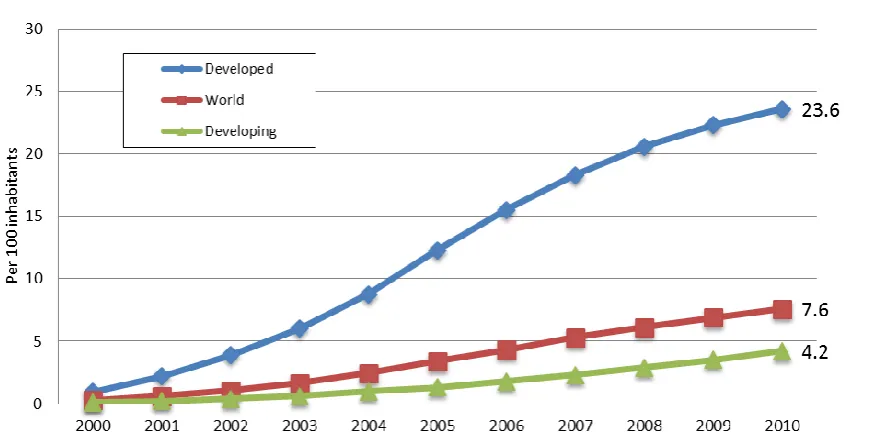
Figure 2; Global Fixed Wired Broadband Subscriptions. Source; ITU World
Telecommunications/ICT Indicators Database 43
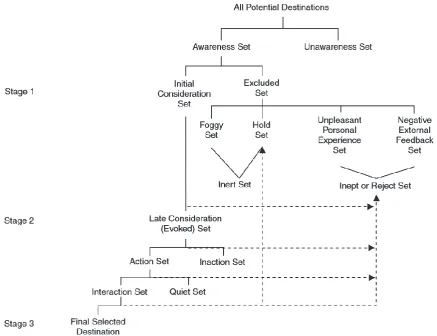
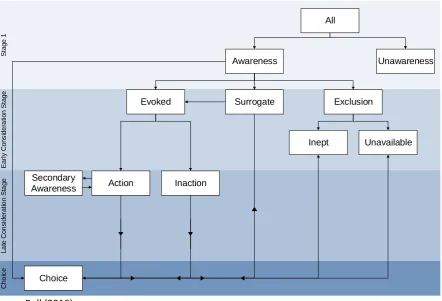
Figure 3; Crompton's (1992) Choice Set Model 81
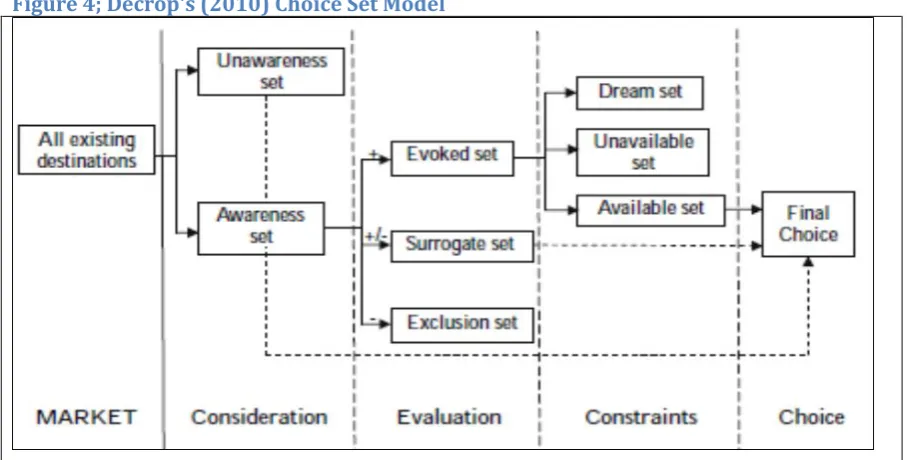
Figure 4; Decrop's (2010) Choice Set Model 84
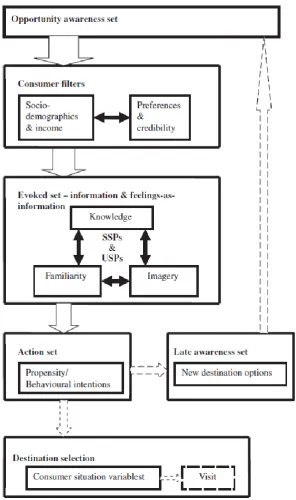
Figure 5; Integrated Choice Set Model 85
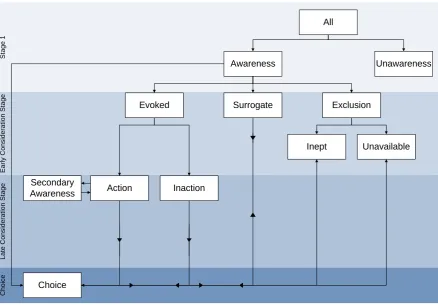
Figure 6; The Composite Choice Set Model 87
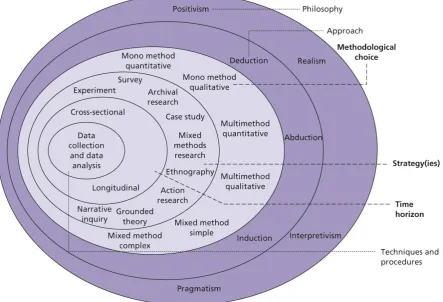
Figure 7; The Research Onion 97
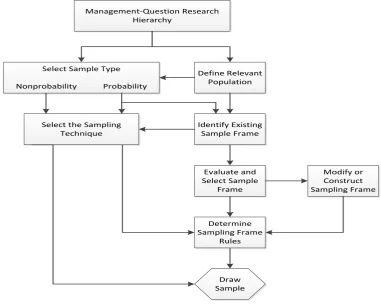
Figure 8; Sample Design Process 118
Figure 9; The Composite Choice Set Model 139
Figure 10; The composite Choice Set Model including the number of people (p) and
destinations (d) that comprise each set. 146
Figure 11; Correlation Analysis to Test the Perceived Utility Construct 158
Figure 12; Age and Use of Information Sources 181
Figure 13; Gender and Use of Information Sources 184
Figure 14; Level of Education and Use of Information Sources 186
Figure 15; Household Income and Use of Information Sources 188
8
List of Tables
Table 1; Classification of tourist information sources 38
Table 2; Culture and Information Source Matrix 54
Table 3; An Example of the Stopping Rule of the Priority Heuristic 68
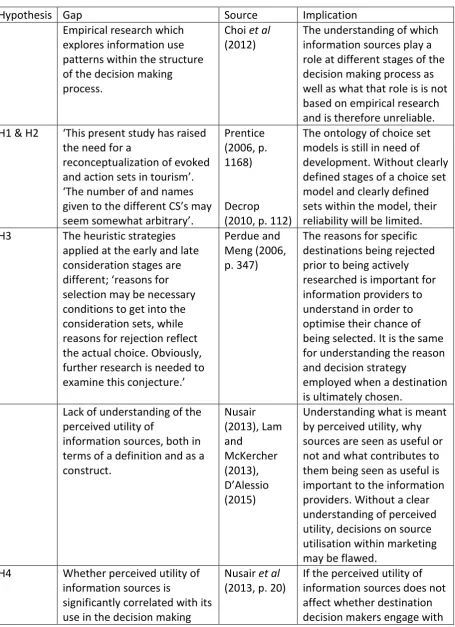
Table 4; Gaps in the Literature to be Addressed 93
Table 5; Comparison of the Contrasting Research Paradigms 98
Table 6; Demographic breakdown of respondents 137
Table 7; Were there any destinations you thought about but did not look for information
about? 139
Table 8; Reasons for excluding destinations at the Early Consideration Stage 141 Table 9; Did you need to search for information before your trip? 142 Table 10; When you were looking for information about the destinations you were
considering, were you guided to a resort or city that you had not considered before you began actively searching?
142
Table 11; Number of Alternative Destinations Researched 143
Table 12; Do you remember hearing about the destination from the following media? 150 Table 13; Crosstabulation; Do you remember hearing about the destination through a
digital information source * Did you exclude the destination as inept? 152 Table 14; Crosstabulation; Do you remember hearing about the destination through a
digital information source * Did you exclude the destination as unavailable? 153 Table 15; Crosstabulation; Do you remember hearing about the destination through a
printed information source * Did you exclude the destination as unavailable? 153 Table 16; Crosstabulation; Do you remember hearing about the destination through a
digital information source * Did you hold the destination as a surrogate? 154 Table 17; Crosstabulation; Do you remember hearing about the destination through a
printed information source * Did you holf the information source as a surrogate? 154 Table 18; Passive Information Source and Destination Deselection at Early Consideration
Stage 154
Table 19; Age Groupings and Destinations Remembered from Information Sources 156
Table 20; Results of Multicolinearity Diagnostics 160
Table 21; Perceived Utility Scores of Tourist Information Sources 161 Table 22; when researching your destinations, did you use with the following information
sources? 162
Table 23; Correlations between Perceived Utility of Information Source and their Use in
the Destination Decision Making Process 162
Table 24; The Following Information Sources are Unbiased, 1 Strongly Disagree, 5 Strongly
Agree 165
Table 25; The Following Information Sources are Up to Date, 1 Strongly Disagree, 5
Strongly Agree 165
Table 26; The Following Information Sources are Easy to Access, 1 Strongly Disagree, 5
9 Table 27; The Following Information Sources Offer Good Value, 1 Strongly Disagree, 5
Strongly Agree 167
Table 28; Summary of Rankings on Utility Scores, Use and Perception Scores 167
Table 29; Model Summary for Direct Communication 169
Table 30; Model Summary for Local Tourism Board 169
Table 31; Model Summary for High Street Travel Agents 171
Table 32; Model Summary for High Street Travel Agents’ Web Sites 171
Table 33; Model Summary for Online Only Travel Agents 172
Table 34; Model Summary for Printed Travel Guides 173
Table 35; Model Summary for Online Travel Guides 173
Table 36; Model Summary for Independent Traveller Review Sites 174
Table 37; Model Summary for Friends and Relatives 174
Table 38 Model Summary for Source Used and Destination Selection Outcome 176 Table 39; Significant Differences between the Perceived Utility of Information Sources and
Demographics 179
Table 40; Percieved Utility Score of Information Sources by Demographic and Use 179
Table 41; Use of Information Sources by Demographic 180
Table 42; Ip et al's (2012) demographic influences on internet use during travel planning 183 Table 43; Demographic influences on internet use during travel planning 186 Table 44; Significant relationships between demographic variances and use of information
sources. 191
Table 45; Demographic Differences in Information Source use and Liklihood of Destination
Selection 193
Table 46; A comparison of demographic specifics and the overall sample on the likelihood
10
Chapter One - Introduction
1.0 Overview of Chapter
This chapter will provide a broad introduction to the research, establishing the context within which the research is embedded as well as a rationale for the need for the research. The aim and objectives will be presented as well as the hypotheses that will be tested. The research methodology will be introduced and the organisation of the study will finally be described.
1.1
Research Background
11
1.2
Context of the Study
This study will be contextualised within two domains, firstly the tourist destination decision making process, and secondly tourist information sources. The consumer decision making process has previously been divided into four types; nominal, brand loyalty limited and extended (Hawkins et al, 2007). The type of decision making that is applied by the decision maker is an outcome of the risk that they attach to the choice; where the risks of making the wrong choice is low or where the negative consequences of such as choice is negligible, nominal decision making will be applied. Where the risk or consequences are not negligible, but still relatively low, limited decision making will be applied, however, extended decision making will be applied in contexts where the risks or negative consequences of making the wrong choice are high, such as is the case in holiday destination decision making which often involves a significant investment of time and money as well as high opportunity costs. This research is embedded within the destination decision making process as it represents a decision which manifests itself within the extended decision making process allowing the researcher to include relevant facets of decision making such as involvement theory, heuristic strategies, information search stopping rules and extended decision making process models.
12
1.3 Justification for a focus on the Tourism Industry
Situations involving extended decision making processes allow for rich, comprehensive, holistic research to be conducted and as a result, many authors researching decision making have focused on purchases within the Tourism industry (e.g. Zins, 2009; Correia et al, 2010; Munad and Jacobsen, 2014). The industry is a highly complex mixture of products and services that are almost always heterogeneous in nature due to the fact that the outcome is largely a psychological experience (Chon, 1989) resulting from an interaction between the product and customer. The fact that Chaos Theory and Complexity Theory1 are becoming prevalent in research on the Tourism industry
confirms its intricate and overwhelming nature in terms of understanding the dynamics of the complete tourism system (Stevenson et al, 2009). An in depth discussion of Chaos and Complexity theories is not intended or necessary here, but the escalation of research applying these theories to the tourism industry clearly demonstrates that it is an industry capable of providing all of the requisites for studies on all categories of consumer decision making processes (nominal, brand loyalty limited and extended).
An example of Inertia within the tourism industry may be travel insurance that is automatically renewed annually unless the customer takes action to discontinue the policy. In this kind of situation, the consumer is likely to deem the effort required to research better options outweighs the possible benefits of switching. Brand loyalty may be evidenced in the tourism industry in the repeat purchases through a specific travel agent or airline and although it may not be as obvious, tourists who return to the same holiday destination also demonstrate brand loyalty towards the destination. However, as stated already, the inertia and brand loyalty categories spawn less research than the limited and extended categories because there is little or no consideration of alternatives and therefore no significant information processing and no protracted decision making process Hyde, 2008). Despite this, their inclusion in decision making literature is not entirely superfluous, in fact inertia and brand loyalty can be directly linked to both the cause of certain purchase behaviour and the result of many purchase variables, one of which being the risk associated with a specific decision. The extent of decision making can depend on the level of risk that an individual is willing to
1Chaos Theory is applied to try to establish simple rules that explain how large systems (such as the overall tourism
13 take, and Inertia and Brand Loyalty represent risk reducing strategies (Roselius, 1971) relating to a purchase as a result of familiarity borne from previous satisfactory purchases.
1.4 Aim, Objectives and Hypotheses
During the review of the relevant literature, the following research questions emerged;
1. What is the perceived utility value of each information source?
2. Does the perception of each source significantly affect the likelihood of it being used in the decision making process?
3. Does the use of certain information sources to research destinations significantly affect the likelihood of the destination being either chosen or rejected?
4. Do demographic differences affect the role of information sources in the destination decision making process?
5. Is the composite Choice Set Model (which is proposed within this research) an accurate representation of the destination decision making process?
6. Are the individual sets within the composite CSM ontologically sound?
7. What effect do passive information sources have on the early consideration stage of the decision making process?
8. Which information search ‘stopping rules’ are applied at each stage of the decision making process?
Having synthesised the existing literature and identified salient research questions, the following goals were established for this research.
Aim:
14 Objectives:
1. To empirically test the descriptive validity of choice set models 2. To determine the ontology of choice sets
3. To critically evaluate the perceived nature of information sources and their role within the extended decision making process
Furthermore, the following hypotheses were established and tested as part of the study:
H1: The decision to use a specific information source in the destination decision making process or not is correlated to its perceived utility.
H2: The use of certain information sources to research destinations significantly affects the likelihood of the destination being either chosen or rejected.
H3: Demographic differences affect the role of information sources in the destination decision making process.
H4: the Composite Choice Set Model, proposed in this research, is an accurate representation of the mechanics of the decision making process.
H5: Each individual choice set are ontologically valid.
H6: non-compensatory heuristic strategies are applied at the Early Consideration Stage, and compensatory heuristics are applied in the Late Consideration Stage.
15 questionnaire and the data collected were tested for content, construct and criterion based validity. The questionnaire was also tested for reliability in terms of stability and consistency through a test, retest procedure and a separate pilot study. The data were then analysed using the SPSS software package in order to address the research questions and to test the hypotheses listed below.
Chapter Four presents the results and discussion simultaneously in order to simplify the contextualisation of the findings and was organised in two distinct sections: first the results pertaining to the destination decision making process and the composite choice set model; and second the results pertaining to the role of tourist information sources. This second section analysed the role of information sources (their use, the impact on the decision and the perceptions of the sources) at both the early consideration and late consideration stages of the decision making process in order to achieve the overall aim of the research.
Finally, Chapter Five presents the conclusions of the research and the recommendations that emerge from the overall project.
1.5
Limitations
16
1.6
Organisation of the Study
The research is organised into five distinct chapters. Chapter one, the introduction, presents an overview of the entirety of the study. Chapter Two presents a review of the current research agenda and is divided into three focal areas; the motivation for the decision making process (why do consumers expend resources such as time and money making decisions), the special aspect of information search (which information sources available and what are their perceived characteristics) and the operational aspect of the decision making process including salient decision making models. Although the three subjects are linked in reality, they are normally researched separately and the literature review was therefore organised to reflect these three focal areas. The first focal area critically analyses the research agenda on the issue of motivation in terms of motivation to engage in decision making, risk and involvement; it also discusses motivations for information search and the effect of prior knowledge. The second focal area within the literature review provides an overview of contemporary tourist information sources and provides a detailed discussion of relevant research on the development of the information landscape, the impact of the World Wide Web and the perceptions of the information sources by demographics. The literature review concludes with an overview of contemporary destinations decision making process models and a synthesis of information source usage patterns within the decision making process. This final element of the literature review which combines the research on tourist information sources and destination decision making reflects the gap that this research is intending to fill. As stated by Choi (2012, p. 26) ‘there has been no empirical research attempting to explore information use patterns within the structure of the decision-making process in the tourism literature’.
1.7
Contribution to Research
17
Chapter 2 - Literature Review
2.0 Overview of Chapter
This chapter will present an overview of salient research on both consumer decision making and the information search process; two subjects which have been researched separately, but together represent the core elements of tourist destination decision making. The chapter will focus on three main areas; the motivational factors involved in decision making and information search, the information sources available to destination decision makers and contemporary destination decision making process models.
2.1 Chapter Introduction
Various authors have proposed structures to research on decision making and information searching, for example, Fodness and Murray (1999) ascribe to the tripartite structure; spatial, temporal and operational. Spatial refers to the location of the information sources that are used in decision making, initially internal and thereafter focusing on the multitude of external sources. Temporal refers to the timing of information search which can be inferred to mean the stage of the decision making process, and operational refers to the dynamics of decision making and the processes involved. Other authors, (for example Schmidt and Spreng, 1996; Beigler and Laesser, 2004), prefer to organise research on decision making and information search by dividing the issues into motives, economics and processes. Motivational issues rely on psychological research on consumer behaviour such as involvement and the perception of risk (both of which will be discussed in detail within this project). Economic issues relate to the consumers’ cost/benefit analysis and selection based on the sacrifices required measured against the expected outcomes. Process issues relate to models of the stages (linear or not) that decision makers go through from problem recognition to post purchase evaluation (a.k.a. operational).
18 (1999) and Beigler and Laesser (2004) is required for the following reasons; firstly, motivation is a prerequisite for the conduct of any activity including decision making and information search. Secondly, the selection of information sources used in the decision making process is central to the aim of this research and this selection is underpinned by a cost/benefit analysis being conducted by the decision maker, therefore the spatial aspect is relevant. Finally, the operational aspect of decision making must also be researched in order to develop an thorough understanding of the process of destination decision making as well as to achieve the objectives of this research relating to identifying a relationship between information sources, and their influence on the decision making process at various stages. Much research has been conducted on decision making processes and the use of information sources, however, ‘there has been no empirical research attempting to explore information use patterns within the structure of the decision-making process in the tourism literature’ (Choi et al 2012, p. 26). This research aims to combine these central themes.
It is worth noting that the concept of service dominant logic has been adopted within this research. While some authors included in this literature review may indicate a distinction between products and services and use the term product very specifically, this study supports the theory that marketing theory has evolved from being chiefly concerned with the product (or service provided to the customer) to the view that services underpin all marketing functions including the creation of the product. Vargo and Lusch (2004) describe it thus; ‘the service-centred dominant logic represents a reoriented philosophy that is applicable to all marketing offerings, including those that produce tangible output (goods) in the process of service decision.’ There are many terms such as ‘product involvement’ which have been accepted in the research agenda as a label for a construct, but it is intended here that the use of such terminology be read with the understanding that since these terms became adopted, a new dominant logic for marketing has emerged which requires the reader to interpret the terminology accordingly. Destinations are the centre of the decision making process in this research and whether they should be deemed ‘products’ or ‘services’ or a combination of the two is irrelevant to the concept of service dominant logic.
2.2 Motivational Aspects of Decision Making and Information Search
19 traveller decision making. Motivation is the instigator of the decision making process and is predominantly driven by the presence of risk and involvement, both of which are discussed below.
2.2.1 The Role of Risk in Decision Making
Decision making involves a selection between alternatives with different attributes (where attributes are identical, no decision is necessary), and the selection will have net positive or net negative outcomes relative to the potential outcomes of the rejected alternatives. Decision making processes are undertaken for the sole purpose of minimising the risk of selecting the inferior alternative. Therefore, it is logical to identify ‘risk as the core concept of consumer theory’ (Conchar et al, 2004, p. 418). In partial support of this logic, Choffee and McLeod (1973) and Mitchell (1998) state that risk is an antecedent of involvement (discussed later) especially in contexts where the value of the stakes (such as money, time etc.) are relatively high. The issue of risk permeates every aspect of research within the field of consumer decision making and this explains why the issue of risk has continued to hold prominence in marketing psychology research.
20 and marketing psychologists should be aware of the distinction and its implications, as it has been established empirically (Quintall et al, 2010) that uncertainty avoidance tendencies motivates decision makers to search for more information during the information search stage of the consumer decision making process. The practical implication is that where complex decisions must be made, such as the choice of holiday destination alternatives, the destination management organisation, tour operator, hotel etc. that provides more thorough (and positive) information will be more likely to be selected at the purchase stage. As a result, Hofstede’s (1991) Cultural Uncertainty Avoidance Index which scores a cultures’ inclination to uncertainty avoidance is extremely valuable to organisations operating in international markets such as the tourism industry as they can manipulate their promotional activities accordingly.
According to Mitchell (1998), the terms ‘risk’ and ‘uncertainty’ have probably been used synonymously ‘because marketers feel that consumers never really know the exact probability of an outcome’ therefore some level of uncertainty will always exist resulting in the ubiquity of risk. Authors on the subject of risk give evidence of the concept of uncertainty as an element of risk in many of the definitions that exist in the literature. For example, Zinkhan and Karande (1991, p. 741) stated that risk is encountered ‘when an individual’s action produces social or economic consequences that cannot be estimated with certainty’. Conchar et al (2004) summarises that definitions of risk within marketing literature involves two elements: consequences; and the level of uncertainty. In agreement with this summary categorisation, many authors (e.g. Tarpey, 1975; Peter and Ryan, 1976; Vincent and Zikmund, 1976; Beardon and Mason, 1978; Dowling, 1985; Hyde, 2008) view risk as two dimensional (consequences and uncertainty) but simultaneously as a multifaceted construct; the facets representing the different types of risk that can exist in consumer decision making.
2.2.1.1 Types of risk in consumer decision making
21 political instability, (3) health concerns and (4) crime. Maser and Weiermair (2008) state that risks involved in tourism are ‘being exposed to terrorist acts, having problems with transportation or accommodation, becoming entrapped in a country’s political turmoil and/or being generally dissatisfied with the travel experience’. Although the final type of risk put forward by Maser and Weiermair (2008) can be related to the purchase decision, generally the risks involved in the decision making process are distinct from the risks involved in the consumption of tourism as can be seen from the discussion below.
Dowling (1986, p. 194) states that there is ‘little consensus regarding a common set of risk facets applicable across purchase situations’. For example, Roselius (1971) categorised the facets of consumer loss (risk) as time loss, hazard loss, ego loss and money loss. Roehl and Fesenmaier (1992) stated that risk can be physical risk, equipment risk, financial risk, psychological risk, social risk, satisfaction risk or time risk. Roehl and Fesenmaier’s (1992) typology is largely in agreement with a typology put forward by Jacoby and Kaplan (1972) and contains the following five categories of risk:
1. Financial risk; money can be considered to be wasted, for example, through purchasing a skiing holiday and the resort lacking snow, or money could be seen to be lost, possibly through online fraud or even pick pocketing in popular tourist areas. There is a positive correlation between the cost of the product and the level of risk attached (Hoyer and MacInnes, 2004) due to the increased severity of negative consequences.
22 3. Psychological risk; where the outcome of the purchase decision may harm the consumers’ ego. The selection and consumption of certain products can either support and reaffirm a person’s ego structure and belief system or it can contradict it resulting in unwanted psychological side effects. (The controversial issue of sex tourism may illustrate this point clearly. If a person who is normally against the concept of prostitution then engages in it during a holiday, upon their return, they may suffer from negative emotions such as guilt, denial or even self-loathing.) The temporary justification of allowing one’s self to try new things on holiday is evanescent and the overall effect of this decision on the psyche may be a harmful one. Many other examples of psychological risk exist within the tourism industry wherever a person’s ethics are threatened by their actions (exploitation of host community and the environment are two prevalent issues related tourists’ conscience). According to Blythe (1997) psychological risk can also be manifested through simple frustration arising from complications during the information search and decision making process.
4. Social risk; where there is ‘potential harm to one’s social standing that may arise from buying, using or disposing of an offering’ (Hoyer and MacInnes, 2004, p. 60). Again, there are parallels with psychological risk due to the connection between a person’s ego and their perception of their social standings. Blythe (1997) states that the level of social risk is dependant in part on the level of product visibility (how noticeable the product is to the community in which the purchases interacts) and puts forward a simple linear correlation between the level of visibility of a product and the inherent social risk associated with a purchase decision.
23 significant for two reasons; firstly because ‘it was estimated that a 5% increase in customer retention rate produces a 25% to 85% profit increase’ (Reichheld and Sasser, 1990) and secondly because ‘60% of sales to new customers could be attributed to word of mouth referrals’ Reichheld and Sasser (1990). Abdlla et al (2007) also claim that organisations that satisfy expectations and have customer loyalty also benefit from a greater tolerance to price increases.
The research agenda on the way that consumers measure their satisfaction has evolved steadily. According to Oliver (1980) whether the performance is satisfactory to the consumer or not is not a simple, linear construct. A satisfactory performance occurs when actual performance is equal to or greater than expected performance. If the actual performance is better than the expectations, this leads to positive disconfirmation, and the consumer is satisfied increasing the chance of repeat purchase. If the actual performance is below expectations, negative disconfirmation exists and the consumer is dissatisfied, making a repeat purchase unlikely. Chon (1989) relates this to tourism by stating that what the tourist actually sees, feels and achieves in a destination is compared to their previous image and satisfaction is concluded based on the comparison. This comparison is central to the reflective stage of the decision making process; post purchase evaluation.
Academics (e.g. Parasuraman et al, 1988; Cronin and Taylor, 1992) researching customer satisfaction in the service industry have identified problems when researching the construct of customer satisfaction. Gaps models such as Parasuraman et al’s (1988) SERVQUAL model which measure the difference (or gap) between expected performance and perceived actual performance rely on the tourist or hotel guest forming an accurate expectation of the performance, however, researchers such as Cronin and Taylor (1992) as well as Parasuraman
et al, (1988) themselves found that expectations of performance were normally
overestimated.
24 2.2.1.2 Measuring the Level of Risk
It can be seen that the various types of risk can play a significant role in the consumer decision making process, but an understanding of the level of risk associated with decisions is also necessary for those researching the subject as the priority for consumers is to avoid or at least minimise the level of each type of risk (Mitchell, 1999). According to Hyde (2008) the levels of risk associated with a purchase decision are dependent on the product characteristics, voluntary actions and personality of the consumer. Complex products, new products and product ranges where the alternatives are highly differentiated will carry more risk in one or more of the type categories identified by Jacoby and Kaplan (1972) above. Hyde (2008, p. 56) claims that whether the purchase is voluntary or involuntary will be significant to the level of risk involved; ‘voluntary purchases are associated with lower levels of perceived risk than involuntary purchases’. Finally, Hyde (2008) states that personality variables such as self-confidence, self-esteem and levels of anxiety will influence the level of risk that the consumer attached to specific decisions. Psychologists have also found that the part of a person’s brain that receives information and makes immediate judgements about the associated threat level, the amygdala, is also influenced by genetics, ‘making some people more vulnerable than others to developing fears and anxieties about various things’ (Gilbert, 2009, p. 34). If the level of risk varies depending on individuals’ personality and genetic constitution, this implies that risk is subjective rather than objective or that it is a figment of perception.
2.2.1.3 Perceived Risk
25 minimise the uncertainty associated with decision making through a more extensive and comprehensive decision making process (Hyde, 2008).
The measurement of perceived risk is relatively uncomplicated if tackled from a certain angle; measuring a decision makers’ perceived level of risk can be operationalised by applying subjects’ responses to surveys to a variety of models. Two such models are Cunningham’s (1967) unadorned two component2 model or Dowling and Staelin’s (1994) two component3 model which included the
notion of risk acceptance levels in its construction. However, measuring the actual accuracy of a decision makers’ perceived level of risk is far more complicated and controversial due to the requirement for an objective and exact measure of risk. The kernel at the centre on the debate was included in the extract from Quintal et al (2010, p. 322) above in their distinction between risk avoidance and uncertainty avoidance; ‘risk exists where probabilities of outcomes are known’. The debate centres on whether the objective probability of a certain consequence occurring can accurately be measured and therefore known (the theoretical process of decision makers identifying and quantifying risk as part of the decision making process is discussed further within the section covering the operational aspect of consumer decision making). Whether or not perceived risk can be accurately measured or not, its presence is closely associated with another psychological construct; involvement.
2.2.2 Involvement Theory
2.2.2.1 Ego, Enduring and Product Involvement
A psychological extension of the concept of risk in decision making is the concept of involvement which in itself, serves to motivate a more rigorous decision making process. Involvement is an important concept relating to consumer decision making as it is a prerequisite of all decision making (Beatty et al, 1988). Involvement is the psychological instigator of the decision making process and relates to the level of concern that a consumer attaches to a purchase decision such as destination choice. With regards to consumer behaviour, the discussion on the concept of involvement often
2 Overall Risk = probability of negative consequences x importance of negative consequences
3 Overall Perceived Risk (OPR) = Product Category Risk (PCR) + Product Specific Risk (PSR). Where PCR = F1
26 focuses on the level of interest, importance and emotion attached to a certain decision. For example, Day (1970) defined involvement as ‘the general level of interest in the object or the centrality of the object to the person’s ego-structure’. More recently Havitz and Dimanche (1999) advanced a definition that summarised involvement as ’an unobservable state of motivation, arousal or interest toward a recreational activity or associated product’. By comparison, Cohen’s (1988) definition is also useful to identify as it appears to be more implicit about the fact that involvement can trigger a physical response as well as a psychological one; Cohen states that involvement can be viewed as someone’s activation level at a particular moment in time.
Early investigation into the concept of involvement centred on the concept product importance (Hupfer and Gardner, 1971; Lastovicka and Gardner, 1977) which established a link between the level of importance of a product (such as a car or a holiday destination) and the subsequent level of involvement of the consumer. It must be said, however, that products have a degree of importance at all levels of the hierarchy of needs (Maslow, 1943) from the need for biological and physiological requisites such as water and food through to commodities that support or develop self-actualisation such as educational courses. Hupfner and Gardner (1971) explain that a product that is purchased to boost a person’s self-esteem might be considered equally as important to an individual as one that improves their security and so the hierarchy of needs should not be applied in parallel to increasing levels of involvement. Hupfner and Gardner’s (1971) model of importance/involvement merely claims that a positive correlation exists between levels of importance of a product and the level of involvement of the consumer.
This initial rationalisation proposed by Hupfner and Gardner (1971) has since faced criticism (Mittal, 1989) due to the fact that some essential products such as petrol may not evoke high levels of involvement (i.e. arousal, interest etc.) when purchased or consumed whereas relatively trivial products such as rental movies may evoke high levels of involvement. The common inclusion of terms such as ‘arousal’ and ‘interest’ within definitions (e.g. Havitz and Dimanche, 1999; Cohen, 1988) of involvement seem to support this criticism.
27 the product has been established over time and is likely to continue (in the context of this research, holidays are the ‘product’ in question) whereas situational involvement is considered to be a temporarily increased level of interest or concern for a decision. Enduring involvement has also been called ‘ego involvement’ by some authors. Beatty et al (1988), for example, state their preference for the term ‘ego involvement’ on the basis that it indicates the source of the involvement and the reason for the endurance. Sherif et al, (1965) describe ego as the constellation of attitudes that form towards objects, persons, situations and groups. When any stimulus is related to the domain of ego, ego involvement is said to exist and when an object becomes important to an individual’s ego, an enduring involvement is formed.
O’Cass (2000, p. 549) argues that involvement should always be conceptualised as enduring in nature and that ‘characteristics of the environment and temporary situational changes encountered by the consumer do not directly produce changes in or affect involvement levels’. Changes in the level of involvement are said to occur only as the individual’s relevant value system changes as a result of interaction with a stimulus or an environmental factor. As an individual’s value system may be considered resilient and long-lasting, so therefore should involvement. O’Cass (2000, p. 550) acknowledges the existence of short term, or ‘situational’ involvement, but emphasises that ‘these variables can and will periodically fluctuate from base level, but overall involvement should be treated as a relatively stable individual difference variable’. Although O’Cass’s interpretation of involvement appears to support the dominance of enduring involvement and almost neglect the existence of situational involvement, it is a truism for one particular type of involvement; product involvement.
Product involvement is analogous to the concept of ego involvement (Warrington and Shim, 2000) and therefore is enduring in nature. According to Bian and Moutinho (2008), product involvement is commonly defined as a consumer’s enduring perceptions of the importance of the product
28 enduring based upon [its] persistence’. It is possible for a product that would normally be of little interest to a consumer to become important temporarily due to situational conditions. For example, the attractions at specific tourist destinations will rarely be an urgent concern to an individual, however, when choosing between these destinations, the level of interest in the attributes of each alternative will induce involvement. This involvement with the destination will only be temporary as once the holiday is over, it will return to normal, negligible levels.
The construct of product involvement appears to employ Hupfer and Gardner’s (1971) and Lastovicka and Gardner’s (1977) early proposition that involvement with an object is dependent on its level of importance to the individual. If the product is deemed important to the consumer’s ego structure, i.e. if holidays are considered an important part of a contented life, the associated involvement can be categorised as enduring. If the product is only of temporary importance, then the consumer displays situational involvement. The inclusion of the concept of situational involvement may help to alleviate the concern with the importance/involvement correlation theory by explaining that even though essential products such as petrol may not adhere to the definitions of involvement pertaining to the arousal of a person’s ego structure, a temporary increase in interest and activation does exist when it must be purchased. This introduces the important distinction that many authors (Beatty et al, 1988; Mittal and Lee, 1989; Sirakaya and Woodside, 2004) have made between product (or enduring or ego) involvement and purchase decision involvement.
2.2.2.2 Purchase Decision Involvement
29 1978) explain that product involvement arises from factors internal to the consumer whilst purchase decision involvement arises from external factors.
Although separate types of involvement, product involvement and purchase decision involvement are often linked in consumer behaviour research. If a consumer has a high level of product involvement, say for holidays for example, the importance of choosing one that is compliant with their ego structure will induce a high level of purchase decision involvement. Product involvement, therefore, is commonly a precursor for purchase decision involvement. However, purchase decision involvement can occur without the existence of product involvement and some authors (e.g. Richins and Bloch, 1992) state that most involvement responses are exclusively outcomes of purchase decision involvement and product involvement does not apply. Mittal and Lee (1989) use canned peas to illustrate this point; it is unlikely that canned peas stimulate an arousal in a consumers ego structure therefore the level of involvement with this product class is low. However, at the point of decision making between the different options available, variables such as price and nutritional value may incite high purchase decision involvement. Extensive involvement responses, where product involvement and purchase decision involvement combine are rare as most consumer products do not elicit enduring product involvement. The only time that many products such as canned peas and air travel do elicit an involvement response is during the decision making process and so the research agenda moved from involvement theory in the 70’s and 80’s to the consumer decision making process in the 90’s and 00’s.
2.2.3 Types of Decision Making
30 purchase of a particular type of milk (e.g. semi skimmed) can illustrate this low level of involvement in the purchase decision making process. Brand loyal purchase is where again, the process is curtailed due to a satisfactory outcome of a previous, often extended decision making process. Brand loyalty differs from Inertia as a degree of involvement has been established with the particular brand within a product class, which implies that alternative products carrying the brand may be substituted. Brand loyalty towards Hilton Hotels may be an example and when travellers are staying in different cities, they may remain loyal to the Hilton brand. Whilst interesting to marketers researching the concept and construct of brand loyalty, the two types of decision making above are not useful when investigating decision making processes actuated at the point of purchase as many of the cognitive processes that result in these decisions have taken place significantly before the point of purchase.
The next category of decision making discussed by Hawkins et al (2007) and Hyde (2008) is where external influences begin to affect the process. Limited decision making is where the purchase decision making process exists in a simple format. This may be because of a lack of prior knowledge or established loyalty, but also because the potential for negative outcomes does not outweigh the time required to investigate the various options available extensively. Limited decision making may also occur because of the limited number of options or attributes available for consideration. Extended decision making is where there is a considerable amount of time and effort invested in identifying the optimal product or service to purchase and this is the focus of many authors researching the consumer decision making process (e.g. Jacobsen and Munar, 2012; Moore et al, 2012; Xiang et al, 2014).
2.2.4 Motivation and Information Search
2.2.4.1 Involvement and Motivation for Information Search
31 searching. Secondly, many purchase decisions do not require a detailed examination of the various alternatives and the attributes of each because they may be low value products, routine purchases, or the relevant information is simple to assimilate.
Products such as holidays do inspire high levels of enduring and purchase decision involvement as tourism products are often non routine, high value, complex products of which there are many alternatives. The construct of involvement implies that there is necessarily a motivation to engage with information search, indeed involvements’ ‘typical consequences are particular types of search, information processing and decision making whereby high involvement implies a high intensity in search process’ (Maser and Weiermair, 1998, p. 110). Whilst stating that tourists are high involvement consumers Maser and Weiermair (1998) state that this necessarily implies that some level of risk exists due to the availability of choice alternatives. The results of their research on traveller decision making found that the inseparable psychological phenomena of risk and involvement motivate information search with the goal of reducing uncertainty and therefore identifying and avoiding choice alternatives with unacceptable levels of risk. Fodness and Murray (1997) support this conclusion by stating that in the context of tourism the primary benefit motivating the search for information is ‘to enhance the quality of their trip by decreasing the level of uncertainty’ (Fodness and Murray, 1997, p. 505).
A tourists’ motivation to actively engage in information search is parallel to the issues of risk and involvement; indeed involvement has been defined as ‘a state of motivation, arousal or interest’ (Cai
et al, 2003, p. 140). The motivation for information search can be introduced by using a simple
32 effort is also wisely spent by the consumer in the selection and application of the appropriate search strategy. The financial cost of information search has been summarised by Gursoy and McCleary (2004) as the cost of telephone calls, postage, faxing and transportation to information sources such as travel agents or libraries. According to Stigler (1961) time is the most important external cost. This cost, however, varies from individual to individual based on the opportunity cost of their time, which itself has been said to depend on personal circumstances such as income or free time (Bryant, 1988). The benefits of information search largely relate to the reduction of risk associated with purchase decisions (Gursoy and McCleary, 2004; McCleary and Whitney, 1994), but risk, as has been discussed previously, is a subjective concept dependent on many personal variables such as prior knowledge, cultural background and, initially, a persons’ level of involvement in the product or purchase in question which serves to amplify risk.
33 2.2.4.2 Prior Knowledge
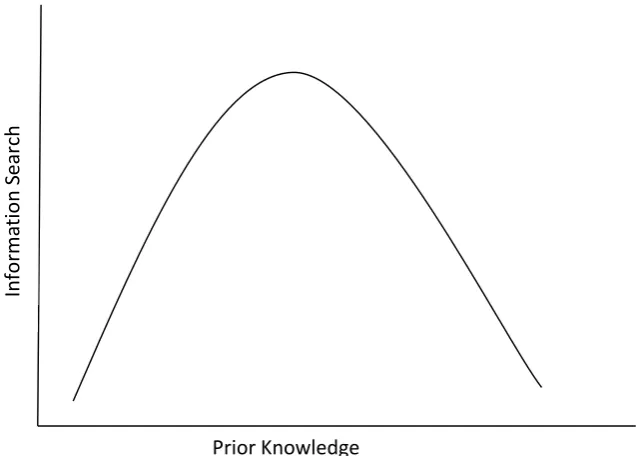
[image:33.595.125.444.354.582.2]Authors such as Moorthy et al (1997) and Johnson and Russo (1984) researched the impact of prior knowledge on motivation for information search and stated that the relationship can be described as an inverted U-curve (Figure 1). Decision makers with no prior knowledge of a product or product class will not be motivated to examine the relevant information relating to it as they have no awareness of it. Consumers with perfect knowledge of a product or product class will also not be motivated to engage in information search as there is no value in doing so. Between these two extremes consumers have enough knowledge to make them aware of the product, but still search for more to improve their decision making process and ultimate choice.
Figure 1; the Inverted U Curve
Source: Russo (1984)
Alba and Hutchinson (1987), develop the field of understanding on the decision making process and the effect of prior knowledge (and the semantic terminology) by identifying that ‘consumer knowledge has two major components; familiarity and expertise’4 (Alba and Hutchinson, 1987, p.
4 Expertise has been attributed five characteristics; (1) ability to analyse information, focusing on the
relevant and ignoring the irrelevant, (2) reduced cognitive effort required to perform the task, (3) Prior Knowledge
In
fo
rm
atio
n
S
34 411). Both familiarity and expertise refer to the product/product class as well as the decision making process and familiarity breeds expertise in both. Greater familiarity with a certain product (such as a destination) or with a problem setting (such as deciding between destinations) creates greater expertise, which Alba and Hutchinson (1987, p. 411) defined as ‘the ability to perform product related tasks successfully’.
Familiarity and expertise relating to a given decision task provides a richer, more veridical understanding of the alternatives as well an established pattern of problem solving which in turn aids the automation (defined by Alba and Hutchinson (1987, p. 413) as ‘a process that can be performed with minimal effort’) of some elements of the decision making process and reducing the need for information search. The higher the levels of familiarity and expertise, the less complex a decision can become to the consumer due to the learned ability for the consumer to group, categorise and ultimately eliminate certain choice alternatives based on a prior knowledge of the product attributes. This ability facilitates the adoption of specific decision making strategies and avoids the need for more time consuming, costly and complex information search behaviour. A tourist wishing to travel from London to Manchester, for example, may automatically choose an train as their means of transport over cars or aeroplanes as it is perceived to be the most practical for travelling such a distance. The extent of information search on travel options is therefore already reduced due to these exclusions. Theoretically, as experience of the journey increases, familiarity, expertise and knowledge also increase up to the point where no search for information is required as illustrated in Figure 1.
35 to state that the perceived risks associated with unfamiliar trips will motivate destination decision makers to engage in extensive information search and an extensive decision making process.
Whilst prior knowledge will clearly be a strong influence on the nature of information search, it will not be a universal constant, i.e. the same level of prior knowledge will not equate to a set amount of information search amongst decision makers. The differences in the characteristics of decision makers will have a significant impact on the motivational element of information search and much research has been conducted as a result of this.
2.2.5 Summary
Motivation for the decision making process is aroused by the existence of choice alternatives that have different attributes; where this is the case, risk exists. Risk is a significant factor in the choice of holiday destinations due to the combination of uncertainty surrounding the product as well as the relatively elevated potential for severely negative consequences. As a result, purchase decision involvement motivates the destination decision maker to engage in an extended decision making process taking place which includes a relatively extensive search for information amongst the different sources available.
2.3 Spatial Aspect of Information Search
36
2.3.1 Classifications of Information Sources
The spatial element of information search has attracted the interested of many researchers (Money and Crotts, 2003; Lee et al, 2007; Sharifpour et al, 2014) because, according to Rosenbloom, Larsen and Smith (2004, p. 4) ‘it has become too difficult to hold on to a competitive edge via product, pricing and promotional strategies… almost by process of elimination, channel strategy has become fashionable’. Many authors (e.g. Engel, Blackwell and Miniard, 1990; Pan and Fesenmaier, 2006; Ramkisson and Nunkoo, 2012) researching information sources agree that the first fundamental distinction between information sources can be made between internal and external sources. Internal information sources such as memory and emotional responses are the domain of psychology researchers, whereas marketing organisations have particular interest in the external sources. Molina and Esteban (2006) provide a useful discussion on the impact of specific external information sources on destination choice. While their research is limited to travel brochures, they state that the image of a destination can be formed over a lifetime through various channels such as friends and relatives, television programmes, travel guides and brochures. Molina and Esteban (2006) also established that the numerous variables attributable to each source (message content, detail, information source credibility etc.) play an important role in the image formation of destinations which in turn affects destination choice. The importance of understanding the differing effects of the various information sources is of vital concern to researchers and marketing practitioners. For example, in their research on tourists’ information search behaviour, Gursoy and McCleary (2004, p. 397) concluded that ‘understanding external source utilisation can help marketers effectively tailor their promotional mix’ and ‘can help marketing managers design better marketing programmes and communication strategies’.
The prescribed range of sources available to the tourist who is making a purchase decision varies from author to author. Appendix 1 presents some of the more recent classifications of information sources used in salient research which range from 5 to 18 possible outlets and a summary classification of salient sources is below:
Broadcast media (TV and radio)
Printed media (newspapers, magazines, travel brochures and billboards) Friends and relatives
Direct communication (airline, hotel, tour operator, attraction) Local tourism board
37 High street travel agents’ web site
Online only travel agent (expedia/opodo etc.) Printed travel guides
Travel guides online
Independent traveller review sites and forums (Tripadvisor, Wikitravel etc.)
One generalised grouping of these external sources is personal and non-personal (Dawar, Parker and Price, 1996), however, a consensus does not exist regarding the precise characteristics of these categories and this is essential to clearly define what is meant by this in any individual piece of research. Personal information sources are herein interpreted as those which a person generates information for the decision maker in response to their enquiry. The information originating from these sources is considered personal as it is generated to provide information which is adapted to fulfil decision makers’ individual information requirements. They are characterised by conversations which take place face to face, over the phone or via email or other digital messaging systems. Non-personal information sources are characterised by information that exists independently of enquiry and is identical for everyone. Broadcast and printed media exemplify this type of information. Booking systems (such as those for hotels or flights) which generate information in response to a decision maker’s enquiry may also be considered a non-personal source as the information returned is automated and is there is no human interaction involved.
38 Fodness and Murray (1997) created a source matrix (Table 1) which divided the sources used in their research based on the two emergent characteristics of the salient research (commercial or non-commercial and personal or non-personal).
Table 1; Classification of tourist information sources
Non-personal
Personal
Commercial
Brochures
Guide Books
Local Tourist Offices
State Travel Guides
Auto Clubs
Travel Agents
Non-commercial
Magazines
Newspapers
Friends and Relatives
Highway Welcome Centers
Personal Experience
Source: Fodness and Murray (1997, p. 506)The quality and type of information provided by each category has been shown to be perceived differently by consumers. Non-personal sources such as TV adverts or travel guides for example will serve to provide a generalised image of a destination for a broad target market, whereas personal sources tailor their information to the individual’s tastes. Fodness and Murray (1997) also found that personal sources, and specifically friends and relatives are strong influences on tourists during passive information gathering stage of image formation. Commercial and non-commercial sources will also be perceived differently by the tourist; because commercial sources have a vested interest in selling services of a particular destination, ‘the marketer dominated [commercial] information would hold less credibility and hence contain more risk’ (Money and Crotts, 2003, p. 195). Understanding the consumers’ perception and use of each type of information is critical to marketing organisations.
39 information sources. Many authors on information search strategies (Schull and Crompton, 1983; Fodness and Murray, 1997; Chen and Gursoy, 2000; Schweda and Varan, 2003) differentiate between people who actively engage in information searching and those who allow information to come to them passively. Passive information sources may be those which are presented to the tourist without them engaging in the search for it. Mass media such as broadcast and printed adverts are examples, as are friends and relatives (Fodness and Murray, 1997). Active information sources are those which require the consumer to expend resources such as time, money or energy to collect. Specific flight or accommodation prices or destination attractions may be researched by the tourist actively and travel agents are a traditional example of an active source (Fodness and Murray, 1997). Active and passive information sources can also be divided into commercial and non-commercial and personal or non-personal. The matrix shown in Table 1 can therefore be imagined as cubic with two categories on each dimension – Personal/Non-personal, Commercial/Non Commercial and Active/Passive. The distinction between passive and active sources of information is valuable when analysing the stages of the decision making process.
2.3.2 Benefits of Different Spatial Sources