Choi, Kyoungju. Modulation of Immune Function Parameters in Fish Caused by Sudden Environmental Changes (Under the direction of Mac Law and Gregory Cope)
Three related projects were conducted using multiple tiered bioassays to determine the effects of acute changes in salinity, low oxygen saturation (hypoxia), or triamcinolone on immune function in teleost (bony) fish using the well characterized tilapia fish model.
We hypothesized that sudden changes in the aquatic environment, specifically salinity and dissolved oxygen, would compromise immune function in teleost fish leading to
alterations of cytokine expression, namely increase in TGF-ß and decrease in IL-1ß; suppression of phagocytosis; and adverse changes in plasma chemistry and hematology. Further, we hypothesized that these immune system changes would be similar to those caused by administration of triamcinolone. Our overall hypothesis was that the total
immunocompromise caused by rapid environmental changes leads to increased susceptibility to diseases such as epizootic ulcerative syndrome (EUS).
To model the rapid environmental changes often experienced by fish in North
Carolina estuaries, tilapia (Oreochromis niloticus) were exposed under controlled laboratory conditions to either acute salinity changes, acute drop in dissolved oxygen, or intraperitoneal injection of triamcinolone (positive control). Tiered bioassays of increasing specificity for immune function were performed on tissue samples: Tier I, histopathology; Tier II,
interleukin-1ß (IL-1ß) splenic mononuclear cells using real time PCR.
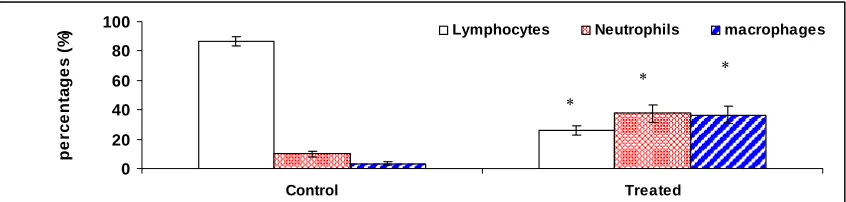
While histopathology was a useful tool for assessing overall health of the test fish, no remarkable lesions were found in that could be attributed to any of the three stressors. Triamcinolone administration (i.p., 10mg/kg) for 3 days induced lymphopenia, neutrophilia with overall leukopenia, and monocytosis. Hematocrit and circulatory red blood cell count did not change with triamcinolone administration nor with acute decrease in salinity. Increase in salinity (5-20 ppt) had no effects on any of the aforementioned parameters. Hypoxia induced lymphopenia and neutrophilia without change in monocytes and
additionally inhibited values of PO2, SO2, total protein, and lipase in exposed fish. Decrease in salinity (20-5 ppt) did not affect plasma cortisol levels, nor did triamcinolone
administration or hypoxia treatment. Plasma protein level was not changed in response to decrease in salinity or triamcinolone administration. Triamcinolone administration
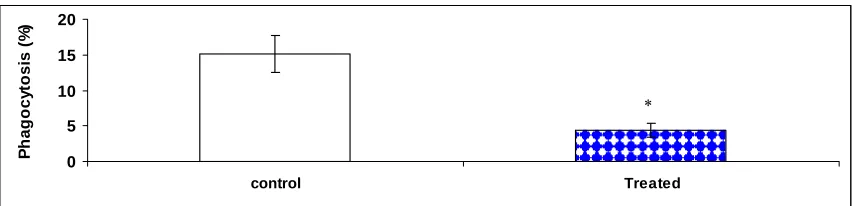
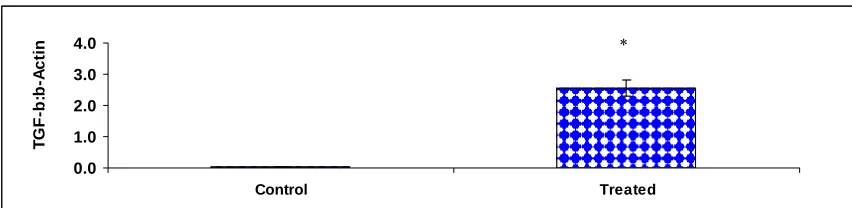
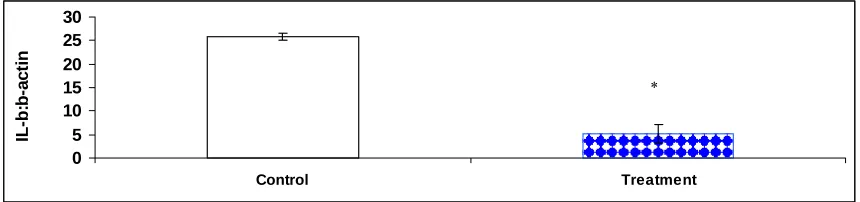
suppressed phagocytosis of peripheral blood leukocytes (PBL) without a significant change in phagocytic index (P.I). Decrease in salinity elevated phagocytosis without change in P.I. in exposed tilapia. Increase in TGF-β transcription and decrease in IL-1β transcription with in vitro LPS stimulation were identified after triamcinolone administration. Acute decrease in salinity upregulated TGF-β transcription, whereas IL-1β transcription without in vitro LPS stimulation was not detectable in exposed fish. During hypoxia it was observed that changes in phagocytosis and TGF-β transcription were correlated negatively and that changes in IL-1β transcription and phagocytosis correlated positively.
by Kyoungju Choi
A dissertation submitted to the Graduate Faculty of North Carolina State University
in partial fulfillment of the requirements for the Degree of
Doctor of Philosophy
Environmental and Molecular Toxicology
Raleigh 2004
APPROVED BY :
Kyoungju Choi was born in Seoul, South Korea on January 23, 1970. After
graduating from the In-Wha High School in Inchun in 1988, she began studies at Seoul
Woman’s University in Seoul. She earned a Bachelor of Science Degree in Food Science
in 1991. After graduation she worked as a teaching assistant at the Research Institute of
Food Development in Kon Kuk University, and then she earned a Master of Science
Degree with emphasis in Food Fermentation and Chemistry in 1995 at Kon Kuk
University. During the Masters program she also worked as a sanitation worker at
Hongsung Food Co. in Korea. After graduation, she worked as a researcher at the
Korean Institute of Food Hygiene in Seoul. On June 15, 1996 she was married to Hyun
Joo and moved to the United States. She then began a doctoral program in 1999 in the
Department of Environmental and Molecular Toxicology at North Carolina State
University under the direction of Dr. Mac Law.
She is a member of the Society of Environmental Toxicology and Chemistry
I wish to express great appreciation to Dr. Mac Law for his valuable advice and guidance
throughout the course of this study. My appreciation also goes to Drs. W. Gregory Cope,
Muquarrab Qureshiand Craig Harms for serving on my graduate committee. I extend
further appreciation to colleagues in my laboratory, Dr. Andrea Johnson, Marilyn
Pettengill, and D. Wade Lehmann.
I also want to thank my parents and parents-in-law for their untiring encouragement and
support. In the end, I would like to thank my husband and my beautiful daughter, Amy,
Page
LIST OF TABLES ………...…….…….… vii
LIST OF FIGURES ……….……….. x
INTRODUCTION ……….. 1
LITERATURE REVIEW...………...…… 13
MANUSCRIPT I: Biomarkers of Immunomodulation Induced by Triamcinolone in Tilapia (Oreochromis niloticus) ………... 39
Abstract ……….……….. 40
Introduction ………….……… 41
Materials and Methods ……….………43
Results ……….….………48
Discussion ……..………. 50
Acknowledgments ………….……….. 55
References ……….……….. 56
Figures ……….……… 62
Tables ……….………. 66
MANUSCRIPT II Modulation of Immune Function Parameters in Tilapia (Oreochromis niloticus L.) Induced by Acute Changes in Salinity …...…… 67
Materials and Methods ……….……….…71
Results ……….….……….…77
Discussion ……..……….. 80
Acknowledgments ………….………... 86
References ……….………..….... 87
Figures ……….………....… 93
Tables ……….………. 96
MANUSCRIPT III Modulation of Immune Function Parameters in Tilapia (Oreochromis niloticus) Induced by Hypoxia-Reperfusion ...……….………... 97
Abstract .….………... 98
Introduction ………….………..……….… 100
Materials and Methods ……….………..…… 104
Results ……….….………..… 111
Discussion ….…..………..…. 114
Acknowledgments ………….………. 122
References ……….………. 123
Figures ……….………...… 132
Tables ..……….………..…… 135
Overall Summary ………...………..……… 137
1. Nucleotide Sequence of Tilapia (Orechromis niloticus) IL-1β mRNA ………… 141
2. Plasma Chemistry Profile of Tilapia (Oreochromis niloticus) Subjected to
Page
MANUSCRIPT I
Table 1. Sequences of primers used to investigate each cytokine expression
including splenic mononuclear cells TGF-β and IL-1β mRNA in this study .………... 66
Table 2. Percentage of phagocytic frequency in terms of engulfed beads of tilapia
(n=6) 3 days after intraperitoneal administration of triamcinolone (10 mg/kg). One
hundred peripheral blood leukocytes were counted from each fish. * means significant
difference between control and treatment group (p<0.05). Values are means ±SE ...… 66
MANUSCRIPT II
Table 1. Genbank identification number of known teleost fish cytokines used to
prepare the primers for real time PCR ..………..……….………….………….. 96
Table 2. Percentage of phagocytic cells in terms of engulfed bead numbers by
peripheral blood leukocytes (PBL) of Tilapia (n=3) subjected to decreased salinity. *
means significant difference between control and treatment group (p<0.0001). Values
are means ±SE ..……… 96
Table 2. Differential blood cell counts of tilapia (n=5) subjected to 96h hypoxia
followed by 84h of reperfusion. * means significant difference between control and
treatment group (p<0.0001). The lowercase a and b denote significant difference in
lymphocyte (p<0.0001) and neutrophils counts (p<0.03). Error bars represent standard
error. Values are means±SE and sample units are percentage (%) .………..…………135
Table 3. Plasma concentration of partial pressure of oxygen (PO2, mmHg),
oxygen saturation (SO2, %), total protein (g/dL) and lipase (U/L) of tilapia (n=5)
subjected to 96h hypoxia followed by 84h reperfusion. * means significant difference
between control and treatment group (p<0.001). The lowercase a and b denote significant
difference in total protein (p<0.05). Means followed by the same letter are not
significantly different. Values are means ±SE .………....…. 136
Table 4. Percentage of phagocytic cells in terms of engulfed bead numbers of
peripheral blood leukocytes (PBL) of Tilapia (n=5) subjected to 96h hypoxia followed by
84h reperfusion. * means significant difference between control and treatment group
(p<0.0001). The lowercase a denotes significant difference in values of PBL with one
(p<0.007) and over three beads (p<0.05) compared to its value at 84h reperfusion and a
and b means significant difference in PBL with two beads (p<0.04). Means followed by
Table 1. Nucleotide sequence of tilapia (Oreochromis niloticus) IL-1β mRNA and
primers. Initial primers were designed against conserved region from known teleost fish
IL-1β sequences in the GenBank Databases. Initial primers are based on alignment of Sea bream (GenBank AJ277166), flounder (GenBank, AB070835) and Sea bass
(GenBank AJ269472). These primers were used for PCR and sequenced. PCR was
performed with cDNA from a range of tissues (spleen, gill and liver) of flounder, tilapia
and rainbow trout whose mononuclear cells were isolated followed by in vitro
administration with 10 µl of LPS (1 mg/mL) (Sigma, St. Louise, MO) for 4h at 26°C. In
vitro stimulation was required to study IL-1b expression since no expression showed in
unstimulated fish (Jun Zou, 1999) ………. 141
APPENDIX 2
Table 1. List of plasma biochemistry analyzed with Hitachi 717 chemical
analyzer and iSTAT analyzer and plasma cortisol analyzed with IMMULITE
chemiluminescent immunoassay. Tilapia (n=5) were exposed to 96h hypoxia followed
by 84h reperfusion. * = data performed by iSTAT analyzer. Values are means ±SE
Page
MANUSCRIPT I
Fig. 1. The effect of triamcinolone on white blood cells counts. Tilapia (n=6) were
administered triamcinolone intraperitoneally (10mg/kg body weight). White blood cells
were counted 3 days after administration. * represents significant difference in means
between control and treated tilapia (p=0.00016). Error bars represent standard error
(SE) ..………....………. 62
Fig. 2. The effect of triamcinolone on lymphocytes, neutrophils, and
macrophages counts. Tilapia (n=6) were administered with triamcinolone (10mg/kg
body weight). Each blood cell type from blood smear was measured 3 days after
administration. * represents significant difference in means between control and treated
tilapia (n=6) (p<0.005). Error bars represent standard error (SE) ..………... 62
Fig. 3. The effect of triamcinolone on spleno-somatic index. Tilapia (n=6) were
administered with triamcinolone (10mg/kg body weight) intraperitoneally. Aseptically
removed spleen was weighed and divided by body weight of each fish. Its value was
measured 3 days after administration. * represents significant difference in means
between control and treated tilapia (p=0.01). Error bars represent standard error (SE)
leukocytes (PBL). Tilapia (n=6) were administered with triamcinolone (10 mg/kg body
weight). Phagocytosis was measured 3 days after administration. * represents significant
difference in means between control and triamcinolone-treated tilapia (p=0.0001). Error
bars represent standard error (SE) ………..…. 63
Fig. 5. . The effect of triamcinolone on phagocytic index (PI) of peripheral blood
leukocytes (PBL). Tilapia (n=6) were administered with triamcinolone (10 mg/kg body
weight). Phagocytic index was measured 3 days after administration. Error bars
represent standard error (SE) ……… 64
Fig. 6. The effect of triamcinolone on splenic mononuclear cells TGF-β mRNA expression. Tilapia (n=6) were administered with triamcinolone (10 mg/kg body weight)
intraperitoneally. TGF-β transcription was measured 3 days after administration. * represents significant difference in means between control and treated tilapia (p=7E-06).
Error bars represent standard error (SE) ……….. 64
Fig. 7. The effect of triamcinolone on splenic mononuclear cells IL-1β mRNA expression. Tilapia (n=6) were administered with triamcinolone (10 mg/kg body weight)
intraperitoneally. IL-1β transcription was measured 3 days after administration. * represents significant difference in means between control and treated tilapia
Fig. 1.Lamellar aneurysms in the gills of tilapia in response to acute changes in
increased salinity (10 ppt). Arrows point to example lamellar aneurysms ………..93
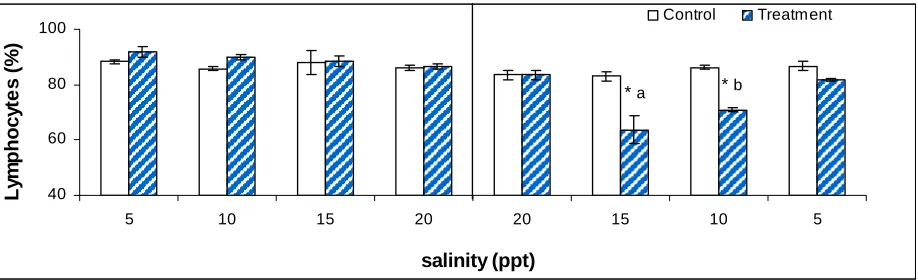
Fig. 2. The effects of acute salinity change on lymphocytes of tilapia (n=3). The
perpendicular line divides Exp. I, increased salinity treatment and Exp. II, decreased
salinity treatment. * represents significant difference in means between control and
exposed values (p<0.0001). The lowercase a and b denote significant difference in
lymphocyte levels within treated group (p=0.001). Error bars represent standard error
(SE) ..………93
Fig. 3. The effects of acute salinity on macrophages of tilapia (n=3). The perpendicular
line divides Exp. I, increased salinity treatment and Exp. II, decreased salinity treatment.
* represents significant difference in means between control and exposed values
(p=0.0034). The lowercase a denotes significant difference in macrophage levels within
treated groups (p=0.0006). Error bars represent standard error (SE) ……… 94
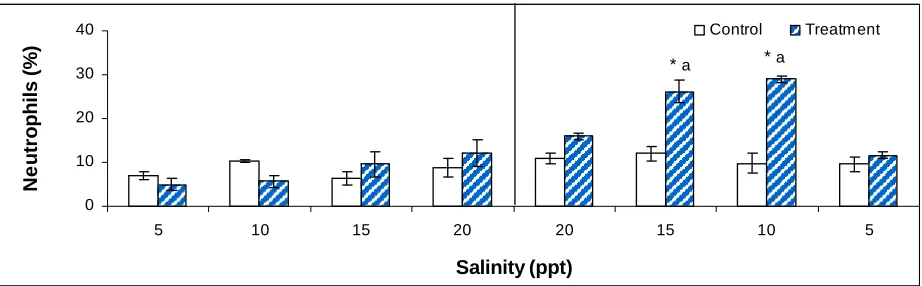
Fig. 4. The effects of acute salinity on neutrophils of tilapia (n=3). The
perpendicular line divides Exp. I, increased salinity treatment and Exp. II, decreased
salinity treatment. * represents significant difference in means between control and
exposed values (p<0.0001). The lowercase a denotes significant difference in neutrophil
perpendicular line divides Exp. I, increased salinity treatment and Exp. II, decreased
salinity treatment. * represents significant difference in means between control and
exposed values (p<0.0001). The lowercase a denotes significant difference in
phagocytosis level compared to its value at 5 ppt in decreased salinity exp. (p<0.03).
Error bars represent standard error (SE) …..……….…… 95
Fig. 6. The effects of acute salinity changes on TGF-β mRNA expression of tilapia (n=3). The perpendicular line divides Exp. I, increased salinity treatment and Exp.
II, decreased salinity treatment. * represents significant difference in means between
control and exposed values (p<0.0001). The lower case a and b denote significant
difference in TGF-β expression level (p<0.03). Error bars represent standard error (SE).…………..……….…… 95
MANUSCRIPT III
Fig. 1. The effects of hypoxia followed by reperfusion on phagocytic capability in
peripheral blood leukocytes from control and hypoxia-exposed tilapia. * represents
significant difference in means between control and exposed values (p<0.0001).The
lowercase a denotes significant difference in phagocytic capability levels compared to
84h reperfusion (p<0.004). Error bars represent standard error (SE) ……….. 132
(p<0.0001).The lowercase a denotes significant difference in phagocytic index compared
to its value at 84h reperfusion (p<0.01). Error bars represent standard error (SE)
………...……… 132
Fig 3. TGF-β mRNA expression of tilapia (n=5) splenic mononuclear cells subjected to 96h hypoxia followed by 84h reperfusion. . * represents significant
difference in means between control and exposed values (p<0.0001). The lowercase a
and b denote significant difference from 84h reperfusion and also significantly different
between at 96h hypoxia and 12h reperfusion (p<0.03). Error bars represent standard
error (SE) ..……..………..… 133
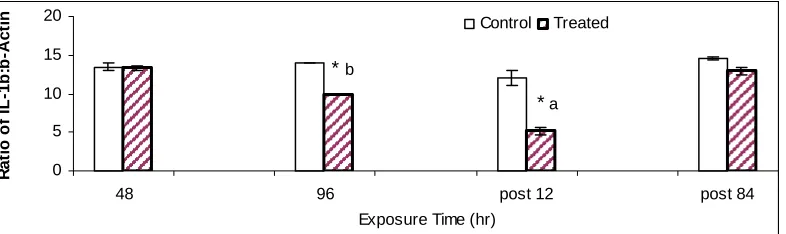
Fig. 4. IL-1β mRNA expression of tilapia (n=5) splenic mononuclear cells
subjected to 96h hypoxia followed by 84h reperfusion. * represents significant difference
in means between control and exposed values (p=0.006). The lowercase a and b denote
significant difference in IL-1β transcription from 86h reperfusion and also significantly different between at 48h hypoxia and at 12h reperfusion (p<0.002). Error bars represent
standard error (SE) …….………... 133
Fig. 5. Correlation between phagocytosis, IL-1β mRNA and TGF-β mRNA expression of tilapia subject to 96h hypoxia followed by 84h reperfusion. The plot of
Fig. 1. Phylogenetic tree of IL-1β nucleotide in tilapia (Oreochromis niloticus),
flounder (Paralichthys olivaceus), seabream (Sparus aurata), seabass(Dicentrarchus
labrax) and rainbow trout (Oncorhynchus mykiss)using Clustal method in MEGALIGN
Introduction and Literature Review
Vast fish kills and fish disease outbreaks in the estuaries of North Carolina have
been attracting public and media attention since the mid-1980s (Borsuk 2004; Dykstra
2000; NCDENR 1997; NCDNER-DWQ 2000). In particular, major tributaries of the
Albemarle-Pamlico estuarine system, including the Neuse and Pamlico Rivers, have been
impacted by these events (Miller et al. 1990; NOAA 1996). Studies concerned with these
events focused on the effects of a variety of interacting environmental stressors that
induce protective alterations in physiology, histopathology, and immune function in the
host, thereby reducing susceptibility to infectious disease and eventual death (Adams et
al. 1989; Borsuk 2004). These adverse aquatic conditions include i) increased nutrient
load from agricultural runoff and anthropogenic compounds like pesticides and organic
compounds; ii) adverse environmental conditions such as hypoxia , fluctuations of
temperature, salinity and sediment influx; and iii) toxic algal blooms (Pfiesteria sp.),
parasitic infections,fungal/oomycete infections including Aphanomyces sp., and other
diseases (Adams et al. 1989; Anderson and Zeeman 1995; Bly et al. 1997; Dykstra 2000).
Adverse environmental conditions continue to challenge the capability of fish to maintain
homeostasis (Bly et al. 1997; Wedemeyer et al. 1984). When this capability is exceeded,
there is adverse modulation of hormonal status, immune function, and reproduction, and
elevated susceptibility to infectious diseases (Adams et al. 1989; Wendelaar-Bonga
1997).
The pituitary-chromaffin cell axis (equivalent to the
response to stressors in fish ( Wendelaar-Bonga 1997). These neuroendocrine axes are
also involved with immune function (Harris and Bird 2000). Glucocorticoids and
catecholamines are hormones secreted in primary-adaptive responses to stressors that are
involved in energy mobilization, osmoregulation, and synthesis of metallothionins
(Sapolsky et al. 2000). The primary corticosteroid expressed in teleost interrenal tissue is
cortisol, as opposed to the dominant mammalian corticosteroids, cortisone and
corticosterone (Kime 1987). Glucocorticoids (GCs) are generally considered to be
immunosuppressive and anti-inflammatory. Immune functions affected by GCs are: i)
inhibition of synthesis, release and potency of cytokines such as IL-1, IL-2 and TNF-α,
as well as other inflammatory mediators such as histamine and nitric oxide (NO); ii)
suppression of eicosanoid synthesis through decrease in cyclooxygenase 2 (COX-2); iii)
alteration of antigen presentation and expression of major histocompatibility complex
(MHC) II protein; iv) alteration of lymphocyte proliferation; v) shift from Th1 to Th2 cell
responses and elevation of anti-inflammatory cytokines such as transforming growth
factor (TGF-β); and vi) induction of redistribution of peripheral blood cells including
CD4 cells, macrophages, monocytes and eosinophils, but not neutrophils (Brinkmann and
Kristofic 1995; Brown et al. 1982; Darlington et al. 1990; Masferrer et al. 1992; Oursler
et al. 1993; Radomski et al. 1990; Ramírez et al. 1996; Sapolsky et al. 2000; Wiegers and
Reul 1998; Wu et al. 1991). These immune function effects are accomplished via
glucocorticoid receptors (Sapolsky et al. 2000; Wiegers and Reul 1998). Thus, GC
receptor activation may result in morphological changes in tissues involved in immune
function, including atrophy of the thymus and other lymphoid tissues (Sapolsky et al.
have immunostimulatory functions such as T cell mitogenesis in adrenalectomized rats
and proliferation of splenic lymphocytes (mediated by anti-T cell antigen and
mineralocorticoid receptors) (Wiegers et al. 1993; Wiegers et al. 1995; Wiegers et al.
1994). It is also reported that altered values of GCs are often associated with elevated
susceptibility to infectious diseases (Harris and Bird 2000). Therefore GCs can function
permissively at the basal level during normal diurnal variation as well as
immunosuppressively in response to stressors (Munck and Náray-Fejes-Tóth 1992;
Munck and Náray-Fejes-Tóth 1994).
Many studies have focused on the effects of cortisol administration in fish
immune function (Fox and Heald 1981; Kay and Czop 1994; Narnaware and Baker 1996;
Wa-Yu Law et al. 2001; Narnaware et al. 1994). Law et al. reported that tilapia
(Oreochromis niloticus x O. aureus) and common carp (Cyprinus carpio) treated with
cortisol and dexamethasone suppressed phagocytosis both time- and dose-dependently
(Wa-Yu Law et al. 2001). In vivo dexamethasone administration decreased the
phagocytic index of splenic and pronephric macrophages of rainbow trout, whereas in
vitro cortisol did not affect the value of pronephric macrophages (Narnaware et al. 1994).
Yet, at basal concentrations, cortisol elevated phagocytosis in humans and bovines (Fox
and Heald 1981; Kay and Czop 1994), and stress-induced suppression of phagocytic
capability in trout was counteracted by cortisol injection (Narnaware and Baker 1996).
Seasonal and diurnal low dissolved oxygen (hypoxia) or lack of oxygen (anoxia)
have been commonly reported in estuarine and coastal marine waters (Harper et al. 1981;
1991; Paerl et al. 2001; Turner et al. 1987). Most fish species will avoid waters with low
oxygen, whereas some species such as the sand goby (Poecilia latipinna) have air
breathing ability (Petersen and Petersen 1990). In mammals, hypoxia-inducible factor 1
(HIF-1), a ubiquitous DNA-binding protein, regulates many genes induced by hypoxia
including α- and β- subunits of the heterodimeric transcription factor, generally degraded
in normoxic conditions (Salceda and Caro 1997; Wang and Semenza 1993).
Hypoxia-activated HIF-1 signals redox or phosphorylation events activating transcription of
hypoxia-inducible genes such as oxygen-elevating vascular endothelial factor (VEGF)
(Arany et al. 1996). It has been reported that fish, like mammals, have HIF-1 and that its
sequence similarity with human is 61 % (Soitamo et al. 2001). Genes induced by
hypoxia in mammals are involved in i) locomotion and contraction such as skeletal α and
β-actin and protein translation; ii) amino acid metabolism such as glutamine synthase; iii)
ATP metabolism including glucose-6-phospatase and cytochrome c oxidase; and iv)
antigrowth, for example insulin-like growth factor binding protein (Wu 2002). In fish,
hypoxia activates genes associated with protein synthesis, locomotion, anaerobic ATP
production, gluconeogenesis and cell growth suppression (Gracey et al. 2001). The
expression and translation of these genes may lead to biochemical and physiological
responses that maintain oxygen levels, conserve energy, and promote anaerobic
metabolism (Wu 2002). These adjustments may negatively affect the growth and feeding
habits of many fish and marine organisms (Petersen and Pihl 1995) as well as
reproduction and development (Zhou 2000). Indeed in Carp (Cyprinus carpio), chronic
hypoxia interferes with the reproductive system, resulting in endocrine disruption (Wu et
organisms of new tolerances and dominations in benthic communities, leading to an
overall reduction of fish biomass (Wu 2002). Reperfusion1 following hypoxia may
impair tissues more than hypoxia alone due to excessive generation of free radicals,
excessive cytosolic ca+ and altered release of cytokines such as TGF-β and other
pro-inflammatory components (Chen 2003; Jordan et al. 1999; Yellon and Baxter 1999). In
addition, exposure to immunotoxic agents like heavy metals, polycyclic aromatic
hydrocarbons (PAH), polychlorobiphenyl (PCB) and volatile organic chemicals (VOCs)
(Zelikoff et al. 2000) during hypoxia has been reported to modulate innate and adaptive
immune responses in fish (Boleza et al. 2001; Bunch and Bejerano 1997; Cecchini and
Saroglia 2002; Cuesta et al. 2003; Ortuno et al. 2002; Woo 2003).
Salinity is influenced by wind-driven tides, precipitation and water flow and is
often stratified in estuaries, becoming less concentrated as one moves toward the water’s
surface (NCDNER-DWQ 2000). Salinity influences levels of dissolved oxygen,
represented by normal or high dissolved oxygen level at the surface and low or absent
dissolved oxygen near the bottom (NCDNER-DWQ 2000). Studies concerned with
effects of salinity changes on immune function focus on host resistance to infectious
disease, endocrinology, cellular or humoral immune responses, and histopathological
characteristics (Chang and Plumb 1996; Farghaly et al. 1973; Fernandes and Rantin
1994; M.C.J.Verdegem et al. 1997; M.S. Sawants et al. 2001; Marc et al. 1995; Morgan
1 The term,“reperfusion” is used here to denote restoration of oxygen to the tissues and
et al. 1997; Narnaware et al. 2000; T. Yada et al. 2001; Woo and K. C 1995; Zeltoun et
al. 1974).
Hyperosmotic salinity-adapted tilapia followed by challenge with Streptococcus
isolates show significantly higher mortality than those kept in fresh water (Chang and
Plumb 1996) and brackish water-adapted hybrid red tilapia often develop fin and tail
lesions (M.C.J.Verdegem et al. 1997). In hybrid red tilapia, high salinity alters
hematological measurements including leukocrit values, immature lymphocytes, and
granulocytes without change in hematocrit values (M.C.J.Verdegem et al. 1997).
Rainbow trout adapted to iso-osmotic salinity (12 ppt) show an increase in plasma
lysozyme activity without change in plasma immunoglobulin M (IgM) levels (T. Yada et
al. 2001). However, estuary-origin tilapia adapted to seawater show no significant
differences in plasma cortisol or lysozyme activity with decreased plasma levels of
prolactin (Iwama et al. 1997). Upon adaptation to changing salinity, fish attempt to
adjust osmolarity by altering gill Na+-K+-ATPase activity, accompanied by hypertrophy
of chloride cells, modification of plasma hormone levels including growth hormone,
prolactin and cortisol, and increase in oxygen consumption (Borski et al. 1994; Hwang et
al. 1989; Iger et al. 1995; McCormick 1995; Morgan et al. 1997; Sargent et al. 1980).
Thus, adaptation depends on the duration and nature of the change in salinity (Iwama et
al. 1997; Morgan et al. 1997).
In the present study, a laboratory fish model, fresh water-adapted euryhaline
tilapia (Oreochromis niloticus), was used to investigate the effects of acute salinity stress,
low dissolved oxygen, or triamcinolone on physiological and histopathological
mechanistic studies attempting to model exposure of fish to adverse environmental
conditions. Osmoregulation and hypoxia studies are possible since tilapia exhibit high
tolerance to low dissolved oxygen concentrations and are euryhaline in nature (tolerant
up to 120 ppt) (Stickney 1986). They also exhibit high resistance to stress and infections,
and thrive in captivity (Evans 1984; Foskett et al. 1983; Foskett et al. 1981;
M.C.J.Verdegem et al. 1997).
The study of fish immunology gives a unique perspective into the evolution of
defense mechanisms and disease resolution in vertebrates (Scapigliati et al. 2001) The
fish model would be useful in environmental toxicology investigations or substitutive
biomedical research (Stolen and Fletcher 1994), but unfortunately is limited due to the
lack of available species-specific experimental reagents (Harms et al. 2000a). However,
the recent development of advanced techniques including cloning, sequencing and
RTqcPCR allow for easier immunological measurements in fish, including cytokine
expression (Harms et al. 2000a; Harms et al. 2000b; Holland et al. 2003; Jun Zou et al.
2000).
Cytokines are any immunity-mediating proteins secreted by immune cells.
Immune functions regulated by cytokines include i) the clonal expansion of lymphocytes,
ii) innate immune responses, and iii) effector actions of most immune cells (Charles A.
Janeway et al. 2001). Cytokine expression analysis allow us to perceive the immunologic
state of fish (Harms et al. 2000a). Recent studies have demonstrated the relationship
between stress-induced immunosuppression and altered cytokine production (Ottaviani et
TGF-β. The transforming growth factor-β (TGF-β) superfamily comprises over
twenty bone morphogenetic proteins (BMPs), four activins/inhibins and three TGF-β
proteins (Attisano and Wrana 2002). Only five isoforms (TGF-β1--TGF-β5) were found
to be immunoregulatory (Ruscetti and Palladino 1991). Three isoforms of TGF-β
(TGF-β1, TGF-β2 and TGF-β3) are found in mammals; TGF-β2 is found in rainbow trout and
carp; TGF-β4 in chickens and TGF-β5 in Xenopus lavis (Harms et al. 2000a). TGF-βs
mediate signal transduction through both SMAD-associated pathways and
non-SMAD-associated pathways comprised of Rho family guanosine triphosphatate (GTPase),
mitogen-activated protein (MAP) kinase, TGF-β-activated kinase-1 (TAK-1), and protein
kinase B (PKB; Ark). The MAP kinase pathway, in particular, mediates neuroprotective
effects of TGF-β1 (Dhandapani and Brann 2003). TGF-βs are expressed by most
immune effector cells including CD4 + and CD8 + cells, B cells, large granular
lymphocytes (LGL), lymphocyte activated killer (LAK) cells and macrophages (Ruscetti
and Palladino 1991). TGF-β is considered to be primarily immunosuppressive, but can
also be immunostimulatory. In vitro, TGF-β suppresses human immune function
mediators including lymphocyte antigens-DR, Fc receptor expression, cytokine
production including IFN-γ, TNF-α, IL-1β, IL-6, granulocyte-macrophage colony
stimulating factor (GM-CSF), proliferation of T/B cell and thymocyte, IgG/IgM
production, IL-2 receptor p55 expression, cytotoxic T cell generation/function, LAK/NK
cell activation/function, cytotoxic macrophages, macrophage H2O2 production, neutrophil
adhesion to endothelium, and hematopoiesis (Ruscetti and Palladino 1991).
Alternatively, immunostimulatory functions in vitro include IgA and cytokine production
chemotaxis, and granulopoiesis (Ruscetti and Palladino 1991). TGF-β functions are
complex. For example, TGF-β increases the steady state level of mRNA synthesis of
IL-1α/β and TNF-α in monocytes, whereas it downregulates LPS-induced expression of
IL-1α/β, TNF-α but not by 12-myristate-12-acetate (PMA) induction (Chantry et al. 1989;
Espevik et al. 1987). In vivo, immunoregulatory functions of TGF-β, as in vitro, include
downregulation of TNF-α, CSF and NK activity, Concanavalin A responses of T cells,
E.coli-induced septic shock, allograft rejection in heart and skin and hematopoiesis, and
upregulation of granulopoiesis and contra-IL-1 production (Ruscetti and Palladino 1991).
In addition, TGF-β influences cell proliferation and differentiation, extracellular matrix
regulation, wound healing, angiogenesis, apoptosis, production of cytokines and lipid
metabolism (Harms 2000; Zhang and Phan 1999; Zuckerman et al. 2001).
The growth of neoplastic cells is associated with lack of TGF-β receptors on the
cell surface and tumor-induced immunosuppression is mediated by TGF-β (Ruscetti and
Palladino 1991; Wahl et al. 1991). In addition, TGF-β overexpression by HIV-infected
monocytes may often be responsible for AIDS-related impairment of the central nervous
system (Ruscetti and Palladino 1991; Wahl et al. 1991). In Mycobacterium-infected
striped bass, TGF-β induces excessive granulomatous inflammation in internal organs,
resulting in death of susceptible species (Harms et al. 2003). In mammals, upregulation
of TGF-β expression is associated with kidney fibrosis (Basile et al. 1998), whereas
TGF-β is protective against generation of superoxide anions and other inflammatory cytokines
generated by hypoxia and reperfusion during cerebral ischemia (Lefer et al. 1993).
pro-inflammatory depending on its concentration, destination, and interaction with other
proinflammatory compounds (McCartney-Francis and Wahl 1994).
IL-1β. Interleukin-I (IL-1) is a proinflammatory cytokine, often associated with
increase in host resistance, that acts in concert with other proinflammatory cytokines
including tumor necrosis factor (TNF) (Dinarello 1997; Engelsma et al. 2001;
Rosenwasser 1998). It is also a potent enhancer of immune responses, as well as an
inducer of acute phase responses and inflammation (Dinarello 1997). IL-1 also serves as
a signal molecule between immune and internal systems such as the
hypothalamus-pituitary-adrenal (HPA) axis in mammals (Dinarello 1997; Engelsma et al. 2001;
Rosenwasser 1998). The IL-1 family is composed of four isoforms: IL-1α, IL-1β, IL-1
receptor antagonist (IL-1Ra), and IL-18 (interferon-γ-inducing factor) (Christopher J.
Secombes et al. 1999; Dinarello 1997; M.Y.Engelsma et al. 2001). IL-1α is produced as
an active precursor and rarely found in the circulation or body fluids except in severe
disease where IL-1α may be released from dying cells or by proteolysis after
calpain-mediated cleavage (Christopher J. Secombes et al. 1999; Dinarello 1997; M.Y.Engelsma
et al. 2001). IL-1β is produced as an inactive precursor and is only active upon cleavage
by IL-1β converting enzyme (ICE). IL-1 receptor antagonist (IL-1Ra) and IL-1β are
measured in clinical trials to assess disease severity due to loss of agonist activity
(Christopher J. Secombes et al. 1999; Dinarello 1997; M.Y.Engelsma et al. 2001).
IL-1β mediates proliferation of lymphocytes (T and B cells) and
thymocytes, phagocytosis and bactericidal activity, hepatic metastases of melanoma in
vivo, development of fever and pain hypersensitivity, angiogenesis and invasion of tumor
et al. 1998; Dinarello 1991; Takahashi et al. 2003; Vidal-Vanaclocha et al. 2000;
Voronov et al. 2003; Youssef and P.Stashenko 2004). Not surprisingly, excessive
production of IL-1β has been implicated in the pathogenesis of septic shock and
inflammatory bowel diseases (Nemetz et al. 1999; Sharma and Mink 2004).
IL-1β transcription can be stimulated in different ways. In vitro, transcription
without translation is stimulated in leukocytes without exogenous factors and is simply
caused by adherence to glass or plastic. Stimulants such as LPS, microcystins, and
cyanobacterium significantly upregulate IL-1β expression in lymphoid tissue models
above basal levels. In human peripheral blood mononuclear cells, immature Il-1β
transcript is stimulated by retinoic acid exposure. (Chen et al. 2004; Dinarello 1991;
Jarrous and Kaempfer 1994; Scapigliati et al. 2001). However, corticosteroids inhibit
macrophage IL-1β transcription by glucocorticoid receptor-mediated suppression of
NF-κB activity. (Frieri 1999; McKay and Cidlowske 1999).
Studies focused on IL-1 mediation of biological activity in fish have been
reported. Channel catfish and carp macrophages and neutrophils express biologically
active IL-1-like molecules (Siegel et al. 1986; Verburg-van Kemenade et al. 1995) and
the complete sequences are identified in rainbow trout, plaice, sea bass and carp
(Engelsma et al. 2000; Scapigliati et al. 2001; Secombes et al. 1999; Zou et al. 1999).
Summary. Measurable adverse changes in an aquatic organism’s immune function have
been used as sensitive biomarkers of overall health status and host susceptibility to a
variety of pollutants and adverse environmental factors, especially when present below
overtly toxic levels (Zelikoff et al. 2000). In the studies described herein, to address the
mechanisms of this putative immunosuppression, we used the tilapia (Orechromis
niloticus) fish model under controlled laboratory conditions to investigate the effects of
acute changes of salinity or dissolved oxygen, or administration of triamcinolone (a
synthetic cortisol), on immune function and (indirectly) susceptibility to infectious or
opportunistic pathogens. Immunological status was determined by examining changes in
histopathology, hematology, plasma chemistry and plasma cortisol levels. In addition,
determination of phagocytic activity and TGF-β and Il-1β transcript quantitation were
correlated with hematological characteristics, plasma chemistry and histopathology.
References
A. Avella, J. Berhaut, and M. Bornancin. 1993. Salinity tolerance of two tropical fishes,
Oreochromis aureus and O. niloticus. I. Biochemical and Morphological changes
in the gill epithelium. Journal of Fish Biology 42:243-254.
Adams, S. A., K.L. Shepard, M.S. Greeley Jr., B.D. Jimenez, M.G. Ryon, L.R. Shugart
and J.F. McCarthy. 1989. The Use of Bioindicators for Assessing the Effects of
Pollutant Stress on Fish. Marine Environmental Research 28:459-464.
Adams, S. M. 1993. A Quantitative Health Assessment Index for Rapid Evaluation of
Fish Condition in the Field. Transaction of the American Fisheries Society
122:63-73.
Ainsworth, A. J., C. Dexiang, and P. R. Waterstrat. 1991. Changes in Peripheral Blood
Leukocyte Percentages and Function of Neutrophils in Stressed Channel Catfish.
Journal of Aquatic Animal Health 3:41-47.
Al-Amoudi, M. M. 1987. Acclimation of commercially culture Oreochromis species to
seawater-an experimental study. Aquaculture 65:333-342.
Anderson, D. P., and M. G. Zeeman. 1995. Immunotoxicology in fish. Pages 371-404 in
G. Rand, editor. In fundamentals of Aquatic Toxicology: Effects, Environmental
Fate and Risk Assessment. Taylor & Francis, Washington D.C.
Arany, Z., L. E. Huang, and R. Eckner. 1996. An essential role for p300/CBP in the
cellular response to hypoxia. Proc Natl Acad Sci U S A 93:12969-12973.
Attisano, L., and J. Wrana. 2002. Signal transduction by the TGF-ß superfamily. Science
Barcellos, L. J. G., S. Nicolaiewsky, S. M. G. de Souza, and F. Lulhier. 1999. Plasmatic
levels of cortisol in the response to acute stress in Nile tilapia, Oreochromis
niloticus (L.), previously exposed to chronic stress. Aquaculture Research
30:437-444.
Basile, D. P., D. R. Martin, and M. R. Hammerman. 1998. Extracellular matrix-related
genes in kidney after ischemic injury: potential role for TGF-beta in repair.
American Journal of Physiology 275:F894-F903.
Batuman, O. A., A. Ferrero, C. Cupp, S. A. Jimenez, and K. Khalili. 1995. Differential
regulation of transforming growth factor beta-1 gene expression by
glucocorticoids in human T and glial cells. Journal of Immunology
155:4397-4405.
Beauséjour, A., D. Grenier, J. P. Goulet, and N. Deslauries. 1998. Proteolytic Activation
of the Interleukine-1ß Precursor by Candida albicans. Infect. Immun.
66(2):676-681.
Bly, J. E., S. M. Quiniou, and L. W. Clem. 1997. Environmental effects on fish immune
mechanisms. Fish Vaccinology Development in Biological Standardization
90:33-43.
Boleza, K. A., L. E. Burnett, and K. G. Burnett. 2001. Hypercapnic hypoxia compromises
bactericidal activity of fish anterior kidney cells against opportunistic
environmental pathogens. Fish Shellfish Immunol 11(7):593-610.
Borski, R. J., J.S.M. Yoshikawa, S.S. Madsen, R.S. Nishioka, C.Zabetian, H.A. Bern, and
content and cell activity in the euryhaline tilapia, Oreochromis mossambicus. Gen
Comp Endocrinol 95:483-494.
Borsuk, M. E. 2004. Predictive assessment of fish health and fish kills in the Neuse River
Estuary using elicited expert judgment. Human and Ecological Risk Assessment
10(2):415-434.
Boyd, C. E. 1990. Water quality in ponds for aquaculture. Auburn University, AL,
Alabama Agricultural Experiment Station.
Brand, D. G., R. Fink, W. Bengeyfield, I. K. Birtwell, and C. D. McAllister. 2001. Salt
Water-Acclimated Pink Salmon Fry (Oncorhynchus gorbuscha) Develop
Stress-Related Visceral Lesions after 10 day Exposure to Sublethal Concentrations of the
Water-Soluble Fraction of North Slope Crude Oil. Toxicologic Pathology
29(5):574-584.
Brenchley, P. E. C. 2000. Angiogenesis in inflammatory joint disease: a target for
therapeutic intervention. Clin Exp Immunol 121:426-429.
Brinkmann, V., and C. Kristofic. 1995. Regulation by corticosteroids of Th1 and Th2
cytokine production in human CD4+ effector T cells generated from CD45 RO-
and CD45 RO+ subsets. Journal of Immunology 156:2406-2410.
Brown, M., L. Fisher, J. Spiess, C. Rivier, and W. Vale. 1982. CRF: actions on the
sympathetic nervous system and metabolism. Endocrinology 111:928-931.
Bunch, E. C., and I. Bejerano. 1997. The Effect of Environmental Factors on the
Susceptibility of Hybrid Tilapia Oreochromis niloticus x Oreochromis aures to
Caniggia, I., H. Mostachfi, J. Winter, M. Gassmann, S. J. Lye, M. Kuliszewski, and M.
Post. 2000. Hypoxia-inducible factor-1 mediates the biological effects of oxygen
on human trophoblast differentiation through TGF-ß3. The Journal of Clinical
Investigation 105(5):577-589.
Cecchini, S., and M. Saroglia. 2002. Antibody response in sea bass (Dicentrarchus
labrax L.) in relation to water temperature and oxygenation. Aquaculture
Research 33:607-613.
Chang, P. H., and J. A. Plumb. 1996. Effects of salinity on Streptococcus Infection of
Nile Tilapia, Oreochromis niloticus. Journal of Applied Aquaculture 6(1):39-44.
Chantry, D., M. Turner, E. Abney, and M. Feldmann. 1989. Modulation of cytokine
production by transforming growth factor-ß. Journal of Immunology
142:4295-4300.
Charles A. Janeway, J., P. Travers, M. Walport, and M. J. Shlomchik, editors. 2001.
Immuno Biology: the immune system in health and disease, 5 edition. Garland
Publishing, New York.
Charles D. Rice, D. H. Kergosien, and S. M. Adams. 1996. Innate Immune Function as a
Bioindicator of Pollution Stress in Fish. Ecotoxicology and Environmental Safety
33:186-192.
Chen, H. 2003. Studies on Cell Injury Induced by Hypoxia-Reoxygenation and Oxidized
Low Density Lipoprotein. Degree of Doctor of Philosophy. Uppsala University,
Chen, T., X. Y. Liu, Q. Shi, S. Hua, and P. Shen. 2004. Analysis if immunomodulating
nitric oxide, iNOS and cytokines mRNA in mouse macrophages induced by
microcystine-LR. Toxicology 197:67-77.
Choi, K., M. Law, C. Harms, and W. Lehman. 2004. Hypoxia-Reperfusion induced
immunocompromise of Tilapia (Oreochromis niloticus). Journal of Aquatic
Animal Health in process.
Secombes, C.J., S. Bird, C. Cunningham, and J. Zou. 1999. Interleukine-1 in fish. Fish
and Shellfish Immunology 9:335-343.
Cuesta, A., M. A. Esteban, and J. Meseguer. 2003. Effects of different stressor agents on
gilthead seabream natural cytotoxic activity. Fish Shellfish Immunol
15(5):433-41.
Darlington, D., R. Neves, T. Ha, G. Chew, and M. Dallman. 1990. Fed but not fasted
adrenalectomized rates. Endocrinology 127:759-765.
Deane, E. E., J. Li, and N. Y. S. Woo. 2001. Hormonal status and phagocytic activity in
sea bream infected with vibriosis. Comparative Biochemistry and Physiology Part
B 129:687-693.
Dhandapani, K. M., and D. W. Brann. 2003a. Transforming Growth Factor-beta: A
Neuroprotective Factor in Cerebral Ischemia. Cell Biochemistry and Biophysics
39:13-22.
Dinarello, C. A. 1991. Interleukine-1. Pages 47-82 in A. W. Thomas, editor. The
Cytokine Handbook. Academic Press, London.
Dykstra, M. J. 2000. Pfiesteria pisciccida and Ulcerative Mycosis of Atlantic
Menhaden-Current Status of Understanding. Journal of Aquatic Animal Health 12:18-25.
Dykstra, M. J., E. J. Noga, J. F. Levine, D. W. Moye, and J. H. Hawkins. 1986.
Characterization of the Aphanomyces species involved with ulcerative mycosis
(UM) in menhaden. Mycologia 78:664-672.
Ekman, E. 2003. Natural and Experimental Infections with Flavobacterium
psychrophilum in Salmonid Fish. Swedish University, Uppsala.
Ellis, A. E. 1981. Stress and the modulation of defence mechanisms in fish. Pages
147-169 in A. D. Pickering, editor. Stress and Fish. Academic Press, New
York/London.
Ellsaesser, C. F., and L.W.Clem. 1986. Haematological and immunological changes in
channel catfish stressed by handling and transport. Journal of Fish Biology
28:511-521.
Engelsma, M. Y., R. J. Stet, H. Schipper, and B. M. Verburg-van Kemenade. 2001.
Regulation of interleukin 1 beta RNA expression in the common carp, Cyprinus
carpio L. Dev Comp Immunol 25(3):195-203.
Engelsma, M. Y., R. J. M. Stet, and B. M. L. Verburg-van Kemenade. 2000. The
genomic organization of carp (Cyprinus carpio) interleukin-1 beta. EMBL
accession number AJ245635.
Espelid, S., G. B. Lokken, K. Steiro, and J. Bogwald. 1996. Effects of cortisol and stress
on the immune system in Atlantic Salmon (Salmo salar L.). Fish and Shellfish
Espevik, T., I. S. Figari, M. R. Shalaby, G. A. Lackides, G.D. Lewis, H. M. Shepard, and
M.A. Palladino. 1987. Inhibition of cytokine production by cyclosporine A and
transforming growth factor-ß. J Exp. Med. 166:571-576.
Evans, D. H. 1984. The roles of gill permeability and transport mechanisms in
euryhalinity. Pages 239-283 in W. S. Hoar, and D. J. Randall, editors. Fish
Physiology. Academic Press, New York.
Evans, J. J., C. A. Shoemaker, and P. H. Klesius. 2004. Effects of Sublethal Dissolved
Oxygen Stress on Blood Glucose and Susceptibility to Streptococcus agalactiae
in Nile Tilapia Oreochromis niloticus. Journal of Aquatic Animal Health
15:202-208.
Farghaly, A. M., A. A. Ezzat, and M. B. Shabana. 1973. Effect of Temperature and
Salinity Changes on the Blood Characteristics of Tilapia Zilli G. in Egyptian
Littoral Lakes. Comparative Biochemistry and Physiology 46A:183-193.
Fernandes, M. N., and F. T. Rantin. 1994. Relationship between oxygen availability and
metabolic cost of breathing in Nile tilapia (Oreochromis niloticus) : aquacultural
consequences. Aquaculture 127:339-346.
Foskett, J. K., H. A. Bern, T. E. Machen, and M. Conner. 1983. Chloride cells and the
hormonal control of teleost fish osmoregulation. J. Exp. Biol. 106:255-281.
Foskett, J. K., C. D. Lodgson, T. Turner, T. E. Machen, and H. A. Bern. 1981.
Differentiation of the chloride extrusion mechanism during seawater adaptation of
a teleost fish, the cichlid Sarotherodon mossambicus. J. Exp. Biol 93:209-224.
Fox, L. K., and C. W. Heald. 1981. Effect of cortisol on the bactericidal function of the
bovine milk neutrophil in vitro. Am J Vet Res 42:1933-1936.
Frieri, M. 1999. Corticosteroid Effects on Cytokines and Chemokines. Allergy and
Asthma Proc. 20(3):147-159.
Gracey, A. Y., J. V. Troll, and G. N. Somero. 2001. Hypoxia-induced gene expression
profiling in the euryoxic fish Gillichthys mirabilis. Proc Natl Acad Sci U S A
98(4):1993-8.
Gross, K. S., R. N. Morrison, R. Butler, and B. F. Nowak. 2004. Atlantic salmon, Salmo
salar L., previously infected with Neoparamoeba sp. are no resistant to
re-infection and have suppressed phagocyte function. Journal of Fish Diseases
27:47-56.
Harms, C. A. 2000. Correlation of Transforming Growth Factor-ß Messenger RNA
(TGF-ß mRNA) Expression with Cellular Immunoassays in
Triamcinolone-Treated Captive Hybrid Striped Bass. Journal of Aquatic Animal Health 12:9-17.
Harms, C. A., K. E. Howard, J. C. Wolf, S. A. Smith, and S. Kennedy-Stoskopf. 2003.
Transforming growth factor-b response to mycobacterial infection in striped bass
Morone saxatilis and hybrid tilapia Oreochromis spp. Vet Immunol
Immunopathol 95:155-163.
Harms, C. A., S. Kennedy-Stoskopf, F. J. Fuller, W.A. Horne, and W. A. F. Tompkins.
2000a. Cloning and sequencing hybrid striped bass (Morone saxatilis x M.
chrysops) transforming growth factor-ß (TGF-ß) and development of a reverse
assay to measure TGF-ß mRNA of teleost fish. Fish and Shellfish Immunology
10:61-85.
Harms, C. A., C. A. Ottinger, V. S. Blazer, C. L. Densmore, and L. H. Pieper. 2000b.
Quantitative Polymerase Chain Reaction for Transforming Growth Factor-b
Applied to a Field Study of Fish Health in Chesapeake Bay Tributaries.
Environmental Health Perspectives 108(5):447-452.
Harper, D. E., D. L. McKinney, R. R. Salzter, and R. J. Case. 1981. The Occurrence of
Hypoxic Bottom Water off the Upper Texas Coast and its Effect on Benthic
Biota. Contributions in Marine Science 24:53-79.
Harris, J., and D. J. Bird. 2000. Modulation of the fish immune system by hormones.
Veterinary Immunology and Immunopathology 77:163-176.
Henrique, M. M. F., E. F. Gomes, M.F.Gouillou-Coustans, A.Oliva-Teles, and S. J.
Davies. 1998. Influence of supplementation of practical diets with vitamin C on
growth and response to hypoxic stress of seabream, Sparus aurata. Aquaculture
161:415-426.
Holland, J. W., C. R. W. Gould, C. S. Jones, L. R. Noble, and C. J. Secombes. 2003. The
expression of immune-regulatory genes in rainbow trout, Oncorhynchus mykiss,
during a natural outbreak of proliferative kidney disease (PKD). Parasitology
126:S95-S102.
Hurty, C. A., D. C. Brazik, J. M. Law, K. Sakamoto, and G. A. Lewbart. 2002a.
Evaluation of the tissue reactions in the skin and body wall of koi (Cyprinus
Hurty, C. A., D. C. Brazik, Mac J. Law, K. Sakamoto, and G. A. Lewbart. 2002b.
Evaluation of the tissue reactions in the skin and body wall of Koi (Cyprinus
carpio) to five suture materials. The Veterinary Record 151(11):324-328.
Hwang, P. P., C. M. Sun, and S. M. Wu. 1989. Changes of plasma osmolarity, chloride
concentration and gill Na+, K+-ATPase activity in tilapia Orechromis
mossambicus during seawater acclimation. Mar. Iol. 100:295-299.
Iger, Y., P. H. M. Balm, H. A. Jenner, and S. E. W. Bonga. 1995. Cortisol Induces
Stress-Related Changes in the Skin of Rainbow Tout (Oncorhynchus mykiss). General
and Comparative Endocrinology 97:188-198.
SAS. 2003. SAS Users Guide: Statistics. SAS Institute, Cary, NC, U.S.A.
Ishibashi, Y., H. Ekawa, H. Hirata, and H. Kumai. 2002. Stress response and energy
metabolism in various tissues of Nile tilapia Oreochromis niloticus exposed to
hypoxic conditions. Fisheries Science 68:1374-1383.
Iwama, G. K., A. Takemura, and L. Takano. 1997. Oxygen consumption rates of tilapia
in fresh water, seawater and hypersaline seawater. Journal of Fish Biology
51:886-894.
Jarrous, N., and R. Kaempfer. 1994. Induction of Human Interleukin-1 gene expression
by retinoic acid and its regulation at processing of precursor transcripts. The
Journal of Biological Chemistry 269(37):23141-23149.
Morgan, J. D., Shannon K. Balfry, M. M. Wijayan, and G. K. Iwama. 1996.
Physiological responses to hyposaline exposure and handling and confinement
stress in juvenile dolphin (mahimahi: Coryphaena hippurus). Canadian Jouranl of
Jordan, J. E., Z. Q. Zhao, and J. Vinten-Johansen. 1999. The role of neutrophils in
myocardial ischemia-reperfusion injury. Cardiovasc Res 43(4):860-878.
Zou, J., J. Lolland, O. Pleguezuelos, C. Cunningham, and C. J. Secombes. 2000. Factors
influencing the expression of interleukine-1ß in cultured rainbow trout
(Oncorhynchus mykiss) leucocytes. Developmental and Comparative
Immunology 24:575-582.
Kakizawa, S., A. Ishimatsu, T. Takeda, T. Kaneko, and T. Hirano. 1997. Possible
involvement of somatolactin in the regulation of plasma bicarbonate for the
compensation of acidosis in rainbow trout. The Journal of Experimental Biology
200:2675-2683.
Kay, J., and J. K. Czop. 1994. Enhancement of human monocyte beta-glucan receptors by
glucocorticoids. Immunology 811:96-102.
Kime, D. E. 1987. The Steroids. Pages 3-56 in I. Chester-Jones, P. Ingleton, and J. G.
Phillips, editors. Fundamentals of Comparative Vertebrate Endocrinology.
Plenum Press, New York.
Lanno, R. P., and D. G. Dixon. 1996. Chronic toxicity of waterborne thiocyanate to
rainbow trout (Oncorhynchus mykiss). Can. J. Fish Aquat. Sci. 53:2137-2146.
Law, J. M., and J. F. Levine. 2000. Pathogenesis of Ulcerative Dermatitis and Myositis in
coastal North Carolina fish. NC Dept. of Env. and Nat. Res., Division of Water
Quality.
Law, M. 2001. Differential diagnosis of ulcerative lesions in fish. Environ Health
Leach, G. J., and M. H. Taylor. 1980. The role of cortisol in stress-induced metabolic
changes in Fundulus heteroclitus. Gen Comp Endocrinol 42:219-227.
Lebelo, S. L., D. K. Saunders, and T. G. Crawford. 2001. Observation on Blood
Viscosity in Striped Bass, Morone saxatilis (Walbaum) Associated with fish
Hatchery Conditions. Transactions of the Kansas Academy of Science
104(3):183-194.
Lefer, A. M., X. L. Ma, A. S. Weyrich, and R. Scalia. 1993. Mechanism of the
cardioprotective effect of transforming growth factor beta 1 in feline myocardial
ischemia and reperfusion. Proc Natl Acad Sci U S A 90:1018-1022.
Levine, J. F., J. H. Hawkins, M. J. Dykstra, E. J. Noga, D. W. Moye, and R. S. Cone.
1990. Species distribution of ulcerative lesions on finfish in the Tar-Pamlico river
estuary, North Carolina. Disease of Aquatic Organisms 8:1-5.
Lutz, P. L., and G. E. Nilsson. 1997. Contrasting strategies for anoxic brain survival:
Glycolysis up or down. Journal of Experimental Biology 200:411-419.
Lykkeboe, G., and R. E. Weber. 1978. Changes in Respiratory Properties of the Blood in
the Carp, Cyprinus carpio, Induced by Diural Variation in Ambient Oxygen
Tension. Journal of Comparative Physiology B 128:117-125.
Verdegem, M. C. J., A. D. Hilbrands, and J. H. Boon. 1997. Influence of salinity and
dietary composition on blood parameter values of hybrid tilapia, Oreochromis
niloticus L. x O. Mossambicus P. Aquaculture Research 28(6):453-459.
Sawants, M. S., S. Zhang, and L. Li. 2001. Effect of salinity on development of zebrafish,
Engelsma, M. Y., R. J. M. Stet, H. Schipper, and B. M. L. Verburg-van Kemenade. 2001.
Regulation of interleukin 1 beta RNA expression in the common carp, Cyprinus
carpio L. Developmental and Comparative Immunology 25:195-203.
Maita, M., K. Satoh, Y. Fukuda, H. Lee, and J. R. Winton. 1998. Correlation between
plasma component levels of cultured fish and resistance to bacterial infection.
Fish Pathology 33:129-133.
Malone, T. C. 1991. Modern and Ancient Continental Shelf Anoxia, R.V. Tyson & T.H.
Pearson edition. The Geological Society, London.
Marc, A. M., C. Quentel, A. Severe, P. Y. L. Bail, and G. Boeuf. 1995. Changes in some
endocrinological and non-specific immunological parameters during seawater
exposure in the brown trout. Journal of Fish Biology 46:1065-1081.
Masferrer, J. L., K. Seibert, B. Zweifel, and P. Needleman. 1992. Endogenous
glucocorticoids regulate an inducible cyclooxygenase enzyme. Proc Natl Acad Sci
U S A 89:3917-3921.
Mazeaud, M., F. Mazeaud, and E. Donaldson. 1977. Primary and secondary effects of
stress in fish: some new data with a general review. Transaction of the American
Fisheries Society 106:201-212.
McCartney-Francis, N. L., and S. M. Wahl. 1994. Transforming growth factor-ß: a matter
of life and death. Journal of Leukocyte Biology 55:401-409.
McCormick, S. D. 1995. Hormonal control of gill Na+, K+-ATPase and chloride cell
function. Pages 285-315 in C. M. Wood, and T. J. Shuttleeworth, editors. Cellular
McKay, L. I., and J. A. Cidlowske. 1999. Molecular control of immune/inflammatory
responses: interactions between nuclear factor-kB and steroid receptor-signaling
pathways. Endocrine Reviews 20:435-459.
McLeay, D. J. 1973. Effects of cortisol and dexamethasone on the pituitary interrenal
axis and abundance of white blood cell types in juvenile Coho salmon,
Oncorhynchus kisutch. General and Comparative Endocrinology 21:441-450.
Medemeyer, G., D. McLeay, and C. Goodyear. 1984. Assessing the tolerance of fish and
fish populations to environmental stress: The problems and methods of
monitoring. Pages 163-196 in V. Cairns, P. Hodson, and J. Nriagu, editors.
Contaminant effects on fisheries, volume 16. John Wiley & Sons, New York.
Michel, C., and M. G. Hollebecq. 1999. Independence of phagocytic activity and
susceptibility to furunculosis in families of rainbow trout (Oncorhynchus mykiss)
genetically selected for differential resistance. Fish and Shellfish Immunology
9:81-93.
Michiels, C. 2004. Review: Physiological and Pathological Responses to Hypoxia.
American Journal of Pathology 164(6):1875-1882.
Miller, K. H., J. Camp, R. W. Bland, J. H. Hawkins III, and C.L. Tyndall. 1990. Pamlico
Environmental response Team report (June-December 1988). NCDEHNR,
Wilmington, NC.
Moayeri, M., D. Haines, H. A. Young, and S. H. Leppla. 2003. Bacillus anthracis lethal
toxin induces TNF-a-dependent hypoxia-mediated toxicity in mice. The Journal
Morgan, J. D., T. Sakamoto, E. G. Grau, and G. K. Iwama. 1997. Physiological and
Respiratory Responses of the Mozambique Tilapia (Oreochromis mossambicus)
to Salinity Acclimation. Comparative Biochemistry and Physiology
117A(3):391-398.
Munck, A., and A. Náray-Fejes-Tóth. 1992. The ups and downs of glucocorticoid
physiology. Permissive and suppressive effects revisited. Mol. Cell. Endocrinol.
90:C1-C4.
Munck, A., and A. Náray-Fejes-Tóth. 1994. Glucocorticoids and stress: permissive and
suppressive actions. Ann. NY Acad. Sci. 746:115-130.
Myers, M. S., and J. W. Fournie. 2002. Histopathological Biomarkers as Integrators of
Anthropogenic and Environmental Stressors. Pages 221-287 (ERL, GB 1139) in
S. M. Adams, editor Biological Indicators of Aquatic Ecosystem Stress. American
Fisheries Society, Bethesda, MD.
Narnaware, Y. K., and B. I. Baker. 1996. Evidence that cortisol may protect against the
immediate effects of stress on circulating leukocytes in the trout. General and
Comparative Endocrinology 103:359-366.
Narnaware, Y. K., S. P. Kelly, and N. Y. S. Woo. 2000. Effect of salinity and ration size
on macrophage phagocytosis in juvenile black sea bream (Mylio macrocephalus).
J. Appl. Ichthyol. 16:86-88.
NCDENR. 1997. Division of Water Quality Annual Report of Fish Kill Events. North
Carolina Department of Environment Health and Natural Resources Water
NCDNER-DWQ. 2000. Atlantic Menhaden lesion prevalence study for Neuse and
Pamlico River Estuaries. North Carolina Department of Environment and Natural
Resources; Division of Water Quality Environmental Sciences Branch.
Nemetz, A., M. P. Mpsto-Escanilla, T. Molnar, A. Kope, and A. Kovacs. 1999. IL-1b
gene polymorphisms influence the course and severity of inflammatory bowel
disease. Immunogenetics 49(6):527-531.
National Oceanic and Atmospheric Administration (NOAA) 1996. NOAA's estuarine
eutrophication survey. Vol. 1: South Atlantic Region, Silver Spring, Maryland.
Noga, E. J. 2000. Skin Ulcers in fish: Pfiesteria and Other Etiologies. Toxicologic
Pathology 28(6):807-823.
Noga, E. J., L. Khoo, J. B. Stevens, Z. Fan, and J. M. Burkholder. 1996. Novel toxic
dinoflagellate causes epidemic disease in estuarine fish. Marine Pollution Bulletin
2:219-224.
Ortuno, J., M. A. Esteban, and J. Meseguer. 2002. Lack of effect of combining different
stressors on innate immune responses of seabream. Veterinary Immunology and
Immunopathology 84:17-27.
Ottaviani, E., E. Caselgrandi, and D. Kletsas. 1997. Effect of PDGF and TGF-ß on the
release of biogenic amines from invertebrate immunocytes and their possible role
in the stress response. FEBS Letters 403:236-238.
Oursler, M. J., B. L. Riggs, and T. C. Spelsberg. 1993. Glucocorticoid-induced activation
of latent transforming growth factor-ß by normal human osteoblase-like cells.
Paerl, H. W., J. D. Bales, L. W. Ausley, C. P. Buzzelli, and L. B. Crowder. 2001.
Ecosystem impacts of three sequential hurricanes (Dennis, Floyd, and Irene) on
the United States' largest lagoonal estuary, Pamlico Sound, NC. Proc Natl Acad
Sci U S A 98(10):5655-60.
Palti, Y., S. Tinman, A. Cnaani, Y. Avidar and M. Ron. 1999. Comparative Study of
Biochemical and Non-specific Immunological Parameters in Two Tilapia Species
(Oreochromis aureus and O. mossambicus). The Israel Journal of Aquaculture
51(4):148-156.
Petersen, J. K., and G. I. Petersen. 1990. Tolerance, behavior and oxygen consumption in
the sand goby, Pomatoschistus minutus (Pallas), exposed to hypoxia. Journal of
Fish Biology 37:921-933.
Petersen, J. K., and L. Pihl. 1995. Responses to hypoxia of plaice, Pleuronectes platessa,
and dab, Limanda limanda, in the south-east Kattegat: distribution and growth.
Environmental biology of fish 43:311-321.
Pickering, A. D., and T. G. Pottinger. 1985. Cortisol can increase the susceptibility of
brown trout, Salmo trutta L., to disease without reducing the white blood cell
count. Journal of Fish Biology 27:611-619.
Pottinger, T. G. 1990. The effect of stress and exogenous cortisol on receptor-like
binding of cortisol in the liver of rainbow trout, Oncorhynchus mykiss. General
and Comparative Endocrinology 78:194-203.
Pulsford, A. L., S. Lemaire, M. Tomlinson, N. Collingwood, and P. J. Glynn. 1995.
Radomski, M. W., R. M. J. Palmer, and S. Moncada. 1990. Glucocorticoids inhibit the
expression of an inducible, but not the constitutive, nitric oxide synthase in
vascular endothelial cells. Proc Natl Acad Sci U S A 87:10043-10047.
Raff, H., E. D. Bruder, B. M. Jankowski, and T. L. Goodfriend. 2000. Neonatal hypoxic
hyperlipidemia in the rat. Effects on aldosterone and corticosterone synthesis in
vitro. Am J Physiol Regulatory Integrative Comp Physiol 278:R663-R668.
Ramírez, F., D. J. Fowell, M. Puclavec, S. Simmonds, and D.Mason. 1996.
Glucocorticoids promote a Th2 cytokine response by CD4+ T cells in vitro.
Journal of Immunology 156:2406-2410.
Rosenwasser, L. J. 1998. Biologic activities of IL-1 and its role in human disease. Journal
of Allergy Clinical Immunology 102(3):344-350.
Ruscetti, F. W., and M. A. Palladino. 1991. Transforming Growth Factor-ß and the
Immune System. Progress in Growth Factor Research 3:159-175.
Wendelaar Bonga, S. E. 1997. The stress response in fish. Physiological Reviews
77:591-625.
Sakai, A., J. Han, A. C. Cato, S. Akira, and J. D. Li. 2004. Glucocorticoids synergize
with IL-1ß to induce TLR2 expression via MAP Kinase Phosphatase-I-dependent
dual Inhibition of MAPK JNK and p38 in epithelial cells. BMC Molecular
Biology 5(1):2.
Salceda, S., and J. Caro. 1997. Hypoxia-inducible factor 1a (HIF-1a) protein is rapidly
degraded by the ubiquitous-proteasome system under normoxic conditions. Its
stabilization by hypoxia depends on redox-induced changes. The Journal of
Saperstein, A., H. Brand, T. Audhya, D. Nabriski, and B. Hutchinson. 1992. Interleukin
1ß mediates Stress-Induced Immunosuppression Via Corticotropin-Releasing
Factor. Endocrinology 130(1):152-158.
Sapolsky, R. M., L. M. Romero, and A. U. Munck. 2000. How do glucocorticoids
influence stress responses? Integrating permissive, suppressive, stimulatory and
preparative actions. Endocrine Reviews 21(1):55-89.
Sargent, J. R., M. V. Bell, and K. F. Kelly. 1980. The nature and properties of sodium ion
plus potassium ion-activated adenosine triphosphatase and its role in marine salt
secreting epithelia. Pages 251-267 in B. Lahlou, editor. Epithelial Transport in the
Lower Vertebrates. Cambridge University Press, London.
SAS. 2003. SAS Users Guide: Statistics. SAS Institute, Cary, NC, U.S.A.
Scapigliati, G., F. Buonocore, S. Bird, J. Zou, and P. Pelegrin. 2001. Phylogeny of
cytokines: molecular cloning and expression analysis of sea bass Dicentrarchus
labrax interleukin-1beta. Fish Shellfish Immunol 11(8):711-26.
Secombes, C. J., S. Bird, C. Cunningham, and J. Zou. 1999. Interleukine-1 in fish. Fish
and Shellfish Immunology 9:335-343.
Secombes, C. J., and T. C. Fletcher. 1992. The role of phagocytes in the protective
mechanisms of fish. Annual Review of Fish Diseases:53-71.
Seeley, K. R., and B. A. Weeks-Perkins. 1991. Altered Phagocytic Activity of
Macrophages in Oyster Toadfish from a Highly Polluted Subestuary. Journal of
Aquatic Animal Health 3:224-227.
Siegel, M. M., B. A. Hamby, and E. M. Huggins Jr. 1986. Phylogenetic studies on
lymphokines. Fish Lymphocytes respond to human IL-1 and epithelial cells
produce an IL-1-like factor. Veterinary Immunology and Immunopathology
12:47-54.
Smith, S. 2000. Physiological Effects of Metals.
Soitamo, A. J., C. M. I. Rabergh, M. Gassmann, L. Sistonen, and M. Nikinmaa. 2001.
Characterization of a Hypoxia-inducible Factor (HIF-1 a) from rainbow trout.
Journal of Biological Chemistry 276:19699-19705.
Stickney, R. R. 1986. Tilapia tolerance of saline waters: a review. Progress Fish Culturist
48:161-167.
Stolen, J. S., and T. C. Fletcher. 1994. Modulators of Fish Immune Responses I. SOS
Publications, Fair Heaven, NJ.
T. Yada, T. Azuma, and Y. Takagi. 2001. Stimulation of non-specific immune functions
in seawater-acclimated rainbow trout, Oncorhynchus mykiss, with reference to the
role of growth hormone. Comparative Biochemistry and Physiology Part B
129:695-701.
Takahashi, J. L., F. Giuliani, C. Power, Y. Imai, and V. W. Yong. 2003.
Interleukine-1-beta promotes oligodendrocyte death through glutamate excitotoxicity. Ann.
Neurol. 53:588-595.
Testa, M., De R. Ermenegildo, A. Russo, F. Citterio, and F. Serino. 1999. Induction of
interleukin-1ß and interleukin-6 gene expression in hypoperfused skeletal muscle